
EXPLORE BY CAUSE
LATEST
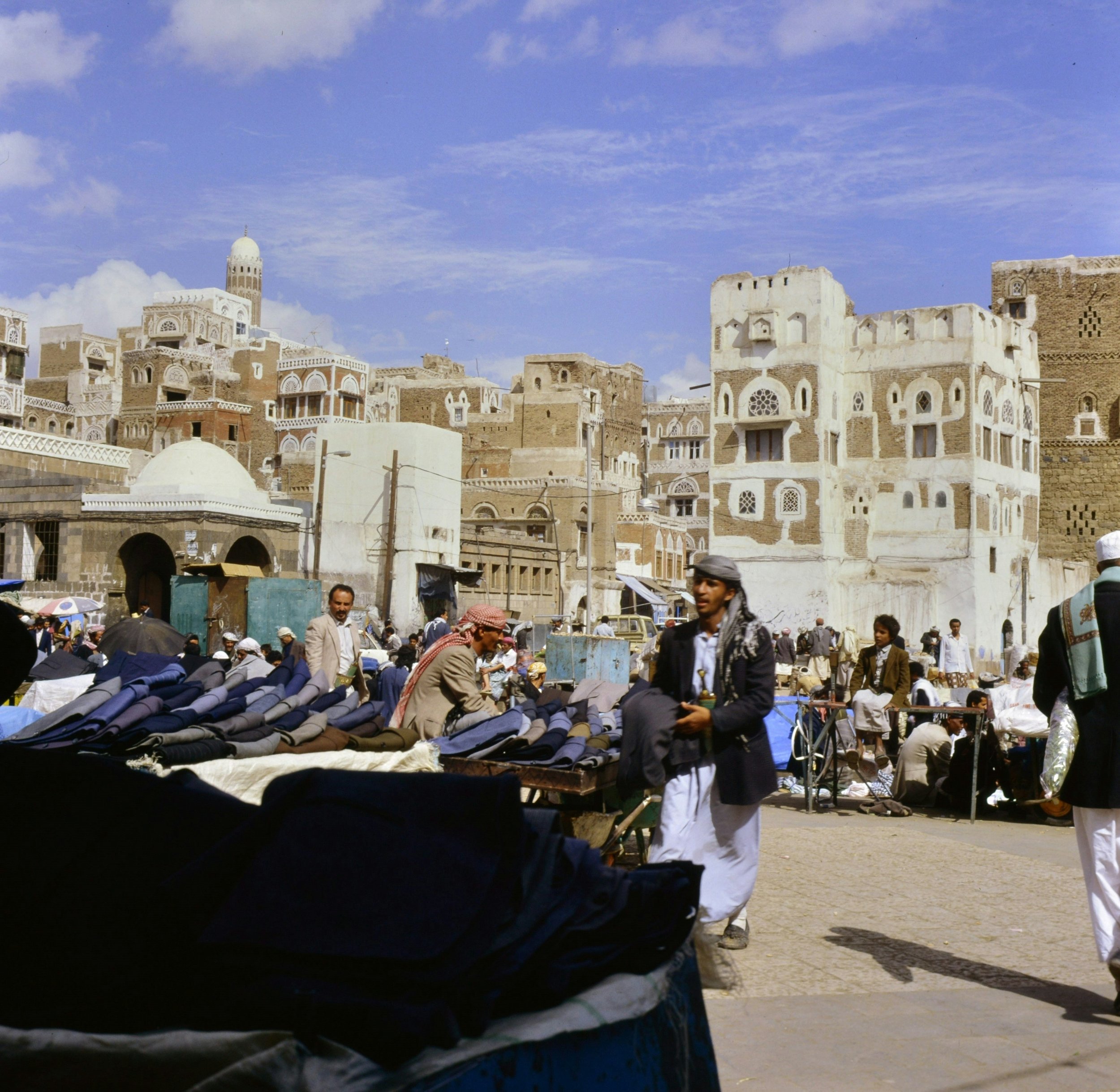
Yemen is often reduced to conflict and crisis, but understanding the country means seeing its history, culture and people alongside the war reshaping daily life.
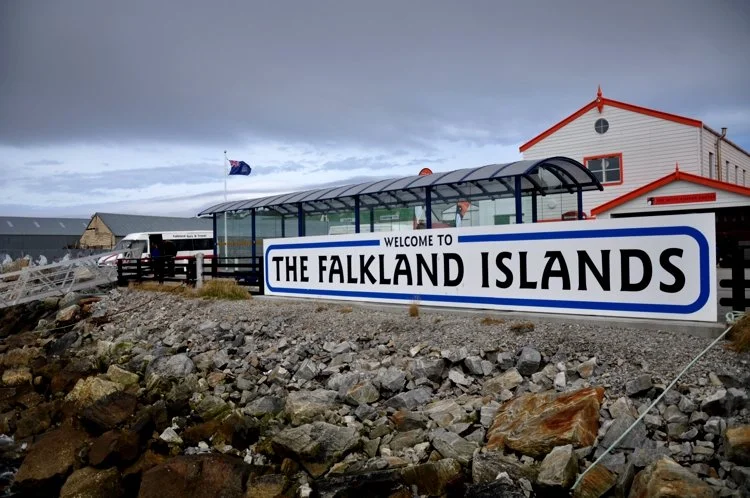
Ownership battle over the disputed islands is heating up for the first time in over 40 years.

In response to increased violence in the West Bank, the UK imposed sanctions on Israeli settlements. Ten European countries and Canada followed suit.

The General Assembly voted to phase out the traditional Mercator map, which diminishes the size of Africa, Latin America and Southeast Asia.
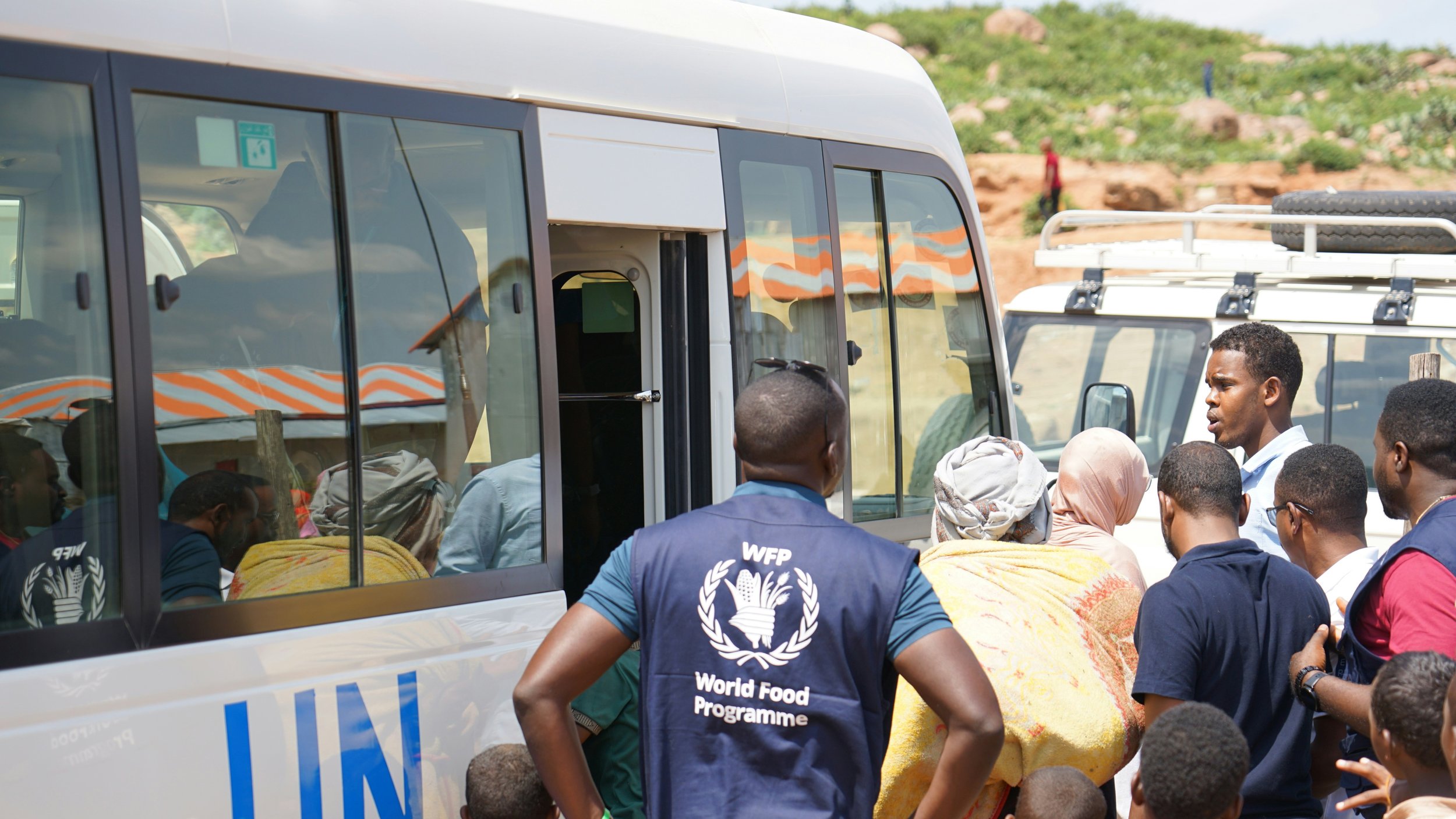
Ethiopia is trying to move beyond refugee camps by letting Sudanese families work, study and rebuild lives interrupted by war.
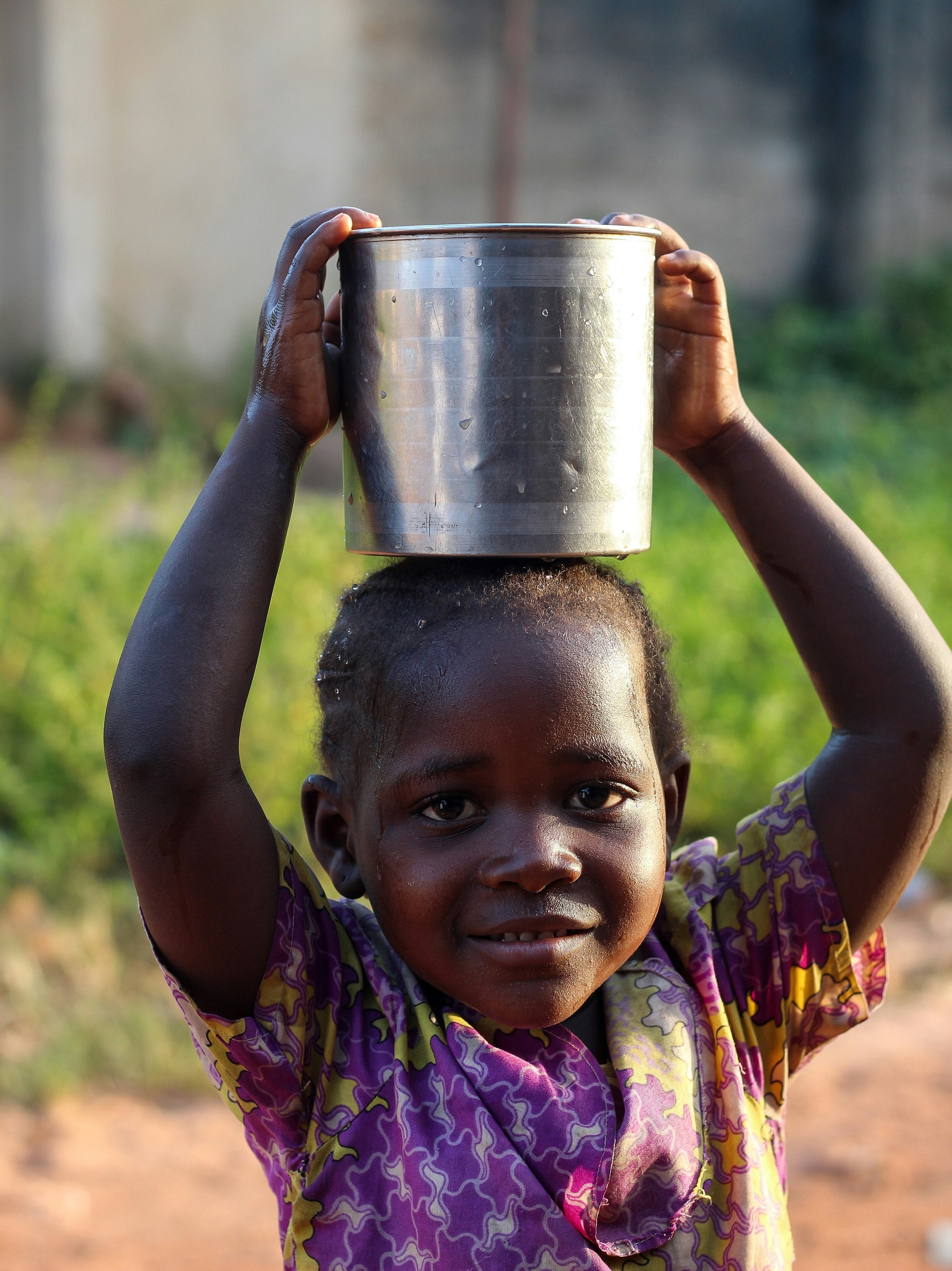
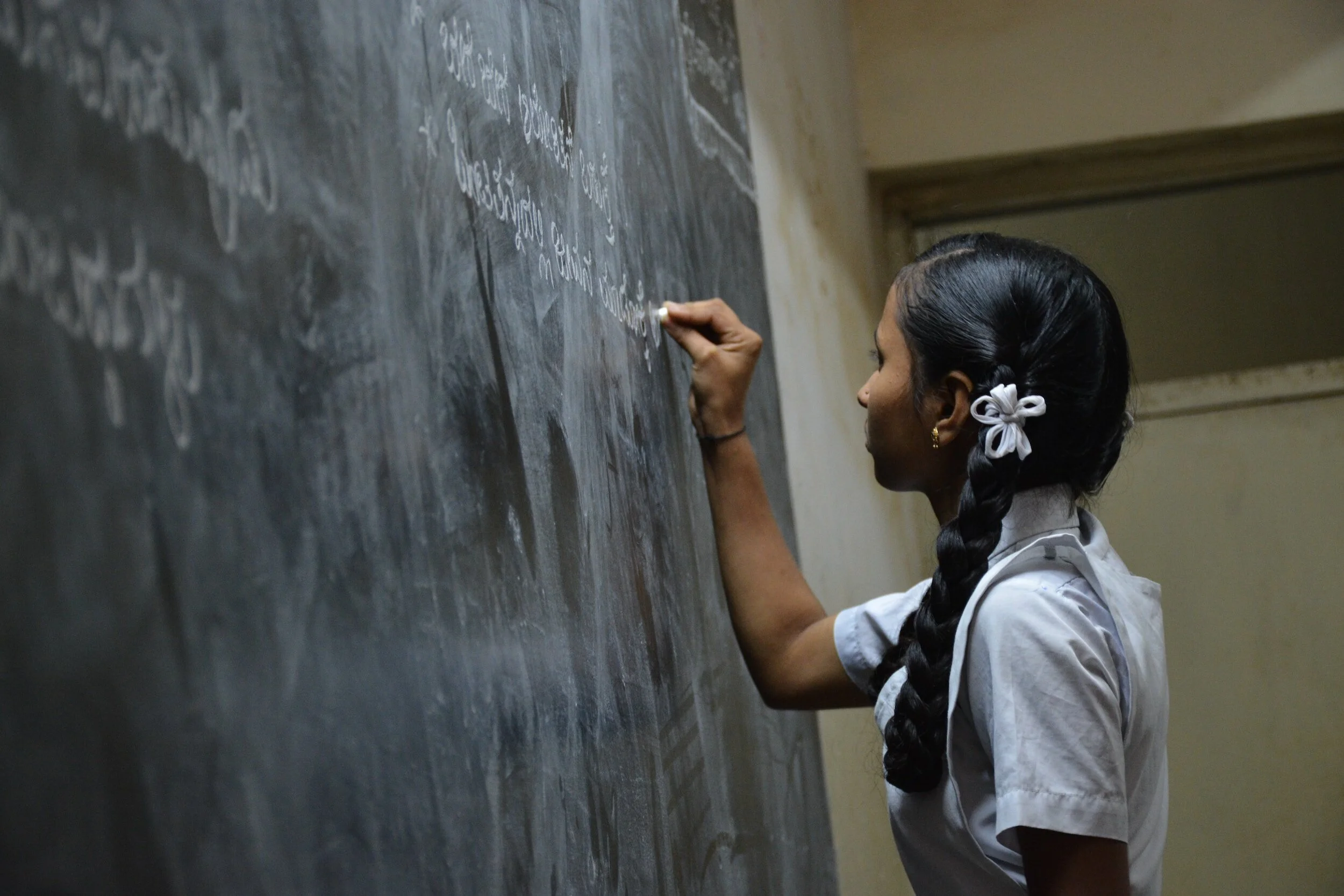
In climate-vulnerable communities across the Global South, disasters can push girls out of school and into adult responsibilities long before they are ready.
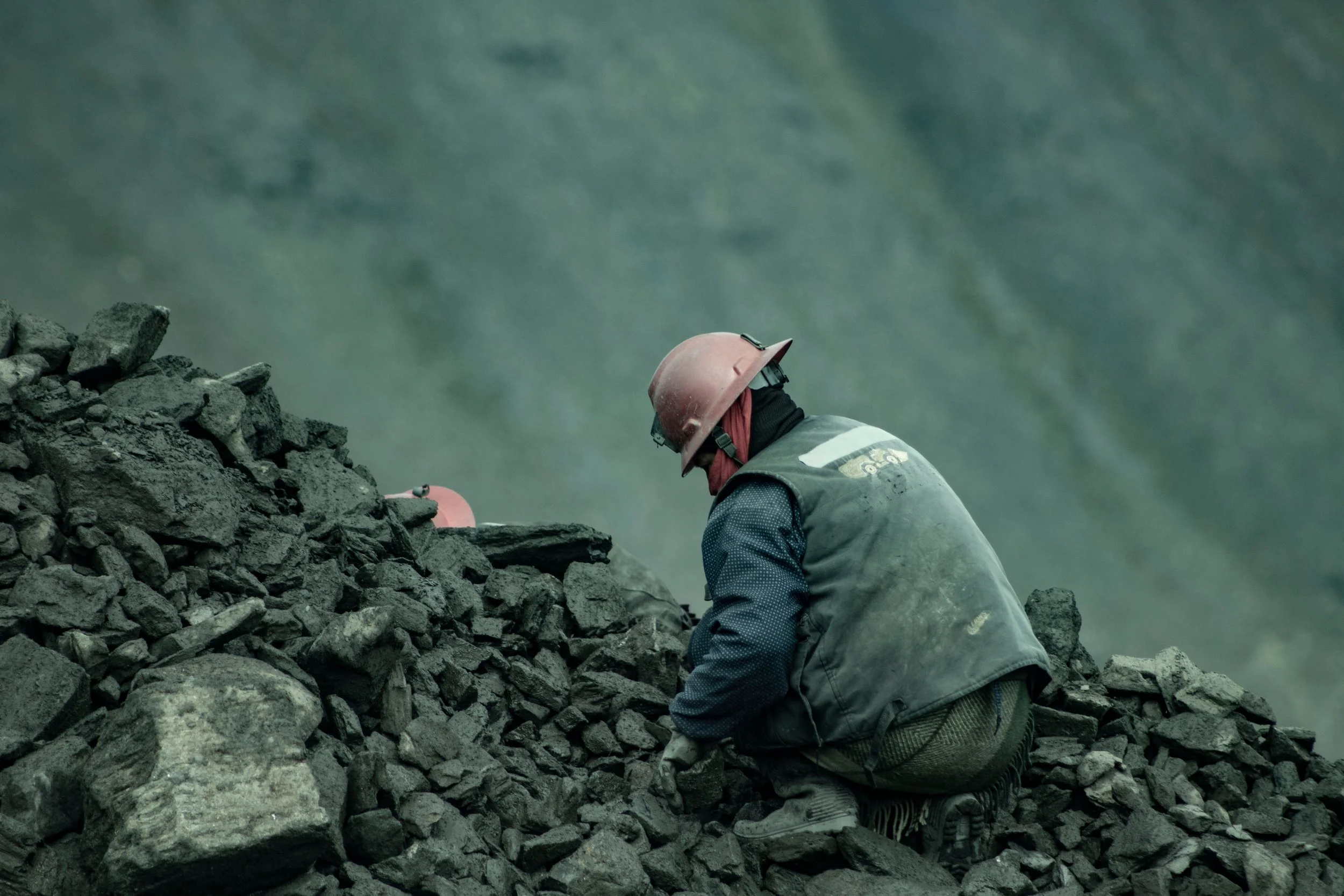
Clean energy is necessary, but the minerals powering electric cars and batteries are raising new questions about land, labor and who pays for the transition.
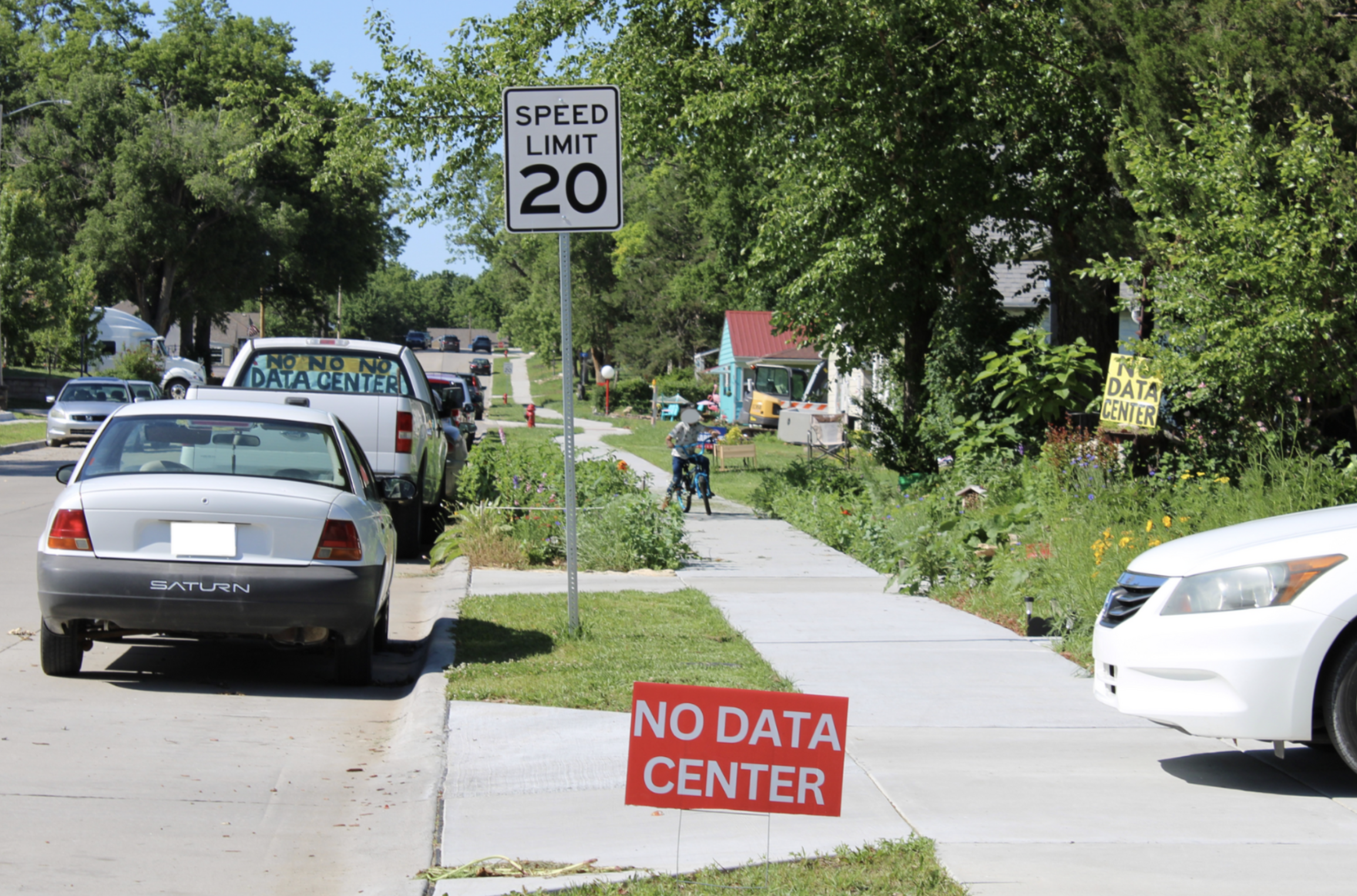
The infrastructure behind AI data centers is placing an unequal burden on Black communities.
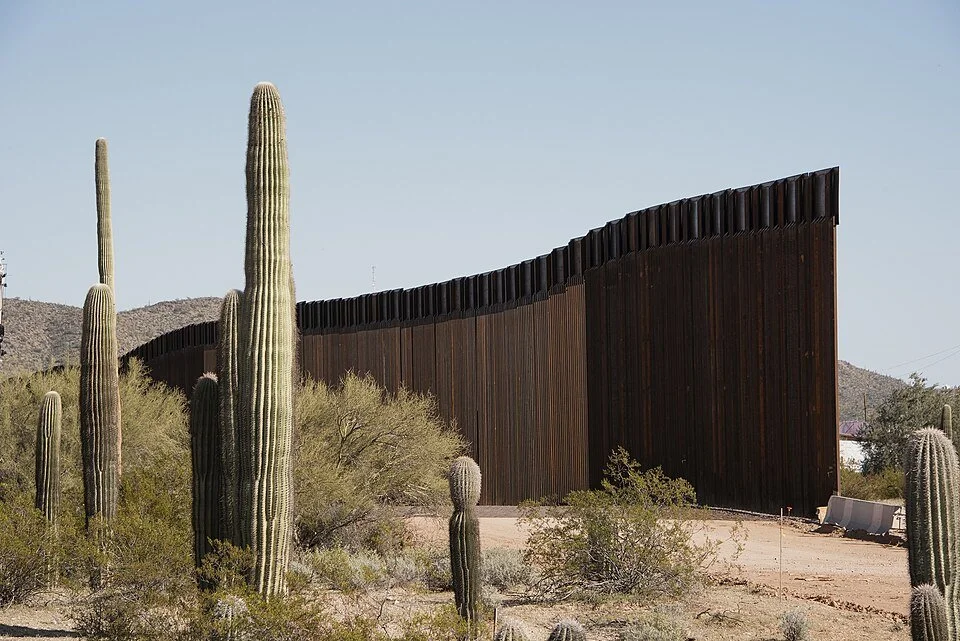
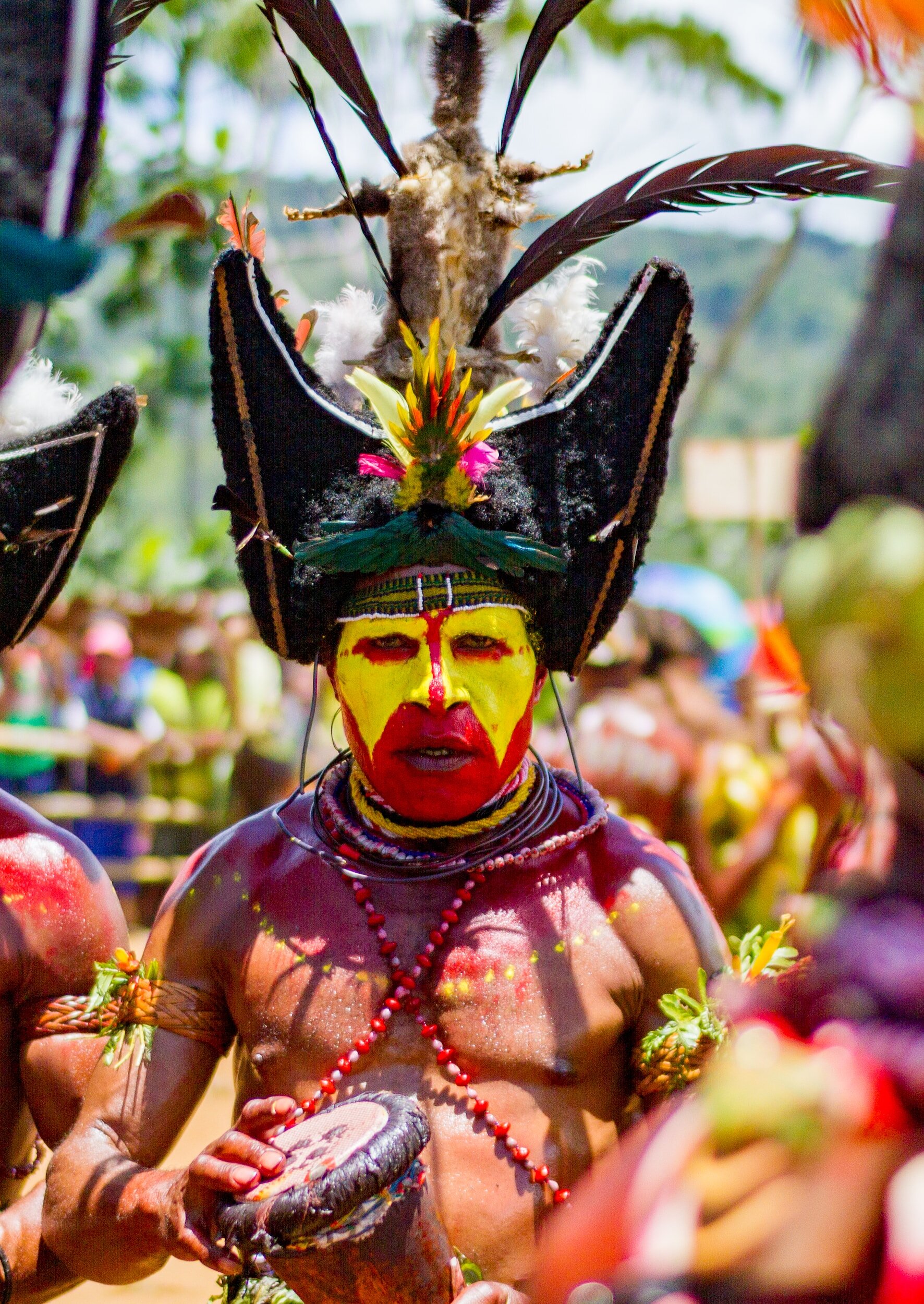
The Tohono O’odham Nation in southern Arizona is under threat as the United States federal government enters their land to construct a border wall, bulldozing sacred sites.
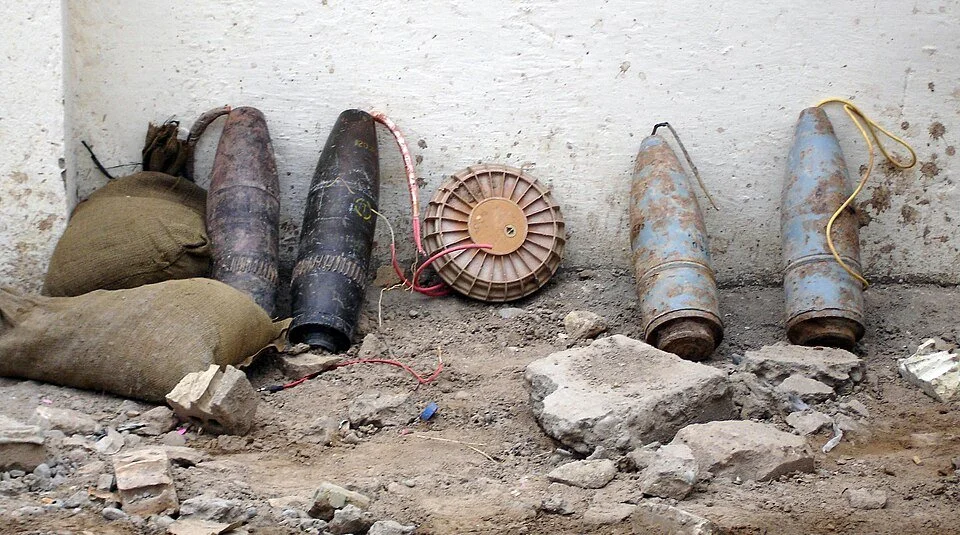
Millions of decades-old explosives create thousands of tragedies and what can be done about them
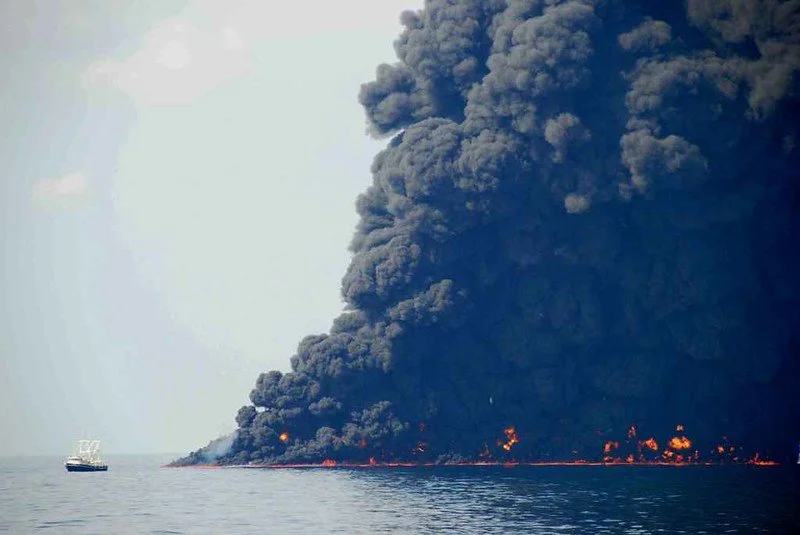
When safety is ignored, communities pay the price long after the oil stops spreading which was the case with both Deepwater Horizon and Wakashio spills.
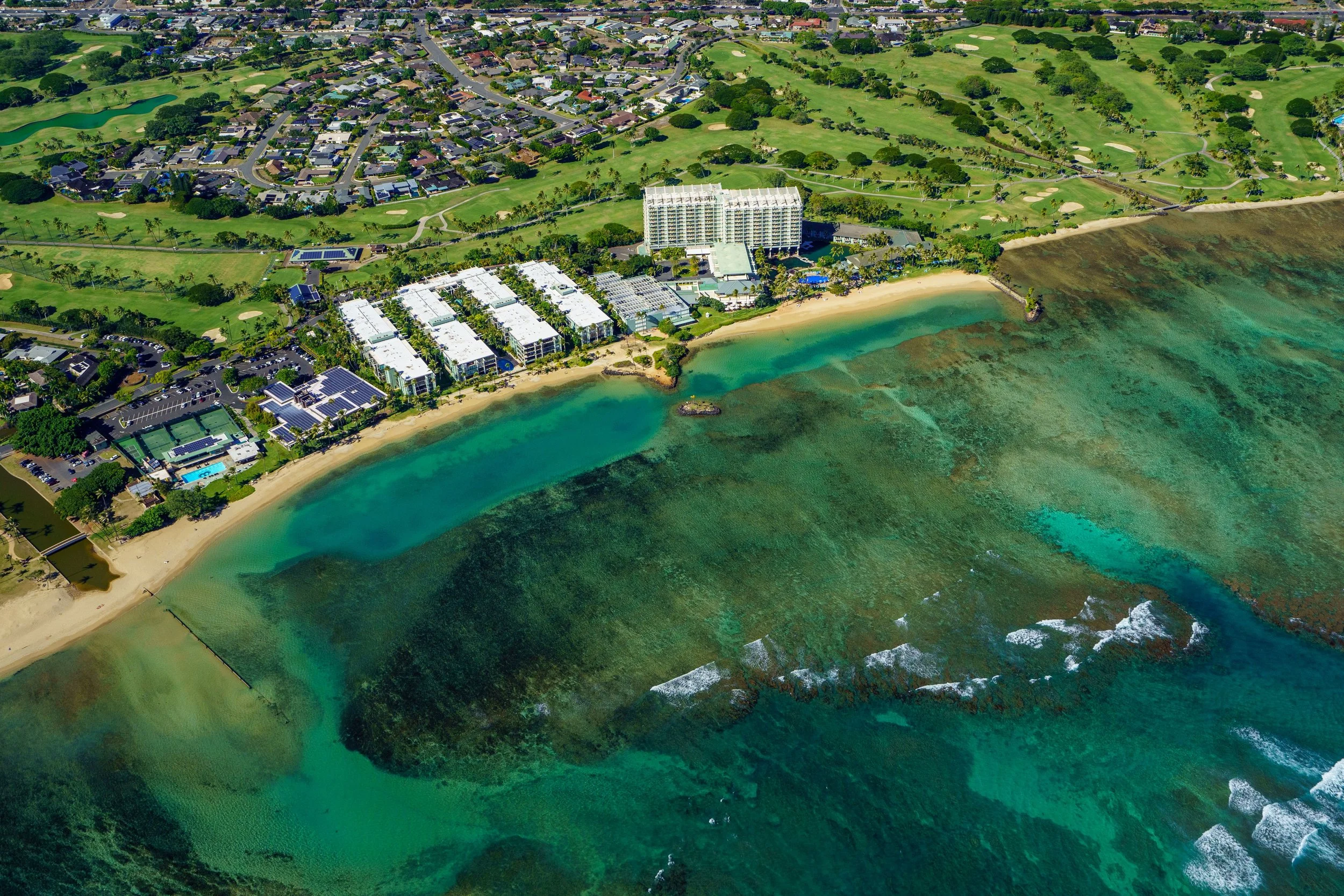
From the West Bank to Hawaii, tourism gives foreign investors a way to turn land, labor and natural resources into profit, often at the expense of local communities.

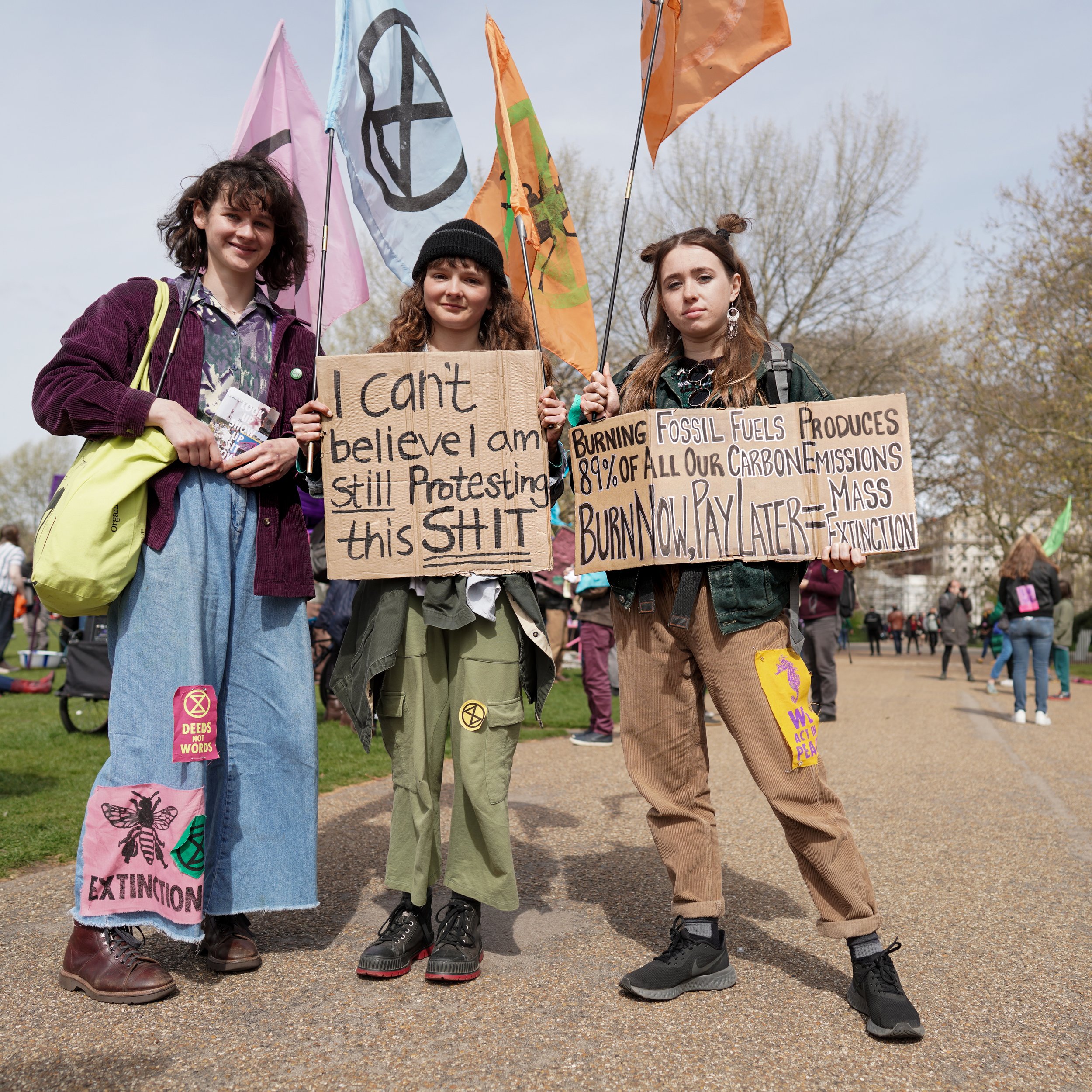
Even high school protest movements about artificial intelligence are trying to turn the tide of technology.
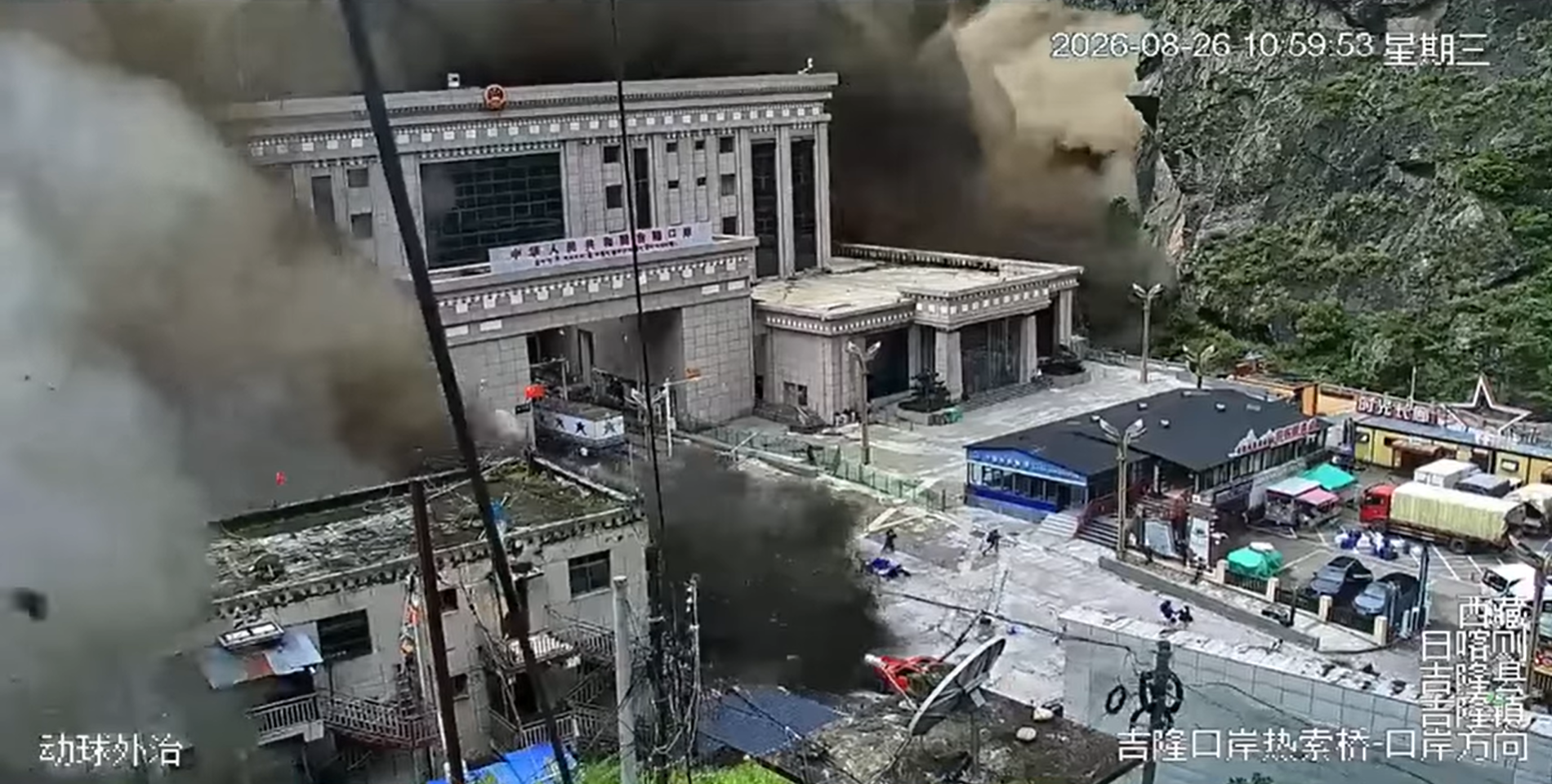
Climate science suggests the flooding was affected by rising temperatures in the Himalayas, a trend that could lead to similar disasters across mountain ranges worldwide.
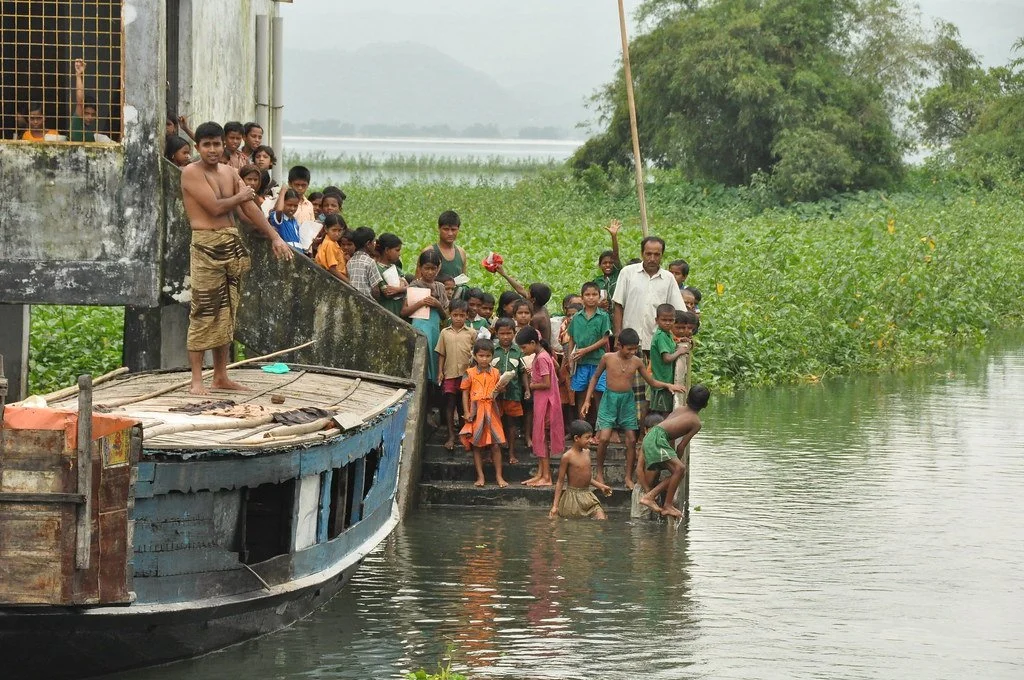
In the Chalan Beel region of Bangladesh, monsoon storms have pushed students out of traditional classrooms and onto floating schools.
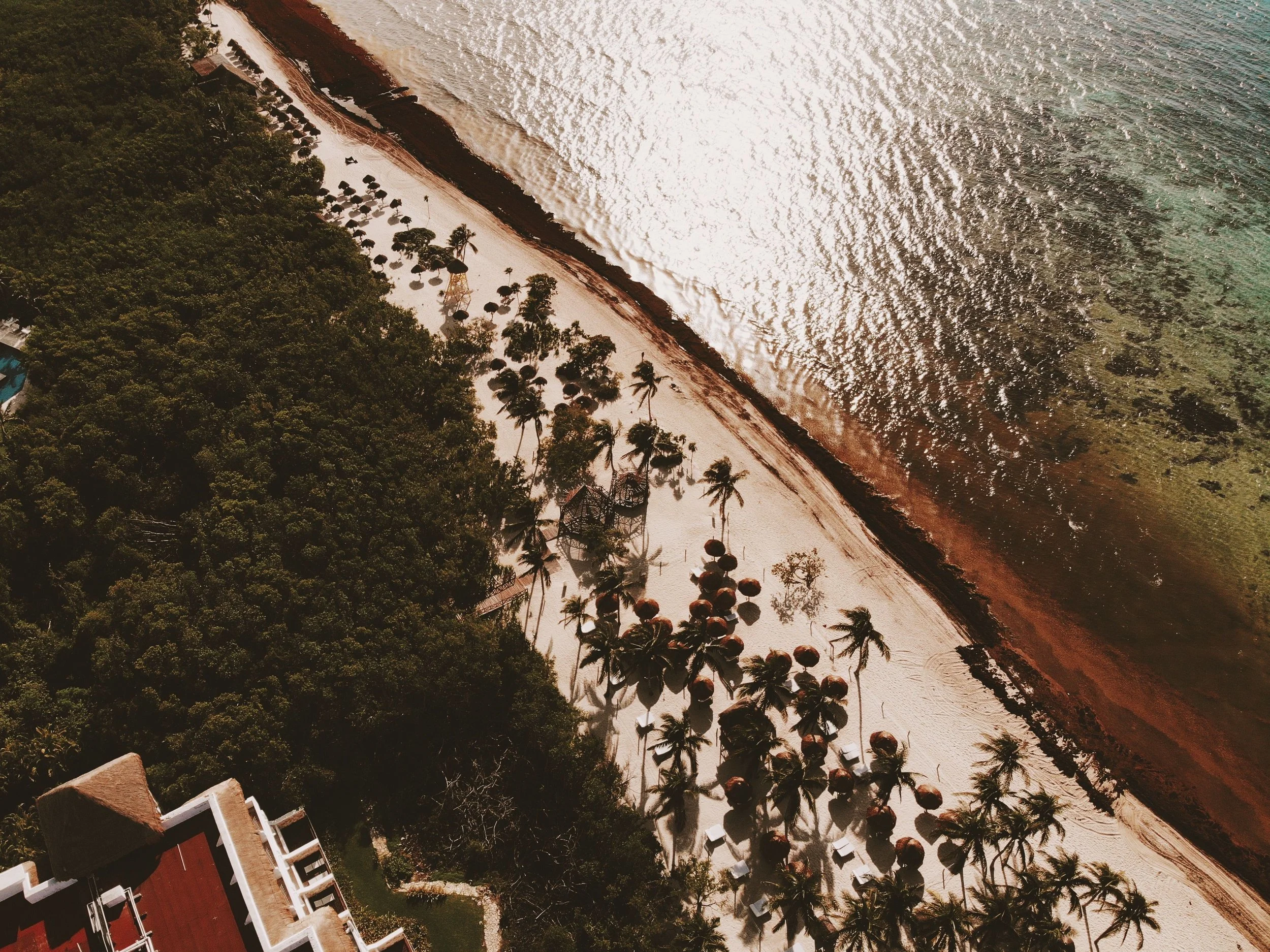
Mexico is turning its growing sargassum seaweed problem into clean fuel as it piles up along its eastern coastline.
CLIMATE CHANGE
Climate science suggests the flooding was affected by rising temperatures in the Himalayas, a trend that could lead to similar disasters across mountain ranges worldwide.

As temperatures rise and climate variability increases, even the camel is struggling to survive across the Horn of Africa.
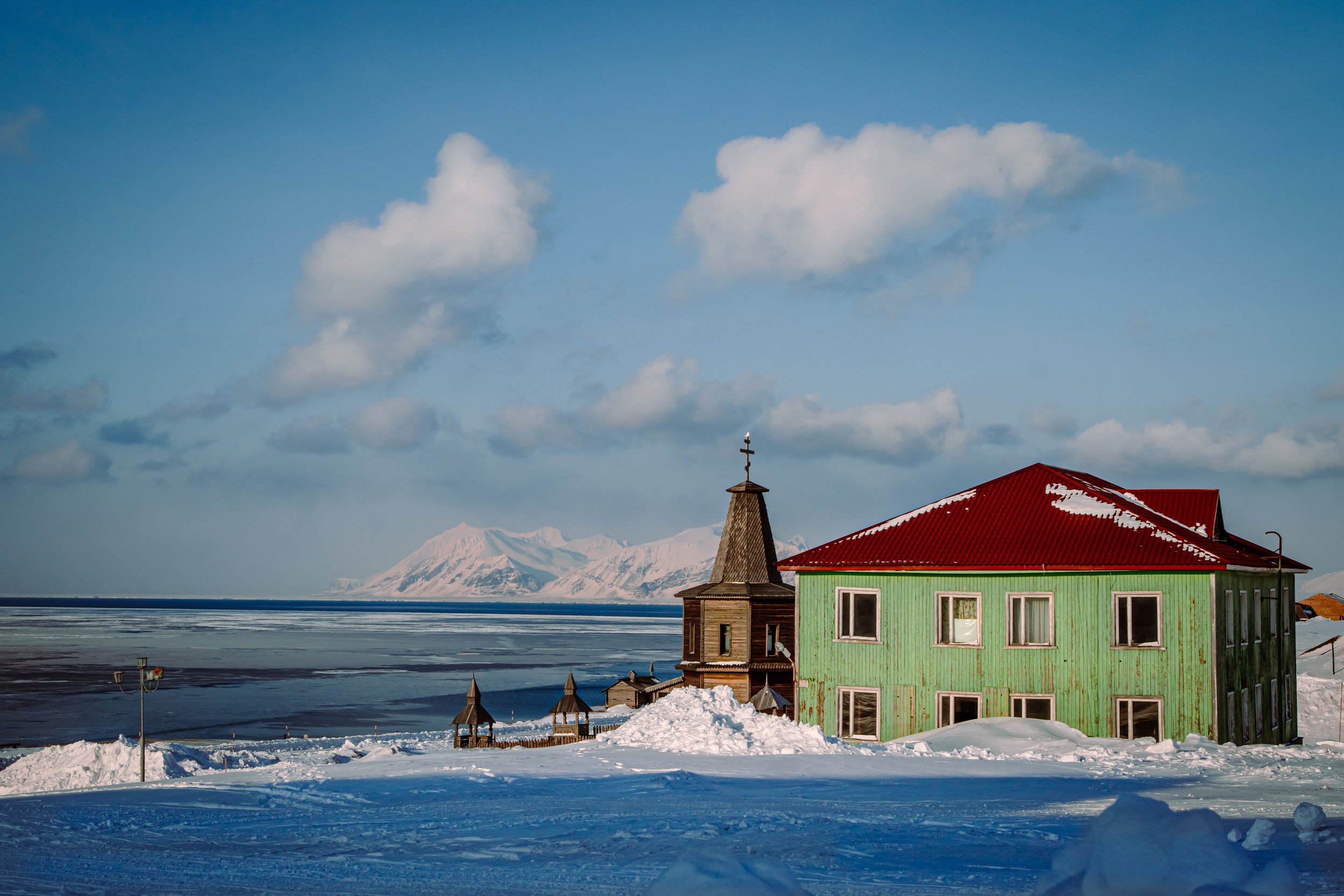
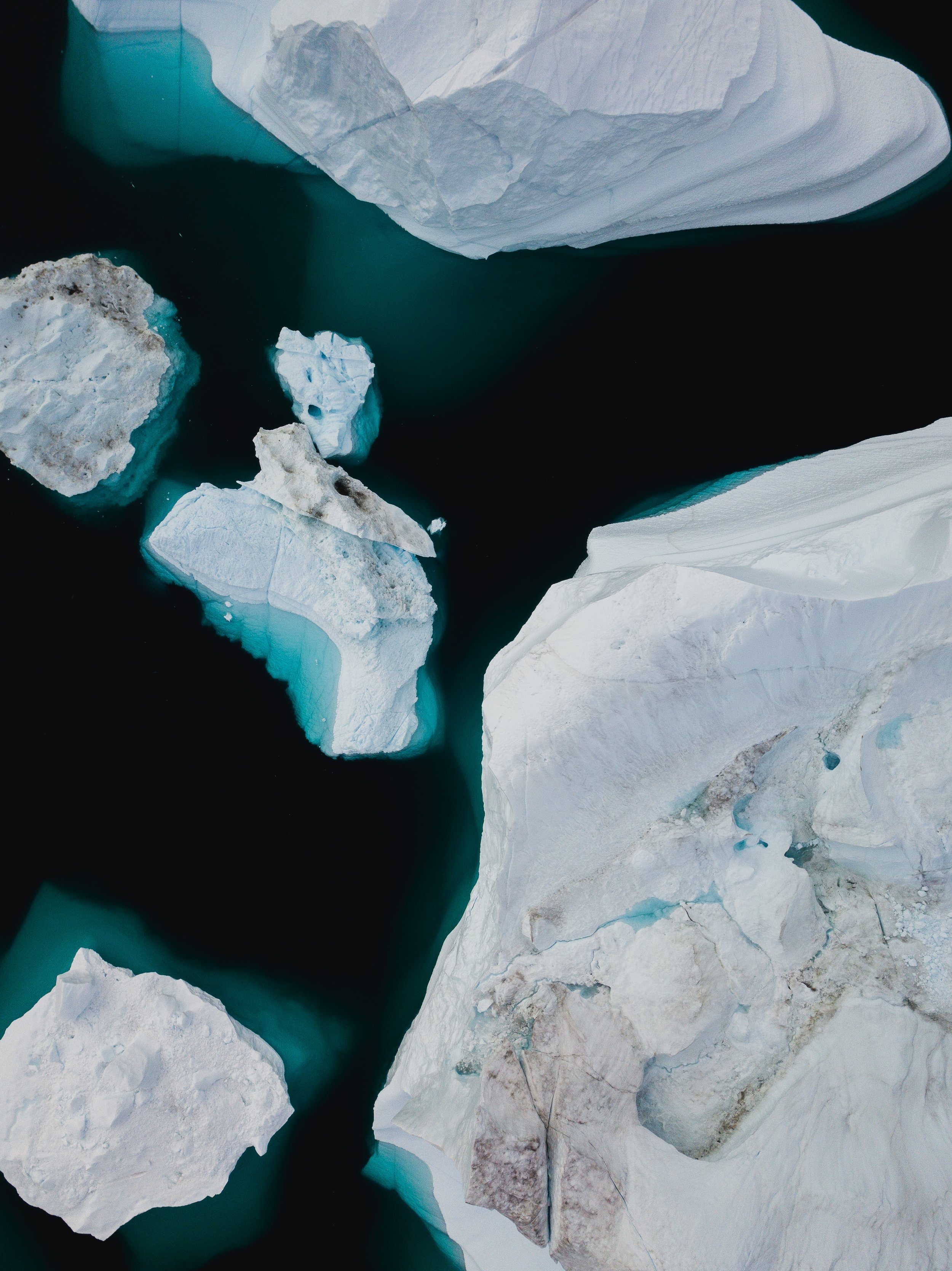
The world’s fastest-warming inhabited archipelago presents picturesque scenes along with a serious warning for the future of our planet.
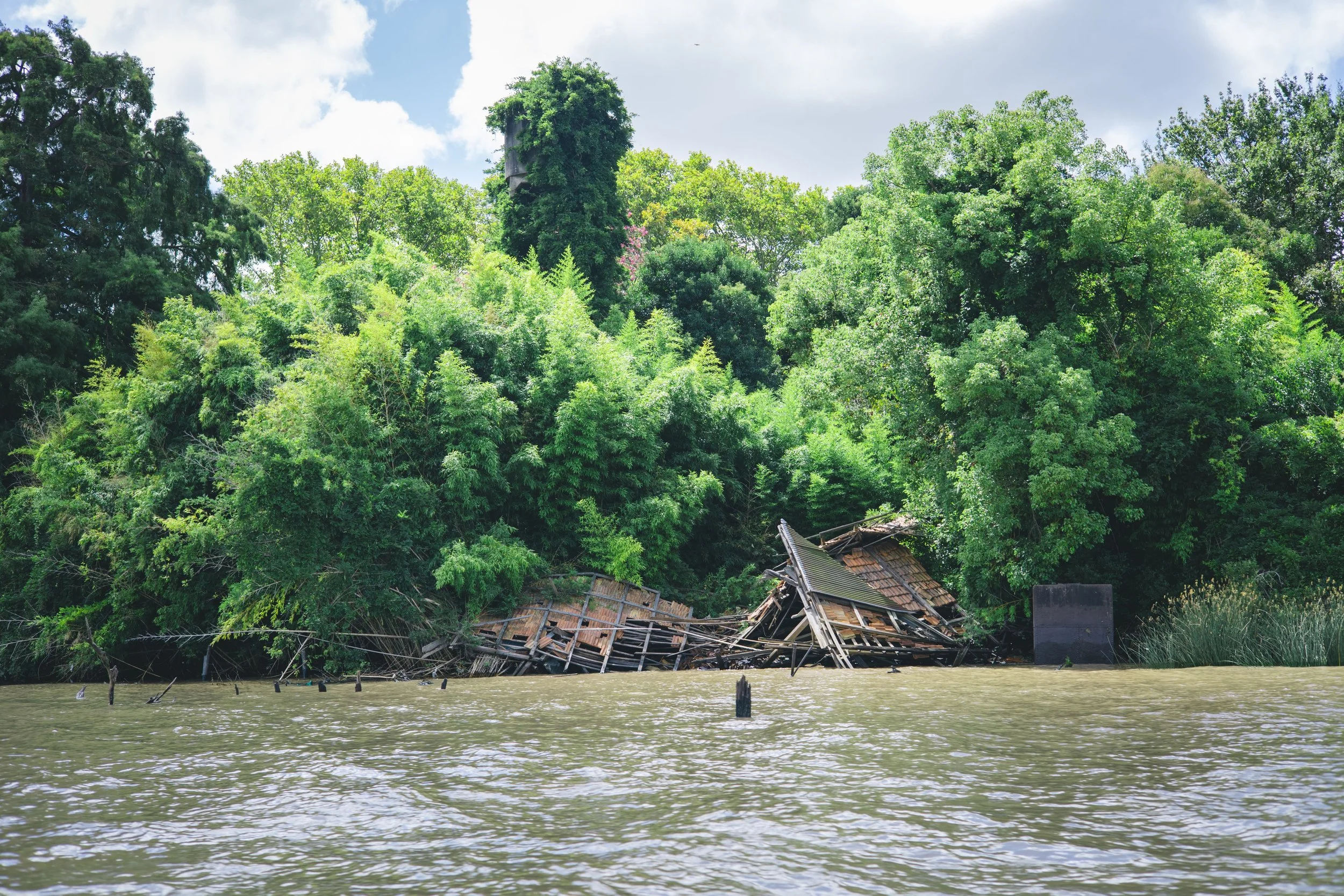
The story of the submerged Isle de Jean Charles and the residents impacted by rising sea levels, environmental disasters and government actions.

Global heat waves claim an estimated 489,000 lives each year while rising temperatures intensify wildfires, floods and tropical cyclones.
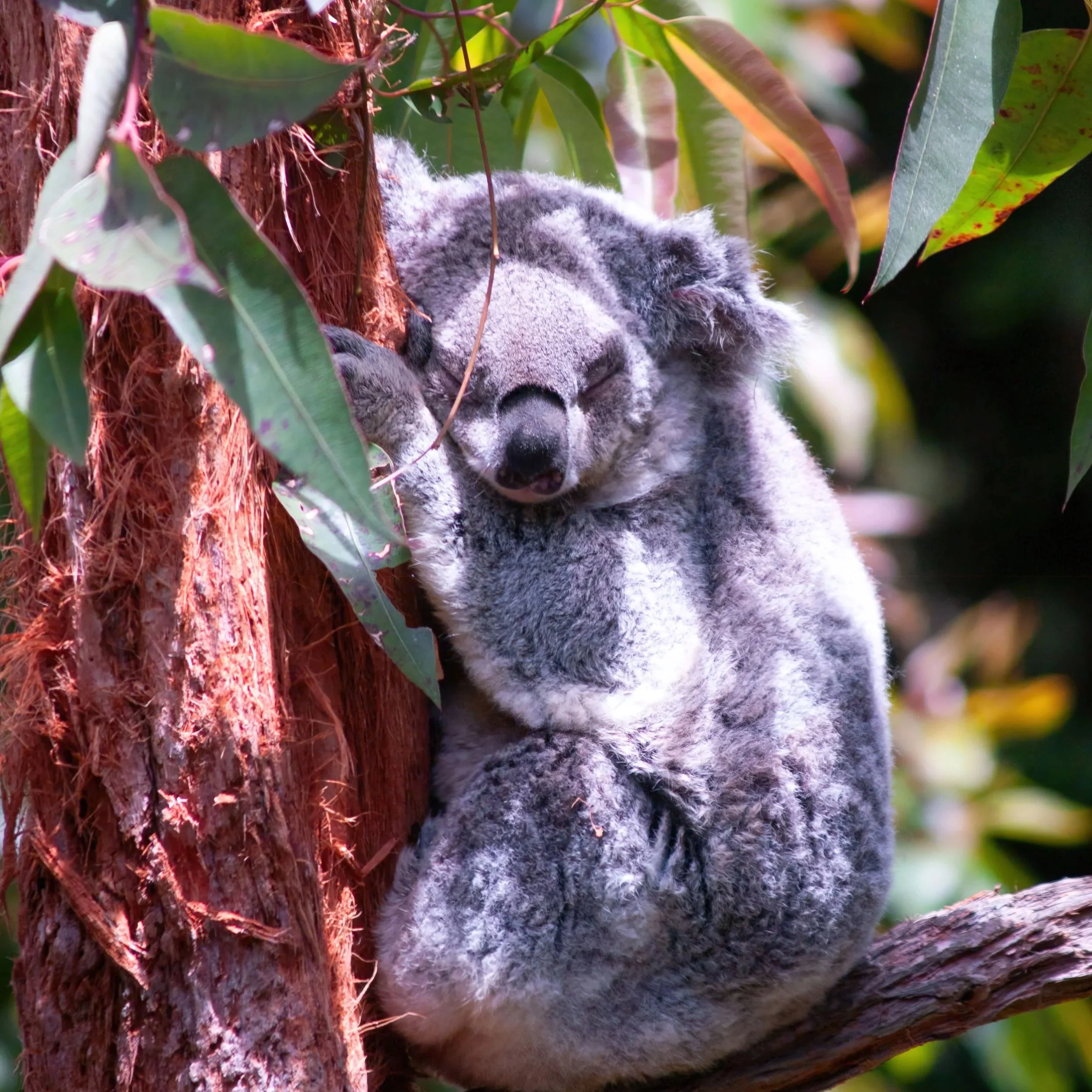
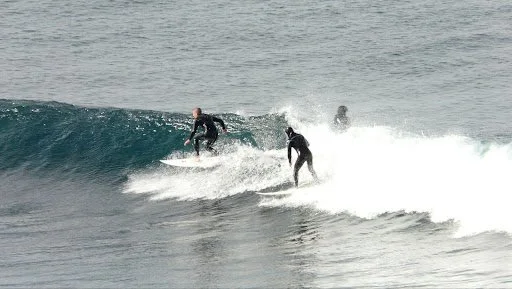
With Australian surf spots under threat from climate change, opportunities arise for civilian activism.
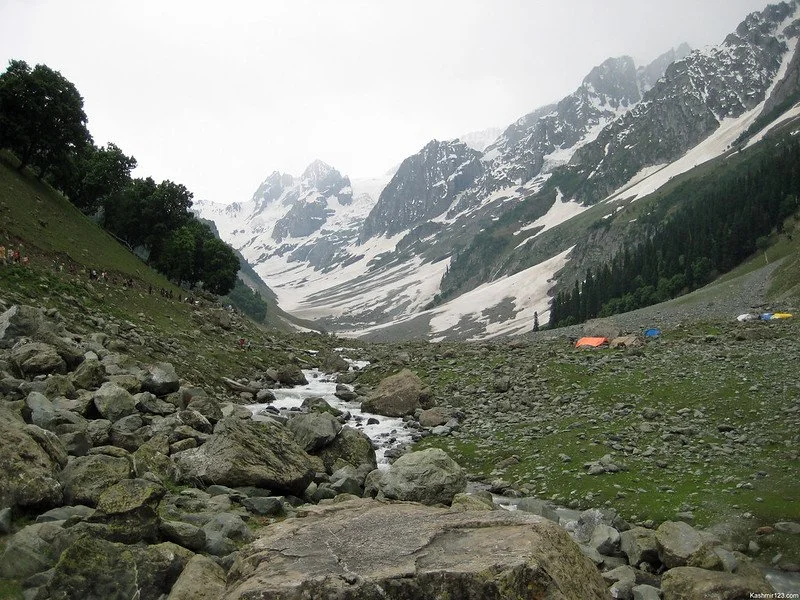
As glaciers melt and weather patterns shift, Kashmir and surrounding regions face increasing risks to water, agriculture and peace.

With gray, smog-covered skylines, the tropical country and its citizens are facing serious pollution issues.
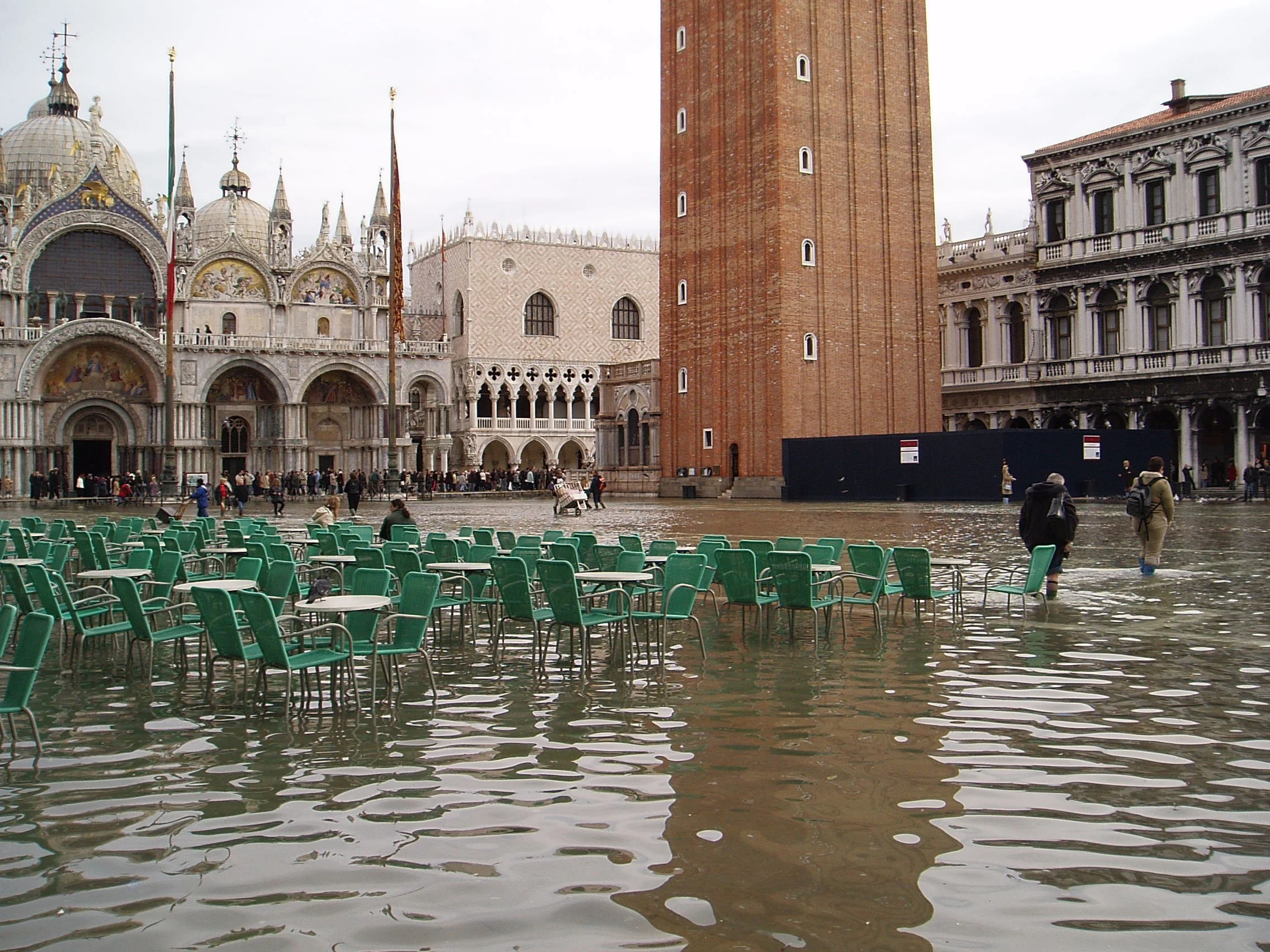
As global temperatures increase and sea levels rise, some of the world’s most famous destinations are at risk.
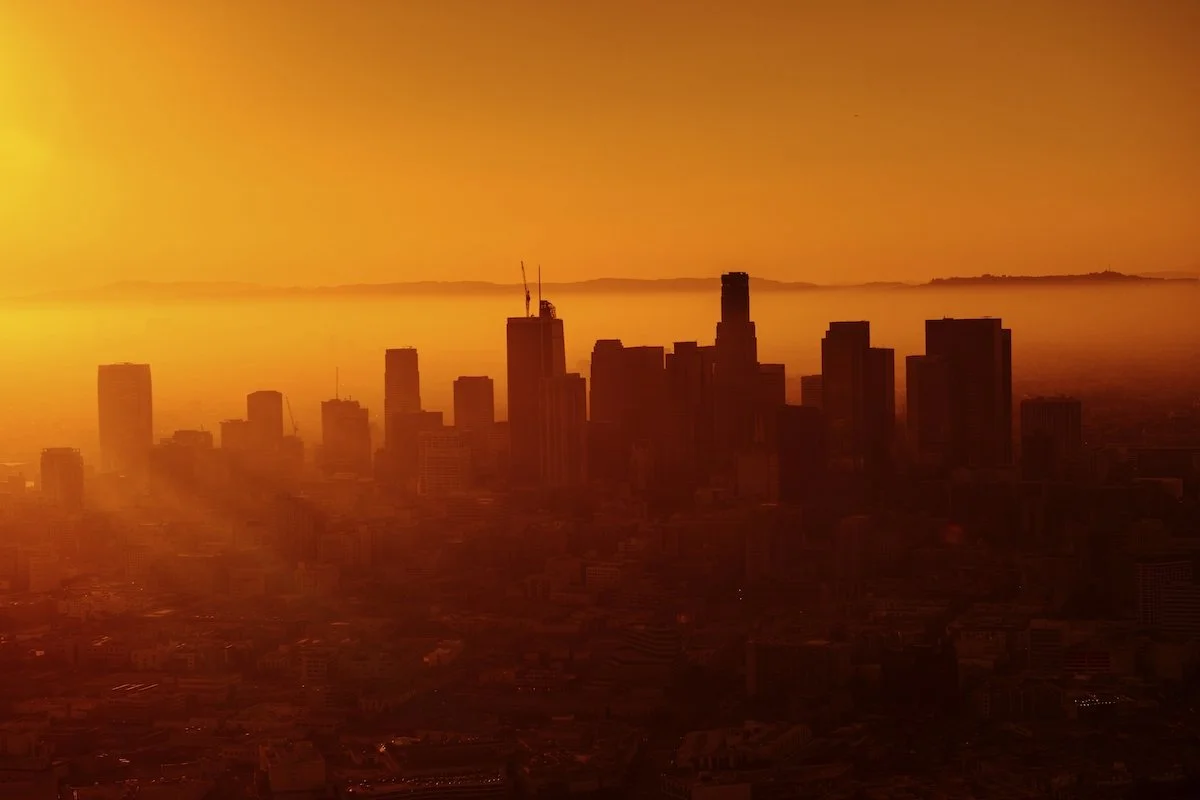
Cities tend to be hotter on average than rural areas as a result of their infrastructure, and the warming of our climate is only making it worse.

As AI’s energy demands soar, it is increasingly necessary to find ways to green the technology before it's too late.
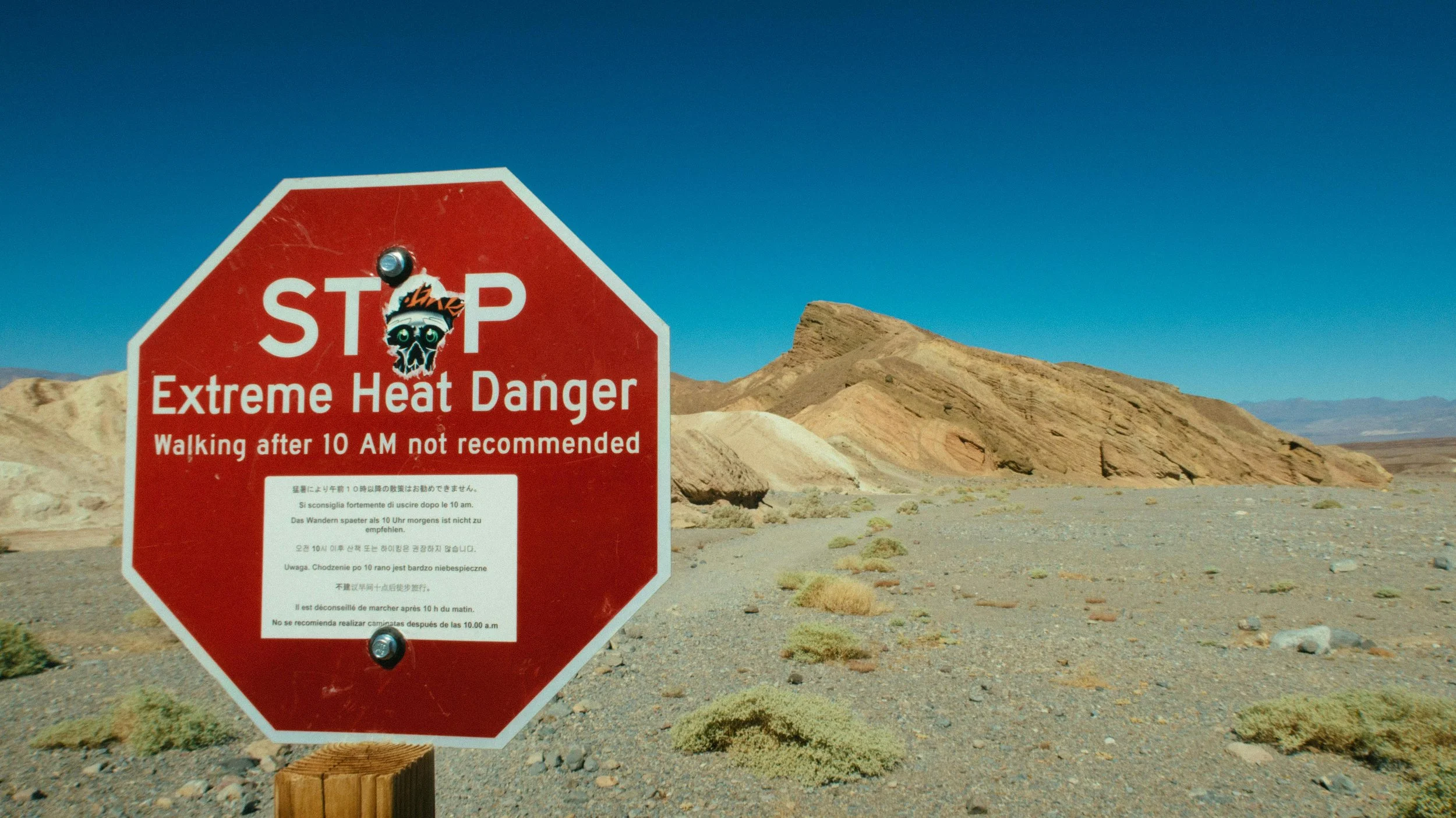
Amidst rising temperatures and climate shifts, understanding their impact on people and the environment is crucial.
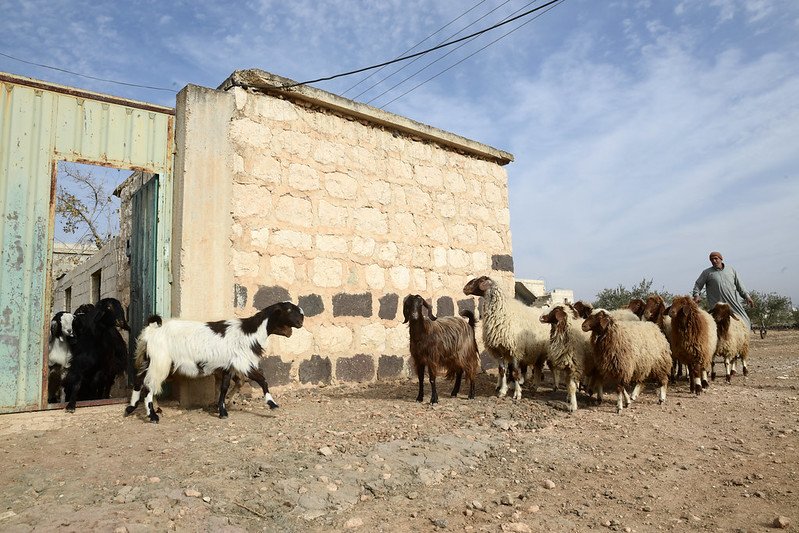
The Middle East is bearing the brunt of climate change, heating up at twice the global rate and navigating devastating fallout from droughts, displacement and conflict.
HUMAN RIGHTS
INDIGENOUS PEOPLES • RACIAL JUSTICE • REFUGEES • LGBTQIA+
Yemen is often reduced to conflict and crisis, but understanding the country means seeing its history, culture and people alongside the war reshaping daily life.
Ethiopia is trying to move beyond refugee camps by letting Sudanese families work, study and rebuild lives interrupted by war.
Clean energy is necessary, but the minerals powering electric cars and batteries are raising new questions about land, labor and who pays for the transition.
The infrastructure behind AI data centers is placing an unequal burden on Black communities.
The Tohono O’odham Nation in southern Arizona is under threat as the United States federal government enters their land to construct a border wall, bulldozing sacred sites.
From the West Bank to Hawaii, tourism gives foreign investors a way to turn land, labor and natural resources into profit, often at the expense of local communities.
Even high school protest movements about artificial intelligence are trying to turn the tide of technology.
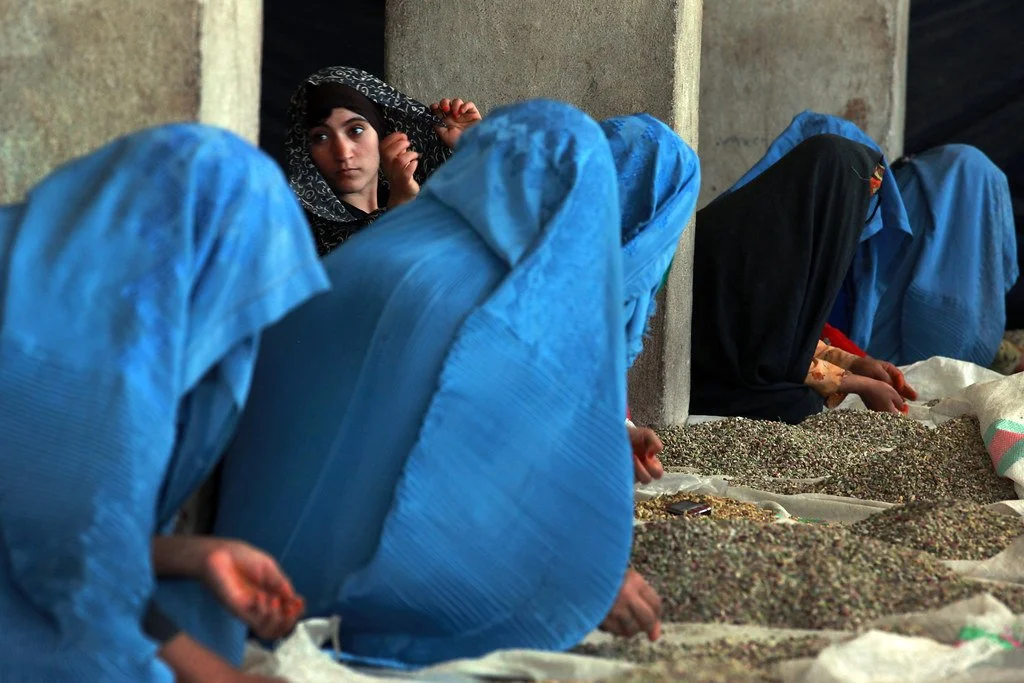
Five years into Taliban rule, Afghanistan has relative stability and grave human rights violations.
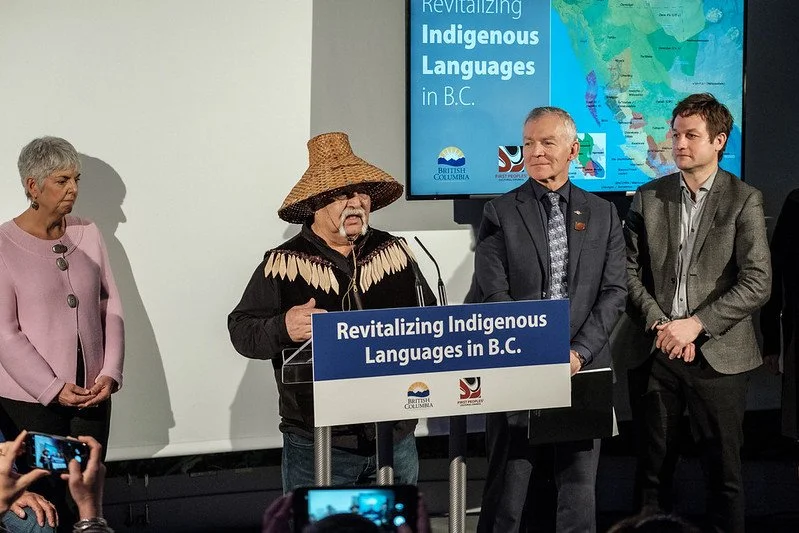
Forty percent of the world’s languages are at risk, and many Indigenous languages in Australia’s Northern Territory face severe threats.
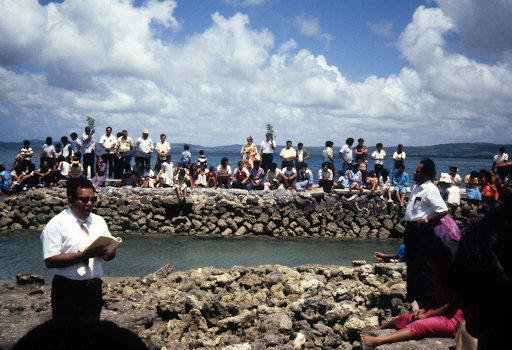
A beautiful place to snorkel and scuba dive, Palau also faces human trafficking concerns.
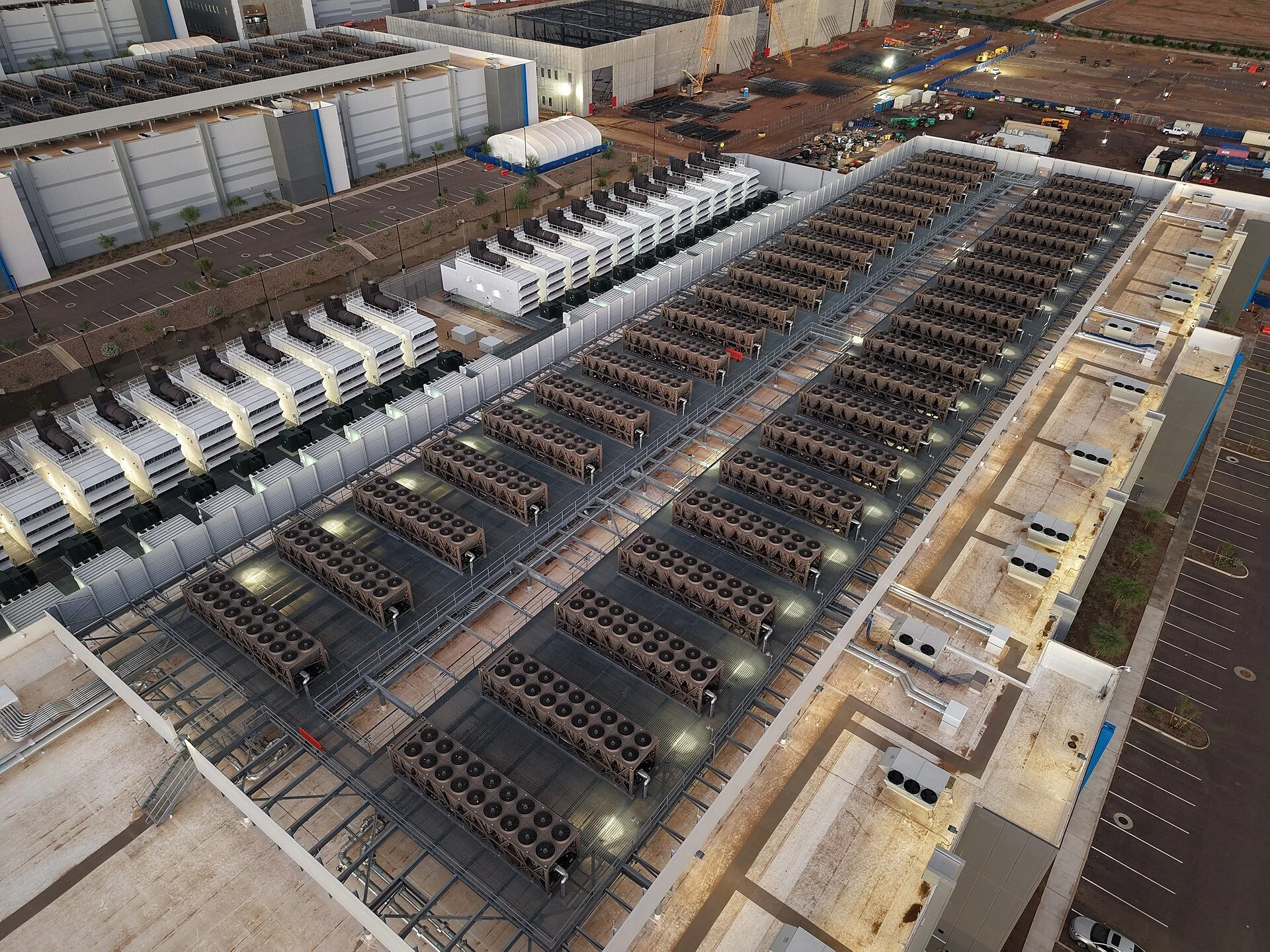
Tech companies targeting tribal nations to bypass regulations and speed up data center construction have been met with opposition from tribal leaders.

DNA-based family reunification plays a critical role in uniting families of disappeared individuals in post-war nations.
EMPOWERMENT
WOMEN + GIRLS • EDUCATION
In climate-vulnerable communities across the Global South, disasters can push girls out of school and into adult responsibilities long before they are ready.
In the Chalan Beel region of Bangladesh, monsoon storms have pushed students out of traditional classrooms and onto floating schools.

In 2026, many global youth protests have gained traction on social media, but what exactly are Gen Z’s demands?
Across multiple Asian countries, young men and women are increasingly diverging in their views on gender roles, equality and relationships.
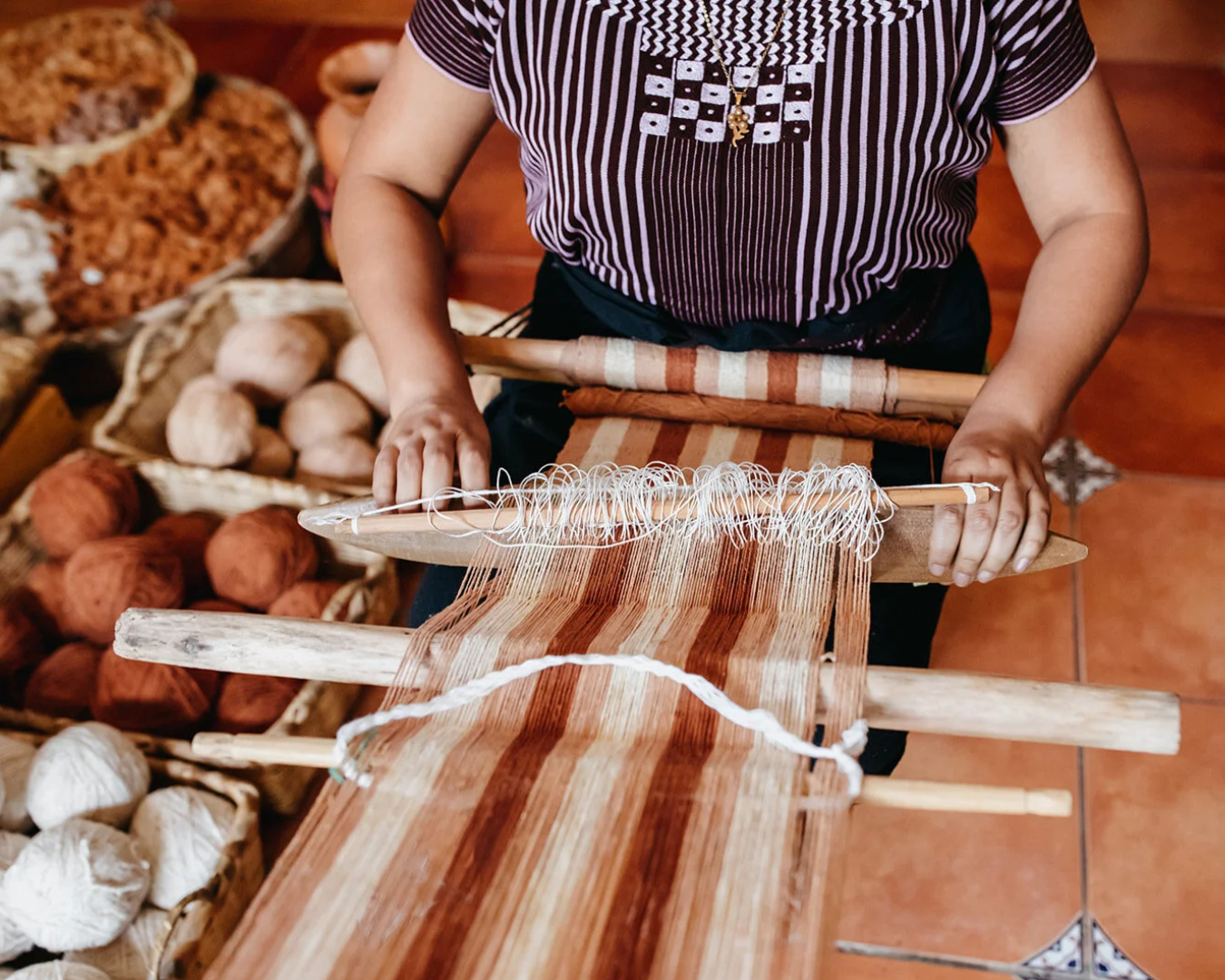
Guatemala’s Casa Flor Ixcaco Weaving Cooperative supports women through traditional textiles, financial independence and access to education.
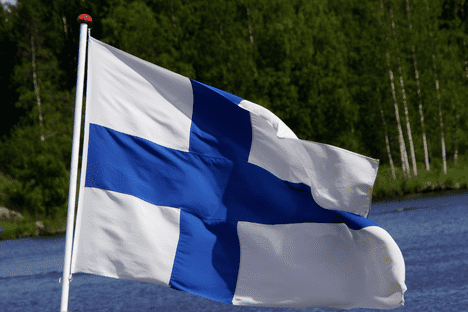
What makes Finland the happiest country in the world, and what can we learn from its way of life?
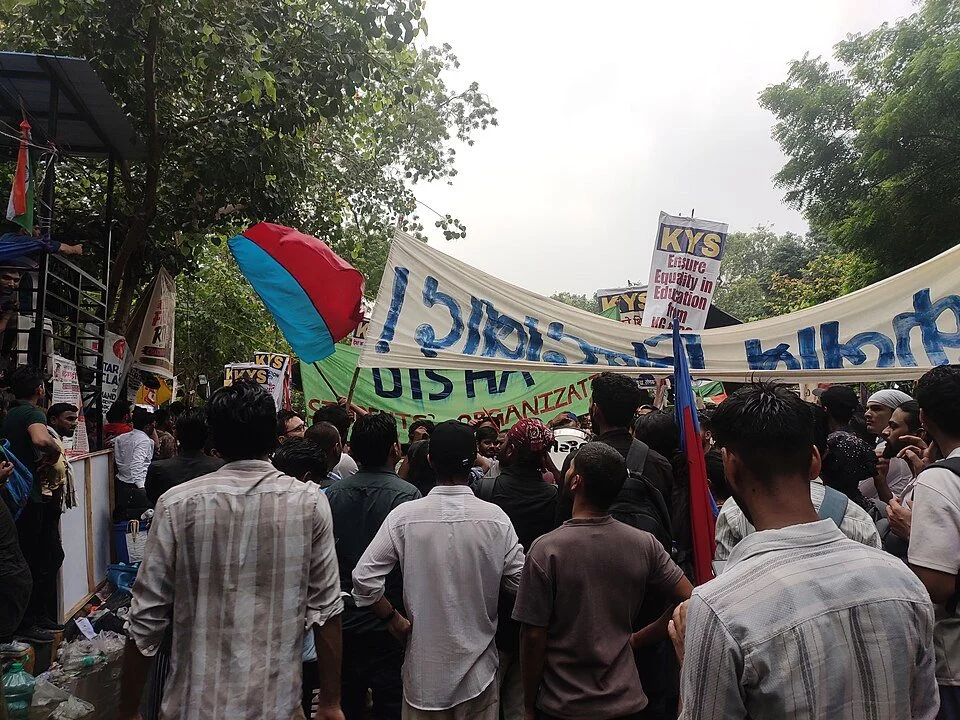
A word intended to dismiss India’s frustrated youth has instead become the name of a growing political movement.
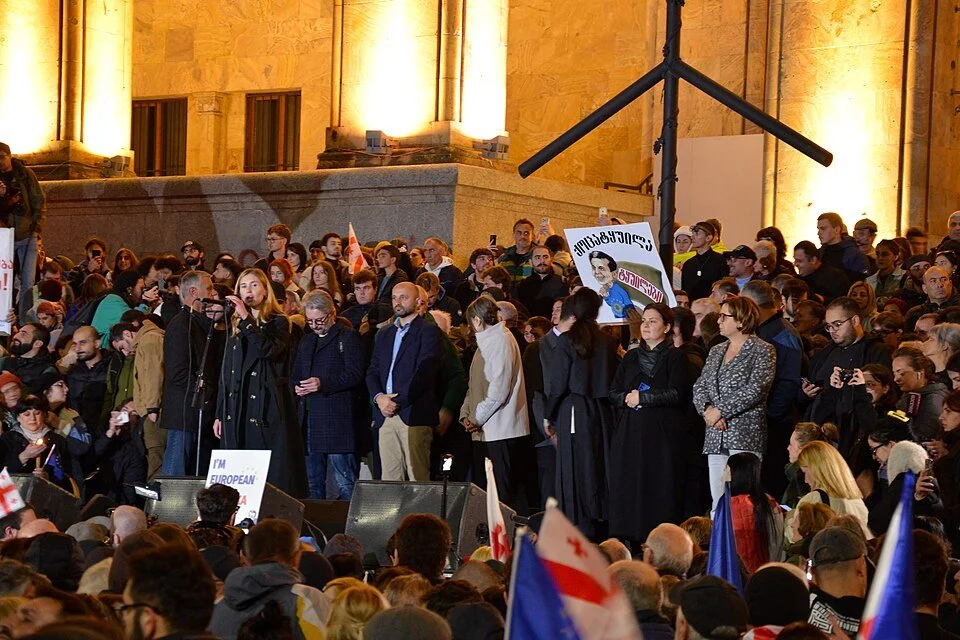
Governments make promises, and communities must live with the consequences when those promises fail. Social Watch exists in the space in between.

Fear of arrest in Herat is keeping women out of public spaces and cutting deeply into local businesses.
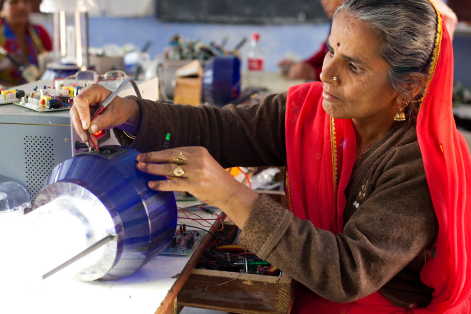
This college turns women who have never held a textbook into solar engineers who power entire villages.
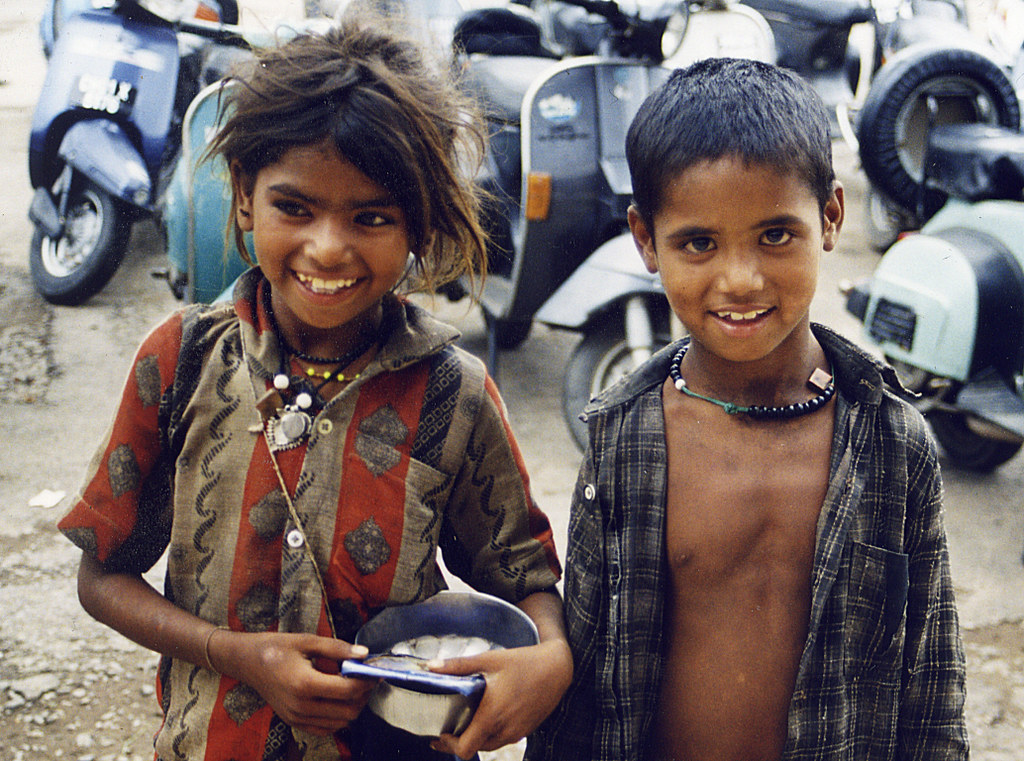
Children are being kidnapped, maimed and drugged as trafficking networks force them onto India's streets to beg.
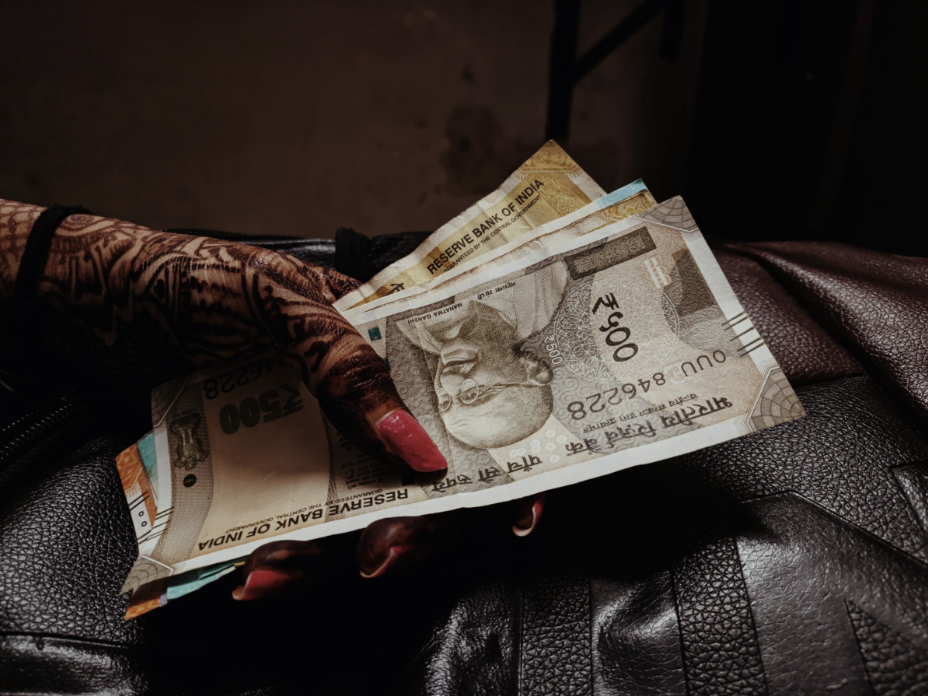
Despite continued legal action barring the practice, thousands of Indian women die each year as dowry-giving practices evolve.
GLOBAL POLITICS
INTERNATIONAL AFFAIRS • WAR + CONFLICT
Ownership battle over the disputed islands is heating up for the first time in over 40 years.
In response to increased violence in the West Bank, the UK imposed sanctions on Israeli settlements. Ten European countries and Canada followed suit.
The General Assembly voted to phase out the traditional Mercator map, which diminishes the size of Africa, Latin America and Southeast Asia.
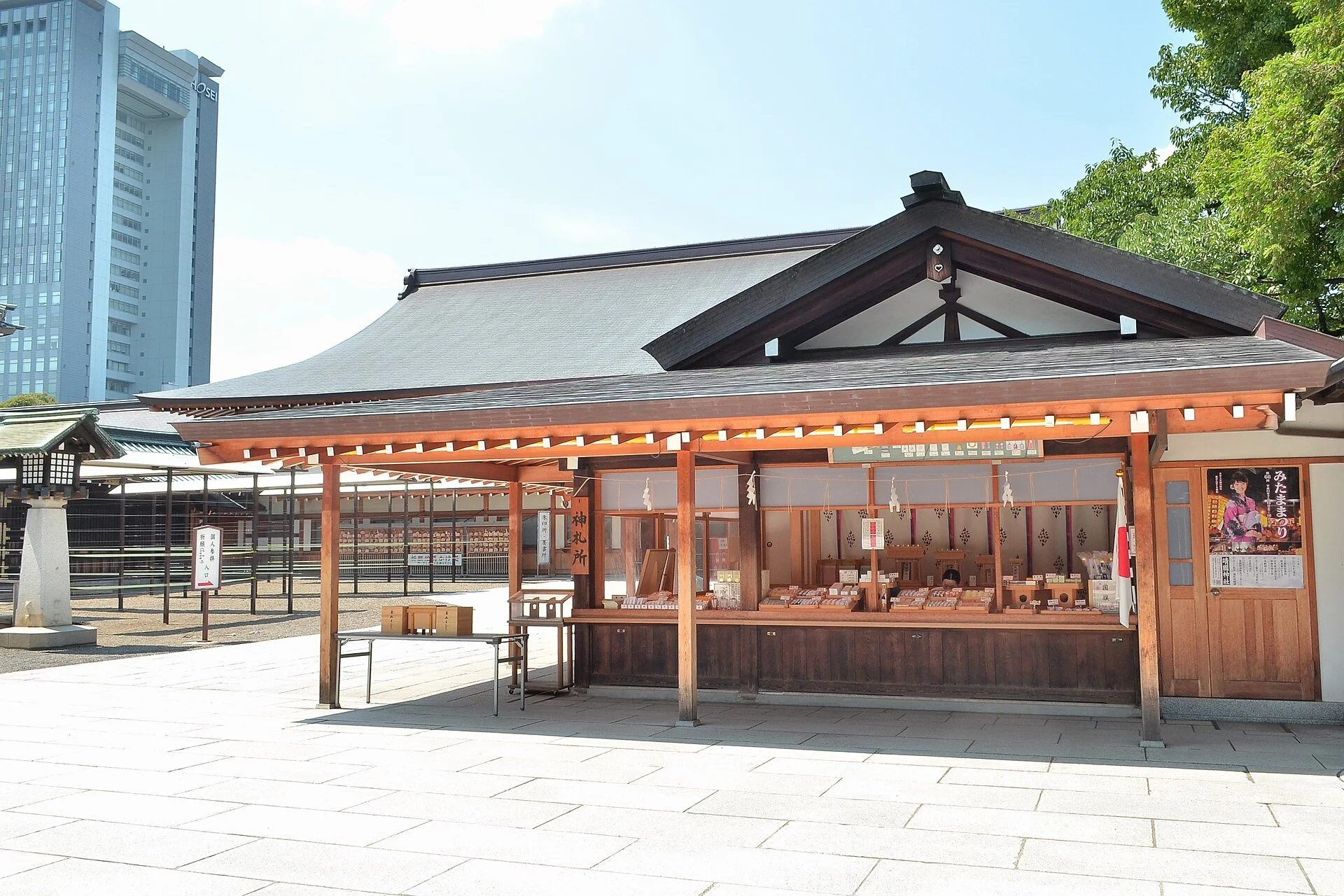
Yasukuni Shrine remains a controversial, painful reminder of Japan’s wartime history for East Asian countries.
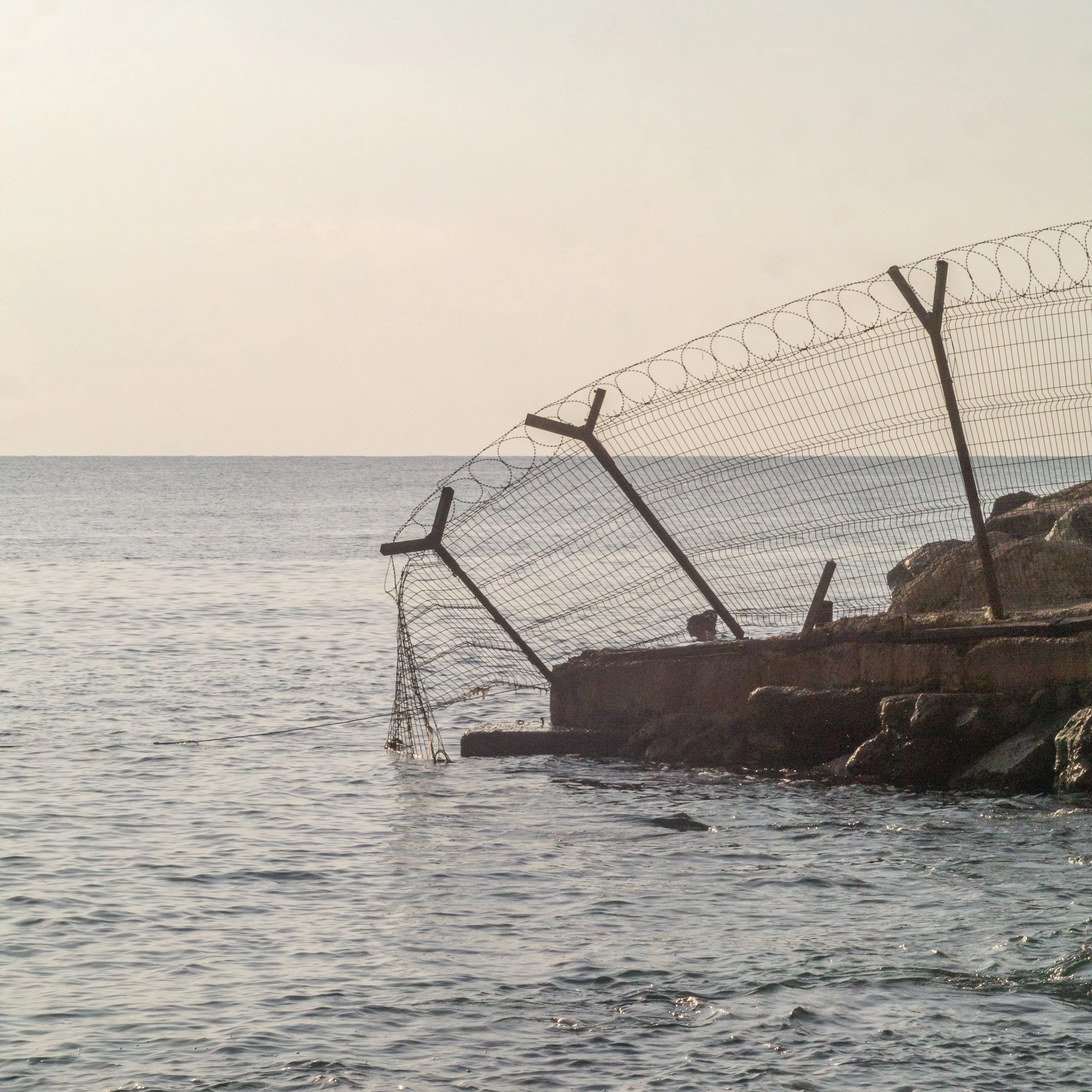
Social media is amplifying migration from Morocco by turning economic frustration and misinformation into pressure at Spain’s border.
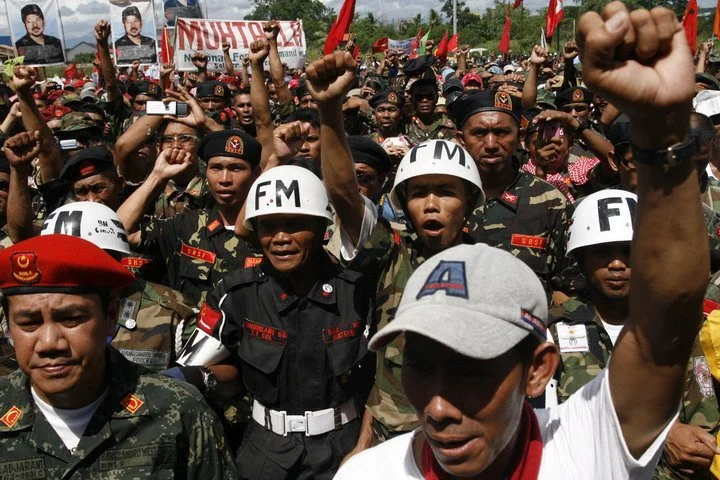
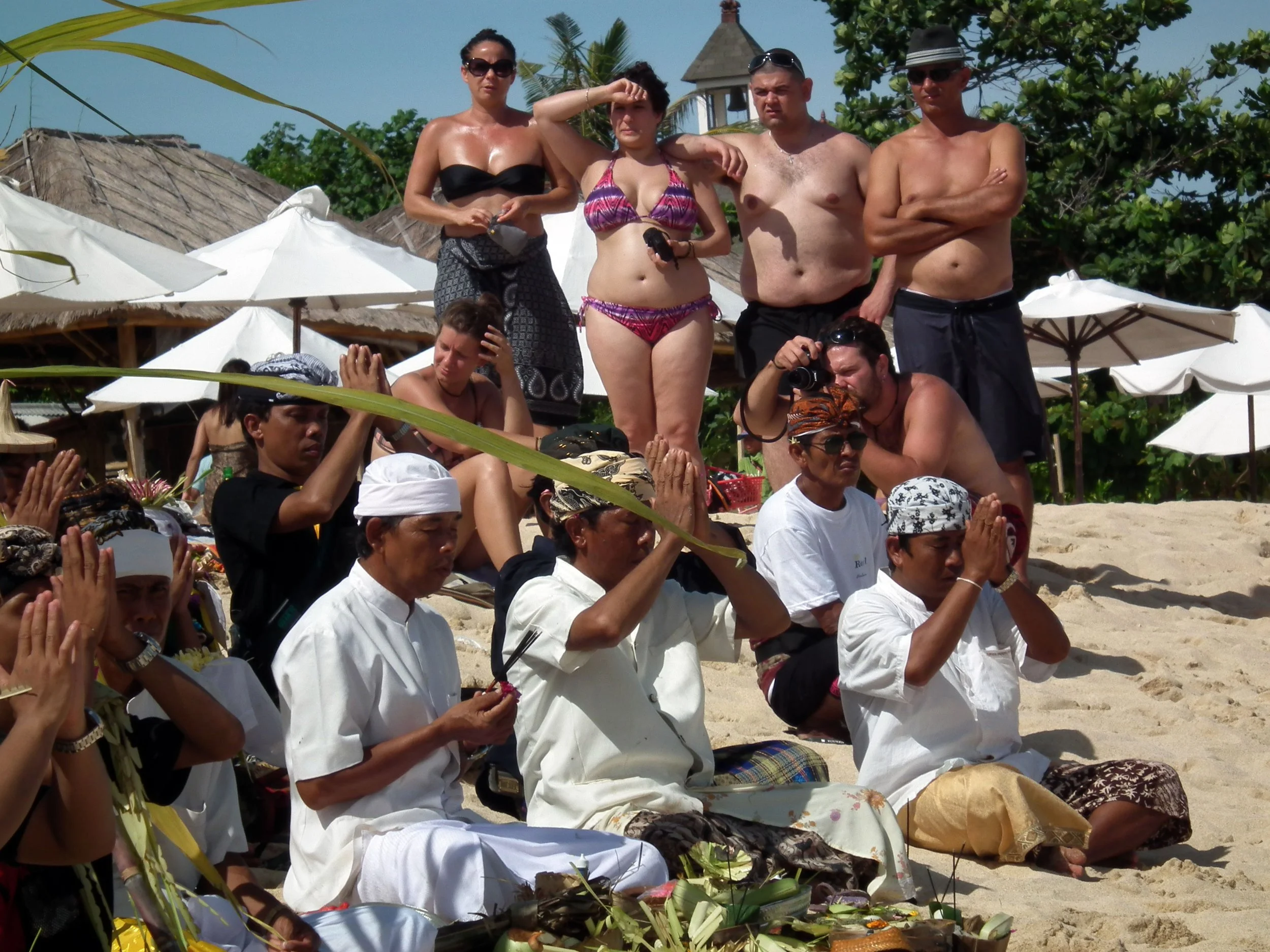
Two Dutch nationals were barred from re-entering Indonesia after holding a running event that excluded Indonesians.

Nearly 60,000 migrants entered Ceuta, a Spanish territory on the North African coast, as a sudden border surge strained the city and left dozens dead.
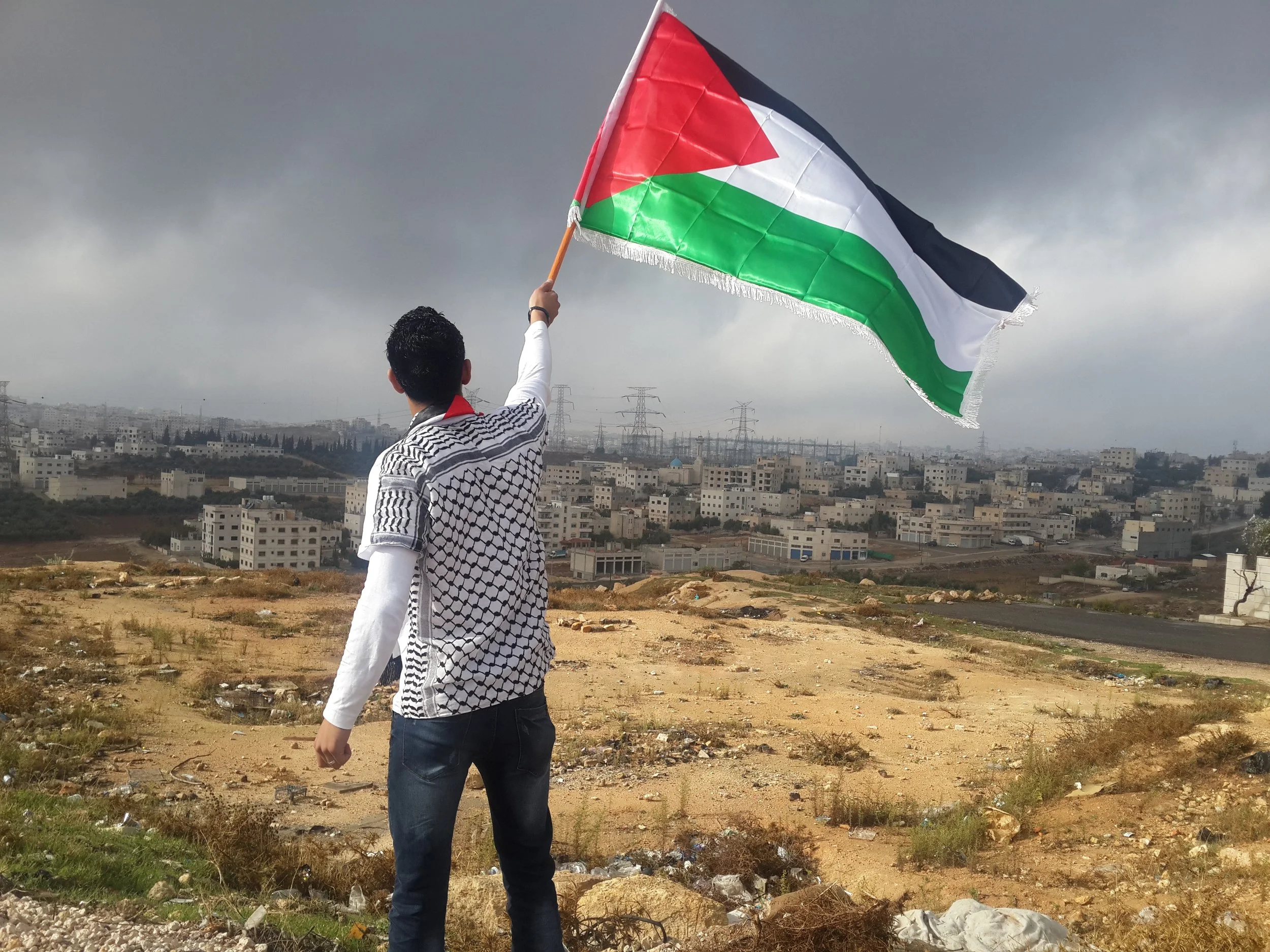
Hamas’s decision to relinquish its civilian governing responsibilities marks the latest attempt to revive the stalled peace process in Gaza.
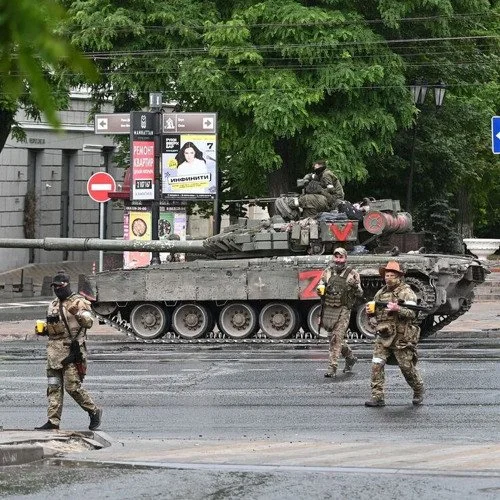
Remnants of the Wagner Group have used tramadol, a prescription opioid, to seize control of the Central African Republic.
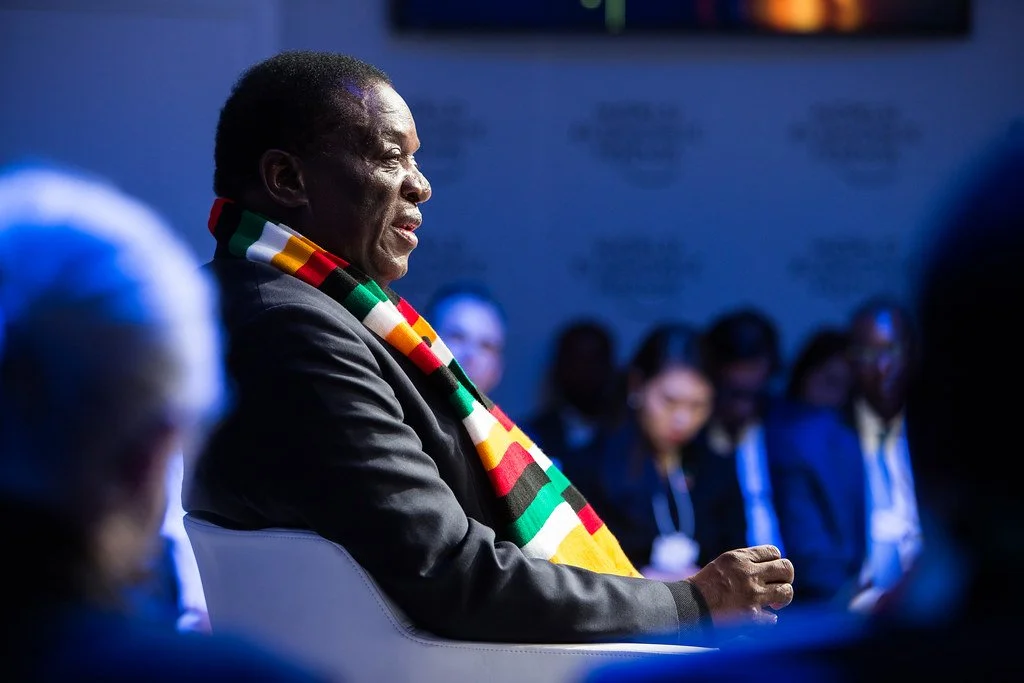
Zimbabwe becomes the latest nation to alter its constitution, allowing its 83-year-old president to stay in power until 2030.
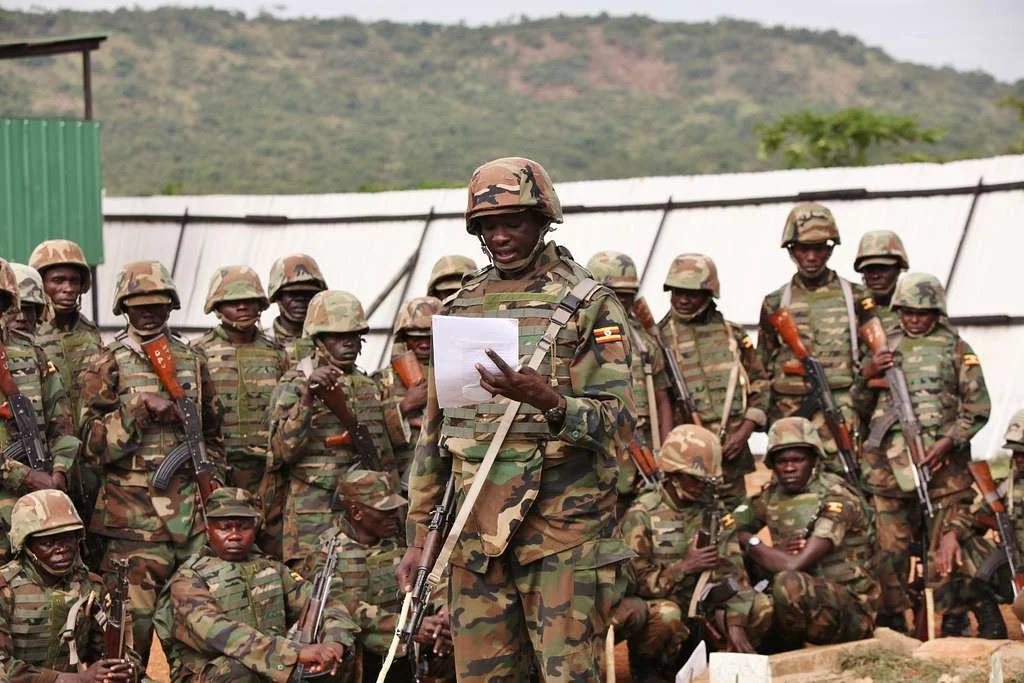
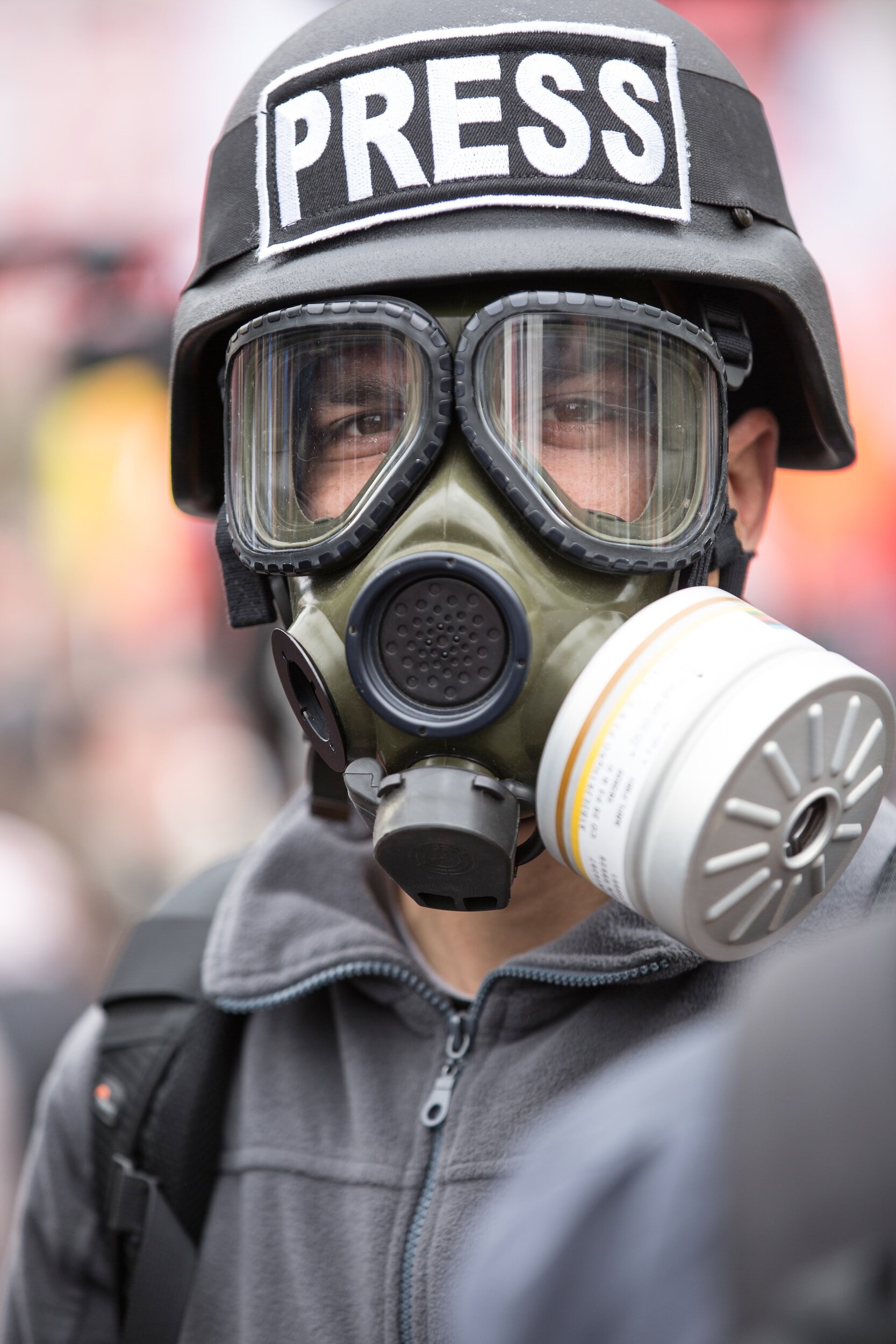
Uganda’s latest media shutdown is about more than press freedom: it offers a glimpse into how power is being exercised, and perhaps transferred, in one of Africa’s longest-serving governments.
ENVIRONMENT
SUSTAINABILITY • CLEAN WATER • WILDLIFE • HABITAT
When safety is ignored, communities pay the price long after the oil stops spreading which was the case with both Deepwater Horizon and Wakashio spills.
Climate science suggests the flooding was affected by rising temperatures in the Himalayas, a trend that could lead to similar disasters across mountain ranges worldwide.
Mexico is turning its growing sargassum seaweed problem into clean fuel as it piles up along its eastern coastline.
As temperatures rise and climate variability increases, even the camel is struggling to survive across the Horn of Africa.
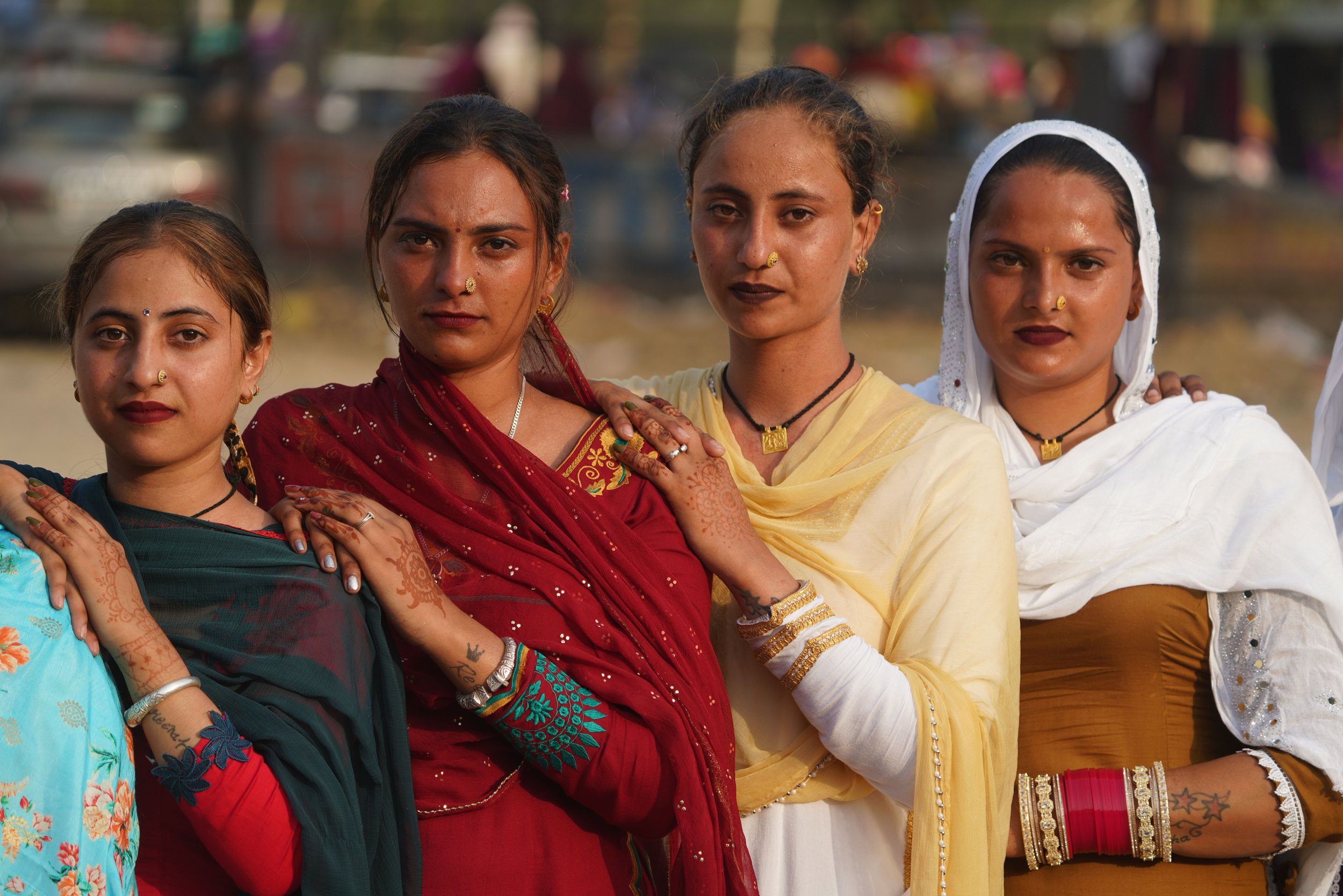
As fast-fashion giants capitalize on trending styles influenced by South Asian culture, communities like Panipat, India, bear the environmental and social costs.
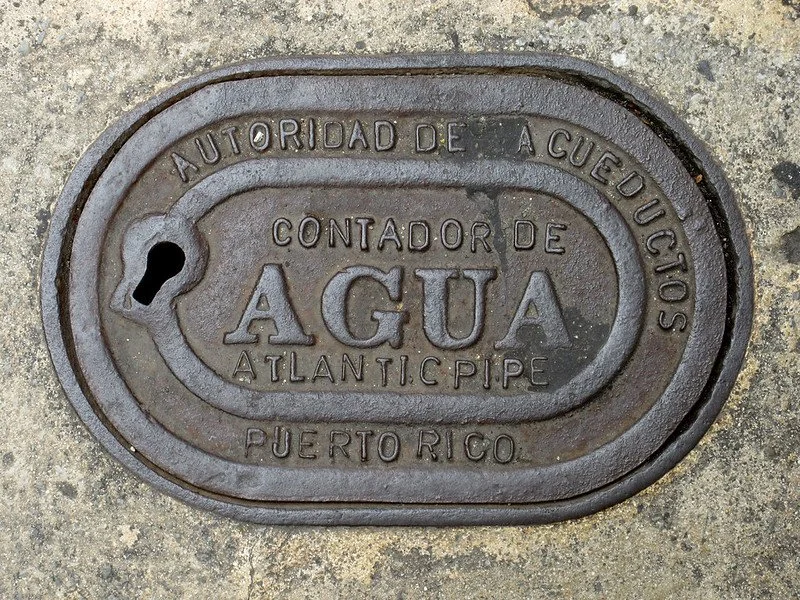
Puerto Rico is officially in another water crisis, and recently proposed luxury resort development plans threaten the already fragile water ecosystem.
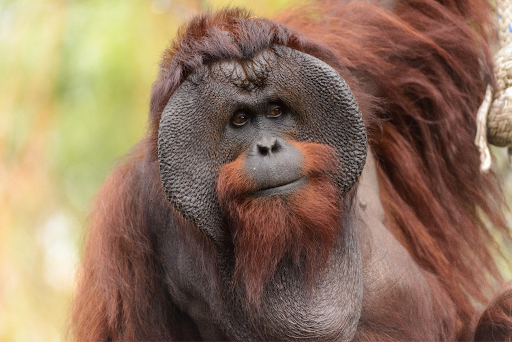
With growing demand for palm oil, Borneo’s forests and orangutans’ habitats are being decimated.
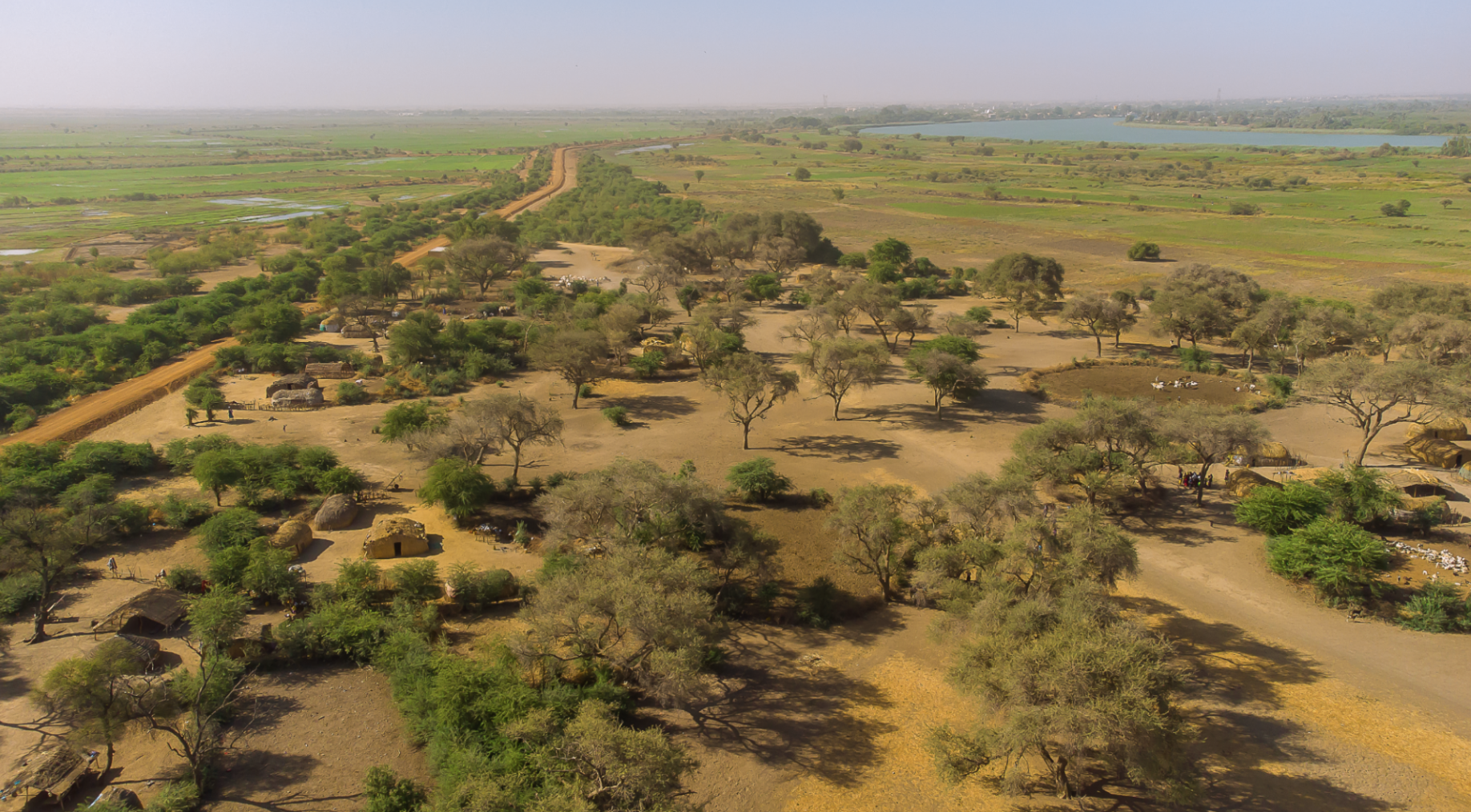
Designed to combat desertification, the Great Green Wall is transforming landscapes and livelihoods across Africa.
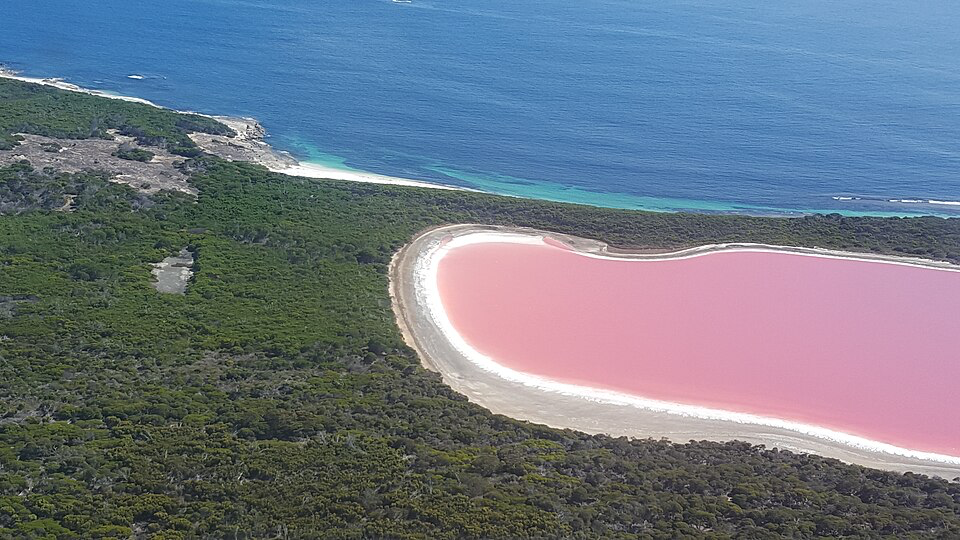
Australia’s pink lakes are a shocking natural anomaly, but their striking hue has been slowly draining.
The world’s fastest-warming inhabited archipelago presents picturesque scenes along with a serious warning for the future of our planet.
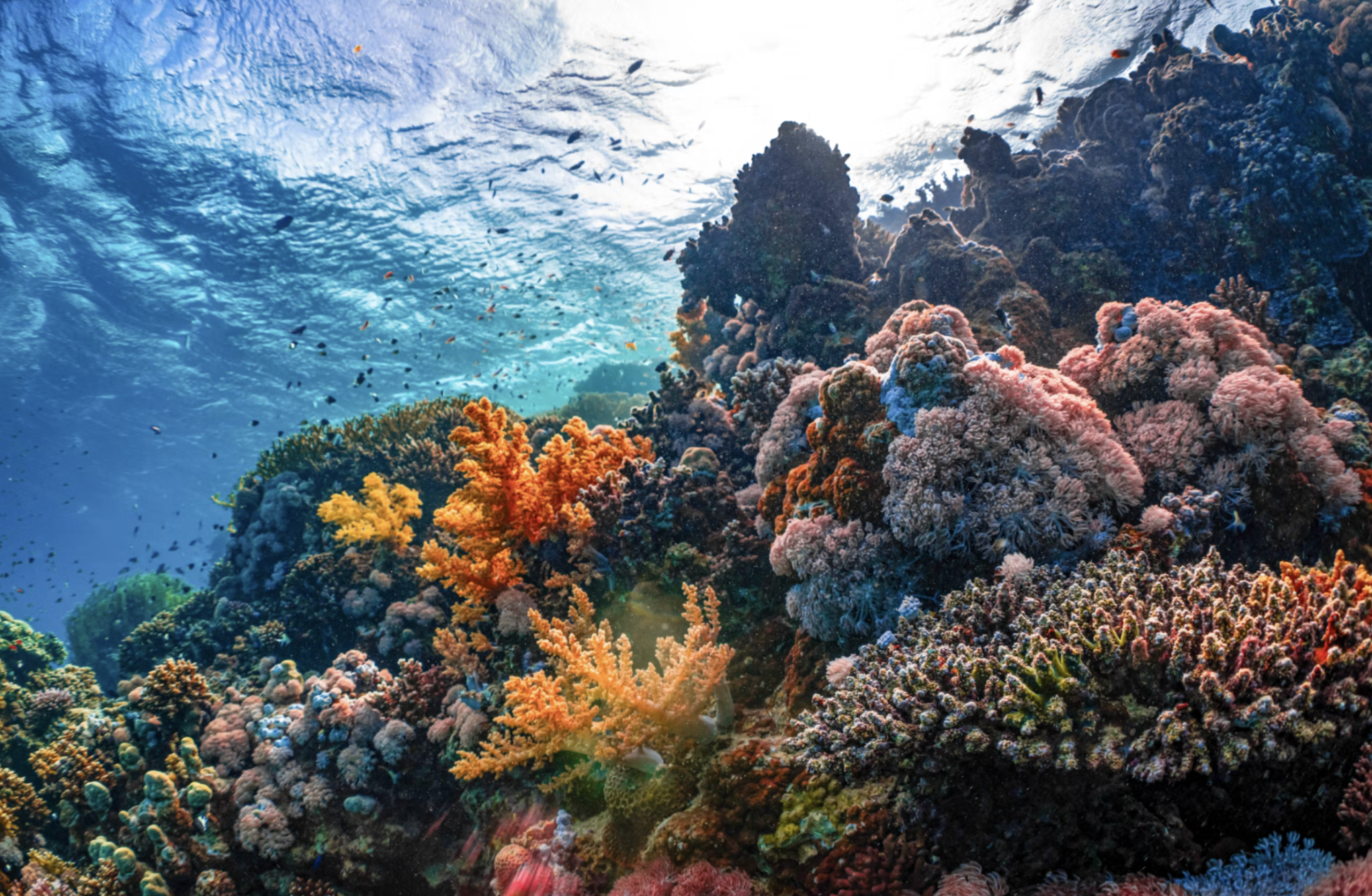
Coral reefs support marine life, protect coastlines and sustain tourism, but pollution is putting their future at risk.
The story of the submerged Isle de Jean Charles and the residents impacted by rising sea levels, environmental disasters and government actions.
WORLD HEALTH + CRISIS
NATURAL DISASTERS • GLOBAL MEDICINE • POVERTY
Millions of decades-old explosives create thousands of tragedies and what can be done about them
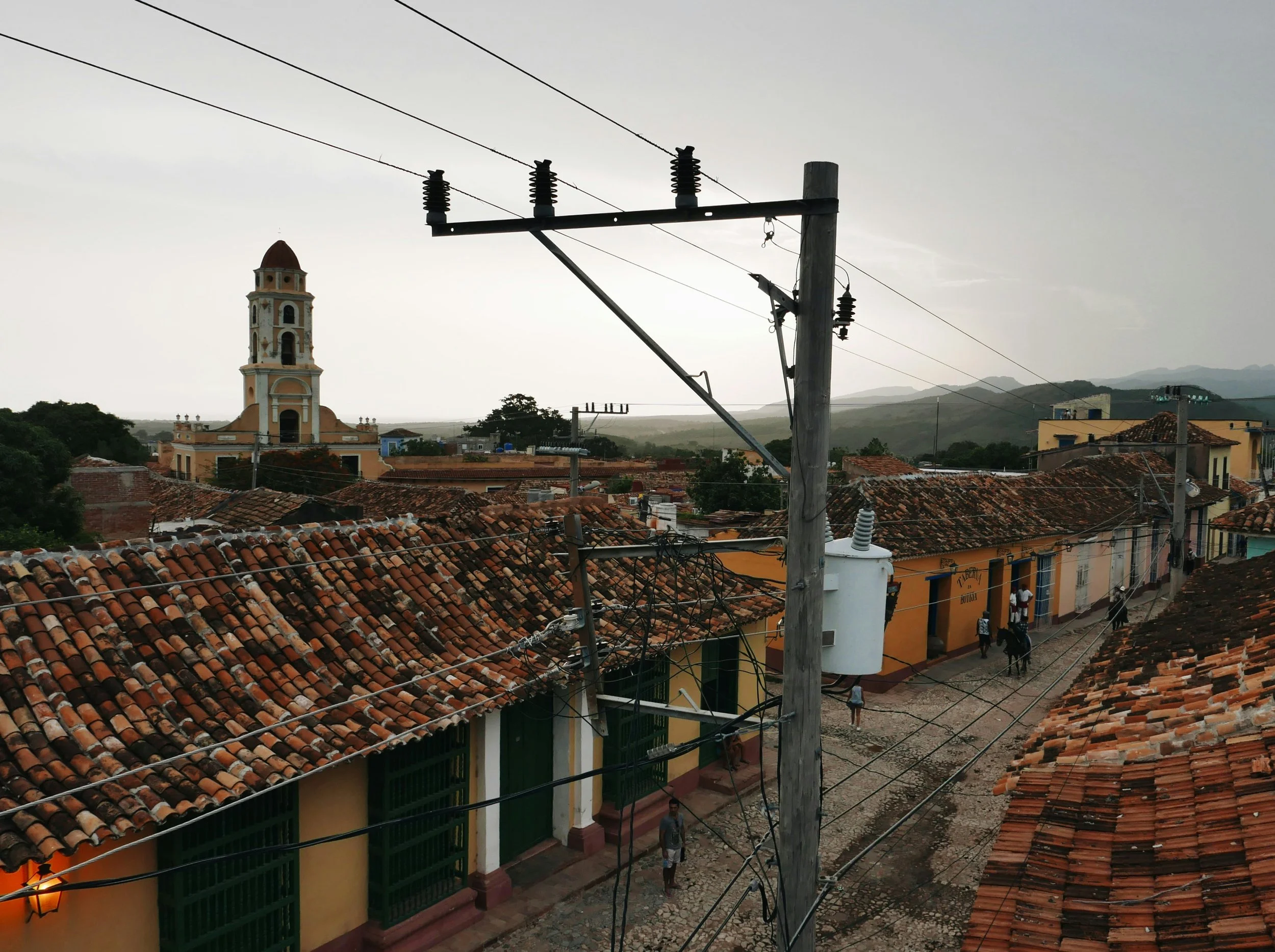
A severe fuel shortage is leaving millions of Cubans without reliable electricity, transportation and essential services.
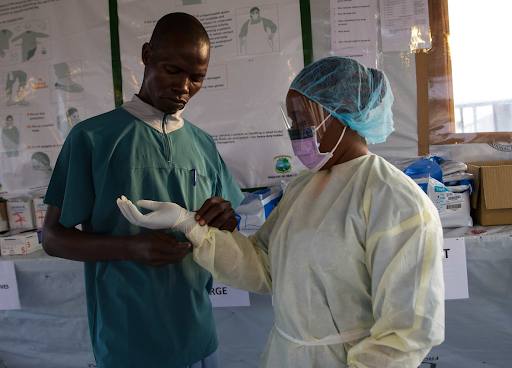
As the Ebola outbreak circulates throughout the Democratic Republic of the Congo, Uganda’s tourism industry has taken a critical hit.

South Korea's $240 billion matchmaking campaign aims to reverse the world's lowest birth rate.
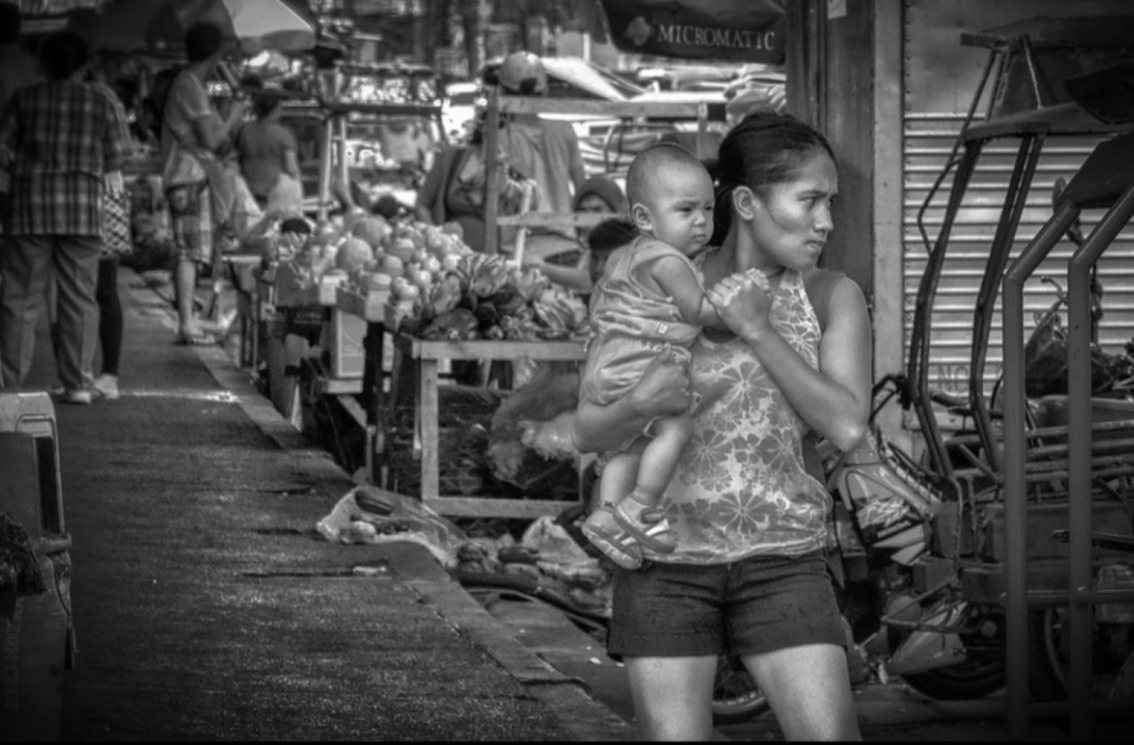
Brain stunting, a detrimental cognitive effect of early childhood malnutrition, threatens to preserve economic inequality and injustice in the Philippines.
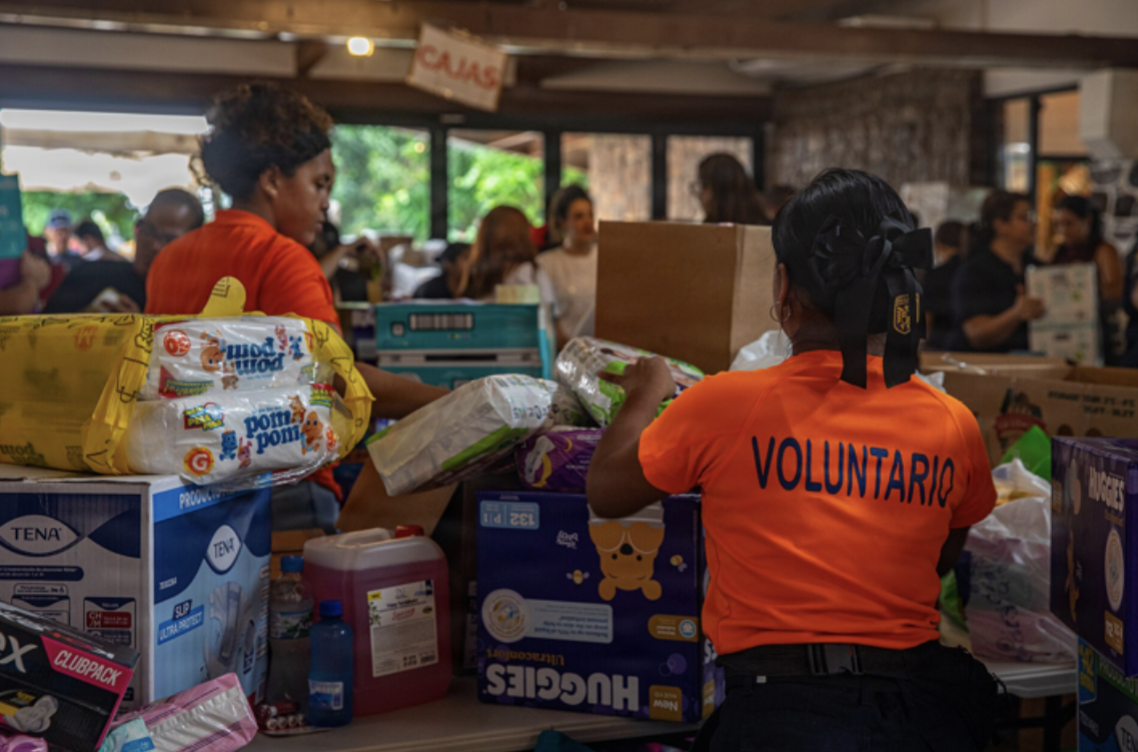
Following the earthquakes on June 24, organizations are mobilizing to provide food, water, medical care and relief services to Venezuela.
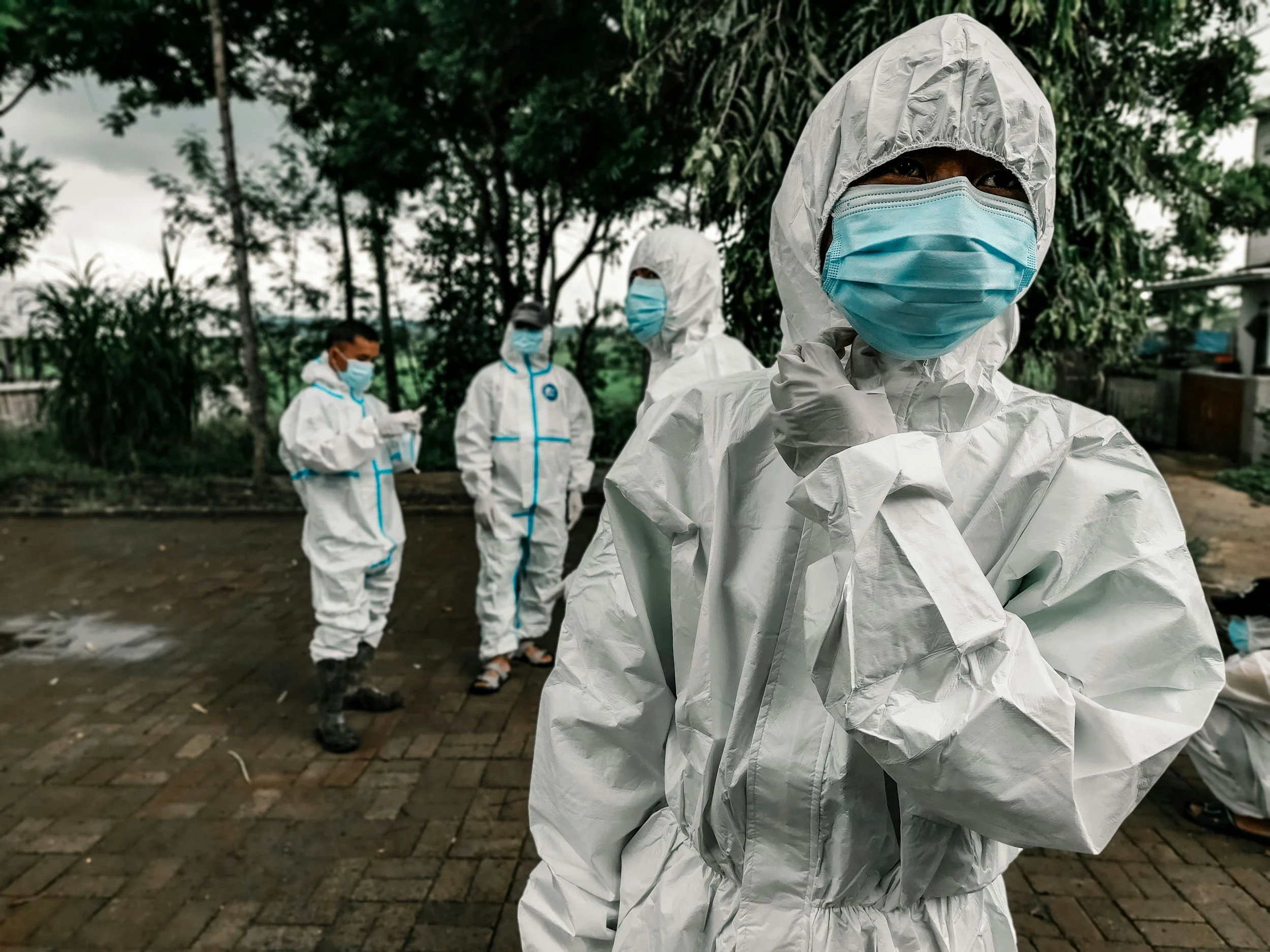
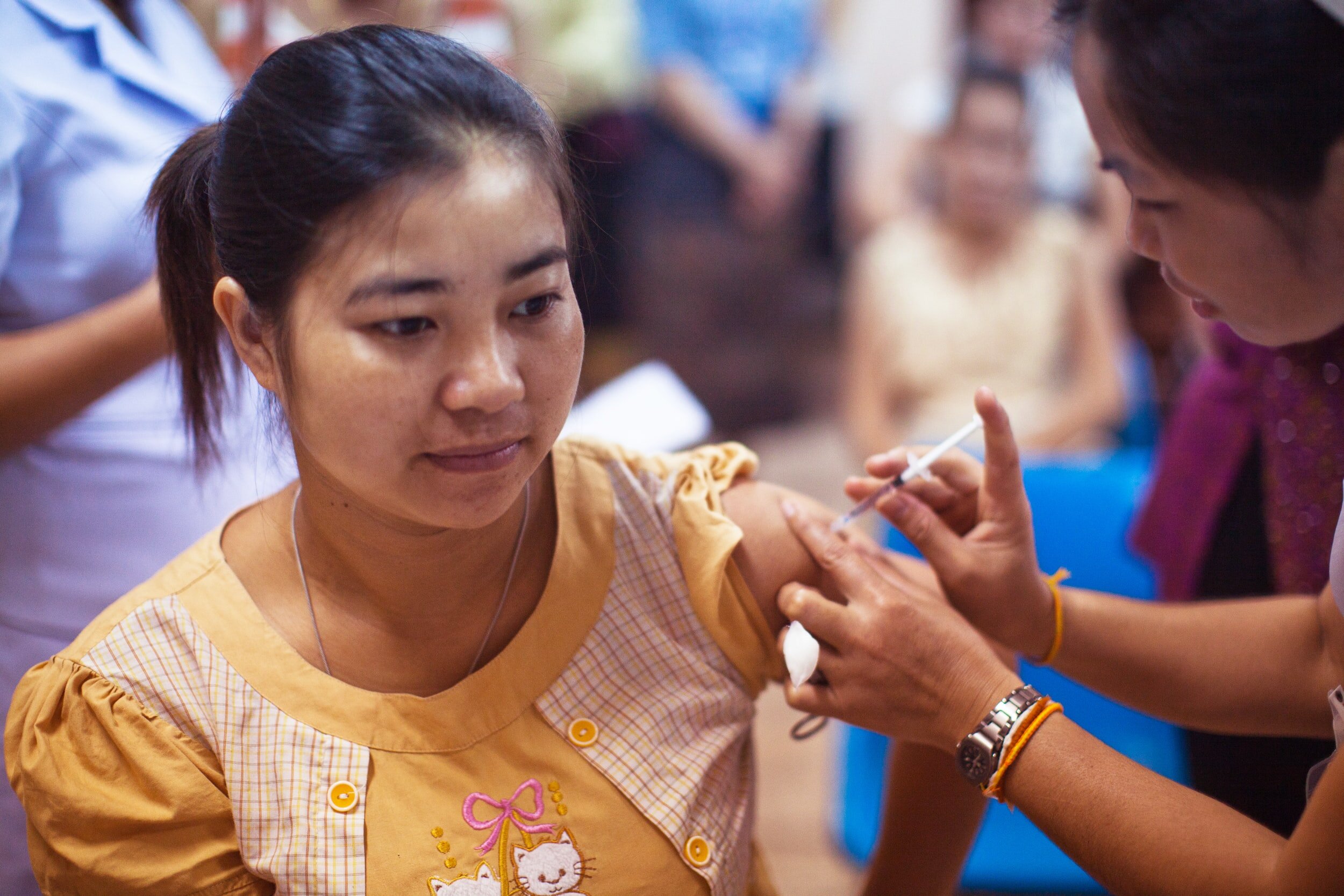
A fast-moving outbreak in Central Africa is a reminder that Ebola is contained by trust and resources, not luck.

Smoking remains a serious health issue in the Pacific Islands region, with most nations having higher rates of cigarette smoking than the global average.
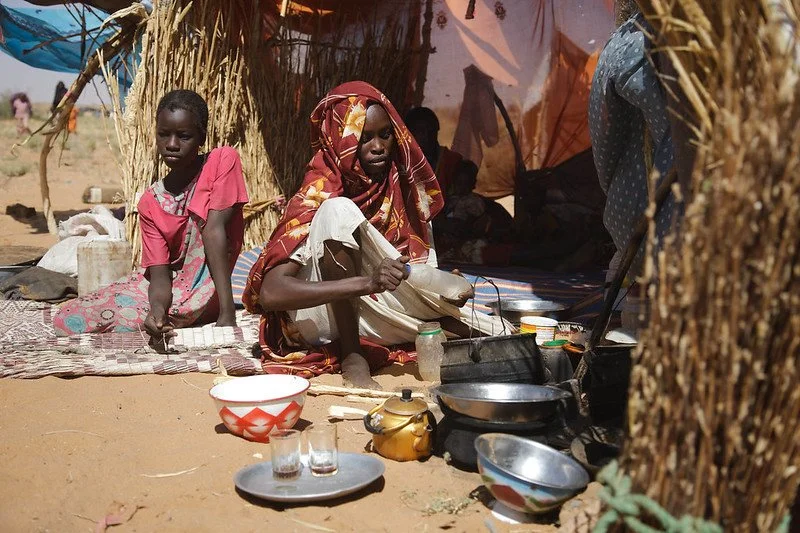
Sudan is facing what the U.N. has called the world’s largest humanitarian crisis as a result of its ongoing civil war.

Hong Kong's reputation as one of the most expensive housing markets in the world has led to more than 200,000 people living in cage homes, bedspace apartments likened to coffins for the living.
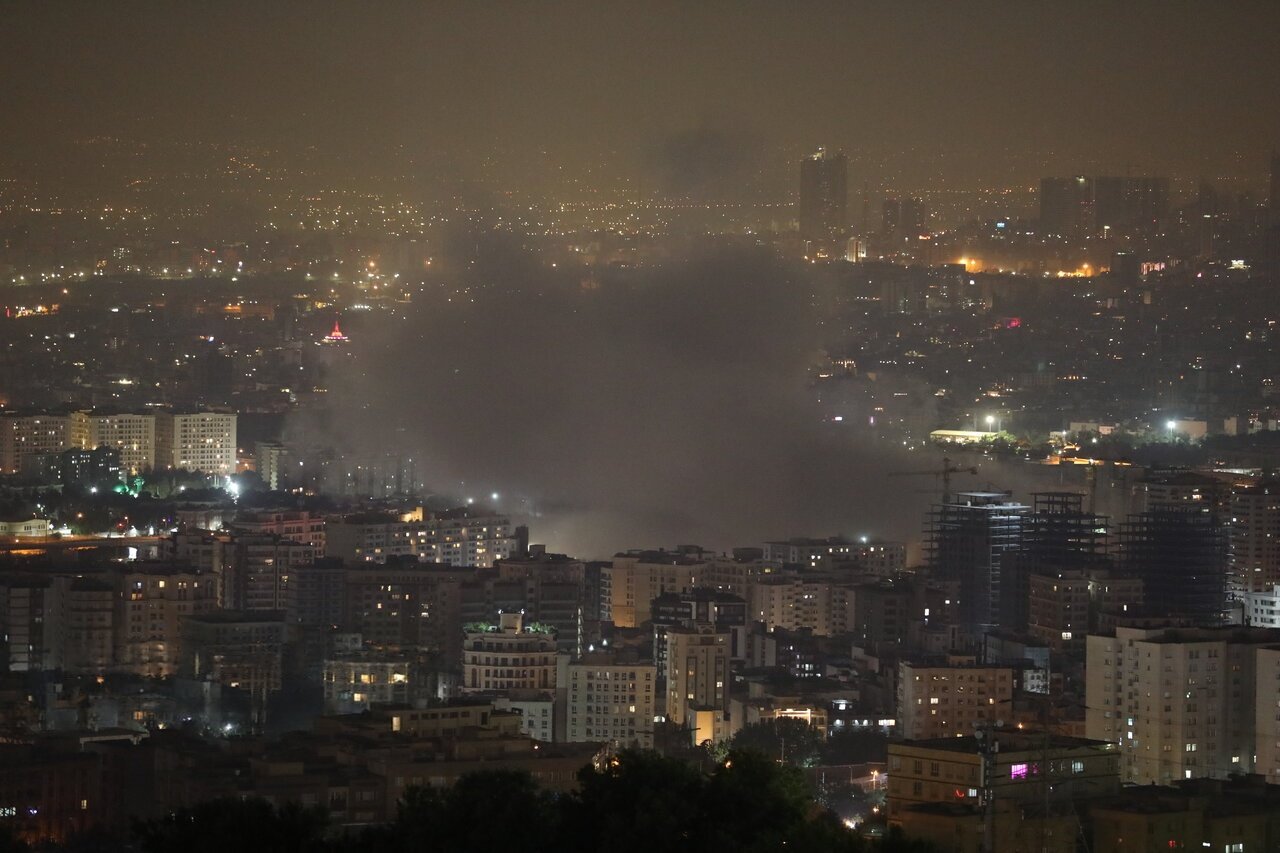
Despite facing government censorship, the voices of Iranian residents reveal the fear and grief they endure under Israeli attacks.

Food insecurity and the authoritarian regime in Chad have denied many individuals and communities access to fundamental human rights.
OPINION


PHOTO ESSAYS
VIDEOS
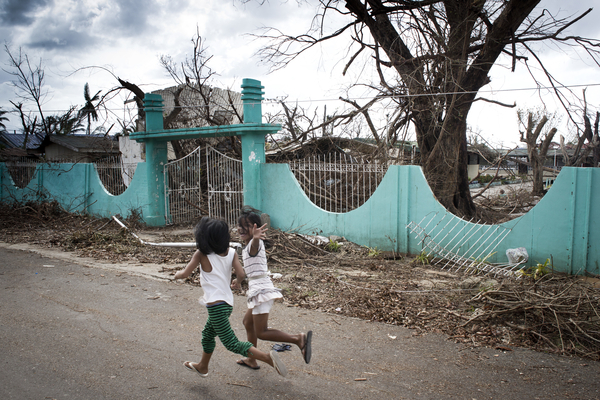
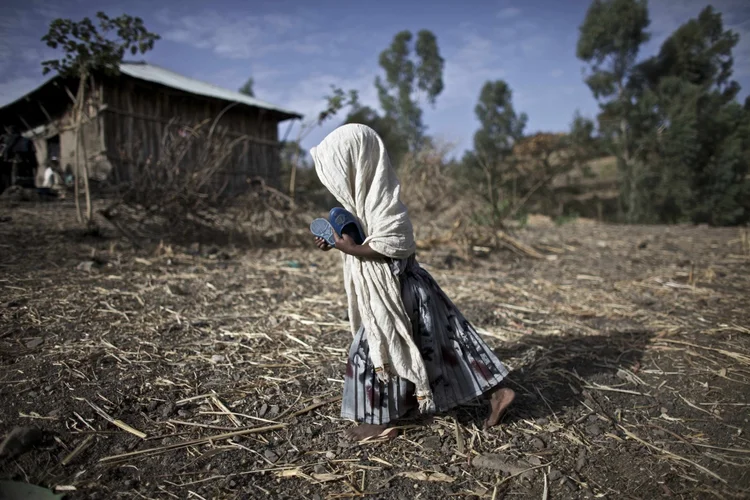
While it may seem shocking, in Ethiopia girls are married off at ages as young as 5 years old, and 48% of rural women are married before age 15. Photographer Guy Calaf documents these young child brides and their marriages in this photo essay.
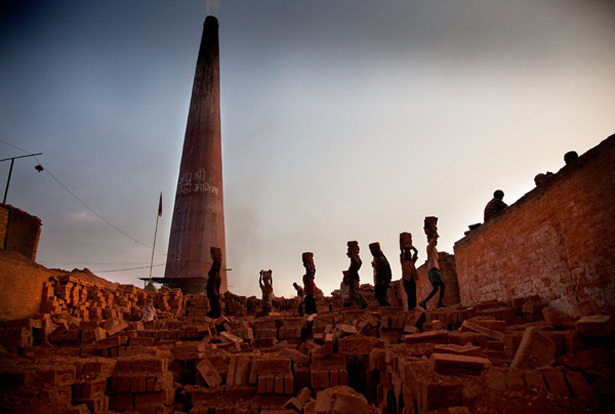
There are 27 million human slaves in the world today, more than double the slaves in the whole transAtlantic slave trade. Lisa Kristine here documents slavery from Nepal to Ghana, from the Himalayas to India. As she says, there are dark corners in this world, and she exposes them through her images.
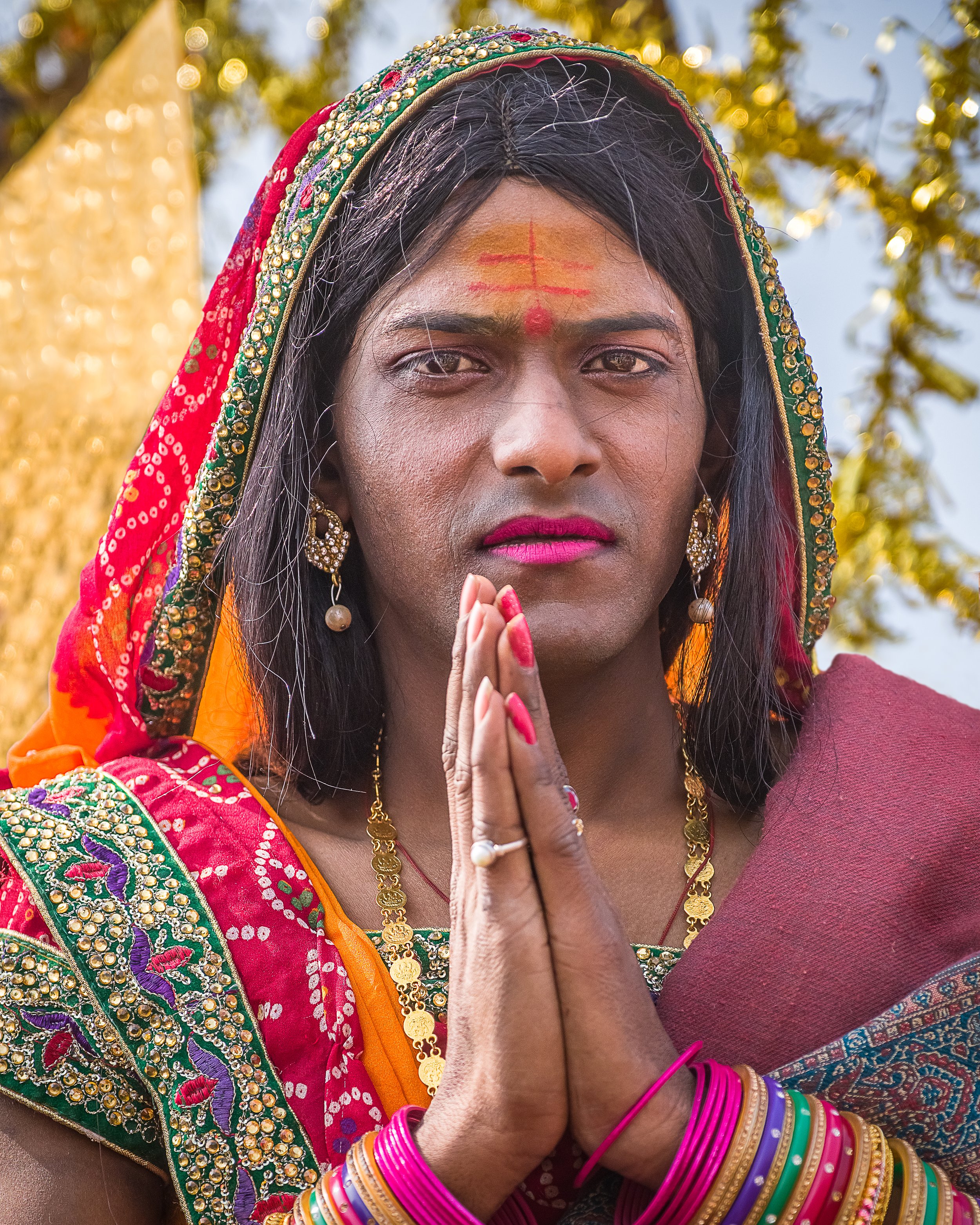
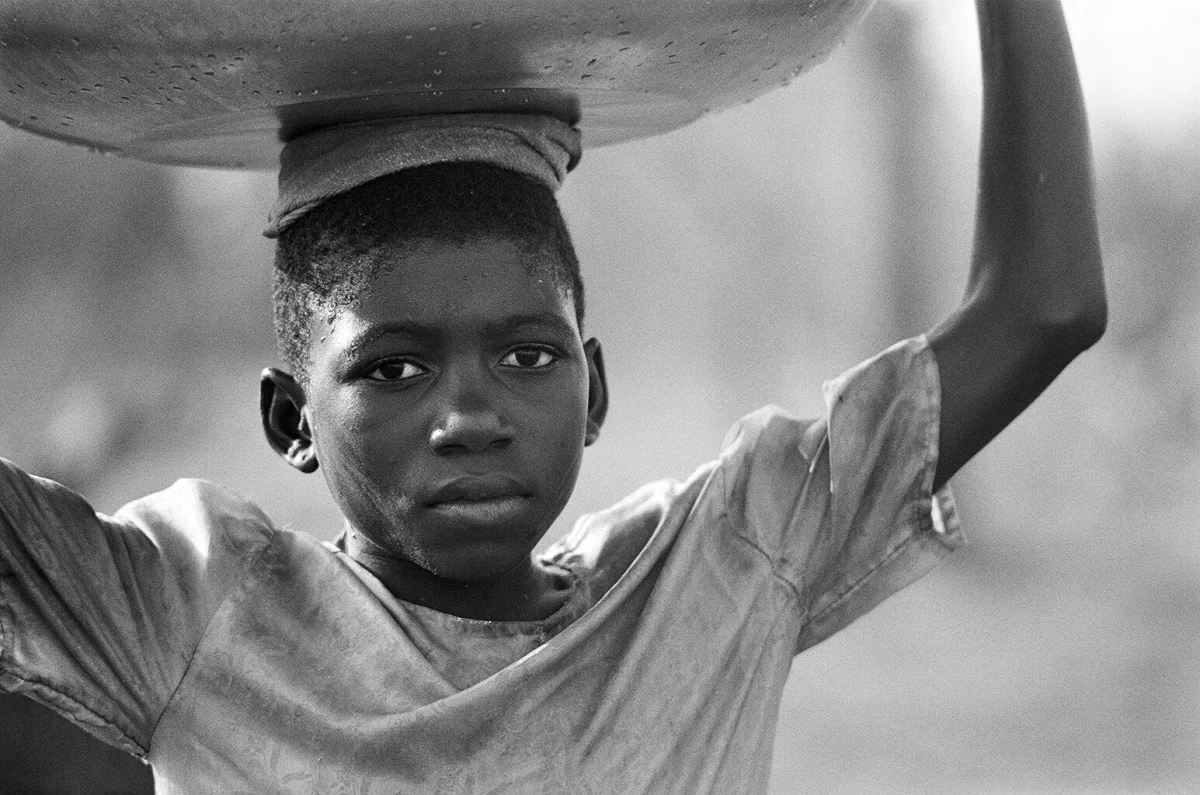

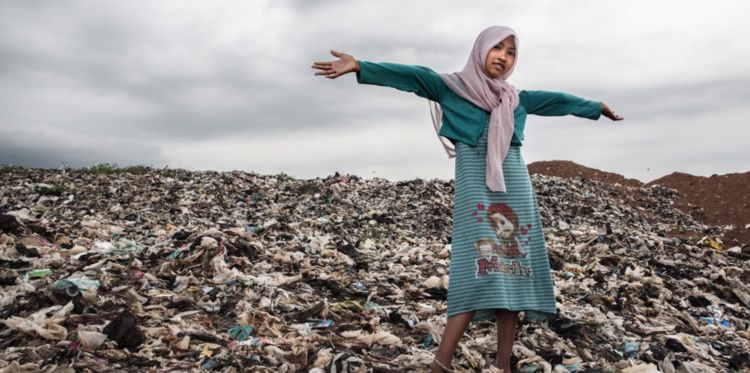
While Greta Thunberg may be the most well-known young climate activist, here are 6 more from around the world.