
By Carol Khorramchahi
A fast-moving outbreak in Central Africa is a reminder that Ebola is contained by trust and resources, not luck.
May 26, 2026
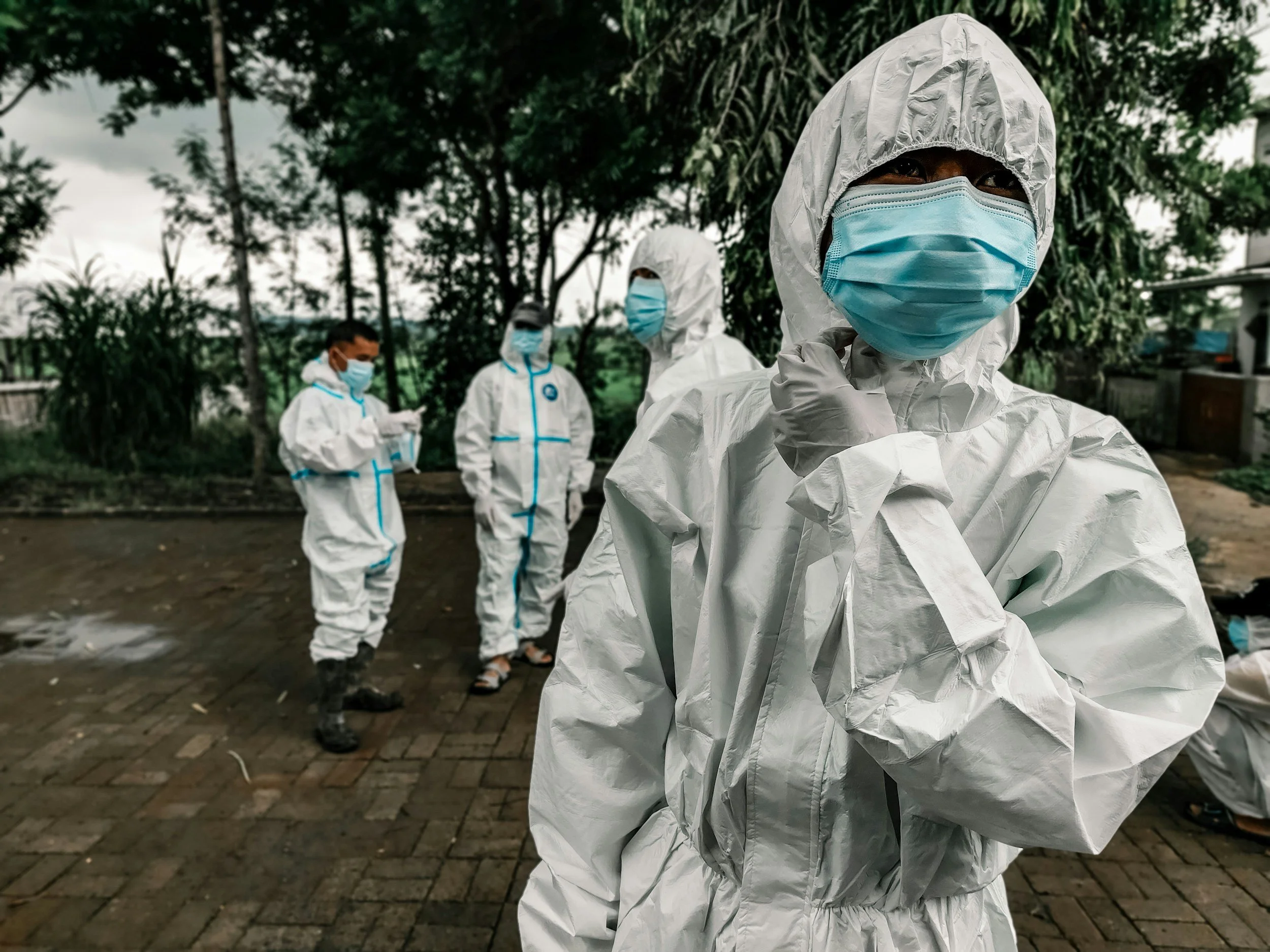
Health worker in protective gear during Ebola response. Gani Nurhakim. Unsplash.
Ebola is a severe viral disease that can cause life-threatening illness in humans. It spreads through direct contact with the blood or body fluids of a sick person, or with contaminated materials, not through casual contact at a distance. The incubation period is 2 to 21 days, and early symptoms can look like many other illnesses: fever, fatigue, muscle pain, headache and sore throat. As it progresses, it can include vomiting, diarrhea, rash and bleeding.
Ebola has shaped public health across Africa for decades, and it has repeatedly shown how quickly an outbreak can overwhelm communities when health systems are already under strain. The average case fatality rate is about 50%, though it varies by outbreak and virus species.
The deadliest outbreak remains the 2014 to 2016 West Africa epidemic, which infected more than 28,600 people and killed 11,325. It spread across borders and reached several additional countries, including the United States, underscoring how rapidly an outbreak can become international when detection and response lag.
Now, Ebola is back in the headlines because the current outbreak in the Democratic Republic of the Congo has grown quickly and crossed into Uganda. As of June 3, 2026, reporting based on official figures described 344 confirmed cases and 60 deaths in Congo, as well as15 cases in Uganda, including one death. This outbreak is caused by the Bundibugyo strain, which matters because there is no licensed vaccine specifically approved for Bundibugyo virus disease.
This is where the editor’s question matters most: What does Ebola do to real life? In eastern Congo, the outbreak is unfolding in regions affected by conflict and displacement, which makes routine public health work harder. WHO officials have emphasized that contact tracing is still far below the level needed to stop transmission, and recent reporting described only about 45% of contacts being followed when outbreak control usually requires above 90%. The same report described testing constraints, travel disruptions and supply chain problems that can slow delivery of protective gear and lab capacity.
The bigger question for readers outside Africa is risk. Ebola is not COVID. COVID spreads efficiently through the air, including from people who do not yet feel sick. Ebola generally requires closer contact with body fluids, and people are not considered contagious until symptoms begin. That makes Ebola harder to spread casually but far more dangerous for caregivers and health workers without protection. What elevates the current situation is that the WHO has classified it as a public health emergency of international concern, a signal that the outbreak needs urgent international coordination and resources.
Ebola outbreaks are contained through the basics, done quickly and consistently: testing, isolation, contact tracing, safe care, safe burials and community trust. When those pieces are delayed, the virus does what it always does: It finds the gaps.
GET INVOLVED:
Follow verified outbreak updates through the World Health Organization and ReliefWeb. Support frontline response work through Doctors Without Borders and humanitarian coordination that helps deliver labs, protective equipment and care teams in affected regions.

Carol Khorramchahi
Carol Khorramchahi is a student at Boston University, where she studies English and Psychology and minors in Journalism. She enjoys writing and reporting on stories that bring together culture, identity, and community, and has experience in both newsroom reporting and digital media. She is especially interested in thoughtful storytelling with a global lens.