
By Carson Jelinek
In rural Afghanistan, where electricity supply is often unreliable and economic opportunities are limited, significant change is underway through the adoption of solar energy.
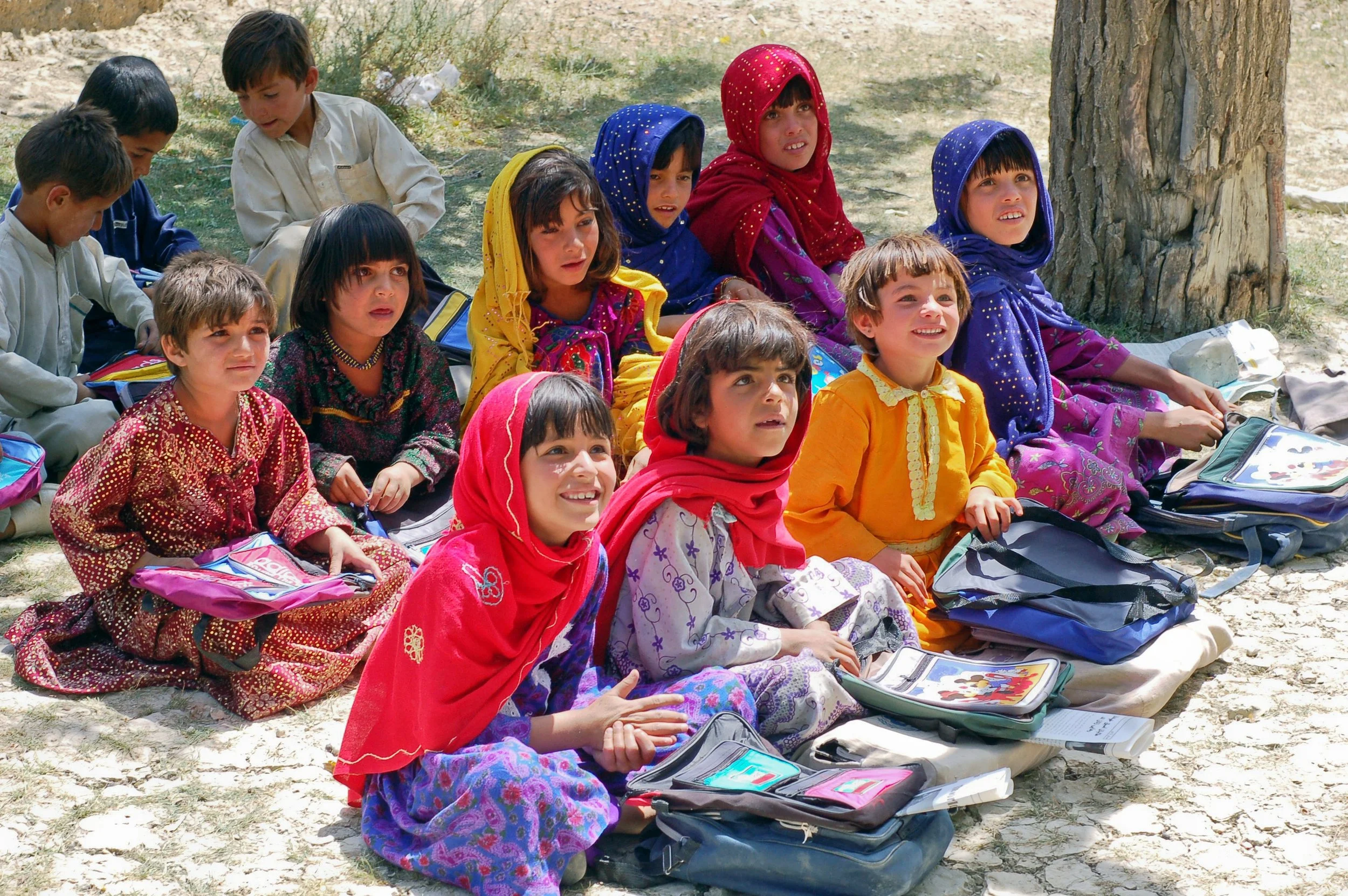
Schoolchildren in Afghanistan. WikiImages. Pixabay.
Behind closed doors and beyond the reach of Taliban restrictions, women are logging on, learning to code and building digital careers in secret. Since the return of the Taliban in 2021, women across Afghanistan have faced sweeping restrictions on education and employment. Secondary schools and universities have largely been closed to them, cutting off traditional pathways to careers and independence. But in response, a new kind of resistance has emerged, one that relies on laptops, Wi-Fi signals and solar panels.

Solar panels outside. Nisar Ahmed Jamali. Pexels.
In many rural regions of Afghanistan, the central power grid is frequently unreliable or entirely absent. This limitation has, in some cases, become advantageous. With nearly 300 sunny days in the country each year, solar energy offers a reliable and low-maintenance power source. Residents increasingly utilize compact, discreet solar systems to operate internet routers and charge electronic devices. As a result, women are able to access online learning platforms from home without drawing attention.
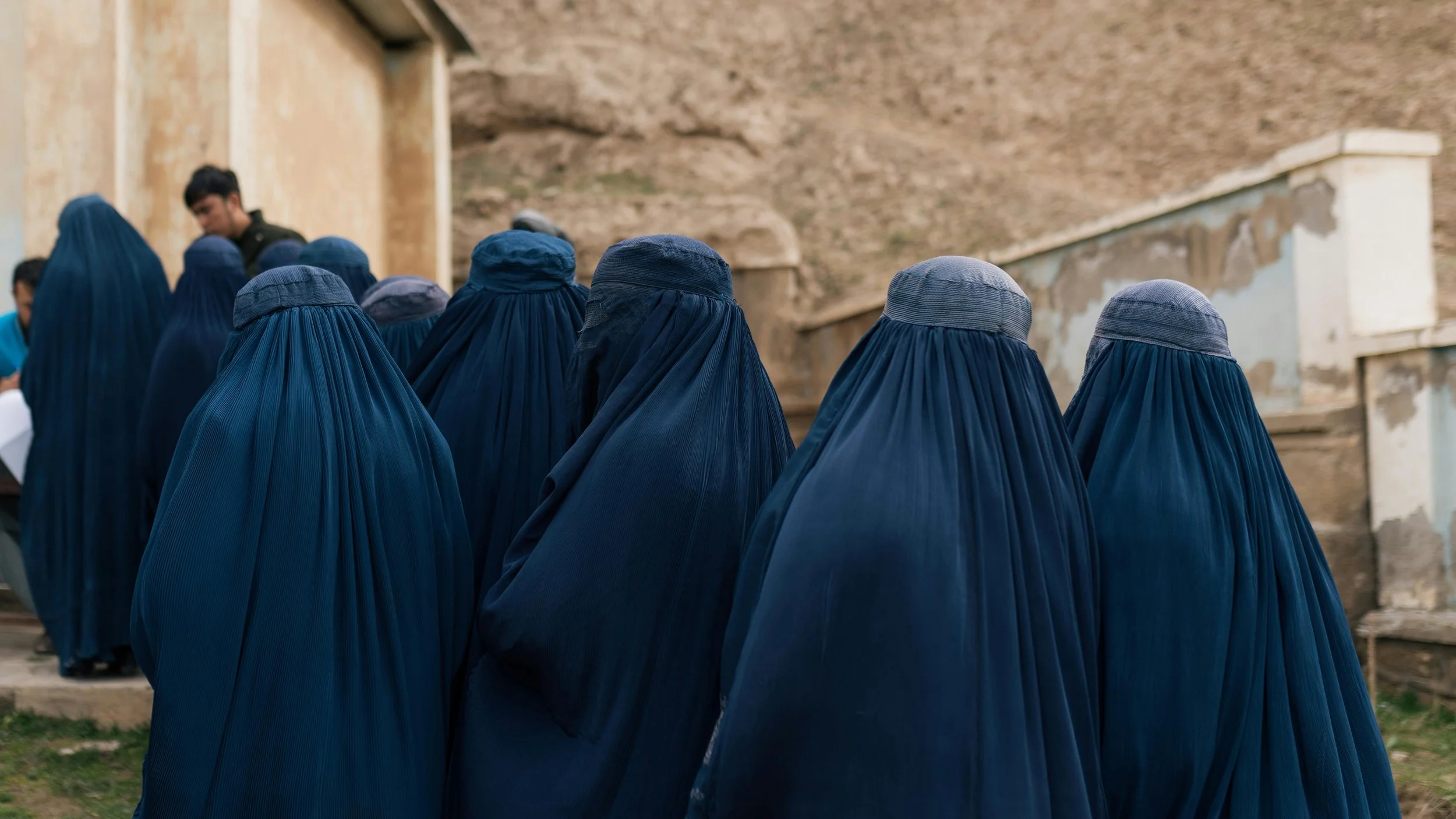
Women in blue burqas. Faruk Tokluoglu. Pexels.
These solar-powered hubs enable women to enroll in confidential coding bootcamps and digital training programs. Murtaza Jafari, an Afghan refugee in Greece, launched one such initiative last year to support his community. As part of his company, Afghan Geeks, he provides dozens of Afghan women with technical instruction and assists them in obtaining remote internships and job opportunities. For many of his students, this work represents more than education; it serves as a vital support system. A 24-year-old student, Sodaba, described the program as her sole opportunity to pursue her aspirations. Such narratives are increasingly prevalent as more women utilize digital platforms to regain agency over their futures.
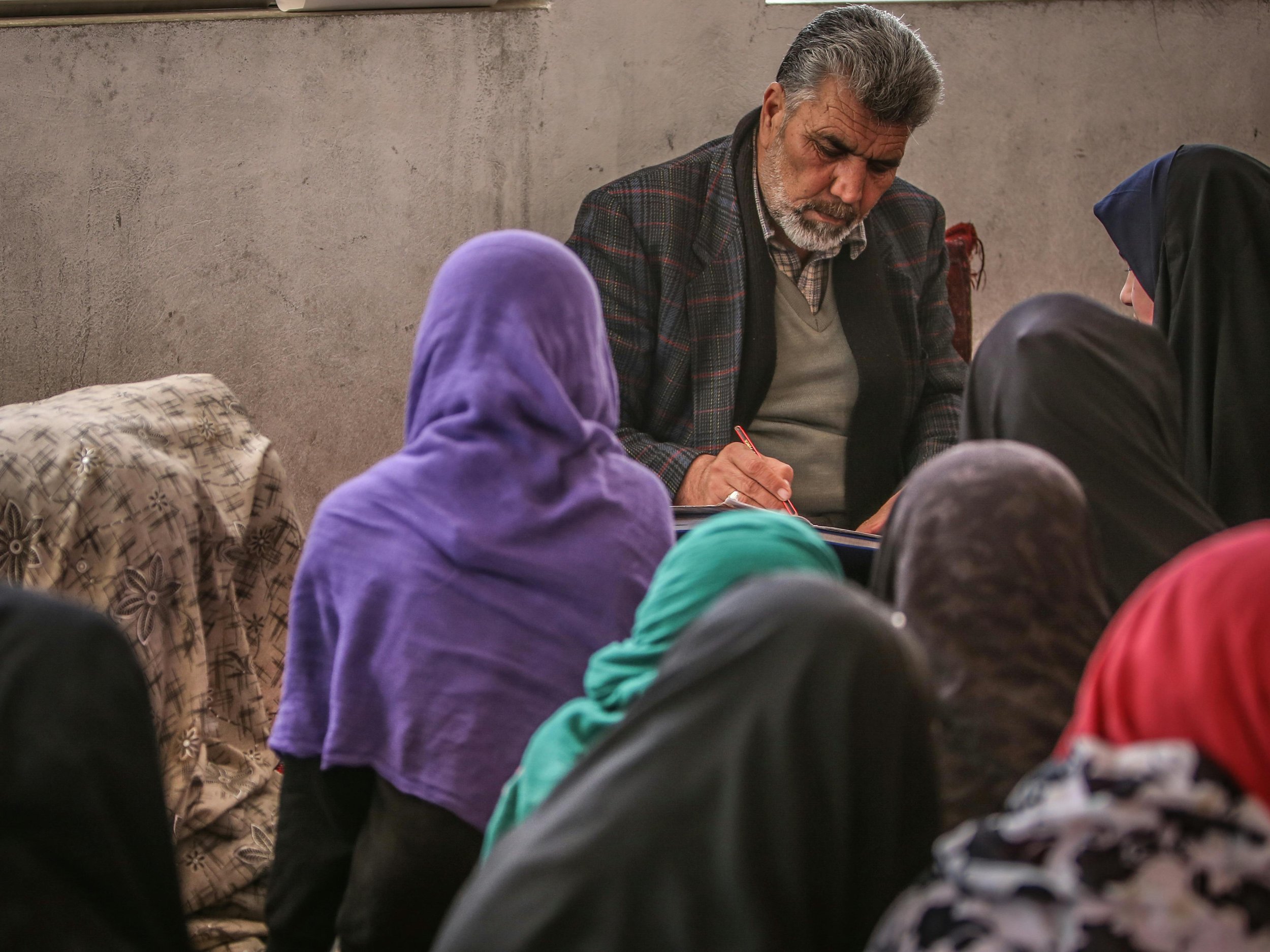
Afghan classroom. Mehdi Khoshnejad. Pexels.
This underground network of learners is part of what some are calling a “digital resistance.” Unable to gather publicly or attend formal institutions, Afghan women are developing decentralized education systems. Lessons are conducted in secrecy, often shared through encrypted messaging apps or coordinated schedules to avoid detection. What is an ordinary online class elsewhere becomes an act of defiance here.
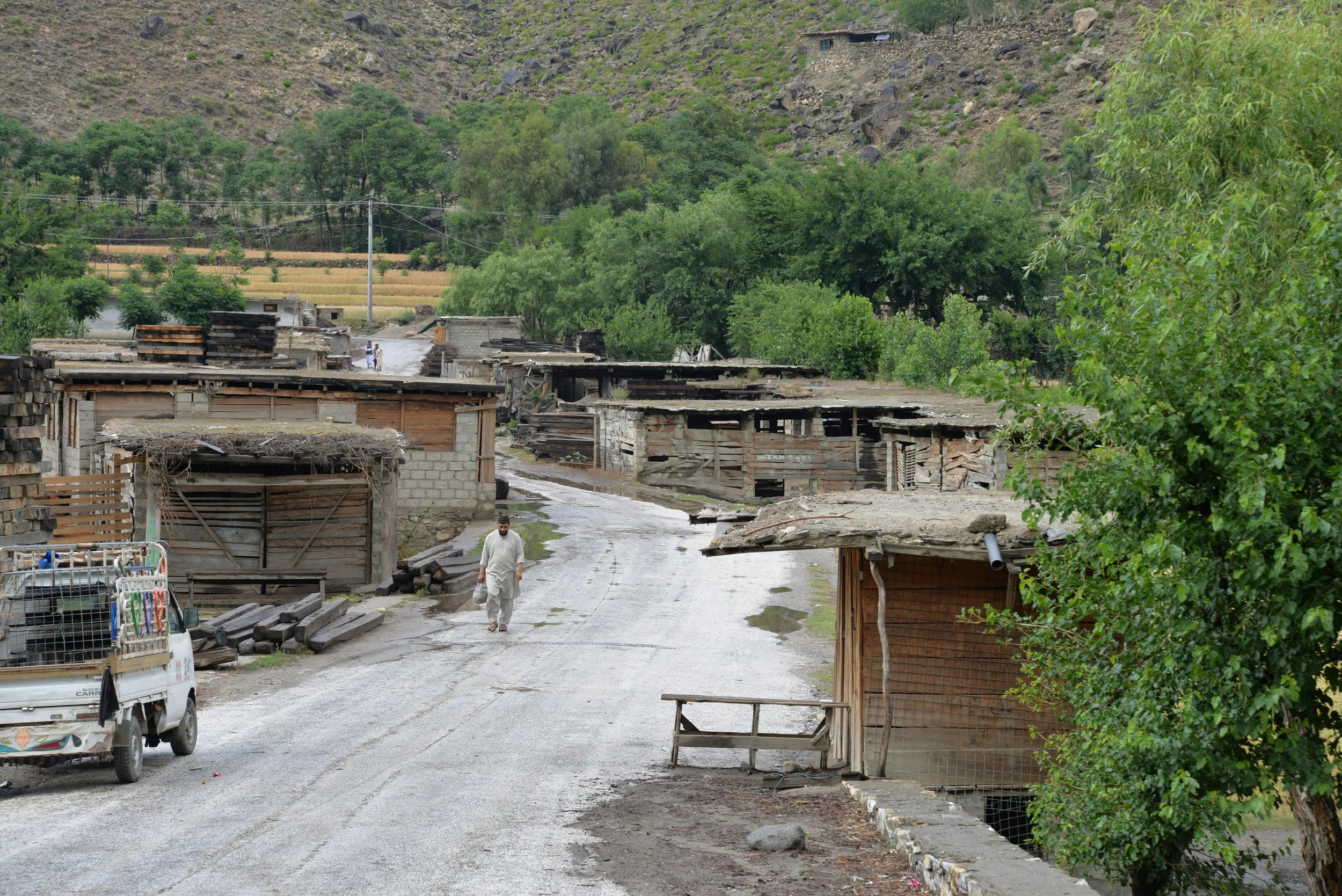
Rural village in Afghan countryside. Burhan Azizi. Pexels.
In this context, technology is not just a tool but a means of empowerment. Coding, in particular, provides a distinct advantage. It is a skill that can be acquired remotely, practiced independently and monetized on a global scale. Freelance platforms and remote work opportunities enable women to earn income without leaving their homes, thereby circumventing many restrictions associated with physical workplaces. Multiple organizations support this movement by providing resources, funding and training. Initiatives such as the SheDreams Foundation and the Society of Women Coders Afghanistan aim to teach programming skills to thousands of Afghan women, often at no cost. Other organizations, including Sahar Education and the Digital Citizen Fund, emphasize broader digital literacy by offering STEAM education and offline-access tools for individuals with limited connectivity.
Grassroots initiatives also directly support home-based learning. Programs facilitated by platforms such as GlobalGiving provide equipment, internet access and secure learning environments for girls who otherwise lack educational opportunities. Additionally, advocacy organizations like Afghan Women Leaders Connect amplify these narratives and link global donors with women-led initiatives operating locally. Where opportunities are systematically diminished, Afghan women are developing innovative strategies to establish their own. Through coding, they are constructing careers, fostering communities and forging discreet avenues to autonomy, supported by solar energy and sustained by a strong commitment to education.
GET INVOLVED:
Code to Inspire is a nonprofit that teaches Afghan women coding, digital skills and entrepreneurship, helping them build careers and achieve financial independence through remote work opportunities.
Digital Citizen Fund expands access to technology, STEAM education and entrepreneurship training for women and girls, helping them gain digital literacy and financial independence.
Women for Afghan Women provides protection, legal support, education and advocacy for women and girls facing violence and inequality, working to promote long-term social and cultural change.
Free Press Unlimited supports journalists and media organizations around the world to ensure access to independent, reliable information, especially in regions with limited press freedom.
Access Now is a global nonprofit that defends digital rights, promotes online freedom of expression and works to ensure secure and open internet access for vulnerable communities.

Carson Jelinek
Carson is a 22 year old writer and filmmaker studying film and media productions at Arizona State University. His work explores travel, culture, and the people behind the places, with a focus on stories that encourage curiosity and global understanding.