
Five years into Taliban rule, Afghanistan has relative stability and grave human rights violations.
Read MoreWhen Women Disappear, So Does the Bazaar: Taliban Crackdown Ripples Through Afghanistan's Economy
Fear of arrest in Herat is keeping women out of public spaces and cutting deeply into local businesses.
Read MoreSolar-Powered Resistance: How Afghan Women Are Coding in Secret
By Carson Jelinek
In rural Afghanistan, where electricity supply is often unreliable and economic opportunities are limited, significant change is underway through the adoption of solar energy.
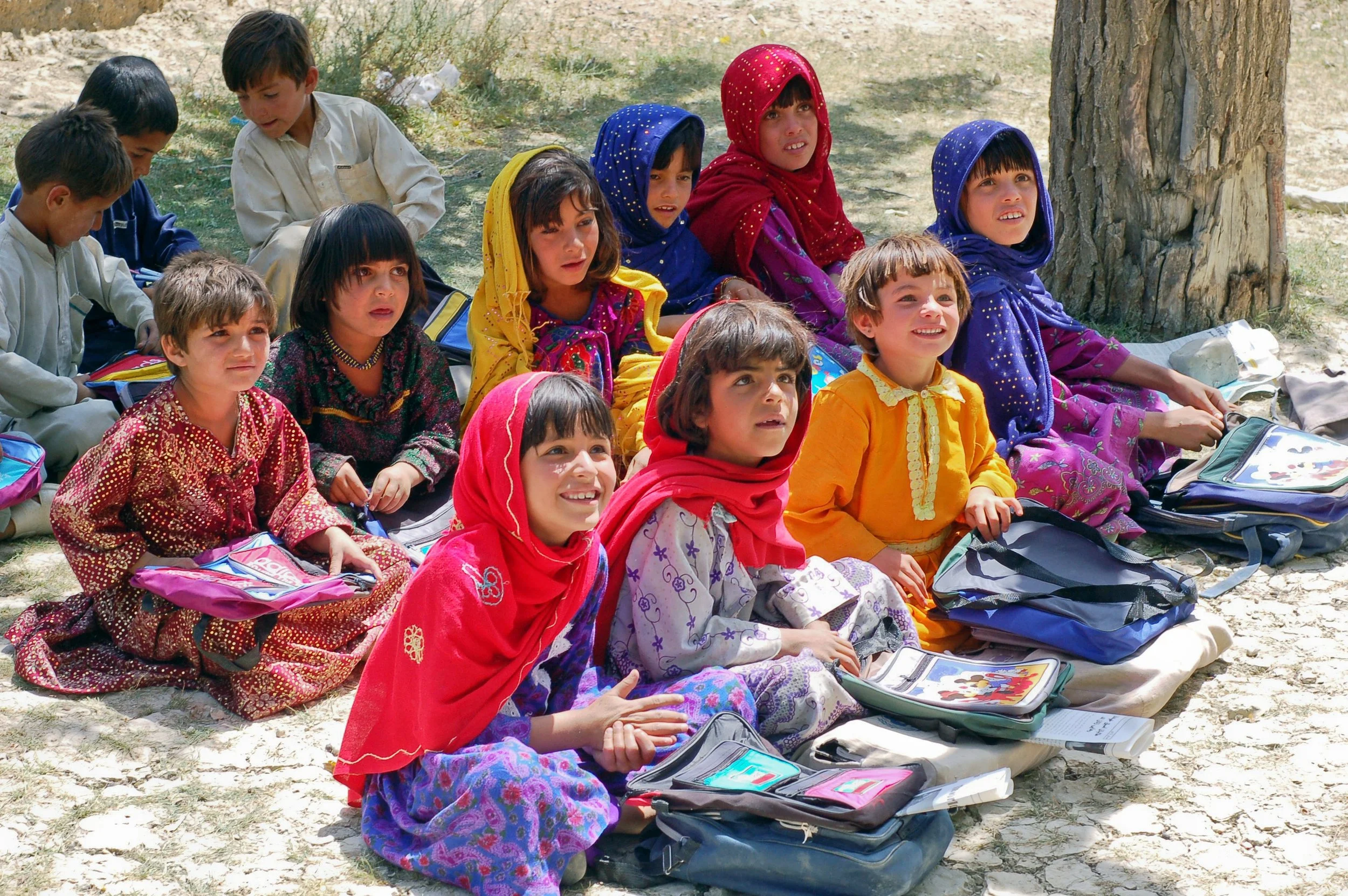
Schoolchildren in Afghanistan. WikiImages. Pixabay.
Behind closed doors and beyond the reach of Taliban restrictions, women are logging on, learning to code and building digital careers in secret. Since the return of the Taliban in 2021, women across Afghanistan have faced sweeping restrictions on education and employment. Secondary schools and universities have largely been closed to them, cutting off traditional pathways to careers and independence. But in response, a new kind of resistance has emerged, one that relies on laptops, Wi-Fi signals and solar panels.
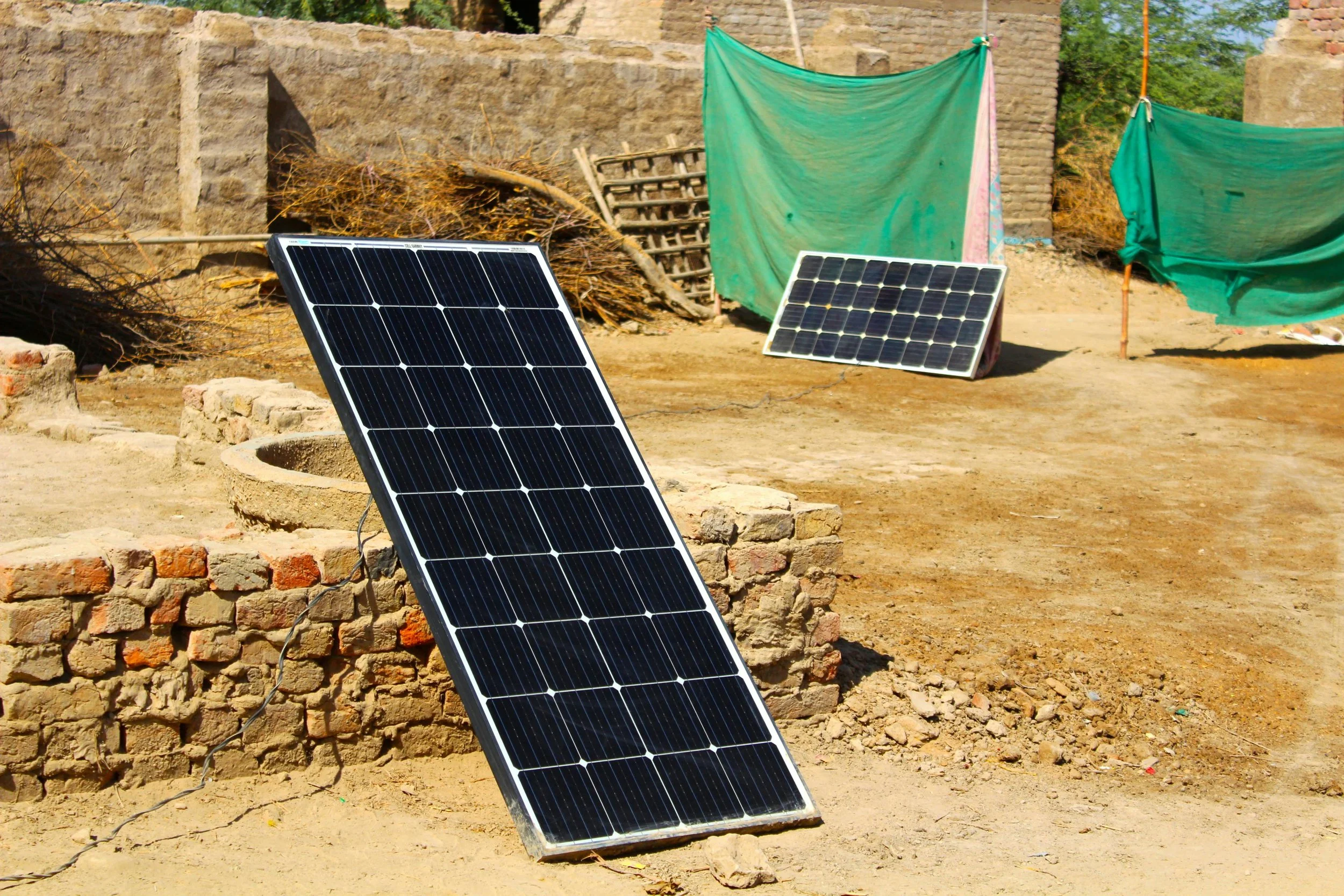
Solar panels outside. Nisar Ahmed Jamali. Pexels.
In many rural regions of Afghanistan, the central power grid is frequently unreliable or entirely absent. This limitation has, in some cases, become advantageous. With nearly 300 sunny days in the country each year, solar energy offers a reliable and low-maintenance power source. Residents increasingly utilize compact, discreet solar systems to operate internet routers and charge electronic devices. As a result, women are able to access online learning platforms from home without drawing attention.
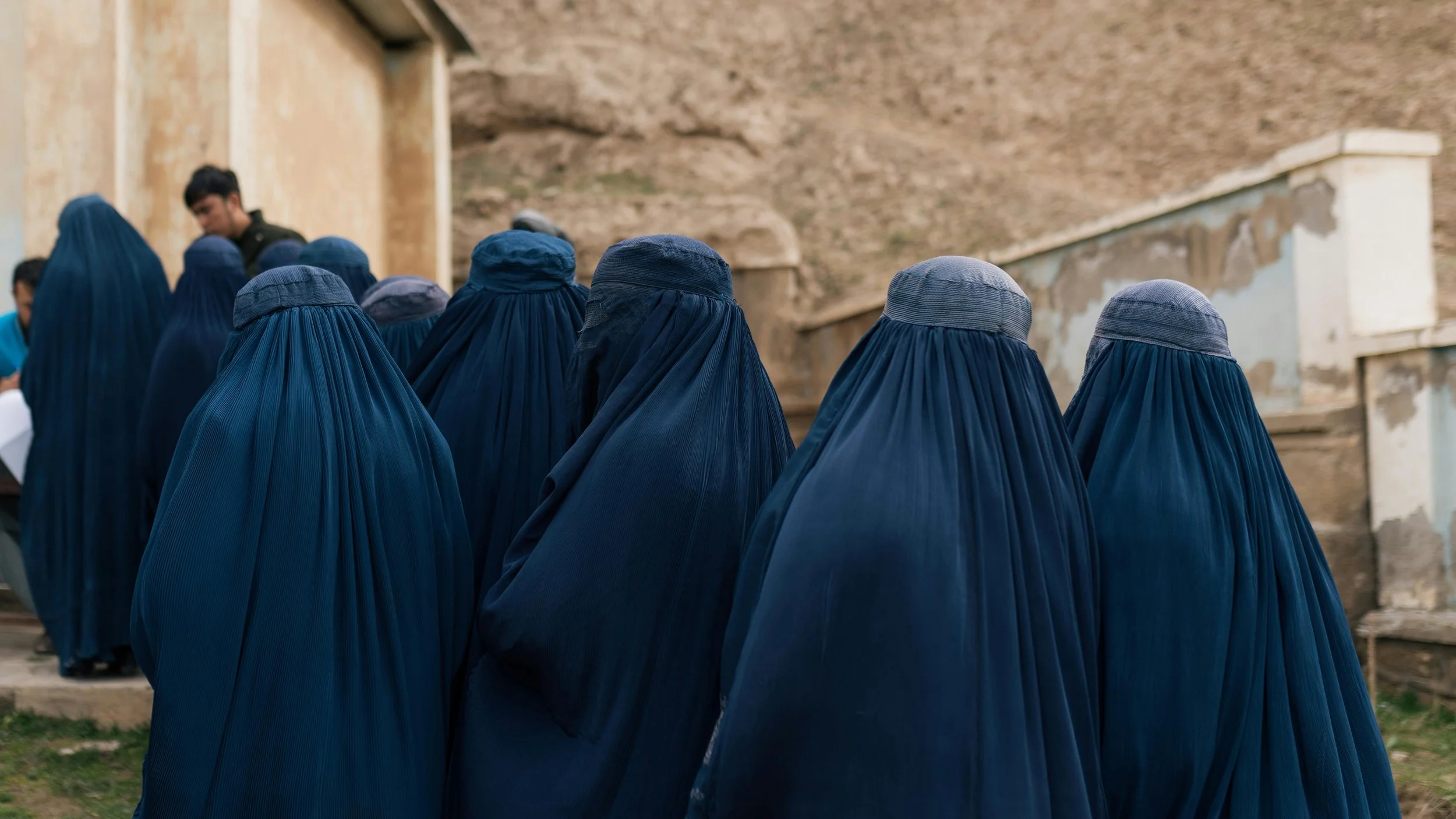
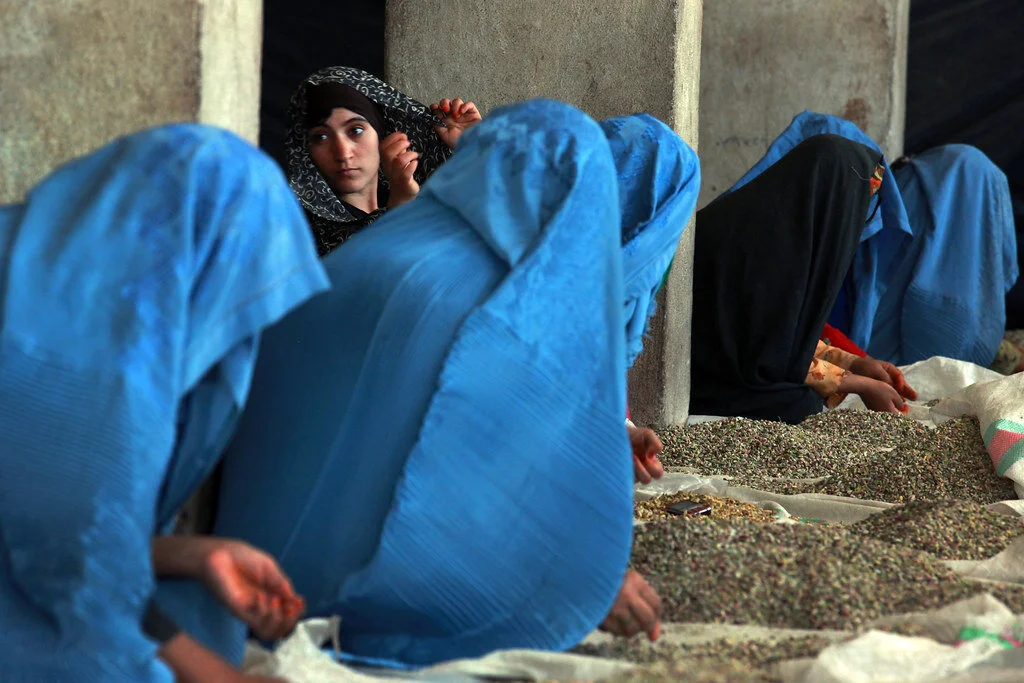
Women in blue burqas. Faruk Tokluoglu. Pexels.
These solar-powered hubs enable women to enroll in confidential coding bootcamps and digital training programs. Murtaza Jafari, an Afghan refugee in Greece, launched one such initiative last year to support his community. As part of his company, Afghan Geeks, he provides dozens of Afghan women with technical instruction and assists them in obtaining remote internships and job opportunities. For many of his students, this work represents more than education; it serves as a vital support system. A 24-year-old student, Sodaba, described the program as her sole opportunity to pursue her aspirations. Such narratives are increasingly prevalent as more women utilize digital platforms to regain agency over their futures.
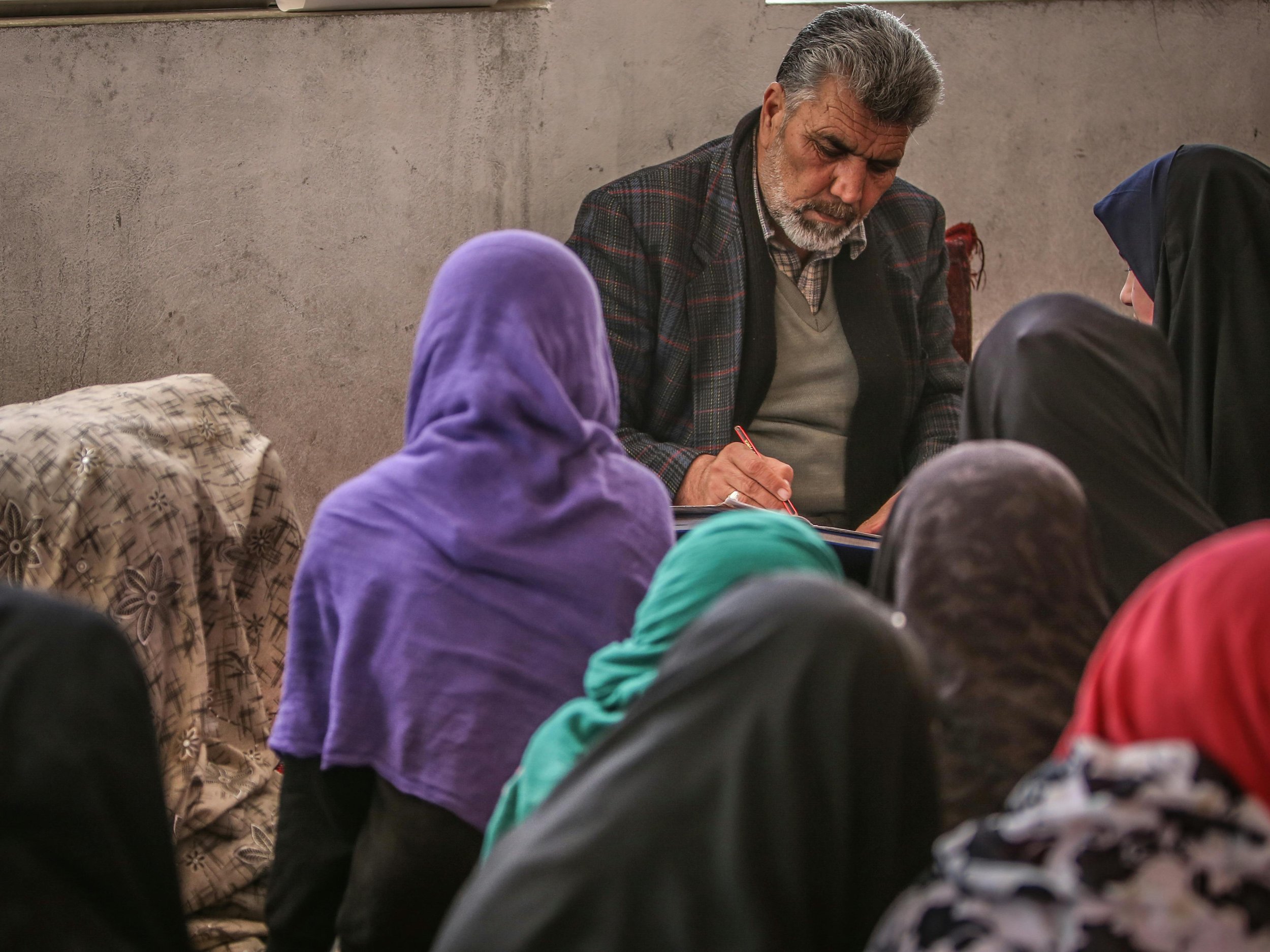
Afghan classroom. Mehdi Khoshnejad. Pexels.
This underground network of learners is part of what some are calling a “digital resistance.” Unable to gather publicly or attend formal institutions, Afghan women are developing decentralized education systems. Lessons are conducted in secrecy, often shared through encrypted messaging apps or coordinated schedules to avoid detection. What is an ordinary online class elsewhere becomes an act of defiance here.
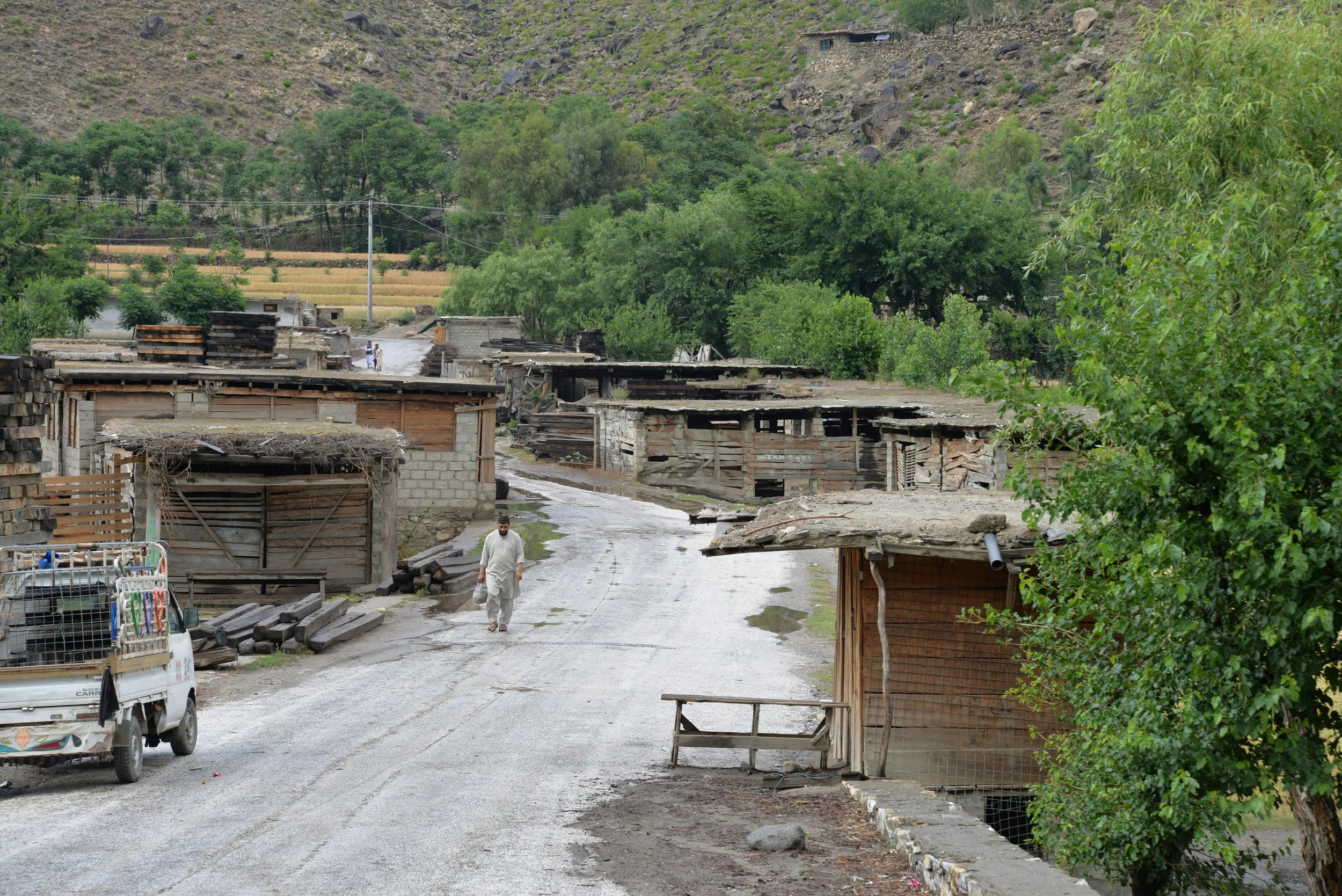
Rural village in Afghan countryside. Burhan Azizi. Pexels.
In this context, technology is not just a tool but a means of empowerment. Coding, in particular, provides a distinct advantage. It is a skill that can be acquired remotely, practiced independently and monetized on a global scale. Freelance platforms and remote work opportunities enable women to earn income without leaving their homes, thereby circumventing many restrictions associated with physical workplaces. Multiple organizations support this movement by providing resources, funding and training. Initiatives such as the SheDreams Foundation and the Society of Women Coders Afghanistan aim to teach programming skills to thousands of Afghan women, often at no cost. Other organizations, including Sahar Education and the Digital Citizen Fund, emphasize broader digital literacy by offering STEAM education and offline-access tools for individuals with limited connectivity.
Grassroots initiatives also directly support home-based learning. Programs facilitated by platforms such as GlobalGiving provide equipment, internet access and secure learning environments for girls who otherwise lack educational opportunities. Additionally, advocacy organizations like Afghan Women Leaders Connect amplify these narratives and link global donors with women-led initiatives operating locally. Where opportunities are systematically diminished, Afghan women are developing innovative strategies to establish their own. Through coding, they are constructing careers, fostering communities and forging discreet avenues to autonomy, supported by solar energy and sustained by a strong commitment to education.
GET INVOLVED:
Code to Inspire is a nonprofit that teaches Afghan women coding, digital skills and entrepreneurship, helping them build careers and achieve financial independence through remote work opportunities.
Digital Citizen Fund expands access to technology, STEAM education and entrepreneurship training for women and girls, helping them gain digital literacy and financial independence.
Women for Afghan Women provides protection, legal support, education and advocacy for women and girls facing violence and inequality, working to promote long-term social and cultural change.
Free Press Unlimited supports journalists and media organizations around the world to ensure access to independent, reliable information, especially in regions with limited press freedom.
Access Now is a global nonprofit that defends digital rights, promotes online freedom of expression and works to ensure secure and open internet access for vulnerable communities.

Carson Jelinek
Carson is a 22 year old writer and filmmaker studying film and media productions at Arizona State University. His work explores travel, culture, and the people behind the places, with a focus on stories that encourage curiosity and global understanding.
Protecting Afghanistan’s Cultural Heritage in Bamiyan Valley
Experts seek to protect the colossal Bamiyan Buddha statues, after Afghanistan’s Taliban coordinated their destruction.
Read MoreThen and Now: The Role of Women in Afghanistan
From the 1920s to today, women's roles and rights have evolved across a century of Afghan history.
Read MoreWill Recognizing the Taliban Ultimately Help The Afghan People?
Although Russia’s official decision to recognize the Taliban came as a surprise, many countries already unofficially acknowledge the de facto government, and some argue that Western recognition may be the best way to help the Afghan people.
Read MoreRefusing Silence: Afghan Women Fight Back Through Prose
In the face of censorship and exile, Afghan women are creating new paths to keep their writing alive.
Read MoreHow Afghan Women Are Combating the Ban on Education
After losing access to education, Afghan women advocate for rights through silent schools and public outcry.
Read MoreAfghanistan is Starving: The Ongoing Food Crisis Under Taliban Rule
Millions of Afghan children will suffer crisis-level hunger by the end of 2024.
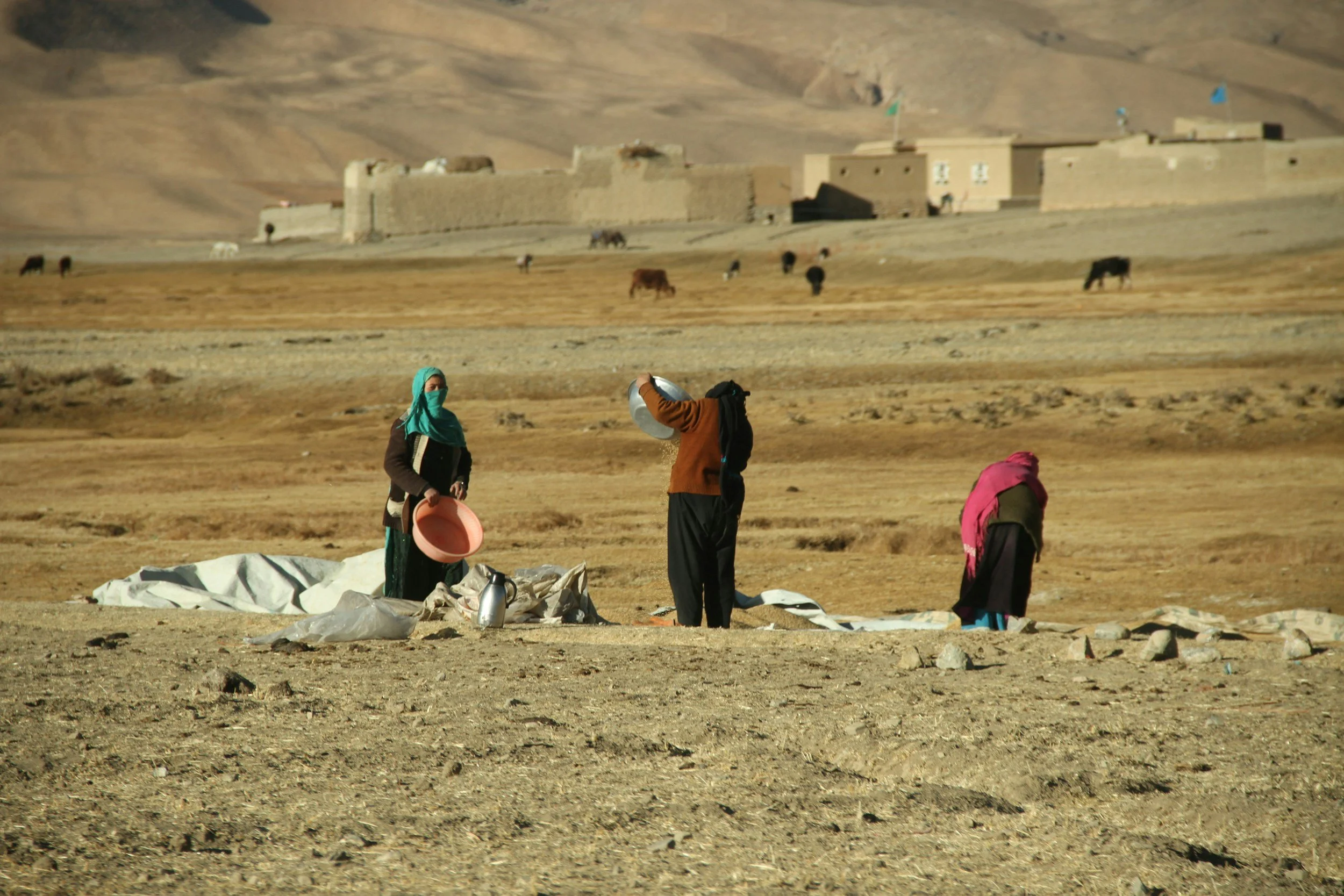
Arid landscape in Afghanistan. Unsplash. CC0
Afghanistan has had no shortage of crises so far this year. Frequent flooding in the north and west in May and severe drought in January have triggered a monumental inflow of humanitarian aid, but despite the world’s best efforts, it appears that the fallout from these events will be seriously damaging for the already impoverished and oppressed citizens for the rest of the year.
Studies by Integrated Food Security Phase Classification, an independent global hunger monitoring organization, suggest that around 12.4 million Afghan citizens will be faced with food insecurity between June and October of 2024. Of those affected, just over half are children. In addition, 2.4 million citizens will experience starvation at emergency levels; this categorization is just above outright famine.
A variety of causes have been listed for the crisis. Back in May, flooding devastated many northern towns, affecting 60,000 citizens and reducing farmland to fields of mud. Based on weather patterns, these floods are expected to continue throughout the year, preventing any recovery of the farmland and causing a major decrease in domestic food production.
Additionally, an unexpectedly warm and dry winter has led to a lasting drought across the southern and western parts of the country. Although rainfall has increased somewhat in recent months, the arrival of the La Nina weather pattern in the fall is expected to bring even more dry, warm days. Although some farmland is recovering thanks to the brief respite provided by El Nino, much of the land is about to be confronted with a second round of drought conditions, further cutting down food production.
The most prominent cause of food insecurity, however, is the ever-present and ever-controversial Taliban government. Local currency has taken an alarming plunge while food prices, thanks to scarcity caused by the aforementioned environmental catastrophes, continue to soar. The Taliban’s apparent lack of concern for Afghanistan’s economy suggests that there will be no serious action towards rectifying the crash. Economic aid from foreign countries helps somewhat to avert the biggest fallout from the crisis, but the problem is virtually unfixable without changes in the regime's policies.
Regardless of how it began, the food crisis in Afghanistan is only getting worse—and fast. The country is alarmingly unequipped to pull itself out of poverty and hunger; action by charities and foreign governments is helping, but more is needed to prevent the looming threat of starvation. Hundreds of thousands of families are actively struggling to find their next meals, and millions of children will soon be forced to endure near-famine levels of food insecurity.
How You Can Help
Organizations such as the World Food Programme and UN Crisis Relief are actively supplying food to communities most impacted by the crisis. Estimates show that around $600 million are needed to ease the burden across the entire country. Other groups, such as UNICEF, are specifically aiming to feed and protect the millions of starving children and their families. There is no way to fix Afghanistan’s economic and political crises from the outside, but these organizations have already helped to feed and house countless citizens facing down these disasters head-on.
Ryan Livingston
Ryan is a senior at The College of New Jersey, majoring in English and minoring in marketing. Since a young age, Ryan has been passionate about human rights and environmental action and uses his writing to educate wherever he can. He hopes to pursue a career in professional writing and spread his message even further.
From Drought to Deluge: Afghanistan’s Flash Floods
As the 6th most vulnerable country to climate change, Afghanistan has faced intensified food insecurity following a disastrous series of floods throughout April and May 2024.
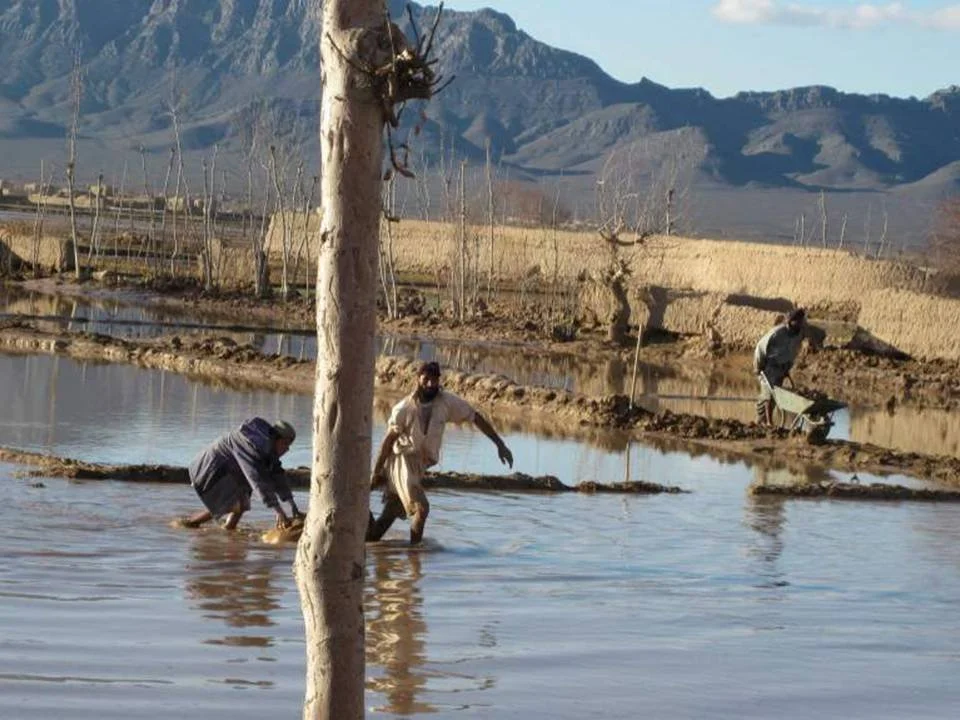
Flood relief efforts in Herat, Afghanistan. NATO Training Mission-Afghanistan. CC BY-SA 2.0
Over the past few months, hundreds in Afghanistan have died due to flooding. In April 2024, at least 70 people died from flash floods throughout Afghanistan. The floods and heavy rains have also destroyed several schools and mosques, in addition to more than 2,000 homes.
Throughout May 2024, over 1,000 houses were destroyed and more than 300 people died from floods in Afghanistan. The hardest-hit provinces include Badakhshan, Baghlan, Ghor and Herat.
On May 10th and 11th floods affected over 60,000 people. The floods destroyed about 500 houses throughout Afghanistan’s Baghlan and Badakhshan provinces with 16 deaths recorded as of May 27th, 2024. Of the 16 deaths, 10 were members of the same family.
The most recent series of floods on May 18th and May 19th, 2024 took the lives of over 100 people and destroyed nearly 1,500 homes. The death toll is expected to rise as search and rescue operations continue.
Because of climate change flooding has increased, and Afghanistan is not the only country facing destructive floods in May 2024. Over the last month, Afghanistan, East Africa and Brazil have been hit with flooding in the wake of torrential rains. Climate change contributes to increased rainfall and flooding because of hotter climates contributing to snow and ice melt and intensified weather fluctuations.
In Afghanistan, the high number of floods and casualties throughout the first half of 2024 followed a dry winter that left the ground unable to adequately absorb the abnormally high rainfall. Afghanistan’s average temperature has increased by about 1.8°C since 1950. Unusually warm temperatures have exacerbated the problem, as snow melts prematurely into the rivers.
Considering flooding is expected to increase throughout the coming months because of the erratic weather spurred by climate change, there is a need for more investments in infrastructure, specifically climate adaptation projects.
Organizations like the UN Development Programme and other UN agencies are dedicated to supporting Afghanistan in risk management, climate resilience and improved resource management.
GET INVOLVED
Emergency assistance is needed by the 38 million people throughout Afghanistan. As the floods have rendered many areas inaccessible by ground transportation, organizations such as the World Food Programme have resorted to using donkeys to transport food and supplies to those in need. To support relief efforts, donations can be made to organizations like the World Food Programme and the UN Refugee Agency.

Madison Paulus
Madison is a student at George Washington University studying international affairs, journalism, mass communication, and Arabic. Born and raised in Seattle, Washington, Madison grew up in a creative, open-minded environment. With passions for human rights and social justice, Madison uses her writing skills to educate and advocate. In the future, Madison hopes to pursue a career in science communication or travel journalism.
Ski Trips Make a Comeback in Afghanistan
Untamed Borders navigates powder and a new administration as adventure enthusiasts transcend cultural and geographical borders
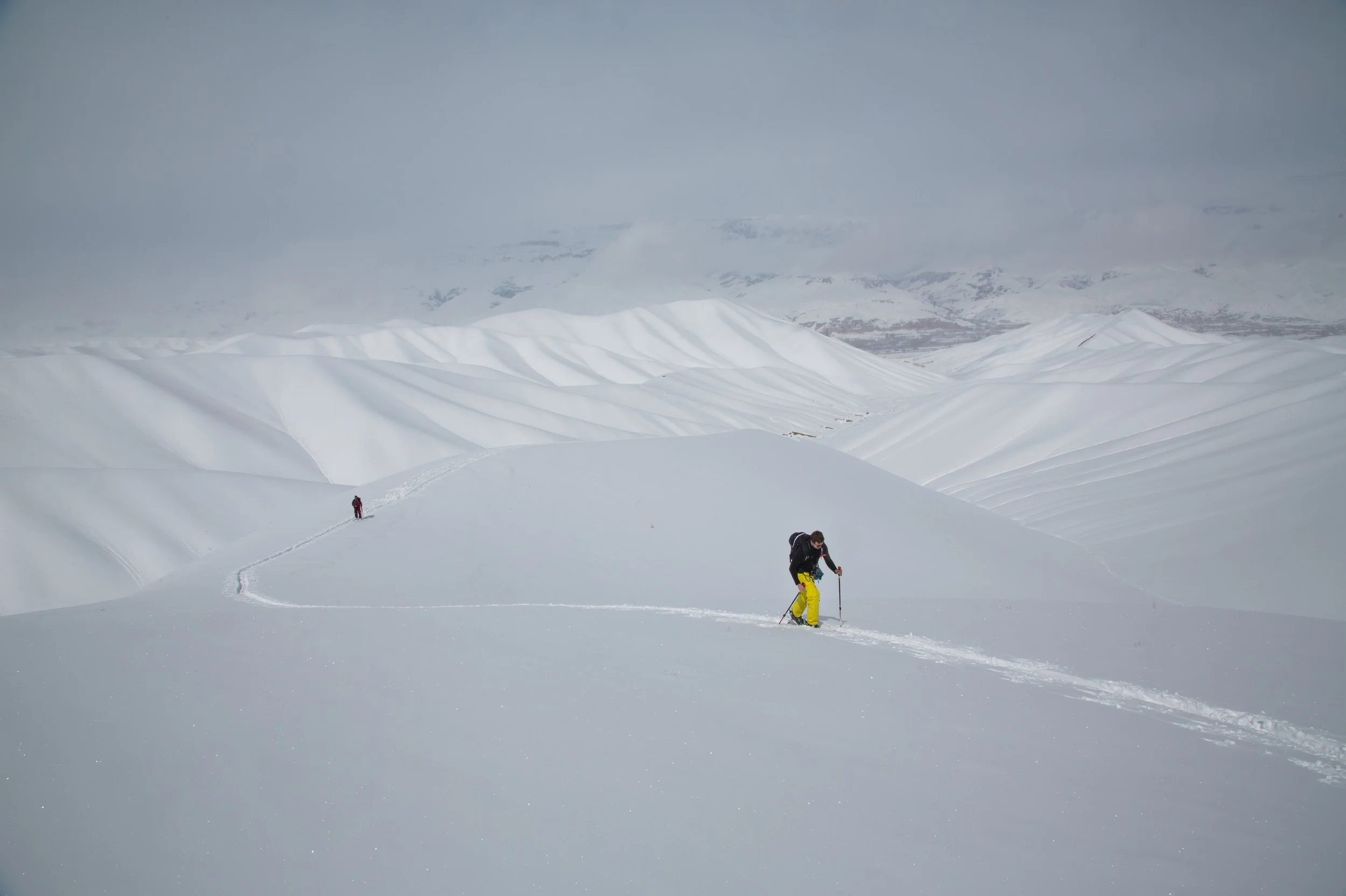
Tourist Skiing in Afghanistan. Neil Silverton
Afghanistan’s ski slopes have witnessed the return of tourists for the first time since the new Taliban government came into power in 2021. Untamed Borders is a UK based travel company, formed in 2008, that focuses on providing travel opportunities to some of the world's most interesting and inaccessible places. In 2011 it pioneered excursions to Afghanistan, and has recently decided to resume its trips to the non-traditional ski tourism destination.
The group sponsored one trip in the winter of 2024 that lasted from February 22nd to March third. It began in Islamabad, Pakistan and ended in Kabul, Afghanistan. It was a magnet for those looking to experience the region’s rugged yet beautiful landscape. Skiers started in Pakistan, where they received visas, before flying to Kabul and driving to Bamian to spend four days skiing.
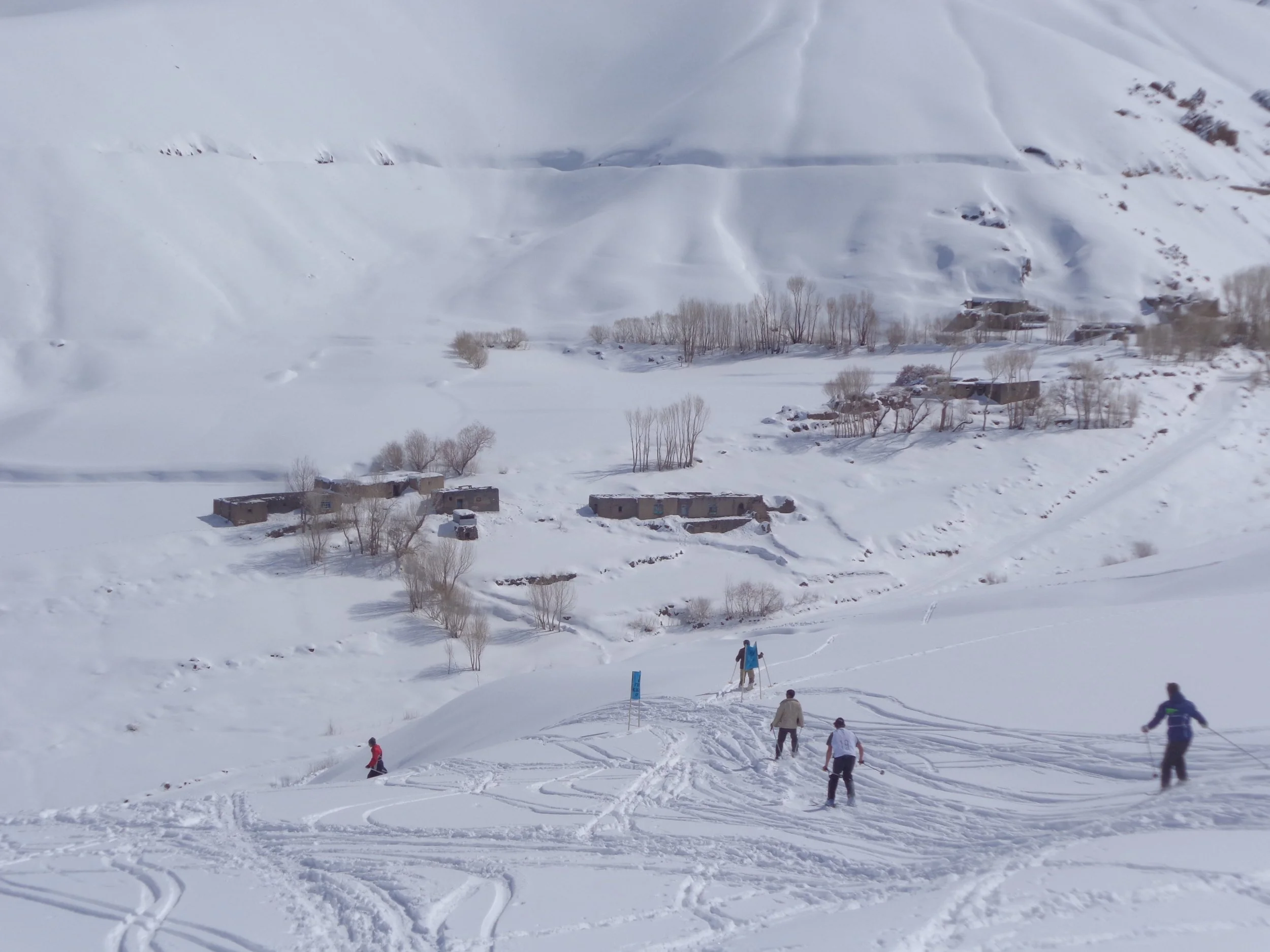
Group Skiing in Afghanistan. Ana Tasič, Untamed Borders
In 2025, the company is set to continue its trips to Afghanistan. For this upcoming year the trip will be set in the Bamian Province once again, with skiing taking place in the Koh e Baba Mountain range. Similar to past trips, travelers are expected to end in Kabul and begin by venturing through Islamabad and Peshiwar, Pakistan. Skiers will have the opportunity to be led by local guides, who will help them explore Afghanistan’s popular slopes and to experience backcountry skiing on routes that may have never been skied before. Travelers will additionally have the opportunity to visit the remains of Bamian’s famous Buddha statues, the ancient city of Shahr e Zohak and take part in the Afghan Peak Ski Race.
Ana Tasič, an international guide for Untamed Borders, emphasized the beauty of the trip to Bamian Province, highlighting the drive through the outskirts of the snowy Hindu Kush Mountains. She explained that it typically takes around four to six hours to get to the Province but that “the journey through the mountains is spectacular.”
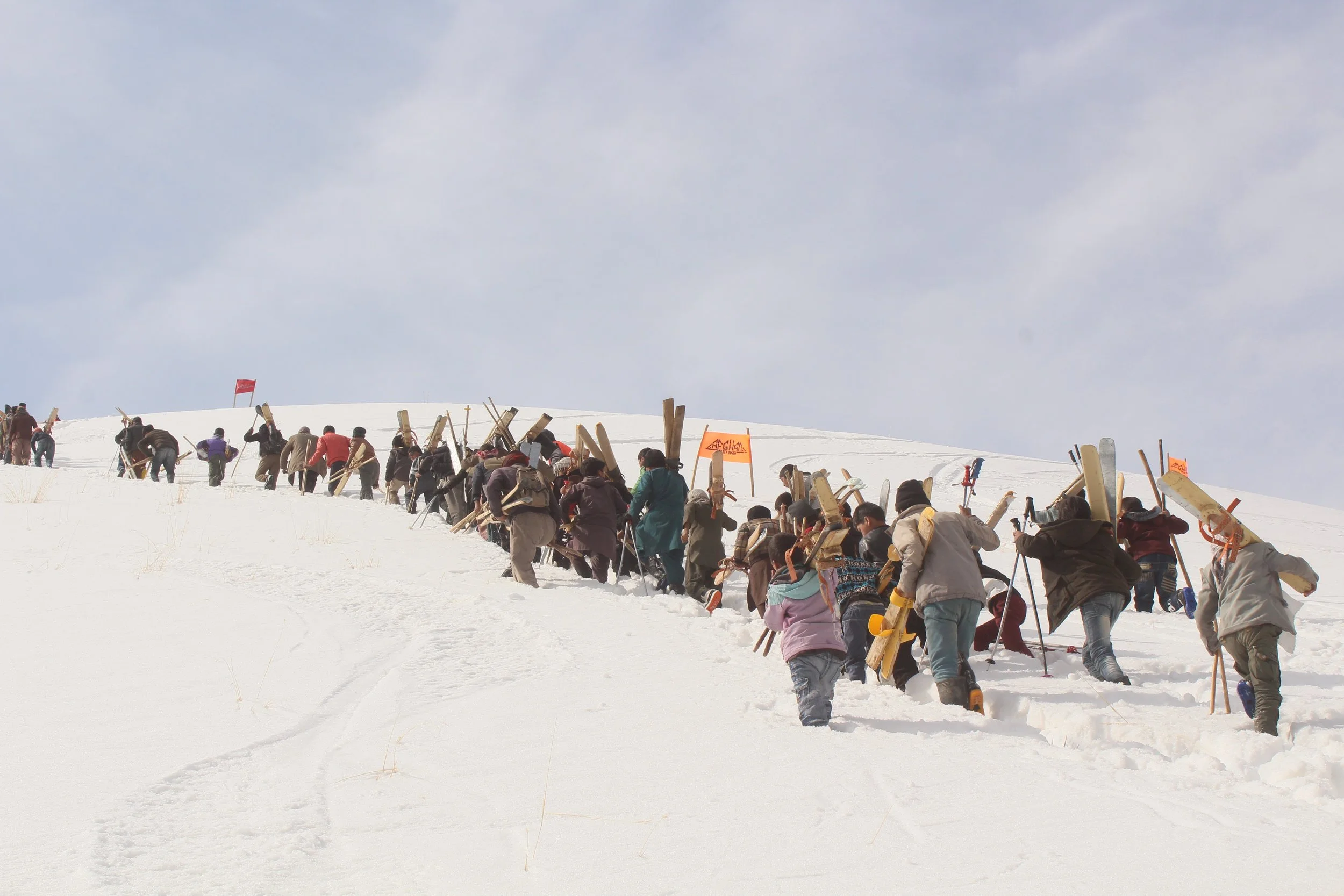
Afghan Peaks Ski Race. Afghan Peaks Charitable Trust.
Each year, the annual ski trip run by Untamed Borders coincides with Afghanistan’s annual Afghan Peak Ski Race. International groups will be offered the opportunity to take part in it alongside locals. The race typically includes two different types of skiing. One race is for people using wooden skis and the other is for those using conventional skis. The competition allows people of all ages to compete, but has faced some challenges that allow women to participate as a result of the Taliban taking over. Tasič, a former teacher of the ski club for girls, mentioned the changes in government over the past couple of years that have prevented the participation of women.
“We can’t do anything with women in sports anymore, so this has definitely changed but there’s not much that we can do about it. We’re hoping that this changes in the next few years,” she said.
The new regime in Afghanistan has not created the need for Untamed Borders to up security considerations. Because the Taliban now run Afghanistan there is less of a worry over unpredictable attacks than before, although getting into the country has become complicated. While some changes have been made in regards to travel planning, Tasič reassured those considering the trip that although “a lot has changed in the last eight years, one thing that stands out is the hospitality of the people there.” She mentioned how the trip is an opportunity for travelers to not just meet locals but to spend a week with them and get to see how they live.
“We get to experience Afghanistan in a way that most people don’t. It’s not just a ski trip, but it’s also a cultural and hospitality trip,” Tasič said.
TO GET INVOLVED
For the 2025 trip, those interested can find more information on Untamed Borders’ website. The trip to Afghanistan costs $2,850 USD and dates are not yet finalized, but when they are they will be posted to the same site for travelers to easily access.
Mira White
Mira is a student at Brown University studying international and public affairs. Passionate about travel and language learning, she is eager to visit each continent to better understand the world and the people across it. In her free time she perfects her French, hoping to someday live in France working as a freelance journalist or in international affairs.
Afghanistan’s Only Female Tour Guide Hosts Virtual Tours
This is the story of 24-year-old Fatima Haidari’s love and dedication to her country — from 3,000 miles away.
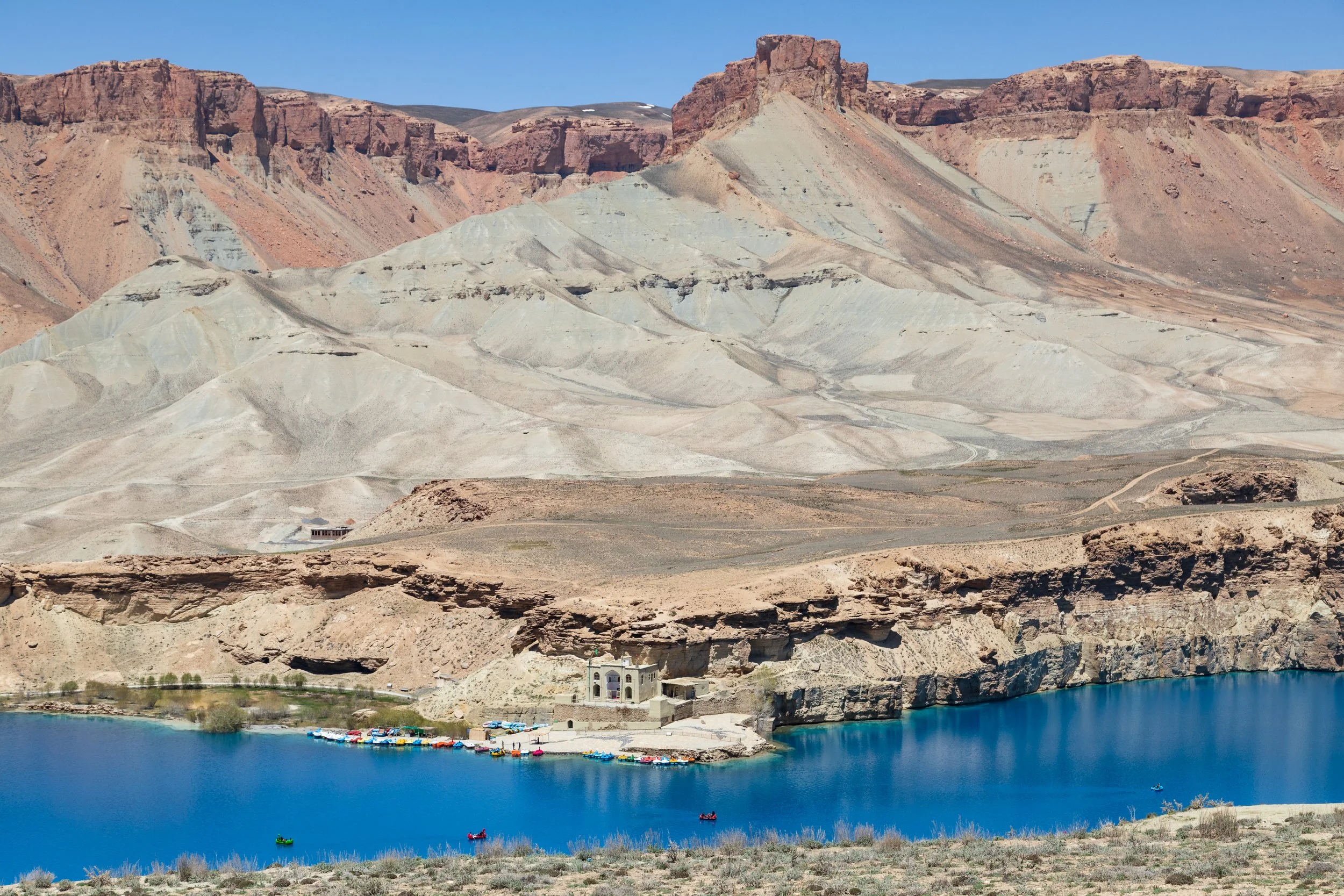
Bamyan Province, Afghanistan. Untamed Borders.
Meet Fatima Haidari: a 24-year-old guide who offers virtual tours of her country, Afghanistan. Forced to flee by the Taliban, Fatima now resides in Milan, Italy and provides a detailed tourist experience through Zoom of the Afghan city of Herat — taking visitors through sites such as the Citadel and the Central Blue Mosque.
Before the Taliban seized power in August 2021, Fatima worked as a local tour guide in Herat, using the job as a means to pay for her education, where she studied journalism and mass communication at university. Fatima is also the first ever female tour guide in Afghanistan, recognized in headlines in 2020. While she is no longer able to offer those in-person tours of her homeland, she continues to do what she can to show Herat off to the world — not just because the city is a beautiful and interesting place to explore, but because she doesn’t want outsiders to associate Afghanistan only with war and terror. Rather, its culture and history are what matter to her, and should take center stage.
But her passion and love for her country isn’t the only place Fatima’s heart lies. Growing up in the mountains in the central region of Ghor, Fatima was the youngest of seven children and was denied a rightful education, because she was a woman and because her family lacked the money. She worked for three years, making items such as traditional clothes to earn her way into an education, and was finally able to convince her parents to allow her to go to university in Herat in 2019, where she studied journalism.
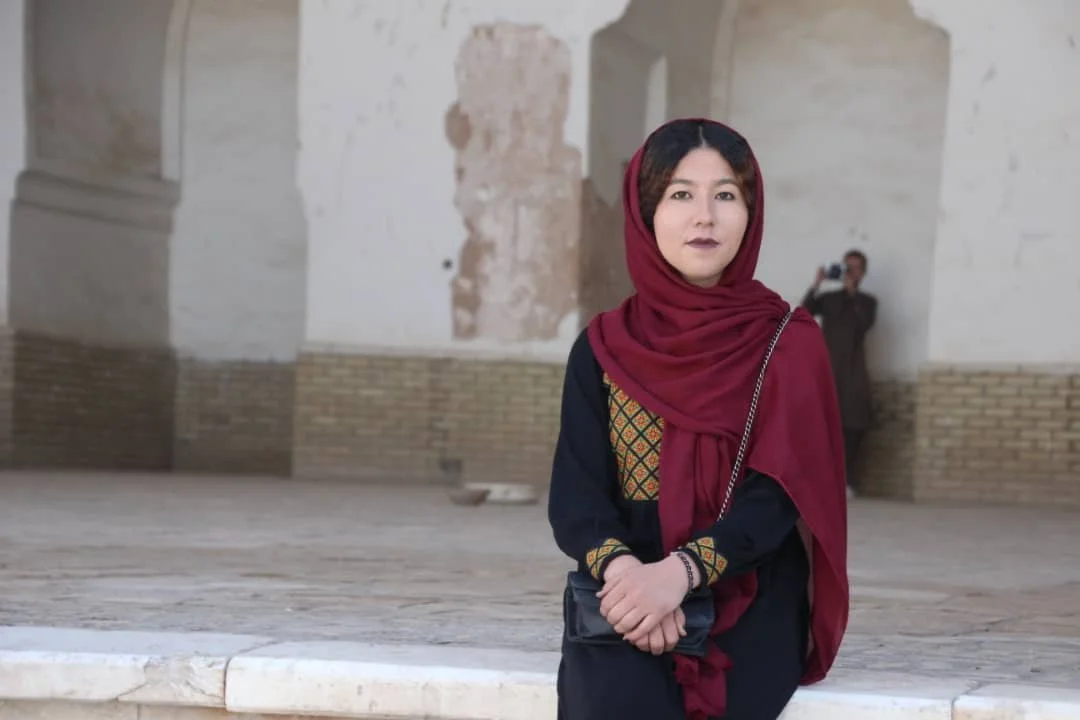
Fatima in Herat. Untamed Borders.
Through years of hard work, Fatima was able to get an education. But many girls back home in Afghanistan do not have the same privilege. Considered one of the lucky ones to have fled, Fatima will use a portion of the money she earns from the Afghan virtual tours to donate to a women's education charity, which currently operates in Afghanistan.
Fatima partners with Untamed Borders — a travel operator dedicated to taking groups to some of the most interesting and inaccessible places — to make these virtual tours possible. The approximately 1.5 hour tour will take guests to see the 1,400-year-old Great Mosque, the Herat Citadel and through the city’s bazaars and traditional teahouses, while Fatima narrates stories about Afghanistan that focus on its people, culture and extensive history.
But this event is a milestone itself. There has never been a virtual tour of Herat, and as Afghanistan’s first-ever female tour guide, this is a groundbreaking step to inspire other women in the nation. As Fatima says, she wants to be a changer, not a victim.
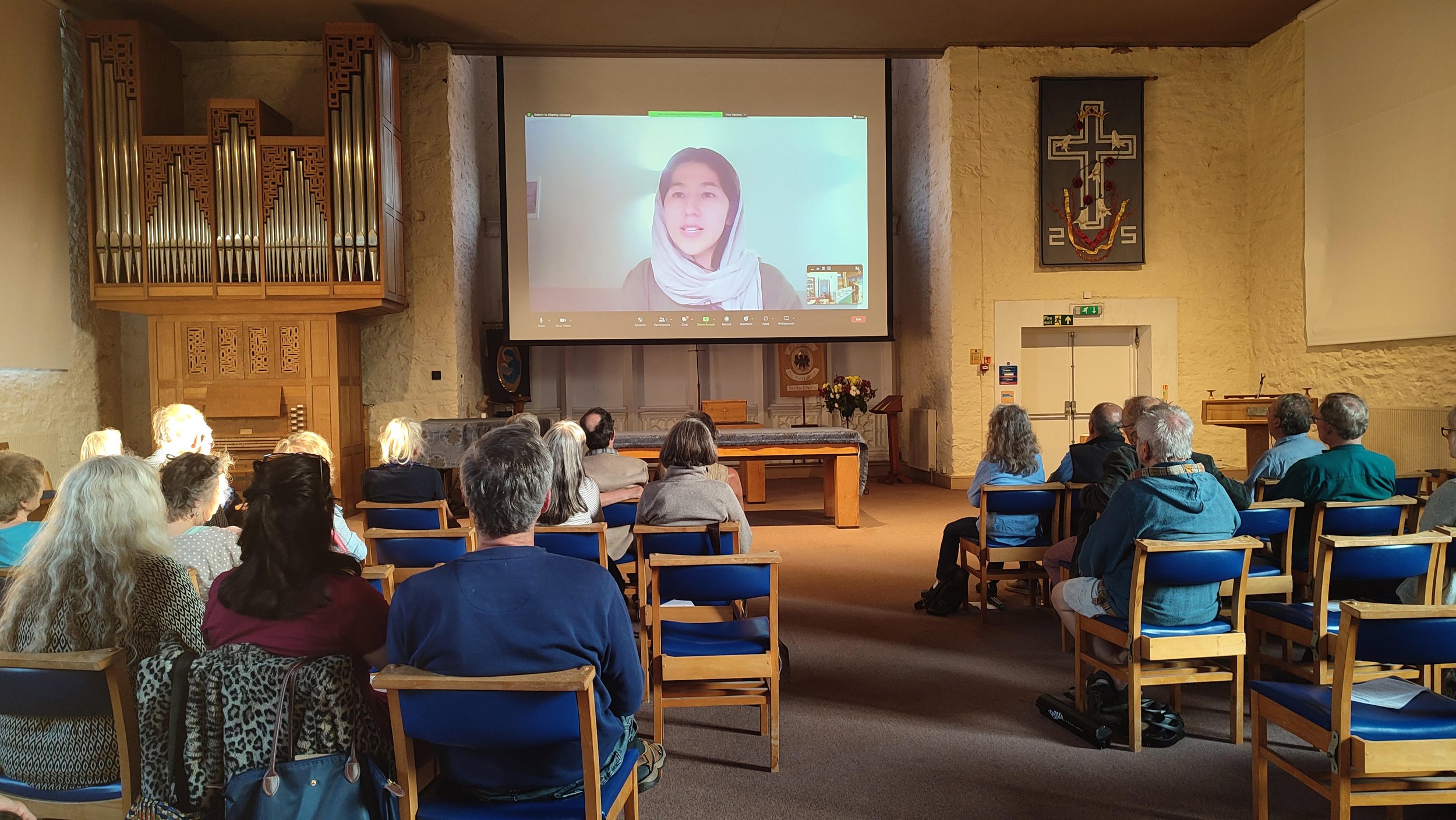
Fatima leading a virtual group tour. Untamed Borders.
And, of course, there can be no frank and open discussion about the people of Afghanistan without mentioning its women. Not only are they denied an education, Fatima has said the reascendant Taliban forces women to marry and perpetrates sexual or physical abuse against them. Things are more expensive for women, even though they are losing their jobs and forced to become housewives. By shining a light on the current situation in Afghanistan, Fatima is able to talk about her homeland while also spreading awareness to those able to make a difference.
Fatima’s next virtual tour will take place on September 12. Guests are able to book through Untamed Borders, and tickets will cost $60.
Through her own personal experiences and ties to a country seized by tyranny, Fatima hopes to share what makes Afghanistan so distinct and worthy of exploration while also fighting for justice, so that the women there will grow up knowing what it’s like to go to school.
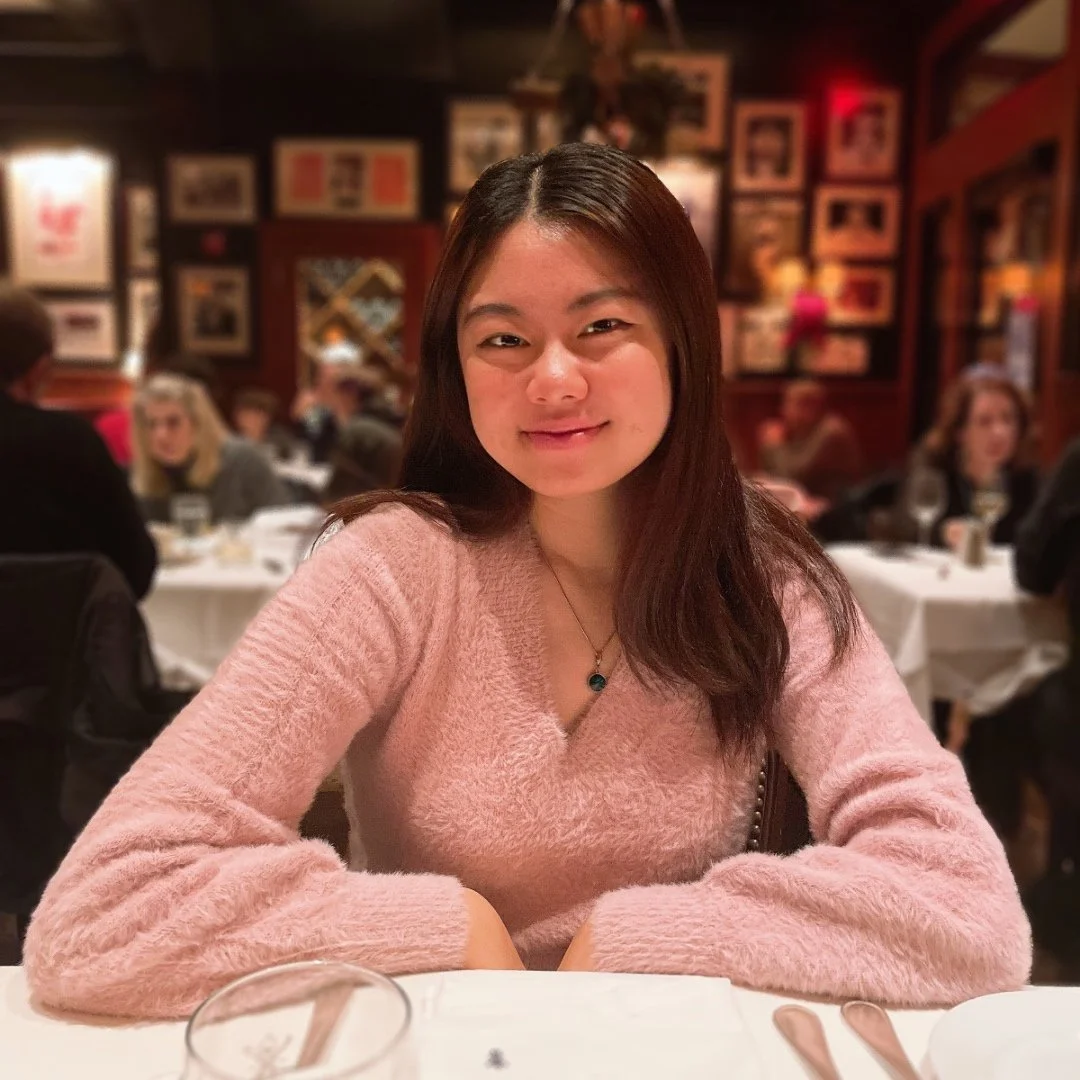
Michelle Tian
Michelle is a senior at Boston University, majoring in journalism and minoring in philosophy. Her parents are first-generation immigrants from China, so her love for different cultures and traveling came naturally at a young age. After graduation, she hopes to continue sharing important messages through her work.
Underground Schools for Women and Girls in Afghanistan
The Taliban reconquest of Afghanistan brought an education ban for women and girls, but secret schools have emerged.

A burqa-clad woman in Kabul in September 2021, Milad Hamadi for the Tasnim News Agency. Public domain, via Wikimedia Commons
The life of every Afghan citizen changed on August 15, 2021, when Taliban forces seized the capital city of Kabul and, for the first time in decades, were able to impose the group’s severe intolerance on the whole nation. Those most affected have been young girls and women, who are limited in going about their daily lives and barred from many activities that they previously were able to enjoy freely. As the Taliban continue to ban women from schools and universities, a new generation of young Afghan girls are left wondering what their future will look like. Recently underground school operations have opened up, taking place both virtually and in person, allowing many Afghan girls the ability to continue their education despite the repression, keeping hope alive in a society that faces deep political and societal challenges.
According to the Taliban’s Minister for Higher Education, Neda Mohammad Nadeem, women are not allowed to go to school because they weren’t following the rules of how “proper ladies” should act in a public setting, including not adhering to the Emirate’s strict dress code. However, this issue transcends the regime’s hijab policy. The Taliban use religion to justify their strict policies, arguing that it goes against Islamic principles to have girls and women go to school, even stating that the sciences as a whole are no place for them. The Taliban is able to impose its own interpretation of Sharia Law, the traditional Islamic legal code, which is known for including strict guidelines for how girls and women should live. Many professional Muslim scholars have rebutted the Taliban, asserting there is no justification for banning women from having an education, including that “gender-based denial of education has no religious justification.”
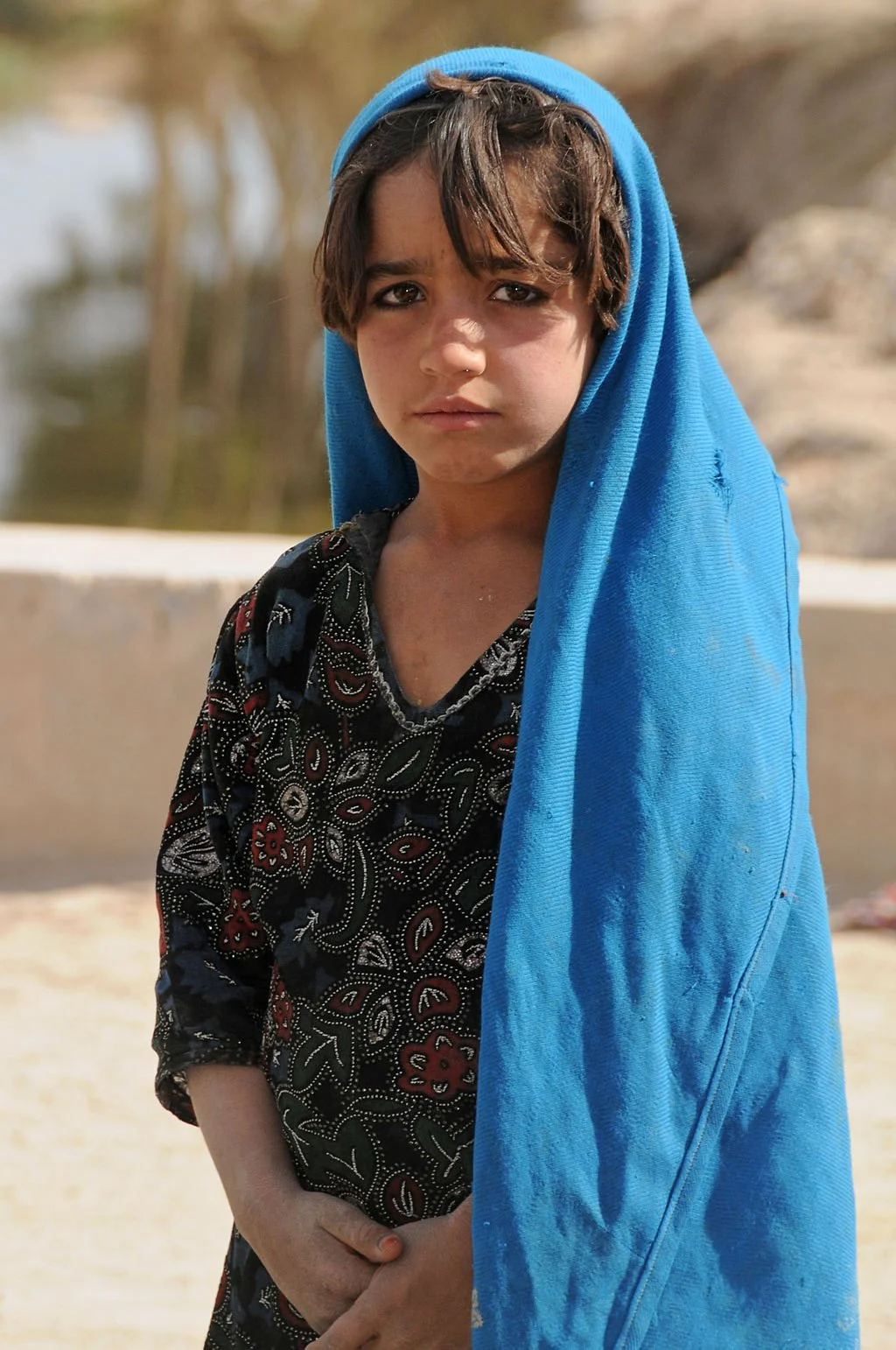
An Afghan girl in Oruzgan Province, John Scott Rafoss. Public domain, via Wikimedia Commons
Despite these obstacles, women and young girls across Afghanistan are fighting for their rights not only to obtain a just education, but to be recognized as important parts of society and claim back their dignity and honor. In an effort to help girls achieve their dreams and achieve literacy, underground schools have started taking shape across the nation, even holding virtual classes. In order to keep an entire generation of young girls thriving, parents are finding alternative means, going as far as risking their lives to create a hidden education system that will serve as primary education and even providing university level courses for older students. One of the pioneer women behind this movement, Sodaba Nazhand, told The Associated Press that “when the Taliban wanted to take away the rights of education and the rights of work from women, I wanted to stand against their decision by teaching these girls.”
While girls and women are able to pursue knowledge and obtain skills through these underground schools, there is much fear among family members and the students themselves, who know the consequences of getting caught disobeying the Taliban. Several of these schools are held virtually for safety and easier access, although not everyone has access to electronics or wifi. Taliban rule has led to widespread poverty across Afghanistan, leaving families and individuals unable to support themselves economically, making internet access unattainable for many. Some schools have even begun to be held in person, as houses become secret classrooms. Nafeesa is a young girl that attends an underground school in her small, rural village in the Eastern part of the country. When asked by reporters how she is able to get away with attending a secret school, she said that “Boys have nothing to do in the kitchen, so I keep my books there. If my brother comes to know about this, he will beat me." Despite the fear that she feels in going against rigidly enforced new social norms, Nafeesa and many others continue to defy the status quo to make a better future for themselves, using education as a portal to freedom.
TO GET INVOLVED
Women For Women International - Women For Women has created an Afghanistan program to help women in the nation discover their power and ways they can pursue a brighter future ahead. For more info, click here.
Malala Fund - Malala Yousafzai has created an Afghanistan fund that provides on-the-ground support to help young girls access education. To learn how you can donate, click here.
Kimberly Hidalgo Hernández
Having obtained a MA in International Policy, Kimberly seeks to bridge the gap between global development and government legislation. Growing up between the United States and Spain, she believes that travel is the best way to discover yourself and understand the world. Her goal is to promote a deeper awareness of the effects of climate change in society and politics.
79 Female Judges, Journalists and Activists Evacuated From Afghanistan
Female Afghan judges fear for their lives as Taliban prisoners they previously sentenced are now free.
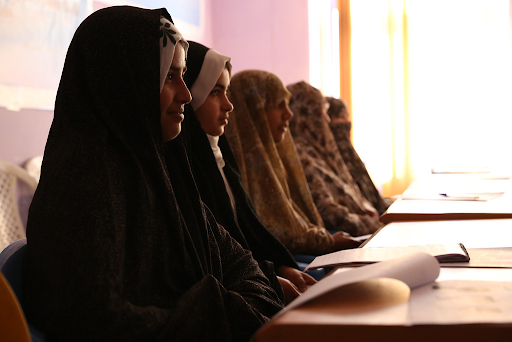
Women’s photojournalism course in Farah City, Afghanistan. ResoluteSupportMedia. CC BY 2.
In August 2021 the Taliban took control of Afghanistan shortly after the United States withdrew its military. As a result, there were mass attempts to flee. This culminated in citizens desperately rushing the Kubal airfield in attempts to leave the country. Concern for female judges and lawyers started immediately when the Taliban seized control, as many of those judges had sentenced Taliban fighters to prison and feared what would happen to them and their families. Many of the prisoners released by the Taliban had been convicted of serious and violent crimes, causing the judges and lawyers that prosecuted them to fear retaliation. One female judge reported receiving threats from released prisoners shehad convicted, forcing her to go into hiding, fearing for her and her family’s lives. Many of the people that initially fled the country were citizens of NATO countries who were evacuated by their respective governments, leaving citizens of Afghanistan scrambling to find refuge. Early efforts to evacuate the judges were made by the nonprofit International Association of Women Judges, who worked to find ways out of the country for the female Judges.
Most recently the International Bar Association’s Human Rights Institute helped to evacuate a total of 79 female judges, journalists and activists to Greece. The group was also able to evacuate the women’s families, totalling to 370 people who were able to flee Afghanistan. Greece gave the refugees temporary visas, and the International Bar Association’s Human Rights Institute is continuing to look for more permanent solutions for the families. Many of the families evacuated have already been welcomed into other countries as their final destinations, including Australia, Germany, the United States, Ireland, Iceland and the United Kingdom. The effort was led by Baroness Kennedy of the UK. The first flight that evacuated the judges and activists departed in early October, carrying 26 people. The following two flights to Greece carried the 370 total evacuated judges, journalists and activists along with their families.
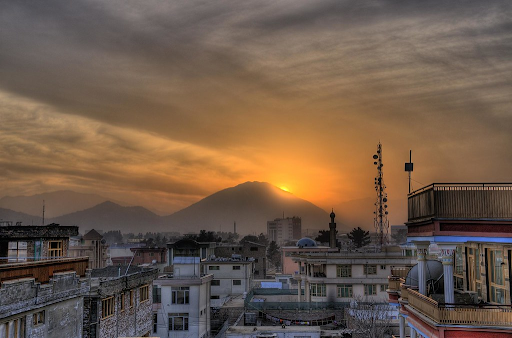
Kabul the capital of Afghanistan. Jorr81. CC BY-NC-SA 2.0
The fear for women’s safety not only comes from their occupations and judges, journalists and activists, but when the Taliban previously had power in Afghanistan women had very few rights. They were unable to work, receive an education, or leave the house without a male relative escorting them. Women working as judges was seen as a major step in elevating women’s rights in Afghanistan after the occupation of the Taliban. Female judges now forced to flee or go into hiding for fear of retaliation for their work is a devastating regression from the progress made.
Dana Flynn
Dana is a recent graduate from Tufts University with a degree in English. While at Tufts she enjoyed working on a campus literary magazine and reading as much as possible. Originally from the Pacific Northwest, she loves to explore and learn new things.
What Happens to Afghan Refugees Once They Flee?
People have been leaving Afghanistan for 40 years, hoping to escape conflict, violence, and poverty. The Taliban’s recent takeover has exacerbated the displacement and flight of Afghan people, but where do they go once they’ve left?
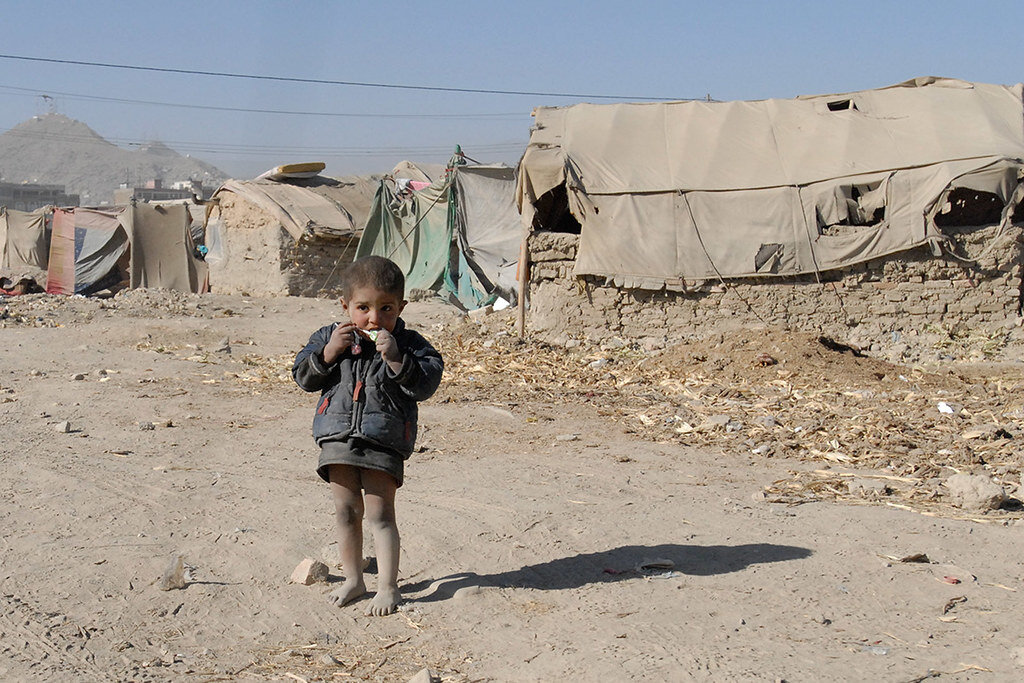
Why are people fleeing Afghanistan?
This year, 20 years after The Taliban was ousted from power in Afghanistan, the insurgent group regained control of the country. On August 15, Taliban forces took Kabul, the nation’s capital, with little resistance. Afghan President Ashraf Ghani fled the country, and the government collapsed, securing The Taliban’s position of power.
Following The Taliban’s seizure of Kabul and effective takeover of the country, tens of thousands of people fled Afghanistan, fearing their safety under Taliban rule.
Amnesty International reports that at present, there are over 2.6 million registered refugees from Afghanistan worldwide and more who haven’t been registered or who are asylum seekers (meaning they haven’t yet been legally recognized as refugees). People began leaving Afghanistan forty years ago, seeking refuge from conflict, violence and poverty. However, the recent Taliban takeover has escalated the amount of violence faced by people in Afghanistan and raised human rights concerns, especially over the treatment of women and girls.
The United Nations Refugee Agency predicts that up to half a million people could flee Afghanistan by the end of the year. As many as 125,000 people fled between August 16 and 26 during a multinational evacuation effort led by the U.S. military. However, more Afghans are still displaced and trying to escape Taliban rule.
What happens to Afghan refugees once they leave the country?
If Afghans can make it out of the country, what happens next varies. Those leaving via land borders often live in temporary refugee camps, like the ones set up by Iran and Tajikistan.
Pakistan and Iran have been the countries to take in the largest numbers of Afghan refugees in the past. However, this time, officials from both countries have said that they cannot take another large influx of refugees. Instead, they will be expected to stay in camps on the borders until they return to Afghanistan.
On August 16, the UNHRC issued a non-return advisory, meaning that no country can deport people to Afghanistan right now.
Some governments, such as Austria, Poland, Turkey and Switzerland, have made clear that they will not welcome any Afghan refugees and are upping border security to guard against anyone entering their countries illegally. However, other governments, such as France, Germany, Canada, Australia, the U.K. and the U.S., have pledged to host Afghan refugees and asylum-seekers.
United States
Axios reports that an expected 37,000 Afghan refugees will soon be entering the U.S., likely the first group of several. They will be sent to 46 states, excluding Hawaii, South Dakota, West Virginia and Wyoming, with California and Texas receiving the most people.
More than half of the Afghan refugees who have already arrived in the U.S. helped the U.S. officals and their families, some of whom hold Special Immigrant Visas. This next wave of 37,000 also includes many people regarded as U.S. allies, who either have an SIV or have applied for one.
Those refugees who are not eligible for an SIV can apply for other types of relief, such as asylum or a temporary visa. In additoin, they can still enter the U.S., even without a valid visa, if they have applied for humanitarian parole, which allows those facing an emergency or urgent humanitarian crisis to enter the country for a temporary period.
All Afghan refugees are eligible to apply for humanitarian parole and asylum, and they can also apply for a U.S. visa. However, those who have applied for either but have not yet completed the lengthy screening and interview process to receive clearance are being sent to third-party countries before they can enter the United States. Kosovo, Albania, North Macedonia and Uganda have agreed to temporarily host smaller numbers of refugees ultimately destined for the U.S.
When Afghan refugees arrive in the U.S., legal residents or U.S. citizens are tested for COVID-19 and then released to go to their destinations. Those who are not will be sent to military bases for processing, which includes a health screening and services such as help to apply for work authorization. After processing, these refugees are connected with a refugee resettlement agency.
Resettlement agencies, like RAICES in Texas, are funded by the U.S. Committee for Refugees and Immigrants. Resettlement agencies, using a $1200-per-person stiped, set up housing, including utilities and furniture, for the refugees, and enroll children in school and sign families up for social services programs such as Medicaid. The agencies also provide job skills training and help refugees with their job searches; they also help refugees adjust to their new homes through cultural orientation programs. In addition, some refugees qualify for monthly cash assistance, which the resettlement agencies also provide.
United Kingdom
The Home Office, the U.K.’s lead immigration department, has announced that any Afghans that worked for the U.K. government or British military can stay in the U.K. permanently. There are currently over 8000 Afghan refugees in the U.K., and many of those who were initially only granted temporary residency can now upgrade their immigration status and find permanent housing and jobs.
Right now, manyf Afghan refugees in the U.K. are living in hotels, but the government hopes to have them resettled more permanently soon. The government has developed two resettlement plans for Afghan refugees—the one currently in progress is known as Operation Warm Welcome, which provides support similar to that of U.S. resettlement agencies such as enrolling kids in school, registering refugees for healthcare and helping them to find housing. The second plan, the Afghan Citizens Resettlement Scheme, is a longer-term plan, aiming to take in an additional 20,000 refugees over the next few years.
The refugees who are not currently eligible for permanent residency can apply for a five-year visa; after the visa is up they can apply for permanent residence.
France
Between August 16 and 27, France evacuated over 2500 Afghans from Kabul, mainly activists. Many of these refugees left families behind in Afghanistan and now worry that they will be unable to reunite. France is notoriously slow at approving family reunification applications, with Afghans having to wait an average of three years before bringing their relatives. France’s president, Emmanuel Macron, has expressed concerns about a large influx of immigrants, saying that though France will continue to protect those who are most threatened under Taliban rule, “irregular migratory flows” need to be stemmed.
According to the European Resettlement Network, refugees who can enter France are granted a temporary, six-month leave to work and receive certain social services benefits. After that, all refugees are required to lodge an asylum claim, which, when approved, grants them official refugee status. After gaining refugee status, refugees may apply for French citizenship.
Challenges
Whether refugees are in camps or have found refuge in other countries, they often face challenges like unsanitary conditions, a lack of food and housing, and harassment from people around them. Though people leaving Afghanistan are safe from the more immediate dangers of conflict and violence, just leaving the country does not ensure their long-term well being.
Organizations like Refugees International and Amnesty International have put forth recommendations on how countries can best respond to the Afghan refugee crisis and better help refugees.
To Get Involved:
To learn how to support Women for Women International’s emergency relief fund, click here.
To get involved with the International Rescue Organization, click here.
To learn more about Afghan Aid, an organization that has been working in Afghanistan for nearly 40 years, click here.
Ways to help Afghan refugees are different depending on where you live, so consider looking into local and national organizations as well.
Rachel Lynch
Rachel is a student at Sarah Lawrence College in Bronxville, NY currently taking a semester off. She plans to study Writing and Child Development. Rachel loves to travel and is inspired by the places she’s been and everywhere she wants to go. She hopes to educate people on social justice issues and the history and culture of travel destinations through her writing.
Future of Afghan Women in Limbo after U.S. Troops Leave
After U.S. troops recently left the largest American base in Afghanistan, Bagram Air Base, the future of Afghanistan remains unknown. In particular, the lives of Afghan women are now at stake due to the gender inequality that still exists in the country.
Midwifery students in Afghanistan. United Nations Photo. CC BY-NC-ND 2.0.
Due to the Taliban’s strict rules restricting women’s rights, gender inequality remains a threatening reality in Afghanistan. Countries retreating from Afghanistan—the U.S. included—are leaving behind a dark future for Afghan women and girls, who face serious crises of health, education and violence. The U.S. left Bagram Air Base, its largest base in Afghanistan, on July 1.
Afghanistan has a history of violence within the country after foreign forces have retreated their troops. For example, when the Soviets withdrew from Afghanistan in 1988, the U.S. looked away, and Afghanistan erupted in a factional war that killed thousands. During this conflict, Afghan women were raped by fighting forces.
Photos of Afghan women cowering under the whips of Taliban members haunt history, and they were the cause of feminist sympathies that emerged across the U.S. Those activists hoped that American involvement in the area would bring relief to a tortured country.
Since the Taliban were ousted in 2001, Afghan women have not wasted one minute in fighting for their rights. Today, many women serve in important governmental roles, like as parliament members and ambassadors. Many women are also musicians, artists, entrepreneurs, or inventors. In fact, during the pandemic, the Afghan girls robotics team created low-cost ventilators to treat COVID-19 patients.
Women on the job in Afghanistan. United Nations Photo. CC BY-NC-ND 2.0.
In more good news, infant mortality has decreased and life expectancy has increased. Foreign involvement has had a big hand in accomplishing this. However, now that international troops are withdrawing, aid has been shrinking and pledges to help Afghanistan are less frequent.
Along with the U.S., several other embassies have also withdrawn their troops from Afghanistan, including Australia.
In an interview with Human Rights Watch, Afghan women said that they now face obstacles in accessing care due to costs, insecurity, and scarcity of providers. Furthermore, as countries withdraw from Afghanistan, the unknown future of the country could mean further violence that would produce even more problems for women and families.
GET INVOLVED
To help the fight for women’s rights in Afghanistan, consider working, interning, or volunteering with Women for Afghan Women WAW. WAW was founded to advocate for women then living under the brutal rule of the Taliban in Afghanistan. Now, it is the largest organization for Afghan women and girls globally and the largest women’s organization in Afghanistan. Afghan Women’s Educational Center also focuses on Afghan women’s rights—they are a non-profit women-led national organization that reduces vulnerability among marginalized communities with a special focus on women and children. They offer various jobs and projects to get involved with.
Isabelle Durso
Isabelle is an undergraduate student at Boston University currently on campus in Boston. She is double majoring in Journalism and Film & Television, and she is interested in being a travel writer and writing human-interest stories around the world. Isabelle loves to explore and experience new cultures, and she hopes to share other people's stories through her writing. In the future, she intends to keep writing journalistic articles as well as creative screenplays.
Hidden Afghanistan
From the apricot and walnut groves of the beautiful Panjshir valley, to the strips of cultivated green set against the dry pink and tan of the mountains in Bamyan, to the glittering sapphire blue lakes of Band-e Amir, I went in search of the real Afghanistan.
The country’s rich cultural history, rugged landscape, and the legendary generosity of Afghan people, have long been a draw for adventurers and travellers alike, but for now, still struggling with deep-rooted insurgency, Afghanistan remains firmly off the radar for most. Plagued by terrorism and war, the most recent cycle of bloodshed and instability has left the country with a reputation for violence and little good ever makes our TV screens in the West. For too many, our narrative around countries like Afghanistan has been reduced to a single story.
As part of my work on a book called Life in the Himalayas — looking at people’s everyday working lives throughout this diverse and magnificent mountain range, from the high plateau of Tibet to the foothills of Myanmar — I spent three weeks documenting the lives of agropastoralists in Afghanistan, and exploring this battered but beautiful country. I set out to focus on rural areas, everyday life and culture, going in search of the real Afghanistan, away from the vestiges of war and terror.
Kabul
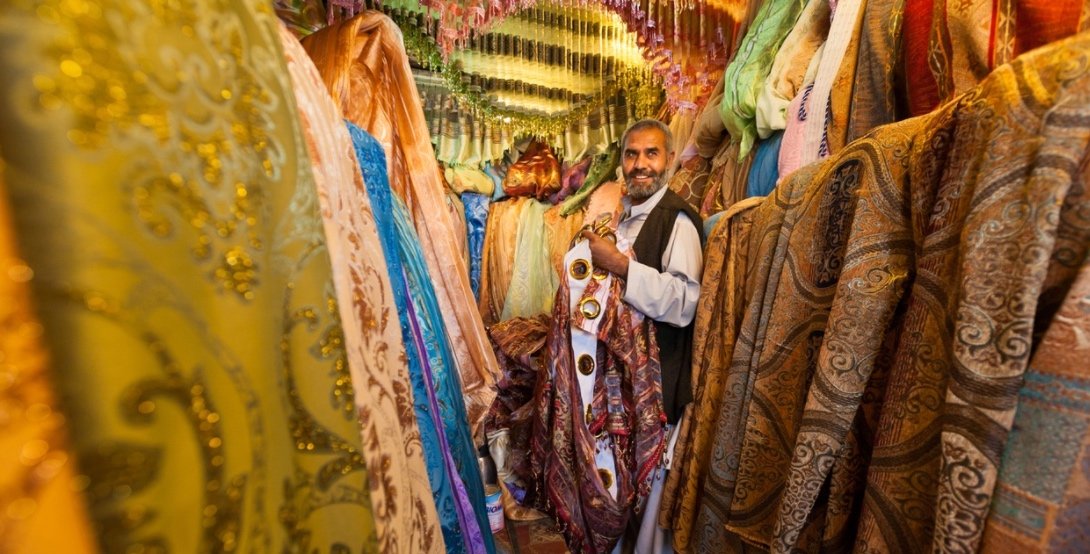
I started off in the bustling markets in the country’s capital, Kabul, a chaotic little jungle of trinket shops, carpet sellers and giant chunks of Lapis filling windows. Occasionally I felt uneasy under the stares of watchful eyes as I poked my way through the dusty streets. Mostly it felt like any other vibrant bazaar in Asia, people going about their busy day.
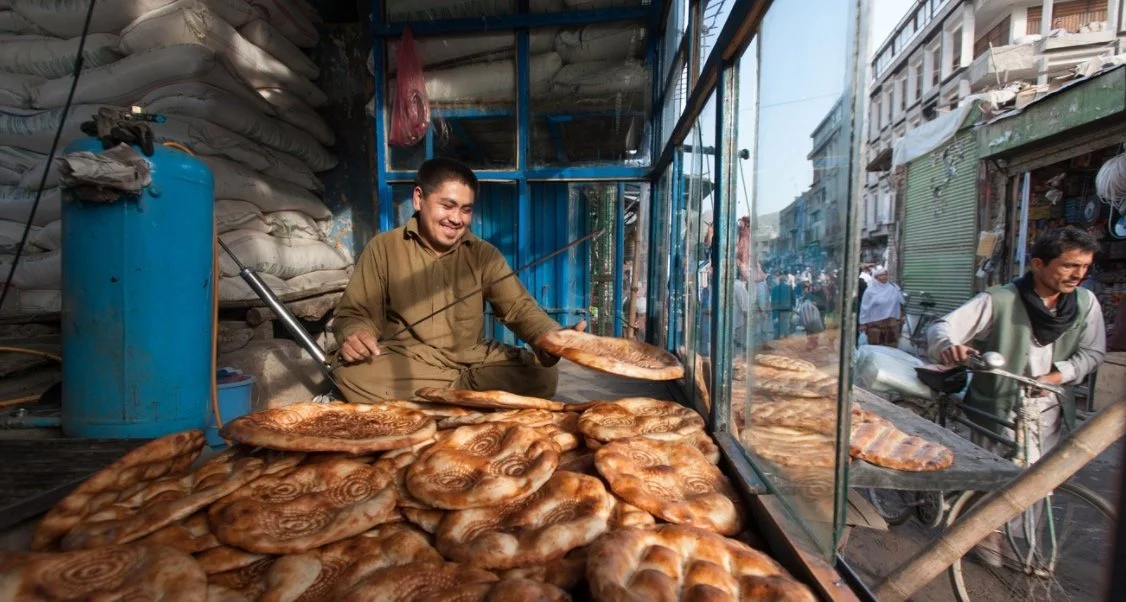
I ate in smoke filled restaurants sitting cross-legged on cushions. Whole sheep carcasses are hung directly above the stove and the cook simply butchers off the bits he needs and throws them into a big black pot, along with fistfuls of fresh herbs and spices. Huge roundels of hot naan breads are piled high on the tables and you pay for what you eat. There is a genuine old-world feeling in Kabul that is rare to find these days.
Panjshir Valley
From Kabul I travelled to Istalif, a district famous for its distinctive blue pottery, and then by road to the stunning Panjshir Valley, one of the most celebrated places in Afghanistan, located in the heart of the Hindu Kush mountains. Its name means ‘Valley of the Five Lions,’ which according to local legend refers to five spiritual protectors or ‘wali’ who built a dam here during the early 11th century AD for Sultan Mahmud of Ghazni.
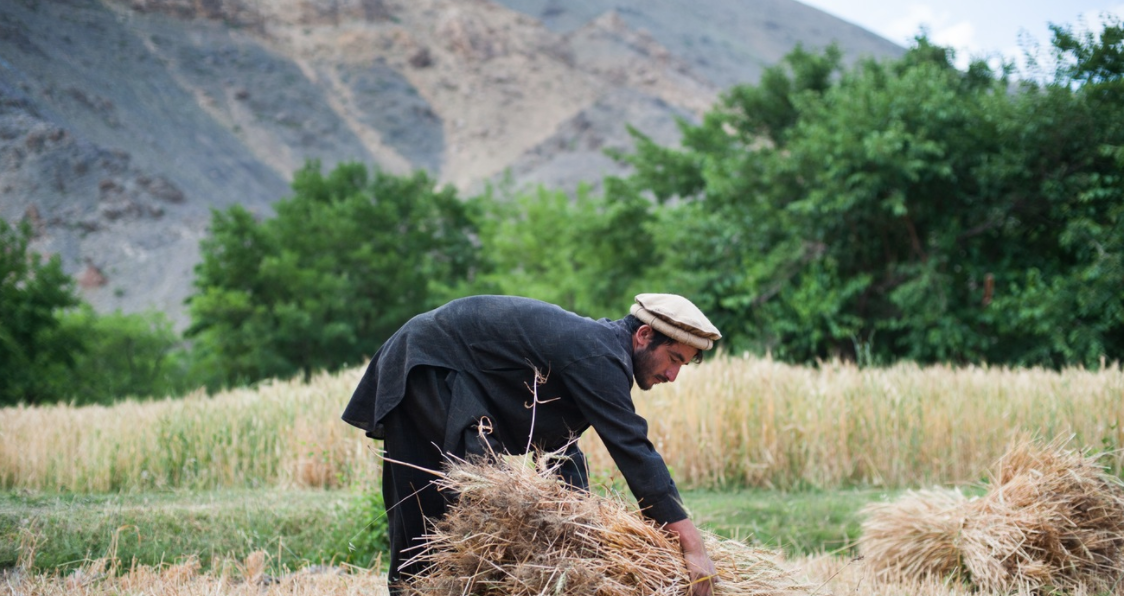
The Panjshir river starts from a narrow gorge where snowmelt turn the river into a torrent, rich with fish. It gradually widens into the valley to reveal carefully irrigated fields of wheat and maize dotted with walnut, apricot and mulberry groves. 90 percent of farmers in Panjshir Province practice subsistence agriculture, and the war has destroyed irrigation canals and orchards, making many aspects of farmers’ lives a challenge.
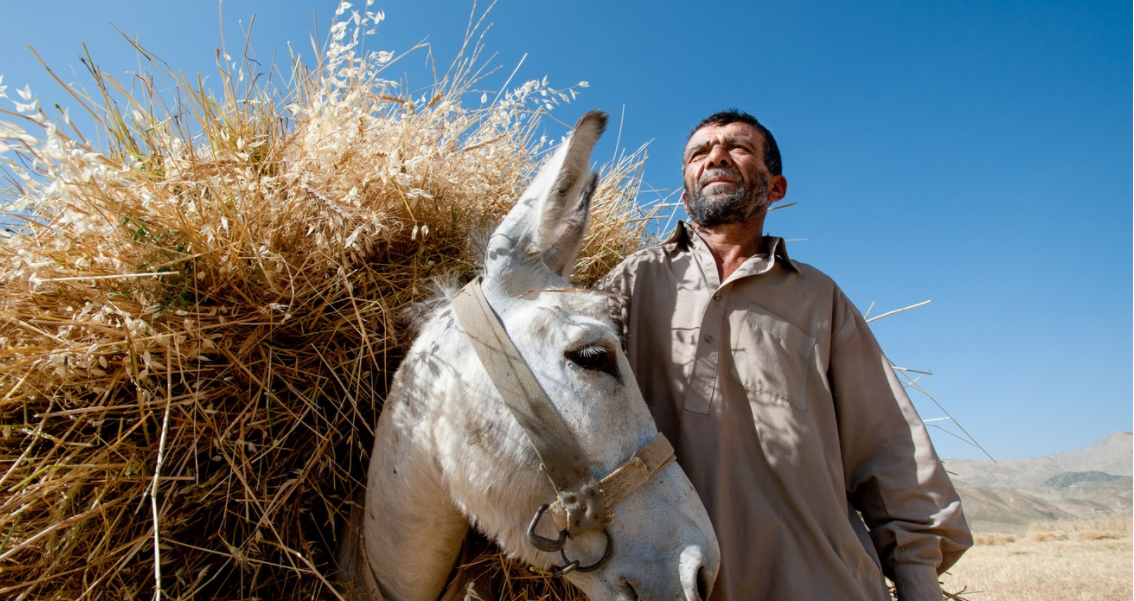
In recent years, however, international initiatives have assisted local and regional government leaders to introduce improved varieties of wheat and educate farmers on methods for improving yields and irrigation.
Bamiyan
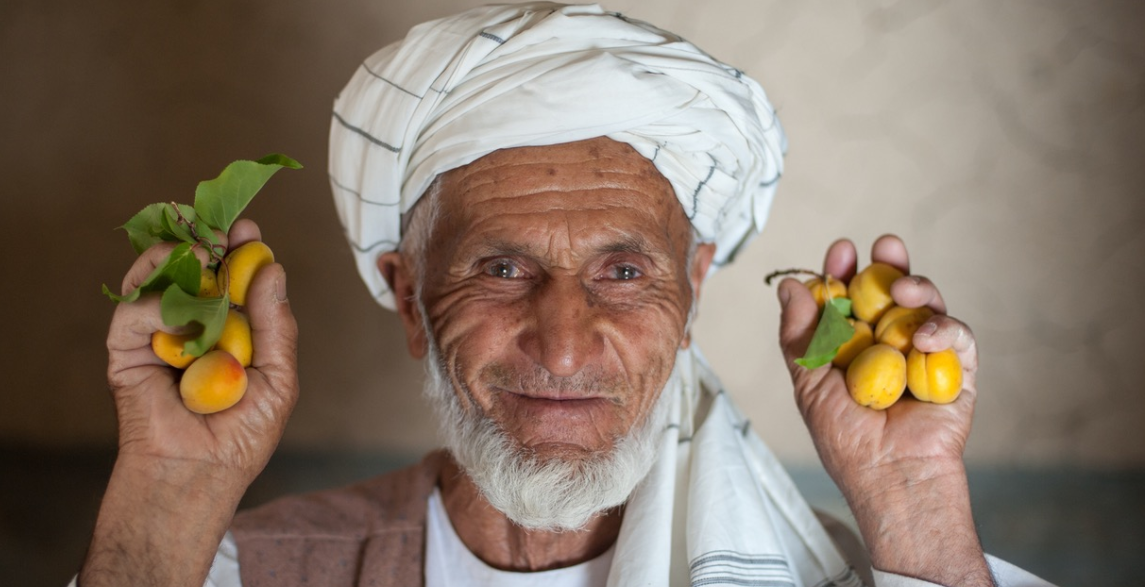
In the heart of the Hazarajat, Bamiyan is surely one of the most beautiful parts of the whole country. It was a popular tourist destination during the 1970s, but a decade later became a symbol of resistance to the Soviets. Today, although the valley is still dominated by the gaping cavities in the cliff face, and the rubble is a constant reminder of the Taliban’s rage and destruction of the two ancient Buddha, there is far more to Bamiyan.
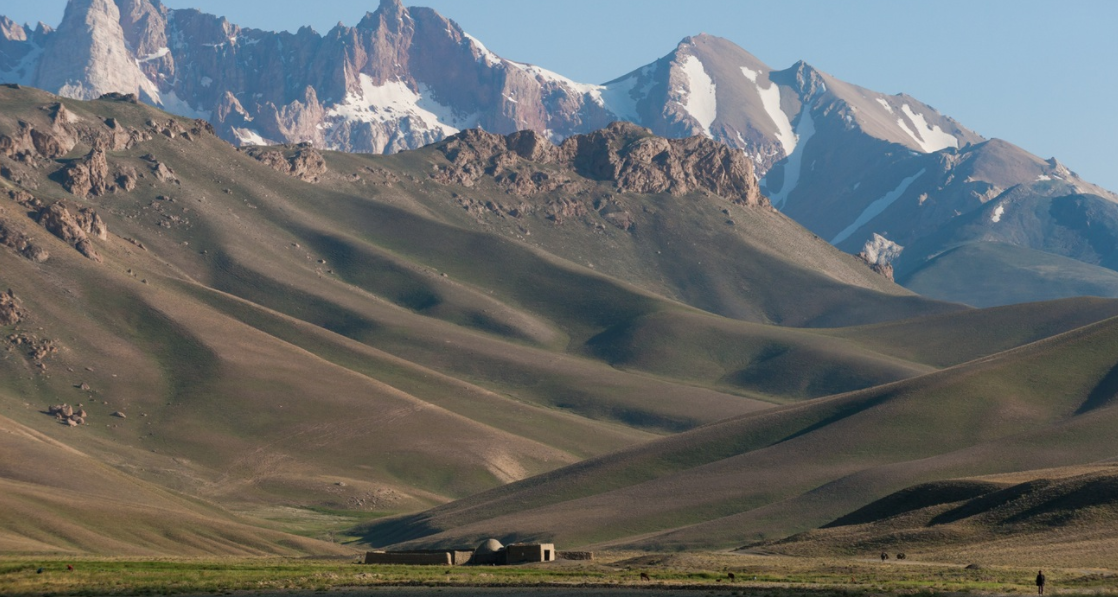
Guarding the entrance to Bamiyan valley, the ruins of Shahr-e Zohak form a dramatic citadel — perched high on the cliffs at the confluence of the Bamiyan and Kalu rivers. The towers here are some of the most imposing in all of Afghanistan, and are made of mud-brick on stone foundations, with intricate geometric patterns built into their walls. With no doors, they were accessed by ladders that the defenders pulled up behind them.
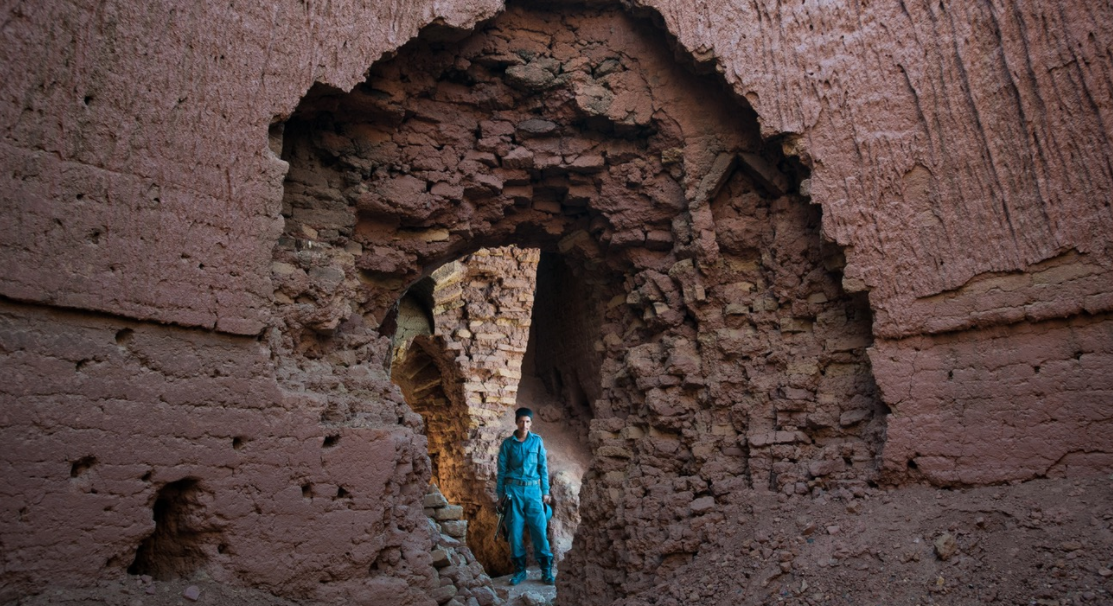
Looking down from the citadel, the views are incredible, with the thin strips of cultivated green in neighbouring valleys like Fulladi providing a striking contrast to the dry pink and tan of the Koh-i Baba mountains.
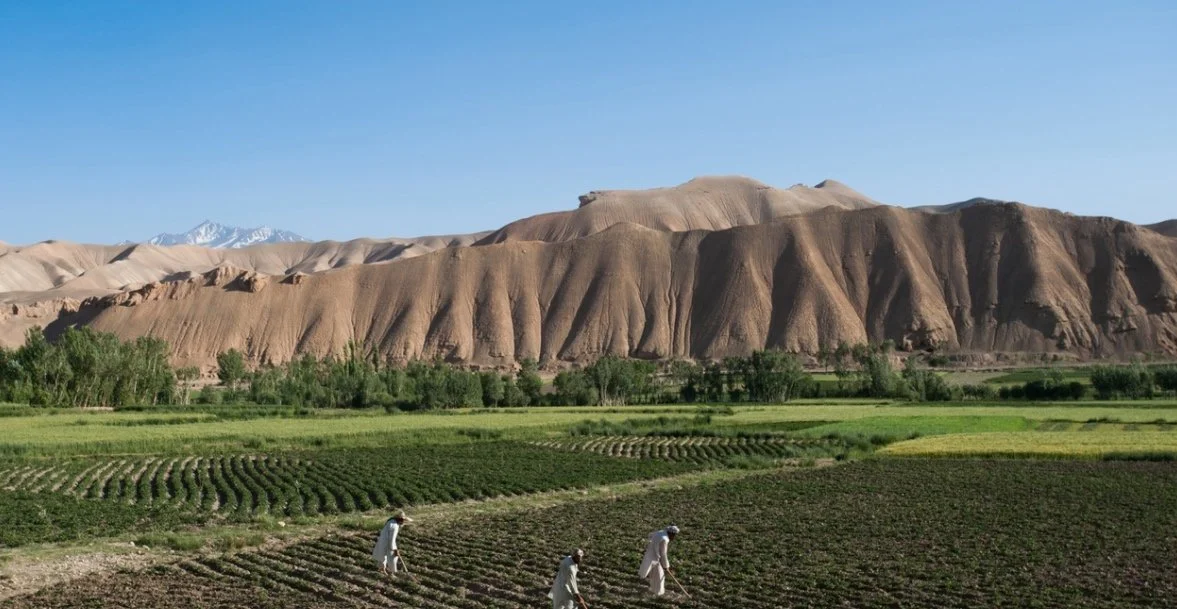
At first glance, the barren hills of the Bamiyan valley appear to promise little, but the snowmelt that issues from them each spring allows the farmers here to irrigate the valley floor and grow crops like potatoes.
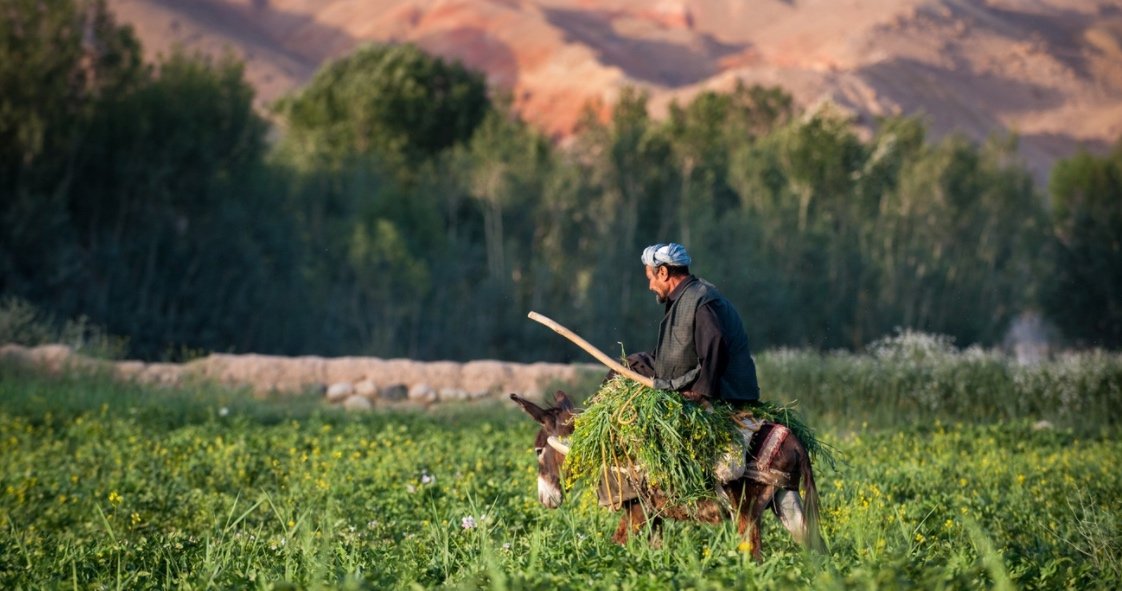
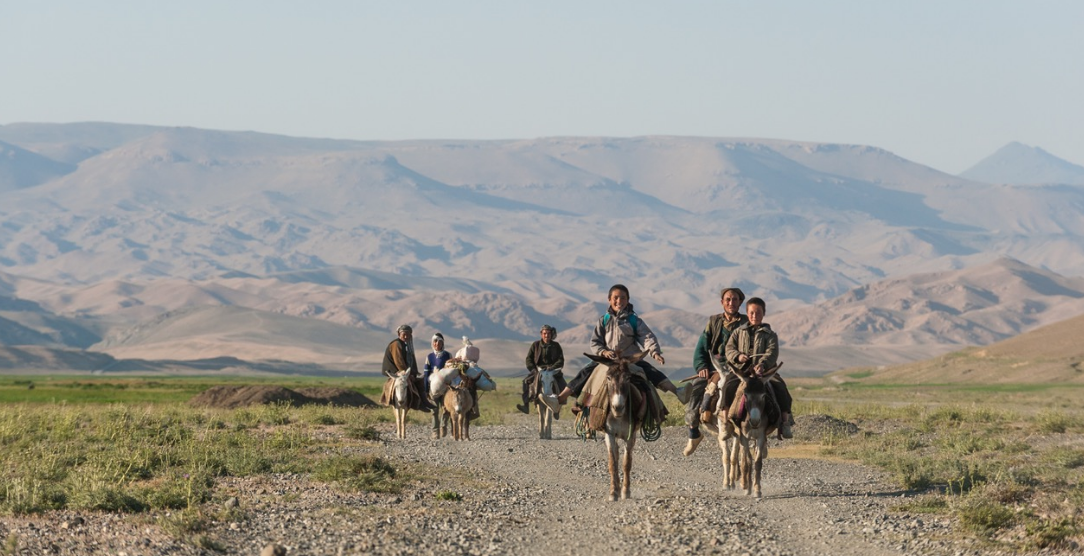
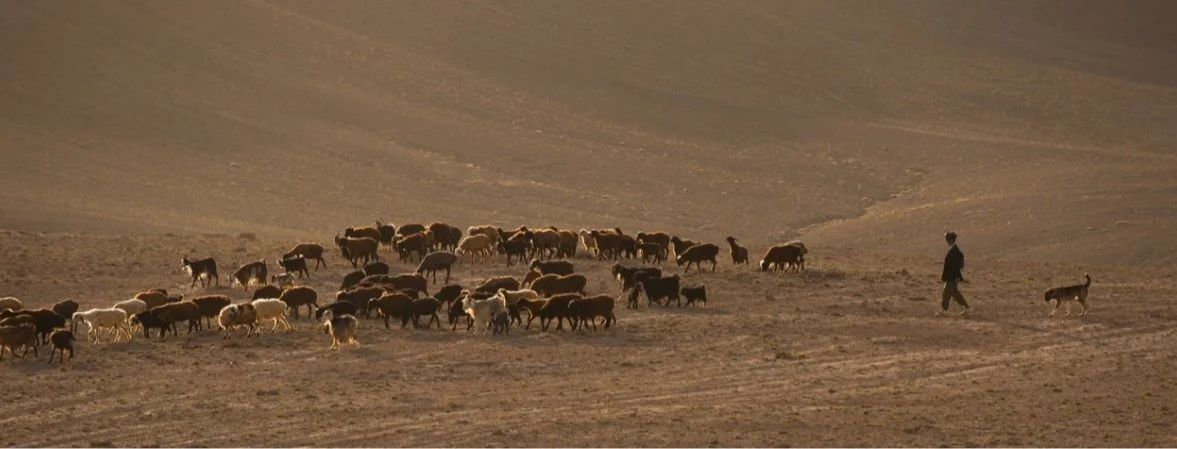
Donkeys are still the main source of transport in this rural province, and shepherds and their flocks are often compelled to walk long distances.
Band-e Amir
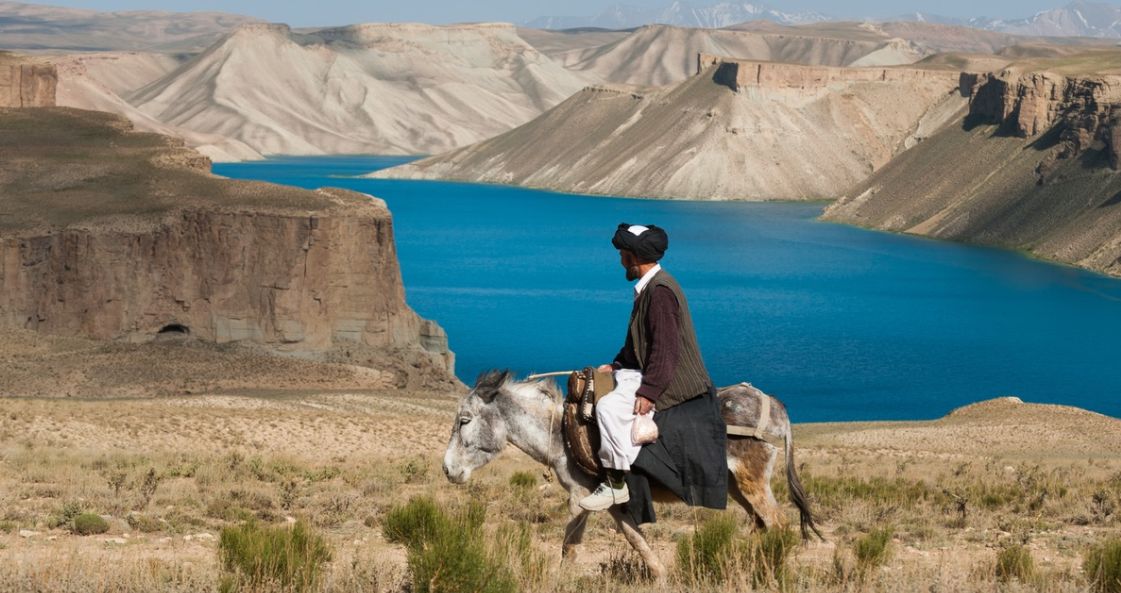
Meanwhile, the glittering sapphire blue lakes of Band-e Amir are one of Afghanistan’s most astounding natural sights. In April 2009, Band-e Amir was named the country’s first national park, 36 years after a previous attempt to do so was interrupted by decades of political strife and war.
Formed by the mineral-rich water that seeps out of faults and cracks in the rocky landscape, the six linked lakes of Band-e Amir sparkle like jewels against the dusty mountains that surround them.
Over time layers of hardened mineral deposits called travertine have built up on the shores, to create the dramatic sheer sides that now hold the lakes in place. Local lore tells a different story, asserting that these natural dams were thrown into place by Hazrat Ali, the prophet Muhammad’s son-in-law, during the reign of the infidel king Barbar.
Before gaining its status as a national park this region experienced significant habitat destruction for firewood and farmland, overgrazing and overhunting — the snow leopard has now vanished here — and also damaging fishing practices that involved using hand grenades. Today Band-e-Amir is protected by a small group of park rangers, and is still home to ibex (wild goats), urials (wild sheep), and wolves. Although numbers of visitors to the park remain small, it is hoped that in time, this region will become an important area for tourism in Afghanistan.
Herat
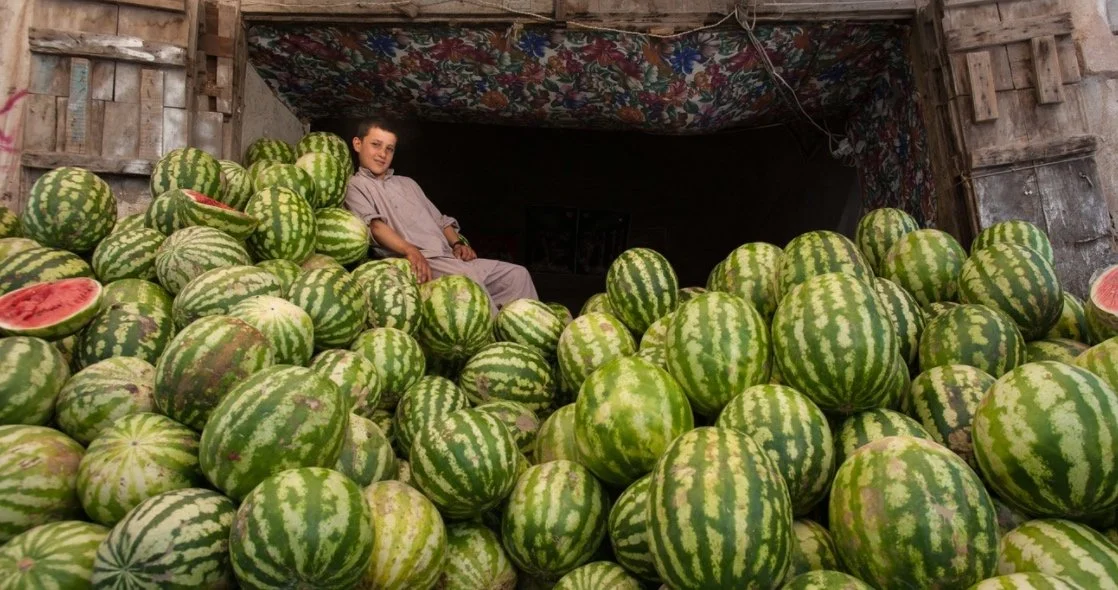
Finally in Herat, the country’s old cultural heart, I felt more welcome than anywhere else in the country. Chatting to passing nomads on the outskirts of the city, inside its little bazaars, visiting the Friday Mosque — one of Islam’s great buildings — I spoke openly with burqa sellers about the state of the country. Here I discovered an Afghanistan most people simply don’t know exists. Afghans are proud of their culture, they are welcoming, generous and have a sharp sense of humour.
On my last day, insurgents attacked one of the big hotels in Kabul. I could hear helicopters and sirens all day and was advised that it was best not to leave the house. The next morning a gunfight broke out beside the road on the way to the airport. Sand bags and gun turrets occupy every corner and the frequent security checks are a sobering reminder of how unstable and precarious daily life is for the people of Afghanistan, whose resilience remains under great strain in these troubled times.
Let us hope that one day, a lasting peace will come to this battered, but proud and ancient country, allowing travellers to experience its beauty and welcome, and to step onto the fabled silk route once more.
THIS ARTICLE WAS ORIGINALLY PUBLISHED ON MAPTIA.
Driven by his passion for travel, the environment and remote cultures, Alex Treadway has travelled to dozens of countries around the world on assignment.
Plastic Surgery Thrives in War-Torn Afghanistan
For the middle class in Afghanistan, the popularity of plastic surgery is growing. Botox injections, breast implants and liposuction are options for mostly women, and even families trying to beautify their daughters to marry them off more easily.
Read MoreAfghanistan’s Female Journalists Risk Their Lives to Tell the News
Afghanistan is a dangerous place for journalists to work, especially women. Journalists are harassed, terrorized and murdered in this war-torn country. But Khalida Rashid won’t be deterred from pursuing her profession. She covers politics and news for Zan TV, the country’s first all-female news network. Rashid hopes to pave the way for others who want to follow in her footsteps. “When a woman is empowered, society is empowered,” she says.
Wakhan, An Other Afghanistan
Journeying through a remote region of northeastern Afghanistan, untouched by the war and preserved from the Taliban regime, this story pays tribute to the ancient culture of this land, which has never disappeared but which has simply been forgotten.
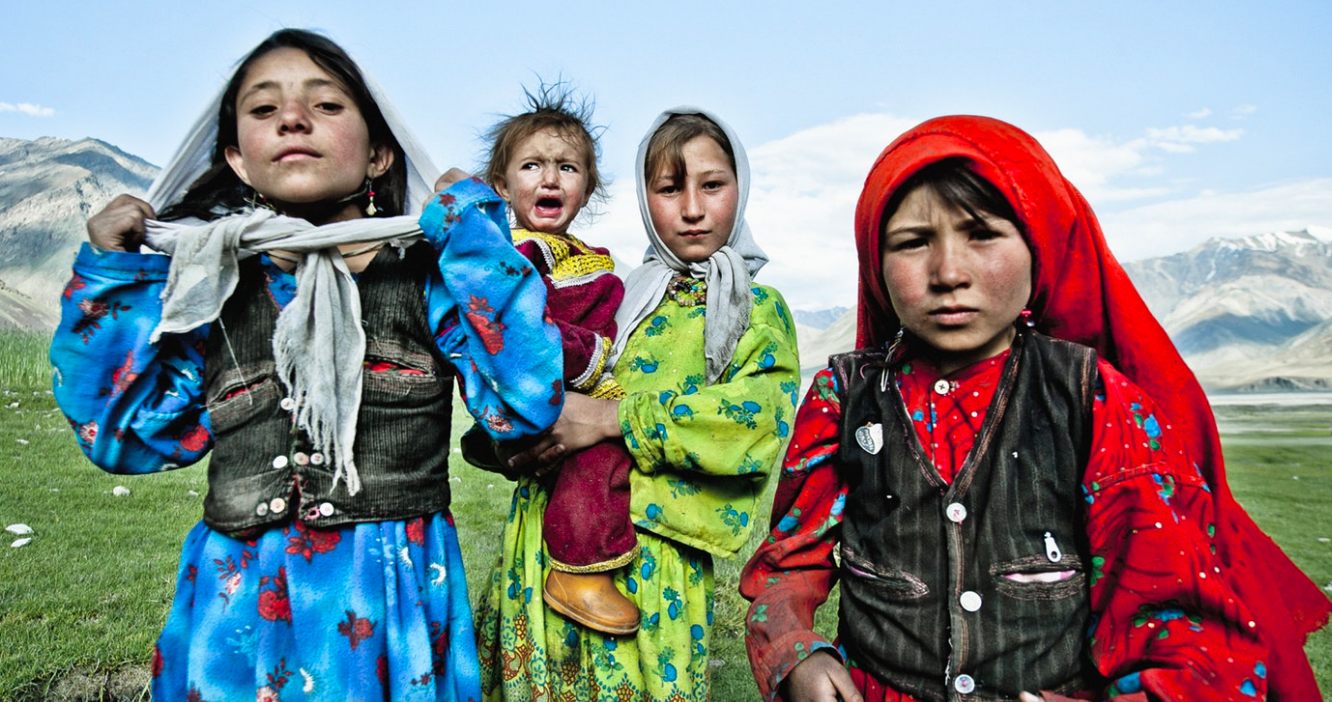
This narrative serves as an introduction to my multi-platform project, ‘Wakhan, an other Afghanistan’. One of the photos from this project won first prize in the 24th annual National Geographic Traveler Photo Contest, and the 78-minute film ‘Wakhan’ was selected as one of the firm favourites to feature in the Etonnants Voyageurs Festival in St-Malo, France.
My mind takes me back to 8 August 2011. It must have been around 2 o’clock in the afternoon, but in any event, time here takes on an alternative dimension, something which we have been discovering and settling into since the beginning of our journey.
Then I remember a young Afghan saying to me a few weeks earlier, “You have your watches, and we have the time.”
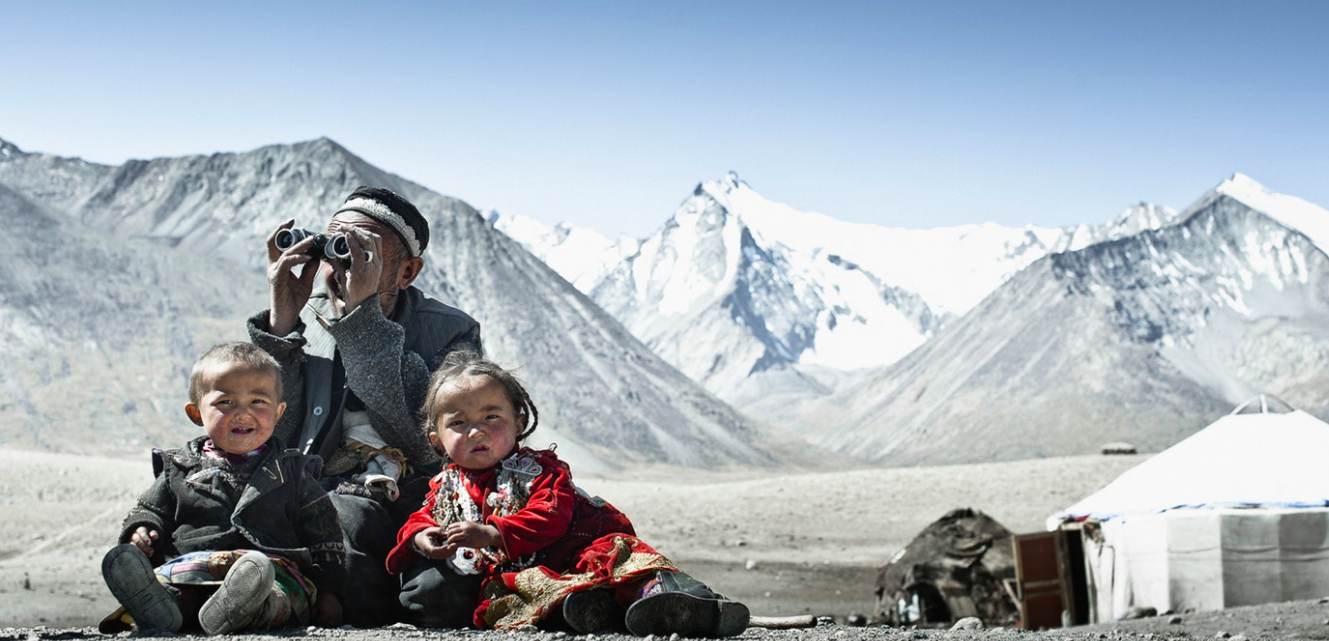
Under the arborescent canopy of a small shelter made with stones and yak excrement, Fabrice and I wait for our hosts to bring us bread and tea, which has been our sole source of nutrition morning, noon and night for more than three weeks. Dates, energy bars, dried fruit — these are a thing of the past, and I have already lost 15 kilos.
We had planned ahead with two people in mind, forgetting on market day at Ishkashim — the village on the border between Tajikistan and Afghanistan — that we would be accompanied by one guide or several for this expedition along the Wakhan Corridor, as far as China.
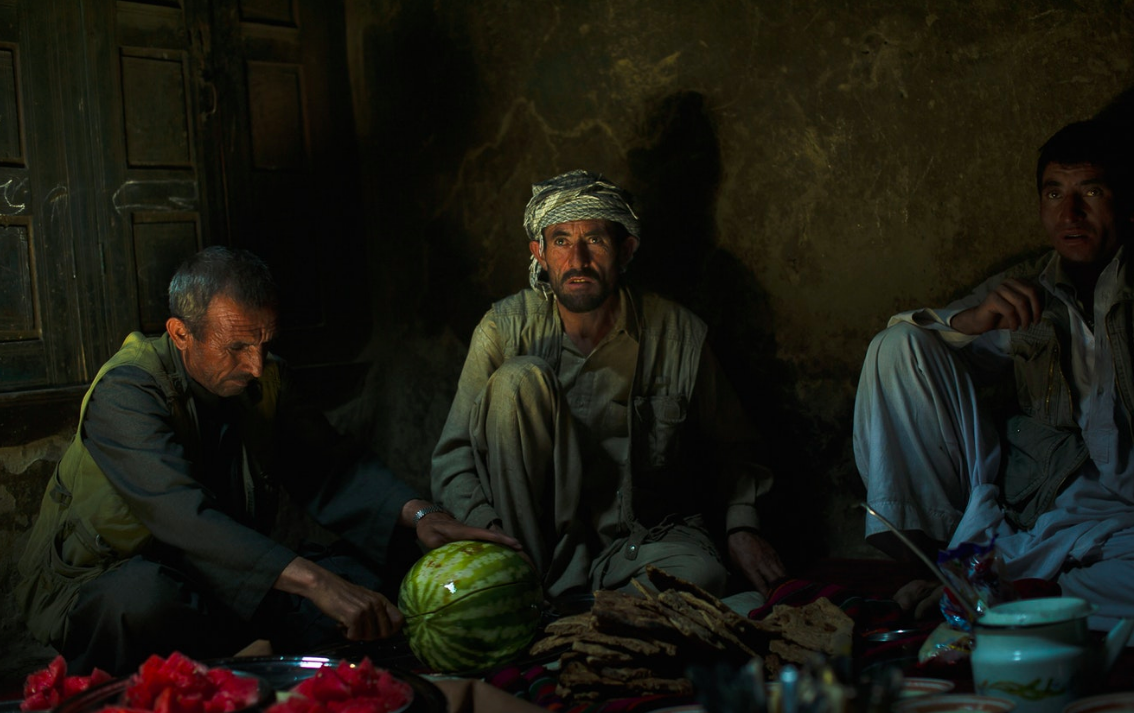
We travel for a month in the company of Amonali and Souleman, two Ismaili Wakhis of twenty-four and thirty-two years of age, who are taking care of our horse and our donkey. A last-minute addition to the group is QuarbonBek, a twenty-year-old Sunni Afghan and real ‘city boy’, who we have picked up at Ishkashim to fill the role of interpreter.
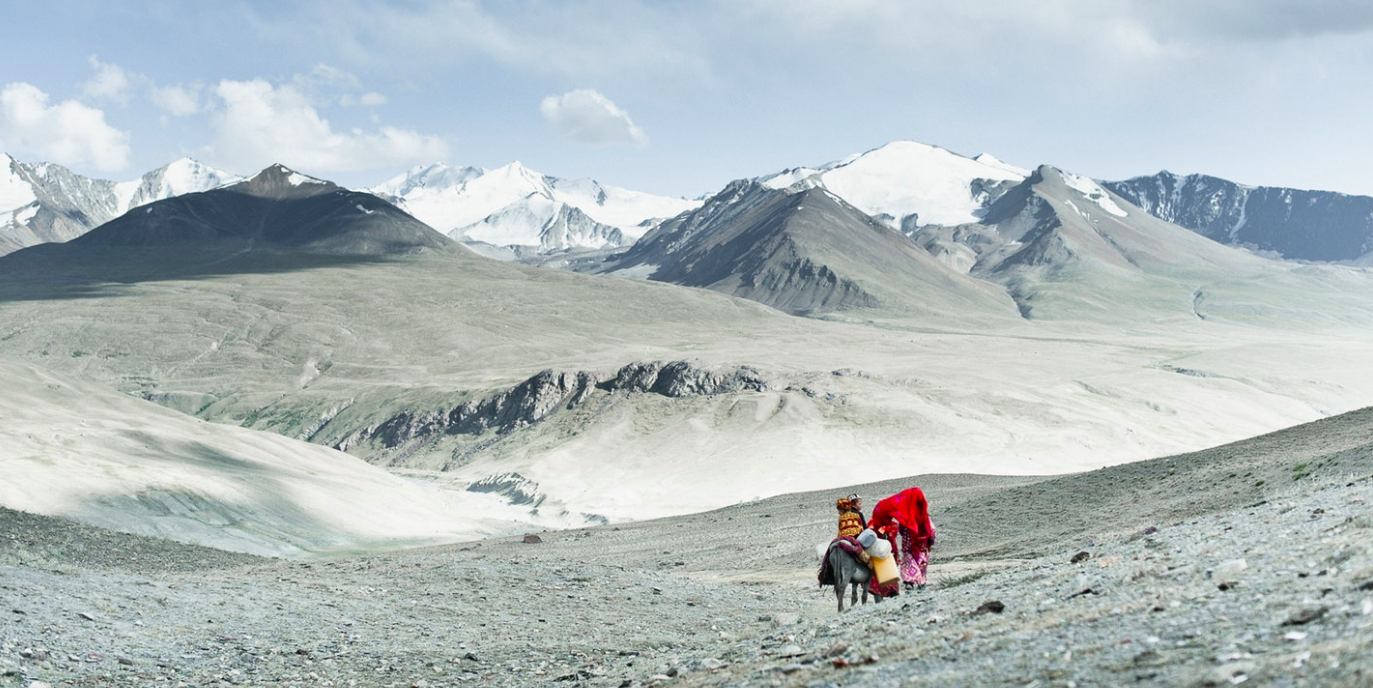
After the first week of hiking across the Hindu Kush at 3,500 to 5,500m above sea level, we have exhausted all our supplies, and from now on we have to satisfy ourselves with the low-calorie diet of bread and tea with yak milk which is provided — and which we can buy — in every village. We have chanced upon small quantities of rice here and there, and then three days ago some lamb for the first time, which has ended up making us all ill, as if our bodies were rejecting the meat.
Humbly and respectfully we have been adapting for three weeks to the local diet, experiencing firsthand the process of survival to which all these families remain inextricably bound. Every encounter and every meal reminds us that in this region, which fully awakens the senses and intensifies the emotions of the traveller, life expectancy stops short at 50 and the infant mortality rate verges on 60% — the highest in the world.

We pause for several hours in one of the villages situated along the Corridor ‘high route’ that is the pathway for the return journey, making a transition from the lands of the Khirghizes to Wakhi territory. From Ishkahim to Erjhail — one of the last of the Corridor villages to border with China — we will probably walk more than 450 kilometres over the course of 30 days, following in the footsteps of Marco Polo and Alexander the Great in crossing the entirety of the Wakhan Corridor.
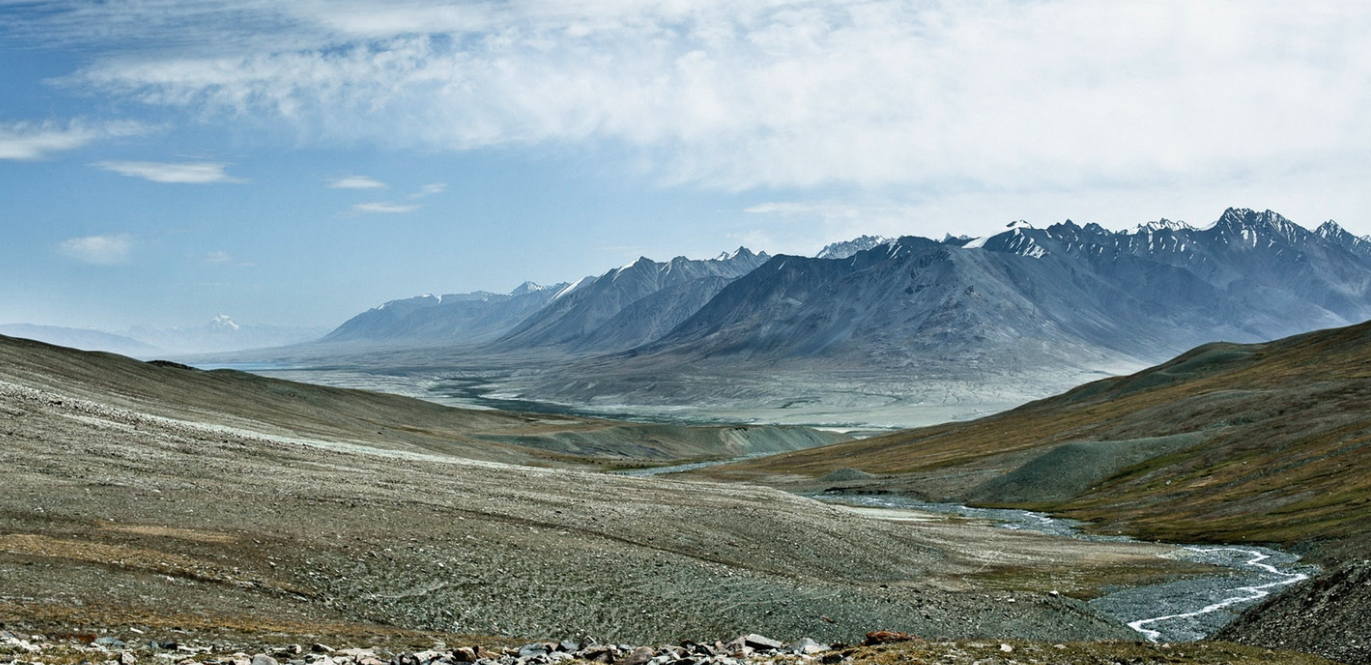
Our horse carries the rucksacks, tent, sleeping bags, camping stoves and gas cylinders, as well as the few additional clothes we have — outer-layers, rather than spare garments — while our donkey is loaded with 40 kilos of photo, video, sound and IT equipment, wrapped in two flexible solar panels, an essential for recharging all the batteries in a region which we assume to be completely without power.
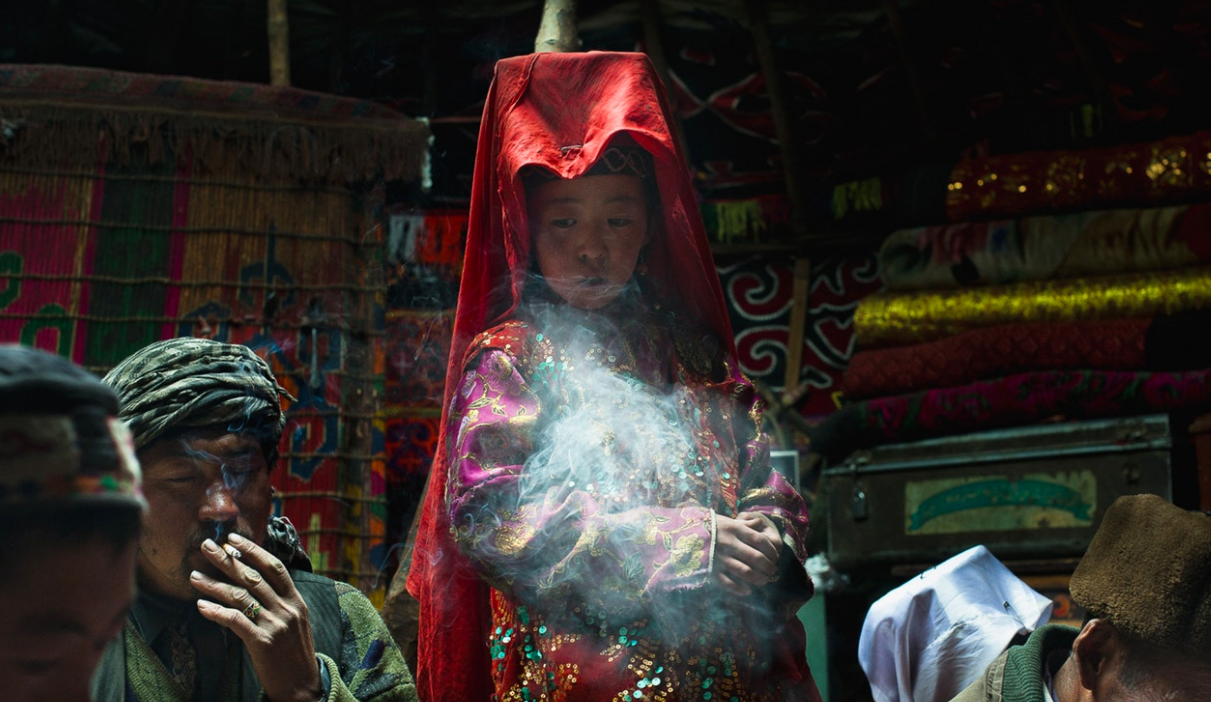
Yet to our astonishment, the Khirghizes — a nomadic people of Mongolian aspect, the last remaining descendants of Genghis Khan, living on the highest plateaux of Wakhan, several weeks’ walk away from any of the main Pakistani, Afghan, Tajik or Chinese villages — have solar panels, satellite aerials, television sets, and an impressive array of batteries, cables and chargers. And when Oji Ossman, the chief Kyrgyz in the village of Kashch Goz, produces a mobile phone from his military jacket — even though obviously there is no network coverage — in order to take our photograph, all our assumptions about these tribes, the idea that they are still leading the lives of their ancestors, seem absurd and unfounded.
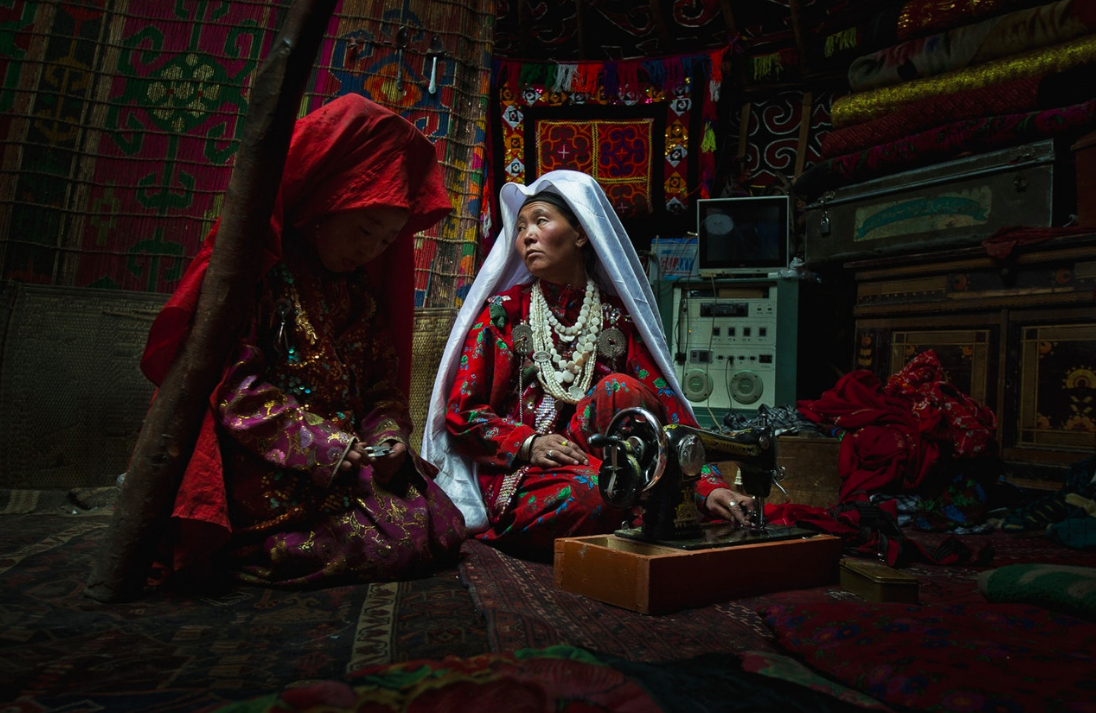
People in this part of the world are undoubtedly feeling the effects of new technology, a process triggered by the exchange of goods.
The Wakhan Corridor, as part of the Silk Road, has been established for centuries as a route for traffic and trade of all kinds. Pakistanis, Afghans and Tajiks still spend weeks at a time traversing the mountains, on foot or on horseback, to purchase from the Khirghizes the herds of yak, goats and sheep which have always been at the root of their livelihood.
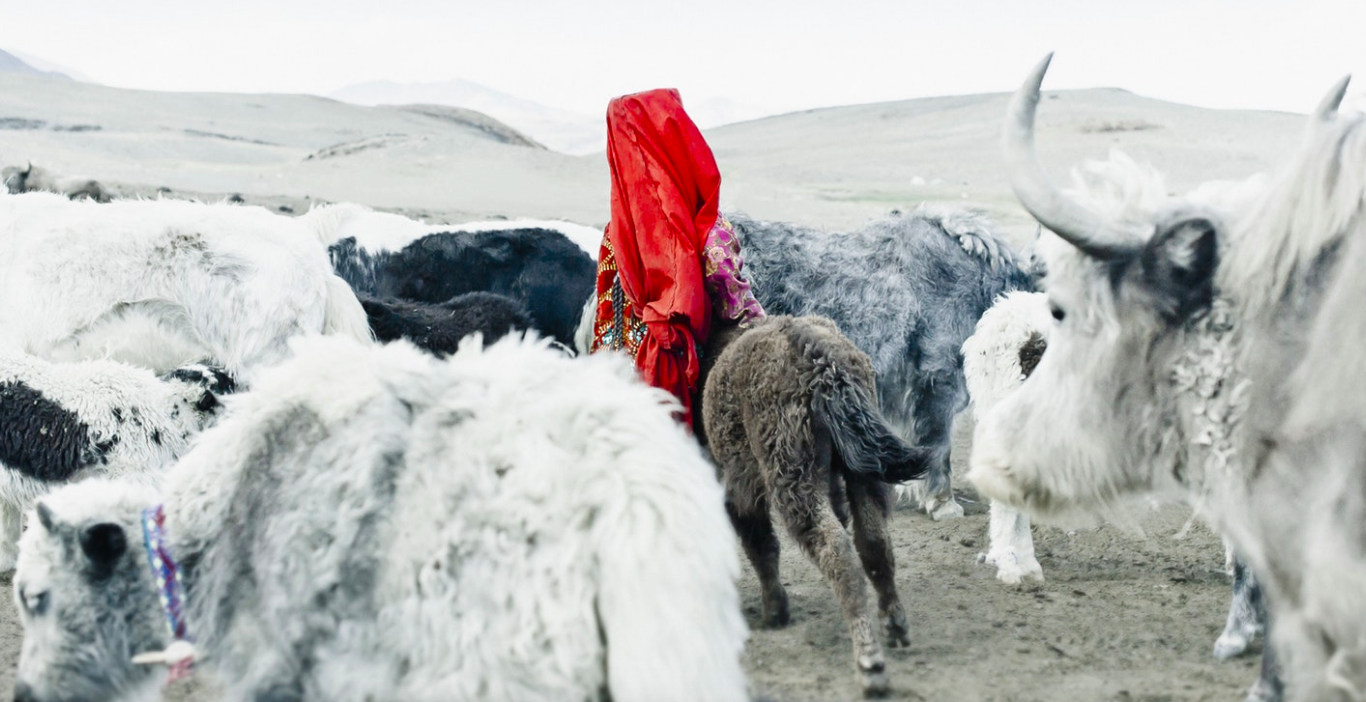
We shared the guest yurt in KashGoz with three Pakistani herdsmen, who had come from the Hunza Valley with the intention of obtaining a herd of goats in exchange for a television satellite aerial, several solar panels, and some sacks of rice and flour.
In Erjhail, we encountered Ramine and his brother, two young Afghans who had walked in excess of four weeks from Kabul to buy around one hundred goats and ten yaks from the village chief. We would go on to spend two days in their company before travelling together for several days on the journey home, until our paths went their separate ways.
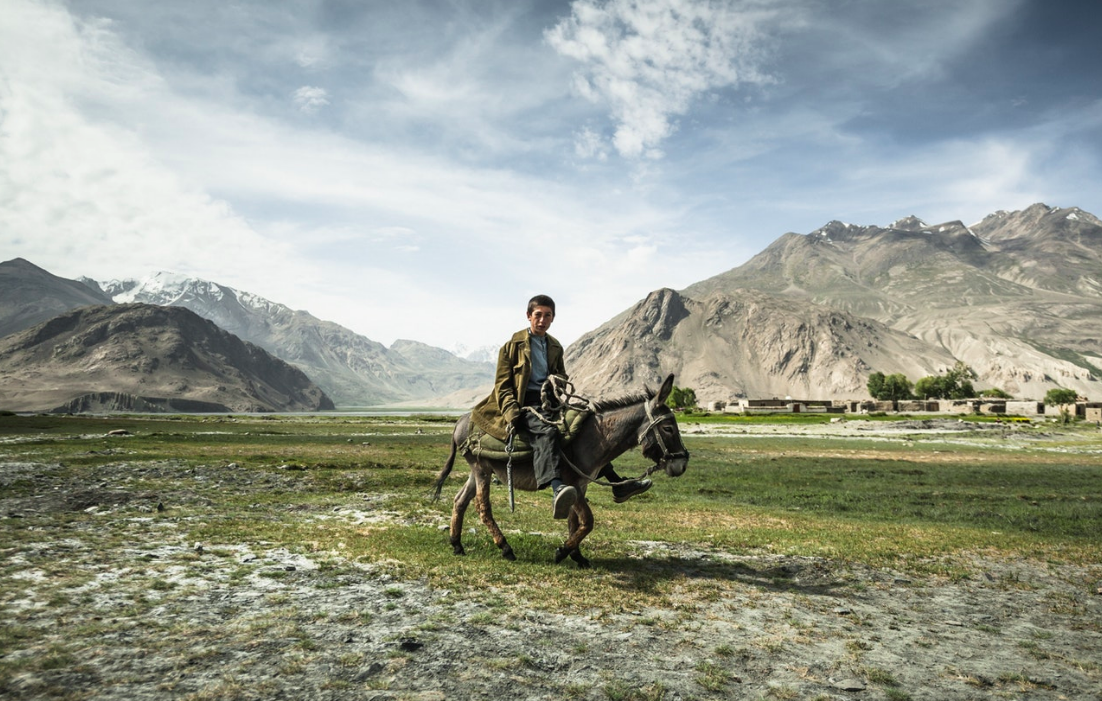
As always, the looks we attract from the four herdsmen in the Wakhi village perched high in the mountains, where we rested for a few hours, are benevolent, but also perplexed. They are asking themselves, “What are these two strangers doing here?” “A report about us” is the most likely answer from Souleman, pointing out with his finger the camera and video equipment placed on a piece of cloth on the ground.
Of course, we are the foreigners, the exotics — and sometimes even the object of complete incomprehension. “Why do they come and live like us in such hardship?” is the feeling we often detect in our conversations.
Our hosts frequently thank us for coming to meet them and for taking an interest in their lives. Repeatedly we feel the sadness in their gaze as they watch us leave again. I have the feeling that they are somehow counting on us from the moment we are welcomed.
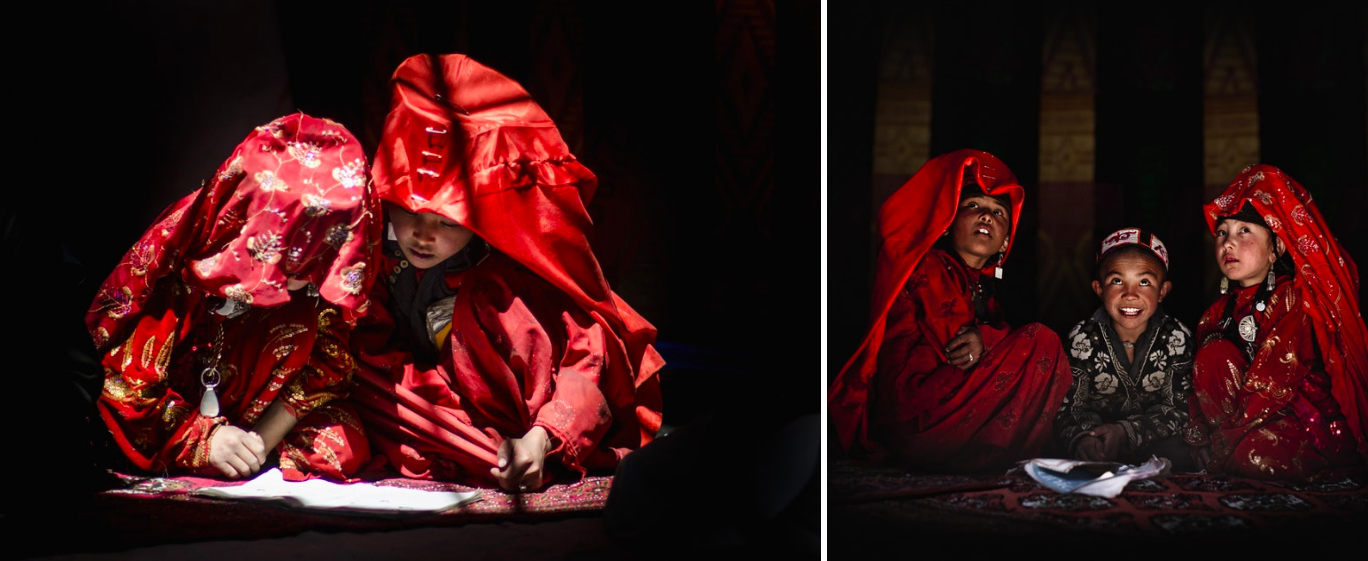
We are now in a relatively advanced state of physical and mental fatigue, and the distance separating us from each other is immense. Throughout the whole journey we have felt ourselves connected, part of a shared experience and a brotherhood.
But at this exact moment, our facial expressions and the breakdown of our appearance betrays the disconnection. Even though we know exactly where we are on the topographical map, in our heads it is the first time that we are feeling so distant, maybe even lost?
Considering the original motivation behind an experience like this, what have we truly uncovered in the Wakhan? What will we be able to share on our return, and through our photographs?
What stories to tell? There are so many.
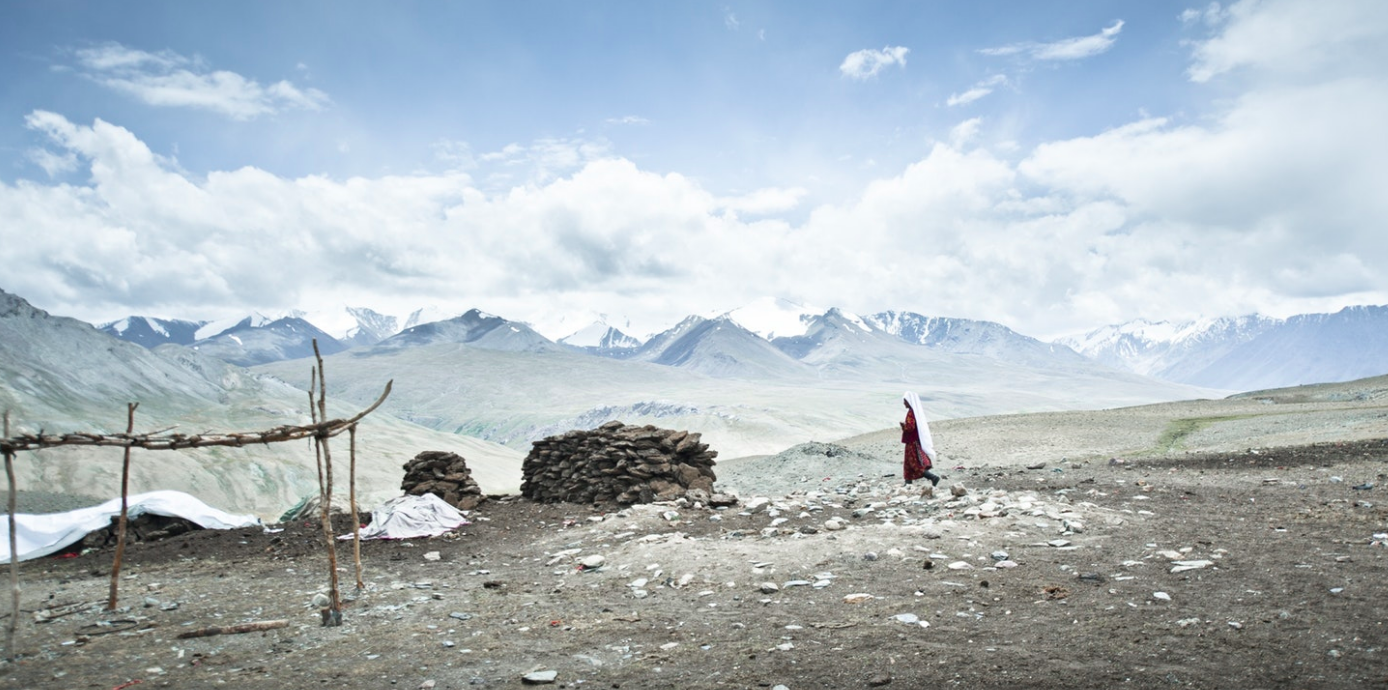
At the heart of a journey devoted to documentary, it is the personal and professional questions which confront each other, providing answers and sometimes shedding light on one another. And when I look at Fabrice, who is silent as I am, my companion of days gone by, of this moment and always, I feel myself reconnecting.
There we are, the two of us. We have been searching for something, and only now do we find its presence — a profound sense of humility.
We have never been consciously afraid, neither of the mountains, nor of all that we have witnessed in Afghanistan in more than 20 years, yet the self-knowledge of this moment is deeply reassuring.
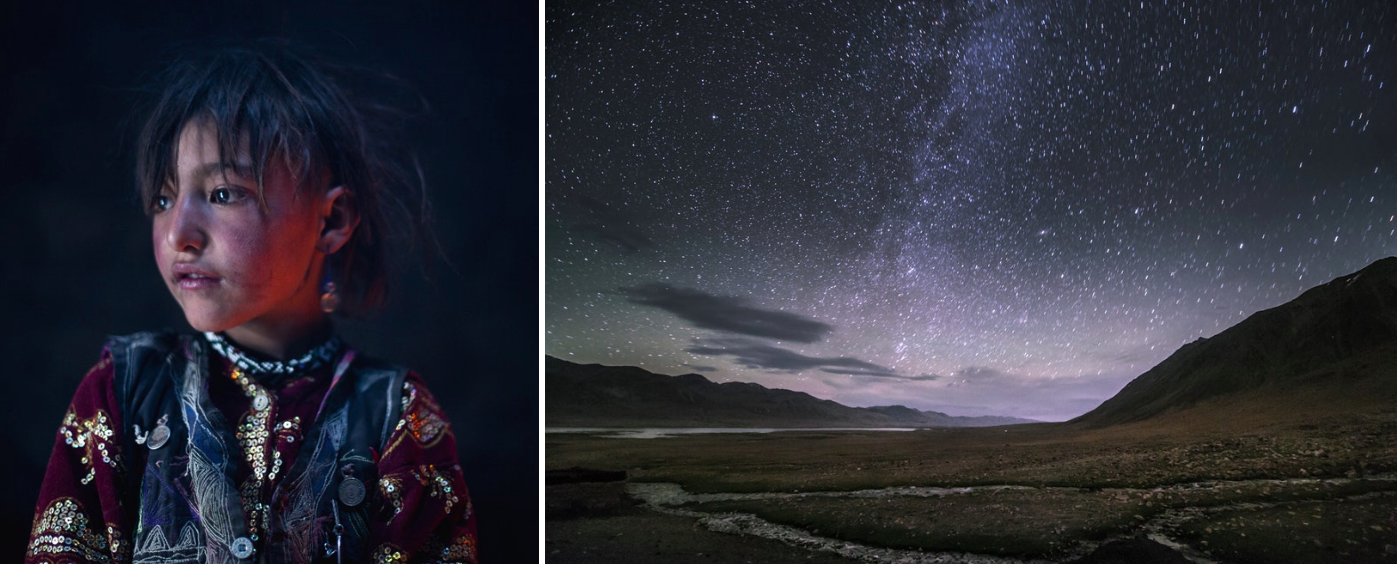
Because if I ever shut down — something which I feel capable of right now — he will be there to restore me. By shutting down, I mean cutting the cord, and no longer being able to endure the weight of escalating hardship, a burden which grows hour after hour, days and weeks on end.
As a humanist, it pains me to see so many men, women and children living under such extreme conditions, and myself unable to endure any longer the psychological torture of knowing that the next bit of potato or piece of fruit is a mere three weeks walk away.
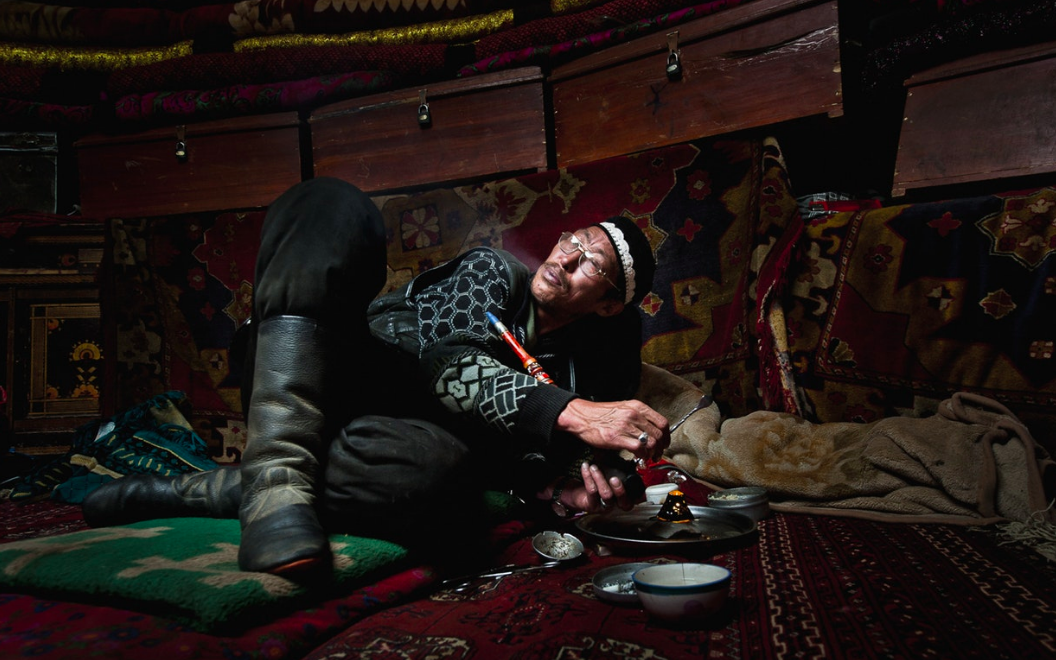
Have we become psychological prisoners of our own investigation? I watch Souleman, crouched down opposite me. This young man, who seems ten or fifteen years older than his thirty, is smiling, supporting me now as he has done for the last three weeks, in such a way that with every gesture I make, I can feel his watchful presence.
I cannot allow myself to betray the trust he has placed in us both, since the start of this journey, and which we feel on so many levels.
I sense that it is not just the traveller that this young man is supporting and protecting, but also the writer, who has promised, with all his photographic and cinematic recording kit, to uncover to the rest of the world his very existence, that of his loved ones and of his community as a whole. We cannot afford to show any sign of weakness.
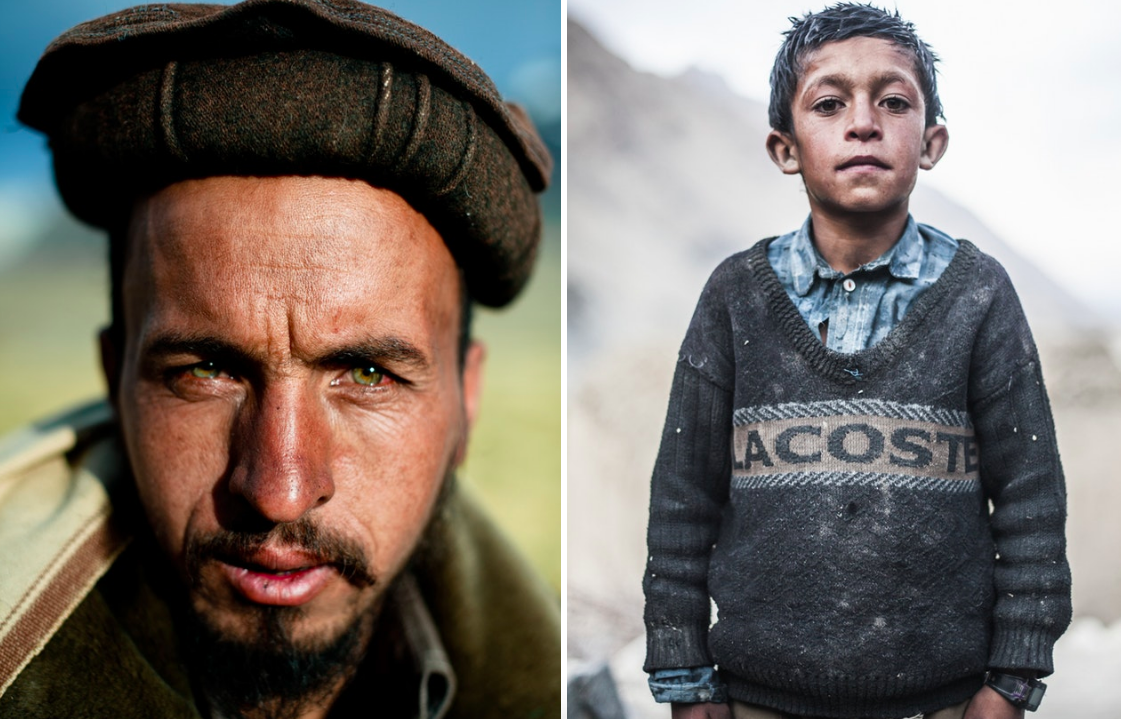
So when the bread and tea are eventually served, bringing us back to our senses and to the harsh reality, I look at Souleman and smile at him in my turn. Through this knowing smile, a mutual promise is made.
He will keep me safe and sound until the end of my journey, and I will pay homage on our return to all those we have encountered, opening the world’s eyes to an other Afghanistan, which has never disappeared but which has simply been forgotten.
THIS ARTICLE WAS ORIGINALLY PUBLISHED ON MAPTIA
VARIAL CÉDRIC HOUIN is a photographer, creative director, writer, explorer, seeker. He has put his artistic chops in the service of the planet.