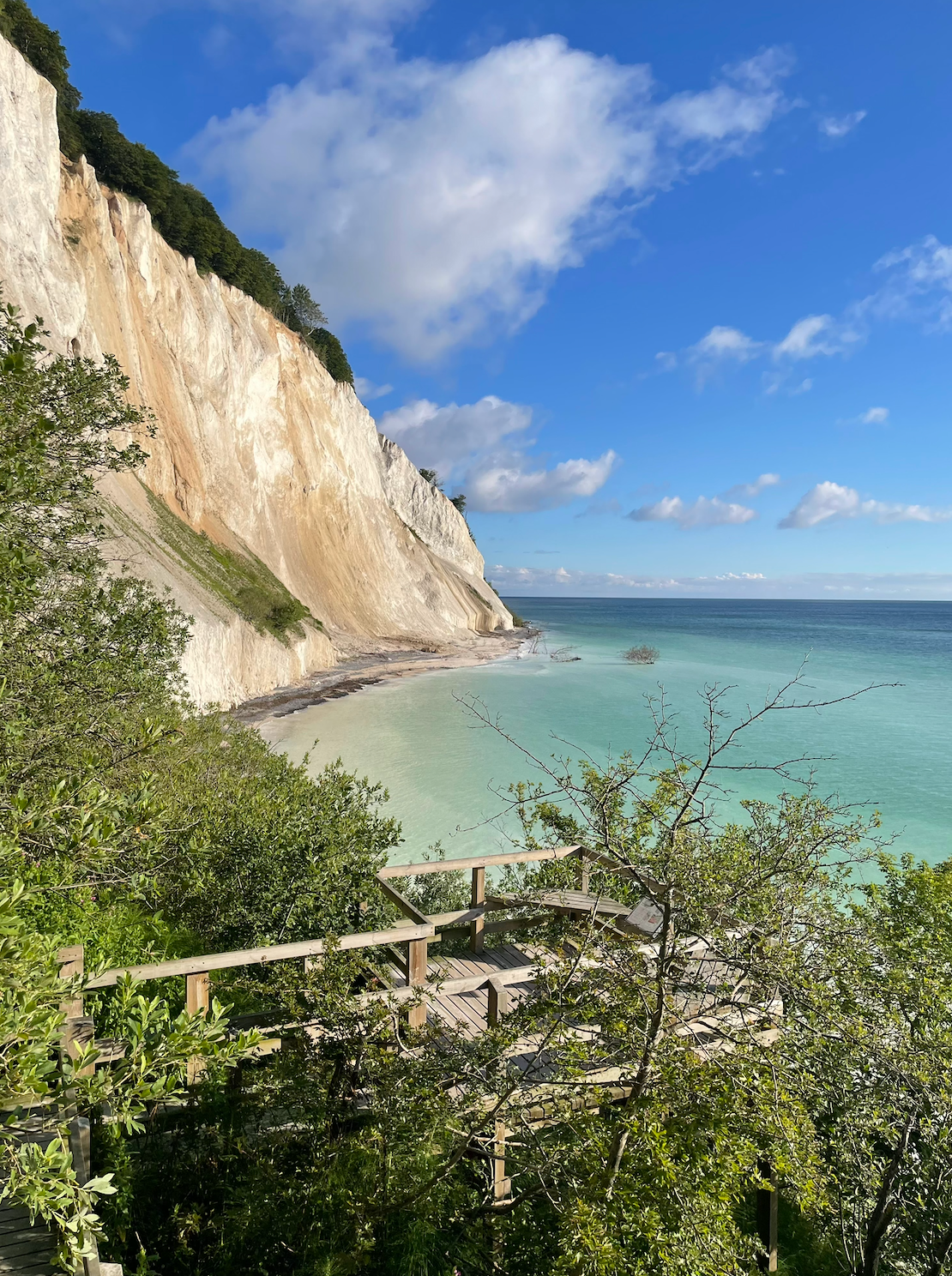
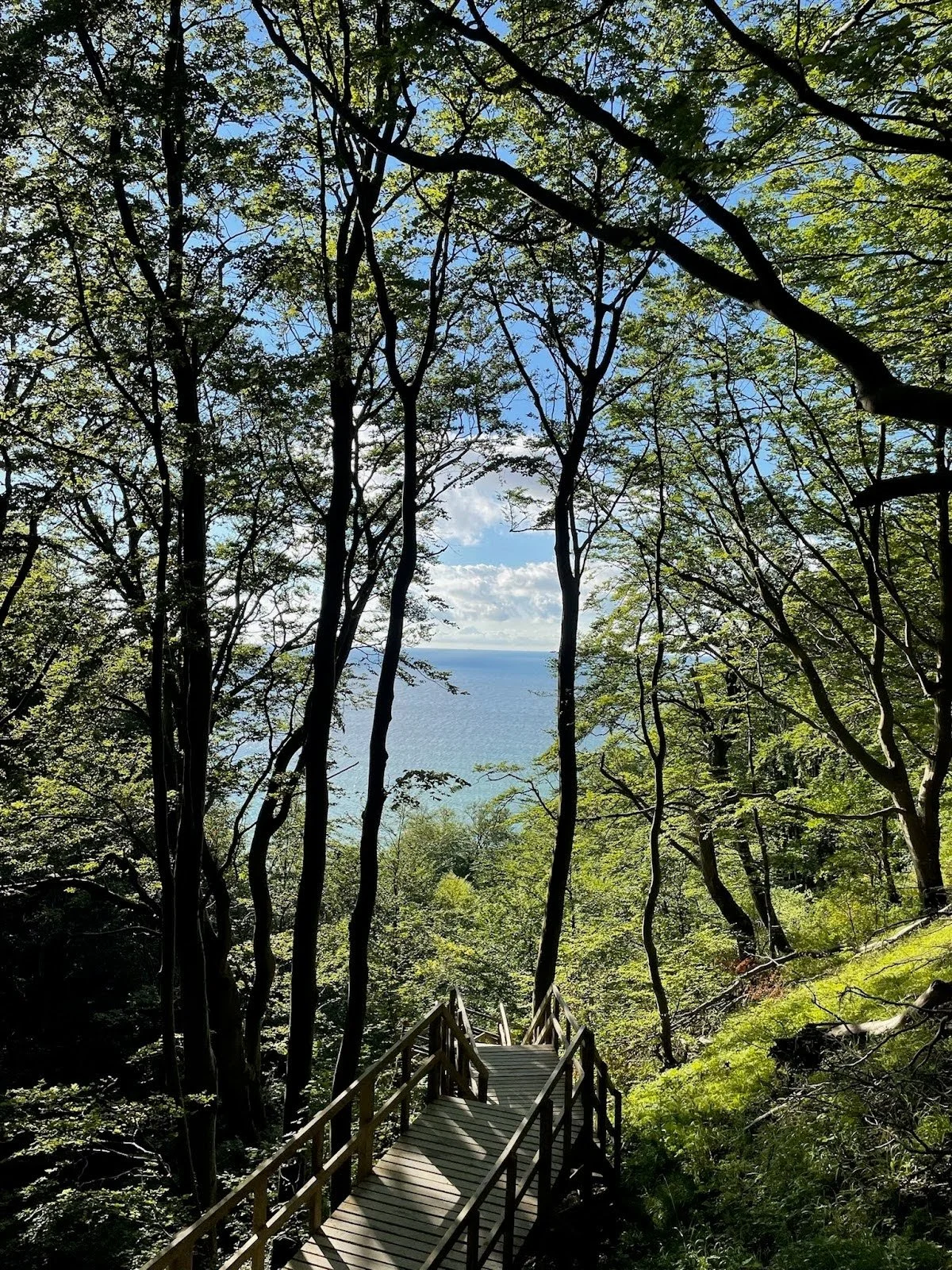
One of the most beautiful parts of living near either of the global poles are the auroras.
Read MoreEthics of Whale Shark Watching in the Philippines
Travelers must be aware and mindful of animal welfare when participating in whale-watching experiences in the Philippines.
Read MoreWhat Ever Happened to Van Life?
The once-popular trend of living and working in a camper van is now declining amid negative media attention, stricter parking regulations and the widespread return to in-person work.
Read MoreReef-Positive Tourism in Fiji
Travelers join locals in protecting and preserving the coral reefs of Fiji.
Read MoreDark Skies: The Best Places for Stargazing in the USA
While light pollution has long detracted from most Americans’ ability to see a full sky of stars, these locations are pioneering efforts to preserve an untouched dark sky.
Read MoreCoffee, Climate, and Tourism in Guatemala
In Guatemala’s volcanic highlands, agro-tourism is helping coffee farmers push back against economic and environmental changes.
Read MoreOvercommercialization Drives Ethical Dilemmas on Mount Everest
Summiting Mount Everest has long been the ultimate challenge for mountaineers, but rising death rates and visitor congestion have put a spotlight on its ethics.
Read MoreBikepacking 101: Everything You Need to Know About the Growing Trend
Distinct from bike touring, bikepacking emphasizes off-road adventure, minimalism and freedom of movement — the pursuit has grown enormously in popularity in recent years.
Read More6 Surf Hostels Around the World
These budget-friendly accommodations offer more than a bed—they provide a community connection that unites oceans.
Main entrance of Playa Jaco, Costa Rica. Armando Olivo Martín del Campo. CC BY-SA 4.0
Wake up to crashing waves, grab your board, and paddle out. Surf hostels are not just places to rest your head; they’re miniature global hubs where travelers, surf enthusiasts and adventure seekers converge. Whether you’re a solo backpacker or part of a group, surf hostels foster friendships and shared experiences such as communal dinners, bonfires on the beach, and impromptu jam sessions with fellow travelers.
Hostels often offer surfboard rentals and lessons, making it an easy way to pick up new skills. Each hostel has its unique flavor, influenced by its location and culture. From Bali’s laid-back vibes to Portugal’s rugged beauty, you’ll taste local cuisines, explore places through their waters and witness unforgettable sunrises and sunsets.
1. 99 Surf Lodge - Popoyo, Nicaragua
Surfing in Popoyo, Nicaragua. Dylan Wooters. CC BY-SA 2.0
99 Surf Lodge in Popoyo, Nicaragua, is a sleek, low-slung modernist hotel that perfectly balances style and unpretentiousness. Situated right on the legendary surf beach of Popoyo, it offers a unique blend of comfort and adventure in a region that is hospitable yet not overdeveloped. Each room boasts an ocean view, allowing guests to check surf conditions from the comfort of their beds. The bungalows and suites, which can accommodate up to four guests, feature private verandas to enjoy the constant offshore breeze. Despite its design-hotel aesthetics, 99 Surf Lodge remains affordable, making it a great value destination. Surfing is the main attraction, but guests can enjoy various water activities and nearby mountain hikes. The hotel’s gym and the on-site restaurant, Taberna 99, provide additional amenities to fuel and rejuvenate guests. With yoga classes, retreats and two seasonal restaurants, including Mesquite, 99 Surf Lodge ensures a memorable stay. Whether surfing, dining or simply relaxing, this beachfront retreat perfectly blends modern comfort and natural beauty. 99 Surf Lodge is a higher-end surf hostel and rates start at $130 per night.
2. San Sebastian Surf Camp (Stoke Travel) - San Sebastian, Spain
Scenic view from the comb of the wind ride to the Ondarreta beach. Laura Peña. CC BY-SA 3.0
San Sebastian Surf CAMP, an all-inclusive surf house in the Spanish Basque Country, offers an exhilarating blend of surf, yoga, and vibrant nightlife. Since 2005, Stoke Travel’s Surf Camps have been the go-to destination for exploring San Sebastian and the Basque Country, providing an unbeatable combination of surfing and partying. Now located in a converted Basque farmhouse near Zarautz, the camp has only improved. The communal atmosphere is enhanced by staff who double as surf instructors and prepare all meals, ensuring a seamless experience. The basic package includes dorm accommodation in the scenic Pagoeta nature reserve, healthy homemade meals, daily pickups to Zarautz, introductory surf lessons, and daily yoga classes. Guests can also enjoy unlimited access to surf equipment, local activities, and an open bar for a small fee. With hearty home-cooked meals, welcoming vibes, and awesome parties, this surf camp promises an unforgettable experience. San Sebastian Surf CAMP offers a unique and immersive adventure in a stunning natural setting. There is a two-day minimum and rates start at $50 per night. Get in touch with San Sebastian Surf Camp (Stoke Travel) here.
3. Hostel & Surf Camp 55 - Ericeira, Portugal
Surfing at Praia do Matadouro. Web Summit. CC BY 2.0
Hostel & Surfcamp 55 in Ericeira, Portugal, is a fantastic destination for surfing beginners, embodying the slogan “When you feel the Ericeira 55 vibe you don’t want to leave…” Overlooking the ocean and located in the heart of Ericeira, this unique hostel offers a true surf and travel experience. It accommodates up to 22 guests in seven thematic rooms with sea views, providing a relaxed and colorful atmosphere. Guests can enjoy surf lessons, guiding and equipment on-site, as well as daily yoga retreats. The communal lounge area is perfect for socializing, and the shared kitchen allows guests to prepare their own meals or join themed dinners and wine tasting sessions. Located just a five-minute walk from the beach, Hostel 55 also offers free WiFi and various discounts on local activities, including bicycle and board rentals. With clean facilities, friendly staff, and a vibrant communal feel, Hostel & Surfcamp 55 ensures an unforgettable stay in the picturesque fishing village of Ericeira. The nightly rate is $40 and you can contact them here Hostel & Surf Camp 55.
4. Farm Hostel - Canggu, Indonesia
Young surfers in Bali, Indonesia. Tiket2. CC BY 2.0
The Farm Hostel in Canggu, Indonesia, offers an exceptional experience for travelers. With five different types of dorms, all air-conditioned and equipped with en-suite bathrooms, the hostel ensures maximum comfort and privacy. Each bed is larger than average, featuring curtains, a reading light, an international power outlet, and a large locker for personal belongings. Located just 1.2 miles from Batu Bolong Beach and Canggu Beach, The Farm Hostel provides accommodations with an outdoor swimming pool, free private parking, a garden and a shared lounge. Guests can enjoy free WiFi, a bar, and a restaurant serving international cuisine with vegetarian, dairy-free, and vegan options. The hostel also offers a paid airport shuttle service.
Nestled at the end of a peaceful cul-de-sac surrounded by rice fields, banana trees, bamboo and a running stream, The Farm Hostel is a tranquil retreat. Despite its serene location, it is just minutes away from great surf spots, tasty food, vibrant nightlife, and excellent coffee. Since its opening in 2015, The Farm has grown from 22 beds to 118 beds, featuring nine mixed dorms and seven female dorms. With high-speed internet, a small breakfast included, two pools, multiple common areas and a central location in Canggu, The Farm Hostel is a must-stay destination in Bali and rates start at $36 per night.
5. Rosemary Hostel - Florianópolis, Brazil
Praia Mole, Florianopolis, SC, Brasil. Papa Pic from Eldorado, Argentina. CC0
Rosemary Hostel in Florianopolis, Brazil, offers a unique and empowering experience for travelers. Located just a minute’s walk from Trilha Da Galheta and a short distance from Praia da Barra da Lagoa, this hostel provides an ideal setting for reconnecting with nature. With eight rooms featuring climate control, private balconies and mini fridges, guests can enjoy a comfortable and convenient stay. The hostel is well-connected to local attractions, including the Open Sea Turtle Museum and Barra da Lagoa Natural Pools. Guests can savor South American cuisine at the nearby Restaurante Maria & Maria or explore the vibrant Praia Barra da Lagoa district. Rosemary Hostel is designed to challenge both body and mind, offering exceptional accommodation, healthy meals and inspiring activities. Whether you’re looking to relax or embark on an adventure, Rosemary Hostel promises a memorable stay with its international family, the Dream Team. The Rosemary Hostel’s nightly rates begin at $33, and there are several different types of accommodation.
6. ITH Beach Bungalow Surf Hostel - San Diego, CA, USA
Surfing in San Diego, California. Bengt Nyman. CC BY 2.0
ITH Beach Bungalow Surf Hostel in San Diego offers an unparalleled experience right on the boardwalk overlooking the ocean in Pacific Beach. Known for its cozy beds, beachfront facilities, and friendly hosts passionate about showcasing local culture, this hostel invites guests to bring their beach clothes and flip-flops and immerse themselves in the surf lifestyle. The hostel emphasizes sustainable lodging, cultural contact and providing a unique hosted experience. Guests can enjoy oceanfront accommodations just 1.9 miles from Belmont Amusement Park, with amenities including BBQ facilities, a garden and a shared lounge. A daily free continental breakfast is provided, featuring bread, fruit, cereal, oatmeal and coffee. The hostel also offers a 24-hour front desk, indoor lounge with workstations and table tennis. With several room options, including female-only, coed dorms, and private rooms, all with ensuite bathrooms, ITH Beach Bungalow Surf Hostel ensures a comfortable stay. The large private outdoor deck is perfect for socializing, checking out the waves and soaking up the sunshine. Hosted social events, surfboard, wetsuit and bike rentals, as well as partnerships with top-rated wellness and yoga studios, make this hostel a legendary spot for travelers since the 1980s. Whether you’re surfing, relaxing or exploring, ITH Beach Bungalow Surf Hostel promises a social, friendly, and fun atmosphere with rates starting at $49 a night
Julz Vargas
Julz is a student at Wellesley College studying Anthropology and Spanish. She grew up in Los Angeles, CA, and has studied all around the world in places such as Costa Rica, Greece, Iceland, and Spain. She is passionate about employing writing as a tool to explore human connection and diversity. Julz aspires to foster cross-cultural connections through community-based research, amplifying inclusive and diverse media about global cultures, foods, and people, to encourage individuals to engage more wholly with the world.
Road Trip Culture in Scandinavia
From the southern coast of Denmark to the northern lights of Sweden, experience the best road trip destinations in Scandinavia.
Read MoreJust Keep Swimming: 7 Exotic Snorkeling Sites
There are a million places to get a taste of the most beautiful underwater ecosystems on Earth—here are some of the most fascinating.
One of the best ways to see the sea. John Brooks. CC 0
There are few environments more captivating than the ocean. Featuring millions of species of life, hundreds of different biomes, and almost infinite ways to experience it, there’s nothing quite like the sea. With a mask, fins and little to no training, snorkeling is the perfect way to see it all.
Of all of the places to snorkel, some are simply unlike any other. This list documents seven of the most mind-blowing experiences you could have underwater and why you should definitely add them to your bucket list.
1. Jellyfish Lake, Palau
The 250-island nation of Palau is dotted with saltwater lakes linked together by a series of underground channels and tunnels. Only one of these lakes can be visited, fittingly named Jellyfish Lake, home to a dizzying number of moon and golden jellyfish. They float around aimlessly in the 1,500-foot lake, bumping and bouncing up against snorkelers like living ping-pong balls. These creatures have evolved in a much different way from their ocean-dwelling cousins— they pose no risk to snorkelers. Unlike most species, they are non-poisonous and have no stinging cells.
Jellyfish Lake provides visitors with the once-in-a-lifetime experience of swimming through an entire world of these unique and fascinating creatures. It is more than worthy of a spot on every ocean lover’s bucket list. Places to stay nearby include the Palau Pacific Resort, priced at around $250 a night. Cheaper options include the Hotel Piccada at $110 a night and LH Porto Rafael Altura Resort at $80 a night.
A diver in Jellyfish Lake in Palau. Aquaimages. CC SA 2.5
2. Silfra Fissure, Iceland
Created by an earthquake in 1789, the Silfra Fissure is a massive gap between the North American and Eurasian continental plates filled with glacier meltwater. Snorkelers and divers can simultaneously touch two continents while swimming through gorgeously clear waters, where visibility can reach a mindblowing 393 feet.
This unique ravine is almost totally devoid of fish. Instead, the rock walls are lined with vibrant green algae known as “troll hair.” Between these leafy green plants and the almost impossibly clear blue water, Silfra Fissure is one of the most incredibly colorful and exotic dive sites on Earth. Silfra Fissure’s water is extremely cold, sitting at a chilling 35-39 degrees Fahrenheit. To combat this temperature, snorkelers wear a drysuit, a full-body neoprene suit complete with gloves, boots and a hood.
Nearby places to stay include the Bru Country Estate at around $110 a night, as well as several rentable cottages at around $90 per night.
An underwater view at the Silfra Fissure. Josephyoon4. CC BY-SA 4.0
3. Mamanuca Islands, Fiji
Called the soft coral capital of the world, Fiji is an absolutely beautiful diving location. Its Mamanuca Islands are home to almost 400 unique species of coral, most of which are still alive despite the ravages of ocean acidification. Many of the islands themselves are also covered up by water when the tide comes in, combining the surface world and the sea in an incredible panorama. Snorkelers can visit these gorgeous reefs from any of the 13 inhabited islands, each lined with fantastic beaches and surrounded by crystal-clear water.
The island’s amount of healthy and colorful coral can’t be found anywhere else in the world. As climate change worsens, there’s no guarantee it’ll be around forever. Mamanuca is definitely one for the bucket list. Local hotels include First Landing Beach Resort at around $119 a night and Bluewater Lodge at around $60 a night.
An aerial view of the Mamanuca Islands. American. CC BY-SA 3.0
4. Whitsunday Islands, Australia
The Whitsundays, as they are locally known, are a series of 74 islands off the coast of Queensland, Australia. The most fascinating part of snorkeling in the Whitsunday Islands snorkeling is the Stepping Stones, a unique series of flat rock cylinders jutting up from almost 80 feet underwater. Swarming with batfish, wrasses and a wide variety of eels, these rocky structures are absolutely covered in coral.
The Stepping Stones are unlike anything else in the world. Of all the beautiful diving locations on the colossal Great Barrier Reef, there are few quite as unique as this. Local hotels include the Mantra Club Croc at $106 a night and the Kipara Tropical Rainforest Retreat at around $105 a night.
The Whitsunday Islands. eyeintim. CC 2.0
5. Isla Mujeres, Mexico
The biggest shark on Earth and completely harmless to humans, the whale shark swims docilely around feeding on tiny animals filtered through their colossal mouths. There are very few places on Earth where one can swim with these gentle giants, and Isla Mujeres is the best place to do so. Tours of the island are regulated by the government, allowing only a limited number of snorkelers in the water in order to avoid disturbing the creatures.
Isla Mujeres also features the world’s largest underwater museum, with more than 500 sculptures scattered across the ocean floor . From spectral human figures to huge stone grenades and mines, the legendary MUSA Museum provides snorkelers with a once-in-a-lifetime experience that has not been replicated anywhere else on Earth.
Whale sharks are incredible creatures, and Isla Mujeres offers one of the only ways to see them in their natural habitat. Hotels in the area include Hotel La Joya Isla Mujeres at $99 a night and the Ixchel Beach Hotel at around $165 a night.
A whale shark off the coast of Isla Mujeres. MarAlliance2018. CC BY-SA 4.0
6. Crystal River, Florida
Offering another first-hand experience with marine life, the Crystal River in Florida is the only place in the U.S. where snorkelers can come face-to-face with the endangered manatee. Lucky visitors can swim through hundreds of the bulky mammals as they make their way towards warmer waters for the winter. Many of the animals even choose to remain in parts of the river year-round.
Manatees are one of the most protected aquatic species in the world given how endangered they have become. Tours must be booked in advance through organizations that hold special permits, and snorkelers are strictly forbidden from touching the manatees. However, these animals are as curious as they are goofy— there is every chance that they’ll wind up bumping into you themselves.
There aren’t many manatees left on Earth. Crystal River does its utmost to protect the population that returns to its warm springs every year, and is gracious enough to provide visitors with the chance to meet these amazing creatures. This is a can’t-miss experience for anyone who loves the sea. Local hotels include the Plantation Resort on Crystal River from $113 a night and the Port Hotel and Marina at $105 a night.
A herd of manatees in Crystal River. U.S. Fish and Wildlife Service Headquarters. CC 2.0
7. Baa Atoll, Maldives
Dubbed a UNESCO World Biosphere Reserve, Baa Atoll is a nearly perfectly preserved reef. Famed for its unbelievably rich ecosystem, the atoll is home to manta rays, whale sharks and several other endangered species which remain safe and secure in this heavily protected environment.
Coral reefs—and the animals that make their homes there—have been hit hard by climate change. Fortunately, humanity has stepped up to protect what we still can. Baa Atoll is a spectacular example of how we can still save our world and is well worth a visit to inspire others to help where they can as well. Local hotels are around $200/night and up.
The spectacular reefs of Baa Atoll. Ahmed Abdul Rahman. CC BY-SA 4.0
Largely still unexplored, the ocean is an entirely different world from the one we live in. The sheer amount of environments, animals and experiences that can be found are unparalleled in variety and beauty. Thanks to snorkeling, you can see some of the most gorgeous sights on Earth up close. In a world that’s constantly turning up new and unbelievable discoveries, there’s no telling what you’ll find on any given snorkeling session, no matter where you are.
Ryan Livingston
Ryan is a senior at The College of New Jersey, majoring in English and minoring in marketing. Since a young age, Ryan has been passionate about human rights and environmental action and uses his writing to educate wherever he can. He hopes to pursue a career in professional writing and spread his message even further.
Go Snorkeling Amongst Archaeological Ruins
At Gaiola Underwater Park in Naples, ancient Roman ruins meet vibrant marine ecosystems. Explore this treasure trove beloved by locals.
Gaiola Island. Gianfranco Vitolo. CC BY 2.0
At the foot of Posillipo Hill in Naples, Italy, is a protected marine area stretching over 103 acres. Gaiola Underwater Park was founded in 2002 by Interministerial Decree and is managed by the Gaiola Onlus Interdisciplinary Study Center. Extending from the village of Marechiaro to the Bay of Trentaremi, the park is a treasure trove of biological, historical, and archaeological wonders in one of the most evocative coastal landscapes in the Gulf of Naples.
Renowned for its rich marine biodiversity, the park's waters are home to a range of species, some of which are unique to the Mediterranean. The landscape of the seabed and the favorable circulation of marine currents has allowed the settlement of a rich and varied biological community. It provides a habitat for various fish, crustaceans, and algae, contributing to the overall health of the Mediterranean. Octopuses, white breams, damselfish and moray eels swim amongst ancient ruins, polychrome sponges, and beautiful walls of sea daisies. The park's protection ensures that these species can thrive without the pressures of commercial fishing and pollution.
Beyond marine life, the underwater park is also home to archaeological remains dating back to ancient Roman times. Inspired by Posillipo’s beauty, the Roman aristocracy settled along the coast in 100 BCE. The most significant structure was the Villa of Pausilypon, built by the Imperial official Publio Vedio Pollio. The Villa occupied much of the coastal stretch of the current Park. Remains of the Villa’s maritime structures, such as majestic tuff quarries, landings, mosaic floors, nymphaeums, and fish ponds, are still visible along the coast and below the sea surface, thanks to a local volcano-tectonic phenomenon of slow lifting and lowering of the earth's crust known as “bradyseism.”
The Gaiola Underwater Park is a center for scientific research and environmental education. The park plays a vital role in marine conservation efforts, offering a space for researchers to study marine life and ecosystems. Educational programs and workshops are regularly conducted to raise awareness about marine conservation and the importance of preserving the Bay of Naples’ natural and cultural heritage.
Posillipo Naples. Fiore Silvestro Barbato. CC BY-SA 2.0
Once, Gaiola was considered a cursed island. According to local legend, the lives of the island’s previous owners ended in suicide, financial disaster or shipwreck. In 1911, a shipskipper, Captain Gaspare Albenga, crashed his boat into the rocks of the island and drowned while he was examining it for potential purchase, although locals say neither body nor ship was ever found.
In the 1920s, a Swiss businessman, Hans Braun took possession of the island and was subsequently found murdered and wrapped in a rug. Not long after, his wife drowned at sea. The island was then purchased by Otto Grunback, a German perfume dealer. He suffered a heart attack and instantly died at the Villa. These are only a few examples of the many stories that exist about the misfortune that befalls those who attempt to purchase the island.
Bay of Trentaremi. Giuseppe Guida. CC BY-SA 4.0
After these tragedies, more legends about the area were born. One of the most famous is that the ghost of a faceless woman haunts the area. According to local fishermen, it is the spirit of a woman who died during the San Giorgio cruiser's shipwreck in 1911. Others believe the specter to be the ghost of Hans Braun's late wife.
The origin of the name “Gaiola” is debated. Officially, the namesake derives from two small islands located in the park off the coast of Posillipo. Some think that the name Gaiola comes from the Latin cavea, meaning cave, corral or grotto. In Neapolitan, the word gajola means cage, recalling the cage-like shape of the archipelago. Cavea can also mean amphitheater. Gaiola hosts its own amphitheater in the ancient Villa.
Archaeological Park of Pausilypon. Armando Mancini. CC BY-SA 2.0
Visitors can participate in guided tours that offer exciting activities and insight into the park's ecological and historical significance. To visit the Gaiola Underwater Park, it is essential to make a reservation in advance due to the park's commitment to preserving its delicate ecosystems by maintaining a controlled number of visitors. You can enter the park any day with an online reservation, although hours and restrictions vary depending on the season. Aside from guided tours, there are many activities for visitors to take part in, such as glass-bottomed boats, snorkeling, scientific diving, and kayaking.
GETTING THERE
The park is accessible from Naples’ city center by metro, car or bus. The park’s website features detailed information on activities, visitor guides, and the park’s history.
Rebecca Pitcairn
Rebecca studies Italian Language and Literature, Classical Civilizations, and English Writing at the University of Pittsburgh. She hopes to one day attain a PhD in Classical Archeology. She is passionate about feminism and climate justice. She enjoys reading, playing the lyre, and longboarding in her free time.
Redefining Tourism in India
A Canadian shares the untold story of ecotourism in India’s state of Meghalaya.
Read MoreHot Spots: 6 Volcanic Adventures Around the Globe
Volcanoes are spectacular natural phenomena, drawing millions of adventurers from far and wide hoping to catch a glimpse of their awesome power.
Lava flowing from a volcano in Iceland. Global Panorama. CC BY-SA 2.0
Volcanic destinations around the world have drawn visitors for centuries, and despite the risks, volcanic tourism has been on the rise since the COVID-19 pandemic. While destinations like Hawaii, Iceland and Italy often take center stage in discussions of volcanic tourism, there are many more incredible destinations around the world.
1. Arenal Volcano, Costa Rica
Arenal Volcano, Costa Rica. smilla4. CC BY-NC 2.0
The Arenal Volcano towers over the northern lowlands of Costa Rica, offering incredible sights and activities to travelers. Until 2010, the Arenal Volcano was a destination for thrill-seekers hoping to witness eruptions and lava flow, although it has since fallen into a resting phase.
While the recent dormancy has been disappointing for visitors hoping to see lava, the Arenal Volcano continues to present engaging activities and spectacular views. While visiting the area, adventurers can hike, relax in the hot springs, and spend time along the numerous lakes and rivers.
2. Mount Batur, Indonesia
Mount Batur, Indonesia. _paVan_. CC BY 2.0
In Bali's Kintamani province stands Mount Batur, an active volcano renowned for hiking activities. In order to hike Mount Batur, travelers are strongly advised to hire a tour guide through the official Association Of Mount Batur Trekking Guides. The trip from the base to the summit can take one to two hours.
Sunrise is the most popular time to hike Mount Batur. As visitors gather on the summit to soak up the sunrise, vendors can be found using volcanic steam to boil eggs and cook noodles for hungry travelers. Along the road from Mount Batur to the Batur Caldera Lake, adventurers can visit the Ulun Danu Batur temple and several hot springs.
3. Mount Etna, Italy
Mount Etna, Italy. Naval S. CC BY-NC 2.0
As one of the world’s tallest and most active volcanoes and the tallest volcano in Europe, Mount Etna has long been a hot spot for travelers visiting Sicily. Mount Etna first erupted 570,000 years ago, making it a gem for geological historians and interested travelers alike.
Travelers can find guided tours that depart from several locations including Taormina, Catania and Messina. After arriving at Mount Etna, tours begin with a cable car ride that reaches almost ten thousand feet. From there, travelers can choose to proceed in a tour by car or on foot. For hikers, the recommended time to visit is March through September.
4. Piton de la Fournaise, Reunion Island, France
Piton de la Fournaise, France. Flickr @BOENE75. CC BY-SA 2.0
Located on Reunion Island in the Indian Ocean, the Piton de la Fournaise is an iconic volcano and Reunion’s most popular attraction. Despite its status as an active volcano, the Piton de la Fournaise is open to everyone regardless of age and draws about 400,000 visitors every year.
Travelers can venture from the coast to the summit on foot or by car, and there are even lava tunnels open for exploration. During a three-and-a-half-hour tour of the lava tunnels, travelers can witness the halls and galleries created by a lava flow in 2004. To learn about the science and history of Piton de la Fournaise, travelers can also visit the Cite du Volcan Museum.
5. Stromboli, Italy
Stromboli Village, Italy. Johannes Zielcke. CC BY-NC-ND 2.0
One of seven volcanic islands in the Aeolian Archipelago north of Sicily, Stromboli is home to one of the most active volcanoes in the world. The volcano, which locals call Iddu, has left on-lookers in awe for thousands of years. Stromboli is full of breathtaking contrasts, from the white houses surrounded by black sand beaches to the lava against the night sky.
Travelers can take guided tours by boat or on foot. Booking a guided tour is essential considering Stromboli is very active and involves risk. Despite the active status of the volcano, hundreds of visitors are drawn to view the lava glow during sunset.
6. Thrihnukagigur Volcano, Iceland
Inside the Thrihnukagigur Volcano lava chamber. Miki Jourdan. CC BY-NC-ND 2.0
At the Thrihnukagigur Volcano in Iceland, adventurous travelers can visit the only accessible lava chamber on the planet. Translated to “Three Peaks Crater”, Thrihnukagigur is a low-risk destination that has been dormant for over 4,000 years. The three peaks of Thrihnukagigur formed from three separate eruptions thousands of years ago.
The crater of the Thrihnukagigur Volcano is so deep the Statue of Liberty could fit inside. The bottom of the crater dates back to 30 to 40 thousand years ago, approximately the beginning of modern humankind. Since the volcano went dormant, the lava chamber at the heart of the volcano emptied, allowing visitors to glimpse this rare geologic gem.
Madison Paulus
Madison is a student at George Washington University studying international affairs, journalism, mass communication, and Arabic. Born and raised in Seattle, Washington, Madison grew up in a creative, open-minded environment. With passions for human rights and social justice, Madison uses her writing skills to educate and advocate. In the future, Madison hopes to pursue a career in science communication or travel journalism.
China’s Rainbow Mountains
Eons of time and colossal tectonic plates have shaped China's most colorful national treasure.
Read MoreBecome an Artist-in-Residence at a National Park
Writers, painters and musicians can receive a stipend to create in some of the most majestic landscapes in the US.
Woman painting outdoors. Caroline Veronez. Unsplash
There is a long-running debate over whether to preserve the natural beauty of western landscapes or exploit them. The Artist-in-Residence program many national parks are now offering serves as a compromise, honoring these landscapes and giving back to the parks once inhabited by native tribes. This program provides writers, painters, musicians and other artists the chance to refine their art in some of the country’s most scenic landscapes. Selected artists live in the park and receive a stipend, as well as coverage for food and travel expenses. The stipends can reach up to $5,000, with half of it usually given at the start of the program and half at the end. The program lengths vary, but typically last between two to four weeks. These residencies are inclusive, welcoming artists of all backgrounds and ages (although only legal adults may submit applications). Each artist's primary task is to create art inspired by their natural surroundings and—upon completion of their residency—donate a piece of their work to the park.
Mount Rainier National Park. Lily M. Tang. CC BY-NC-ND 3.0
Artist-in-Residence programs welcome unique projects. Felix, a musician, served as the 2021 Artist-in-Residence at Canaveral National Seashore. His project, Listeners, was a collaborative sonic experience, capturing the park’s soundscape through contributions from people who live, work and visit there. Casey, a food writer, served as the 2022 Artist-in-Residence at Acadia National Park. She released a recipe book, Maine Ingredients: Recipes Inspired by Acadia National Park, crafting dishes using local ingredients and traditional regional cuisine.
These programs give artists the chance to immerse themselves in natural landscapes, gaining insight into the indigenous peoples who occupied western landscapes before us and learning about how their legacies live on today. While some view national parks as a byproduct of white settlement, the Artist-in-Residence program forces us to consider how we can shift the narrative, redirect the focus back onto their original inhabitants. The submission window for applicants is open during the summer, so act now! Keep in mind acceptance rates vary based on the park’s popularity. Check out NPAR openings here.
Agnes Moser Volland
Agnes is a student at UC Berkeley majoring in Interdisciplinary Studies and minoring in Creative Writing, with a research focus on road trip culture in America. She currently writes for BARE Magazine and Caravan Travel & Style Magazine. She is working on a novel that follows two sisters as they road trip down Highway 40, from California to Oklahoma. In the future, she hopes to pursue a career in journalism, publishing, or research.
Zakouma: A Haven for African Wildlife
Chad’s Zakouma National Park has transformed from a hotspot for poaching into a sanctuary for wildlife.
Read MoreSummer Road Trip to the Tetons and Yellowstone
From experiencing geysers, to hot springs to glacial lakes, this is an adventurous road trip that offers exceptional and unique camping lodging.
Gros Ventre Road. Mike Goad. CC0 1.0
Grand Teton and Yellowstone are neighboring National Parks celebrated for their rich biodiversity, particularly vibrant during the summer months. A scenic drive through both parks typically spans about a week, allowing time to explore key attractions along the route. Yellowstone National Park is renowned for its geothermal vents, pine tree forests and grasslands, while Grand Teton National Park is known for its rugged landscape, including lush fields and U-shaped valleys. For those planning a summer road trip to Wyoming, here are the top attractions, hiking trails and campgrounds in the Tetons and Yellowstone.
Attractions
Norris Geyser Basin boardwalk. Yellowstone National Park. PDM 1.0
Norris Geyser Basin, the hottest geyser basin in Yellowstone, erupts every 20 to 80 minutes. A 1.8-mile loop trail, accessible via a boardwalk, offers views of steaming blue pools, and bison are sometimes spotted in the area. Notably, it features the Steamboat Geyser, the world's largest active geyser, known to reach heights of up to 380 feet.
Side note: for visitors road tripping through the Tetons and Yellowstone, I recommend purchasing the $80 America the Beautiful pass, granting access to attractions in all National Parks.
Grand Prismatic Spring. James St. John. CC BY 2.0
Yellowstone’s Grand Prismatic Spring, the largest hot spring in the United States, is celebrated for its vibrant colors—a teal blue pool with bands of orange and yellow. For a viewpoint overlooking the spring, follow the 0.5-mile Fairy Falls trail.
Old Faithful Geyser. National Parks Gallery. PDM 1.0
Old Faithful Geyser erupts regularly, every forty minutes to two hours. Located in West Yellowstone near the Old Faithful Inn, the 0.7-mile loop trail offers convenient access to the geyser.
Jackson Lake. Diana Robinson. CC BY-NC-ND 2.0
Jackson Lake is a glacial lake known for its clear, icy water, surrounded by snow-capped mountains. Colter Bay picnic area and beach provide opportunities for fishing, boating and polar plunging. The Colter Bay campground is convenient for water enthusiasts and is the largest campground in the Tetons.
Hikes
Fairy Falls. Rudy Wilms. CC BY-NC-ND 2.0
For outdoors lovers, there are can’t-miss hikes in both parks. In Yellowstone, the Fairy Falls trail is an easier, flatter route, a 1.6-mile hike to a waterfall surrounded by lush greenery. A little longer, Mystic Falls is a 2.4-mile hike to a cascade-type waterfall. Pelican Valley is a 6.2-mile hike, providing a quieter, less touristy experience through serene meadows. In the Tetons, Cascade Canyon is a 9.1-mile out-and-back trail to a glacier-formed canyon, with wildflowers that are most vibrant during spring and summer months. It’s a more strenuous hike, so less experienced trekkers may opt for the Cascade Canyon Express to experience panoramic views of the area.
Campgrounds
Canyon campground site. Yellowstone National Park. PDM 1.0
In Yellowstone, both Madison campground and Canyon campground are centrally located. Madison is close to the Old Faithful area and Madison River, while Canyon is near the Geyser Basins. Canyon campground arguably has more privacy, mostly due to the shade from pine trees.
In the Tetons, Jenny Lake campground is next to the scenic Jenny Lake, providing expansive views of snow-peaked mountains.
Yellowstone is recognized by the National Park Service as one of the planet's last and largest natural ecosystems. The Tetons, often overshadowed by Yellowstone, are just as worth visiting. Experience the unbeatable views, attractions and trails of Grand Teton and Yellowstone National Parks on a road trip this summer.
Agnes Volland
Agnes is a student at UC Berkeley majoring in Interdisciplinary Studies and minoring in Creative Writing, with a research focus on road trip culture in America. She currently writes for BARE Magazine and Caravan Travel & Style Magazine. She is working on a novel that follows two sisters as they road trip down Highway 40, from California to Oklahoma. In the future, she hopes to pursue a career in journalism, publishing, or research.
Hiking in the Canadian Rockies: The Natural Magic of Waterton National Park
Find some of the best hikes in the world on the southern Canadian border.
Waterton Lakes seen from the Prince of Wales. Sean Tseng, CC BY-SA 4.0
Uniquely positioned as the only national park in both the United States and Canada at the same time and known as an International Peace Park, and the first of its kind, Waterton is a once-in-a-lifetime experience. During my two weeks there, I discovered hidden waterfalls, hiked over miles of snow and ice, and took a step back into Canadian history.
Our first destination was the Prince of Wales Hotel. Positioned on top of a hill overlooking the beautiful Upper Waterton Lake, this building was constructed in 1927 and has remained one of the most recognizable landmarks in the entire park. The interior is a classic 20th-century hotel, complete with a manually-operated crank elevator. Niagara, the restaurant within the hotel, holds high tea in the drawing room in the afternoons, bringing guests back to Victorian England, complete with pastries and ornate British tea sets.
The Prince of Wales Hotel. Royalbroil, CC BY-SA 3.0
Heading down along the steep path on the hillside, we arrived in the small town of Waterton on the edge of the lake. The sleepy mountain village was a lovely experience; it felt like taking a trip back through Canadian history, complete with uniformed mounties patrolling the streets. The town opens up onto a variety of hiking trails into the surrounding mountains and along the shores of the lake.
Taking one of these mountain paths, we climbed up and around the foothills and into a gorgeous pine forest. Making our way along the rocky outcroppings and winding paths, we found ourselves facing a thundering waterfall only a few minutes after we started out. This would prove to be the standard for our trip; it seems like everywhere you look, there’s another beautiful vista or secret wonder waiting to be discovered.
Just a few minutes’ drive from the hotel, we arrived in Red Rock Canyon, a small but beautiful gap in the earth lined by small brush and occasionally frequented by coyotes. Thankfully, we didn’t run into any of them on our trail, but at the viewing spot at the end of the short hike we spotted one scampering along the bank of the small river far below us. This canyon is also a known visiting spot for both brown and grizzly bears; their presence in the park has led seasoned travelers to suggest carrying noisemakers or regularly shouting, “Hey, bear!” to avoid taking the huge animals by surprise and risking an attack.
After a few days enjoying the sights of Waterton, we made our way further west and crossed the border back into the US’s Glacier National Park to visit some of the last remaining glaciers in North America. One of these ancient ice giants, Jackson Glacier, is visible from the side of the famous Going-to-the-Sun Road. This winding path along the side of the Rocky Mountains sits at an elevation of around 6,000 feet and is lined with waterfalls and scenic vistas. If you’re lucky, you can spot herds of bighorn sheep climbing the hills alongside the road; with their unique hooves, they can cling to a sheer rock wall as if it was flat ground. And as long as the weather is good, you can clearly see the massive ice sheet that carved out the valleys below, suspended between two peaks in the far distance.
Jackson Glacier as seen from Going-to-the-Sun Road. MONGO, CC BY-SA 4.0
Further along the road, we came to our next stop; a trailhead that led out into a massive field of snow. With bandanas and wool hats to resist the biting cold, we started out across what looked like a scene straight out of a Hallmark movie. But after a few feet, we discovered that there was actually a wooden walkway—about three yards beneath us. This massive field of snow was in reality a mountain of its own; it was several yards deep and miles wide in all directions.
After picking our way along the often slippery surface of the snowy mountain, we found ourselves in another forest, this one populated by tons of wild mountain goats. Groups of hikers stood along the roped-off path, snapping photos of the adorable baby goats as they rooted through the snow and brush for food. We also spotted some wolverines, keeping their distance from us as they hunted for prey along the upper slopes of the mountain.
A mountain goat with its kid. Photo by author.
Once we had descended to our car again, we made our way back north to our last stop: Many Glacier Hotel, overlooking Swiftcurrent Lake. After dropping off our things, we hopped on board one of the boating tours. We were taken across the lake to the opposite shore, where we briefly hiked our way through the foothills before hopping on another boat and circling back around. During our cruise, we were given the history of the area, from the area’s original residents, the Cheyenne and Blackfoot tribes, to the park’s founding in 1910.
Waterton and Glacier are some of the most beautiful national parks in the world; despite being overshadowed by Yellowstone and the Grand Canyon, there is nothing quite like hiking across miles of snow and viewing the ancient glaciers that formed the landscape of America and Canada. The wildlife, the environment and even the towns of Waterton are steeped in natural beauty and wonder; anyone who enjoys hiking and loves a good view should make their way to Waterton once in their lives.
There are many ways to visit and stay in Waterton. The closest airport to the park is Kalispell (FCA), although for some Calgary International Airport (YYC) may be preferable. The Prince of Wales Hotel from this article is open for online bookings in the spring and summer at their website, and other lodgings are bookable here and on other sites you can find through Google Hotels. Prices in the area generally range from around $130 to $150 per night.
Ryan Livingston
Ryan is a senior at The College of New Jersey, majoring in English and minoring in marketing. Since a young age, Ryan has been passionate about human rights and environmental action and uses his writing to educate wherever he can. He hopes to pursue a career in professional writing and spread his message even further.
An Epic Motorbike Journey Through Northeast Vietnam
The Ha Giang Loop offers travelers a unique way to experience the natural beauty of Vietnam.
Mountain View on the Ha Giang Loop, Harper Noteboom.
Nestled against the southern Chinese border, the Ha Giang province serves as the great final frontier of Vietnam. The region is characterized by its striking limestone peaks, steep drop-off valleys and quaint roadside villages. Despite its natural beauty, its remoteness, at approximately 300 km outside of Hanoi, makes it less frequented among tourists. When I first embarked on my five-month solo trip through Southeast Asia, I had never heard of Ha Giang or the experiences it offered. But within a few weeks, I began to hear conversations about the region and the once-in-a-lifetime opportunity to be a passenger on or, for the braver travelers, to drive a motorbike for three days through lush valleys full of hairpin turns. Despite these conversations, nothing could have prepared me for the life-changing experience of the Ha Giang Loop.
In the pre-dawn hours, our overcrowded semi-sleeper bus from Hanoi pulled into the city of Ha Giang. By 10 AM the street outside Jasmine Hostel was full of eager backpackers and their motorbikes. Being an inexperienced driver I opted to hire an easier ride, a Ha Giang local who would drive while I sat on the back. I would quickly be reassured that this was the right choice when I saw the injuries that a crash can inflict. We were sectioned off into groups of 15 and hit the road.
Traffic jam on the Bac Sum Pass. Harper Noteboom
We spent the first few hours of our drive traveling north out of the city of Ha Giang and over the Bac Sum pass. The first of many steep and narrow passes, Bac Sum is a 4.3 mile stretch of sharp zigzag turns at an altitude of 1475 feet. I was immediately encapsulated by the stunning mountain peaks that rose around me and began to understand its common nickname “Heaven Gate;” I truly felt like I was transcending the Earth and moving up into the Heavens.
Throughout the day we made several stops to enjoy the view, take a necessary break from sitting, and eat some lunch. As we pulled away from one of our stops, I suddenly felt the bike start to slow down and emit a horrible creaking sound. We came to a complete stop and I watched as the rest of the group sped past leaving my driver and me in their dust. Suddenly I found myself completely alone on the side of a mountain with a driver who spoke no English and had no way to contact my friends. Through lots of pointing, I was instructed to sit down next to the bike and wait while my driver walked off to call someone. As I was sitting wondering how far ahead my friends were, two little girls appeared from their small roadside village and began to show me the flowers they had picked. Without any verbal communication we were able to appreciate the beauty of their flowers together. These girls belong to one of the many ethnic minority groups in the Ha Giang region. The loop not only serves as a beautiful journey for adventurous travelers but also as a lifeline between small, isolated minority communities and the modern world. In this small interaction, I was reminded of the true reason I was traveling, to experience and connect with people and cultures that were different from my own.
Roadside Village. Harper Noteboom
Eventually, the leader of my group returned and put me on the back of his bike, he turned to me and said “Hold on tight we need to catch up”. And just like that, I was on my way to our homestay for the night. We closed out our first day with a delicious meal of authentic H’mong cuisine and shots of rice wine, accompanied by a chant-like toast from the group leaders.
Pass along the Dong Van Plateau. Sabourock. CC BY-SA 4.0
We started day two with a visit to Kings' Royal Palace, the home of the traditional leader of the Hmong ethnic group. The 19th-century mansion, built fully by hand, combines Hmong, Chinese and French architecture and serves as both a majestic home and a protected army base. The palace's harmonic design and original furnishings transport the visitor back in time and give a real glance into the life of the Hmong King. After indulging in a traditional Vietnamese coffee, we took a brief drive to Lung Cu Flag Tower. At over 35 meters tall, the octagon-shaped tower sits at the northernmost point of Vietnam and represents unity and independence for the country, offering a panoramic view across the Chinese border. After our morning of traveling back in time, we departed for what would be one of the most terrifying, gut-wrenching and inspiring experiences of my life, the Skywalk.
Entrance to Kings' Royal Palace. Gavin White. CC BY-NC-ND 2.0
Describing exactly what the Skywalk is and what it truly feels like to be there is no easy task. The beginning of the trail is extremely narrow and hugs the side of a mountain while snaking along its exterior. The short walk itself is nothing compared to the destination. A massive mound of rocks stretches out over the edge of a cliff and seems so perfectly balanced that a single shift would result in the complete crumbling of the cliff and all the people on it. From the side, one long, narrow, flat rock extends out from the rest. While barely big enough for two people and high enough that a misstep would result in a deadly drop, there was a long line of eager backpackers waiting for their turn to cautiously creep out onto the rock. When it was my turn to go, I was overwhelmed with fear and even glancing down sent my stomach into my chest, but I carefully and slowly crept to the edge and sat down. As I looked out at the 360-degree view of the sharp peaks and luscious fields below me, I felt like I was truly the queen of the world. In this moment I had a realization, this is what traveling is all about, this is what life is all about; it’s about facing your fears to fully take in the beautiful world that we are so blessed to explore. The memory of this moment is one I return to often, and I revel in the euphoria of travel and the beauty of experience.
Skywalk. Harper Noteboom
I rode the high of that moment for the rest of our drive to the quaint village where we would stay for the night. The following morning, as a final send-off, we took a cruise down the limestone-crested Tu San Canyon before our long, bumpy, and admittedly very dusty journey back to the city before catching our even longer bus back to Hanoi.
Tu San Canyon. Ryan Le. CC0
As I reflect on these 3 marvelous days, there's no way to describe the life-altering effect that the Ha Giang loop has had on me. I never thought I would have the chance to soar through epic mountain ranges on the back of a motorbike with some of my best friends, but I’m overjoyed that I did and I urge everyone who is visiting Vietnam to experience the Ha Giang Loop.
Harper Noteboom
Harper is a student at Pomona College majoring in Computer Science while exploring many interests in the liberal arts nature. Her worldly curiosity and passion for traveling took her to The Netherlands for High School and then on a gap year around Southeast Asia. Harper hopes to share the immense joy of traveling through her writing.