Denmark’s Mons Klint: The Landscape That “Looks After Itself”

Salome Liptak

Only a short trip from Copenhagen, this UNESCO World Heritage Site offers an unparalleled glimpse into the 70-million-year-long saga of a unique ecosystem. 
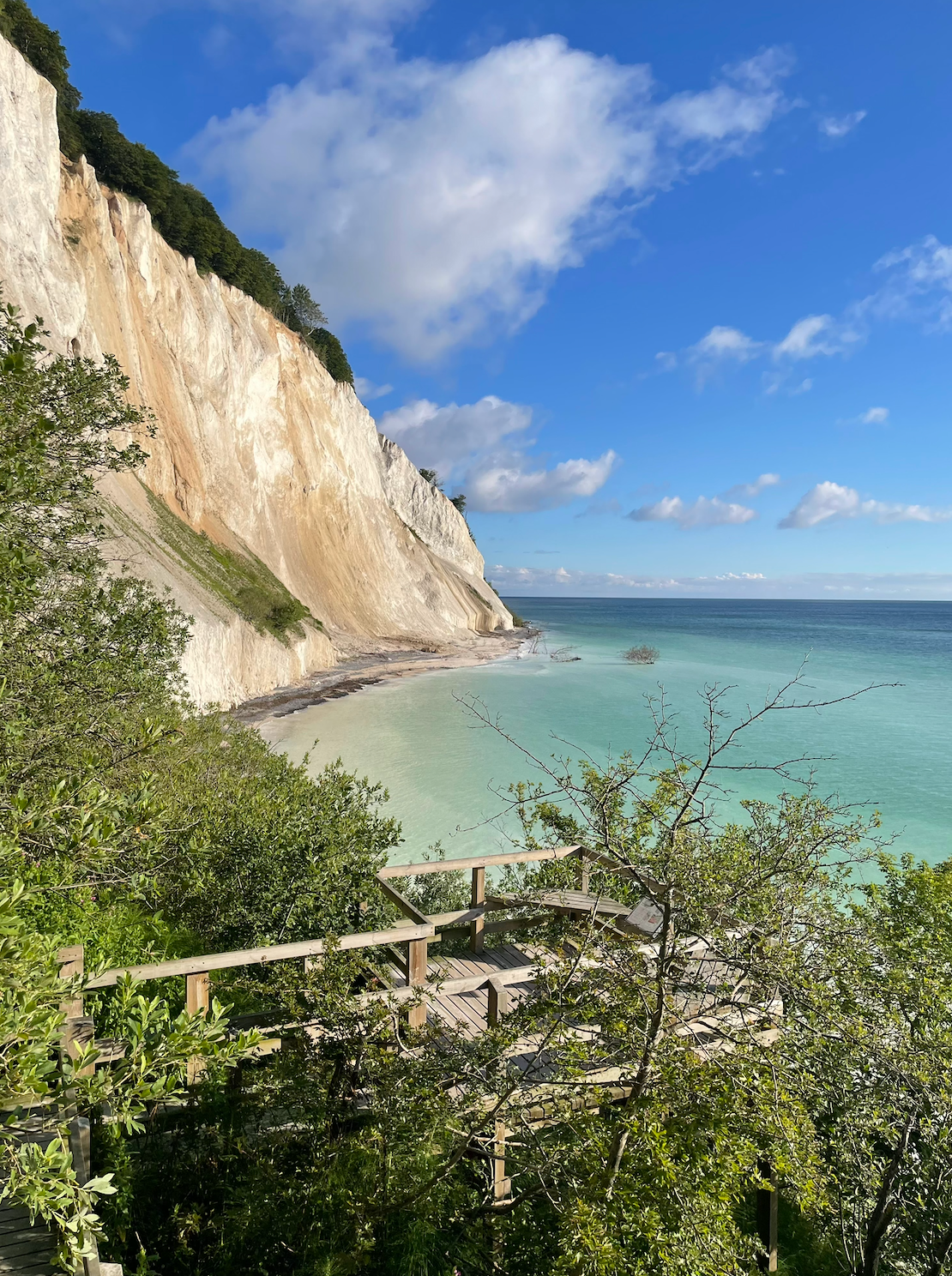
Chalk cliffs and the Baltic Sea. Salome Liptak.

On the eastern coast of Mon, a small island in Denmark, almost 4 miles of undulating chalk cliffs are a striking physical record of geological time. The cliffs, made up of 70-million-year-old seabed that was banked and compacted from the pressure of Ice Age glaciers, haven’t stopped changing since. Their soft chemical structure makes the cliffs “friable,” or easily eroded, which constantly exposes new layers of fossils. Because of this, the lapping waves of the Baltic have continued to sculpt the cliff face, and in turn, the cliffs’ minerals enrich the water close to the shore, giving it a distinct milky-turquoise color. 

Alongside its historic cliffs, Mons Klint harbors a unique ecosystem. The area is the country’s sole habitat for the large blue butterfly, whose unique life cycle requires a specific diet of wild thyme and marjoram in the larval stage before it is found by a red stinging ant and carried back to its nest; after spending four seasons in the anthill, the butterfly finally pupates in July. The lime-rich soil of Mons Klint’s beech forests also makes it the perfect habitat for 18 out of 45 Danish species of orchid, many of which are particularly rare to find elsewhere in Denmark. Further, as an important roost for migratory birds, Mons Klint and its surrounding forests offer a rare glimpse into the rhythms of the more-than-human environment. In the words of The Danish Nature Agency, this is a forest that constantly adapts and “looks after itself.”
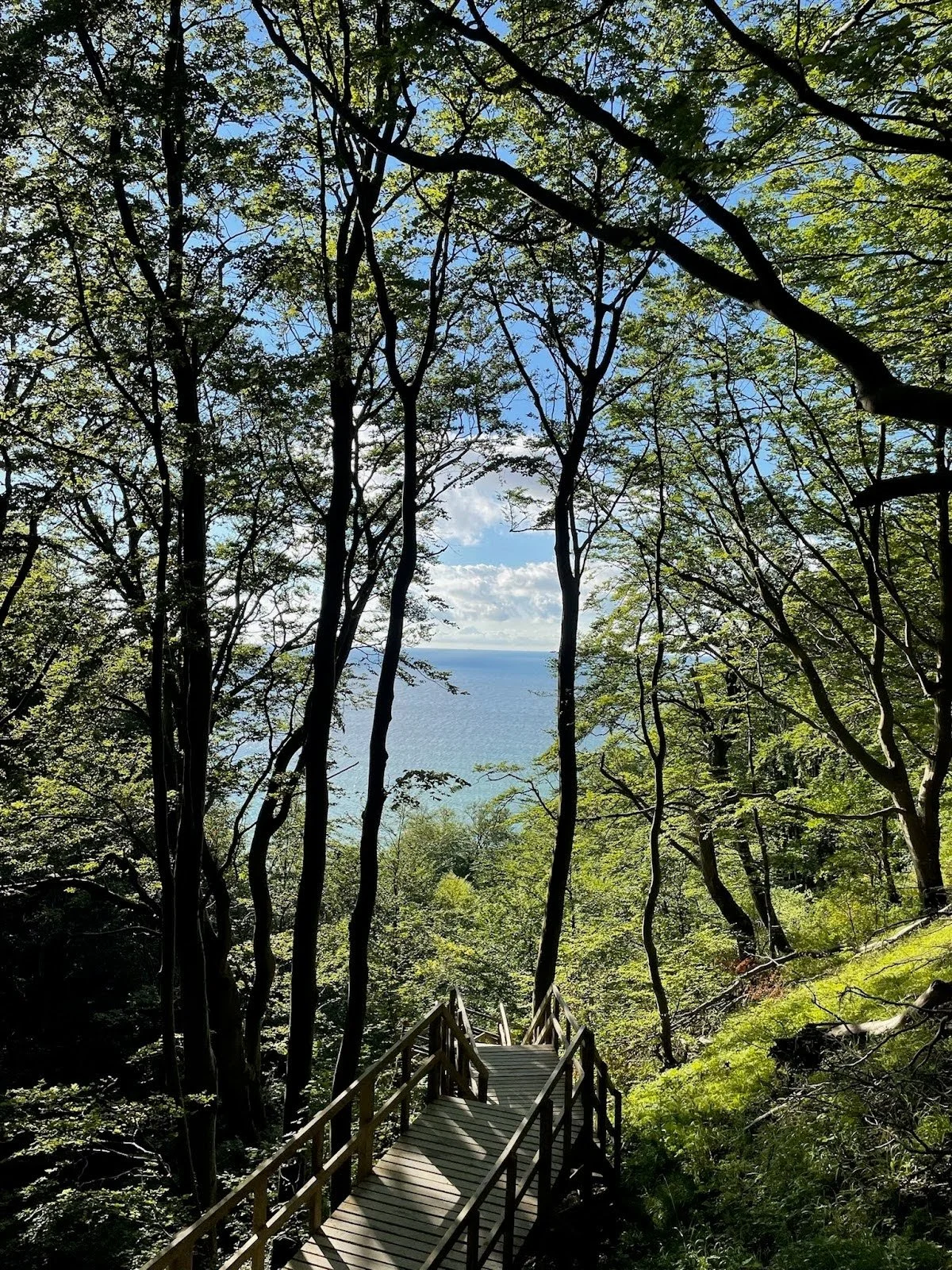
Stairs to the beach through the beech forest. Salome Liptak.

I first learned about Mons Klint when I was researching opportunities to get outdoors while interrailing in Europe. As trains mostly connect larger urban hubs, it can be hard to plan outdoor trips without renting a car. Thankfully, Mons Klint, as a popular destination for Danes, is accessible by public transport 

Having since been added to the UNESCO World Heritage List in 2025, the site has also become a part of the island’s UNESCO biosphere reserve as well as Scandinavia’s first-ever Dark Sky Park. I was most excited to experience Mon’s extremely low light pollution levels, which make the Milky Way, Andromeda Galaxy, as well as comets and meteors visible to the naked eye at different times of year.

Milky Way. Salome Liptak.

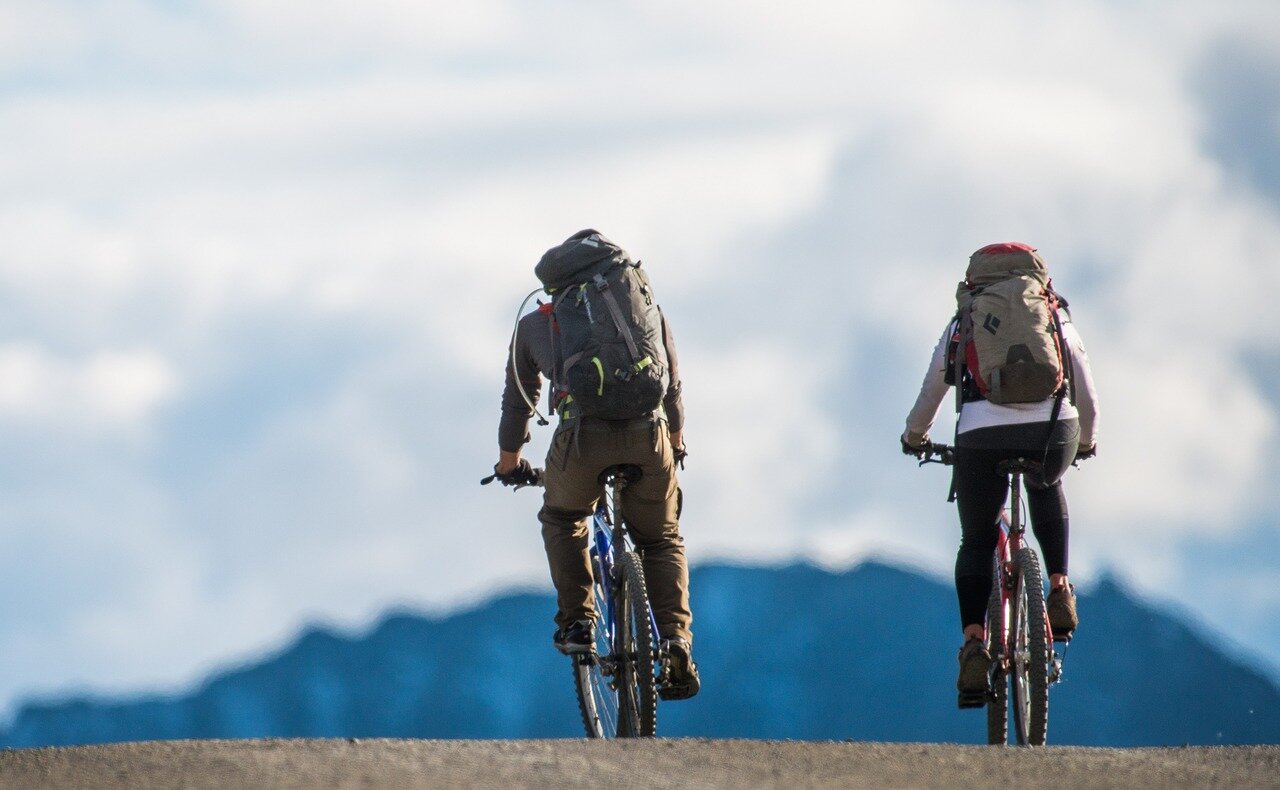
Beyond stargazing, other outdoor activities, like hiking, fossil hunting, horseback riding, surfing and paddleboarding, are big draws for tourists. Guides for these activities in the park can be found on the Mons Klint GeoCenter website. It is most common to camp or stay in cabins and bed-and-breakfasts along the coast, with more budget-friendly options further inland. For international visitors travelling from Copenhagen, the nearby town of Borre is only two hours away by car or private bus and three to four hours on public transport routes, which can be mapped out online using Rejseplanen’s journey planner. If using public transport, the most direct route involves taking a Danske Statsbaner train to Vordingborg, then a bus to Mon’s biggest city, Stege. Here, a free bus will take tourists directly to the entrance of the 497 steps that lead to the base of the cliffs. It is also common to rent bikes from shops in Borre and Klintholm to ride into the park, as the wide, scenic roads along the coast and through Mon’s farmland make the ride an activity in its own right.


This being said, as more people discover the wonder of Mons Klint, it is of the utmost importance to protect the delicate ecosystem to which it is home. With rises in tourists, Mon locals have expressed concern for the wildlife, adopting the slogan “Don’t Mess with Mon” after incidents of tourists violating Leave No Trace principles, such as walking off marked trails or leaving trash behind. More information on Denmark’s specific ecological regulations and best practices is available through The Danish Nature Agency. The ever-changing landscape and ecological symbiosis that make up the wonder that is Mons Klint also make it sensitive to human interference. The geological drama that sculpted these cliffs is best enjoyed as a respectful observer, so it can continue to unfold for millions more years.

Salome Liptak

Salomé is a student at Sarah Lawrence College studying literature and writing. She is passionate about storytelling (both true and fictional) and its power to reflect the world as it is, or imagine what could be.
The Case for Slow Travel

While many travelers hope to get the most out of their journey with faraway plane rides, consider slowing down and finding your way to the road less traveled. 

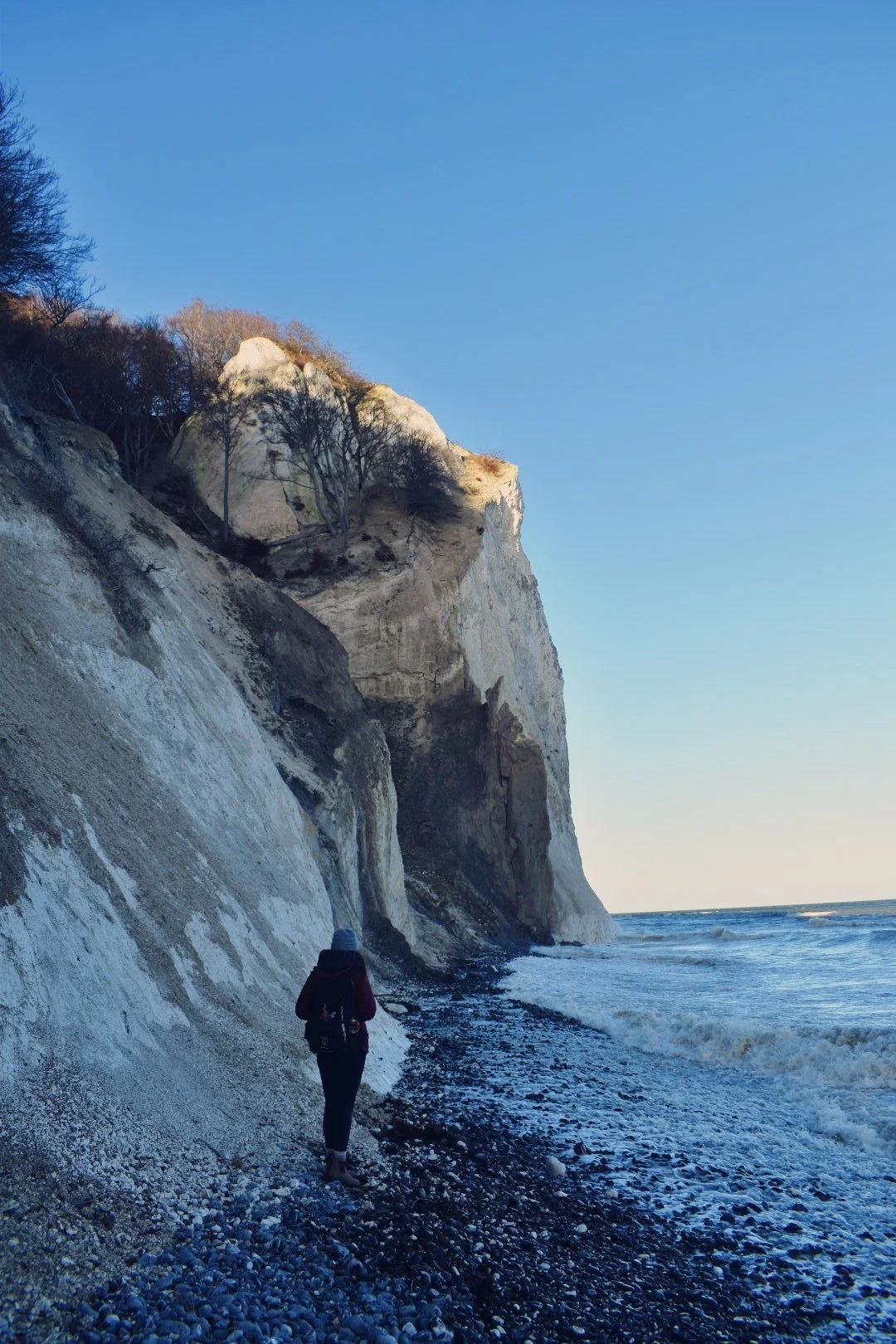
Walking on the beach at Møns Klint

Walking on the beach at Møns Klint. Libby Scaperotta. 

In the spring of 2022, I studied abroad in Copenhagen. My friends and I took advantage of the amazing public transit and metro system to get nearly everywhere. So, when it came time to plan an adventure to the limestone cliffs of Mons Klint, we didn’t even consider renting a car. Instead, we quickly opened our phones to the public transit app to route our trip the night before. 

It’s the next morning, and the clock strikes 4:55 a.m. My roommate and I bounced out of bed, hopping into the clothes we had laid out the night before and grabbing our pre-packed bags before heading next door to knock on the neighbor’s apartment. With some begrudging groans from the boys next door, in under 10 minutes we were out the front door and headed toward the metro station. 

Our journey began with a metro ride, two trains and two buses. After being dropped off and walking a short distance to the next bus stop, we waited patiently for what we thought would be the last leg of our trip, which never came. We had miscalculated a seasonal closure of part of the route’s timing. This led to the eight of us walking the last three kilometers of the trip on a beautiful sunny day in the Danish countryside. We walked among neighborhoods with quaint homes, beside farm animals and through pastures until we were dropped off at the magnificent cliffside of Mons Klint. 

Danish Country Side

A friend walking along the backroad in the Danish countryside during our adventure to Mons   Klint. Libby Scaperotta.

We repeated this process backward at the end of the day. But, as we waited at bus stops and train stations while the sun set, we giggled, shivered, danced and dreamed of a large pizza. 

Although this journey to Mons Klint would have taken probably a quarter of the time had we just rented two cars for the group, the day’s adventure was unforgettable. 

When traveling, we often try to maximize our two weeks of paid time off with ambitious plans to travel far by plane or private vehicle. 

Yet, I am here to convince you to try slower travel. Try taking public transit instead of driving and see where the adventure may lead you. Or, try slowing down on your backpacking trip and volunteer in an area instead of packing up so quickly. 

Traveling slowly is not only less costly for your wallet but also for the environment. My first introduction to a flight emissions calculator was a deeply upsetting experience that made me reconsider how I fly. Slower travel, which emphasizes public transport or staying in one place, may be a better option for eco-conscious travelers who hope to explore while still being mindful of their carbon footprint. 

If you are interested in slowing down your travels, I highly recommend a volunteer experience or work exchange. These will allow you to stay in one place and save on accommodation and meals while immersing yourself in an area’s pace of life and community. From there, you may be able to take short day trips or weekends away in areas that you may have never otherwise explored. There are several platforms that my friends and I have used to find and plan work exchanges: WWOOF, Workaway and Worldpackers

You can even integrate slow travel into your daily life. Grab your local public transit card and explore the destinations you may get to by bus or train! You might find a sweet town, a new beach or an adventure within arm’s reach. 

Slowing down can be good for you and the earth. And, it may even allow you to decide for yourself if exploring the road less traveled does make all the difference.


Libby Scaperotta

Libby is a recent graduate from Middlebury College, where she studied Environmental Policy and Geography. She enjoys travel, photography, and spending time outdoors with people she loves. She plans to pursue a career dedicated to environmental work and wishes to share important stories that may inspire action. 

7 Documentaries to Cure Your Wanderlust

Travel restrictions got you down? Try escaping with these global documentaries, guaranteed to soothe your cabin fever. Visit Mount Everest, Bhutan, Greenland, North Macedonia, Israel and more…

Read More

Denmark Reckons with the #MeToo Movement 

Years after the #MeToo movement first began, Danish women are demanding gender equality in the workplace. After allegations of sexual harassment across multiple industries, leaders are committing to change. 

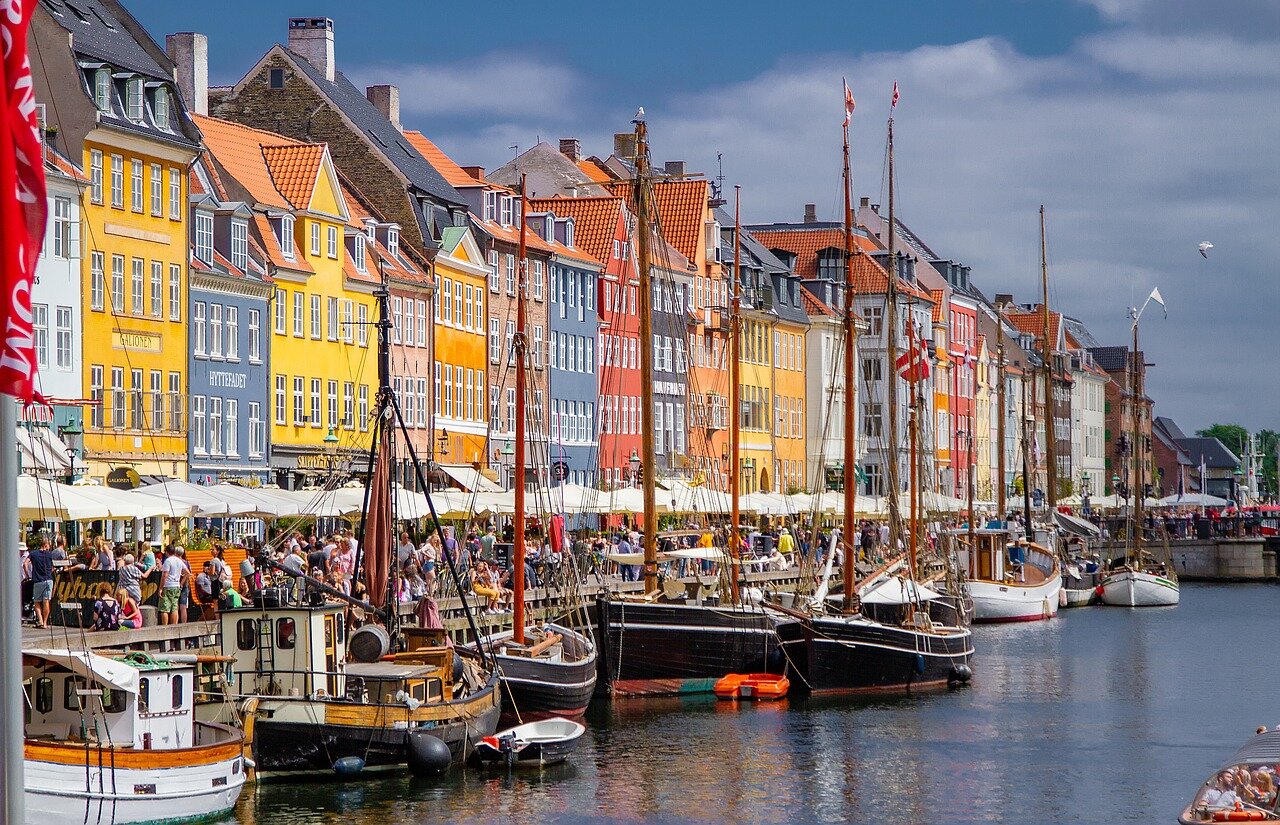
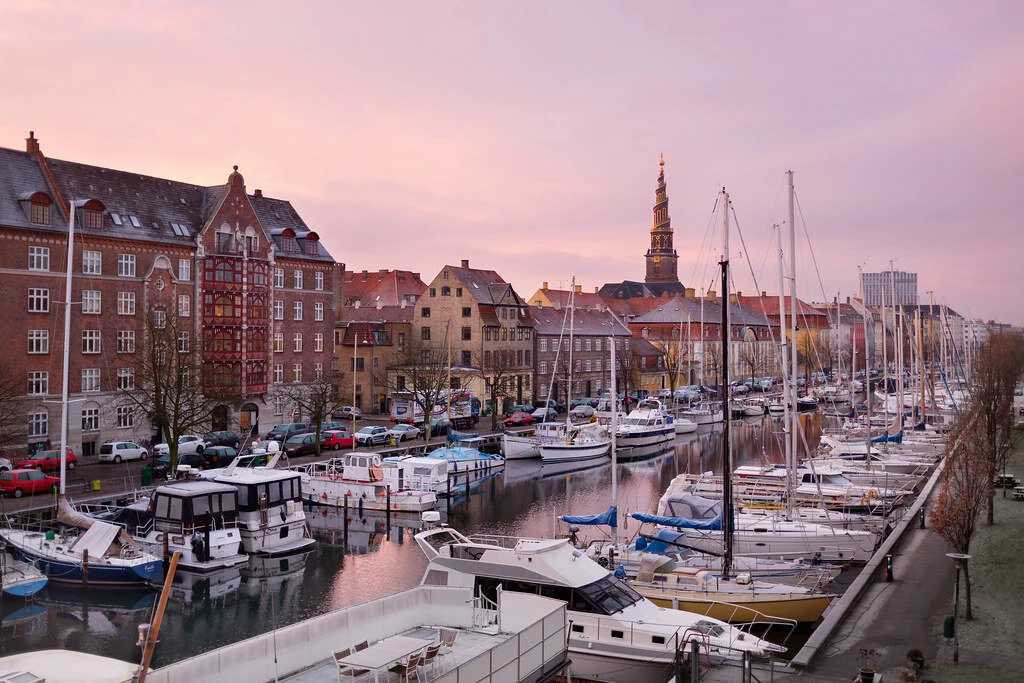
Nyhavn Canal in Copenhagen, Denmark. D Rishi. CC BY 2.0. 

On paper, Denmark has some of the highest markers of gender equality in the world. Around 40% of Danish parliament representatives are women, and the country’s first female prime minister, Helle Thorning-Schmidt, was appointed in 2011. Parental leave is split equally between Danish men and women, and Danish men often spend as much time caring for the home as Danish women. The World Economic Forum’s Global Gender Gap Report ranked Denmark as 14th globally, which means that Denmark’s gender divide is statistically very small. 

Despite Denmark’s pride in gender equality, Danish women are speaking out against the misogyny and sexual harassment that permeates Danish work culture. At a comedy awards show in August, entertainment personality and host Sofie Linde broke the silence on sexism in the Danish entertainment industry in a bombshell speech. Following her speech, over 1,600 women signed a letter in support of complaints about sexual harassment in the media industry. 

This public acknowledgment of sexual misconduct has emboldened more women to speak out. Over 600 doctors and medical students have signed a petition to end gender-based harassment in hospitals, universities and laboratories. In the political sphere, over 300 female politicians have called for reform, using 79 anonymous testimonies to illustrate the overt sexism that plagues the Danish government. Camilla Soee, one of the politicians  spearheading this movement, told the BBC: "Once and for all, we wanted to prove that sexism and sexual harassment is part of the political environment."

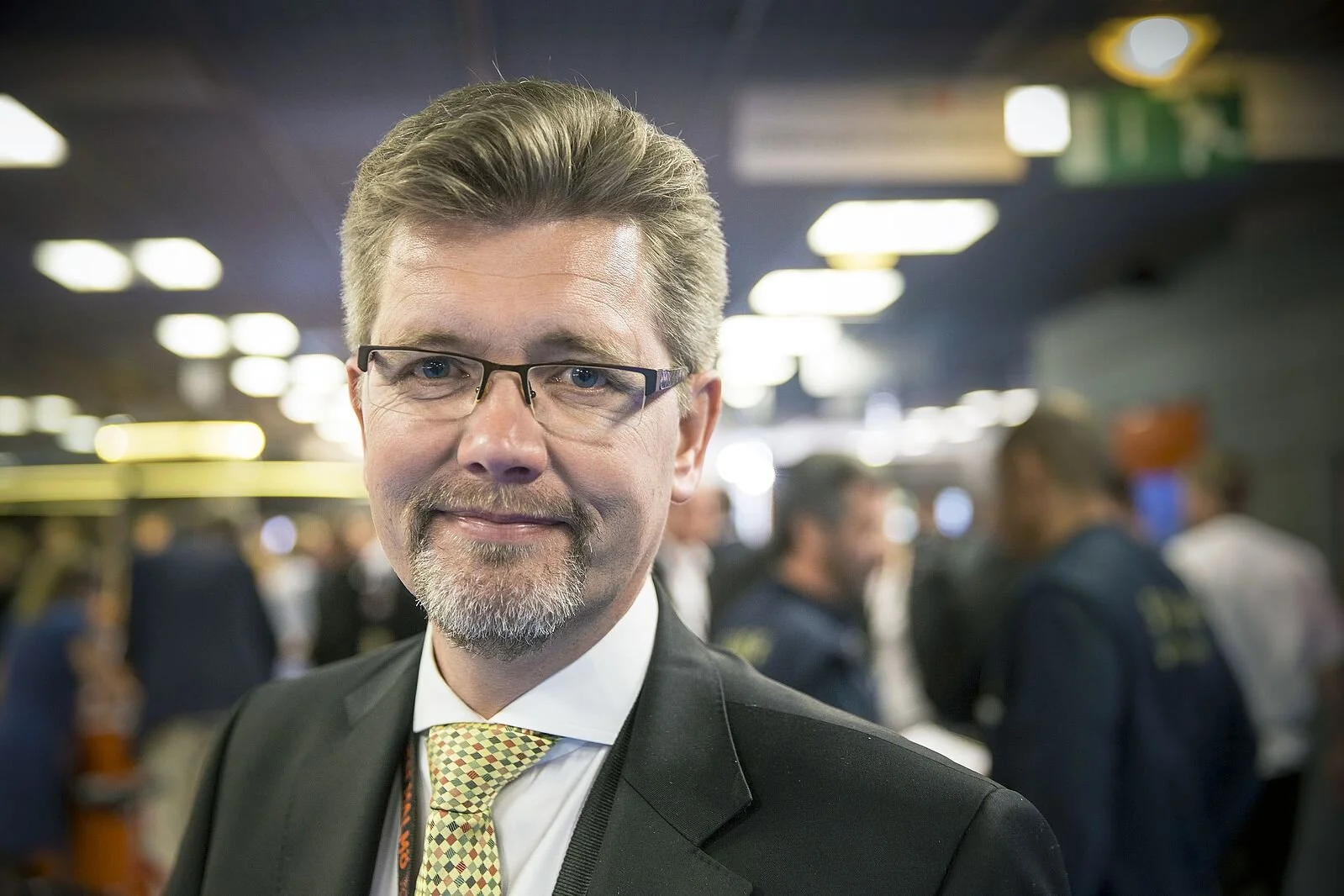
Former mayor of Copenhagen Frank Jensen. Jenny Andersson. CC BY 3.0. 

As these women confront the men who have both enabled and engaged in widespread sexism in the workplace, many powerful men have been pressured to step down from their positions following allegations of misconduct. The mayor of Copenhagen, Frank Jensen, resigned from office on Oct. 19, 2020, after multiple women came forward with allegations of sexual harassment. In a statement to The Copenhagen Post, Jensen said, “I want to be a positive part of the culture change process that has been launched with the second wave of MeToo. I want to go from being a part of the problem to being a part of the solution.”

The Danish pride in gender equality has led to mixed receptions of this movement. Because of the Danish perception that Denmark is gender inclusive and equitable, many Danes believe that feminism is an unnecessary movement. In a poll conducted by the YouGov-Cambridge Globalism Project, only one in six Danes reported themselves as a feminist. The same poll found that two in five Danes believed that the #MeToo movement was unnecessary. As #MeToo finds new footing in Denmark, perhaps attitudes toward Danish feminism will evolve. The women leading this movement are determined to make a lasting impact in the fight for women’s rights.

Sarah Leidich

is currently an English and Film major at Barnard College of Columbia University. Sarah is inspired by global art in every form, and hopes to explore the intersection of activism, art, and storytelling through her writing.