
Temperature inversions throughout Vietnam’s mountainous valleys have popularized this unique pastime, as tourists and locals alike venture into the sky in hopes of catching a sea of clouds beneath them.
Workaways on Irish Farms
Beyond Ireland's famous attractions, farm stays allow people to participate in work experiences that sustain rural communities and Irish culture.
Denmark’s Mons Klint: The Landscape That “Looks After Itself”
Salome Liptak
Only a short trip from Copenhagen, this UNESCO World Heritage Site offers an unparalleled glimpse into the 70-million-year-long saga of a unique ecosystem.
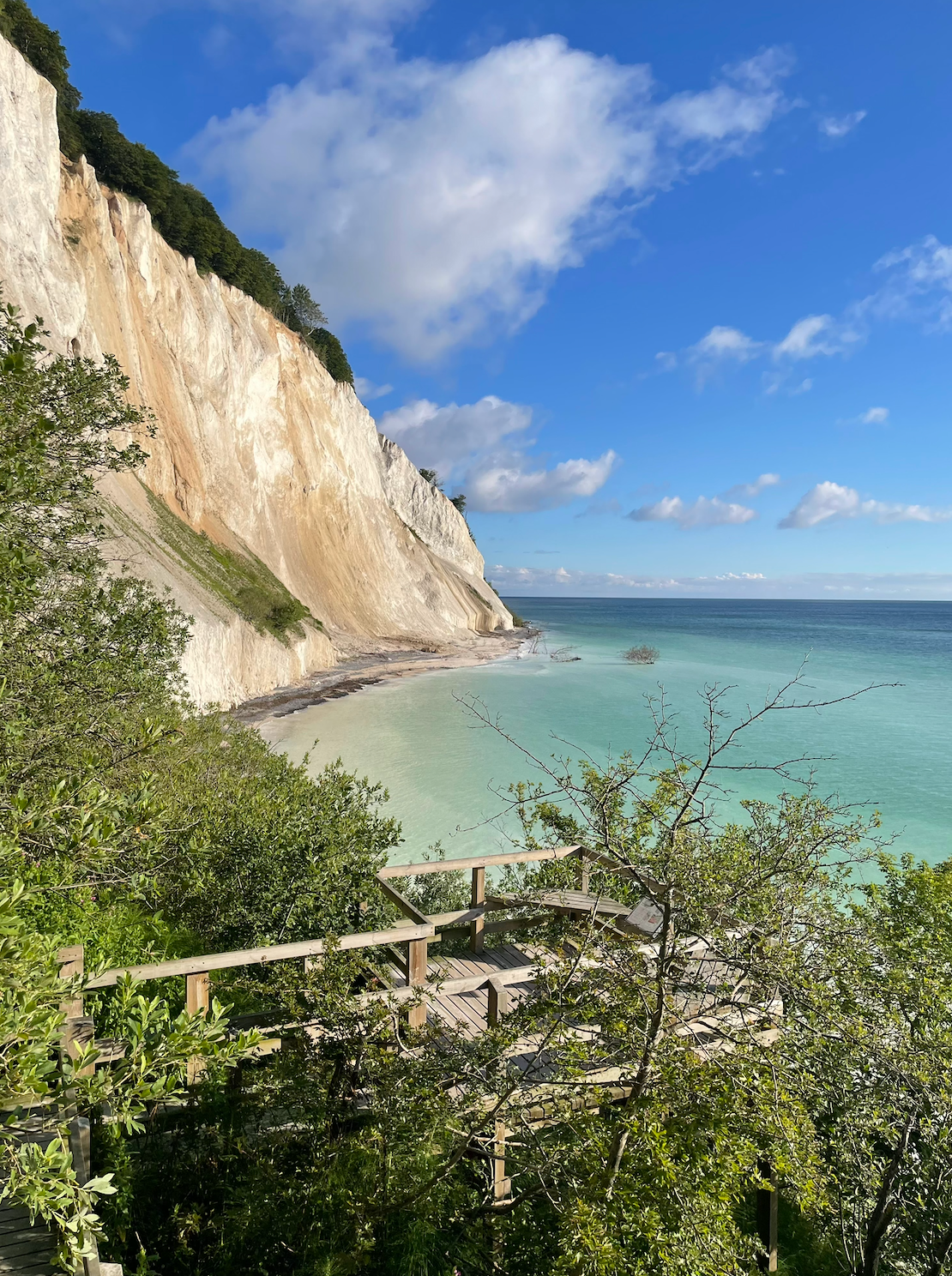
Chalk cliffs and the Baltic Sea. Salome Liptak.
On the eastern coast of Mon, a small island in Denmark, almost 4 miles of undulating chalk cliffs are a striking physical record of geological time. The cliffs, made up of 70-million-year-old seabed that was banked and compacted from the pressure of Ice Age glaciers, haven’t stopped changing since. Their soft chemical structure makes the cliffs “friable,” or easily eroded, which constantly exposes new layers of fossils. Because of this, the lapping waves of the Baltic have continued to sculpt the cliff face, and in turn, the cliffs’ minerals enrich the water close to the shore, giving it a distinct milky-turquoise color.
Alongside its historic cliffs, Mons Klint harbors a unique ecosystem. The area is the country’s sole habitat for the large blue butterfly, whose unique life cycle requires a specific diet of wild thyme and marjoram in the larval stage before it is found by a red stinging ant and carried back to its nest; after spending four seasons in the anthill, the butterfly finally pupates in July. The lime-rich soil of Mons Klint’s beech forests also makes it the perfect habitat for 18 out of 45 Danish species of orchid, many of which are particularly rare to find elsewhere in Denmark. Further, as an important roost for migratory birds, Mons Klint and its surrounding forests offer a rare glimpse into the rhythms of the more-than-human environment. In the words of The Danish Nature Agency, this is a forest that constantly adapts and “looks after itself.”
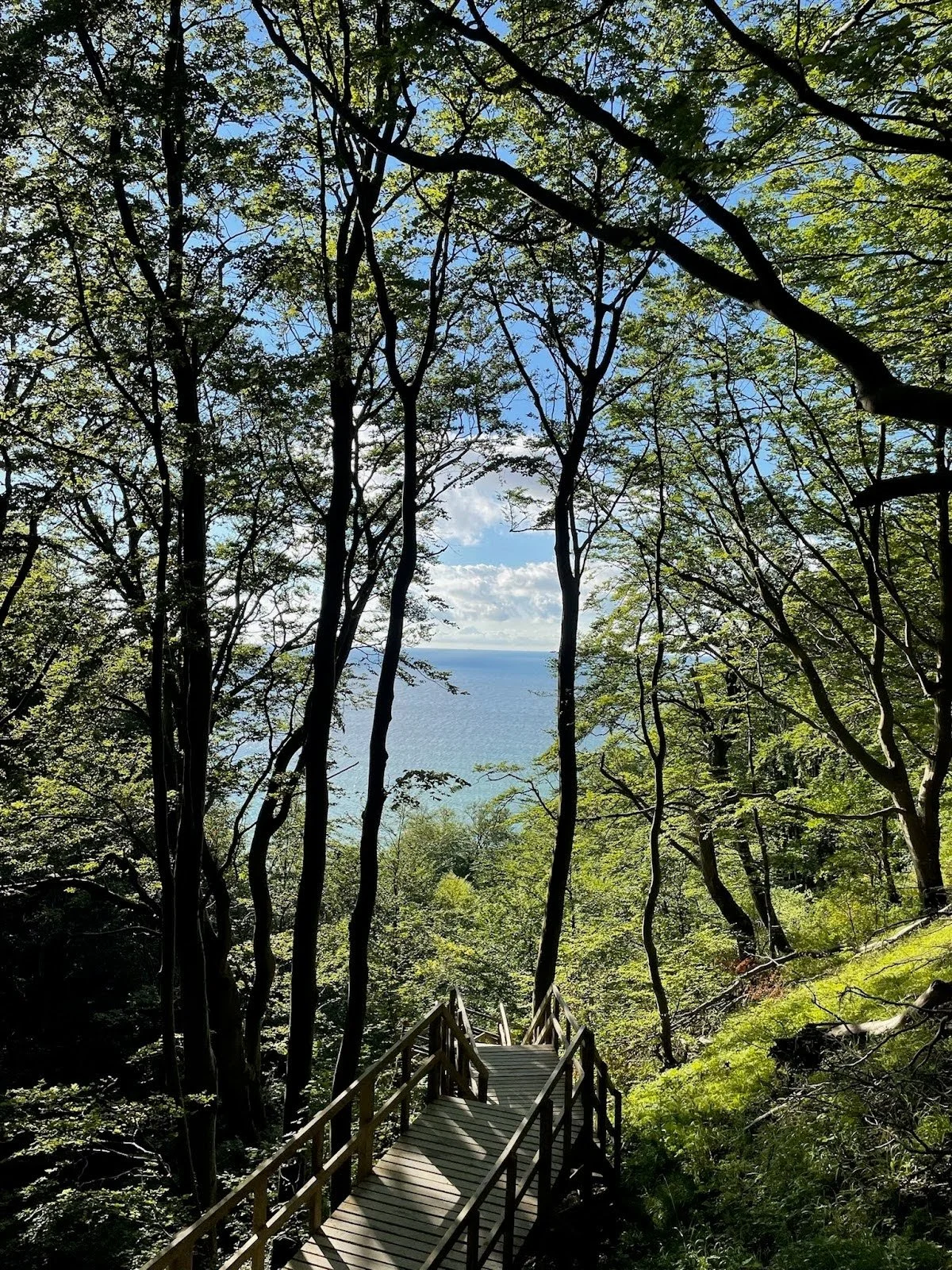
Stairs to the beach through the beech forest. Salome Liptak.
I first learned about Mons Klint when I was researching opportunities to get outdoors while interrailing in Europe. As trains mostly connect larger urban hubs, it can be hard to plan outdoor trips without renting a car. Thankfully, Mons Klint, as a popular destination for Danes, is accessible by public transport
Having since been added to the UNESCO World Heritage List in 2025, the site has also become a part of the island’s UNESCO biosphere reserve as well as Scandinavia’s first-ever Dark Sky Park. I was most excited to experience Mon’s extremely low light pollution levels, which make the Milky Way, Andromeda Galaxy, as well as comets and meteors visible to the naked eye at different times of year.

Milky Way. Salome Liptak.
Beyond stargazing, other outdoor activities, like hiking, fossil hunting, horseback riding, surfing and paddleboarding, are big draws for tourists. Guides for these activities in the park can be found on the Mons Klint GeoCenter website. It is most common to camp or stay in cabins and bed-and-breakfasts along the coast, with more budget-friendly options further inland. For international visitors travelling from Copenhagen, the nearby town of Borre is only two hours away by car or private bus and three to four hours on public transport routes, which can be mapped out online using Rejseplanen’s journey planner. If using public transport, the most direct route involves taking a Danske Statsbaner train to Vordingborg, then a bus to Mon’s biggest city, Stege. Here, a free bus will take tourists directly to the entrance of the 497 steps that lead to the base of the cliffs. It is also common to rent bikes from shops in Borre and Klintholm to ride into the park, as the wide, scenic roads along the coast and through Mon’s farmland make the ride an activity in its own right.
This being said, as more people discover the wonder of Mons Klint, it is of the utmost importance to protect the delicate ecosystem to which it is home. With rises in tourists, Mon locals have expressed concern for the wildlife, adopting the slogan “Don’t Mess with Mon” after incidents of tourists violating Leave No Trace principles, such as walking off marked trails or leaving trash behind. More information on Denmark’s specific ecological regulations and best practices is available through The Danish Nature Agency. The ever-changing landscape and ecological symbiosis that make up the wonder that is Mons Klint also make it sensitive to human interference. The geological drama that sculpted these cliffs is best enjoyed as a respectful observer, so it can continue to unfold for millions more years.
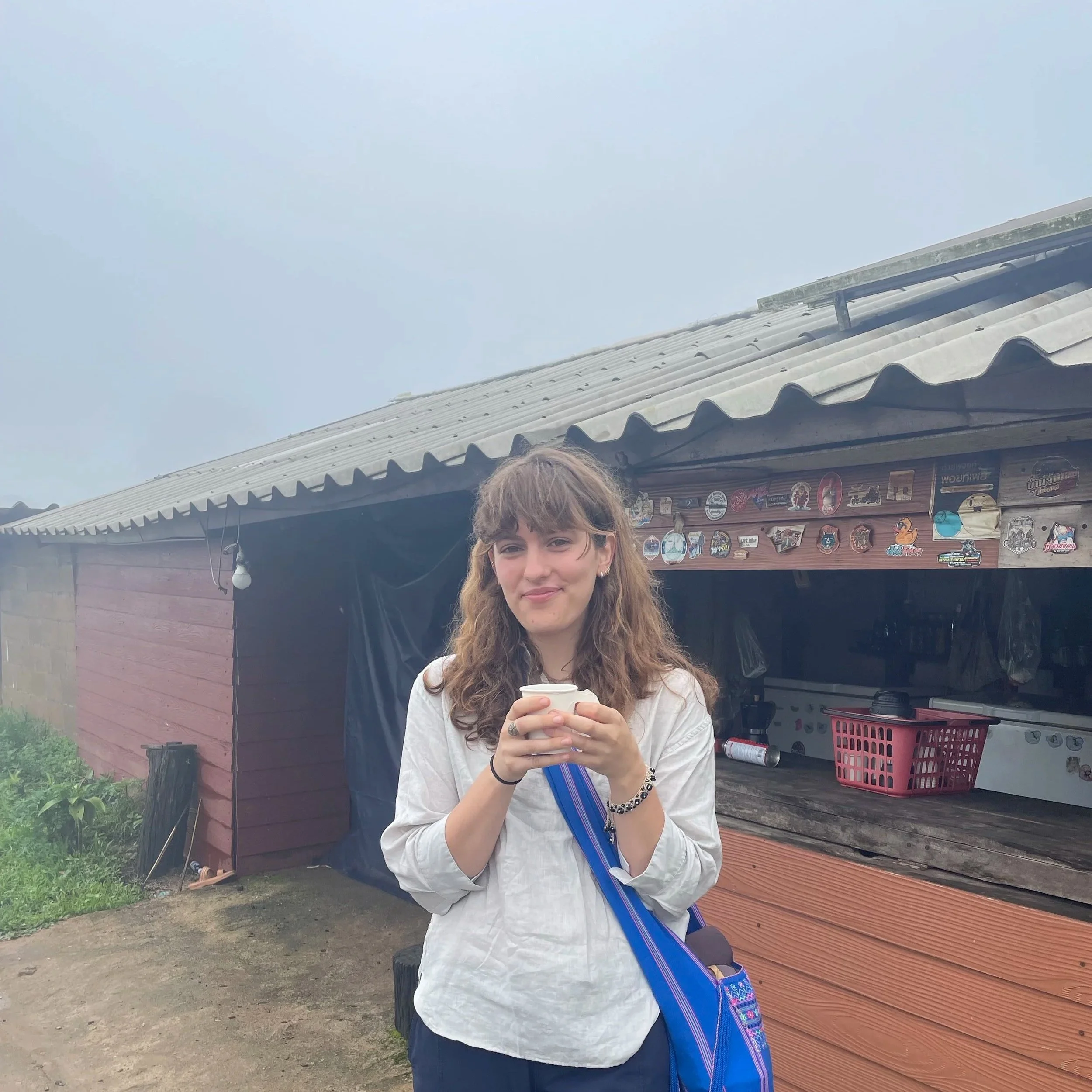
Salome Liptak
Salomé is a student at Sarah Lawrence College studying literature and writing. She is passionate about storytelling (both true and fictional) and its power to reflect the world as it is, or imagine what could be.
Surfing Morocco Responsibly: How Travelers Can Protect Culture and the Coast
Kara Karinauskaite
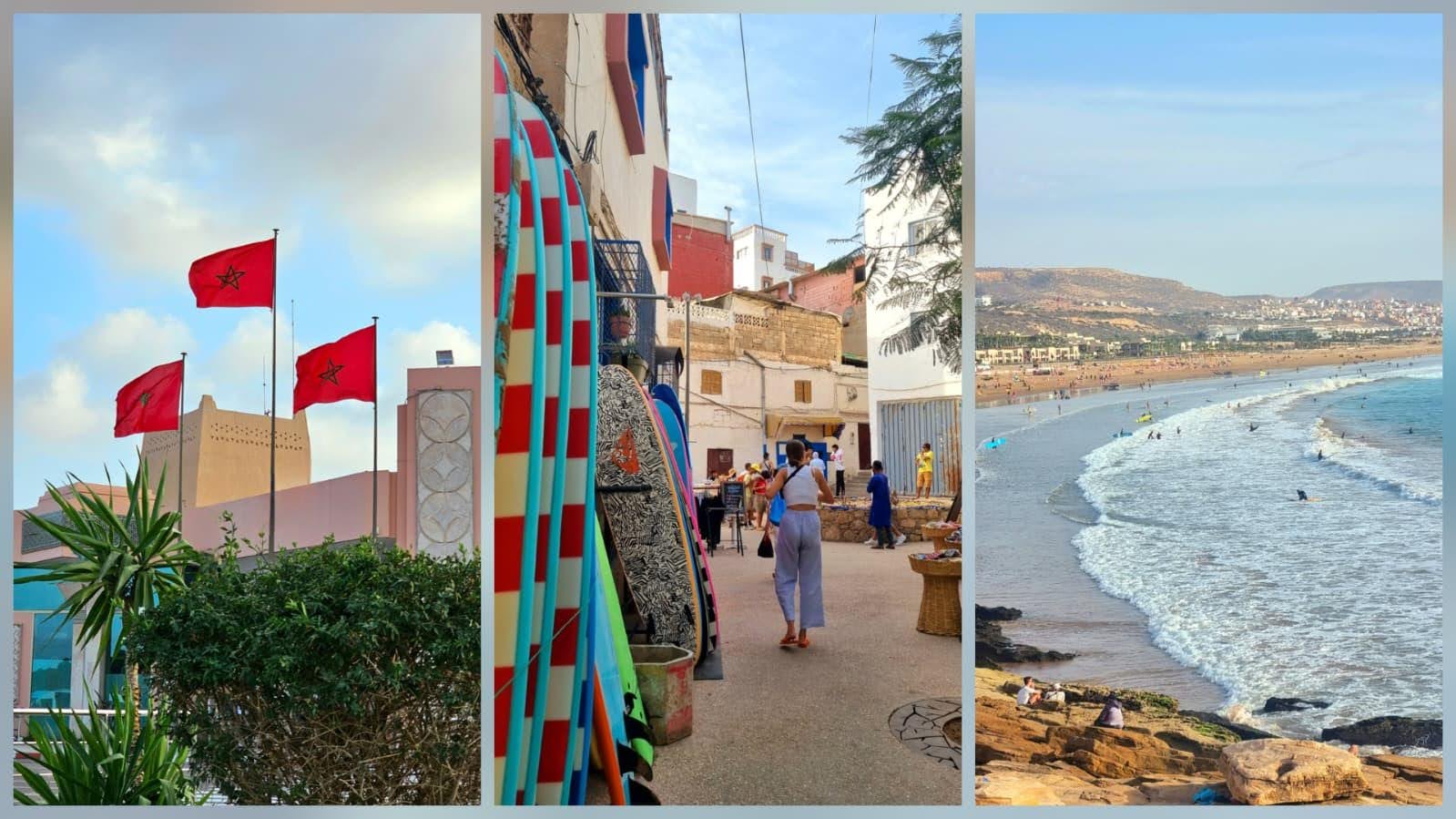
Taghazout, Morocco. Kara Karinauskaite.
Last November, I traveled to Taghazout, a small coastal town in Morocco. It was my second year in a row traveling to the country specifically to surf. Spending my days in the water and my evenings with local surfers put into perspective just how closely surf culture is tied to everyday life and the local economy.
While I was there, I learned that the Agadir tourism area, including Taghazout, recorded about 1.5 million tourist arrivals in 2025, compared with about 0.9 million tourists in 2015, showing how rapidly tourism in the region has grown over the past decade.
For generations, the people of Taghazout and the wider Agadir region have relied on fishing, argan oil production and trade as key sources of income, with the area’s Indigenous Berber heritage still evident in local culture and craftsmanship today. Taghazout has attracted international surfers and travelers since the 1960s, when its consistent waves and relaxed atmosphere caught the attention of visitors from around the world. This helped transform the local economy, leading to the development of surf camps, guesthouses and related services that now make surf tourism a major source of income alongside traditional livelihoods.
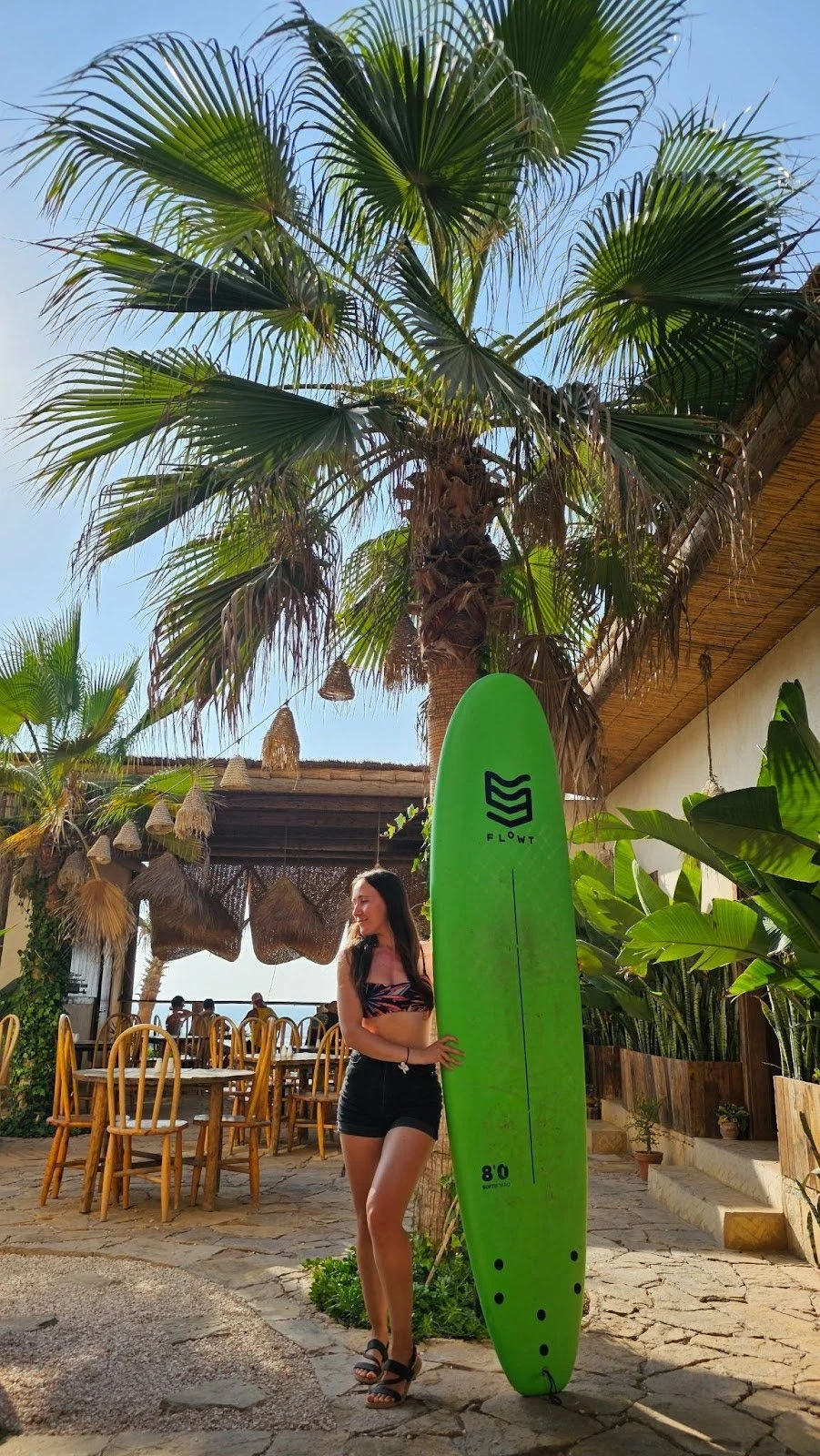
Surfing in Morocco. Kara Karinauskaite.
During my trips to Morocco, all of the surf instructors and trip guides I met were from the Agadir region, and having the direction of people who had surfed the coastline for many years made a real difference, as their deep knowledge of conditions, tides and safety spots provided me with the most well-informed surfing experience. They were always happy to talk with me about the area’s history, culture and how life in the village has changed with the growth of surf tourism, and they even took the time to teach me a few local phrases, making everyday interactions feel more personal. The surf instructors also invited us to visit their local hammam, a type of steam bath, which felt like an incredible privilege and offered a rare insight into everyday community life beyond the surf scene.

Learning local recipes at Blue Waves Morocco. Kara Karinauskaite.
While surf tourism supports an array of local businesses, such as instructors, board repairers, cafes and small guesthouses, it also increases pressure on beaches, water use and fragile coastal environments. During my visits, I learned from local instructors about practical ways to reduce these impacts.
Travelers can support the Taghazout area responsibly by choosing locally owned businesses, helping tourism income remain within the community. Respecting local culture is equally important, including dressing modestly away from the beach, asking permission before photographing people and learning a few basic words of Arabic or Amazigh. Being conscious of one’s environmental impact also makes a meaningful difference, such as by avoiding single-use plastics, taking part in beach cleanups and disposing of waste properly. Visitors can further help by conserving water through shorter showers, reusing towels and being mindful of water use in surf camps and accommodations. Protecting natural spaces by sticking to marked paths, avoiding walking on dunes and following local guidance when accessing beaches and surf spots helps preserve the coastline for both residents and future travelers.

Local business in Morocco. Kara Karinauskaite.
Surfing in Taghazout has shown me how important responsible travel is for the future of its community. By supporting the local economy, respecting cultural practices and helping protect the coastline, visitors can contribute to a tourism that allows surf communities like Taghazout’s to continue benefiting from travel without losing the character and environment that define them.
GETTING THERE:
Blue Waves is a guesthouse in Anza, just a 15-minute drive from Taghazout, that is perfect for travelers who want to immerse themselves in surf culture. Local cooks and hospitality staff make the experience feel genuinely rooted in the community, and alongside its welcoming accommodations, it stands out for its use of locally made pottery and textiles.
Cafe Restaurant Surf Berbere and Dar Josephine are two eateries I particularly enjoyed in Taghazout. They attract visitors with their locally-inspired dishes and provide a warm atmosphere for dining. The town also has many small street-side restaurants offering traditional Moroccan food, which are worth exploring for a more everyday, locally-rooted experience.
Another place that should not be missed is Anza Souk, one of the largest markets in the area. Open on Wednesdays, it is a traditional market that offers a lively setting to buy spices, handmade pottery and other souvenirs.
Kara Karinauskaite
Coming from a TV editing background, Kara has worked with broadcasters including the BBC and Discovery Channel. She is a passionate traveller and filmmaker who enjoys documenting meaningful travel experiences and connecting with people who share her interest in sustainable tourism, culture, and nature.
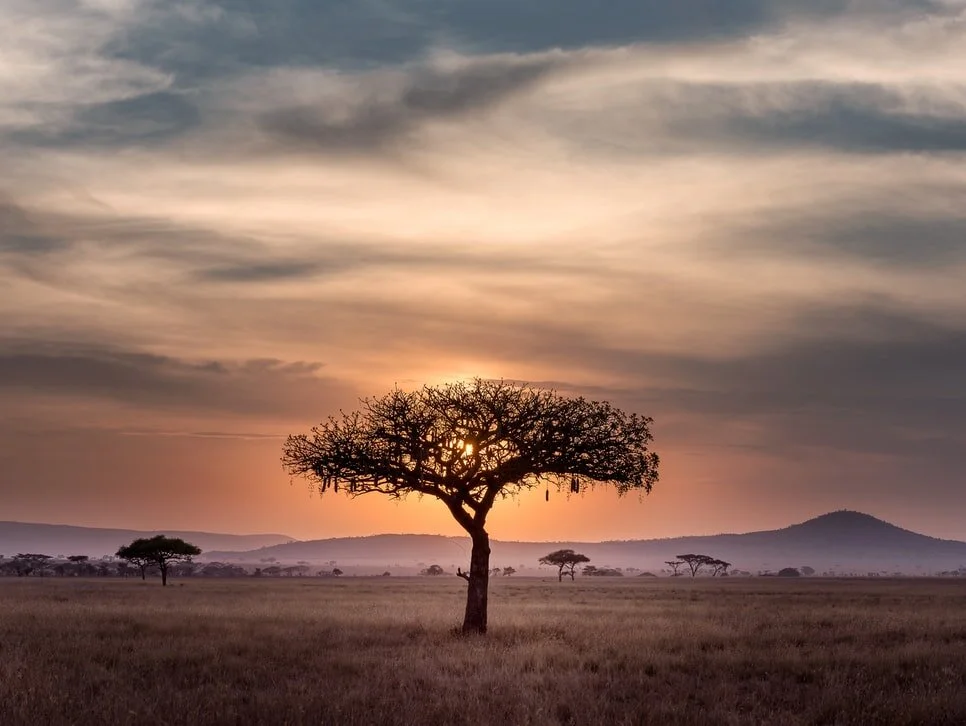
Sunrise on the Serengeti. Hu Chen. Unsplash.
10 Travel Destinations Paving the Way in Sustainability
According to the United Nations, the global community must take drastic measures to alleviate the climate crisis. The Intergovernmental Panel on Climate Change, composed of nearly 1,300 scientists, predicts that global warming could increase worldwide temperatures up to 2.7 degrees Fahrenheit by 2040. This temperature rise will almost certainly exacerbate food insecurity, disease transmission, sea level rise and loss of ecosystems. From 2009 to 2013, international travel alone accounted for 8% of global greenhouse gas emissions. Roughly 1.4 billion people travel to a new destination each year, indirectly contributing to air pollution, land degradation and strained resources. These current levels of travel threaten the Paris Agreement, which proposes an annual 7.6% decrease in greenhouse gas emissions. Many countries have recognized the importance of environmental management and have striven for sustainability. From Malta to Japan, travel destinations are implementing eco-friendly practices, such as renewable energy and wildlife conservation. Travelers to these locations can explore pristine environments while positively impacting the planet.
1. Gozo, Malta
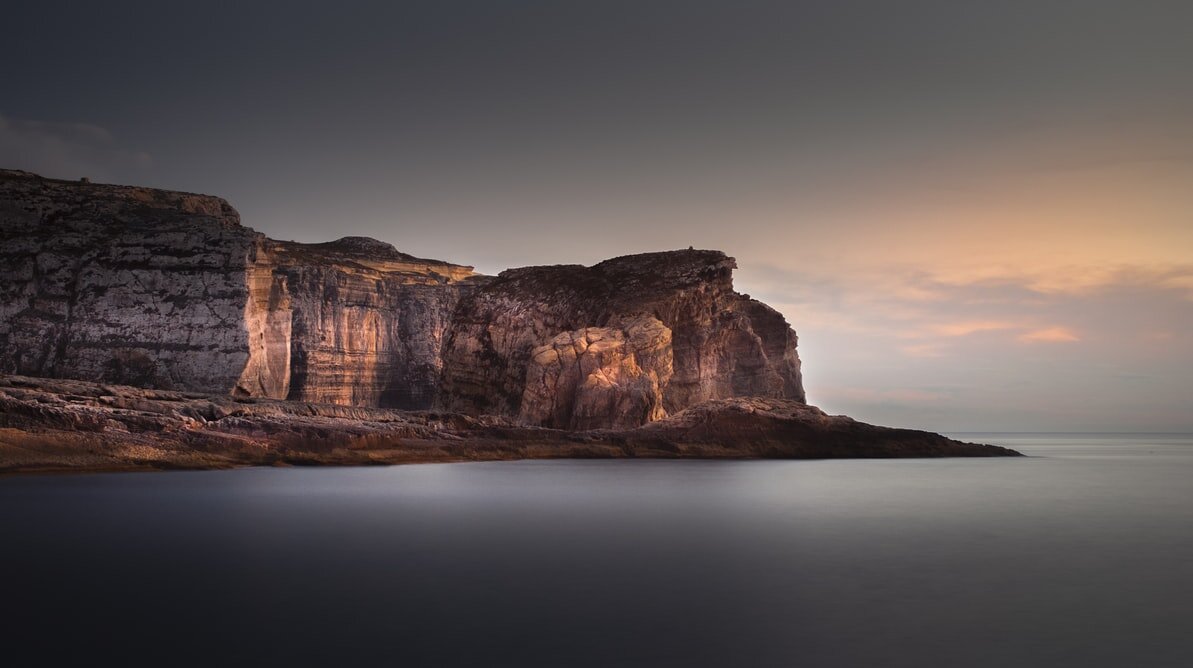
The coastline of Gozo, Malta. Zoltan Tasi. Unsplash.
Located in the Mediterranean Sea, the island of Gozo boasts a rich historical identity. Recognized by UNESCO, the Ggantija Temples are the world’s oldest free-standing structures, predating Stonehenge and the pyramids of Egypt. In addition to these historical sites, the island is relatively undeveloped, offering scenic hills and untouched coastlines. The European Environment Agency regularly monitors urban waste and pollution in coastal areas. According to their assessment, Maltese beaches rank among the cleanest in Europe. Within this pristine environment, common activities include swimming, snorkeling, deep-sea diving and kayaking. Gozo also hosts 85 endemic species of flora and fauna. To protect and preserve this unique landscape, the Ministry for Gozo established the Eco-Gozo Regional Development Directorate in 2009. Over the past decade, the island has become a model for sustainable development. Through renewable energy, green transportation and plastic reduction, Gozo is committed to reducing its carbon and water footprints. Ecologists have established protected spaces for endangered species, while local craftsmen sustainably restore ancient ruins like the Ggantija Temples. To further improve the standard of living in the Gozitan community, the island implements eco-education programs in schools and offers locally sourced, organic ingredients in restaurants. Named the Mediterranean’s Best Green Destination in 2018, this small island continues to gain recognition for its innovative conservation efforts.
2. Ljubljana, Slovenia
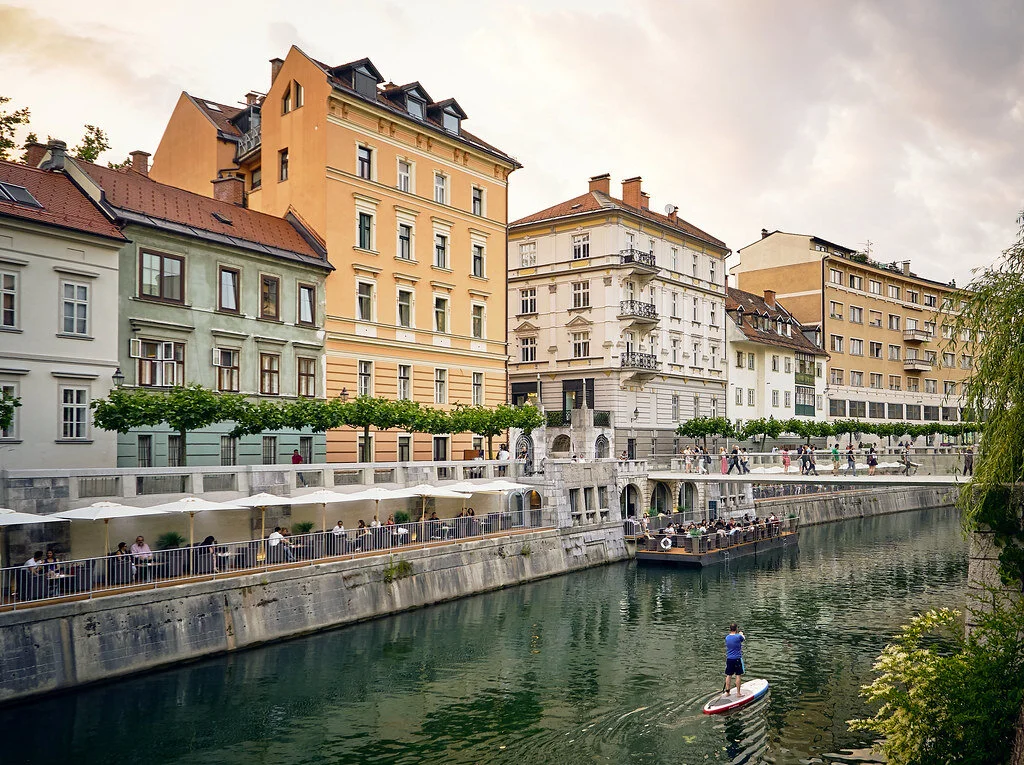
The Ljubljanica River, a pure water source in central Slovenia. Pedro Szekely. CC BY-SA 2.0
Known as “Slovenia’s Green City,” Ljubljana is the first European capital to establish a “zero-waste” initiative. The city currently recycles nearly 70% of its waste, reducing landfill trash to a mere 5%. Residual waste is processed into recyclable materials, solid fuels and high-quality gardening compost. Public green spaces, which include thousands of trees, comprise a third of the city’s territory and absorb carbon dioxide from the atmosphere. Visitors to Ljubljana can explore a variety of hiking trails, as well as an urban bee path that cares for 4,500 beehives. The city draws from the Ljubljanica River, which provides natural, non-processed drinking water and eliminates the need for plastic bottles. Since 2007, the historic city center has banned car traffic, allowing only bikes, pedestrians and electric trains. With fewer cars, the integrity of cultural and historical landmarks, like Preseren Square and Cobblers' Bridge, will be preserved for generations. In 2016, Ljubljana was deemed the “European Green Capital” and it plans to be zero-waste by 2035.
3. Azores, Portugal
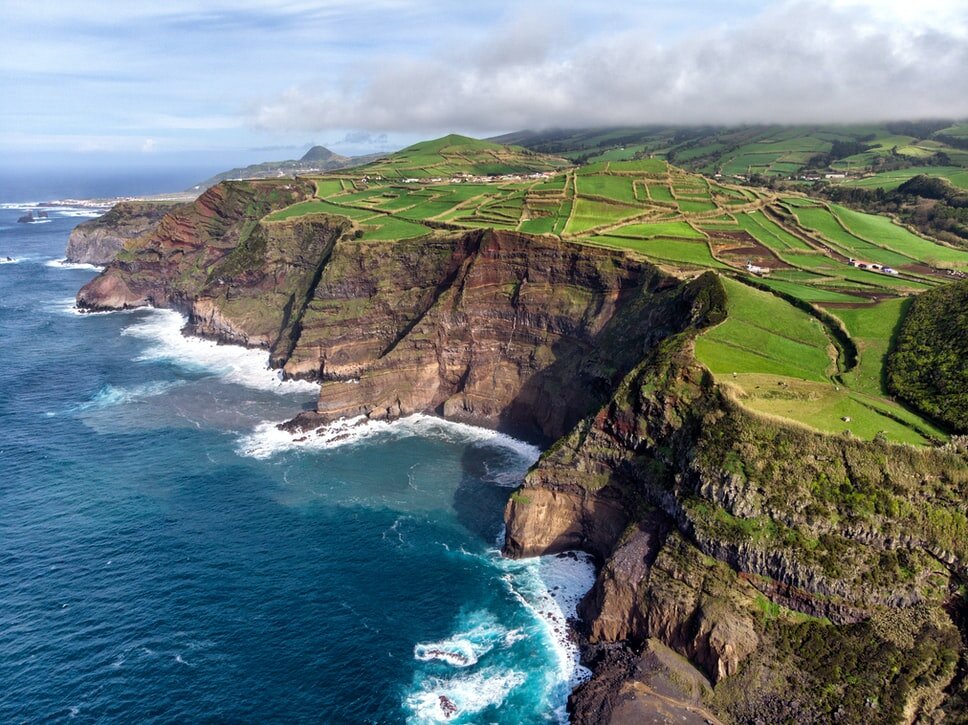
The rugged cliffs of the Azores Islands in Portugal. Yves Alarie. Unsplash.
With nine volcanic islands, the archipelago of the Azores has diverse geological significance. The islands’ landscapes are dominated by craters, lagoons, waterfalls and lava fields. Visitors can hike among dense coastal forests, relax in natural hot springs and journey through dormant volcanoes. Azorean wildlife is varied and includes whales, dolphins, seals, bats and hedgehogs. However, rising sea temperatures spurred by climate change have driven aquatic species, such as the North Atlantic right whale, to near extinction. To protect the islands’ biodiversity, the Azores Islands harbor more than 60 marine protected areas which serve as sanctuaries for endangered species. Rather than burning fossil fuels, the Azores utilize geothermal power plants to harvest renewable energy from the earth’s subsurface. Geothermal power currently provides around 50% of the islands’ energy needs. Due to these sustainable developments, the Azores ranked among the world’s top 100 sustainable destinations in 2019.
4. Iwokrama Forest, Guyana
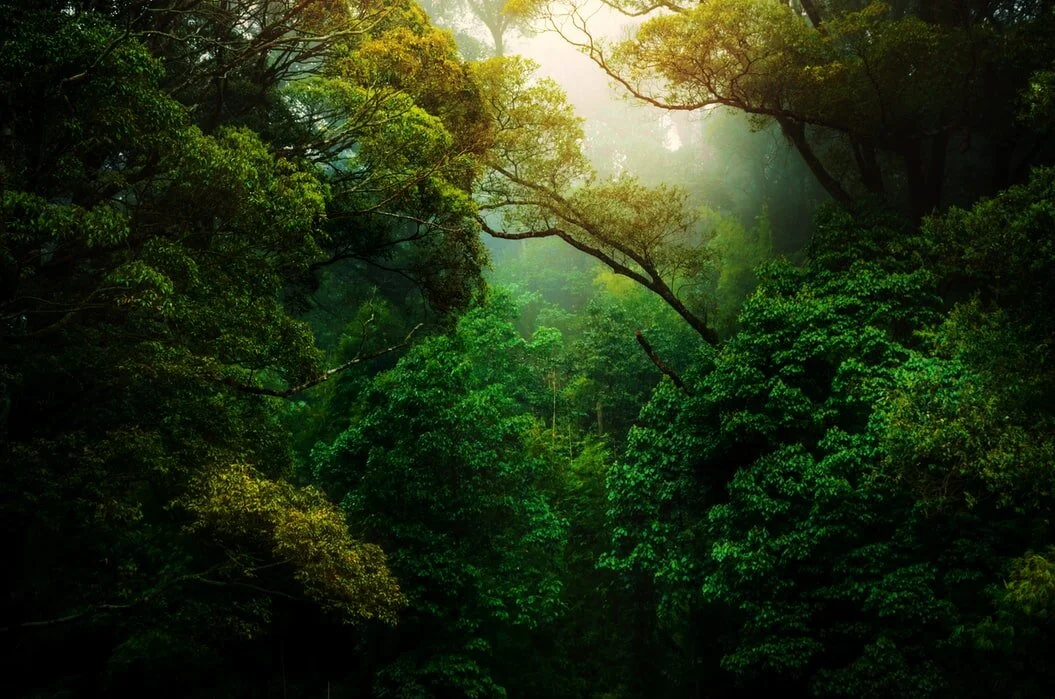
The dense foliage of the Iwokrama Forest. Kunal Shinde. Unsplash.
Named “The Green Heart of Guyana,” the Iwokrama Forest is one of the last pristine tropical forests in the world. For decades, global timber industries have exploited these natural ecosystems through deforestation, generating 18% of all greenhouse gas emissions. While tropical forests only occupy 7% of the Earth’s surface, they capture and store carbon naturally, with Iwokrama capturing over 1.4 million tons of carbon dioxide annually. In order to mitigate the loss of vital vegetation, Iwokrama employs a polycyclic harvesting system, resulting in the removal of less stems per acre and no significant gaps in the forest canopy. The Forest Stewardship Council has commended these forest management practices, which prioritize locals, wildlife and the natural environment. Amid lush forests, wetlands and savannas, visitors might encounter diverse wildlife such as jaguars, giant anteaters, black caimans and harpy eagles. While traversing the Iwokrama Canopy Walkway, a 500-foot series of suspension bridges, travelers can examine nearly 6,500 species of plants. In 2016, Guyana’s Environmental Protection Agency awarded the Iwokrama Forest with the Green Award for its exemplary environmental stewardship.
5. Galapagos National Park, Ecuador
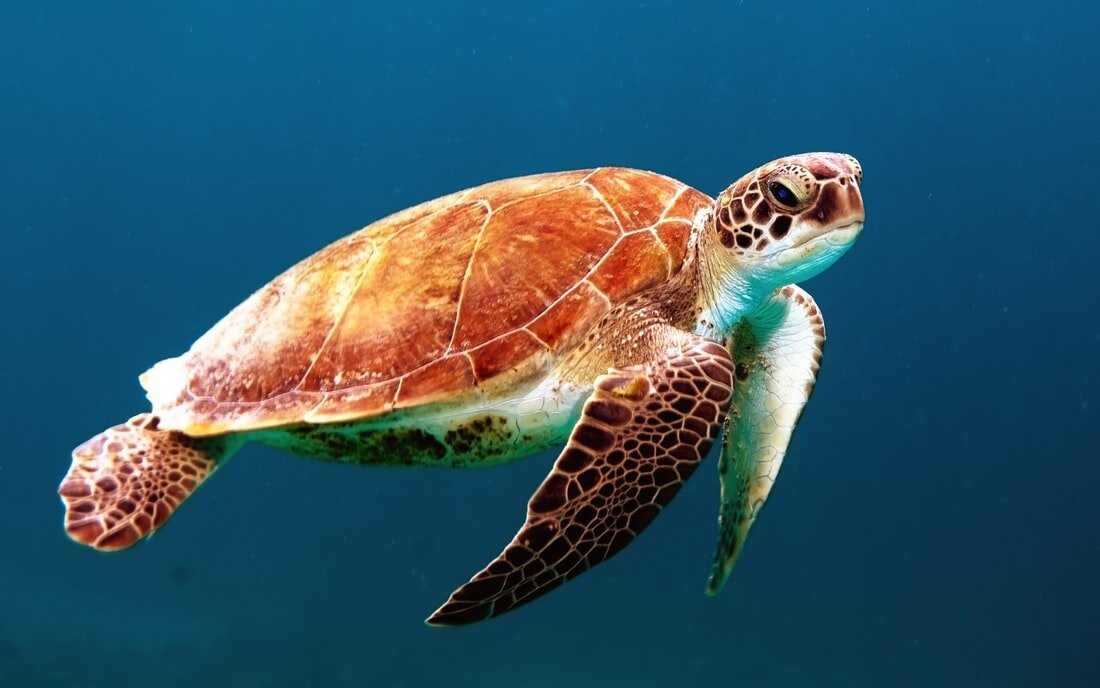
A Galapagos sea turtle swimming off the coast. Wexor Tmg. Unsplash.
As a UNESCO World Heritage Site, the Galapagos National Park and surrounding waters are protected for conservation. The 19 islands boast distinct landscapes, ranging from barren volcanic rocks to green sand beaches formed by olivine crystals. The Galapagos are home to a variety of endemic species, including 15 mammals, 45 bird species and 79 types of fish. Due to wildlife sanctuaries and habitat restorations, vulnerable animals like tortoises, iguanas and sea lions live in harmony with humans. The Galapagos Islands also have a rich variety of endemic flora, with over 500 species discovered. When visiting the Galapagos, visitors are expected to act responsibly and treat the environment with respect. Common activities include snorkeling alongside sea turtles, hiking over dried lava beds and whale watching from kayaks. The Galapagos National Park is well maintained and protected by park rangers and volunteers, who partake in regular coastal cleanups. However, to ensure long-term sustainability, the islands offer outreach and education programs. Ecologists and environmental experts teach locals and visitors about the harmful effects of climate change and pollution in the hopes that this diverse landscape will endure for years to come.
6. Felicite Island, Seychelles
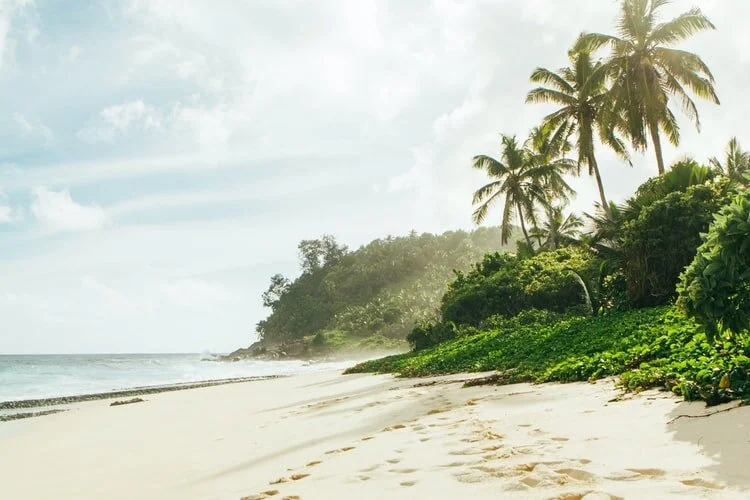
Felicite Island in the early morning. Nenad Radojčić. Unsplash.
Located in the Indian Ocean, Felicite Island contains parts of Ramos National Park and multiple marine protected areas. This small island community has multiple initiatives to conserve energy and invites visitors to share the responsibility of offsetting their carbon footprint. Drip irrigation has been introduced as a solution to water and energy waste. Widespread rainwater harvesting allows the use of rainwater for non-potable needs, such as washing clothes and watering gardens. Organic vegetable gardens support the ultimate aim of self-sustained food and beverages in the Seychelles. Special efforts are given to waste reduction, with zero-waste and plastic-free initiatives. Recently, island officials banned plastic bags, plates, cups and plastic foam boxes in order to mitigate ocean pollution. Additional conservation programs include a reforestation project, sea turtle monitoring and coral restoration. Within this pristine paradise, visitors can partake in snorkeling, diving and community outreach programs regarding climate change.
7. Serengeti National Park, Tanzania
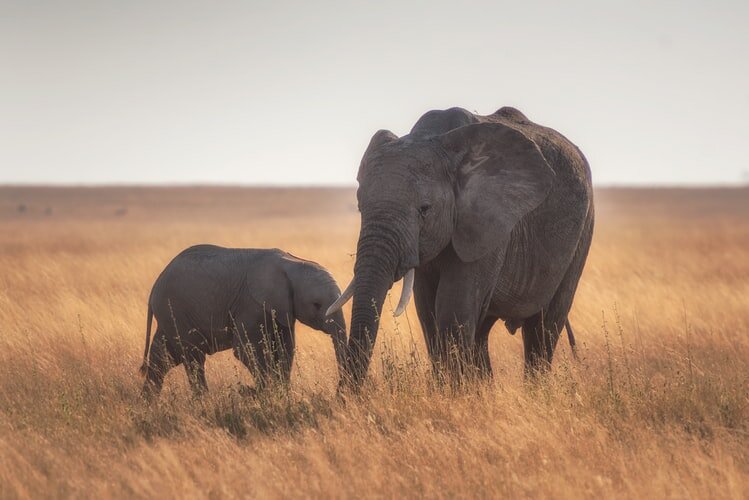
Elephants, an endangered species, graze the Serengeti. Hu Chen. Unsplash.
Founded in 1951, Serengeti National Park houses one the highest concentrations of mammals in Africa, with species such as lions, giraffes and hippos. It is also known for the largest remaining unaltered animal migration in the world, with over 6 million zebras, gazelles and wildebeests stampeding over the fertile plains. At least four globally threatened or endangered species, such as elephants and cheetahs, thrive in these heavily-patrolled conservation areas. Guided safaris allow visitors to witness this diverse wildlife from a close proximity. Serengeti, however, is committed to sustainable visitation in order to protect the environment from irreversible damage. Human activity and waste disposal are closely monitored by park rangers. Conservation areas and secure breeding grounds also mitigate the impacts of deforestation, poaching and urbanization. Through such practices, Serengeti National Park allows wildlife to roam freely in their natural habitat, an increasingly rare commodity.
8. Republic of Palau
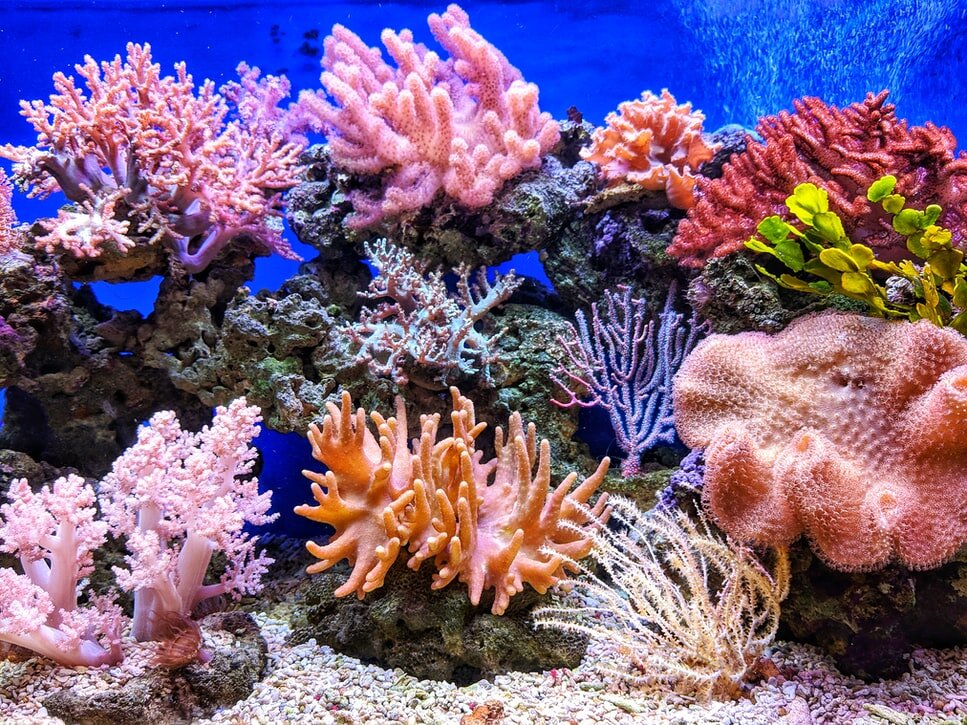
Coral reefs, an endangered ecosystem. Qui Nguyen. Unsplash.
Located in the western Pacific Ocean, the Republic of Palau includes over 200 volcanic and coral islands. Palau supports a diverse aquatic environment, inhabited by nearly 700 coral species and 1,400 fish species. Coral reefs protect coastlines from waves, provide wildlife with refuge and offer opportunities for recreation. Due to climate change, this vital ecosystem is severely threatened. The Coral Reef Research Foundation promotes water conservation, renewable energy and recycling to mitigate coral destruction. In 2018, Palau banned sunscreens that contain environmental pollutants and established marine sanctuaries in 80% of its territorial waters. Travelers to Palau must sign a pledge declaring that they will preserve and protect the island. While scuba diving, snorkeling and surfing, visitors must adhere to this pledge and respect wildlife.
9. Sun Moon Lake, Taiwan
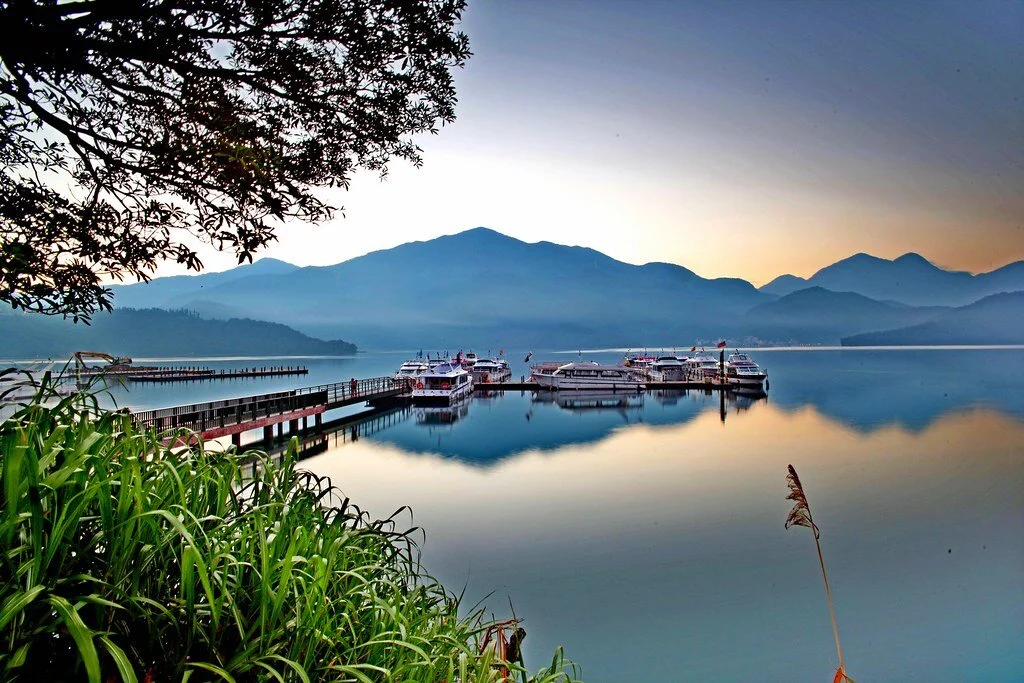
Sun Moon Lake at sunset. Eddy Tsai. CC BY-SA 2.0
Residing in the foothills of Taiwan’s Central Mountain Range, Sun Moon Lake prides itself on maintaining a low carbon footprint. Public transportation routes have decreased the reliance on driving, thereby reducing the emission of greenhouse gases. Cable car systems, electric boats and cycling paths are common alternatives to cars at Sun Moon Lake. This rural region also hosts a range of dams which generate 62% of Taiwan's total hydroelectricity. Travelers to Sun Moon Lake can hike through dense forests, kayak in turquoise waters and interact with Indigenous people who live in the area. Thao natives, such as the Bunun, believe humans and Earth are intrinsically connected, opting to practice sustainable farming and fishing. Sun Moon Lake adheres to this philosophy and strives to protect the fragile environment.
10. Kamaishi, Japan
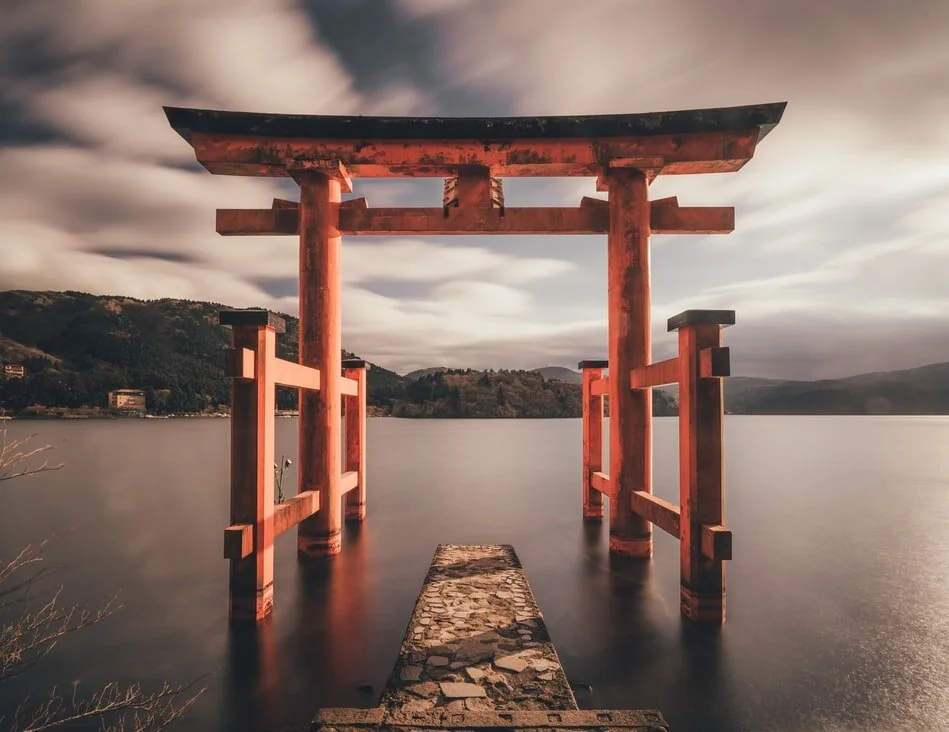
A traditional Japanese torii. Tianshu Liu. Unsplash.
Along the rugged Sanriku Coast, Kamaishi is an important fishing and industrial city. In 2011, a 45-foot tsunami swept through the city, devastating the local fishing industry and taking the lives of roughly 1,000 people. Amid ongoing reconstruction efforts, Kamaishi is prioritizing sustainability. Established two years after the tsunami, the Sanriku Fukko National Park consists of towering cliffs, unique stone formations and isolated coastlines. The Jodogahama and Kirikiri beaches, surrounded by vibrant green pine trees, host diverse marine ecosystems. Salmon, scallops, crabs and sea urchins are among the many aquatic animals that receive protections from overfishing. Through coastal cleanups, inland forestry conservation and river purification, Kamaishi strives to reduce the impact of industrial pollution. Forms of public transportation, such as electric trains and ride-shares, further mitigate car traffic and fossil fuels. Kamaishi is also a leader in renewable energy, relying on solar power and biomass fuel to power residential areas. Environmental organizations have commended Kamaishi for rebuilding a cleaner community in the wake of such a devastating natural disaster.

Shannon Moran
is a Journalism major at the University of Georgia, minoring in English and Spanish. As a fluent Spanish speaker, she is passionate about languages, cultural immersion, and human rights activism. She has visited seven countries and thirty states and hopes to continue traveling the world in pursuit of compelling stories.