
Social media is amplifying migration from Morocco by turning economic frustration and misinformation into pressure at Spain’s border.
Read MoreA City Overwhelmed in 24 Hours: 60,000 Moroccans Swim to Spanish Coast
Nearly 60,000 migrants entered Ceuta, a Spanish territory on the North African coast, as a sudden border surge strained the city and left dozens dead.
Read MoreThe Odyssey Sparks Backlash for Filming in Occupied Territory
Christopher Nolan’s new film has put the Moroccan occupation of Western Sahara in the spotlight.
Read MoreSurfing Morocco Responsibly: How Travelers Can Protect Culture and the Coast
Kara Karinauskaite
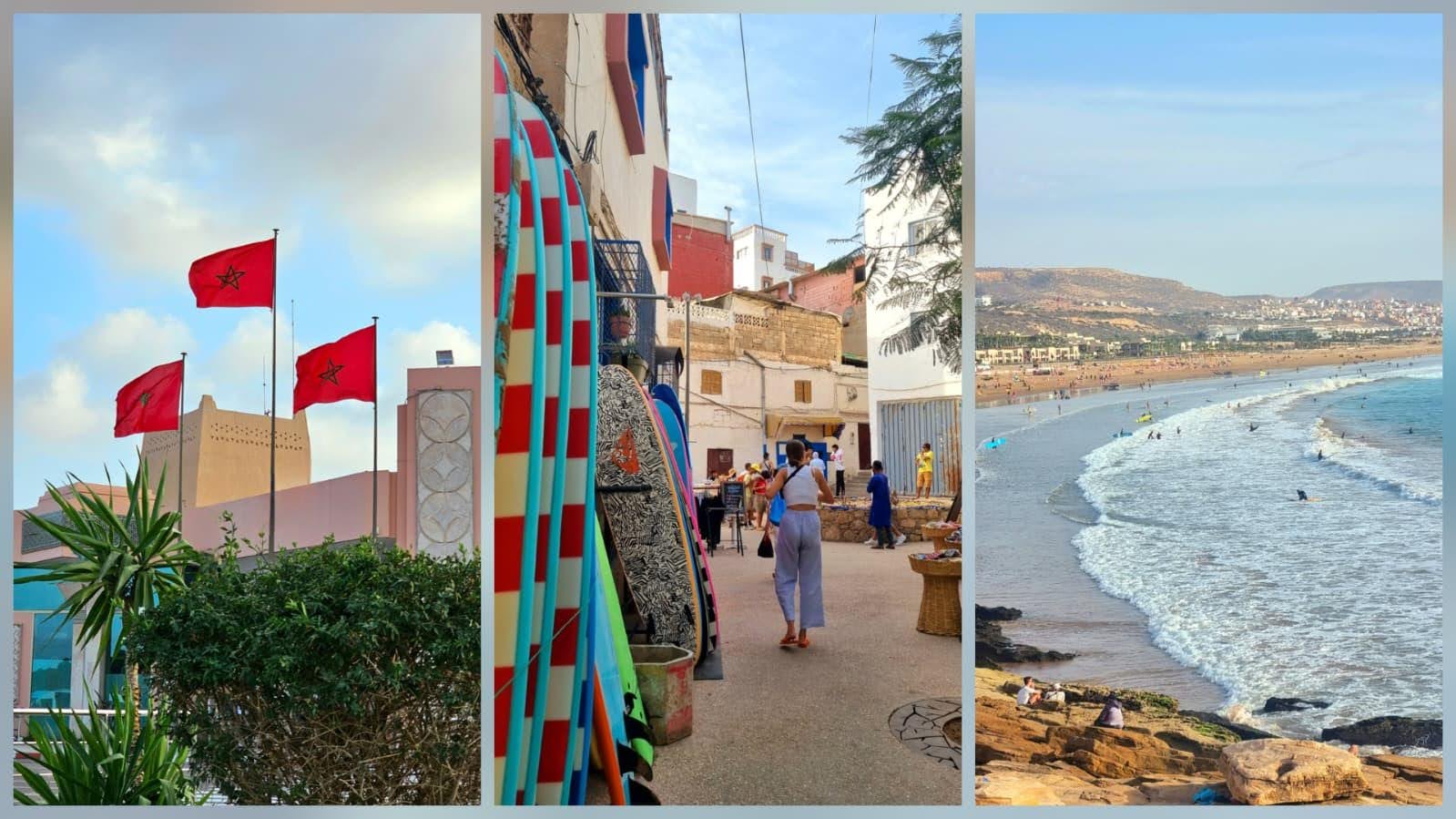
Taghazout, Morocco. Kara Karinauskaite.
Last November, I traveled to Taghazout, a small coastal town in Morocco. It was my second year in a row traveling to the country specifically to surf. Spending my days in the water and my evenings with local surfers put into perspective just how closely surf culture is tied to everyday life and the local economy.
While I was there, I learned that the Agadir tourism area, including Taghazout, recorded about 1.5 million tourist arrivals in 2025, compared with about 0.9 million tourists in 2015, showing how rapidly tourism in the region has grown over the past decade.
For generations, the people of Taghazout and the wider Agadir region have relied on fishing, argan oil production and trade as key sources of income, with the area’s Indigenous Berber heritage still evident in local culture and craftsmanship today. Taghazout has attracted international surfers and travelers since the 1960s, when its consistent waves and relaxed atmosphere caught the attention of visitors from around the world. This helped transform the local economy, leading to the development of surf camps, guesthouses and related services that now make surf tourism a major source of income alongside traditional livelihoods.
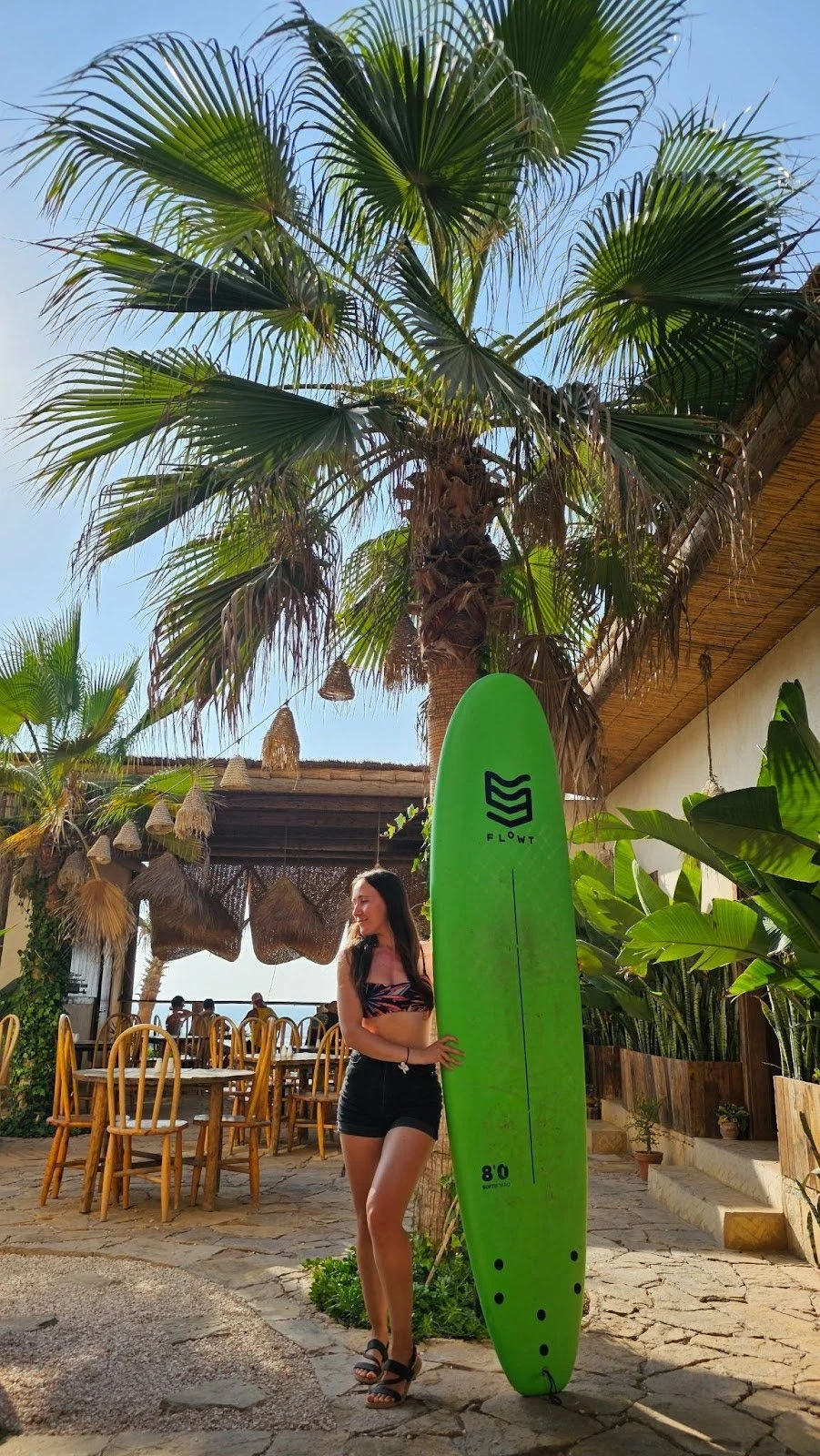
Surfing in Morocco. Kara Karinauskaite.
During my trips to Morocco, all of the surf instructors and trip guides I met were from the Agadir region, and having the direction of people who had surfed the coastline for many years made a real difference, as their deep knowledge of conditions, tides and safety spots provided me with the most well-informed surfing experience. They were always happy to talk with me about the area’s history, culture and how life in the village has changed with the growth of surf tourism, and they even took the time to teach me a few local phrases, making everyday interactions feel more personal. The surf instructors also invited us to visit their local hammam, a type of steam bath, which felt like an incredible privilege and offered a rare insight into everyday community life beyond the surf scene.
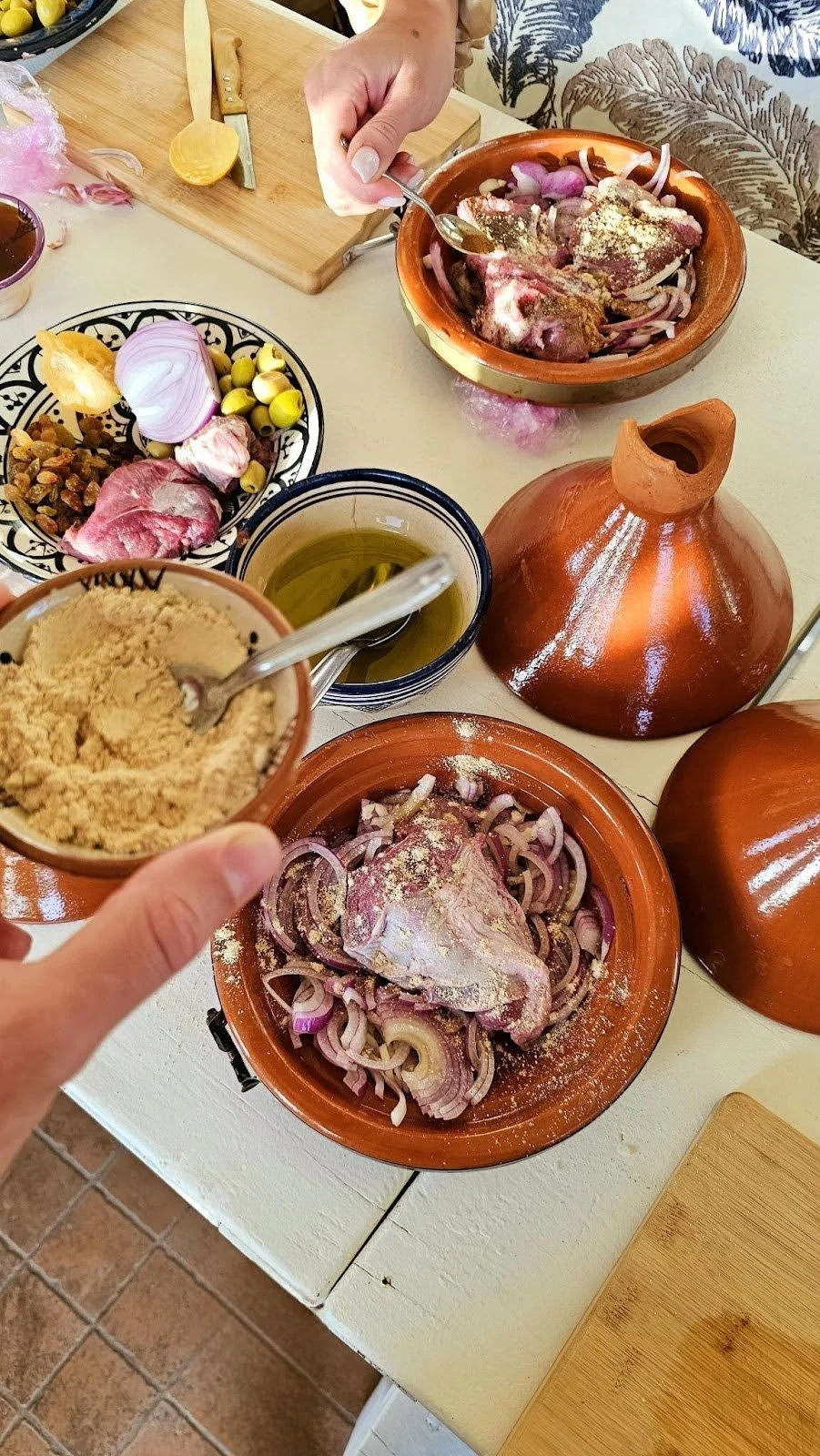
Learning local recipes at Blue Waves Morocco. Kara Karinauskaite.
While surf tourism supports an array of local businesses, such as instructors, board repairers, cafes and small guesthouses, it also increases pressure on beaches, water use and fragile coastal environments. During my visits, I learned from local instructors about practical ways to reduce these impacts.
Travelers can support the Taghazout area responsibly by choosing locally owned businesses, helping tourism income remain within the community. Respecting local culture is equally important, including dressing modestly away from the beach, asking permission before photographing people and learning a few basic words of Arabic or Amazigh. Being conscious of one’s environmental impact also makes a meaningful difference, such as by avoiding single-use plastics, taking part in beach cleanups and disposing of waste properly. Visitors can further help by conserving water through shorter showers, reusing towels and being mindful of water use in surf camps and accommodations. Protecting natural spaces by sticking to marked paths, avoiding walking on dunes and following local guidance when accessing beaches and surf spots helps preserve the coastline for both residents and future travelers.
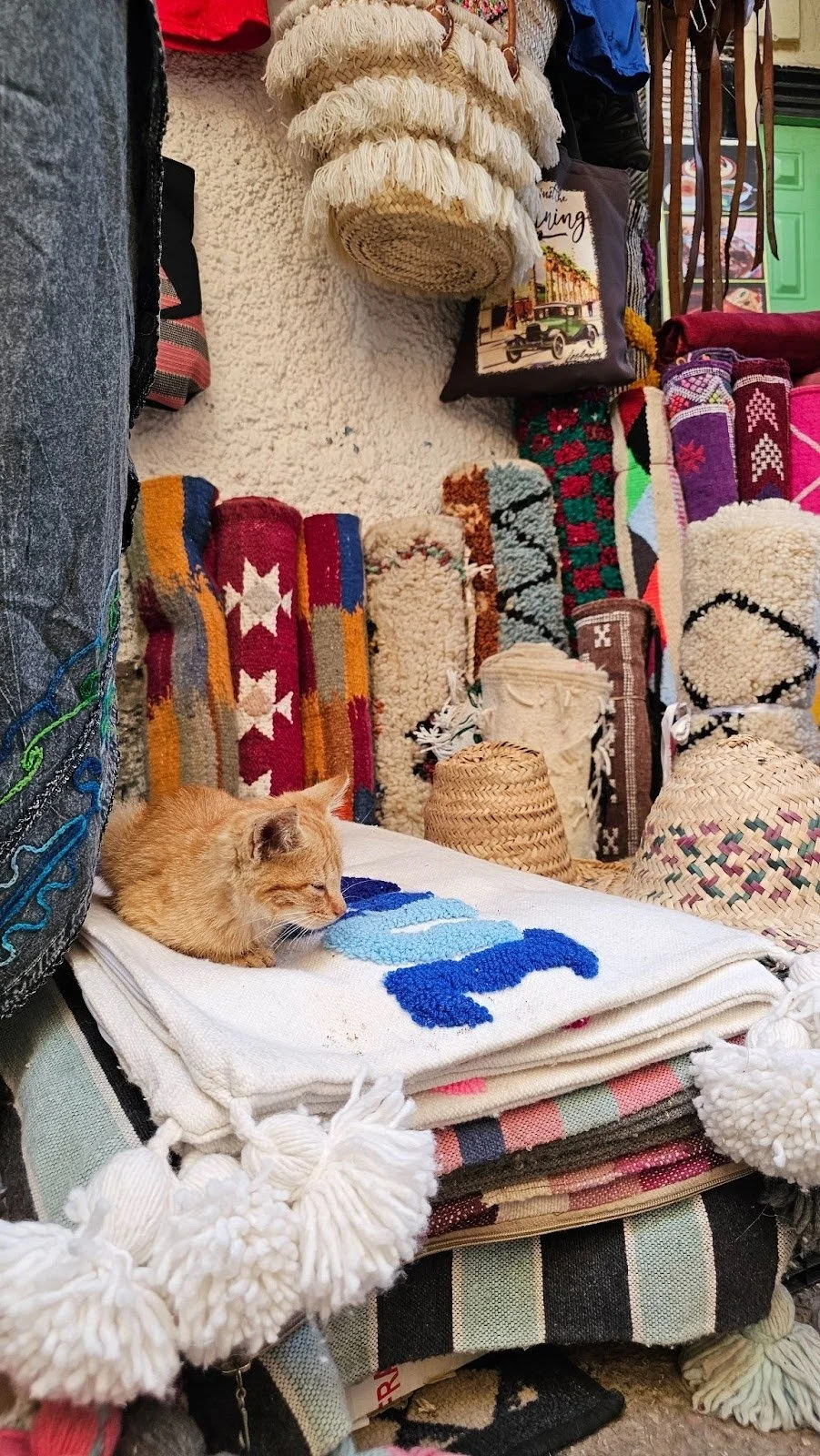
Local business in Morocco. Kara Karinauskaite.
Surfing in Taghazout has shown me how important responsible travel is for the future of its community. By supporting the local economy, respecting cultural practices and helping protect the coastline, visitors can contribute to a tourism that allows surf communities like Taghazout’s to continue benefiting from travel without losing the character and environment that define them.
GETTING THERE:
Blue Waves is a guesthouse in Anza, just a 15-minute drive from Taghazout, that is perfect for travelers who want to immerse themselves in surf culture. Local cooks and hospitality staff make the experience feel genuinely rooted in the community, and alongside its welcoming accommodations, it stands out for its use of locally made pottery and textiles.
Cafe Restaurant Surf Berbere and Dar Josephine are two eateries I particularly enjoyed in Taghazout. They attract visitors with their locally-inspired dishes and provide a warm atmosphere for dining. The town also has many small street-side restaurants offering traditional Moroccan food, which are worth exploring for a more everyday, locally-rooted experience.
Another place that should not be missed is Anza Souk, one of the largest markets in the area. Open on Wednesdays, it is a traditional market that offers a lively setting to buy spices, handmade pottery and other souvenirs.
Kara Karinauskaite
Coming from a TV editing background, Kara has worked with broadcasters including the BBC and Discovery Channel. She is a passionate traveller and filmmaker who enjoys documenting meaningful travel experiences and connecting with people who share her interest in sustainable tourism, culture, and nature.
Morocco: A Colorful Tapestry of Heritage and Natural Beauty
Morocco is a land of contrasts, from the vastness of the Sahara to the intricate mazes of its ancient medinas. Each moment spent here is like stepping through the pages of a vividly illustrated storybook, where every corner promises a new adventure
Read More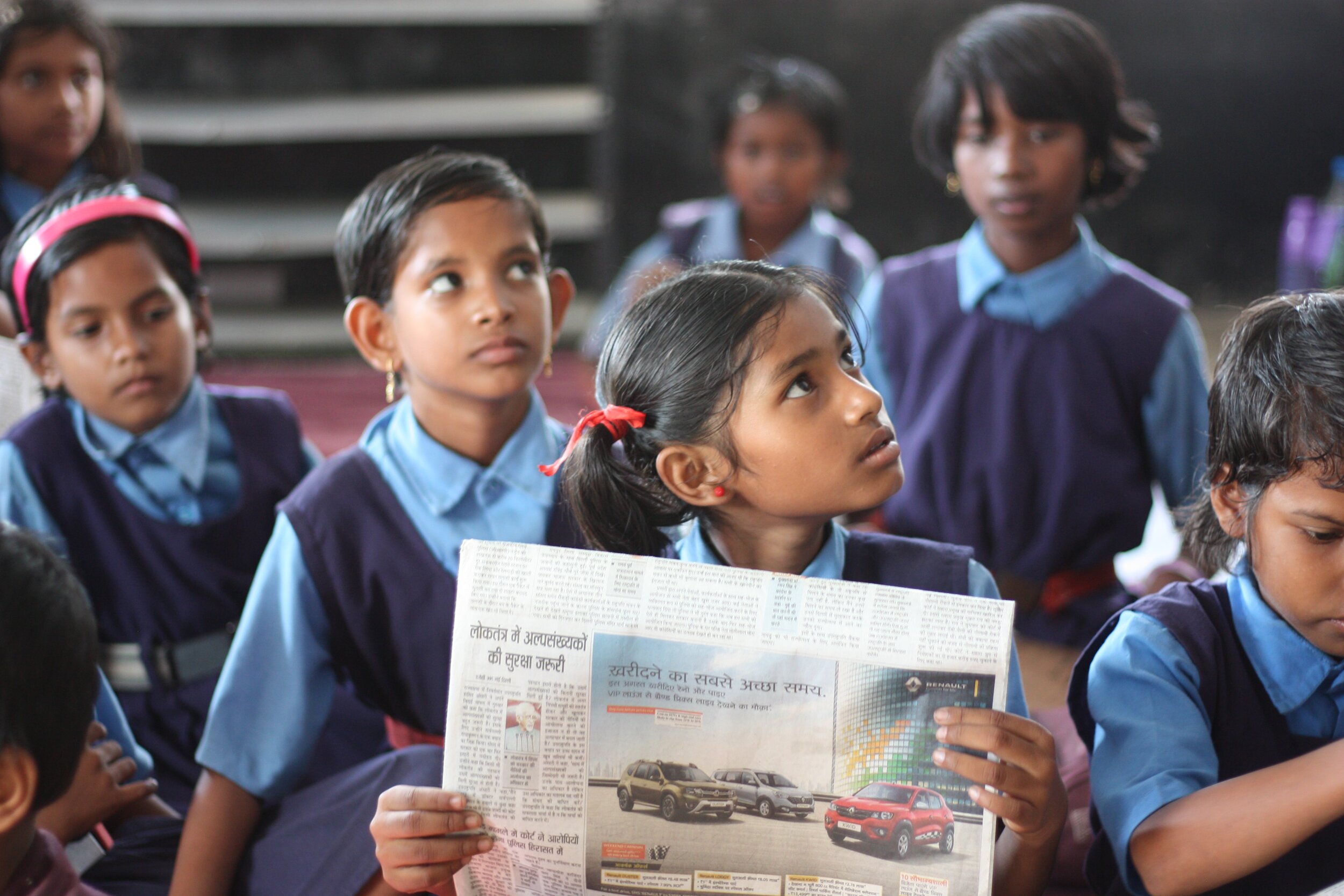
As education increases, more women in rural areas are able to access schooling. Here, young girls in India’s Chhattisgarh state attend government school in their uniforms. Jaikishan Patel. Unsplash.
The Gender Education Gap is Narrowing. Here’s How You Can Help Close It
More girls are enrolling in education than ever before, and the gap between educated women in men is narrowing. Based on a report given by UNESCO, 180 million more girls have enrolled in primary and secondary education since the Beijing Declaration and Platform for Action, a commitment signed in 1995 by 189 countries in which they pledged to advance the rights of girls and women. The report shows that the global enrollment rate for girls in school increased from 73% to 89%, and the biggest improvements are seen in sub-Saharan Africa and South Asia, especially in India. The reasons behind this inequality are historical, social and economic, as barriers like poverty and rigid gender roles place large burdens on accessing schooling.
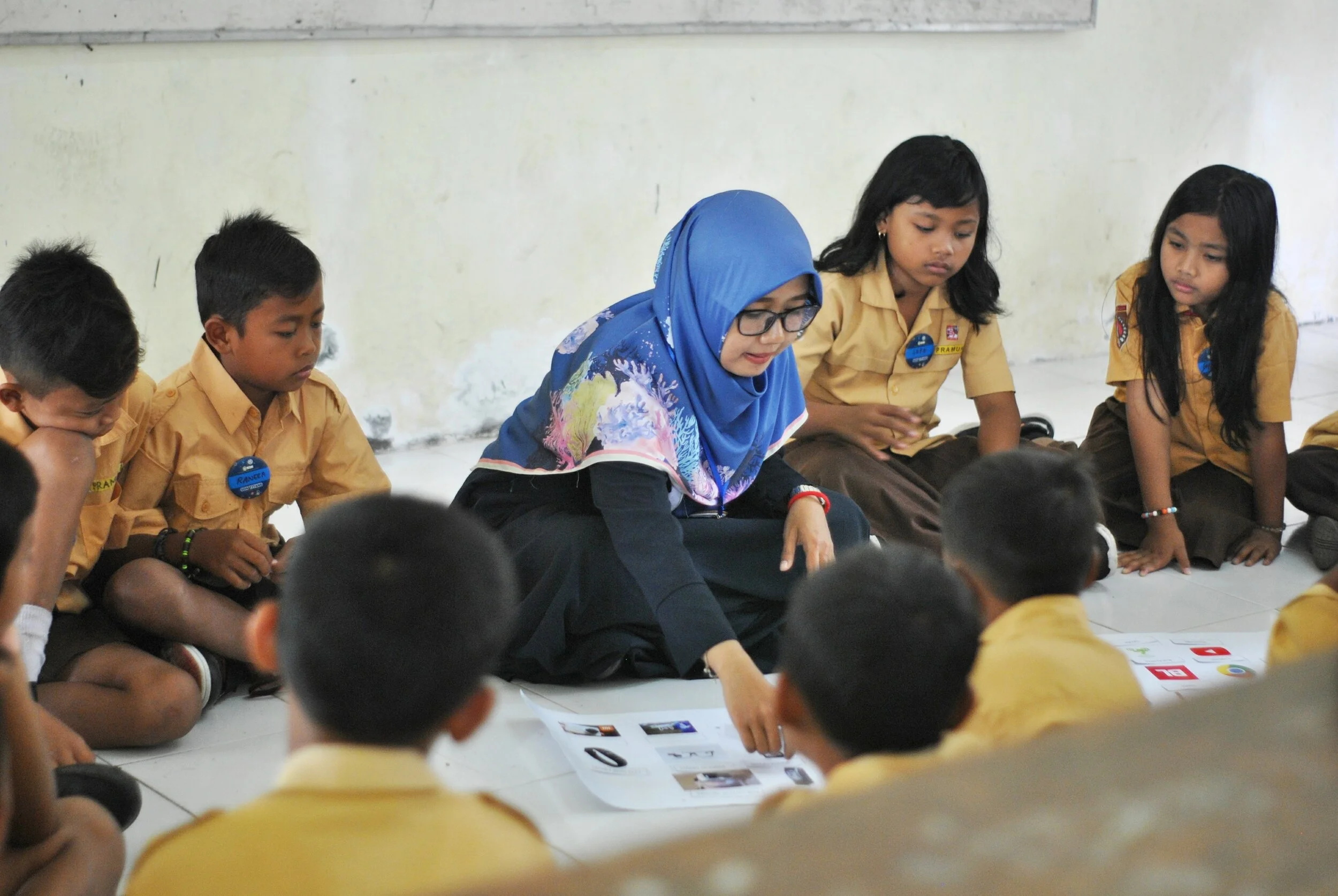
Young men and women studying in the classroom in Klaten, Indonesia. Husniati Salma. Unsplash.
This push for women’s education did not stop at the primary level, with three times more women enrolling in universities than 25 years ago, and the most significant progress is seen in North Africa and Western Asia. Morocco has particularly excelled, reaching enrollment parity in 2017 after more than 20 years of the rate of enrollment being just 30 women for every 100 men. The report found that although women are present in the classroom more frequently, there is still a culture of dismissal revolving around women’s education, so the efforts toward educating women are now focusing on representation and validation.
Ways You Can Get Involved:
In relation to the report, a personal way to involve yourself is to participate in the #Iamthe1stGirl campaign, started by the Global Education Monitoring (GEM) sector of UNESCO. This campaign asks women and girls who were the first of their family to graduate from high school and/or university to share their own stories of education and success. By sharing your own story, you can inspire women and girls to continue fighting for their right to be educated. The stories have been shared on Instagram and Twitter by the GEM account, and while the campaign did not go viral, the social media interactions show girls being inspired to continue their education in real time.
There are several ways to get involved financially, and most involve the direct sponsoring of a woman in the process of getting her education. World Vision has a simple and effective sponsoring process, and your money goes toward not only providing school supplies, but also ensuring that proper sanitation and transportation is offered to women at school.

Malala Yousafzai speaking on the creation of a shared future through education and empowerment. World Economic Forum. CC BY-NC-SA 2.0.
A fund with a story you may be familiar with is the Malala Fund, started by Pakistani girls’ education activist Malala Yousafzai in 2013 “to champion every girl’s right to 12 years of free, safe, quality education.” The money in the fund goes toward their board along with the leadership council and staff, championing “the creation of a more equal world by making sure all girls can go to school.”
On a smaller scale, you can ensure the girls and women in your community do not face barriers to their education by creating or participating in school supply and sanitary product drives and by sharing your own story about education.
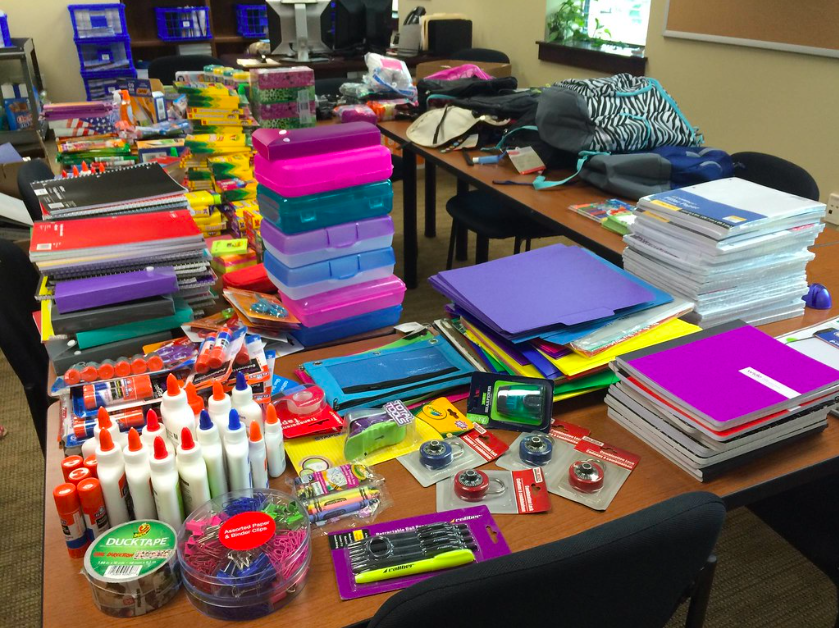
Donations collected during a 2015 school supply drive in Tallahassee, Florida. flguardian2. CC BY-NC-SA 2.0.
There are several ways to get involved in closing the gap. To donate towards causes that sponsor women’s education through providing instructors and supplies, you can visit World Vision or Malala.org.
In order to make sure that menstruation does not interfere with learning, you can donate money and time to several organizations that supply period products like, DoSomething.org. Two other organizations that also supply products are, DayForGirls.org and BintiPeriod.org. Days for girls is a women’s equality organization so it provides other avenues of involvement as well.
To donate school supplies you can visit, Kinf.org to help students in the United States. Another school supply organization, Classroom Central, finds local schools in need of donations. For international involvement, you can directly donate to UNICEF USA.
For those who want to learn more information and sign petitions, Plan International provides both on their website, Plan International. Another petition to sign can be found on One.org where you can pledge to support the closing of the gender education gap. Lastly, you can even start your own fundraiser for school supplies and education funding at Room to Read.

Renee Richardson
Renee is currently an English student at The University of Georgia. She lives in Ellijay, Georgia, a small mountain town in the middle of Appalachia. A passionate writer, she is inspired often by her hikes along the Appalachian trail and her efforts to fight for equality across all spectrums. She hopes to further her passion as a writer into a flourishing career that positively impacts others.
5 Tips for Haggling at a Souk in Morocco
At Moroccan souks and bazaars, haggling is a must-have skill for any shopper.
Read More7 Famous Trees of The World
Today, trees face threats such as deforestation, habitat reduction and fires fueled by climate change. Despite it all, these seven tree species continue to symbolize the lands they call home.
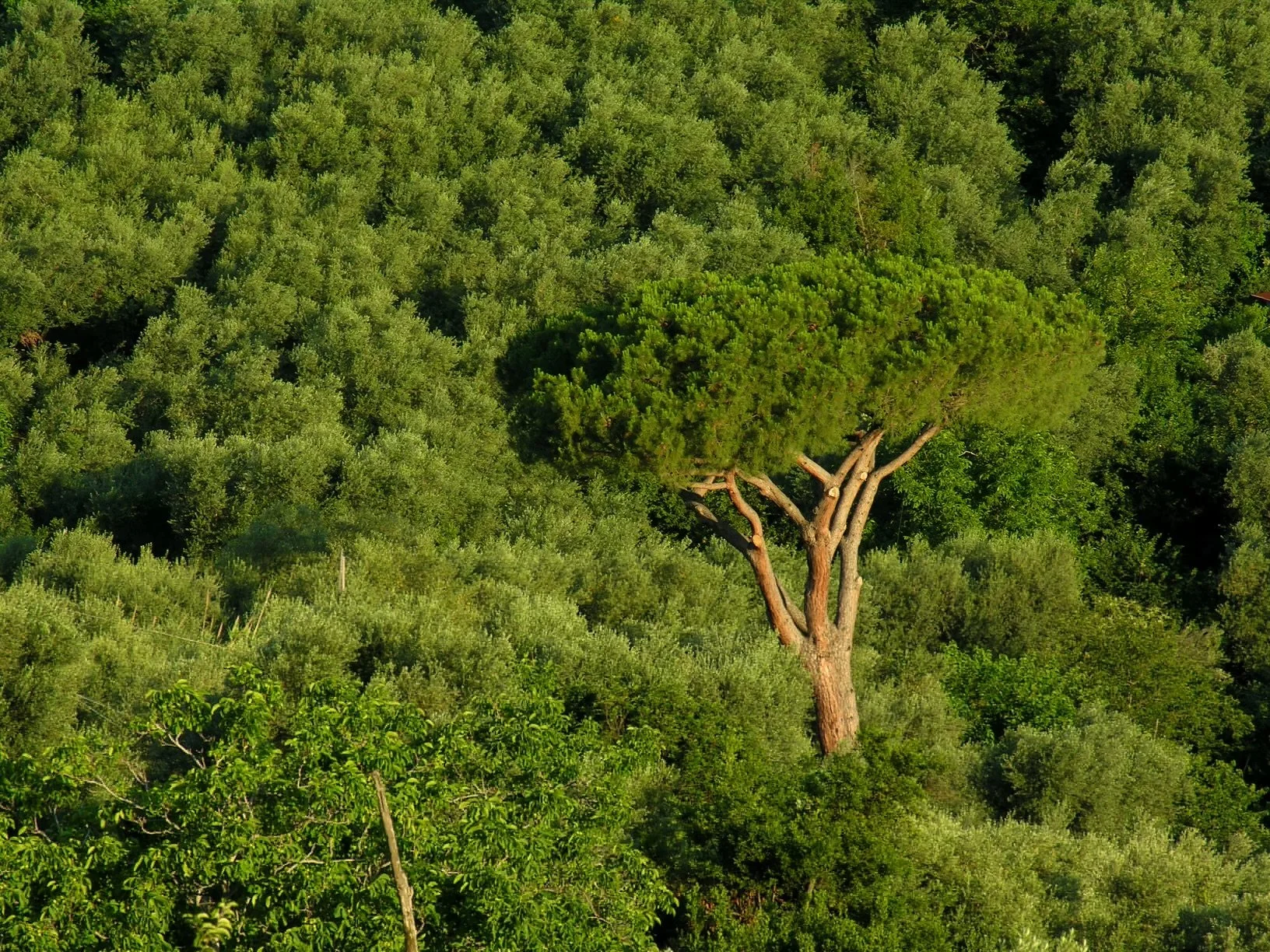
Forest in Italy. Giuseppe Costanza. CC0 1.0
As urbanization and overpopulation fuel clearcutting around the globe, these trees stand in their own glory. Granted protection status, having festivals in their honor and attracting admirers from around the world, this is a list of trees that have made a name for themselves and their roots.
1. Baobabs, Madagascar
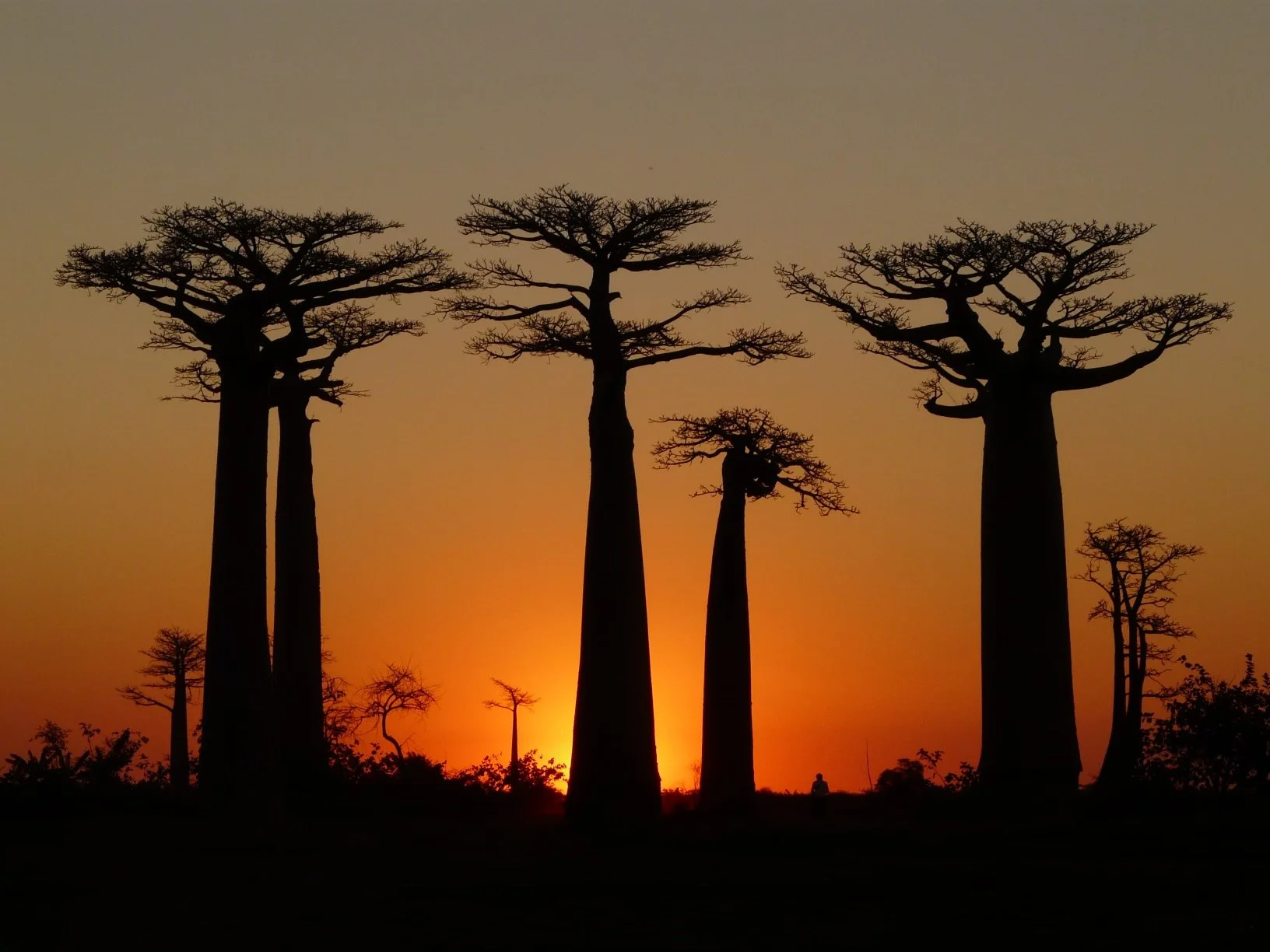
The Avenue of Baobabs. Zigomar. CC BY-SA 2.0
For many, the Avenue of Baobabs is the first thing that comes to mind when they hear the word "Madagascar." Approximately 50 baobab trees line the dusty road and surrounding groves between Morondava and Belon'i Tsiribihina. Endemic to the island, the trees are referred to as "renala," or "mother of the forest," by locals. The avenue has gained international fame, attracting crowds during sunset and became the first protected natural monument in Madagascar in 2007 when it was granted temporary protection status.
2. Yucca Trees of Joshua Tree State Park, California, USA
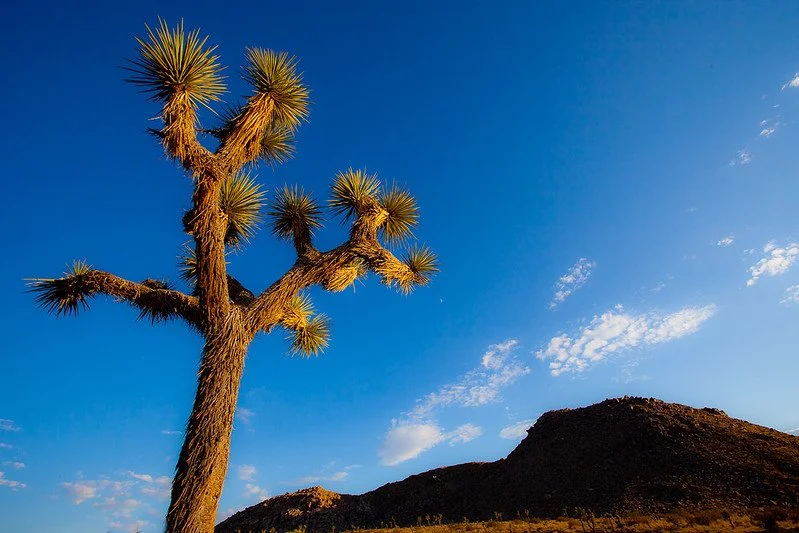
YuccaTree in Joshua Tree State Park.Esther Lee. CC BY 2.0
The yucca trees, for which California's Joshua Tree State Park was named, got the nickname “Joshua” from a band of Mormons traveling from Nebraska. The lunar desert climate is ideal for yuccas, which have grown adapted to storing water inside their trunks and twisted branches. They are said to be able to survive on very little rainfall a year, but if the weather happens to bring rain in the spring, the yuccas will give thanks with a sprout of flowers.
3. Cherry Blossoms, Japan
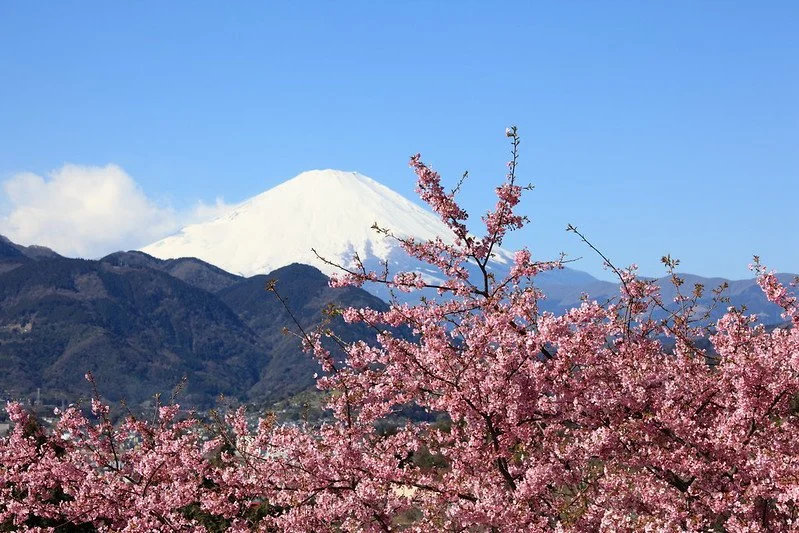
Cherry blossoms at Mount Fuji. Tanaka Juuyo. CC BY 2.0
The cherry blossom, or sakura, is considered the national flower of Japan. Hanami, the Japanese custom of enjoying the flowers, attracts locals and visitors to popular viewing spots across the country during the annual Cherry Blossom Festival. Peak bloom time depends on the weather, and the cherry trees have been flowering earlier and earlier each year due to climate change. On average, the cherry trees reach peak bloom in mid to late March and last around two weeks.
4. Jacaranda Trees, Mexico City, Mexico
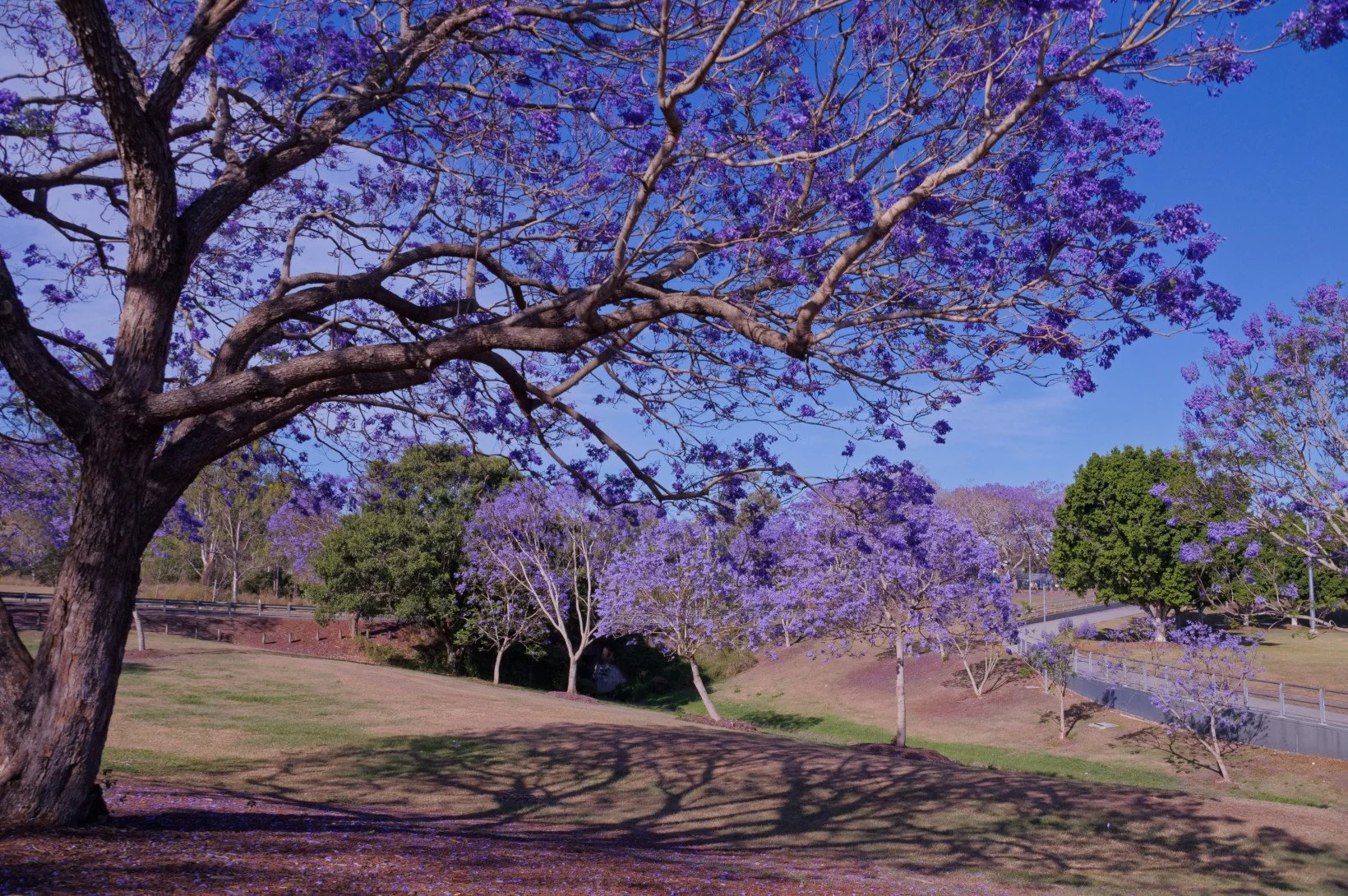
Jacaranda trees. Tatters. CC BY-NC 2.0
Every spring, the already vibrant streets of Mexico City are lined with the jacaranda's violet bloom. President Álvaron Obregón commissioned Tatsumi Matsumoto, an imperial landscape architect from Japan, to plant the trees along the city's main avenues in 1920. Matsumoto was the first Japanese immigrant to come to Mexico, arriving a year before the first mass emigration in 1897 and staying until his death in 1955. Today the jacarandas are considered native flowers and symbolize international friendship.
5. Rubber Fig Trees, Meghalaya, India
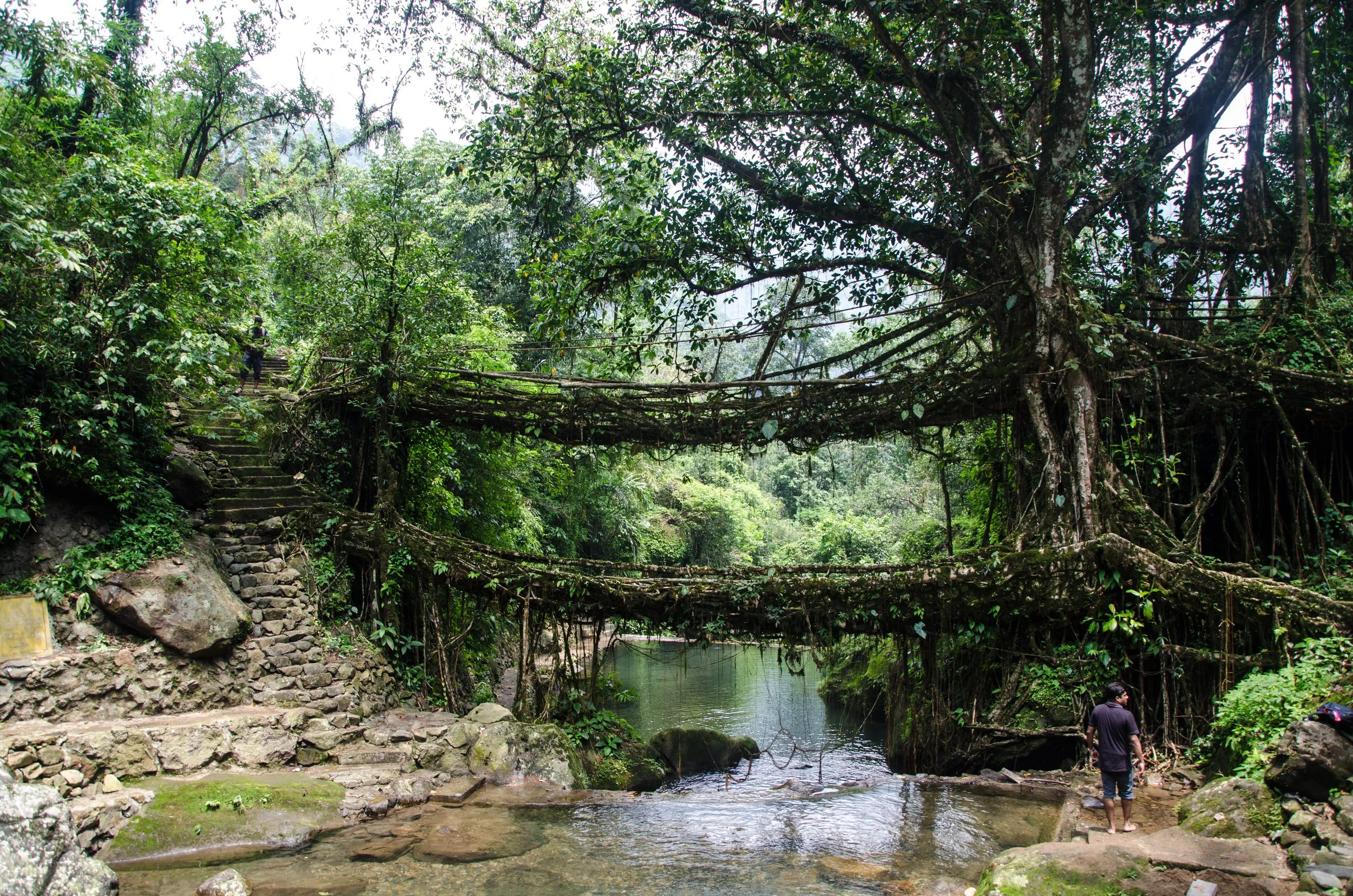
Double-decker living roots bridge. Ashwin Kumar. CC BY-SA 2.0
Widely considered the wettest region in the world, villagers of the northeast Indian state of Meghalaya are separated by deep valleys and running rivers every monsoon season. The living roots bridges are handmade by the Khasi and Jaintia people with the aerial roots of rubber fig trees. The bridges grow strong as the tree's roots thicken with age, holding more than 50 people and lasting centuries if maintained. The double root bridge, pictured above, is almost 180 years old, stands at 2,400 feet high and suspends 30 meters in length.
6. Argan Trees, Morocco
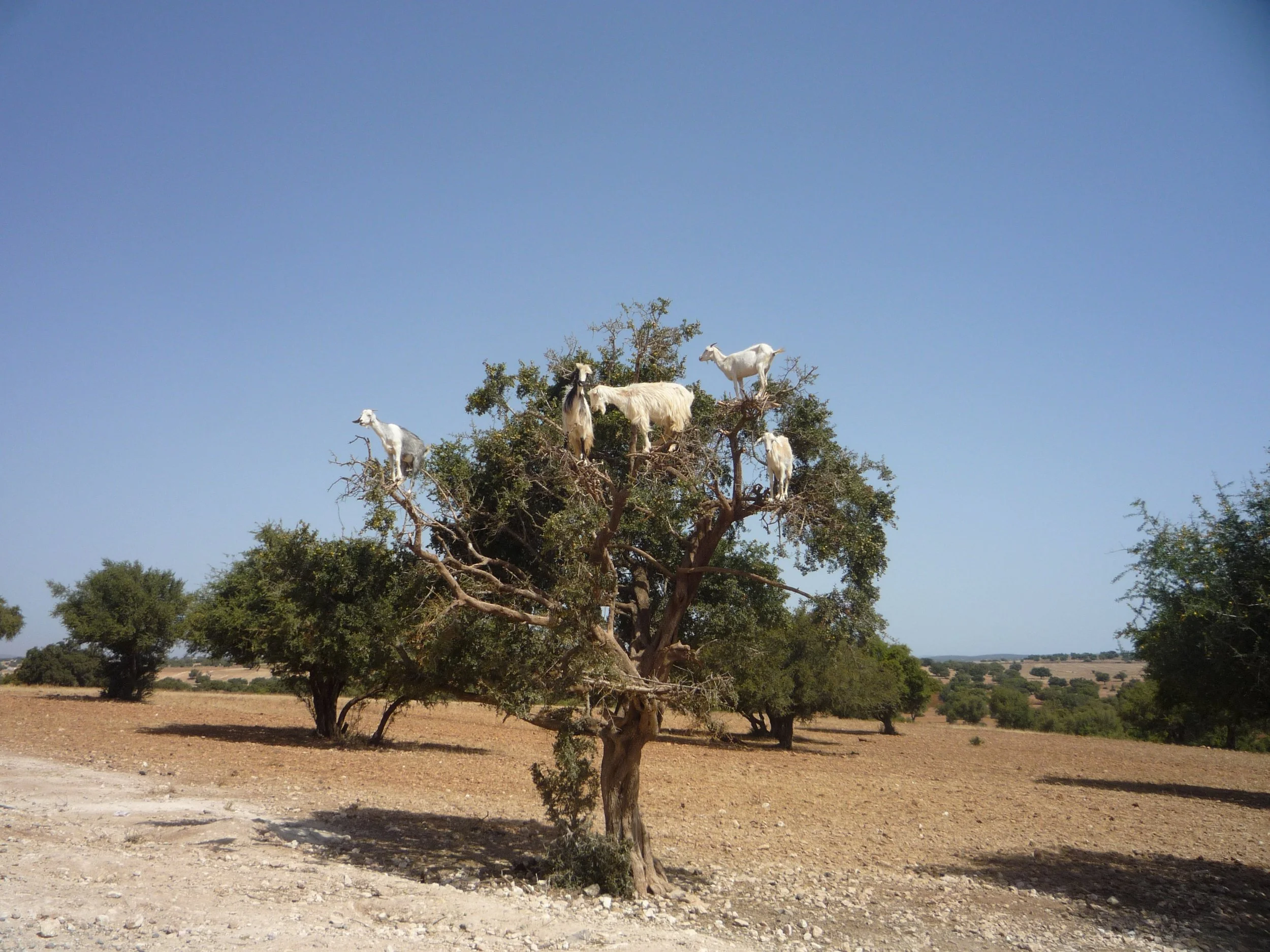
Goats in an Argania tree. remilozach. CC0 1.0
Built to survive the Saharan climate, Argan trees are endemic to southwestern Morocco. Their scientific name, Argania, is derived from the native Berber language of Shilha (also known as Tashelhit). The trees grow fruits used to make argan oil, an ingredient found in many beauty products. Rights to collect the fruit are controlled by law and village traditions, while several women's co-operatives produce the oil. Goats are frequently photographed climbing argan trees and help in the production process by eating the nuts, leaving the vitamin-rich seeds for the locals to collect.
7. Trees of the Hoh Valley, Washington, USA
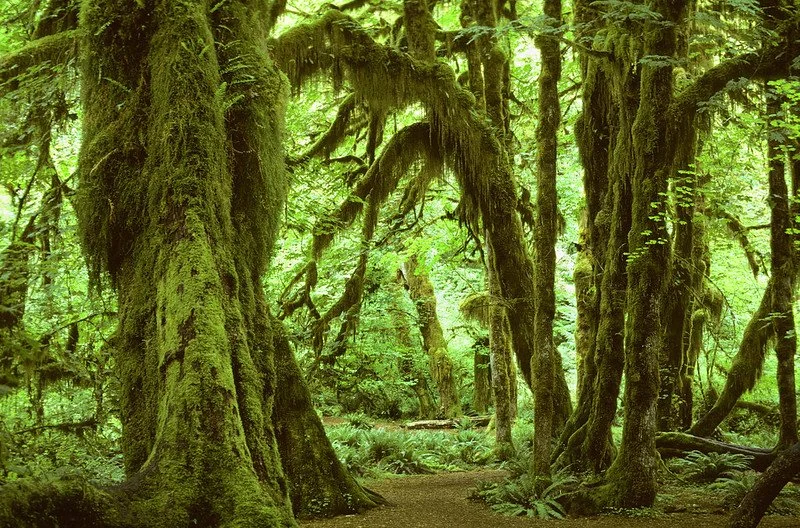
Trees in Hoh Valley. James Gaither. CC BY-NC-ND 2.0
On the Pacific side of the Olympic Mountains in the Hoh Rainforest, lush yellow and green moss covers some of North America's giants, including the Sitka Spruce, Red Cedar, Big Leaf Maple and Douglas Fir. As a result of the area's average 140 inches of rainfall per year, the moss is not only enchanting but beneficial. Moss plays an essential role in supporting the forest's biodiversity; like a sponge, it decays, absorbs and finally releases nutrients for the trees’ roots to feed off.
Claire Redden
Claire is a freelance journalist from Chicago, where she received her Bachelor’s of Communications from the University of Illinois. While living and studying in Paris, Claire wrote for the magazine, Toute La Culture. As a freelancer she contributes to travel guides for the up and coming brand, Thalby. She plans to take her skills to London, where she’ll pursue her Master’s of Arts and Lifestyle Journalism at the University of Arts, London College of Communication.
The Natural Beauty of Morocco
The video also shows Moroccan cities’ relationship with nature, juxtaposing busy streets with empty deserts.
Read More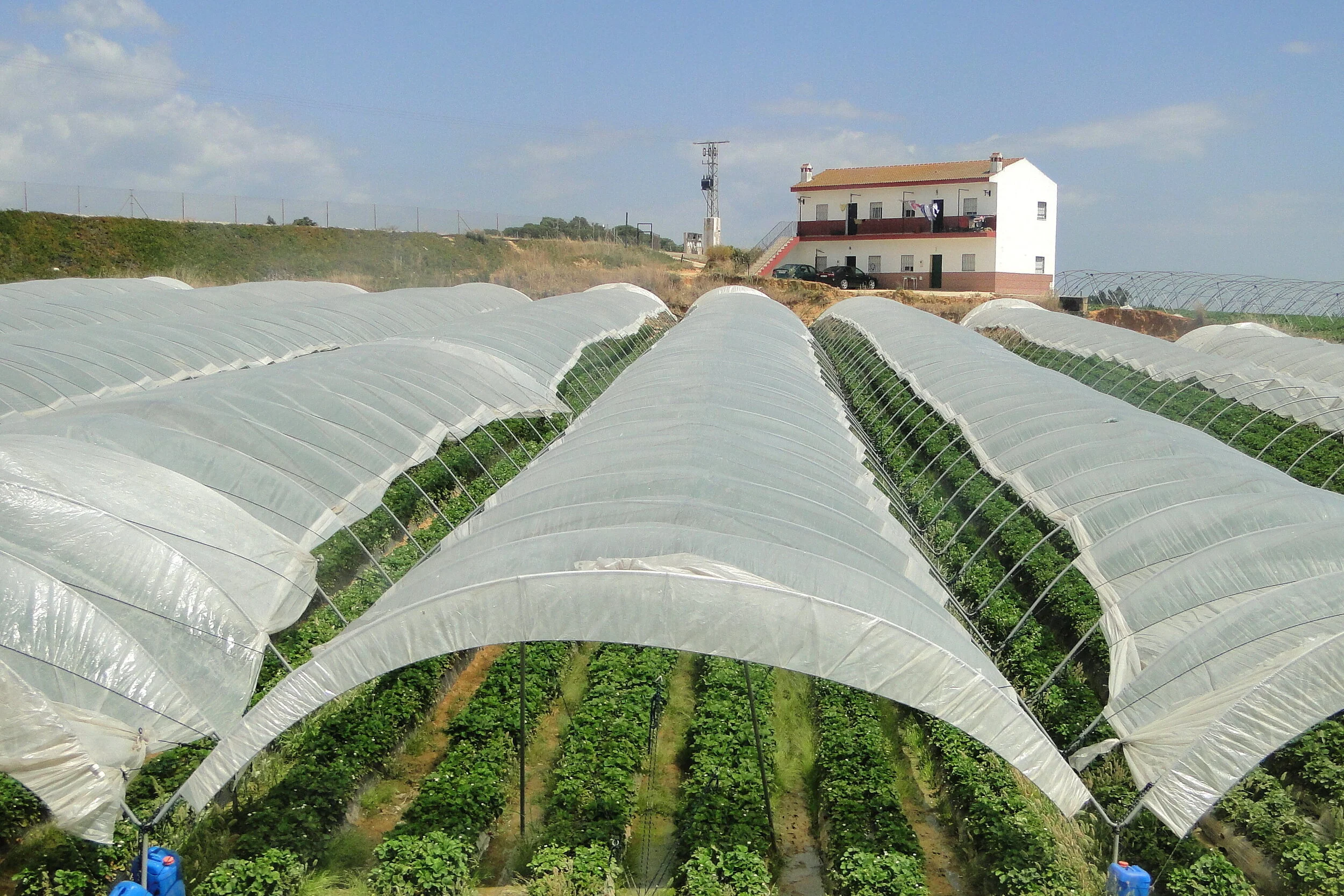
Strawberry fields in Spain, such as this one near Palos de la Frontera, supply 90% of Europe’s strawberries. Adam Jones, Ph.D./Global Photo Archive/Flickr. CC BY-SA 2.0.
The Dark Side of Spain’s Strawberry Fields
On July 1, Reuters reported that thousands of Moroccan women were brought over to Spain’s southern Huelva province as essential workers to harvest strawberries in the midst of the coronavirus pandemic. These women were housed in “abysmal conditions and without basic hygiene,” according to Olivier De Schutter, the United Nations Special Rapporteur on extreme poverty and human rights. De Schutter told Reuters that the migrant workers are housed in overcrowded settlements with “poor access to water and sanitation … no ventilation of work spaces ... absence of cleaning of any surfaces or objects.” CNN reported that more than 7,000 Moroccan workers are now stranded in Huelva province after Morocco closed its borders in order to stem the spread of COVID-19. The workers, desperate to get home to their families, have no money and nowhere to go.
The exploitation of Moroccan migrant workers—women in particular—in Spain is not new, but during the middle of a global pandemic the disregard for the migrant workers’ lives is made more apparent.
For years, Moroccan women have reported that they have been sexually assaulted and harassed, abused, forced to work in unsafe conditions, and not been paid their full wages. Many of these reports come from workers on the strawberry farms.
Spain is the largest exporter of strawberries in the European Union. The fruit is so vital to Spain’s economy that it is sometimes called “red gold.” The strawberry farms in Huelva produce 97% of the summer fruit. “The delicate fruits - which sell for around 3 euros per kilogram in Spanish supermarkets - are harvested by the hands of thousands of migrant workers, including between 14,000 and 19,000 temporary laborers from Morocco. During harvest, workers often live in crowded huts on the farm and rarely get a glimpse of life beyond the strawberry fields,” according to Middle East Eye.
In 2001, Spain and Morocco signed a labor agreement granting Moroccan women temporary visas to harvest fruit in Spain under specific conditions: the women had to be poor and they had to be mothers. These requirements ensure that the women are desperate for work and will not stay in Spain as they have a family they have to get back to in Morocco.
In July 2019, The New York Times reported on the exploitation of Moroccan women on Spanish strawberry farms. 10 women who worked on the Donana 1998 d’Almonte farm filed lawsuits that included “accusations of sexual harassment and assault, rape, human trafficking and several labor violations.” The women had been promised high wages, training and accommodations with a kitchen and washing machine with four women per room. Instead, the women lived in dusty, overcrowded rooms with windows covered in cardboard. “I felt like a slave. Like an animal. They brought us to exploit us and then to send us back. I wish I drowned in the sea and died before arriving in Spain,” one woman told The New York Times.
Workers’ unions and human rights groups like Women’s Link Worldwide are advocating on behalf of the Moroccan women. On June 3, Women’s Link and seven other organizations sent an urgent report to the U.N. warning of the risk COVID-19 poses for the Moroccan women and other seasonal migrant workers on the strawberry farms. They have asked the U.N. “to issue a joint statement to the competent authorities of Spain and Morocco and the businesses involved demanding protection for the health and rights of migrant workers in Huelva.” Women’s Link further specified that the protections should be long term and not last only for the duration of the coronavirus pandemic.
In 2019, Women’s Link represented four women who had been hired to work in Huelva in 2018. The four women were told they would have continuous employment for three months and a trial period of 15 days, with housing provided at no extra cost. When the women arrived in Spain, they discovered the conditions were not what they had been promised. In addition to having an unpaid trial period that would last an entire month, the women were expected to work longer hours for less pay, and the cost of accommodation would be deducted from their wages. According to Women’s Link, the four women also “reported the sexual harassment they suffered at the hands of the field manager.”
The field manager in question is currently under investigation and is awaiting trial by a court in the town of Moguer.
Asiya Haouchine
is an Algerian-American writer who graduated from the University of Connecticut in May 2016, earning a BA in journalism and English. She was an editorial intern and contributing writer for Warscapes magazine and the online/blog editor for Long River Review. She is currently studying for her Master’s in Library and Information Science. @AsiyaHaou
Asiya Haouchine
The Spirit of Morocco: Music, Architecture, and Living Heritage
There is more to Morocco than the gorgeous sand dunes of Merzouga in the Sahara or the majestic Atlas Mountains of the Maghreb region. Morocco’s music can take you on a journey through Spain, with flavors of Berber, hints of Arabic, and the Saharan style. Its architecture is a show stopping feature of pisé buildings, the finesse of Moorish exiles, and a glimpse into the Islamic influence of the Idrisid dynasty. The people bring craftsmanship and skill to their communities, combining history and culture in a way only Morocco can do.
Read More
Location: Morocco / Ait Ben Haddou
Shot / Edit / Grade by Laurent Tixhon
Beyond The Kasbah
In Morocco, the word Kasbah is used to reference a bustling city center, a citadel, something kept apart from its rural counterparts.
Read MoreLights of the Medina
This video depicts the famous medinas in Marrakesh, Morocco. The medinas are huge hubs of commerce for locals and tourists. Every sort of product can be found in the medinas, such as food, clothes, souvenirs, performances, etc.
Read MoreWinds from Morocco
This video captures scenes in Morocco ranging from the deserts to the cities.
Read MoreFinding Myself in Morocco’s Hammam Rituals
Complete submersion in a world far different from your own can be overwhelming. But when met with a cup of mint tea, it can be a life-changing adventure.
Read MoreMorocco: The Color of Tough
It was the cemeteries that first spoke to me.
Read More