
Known for clear blue waters and a rich history, the beach towns along the shores of Croatia offer a look into the country’s blended cultures and charming coastal attractions.
Read MoreThe 10 Best Museums You’ve Never Heard Of
The world’s most popular museums are often overcrowded and overwhelming. Here are 10 of the world’s best museums that are less known but just as impactful.
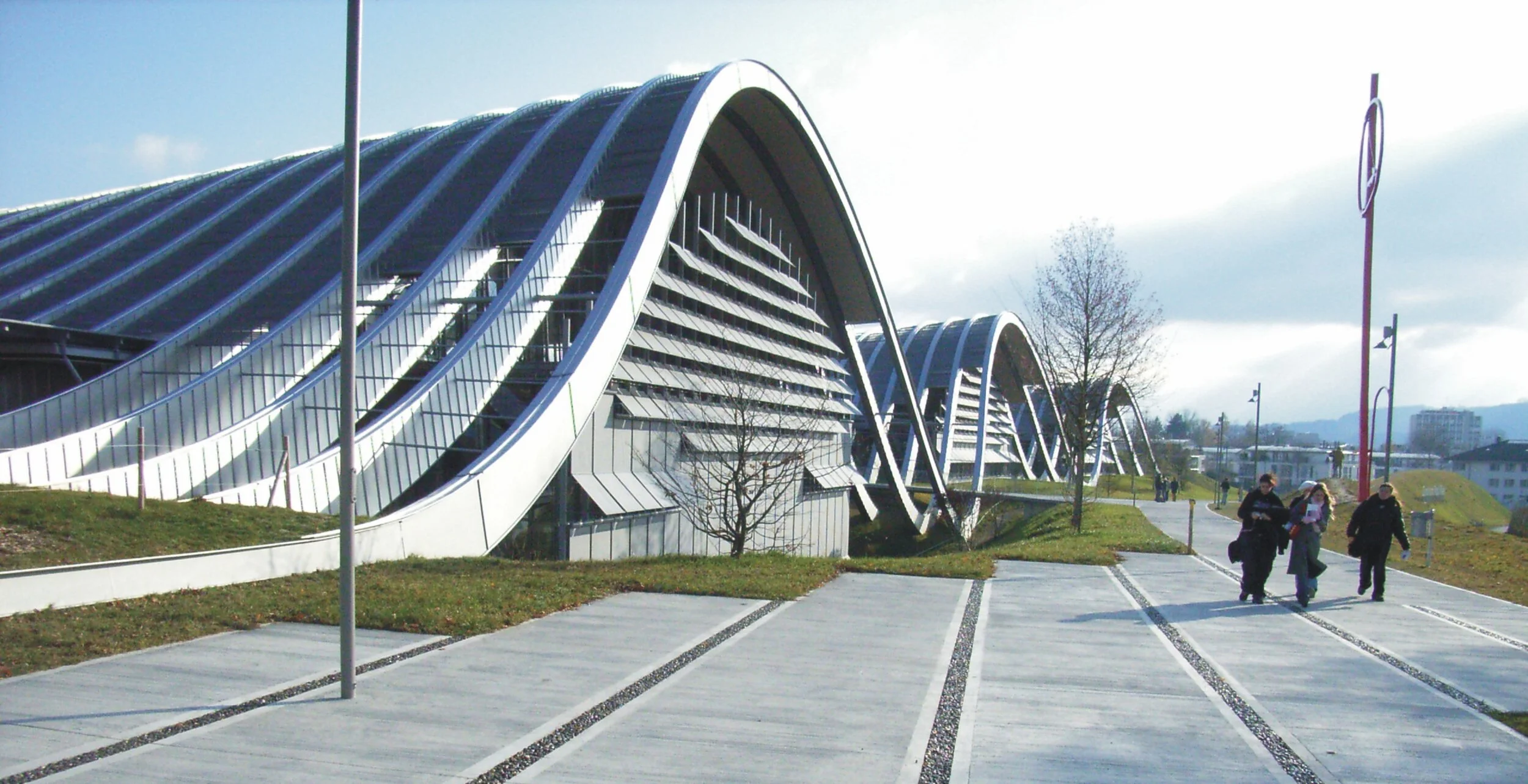
People walk by Zentrum Paul Klee in Bern, Switzerland. Lys Ippos. CC BY 3.0.
The most popular museums in the world—the Louvre, the Met, the Tate Modern—offer an incredible breadth of art, but are often crowded, congested and overwhelming. Lesser-known museums can offer exceptional art, culture and history, all without the lines and high volumes of other visitors. Here are 10 of the best museums around the world that fly under the radar and are home to unique and fascinating collections.
1. Louisiana Museum of Modern Art
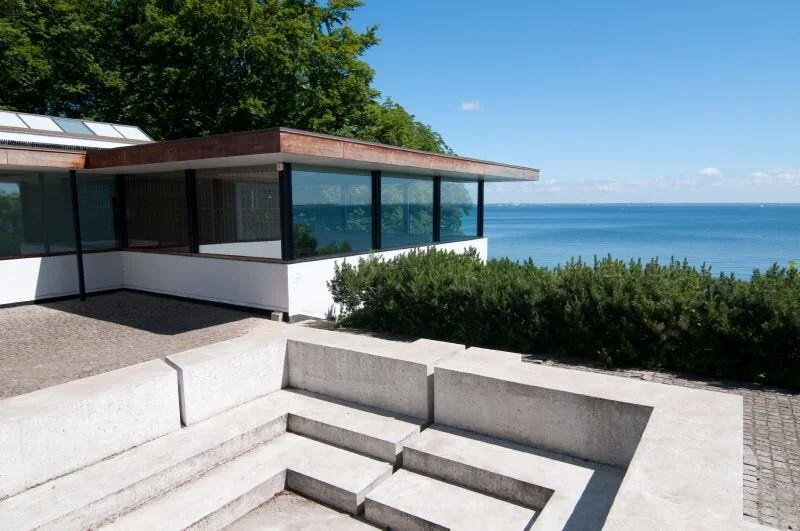
The exterior of the Louisiana on the Oresund Sound. CC BY 4.0. Kim Hansen.
The Louisiana, located outside of Copenhagen, Denmark, is home to one of the most immersive modern art collections in the world. In response to Danish museums turning away modern art, founder Knud W. Jensen created the Louisiana in 1958. The museum’s integration of indoor, outdoor and digital space allows visitors to move through art dynamically, fulfilling Jensen’s goal of a truly integrated art experience. This museum is also one of the only in the world with a permanent light installation from Yayoi Kusama, whose temporary installations in cities such as New York are almost impossible to get tickets for.
2. Museum of Broken Relationships
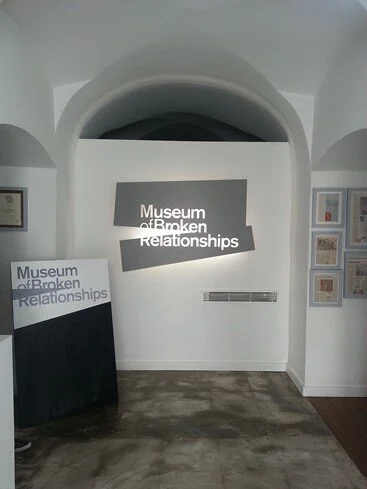
The Museum of Broken Relationships. CC BY 2.0. Pros Opee. CC BY 2.0.
This museum, created by artists Olinka Vistica and Drazen Grubisic, is located in Zagreb, Croatia, with a second gallery in Los Angeles. The museum’s mission is to create a shrine of symbolic possessions that commemorate and treasure humanity’s ability to love and to lose. While the Museum of Broken Relationships is a physically stunning museum, the heart of this project stems from its global engagement. The museum’s online component has space for everyone to share the story of their heartbreak. View the online portion of the museum here.
3. Pitt Rivers Museum
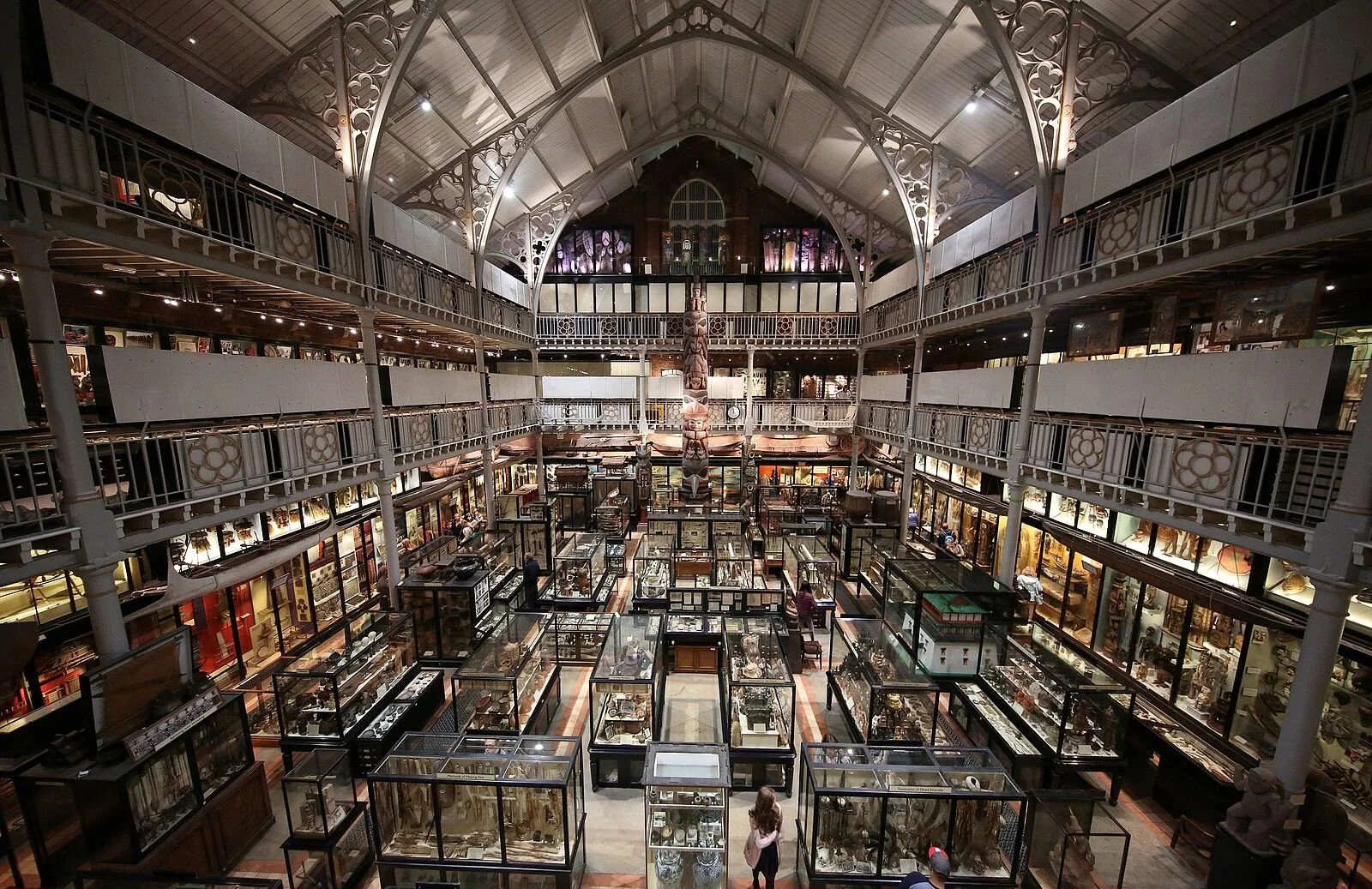
Interior of the Pitt Rivers Museum. Geni. CC BY 2.0.
The Pitt Rivers Museum in Oxford, England, is home to over half a million artifacts from around the globe. A fascinating collection of anthropological and archaeological items, the Pitt Rivers Museum is unique because of its organizational system for displays. Rather than grouping items together by period or people, the Pitt Rivers Museum groups items together by type, illustrating the commonalities between different peoples and histories throughout the world. You can visit the museum virtually today.
4. Tenement Museum
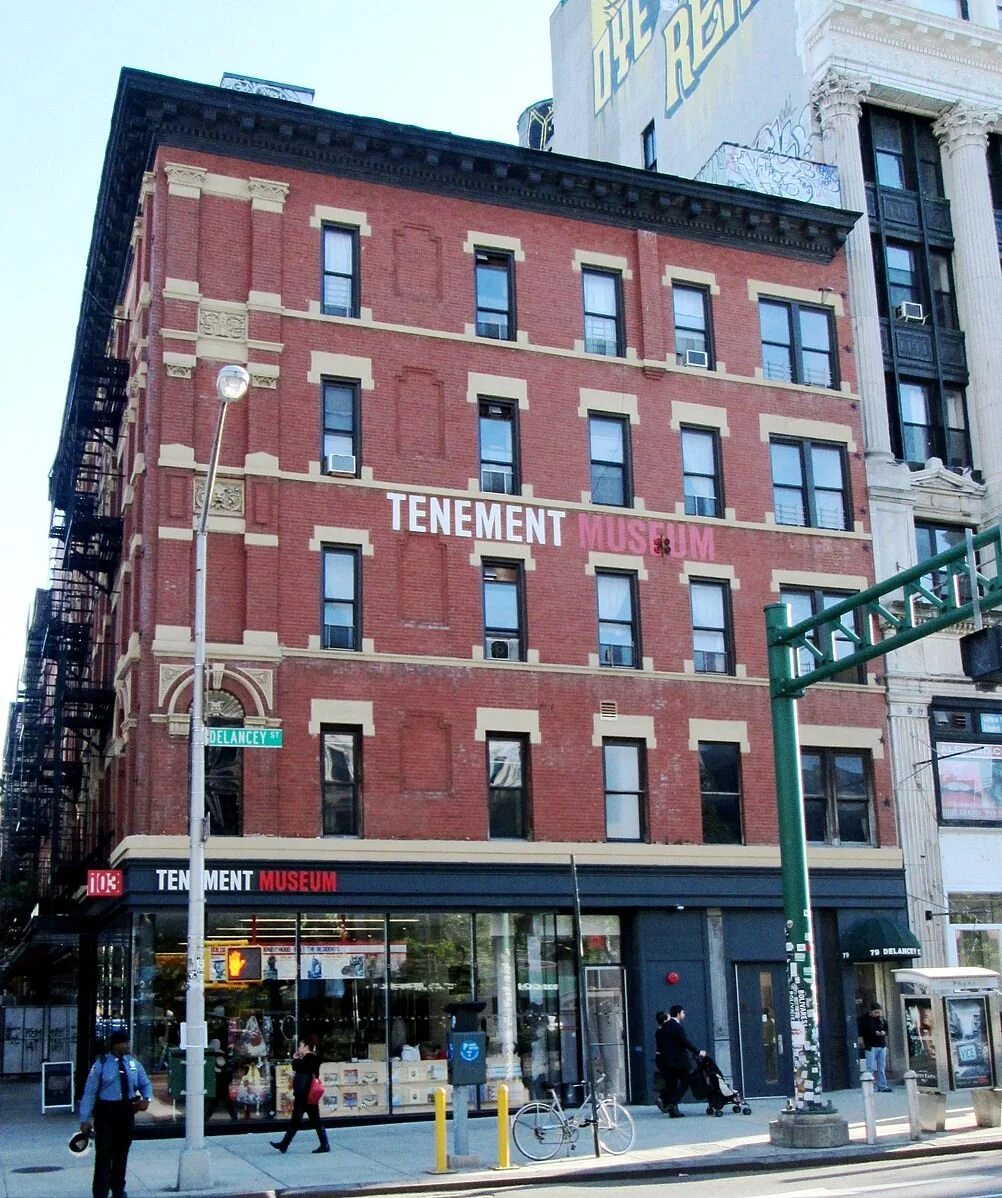
The Tenement Museum exterior. Beyond My Ken. CC BY 2.0.
The Tenement Museum in New York City is devoted to the history of immigration and migration to the United States. Located in a formerly dilapidated tenement building that was home to immigrant families between 1860 and 1930, historian Ruth Abram and social activist Anita Jacobsen built their museum around the stories of these families. In connecting public policy, oral history and immigrant narratives, the Tenement Museum offers a moving and topical exploration of recent history.
5. The Kunstkamera
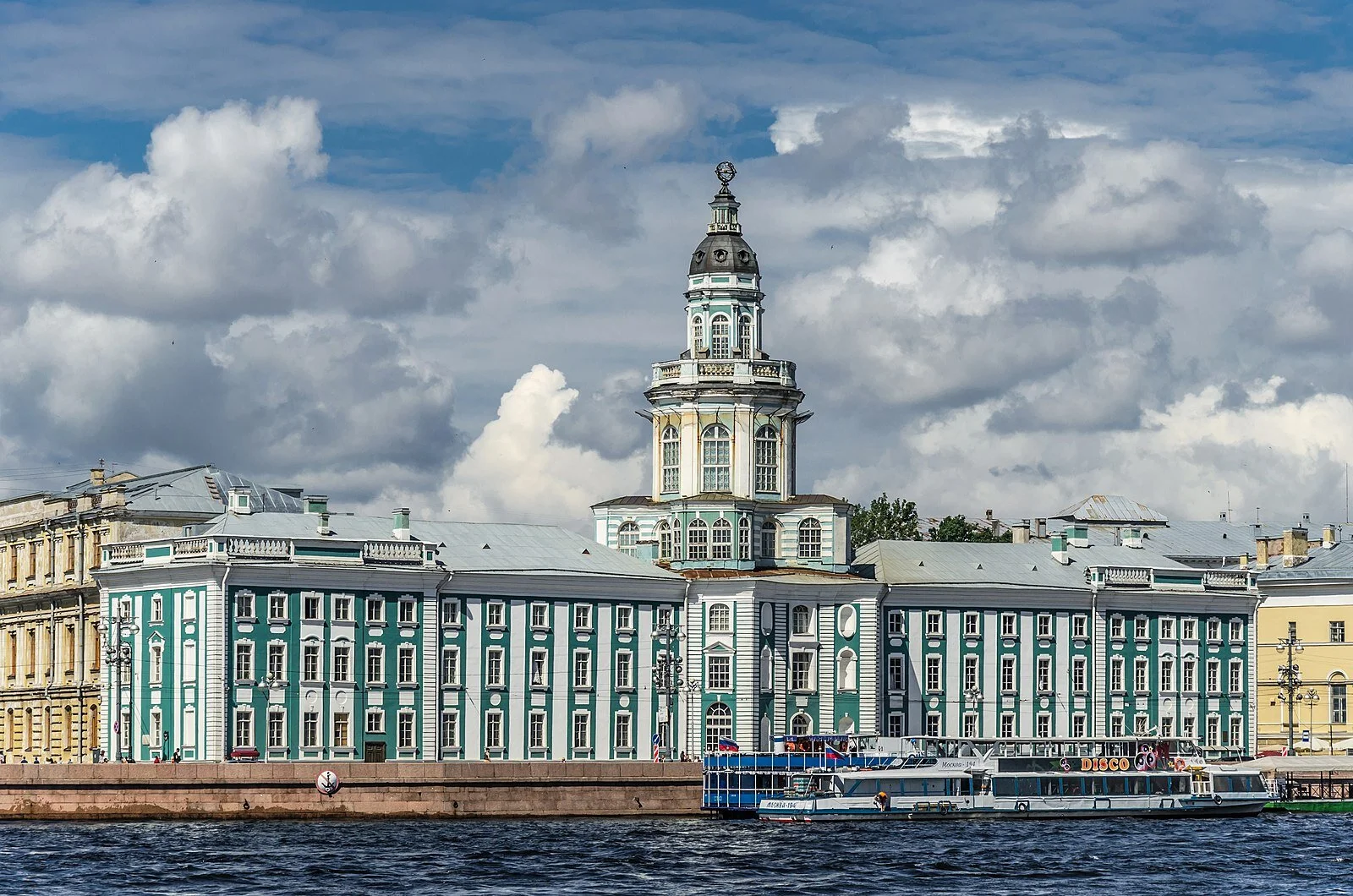
The Kunstkamera in St. Petersburg, Russia. Flor Stein. CC BY 4.0.
Established by Peter the Great at the beginning of the 18th century, the Kunstkamera’s collection comprises nearly 2 million oddities. Located in St. Petersburg, Russia’s first museum was founded with the goal of containing all of the world’s knowledge in one building. This massive collection remains relatively unknown outside of Russia, but offers one of the world’s most vast displays of global anthropology and ethnography.
6. Castello di Rivoli
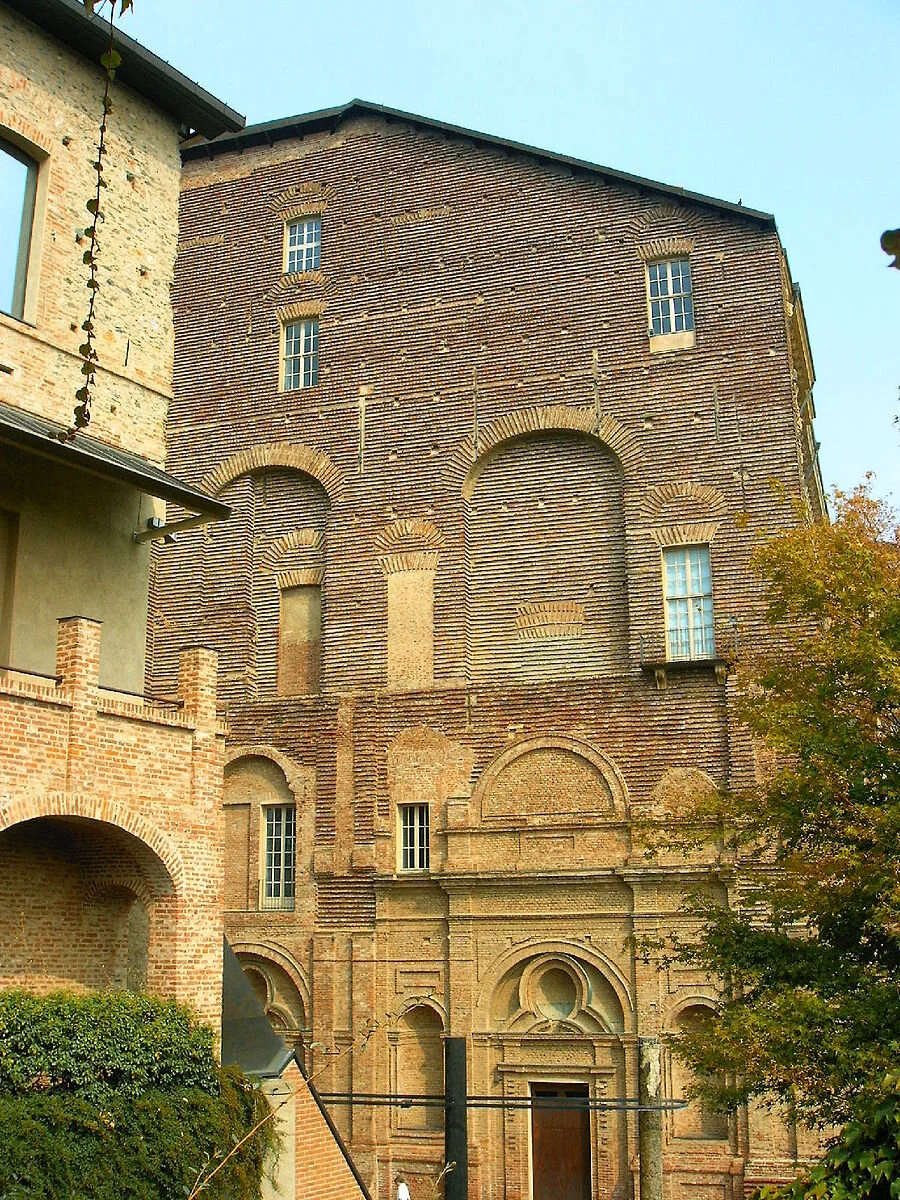
The facade of Castello di Rivoli. M. A. CC BY 2.5.
In 1984, the Castello di Rivoli became the first museum in Italy completely devoted to contemporary art. Located just outside of Turin, this museum is located in a UNESCO World Heritage Site. The castle buildings are open to the public and the modern art exhibitions within the castle walls are world-class, with the Castello di Rivoli also serving as one of the world’s premier art history research centers.
7. Zentrum Paul Klee

Zentrum Paul Klee exterior. Krol K. CC BY 3.0.
This museum, located in Bern, Switzerland, is dedicated to the work of artist Paul Klee. Klee’s artistic collection is remarkable in its own right with his groundbreaking exploration of color theory, but the draw of this museum is also the physical building. Designed by Italian architect Renzo Piano in 2005, the iconic building integrates the natural hilly landscape with metallic swoops and arcs that mirror Klee’s art. Check out the online exhibit, “Mapping Klee,” at this link.
8. Museum of Old and New Art
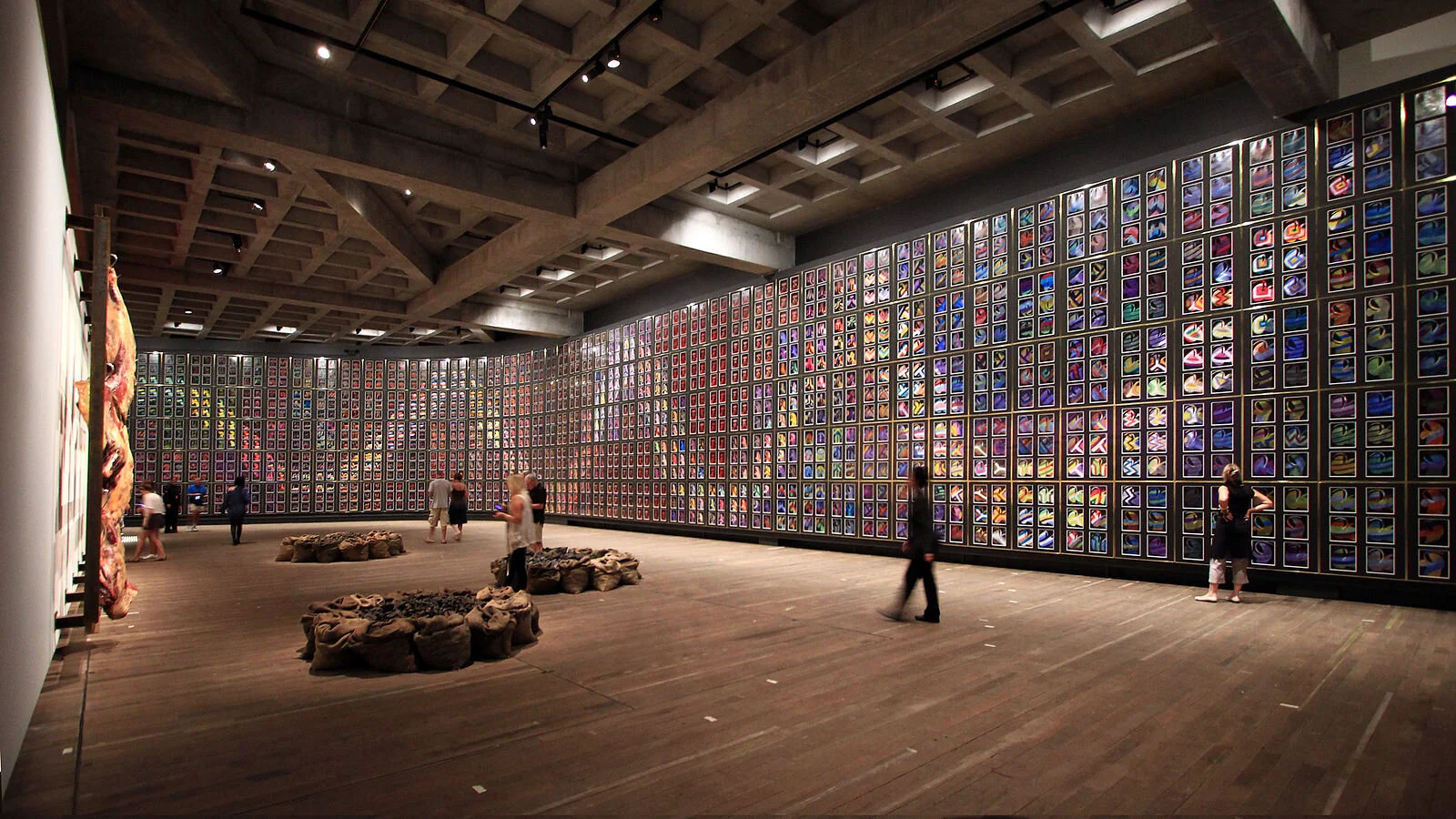
“Snake” by Sidney Nolan in MONA. Jeff Owens. CC BY 2.0.
MONA, the Museum of Old and New Art, is an ever-changing collection of ancient, contemporary and modern art. Located in Hobart on Australia’s island of Tasmania, the museum is built into a cliff and prioritizes multimedia installations, engagement with community-based art, and live performances. MONA elevates the museum experience by operating a winery, hotel and restaurant on-site that all mirror the museum’s ethos: fun.
9. Museum Willet-Holthuysen
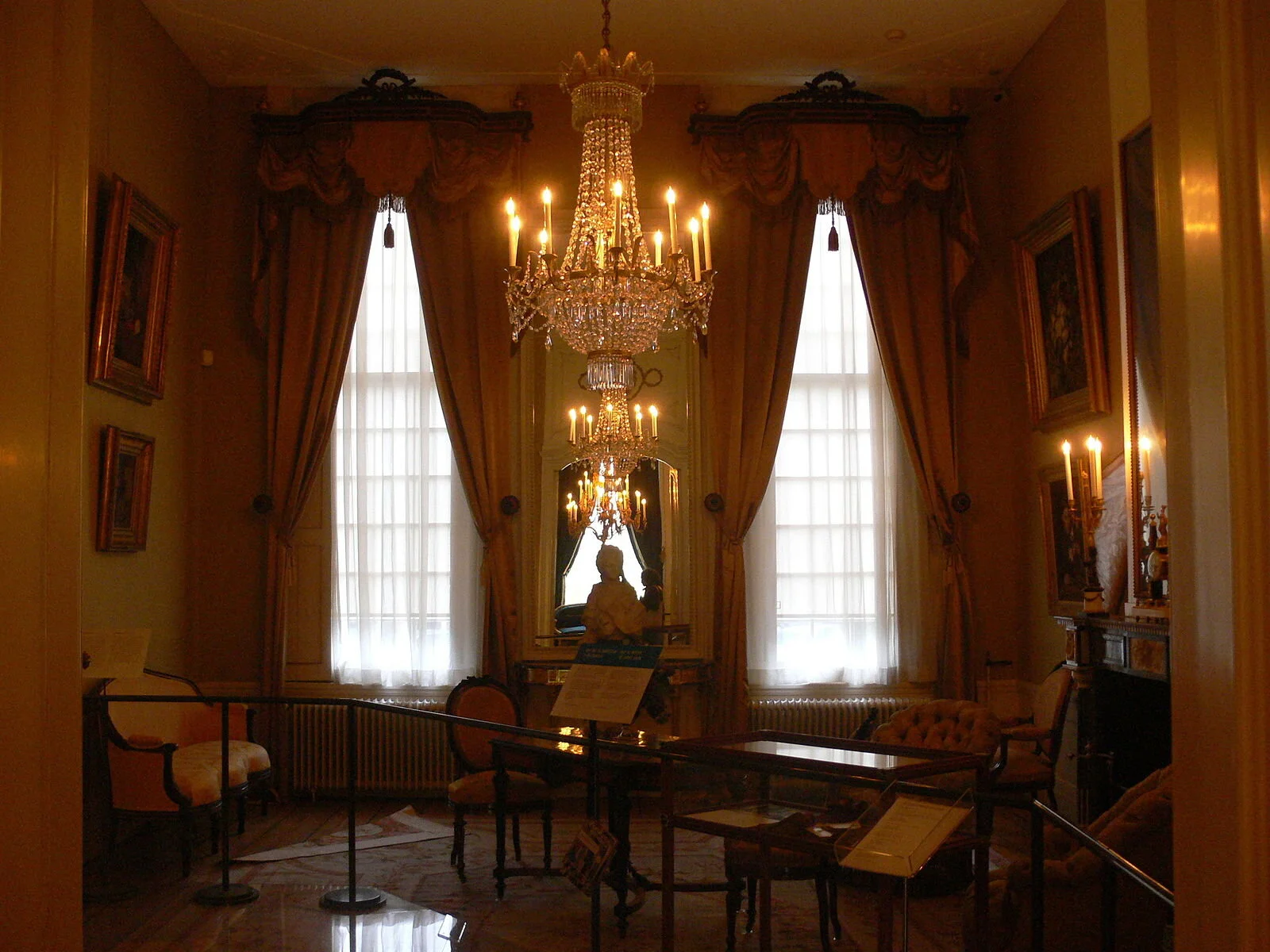
Interior of the Museum Willet-Holthuysen. Remi Mathis. CC BY 3.0.
The Museum Willet-Holthuysen is a homage to Amsterdam’s golden age. Built in 1687, this canal house was donated to the Dutch city in 1895. The 18th- and 19th-century room decor is still in its original condition, and the gallery walls are lined with paintings from the Willet-Holthuysen private collection, allowing many of the paintings to be displayed in their original historic setting. View part of the collection online here.
10. The Neon Museum
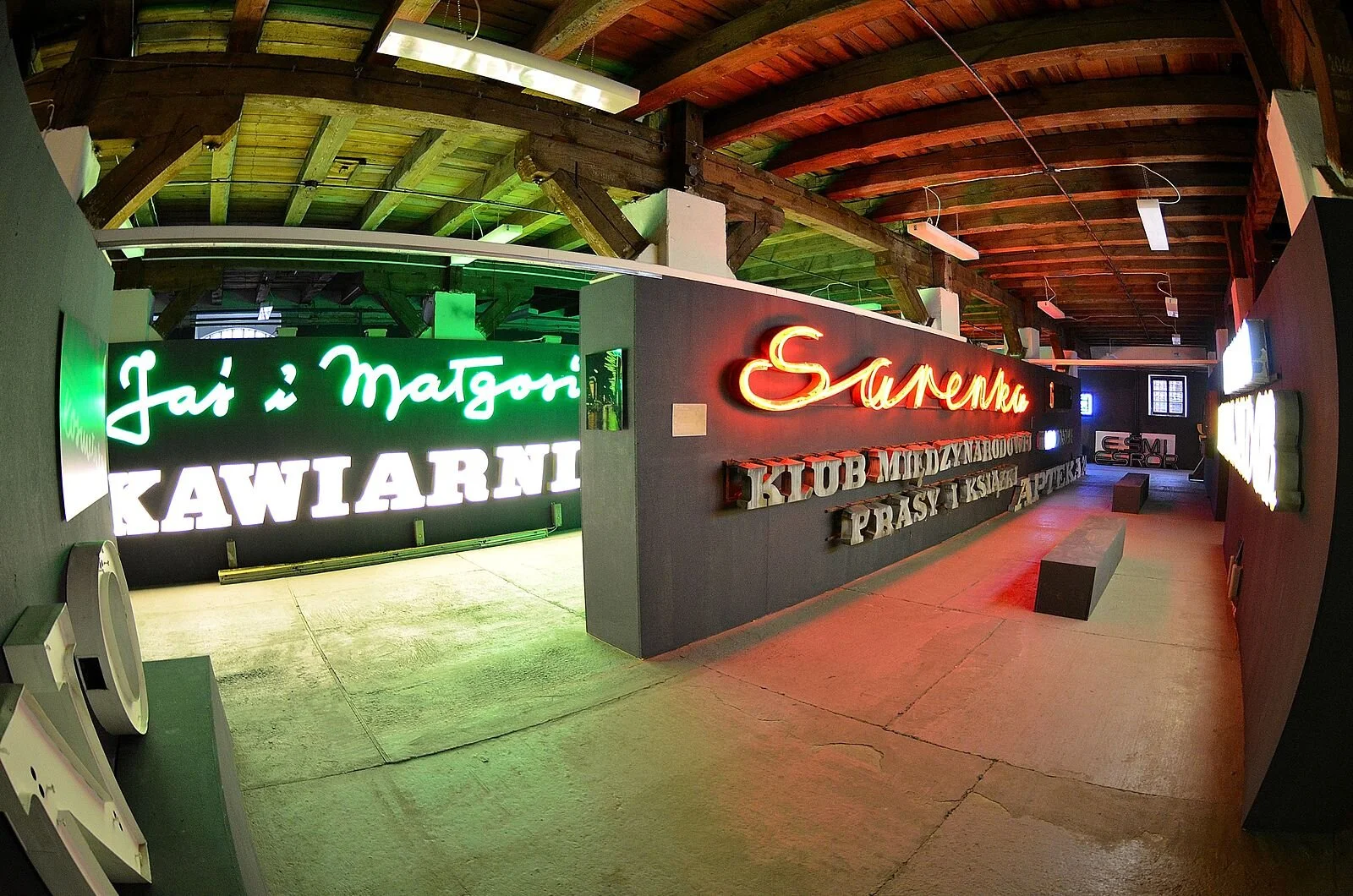
Signs in the Neon Museum. Adrian Grycuk. CC BY 3.0.
Since 2005, this museum in Warsaw, Poland, has been dedicated to the preservation of Cold War-era artifacts; namely, neon signage from the Soviet Union. In the Eastern Bloc, which included Poland, there was an official effort from the 1950s to the 1970s to “neonize” the state. The Soviet attempt to bring Western aesthetics to Eastern Europe has been preserved at the Neon Museum, where gallery walls are lined with an array of colorful relics.

Sarah Leidich
Sarah is currently an English and Film major at Barnard College of Columbia University. Sarah is inspired by global art in every form, and hopes to explore the intersection of activism, art, and storytelling through her writing.

A sign directs people to where they can cast their votes during an election. domesticat. CC BY-NC-SA 2.0
Elections Strive to Avoid Contributing to Upticks in Coronavirus
The coronavirus is one of democracy’s newest adversaries, especially when it comes to running elections. Although each country is subject to its own set of laws and customs during this formalized process, no one wants to let voting become another opportunity for virus numbers to spike. With governments dissuading large public gatherings and social distancing still being a critical asset to the prevention of COVID-19 across the globe, democratic countries need to organize upcoming voting events with new considerations in mind.
COVID-19 has been labeled by the World Health Organization as a pandemic since March 11, and many voting events have since come and gone. Although elections across the world have been postponed, there are some countries that have pursued the process anyway. The elections that have occurred are on both national and local scales and have been met with varying levels of success. The Council on Foreign Relations released a short video on the optimal way to have an election; although this organization is American and focuses on United States elections, the suggestions are broad enough to be applicable in most democratic countries and include an emphasis on mail-in ballots, careful fund management and safe-in person voting procedures. One of the best examples was South Korea, which on April 15 became the first country to attempt a national election. The country had the highest voter turnout for a parliamentary election in 28 years, with 66.2% of about 44 million registered voters casting ballots.
Prior to April 15, the country came out with a set of election guidelines that all voters and polling places would need to follow. This included the downloading of a self-quarantine app so voters’ movements could be tracked and social distancing at the voting stations. Voters had their temperatures taken on location, wore masks, and had gloves and hand sanitizer at their disposal. South Korea also made sure to account for people in quarantine and active COVID-19 patients, all of whom had to abide by additional voting guidelines. Despite all of these extra precautionary steps, one person reported that it took them less than 10 minutes to go through the whole voting process. When asked about why South Korea was so successful, many citizens said they had a lot of trust in the country’s actions involving the health care system. South Korea has recorded over 13,300 cases of the virus, but the number of new cases has not exceeded 80 since early April. Although an early voter in the city of Busan tested positive some time later, contact tracing later determined that only one person they came into contact with on Election Day had contracted the virus as well.
Other places have also attempted to hold large-scale voting events, although none of them quite as successfully as in South Korea. For example, Croatia ran a presidential election with a 46% voter turnout (average of 53%), and Japan ran multiple elections as well. Tokyo’s election for governor resulted in about 52% of eligible people coming out, just above the average gubernatorial election turnout rate of 48%. In Poland, the presidential election was originally scheduled to occur in early May and would have been Europe’s first try at a presidential election since the pandemic. The country attempted to modify the voting standards beforehand (it wanted to offer more remote voting options so that there would be less crowding at polling places) but long-established laws prevented the country from making major changes to the process less than six months before the scheduled election. There was some conflict between the parties about the timing of the election—the incumbent party wanted a quick, on-time election while the challenging candidates asked for a delay—that ultimately resulted in the vote being postponed to June 28 and done with a larger number of postal ballots than the country had seen before.
With a string of elections still on the horizon for this year, now-completed elections offer a template to copy or learn from, ultimately proving that safe voting is doable despite the pandemic. There are ways to work around the dangers of congested polling stations and there is considerable value in encouraging people to vote remotely (if the laws allow for it). While online voting is still very vulnerable to potential cyberattacks and other security concerns, postal ballots are an effective alternative. Safe and sanitary in-person voting is potentially the greatest universal asset for elections going forward. Although there are a multitude of factors that must be addressed when organizing elections, it is clear that ultimately, with sufficient and well-allocated resources, voter turnout does not necessarily have to suffer during this pandemic.

Phoebe Jacoby
is a Media Studies major and Studio Art minor at Vassar College who believes in the importance of sharing stories with others. Phoebe likes to spend her free time reading, drawing, and writing letters. She hopes to continue developing her skills as a writer and create work that will have a positive outward effect.
CROATIA: Aging Wine at the Bottom of the Sea
In the southern part of Croatia, in the peninsula of Pelješac, one winery is taking their love of wine *deep*—75 feet below the Mediterranean Sea's surface. Wanting to combine his two favorite pastimes, winemaker and scuba diver Edi Bajurin built an underwater winery, with custom cages and secure clay amphora that store the bottles for a year and a half. But why underwater? For Edi, the ocean’s “silence” bestows and blesses wine with a certain richness unlike anything found above ground.