
The story of the submerged Isle de Jean Charles and the residents impacted by rising sea levels, environmental disasters and government actions.
Read MoreCancer Alley: Fighting For Environmental Justice in Louisiana
Petrochemical plants have been polluting an area of Louisiana known as Cancer Alley for years, and now the residents there are taking action.
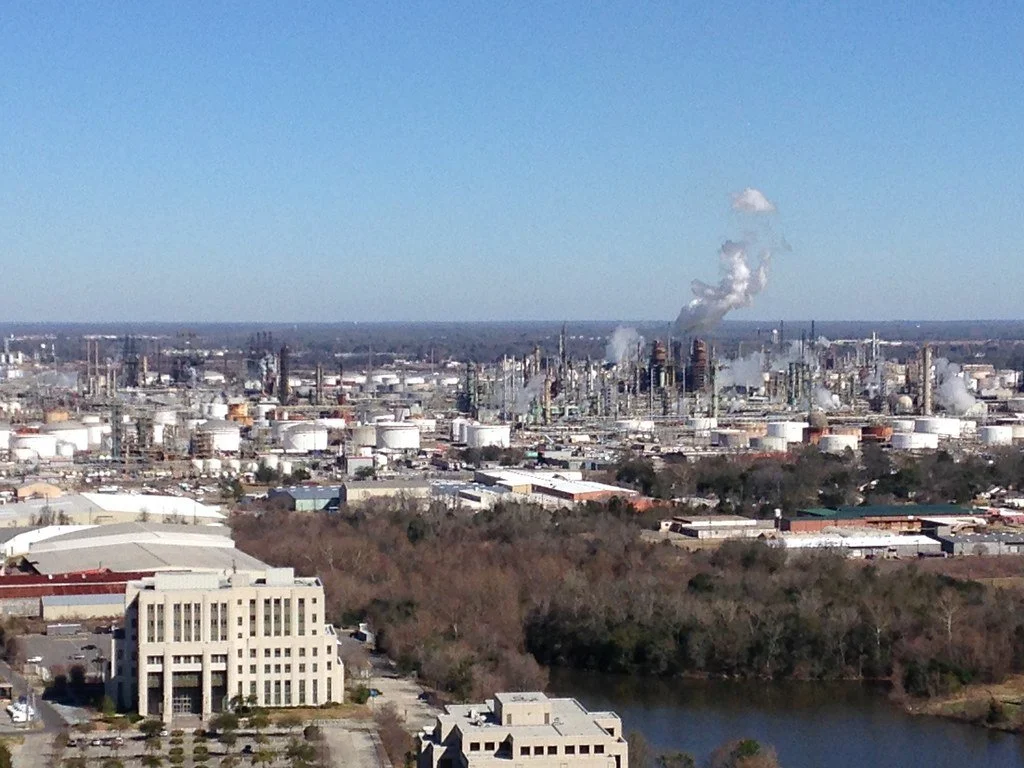
The petrochemical plants of Cancer Alley. GinesAlberto. CC BY-NC-ND 2.0.
Along an 85 mile stretch of the Mississippi River between New Orleans and Baton Rouge, Louisiana, the landscape is dotted with petrochemical plants. They were built in the 1980s, when it was thought the plants would bring an economic boom to the region. Now, the residents of the region, known as Cancer Alley, believe that the preponderance of petrochemical plants have caused great harm to their communities.
Today, Cancer Alley contains 25% of the United State’s petrochemical plants. The concentration of petrochemical plants in the area has resulted in widespread pollution. The state of Louisiana produced 145.9 million pounds of toxic waste in 2018, with much of it coming from the petrochemical plants of Cancer Alley. The chemical chloroprene is especially prone to increasing the risk of cancer, as is benzene. Over the course of 2019, the ExxonMobil Baton Rouge Refinery and Chemical Plants increased its release of benzene from 6.5 micrograms per cubic meter to 8.5 micrograms per cubic meter.
The widespread pollution of the region has led to health disparities among its residents. Emissions from a chloroprene manufacturing plant in St. John the Baptist Parish have caused the area around it to have a cancer risk 700 times above the national average. And while there may be a dispute about the true connection between the pollution and cancer rates—research has shown that of over 400 cancer clusters examined in the last 20 years, only one can be identified as a true cancer cluster—there is no dispute that the cancer disproportionately affects impoverished and Black communities.
Cancer Alley is 40% Black, compared to 12% nationally. Over 79 census tracts in Jefferson, St. John the Baptist, East Baton Rouge and Orleans Parishes report being 90% Black and extremely low household income. Those living low-income census tracts have a cancer risk of 12% more than those living in high-income tracts, and those living in predominantly Black areas have a 16% elevated risk of cancer compared to those in predominantly white areas.
Petrochemical companies have traditionally taken advantage of the impoverished communities of the region, building their plants there without the regard for the local communities. They also employ surprisingly few residents of the local community, with a 1995 survey revealing that only 9% of the jobs at those plants were held by local residents. The communities surrounding those plants have now had enough. They are starting to organize to prevent further expansions of the petrochemical industry in the area and are holding the companies accountable for the amount of pollutants that they release.
In 2018, Louisiana’s Department of Environmental Quality granted Formosa, a Taiwanese petrochemical company, approval to build a new plant in St. James Parish. When Sharon Lavigne first heard of those plans, she immediately expressed her disapproval and turned her outrage into a grassroots community organization RISE St. James. That group opposes the new construction or expansion of petrochemical plants in Cancer Alley.
Other efforts have also been made to oppose the petrochemical companies. In St. Gabriel, residents pushed to incorporate their town in the 1990s so the residents themselves could control building permits in the area, rather than county officials working an hour’s drive away. That effort was successful, and in 2015, the municipal government denied a Chinese company’s request to build an industrial complex. In 2017, the town also denied an expansion by hazardous waste incinerator Absorbent Solutions.
However, unincorporated communities do not have the ability to push back against new plants, and the county and state government have a history of ignoring concerns of the local communities of Cancer Alley. In fact, UN experts have called the government policy regarding Cancer Alley to be a prime example of environmental racism. However, the outlook is changing, as the EPA is opening a civil rights investigation over pollution in Cancer Alley, examining whether the factors that cause the preponderance of petrochemical plants in the region violate the rights of African Americans. In a victory for RISE St. James, the Army Corps suspended the permit for the Formosa plant on October 4, 2020.

Bryan Fok
Bryan is currently a History and Global Affairs major at the University of Notre Dame. He aims to apply the notion of Integral Human Development as a framework for analyzing global issues. He enjoys hiking and visiting national parks.
The 10 Best Museums You’ve Never Heard Of
The world’s most popular museums are often overcrowded and overwhelming. Here are 10 of the world’s best museums that are less known but just as impactful.
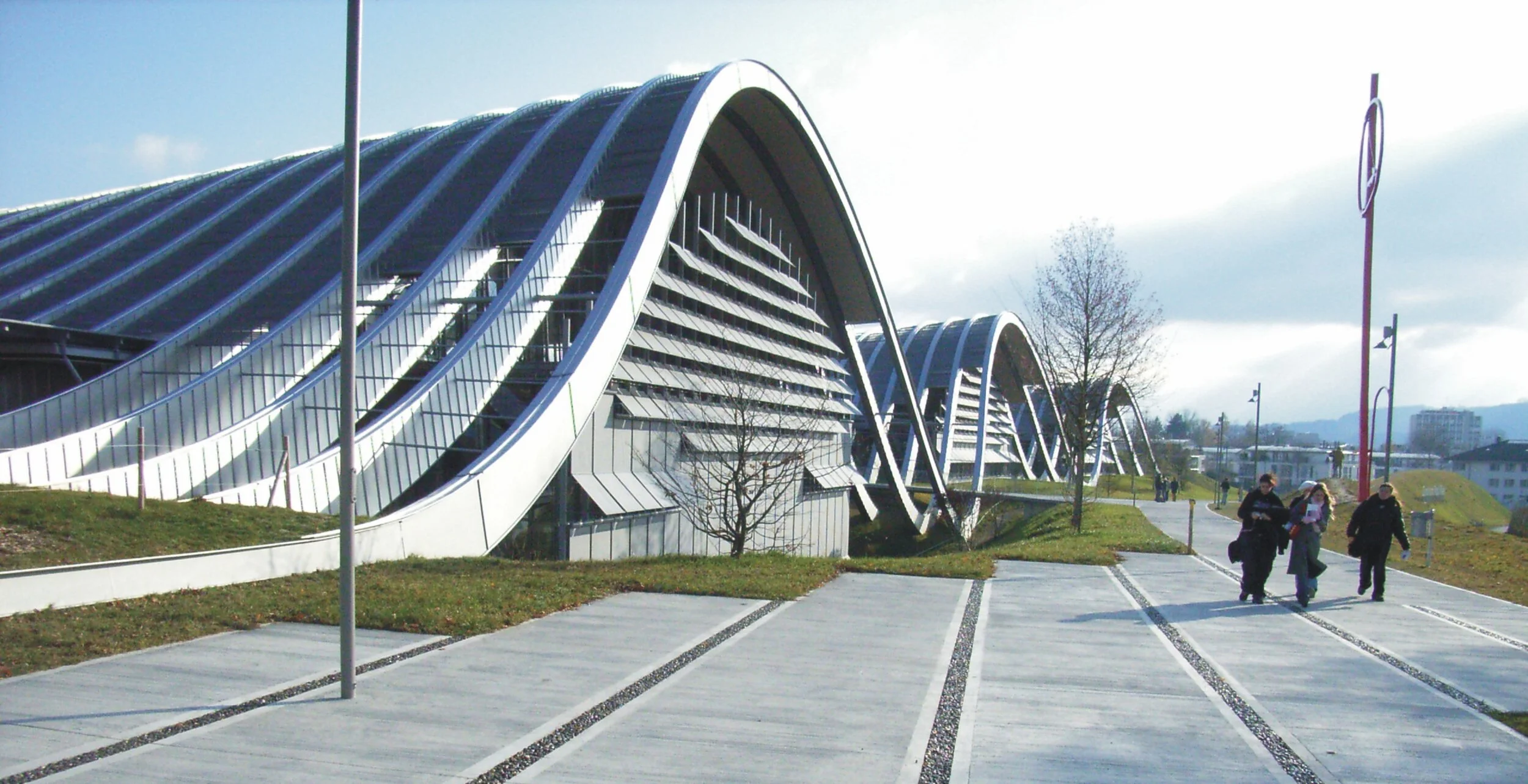
People walk by Zentrum Paul Klee in Bern, Switzerland. Lys Ippos. CC BY 3.0.
The most popular museums in the world—the Louvre, the Met, the Tate Modern—offer an incredible breadth of art, but are often crowded, congested and overwhelming. Lesser-known museums can offer exceptional art, culture and history, all without the lines and high volumes of other visitors. Here are 10 of the best museums around the world that fly under the radar and are home to unique and fascinating collections.
1. Louisiana Museum of Modern Art
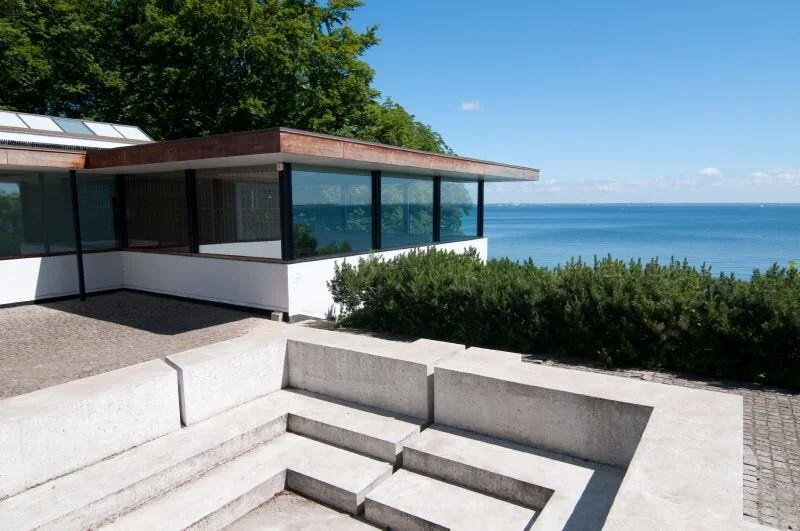
The exterior of the Louisiana on the Oresund Sound. CC BY 4.0. Kim Hansen.
The Louisiana, located outside of Copenhagen, Denmark, is home to one of the most immersive modern art collections in the world. In response to Danish museums turning away modern art, founder Knud W. Jensen created the Louisiana in 1958. The museum’s integration of indoor, outdoor and digital space allows visitors to move through art dynamically, fulfilling Jensen’s goal of a truly integrated art experience. This museum is also one of the only in the world with a permanent light installation from Yayoi Kusama, whose temporary installations in cities such as New York are almost impossible to get tickets for.
2. Museum of Broken Relationships
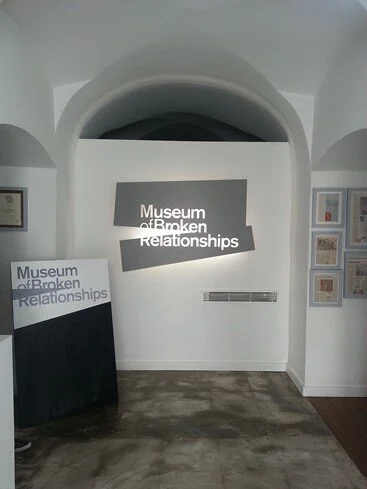
The Museum of Broken Relationships. CC BY 2.0. Pros Opee. CC BY 2.0.
This museum, created by artists Olinka Vistica and Drazen Grubisic, is located in Zagreb, Croatia, with a second gallery in Los Angeles. The museum’s mission is to create a shrine of symbolic possessions that commemorate and treasure humanity’s ability to love and to lose. While the Museum of Broken Relationships is a physically stunning museum, the heart of this project stems from its global engagement. The museum’s online component has space for everyone to share the story of their heartbreak. View the online portion of the museum here.
3. Pitt Rivers Museum
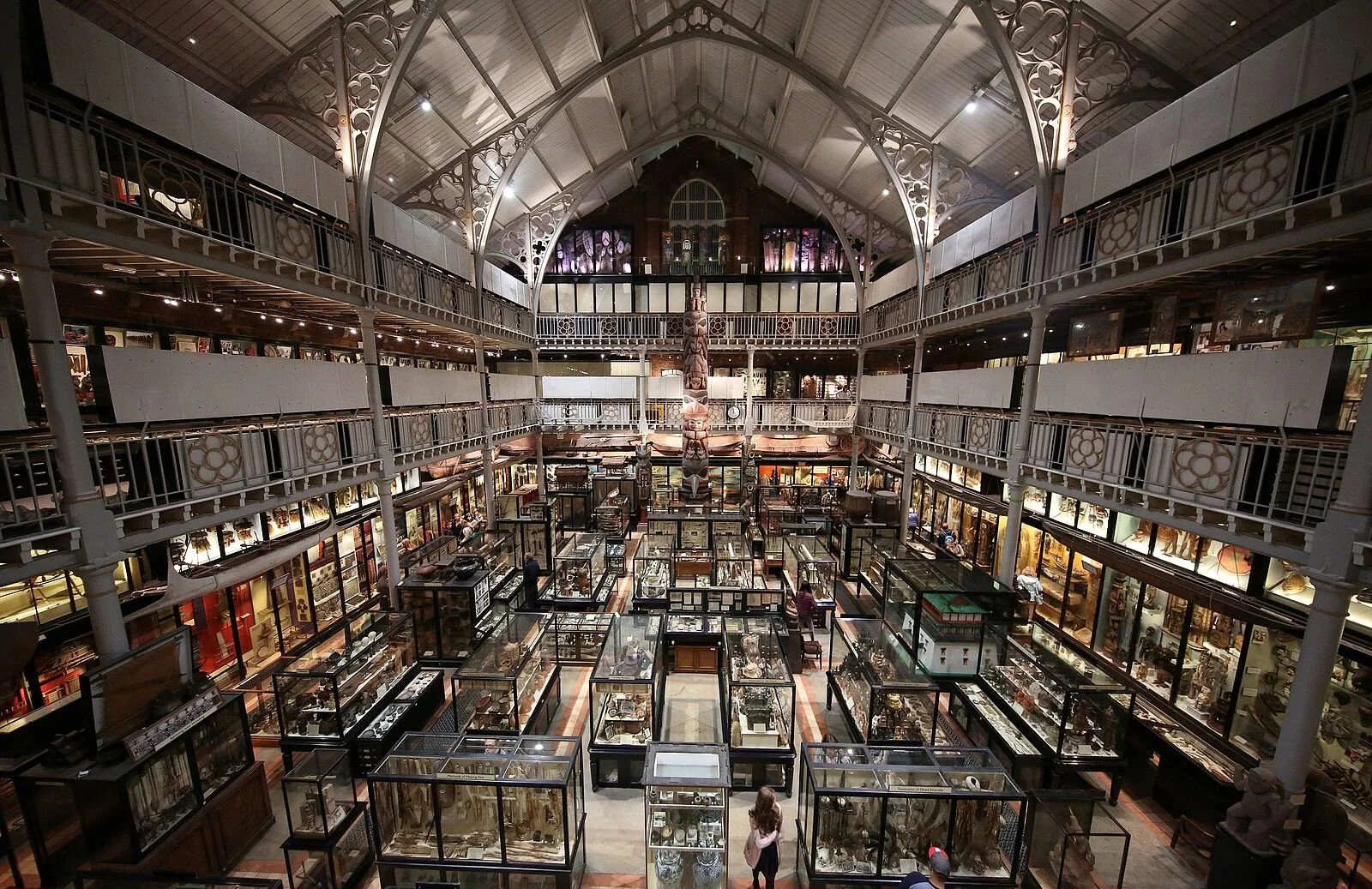
Interior of the Pitt Rivers Museum. Geni. CC BY 2.0.
The Pitt Rivers Museum in Oxford, England, is home to over half a million artifacts from around the globe. A fascinating collection of anthropological and archaeological items, the Pitt Rivers Museum is unique because of its organizational system for displays. Rather than grouping items together by period or people, the Pitt Rivers Museum groups items together by type, illustrating the commonalities between different peoples and histories throughout the world. You can visit the museum virtually today.
4. Tenement Museum
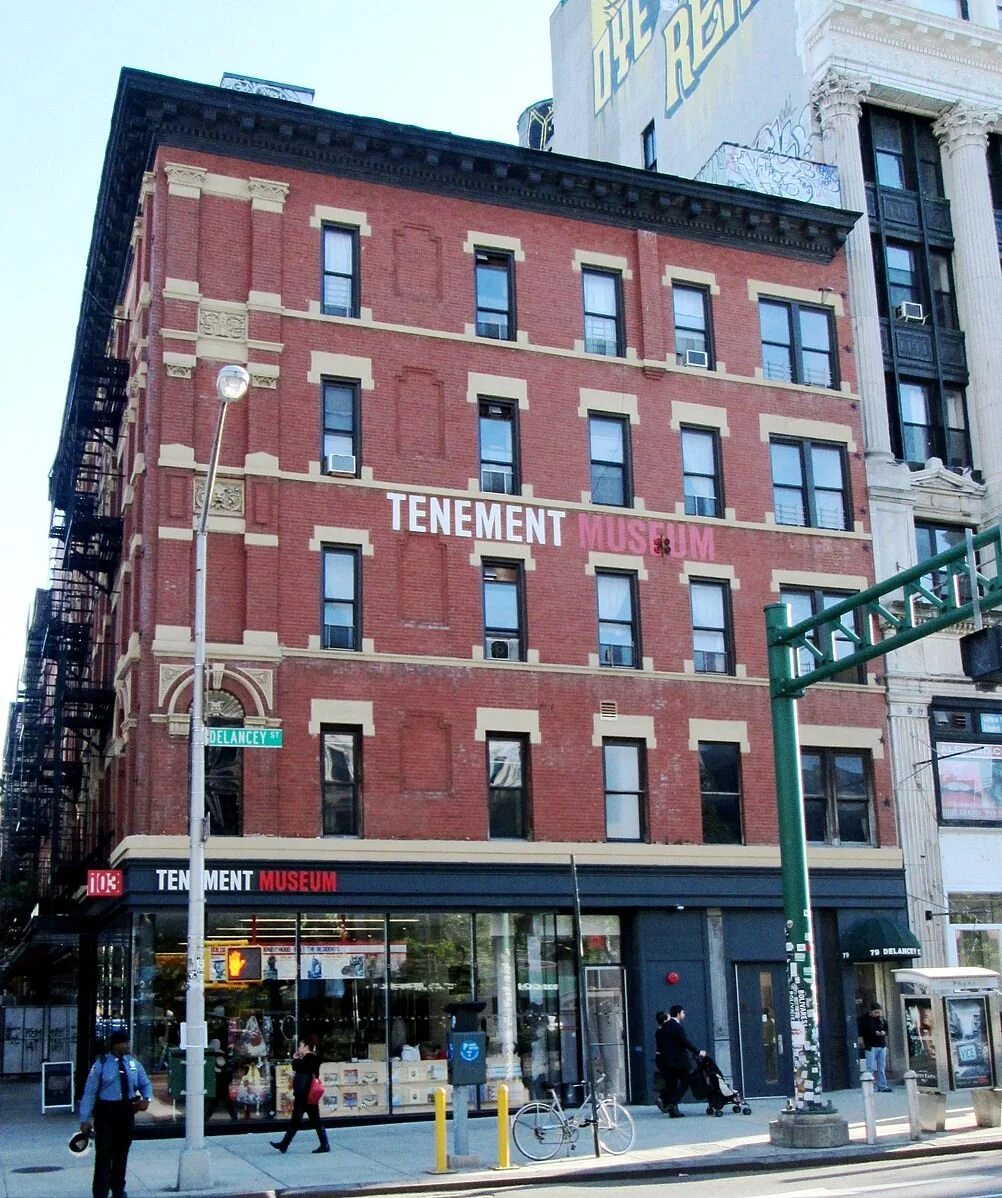
The Tenement Museum exterior. Beyond My Ken. CC BY 2.0.
The Tenement Museum in New York City is devoted to the history of immigration and migration to the United States. Located in a formerly dilapidated tenement building that was home to immigrant families between 1860 and 1930, historian Ruth Abram and social activist Anita Jacobsen built their museum around the stories of these families. In connecting public policy, oral history and immigrant narratives, the Tenement Museum offers a moving and topical exploration of recent history.
5. The Kunstkamera
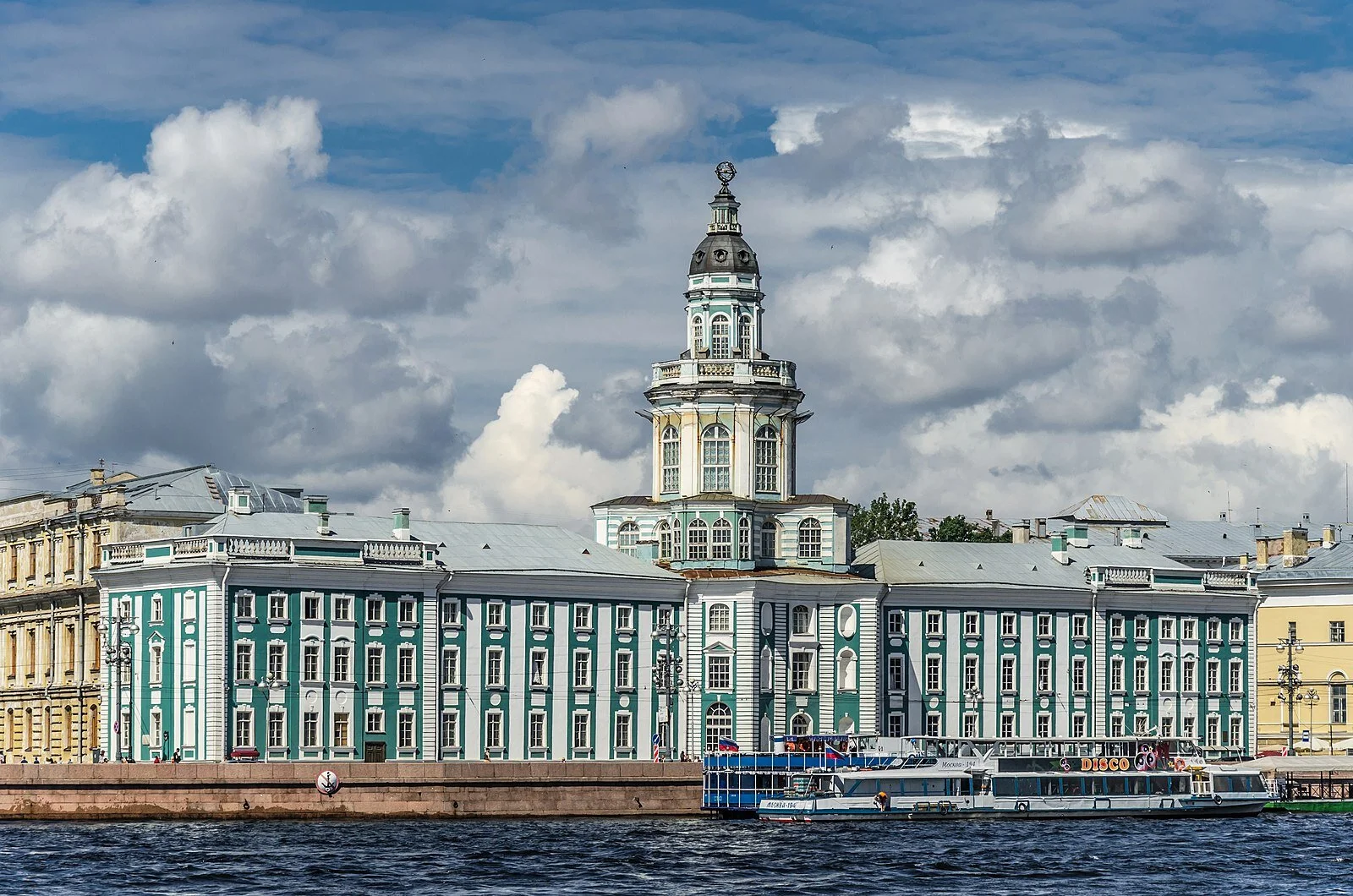
The Kunstkamera in St. Petersburg, Russia. Flor Stein. CC BY 4.0.
Established by Peter the Great at the beginning of the 18th century, the Kunstkamera’s collection comprises nearly 2 million oddities. Located in St. Petersburg, Russia’s first museum was founded with the goal of containing all of the world’s knowledge in one building. This massive collection remains relatively unknown outside of Russia, but offers one of the world’s most vast displays of global anthropology and ethnography.
6. Castello di Rivoli
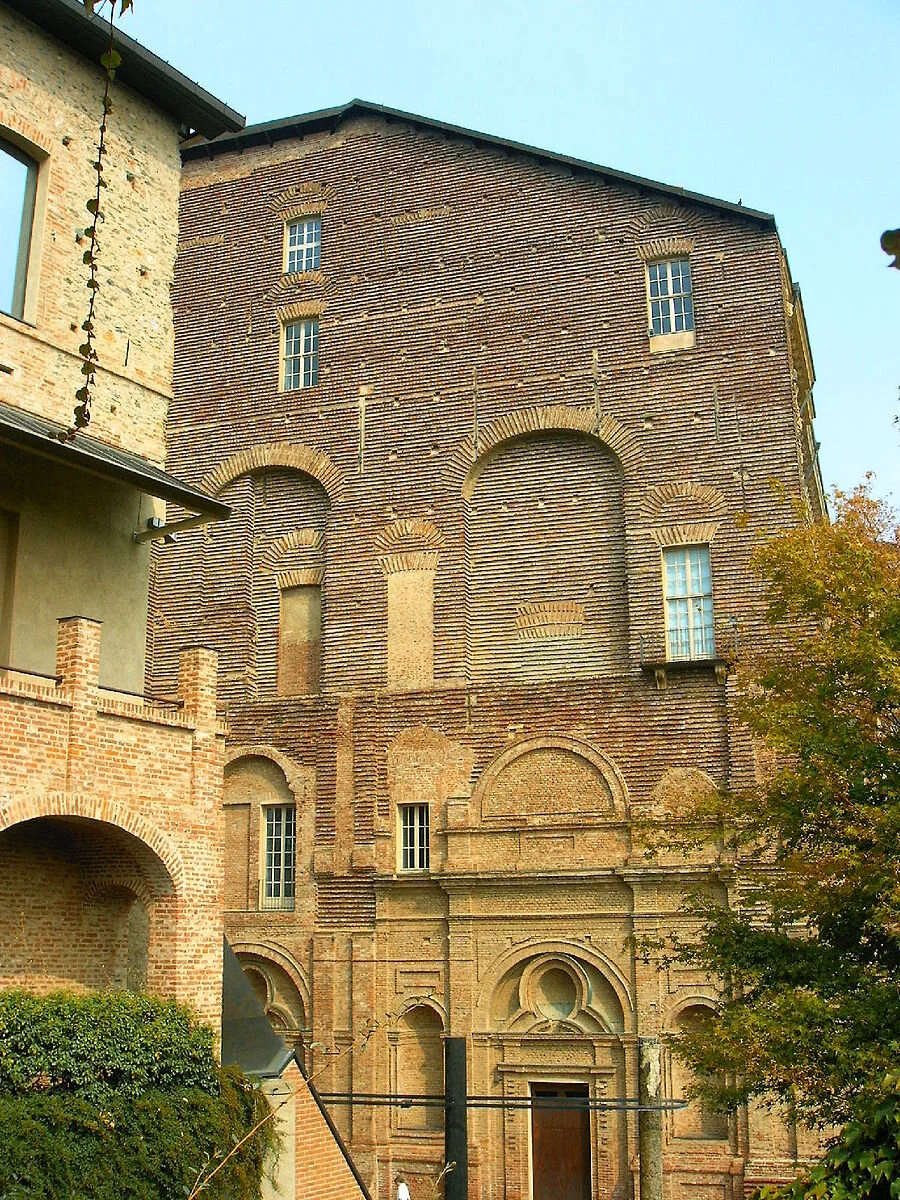
The facade of Castello di Rivoli. M. A. CC BY 2.5.
In 1984, the Castello di Rivoli became the first museum in Italy completely devoted to contemporary art. Located just outside of Turin, this museum is located in a UNESCO World Heritage Site. The castle buildings are open to the public and the modern art exhibitions within the castle walls are world-class, with the Castello di Rivoli also serving as one of the world’s premier art history research centers.
7. Zentrum Paul Klee

Zentrum Paul Klee exterior. Krol K. CC BY 3.0.
This museum, located in Bern, Switzerland, is dedicated to the work of artist Paul Klee. Klee’s artistic collection is remarkable in its own right with his groundbreaking exploration of color theory, but the draw of this museum is also the physical building. Designed by Italian architect Renzo Piano in 2005, the iconic building integrates the natural hilly landscape with metallic swoops and arcs that mirror Klee’s art. Check out the online exhibit, “Mapping Klee,” at this link.
8. Museum of Old and New Art
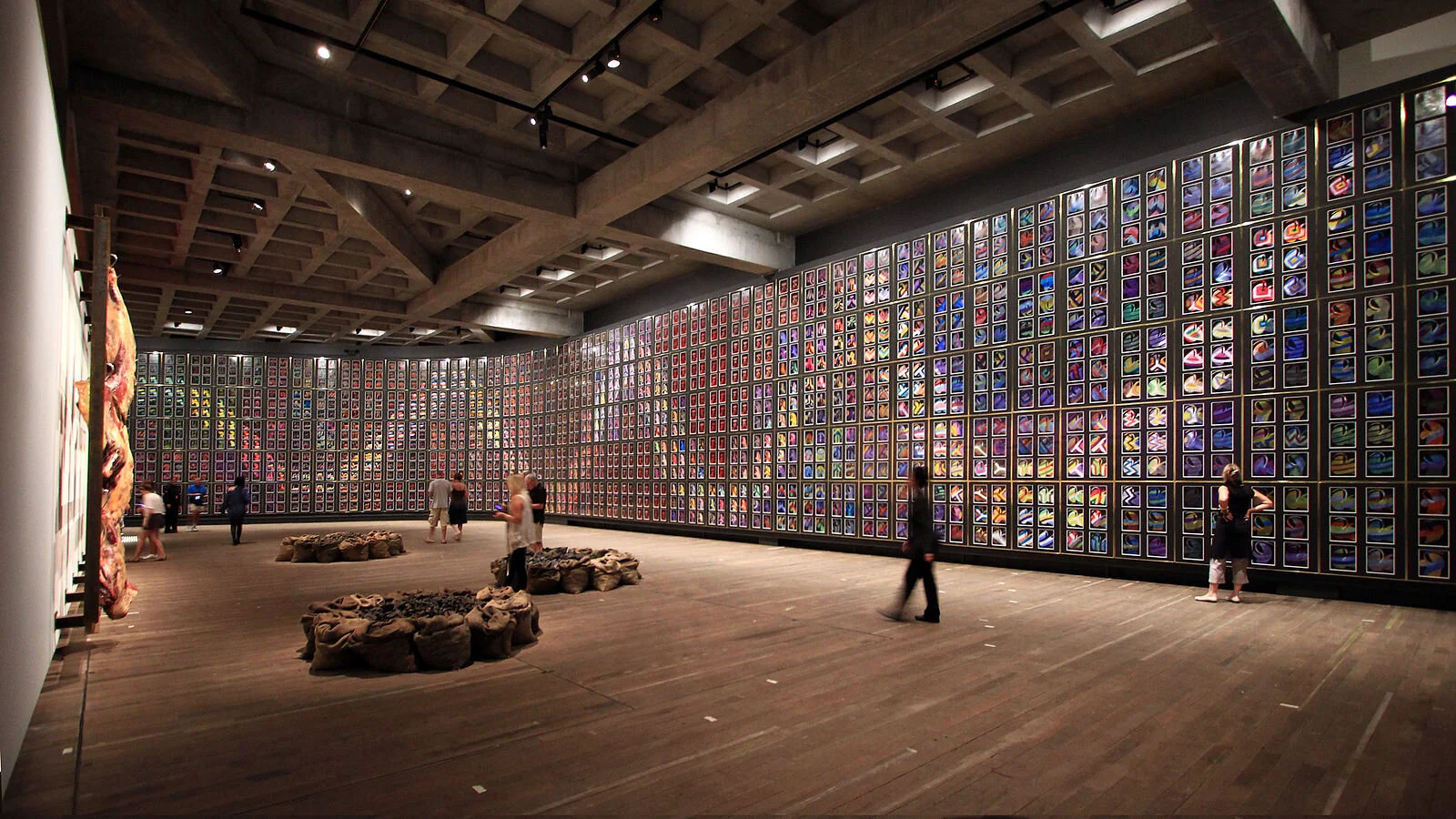
“Snake” by Sidney Nolan in MONA. Jeff Owens. CC BY 2.0.
MONA, the Museum of Old and New Art, is an ever-changing collection of ancient, contemporary and modern art. Located in Hobart on Australia’s island of Tasmania, the museum is built into a cliff and prioritizes multimedia installations, engagement with community-based art, and live performances. MONA elevates the museum experience by operating a winery, hotel and restaurant on-site that all mirror the museum’s ethos: fun.
9. Museum Willet-Holthuysen
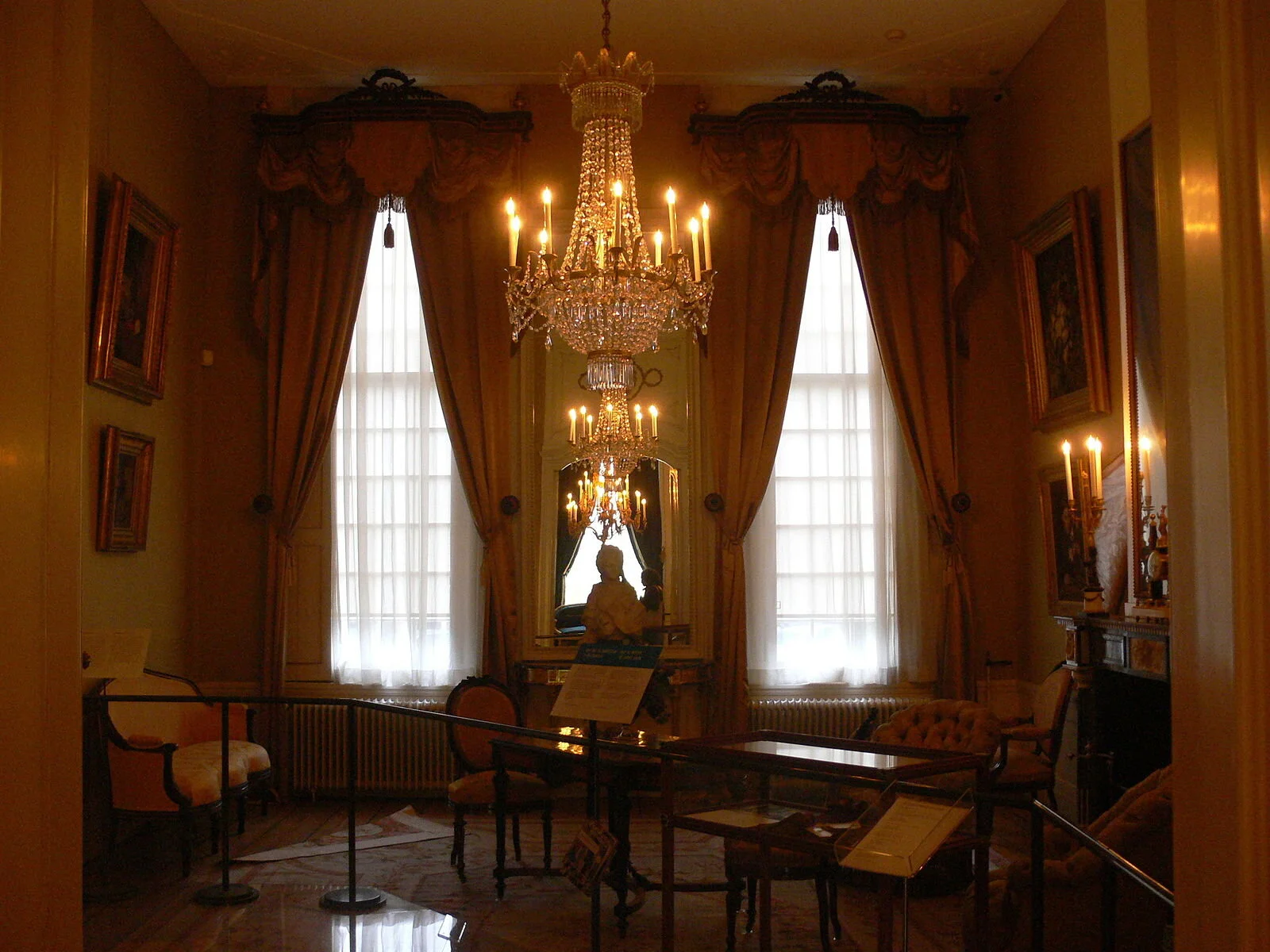
Interior of the Museum Willet-Holthuysen. Remi Mathis. CC BY 3.0.
The Museum Willet-Holthuysen is a homage to Amsterdam’s golden age. Built in 1687, this canal house was donated to the Dutch city in 1895. The 18th- and 19th-century room decor is still in its original condition, and the gallery walls are lined with paintings from the Willet-Holthuysen private collection, allowing many of the paintings to be displayed in their original historic setting. View part of the collection online here.
10. The Neon Museum
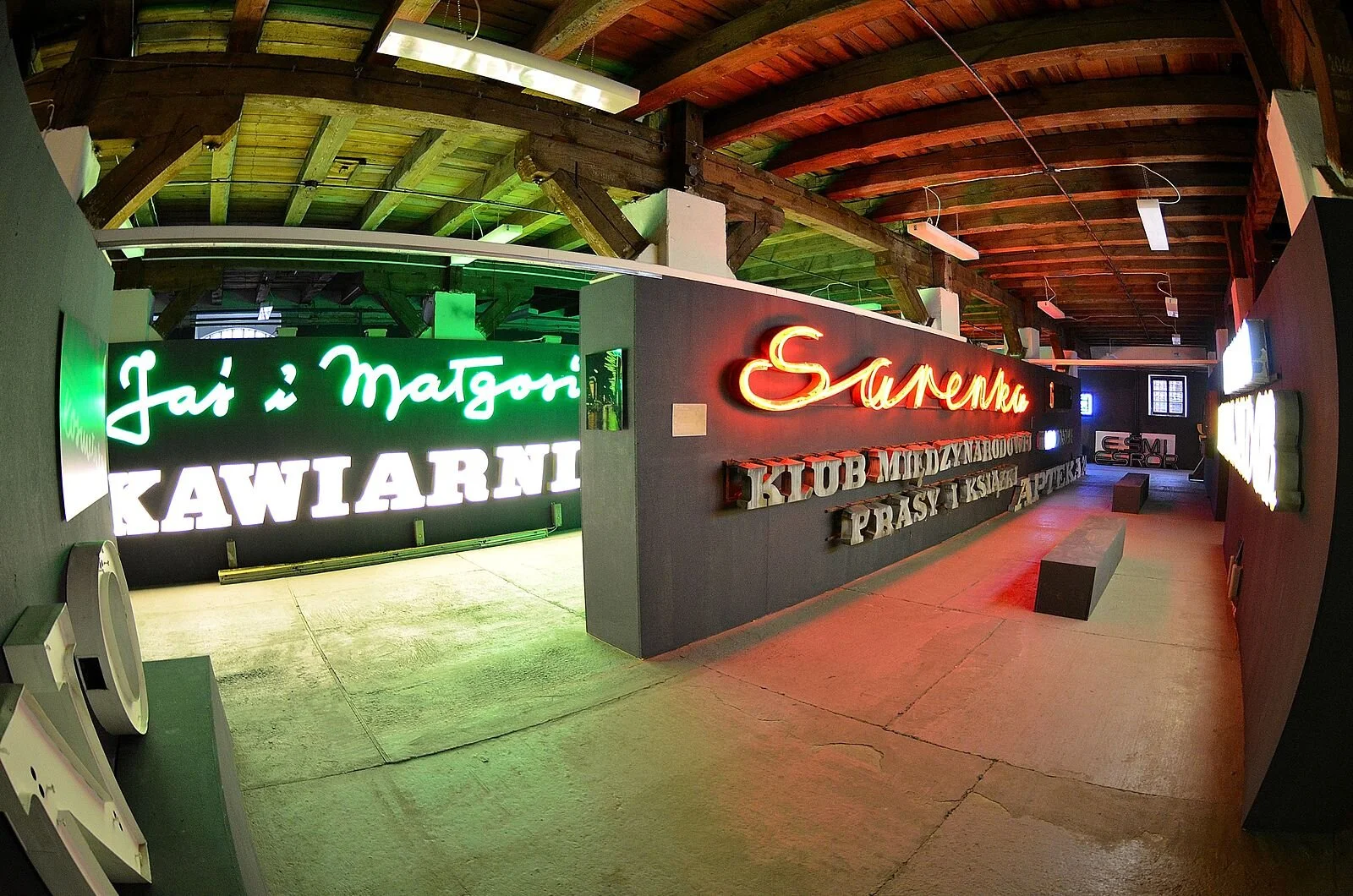
Signs in the Neon Museum. Adrian Grycuk. CC BY 3.0.
Since 2005, this museum in Warsaw, Poland, has been dedicated to the preservation of Cold War-era artifacts; namely, neon signage from the Soviet Union. In the Eastern Bloc, which included Poland, there was an official effort from the 1950s to the 1970s to “neonize” the state. The Soviet attempt to bring Western aesthetics to Eastern Europe has been preserved at the Neon Museum, where gallery walls are lined with an array of colorful relics.

Sarah Leidich
Sarah is currently an English and Film major at Barnard College of Columbia University. Sarah is inspired by global art in every form, and hopes to explore the intersection of activism, art, and storytelling through her writing.
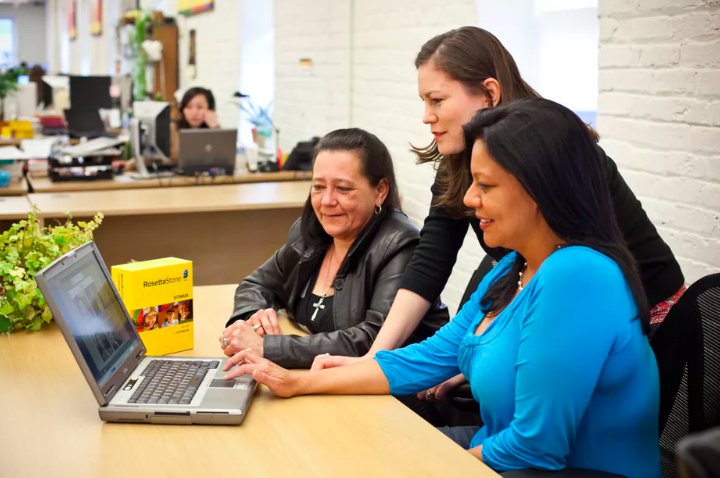
Members of the Chitimacha language team (from left to right) Sam Boutte, Kim Walden and Rachel Vilcan use the new language software for the first time. Author provided
Renaissance on the Bayou: The Revival of a Lost Language
In the summer of 1930, at the dawn of the Great Depression, a 21-year-old linguist named Morris Swadesh set out for Louisiana to record the area’s Native American languages, which were disappearing rapidly.
Morris and his peers were in a race against time to document them, and in the small town of Charenton on the Bayou Teche, he encountered Benjamin Paul and Delphine Ducloux, members of a small tribe called Chitimacha – and the last two speakers of their language.
But today, if you visited the Chitimacha reservation, you’d never know that their language went unspoken for half a century.
Over the past several decades, many Native American tribes have participated in what has become a robust language revitalization movement. As their populations of fluent speakers dwindle and age, tribes want to ensure that their heritage languages are passed on to the next generation – before it’s too late.
But because the Chitimacha tribe had no living speakers for a number of decades, it made the challenge that much greater. In the end, the story of the language’s decline, loss and rebirth is a remarkable example of cultural survival.
Why document a language?
Unlike some other cultural legacies, languages leave no trace in the archaeological record. There’s often no trace in the written record, either.
Only a small portion of the world’s estimated 7,000 languages are well-documented in places like dictionaries and grammar books. Those that are least well-documented are the most endangered.
Many dead or dying languages contain exotic features of verbal and written communication. Chitimacha, for example, doesn’t use a word “be” in phrases like “she is reading.” Instead, speakers must use a verb of position, such as “she sits reading” or “she stands reading.” These are things that challenge linguists’ understanding of how language works.
By working with Ben and Delphine, Morris was trying to capture a small piece of that linguistic diversity before it vanished.
One day, with Morris sitting on Ben’s porch dutifully scribbling down his every word in a composition notebook, Ben finished a story (a riveting tale of how the Chitimacha first acquired fire by stealing it from a mythical old blind man in the west). He then went on to tell Morris:
There were very many stories about the west. I believe I am doing well. I have not forgotten everything yet. When I die, you will not hear that sort of thing again. I am the only one here who knows the stories.
Ben passed away three years later, and Delphine not long thereafter. After their deaths, it seemed the Chitimacha language was doomed to silence.
Why do languages die?
How does a language come to have only two speakers? Why have so many Native American languages become endangered? The causes are manifold, but there are two main ones: sharp reductions in the population of the community that speaks the language, and interruptions in the traditional means of transferring the language from one generation to the next.
In the past, the former caused the most damage. Native American peoples were decimated by European diseases and subject to outright warfare.
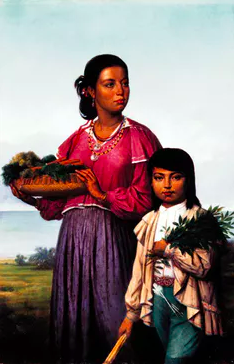
A portrait of two Chitimacha by French-born painter François Bernard (1870). Wikimedia Commons
Prior to European contact, the Chitimacha were lords of the bayou, with a territory stretching from Vermillion Bay in the west to present-day New Orleans in the east. They were expert canoe-makers and wielded extensive knowledge of the region’s labyrinthian network of waterways.
But by the time the French arrived in present-day Louisiana in 1699, the tribe’s numbers had dwindled to around 4,000, their communities gutted by European diseases that spread faster than the Europeans themselves.
After a protracted war with the French, they retreated deep into the bayou, where the their reservation at Charenton sits today. The 1910 census recorded just 69 people living there.
Only later did the second cause of language decline occur, when children on the reservation were sent to the infamous Carlisle Indian School in Pennsylvania, which interrupted the transmission of the language to the next generation.
Ben and Delphine, born in the latter half of the 1800s, were part of the last generation to learn the language at home. Eventually their parents and many of their peers passed away, leaving them as the last two speakers of the language.
Renaissance on the bayou
Ben probably never imagined that the efforts of him and Delphine would spark the tribe’s linguistic renaissance, awakening their language from 60 years of silence.
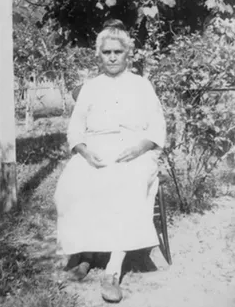

Delphine Ducloux was one of the two last speakers of the Chitimacha language, prior to its revival. State Library of Louisiana
In the early 1990s, cultural director for the tribe Kim Walden received a call from the American Philosophical Society Library informing her that they had all of Morris’ notebooks, and even his drafts for a grammar manual and dictionary, which totaled hundreds of pages in all. Thus began the herculean effort to revive the language.
The tribe put together a small-but-dedicated team of language experts, who set out to learn their language as quickly as possible. They began to produce storybooks based on Ben and Delphine’s stories, and word lists from the dictionary manuscript.
In 2008, the tribe partnered with the software company Rosetta Stone on a two-year project to create computer software for learning the language, which today every registered tribal member has a copy of. This is where I came in, serving as editor and linguist consultant for the project, a monumental collaborative effort involving thousands of hours of translating, editing, recording and photographing. We’re now hard at work finishing a complete dictionary and learner’s reference grammar for the language.
Today, if you stroll through the reservation’s school, you’ll hear kids speaking Chitimacha in language classes, or using it with their friends in the hall. At home they practice with the Chitimacha version of Rosetta Stone, and this past year the tribe even launched a preschool immersion program.
The kids even make up slang that baffles adult ears, a sure sign that the language is doing well – and hopefully will continue to thrive, into the next generation and beyond.
Author Danny Hieber presents the story of the Chitimacha language at the University of California’s Grad Slam competition.
DANIEL W. HIEBER is a PhD Candidate in Linguistics at the University of California in Santa Barbara.
THIS ARTICLE WAS ORIGINALLY PUBLISHED ON THE CONVERSATION