With sweeping countryside views and ancient Roman ruins, traveling along
Hadrian’s Wall is an unforgettable experience.
Fairies and Folklore: The Magic of Scotland and England
From castles to coves, uncover destinations steeped in the mythological histories of Scotland and England.
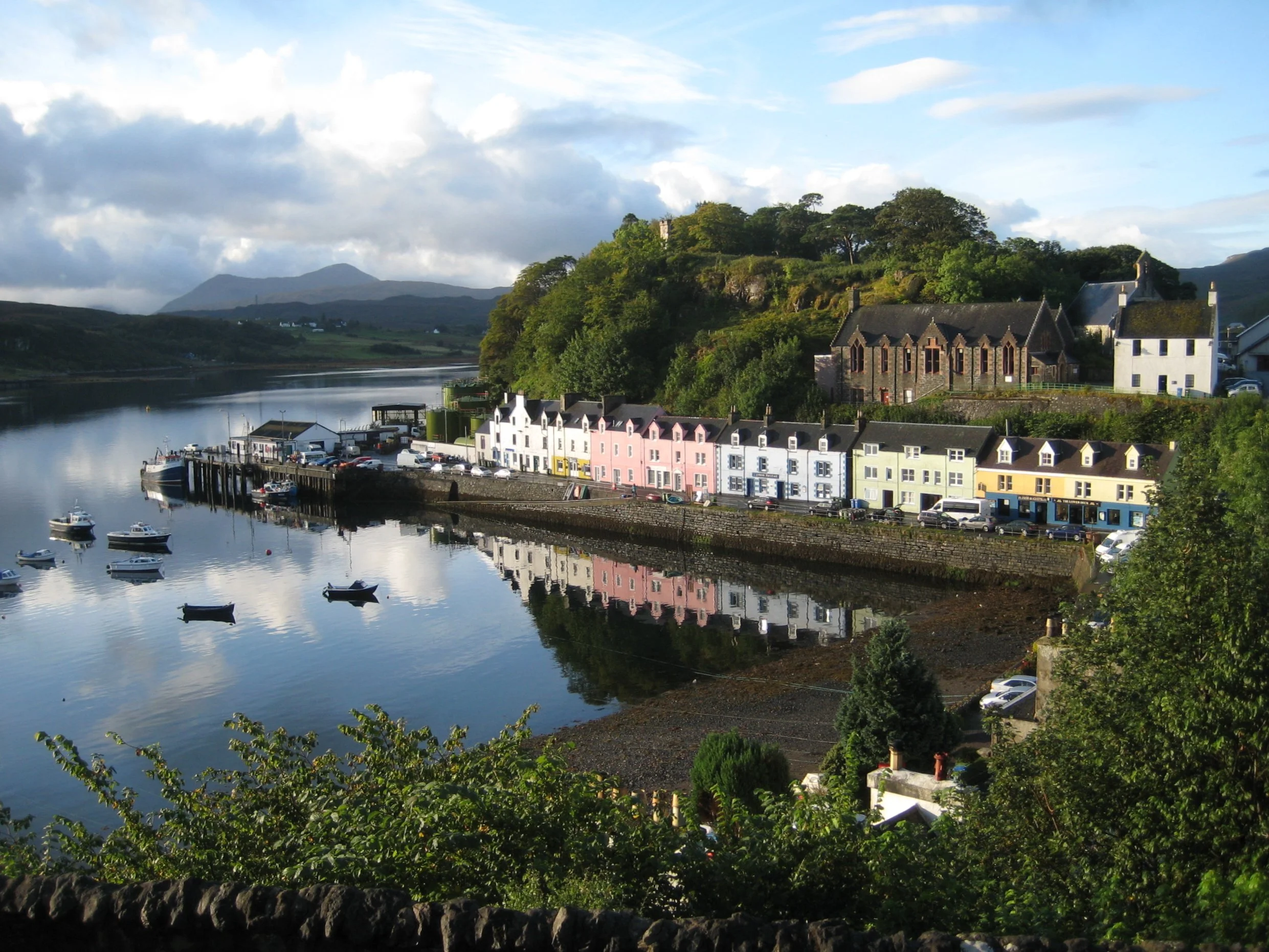
Portree, Isle of Skye’s capital city. CC BY 3.0
Whether your knowledge of fairies comes from nostalgic childhood tales or the well-informed worldbuilding of Tolkein, much of the folklore that has made its way into the popular imagination is embedded deep within the rolling hills of Scotland and England.
While each country has its variations of the myth, taking a tour through the whimsical high grassed countryside and rocky shores is a great way to take in some awe-inspiring views and understand the magic embedded in these countries.
Scotland
Located off of Scotland's northwest coast, the Isle of Skye is full of picturesque villages, cliffed shores and quaint fishing towns. But rather than only enjoying the colorful coastal houses on Portree, the island's capital, extend your adventure and visit various sights around the island boasting mythical pedigrees.
Fairy Pools
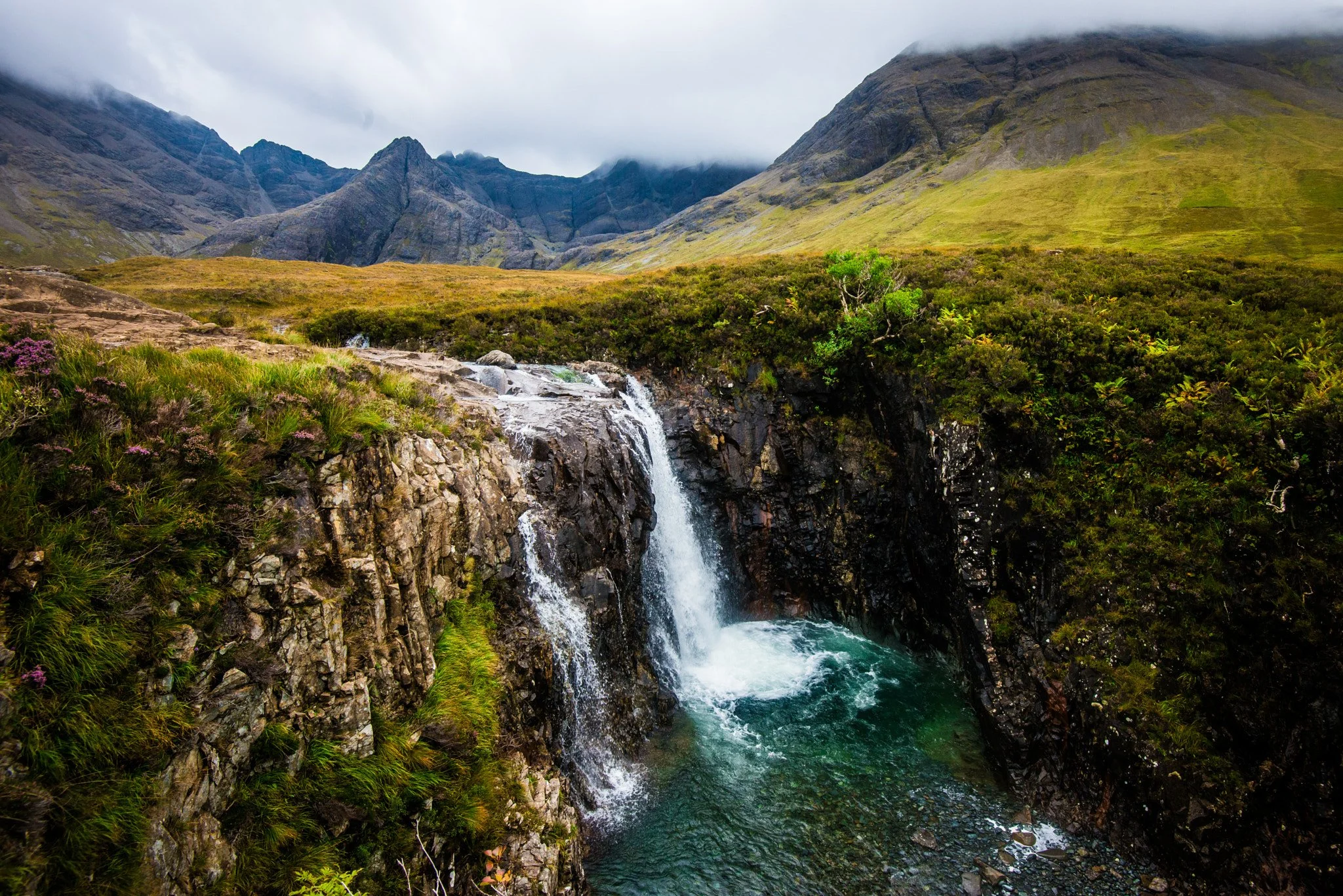
A waterfall at the Fairy Pools on the Isle of Skye. CC BY 3.0
A waterfall phenomenon in Glen Brittle, the falls are surrounded by sky-capped mountains and boast aqua-blue waters of astonishing clarity. Some claim if you’re lucky, you may spot a fae or two amongst the willowing grasses and purple flowers; if not, the red deer, sheep, and rabbits inhabiting the area will have to suffice.
The pool's name comes from the local legend that claims a Clan McLeod Chief married a fairy Princess. Additionally, the pools are said to attract selkies, a group of mythical creatures that spend the day on the coast as seals and then enjoy the pools at night after transitioning to human form.
Despite their charm, the Fairy Pools feature some brutally cold water temperatures, although it may be worthwhile to take a dip; as locals say, holding your head underwater for seven seconds is enough to bless you with the gift of eternal youth.
From the capital city of Portree, the Fairy Pools are a 35-minute drive and can be accessed through various tours operating on the island or of your own volition. The Fairy Pools walk is a 1.5-mile, easy hike to the pools from the parking lot.
Dunvegan Castle and Gardens
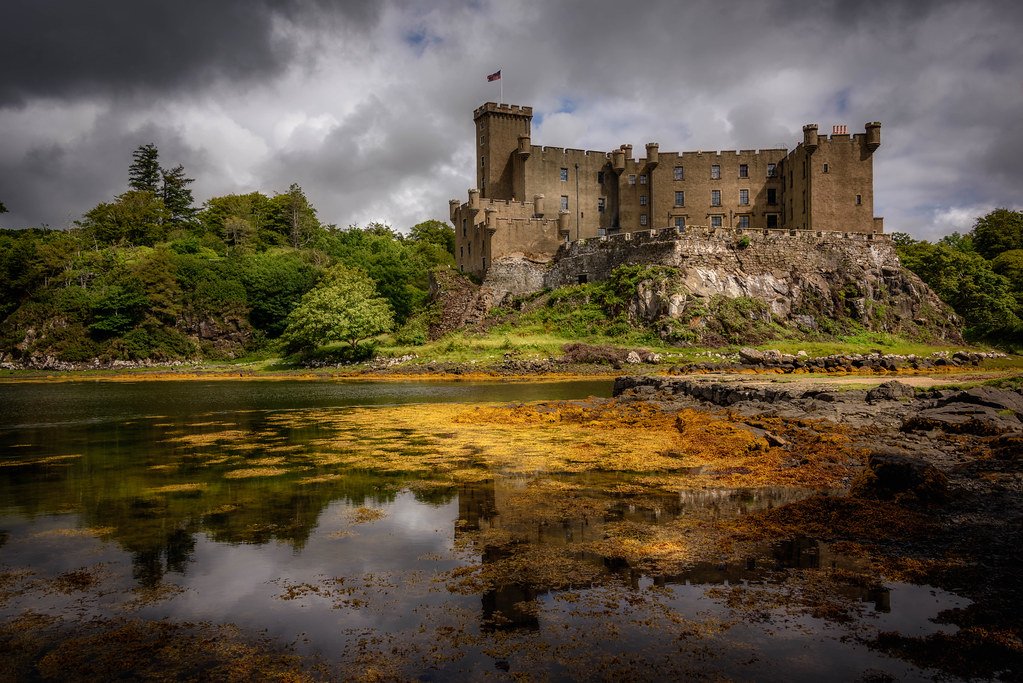
The Dunvegan Castle. CC BY-NC-ND 2.0 DEED
Open from March 29 to October 15, the Dunvegan Castle and Gardens is a medieval fortress dating back to the 1200s. Occupied by the same family for the last 800 years, the Hebridean castle is home to a few pieces of myth. On the Dunvegan property, one can walk across Fairy Bridge while exploring the grounds and even see the Fairy Flag, which is housed in the Castle.
The Fairy Flag is the prized silk scarf woven in the 4th century AD, either in Syria or Rhodes, and is said to possess miraculous powers instrumental in MacLeod’s battle victories. While there are two points of origin, a fairy origin and a crusader origin, the Fairy Bridge and Tower versions give the flag roots in folklore.
The Fairy Tower myth tells the tale of a restless MacLeod chief’s baby who was comforted one night by a fairy. The Fairy Bridge myth relates to the previously mentioned story of the MacLeod Chief and Fairy Princess; the story goes that the two parted ways on Fairy Bridge at Dunvegan, and the banner was his gift.
An astounding horticultural destination, Dunvegan boasts multiple gardens and woodland trails. The landscape and fauna are a wonder unto themselves. The gardens also feature lily ponds, gazebos and rare artifacts, such as a 17th-century sundial.
Located a 30-minute drive from Portree, the castle makes for an excellent excursion when visiting Scotland. While the Dunvegan Castle and Gardens offers visitor tours daily and make for a great day trip, the property's five holiday cottages allow visitors to enjoy an enchanting multi-day stay on the secluded property.
Fairy Glen
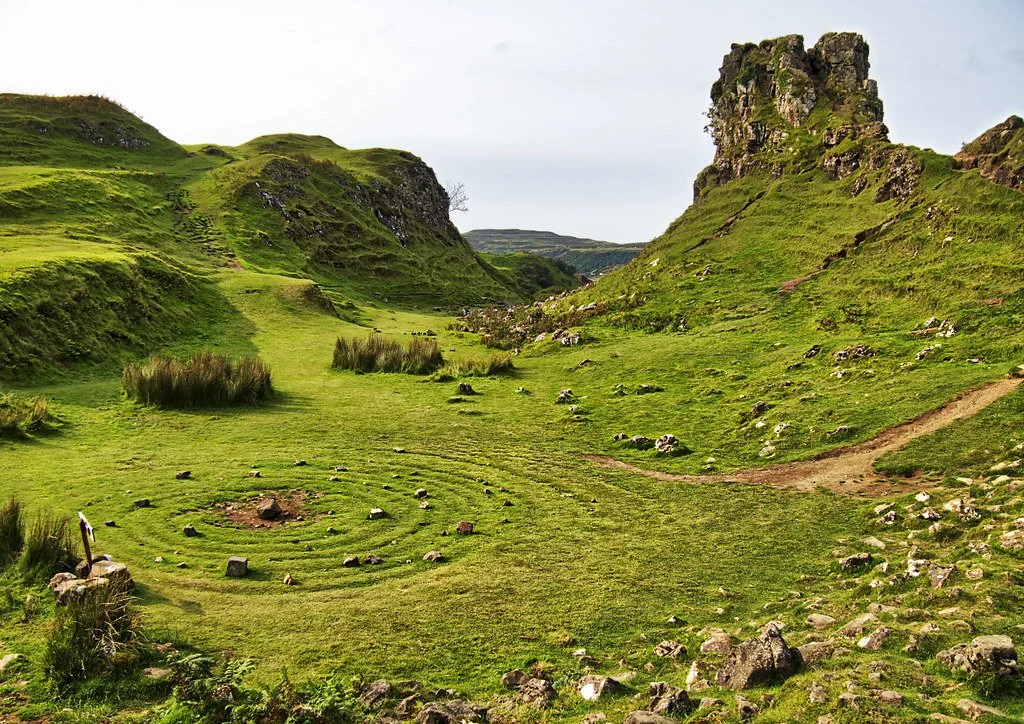
The labyrinth and peak at Fairy Glen on the Isle of Skye. CC BY NC-2.0
Protruding from the surrounding farmlands, Fairy Glen is a geographical landscape formed by an ancient landslide. The craggy formations and valleys are blanketed by a lush layer of green and are rumored to be home to the fae.
Climbing up Fairy Glen’s peak or walking beneath the cover of moss-engulfed trees will make anyone feel like they are walking amongst the faeries. Be sure to stop and make a wish at the stone labyrinth when you are making your way through.
Fairy Glen is about a 25-minute drive from Portree, and various tours include this location as a stop. From the destination's parking lot there is a one-mile walking circuit that showcases the grounds, but feel free to adventure on your own and enjoy this majestic landscape.
England
On the rugged Southwestern tip of England, Cornwall is home to many of the country's mythical and folktales. Cornwall has its own variety of fairies, the Piskeys, a lively and mischievous people who originated from tales of a Pygmy race in Cornwall during the Neolithic period. More than just fairies, Cornwall is rumored to be home to mermaids, giants, and various King Arthur myths.
Sennen Cove
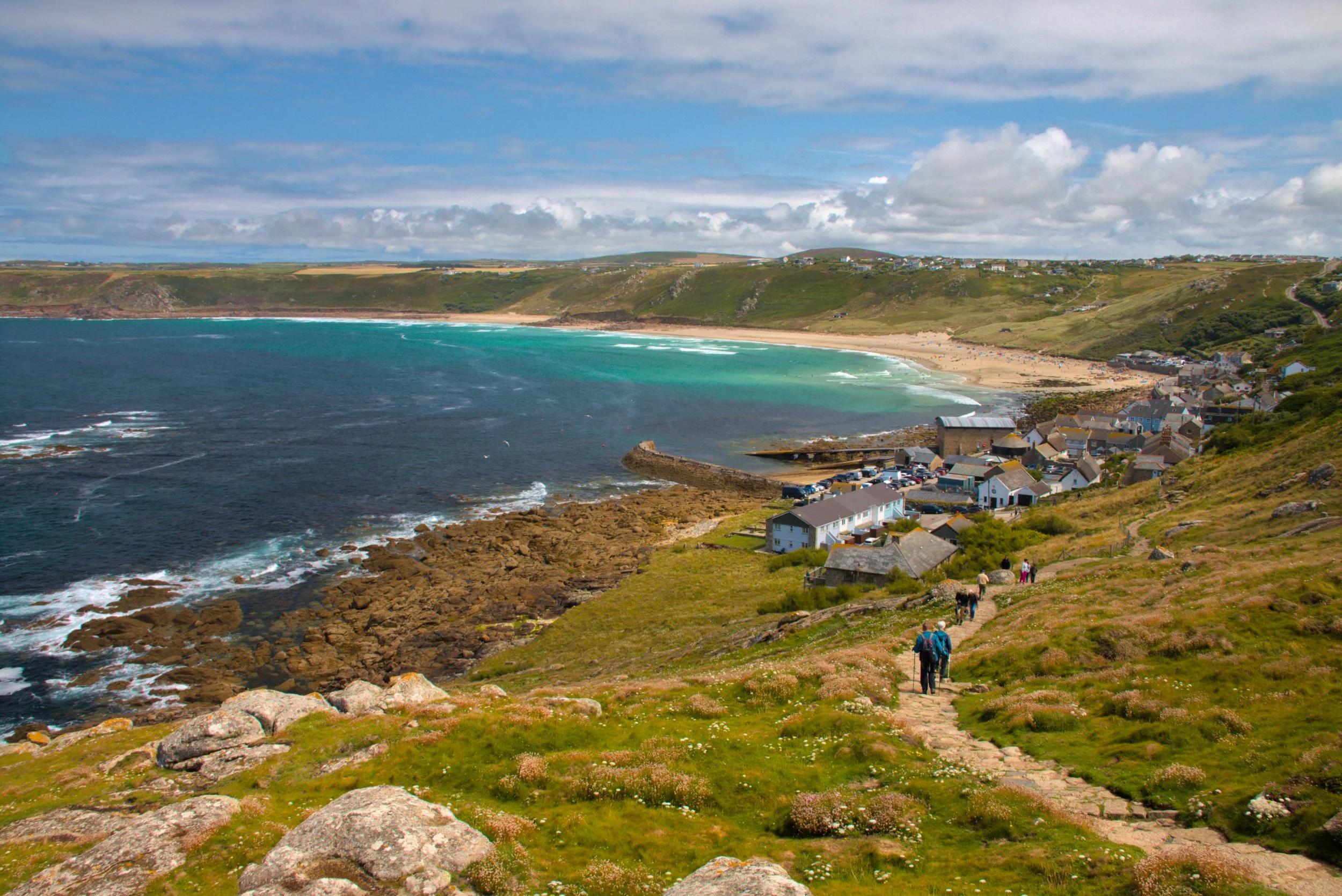
The coastline and surrounding shore at Sennen Cove. CC BY-SA 4.0 DEED.
England’s most westerly beach, Sennen Cove, is a white sand beach renowned for its excellent surfing conditions. In the early 20th century, American Anthropologist Walter Evan Wentz published "The Fairy Faith In Celtic Countries", conducting some of his research at Sennen Cove by speaking to locals about the dancing fairies. A study published at a similar time in the Journal of the Society for Psychic Research tells the story of Grace Penrose as written by E. Westlake. She speaks of miniature people in white dancing in the moonlight before being frightened and disappearing into a rock face along the shore.
To get to Sennen Cove, visitors can take a bus that leaves every two hours from Penzance or make the 20-minute drive themselves. Once at the Cove, you can enjoy Whitesands Bay, the stretch of white sand beach on the Cove’s coast. Overlooking the cove, stop at the Old Success Inn, a pub dating back to the 17th century, for lunch and drink. The Inn has a rich history in Sennen Cove and is rumored to be a site for mermaid sightings.
Elusive in nature, when visiting Sennen Cove, you may not stumble upon any fairies in the moonlight or catch a glimpse of mermaid tales ducking under the blue waves, but the Cove is perfect for a beach getaway anyway.
St. Michael’s Mount
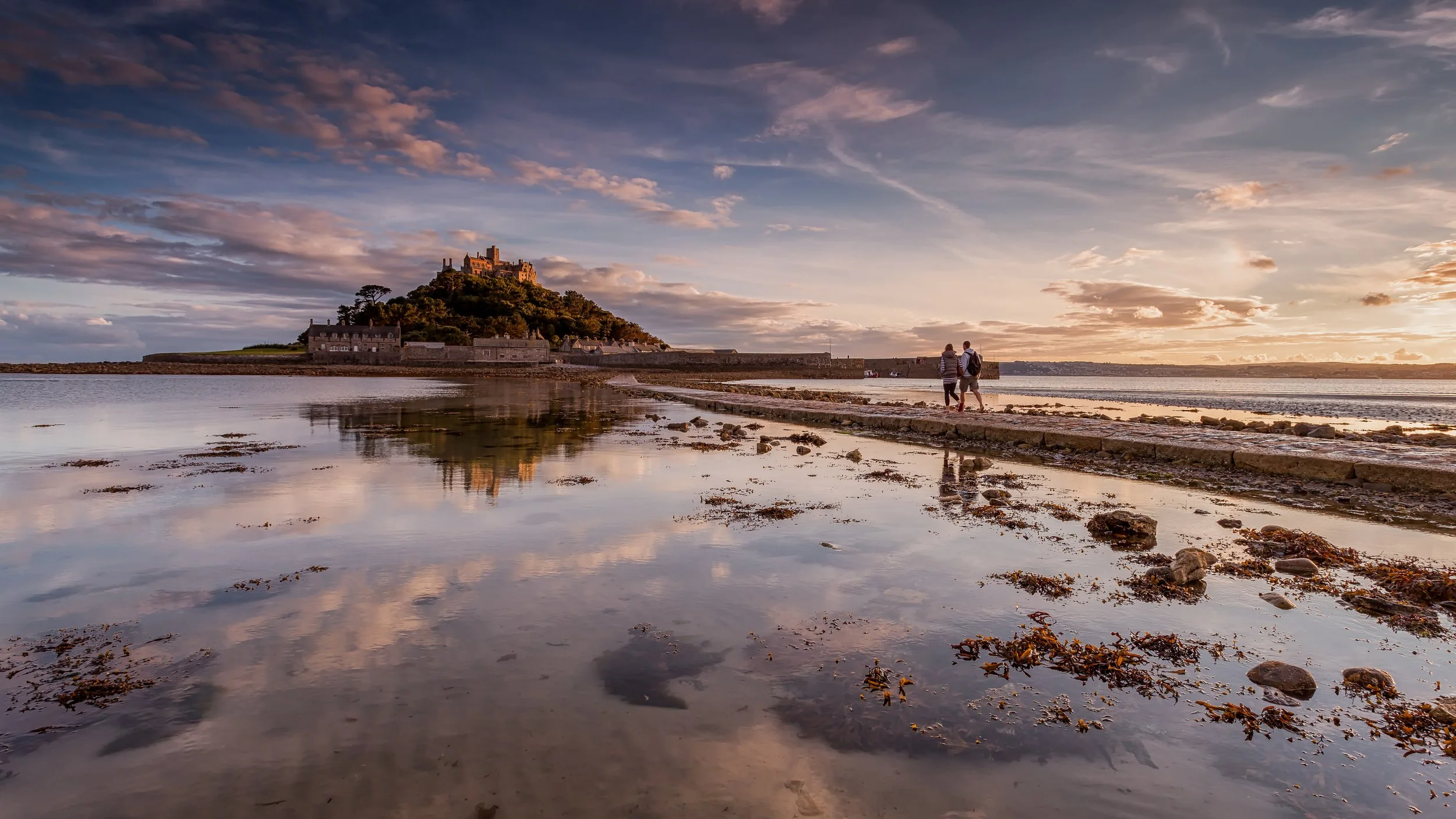
The castle and causeway leading up to St. Michael’s Mount. CC BY-SA 3.0 DEED
A tidal island in Cornwall’s Mount Bay, St. Michael’s Mount is home to one of England’s most famous legends. Rumors of mermaids luring sailors to the island’s shores date as far back as 495 AD, but even more prominent is the Cornish tale of Jack the Giant Killer. With the island as his home, the evil Cormoran was defeated by none other than Jack after a long reign of terror. Per the legend, when visiting, be sure to hike up the mountain and around the island in search of the giant's missing stone heart.
Outside of folklore, the site is also a religious destination. Archangel Michael was rumored to have guided sailors to safety at the current location of the castle’s entry. Named after that patron saint of fishermen, St. Michael’s causeway allows travelers and pilgrims alike to walk from the mainland to the island during low tide.
To reach the island, walking over the causeway is one option; however, if it happens to be high tide, from March 29 to October 31 there are boats running from Marazion Beach to the island. Riddled with history, the castle, church and surrounding gardens offer a fusion of folk and faith, making Mount St. Michael a beautiful, enchanting destination on a Celtic fairytale tour.
Nicola is studying English Literature at George Washington University, where she also reports for the student newspaper, The Hatchet. Nicola's passion for literature and writing has sparked an interest in exploring the broader context surrounding written texts. Researching and writing for Catalyst Planet allows her to investigate nuanced issues that intersect with her interests in art history, culinary practices, and cultural traditions.
Nicola is studying English Literature at George Washington University, where she also reports for the student newspaper, The Hatchet. Nicola's passion for literature and writing has sparked an interest in exploring the broader context surrounding written texts. Researching and writing for Catalyst Planet allows her to investigate nuanced issues that intersect with her interests in art history, culinary practices, and cultural traditions.
Nicola is studying English Literature at George Washington University, where she also reports for the student newspaper, The Hatchet. Nicola's passion for literature and writing has sparked an interest in exploring the broader context surrounding written texts. Researching and writing for Catalyst Planet allows her to investigate nuanced issues that intersect with her interests in art history, culinary practices, and cultural traditions. Nicola is studying English Literature at George Washington University, where she also reports for the student newspaper, The Hatchet. Nicola's passion for literature and writing has sparked an interest in exploring the broader context surrounding written texts. Researching and writing for Catalyst Planet allows her to investigate nuanced issues that intersect with her interests in art history, culinary practices, and cultural traditions.

Nicola Degregorio
Nicola is studying English Literature at George Washington University, where she also reports for the student newspaper, The Hatchet. Nicola's passion for literature and writing has sparked an interest in exploring the broader context surrounding written texts. Researching and writing for Catalyst Planet allows her to investigate nuanced issues that intersect with her interests in art history, culinary practices, and cultural traditions.
7 Stunning Caves Worth Exploring
Though caves often hold a fearsome reputation, they have a myriad of captivating natural features and intriguing histories.
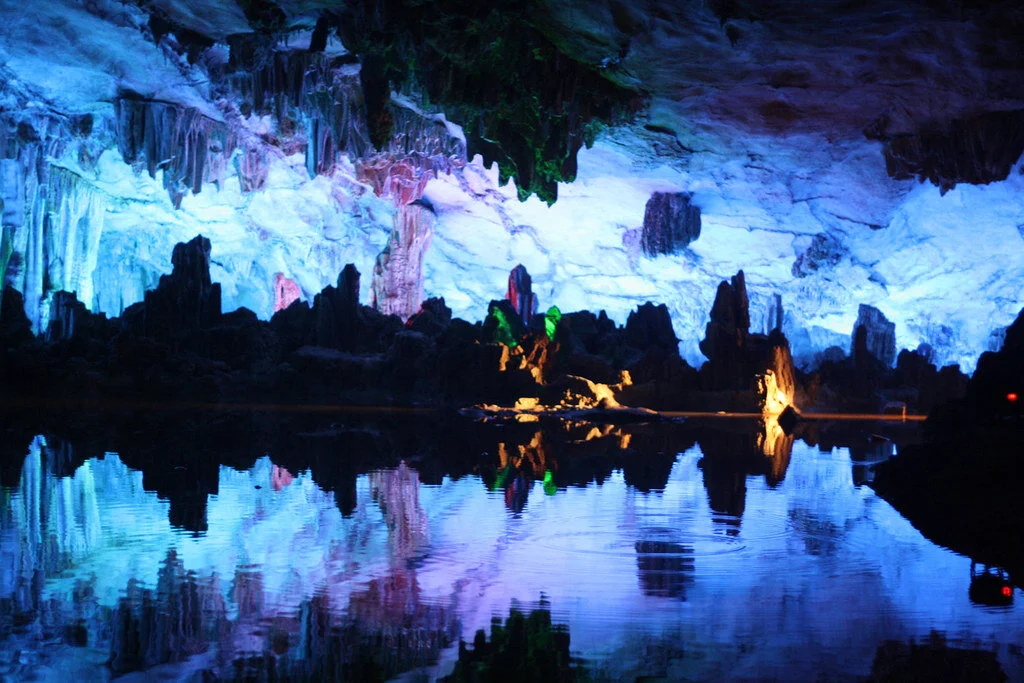
Caves often get a bad reputation: cold, dark, damp and uninteresting, or even frightening. In reality, caves offer snapshots of history, unusual natural structures, and examples of remarkable biodiversity. There are thousands of caves on Earth, and even more that are yet to be discovered. Each cave is unique, with specific natural formations that cannot be found anywhere else. Here are seven incredible caves to add to your list of must-see sights.
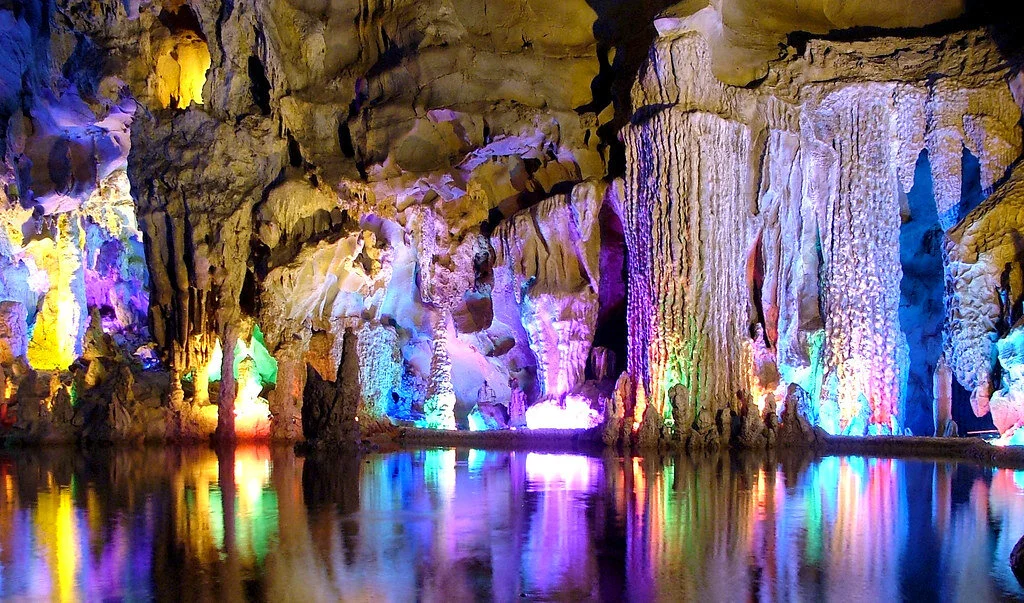
1. Reed Flute Cave, China
Called “the Palace of Natural Art,” Reed Flute Cave is known for its impressive stone curtains and pillars. Reed Flute Cave is located just 3 miles from downtown Guilin, China, and has been an attraction for centuries. Seventy-seven inscriptions of poems and travel descriptions can be found around the cave, and the oldest dates back to 790 A.D., the era of the Tang dynasty. There are inscriptions from the Tang, Song, Yuan and Ming dynasties, written by monks, poets, scholars and tourists from all over China. Today, the cave is lit by many multicolored lights hidden in its natural cracks and crevices, which cast a bright rainbow glow around the dark space, giving cave visitors a surreal and breathtaking experience. The cave was forgotten for years until its rediscovery in 1940, when a group of Chinese refugees stumbled upon it while fleeing from Japanese forces. During World War II, the cave’s large chamber, called the “Crystal Palace of the Dragon King,” was used as a bomb shelter. The cave regained popularity after its rediscovery at the end of the war, and was officially opened to the public in 1962.
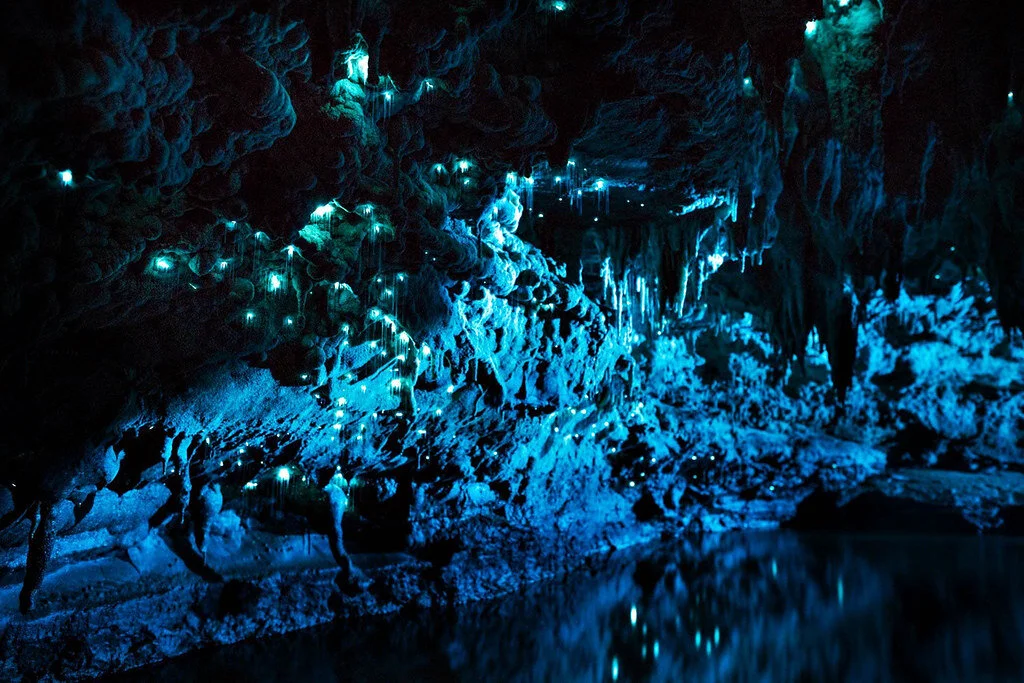
2. Waitomo Glowworm Caves, New Zealand
Visitors to the Waitomo Glowworm Caves will take a trip into the past by exploring a cave over 30 million years old. The cave, located in Waitomo on the North Island of New Zealand, is praised as one of New Zealand’s best natural attractions. It contains an underground river, towering rock formations, and thousands of shimmering glowworms. The Glowworm Caves have been an attraction for over 130 years. These limestone caves formed at the bottom of the ocean millions of years ago. Local Maori communities knew about the caves, but they were first explored in 1887 by Maori Chief Tane Tinorau and English surveyor Fred Mace. After discovering the natural beauty of the caves, Chief Tinorau opened the caves to tourists in 1889. Many of the guides for tours today are descendants of Chief Tinorau. Guides take visitors on walking tours through the caves, as well as boat tours through the glowworm grotto. These boat tours take visitors to the center of the grotto, where they can look up in awe at the luminescent glowworms covering the cave walls and ceiling.

3. Mendenhall Ice Caves, Alaska
Just 12 miles outside downtown Juneau lies Mendenhall Glacier, known as the “Glacier Behind the Town.” Inside the glacier are the Mendenhall ice caves, passageways formed by water flowing through the glacier. These caves vary in size from tiny openings visitors have to squeeze through to giant caverns. Mendenhall Glacier was first explored in 1794 by Joseph Whidbey, a member of the British Royal Navy serving on Capt. George Vancouver’s 1791-95 expedition of the Pacific Northwest coast. To visit the caves, travelers can hike through the Tongass National Forest and then across the glacier, or they can canoe across Mendenhall Lake to the glacier. Both options offer breathtaking views of the glacier and surrounding landscapes, and both are somewhat strenuous but well worth the effort. Inside the caves, visitors are immersed in the cool blue shades of light coming through the glacier and can explore ever-changing ice formations. The caves change as the ice melts, so each visit to the Mendenhall ice caves is unique. The presence of the caves is also inconsistent and typically seasonal, so visitors should be sure to check on the status of the caves before planning a trip.
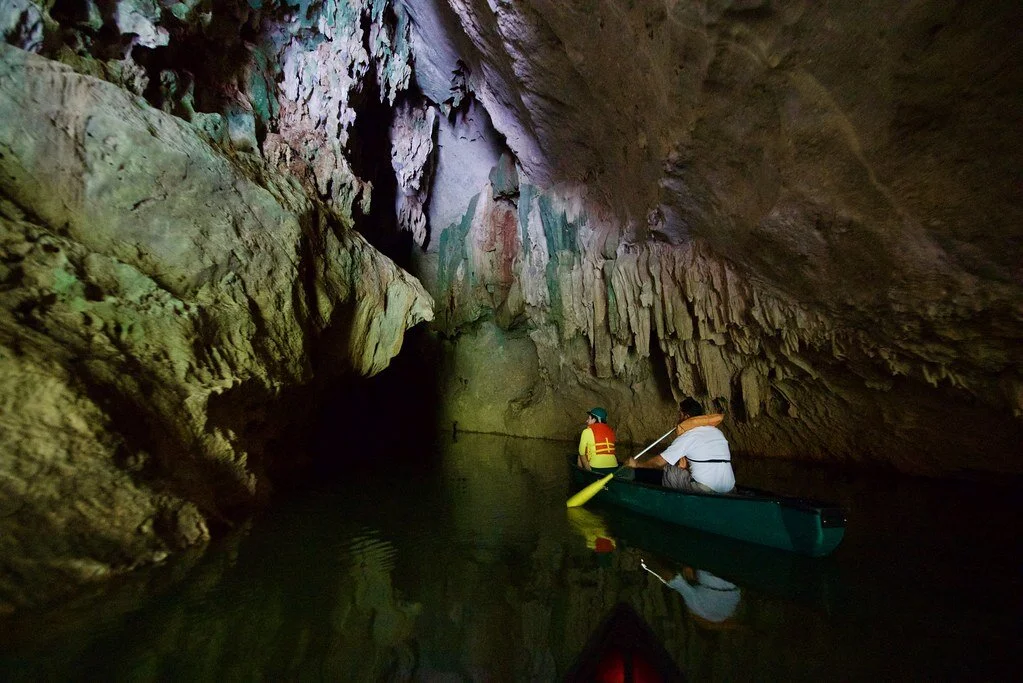
4. Barton Creek Cave, Belize
To discover the wonders of Barton Creek Cave, visitors will have to board a canoe. Barton Creek Cave is located east of San Ignacio along the western edge of Belize. It is a wet cave because it has a cave river running through it, and paddling along this tranquil river is the only way to take in the cave’s majesty and history. It is the largest river cave in Belize and contains evidence of ancient Mayan culture. The cave is natural, but archaeologists have identified a number of areas they believe were purposefully modified by the Mayans to improve access to the cave. These modifications include natural formations of flowstone broken to allow access to a rimstone pool and holes drilled by Mayan tools, likely to serve as handholds or to attach climbing ropes. Ten ledges made by the Maya line the cave walls, where archaeologists have discovered thousands of pottery shards, most of which are from large jars called ollas, and a number of stone tools. These discoveries have helped archaeologists determine the use of the cave during Mayan times; it was likely the site of ritual activity and worship. The Maya regarded caves as sacred sites, and the artifacts found in Barton Creek Cave reflect this view. Tours through the cave offer visitors the opportunity to witness incredible natural formations and to learn how the ancient Mayans interacted with the cave.
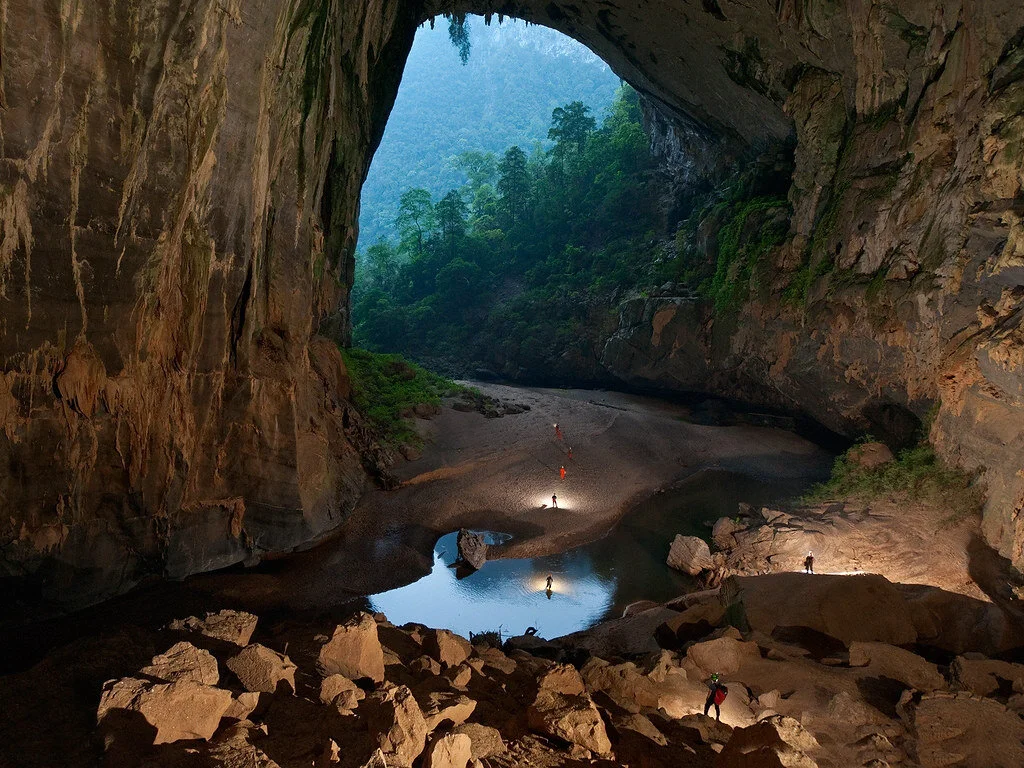
5. Hang Son Doong, Vietnam
For travelers who want to explore a cave but worry about darkness and small spaces, Son Doong Cave in central Vietnam is the perfect place to visit. Son Doong has the largest cross section of any cave in the world, reaching over 5 miles long, 650 feet wide and 490 feet tall. In some areas, the limestone ceiling of the cave grew weak and collapsed, creating huge skylights and allowing areas of lush vegetation to grow inside the cave. It was formed millions of years ago by the Rao Thuong River eroding limestone. Son Doong Cave was initially discovered in 1990 by a local man named Ho Khanh, who stumbled upon the entrance while searching the area for food and timber. He then returned home and no further exploration of the cave occurred until Howard and Deb Limbert, members of the British Cave Research Association, heard Ho Khanh’s story and urged him to find the cave again. In 2008, he successfully rediscovered the cave, and a survey was conducted by Howard Limbert and a group of British cavers. The cave opened to the public in 2013. Visitors are sure to be impressed by the sheer size of the cave, as well as its natural formations, river and distinctive vegetation growth.
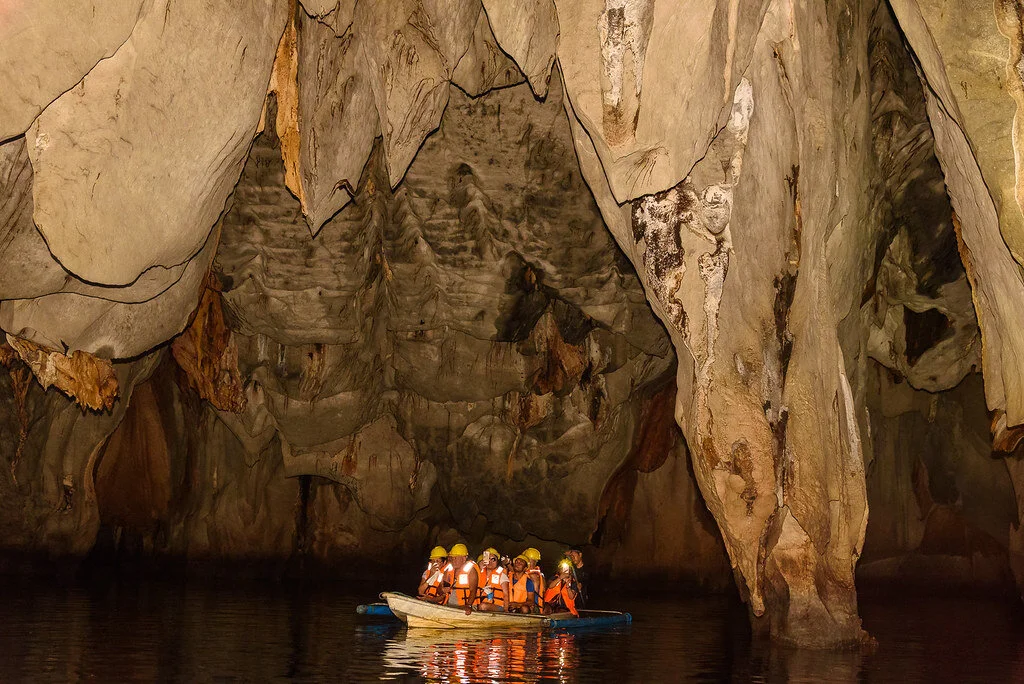
6. Puerto Princesa Underground River, Philippines
Located on Palawan, the westernmost island in the Philippines, Puerto Princesa Subterranean River National Park is home to old-growth forests, wildlife and an expansive limestone cave system. The Puerto Princesa Underground River, as it is commonly known, flows for over five miles through beautiful caverns and eventually meets the sea. Visitors can take underground river tours on paddleboats to see the stunning cave formations and limestone cliffs, as well as a variety of native animal species. There are records of the Puerto Princesa Underground River dating back to 1898, but it is believed to have been known to early inhabitants of the Philippines and investigated by foreign explorers prior to that time. The area was established as an official attraction in 1971, and the cave system is still being explored. In 2010, researchers discovered a large cave dome above the underground river, with more river channels and access to an even deeper cave. The Puerto Princesa Underground River offers an abundance of fascinating natural formations to explore.
7. Shell Grotto, England
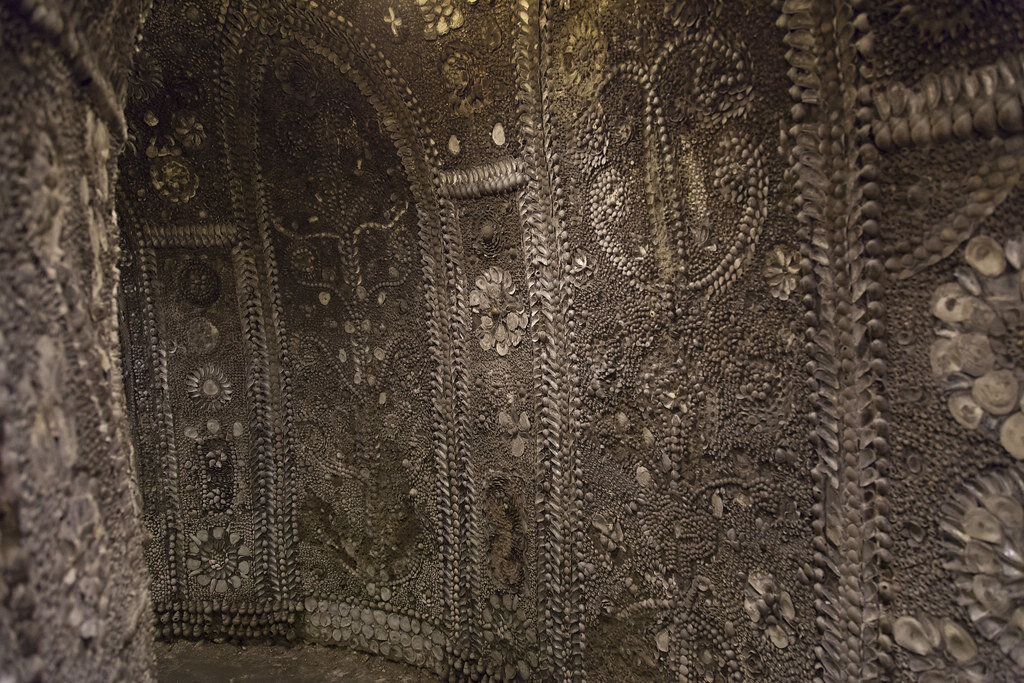
Shell Grotto is one of England’s most mysterious sites, encompassing over 70 feet of tunnels under the seaside town of Margate. These caves were discovered by chance in 1835, when a man excavating his new land stumbled upon them. Sprawling mosaics made of mussel, oyster, whelk and cockle shells cover every wall of the tunnels. Historians are unsure of who built Shell Grotto, or why. Theories range from Shell Grotto being a place of worship to a simple display of extreme wealth to the meeting room of a secret society. The elaborate shell designs offer little explanation, displaying swirling patterns that can be interpreted as a number of different things. Shell Grotto is a tremendous work of art, and the questions surrounding its origin and purpose add a layer of intrigue that draws visitors from around the world.

Rachel Lynch
Rachel is a student at Sarah Lawrence College in Bronxville, NY currently taking a semester off. She plans to study Writing and Child Development. Rachel loves to travel and is inspired by the places she’s been and everywhere she wants to go. She hopes to educate people on social justice issues and the history and culture of travel destinations through her writing.
Child Marriage Remains a Global Issue
A bill to ban child marriage and close loopholes in legislation recently received bipartisan support in the house of commons for England and Wales.

Ending Child Marriage Campaign. Abel Mphepo,Kalu Institute. CC BY-NC-ND 2.0
Currently, 16 and 17 year olds can marry in England and Wales with the consent of a guardian. A recent bill introduced by Conservative MP Pauline Latham will end exceptions in the current legislation which allows marriages under 18 to occur. If passed, the bill will also criminalize underage marriages or religious marriages of minors. By criminalizing all child marriage, the bill will also help activists and victims alike by relieving pressure on victims to prove the marriage was forced.

Aneeta Prem, Founder and President of Freedom charity, addresses attendees at the Girl Summit to discuss efforts to end Female Genital Mutilation (FGM) and Child, Early and Forced Marriage (CEFM). DFID - UK Department for International Development. CC BY-NC 2.0
Child marriage is a global issue. 21% of young women globally are married before their eighteenth birthday, and 12 million girls under 18 are married each year. Child marriage is widely regarded by activists as a violation of human rights and it puts children in significant danger. Child marriage occurs for several reasons, including poverty and societal norms. While child marriage is most common with girls, children regardless of gender are forced into marriages before adulthood. The effects of child marriage on young girls have shown that the children are at risk of early pregnancy, lack of education and domestic violence. Additionally, girls who do not receive education are more vulnerable to child marriage. Often when female children are forced to be wives, they are expected to take on domestic duties, and education no longer becomes a priority. Early pregnancies are also a significant risk to young girls, with complications from childbirth being the leading cause of death for girls aged 15-19 globally. Additionally, the children born from a child marriage are 60% more likely to die within the first year than those born to a mother over 19.
Child marriage is most prominent in sub-Saharan Africa and South Asia, but it is a global issue present in western countries as well. There are loopholes where children under 18 can enter into marriage in 44 US states. Many countries in Europe have similar laws, allowing child marriage to occur in Austria, Belgium, Italy and Spain. Several countries in Europe have taken similar action to the bill presented in the United Kingdom, completely outlawing child marriage without exception. Germany, Norway and Denmark are some of the countries that have completely banned any child marriage. According to Pew Research, 153 of 198 countries require people to be legal adults to marry. Although a large majority of countries have legislation that requires adulthood for marriage, the same countries often have exceptions, allowing child marriage to remain prevalent globally.

Dana Flynn
Dana is a recent graduate from Tufts University with a degree in English. While at Tufts she enjoyed working on a campus literary magazine and reading as much as possible. Originally from the Pacific Northwest, she loves to explore and learn new things.
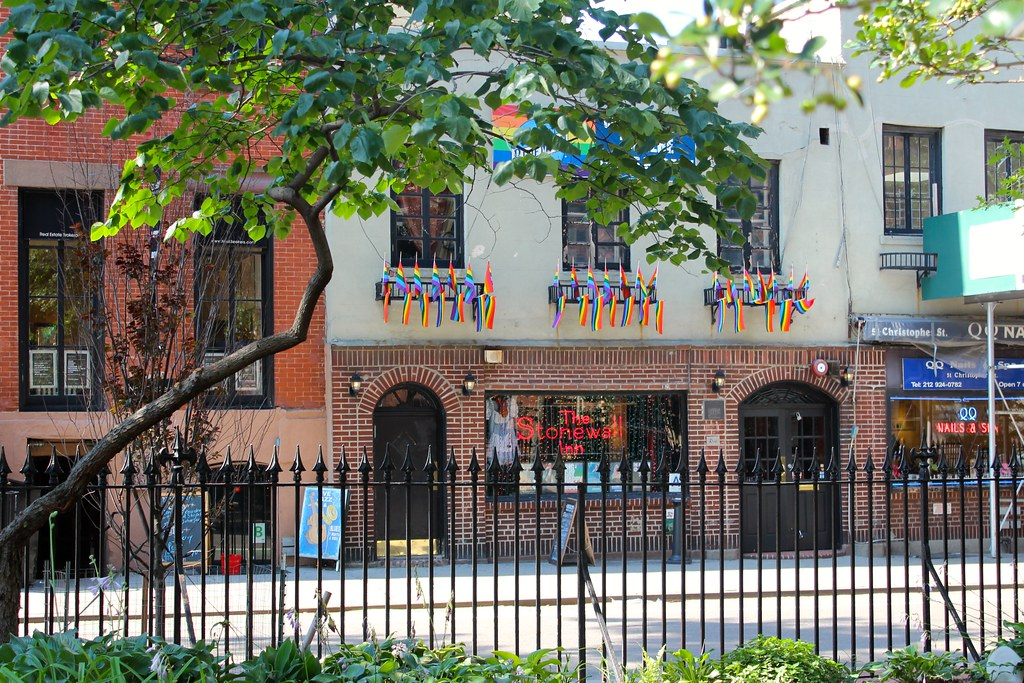
The Stonewall Inn in New York City’s Greenwich Village. The 1969 Stonewall riots are credited with starting the modern gay liberation movement. NPCA Photos. CC BY-ND 2.0
Discover These 8 Gay Villages from Around the World
Gay villages, or “gayborhoods,” are neigbhorhoods within cities that provide safe spaces for LGBTQ+ people to express themselves openly and form communities. Many gay villages feature bars and restaurants, vibrant nightlife and boundless queer history. Wherever one may find themselves, there is likely a gay village just around the corner waiting to be discovered. Here are eight gay villages from across the world.
1. Shinjuku Ni-chome, Tokyo
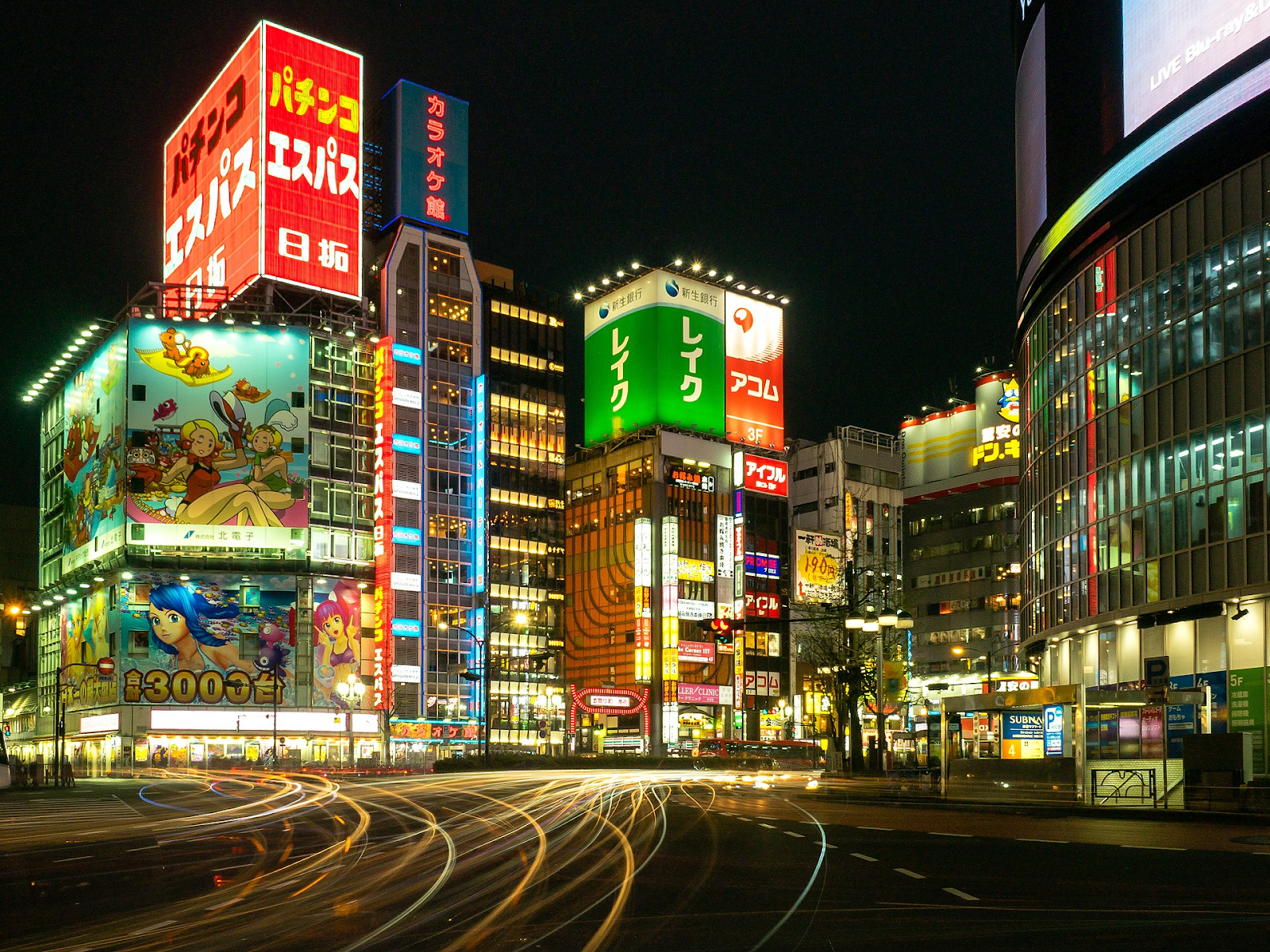
Buildings and neon lights in Tokyo’s Shinjuku ward. Andy Miller. Unsplash
In the heart of Shinjuku ward in Tokyo, between modern skyscrapers and dazzling neon-lit billboards, hides one of Asia’s most vibrant gay villages. Shinjuku Ni-chome, shortened to just Ni-chome, has the highest concentration of gay bars in the world. Ni-chome was once Tokyo’s red-light district, but when prostitution became illegal in Japan in 1956 it became Tokyo’s gay village. In a city known for its nightlife, Ni-chome is home to fusion restaurants and nightclubs open late into the night. Many of Ni-chome’s gay bars are small and personal, fostering their own tight-knit community within the city. Ni-chome was the location of Japan’s first gay pride parade in 1994, and is where the country’s first permanent LGBTQ+ center opened in 2020.
2. Oxford Street, Sydney

A brightly colored building near Taylor Square, Sydney. Ted McGrath. CC BY-NC-SA 2.0
Located in the Darlinghurst neighborhood of Sydney, Oxford Street is known for its nightlife, shopping and dining venues. It is also the heart of Sydney’s LGBTQ+ community, playing host to the annual Syndey Gay and Lesbian Mardi Gras. Unlike other Pride events, which usually occur around June, Mardi Gras is held in March, drawing over half a million attendees. The first Gay and Lesbian Mardi Gras was held in 1978. The organizers of the event were arrested and outed by the police, which garnered national attention. The next year in 1979, another event was held to commemorate the 10th anniversary of the Stonewall riots in New York City, as well as to bring attention to the events of the previous year. Every year since then, queer Australians have gathered along the western end of Oxford Street to socialize, party and remind Australia and the world that they will not be silenced.
3. Chueca, Madrid
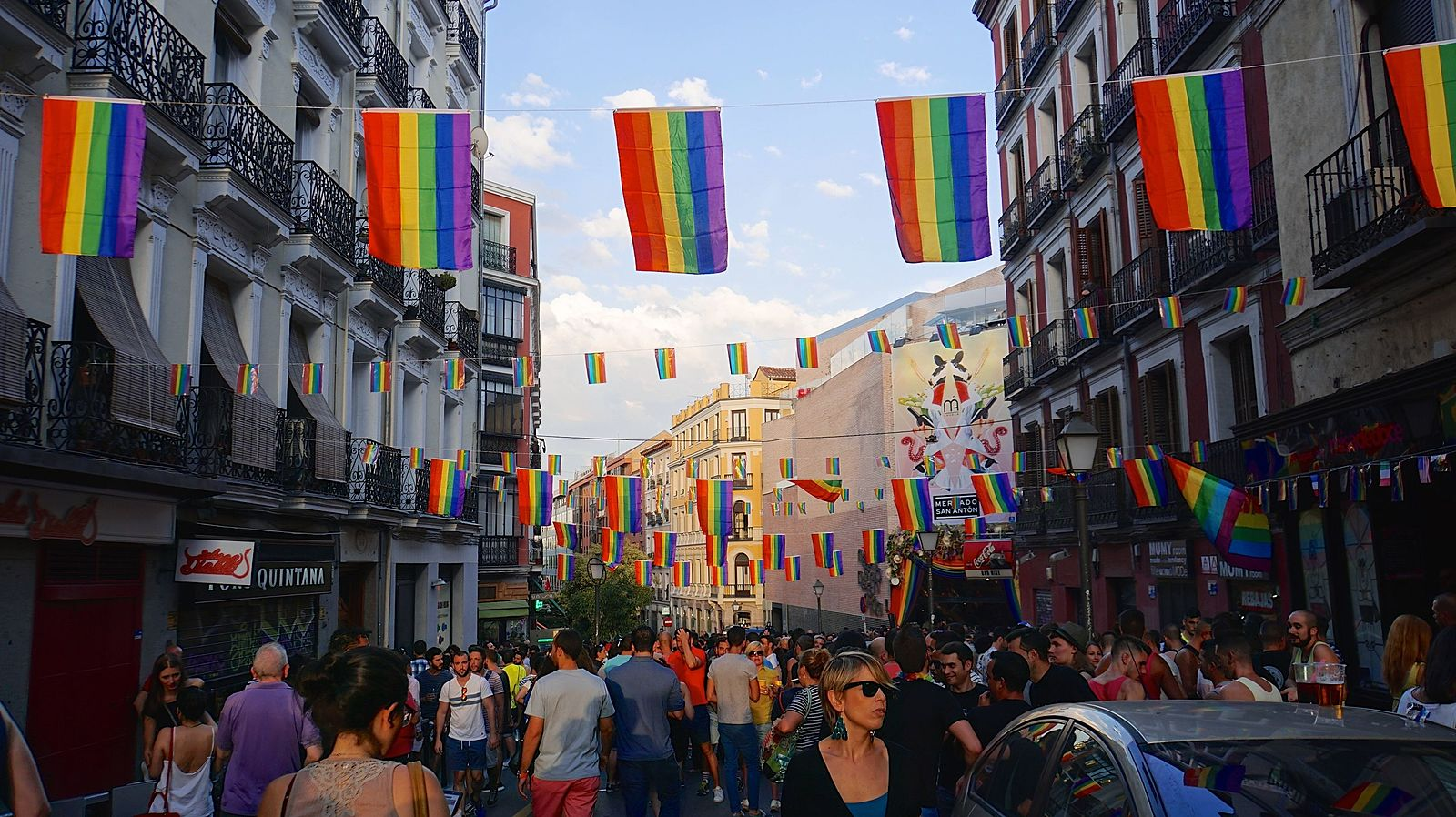
Pride flags hang over a crowded street in Chueca, Madrid. Ted Eytan. CC BY-SA 2.0
Chueca is a timeless neighborhood in an already historic city. Located in the heart of Madrid, this gay village is defined by its lively crowds as much as by its many cafes and boutiques. Chueca’s annual gay pride event, known as Madrid Pride, is the largest in Europe with an average crowd of over 2 million people each year. The neighborhood also hosted WorldPride Madrid 2017, an international Pride event that promotes LGBTQ+ issues globally. WorldPride 2017 was one of the largest Pride events in history, attracting an estimated 3.5 million attendees. Chueca has more to offer than just shops and festivals. For those with a love for romance and history, one can visit the Church of San Anton, where visitors will find the bones of St. Valentine himself.
4. Buenos Aires, Argentina
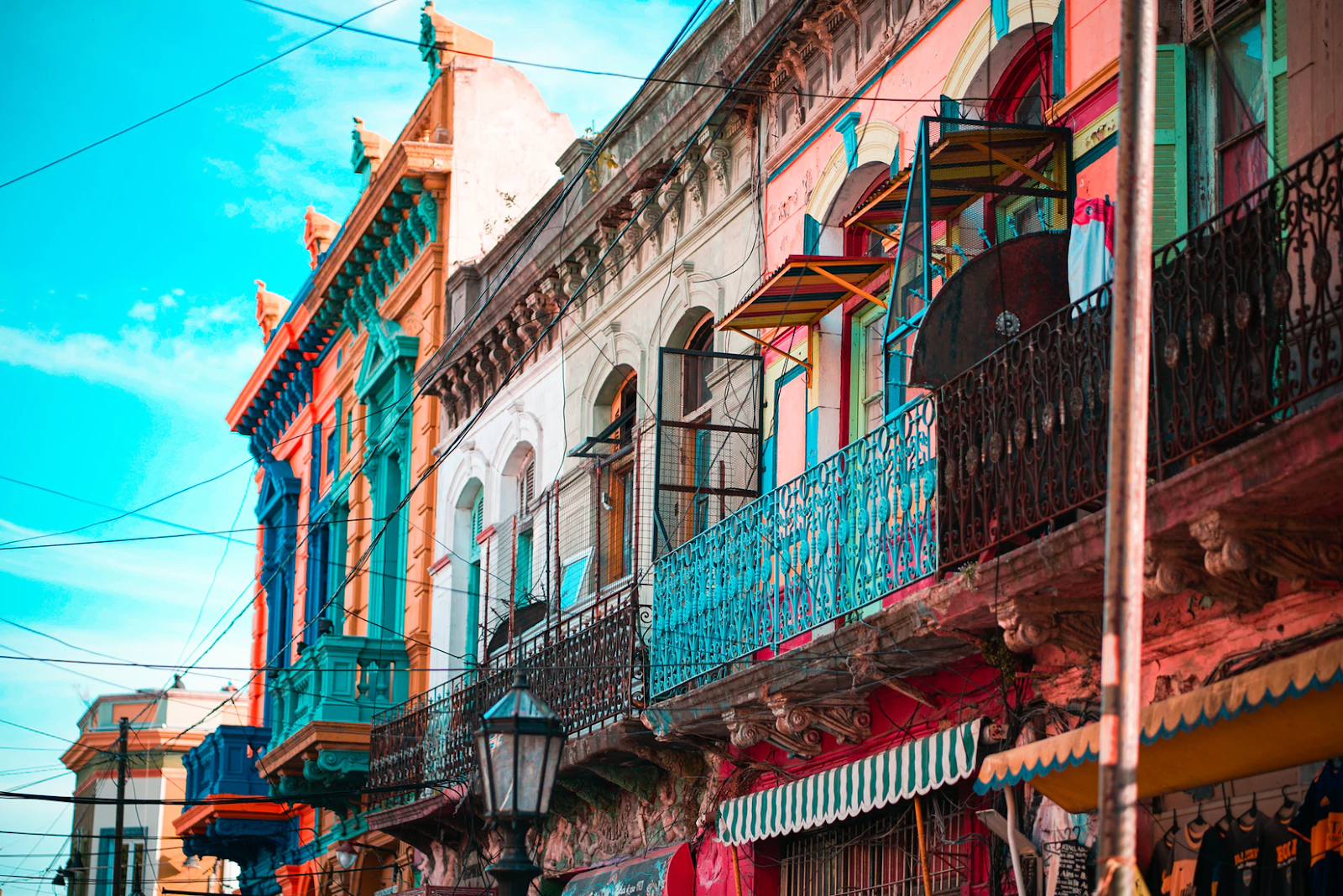
Colorful buildings in Caminito, Buenos Aires. Barbara Zandoval. Unsplash
Unlike other major cities, Buenos Aires lacks a specific gay village. However, this doesn’t mean that Buenos Aires isn’t a gay-friendly city, or that there isn’t a queer community in the Argentine capital. Rather, LGBTQ+ travelers will find pockets across the city’s many barrios that cater to gay and straight patrons alike. San Telmo, Bueno Aires’ oldest barrio, is known for its historic streets and contemporary art installations. In the city’s largest barrio, Palermo, one can find both stunning botanical gardens and the city’s largest collection of gay bars and clubs. The belle epoque buildings of Barrio Norte can instantly transport travelers to the streets of Paris. None of these neighborhoods are explicitly Buenos Aires’ gay village. Rather, visitors and locals alike will find a queer-friendly environment all across the city. Argentina is a leader of LGBTQ+ rights in the region, becoming the first country in Latin America to legalize same-sex marriage in 2010. Regardless of where travelers find themselves in Buenos Aires, they will find a progressive city paving the way for gay rights and liberation.
5. Gay Village, Montreal
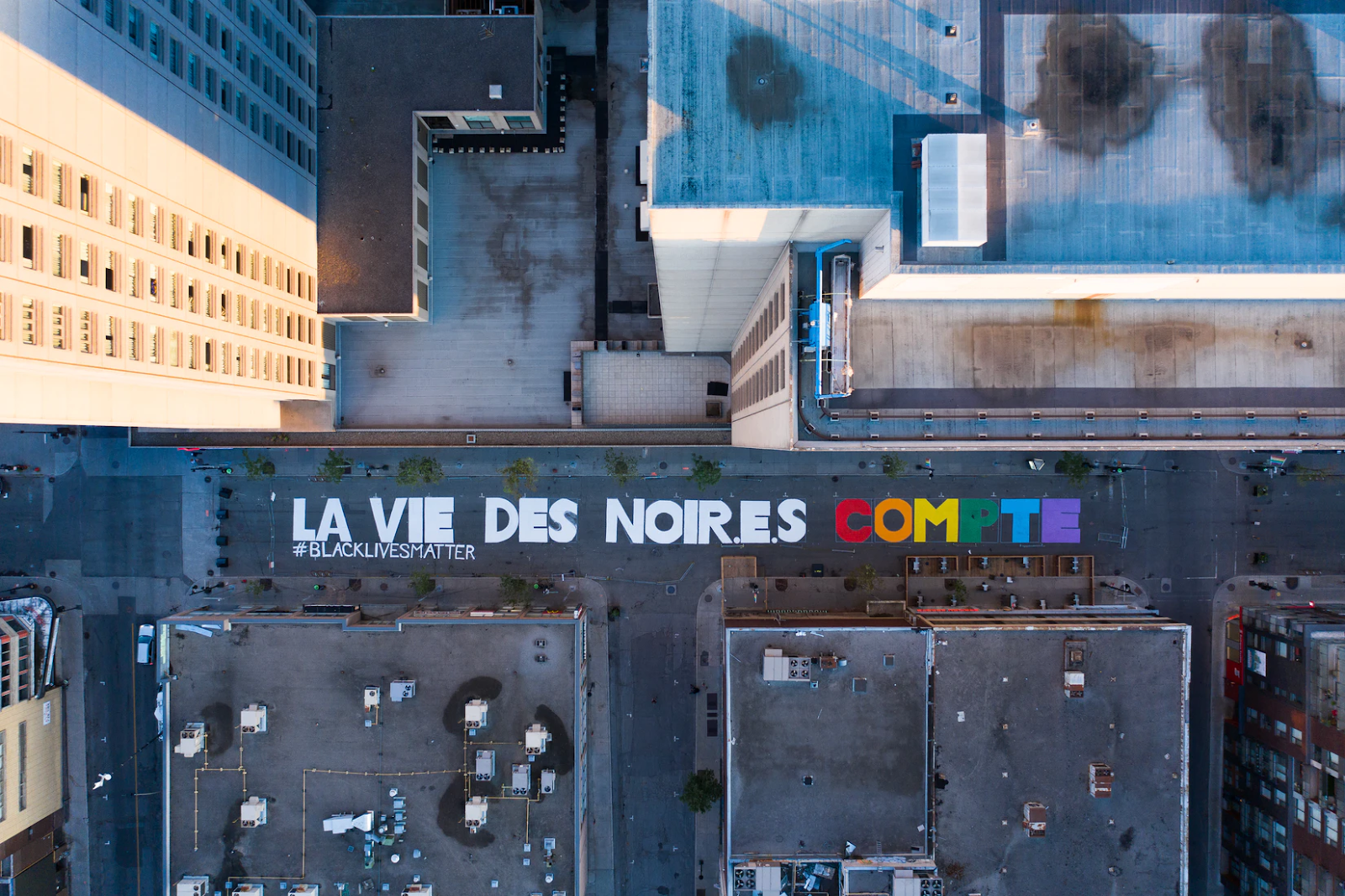
A Black Lives Matter street mural in Montreal’s Gay Village. Martin Reisch. Unsplash
Montreal’s Gay Village is one of the most prominent of its type in the French-speaking world. Known as “Le Village Gai” in French, the community had to overcome decades of oppression before becoming one of the most well-known gayborhoods in the world. During the 1970s, gay businesses in the city were regular targets of the police, who often raided bars and other establishments. Police violence didn’t deter Montreal’s LGBTQ+ population. Rather, Montreal’s gay residents formed a series of demonstrations to fight injustice against their community. Now the area is one of Montreal’s most popular neighborhoods. It draws visitors from all over the world, and hosts the largest Pride in Canada. Fierte Montreal, literally “Montreal Pride,” drew more than 3 million attendees in 2019, which also makes it the largest Pride in a French-speaking city (sorry Paris!). In classic Montreal fashion, two gay villages technically exist in Montreal: an English one located near downtown, and a French one on Saint Laurent Boulevard.
6. Canal Street, Manchester, England
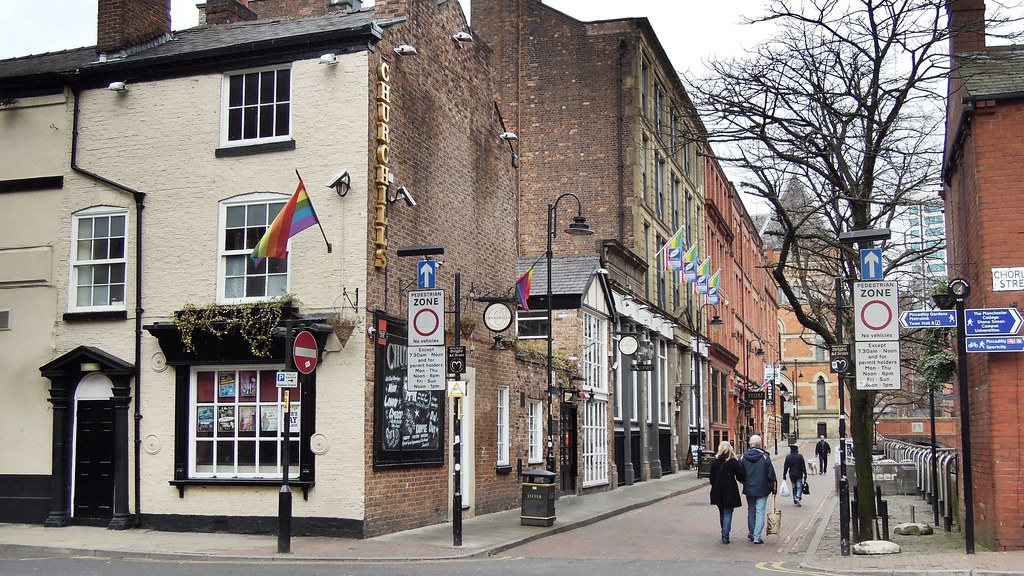
Canal Street in Manchester, England. David McKelvey. CC BY-NC-ND 2.0
When one thinks of cosmopolitanism in the U.K., most think of London. However, travelers shouldn’t count out the city of Manchester. Canal Street easily competes with London’s Soho for the center of Britain’s queer scene. The street dates back to the early 1800s as a transportation hub, when Manchester was rapidly growing as a major industrial center. Canal Street derives its name from the Rochdale Canal which runs alongside it. By the 1950s, the neighborhood was facing urban decline. This was around the same time that Canal Street became Manchester’s main gayborhood. Like many gay villages around the world, the community faced hostility from police during the 1980s. It wasn’t until the 1990s that Canal Street was able to thrive openly as a gay village. Now the street is a proud and open community, drawing locals and travelers from both the U.K. and across the world. It is home to the annual Manchester Pride, the second-largest Pride event in Britain after London’s.
7. Ximending, Taipei, Taiwan
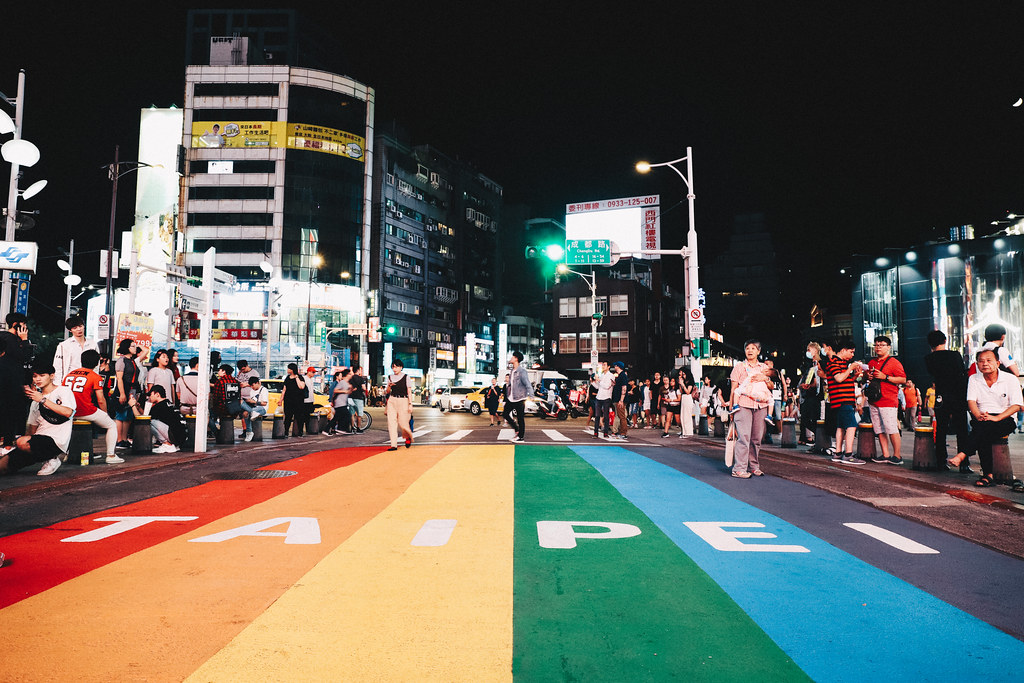
A rainbow-colored street in Taipei’s Ximending district. waychen_c. CC BY-NC-ND 2.0
Known for night markets and traditional temples, Taipei should be near the top of anyone’s list when traveling in Asia. It is also one of the most gay-friendly cities in the world, and a leading example of equal rights in the region. In 2019, Taiwan became the first and only country so far in Asia to legalize same-sex marrriage. This makes Taipei not only the center of gay culture in Taiwan, but a perfect example of what LGBTQ+ equality could look like in Asia. The city’s gay village is located in Ximending, a shopping area of the historic Wanhua district. Situated near the famous Red House Theater, Ximending offers a plethora of gay bars and nightclubs open late into the night. In a city like Taipei, you don’t need to be a local to enjoy what this friendly city has to offer travelers of all kinds. However, you might need to be a night owl to fully experience this gayborhood.
8. Schoneberg, Berlin
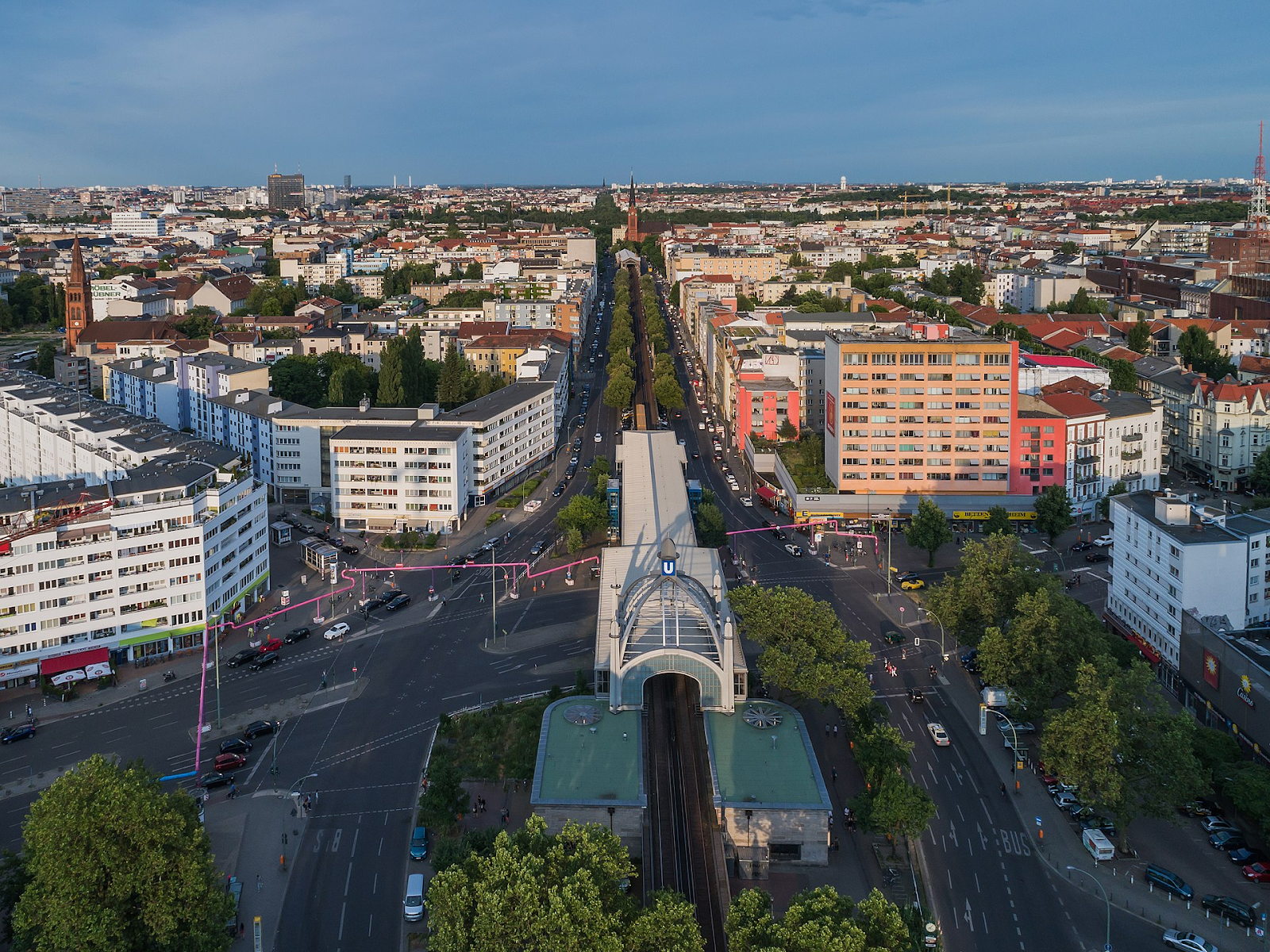
Nollendorfplatz in Berlin’s Schoneberg neighborhood. Schoneberg is the oldest gay village in the world. Oh-Berlin.com. CC BY 2.0
Located in the western part of Berlin, Schoneberg’s history as a gay village spans nearly a century. The neighborhood’s roots lie as a village in the Middle Ages, all the way back in the 13th century. In the 1920s, as Berlin grew in size, Schoneberg became a part of the German capital. That is around the same time the area became the center of the city’s emerging queer scene. Gay nightclubs and other venues flourished during the Weimar Republic, before almost all of them were shut down when the Nazis seized power in 1933. Now, Schoneberg is once again a proud gay village. Much of the gay life in the neighborhood is centered around Motzstrasse, a street that goes right through the center of Schoneberg. The street is where Berlin’s Lesbian and Gay City Festival is held each year, one of the largest of its kind in Europe. Whether one comes for its history or its nightlife, Schoneberg is a constant reminder that queer people have always been a part of Berlin life, just as they have been a part of communities around the world.

Aerex Narvasa
Aerex is a current student at Occidental College majoring in Diplomacy and World Affairs with a minor in East Asian Studies. He is passionate about sharing people’s stories through writing, and always strives to learn about new places and cultures. Aerex loves finding new music and exploring his hometown of Los Angeles in his free time.
Brilliant Bushes: The History of Topiary and Where to Find Them
It seems that grand landscapes are incomplete without some unique plant life to adorn the surrounding grounds. The untraditional category of gardening known as topiary has become famous over thousands of years for its intricate, and often grandiose, art style.
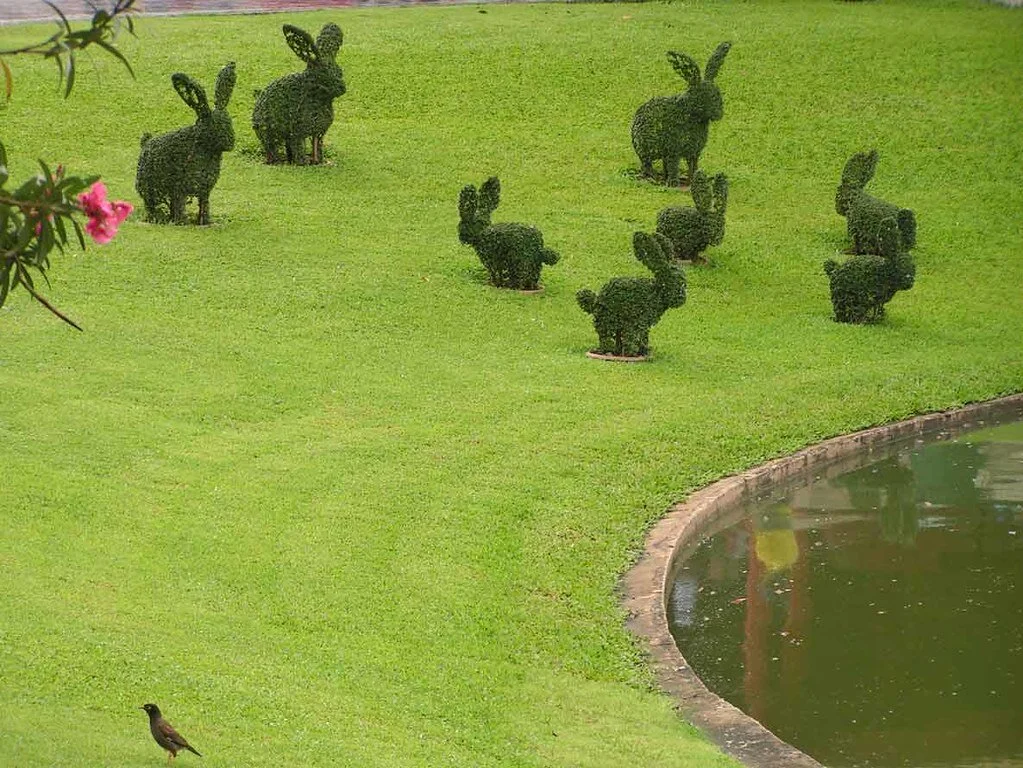
Rabbit topiary in Bangkok. Arthur Chapman. CC BY-NC-SA 2.0.
The Origins of Topiary
The exact year that topiary was invented remains unknown, but it is generally believed that it began around the first century with the Greeks. Topiary, the art of clipping plants into decorative shapes, was believed to be very complementary to the elaborate form of Greek architecture, so topiary found a good foundation in Greek culture. The joy of topiary eventually spread to nearby countries, with Roman Emperor Caesar Augustus being the next famous face to take part in the art. The proliferation of French monasteries later helped to push topiary across Europe.
As hundreds of years passed, many more nations weaved topiary into the foundation of their decorative landscapes. The art itself also grew incredibly precise and complex. The French primarily created larger and less intricate designs to line their gardens, while the Dutch used mathematics to master finely clipped designs.
Interest in topiary has wavered over the last few hundred years, but love for the art form has never disappeared. In the 1800s, the introduction of new plants through trade with Asia caused an explosion in topiary interest, but this interest then faded again after World War I.
Two Top Topiaries
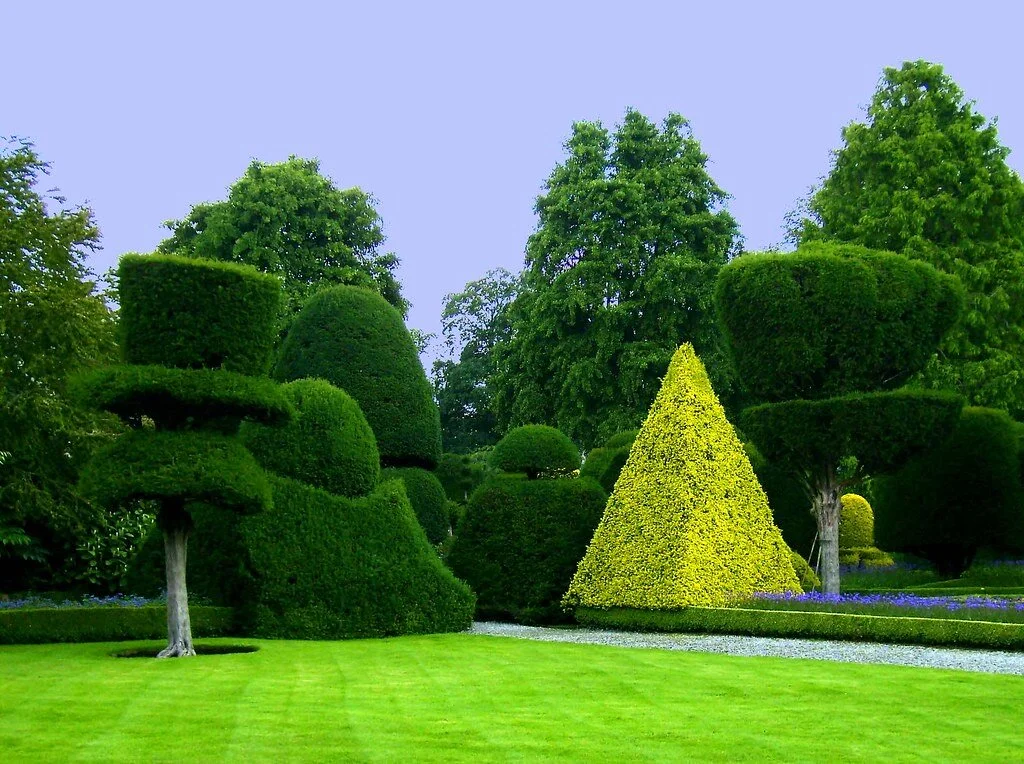
Levens Hall Topiary Garden. Jenny Mackness. CC BY-NC 2.0.
For topiary enthusiasts and clueless travelers alike, Levens Hall Topiary Garden guarantees a moment of awe. Sitting in the Lake District of northwest England, this garden is the oldest topiary garden in the world; some pieces are over 300 years old. It was started by the gardener of King James II and originally housed a simpler layout, but faced a fairly dramatic change about a century after it was made. When interest in topiary experienced one of its many dips, the garden was redesigned in the early 1800s to display Victorian shapes.
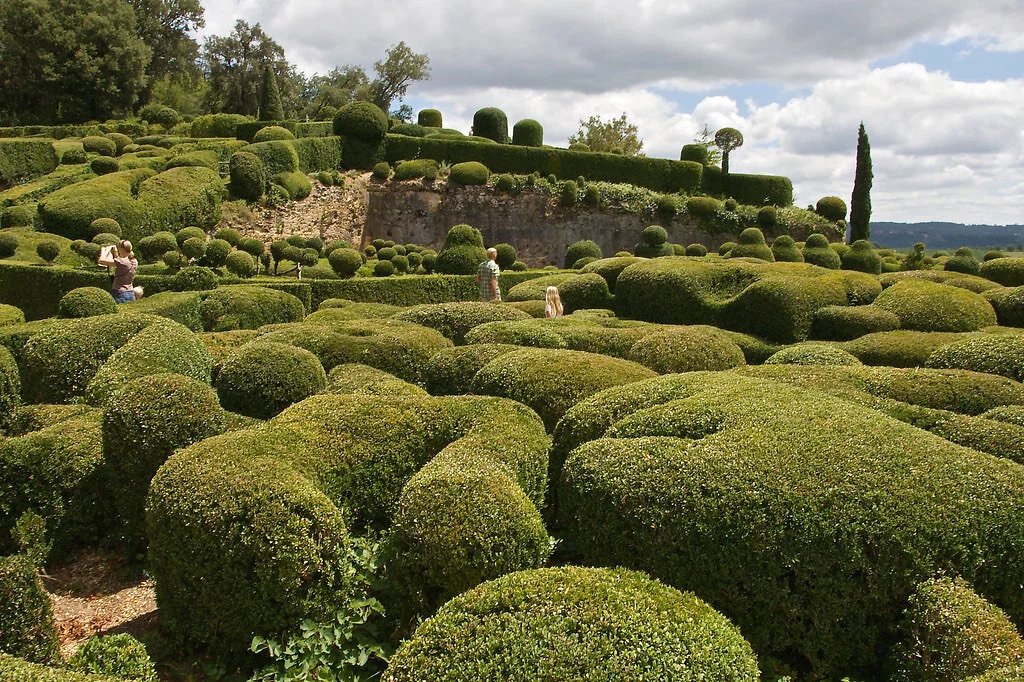
Gardens of Marqueyssac. Andy Lawson. CC BY 2.0.
The French are famous for their clipped hedge style, but the gardens of Marqueyssac have evolved this style immensely. The garden is located by the Dordogne River, which creates an incredible view of the endless countryside when seen from the elevated areas of the garden. The hedges display a traditional box clipping style, but the swirling pattern makes them appear weaved together. The masterfully uniform design creates an illusion of an endless sea of hedge; this work is credited to a student of Andre Le Notre, who designed the gardens of Versailles.
Although overlooked by many mainstream artists, the form of topiary is not to be underestimated. For countless years, topiary has become an elaborate foundation for landscape and architecture. It has embedded its way into cultures across the world, only further enabling artists to express their limitless imagination.

Ella Nguyen
Ella is an undergraduate student at Vassar College pursuing a degree in Hispanic Studies. She wants to assist in the field of immigration law and hopes to utilize Spanish in her future projects. In her free time she enjoys cooking, writing poetry, and learning about cosmetics.
The 10 Best Museums You’ve Never Heard Of
The world’s most popular museums are often overcrowded and overwhelming. Here are 10 of the world’s best museums that are less known but just as impactful.
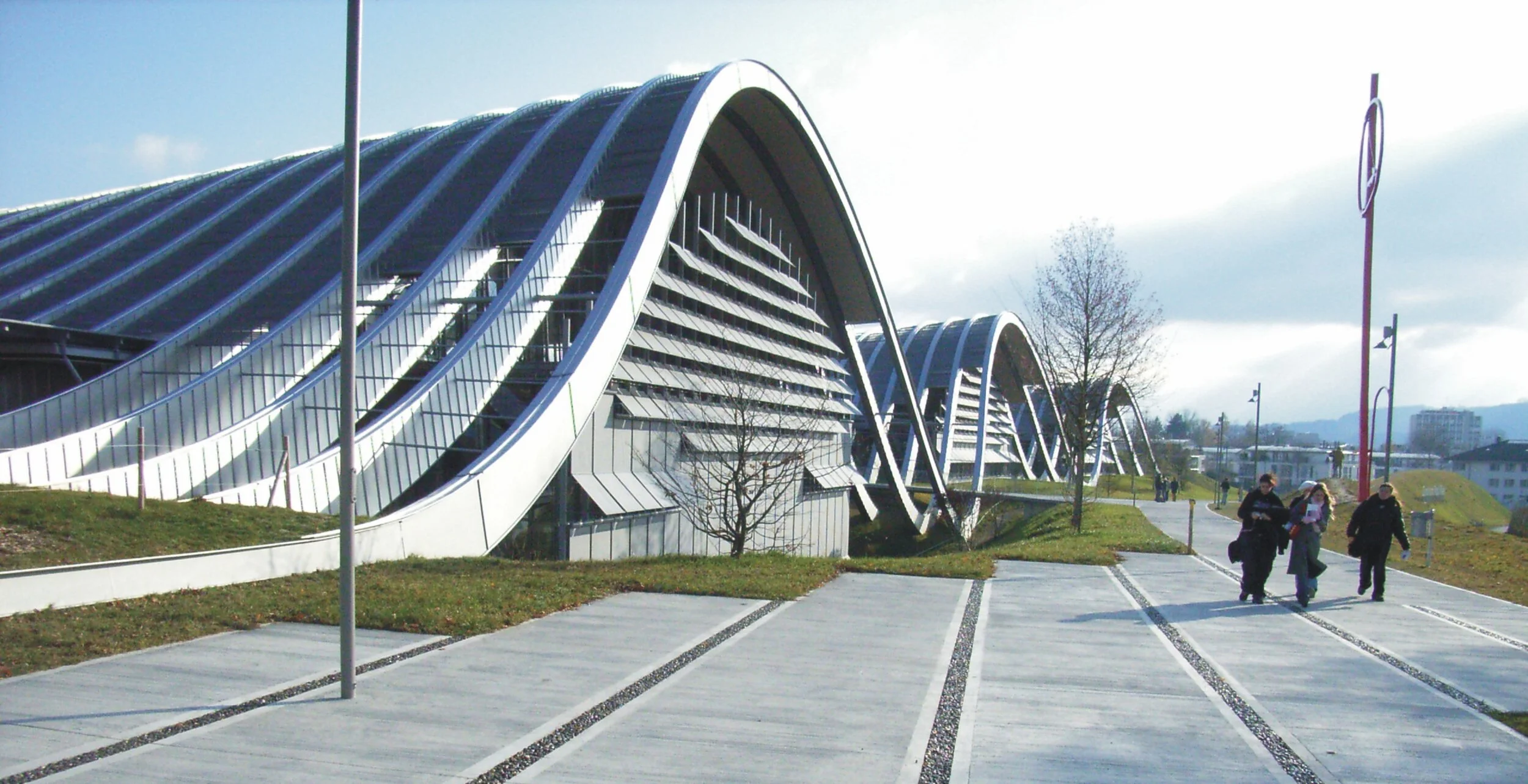
People walk by Zentrum Paul Klee in Bern, Switzerland. Lys Ippos. CC BY 3.0.
The most popular museums in the world—the Louvre, the Met, the Tate Modern—offer an incredible breadth of art, but are often crowded, congested and overwhelming. Lesser-known museums can offer exceptional art, culture and history, all without the lines and high volumes of other visitors. Here are 10 of the best museums around the world that fly under the radar and are home to unique and fascinating collections.
1. Louisiana Museum of Modern Art
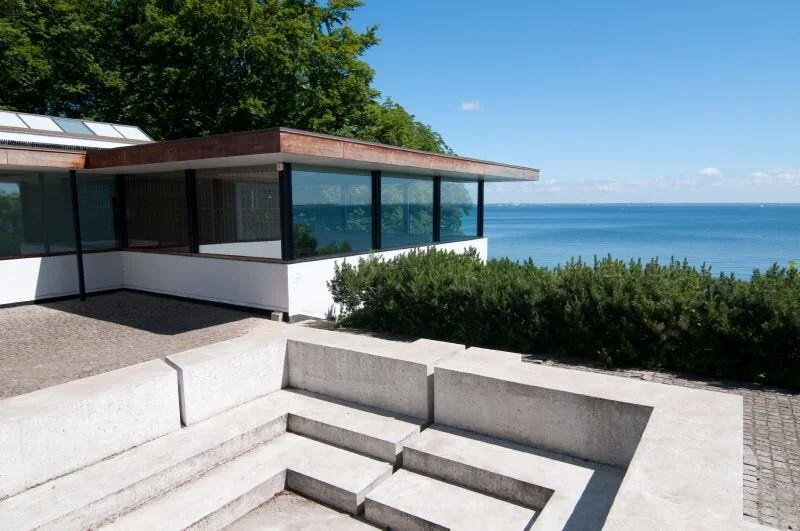
The exterior of the Louisiana on the Oresund Sound. CC BY 4.0. Kim Hansen.
The Louisiana, located outside of Copenhagen, Denmark, is home to one of the most immersive modern art collections in the world. In response to Danish museums turning away modern art, founder Knud W. Jensen created the Louisiana in 1958. The museum’s integration of indoor, outdoor and digital space allows visitors to move through art dynamically, fulfilling Jensen’s goal of a truly integrated art experience. This museum is also one of the only in the world with a permanent light installation from Yayoi Kusama, whose temporary installations in cities such as New York are almost impossible to get tickets for.
2. Museum of Broken Relationships
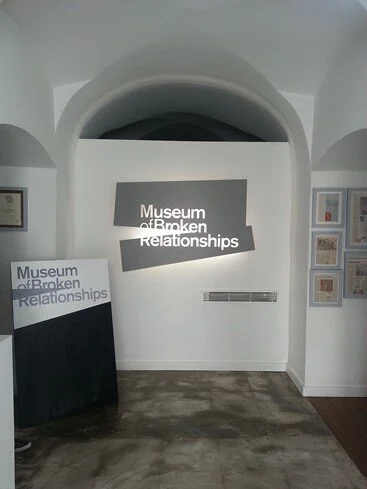
The Museum of Broken Relationships. CC BY 2.0. Pros Opee. CC BY 2.0.
This museum, created by artists Olinka Vistica and Drazen Grubisic, is located in Zagreb, Croatia, with a second gallery in Los Angeles. The museum’s mission is to create a shrine of symbolic possessions that commemorate and treasure humanity’s ability to love and to lose. While the Museum of Broken Relationships is a physically stunning museum, the heart of this project stems from its global engagement. The museum’s online component has space for everyone to share the story of their heartbreak. View the online portion of the museum here.
3. Pitt Rivers Museum
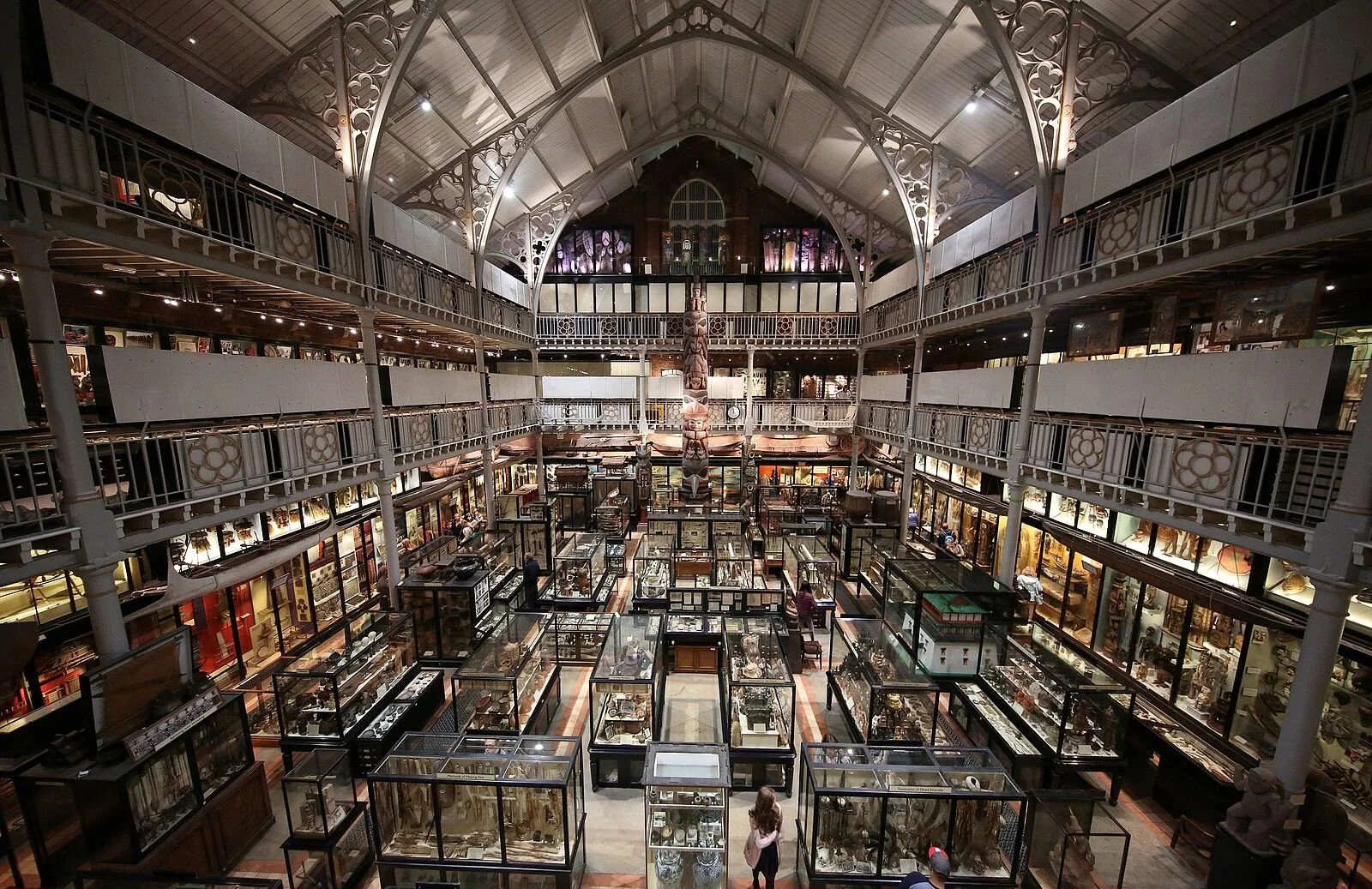
Interior of the Pitt Rivers Museum. Geni. CC BY 2.0.
The Pitt Rivers Museum in Oxford, England, is home to over half a million artifacts from around the globe. A fascinating collection of anthropological and archaeological items, the Pitt Rivers Museum is unique because of its organizational system for displays. Rather than grouping items together by period or people, the Pitt Rivers Museum groups items together by type, illustrating the commonalities between different peoples and histories throughout the world. You can visit the museum virtually today.
4. Tenement Museum
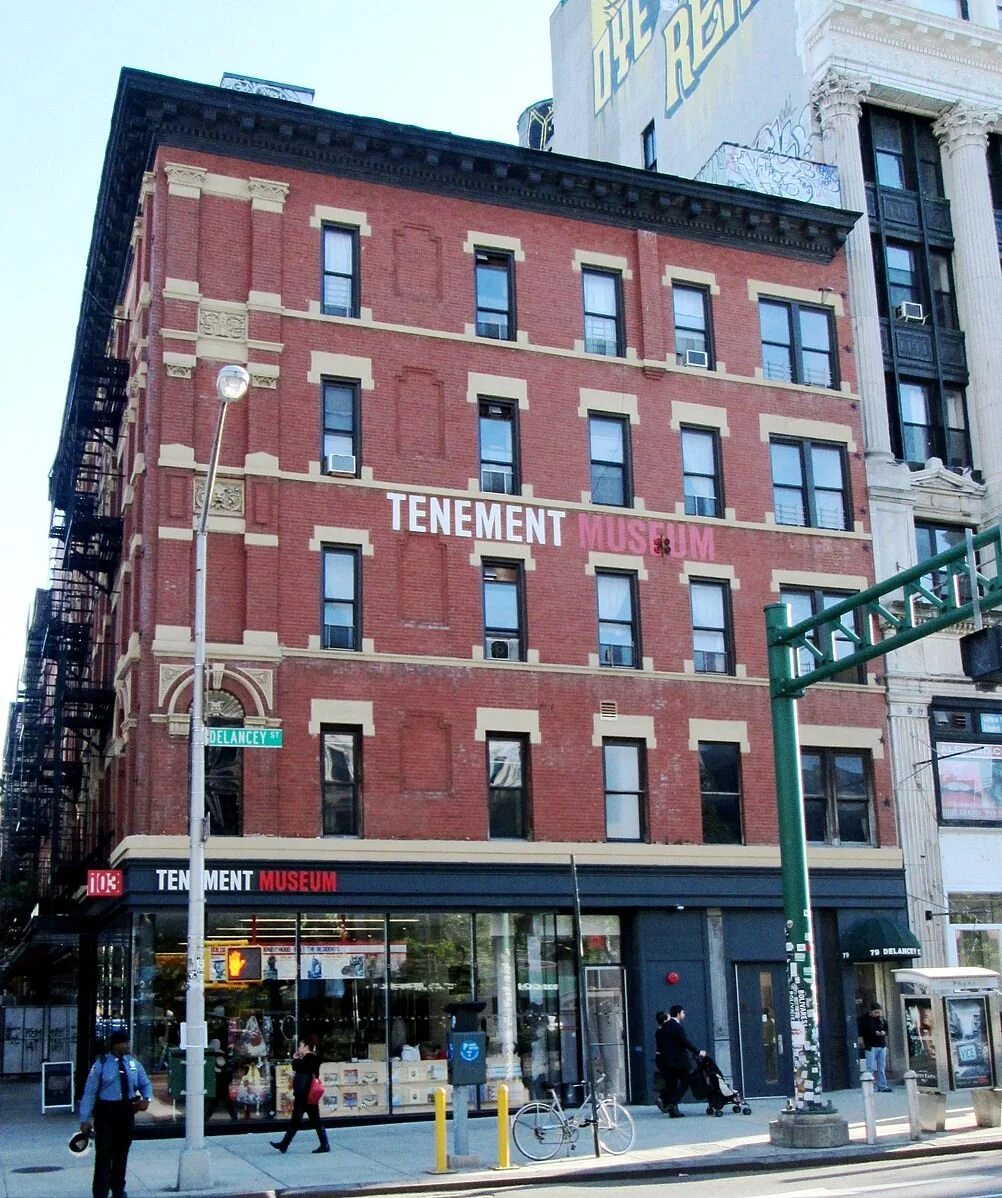
The Tenement Museum exterior. Beyond My Ken. CC BY 2.0.
The Tenement Museum in New York City is devoted to the history of immigration and migration to the United States. Located in a formerly dilapidated tenement building that was home to immigrant families between 1860 and 1930, historian Ruth Abram and social activist Anita Jacobsen built their museum around the stories of these families. In connecting public policy, oral history and immigrant narratives, the Tenement Museum offers a moving and topical exploration of recent history.
5. The Kunstkamera
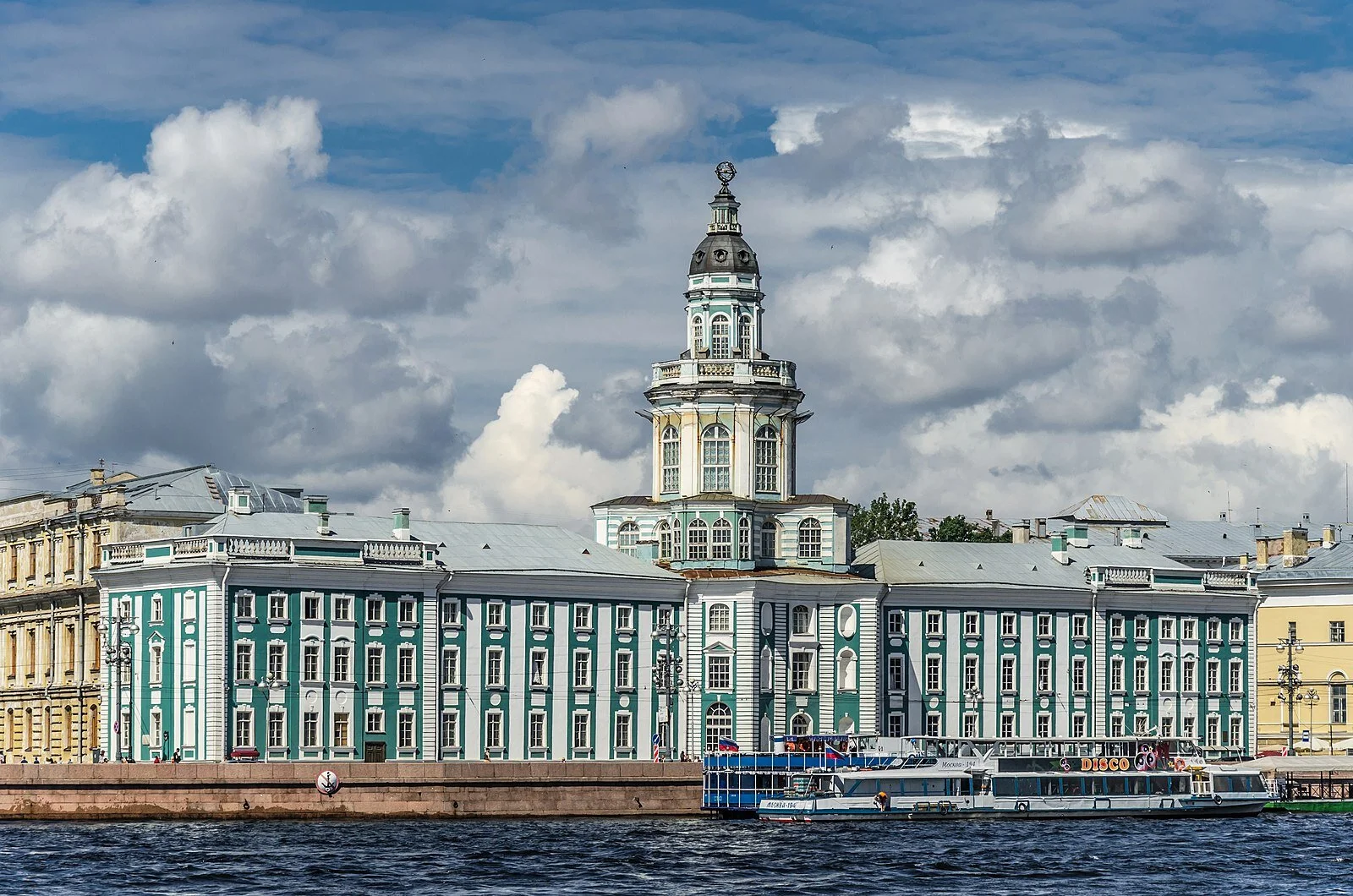
The Kunstkamera in St. Petersburg, Russia. Flor Stein. CC BY 4.0.
Established by Peter the Great at the beginning of the 18th century, the Kunstkamera’s collection comprises nearly 2 million oddities. Located in St. Petersburg, Russia’s first museum was founded with the goal of containing all of the world’s knowledge in one building. This massive collection remains relatively unknown outside of Russia, but offers one of the world’s most vast displays of global anthropology and ethnography.
6. Castello di Rivoli
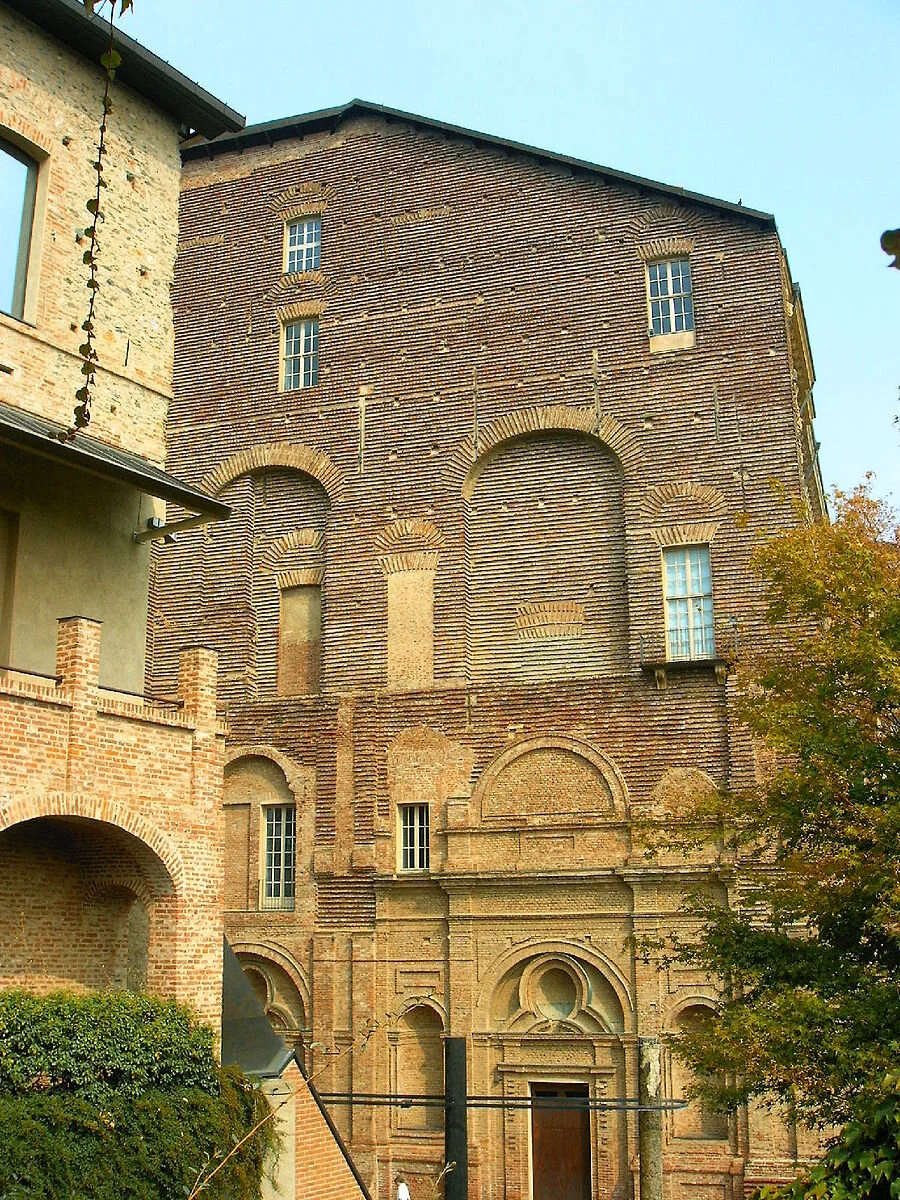
The facade of Castello di Rivoli. M. A. CC BY 2.5.
In 1984, the Castello di Rivoli became the first museum in Italy completely devoted to contemporary art. Located just outside of Turin, this museum is located in a UNESCO World Heritage Site. The castle buildings are open to the public and the modern art exhibitions within the castle walls are world-class, with the Castello di Rivoli also serving as one of the world’s premier art history research centers.
7. Zentrum Paul Klee

Zentrum Paul Klee exterior. Krol K. CC BY 3.0.
This museum, located in Bern, Switzerland, is dedicated to the work of artist Paul Klee. Klee’s artistic collection is remarkable in its own right with his groundbreaking exploration of color theory, but the draw of this museum is also the physical building. Designed by Italian architect Renzo Piano in 2005, the iconic building integrates the natural hilly landscape with metallic swoops and arcs that mirror Klee’s art. Check out the online exhibit, “Mapping Klee,” at this link.
8. Museum of Old and New Art
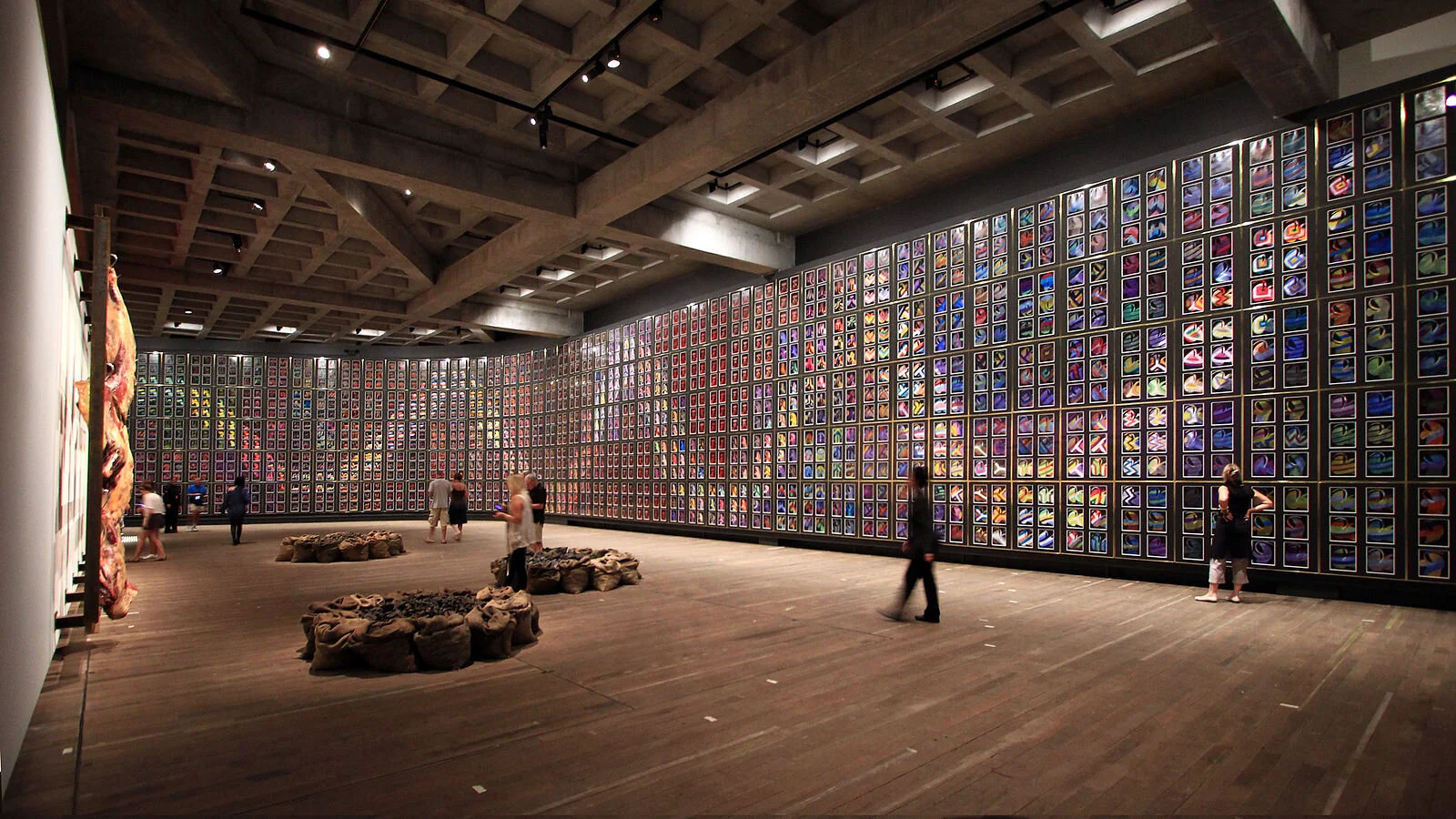
“Snake” by Sidney Nolan in MONA. Jeff Owens. CC BY 2.0.
MONA, the Museum of Old and New Art, is an ever-changing collection of ancient, contemporary and modern art. Located in Hobart on Australia’s island of Tasmania, the museum is built into a cliff and prioritizes multimedia installations, engagement with community-based art, and live performances. MONA elevates the museum experience by operating a winery, hotel and restaurant on-site that all mirror the museum’s ethos: fun.
9. Museum Willet-Holthuysen
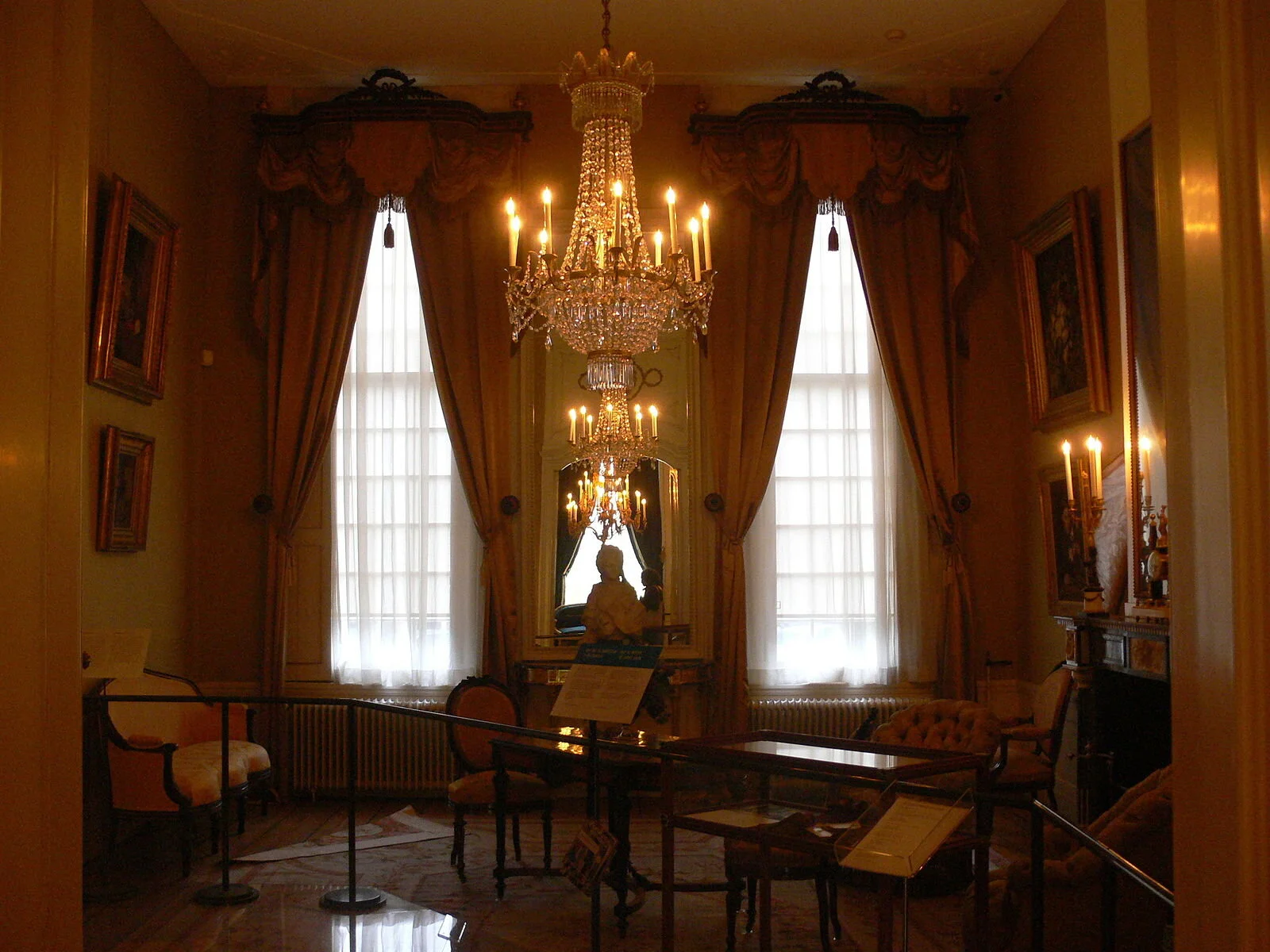
Interior of the Museum Willet-Holthuysen. Remi Mathis. CC BY 3.0.
The Museum Willet-Holthuysen is a homage to Amsterdam’s golden age. Built in 1687, this canal house was donated to the Dutch city in 1895. The 18th- and 19th-century room decor is still in its original condition, and the gallery walls are lined with paintings from the Willet-Holthuysen private collection, allowing many of the paintings to be displayed in their original historic setting. View part of the collection online here.
10. The Neon Museum

Signs in the Neon Museum. Adrian Grycuk. CC BY 3.0.
Since 2005, this museum in Warsaw, Poland, has been dedicated to the preservation of Cold War-era artifacts; namely, neon signage from the Soviet Union. In the Eastern Bloc, which included Poland, there was an official effort from the 1950s to the 1970s to “neonize” the state. The Soviet attempt to bring Western aesthetics to Eastern Europe has been preserved at the Neon Museum, where gallery walls are lined with an array of colorful relics.

Sarah Leidich
Sarah is currently an English and Film major at Barnard College of Columbia University. Sarah is inspired by global art in every form, and hopes to explore the intersection of activism, art, and storytelling through her writing.
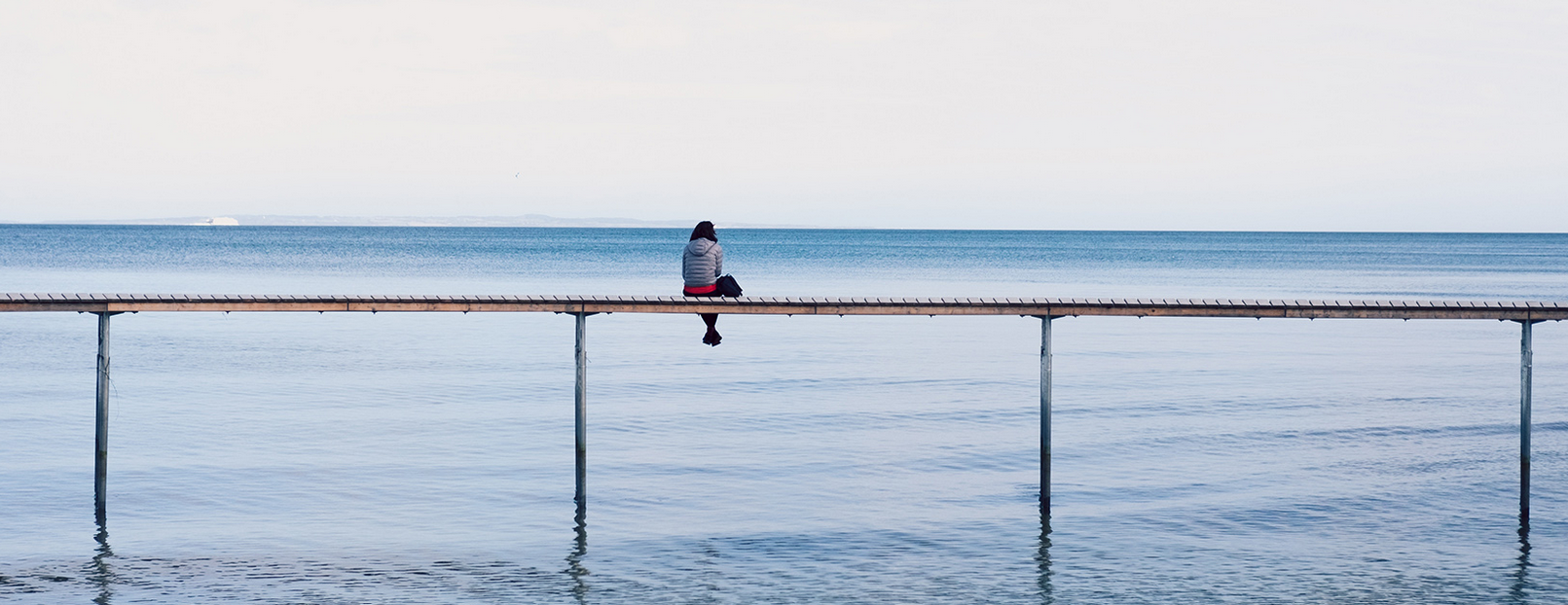
Lockdown Lessons From the History of Solitude
When the poet John Donne was struck down by a sudden infection in 1623 he immediately found himself alone – even his doctors deserted him. The experience, which only lasted a week, was intolerable. He later wrote: “As sickness is the greatest misery, so the greatest misery of sickness is solitude.”
It’s hard to believe now, but until relatively recently, solitude – or the experience of being alone for significant periods of time – was treated with a mixture of fear and respect. It tended to be restricted to enclosed religious orders and was thus a privileged experience of a male elite. Change was only set in motion by the Reformation and the Enlightenment, when the ideologies of humanism and realism took hold and solitude slowly became something that anyone could acceptably seek from time to time. Most people in the West are now used to some regular form of solitude – but the reality of lockdown is making this experience far more extreme.
I have spent the last few years researching the history of solitude, looking into how people in the past managed to balance community ties and solitary behaviours. This has never seemed more relevant.
Take the example of my own community. I live – and now work – in an old house in an ancient Shropshire village in England. In the 11th-century Domesday Book it was recorded as a viable community, on a bluff of land above the River Severn. Over the centuries, its self-sufficiency has declined. Now it has no services beyond the church on Sunday.
But it has long displayed a collective spirit, mostly for seasonal entertainment and the maintenance of a village green, which contains the ruins of a castle built to keep the Welsh in Wales. Planning was taking place for a formal ball in a marquee on the green this autumn, which has yet to be cancelled. In the meantime, the Neighbourhood Watch group, in place to deal with very rare criminal activity, has delivered a card to all residents, offering to help with “picking up shopping, posting mail, collecting newspapers, or with urgent supplies”. There is a WhatsApp group where many locals are offering support.
For the first time in generations, the attention of the inhabitants is not focused on the resources of the region’s urban centres. The nearby A5, the trunk road from London to Holyhead and thence to Ireland, no longer goes anywhere important. Instead, the community has turned inwards, to local needs, and the capacity of local resources to meet them.
This experience of a small British settlement reflects the condition of many in Western societies. The COVID-19 crisis has led us to embrace new technologies to revitalise old social networks. As we begin to come to terms with the lockdown, it is important to understand the resources at our disposal for coping with enforced isolation.
History can assist with that task. It can give a sense of perspective on the experience of being alone. Solitude has only become a widespread and valued condition in the recent past. This gives some support to our capacity to endure the COVID-19 lockdown. At the same time, loneliness, which can be seen as failed solitude, may become a more serious threat to physical and mental well-being. That failure can be a state of mind, but more often is a consequence of social or institutional malfunctions over which the individual has little or no control.
Desert fathers
At the beginning of the modern era, solitude was treated with a mixture of exaggerated respect and deep apprehension. Those who withdrew from society imitated the example of the fourth-century desert fathers who sought spiritual communion in the wilderness.
St Anthony the Great, for example, who was made famous in a biography by St Athanasius around the year 360 CE, gave away his inheritance and retreated into isolation near the the River Nile, where he lived a long life subsisting on a meagre diet and devoting his days to prayer. Whether they sought a literal or metaphorical desert, the solitude of St Anthony and his successors appealed to those seeking a peace of mind that they could no longer locate in the commercial fray.
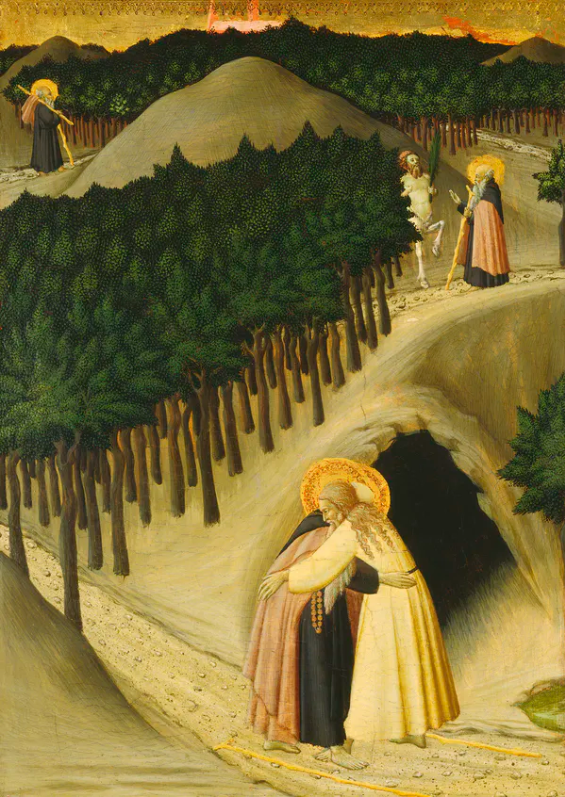
The Meeting of St Anthony and St Paul, Master of the Osservanza, c. 1430-1435. Wikimedia Commons
As such, solitude was conceived within the frame of a particular Christian tradition. The desert fathers had a profound influence on the early church. They conducted a wordless communion with a silent God, separating themselves from the noise and corruption of urban society. Their example was institutionalised in monasteries which sought to combine individual meditation with a structure of routine and authority that would protect practitioners from mental collapse or spiritual deviation.
In society more broadly, the practice of retreat was considered suitable only for educated men who sought a refuge from the corrupting pressures of an urbanising civilisation. Solitude was an opportunity, as the Swiss doctor and writer Johann Zimmermann, put it, for “self-collection and freedom”.
Women and the less well-born, however, could not be trusted with their own company. They were seen to be vulnerable to unproductive idleness or destructive forms of melancholy. (Nuns were an exception to this rule, but so disregarded that the 1829 Catholic Emancipation Act, which specifically criminalised monks and monasteries, did not mention convents at all.)
But over time, the risk register of solitude has altered. What was once the practice of enclosed religious orders and the privileged experience of a male elite has become accessible to almost everyone at some stage in their lives. This was set in motion by the twin events of the Reformation and the Enlightenment.
A social god
Attitudes were changing by the time Donne, poet and Dean of St Paul’s Cathedral, was struck down by that sudden infection and deserted by all and sundry. He wrote that the instinctive response of the healthy to the afflicted did nothing except increase his suffering: “When I am but sick, and might infect, they have no remedy but their absence and my solitude.” But he found solace in a particularly Protestant conception of God. He saw the supreme being as fundamentally social:
There is a plurality of persons in God, though there be but one God; and all his external actions testify a love of society, and communion. In heaven there are orders of angels, and armies of martyrs, and in that house many mansions; in earth, families, cities, churches, colleges, all plural things.
This sense of the importance of community was at the heart of Donne’s philosophy. In Meditation 17, he went on to write the most famous statement of man’s social identity in the English language: “No man is an island, entire of itself; every man is a piece of the continent, a part of the main.”
In the Catholic church, the tradition of monastic seclusion was still the subject of periodic renewals, most notably in this era with the founding of the Order of Cistercians of the Strict Observance, more commonly known as the Trappists, in 1664 France. Within the walls of the monastery, speech was reduced to an absolute minimum to allow the penitent monks the greatest opportunity for silent prayer.An elaborate sign language was deployed to enable the monks to go about their daily business.
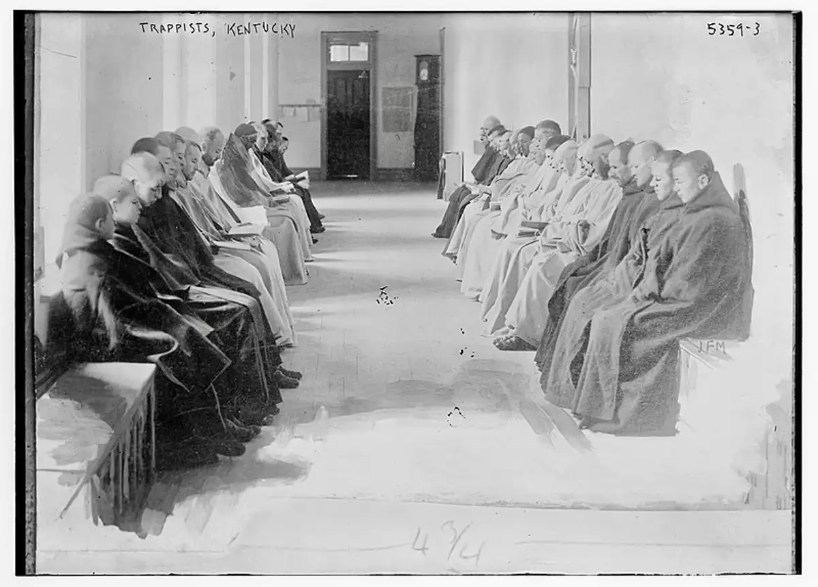
Trappists in Kentucky. Library of Congress, CC BY-SA
But in Britain, the work of Thomas Cromwell had devastated the enclosed orders, and the tradition of spiritual withdrawal was pushed to the margins of religious observance.
In the era following Donne’s time of anguish, the Enlightenment further emphasised the value of sociability. Personal interaction was held to be the key to innovation and creativity. Conversation, correspondence and exchanges within and between centres of population, challenged structures of inherited superstition and ignorance and drove forward inquiry and material progress.
There might be a need for withdrawal to the closet for spiritual meditation or sustained intellectual endeavour, but only as a means of better preparing the individual for participation in the progress of society. Prolonged, irreversible solitude began to be seen essentially as a pathology, a cause or a consequence of melancholy.
The spread of solitude
Towards the end of the 18th century, a reaction to this sociability set in. More attention began to be paid, even in Protestant societies, to the hermit tradition within Christianity.
The Romantic movement placed emphasis on the restorative powers of nature, which were best encountered on solitary walks. The writer Thomas De Quincey calculated that in his lifetime William Wordsworth strode 180,000 miles across England and Europe on indifferent legs. Amidst the noise and pollution of urbanising societies, periodic retreat and isolation became more attractive. Solitude, providing it was embraced freely, could restore spiritual energies and revive a moral perspective corrupted by unbridled capitalism.
At a more everyday level, improvements in housing conditions, domestic consumption and mass communication widened access to solitary activities. Improved postal services, followed by electronic and eventually digital systems, enabled men and women to be physically alone, yet in company.
Increasing surplus income was devoted to a widening range of pastimes and hobbies which might be practised apart from others. Handicrafts, needlework, stamp-collecting, DIY, reading, animal and bird breeding, and, in the open air, gardening and angling, absorbed time, attention and money. Specialised rooms in middle-class homes multiplied, allowing family members to spend more of their time going about their private business.
Increased incomes gave rise to more time for hobbies, such as building collections. Manfred Heyde/Wikimedia Commons, CC BY-SA
And although monasteries had been explicitly excluded from the epochal Catholic Emancipation Act of 1829, Britain subsequently witnessed a bitterly contested revival of enclosed orders of both men and women.
By the early 20th century, declining family size combined with council houses began to supply working-class parents and children with domestic spaces of their own. Electric light and central heating meant that it was no longer necessary to crowd around the only source of warmth in the home. Slum clearances emptied the streets of jostling crowds, and adolescent children began to enjoy the privilege of their own bedroom.
In middle-class homes, domestic appliances replaced live-in servants, leaving the housewife, for good or ill, with her own society for much of the day. The motor car, the aspiration of the middle class between the wars, and increasingly the whole of the population in the second half of the 20th century, provided personalised transport, accompanied by privately-chosen radio and later musical entertainment.
Self-isolating society
After 1945, society more broadly began to self-isolate. Single-person households, a rare occurrence in earlier centuries, became both feasible and desirable. In our own times, nearly a third of UK residential units have only one occupant. The proportion is higher in parts of the US and even more so in Sweden and Japan.
The widowed elderly, equipped for the first time with adequate pensions, can now enjoy domestic independence instead of moving in with children. Younger cohorts can escape unsatisfactory relationships by finding their own accommodation. Around them a set of expectations and resources have developed, making solitary living both a practical and a practised way of life.
Living by yourself, for shorter or longer periods, is itself no longer seen as a threat to physical or psychological well-being. Instead, concern is increasingly centred on the experience of loneliness, which in Britain led to the appointment of the world’s first loneliness minister in 2018, and the subsequent publication of an ambitious government strategy to combat the condition. The problem is not being without company itself, but rather, as writer and social activist Stephanie Dowrick puts it, being “uncomfortably alone without someone”.

More and more people live alone. Chuttersnap/Unsplash, FAL
In late modernity, loneliness has been less of a problem than campaigners have often claimed. Given the rapid rise both of single-person households and the numbers of elderly people, the question is not why the incidence has been so great but rather, in terms of official statistics, why it has been so small.
Nonetheless, the official injunction to withdraw from social gatherings in response to the escalating threat of the COVID-19 pandemic throws renewed attention on the often fragile boundary between life-enhancing and soul-destroying forms of solitary behaviour. This is not the first time governments have attempted to impose social isolation in a medical crisis – quarantines were also introduced in response to the medieval plague outbreaks – but it may be the first time they fully succeed. No one can be sure of the consequences.
The threat of isolation
So we should take comfort from the recent history of solitude. It is certain that modern societies are much better equipped than those in the past to meet such a challenge. Long before the current crisis, society in much of the West moved indoors.
In normal times, walk down any suburban street outside the commute to work or school, and the overriding impression is the absence of people. The post-war growth of single-person households has normalised a host of conventions and activities associated with the absence of company. Homes have more heated and lighted space; food, whether as raw materials or takeaway meals, can be ordered and delivered without leaving the front door; digital devices provide entertainment and enable contact with family and friends; gardens supply enclosed fresh air to those who have one (now made still fresher by the temporary absence of traffic).
By contrast, the pattern of living in Victorian and early 20th-century Britain would have made such isolation impossible for much of the population. In working-class homes, parents and children passed their days in a single living room and shared beds at night. Lack of space continually forced occupants out into the street where they mixed with neighbours, tradesmen and passers-by. In more prosperous households, there were more specialised rooms, but servants moved constantly between family members, ran errands to the shops, dealt with deliveries of goods and services.
The history of solitude should also encourage us to consider the boundary between solitude and loneliness – because it is partly a matter of free will. Single-person households have expanded in recent times because a range of material changes made it possible for young and old to choose how they lived. At the opposite end of the spectrum, the most extreme form of modern solitude, penal solitary confinement wreaks destruction on almost everyone exposed to it.
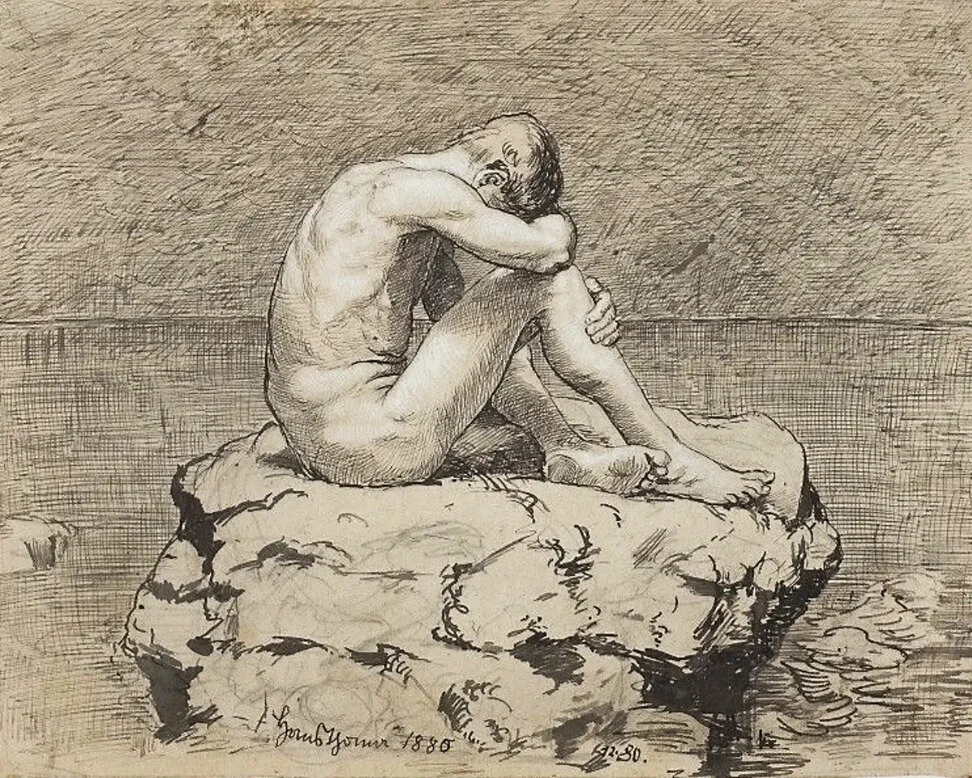
Loneliness, Hans Thoma, 1880. National Museum in Warsaw, Wikimedia Commons
Much will now depend on whether the state engenders a spirit of enlightened consent, whereby citizens agree to disrupt their patterns of living for the sake of their own and the common good. Trust and communication police the boundary of acceptable and unacceptable isolation.
It is a matter of time. Many of the forms of solitude which are now embraced are framed moments before social intercourse is resumed. Walking the dog for half an hour, engaging in mindful meditation in a lunch break, digging the garden in the evening, or withdrawing from the noise of the household to read a book or text a friend are all critical but transient forms of escape.
Those living alone experience longer periods of silence, but until lockdown was imposed, were free to leave their home to seek company, even if only in the form of work colleagues. Loneliness can be viewed as solitude that lasts too long. For all the science driving current government policy, we have no way of knowing the cost to people’s peace of mind of isolation that continues for months on end.
We must remember that loneliness is not caused by living alone itself, but the inability to make contact when the need arises. Small acts of kindness between neighbours and support from local charities will make a great difference.
There is an expectation that, for good or ill, the experience of the COVID-19 epidemic will be standardised. Outside the lottery of infection, most will endure the same constraints on movement, and, through quasi-wartime financial measures, enjoy at least the same basic standard of living. But by circumstance or temperament, some will flourish better than others.
More broadly, poverty and declining public services have made it much more difficult to gain access to collective facilities. Last-minute funding changes by government will struggle to compensate for underinvestment in medical and social support over the last decade. Not everyone has the capacity or income to withdraw from places of work or the competence to deploy the digital devices which will now be critical for linking need with delivery. The more prosperous will suffer the cancellation of cruises and overseas holidays. The less so are in danger of becoming isolated in the full and most destructive meaning of the term.
Some may suffer like Donne. Others may enjoy the benefits of a change of pace, as Samuel Pepys did during another bout of plague-induced quarantine a few years after Donne. On the last day of December 1665, he reviewed the past year: “I have never lived so merrily (besides that I never got so much) as I have done this plague-time.”
David Vincent Professor of Social History, The Open University. His book A History of Solitude will be published by Polity on April 24
THIS ARTICLE WAS ORIGINALLY PUBLISHED ON THE CONVERSATION.
Meghan Markle and What She Means for People of Color
A Beacon of Light from the Royal Family

The royal wedding; an event celebrated far and wide. The union of a prince and a princess in holy matrimony is something the world stops and stares at in awe each time it occurs. This past royal wedding however, is a bit different than those that have come before it. This year, Meghan Markle has married Prince Harry, and Meghan is biracial. Once the news of Harry and Meghan’s engagement went live, the first thing to be talked of was that Meghan is the daughter of a white man and a black woman.
Meghan Markle has never shied away from her background. At her wedding this past Saturday, she made sure to represent her status as a woman of color. One article written for the Guardian by Afua Hirsch, called the wedding a, “rousing celebration of blackness” in the title of her article.
While the celebration was rich with praise and excitement for the new princess and her proud heritage, complete with photos being shared of her and her overjoyed mother after the ceremony, an all-black gospel choir performing, the beautiful performance of Sheku Kanneh-Mason, and more; there were those who took to Twitter to bash the new princess and the ceremony. A tweet from the verified account of Katie Hopkins showed two pictures, one of princess Kate in her wedding dress and the other of now princess Meghan in hers, captioned, “No competition. You can’t buy class. #RoyalWedding2018” Clearly meaning to say that Kate was the “classier” bride and insulting Meghan. This tweet got tons of backlash and very little support, but the tweets with negative connotation and outright insults towards Meghan were not hard to find.
While the tone was mostly upbeat about the ceremony, but the insults being thrown brought another conversation to light; what does Meghan Markle’s blackness mean to and for the royal family? Well, according to an article in Newsweek, some who are celebrating Meghan’s arrival into the family as a woman of color are going to be sorely disappointed. In an article from Newsweek published on November 27th of 2017, a professor of sociology at Birmingham City University is quoted saying, “She won’t be allowed to be a black princess. The only way she can be accepted is to pass for white” she then goes on to call the people celebrating her “naïve”. This was written before the wedding took place, and the clear representation of Meghan’s background was shown during the celebration front and center. Many people of color are coming forward saying how excited they are to see a woman of color in the royal family, and there is becoming less and less criticism of the situation, but it is not completely gone.
Nobody knows what will happen in the future, but seeing a woman of color in such a powerful family could be an amazing thing. Meghan is by no means the first black princess, but she is, as of now, the most talked of one in current events. This could mean great things for people of color in the United Kingdom, with the possibility of Meghan using her now lofty platform to advocate for marginalized communities and shine lights on injustices that are swept under the rug or ignored. The hope is that Meghan will stand tall as a forward step for the royal family, and that only good will come of this beautiful union.
ANNA LOPEZ is a rising sophomore at Ithaca college. She is a writing major with aspirations of heading to law school after completing her undergraduate years. She loves animals, art, and travel; she can't wait to see where writing takes her!