• Travel Features
  • Global Action
  • Take A Trip
  • Travel Guides
    • Podcast
    • Courses
    • Bookshop
  • About
  • Sign Up
Menu

CATALYST PLANET

  • Travel Features
  • Global Action
  • Take A Trip
  • Travel Guides
  • Discover
    • Podcast
    • Courses
    • Bookshop
  • About
  • Sign Up

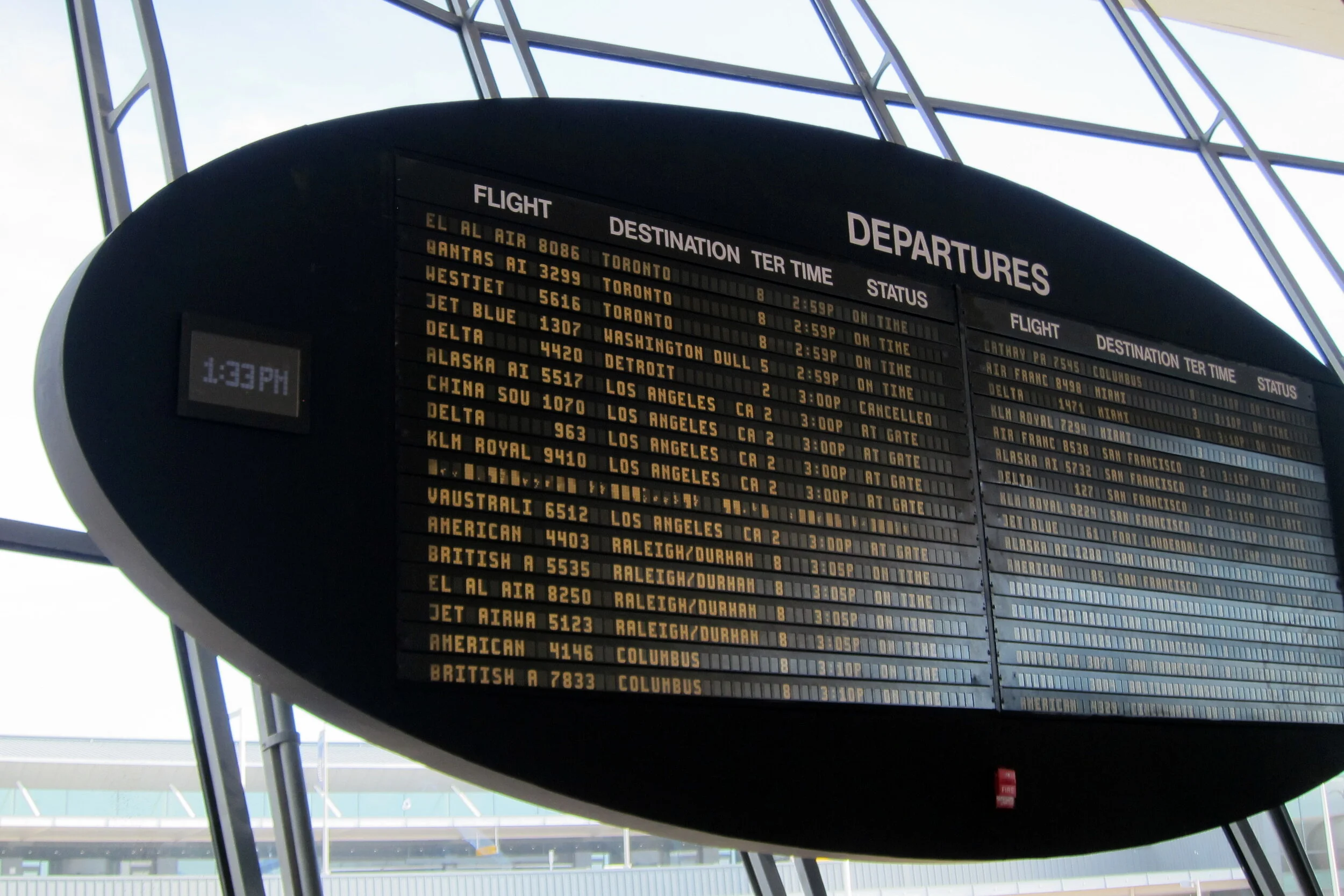
The departures board at the TWA Flight Center in New York. Wally Gobetz. CC BY-NC-ND 2.0.

Stuck at Home? Try These 5 Virtual Travel Experiences

April 22, 2021

With uncertainty surrounding the pandemic’s end, many sustainable travelers are unsure of when they will be able to venture back out into the world. Sustainable travel is rooted in the idea that one’s trip leaves a positive impact on the community visited, and the risk of spreading COVID-19 to remote communities around the globe directly interferes with this principle.

However, many sustainability and social action travel companies have pivoted from in-person travel to offer a variety of virtual experiences which connect travelers with communities they would otherwise be unable to visit. Likewise, a number of tourism organizations, tech developers and travel lovers have created their own virtual travel offerings. This allows communities around the globe which have traditionally been reliant on tourism to maintain economic sustainability during this period of uncertainty. Here is our guide to five organized virtual travel experiences that you can do from the comfort of your home.

1. Learn to Prepare Mexican Salsas with ExplorEquity
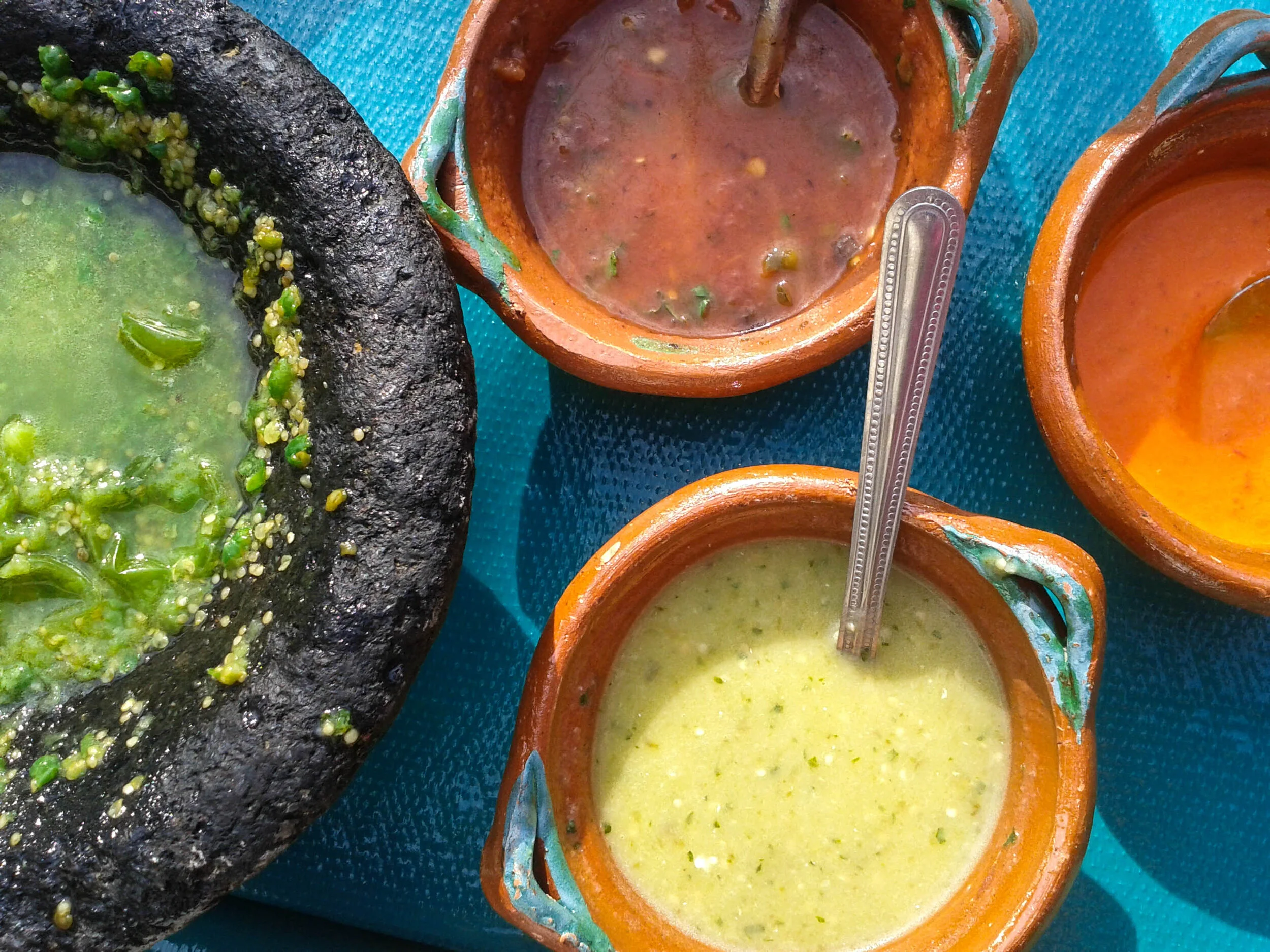
A variety of salsas. Chasing Donguri. CC BY-NC-SA 2.0.

Salsa is synonymous with Mexican cuisine. The delicious topping for chips, tortillas, tacos, burritos and enchiladas can trace its origins back to the Aztec, Mayan and Incan empires. Later popularized in Mexico and the United States throughout the 20th century, the salsa we know today can be made from combining an endless variety of ingredients. Given the regionality of Mexico’s cuisine, the country continues to innovate the popular dish in local restaurants, cafes, bars and homes.

With this unique virtual experience from ExplorEquity, travelers will learn to make a green creamy salsa, a red molcajete salsa and salsa macha. Led by chef Natalia from Mexico City, this virtual experience is perfect for salsa amateurs and connoisseurs alike. Each of the three recipes yields two servings, making this the perfect class to take with friends and family. ExploreEquity’s “Learn to Cook Mexican Salsa” class costs $39 per person and is generally offered every few weeks.

2. Practice Yoga in Sri Lanka, India and Portugal with Soul & Surf
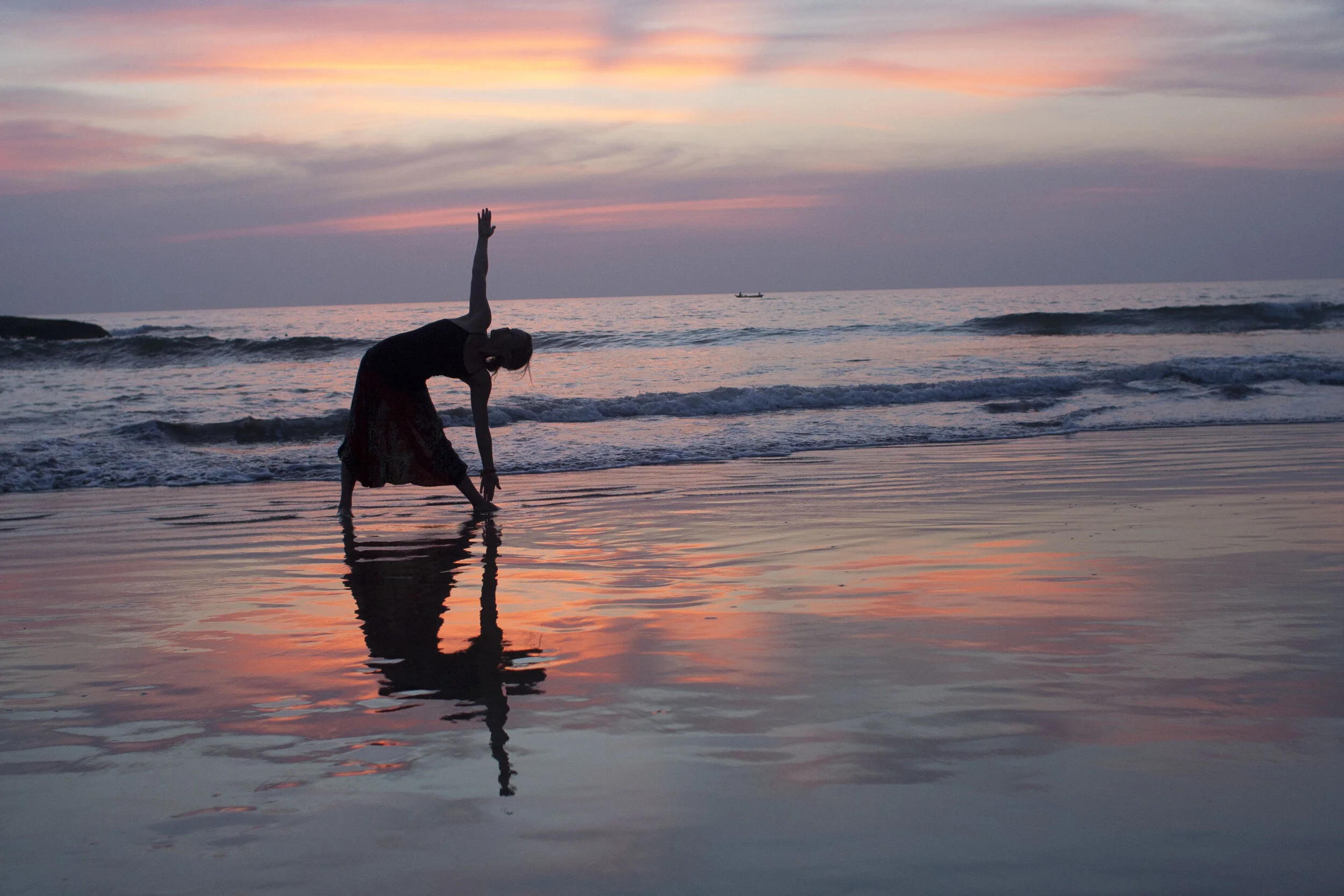
A person practicing yoga on a beach in India. Dennis Yang. CC BY 2.0.

The origins of yoga date back thousands of years, but the practice is most commonly associated with Hinduism as one of its six orthodox philosophical systems. While still commonly associated with India, which is home to the world’s largest Hindu population, yoga over the past few decades has gained worldwide popularity for its physical benefits and meditative and spiritual components.

Soul & Surf, a wellness travel company operating in India, Sri Lanka and Portugal, offers travelers at home a unique opportunity to practice yoga with teachers from around the globe. Unlike other virtual yoga opportunities which generally consist of an archive of prerecorded sessions, Soul & Surf’s at-home yoga experience involves videos that are created and uploaded on a weekly basis, allowing travelers at home to connect with their teachers and destinations around the globe. Soul & Surf’s at-home offerings are continuous, and are sold as subscriptions for around $33 a month.

3. Break Bread with a Faraway Family Through Two Point Four
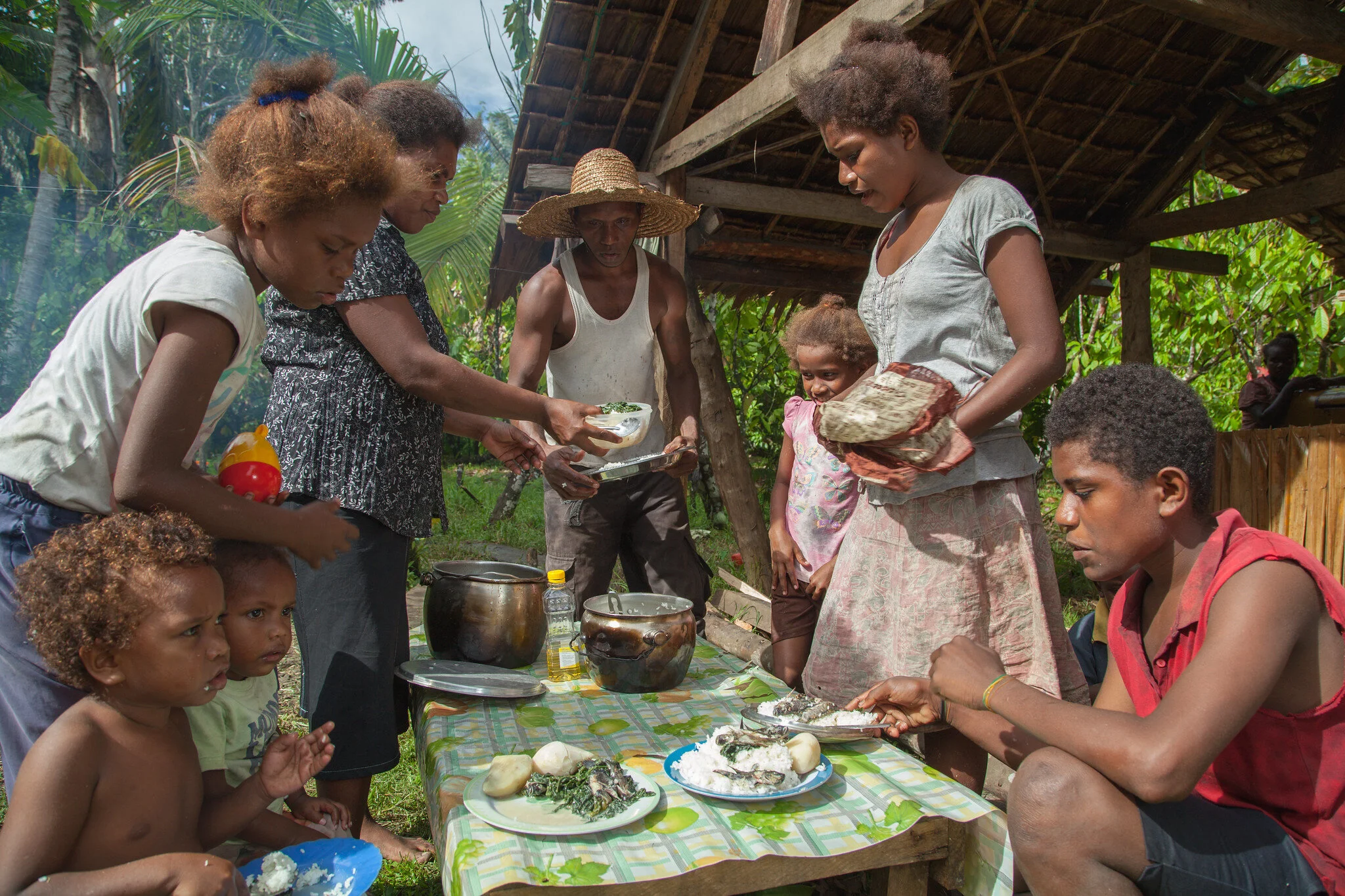
A family sharing a meal in Mozambique. WorldFish. CC BY-NC-ND 2.0.

One of the biggest casualties of sustainable travel throughout the pandemic has been the ability to connect with communities around the globe on a one-on-one basis. These intimate connections help to build lasting relationships, provide an opportunity for a mutual sharing of cultures, and foster a greater understanding and appreciation for the depth and complexity of the global community.

Two Point Four, a family-focused experiential travel company, has created a solution to allow intimate global connections to be made without risk of the virus’s spread. Through a free survey, the company will connect family travelers with others around the globe to facilitate community-building. Using a series of group calls, travelers will be able to learn from local guides and travel experts, break bread with other families, and allow folks to support one another on the issues of travel, sustainability and curiosity as the pandemic continues. What you do on the call is entirely up to you and the folks on the other end of the line—feel free to share favorite travel stories, have a meal together or discuss your lived experiences. The calls are free and vary in length based on the availability of the traveler and the other family or travel expert.

4. Explore the Natural Beauty of Chile with Chile 360
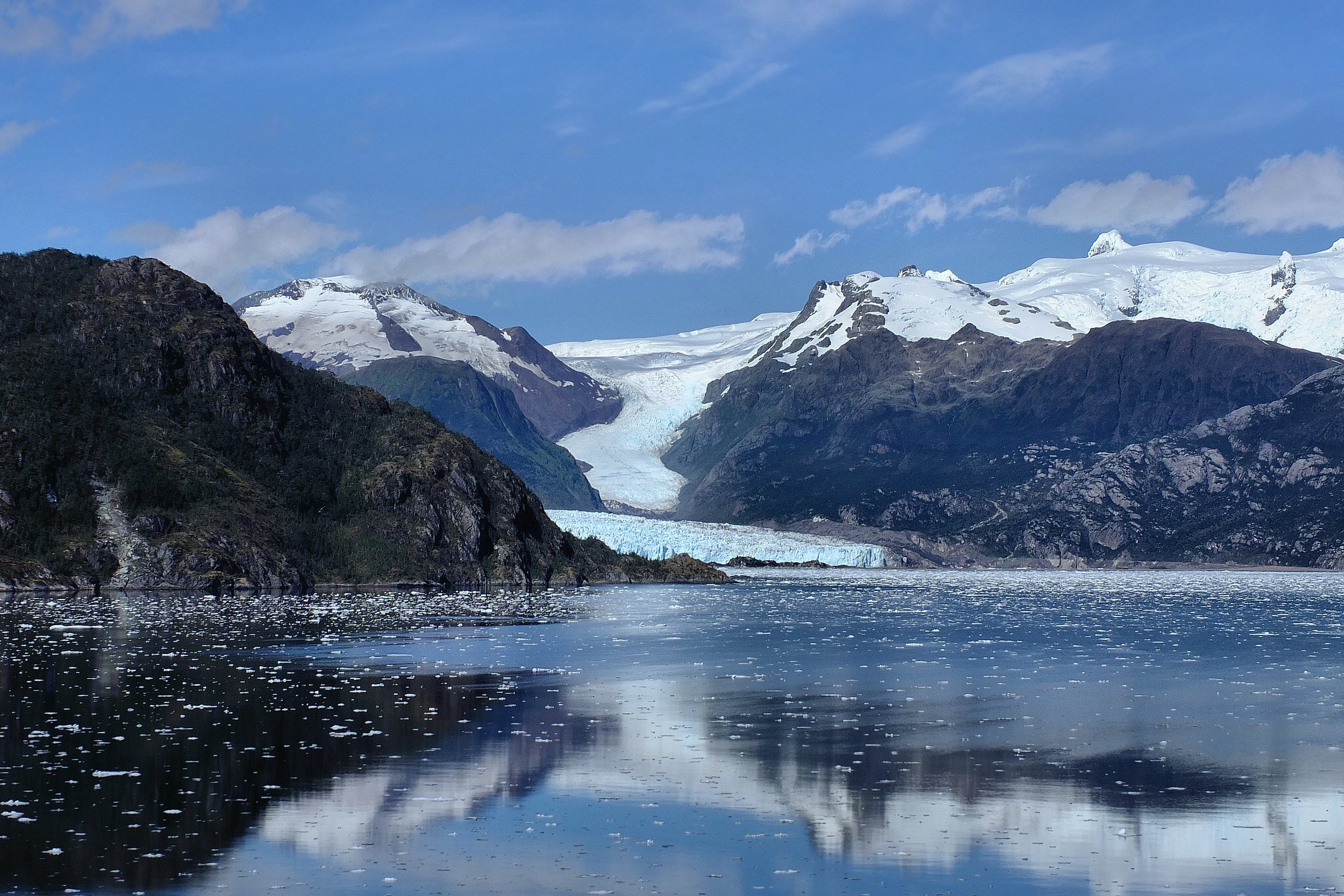
Amalia Glacier, Chile. Phil Parsons. CC BY-NC-SA 2.0.

Chile is one of the most beautiful countries in the world. The 2,653 mile ribbon-shaped country, which hugs the western edge of Argentina, is home to countless climates and cultures, offering travelers to the country a unique experience. Visitors can wander the Atacama in the north, the world’s driest desert, or the fjords and glaciers common throughout Chile’s southernmost regions. Santiago, the nation’s capital, is a cosmopolitan metropolis offering a wide variety of experiences, cuisines and cultural attractions.

While travel to the country may not be possible for most due to the pandemic, the Image of Chile Foundation, a private nonprofit which works closely with the Chilean government to promote tourism in the country, has released an app called Chile 360 which provides users with the opportunity to explore Chile’s vast natural and cultural heritage. Travelers stuck at home can visit the turquoise waters of Patagonia’s Torres del Paine, explore the Rano Kau volcano on Easter Island, and get up close with the Cathedral of Santiago de Compostela, a famous national landmark in the nation’s capital. The app is free and currently available on the Apple and Google app stores.

5. Visit Kyoto’s Historic Geisha District with Ken’s Tours Kyoto

Cherry blossoms in the Gion neighborhood of Kyoto, Japan. Trevor Dobson. CC BY-NC-ND 2.0.

Geishas, a class of Japanese women who are traditional performance artists and entertainers, have continued to maintain 17th-century Japanese traditions into the modern era. Common throughout the country, but most prevalent in Tokyo and Kyoto, geishas continue to captivate local and international audiences alike with their unique art, performances, makeup and dress. Many in Japan today regard geishas as some of the most successful Japanese businesswomen ever.

Ken’s Tours Kyoto, a small group of travel experts who normally lead guided tours throughout the city, offers travelers the opportunity to virtually explore Gion, Kyoto’s historic geisha district. Through 40-minute guided sessions, travelers from home will visit some of the most famous landmarks in the neighborhood, listen as guides share childhood stories from growing up in Kyoto and learn various Shinto rituals and traditions. This unique experience is offered for $39 a session through Amazon on a rolling basis.


RELATED CONTENT:

8 Museums from Around the World to Visit Virtually from Home

7 Virtual Trips to Take in 2021

TikTok Travel: 20 Accounts That Take You Around the World


Jacob Sutherland

Jacob is a recent graduate from the University of California San Diego where he majored in Political Science and minored in Spanish Language Studies. He previously served as the News Editor for The UCSD Guardian, and hopes to shed light on social justice issues in his work.
In World and Travel Tags virtual, vacation, staycation, unique, COVID-19, Mexico, India, Portugal, Sri Lanka, salsa, Chile, Argentina, mountain, Tokyo, cherry blossoms, Sustainability, Travel, Japan
Comment

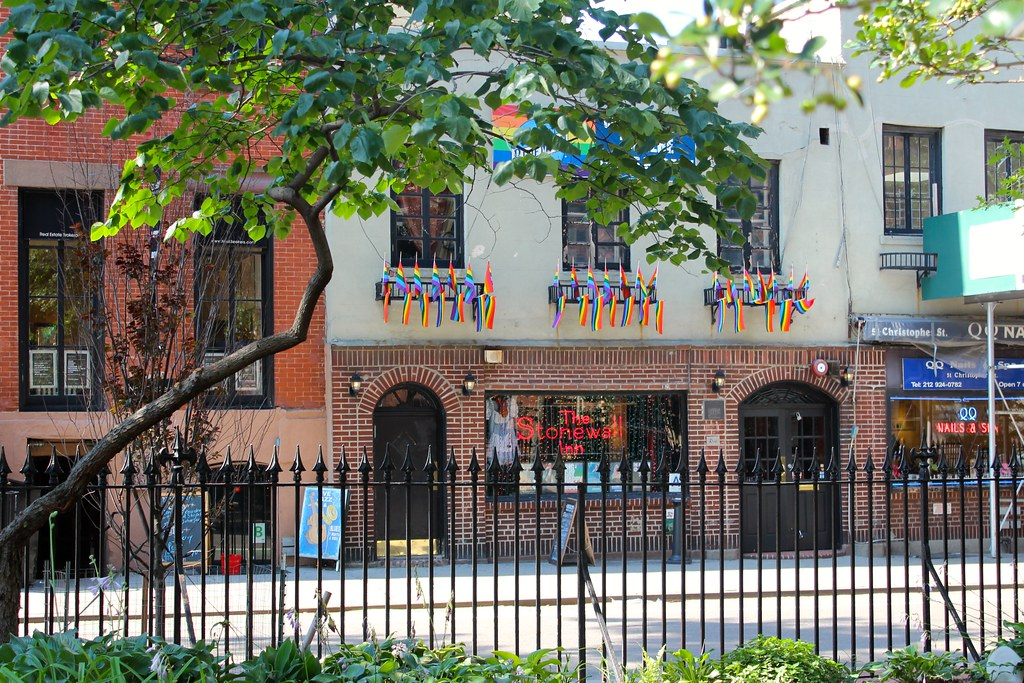
The Stonewall Inn in New York City’s Greenwich Village. The 1969 Stonewall riots are credited with starting the modern gay liberation movement. NPCA Photos. CC BY-ND 2.0

Discover These 8 Gay Villages from Around the World

March 10, 2021

Gay villages, or “gayborhoods,” are neigbhorhoods within cities that provide safe spaces for LGBTQ+ people to express themselves openly and form communities. Many gay villages feature bars and restaurants, vibrant nightlife and boundless queer history. Wherever one may find themselves, there is likely a gay village just around the corner waiting to be discovered. Here are eight gay villages from across the world. 

1. Shinjuku Ni-chome, Tokyo

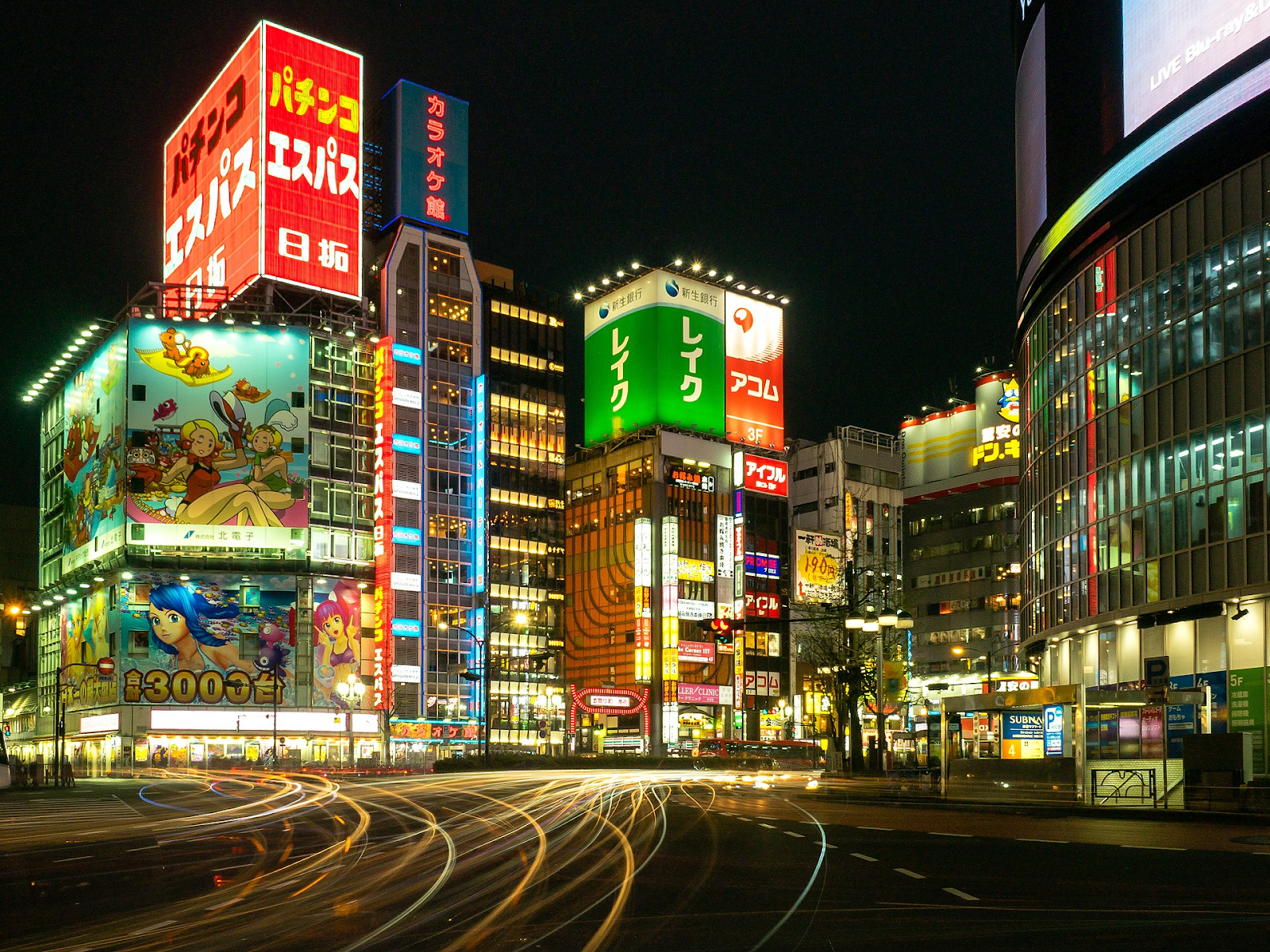
Buildings and neon lights in Tokyo’s Shinjuku ward. Andy Miller. Unsplash

In the heart of Shinjuku ward in Tokyo, between modern skyscrapers and dazzling neon-lit billboards, hides one of Asia’s most vibrant gay villages. Shinjuku Ni-chome, shortened to just Ni-chome, has the highest concentration of gay bars in the world. Ni-chome was once Tokyo’s red-light district, but when prostitution became illegal in Japan in 1956 it became Tokyo’s gay village. In a city known for its nightlife, Ni-chome is home to fusion restaurants and nightclubs open late into the night. Many of Ni-chome’s gay bars are small and personal, fostering their own tight-knit community within the city. Ni-chome was the location of Japan’s first gay pride parade in 1994, and is where the country’s first permanent LGBTQ+ center opened in 2020. 

2. Oxford Street, Sydney 

A brightly colored building near Taylor Square, Sydney. Ted McGrath. CC BY-NC-SA 2.0

Located in the Darlinghurst neighborhood of Sydney, Oxford Street is known for its nightlife, shopping and dining venues. It is also the heart of Sydney’s LGBTQ+ community, playing host to the annual Syndey Gay and Lesbian Mardi Gras. Unlike other Pride events, which usually occur around June, Mardi Gras is held in March, drawing over half a million attendees. The first Gay and Lesbian Mardi Gras was held in 1978. The organizers of the event were arrested and outed by the police, which garnered national attention. The next year in 1979, another event was held to commemorate the 10th anniversary of the Stonewall riots in New York City, as well as to bring attention to the events of the previous year. Every year since then, queer Australians have gathered along the western end of Oxford Street to socialize, party and remind Australia and the world that they will not be silenced.  

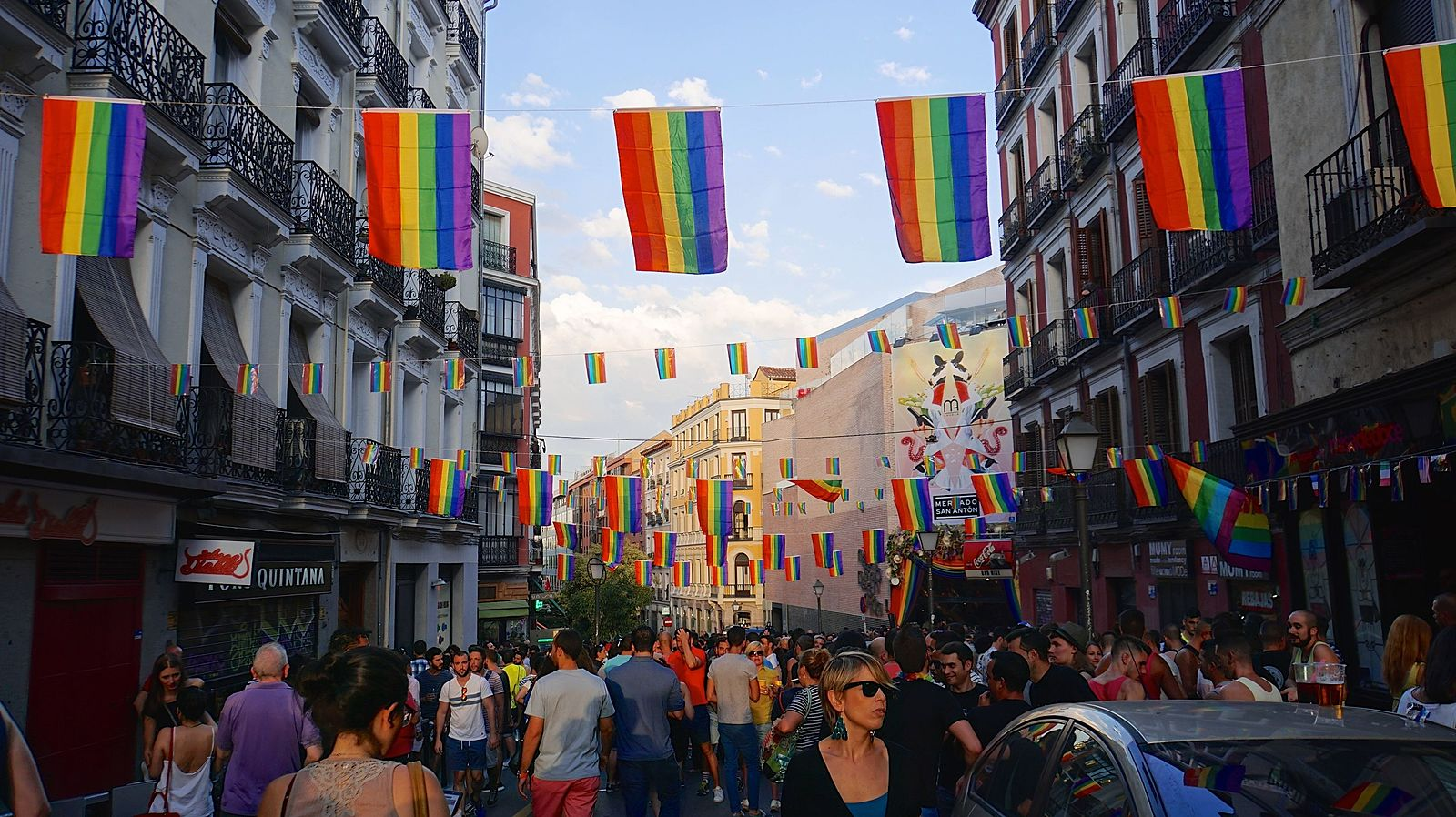
3.  Chueca, Madrid 

Pride flags hang over a crowded street in Chueca, Madrid. Ted Eytan. CC BY-SA 2.0

Chueca is a timeless neighborhood in an already historic city. Located in the heart of Madrid, this gay village is defined by its lively crowds as much as by its many cafes and boutiques. Chueca’s annual gay pride event, known as Madrid Pride, is the largest in Europe with an average crowd of over 2 million people each year. The neighborhood also hosted WorldPride Madrid 2017, an international Pride event that promotes LGBTQ+ issues globally. WorldPride 2017 was one of the largest Pride events in history, attracting an estimated 3.5 million attendees. Chueca has more to offer than just shops and festivals. For those with a love for romance and history, one can visit the Church of San Anton, where visitors will find the bones of St. Valentine himself. 

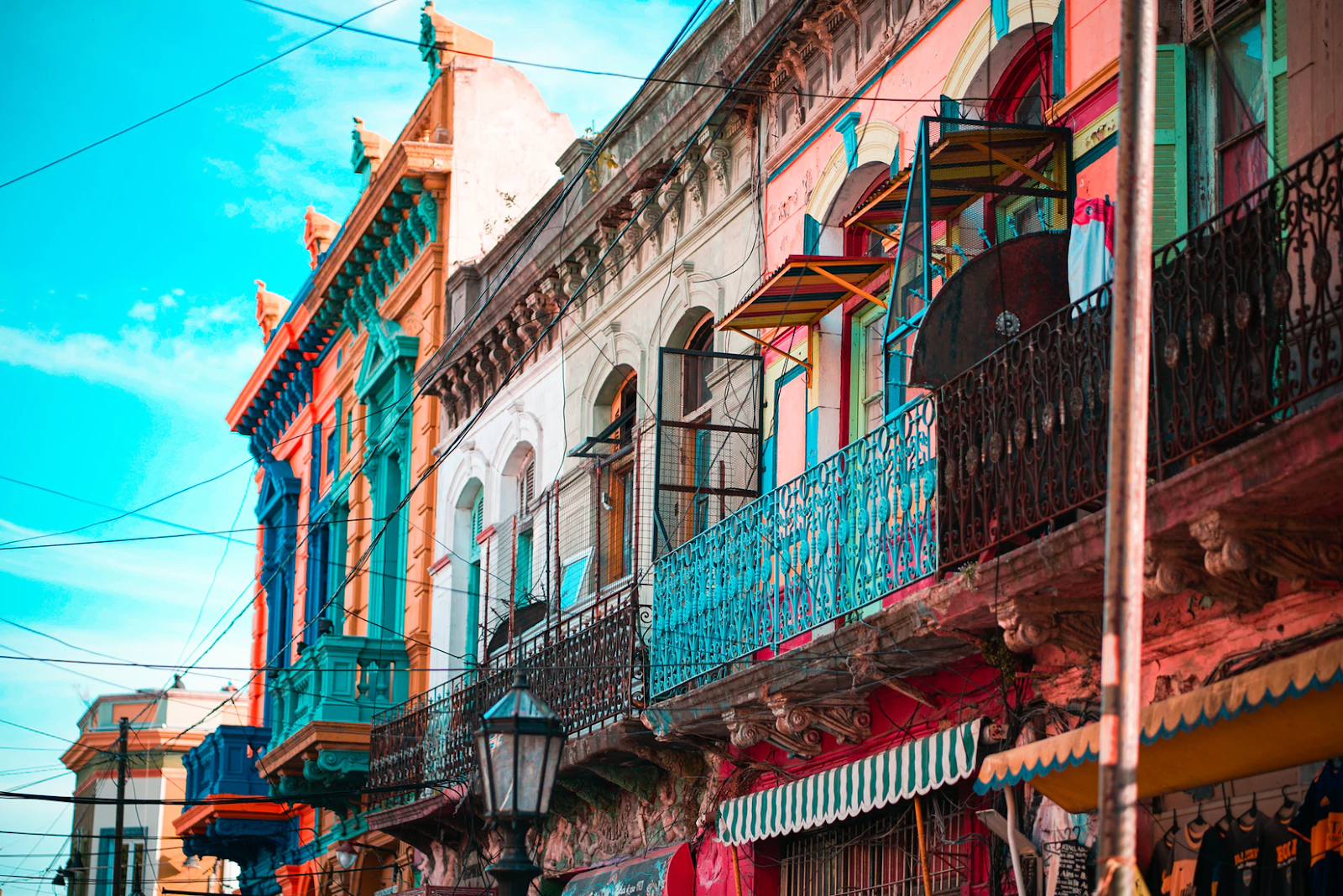
4. Buenos Aires, Argentina

Colorful buildings in Caminito, Buenos Aires. Barbara Zandoval. Unsplash

Unlike other major cities, Buenos Aires lacks a specific gay village. However, this doesn’t mean that Buenos Aires isn’t a gay-friendly city, or that there isn’t a queer community in the Argentine capital. Rather, LGBTQ+ travelers will find pockets across the city’s many barrios that cater to gay and straight patrons alike. San Telmo, Bueno Aires’ oldest barrio, is known for its historic streets and contemporary art installations. In the city’s largest barrio, Palermo, one can find both stunning botanical gardens and the city’s largest collection of gay bars and clubs. The belle epoque buildings of Barrio Norte can instantly transport travelers to the streets of Paris. None of these neighborhoods are explicitly Buenos Aires’ gay village. Rather, visitors and locals alike will find a queer-friendly environment all across the city. Argentina is a leader of LGBTQ+ rights in the region, becoming the first country in Latin America to legalize same-sex marriage in 2010. Regardless of where travelers find themselves in Buenos Aires, they will find a progressive city paving the way for gay rights and liberation. 

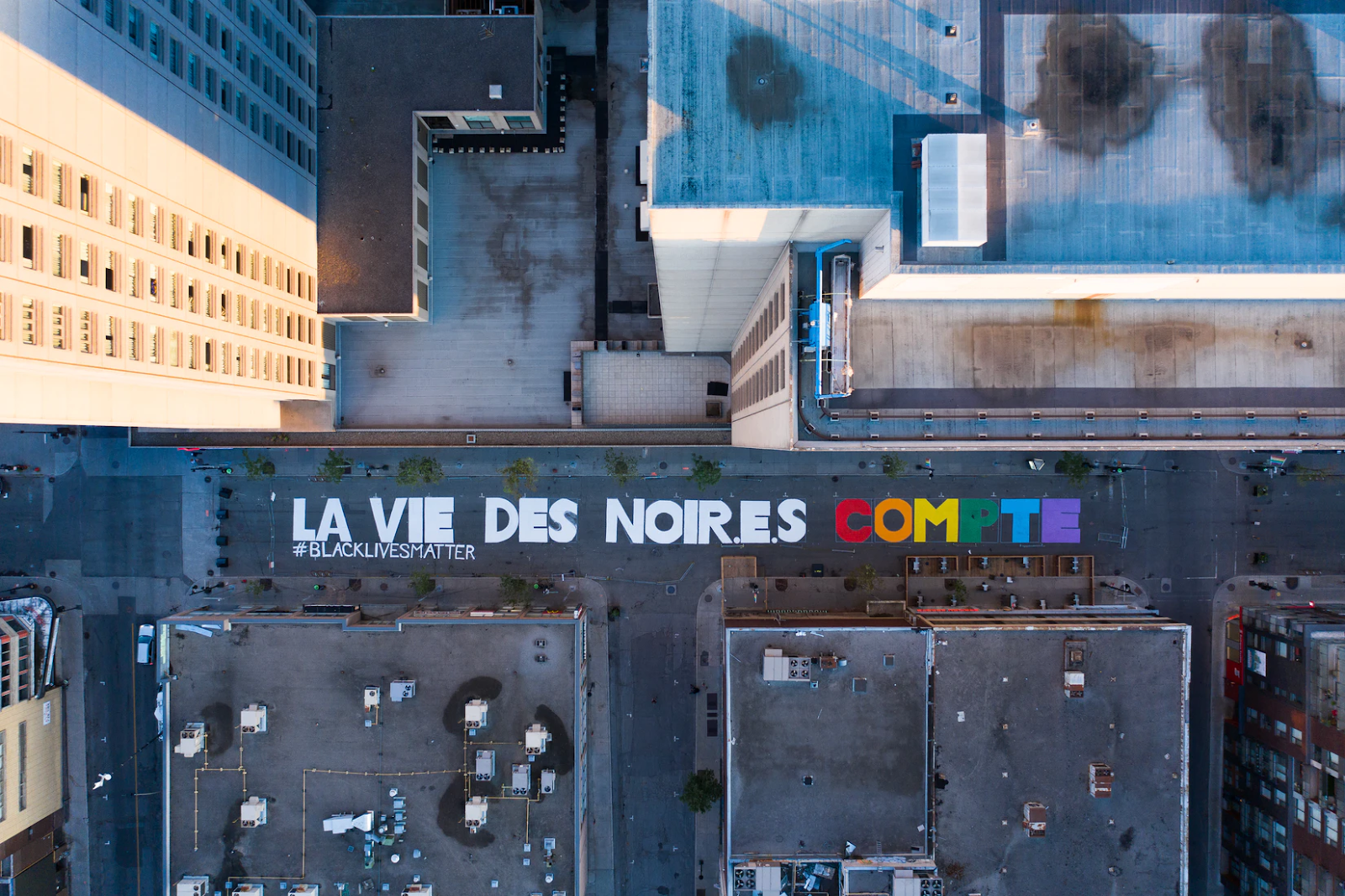
5. Gay Village, Montreal

A Black Lives Matter street mural in Montreal’s Gay Village. Martin Reisch. Unsplash

Montreal’s Gay Village is one of the most prominent of its type in the French-speaking world. Known as “Le Village Gai” in French, the community had to overcome decades of oppression before becoming one of the most well-known gayborhoods in the world. During the 1970s, gay businesses in the city were regular targets of the police, who often raided bars and other establishments. Police violence didn’t deter Montreal’s LGBTQ+ population. Rather, Montreal’s gay residents formed a series of demonstrations to fight injustice against their community. Now the area is one of Montreal’s most popular neighborhoods. It draws visitors from all over the world, and hosts the largest Pride in Canada. Fierte Montreal, literally “Montreal Pride,” drew more than 3 million attendees in 2019, which also makes it the largest Pride in a French-speaking city (sorry Paris!). In classic Montreal fashion, two gay villages technically exist in Montreal: an English one located near downtown, and a French one on Saint Laurent Boulevard. 

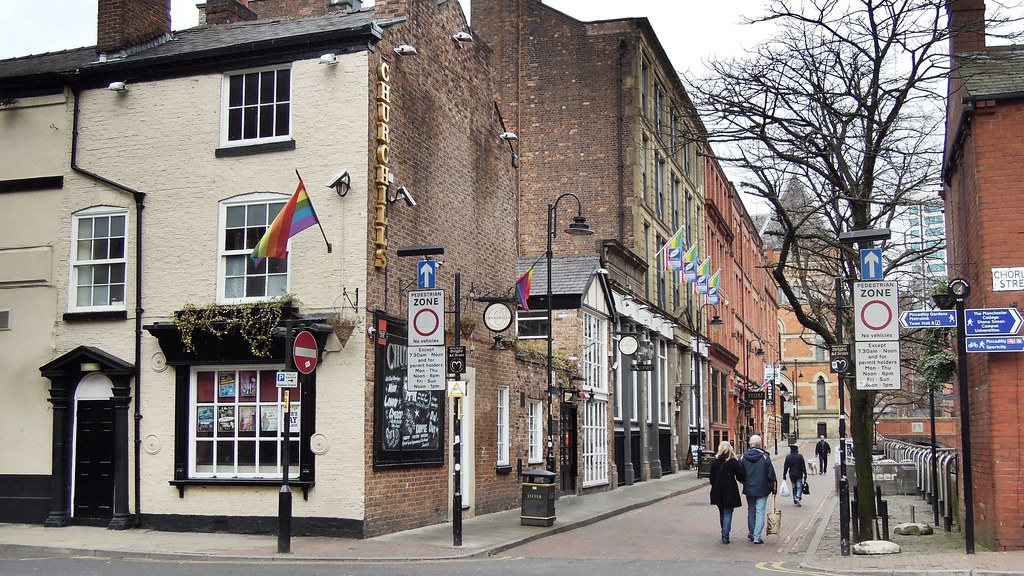
6. Canal Street, Manchester, England 

Canal Street in Manchester, England. David McKelvey. CC BY-NC-ND 2.0

When one thinks of cosmopolitanism in the U.K., most think of London. However, travelers shouldn’t count out the city of Manchester. Canal Street easily competes with London’s Soho for the center of Britain’s queer scene. The street dates back to the early 1800s as a transportation hub, when Manchester was rapidly growing as a major industrial center. Canal Street derives its name from the Rochdale Canal which runs alongside it. By the 1950s,  the neighborhood was facing urban decline. This was around the same time that Canal Street became Manchester’s main gayborhood. Like many gay villages around the world, the community faced hostility from police during the 1980s. It wasn’t until the 1990s that Canal Street was able to thrive openly as a gay village. Now the street is a proud and open community, drawing locals and travelers from both the U.K. and across the world. It is home to the annual Manchester Pride, the second-largest Pride event in Britain after London’s.

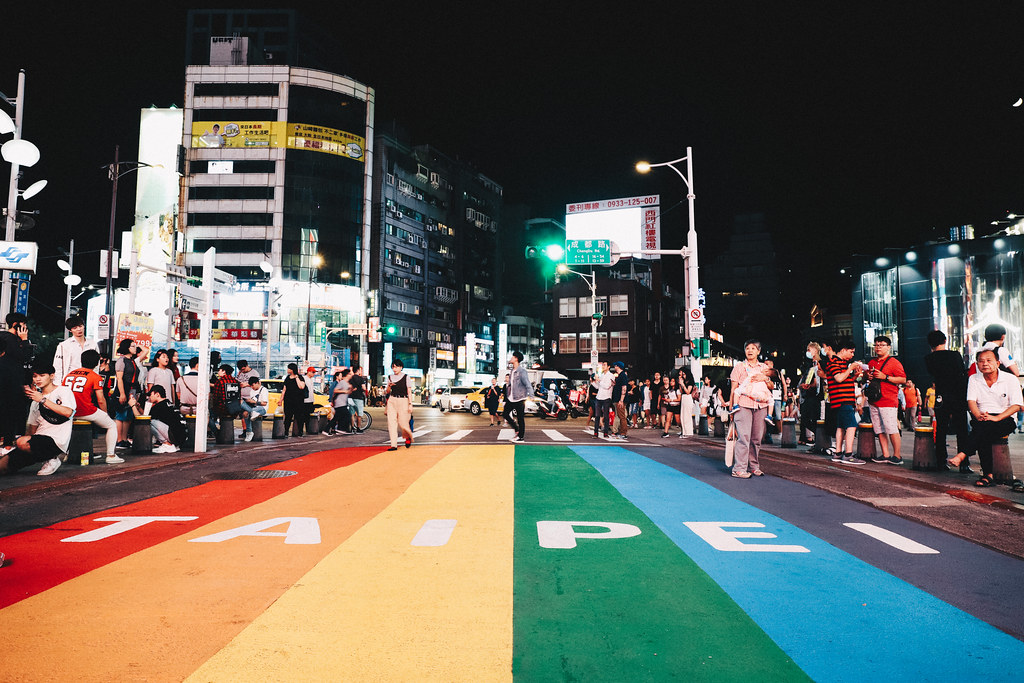
7. Ximending, Taipei, Taiwan 

A rainbow-colored street in Taipei’s Ximending district. waychen_c. CC BY-NC-ND 2.0

Known for night markets and traditional temples, Taipei should be near the top of anyone’s list when traveling in Asia. It is also one of the most gay-friendly cities in the world, and a leading example of equal rights in the region. In 2019, Taiwan became the first and only country so far in Asia to legalize same-sex marrriage. This makes Taipei not only the center of gay culture in Taiwan, but a perfect example of what LGBTQ+ equality could look like in Asia. The city’s gay village is located in Ximending, a shopping area of the historic Wanhua district. Situated near the famous Red House Theater, Ximending offers a plethora of gay bars and nightclubs open late into the night. In a city like Taipei, you don’t need to be a local to enjoy what this friendly city has to offer travelers of all kinds. However, you might need to be a night owl to fully experience this gayborhood. 

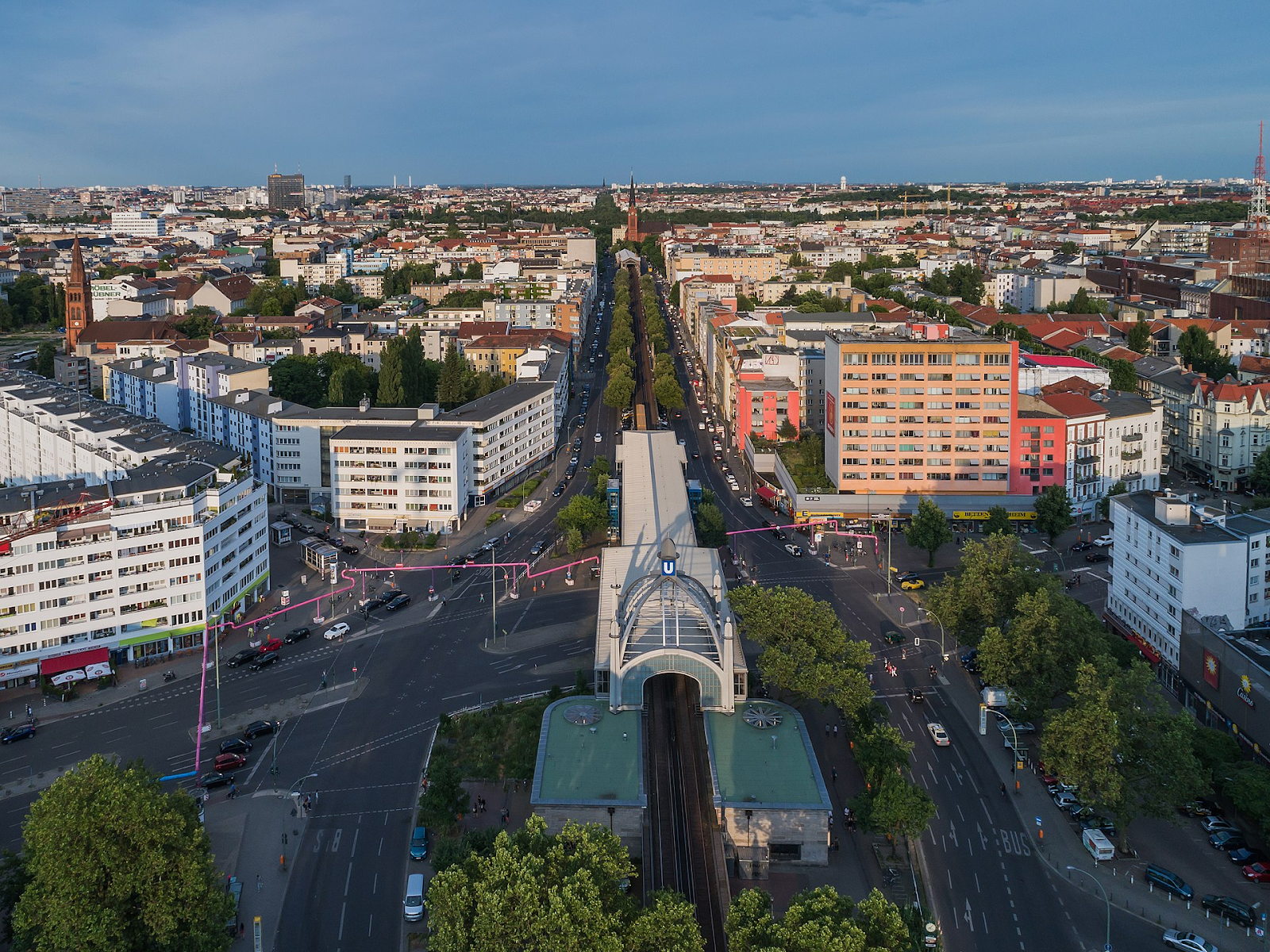
8. Schoneberg, Berlin 

Nollendorfplatz in Berlin’s Schoneberg neighborhood. Schoneberg is the oldest gay village in the world. Oh-Berlin.com. CC BY 2.0

Located in the western part of Berlin, Schoneberg’s history as a gay village spans nearly a century. The neighborhood’s roots lie as a village in the Middle Ages, all the way back in the 13th century. In the 1920s, as Berlin grew in size, Schoneberg became a part of the German capital. That is around the same time the area became the center of the city’s emerging queer scene. Gay nightclubs and other venues flourished during the Weimar Republic, before almost all of them were shut down when the Nazis seized power in 1933. Now, Schoneberg is once again a proud gay village. Much of the gay life in the neighborhood is centered around Motzstrasse, a street that goes right through the center of Schoneberg. The street is where Berlin’s Lesbian and Gay City Festival is held each year, one of the largest of its kind in Europe. Whether one comes for its history or its nightlife, Schoneberg is a constant reminder that queer people have always been a part of Berlin life, just as they have been a part of communities around the world.


RELATED CONTENT:

Rainbow Railroad Gives Queer Refugees Hope

What We Can Learn From an Indonesian Ethnicity that Recognizes Five Genders

In Honor of Pride Month, an Overview of LGBTQ+ Triumphs and Setbacks Across the Globe


Aerex Narvasa

Aerex is a current student at Occidental College majoring in Diplomacy and World Affairs with a minor in East Asian Studies. He is passionate about sharing people’s stories through writing, and always strives to learn about new places and cultures. Aerex loves finding new music and exploring his hometown of Los Angeles in his free time.

In World and Travel Tags queer, Shonenberg, Berlin, Germany, Taipei, Taiwan, Canal Street, Manchester, England, Montreal, Canada, Buenos Aires, Argentina, Chueca, Madrid, Oxford Street, Sydney, Australia, Shinjuku Ni-chome, Tokyo, Stonewall Inn, Greenwhich Village, New York, history, LGBTQIA+, Travel, Japan
Comment

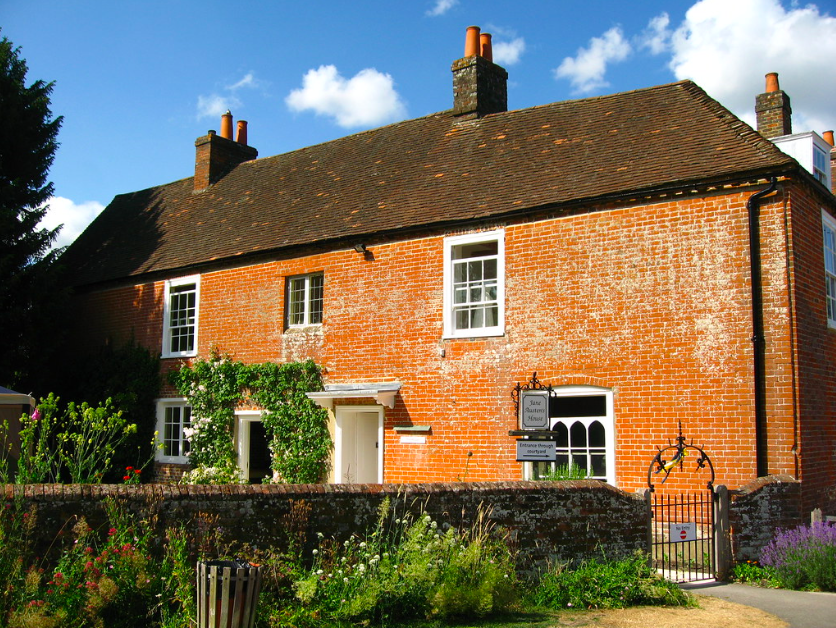
A view of Jane Austen's red brick home in Chawton, a source of inspiration for some of history’s greatest novels. Miranda Ash2006. CC BY-NC 2.0. 

Literary Tours Across the World: Finding Inspiration at Your Favorite Writers’ Homes

November 12, 2020

As the pandemic continues on, many have rekindled their love for reading to pass the time. Books are a world of their own that can take the reader on a journey beyond their bedroom or couch, giving the brain a break from the turbulent world outside. Thankfully for book lovers, imaginary places in text can easily come to life through literary tours. 

These tours take readers through famous writers’ homes, the towns they lived in, and the places that inspired them. They are guided by literary experts who detail the history and biography of the authors while highlighting the settings of the books and sometimes even poetry, always making sure to address the location’s significance in reference to the text. These types of tours are available on almost every continent and whatever genre is your preference, there is a tour for you. 

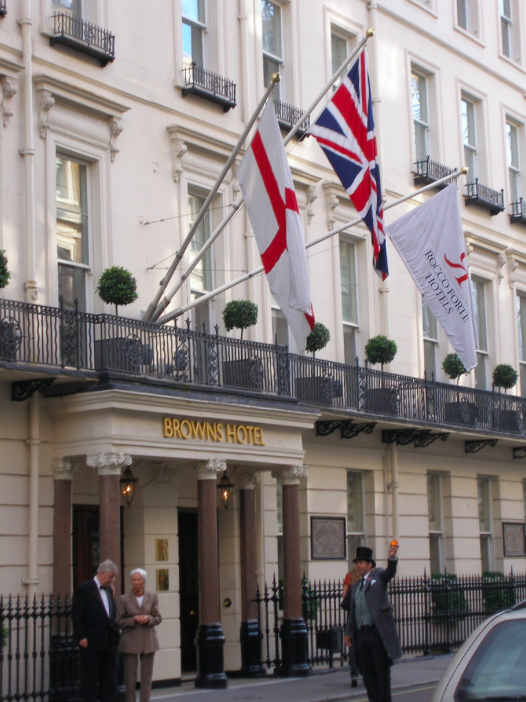
For fans of classic British writers, readers can take advantage of tours in the United Kingdom such as the “Jane Austen Tour,” the “Charles Dickens Tour,” and even visits to the house that the Brontes were raised in. Some of these tours even include stays in hotels the authors frequented, such as a stay at the five-star Brown’s Hotel–the oldest hotel in London–on the “Agatha Christie Tour.” It is said that Christie was a regular guest at the hotel and some believe that Brown’s inspired her novel “At Bertram’s Hotel.”

Brown's Hotel. cgespino. CC BY-NC-SA 2.0. 

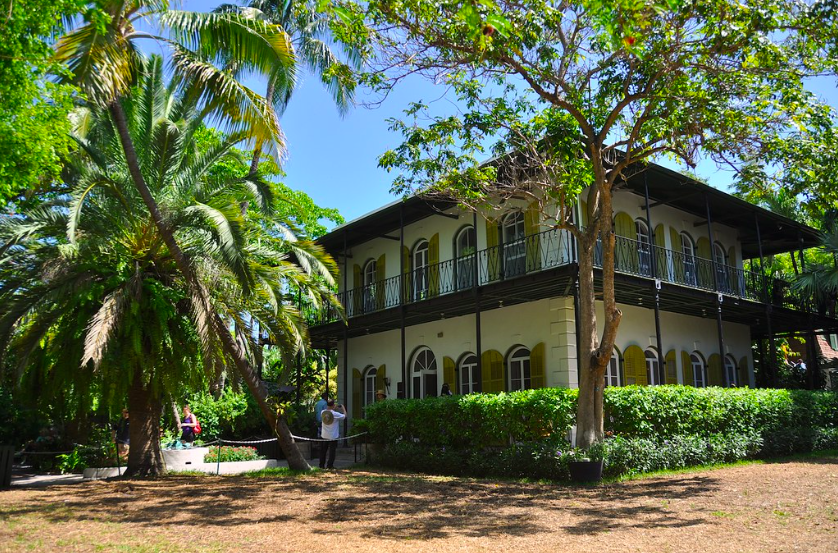
Ernest Hemingway Home and Museum in Key West, Florida. faungg. CC BY-ND 2.0. 

Those who enjoy modernist American writings can visit the home, and now museum, of Ernest Hemingway in Old Town Key West, Florida. While it is an independent tour with guides ready for questions, the Hemingway Home is more than just an estate. After touring the home, one can meet some of the 40 cats that roam the garden surrounding the house, famously known as “Hemingway’s cats” for their extra paw appendage. The rooms and gardens of the Hemingway Home are where he crafted some of his greatest works, and the beauty of Key West makes it apparent what drove his inspiration. 

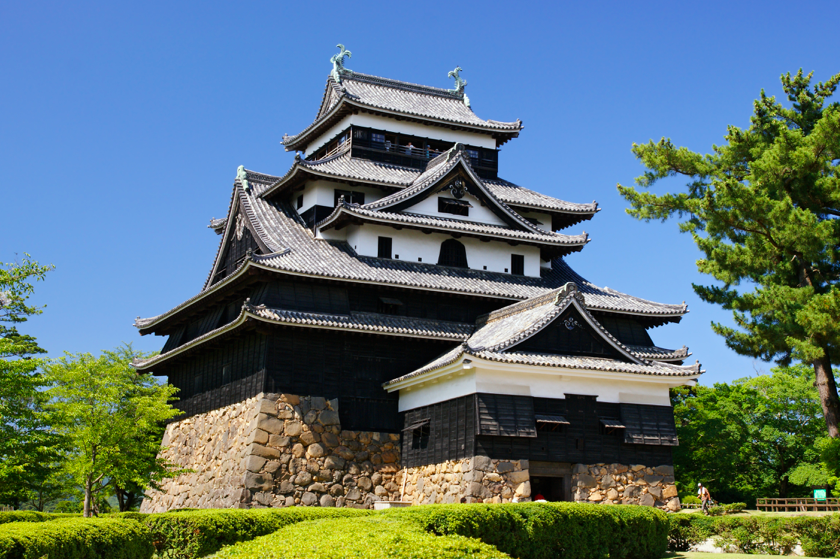
Matsue Castle. 663highland. CC BY 2.5. 

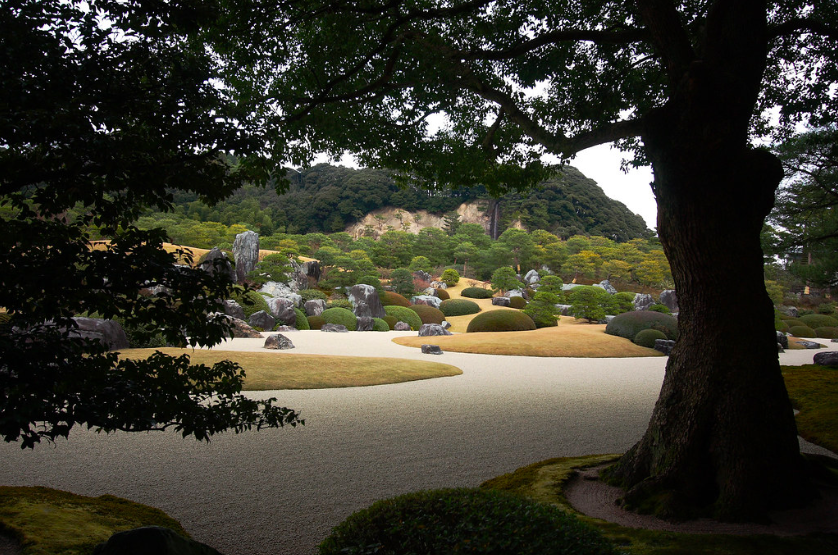
Bookworms with an appreciation for Japanese culture can take a tour guided by Asian Art Tours called “Japan from Cover to Cover.” Travelers are provided with transportation, public or private based on your preference, with the tour beginning in Tokyo. Spanning 10 days, each day introduces visitors not only to a place of literary significance, like Matsue Castle, a favorite spot of renowned author Lafcadio Hearn, but also to a notable writer currently living in Japan. They range in occupation, from journalist to haiku poet to a professor of Japanese folklore. The tour ends with a trip to the Adachi Museum of Art. This tour is remarkable as it completely immerses participants in Japanese culture through firsthand experience. 

Adachi Museum of Art. naoyafujii. CC BY-NC 2.0. 

Literary tours are something to look forward to in a post-pandemic world, and they bring greater life to the books we fall in love with. They are a way to bring further appreciation to favorite novels and poems, all while providing scenery and knowledge unique to books themselves.

Renee Richardson

is currently an English student at The University of Georgia. She lives in Ellijay, Georgia, a small mountain town in the middle of Appalachia. A passionate writer, she is inspired often by her hikes along the Appalachian trail and her efforts to fight for equality across all spectrums. She hopes to further her passion as a writer into a flourishing career that positively impacts others.

Tags literature, historical literature, tour, United Kingdom, Brown's Hotel, London, Ernest Hemingway, museum, Florida, Key West, Matsue Castle, folklore, Tokyo, books, reading, read, fiction, novel, poem, Arts and Culture, Travel, Japan
Comment

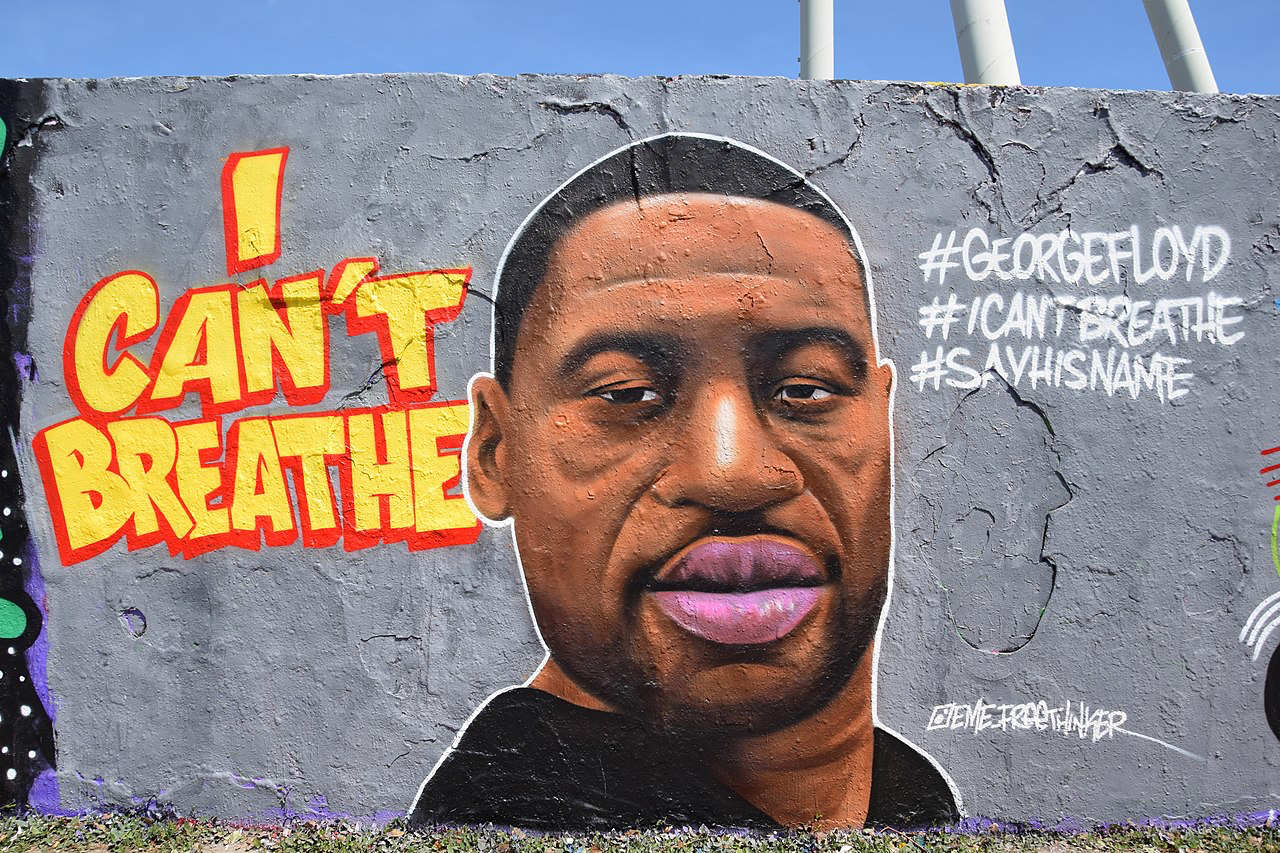
Mural of George Floyd in Berlin, Germany. Singlespeed Fahrer. CC0

George Floyd Inspires Global Response to Police Brutality

June 2, 2020

The world has united against the murder of George Floyd, as parallel protests and shared outcry about the universal inequalities in the U.K., Germany, Japan, Canada, South Africa, Zimbabwe, Turkey and Chile take place.

Read More
Tags social action, George Floyd, I can't breathe, police brutality, Germany, United Kingdom, Justice for George, Berlin, Chile, United Nations, violence, direct action, protest, racism, racial justice, Kurds, equality, liberation, Tokyo, racist, fascist, Minneapolis, Canada, Toronto, #BLM, USA, Japan
Comment

Christopher Jue/EPA

Tokyo Olympics: How Coronavirus is Hitting Preparations

March 17, 2020

The World Health Organization’s decision to officially recognise the coronavirus outbreak as a global pandemic means organisers are facing difficult decisions on whether to go ahead with major sporting events. There were more than 124,000 cases of COVID-19, the disease caused by the novel coronavirus, in 118 countries, and more than 4,600 documented deaths by March 12. This is a problem for sports events around the world – not least the Olympic Games, scheduled to start in Tokyo at the end of July.

According to the Centers for Disease Control and Prevention (CDC), the main approach to prevent the spread of coronavirus is social distancing and practising proper hand hygiene. In late February, the CDC issued a Level 2 travel health notice advising travellers to take enhanced precautions when visiting Japan. The country is currently activating preparedness and prevention plans to block further transmission of the virus ahead of the Olympics.

Japan’s current methods of prevention include closing schools, cancelling events, quarantining international travellers, and banning certain travellers from public transport. Its efforts have so far prevented the number of people infected with COVID-19 from rising significantly. But these methods don’t seem transferable nor feasible for managing the influx of spectators, athletes, media and staff for the games should the current number of cases and transmission rates worldwide be maintained until July.

Events cancelled and postponed

Some qualification events for the Olympics have been cancelled because of the outbreak. World Taekwondo moved its Asian qualifier from the Chinese city of Wuxi to Amman, Jordan. The sport’s European qualification tournament, scheduled in Milan in the heart of Italy’s infected zone, was moved to Moscow.

The cancellation of several other sporting tournaments is preventing changes to the world rankings of athletes, which determines who qualifies to compete at the Olympics. Athletes needing additional competitions to improve their ranking in order to qualify for the Olympics might miss out on the games.

The International Shooting Sport Federation asked to extend the Olympic qualification process until early July – leaving some athletes unsure if they will compete at the Olympics until just three weeks before the games begin. The test event for the wheelchair rugby tournament at the Tokyo Paralympics was also cancelled.

Tokyo staff replace athletes during test events for the Olympics at the Aomi Urban Sports Park in early March. Christopher Jue/EPA

Event cancellations and travel restrictions may also result in fewer anti-doping tests of athletes leading up to the Olympics as testers may be prevented from travelling. The World Anti-Doping Agency is monitoring the situation, but the fear in this unprecedented situation is that some athletes could use gaps in testing to use illegal substances and then test positive for doping in Tokyo.

Options for Tokyo

If the Olympic Games in Tokyo go ahead as planned, a few scenarios could play out. One approach would be to allow athletes to compete, but without the support of spectators. The goal here would be to reduce the likelihood that someone in the crowd would transmit the disease to thousands of others. This has already happened at some football matches in Italy, a women’s golf tournament in Asia and was being explored by the NBA until it opted to suspend its season instead.

As a precautionary measure leading up to the Olympics, the torch lighting ceremony on March 12 will proceed without spectators. This may be an early sign that event organisers are exploring the wider use of this tactic.

Another approach could be to replicate the actions of African nations during the two most recent outbreaks of Ebola virus disease when athletes and fans were subjected to health screening before entering football stadiums. This process would allow the games to continue with reduced – but not eliminated – risks.

Treat it like the flu

A third possibility is to simply treat the novel coronavirus like the flu – which for sporting events, means doing nothing out of the ordinary. The Super Bowl attracts thousands of sports fans to the host city every February, which coincides with flu season. The flu virus goes through cycles in which certain strains have been particularly deadly at different historical moments. Even with deadly flu strains circulating, there have never been calls to cancel the Super Bowl. Still, Americans have a blasé attitude towards the flu, and the Super Bowl only involves spectators from one nation – unlike the global spectators who attend the Olympic Games.

On March 3, the International Olympic Committee (IOC) announced its commitment to hold the games during the planned dates in summer 2020. However, Japan’s Olympic minister stated the country’s contract with the IOC only states the year 2020 – meaning there could be a possibility of postponing the games.

Postponement would provide time to develop preparedness and prevention plans. But it would cause significant disruption to sponsors, television broadcasters, hotels, the Paralympic Games, and the post-Olympic timetable for transforming Tokyo’s Olympic Village into private accommodation.

Both athletes and spectators must wait to see if the spread of the virus slows and the Olympics proceed as planned, or whether the world’s biggest sporting event will, for the first time in its history, be postponed.

Kari Brossard Stoos is the Associate Professor, Department of Health Promotion and Physical Education Faculty, Ithaca College

Heather Dichter is the Associate Professor, Leicester Castle Business School, De Montfort University

THIS ARTICLE WAS ORIGINALLY PUBLISHED ON THE CONVERSTAION

Tags coronavirus, Olympics, COVID-19, CheckOut, Sports, Japan, Tokyo
Comment

In Tokyo, These Trains Jingle All the Way

January 17, 2019

While most train stations alert passengers with basic dings and dongs, metro riders in Japan are treated to uniquely crafted melodies. Minoru Mukaiya is the mastermind behind these jingles—he’s made around 200 distinct chimes for over 110 stations. For Minoru, there’s no greater joy than bringing a little bit of music to millions across Japan every day.

In Asia, Art Food & Culture, Japan, World and Travel, Video Tags train, transportation, Tokyo, Arts and Culture, Guide Feature, Japan
Comment

Tokyo: Random Access Memories

April 3, 2018

This short film features random shots of Tokyo, offering an artistic perspective of this non-stop city. Shot and edited by Junwoo Lee.

In Asia, Art Food & Culture, Japan, World and Travel Tags film, city, urban, Arts and Culture, Guide Feature, Japan, Tokyo
Comment

Also check out...

Featured
Vietnam’s Floating Markets Are Disappearing
The Supernatural Role of Masks in Nigeria’s Yoruba Tribal Culture
Opening the World to Deaf Travelers with Lily Yu

Featured trips

Featured
Offer NGO Support While Visiting Quito
Experience Life as a Mongolian Nomad
Help Grow Organic Costa Rican Coffee

Sign up for the CATALYST newsletter

Sign up for our newsletter to get the scoop on international travel, global social impact insights, our latest podcast releases, and more from around the world, all delivered right to your inbox!

We respect your privacy.

Thank you!
Newsletter Sign Up | Advertise | Careers + Internships | Privacy Policy | Submissions | Contact Us

Copyright © 2025, MISSION MEDIA LLC. All rights reserved.