A Canvas of Colors: Chile’s Majestic Marble Caves

Mother Nature is often mentioned causing destructive hurricanes, explosive volcanic eruptions and other Earth-shattering natural disasters. Just as easily as she causes destruction, though, she creates unparalleled beauty. 
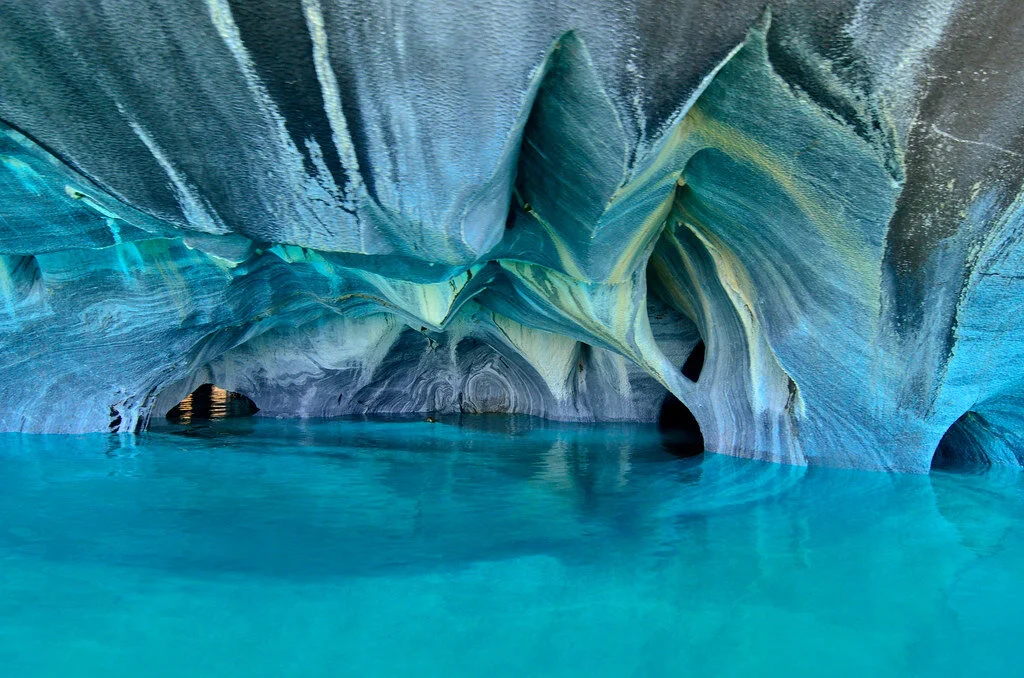
The Marble Caves in Chile. Javier Vieras. CC BY 2.0. 

In every region of the world lies some kind of cave system; they range from the awfully eerie such as Hellhole Cave in West Virginia to the wholly tantalizing psychedelic salt mines of Russia. Although all are beautiful in their own way, few turn heads quite like one such cave system in Chilean Patagonia. Situated along one lake is a particularly artistic cavern system called the Marble Caves. 

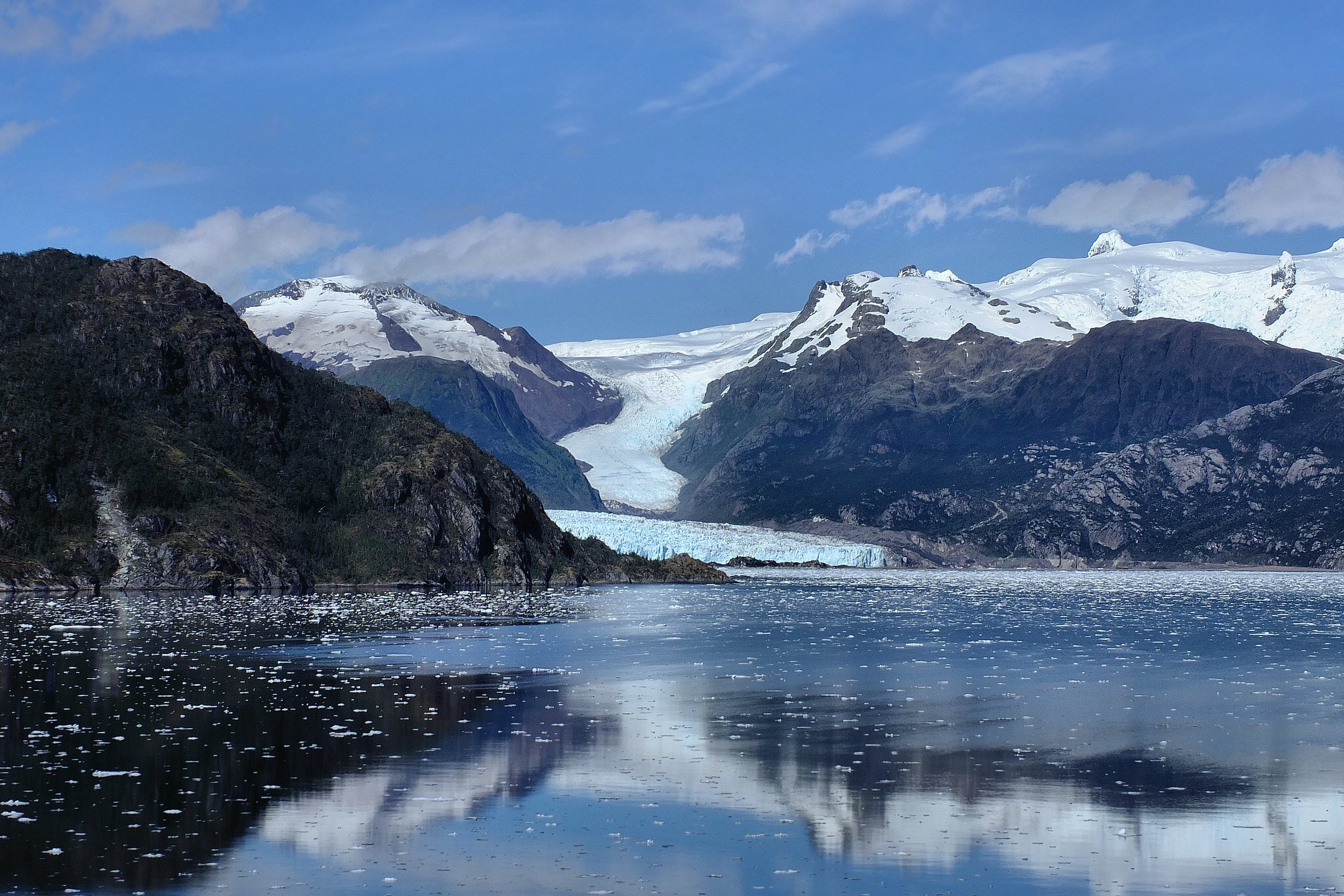
At the Argentina-Chile border lies the majestic General Carrera Lake. The lake is the largest in Chile, with a town called Chile Chico resting on its southern shore. Although the town itself is a quaint and quiet getaway, the treasures of the lake draw most visitors to the area; the massive lake boasts a dynamic palette of mesmerizing shades of sapphire and cobalt. The lake is an incredibly remote glacial lake, making it quite the journey to reach. The lake is surrounded by grand forestry, and enjoys a calm backdrop of snowcapped mountains against an expansive sky. In order to get to General Carrera Lake, visitors must depart from the city of Santiago, then embark on a string of drives totaling about 1,000 miles. From there, visitors can only visit the cave system by boat or kayak. 
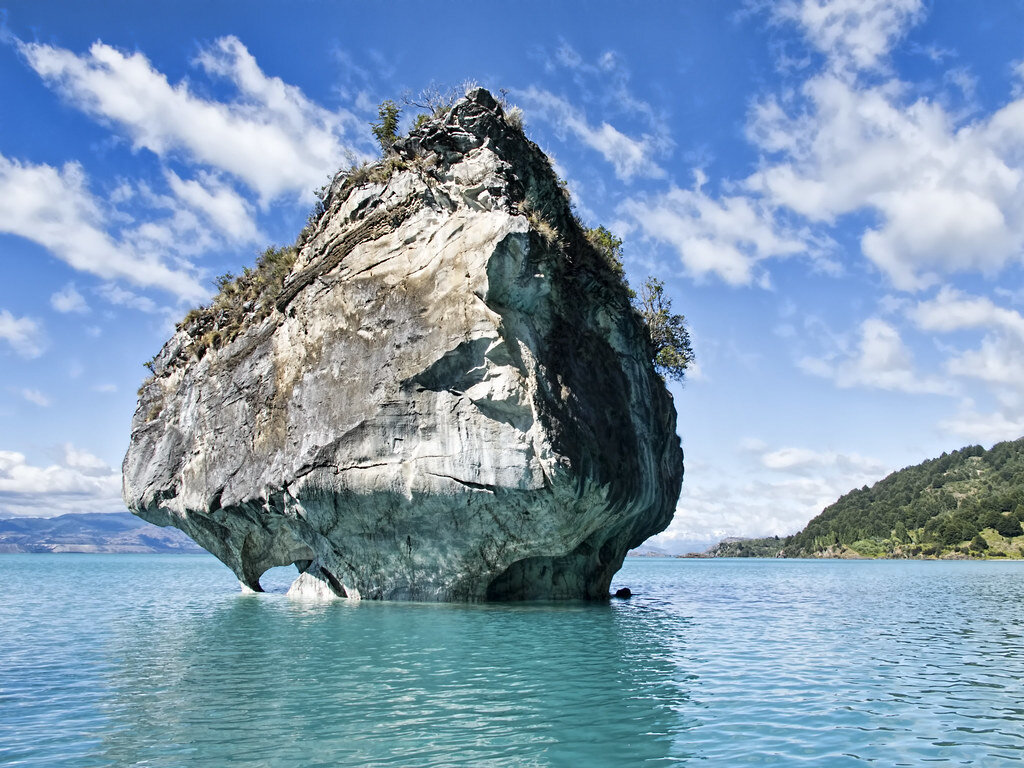
General Carrera Lake. Dan Lundberg. CC BY-SA 2.0. 

Far from the coast of the lake stands a gargantuan block of calcium carbonate from which the caves formed. For over 6,000 years, the lapping waves of the lake eroded the calcium carbonate, slowly but gracefully constructing the Marble Caves. The mineral-rich location is protected from potential mining projects.

The caves earned their name from the masterfully striped walls; the reflection of the waters below create a cerulean painting on them, with complementary hints of yellow, turquoise, black and white. The caves house different cuts and textures due to the patterns of the eroding waves; some parts are rounded while other areas display sharp rocky points. In addition, the open layout of the cave serves it well, providing ample light for the various hues to stay in the spotlight. 

The vast range of the cave’s colors is ever changing. In spring, the lower water levels provide a sparkly turquoise-green shade, while the summertime gifts the walls a splendidly deep royal blue. 

Time and time again, travelers have found that Mother Nature can create just about any magnificent work of art. The local residents of the lake and any visitor bold enough to endure the journey to it can certainly attest that the Marble Caves are no exception. 



Ella Nguyen

Ella is an undergraduate student at Vassar College pursuing a degree in Hispanic Studies. She wants to assist in the field of immigration law and hopes to utilize Spanish in her future projects. In her free time she enjoys cooking, writing poetry, and learning about cosmetics.

5 Ways to Discover the Distinctive Landscapes of Madagascar

Travelers will surely appreciate the island’s unique biodiversity, but ought to also learn about ongoing social issues in the country.

A scenic view in Madagascar. anmede. CC BY-SA 2.0

Located 250 miles from East Africa, the island nation of Madagascar is one of the most unique places on the planet. Interestingly, the Malagasy people are more closely related to Indonesians than East Africans; they have also developed cultural and linguistic ties with West Africa due to French colonialism. Madagascar is especially known for its incredible biodiversity. At least 80% of Madagascar’s flora and fauna cannot be found anywhere else on Earth, including many species of lemurs, chameleons and butterflies. 

Despite the island's idyllic landscapes, Madagascar’s recent history has been anything but peaceful. After gaining independence from France in 1960, political unrest, countless coups and widespread corruption have dominated the headlines. The most recent coup in Madagascar occurred in 2009 and resulted in massive social unrest and international sanctions, further crippling the country’s economy. Currently, Madagascar is the poorest country in the world that is not mired in conflict, with 92% of the country’s population living on less than $2 a day. 

Deforestation and environmental degradation remain pressing concerns as well. Many of Madagascar’s lush forests have been chopped down to make way for rice paddies and to harvest wood for export. Currently, significant forests only remain on the northern and eastern portions of the island. Southern Madagascar has been experiencing severe drought since 2014, which has left up to 1 million people without food. The country also continues to be ravaged by the COVID-19 pandemic with a  Level 4 (very high) level of transmission according to the U.S. Centers for Disease Control and Prevention. 

Despite Madagascar’s turbulent history, the country is one of the most beautiful in the world with stunning landscapes and kind people. Read on to learn about key sites to visit once Madagascar fully reopens. 

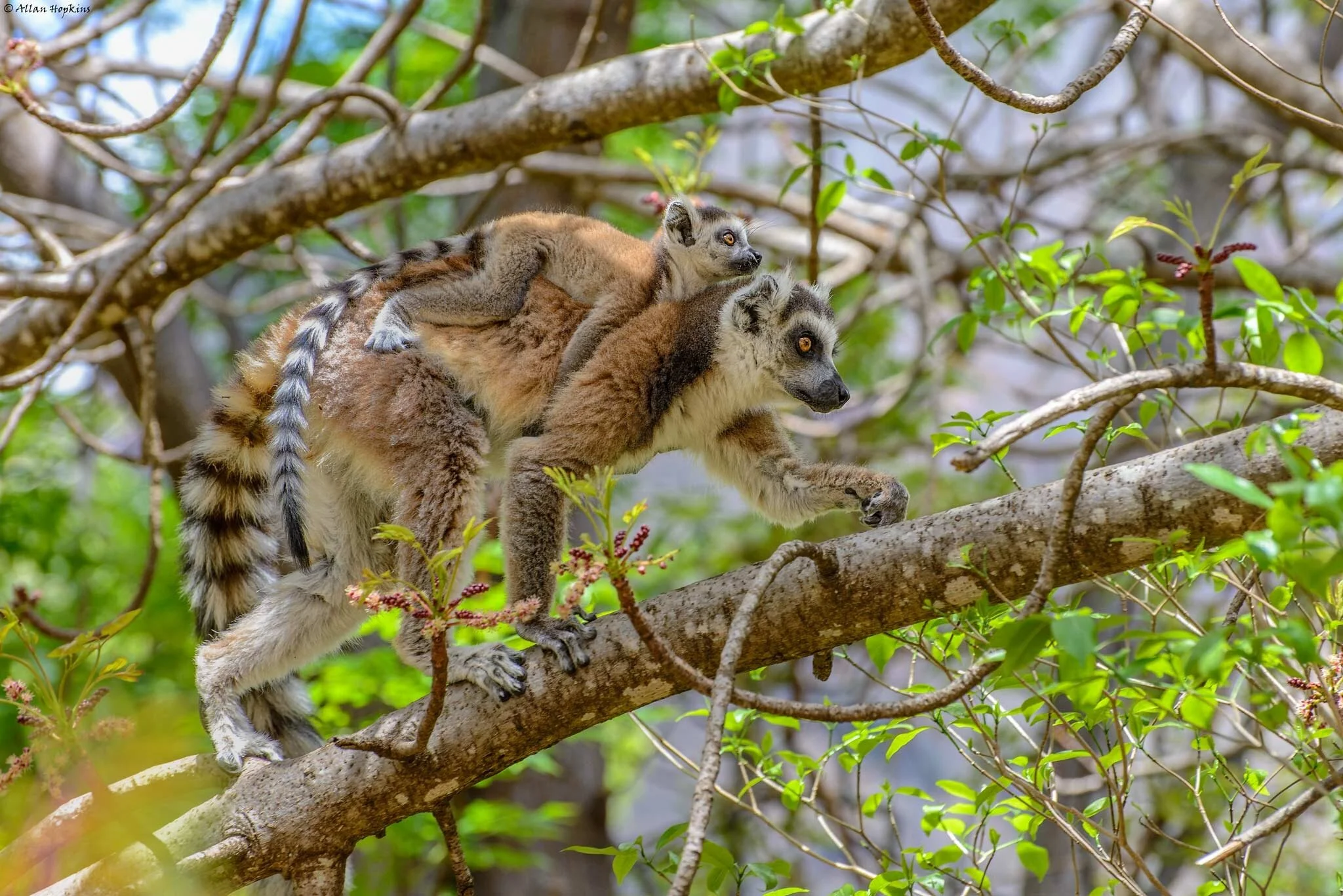
A mother ring-tailed lemur with her baby. Allan Hopkins. CC BY-NC-ND 2.0

1. Lemurs

Starting with Madagascar’s furriest (and cutest) attraction, these primates cannot be found anywhere else on Earth. Although they are likely related to monkeys, the exact origin of the species is not known. There are over 100 species of lemurs in total, some of the most notable being the ring-tailed lemur with its long black-and-white striped tail, the sifaka and the elusive aye-aye. There are many national parks where visitors can observe these animals in their natural habitat, including Isalo and Zombitse-Vohibasia. 

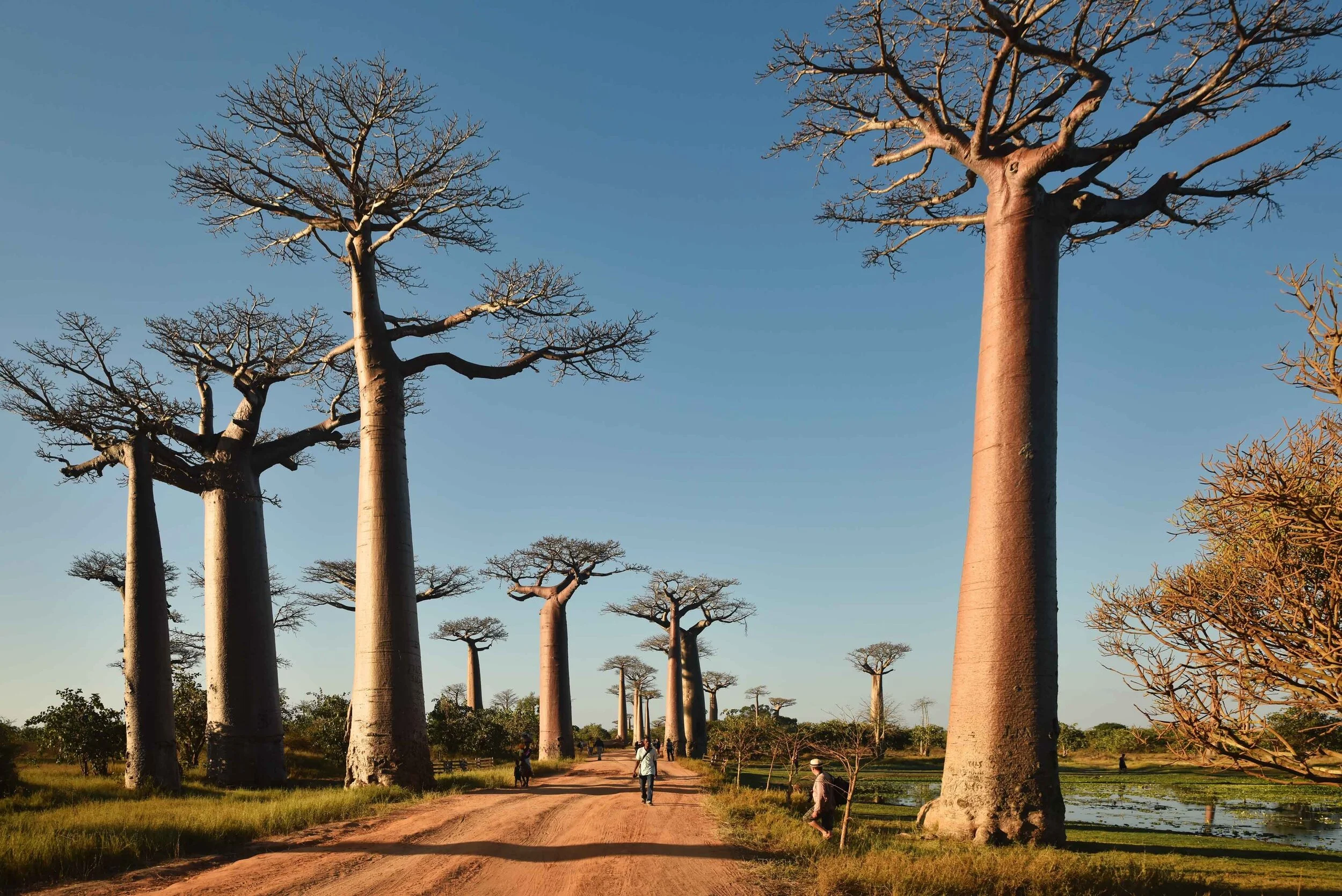
Avenue of the Baobabs in Madagascar. Rod Waddington. CC BY-SA 2.0

2. Avenue of the Baobabs

Baobabs are some of the most distinctive trees found anywhere in the world. Six species of baobab grow in Madagascar. Also known as the “mother of the forest” in Malagasy, they have large, bulbous trunks that store water, allowing baobabs to survive in dry climates. Many of Madagascar’s giant baobabs can be found along the Avenue of the Baobabs, located roughly 12 miles from Morondava. Travelers will have the opportunity to walk among these magnificent trees, some of which are over 800 years old!

A beautiful beach in Madagascar. Tatogra. CC BY-SA 2.0

3. Nosy Be

Nosy Be is the largest of a dozen small islands off the northwestern coast of Madagascar. These islands are teeming with rich marine life and offer perfect opportunities for snorkeling, diving and kayaking. Known as Ambariobe, or “the great island” in the local language, Nosy Be is a perfect launching point for cruises traveling to the other islands. Other notable islands in the region include Nosy Komba, often known as lemur island, and Nosy Sakatia, which contains both winding forest trails and pristine dive sites

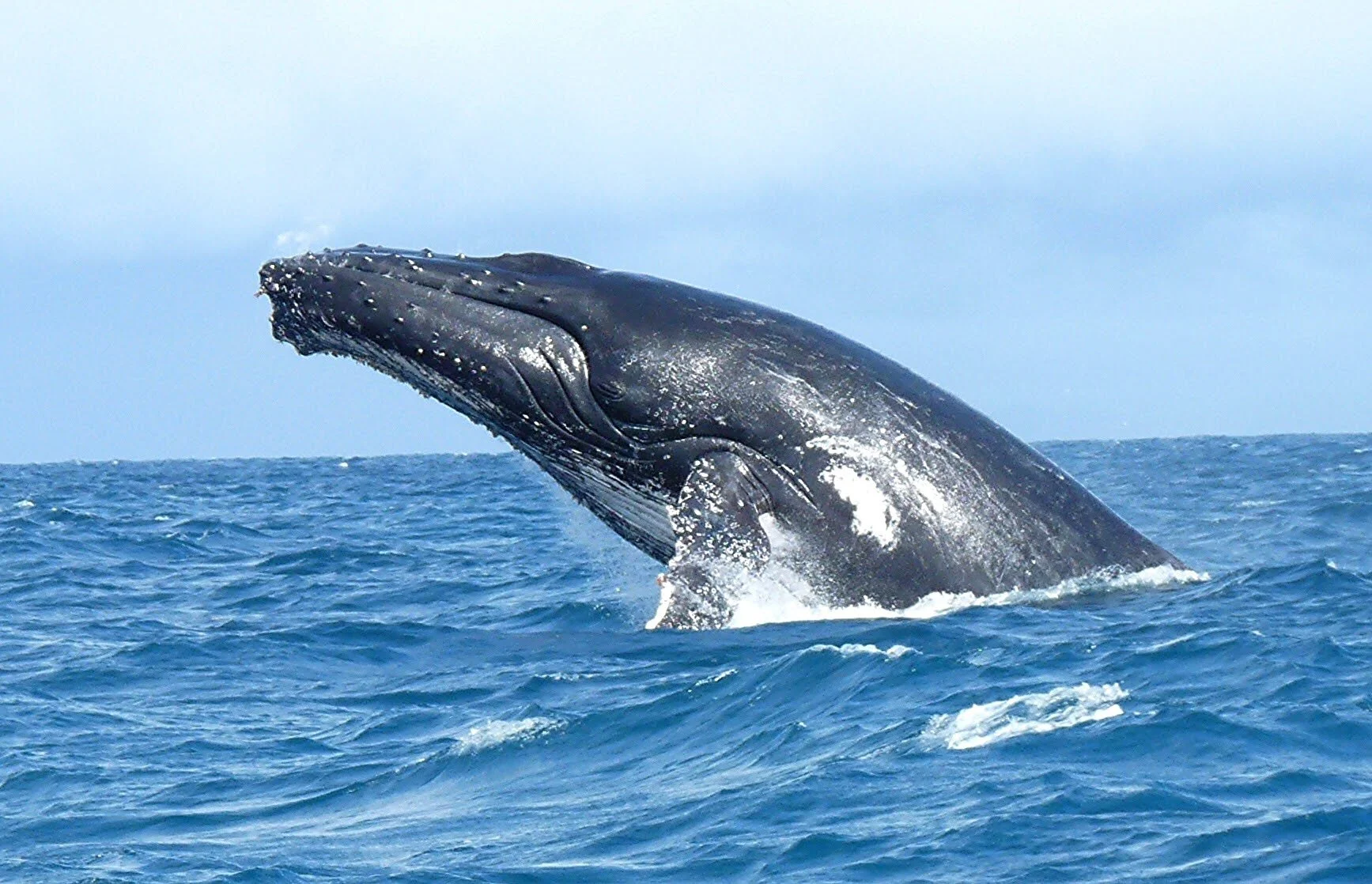
A humpback whale. Krishna Naudin. CC BY-SA 2.0

4. Humpback Whale Sightings 

Humpback whales can be spotted off the eastern coast of Madagascar annually from June to September. Recognized by their black backs and white bellies, humpback whales arrive in Madagascar for the mating season after traveling over 900 miles from the Antarctic coast. If you’re lucky, you may even see a mating dance or a live birth! Ecotourism organizations such as Cetamada allow travelers to view humpbacks up close in an ecologically responsible way. Popular destinations for whale sightings include Nosy Be, Ile Sainte-Marie and Antongil Bay. 

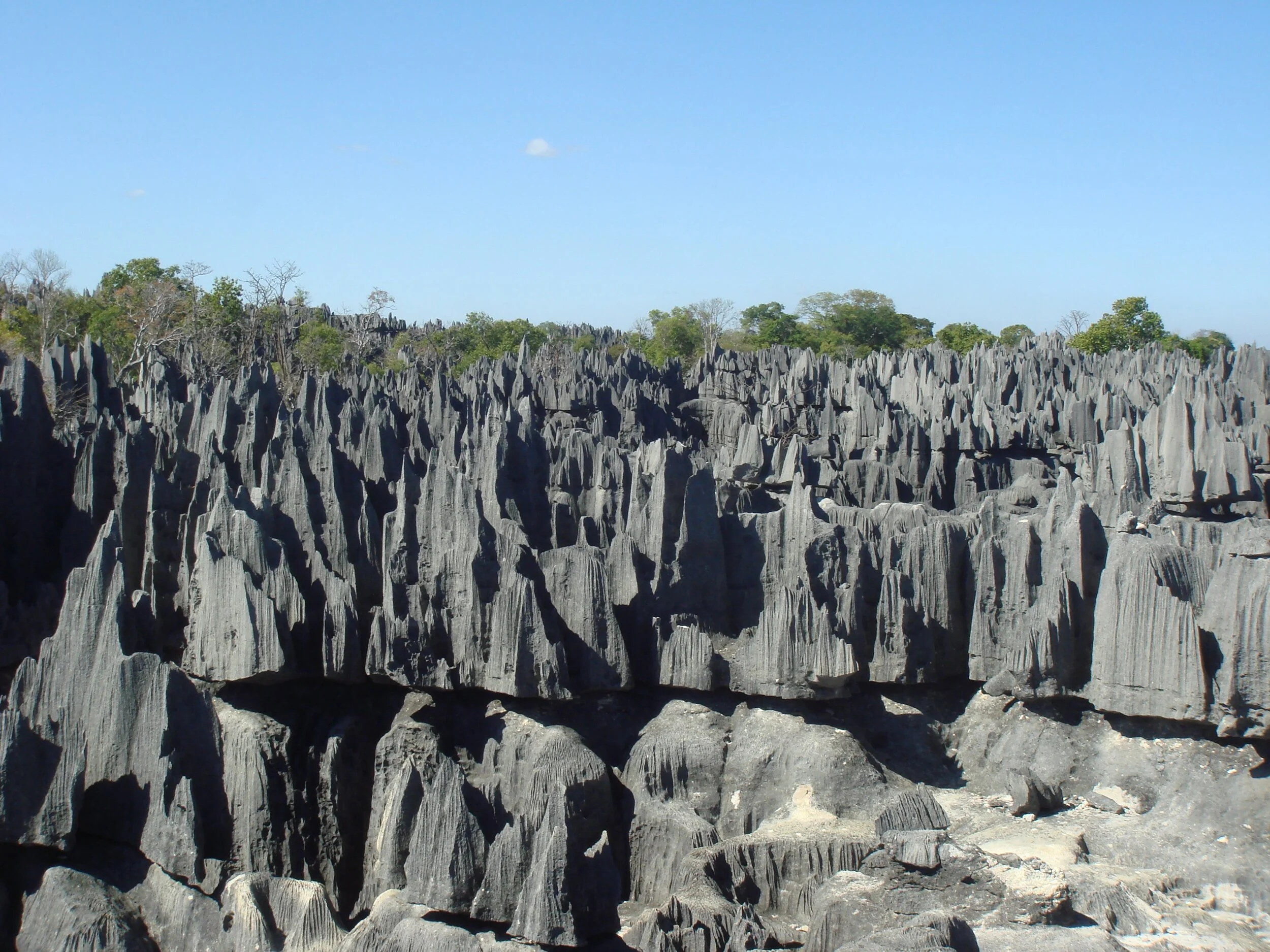
Tsingy formations in Madagascar. Oliver Lejade. CC BY-SA 2.0

5. Tsingy de Bemaraha National Park

Characterized by fossilized shell formations, these unique structures known as “tsingys” can be found in several regions of Madagascar. Tsingy de Bemaraha National Park is one of the best places to see these interesting structures and is located west of Madagascar’s capital, Antananarivo. The tsingy formations in the Melaky and Diana regions of Madagascar are both UNESCO World Heritage Sites and deserve a visit. 

Although Madagascar faces many environmental and social dilemmas, the country has strong potential and an undeniable natural beauty. 


Megan Gürer