
Yasukuni Shrine remains a controversial, painful reminder of Japan’s wartime history for East Asian countries.
Read MoreThe Ainu of Japan
Learn about a little-known Indigenous Japanese people.
Read More7 Must-See Festivals Across Asia
Asia is home to some of the world’s most notable festivals offering a chance to be immersed in extraordinary moments of cultural connection.
Read MoreHokkaido: Japan’s Natural Treasure Trove
Hokkaido boasts some of Japan’s most stunning natural beauty, with its national parks, fresh seafood and powder snow.
Read MoreArchitecture That Targets the Unhoused in Japan
Japan’s unhoused crisis is masked by urban design called hostile architecture, a tool used to alienate those experiencing homelessness, affecting the public in the process.
Read MoreDon’t Eat and Walk: Japan’s Rule That Leaves Travelers Confused
The Japanese value of staying in the moment and being mindful grounds the custom of not eating and walking simultaneously.
Read MoreThe History Behind Japan’s Women-only Trains
With the need to address transit safety and security, these pink-labeled train cars are Japan’s solution.
Read MorePod Culture in Japan: Exploring the Quiet World of Capsule Hotels
A close-up tour of Japan’s high-tech sleep culture across three iconic cities.
Read MoreComfort or Cruelty? The Buried Truth of Imperial Japan’s Sexual Slavery
Thousands of women were forced to work in “comfort stations” during World War II and their persistent fight for justice continues today.
Read MoreThe Truth about Geisha Tourism in Japan
Japan’s geisha have survived war and the turn of the century — unruly travelers may be the dying art’s final blow.
Read MoreMatcha's Roots: The Legacy of Japan's First Tea Tree
Explore Shofuku-ji, Japan’s oldest Zen temple, where the legacy of the first tea tree still thrives.
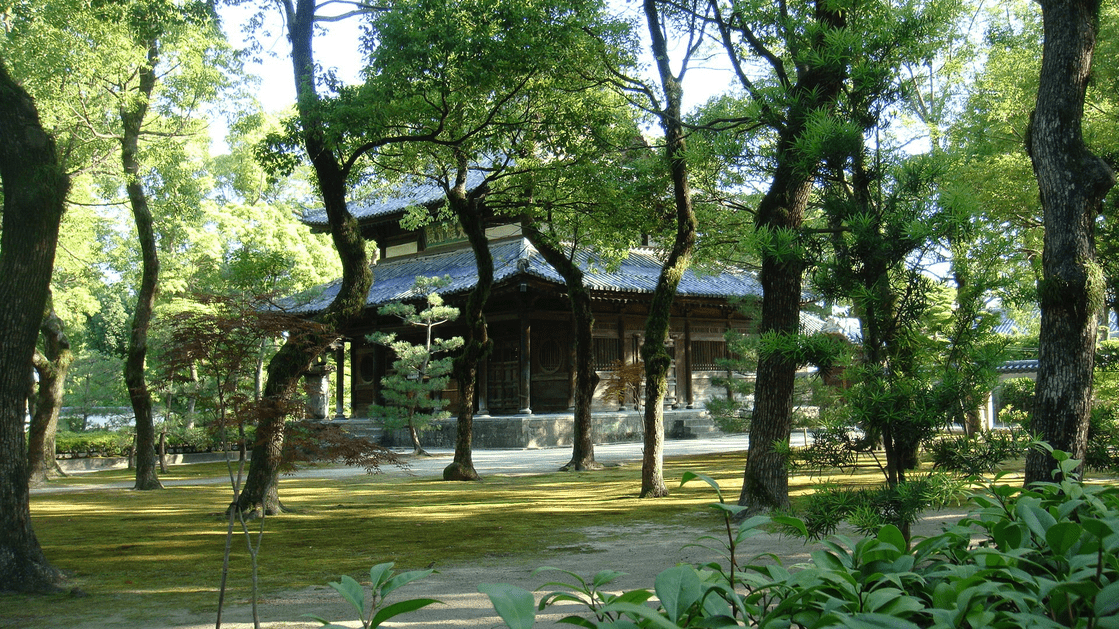
Shofuku-ji Temple. N yotarou. CC BY-SA 4.0
At the end of an unassuming street in Fukuoka, Japan stands the Shofuku-ji Temple. Its ancient grounds are a testament to centuries of cultural and spiritual history, particularly to the evolution of matcha, Japan’s iconic powdered green tea. Matcha is made from specially grown and processed tea leaves. The process begins with shading the tea plants several weeks before harvest to boost chlorophyll levels, resulting in its vibrant green color. The leaves are then carefully picked, steamed to stop oxidation, dried, and ground into a fine powder using traditional stone mills. Matcha's popularity outside Japan, especially in the U.S., experienced a surge in the early 21st century due to a growing interest in health and wellness globally. Its high antioxidant content, culinary versatility, and cultural appeal contributed to its widespread adoption in cafés and homes worldwide.
Shofuku-ji Temple was founded in 1195 CE by the Buddhist priest Myōan Eisai, who is often credited with introducing Zen Buddhism to Japan. However, Eisai’s cultural influence extends beyond religion. Chinese legend dates the invention of tea to around 2737 BCE in ancient China. From China, the beverage was brought to Japan by a mission of monks, including Eisai, returning from a pilgrimage in 1191 CE. Upon arriving in Japan, Eisai cultivated the tea seeds in the Iwakamibo gardens of Ryozen-ji Temple, Saga.
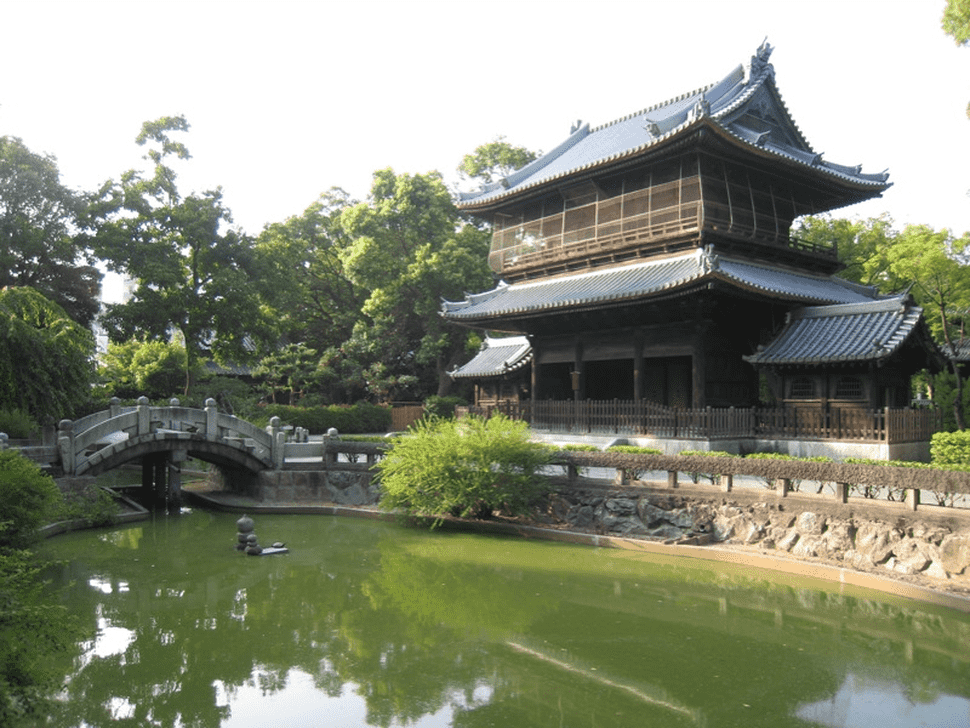
Shofuku-ji Temple Pond. Mark Pegrum. CC BY 2.0
These seeds, which produced the first tea plants in Japan, became the foundation of what is now known as matcha. The plant that stands at Shōouku-ji today, often referred to as "Japan’s First Tea Tree," is a direct descendant of those original plants, a living monument to the history of Japanese tea culture.
When Eisai brought the tea seeds to Japan, he was not merely bringing a new beverage, he was introducing a practice that would become integral to the Zen way of life. The preparation and consumption of matcha evolved into a ritualized practice that aligned perfectly with the principles of mindfulness and presence central to Zen.
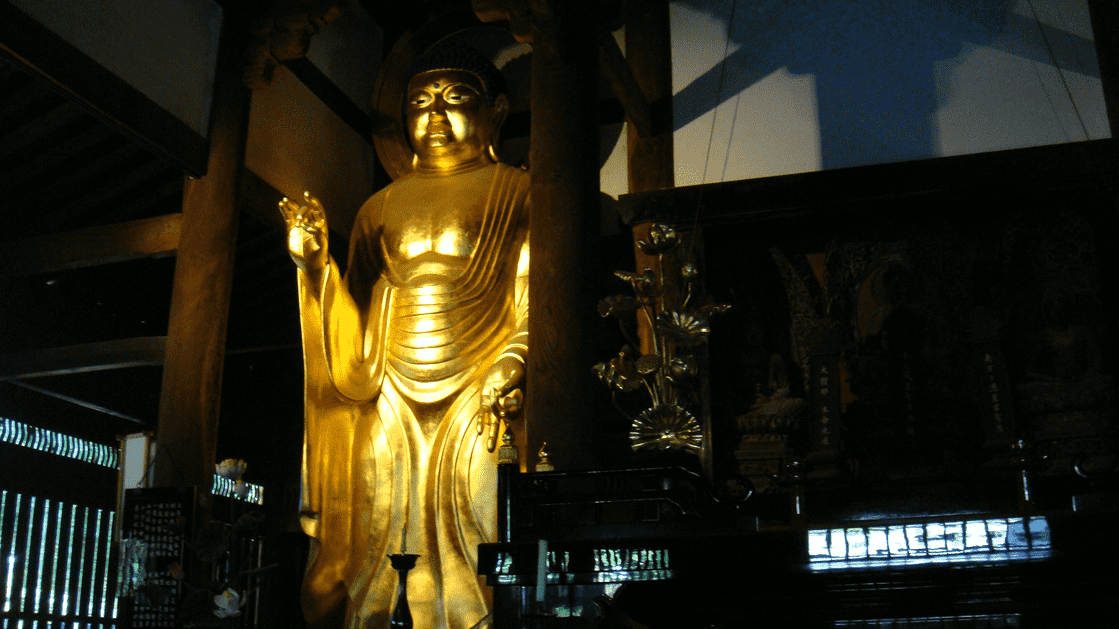
Buddha Statue. David McKelvey. CC BY-NC-ND 2.0
Referred to as “the way of tea,” the preparation of tea developed into an exercise of Zen devotion that honored the beauty which can be discovered in an otherwise flawed world. Author and tea expert Solala Towler has said: “It is a ceremony that takes the simple art of drinking tea to a sacred level, where the host and the guests share a moment of worship of the simple art of preparing and drinking of tea together, elevating them to a level of purity and refinement.”
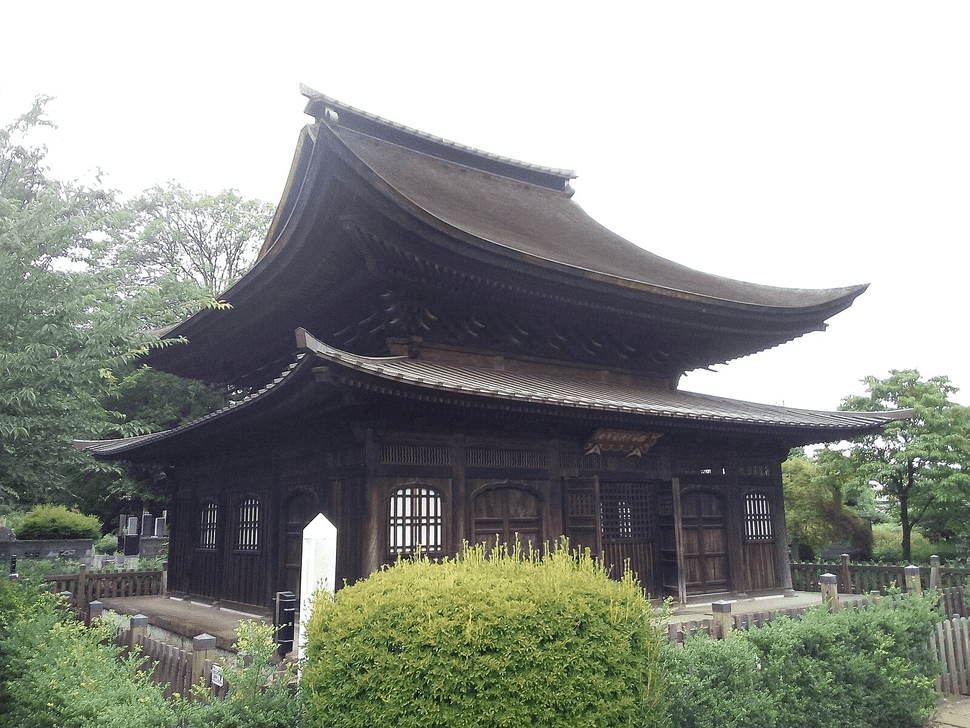
The Jizōdō at Shōfuku-ji. MomoyamaResearch. CC BY-SA 4.0
The word matcha comes from the Japanese verb “matsu”, (to rub or to daub) and “cha” , (tea). In its early form, matcha was consumed as a medicinal drink. Eisai himself wrote about the health properties of tea in his book “Kissa Yojoki” (“Drinking Tea for Health”), where he extolled the virtues of tea for both body and mind.
Eisai believed that tea could cure physical ailments and enhance mental clarity and spiritual well-being, making it an ideal companion for Zen meditation. He realized that drinking matcha improved his meditation sessions by producing a state of calm alertness, likely a product of the cognition-boosting interaction between matcha’s caffeine and L-theanine. Caffeine, a natural stimulant, provides an energy boost. However, caffeine alone can sometimes lead to jitters, increased heart rate, or anxiety. L-theanine, an amino acid found in tea leaves, counters this with its calming effect on the brain. It promotes the production of alpha waves, which are associated with a relaxed yet alert mental state.When consumed together in matcha, caffeine and L-theanine synergize to create a balanced effect.
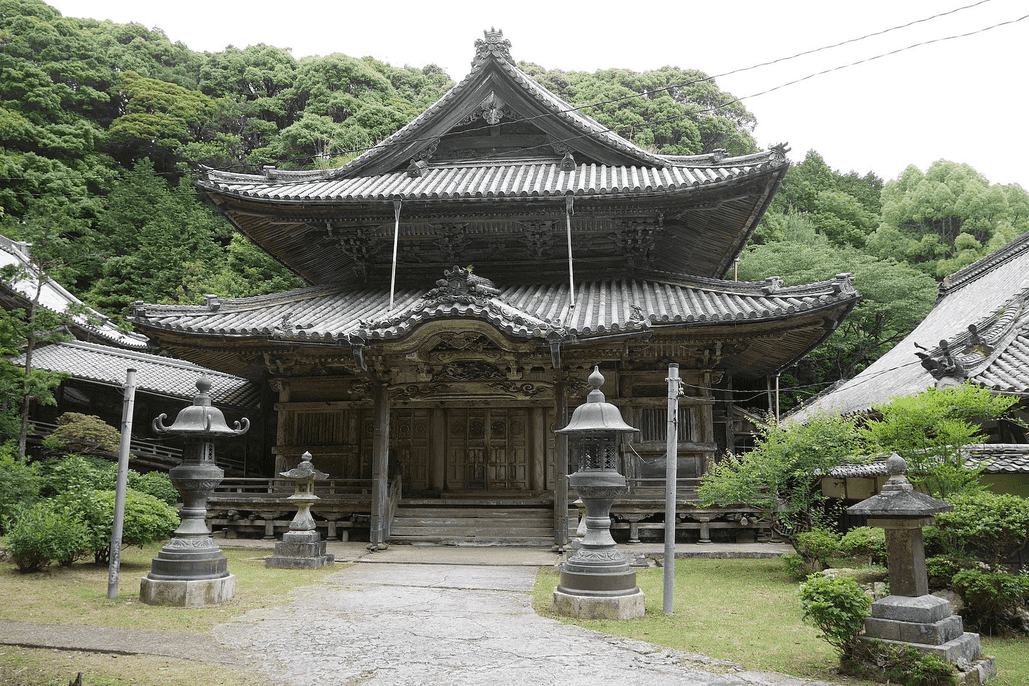
Shofuku-ji Temple. David McKelvey. CC BY-NC-ND 2.0
For centuries, the practice continued to spread throughout Japan, dispersing throughout all levels of society. Today, the matcha tea ceremony provides an opportunity for intellectual exchange, the sharing of knowledge and the continuity of tradition.
As was written in a collection of essays entitled “The Book of Tea” by Okakura Kakuzo, one of the first Japanese to advocate for the art of tea drinking, “Those who cannot feel the littleness of great things in themselves are apt to overlook the greatness of little things in others,” a sentiment that ties humility in oneself to the appreciation of others and their work, tea among them.
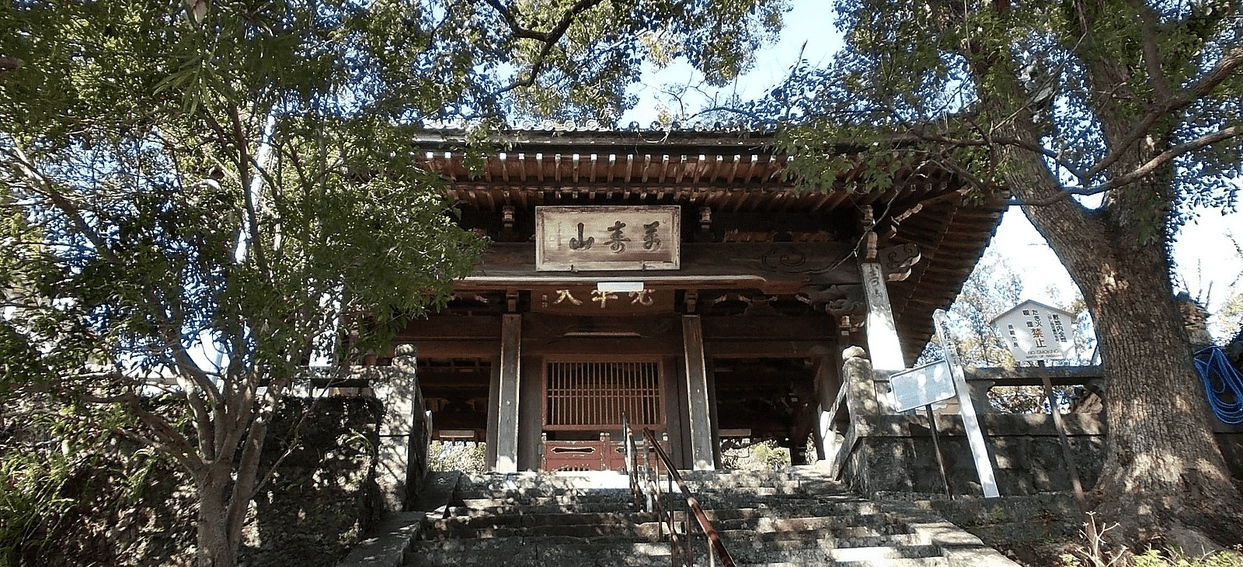
A Sanmon at Shofuku-ji Temple. STA3816. CC BY-SA 3.0
Today, Shofuku-ji Temple remains a serene sanctuary where visitors can connect with the historical and spiritual origins of matcha. The temple grounds, with their carefully maintained gardens and ancient structures (including a Buddhist temple, a kitchen, a Zen hall, a bell tower, a sun and moon garden, a records hall, and more) provide a peaceful setting for reflection upon the past. Visitors can appreciate the tea plant, a living link to Japan’s first tea plants, and the enduring legacy of Eisai’s contributions to Japanese culture.
Generally, Shofukuji Temple is not open to the public. If you are visiting as a group, you must apply one month in advance and receive permission from the temple, even if you just wish to tour the grounds. The application and a guide to the grounds can be found on the temple’s website. The temple is a nationally designated historic site that protects cultural assets and the continuation of the Zen tradition, so visitors are asked to proceed quietly and with care. Visitors may also be asked for a contribution to help protect and restore cultural properties. Applications received less than one month in advance will not be accepted.
GETTING THERE
Shofukuji Temple can be reached in a short walk from Gion Station and a 15-20 minute walk from Hakata Station in Fukuoka. Fukuoka is the sixth largest city in Japan and offers a variety of hotels and transportation methods for visitors.

Rebecca Pictairn
Rebecca studies Italian Language and Literature, Classical Civilizations, and English Writing at the University of Pittsburgh. She hopes to one day attain a PhD in Classical Archeology. She is passionate about feminism and climate justice. She enjoys reading, playing the lyre, and longboarding in her free time.
A Trip Through the Past: Japan’s Living Heritage on Sado Island
The historical music, performing arts and cuisine are kept alive on a tiny resort island off the Japanese coast.
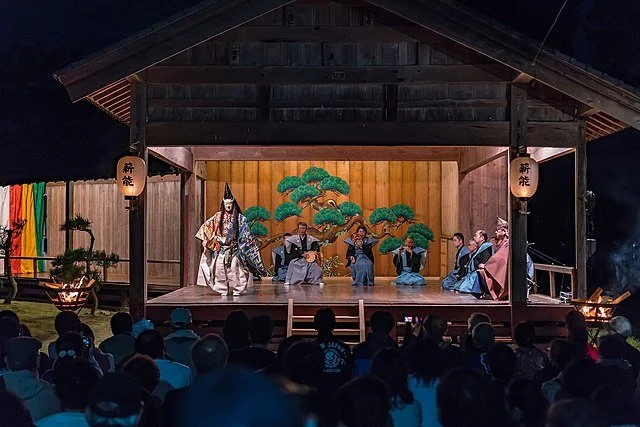
A Noh performance onstage on Sado Island. Yoshiyuki Ito, CC BY-SA 3.0
Feudal Japanese history gave rise to one of the most fascinating cultures in the world. Decades of relative isolation on the islands of Japan allowed for a completely unique society to blossom, and the resulting art, music and performance is incredible to behold. Although the world has largely moved on from the 18th century, there are still small pockets of society that try to keep those cultures alive. And there is no better place to see Japan as it once was than on Sado Island.
Sado Island was not always beautiful. In the beginning, it was used as a prison colony for political exiles from nearby Japan. Around 1601, however, the territory's rulers discovered a massive vein of gold running through the island. This naturally led to a gold rush, which jump started the population of Sado. The mine lasted for over 400 years, closing at last in 1989. After this, the population began to decline, and now the island has gone from a mining hub to a lush resort.
Today, Sado is a massive cultural hotspot. Throughout history, Sado Island was a crucial trading base on the way to Osaka—this resulted in a huge number of cultures leaving their mark on the land over centuries. Ancient Buddhist shrines and feudal Japanese temples share space across the island, as architecture from all eras fills in the gaps.
The city of Shukunegi, for instance, has been around for over 400 years—it was constructed during the beginning of the Edo era in the 1600s. Many of the buildings were actually built from wood and stone brought by or recycled from the trading ships themselves. Many of these structures are still standing today, packed tightly together to form blocks of houses.
However, the heart of Sado’s cultural preservation comes in the form of its performing arts and music. Noh, a traditional style of Japanese theater, is typically performed in shrines, with the audience sitting outside around bonfires. The stages are open on three sides, with the back featuring a painted image of pine trees. The lead performer typically wears a mask, fashioned after the leading characters of the play (although they are also used to denote spirits and demons). There is nothing in the world quite like Noh, and Sado Island is one of the best places to watch these magnificent performances in person.
Another example of classic Japanese culture on Sado Island is onidaiko, which literally translates as “demon drumming”. These performances include masked dancers and the famous music of Japanese taiko drumming, which was traditionally used to ward off negative energy and spirits during rice harvests. Taiko is most prominent during the Earth Celebration, which takes place in the middle of August every year and lasts for three days of music, performances, and culture. The Sado Island Taiko Centre, where visitors can see taiko drumming year-round, is home to two of the biggest taiko drums in the world.
In addition to its vibrant culture and rich history, Sado Island is a simply gorgeous natural vista. It boasts over 170 miles of coastline, with everything from nearly 100-foot cliffs and volcanic rock walls to lovely beaches. The island is also home to a wide variety of rare plants and animals, including the toki, also called the crested ibis, an extremely rare bird that has become the unofficial mascot of Sado. Even if you’re more in the market for nature than culture, there’s an incredible amount of both to be found on Sado.
Sado has a large number of hotels all over the island, ranging in price from $99 to $500. The island is a wonderful travel destination year-round, but the best time to go is mid-August in order to catch the Earth Celebration.

Ryan Livingston
Ryan is a senior at The College of New Jersey, majoring in English and minoring in marketing. Since a young age, Ryan has been passionate about human rights and environmental action and uses his writing to educate wherever he can. He hopes to pursue a career in professional writing and spread his message even further.
A Festival of Flight: Explore Japan’s Hamamatsu Kite Festival
Join more than 1.5 million people in May to celebrate the Hamamatsu Kite Festival.
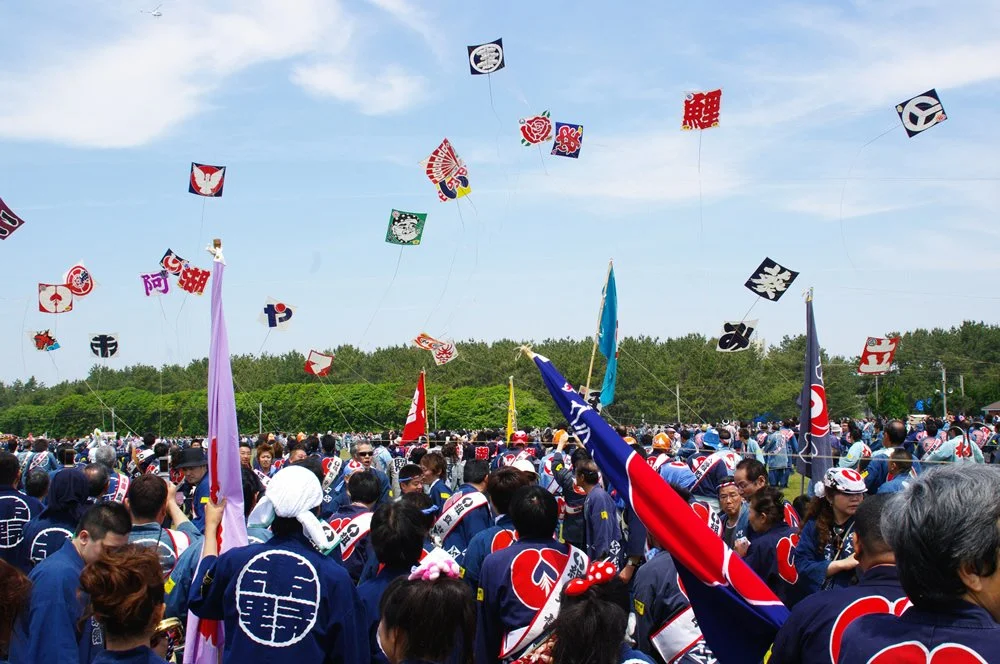
Kites flying during the Hamamatsu Kite Festival. Shizuoka Prefectural Tourism Association. CC BY-SA 2.1 JP
The origins of the Hamamatsu Kite Festival date back more than 450 years. In Japan, kites have been used for both practical and celebratory purposes for over 1,000 years. During the Edo era, kites were flown to celebrate the birth of a first-born son. This tradition then developed into the Hamamatsu Kite Festival where all children are celebrated.
At the beginning of May during Golden Week, Hamamatsu’s skies are filled with over 100 vibrant, traditional kites. The designs of the kites in the Hamamatsu Kite Festival symbolize children and traditions from each town in the district of Hamamatsu. The kite fliers then partake in an aerial battle, attempting to sever each other's kite strings.
As dusk falls, the festivities move from the beach to the city center where the streets come alive with dance and musical performances featuring bells and drums. The traditional music follows nearly 100 artfully decorated floats as they travel through the streets of Hamamatsu. The floats carry children in customary clothing and are pulled by cheering adults with lanterns and flags in hand.
Some floats are over 100 years old, and travelers can learn about their history at the plaza between the JR-Hamamatsu and Shin-Hamamatsu train stations where a few floats are displayed throughout the day. There are three parade routes, so for those hoping to see all the floats it is recommended that they choose a different route each night.
The location of the kite battles on the Pacific coastline allows travelers easy access to other nearby marvels, such as one of three of Japan’s major sand dunes. The Nakatajima Dunes, known as a famous hatching ground for loggerhead sea turtles, can be found near the kite battles, and are surrounded by coastal forests.
Not only home to its eponymous Kite Festival, the city of Hamamatsu is a destination known for its diverse landscapes and impeccable craftsmanship. Along with the coastline, Hamamatsu boasts mountains, a river and Lake Hamana, the birthplace of Japan’s eel-farming industry. Energetic travelers can participate in many activities at Lake Hamana, including windsurfing, swimming and biking.
Nature lovers will feel right at home among thousands of plant species at the Hamamatsu Flower Park. History buffs can learn about the city’s musical history at the Hamamatsu Museum and explore Hamamatsu Castle.
Hamamatsu is easily accessible from Tokyo. Travelers can take a bullet train from Tokyo Station to Hamamatsu Station in as little as 100 minutes.

Madison Paulus
Madison is a student at George Washington University studying international affairs, journalism, mass communication, and Arabic. Born and raised in Seattle, Washington, Madison grew up in a creative, open-minded environment. With passions for human rights and social justice, Madison uses her writing skills to educate and advocate. In the future, Madison hopes to pursue a career in science communication or travel journalism.
Japan’s Population Crisis Hits a Record Low
Japanese birth rates are falling exponentially, and it could have major effects on the country’s economy.
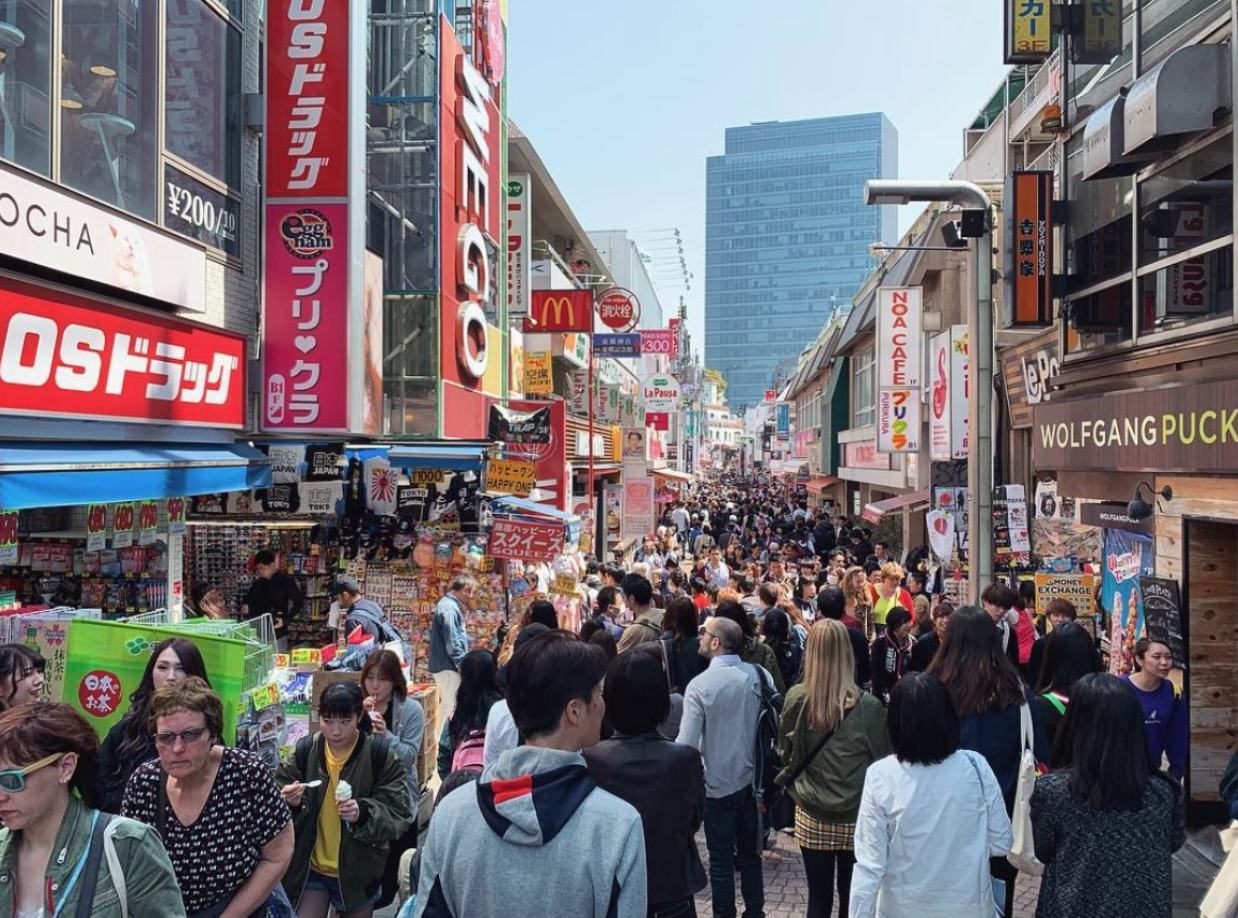
Harajuku District in Japan. @paulkrichards. Instagram
Many around the world consider Japan a futuristic country, a view drawn from its creative technology and its unique culture. A popular destination for tourists all around the world, this East Asian country makes up 1.6% of the world’s population with its approximately 125 million residents.
However, this number is set to rapidly decline as Japan teeters on the precipice of a population crisis. Its Prime Minister has issued a dire warning, saying that the country is “on the brink of not being able to maintain social functions” due to the falling birth rate. Japan has one of the highest life expectancies in the world, which means that most will grow old and require care from others, but the workforce is shrinking as aren’t enough young people to fill the gaps in Japan’s stagnating economy.
Why is this? To use simple terms, Japanese people are having fewer babies. Women are postponing their marriages and rejecting traditional paths to focus on their professional lives, and the percentage of women who work in Japan is now higher than ever. However, there are also fewer opportunities for young people, especially men, in the country’s economy. Since men are still widely viewed as the breadwinners of the family, a lack of good jobs would also mean the men would avoid having children — and settling down — knowing they can’t afford it. With Japan’s high cost of living, it adds more reason for couples to steer clear of having a family.
The problem has only gotten worse since the Covid pandemic. In 2021, the birth rates in Japan declined to around 805,000 — a figure that was not expected until 2028. With much of the population choosing to focus on their careers instead, this number will only continue to fall.
In the early stages of the pandemic, there were jokes circulating that the lockdowns would cause another baby boom. However, the opposite came true. Japan experienced a reduction in birth rates, as well as other countries such as Taiwan and China — to an estimated 1.07 children per woman.
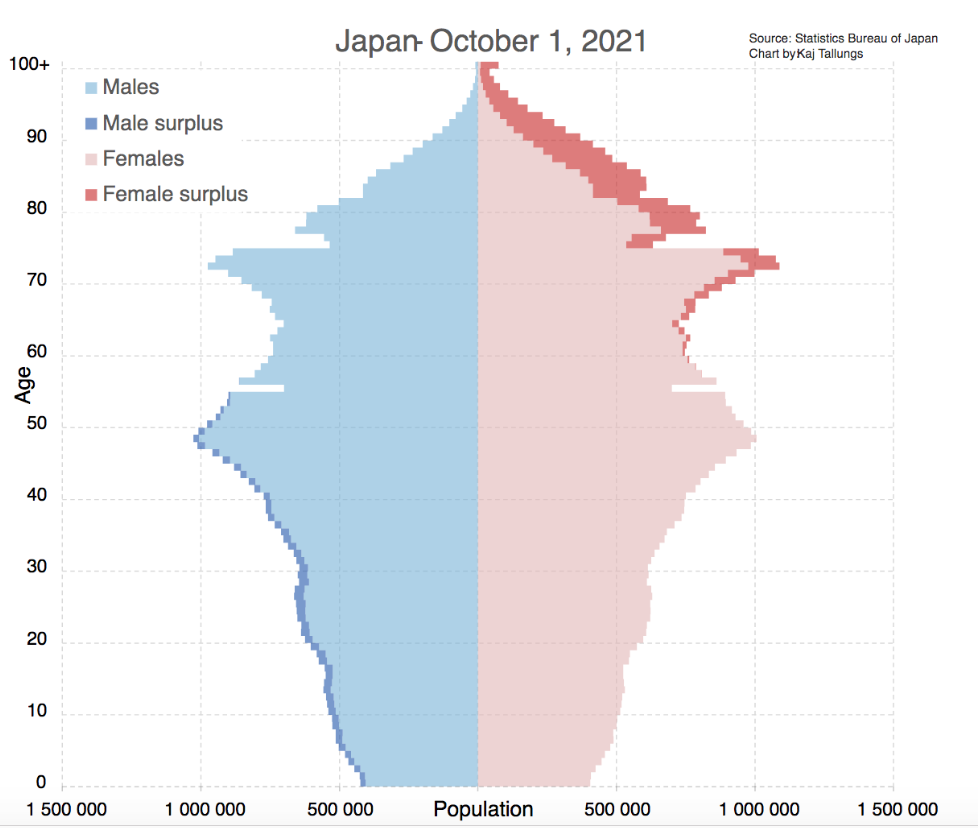
Japan’s population pyramid in October 2021. Kaj Tallungs. CC BY-SA 4.0
There are more and more elderly people in the country and not enough working-age adults to support them. The economy is at risk. But Japan’s Prime Minister Fumio Kishida promises to combat the low birth rate.
With Japan “standing on the verge of whether we can continue to function as a society,” Kishida urges the national government to focus on policies regarding children and ramp up child-related programs, saying it “cannot wait and cannot be postponed.” He wants the government to double its spending on child-related programs and in April, he will launch a new Children and Families government agency to help in the endeavor.
This agency will unify policies across multiple government ministries to better deal with issues that concern children, such as declining birth rates, child poverty, and sex crimes. Kishida has plans to double the budget if necessary, without elaborating.
In the mid 1990s, the Japanese government launched a series of programs addressing their country’s low fertility, hoping to provide parenting assistance through increasing provision of childcare services and advocating for a better work-life balance. And in the 2010s, fertility policies were incorporated into Japan’s macroeconomic policy, national land planning, and regional and local planning.
Despite all these efforts, however, Japan’s goal to boost population remains unsuccessful. By forming the new agency, Kishida hopes these problems will be taken more seriously.
One thing remains clear, though — Japan is facing a population crisis. And if birth rates keep falling, the country’s economy will struggle under its effects.

Michelle Tian
Michelle is a senior at Boston University, majoring in journalism and minoring in philosophy. Her parents are first-generation immigrants from China, so her love for different cultures and traveling came naturally at a young age. After graduation, she hopes to continue sharing important messages through her work.
Why Japanese Fruit Is So Expensive
Japan places cultural importance on giving fruit gifts, leading to the cultivation of impressive fruits that can cost over $100
Read MoreMacaque Monkeys Attack in Yamaguchi, Japan
Macaque monkeys, previously peaceful residents of Yamaguchi, Japan, began targeted attacks in July.
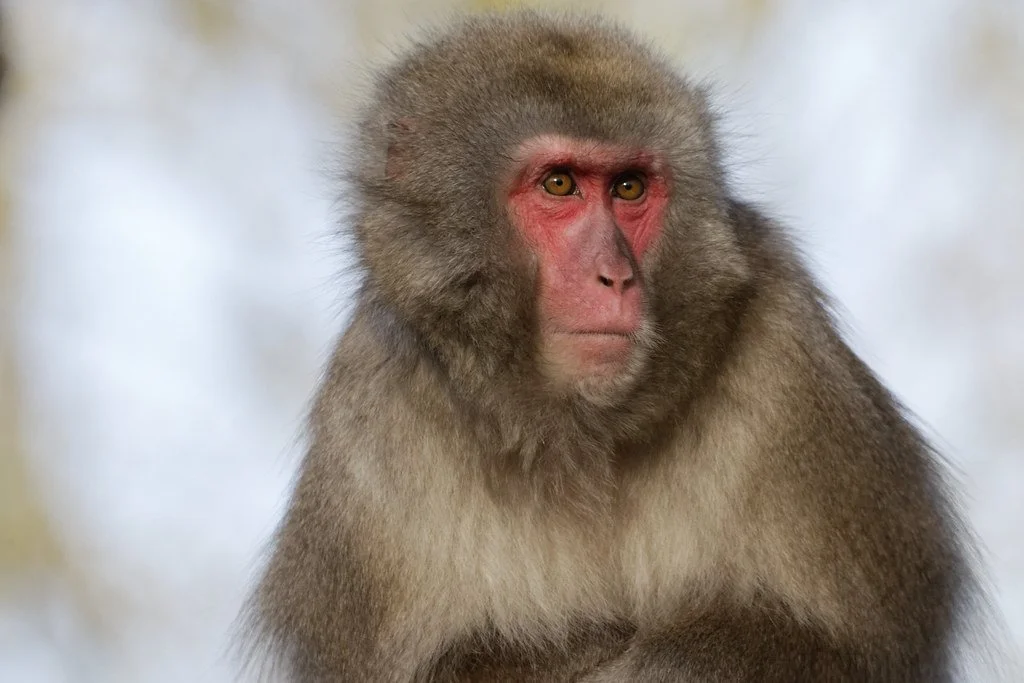
Japanese macaque. Zweer de Bruin. CC BY-NC-ND 2.0.
The city of Yamaguchi, Japan boasts historic temples, invaluable art, stunning gardens and macaque monkeys. Macaque monkeys have lived in highly populated areas of Japan since as early as the 1600’s, and up until recently, Japanese macaques have had very few concerning interactions with people.
However, since July 8th, more than fifty people in Yamaguchi have been attacked by the monkeys. City officials and experts say nothing like this has ever happened, and they even initially thought it was only one crazed monkey committing all of the attacks. But even after the monkey in question was euthanized, the attacks continued, leading the city to realize that an entire band of monkeys had inexplicably started attacking humans after years of peaceful coexisting. Fortunately, as of late July, no serious injuries have occured, but city officials have taken to tranquilizing threatening macaques, as they are not deterred by food or traps.
What makes these unprecedented attacks even more puzzling is the fact that they seem very coordinated, with an explicit goal, even if that goal is unclear to the people of Yamaguchi. While minor injuries have resulted from the attacks, some of the attacks appear to be attempted kidnappings. Additionally, the monkeys began by targeting primarily young children and older women. While over the past few weeks they have begun attacking adult men as well, these demographics are so specific that it begs the question: what is their intent? Unfortunately, no one knows yet.
A mother in Yamaguchi recalls a monkey having broken into her home, and attempting to drag her child away. She noted that the monkey tried to take the child with it. The monkeys have been entering homes, and even lurking outside of nursery schools. While there have been occasional macaque attacks in the past, they primarily live in harmony with humans, and a planned effort like this is unprecedented.
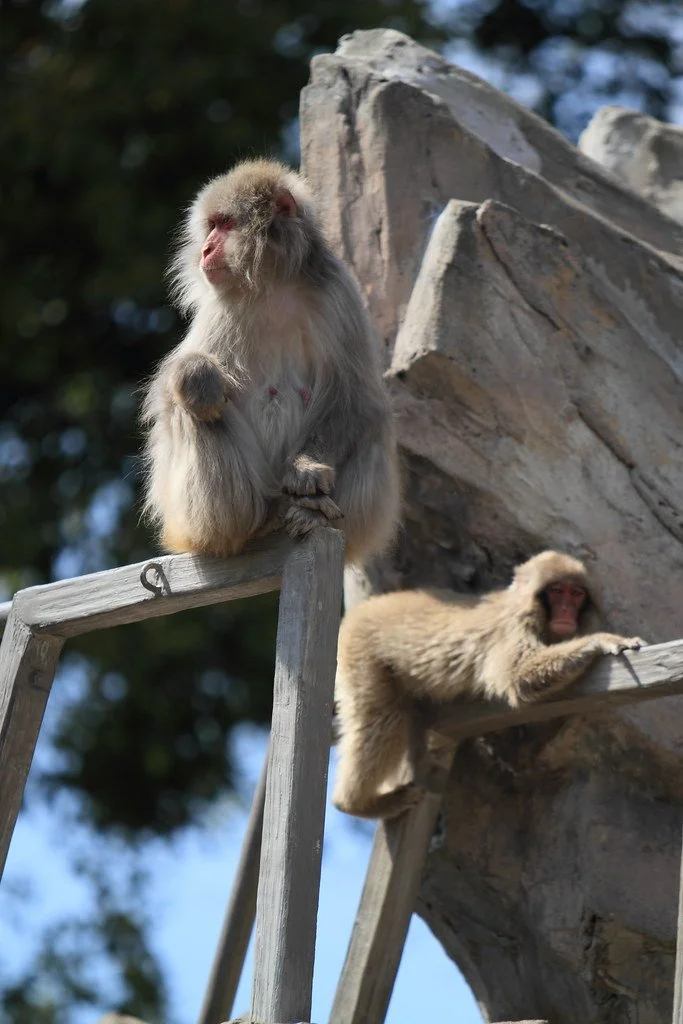
Two Japanese macaques. Etsuko Naka. CC BY 2.0.
In terms of the history of Japanese macaques, as noted they have lived in Japan since as early as the 17th century. They are also incredibly intelligent animals, making the decision of the Yamaguchi officials to euthanize one a difficult call. Macaques have opposable thumbs and even sometimes walk on two legs. They are known for doing very human-like activities, such as bathing and relaxing in groups in hot springs in Japan. This habit, as well as the habit of washing their food in the ocean, was learned behaviors within the group, and previously, scientists thought only humans passed traditions and behaviors through generations.
Despite the monkey attacks, which will hopefully come to an end soon, Yamaguchi has many sites to visit and a fascinating history. It is known for its temples, such as the Rurikoji Temple and Joeiji Temple. It is also a coastal town known for having high quality seafood and sake, which is perfect for travelers interested in food. Additionally, Yamaguchi is a very historic area, as the city contributed to the overthrow of the feudal era in Japan in the late 1800’s.
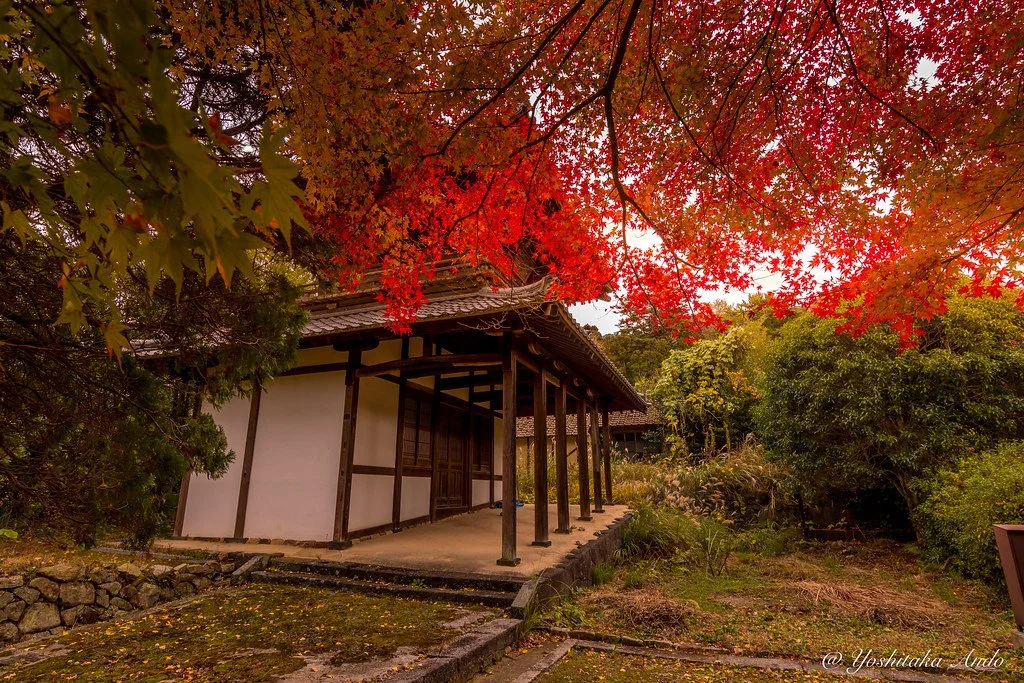
Tokoji Temple in Yamaguchi, Japan. Yoshitaka Ando. CC BY-NC-ND 2.0.
Ultimately, Yamaguchi, Japan is a beautiful and historic city which is currently experiencing turmoil at the hands of macaque monkeys. Officials hope that the situation will be resolved soon, and once it is, consider adding Yamaguchi to your travel list.

Calliana Leff
Calliana is currently an undergraduate student at Boston University majoring in English and minoring in psychology. She is passionate about sustainability and traveling in an ethical and respectful way. She hopes to continue her writing career and see more of the world after she graduates.
7 Famous Trees of The World
Today, trees face threats such as deforestation, habitat reduction and fires fueled by climate change. Despite it all, these seven tree species continue to symbolize the lands they call home.
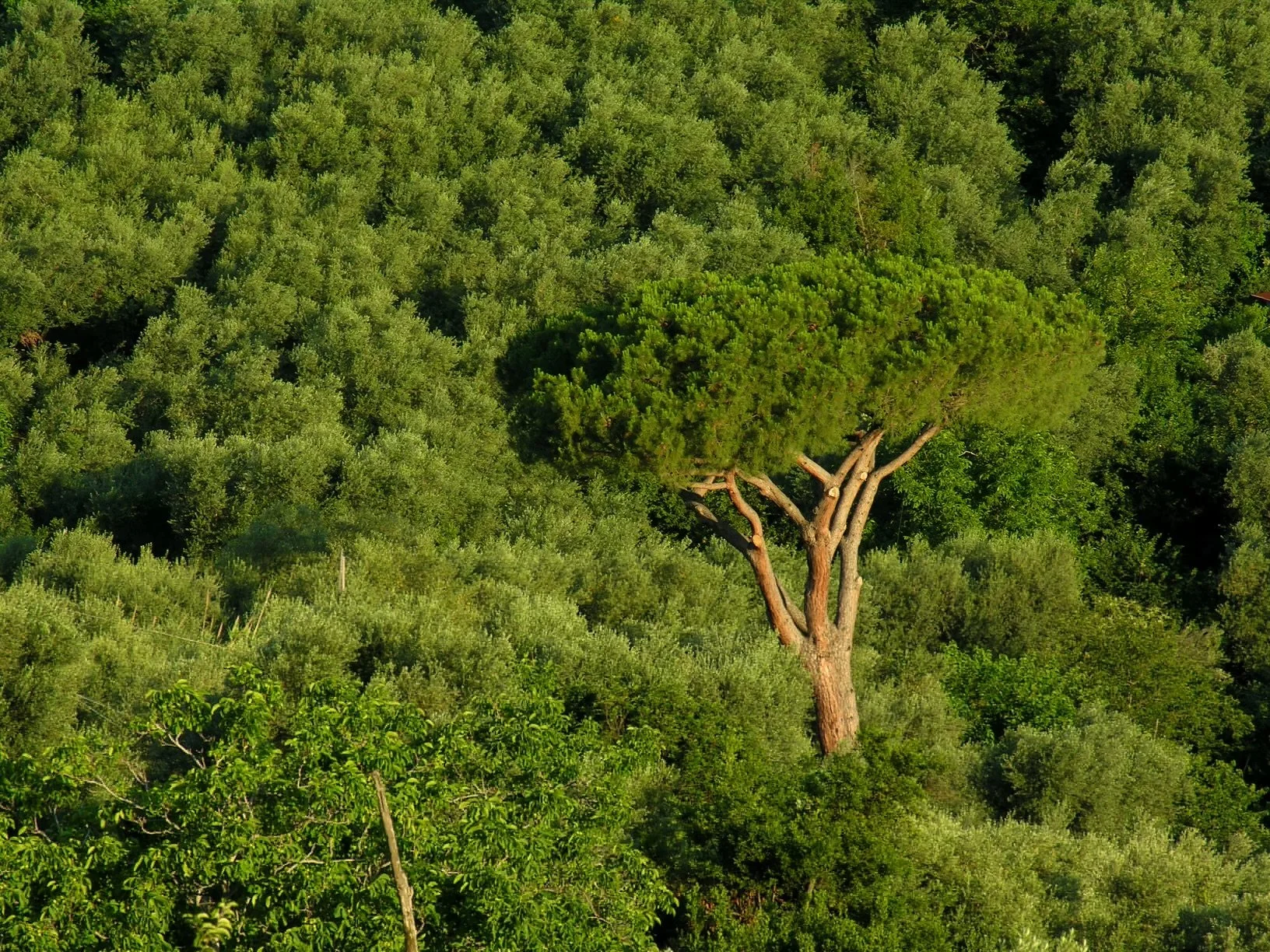
Forest in Italy. Giuseppe Costanza. CC0 1.0
As urbanization and overpopulation fuel clearcutting around the globe, these trees stand in their own glory. Granted protection status, having festivals in their honor and attracting admirers from around the world, this is a list of trees that have made a name for themselves and their roots.
1. Baobabs, Madagascar
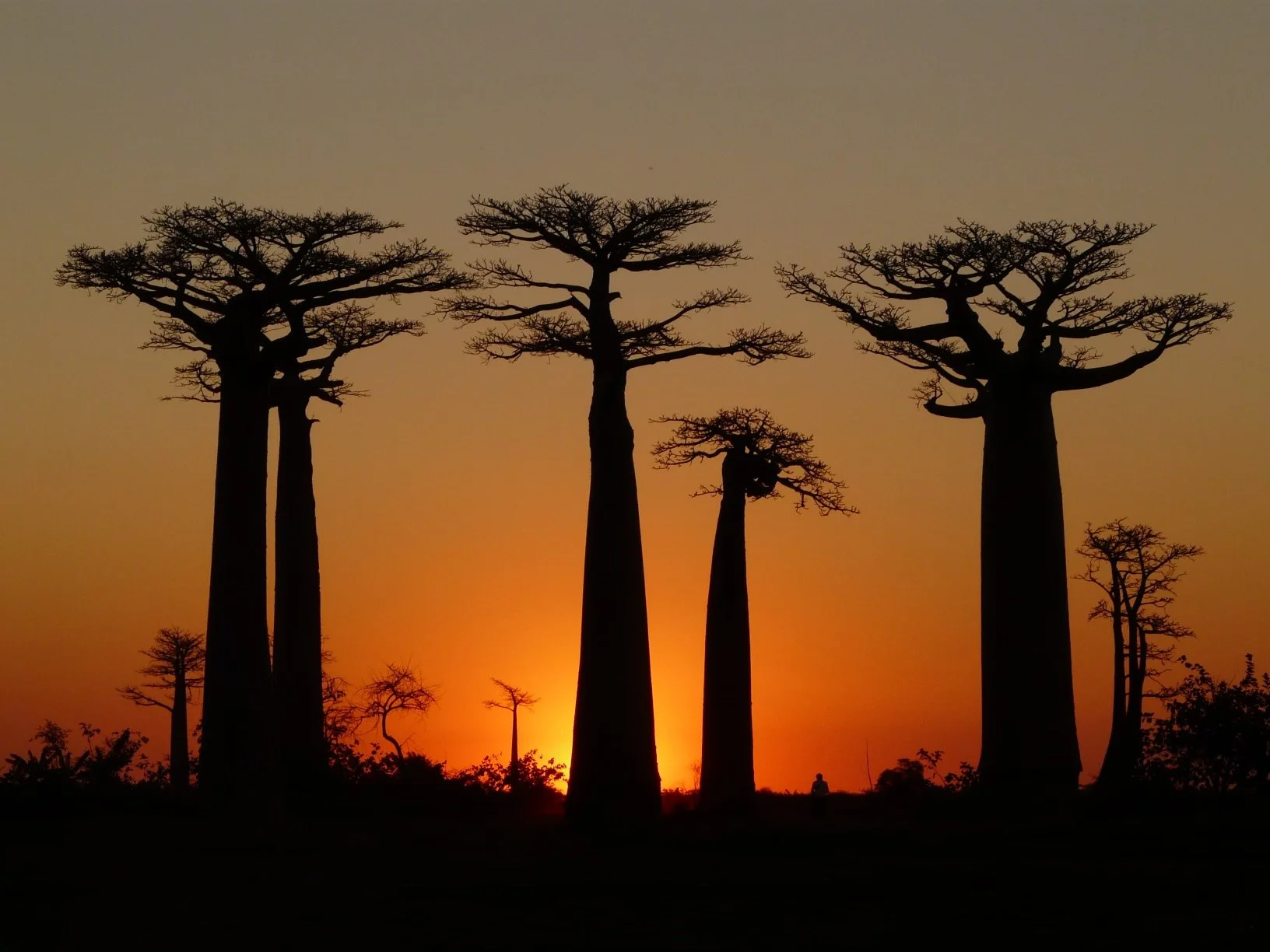
The Avenue of Baobabs. Zigomar. CC BY-SA 2.0
For many, the Avenue of Baobabs is the first thing that comes to mind when they hear the word "Madagascar." Approximately 50 baobab trees line the dusty road and surrounding groves between Morondava and Belon'i Tsiribihina. Endemic to the island, the trees are referred to as "renala," or "mother of the forest," by locals. The avenue has gained international fame, attracting crowds during sunset and became the first protected natural monument in Madagascar in 2007 when it was granted temporary protection status.
2. Yucca Trees of Joshua Tree State Park, California, USA
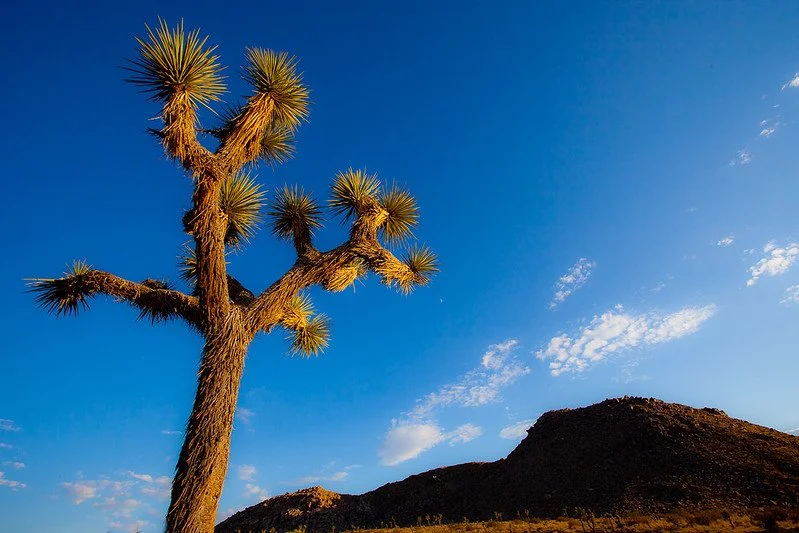
YuccaTree in Joshua Tree State Park.Esther Lee. CC BY 2.0
The yucca trees, for which California's Joshua Tree State Park was named, got the nickname “Joshua” from a band of Mormons traveling from Nebraska. The lunar desert climate is ideal for yuccas, which have grown adapted to storing water inside their trunks and twisted branches. They are said to be able to survive on very little rainfall a year, but if the weather happens to bring rain in the spring, the yuccas will give thanks with a sprout of flowers.
3. Cherry Blossoms, Japan
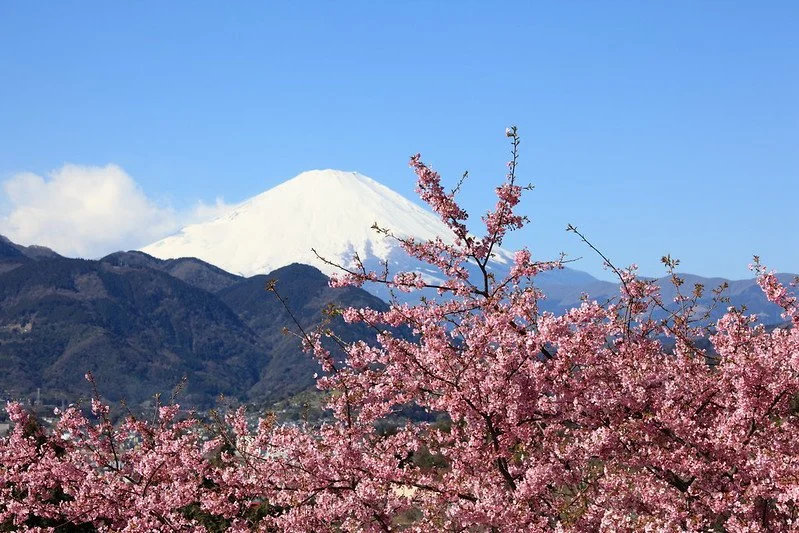
Cherry blossoms at Mount Fuji. Tanaka Juuyo. CC BY 2.0
The cherry blossom, or sakura, is considered the national flower of Japan. Hanami, the Japanese custom of enjoying the flowers, attracts locals and visitors to popular viewing spots across the country during the annual Cherry Blossom Festival. Peak bloom time depends on the weather, and the cherry trees have been flowering earlier and earlier each year due to climate change. On average, the cherry trees reach peak bloom in mid to late March and last around two weeks.
4. Jacaranda Trees, Mexico City, Mexico
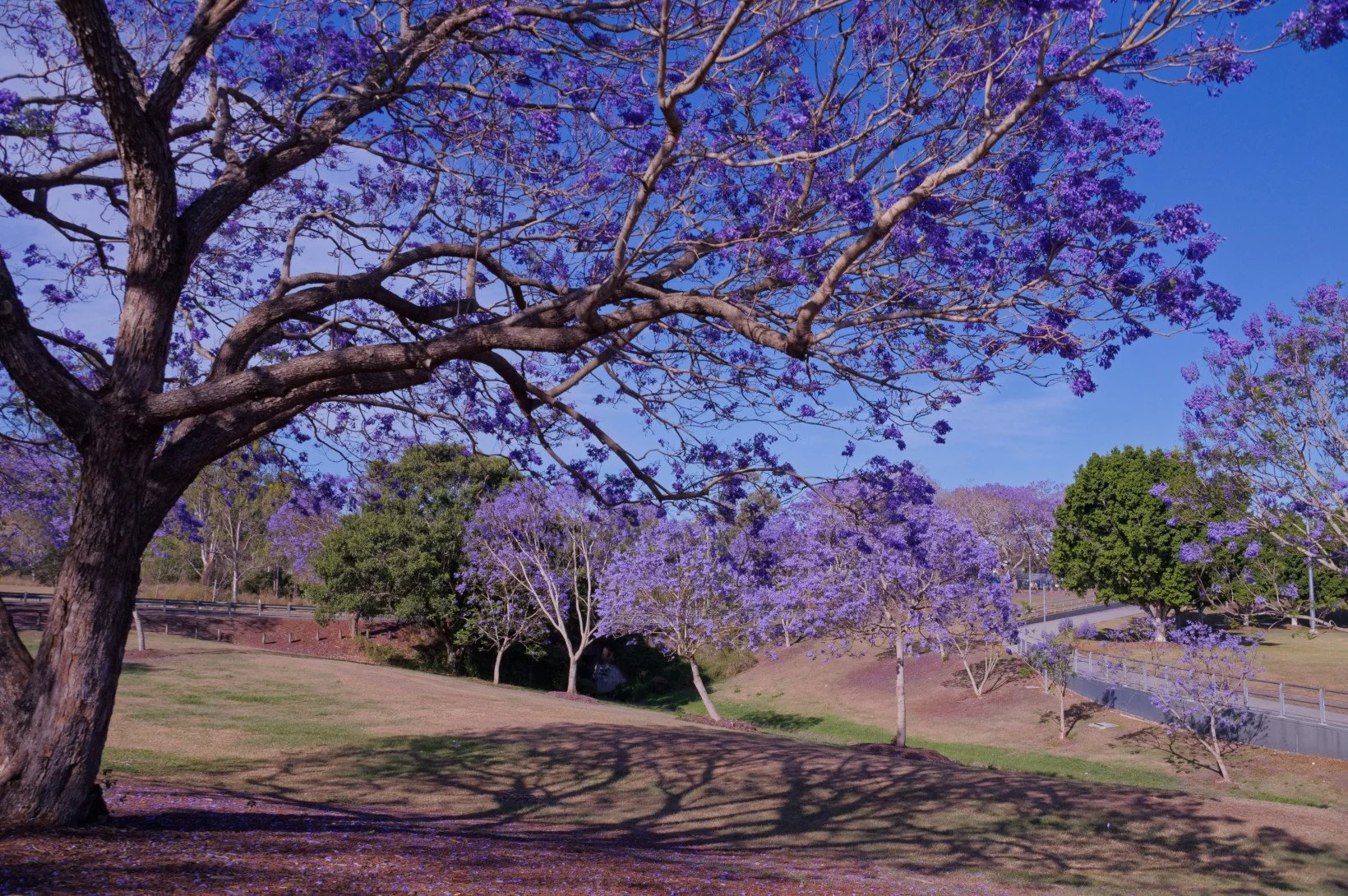
Jacaranda trees. Tatters. CC BY-NC 2.0
Every spring, the already vibrant streets of Mexico City are lined with the jacaranda's violet bloom. President Álvaron Obregón commissioned Tatsumi Matsumoto, an imperial landscape architect from Japan, to plant the trees along the city's main avenues in 1920. Matsumoto was the first Japanese immigrant to come to Mexico, arriving a year before the first mass emigration in 1897 and staying until his death in 1955. Today the jacarandas are considered native flowers and symbolize international friendship.
5. Rubber Fig Trees, Meghalaya, India
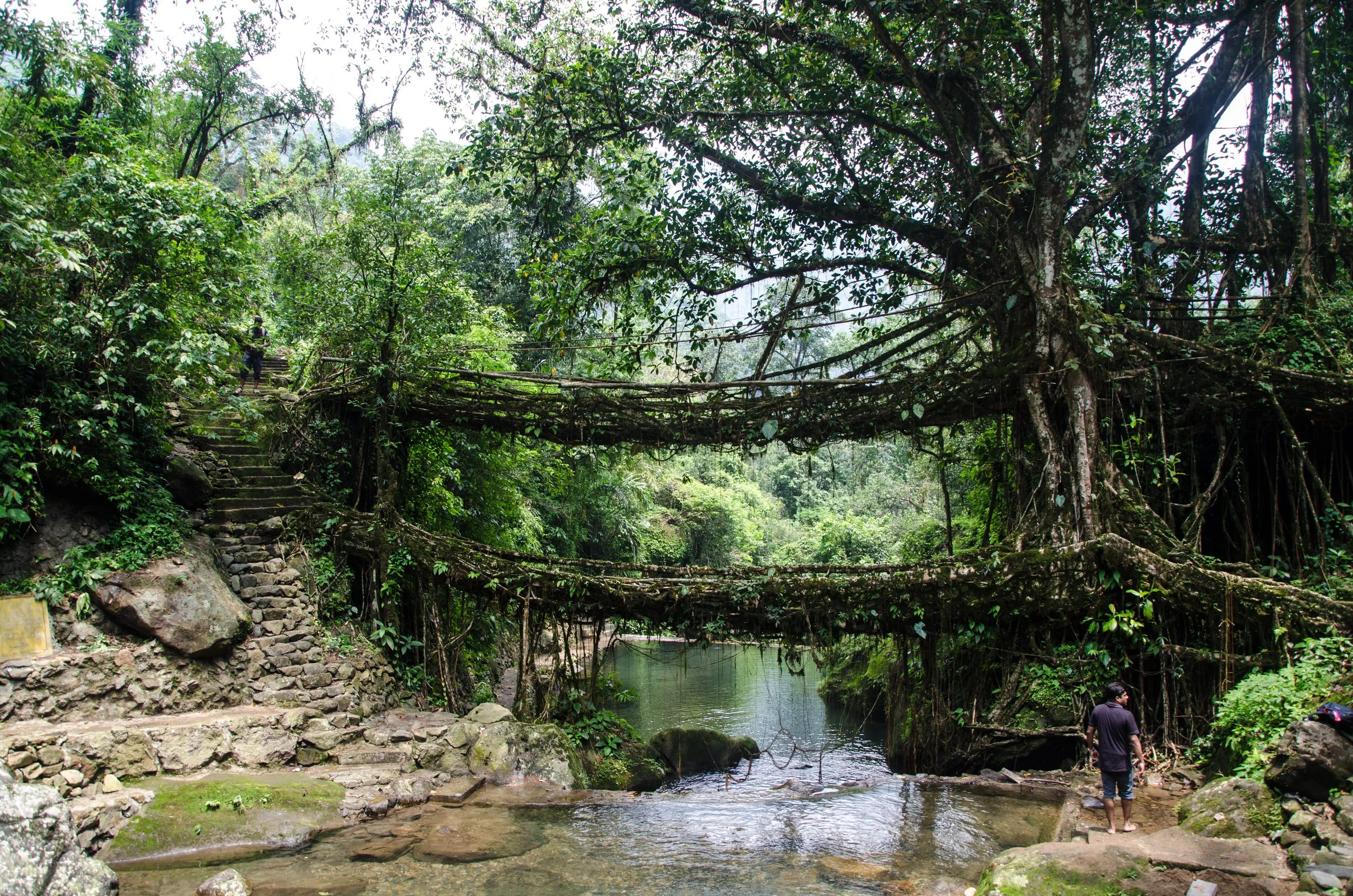
Double-decker living roots bridge. Ashwin Kumar. CC BY-SA 2.0
Widely considered the wettest region in the world, villagers of the northeast Indian state of Meghalaya are separated by deep valleys and running rivers every monsoon season. The living roots bridges are handmade by the Khasi and Jaintia people with the aerial roots of rubber fig trees. The bridges grow strong as the tree's roots thicken with age, holding more than 50 people and lasting centuries if maintained. The double root bridge, pictured above, is almost 180 years old, stands at 2,400 feet high and suspends 30 meters in length.
6. Argan Trees, Morocco
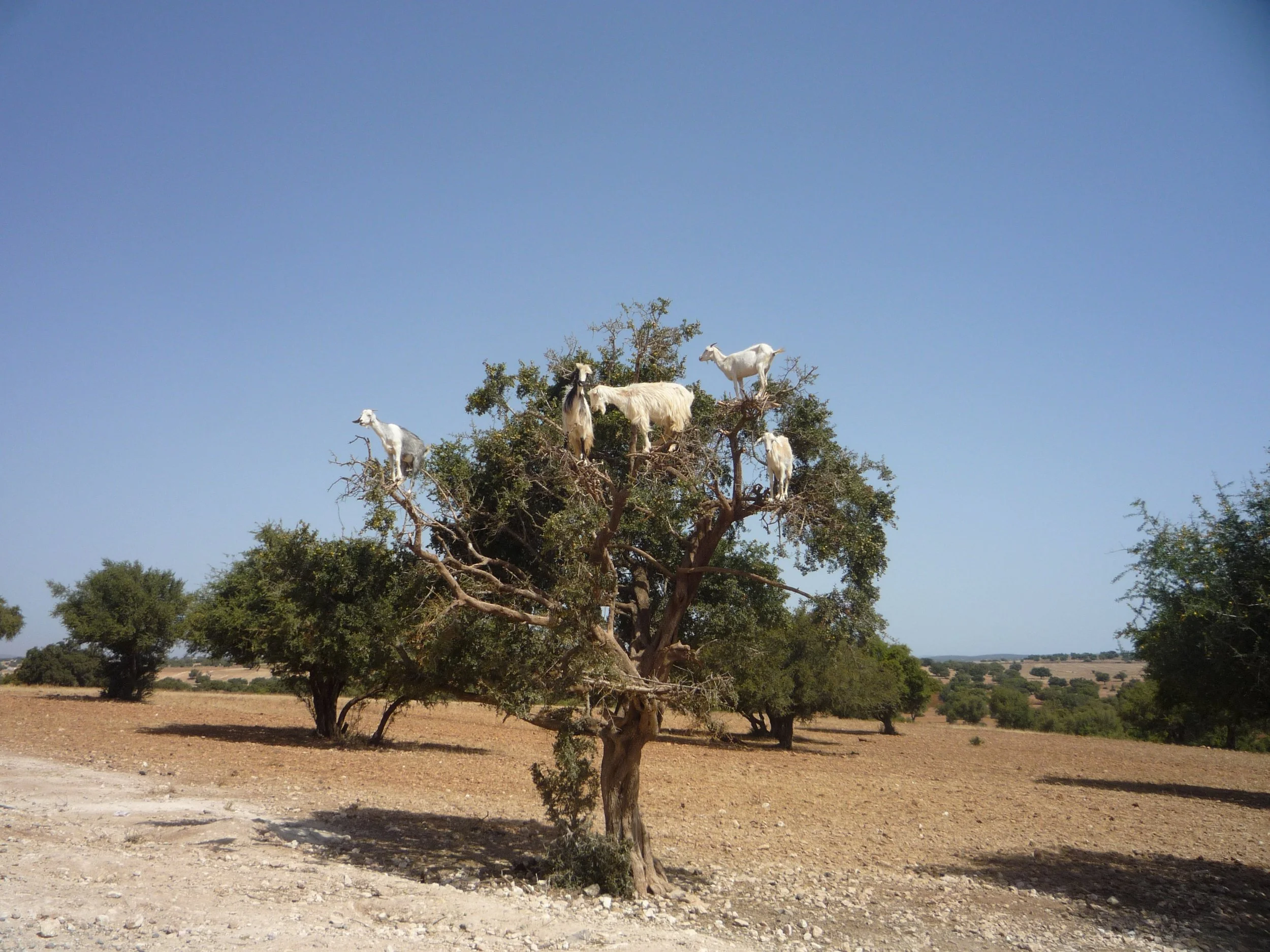
Goats in an Argania tree. remilozach. CC0 1.0
Built to survive the Saharan climate, Argan trees are endemic to southwestern Morocco. Their scientific name, Argania, is derived from the native Berber language of Shilha (also known as Tashelhit). The trees grow fruits used to make argan oil, an ingredient found in many beauty products. Rights to collect the fruit are controlled by law and village traditions, while several women's co-operatives produce the oil. Goats are frequently photographed climbing argan trees and help in the production process by eating the nuts, leaving the vitamin-rich seeds for the locals to collect.
7. Trees of the Hoh Valley, Washington, USA
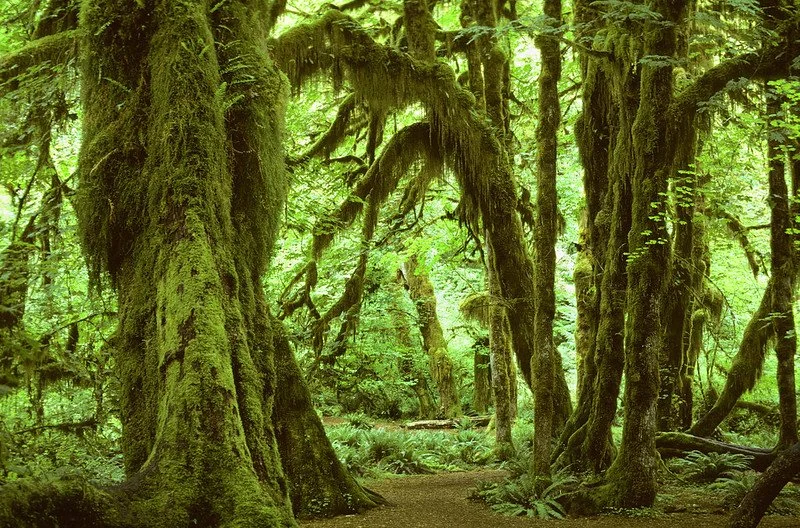
Trees in Hoh Valley. James Gaither. CC BY-NC-ND 2.0
On the Pacific side of the Olympic Mountains in the Hoh Rainforest, lush yellow and green moss covers some of North America's giants, including the Sitka Spruce, Red Cedar, Big Leaf Maple and Douglas Fir. As a result of the area's average 140 inches of rainfall per year, the moss is not only enchanting but beneficial. Moss plays an essential role in supporting the forest's biodiversity; like a sponge, it decays, absorbs and finally releases nutrients for the trees’ roots to feed off.

Claire Redden
Claire is a freelance journalist from Chicago, where she received her Bachelor’s of Communications from the University of Illinois. While living and studying in Paris, Claire wrote for the magazine, Toute La Culture. As a freelancer she contributes to travel guides for the up and coming brand, Thalby. She plans to take her skills to London, where she’ll pursue her Master’s of Arts and Lifestyle Journalism at the University of Arts, London College of Communication.
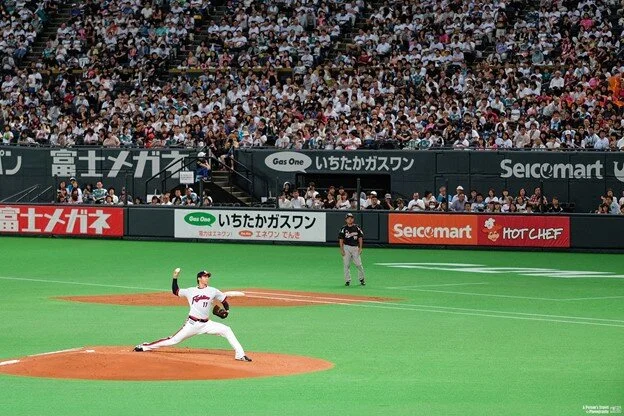
Shohei Ohtani pitching in Sapporo. Scott Lin. CC BY-NC-ND 2.0.
Baseball: A Japanese Pastime
America, over the years, has given a lot of cultural significance to the sport of baseball. We place it alongside apple pie and fireworks in the grand list of material symbols of our country. Not only that: baseball, over the years, has often reflected our country’s struggles back at us. It’s confronted discrimination in Jackie Robinson, and labor disputes with Curt Flood. It’s helped heal us, as well. Mike Piazza’s post-9/11 home run brought more joy to New York than anything that followed during the War on Terror.
But baseball is also of waning interest to many Americans. The sport is long, with games usually clocking in over three hours long. It also doesn’t market itself very well. Some of the greatest of all time are playing right now, but has any non-baseball fan heard of Mike Trout, Jacob DeGrom, or Shohei Ohtani? Likely not. The sport isn’t going away anytime soon, but there’s no doubt baseball’s cultural significance is declining in America. Fortunately, that isn’t the only place the sport is cherished.
Baseball was introduced to Japan during the late 1800s by way of an English professor from Maine named Horace Wilson. It didn’t take long for the sport to become a national pastime; professional leagues have existed since 1936, and the country’s national high school baseball championship, Summer Koshien, began in 1915. Today, baseball is Japan’s most popular sport; an almost bizarre outcome considering the existence of nationally-developed sports like sumo and globally adored sports like soccer.
But the popularity of baseball in Japan would be diminished if it weren’t for the homegrown players who have starred overseas. The first Japanese player to play in the MLB was a pitcher, Masanori “Mashi” Murakami, who debuted in 1964. Murakami wasn’t an elite player, and was even forced to return to Japan after two years due to his restrictive contract, but his appearance in the bigs opened the floodgates for others to make America’s game their own.
The first bona-fide Japanese star was pitcher Hideo Nomo. In 1995, Nomo’s first year in Major League Baseball, he posted a league-leading 11.1 strikeouts per nine innings to go alongside a 2.54 ERA (ERA stands for earned run average, or the average number of runs allowed every nine innings. Anything under 4 is considered good. Under 3? Great.) His rookie season is his best known (“Nomo fever” was said to have hit LA), but Nomo went on to have an excellent career, eventually retiring in 2008 after 323 games, 1918 strikeouts, and 2 no-hitters.

A fan holds a “Japan National Team” baseball flag at the World Baseball Classic. Steve Rhodes. CC BY-NC-ND 2.0
There is also the case of Ichiro Suzuki, who with his illustrious career and unique style of play became one of the most well-loved baseball players of the 21st century. Ichiro had exceptional speed, stellar defense, and a superhuman ability to take care of his body, but he was best known for what he did with the bat in his hands. Ichiro’s approach was simple: he would slap the ball around the field, and beat out singles and doubles. He rarely walked or hit for power, but was so talented at this contact-oriented approach that it didn’t matter. It was primordial baseball planted firmly into the twenty-first century, and it worked. In 2004, Ichiro broke the single-season hit record, a record that had stood for 84 years and seemed all but unbreakable with how the game had changed. The principles of hitting have strayed from Ichiro’s even further since then; it’s not unlikely that Ichiro’s grand total of 262 hits in 2004 will stand until the earth is swallowed by the sun.
There’s only one active player who has a chance of topping Ichiro in the Japanese pantheon of stars, and his case is being made this very season. He’s a 27-year-old, currently having not just the best-ever season by a Japanese player, but possibly the best-ever season by anyone.
To explain Shohei Ohtani, one must first note that over its 150-year history professional baseball has become more and more a sport of specialization. Teams today might feature hitters who only hit against left-handed pitching, and speedsters who rarely start but are used late in games as pinch runners.
Ohtani is the one man who breaks up modern baseball’s prime order. He is a pitcher who hits; it’s as simple as that, really. Baseball players have long been separated into hitters and pitchers. Hitters don’t pitch (not seriously, anyway), and pitchers don’t hit (at least, not well; perhaps the best example of baseball’s specialist tendencies is how pitchers haven’t cared about being able to hit for a hundred years, despite the fact that half of the league still requires them to on a regular basis). But Ohtani plays both roles.
That in itself is historic. No player has been both a MLB pitcher and a lineup regular since Babe Ruth, who served the role in 1919. But here’s the kicker—Ohtani is really, really good at both his positions. He has hit 44 home runs while pitching to a 9-2 recond and a 3.36 ERA so far this season. Those are elite statistics, better than Ruth’s 1919 numbers. The value of one man bringing a season of premier pitching and hitting to his team is hard to quantify. But the case can be made that Ohtani’s 2021 season is the greatest of all time, at least so far. There’s no doubt the man is a one-in-a-million player, a gift from the baseball heavens. By coming from Japan, he also represents a nation that may lead in taking the sport forward.
This year, Japan beat the United States to win the gold medal in Olympic baseball. The victory, though marred by the fact that the best players from both countries stayed home, represented another step up the baseball ladder for Japan. As baseball exits America’s zeitgeist, it continues to grow in the island nation. The NPB’s level of play is going up—it’s still behind the major leagues, but not by a massive amount. Even more important is fan interest. In 2019, the last full season of the NPB, the league’s total attendance numbers grew to second in the world across all professional sports leagues.
As more stars are born and made, Japan’s baseball legacy will only continue to grow. Who knows? Maybe in a century, Japan will have come so far that baseball fans will diminish the careers of MLB stars like Trout, DeGrom, and Ohtani. They can’t be that good, the fans will say. They were playing in the United States.

Finn Hartnett
Finn grew up in New York City and is now a first-year at the University of Chicago. In addition to writing for CATALYST, he serves as a reporter for the Chicago Maroon. He spends his free time watching soccer and petting his cat.
Beyond Ice Cream, 7 Frozen Treats From Around the Globe
Ice cream is an ancient dessert, dating back to the second century B.C.. Since that time, countries around the world have developed their own versions of ice cream, from Indian kulfi to Ecuadorian Helado de paila.

Turkish dondurma is often served on a plate. tuhfe. CC BY 2.0
Ice cream is one of the most popular desserts in the United States. 6.4 billion pounds of ice cream were produced in the US in 2019 alone., The International Dairy Foods Association reports that, on average, each American consumes over 22 pounds of ice cream and other frozen desserts annually. But ice cream is not an American invention. The frozen dessert dates back to the second century B.C., when records show that leaders like Alexander the Great enjoyed ice and snow flavored with honey or nectar as a delicacy. Ice cream as we know it today likely derives from a recipe collected from the Far East by Italian explorer Marco Polo in the 16th century.
The ancient confection made from snow or ice flavored with honey, nectar, or fruit is present in historical records from around the world. While in England and America this treat evolved into the milk and cream based ice cream which we know today, other countries developed different versions of frozen desserts. Here are 7 frozen treats from around the globe, all impacted by the cultures that created them.

1. Dondurma, Turkey
Dondurma—the Turkish word for “freezing,” and sometimes referred to as Turkish ice cream—is often eaten with a knife and fork. Dondurma differs from American ice cream in several ways, the most obvious being the texture. While American ice cream is soft and creamy, dondurma is stretchy, chewy and does not melt easily, hence why it is most often served on a plate with a knife and fork. Dondurma is made from a milk and sugar base and added Arab gum, or mastic, a resin that gives the ice cream its chewiness. In addition to mastic, dondurma is thickened with salep, a flour made from the root of a purple orchid which grows in the mountains. The creation of dondurma is credited to the town of Kahramanmaraş, located at the foot of the Ahir Mountain in southern Turkey. The town has been producing dondurma for over 150 years, but the origins of the treat date back even further. Over 300 years ago, the people of the area mixed clean snow from the mountain with molasses and fruit extracts, creating an early form of ice cream. Today, dondurma is frequently served sprinkled with pistachios and can be found at restaurants as well as street vendors, where it is served in cones.

Colorful mochi ice cream. jpellgen (@1179_jp). CC BY-NC-ND 2.0
2. Mochi Ice Cream, Japan
Traditionally a dessert sold and eaten during the Japanese New Year, mochi has recently soared in popularity, especially in the United States. The term mochi refers to a unique Japanese delicacy dating back to 794 A.D., which is made from sticky rice dough. In Japan, mochi is most often enjoyed in small, round balls filled with red bean paste—a treat known as daifuku. In ancient times, mochi was made to be presented as an offering to the gods at temples and was also served to the Emperor and other nobility. Although mochi itself has been around for centuries, mochi ice cream was not developed until the 1980s. And, despite its Japanese roots, mochi ice cream is actually an American invention. It was created by Frances Hashimoto and her husband, Joel Friedman, who ran a Japanese-American bakery in Los Angeles during the 1980s. During a trip to Japan, the couple was inspired by the traditional daifuku to create their own mochi treat using ice cream. Today, mochi ice cream is sold at almost all major grocery stores and is available in a wide variety of flavors, like green tea, chocolate, mango and red bean.
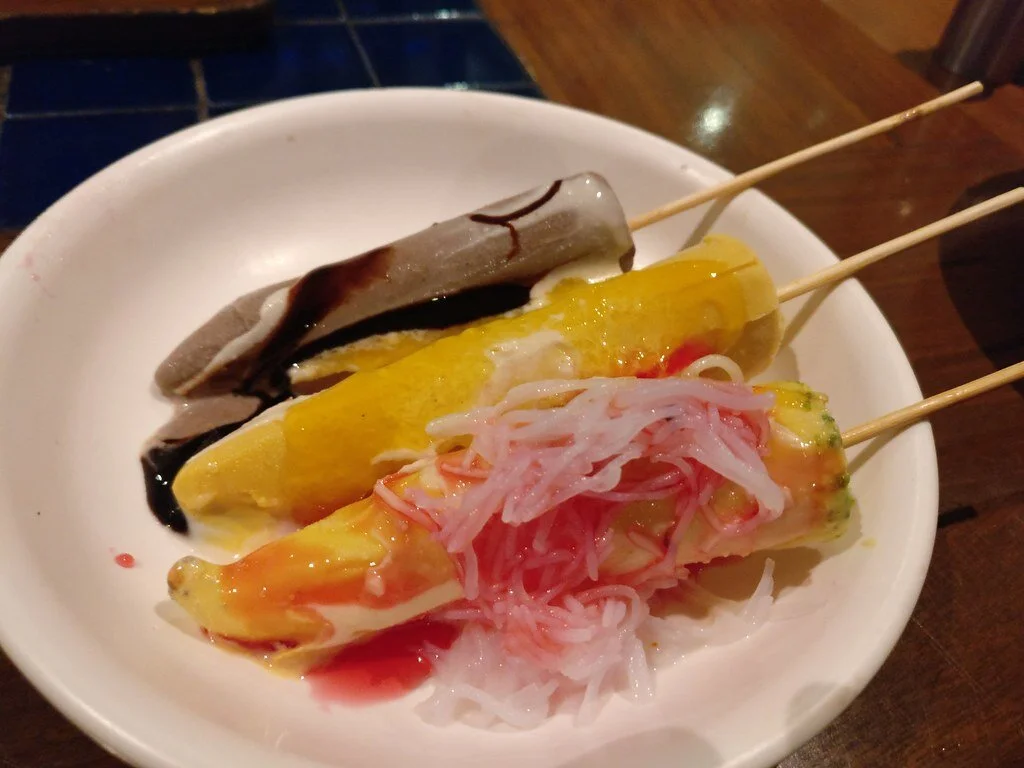
Chocolate, Kesar, and Mango flavored kulfi. richardclyborne. CC BY 2.0
3. Kulfi, India
While often categorized as an Indian ice cream dish, kulfi is denser and creamier than ice cream, more closely resembling frozen custard. Kulfi is made from boiling milk until it solidifies, which is called khoa. Sugar is then added to the milk and the mixture is flavored as desired, typically using natural flavoring ingredients. Popular kulfi flavors include saffron, pistachio, mango, avocado and cardamom. After the kulfi mixture is flavored, it is poured into molds and frozen until the treat has set. Kulfi is thought to have originated in northern India during the 16th century Mughal Empire. Traditional desserts in that area already included condensed milk, and the Mughals added pistachios and saffron for flavoring and then froze the mixture in metal cones using a combination of ice and salt, giving rise to the kulfi dessert served today. Kulfi is popular not only in India but in Bangladesh, Myanmar, Pakistan and the Middle East as well. The dish can also be found in many Indian restaurants around the world.
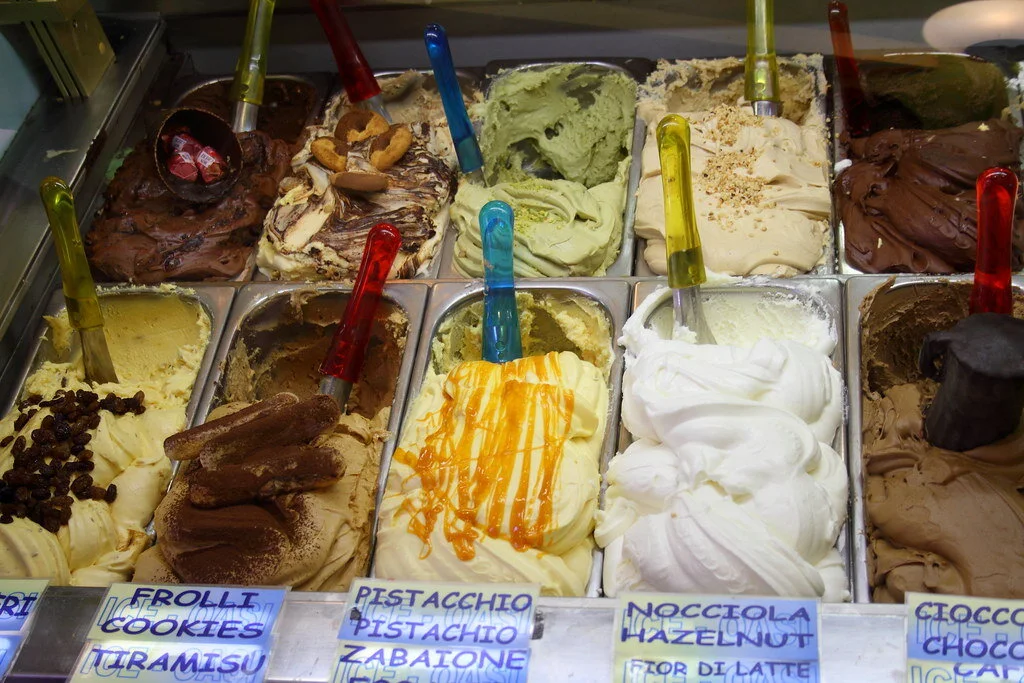
Different flavors of Italian gelato. arsheffield. CC BY-NC 2.0
4. Gelato, Italy
Gelato is an Italian delicacy which differs from traditional American ice cream in its silky, creamy texture, as well as being denser. Gelato and American ice cream both contain milk and cream, but authentic gelato uses more milk than cream and does not usually contain egg yolks, which are a common ingredient in many ice creams. Gelato typically contains less butterfat as well, which makes the flavors more intense. It is also served at a temperature 10-15 degrees warmer than ice cream, so it melts more easily in one’s mouth. Modern gelato dates back to the Renaissance when Cosimo Rugierri, an alchemist, created a dessert from fruit, sugar and ice that delighted the powerful Medici family in Florence. Other accounts of modern gelato credit architect Bernardo Buontalenti, who is said to have prepared an ice cream dish from milk, egg yolks, wine, fruit and honey and served it to King Charles V of Spain. Whatever its origins, gelato quickly spread out of Italy, becoming a delicacy in other countries as well. Until 1686, however, gelato was mainly served in private residences of the wealthy, as ice and salt were expensive. Then, Italian Francesco Procopio Cutò opened a cafe in Paris where he sold gelato to the public. Since then, gelato has become a wildly popular treat that can be found on nearly every street in Italy and in restaurants and shops around the world.
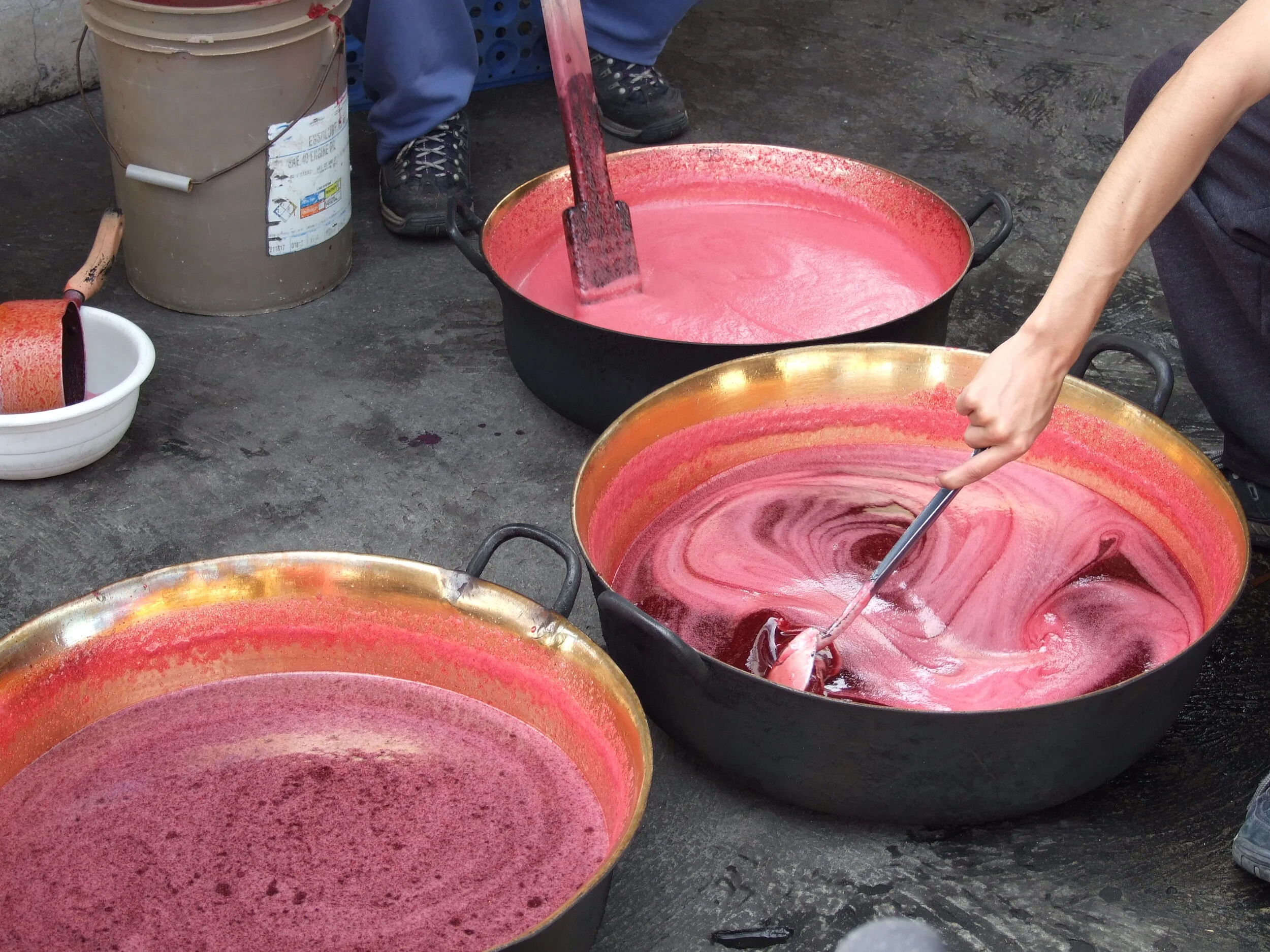
5. Helado de paila, Ecuador
Helado de paila, literally “ice cream from a pot,” is a sorbet-like treat from Ibarra, Ecuador. The story goes that, 122 years ago in Ibarra, a teenage girl named Rosalía Suárez had nothing to give her friend as a 15th birthday gift. So, she decided to make her a dessert. Rosalía and a friend put natural fruit juice in a container and placed it on a wooden tray, where the container was surrounded by ice and straw to preserve it. They began to spin the container and beat the fruit juice, which turned into a form of ice cream. Rosalía perfected her recipe by adding sugar to the fruit juice and salt to the ice and began to sell her ice creams. Today, helados de paila are prepared in a way very similar to the technique that Rosalía Suárez first used. A blend of fruit and sugar is poured into a wooden bowl sitting in a larger bowl, or paila, which is already prepared with a layer of straw and a layer of ice and salt. The fruit mixture is stirred and eventually cools into the creamy helado de paila. Popular flavors include strawberry, blackberry, coconut, tree tomato and passionfruit.
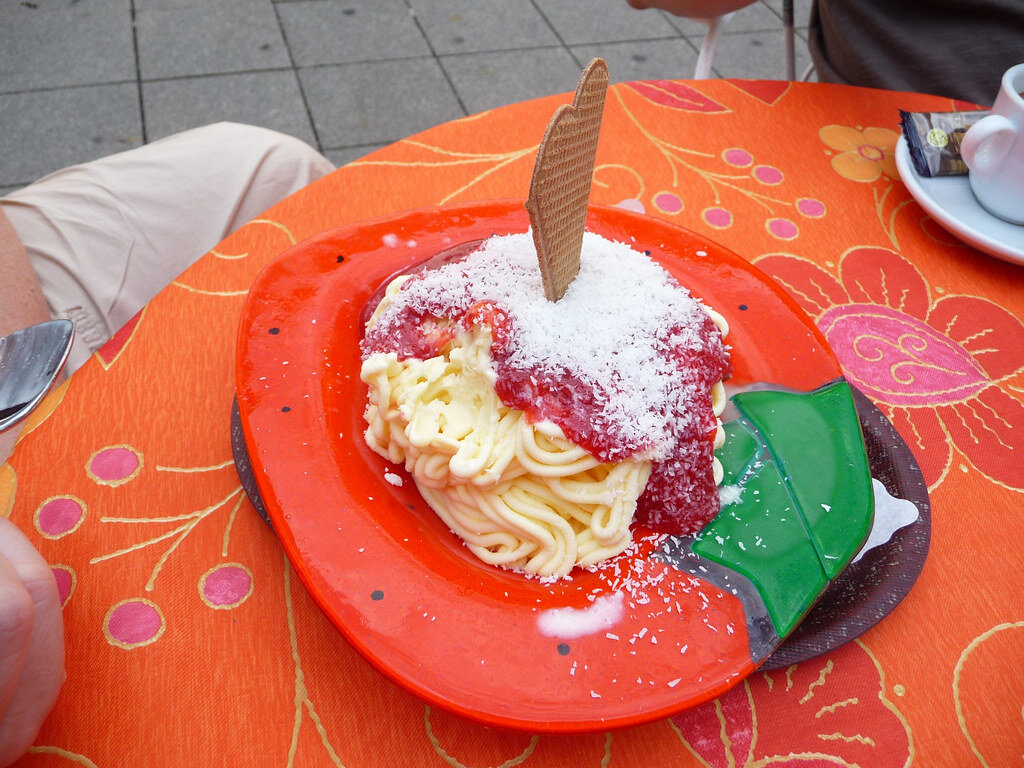
Spaghettieis is made to look like a bowl of spaghetti. Joshua Shapiro. CC BY-NC-SA 2.0
6. Spaghettieis, Germany
This popular German sundae is made from vanilla gelato, strawberry sauce and white chocolate shavings. The dish sounds innocuous enough, but what makes this treat unique is its presentation: the sundae is made to look just like a bowl of spaghetti. Spaghettieis was invented in 1969 by Dario Fontanella, whose father had moved from Northern Italy to Mannheim, Germany, in the 1930s. In an attempt to honor his Italian roots at the German ice cream parlor his family owned, Fontanella decided to create a bowl of spaghetti entirely from ice cream. Spaghettieis is made by putting vanilla gelato through a chilled spaetzle press (a machine to make German egg noodles) to achieve the spaghetti-noodle shape. The gelato is then topped with strawberry sauce to mimic tomato sauce, and shaved white chocolate curls to mimic parmesan. Apparently, when spaghettieis first began being served at ice cream parlors, it made children cry in disappointment that they were being served pasta rather than a dessert. Despite its tearful start, the dessert is widely popular today. Fontanella never patented his creation, so a variation of spaghettieis is served at nearly every ice cream parlor in Germany.
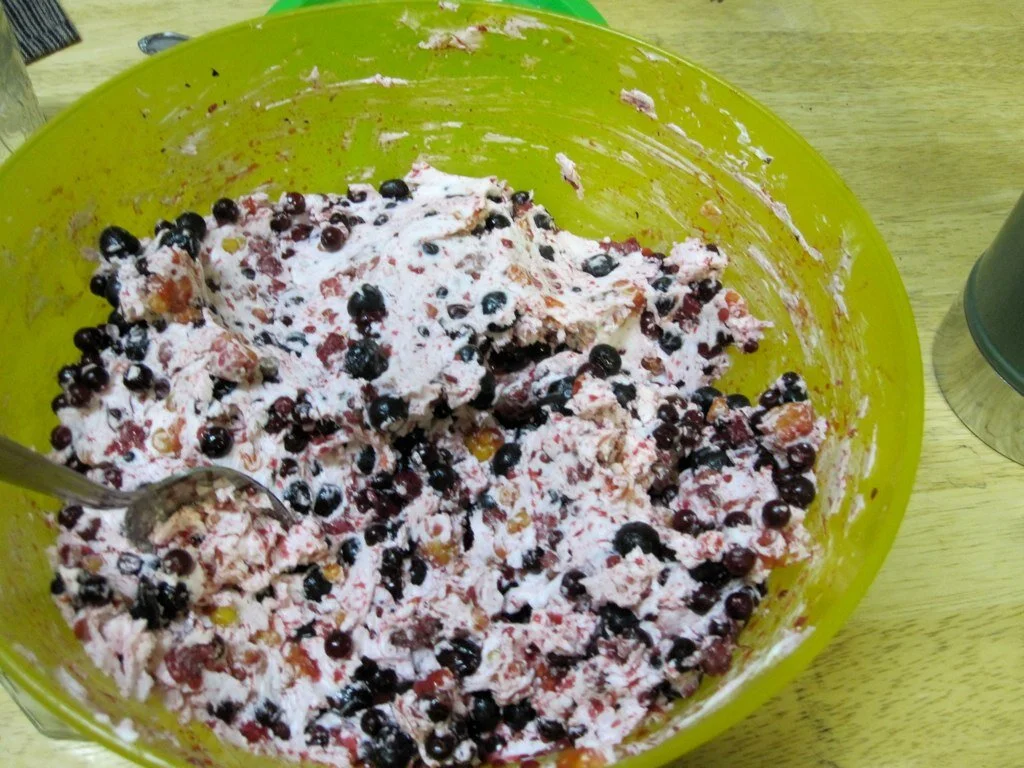
7. Akutaq, Alaska
Named after the Inupiaq word for “to stir,” Akutaq is an Indigenous Alaskan treat made by mixing fat, oil, berries and sometimes water or fresh snow together into a sweet dessert with a whipped texture. While berry-based akutaq is more similar to an American sorbet, there are also meat-based akutaqs in which the fat and oil are mixed with ground caribou or dried fish to create a more salty, gamey and savory dish. Traditionally in indigenous communities, the dish was made by women after the first catch of a polar bear or seal, and shared with members of the community. Akutaq varies by region depending on what types of flora and fauna are available to add. Indigenous people near the Alaskan coast used saltwater fish, while those inland used freshwater fish, and those in the north used bigger game like caribou, bear and musk-ox. Indigenous Alaskans have been making akutaq for thousands of years. Up until the 20th century, indigenous Alaskans held akutaq cooking contests during annual trade fairs, where members of various communities would compete to create new flavors. While akutaq can still be found today, in modern recipes the traditional caribou fat and seal oil are often replaced with Crisco and olive oil.

Rachel Lynch
Rachel is a student at Sarah Lawrence College in Bronxville, NY currently taking a semester off. She plans to study Writing and Child Development. Rachel loves to travel and is inspired by the places she’s been and everywhere she wants to go. She hopes to educate people on social justice issues and the history and culture of travel destinations through her writing.
Amid Pandemic, Japan Faces an Epidemic of Loneliness
Japan has a Minister of Loneliness to address skyrocketing rates of suicide and isolation, some stemming from COVID-19 among other reasons. The elderly and hikikomori, modern day hermits, seem most affected.
Read More