
Kelcie Lee
With the need to address transit safety and security, these pink-labeled train cars are Japan’s solution.
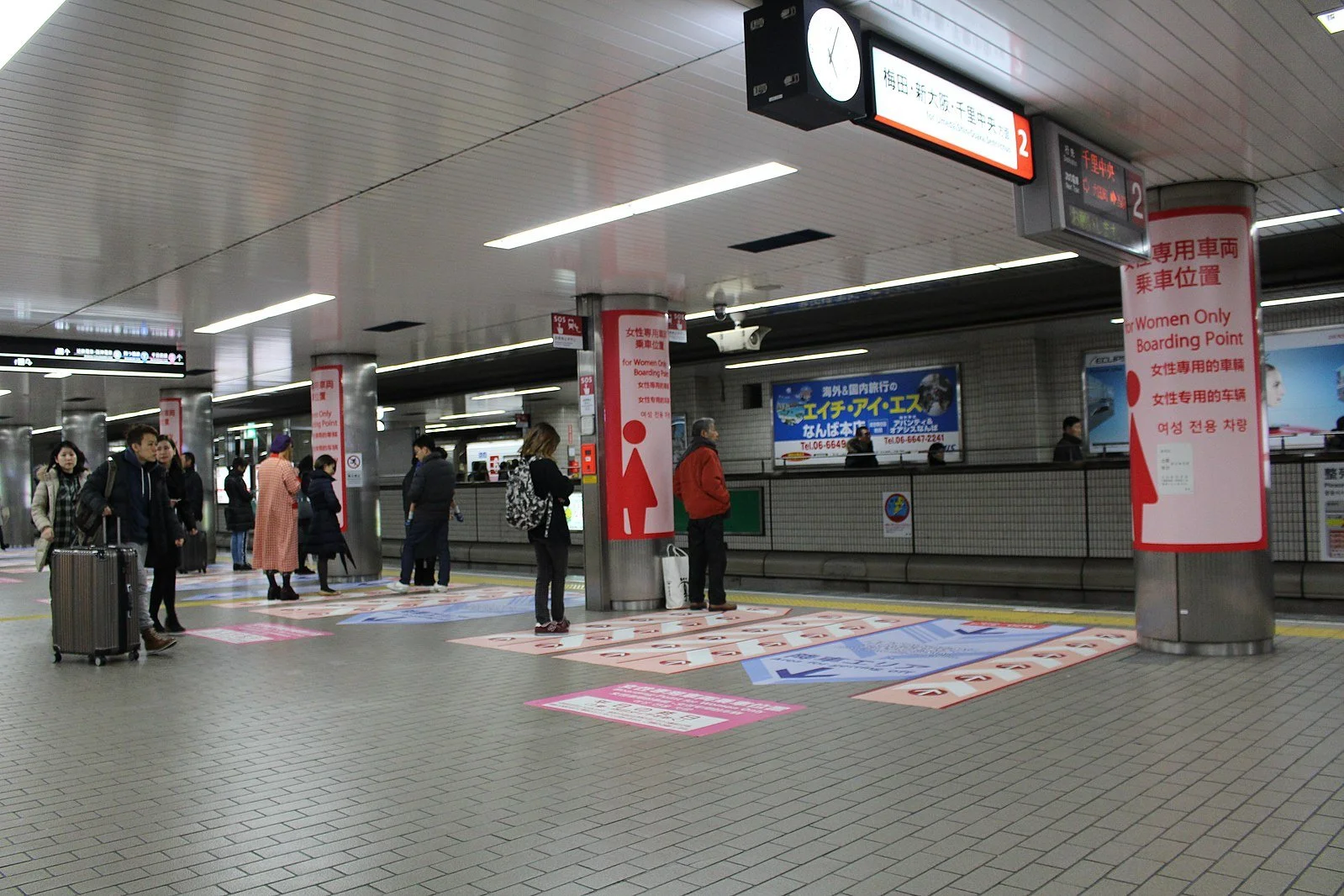
Women-only train platform in Japan. Garam. CC0.
The impressive innovation of several aspects of Japanese culture and customs leave us questioning why other places don’t adopt the same ones, and one of the most prominent examples is women-only train cars.
These pink-labeled train cars operate throughout Japan and vary based on the time of day. Most of these cars are available during weekdays and are especially popular during rush hours. Although they are intended to be exclusively for women, train operators often allow young boys and people with disabilities to board too.
For those who haven’t traveled to Japan, the country’s extensive train system, which includes high-speed railways and bullet trains, is one of the most robust in the world, underlined by efficiency, cleanliness and punctuality. Additionally, Japanese train etiquette is strictly followed to maintain a quiet and clean atmosphere. The culture of swiftness and productivity carries into the very embodiment of its accessible train system, as it is overwhelmingly the most popular form of transportation in Japan.
Given how central train riding is in Japan, measures to ensure security and soundness have been a priority. For locals, women can hop onto the pink-labeled trains, ensuring a sense of physical safety and psychological reassurance, especially at later hours of the night.
Historically, women-only train cars in Japan date back to 1912, when they were used during rush hours to separate schoolgirls in Tokyo. During World War II, these train services were generally discontinued, but they restarted after the war ended. This was to combat severe overcrowding on trains that made it physically difficult for women and children to board. However, the robust train car system today is attributed to an emergence in the 2000s due to safety concerns surrounding sexual harassment and inappropriate behavior. Anti-harassment organizations advocated for increased safety measures, which led more train companies to adopt women-only cars. This popular security policy then expanded to most of Japan’s metropolitan areas during rush hours.
While travelers often find this unique safety measure intriguing, solutions to address safety in public transportation look different worldwide. Other countries have adopted similar women-only train compartments or sections, including India, Brazil and Indonesia. However, responses to safety concerns in the United States have often surrounded discussions about increased surveillance and police rather than gender-separated spaces.
In respecting Japanese customs, women tourists often find this practice beneficial, as it increases safety and comfort, especially when traveling to new and unfamiliar places. While some travelers may view women-only cars as discriminatory or unfair, it is important to approach cultural differences with respect and to honor the rules and practices of the host country.
Japan’s women-only train cars also embrace an honor system that functions on the basis of social expectations. While there are no legal penalties if men board the women-only cars, Japanese practices of general respect for rules make the safety measure fairly successful. While locals generally acknowledge the need for safer commuter conditions, it also gives male travelers peace of mind knowing they won’t be falsely accused of touching another woman on an overcrowded train.
Rooted in both necessity and cultural values, women-only train cars have become a staple in everyday life in Japan. While conversations around harassment and security continue globally, this effort reflects the need to create safer spaces and offers a practice worth considering.

Kelcie Lee
Kelcie is a second-year student at UC Berkeley majoring in history and sociology, with a minor in journalism. She developed her passion for writing and journalism in high school, and has since written for a variety of news and magazine publications over the last few years. When she isn't writing, Kelcie can be found drinking coffee, listening to music or watching the sunset.