
Two Dutch nationals were barred from re-entering Indonesia after holding a running event that excluded Indonesians.
West Papua’s Struggle for Independence
Learn about the little-known conflict in the Indonesian-controlled territory of Western New Guinea.
Read More7 Must-See Festivals Across Asia
Asia is home to some of the world’s most notable festivals offering a chance to be immersed in extraordinary moments of cultural connection.
Read MoreIndonesia’s Human Taxis on a Volcanic Mountain
A tool once used by sulfur miners on Mount Ijen is now a human-powered trolley taxi, carrying tourists up the steep volcano for a closer look at its acidic crater and blue fire.
Read MoreBali: A Recurring Chapter in My Travel Diary
Bali, with its intoxicating mix of vibrant culture, lush landscapes and tranquil seas, has always held a special place in my heart as a travel photographer and adventure seeker.
Read MoreThe Fight Against a Sinking City: Jakarta’s Sea Wall
Julia Kelley
While Indonesia’s government seeks to build a large sea wall to protect Jakarta from detrimental floods, criticism in the name of environmental and economic loss urges them to look for other solutions.
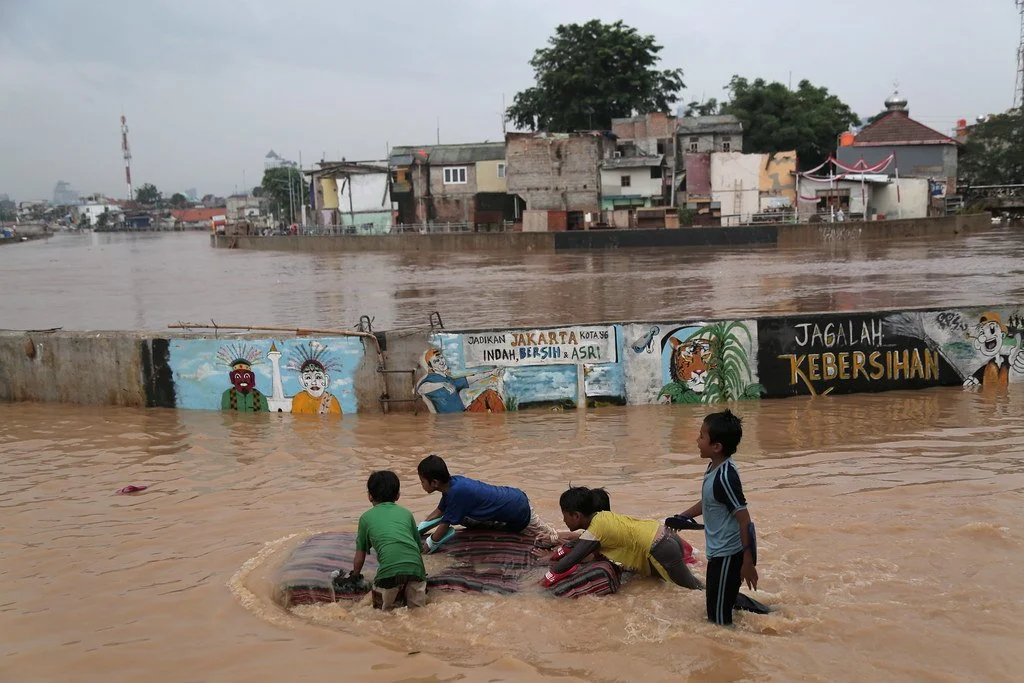
Flooding Ciliwung River in Jakarta Region. World Meteorological Organization. CC BY-NC-ND 2.0.
On the northwest coast of Indonesia stands Jakarta, the country’s capital and largest city. Sitting upon a low, flat alluvial plain with swampy areas, Jakarta is notably susceptible to major floods every few years from its multiple rivers and the adjoining Java Sea. This is made worse by excessive groundwater extraction and rising global sea levels, which have seen a worldwide mean increase of about eight to nine inches since 1880 due to global warming. Rapid urbanization, population growth and a change in land use have crowded more and more people into high-risk floodplain areas, leaving thousands displaced and large parts of the city submerged underwater during these natural disaster events. Although the Indonesian government built a coastal wall in 2002 to combat this, its collapse in a storm only five years later renewed the call for protective measures against destructive flooding. A new mega-project began in 2014, outlining both the construction of a new 29-mile-long sea wall and the so-called “Giant Sea Wall.” This “Giant Sea Wall,” a 20-mile-long artificial island shaped like a Garuda bird, Indonesia’s national symbol, will not only block storm surges but is also planned to contain homes, offices and recreational facilities.
This massive undertaking officially kicked off in February 2025 and is said by supporters to be key in dealing with the country’s land subsidence and flooding. Both President Prabowo Subianto and Minister of Infrastructure and Regional Development Agus Harimurti Yudhoyono claim that the project could save the government billions of dollars in disaster mitigation over the following 30 years. Despite this optimism, critics have come out against the large project, citing an array of detrimental economic and environmental issues that could result from construction. For example, many have noted how the proposed solution does not address the over-extraction of groundwater, which comes from excessive use by industrial and economic activities. In addition, the sea wall could disrupt marine biodiversity and, subsequently, the fishing industry, one of Indonesia’s strongest monetary sources. According to Maleh Dadi Segoro, a coalition of environmental and social groups, the sea wall would potentially narrow and close fishing catch areas, disrupting marine ecosystems and threatening the livelihoods of those who depend on them for food and income. Jakarta already faces low water quality in its rivers and canals, causing sewage and a lack of proper sanitation. Closing off Jakarta Bay for this sea wall, critics say, would turn the water into a “septic tank” or “black lagoon,” which necessitates a stronger water sanitation system immediately.
Controversy stirred up by the sea wall proposal has thus solicited alternative solutions. There has been an interest in using the water to its advantage, rather than working against it. This would entail diverting surplus waters, including that from floods, to surrounding farm areas where it could be stored. Restoration has also been widely proposed, as described by professor of oceanography Alan Koropitan for The Guardian: “If, instead, we can restore the bay and its polluted waters, that would mean something good for civilization in Indonesia.” Among all these suggested plans, environmental, social and economic protection are set at the center, urging the Indonesian government to rethink its monumental and costly plan.
GET INVOLVED:
Those looking to help support those affected by floods and flood prevention in Indonesia can do so by checking out relief organizations, such as The International Federation of Red Cross and Red Crescent Societies’ Disaster Response Emergency Fund, Peace Winds and Mercy Corps, all of which provide immediate and long-term support. Furthermore, individuals interested in combating sea level rise can look into taking actions that counter global warming, including using renewable energy, reducing greenhouse gas usage, considering electric vehicles, recycling, decreasing food waste, keeping the environment clean, or getting involved with local communities and government to organize plans and legislation.
Julia Kelley
Julia is a recent graduate from UC San Diego majoring in Sociocultural Anthropology with a minor in Art History. She is passionate about cultural studies and social justice, and one day hopes to obtain a postgraduate degree expanding on these subjects. In her free time, she enjoys reading, traveling, and spending time with her friends and family.
Meet an Organization Tackling Plastic Pollution in Bali
Initiatives like Sungai Watch are fighting back by implementing innovative trash barriers in rivers, preventing plastic from reaching the ocean and empowering local communities in Bali for a cleaner future.
Read MoreUnderwater Paradise: Raja Ampat, Indonesia
With over 70% of the Earth covered by water, it’s only logical for the planet’s greatest beauty to lie beneath the waves. Raja Ampat holds a special place in the hearts of divers and naturalists alike.
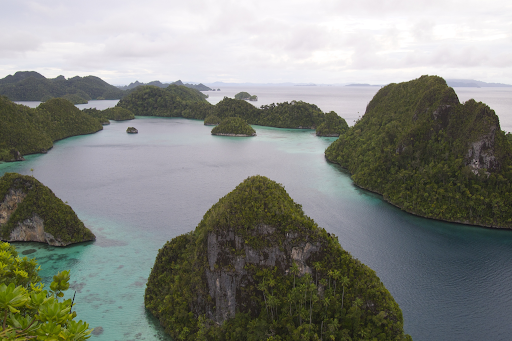
Wayang Island within Raja Ampat. Elias Levy. CC BY 2.0.
Situated northwest off of Papua, Indonesia’s most eastern island, the Raja Ampat archipelago is heralded as a top-tier site for scuba diving and marine biodiversity. Raja Ampat comprises over 28,000 square miles of ocean and hundreds of cays and shoals still to be discovered. Plate tectonics exposed ancient limestone seabeds to tidal erosion which yielded a series of islands seeming to levitate above the waves. As the archipelago straddles the Earth’s equator, it naturally experiences a tropical climate.
But Raja Ampat’s most signature feature is its sheer scope of species diversity. Home to at least 75% of the world’s hard corals and at least 1,500 different species of fish, Raja Ampat is considered the global epicenter of marine animal diversity. Due to a confluence of warm, shallow water and nutrient-rich currents from the Pacific and Indian oceans, Raja Ampat has thrived for decades as a haven for endangered aquatics. A slew of rare sea species from dugongs and blue whales to dolphins and leatherbacks live in relative geographic isolation and pristine marine ecosystems.
Northern Raja Ampat

Marine biodiversity is unmatched within Raja Ampat. Nazir Amin. CC BY 2.0.
The northern islands of Gam, Kri, Waigeo and Batanta are bounded by the Dampier Strait. It serves as a popular entryway to Raja Ampat thanks to the city of Sorong on the west coast of Papua which hosts its own airport. With mainland access via ferries, most visitors flock to the north to dive at famous sites such as Cape Kri, Blue Magic and Manta Sandy.
Cape Kri is a renowned hotspot for marine biodiversity. Once recorded as the site with the highest quantity of distinct fish species observed in a single dive, visitors can expect to see reef sharks, moray eels, turtles, Humphead wrasse, cuttlefish, porcupinefish, crevalle jack, snapper and barracuda.
Blue Magic offers a variety of soft and hard coral reefs to check out. Though divers will face strong currents in the water, the struggle is worth the chance to meet dogfish tuna, giant trevally, spanish mackerel, bumphead parrotfish and even octopi.
Manta Sandy is a shallow site teeming with plankton, and of course, ocean manta rays. Divers must try their luck to encounter the rare black manta.
South Raja Ampat
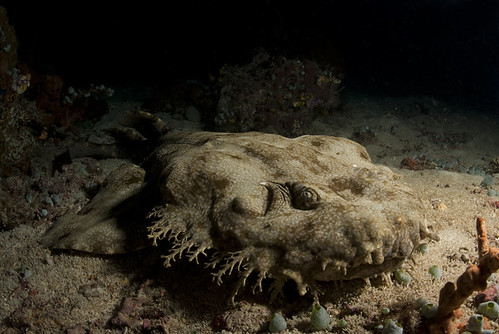
A Wobbegong shark. Nazir Amin. CC BY 2.0.
South Raja Ampat is noticeably inaccessible to the lay visitor as overnight ferries must be taken from Sorong to reach this remote area. However, the reefs in South Raja Ampat are picturesque, with premier visibility for pygmy seahorses, colorful nudibranchs and other wowing wildlife.
The island of Misool is the pinnacle of biodiversity conservation, as much of the area is protected as part of the Misool Marine Reserve. There’s only one option for overnight lodgings: the Misool Eco Resort, an eco-friendly hotel dedicated to conservation and sustainability. The resort’s founders dedicate a portion of both their profits towards biodiversity recovery; there’s been a 250% increase in local biomass and a doubling of reef fishes within six years. Visitors are welcome to trek or boat to neighboring islands for beautiful beaches, native seabirds and rock petroglyphs dating back 4,000 years.
Hundreds of reef fish are visible from above the water’s edge. Nazir Amin. CC BY 2.0.
Raja Ampat’s natural beauty belies political and economic trouble.
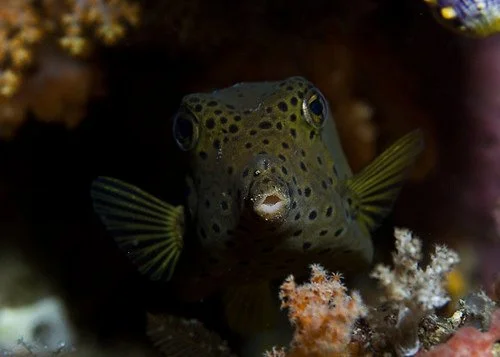
Though visitors will certainly enjoy Raja Ampat’s scenic environments and exotic wildlife, they may feel the effects of local turmoil.
In 1961 the people of West Papua, an area which includes Raja Ampat, voted to become a part of Indonesia in a much disputed referendum. However, a pro-independence movement has emerged throughout Papua, eliciting police and military crackdowns alongside communal tensions. Furthermore, around 9,000 of Raja Ampat residents live in poverty, lacking sanitation facilities and healthcare. Clean drinking water is imported into the islands approximately once a month; there is no electrical or telecommunications infrastructure available for most villagers. Most inhabitants either fish or mine to earn their living, and often incur debts to small businesses for consumer goods and fuel prices. Raja Ampat’s ecotourism industry is partnering with local residents to promote their security and welfare.
Rohan Ratogi
Rohan is an engineering graduate from Brown University. He is passionate about both writing and travel, and strives to blend critical thinking with creative communication to better understand the places, problems, and people living throughout the world. Ultimately, he hopes to apply his love for learning and story-sharing skills to resolve challenges affecting justice, equity, and humanity.
Indonesia's Most Dangerous Job: Mining in an Active Volcano
The mesmerizing sulfur-induced blue flames of Indonesia’s Mount Ijen attract hundreds of tourists every night, but mask one of the most dangerous jobs in the world: sulfur mining.
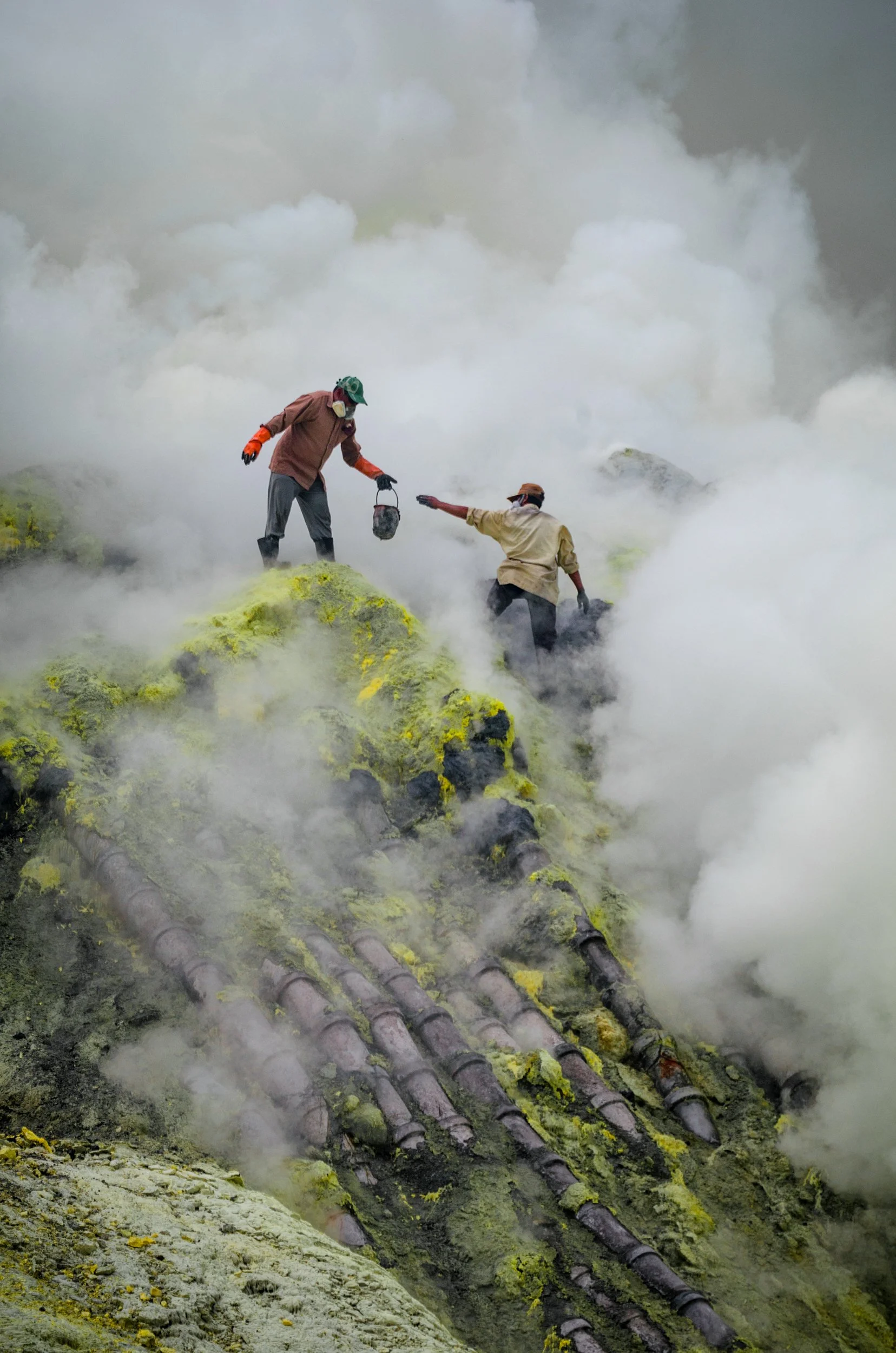
Sulfur miners of Mount Ijen. Candra Firmansyah. CC BY-SA 4.0.
Sulphur-induced blue flames are nothing more than a mining by-product, but they have turned Indonesia’s Mount Ijen into a popular tourist attraction. Lured in by the magical phenomenon, I joined a tour group and hiked up the volcano in the hopes of getting a glimpse of the beautiful fire. But the shocking truth of what I discovered was far from magical. Sulfur miners were working in the crater. Slaving away among the fire and smoke, they wore no special clothing nor eye protection. Some did not even have gas masks. Watching the men was heart-rending, and made the blue flames seem completely insignificant. The reality of Mount Ijen is that sulfur miners work everyday in the most unforgiving environment in the world.
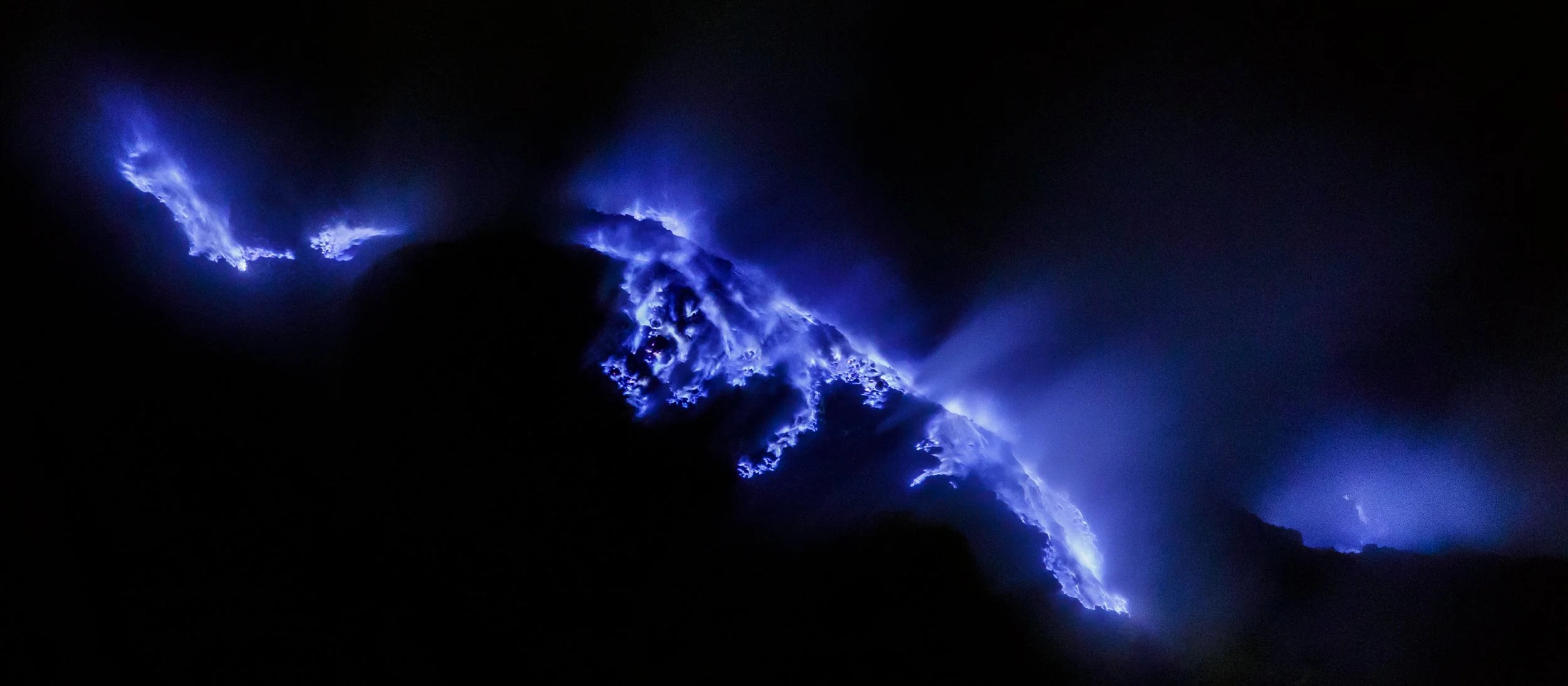
Blue flames at Mount Ijen. Thomas Fuhrmann. CC BY-SA 4.0.
Mount Ijen, in Indonesia, is an active volcano situated on East Java, the closest island to the holiday-maker hotspot of Bali. Possessing unique characteristics, the views at Mount Ijen are otherworldly. The volcanic crater holds the largest highly acidic lake in the world, which beams with a vibrant, almost inviting turquoise blue. Above the lake are vivid yellow rocks that have been stained as a result of sulfur gasses condensing.
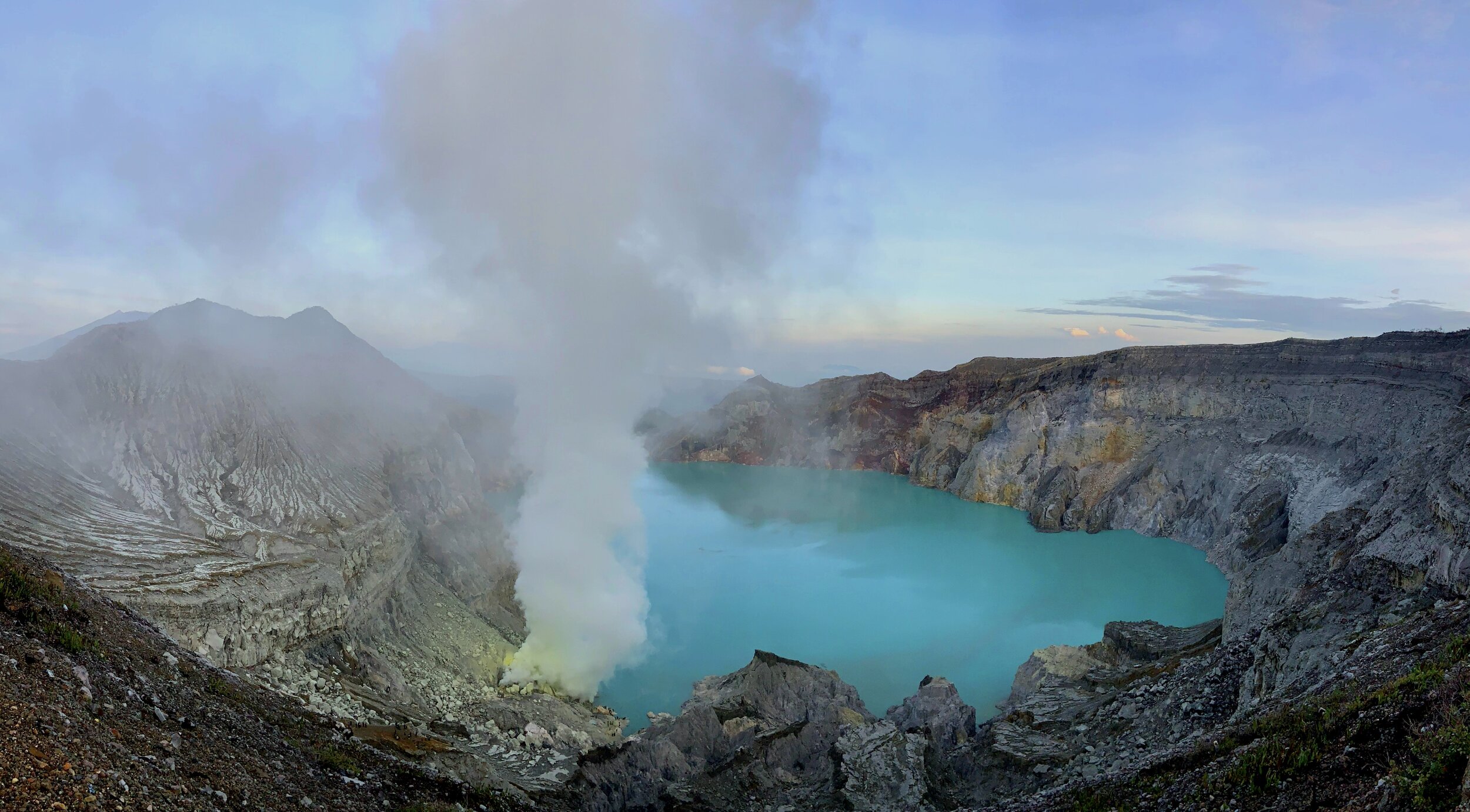
Mount Ijen. Taylor Girhiny. Used with the author’s permission.
While spectacular to see, many dangers lurk in the volcano. Aside from the unpredictable volcanic eruptions, earthquakes are common and have been known to cause landslides in the crater. There was even an earthquake in 2020 that triggered a seiche-type tsunami in the acid lake. The seismic activity caused the mountain to belch poison gas and generated a three-meter wave that swept across the crater,, killing a sulfur miner.
Despite these dangers, the sulfur has drawn miners to the volcano since 1968 and has become a trade passed down through families ever since. Known locally as the ‘devil’s gold’, it is considered a commodity worth high risk. Not only do miners risk a quick death while mining, but they also experience long-term health issues and have an average life expectancy of just 50 years old.
In the dead of night, when the air is at its coolest, sulfur extraction commences. Miners start by hiking the 2000 feet incline, the equivalent of two eiffel towers, before descending into the crater. At this point, the sulfuric smell of rotten egg takes over, making it hard to breathe. Pipes that travel below the surface provide access to the sulfur. The miners use fire to heat the ground, causing the sulfur to liquidize and trickle through the pipework onto the ground outside. Left to cool and dry, the ‘devil’s gold’ takes shape in the form of rich, yellow crystalized rocks.
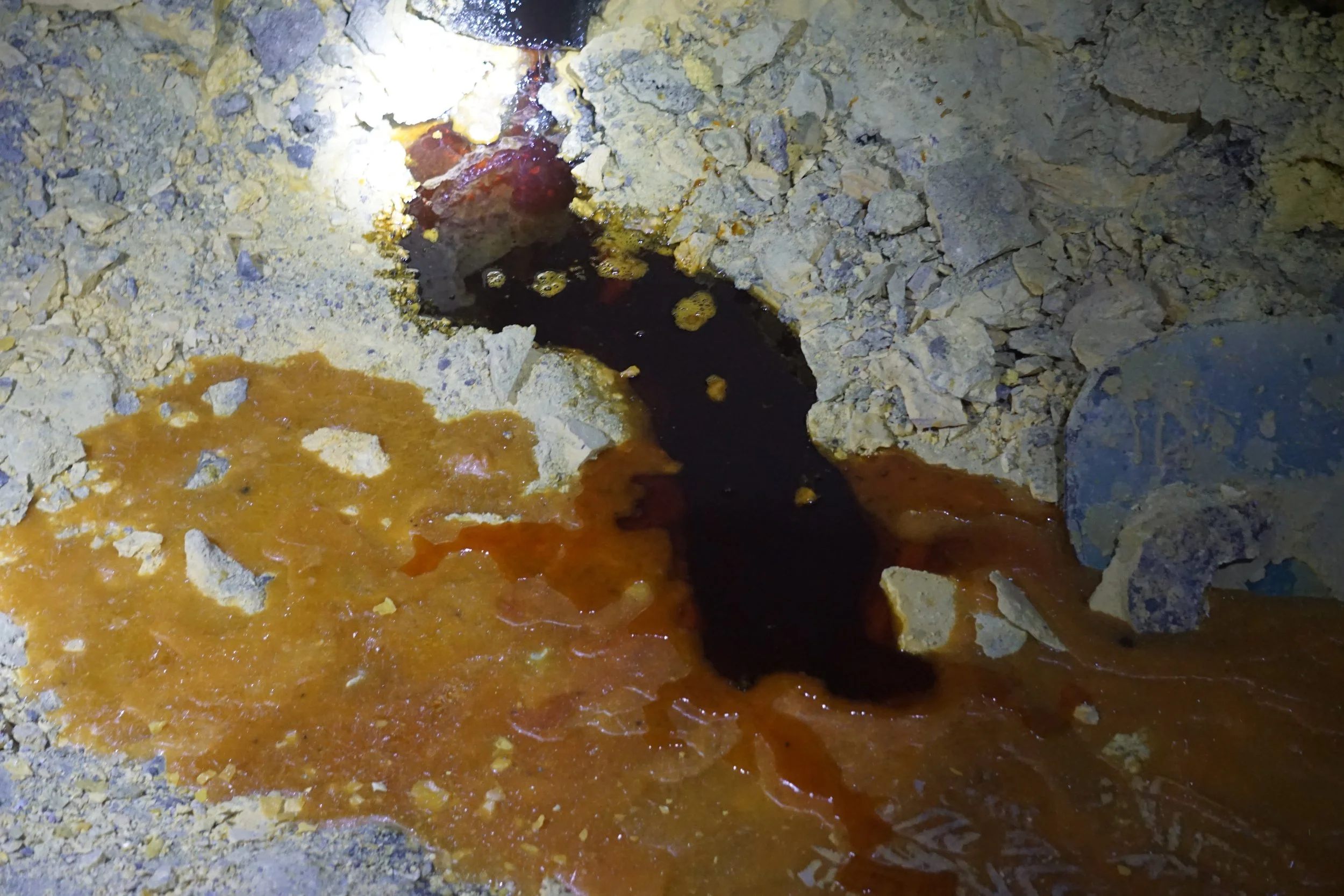
Melted sulfur crystallizing. Taylor Girhiny. Used with the author’s permission.
During the heating process, large clouds of harmful gas burst out from beneath the arid, rocky terrain. Each thick, opaque cloud swallows everything in its path, causing a complete whiteout. Unable to see even one meter in front of them, miners are left sightless until the miasma disperse. The atmosphere was so harsh that my throat tightened up and I was coughing after just 10 minutes in the crater. Daily exposure to these toxic fumes leaves miners with life-long respiratory issues. One miner, Udi, explained to me that his own father became blind due to repeated exposure to the fumes and, despite seeing the suffering in his family, has no choice but to follow the same line of work.
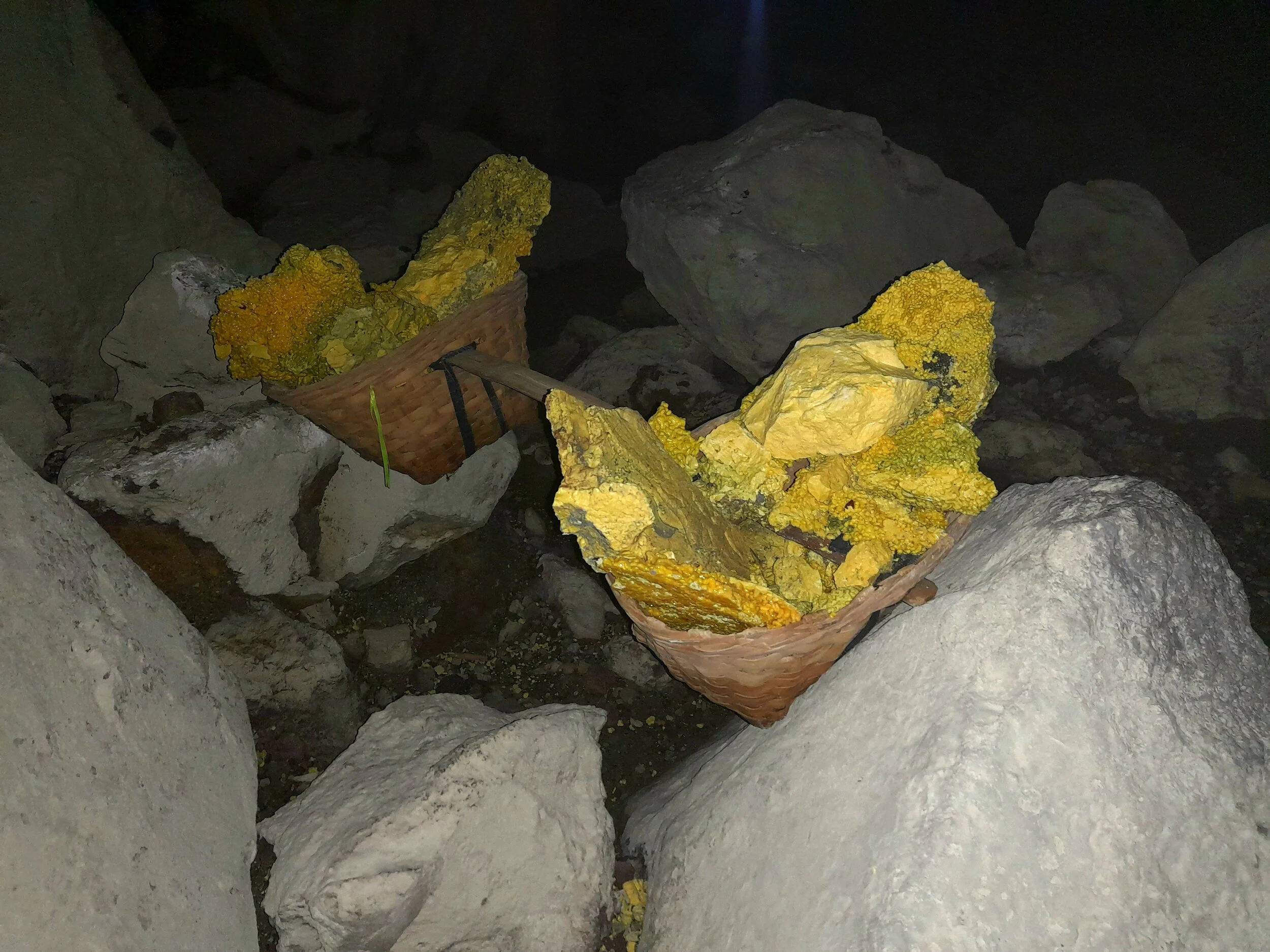
Handmade carrier full of mined sulfur. Eva Adorisio.
Once the sulfur has been processed, it must be carried out of the volcanic crater. A steep path consisting of unsteady rocks is the only way out and, with no technology to aid in their efforts, miners must physically transport every piece of the precious material. They precariously balance up to 170 pounds of sulfur, more than their bodyweight, on their handmade shoulder carriers. Without proper back support, miners suffer back problems and often swelling in the shoulders.
Sulfur produced at Mount Ijen is sold on and used in a variety of products including detergents and cosmetics, and is even used to whiten sugar. According to Udi, one kilogram of sulfur is sold for 1000 Indonesian Rupiah ($0.065). If a miner sells a full load of sulfur that may have taken all night to produce, he will make 75,000 Rupiah (approximately $5). Surprisingly, this makes sulfur mining one of the better paid jobs in this remote area of Java. With high poverty rates, it is clear why locals risk their lives to sustain a livelihood.

Miner selling miniature baskets of sulfur as souvenirs for tourists. Eva Adorisio.
The shocking reality is that local men are putting their lives on the line for what most in the West would consider pocket money. Witnessing them work tirelessly in the most inhumane conditions is an inconceivable sight, yet has become a spectacle for tourists to gawk at. The promise of stunning blue flames may sound alluring, but in truth Mount Ijen is a merciless place that no one should have to call work.
In 2017, Ijen Assistance raised $15,000 for relief work in the region from a music video following Bas, a sulfur miner, and his family.
Novo Amor & Lowswimmer - Terraform (official video)
TO GET INVOLVED
Providing aid after natural disasters, Islamic Relief has been working in Indonesia since 2000. After the earthquakes of 2006 and 2009, the organization responded immediately, distributing emergency supplies and later rebuilding a hospital and school. They also work to reduce the effects of poverty and have a variety of development projects across Indonesia.
Currently, there are no organizations working directly to improve the conditions for sulfur miners at Mount Ijen. Despite previous campaigns raising awareness and money, such as the ‘Terraform’ music video, miners continue to work in the same harsh conditions.

Eva Adorisio
Eva is an avid traveler and writer from Bristol, England. In her writing, she aims to show the true nature of what a place is really like. Her Italian roots have led to a love of food, culture and language. She also spends her time staying active out in nature and is always searching for the next adventure.
5 Islands to Visit in Indonesia Not Named Bali
While the famed island has its charms, visitors have largely overlooked the rest of this sprawling archipelago’s natural and cultural riches.
Read MoreNearly Extinct Rhino Species Found Only in Indonesia
The Javan Rhinoceros is one of the world’s most endangered species, with only sixty remaining in Indonesia’s Ujung Kulon National Park.

Javan rhino. Courtesy of Indonesian Ministry of Environment/Forestry.
Javan Rhinoceroses used to be common throughout the continent of Asia, until poaching and habitat loss dwindled the population down to what is now a mere 60-68 rhinos, all found in Ujung Kulon National Park in Indonesia. The poaching of Javan rhinos largely began in colonial times, with the animal being a trophy for hunters. Now, the rhinos are poached primarily for their horns, which are extremely expensive and are sometimes used as status symbols among the extremely wealthy. Javan rhinos were declared extinct in Vietnam in 2010, when the last rhino in the country was poached, and now the only surviving Javan rhinos exist in Indonesia.
While poaching Javan rhinos is illegal, and they are considered a protected endangered species, reviving the population presents a major challenge for two main reasons. The first is that the extremely small number of surviving Javan rhinos doesn’t allow for much genetic diversity. The second issue is habitat loss as a result of both human intervention and natural disaster. Human activity near Ujung Kulon National Park has interfered with the rhinos’ natural habitats, and the push for more property development in the area threatens the security of the park. In terms of natural disasters threatening the rhinos’ last remaining habitat, the national park is located in an area that is susceptible to tsunamis and rising water levels as a result of climate change, and also happens to be near an active volcano, Anak Krakatau. Many conservationists are extremely nervous that if one of these natural disasters occured, all hope would be lost for the species even if there were a few survivors, because of the already miniscule genetic diversity within the population.
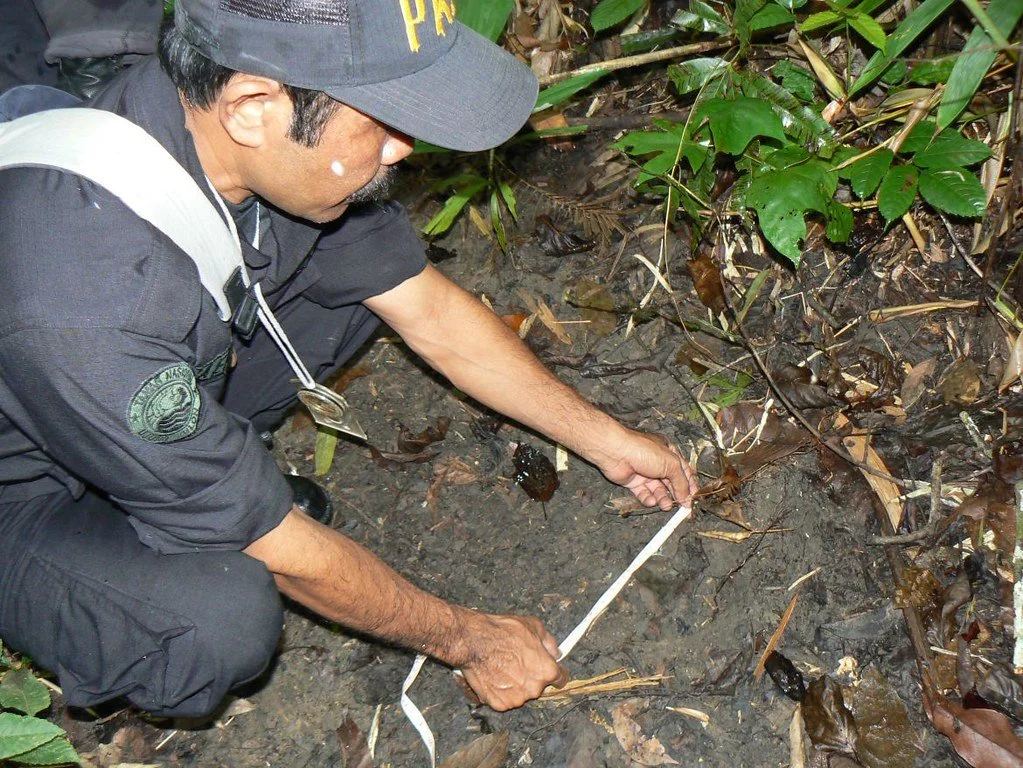
A member of the Rhino Protection Unit measures a Javan rhino’s footprint in Ujung Kulon National Park. U.S. Department of State. CC BY 2.0.
Even without the threat of natural disaster and human interference, Javan rhinos face an existing setback within their protected habitat. An invasive species called Arenga Palm grows in Ujung Kulon National Park. This plant blocks the sun, which prevents the plants that the rhinos eat from growing. The park has made clearing Arenga Palm a priority, but since it is an invasive species, eliminating it from the park entirely is not an easy task.
Ujung Kulon National Park does offer tours, providing an opportunity to ethically see the nearly extinct rhinos. However, since these tours are meant to be non-invasive, there is no guarantee that a Javan rhino will come into view during your time in the park. With that being said, tourists often see traces of the rhinos, such as footprints, like in the photo featured above.
Get Involved
The best way to get involved with this issue is to raise awareness and money for organizations working to sustain and increase the population of Javan Rhinoceros. Some of these organizations include World Wildlife, which is working on eliminating Arenga Palm and also hopes to one day transfer some Javan rhinos to an area which is not in the danger zone of the volcano Anak Krakatau. Another good organization to support is the International Rhino Foundation, which works directly with the staff of Ujung Kulon National Park. On a more general level, raising awareness about climate change and supporting organizations which respond to extreme weather is a way to get involved with this issue as well as many others, as climate change has only compounded the plight of the Javan Rhinoceros.

Calliana Leff
Calliana is currently an undergraduate student at Boston University majoring in English and minoring in psychology. She is passionate about sustainability and traveling in an ethical and respectful way. She hopes to continue her writing career and see more of the world after she graduates.
Indonesian Muslims Protest French President
Thousands of people gathered at Indonesia’s French Embassy to protest French President Emmanuel Macron. Macron has a history of anti-Muslim rhetoric and recently defended the publication of caricatures depicting the Prophet Muhammad.
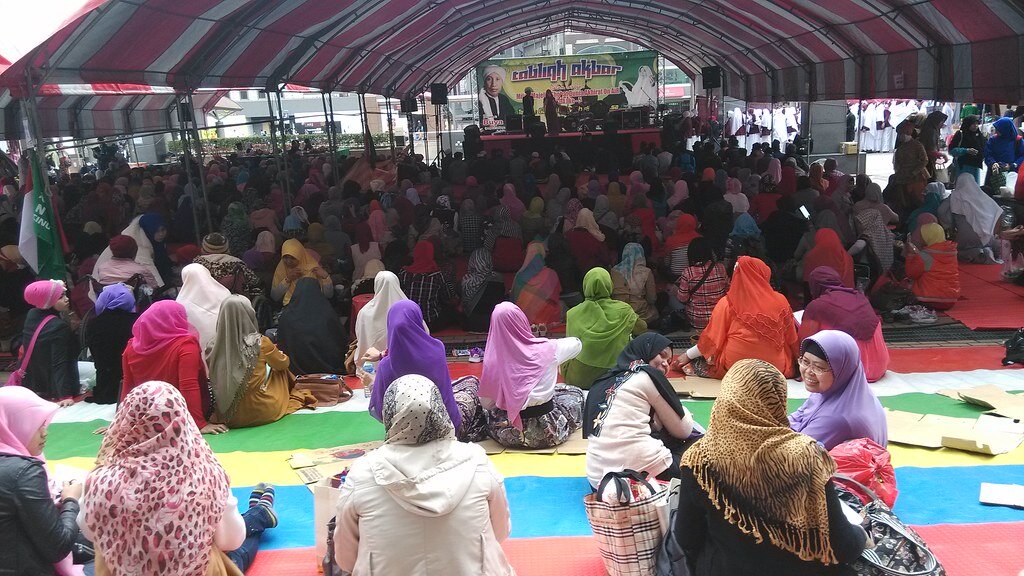
On Nov. 2, thousands of people gathered outside the French Embassy in Jakarta, Indonesia, to protest French President Emmanuel Macron.
Macron defended the publication of cartoons that depict the Prophet Muhammad, which many have deemed inflammatory. The cartoons were originally published in the Charlie Hebdo magazine in 2015. They were republished in September to mark the opening of the trial for the 2015 attacks against the magazine’s staff, which were partially motivated by the publication of the cartoons.
Last month, the cartoons were a topic of discussion in a Paris classroom during a lecture on freedom of expression. After the lecture, on Oct. 16, the teacher who led the class was beheaded by a student enraged by the cartoon being shown in class. In a separate incident on Oct. 29, three people were stabbed to death in the seaside town of Nice by a Tunisian man yelling “Allahu Akbar,” a commonly used phrase meaning “God is greatest.” Though it has an innocuous meaning and is used in a number of day-to-day situations, the phrase has been tarnished by an association with terrorist acts, such as the 2015 Charlie Hebdo attack.
These recent incidents have reinvigorated anti-Muslim sentiment in France, and Macron has been criticized for his comments. Macron told the news site Al-Jazeera that he understands people’s concern over the cartoons, but said that he “will always defend in my country the freedom to speak, to write, to think, to draw.” He maintained his stance that the cartoons were protected under freedom of expression after the beheading of the teacher in October, and has been accused by some of spreading anti-Muslim sentiment in his statements.
Macron has received criticism for his anti-Muslim rhetoric in the past. On Oct. 2, he called Islam a religion “in crisis” around the world and introduced a plan to push what he termed “Islamist radicalism” out of French education and the public sector. In the same speech, he announced the government’s intention to present a bill strengthening a 1905 law officially separating the church and state in France.
In Indonesia, the French Embassy was heavily guarded and protected by barbed wire, but over 2,000 people stood outside chanting and holding signs. Protesters displayed banners that read “Macron is the real terrorist,” “Go to hell Macron,” and “Macron is devil” and called for a boycott of French goods. Some protesters stomped on Louis Vuitton bags to demonstrate their rejection of French products. Speakers at the protest demanded that Macron apologize and take back his anti-Muslim comments. They also called for the immediate removal of the French ambassador.
On Oct. 31, Indonesian President Joko Widodo condemned the terrorist attacks in Paris and Nice while also speaking out against Macron’s defense of the cartoons. Widodo argued that freedom of expression that tarnishes the honor of religious symbols could not be justified and said that “linking religion with terrorist acts is a big mistake.” Muslims in France have repeatedly denounced the terrorist acts.

Rachel Lynch
is a student at Sarah Lawrence College in Bronxville, NY currently taking a semester off. She plans to study Writing and Child Development. Rachel loves to travel and is inspired by the places she’s been and everywhere she wants to go. She hopes to educate people on social justice issues and the history and culture of travel destinations through her writing.
Daring Divers: The Superhuman Bajau People of Southeast Asia
Mastering the seas has long been a task attempted by many seafaring cultures around the world. The Bajau people, however, seem to command the ocean with an unmatched talent.
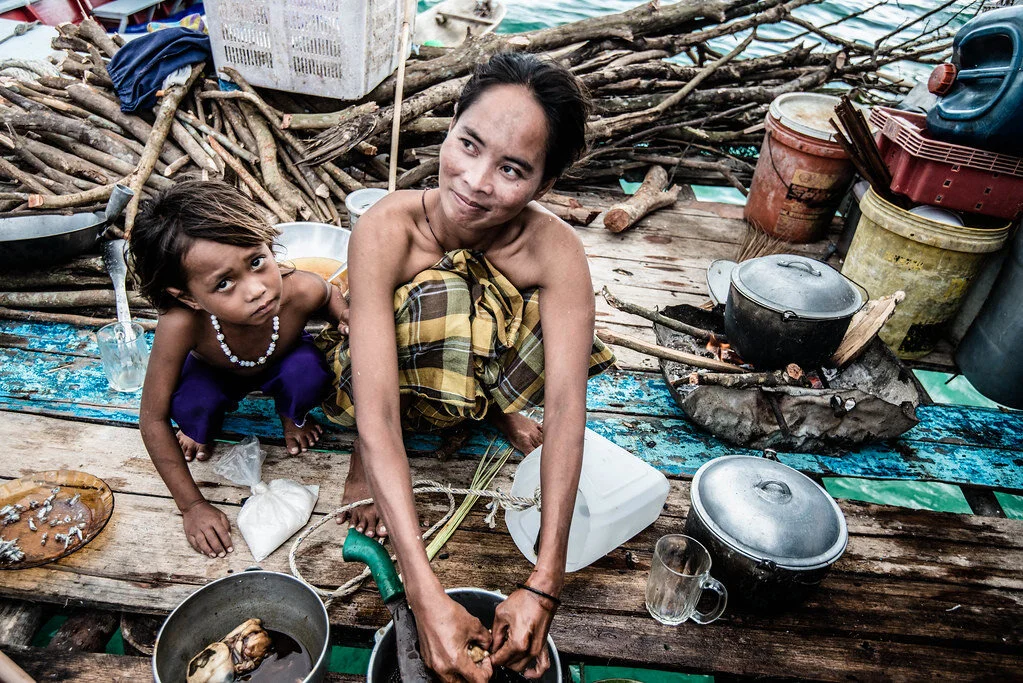
Bajau people. johnjodeery. CC BY 2.0.
Wandering the Sulu Sea off the coast of the Philippines, the Bajau people spent the last 1,000 years accumulating an impressive track record for their seafaring ways. Often referred to as “sea nomads” or “sea gypsies,” the Bajau people live almost entirely on houseboats, and only return to land to bury their dead, trade, construct their houseboats, and wait out sea storms. This ethnic group sails the waters around Indonesia and Malaysia as well, which are highly congested with piracy; the Bajau people usually flee from attack instead of choosing combat. Because they live solely on the waters, the ethnic group does not have any official affiliation with neighboring countries.
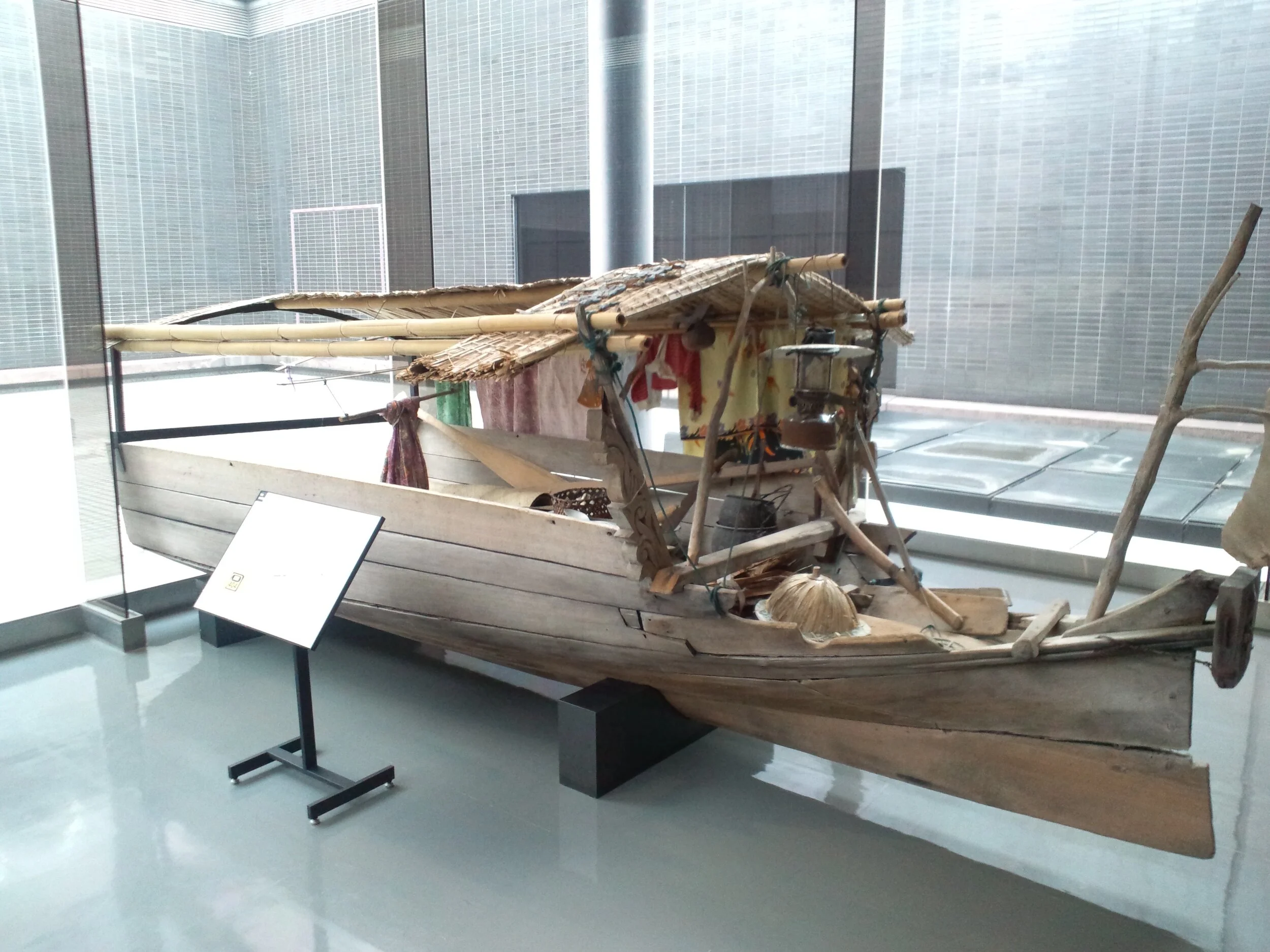
Houseboat of the Bajau people. Yanajin33. CC BY-SA 4.0.
The exact origins of the Bajau people are unknown, but it is presumed that they are of a Malay background. Most of their known background is contained in oral history, with much of it being unraveled through folklore. One story of their origin recounts the tale of a man named Bajau who was known to displace the water in rivers using his body mass. It is told that villagers then followed him to easily collect the fish that were left behind. Envy of his people’s large fish hauls raged among neighboring tribes, but all attempts to kill Bajau were unsuccessful. His people then thrived and became the rulers of the oceans that they are today.
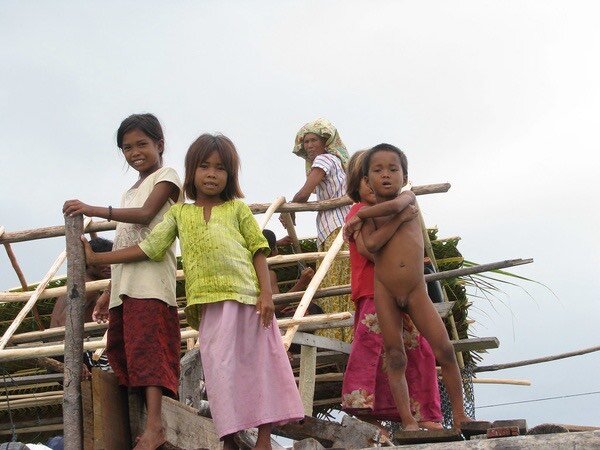
Bajau children. Education Projects for Children in Sabah. CC BY 2.0.
The Bajau people are famous for their incredible fishing expertise, with specific mastery of diving. Researchers have observed Bajau divers reaching depths of over 230 feet and remaining underwater for several minutes at a time. Yet, the most surprising aspect of their expertise is that it is completely unaided; the Bajau people do not use wetsuits or advanced diving technology. They rely solely on wooden goggles and makeshift spears, but display unparalleled precision in spearfishing. Master divers spend about five hours a day underwater and catch almost 20 pounds of fish and other elusive marine life.
Although most of the Bajau people’s skill comes from endless hours of practice, scientists have found that their bodies adapted to their active lifestyle. The Bajau people are found to have spleens larger than the average human, which researchers conclude is due to their long diving hours. The spleen stores red blood cells needed in oxygen retention, so larger spleens correlate positively with intense diving. Other studies have found that they also possess different variants of genes that assist in long dives, such as that of BDKRB2 which is linked to the rate in which oxygen spreads throughout the body.
Little can be traced of the origins of the Bajau people, but they surely hold a steady future in being uncontested overlords of the oceans.

Ella Nguyen
is an undergraduate student at Vassar College pursuing a degree in Hispanic Studies. She wants to assist in the field of immigration law and hopes to utilize Spanish in her future projects. In her free time she enjoys cooking, writing poetry, and learning about cosmetics.
TALES OF A FEMALE SOLO ADVENTURER: Getting Off the Beaten Path
I grew up in a loving and somewhat free-spirited Canadian family. Our nomadic wanderings throughout western and northern Canada set the foundation for a life of global adventure, with my first flight from the nest being to the Central African Republic when I was 17. I spent a year there learning the local language and traveling to some of the most remote areas of that beautiful country. That was it. I was hooked on travel. I’m still going strong almost 30 years and four continents later. I relish the freedom of backpacking, but also love really living in another country and planting roots for several years. I enjoy the uniqueness of each place I visit yet what I love even more are the connections that prove the undeniable unity of the human race.

After raising three amazing children across several countries, they have all moved out and I’m solo once again. I’m currently based out of India’s Tamil Nadu state, where I focus my free time on the “3 Ts”: Travel, Trekking and Trail-running. I find solo adventuring so empowering because it allows me to test my limits and see how far I can go. Being a woman on my own I definitely take precautions, but I chose not to live in fear of what might happen. Instead, I focus on the positive and so far it's been a great journey. Photography is a recent hobby. I’m a nature lover who seeks out those “holy shit” moments of beauty that come from getting off the beaten path.
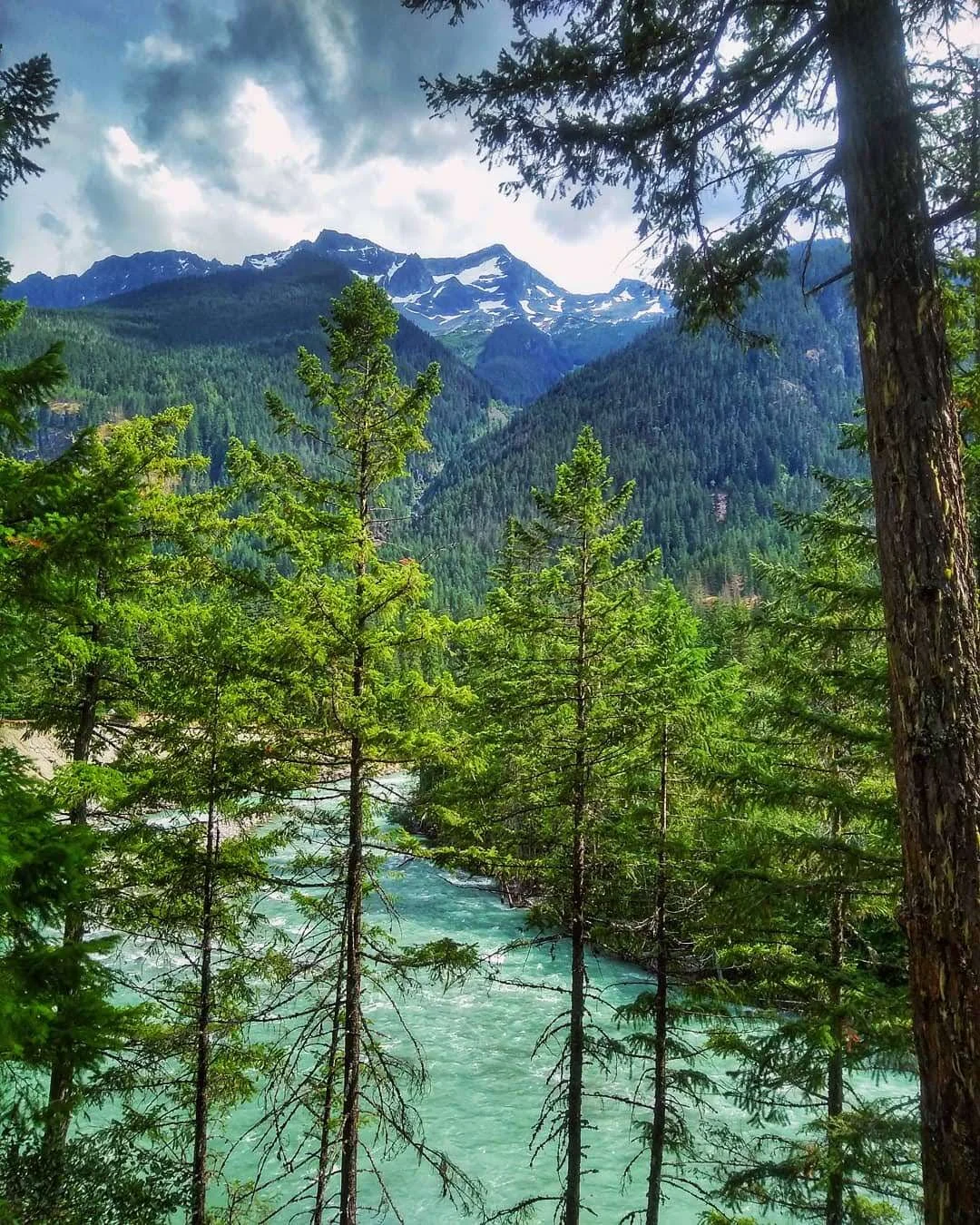
“Home” in western Canada. During my last visit I enjoyed camping and running the trails along the Green River. This area is just a couple hours outside of Vancouver but you couldn’t feel farther from the city. And yes, that water is cold!
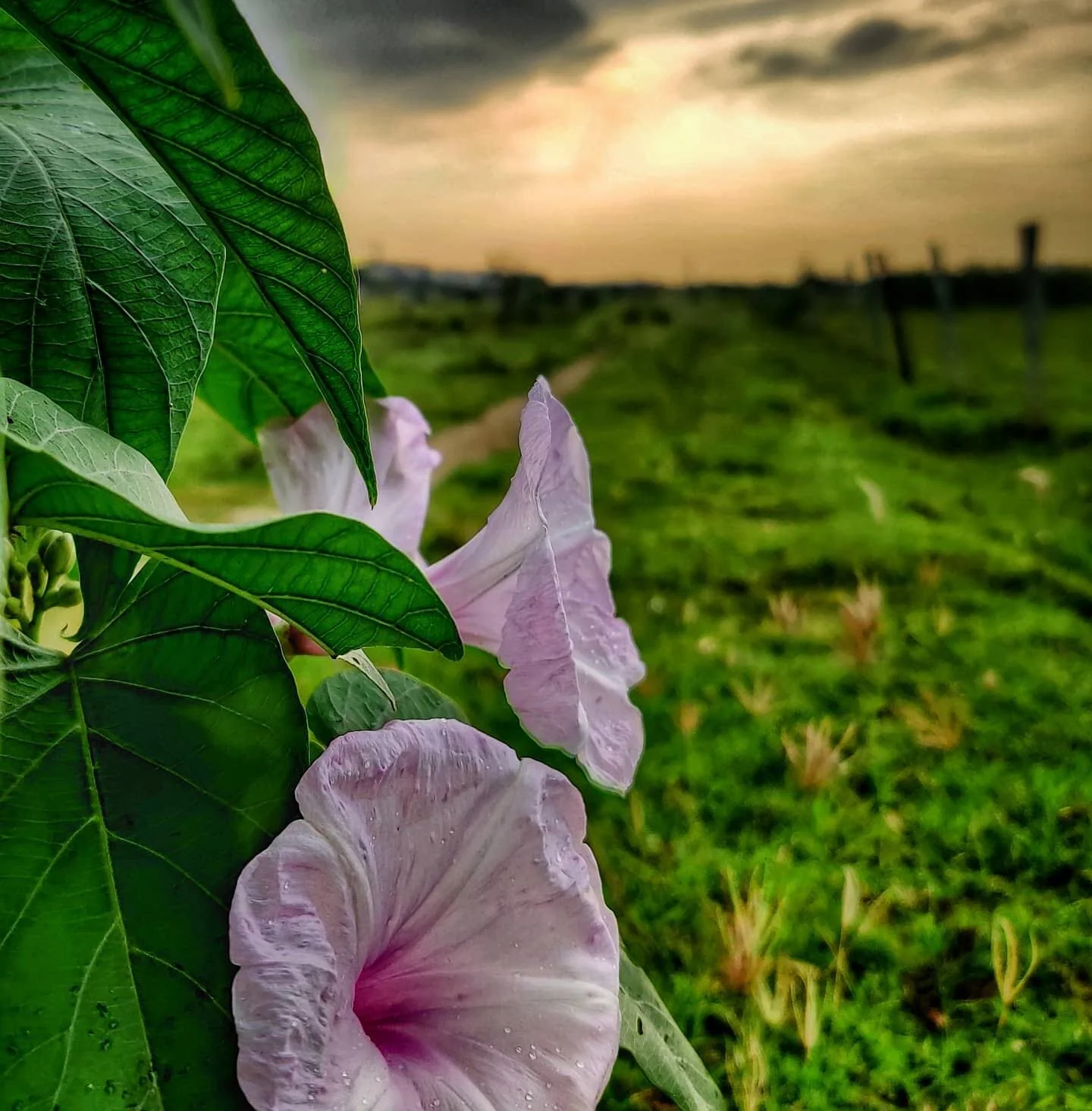
I’m always looking for new trails. I scan Google Maps, throw on my hydration vest and go explore. This is a small track running through rural farmland in Tamil Nadu. When I’m not traveling I’m out there seeing how far my legs will take me.
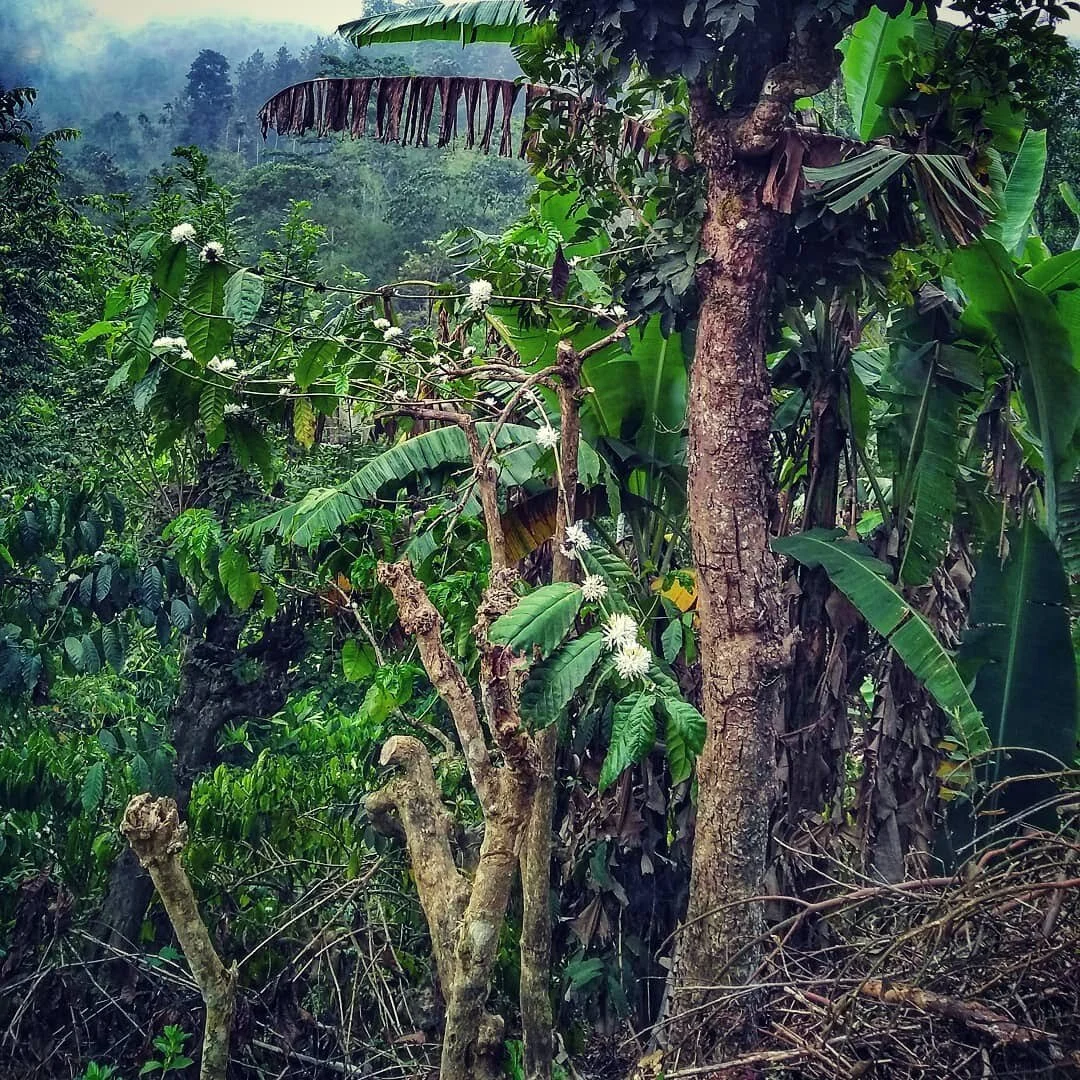
Wayanad in India’s Kerala state is an amazing place to just wander. It is so wild and lush. Every day I was there I would take a local bus and jump out when it looked interesting. Then I would take the trails up to the tea plantations and down into steamy, forested valleys. The great thing about India is that it has a good public transport system. It doesn’t matter how far or which direction my feet carry me; I will eventually find another bus to take me back to where I started.
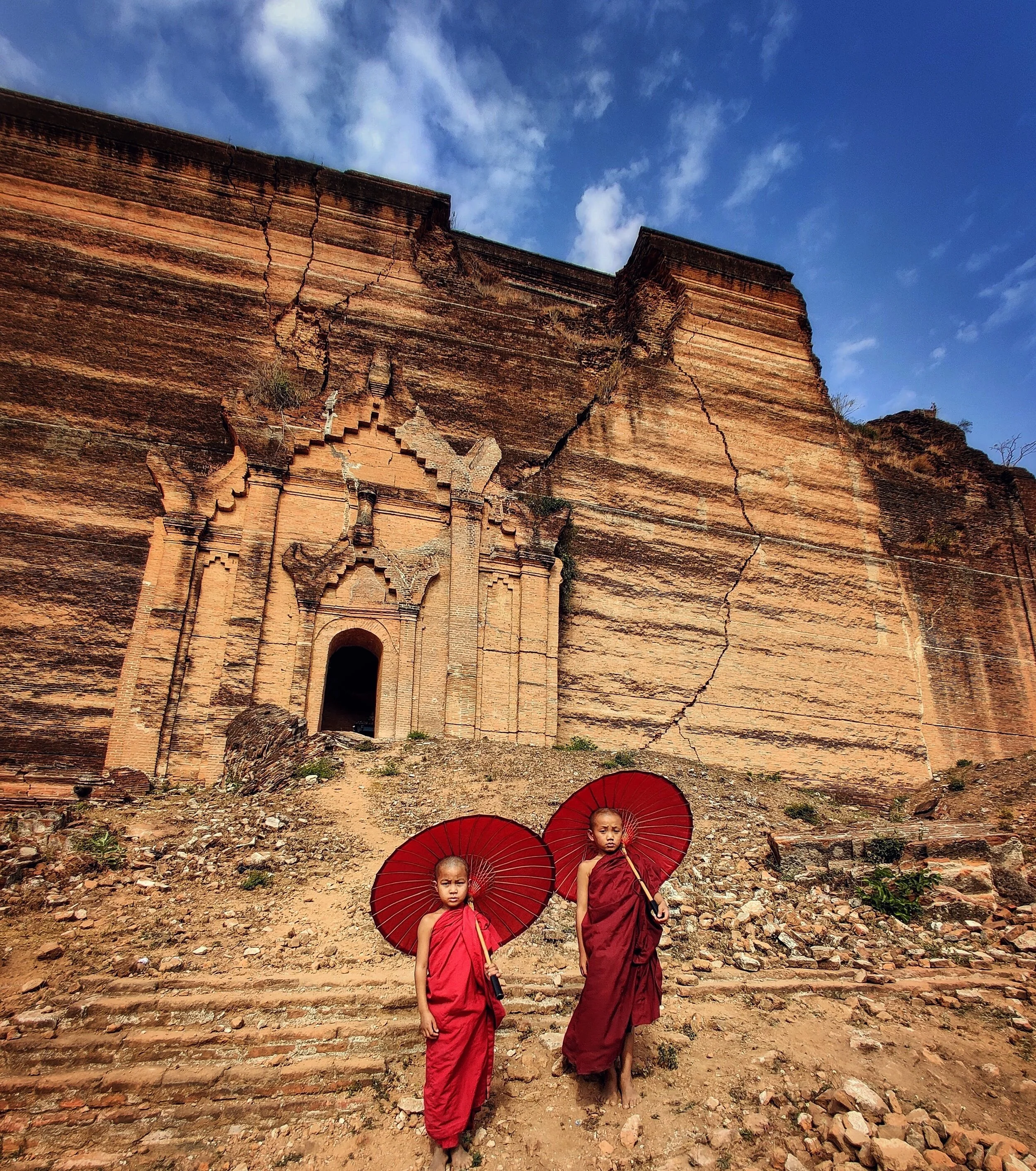
Sometimes when you travel you stumble across the perfect moment. This was one in Mingun, Myanmar.
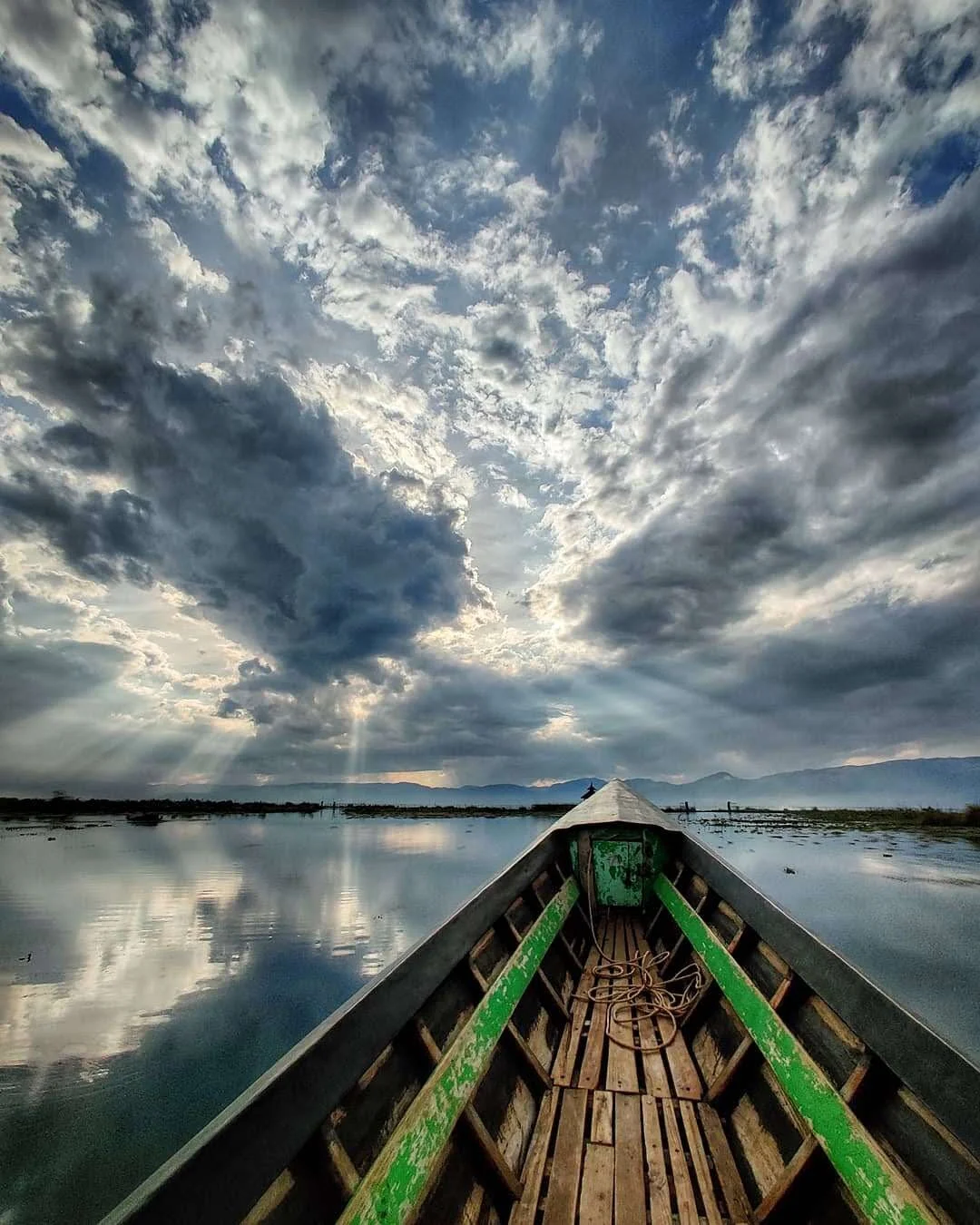
In January 2020 I spent a month exploring Myanmar. This photo was taken at the end of an epic section of trail. I spent three days walking from Kalaw to Inle Lake. Here, I’m taking a longboat across Inle Lake to get from the end of the trail to the nearest town where the luxury of a hot shower awaited me.
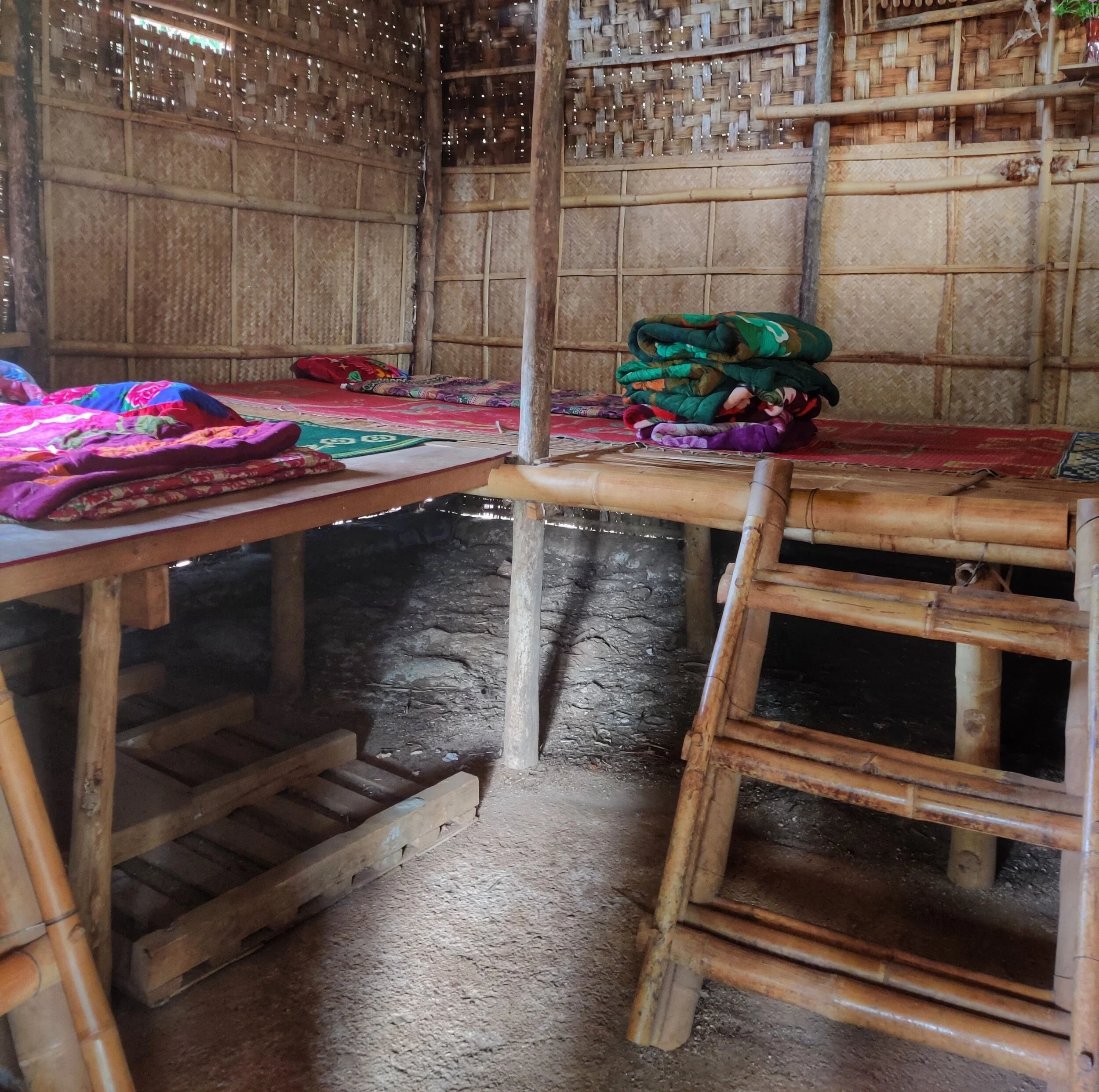
No hotels, no restaurants. I slept in small villages with local families who offered food and shelter. These are communal sleeping quarters up in the mountains of central Myanmar. When you are climbing up and down mountains all day, I can’t tell you how good it feels to be given a hot meal and a place to rest your weary bones.
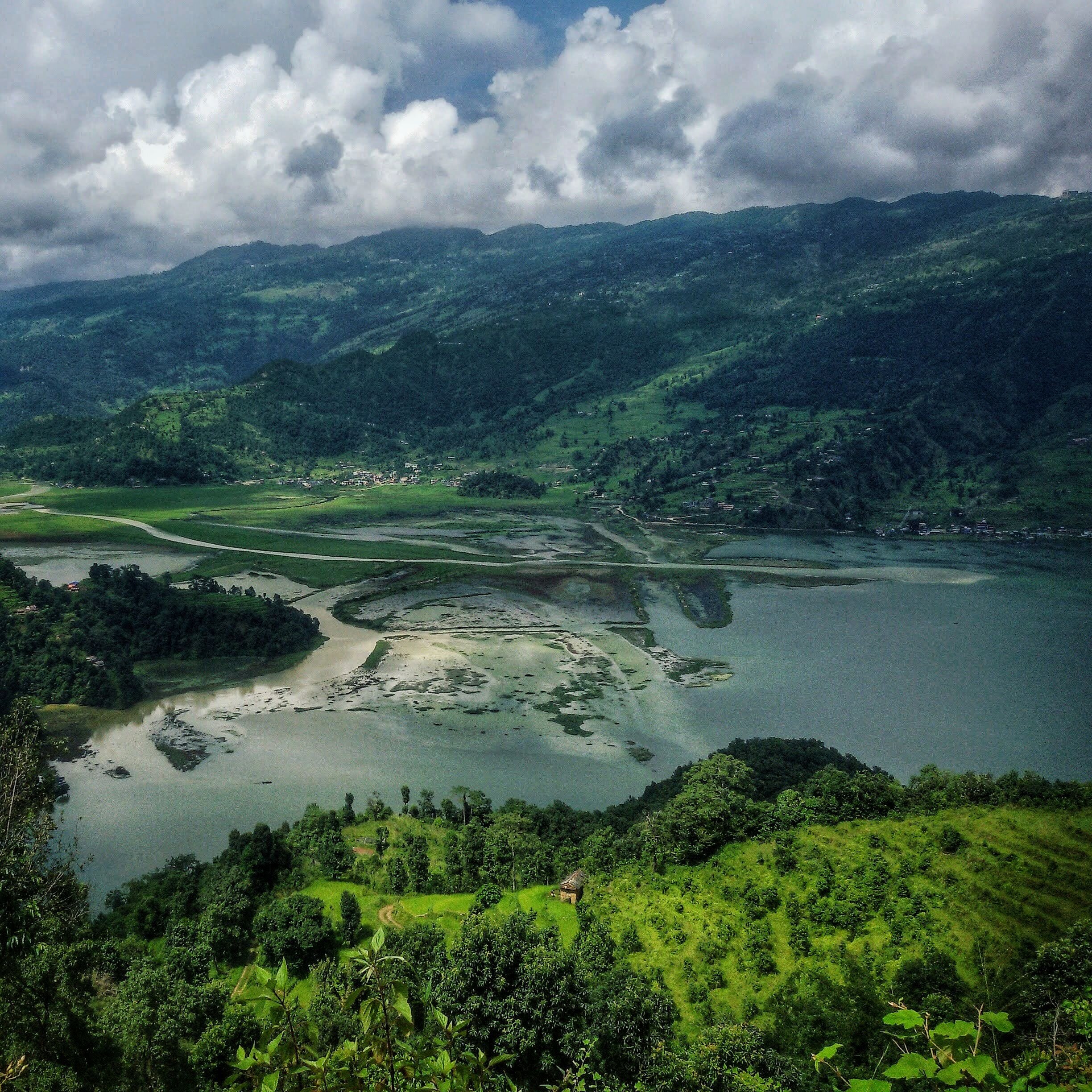
Pokhara, Nepal, is an awesome place to explore even if you opt not to do the big overnight treks in the mountains. I asked many locals and they all told me that you could not circumnavigate Phewa Lake. I kept staring at Google Maps and thinking, “I’m sure I can!” The issue was getting across the valley floor. There is a section where there is no track at all. One day I saw a farmer wade through the rice paddies and I did the same, mud up to my knees in places. Once I got across the valley, as I had seen on Google Maps, there was “trail” all the way around. I arrived back in Pokhara nine hours later, feet full of leeches but with a happy heart.
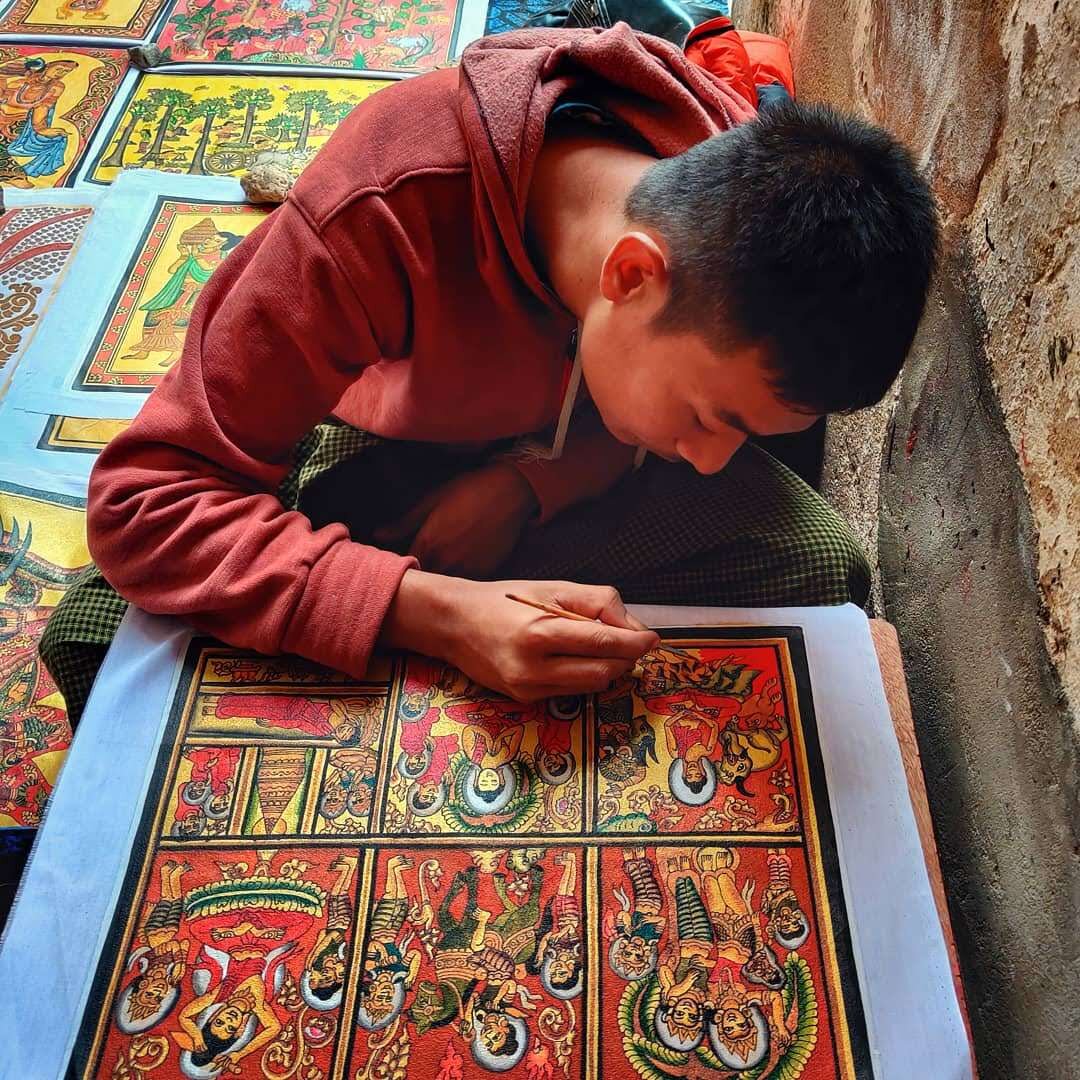
The artist in me gets very excited about local handicrafts. I love seeing creative expression around the world. This teenage boy was oblivious of me as he patiently labored away at this masterpiece in Bagan, Myanmar.
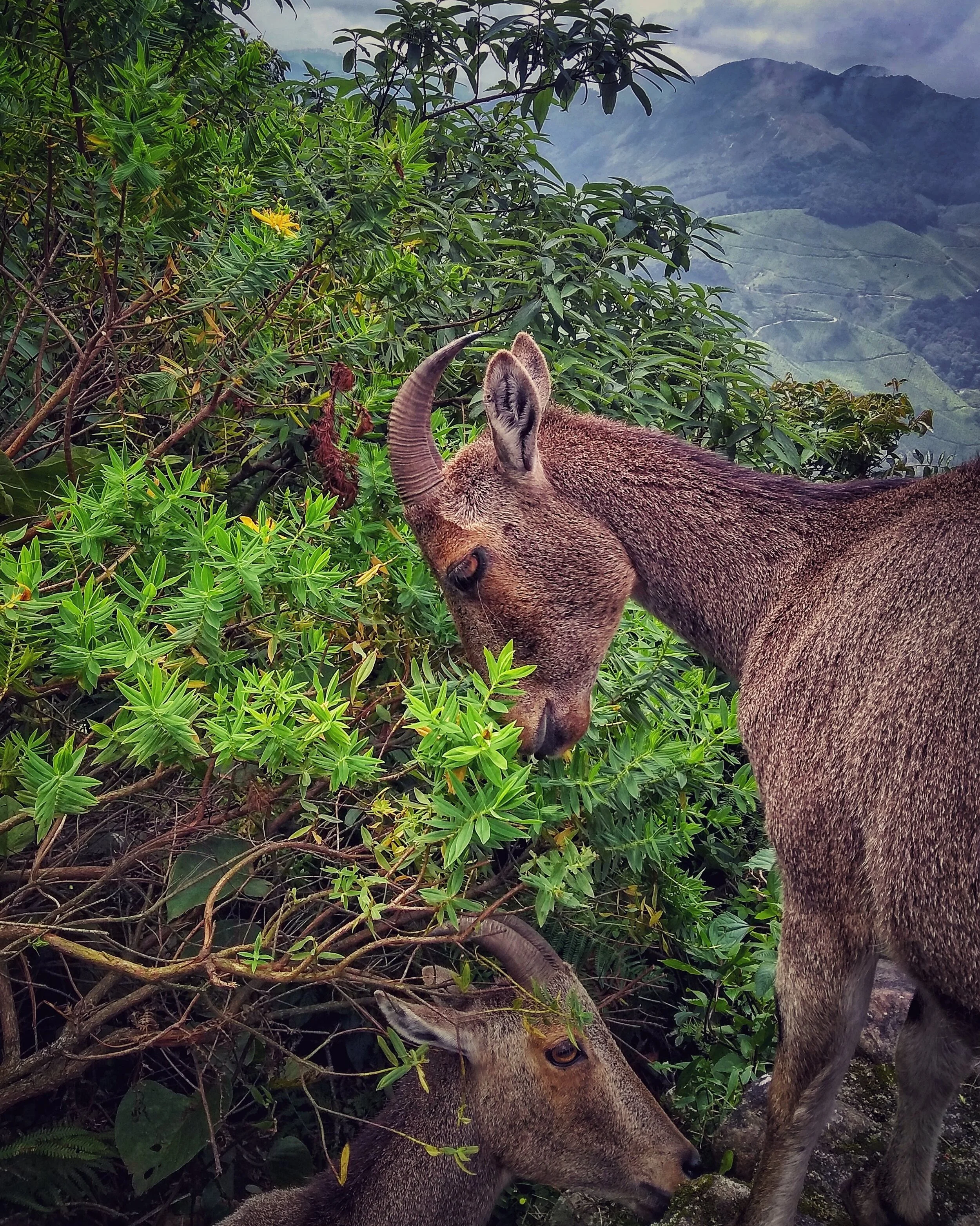
I have been blessed with close encounters with many amazing animals. I never chase after them but enjoy when they approach me. These are Nilgiri tahr, an endangered species that inhabits the Eravikulam National Park in southern India. I was sitting on a rock and they stepped right over me and decided to hang out. I was all by myself up in the hills and it was such a magical moment.

I love a good storm! Something about the energy of the shifting skies is so invigorating. This is on the backwaters just south of Chennai, India, overlooking the Bay of Bengal.
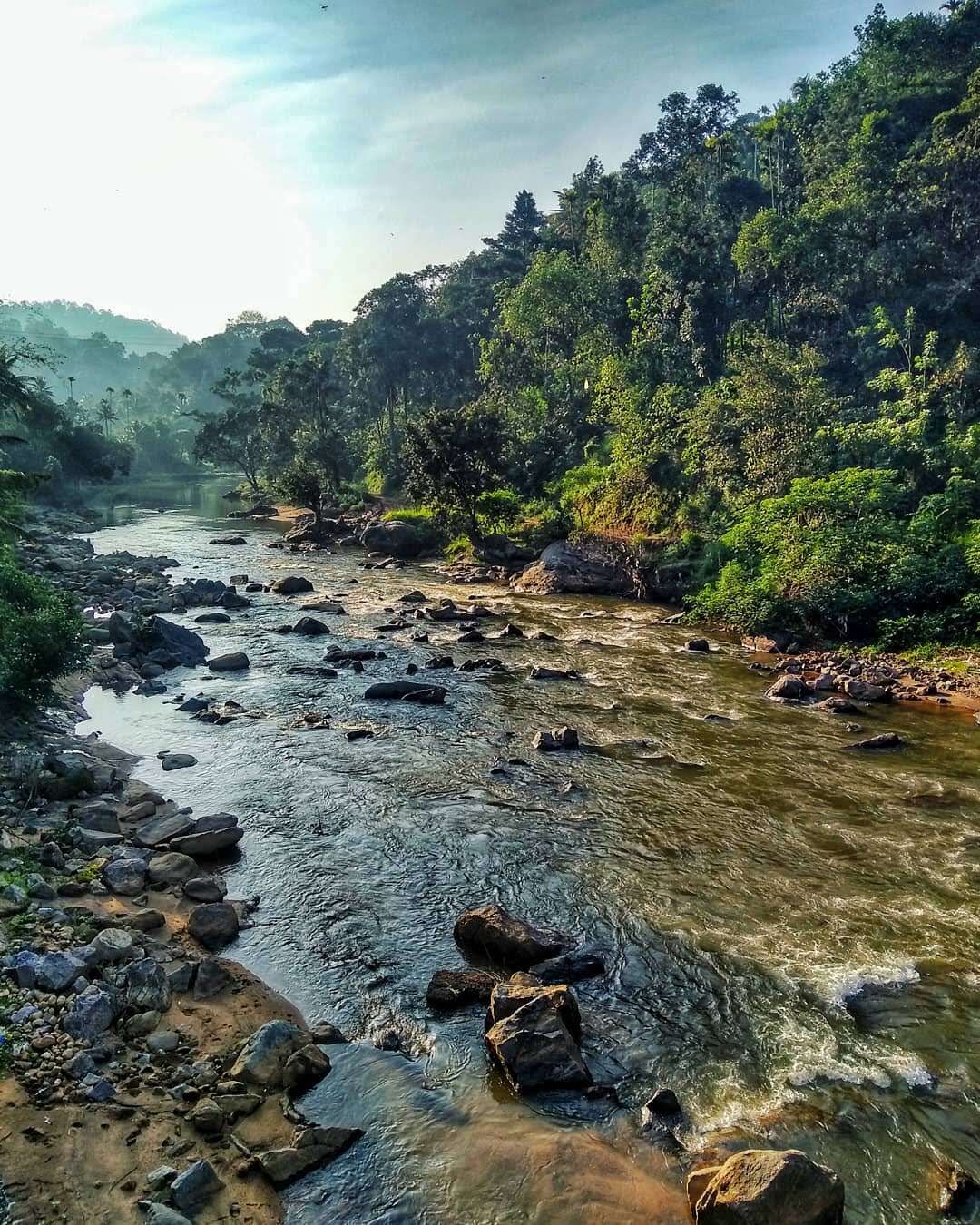
Just outside of Kunchithanny in Kerala, India, I spent a week wandering in the mountains. I talked to locals to scope out good trails and, armed with screenshots from my trusty Google Maps, I headed out early each morning. This is one of my favorite places to trek. I can cover 15 miles by noon. The climbs are steep but well worth it. I met families at my guesthouse who spent three hours in traffic jams to catch a glimpse of the popular waterfalls outside of Munnar; meanwhile, I saw at least 20 falls and had them all to myself. This area is so welcoming. Several families brought me into their homes for food and rest. I can’t wait to go back.

Monks feeding carp in Hpa-An, southern Myanmar. This was such a magical day. First I offered a prayer to all my loved ones atop the rock tower at the pagoda in the middle of this pond. Later that day I did my hardest climb in Myanmar. I climbed to the highest point in the mountains seen in the background. It was an extremely steep vertical climb. Rough steps had been carved out of the rock but they were narrow. In places, I had to lift my leg up higher than my knees to reach the next step. It is typically a three to four hour hike. I wanted to catch the sunset so I powered up it in an hour and 20 minutes. I made it just in time and then descended in 45 minutes. When I finished, my legs were shaking and spasming uncontrollably. It actually felt great having pushed past what I thought my body was capable of.
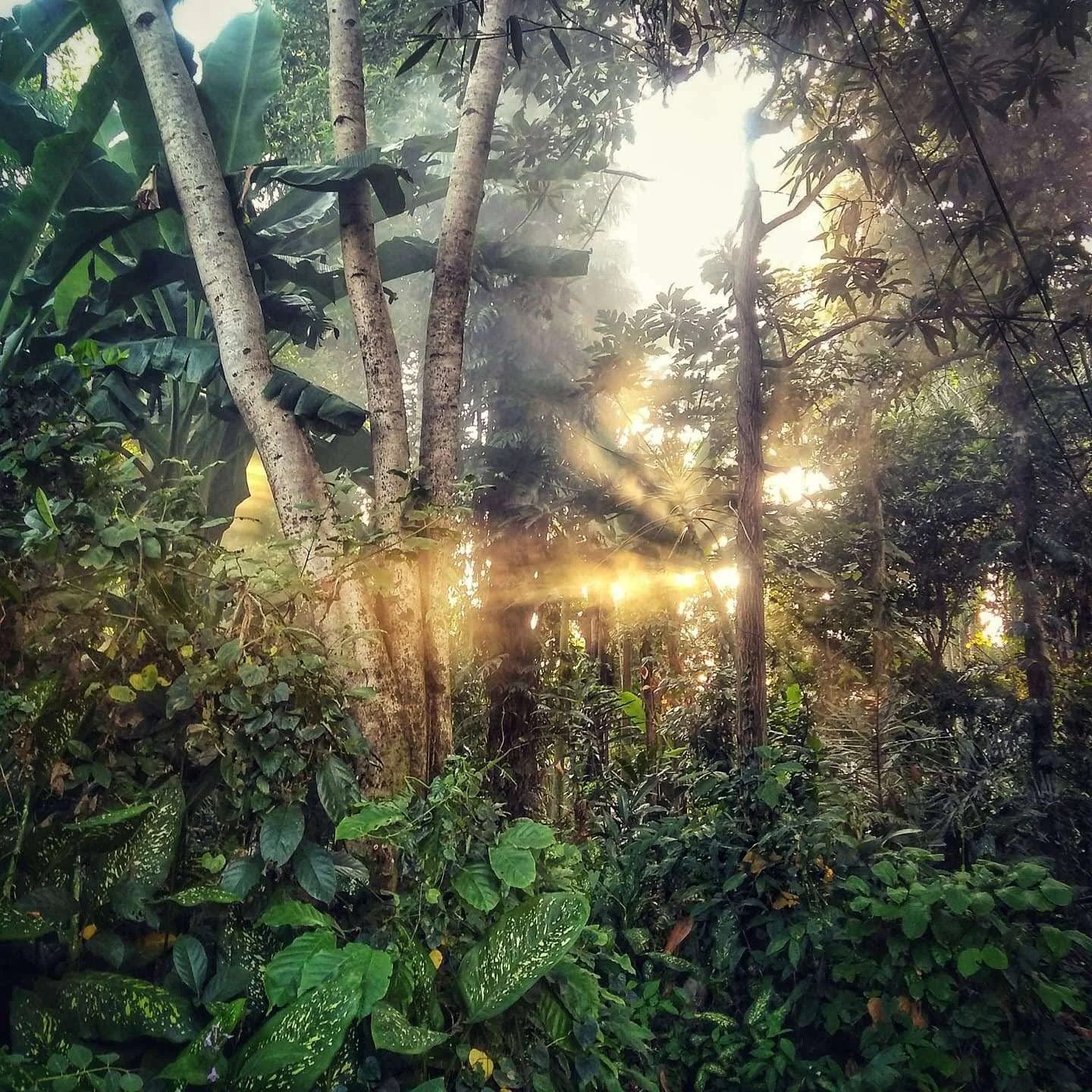
In Ubud on the Indonesian island of Bali I would wake up at 4 a.m. and run up the mountain peaks in the dark to catch the sunrise from the mountaintops. This is where I started really building my confidence running solo in the wilderness. I wish this photo could convey the incredible birdsong that accompanied each daybreak.
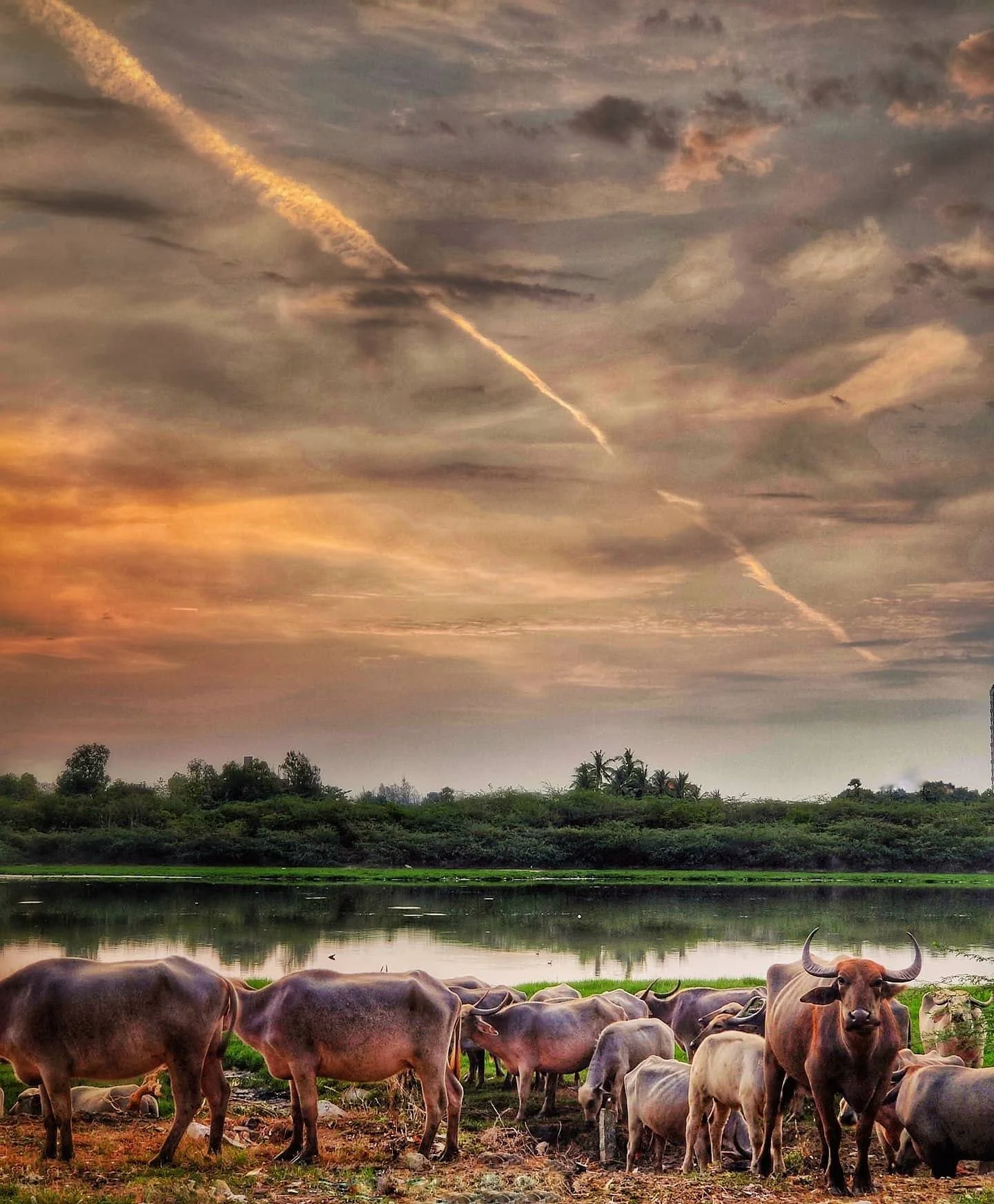
My daily runs here in Tamil Nadu often involve weaving through crowds of these guys. I’m up early to catch the sunrise and enjoy South India in all her beauty.
I have learned to read the landscape, tune into my surroundings and listen to my own body. All of this has given me the freedom to keep living my best life. No regrets.
If you want to keep up to date with my adventures, follow me on Instagram @dawned_onme or check out my blog, bigbeautiful.world, to see more of my past wanderings.
Dawn Lwakila
continually takes the path less trodden, both figuratively and literally. She loves to really live in a place and grow some roots there — as well as a good wander and the freedom to explore. Canada is her homeland, but her heart and soul is scattered across the globe. She has journeyed through over 30 countries and still has an ever-growing bucket list of new places to experience.
VIDEO: Indonesia's Mentawai Tribe
To give Joshua Cowan’s film even deeper meaning, it’s important to understand context. Mentawai is an archipelago found off the west coast of Sumatra (Indonesia) consisting of approximately 70 islands and islets. The history of the people is often debated, but as early as 1954, under Indonesia’s goal of national unity and cultural adaptation, the National Government began introducing civilization programs designed to integrate the tribal groups into the social and cultural mainstream of the country. This, for native Mentawai, meant the eradication of Arat Sabulungan — the animist belief system that links the supernatural powers of ancestral spirits to the ecology of the rainforest — ; the forced surrender, burning and destruction of possessions used to facilitate cultural or ritual behavior; and their Sikerei (shamans) being disrobed, beaten, and forced into slave labor and imprisonment.
Under Pancasila — the official, foundational philosophical theory of Indonesia — the Indonesian state should be based on the Five Principles: Indonesian nationalism; Internationalism, or Humanism; Consent, or Democracy; Social prosperity; and Belief in One God. Based on the Indonesian notion ‘belief in one God’, there are officially only five religions recognized: Islam, Protestantism, Catholicism, Hinduism, and Buddhism. Which, for the Mentawai Islands, resulted in an immediate influx of missionaries and an increase in violence and pressure on the people to adopt change. In the end many chose Christianity due to its flexible views on the possession and consumption of pigs, which play an integral role in Mentawai history and culture.
By the late 1980’s loggers had devastated the forests of Sipora, North and South Pagai. In 1980, WWF (World Wildlife Fund) published a report entitled ‘Saving Siberut’ which, along with the support of other organizations – primarily UNESCO and Survival International – and other additional international interest, helped persuade the Indonesian government to cancel logging concessions and declare the forests of Siberut a biosphere reserve. With this, the people in the Mentawai found that they were once again free to practice their native cultural activities – at least in areas away from the villages.
However, by this point, and as it remains today, the number of Indigenous people still actively practicing the cultural customs, rituals and ceremonies of Arat Sabulungan had already been limited to a very small population of clans primarily located around the Sarereiket and Sakuddei regions in the south of Siberut Island.

Raeann Mason
Raeann is an avid traveler, digital storyteller and guide writer. She holds a Bachelor’s degree in Mass Comm & Media Studies from the Walter Cronkite School of Journalism & Mass Communication. Passionate about a/effective journalism and cultural exchange, she is an advocate of international solidarity and people's liberation. As the founder of ROAM + WRITE and EIC of Monarch Magazine, Raeann hopes to reshape the culture of travel and hospitality to be ethically sound and sustainable.

Traditional Balinese wedding ceremony. Artem Beliaikin. CC BY-NC-SA 2.0
Women’s Rights Activists Celebrate the Abolishment of Bride Kidnapping in Indonesia
Kawin tangkap is a long-established, controversial practice that still occurs on the small island of Sumba in Indonesia. Kawin tangkap, or bride kidnapping, is carried out when members of the man’s family kidnap women who they have selected as their wives. The practice has long been argued against by women’s rights activists. After all, if the women leave the forced marriage they are ridiculed by their villages and told that they will never have a husband or children. On the other hand, if the women stay, they have no decision in the matter and remain in the marriage for the remainder of their lives. The issue came to light recently when a video of a kidnapping circulated online, sparking outrage and petitions for the abolishment of the practice.
Part of the Sumbese Culture?
Regional leaders of Sumba have come forward, signing a declaration and stating that the well-known practice is not a part of their culture and traditions. Frans Wora Hebi, a Sumbese historian and elder, speculates that the shift from marriages to forcibly taking women has been “used by people wanting to force women to marry them without consequences.” The Indonesian government has responded by passing a law banning the practice, but the details and consequences have not yet been released.
Women Who Have Shared their Stories
Some women have spoken about their experiences, saying that it “felt like I was dying” as they were led away “kicking and screaming.” Two women who came forward shared their stories, with one thinking she was walking into a work meeting and another nursing her 11-month-old son outside of her home. Both were able to walk away from the situation physically unscathed but have to carry the scars from the experience for the rest of their lives. Both have “forgiven” the perpetrators in order to preserve family relationships for the future.
How Has It Continued?
In the last four years, seven cases have been documented, but it’s been speculated that many more have happened. While a “memorandum of understanding between the provincial East Nusa Tenggara government and the regional government of Sumba showing their commitment to ending the practice” has been signed, a local parliamentarian commented that they were “not convinced it can be entirely abolished.” The statement was made following the observations that the practice is seen mainly in isolated villages, the attacks are unexpected and many women do not come forward to file criminal cases. Instead, they stay with their new groom and family, which leaves police powerless to do anything about the issue. Part of the problem comes from the fact that there were formerly only social reprimands against the practice, with no long-term consequences. However, with the recent bill passed, the practice is now outlawed - a win for women who have been fighting against bride kidnapping for years.

Elizabeth Misnick
is a Professional Writing and Rhetoric major at Baylor University. She grew up in a military family and lived in Europe for almost half her life, traveling and living in different countries. She hopes to continue writing professionally throughout her career and publish her writing in the future.
Overpopulated Indonesia Fears Baby Boom Due to Coronavirus
After months of telling its citizens to stay at home, Indonesia is now facing fears of a potential baby boom.
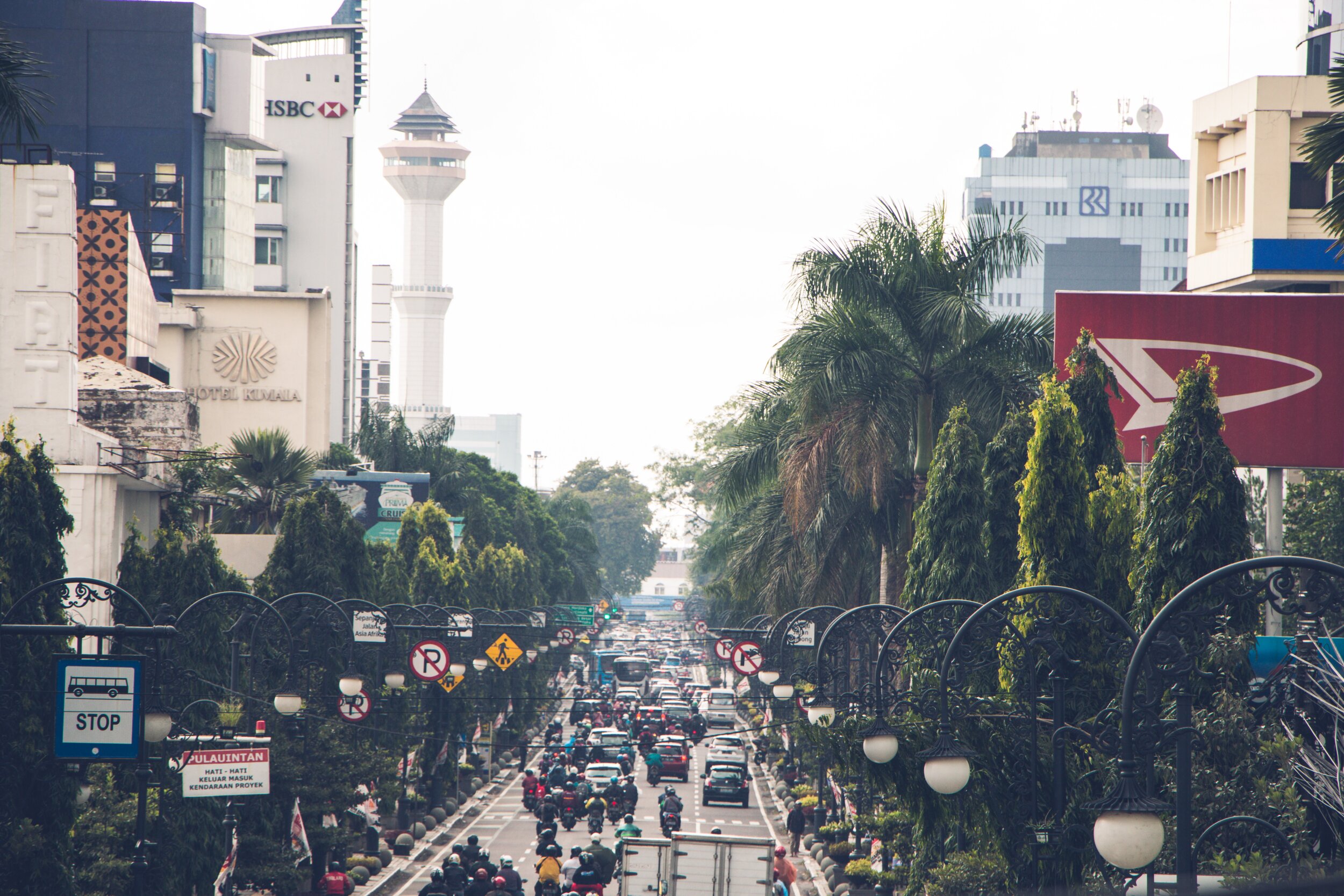
Traffic in Bandung, Indonesia. Ikhsan Assidiqie. Licensed by Unsplash.
With the country under quarantine from COVID-19, many people have stopped going to clinics to get contraceptives out of fear of catching the virus. This projected increase in pregnancies comes after extensive efforts by the country to encourage smaller families, an action taken in order to fight against the concern of child malnutrition. This problem is so severe that government vehicles drove around the cities and pleaded with the public through loudspeakers: “You can have sex. You can get married. But don’t get pregnant. Dads, please control yourself. You can get married. You can have sex as long as you use contraception.”
The National Population and Family Planning Board (BKKBN) is Indonesia’s government-backed family planning program tasked with helping married couples manage the creation of their families. BKKBN is widely successful and employs 24,000 counselors to help execute their mission, much of which includes distributing free contraceptives to the public.
The agency recently determined that there had been a significant decrease in the use of contraception between March and April of 2020 and that about 10 million couples in the country no longer had access to a form of birth control. An increase in pregnancy rates is deeply concerning for the Indonesian government because the country is struggling to manage the current population size given its available space and resources. In order to try and alleviate some of these effects, the government has openly discouraged people from having large families for years and freely provided various forms of birth control. About half of those who use contraceptives receive monthly or trimonthly hormone injections, 20% use birth control pills and many use IUDs. Condoms remain unpopular, though, across the country. It is worth noting that abortion in Indonesia is only permitted if it is “to save the woman’s life.” There are many possible contributors to the drop in contraceptive use during this quarantine period, such as a fear of leaving the house to acquire contraceptives (especially from hospitals), closed contraception clinics and other closed health care providers.
One significant consequence of Indonesia’s population struggles is child malnutrition, a problem that Indonesian President Joko Widodo promised to alleviate within 4 to 5 years. More severe cases of child malnutrition (especially when paired with poor hygiene) can result in child stunting, a condition where the child is more than two standard deviations below the median of child growth standards as determined by the World Health Organization. If children are experiencing stunting then they are more susceptible to pneumonia, diarrhea and a weakened immune system. Given that COVID-19 is known to be more fatal for those with compromised immune systems, this is an especially pertinent concern. Long-term effects include an increased chance of experiencing chronic diseases such as hypertension and a lowered IQ. According to the organization 1,000 Days Fund, a group dedicated to the elimination of stunting, children with stunting can miss about a year of school because of the sickness. While Widodo has found some success in lowering the number of child stunting cases in the past few years, this period of quarantining may prove to be a major setback.
BKKBN announced that Indonesia should expect about 420,000 more babies than the average 4.8 million in the upcoming year. One demography expert at the Indonesian Institute of Sciences, Dr. Augustina Situmorang, believes pregnancy spikes are most likely to occur in low-income families who relied on the previously-accessible birth control provided by BKKBN in addition to young women who lost their jobs, had to return to their hometowns, and then had to get married due to social pressures.
Indonesia’s health care system is already working overtime and has suffered considerably from COVID-19, registering more than 33,000 cases and over 1,900 deaths. Nevertheless, the government is attempting some preventive measures to combat more potential pregnancies. This includes allowing access to multiple months of birth control pills at a time, making door-to-door deliveries of contraceptives along with emergency supplies, and hoping to distribute contraceptives to 1 million people on June 29, dubbed “National Family Day.” Going forward, the Indonesian government will have to move efficiently if it wants to limit the burden felt by the Indonesian health care system with future generations.

Phoebe Jacoby
is a Media Studies major and Studio Art minor at Vassar College who believes in the importance of sharing stories with others. Phoebe likes to spend her free time reading, drawing, and writing letters. She hopes to continue developing her skills as a writer and create work that will have a positive outward effect.
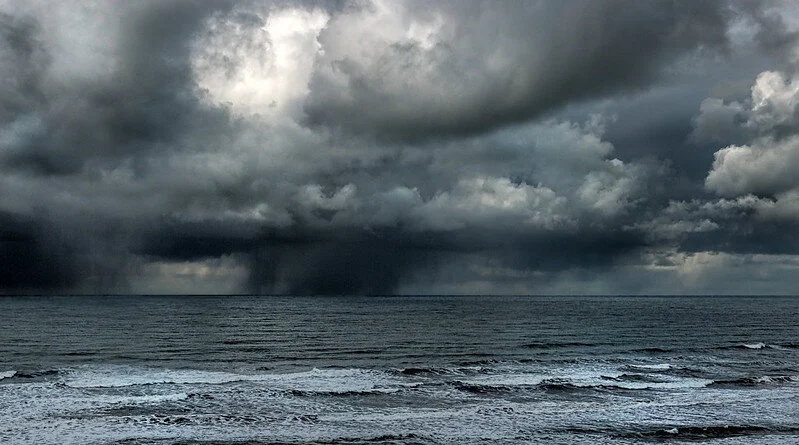
Storm clouds gather over the Pacific, where countless workers endure slavery and abuse aboard fishing vessels. Sheila Sund. CC BY 2.0
Slavery and Torture Bait Fishermen in the Pacific
Tuna is a $22 billion industry across the Pacific Ocean, where over 60% of the world’s supply originates. That much is known. Look much farther, though, and the subject becomes quite murky.
Try finding out about the treatment of workers aboard fishing vessels, as the corporate watchdog Business & Human Rights Resource Centre did at the end of 2018. Unsurprisingly, companies were tight lipped in their responses. Out of 35 canned tuna companies and supermarkets surveyed, only four reported following due diligence procedures to prevent modern slavery in their supply chains. 20 companies, including tuna giant StarKist, refused to even respond.
There are strong reasons for the tuna companies’ silence; slavery runs rampant throughout the industry. Incredibly low oversight has allowed for the rise of third-party recruitment agencies, who often find willing employees in less developed nations. These workers, desperate for money, pay thousands of dollars to brokers who connect them with fishing vessels – for a price.
The price is high. When workers cannot pay their allotted amount, recruiters cover the costs by removing the loaned money from future wages. What fishermen are not told is that their wages are often as low as 70 cents an hour, if they are paid at all.
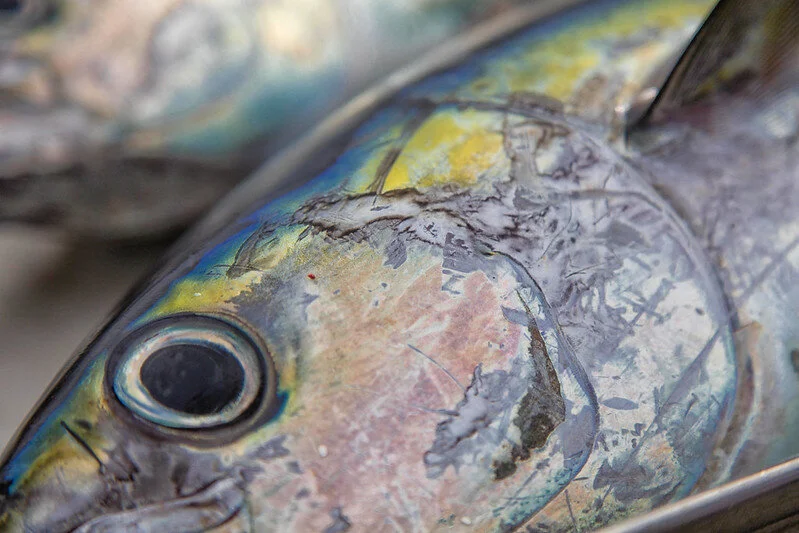
A close-up of a yellowfin tuna caught in waters off the coast of Fiji. Arnie Papp. CC BY 2.0
The story of Supriyanto, an Indonesian fisherman, shines a painful light on the system’s injustices: a recruitment company offered him a contract for $350 per month. He found out on the job, though, that $200 per month would be withheld in fees to keep him from running away. In the end, Supriyanto ended up with little over $100 per month to offer his recruiter, to whom he owed thousands. He had no chance of escape, much less with any money to spare. Supriyanto died four months after starting work on the vessel, a victim of debt bondage.
This experience is far from uncommon. Those who escape Pacific fishing boats usually tell similar tales of debt servitude. Yet somehow, the horrors run far deeper than this. While enslavement traps the workers, torture and abuse truly break their spirits.
In 2011, 32 Indonesian fishermen escaped from the South Korean-flagged Oyang 75 while it docked in New Zealand. They told horrifying tales of being physically and sexually assaulted repeatedly by Korean officers, who would chase them as they returned from the showers. Punishments on board included being fed rotten fish bait and being locked inside of refrigerators. On good days, fishermen worked for 20 hours straight. On bad days, up to 48.
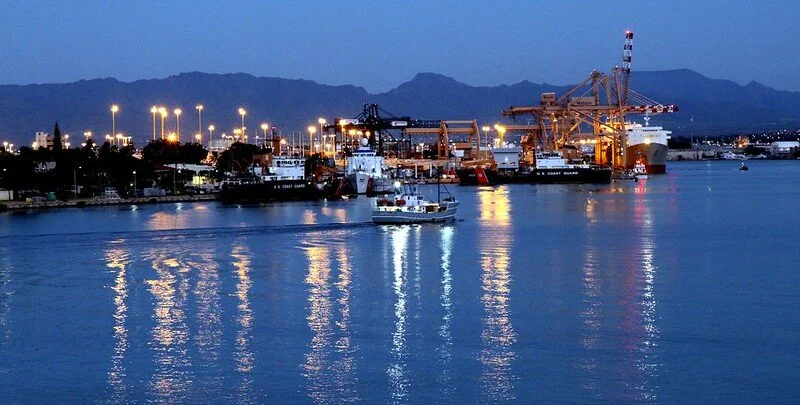
Honolulu Harbor in Hawaii is a common port of call for ships that practice slavery, as U.S. officials often look past it. Prayitno. CC BY 2.0
Nearly every country across the Pacific has turned a blind eye to the slavery on tuna boats, including the United States. Take, for example, the case of Sorihin. He paid $6,000 to a broker who connected him with the Sea Queen II, a tuna vessel that trawled the waters between American Samoa, Hawaii and California. Despite nearly losing a finger while wrestling a shark, he was denied medical attention. Safety gear aboard the ship was only offered for a price – as was escape. He finally ran away while the boat was docked in San Francisco after realizing he would never be able to fully pay back his debt to recruiters. Also, Sorihin mentioned, “If I stayed on that boat I was going to die.”
The United States has codified laws that effectively protect human traffickers and slaveholders who ply the Pacific. Tuna boats are permitted to dock at U.S. ports such as Honolulu and San Francisco if the foreign workers remain on board the vessel. Since the fishermen are denied U.S. visas, no on-board inspections are performed and the workers’ conditions rest outside of the U.S.’s responsibility. So, the inhumane treatment of workers is tolerated while the Coast Guard looks the other way.
Similar examples of forced labor, slavery, human trafficking and child labor can be found throughout the Pacific, from New Zealand and Taiwan to Fiji and Thailand. Solutions can only come through greater clarity and stronger efforts on the part of tuna producers. Unfortunately, workers’ voices continue to be silenced by powerful vessel owners, lackadaisical companies and complicit authorities. Organizations such as Human Rights at Sea, Amnesty International and Anti-Slavery International are working to bring awareness to the mistreatment of the region’s fishermen. As the public learns more about the issue, there is hope that slavery in the Pacific may end once and for all.

Stephen Kenney
is a Journalism and Political Science double major at the University of North Carolina at Chapel Hill. He enjoys sharing his passion for geography with others by writing compelling stories from across the globe. In his free time, Stephen enjoys reading, long-distance running and rooting for the Tar Heels.
Gender Matters in Coastal Livelihood Programs in Indonesia
Significant investments have been made in improving the well-being of Indonesian coastal communities in recent decades. However, most of these programs have not tackled gender inequalities.
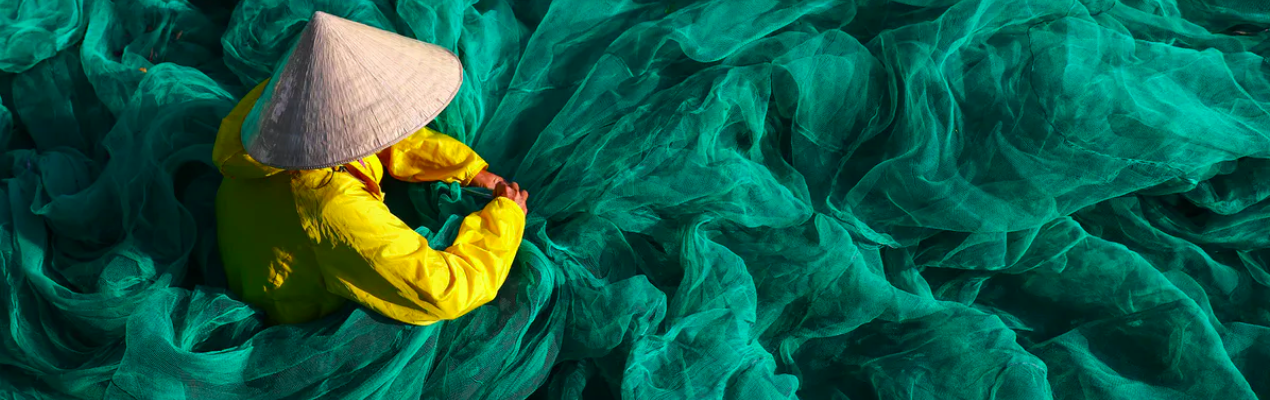
Projects based on comprehensive understanding of gender norms in coastal communities will contribute to improved community wellbeing. www.shutterstock.com
Our team studied 20 coastal livelihood programs implemented across the Indonesian archipelago from 1998 to 2017. Our aim was to see how gender issues were considered in project design and implementation.
The Indonesian government, international governments, international development and lending agencies and non-government conservation organisations funded these projects.
Most projects included women in activities to enhance or introduce new livelihoods. However, 40% of the projects were gender-blind with respect to the design and impact of their activities. This means that activities may have further entrenched processes that disadvantage women by limiting their ability to pursue their own livelihood goals.
Only two projects (10%) used an approach that sought to challenge entrenched gender norms and truly empower women.
We recommend future projects be developed with a comprehensive understanding of gender norms within coastal communities. Participatory approaches that address and challenge these norms should be implemented. This will more effectively contribute to improvements in community well-being.
What we found
Our study, which assessed livelihood programs from various regions throughout Indonesia – including Bali, Sulawesi and West Papua – found 95% of programs had directly or indirectly included women. They did so through activities such as providing training and equipment to support alternative sources of income – e.g. making fish or mangrove-based food products.
Only three of the 20 projects provided gender awareness training for staff members and community facilitators. Only one provided similar training at the community level. In addition, two projects included a gender quota for community facilitators (30-50% female).
However, we found most projects applied either a “gender reinforcing” approach – reinforcing the existing gender norms and relations that underlie social and economic inequalities between men and women – or a “gender accommodating” approach – recognising these norms and relations but making no attempt to challenge them.
For example, many projects included separate “women’s activities”, such as handicrafts manufacture, or sought to increase household income by engaging women in income-generating enterprise groups. However, there was little consideration of how women would balance these activities with traditional caring and household roles, or of other ways women contributed to the household economy.
What we can do
Based on our findings, we recommend a “gender transformative” approach. Firstly, this approach involves mainstreaming gender issues across entire project cycles. Secondly, it involves working with coastal communities to identify and, where appropriate, challenge existing gender norms and social relations.
A core component of these projects is gender analysis. This is a process that identifies:
men’s and women’s activities within the home and community
differences in men’s and women’s access to, control over and use of livelihood resources
differences in participation in processes that govern management of natural resources
the gender norms and relations governing these differences
their impact on men’s and women’s livelihood opportunities.
For example, the Coastal Field School program included participatory activities that documented men’s and women’s daily activities. This activity highlighted the time women spent on caring and household duties and unpaid supportive contributions to “men’s activities”.
When undertaken in a participatory manner, this analysis helps communities to identify local, and broader structural, barriers to gender equality. They can then identify options and potential actions for overcoming these barriers. This creates a more equitable social and economic environment.
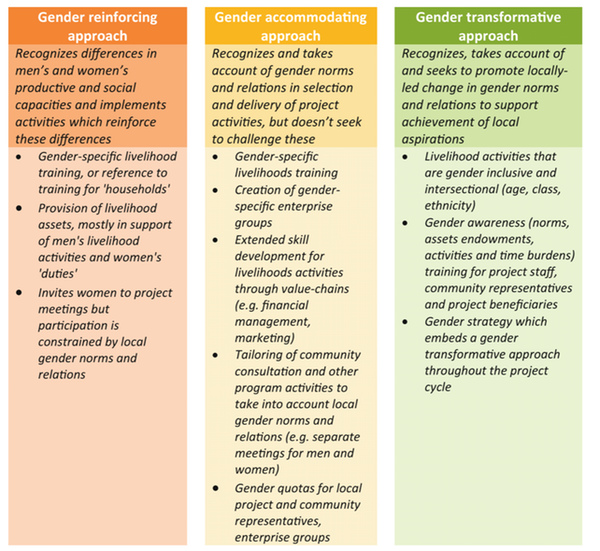
Summary of the characteristics of approaches to gender in development programs (based on Lawless et al. 2017), with examples of typical project activities drawn from our. study. Stacey et al (2019).
This process must be sensitively facilitated because it may confront traditional power hierarchies within communities. It also takes time, which must be factored into project cycles.
The use of gender-transformative approaches can improve the well-being of coastal communities by identifying and reducing barriers to equitable participation in social and economic life. This increases the ability of men and women to pursue enhanced or alternative livelihood opportunities.
Finally, recognising women’s contributions, building women’s confidence and giving women voice to participate in local community planning processes creates greater opportunities for issues of concern to women to be included in the development agenda.
Natasha Stacey is a Associate Professor, Research Institute for the Environment and Livelihoods, College of Engineering, IT and Environment, Charles Darwin University
Emily Gibson is a PhD Candidate, Research Institute for the Environment and Livelihoods, Charles Darwin University
THIS ARTICLE WAS ORIGINALLY PUBLISHED ON THE CONVERSATION
Turning Plastic Trash Into Cash in Haiti
Plastic Bank is a global network of micro-recycling markets that empower the poor to transcend poverty by cleaning the environment. Operating in Haiti, the Philippines, Indonesia and Brazil, it works like this…. Locals collect plastic trash, bring it to recycling centers where it is exchanged for cash.
Read More