
Renowned for scenic views, rock hyraxes and wildflowers, Cape Town is a dream hiking spot—here are two trails you need to trek.
Read MoreA Guide to Fishing Chile
How to Visit UNESCO’s 25 Newest Sites Responsibly
UNESCO unveiled 25 new World Heritage Sites in late July 2026, bringing global attention to lesser-known ecosystems and raising questions about the ethics of tourism.
Read MoreGlamping Gone Global: The World’s Top Sites
Take your next elevated camping trip international by exploring some of the top glamping destinations around the world.
Read MoreOuter Banks: Why Kiteboarders Loved it Long Before Netflix
Exploring the kiteboarding culture in North Carolina’s barrier islands
Read MoreInside the Vehicle: Botswana’s Wilderness Guides
Appreciate the world of field conservation, guiding and safaris through the lives of Botswana’s wilderness guides.
Read MoreStar Searching? Astrotourism is the Answer.
As humanity loses its view of the cosmos, a small island northeast of New Zealand stands as a rare refuge where community, culture and ecology keep the Milky Way alive.
Read More5 Water Adventures Worth Experiencing in Jamaica
Beyond its famous beaches and reggae heritage, Jamaica boasts a diverse mix of natural aquatic attractions.
Read MoreHiking Acatenango: A Guide to Guatemala’s Most Famous Volcano Trek
Tips and tricks for hiking Guatemala’s most famous hike; here’s what to know before hiking an active volcano.
Eager for a New Adventure? Try Cloud Hunting in Vietnam
Temperature inversions throughout Vietnam’s mountainous valleys have popularized this unique pastime, as tourists and locals alike venture into the sky in hopes of catching a sea of clouds beneath them.
A Guide to Backpacking the Grand Canyon’s Havasupai Reservation
A 4-day backpacking itinerary for experiencing the Havasupai Reservation’s natural wonders within the limited time on your permit.
Workaways on Irish Farms
Beyond Ireland's famous attractions, farm stays allow people to participate in work experiences that sustain rural communities and Irish culture.
Denmark’s Mons Klint: The Landscape That “Looks After Itself”
Salome Liptak
Only a short trip from Copenhagen, this UNESCO World Heritage Site offers an unparalleled glimpse into the 70-million-year-long saga of a unique ecosystem.
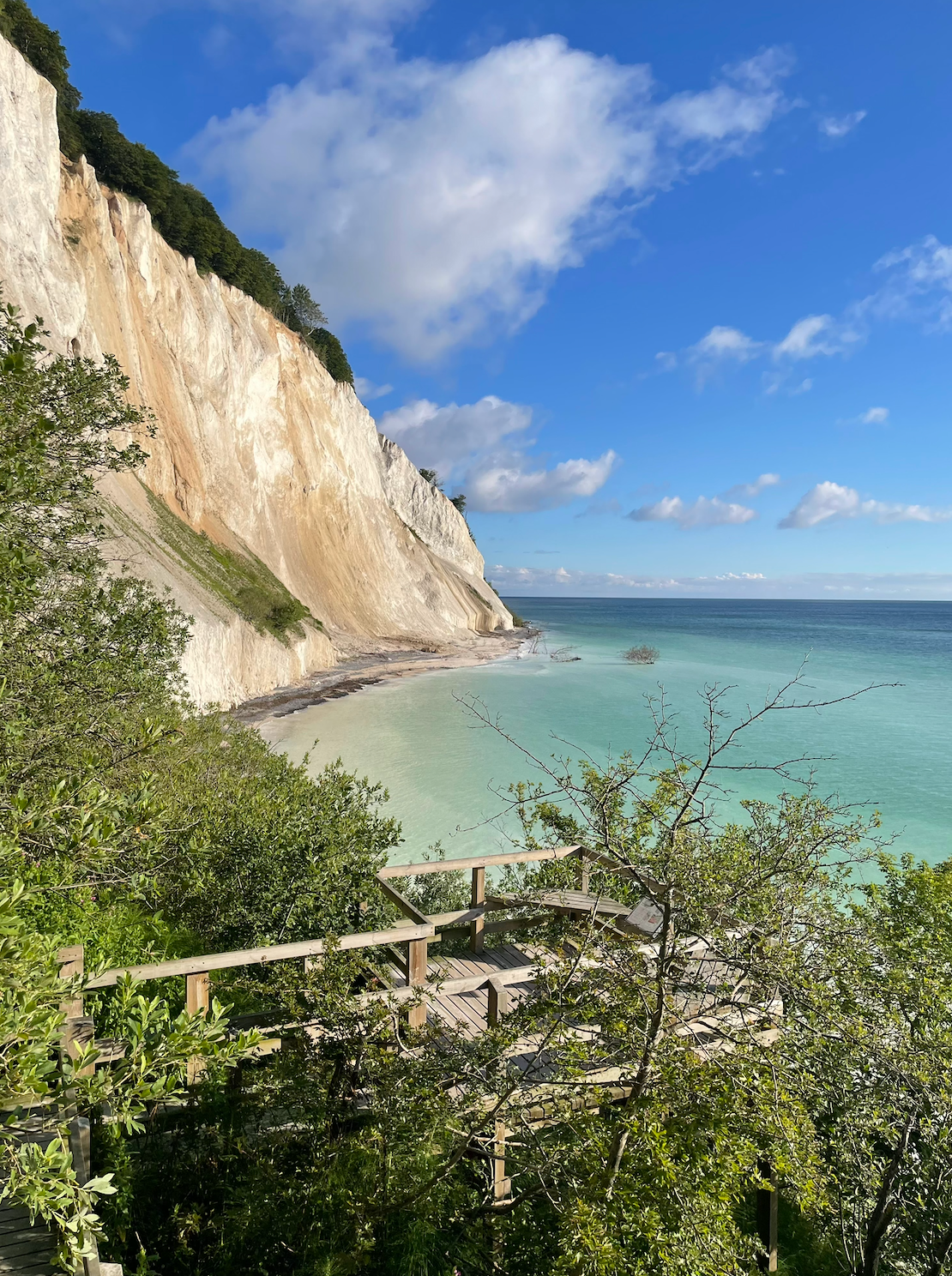
Chalk cliffs and the Baltic Sea. Salome Liptak.
On the eastern coast of Mon, a small island in Denmark, almost 4 miles of undulating chalk cliffs are a striking physical record of geological time. The cliffs, made up of 70-million-year-old seabed that was banked and compacted from the pressure of Ice Age glaciers, haven’t stopped changing since. Their soft chemical structure makes the cliffs “friable,” or easily eroded, which constantly exposes new layers of fossils. Because of this, the lapping waves of the Baltic have continued to sculpt the cliff face, and in turn, the cliffs’ minerals enrich the water close to the shore, giving it a distinct milky-turquoise color.
Alongside its historic cliffs, Mons Klint harbors a unique ecosystem. The area is the country’s sole habitat for the large blue butterfly, whose unique life cycle requires a specific diet of wild thyme and marjoram in the larval stage before it is found by a red stinging ant and carried back to its nest; after spending four seasons in the anthill, the butterfly finally pupates in July. The lime-rich soil of Mons Klint’s beech forests also makes it the perfect habitat for 18 out of 45 Danish species of orchid, many of which are particularly rare to find elsewhere in Denmark. Further, as an important roost for migratory birds, Mons Klint and its surrounding forests offer a rare glimpse into the rhythms of the more-than-human environment. In the words of The Danish Nature Agency, this is a forest that constantly adapts and “looks after itself.”
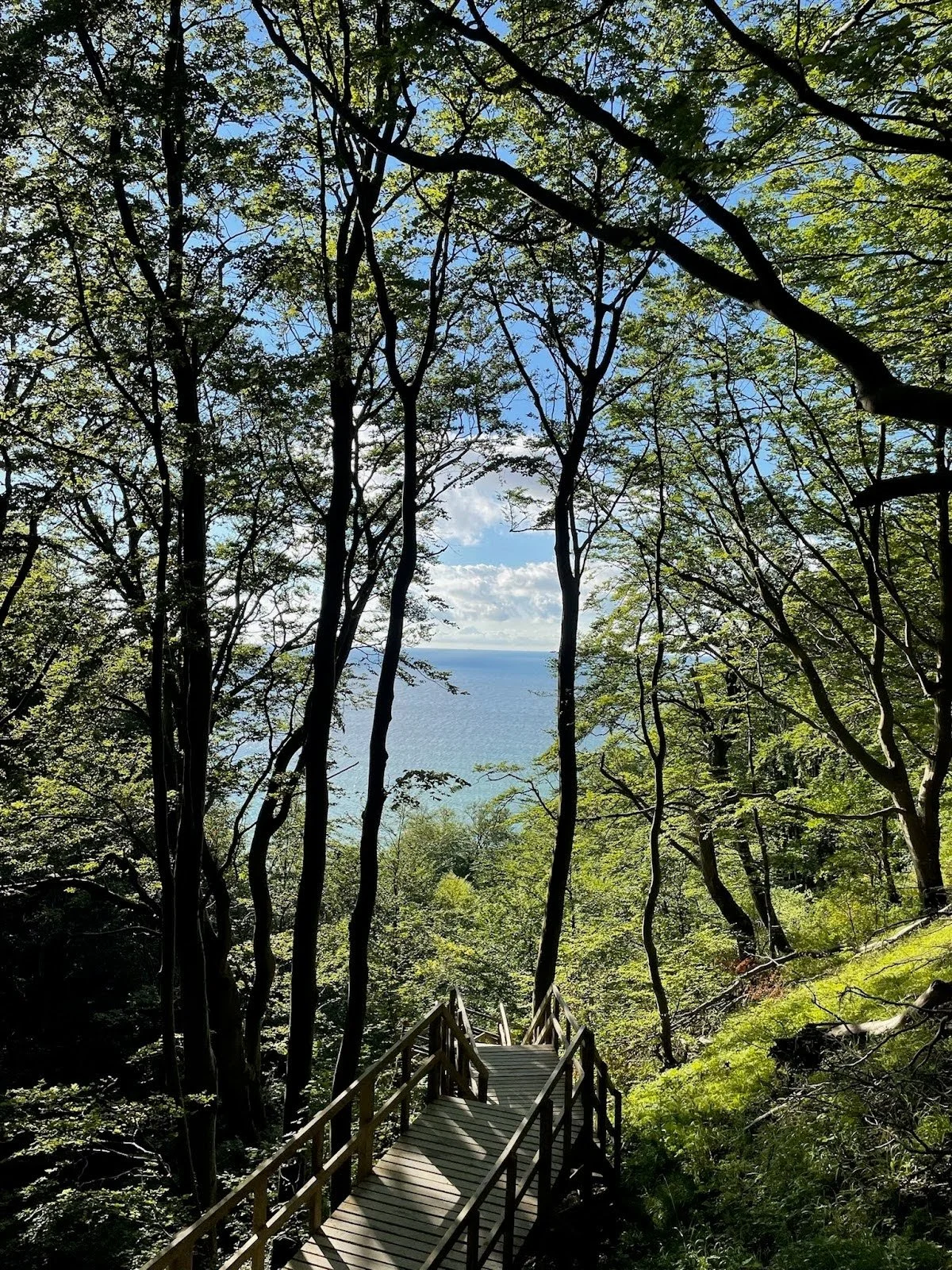
Stairs to the beach through the beech forest. Salome Liptak.
I first learned about Mons Klint when I was researching opportunities to get outdoors while interrailing in Europe. As trains mostly connect larger urban hubs, it can be hard to plan outdoor trips without renting a car. Thankfully, Mons Klint, as a popular destination for Danes, is accessible by public transport
Having since been added to the UNESCO World Heritage List in 2025, the site has also become a part of the island’s UNESCO biosphere reserve as well as Scandinavia’s first-ever Dark Sky Park. I was most excited to experience Mon’s extremely low light pollution levels, which make the Milky Way, Andromeda Galaxy, as well as comets and meteors visible to the naked eye at different times of year.
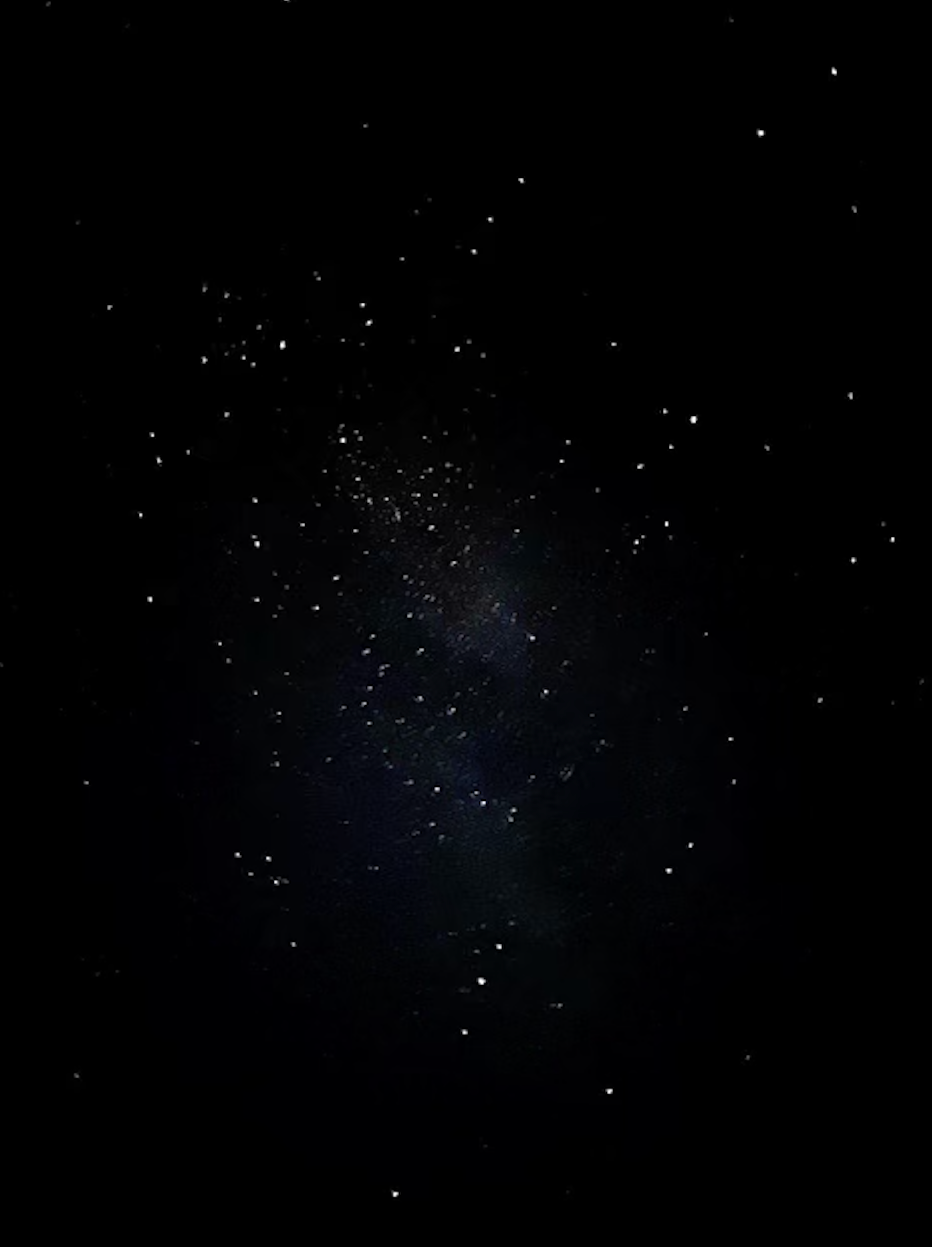
Milky Way. Salome Liptak.
Beyond stargazing, other outdoor activities, like hiking, fossil hunting, horseback riding, surfing and paddleboarding, are big draws for tourists. Guides for these activities in the park can be found on the Mons Klint GeoCenter website. It is most common to camp or stay in cabins and bed-and-breakfasts along the coast, with more budget-friendly options further inland. For international visitors travelling from Copenhagen, the nearby town of Borre is only two hours away by car or private bus and three to four hours on public transport routes, which can be mapped out online using Rejseplanen’s journey planner. If using public transport, the most direct route involves taking a Danske Statsbaner train to Vordingborg, then a bus to Mon’s biggest city, Stege. Here, a free bus will take tourists directly to the entrance of the 497 steps that lead to the base of the cliffs. It is also common to rent bikes from shops in Borre and Klintholm to ride into the park, as the wide, scenic roads along the coast and through Mon’s farmland make the ride an activity in its own right.
This being said, as more people discover the wonder of Mons Klint, it is of the utmost importance to protect the delicate ecosystem to which it is home. With rises in tourists, Mon locals have expressed concern for the wildlife, adopting the slogan “Don’t Mess with Mon” after incidents of tourists violating Leave No Trace principles, such as walking off marked trails or leaving trash behind. More information on Denmark’s specific ecological regulations and best practices is available through The Danish Nature Agency. The ever-changing landscape and ecological symbiosis that make up the wonder that is Mons Klint also make it sensitive to human interference. The geological drama that sculpted these cliffs is best enjoyed as a respectful observer, so it can continue to unfold for millions more years.
Salome Liptak
Salomé is a student at Sarah Lawrence College studying literature and writing. She is passionate about storytelling (both true and fictional) and its power to reflect the world as it is, or imagine what could be.
The National Park Underneath an Ohio Interstate
Cuyahoga Valley National Park tells a story of restoration, with its 53-year-long transformation from a place once known for a river so polluted it caught fire at least a dozen times to a green refuge in the urban Midwest.
Read MoreGet Lost in the Dazzling Southern Lights of the Aurora Australis
One of the most beautiful parts of living near either of the global poles are the auroras.
Read MoreWhat Ever Happened to Van Life?
The once-popular trend of living and working in a camper van is now declining amid negative media attention, stricter parking regulations and the widespread return to in-person work.
Read MoreDark Skies: The Best Places for Stargazing in the USA
While light pollution has long detracted from most Americans’ ability to see a full sky of stars, these locations are pioneering efforts to preserve an untouched dark sky.
Read MoreOvercommercialization Drives Ethical Dilemmas on Mount Everest
Summiting Mount Everest has long been the ultimate challenge for mountaineers, but rising death rates and visitor congestion have put a spotlight on its ethics.
Read MoreNorway’s Fjords: Culture and Legends of the Norse Coast
Preserved in the idyllic waters and lush landscapes of Norway’s fjords are the country’s Viking history and mythology, presenting travelers with unique cultural adventure opportunities.
Read MoreBikepacking 101: Everything You Need to Know About the Growing Trend
Distinct from bike touring, bikepacking emphasizes off-road adventure, minimalism and freedom of movement — the pursuit has grown enormously in popularity in recent years.
Read More