
Appreciate the world of field conservation, guiding and safaris through the lives of Botswana’s wilderness guides.
Read MoreThe Hidden Climate Cost of Namibia and Botswana’s Oil Refinery
Energy independence for southern Africa could boost local economies, but oil refinery aspirations hold a hidden cost, contributing to greater climate issues.
Read MoreVIDEO: Wild Botswana
Filmmaker Martin Harvey documents the wildlife in Botswana, capturing the beauty of Okavango Delta and the Makgadikgadi Pans. The Okavango Delta is a delta in Northwest Botswana teeming with endangered species of large mammals, including cheetahs, white rhinoceros, black rhinoceros, African wild dogs and lions. UNESCO World Heritage protects two million hectares of this pristine delta. Okavango is an important site of support for elephants, as Botswana has the largest elephant population in the world. The delta is also species-rich in terms of plant life, possessing over 1,000 plant species. The Makgadikgadi Pans lie south-east of the Okavango Delta. From February to March, zebras, oryx, wildebeests, impalas and springbok graze Makgadikgadi National Park. The national park has never been inhabited by humans and is rather remote.
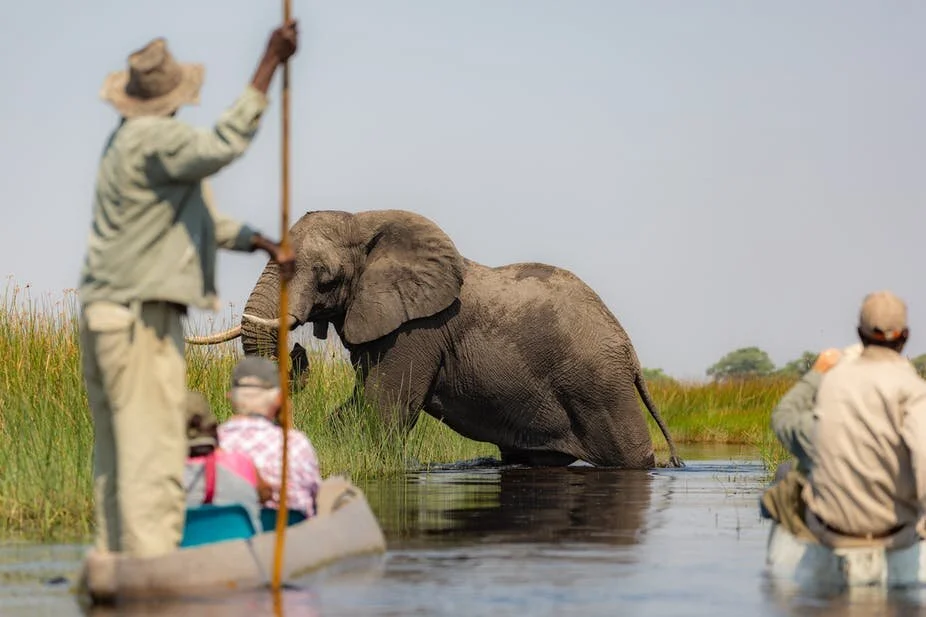
The Delta’s rich array of wildlife makes it a popular tourist destination. Ger Metselaar/Shutterstock
Botswana’s Okavango Delta is Created By a Delicate Balance, But For How Much Longer?
The Okavango Delta in northern Botswana is a mosaic of water paths, floodplains and arid islands. The delta sits in the Okavango river basin, which spans three African countries: Angola, Namibia and Botswana.
Because it’s an oasis, in a semi-arid area, it hosts a rich array of plants and attracts a huge variety of wildlife.
As a unique ecosystem, in 2014 it was placed on UNESCO’s World Heritage list and it is an iconic tourist destination, which generates 13% of Botswana’s GDP.
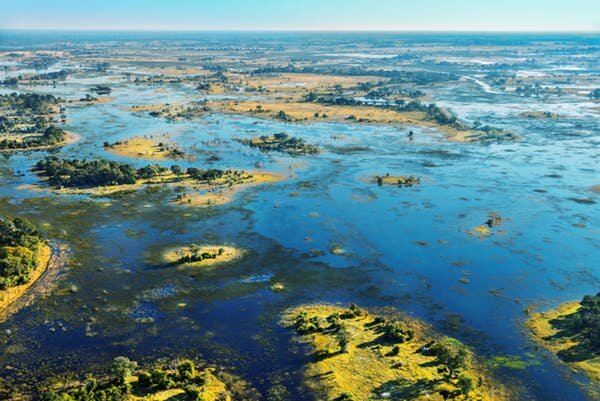
Aerial view of the Okavango Delta. Vadim Petrakov/Shutterstock
But it’s a fragile natural area. It’s controlled by deformations of the Earth’s crust over a long time (thousands to millions of years) and by annual water flows and evaporation. The size of the flooded delta from year to year varies between 3,500km² and 9,000km² because of weather fluctuations which control its water supply.
Any change to the processes that form the delta will have an impact on the wildlife and local economic activities. Its grassy floodplains are food for grazing animals in the dry period. Losses of this habitat will cause declines in wildlife and livestock. It’s therefore imperative to understand what creates and sustains the delta for the future management of the system.
We have conducted several studies that cover how the Okavango basin was formed and the way dissolved chemicals are withdrawn from the delta’s surface.
The dynamic history of the Okavango Delta’s waterways and floodplains tells us that the interplay between geology, water and plants makes the delta resilient, but vulnerable.
Some imminent changes are expected that are of concern. One is higher temperatures, which will boost evaporation and transpiration. Another is the pumping of water for irrigation in Namibia. Both of these changes will reduce the water needed to sustain the delta’s floodplains.
An oasis
The Okavango Delta is a generally flat area which is under constant change with phases of flooding and drying. A variety of geographical and natural processes have formed it and sustain it.
It’s in a depression which was created by fault lines cutting the Earth’s surface. This means water flows into it. The fault lines are created by the spread of the East African Rift – a major fracture, created over millions of years, which crosses the eastern part of Africa.
The origin of the islands in the delta is attributed to two mechanisms: the construction of termite mound spires; and formation of elevated ridges where former channels deposited sand. Both act as the starting point for vegetation to take root.
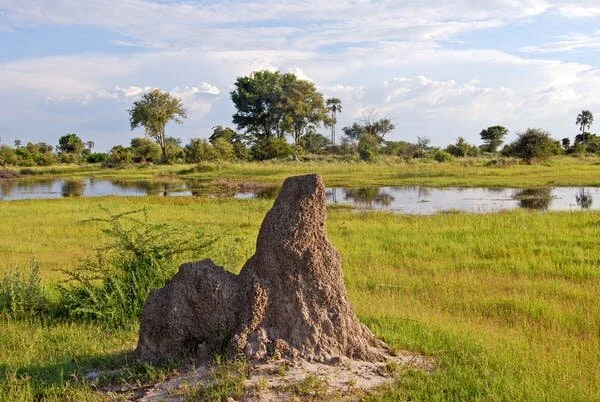
Termite mound in the delta. PIXEL to the PEOPLE/Shutterstock
The water supply comes from the Cubango and Cuito rivers in Angola. This reaches the delta between March and June and peaks in July. There’s also local rainfall in the Okavango area from November to February (about 450mm a year) which adds to this.
About 98% of the water that goes into the delta is eventually lost through evaporation and plant transpiration, when water moves through the plant and evaporates from leaves, stems and flowers.
Even though the subtropical sun generates intense evaporation, the delta’s water is fresh, not salty. This is surprising because water samples from the middle parts of the islands have very high chemical and salt concentrations. This chemical concentration occurs in thousands of islands.
The reason the water is fresh is that trees on the edges of the islands have created a barrier of natural filters between the inner part of the islands and the floodplain.
Possible changes
The Okavango Delta is continually being shaped by complex interactions of natural processes. If something happens to change the balance of these processes, it could destabilise the system.
The most important dynamic for the delta is inflowing water. The two main rivers in Angola, the Cubango and the Cuito, join to form the Okavango river, which feeds the delta. These two rivers are hydrologically quite different. The Cubango, to the west, first flows rapidly down steep, narrow paths characterised by incised valleys, rapids, waterfalls and valley swamps. The Cuito, to the east, with shallow valleys and large floodplains, gets its water from groundwater seepage.
The manipulation of these rivers – in the form of dams and irrigation – will affect the water flow and change its annual distribution. Both of these form part of current and future development planning in Angola and Namibia.
A decrease in water supply will affect the vegetation growth and the wildlife. An increase in water would inundate the islands and could dissolve the salts at the centre of them, releasing chemical elements that would change the water quality.
In addition to declines in water flow induced by global warming and human activities, ground deformation is also happening because of shifting continental plates. This could change the paths of the water flowing by changing the ground slopes. Measurements of ground deformation with Global Positioning Systems displays reveal very slight changes in local slopes that can modify the paths of the water flowing to the delta.
To sustain the Okavango Delta it’s imperative that management integrate all the components of the system. All governments are involved and must integrate scientific expertise, from upstream catchment to downstream Delta.
Michael Murray-Hudson is a Senior Research Fellow, Okavango Research Institute, University of Botswana
Olivier Dauteuil is a Directeur de Recherche au CNRS, Université Rennes 1
THIS ARTICLE WAS ORIGINALLY PUBLISHED ON THE CONVERSATION
Botswana
These footages were taken during a trip through Botswana in Africa. The videographer, Erwin Olmos, recalls it being “a tough trip, but at the same time a great experience.” Some places that are featured are Serowe Rhino reserve, Moremi National Park, Chobe River and Chobe National Park, Amazing Okavango Delta and many towns.
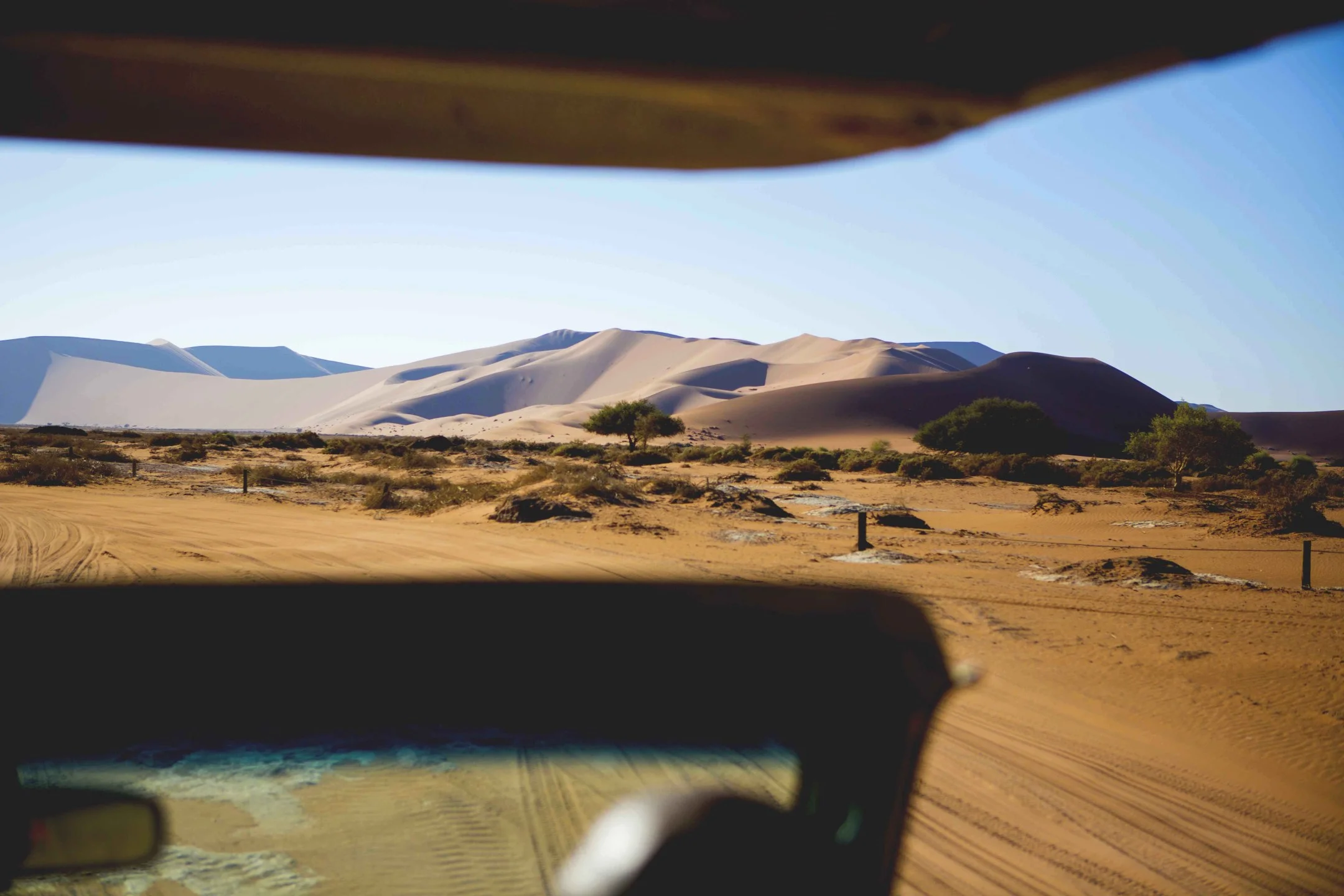
African Journals | Chronicles from the Road, Part One: Landscapes
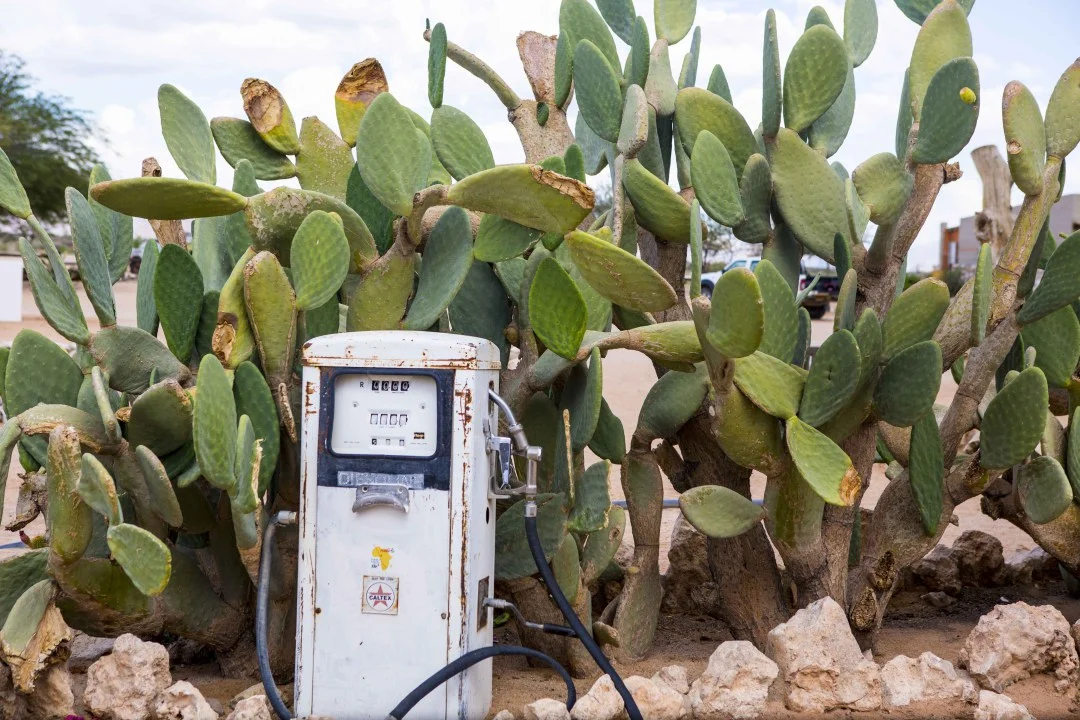
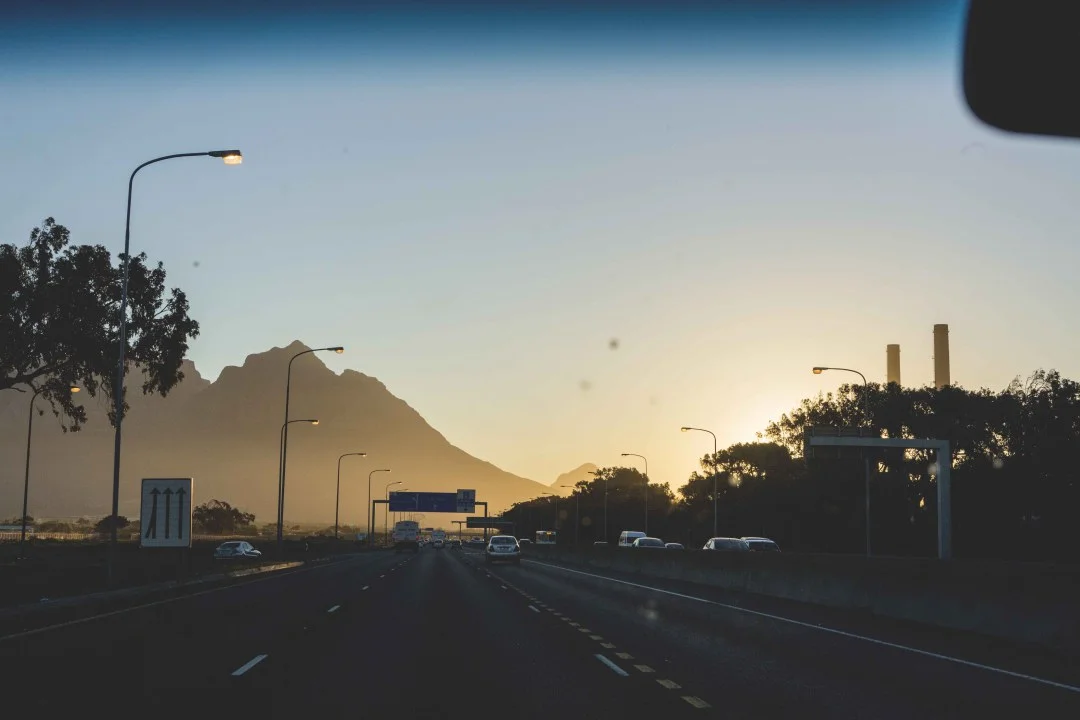
The road trip started in Cape town were we spent a month shooting a campaign for Fayrouz, a product by Heineken. From there we had no plan, but by meeting locals, listening to their stories and being open-minded about every adventure we came across, we ended up in Windhoek, Namibia with a 4×4 monster truck which we called Bowser (super Mario kart). The route formed by itself, in a natural way. We got invited to shoot photos for lodges, guesthouses and hotels in Otjiwarongo, Swakopmund, Walvisbay, Rietoog and then we continued on our way to Sossusvlei. There is a big German influence visible in the cities/villages, especially on the Skeleton Coast. You will find Bratwurst on the menu, for sure. Namibia was a German colony until 1904. The route from Walvisbay to Sossusvlei – the C14 – was insane, unforgettable. It is supposed to be a four hour journey, but it took us seven. After hours of sand and drought, something magical happens… You drive through this big mountain, and afterwards you’re suddenly driving through green and purple landscapes – so unreal, like you’ve arrived on the film set of The Lord of The Rings. All the way to the red dunes of Sossusvlei there is so much wildlife to see, and you only pass through one ‘village’ Solitaire. I say ‘village’, but it is really just a petrol station where you can eat apple pie with the few local people who live there. It is amazing. Sossusvlei is like the cherry on the cake; from 6am the colours are changing like the wind. Incredible.
Next stop: Victoria Falls. One of the Seven World Wonders. We arrived in Zimbabwe, but our accommodation was in Zambia (the Falls are on the border between the two countries). Zambia was such a surprise; rainforest, monkeys everywhere, snakes and the best local market – the Maramba Market – where you can meet local people, have fun, and drink cheap local beer, Mozi beer! You can easily spend a whole day at Billy’s Café, listening to stories, playing pool and enjoying local goods like cassava pate (pretty weird stuff to be honest). The music is loud and everyone will dance the day away.
From Zambia to Botswana involves taking a lot of different public transfers, ending up at the border where you take an Industrial-Truck-Ferry. Trucks wait in line – sometimes for more than two weeks! – as the ferry can only carry one truck at a time, with a bunch of people around it. In Botswana, the public bus trips were epic. From Kasane to Maun (18 hours), from Maun to Gaborone (14 hours) from Gaborone to Jo’burg (15 hours). It was the rainy season and a lot of roads where flooded.
Jo’burg was our last stop. This city made a deep deep impression on us. It was so electric, in a lot of ways. You feel the different layers of the city from the past, but you also feel new energies. There is a lot happening, the city with all her different areas is very dynamic and moving. It’s hard to explain the way we feel about this city, we would recommend everyone to go there, to experience it in your own way.
Showing respect and interest in local people is so important. We met interesting people everyday and it was a real honour to hear their voices, their stories and to have chats about the little things in life too. The city center is not the nicest place to go at the moment, but there are a lot of upcoming areas like Maboneng (meaning ‘Place of Light’), Melville, Braamfontein, Fox Precinct and Newtown.
This city brought us a lot, we were really inspired by the people, the vibe and also the deep history that this city is carrying. BBC describes how Johannesburg has changed from a ‘no-go to gotta-go’ – that says a lot. Things are changing, but like all important world changes, it takes time.
See you soon dear Africa, you are in our hearts.


THIS ARTICLE WAS ORIGINALLY PUBLISHED ON ROAM MAGAZINE.
MANOUK QUINT
Manouk Robina Quint is a 25 year-old photographer currently living in Amsterdam. She has loved creating stories for as long as she can remember. Manouk now has her own photography business; Hans en Grietje – donotsaycheese.com. Together with her soulmate, Hidde van der Linden, they began by capturing the party-life of Amsterdam in clubs, parties and festivals. Now the duo photograph food, interior, fashion, weddings, portraits and travel, also writing concepts and stories to create campaigns for brands.