
By Kathleen Shepard
Appreciate the world of field conservation, guiding and safaris through the lives of Botswana’s wilderness guides.
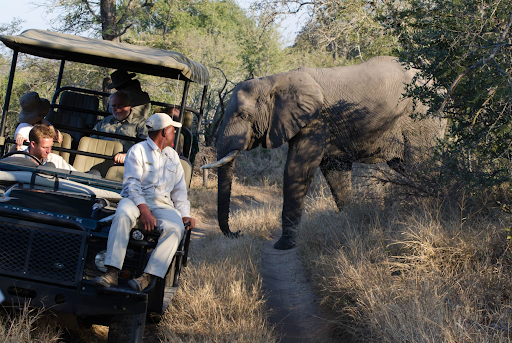
Close-up of a safari group. Loek Fernengel. Pexels.
After returning this July from my second trip to the Okavango Delta, I believe with absolute certainty that the knowledge, patience and experience of Botswana’s wilderness guides are unlike any others I’ve ever had the pleasure of traveling with.
By detailing the legacies, memories and experiences of some of these guides, it’s my hope to memorialize the tremendously talented men and women who guide “in the bush.” After all, their work is far from simple. A safari guide can make or break the safari experience, and the sacrifices they make both for their guests and their families are extraordinary.
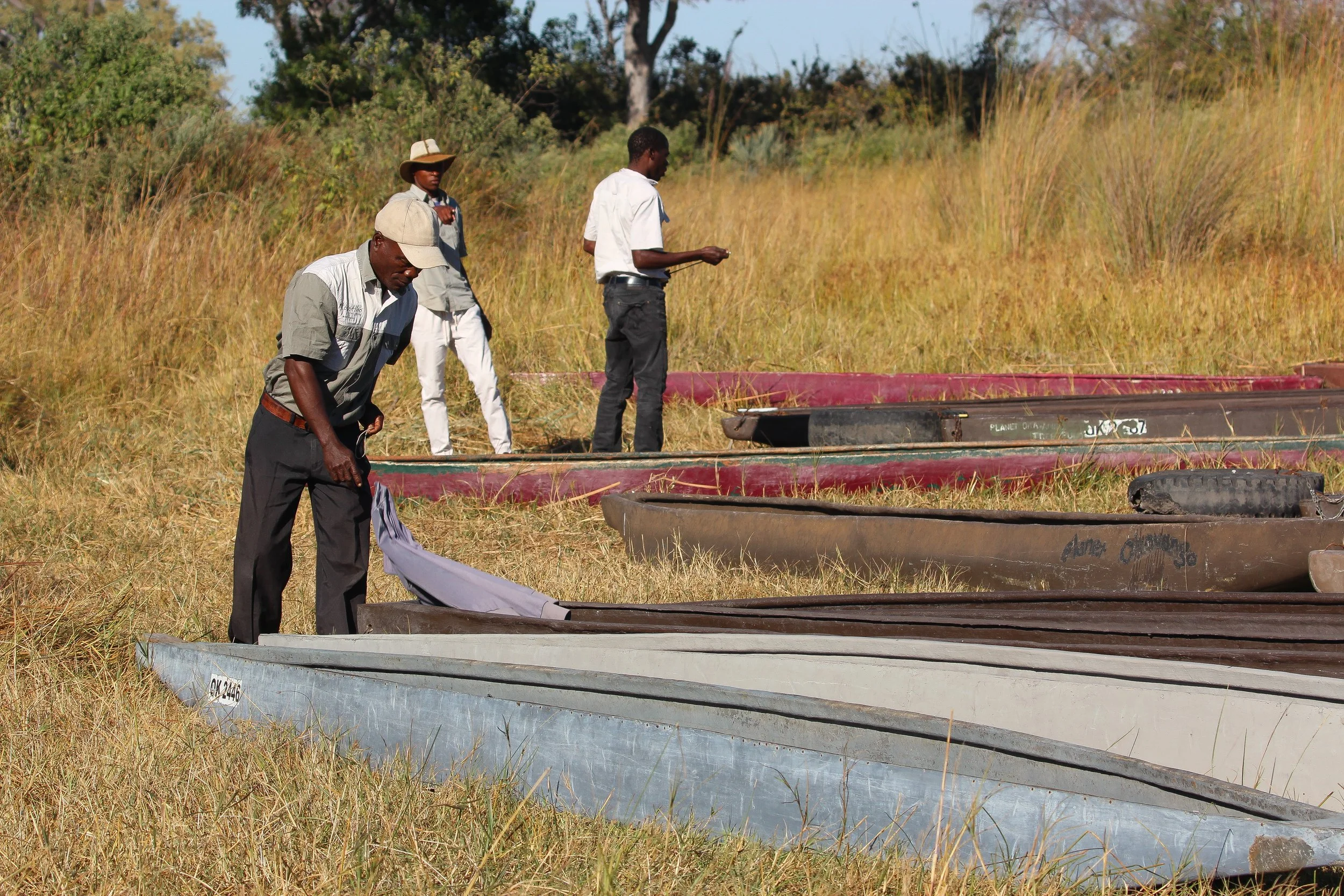
Getting the dugout canoes (mokoros) ready. Arthur Chapman. CC BY-NC 2.0.
But those details will come later. Now I must detail the obvious: what are wilderness guides, and why are they essential for visiting the Okavango Delta?
To start, most safari or conservation guides work under a safari company. Outfitted specifically for wilderness tours, these companies hire guides to drive guests into the Delta, track animals and lead photography tours. This July, I traveled with the Ker and Downey safari company, awarded by the World Travel Awards as “Africa’s Leading Destination Management Company 2025.”
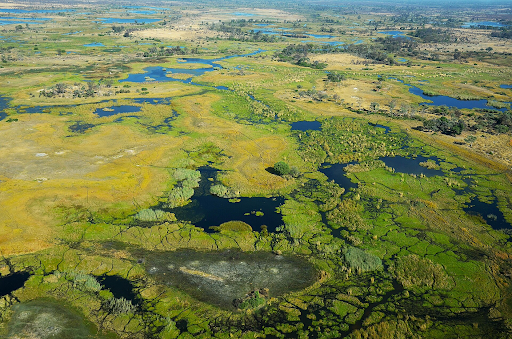
Overview of the Okavango Delta. Pavel Spindler. CC BY 3.0.
In the northern Okavango Delta, I stayed at Ker and Downey’s Shinde camp. In the southwestern Okavango Delta, I stayed at their Kanana camp. In the Kalahari Desert, I visited Ker and Downey’s Dinaka camp.
At each of these camps, I encountered several guides working for Ker and Downey. All of these individuals were from Botswana. Many were from the Delta specifically, working in and around Maun, the hub of Delta’s safari expeditions. Our main guide was from Matopi, a village in the northeast.
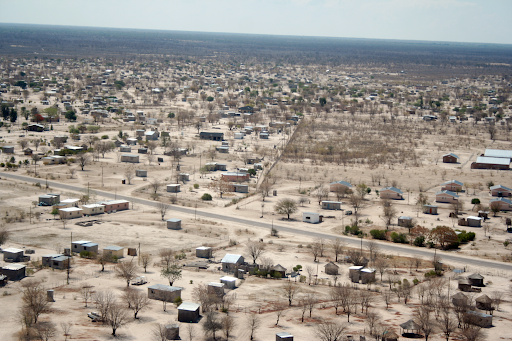
Aerial view of Maun, Botswana. Jonrawlinson. CC BY 2.0.
As “natural leaders in their field,” these guides are also incredibly knowledgeable. They are “wildlife experts, cultural aficionados, conservationists, survivalists, sportsmen, artists and raconteurs.” They’ve all passed rigorous certifications under the Botswana Qualifications Authority, qualifying them to drive vehicles, lead walking tours and operate rifles, among other skills.
One of the guides I danced with at Dinaka’s bonfire had been a guide for over 30 years. He’s one of the leading experts on rhino conservation in the Okavango Delta, and has won countless awards. The week before I arrived, he picked up and saved a baby white rhino from the mud.
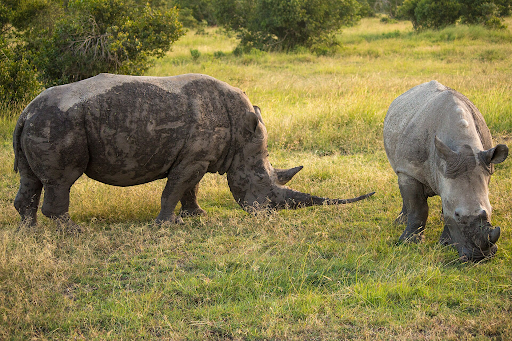
Southern white rhinos at Ol Pejeta Conservancy in Kenya. Ray in Manila. CC BY 2.0.
These guides know everything about the Delta. You’re unsure about what tracks are lining the dirt? Your guide tells you they’re porcupine quills. Can’t pick out that birdcall you heard at 3 a.m.? Your guide pulls up its picture in the bird book. Nervous about going on a walking safari? Your guide teaches you exactly how to safely step, stop and use hand signals.
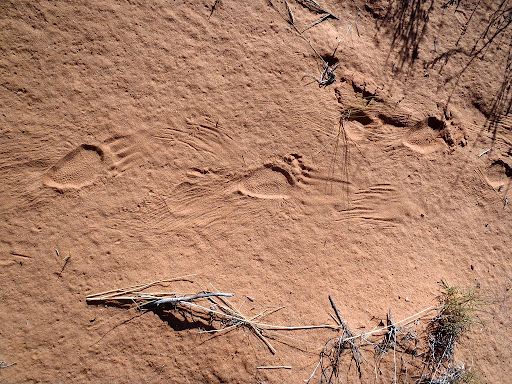
Porcupine tracks. Mia and Steve Mestdagh. CC BY-SA 2.0.
This training comes from years of schooling, yes. Our main guide has a degree in computer science and is currently earning a master’s degree in travel and agency business. It also comes from living within the Delta.
But most importantly, it comes from experience. The majority of guides work on a grueling schedule, three months on and one month off. Some specialized guides will only lead returning clients, while others travel across camps with clients. Either way, they spend long hours “in the bush.”
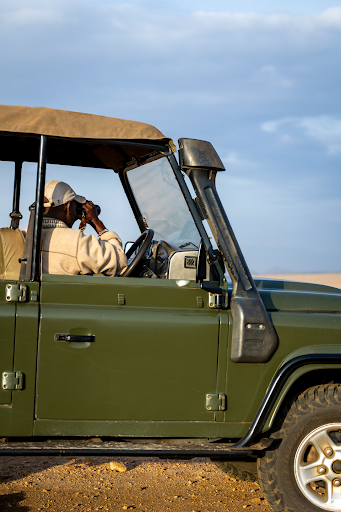
Guide inside a vehicle. World Travel Adventures. CC0.
There is, however, a question of pay. I do not know what the guides who helped me were paid. I did not feel it was appropriate to ask. However, according to Paylab, most guides’ pay is fairly minimal, earning somewhere between 3,054 Botswana pula, or $225, to 9,724 Botswana pula, or $715, each month. The gross national income per capita in Botswana is around $530 per month.
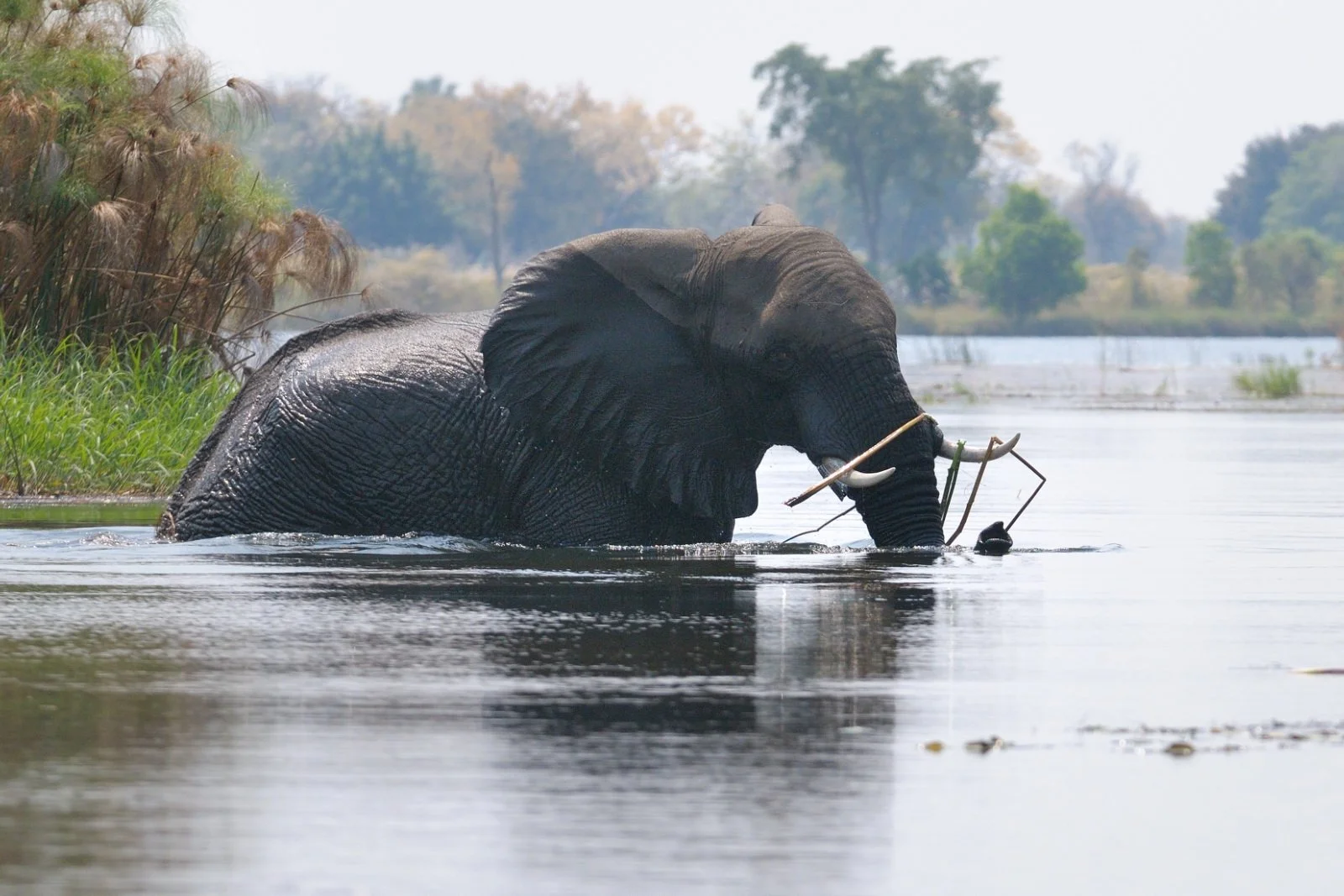
Elephant crossing a river in the Okavango Delta. George Lamson. CC BY-NC-SA 2.0.
They receive food and accommodations while working at the camps, and they receive gratuities. Generally, travel companies and blogs like Expert Africa recommend tipping $10 to $20 per guest per day for a group guide and $20 to $40 per guest per day for a private guide. It’s difficult to pinpoint.
Some guides also run their own guiding businesses. Our main guide runs his own travel and sustainable tourism business, African Quest Safaris.
In fact, traveling sustainably is one of the core principles these guides promote. They teach their guests how to celebrate the environment. We learn not to interfere with animals’ paths, how far is a respectful distance to stand and about anti-poaching measures.
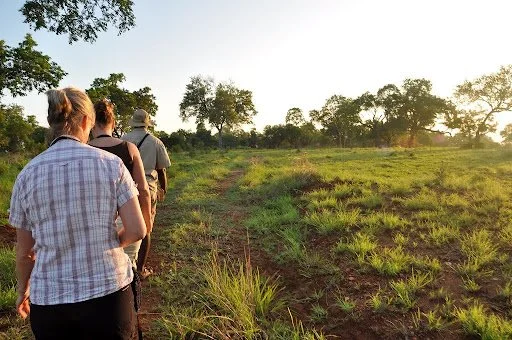
Walking the green hills of Africa. Kevin Harber. CC BY-NC-ND 2.0.
One of the walks my family and I experienced included a lesson with the San guides, a group of Indigenous people of southern Africa. Estimated to have lived there for over 30,000 years, these guides also collaborate with the safari camps as guides and trackers. At Kanana camp, they taught us different ways to survive in the Delta as well as how to maintain the beautiful places we were walking in.
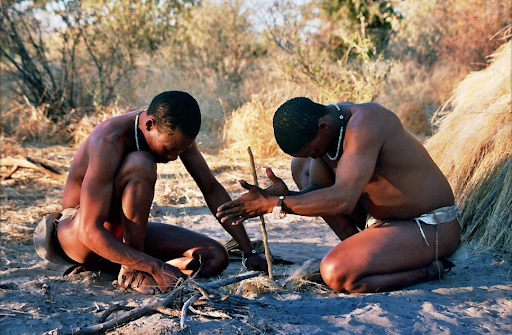
San people in Deception Valley, Botswana. Ian Sewell. CC BY-SA 2.5.
Botswana’s Okavango Delta is over 22,000 square kilometers in the wet season. Botswana is also home to the Central Kalahari Game Reserve. The Okavango Delta was labeled as a UNESCO World Heritage Site in 2014. A major draw to the Delta is tourism, particularly safaris. So the guides’ work promoting environmental respect and coexistence is vital.
They’ve taught me and countless other guests how to respect and love nature both inside and outside our own backyards. They highlight the beauty in everything, and they represent one of the greatest reasons why I’ll be visiting the Delta again.
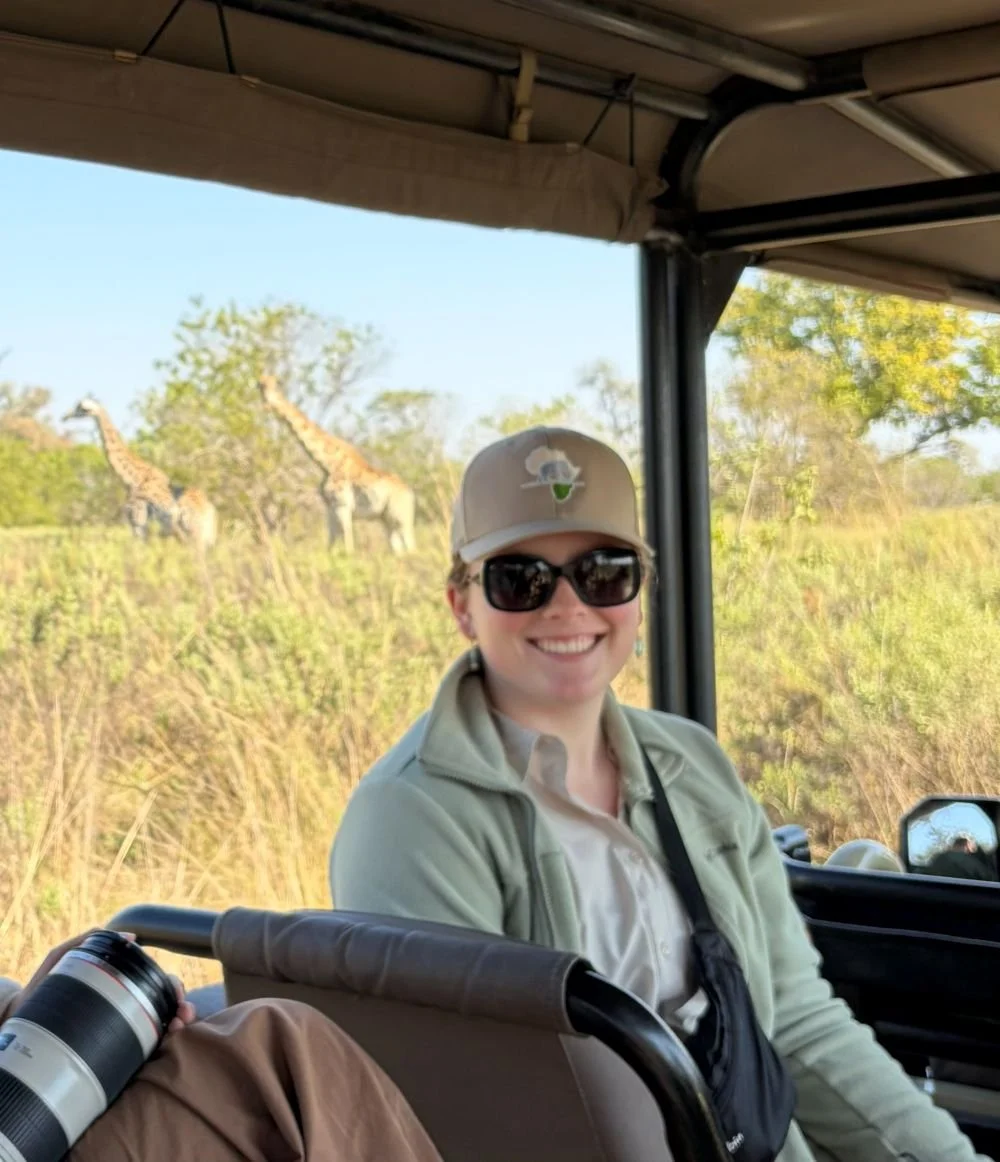
Kathleen Shepard
An English and Art History Major at Boston College, Katie loves all things writing, culture, and travel. When not canyoneering across the Swiss Alps, snorkeling in the Galápagos, or photographing wildlife throughout Botswana, you’ll find her documenting about it in her latest story. She believes that every place is uniquely, wonderfully beautiful, and she’s grateful to be a travel and social action writer for CATALYST PLANET. Whether it be promoting a new trail or advocating for what matters, she hopes to continue making her words count!