
By Kathleen Shepard
Renowned for scenic views, rock hyraxes and wildflowers, Cape Town is a dream hiking spot—here are two trails you need to trek.
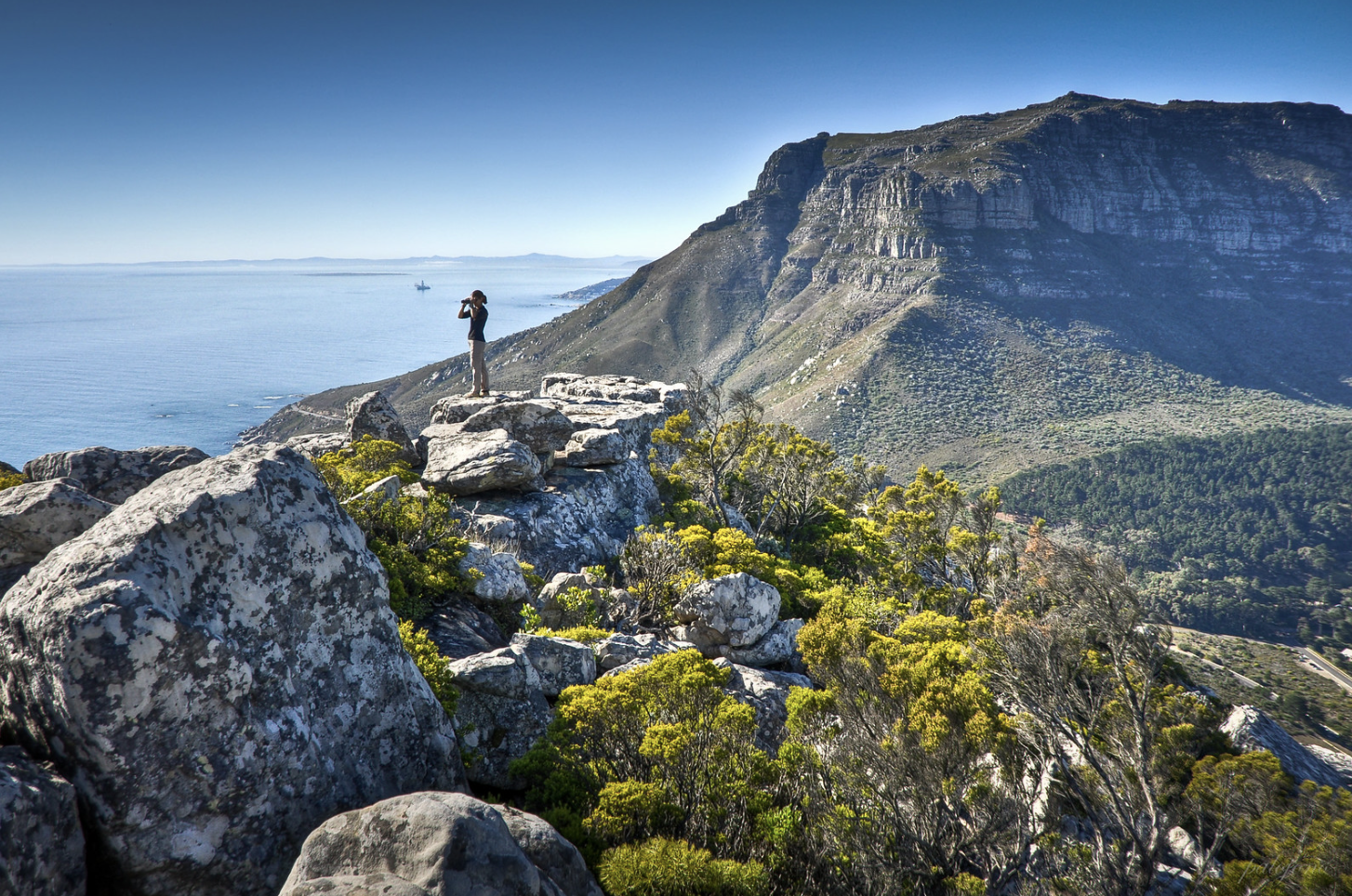
Little Lion’s Head Hike, South Africa. Jono Hey. CC BY-NC-SA 2.0.
With over 295 trails, Cape Town, South Africa, is the spot for hiking. It was one of the many reasons why I visited there in June 2023. However, choosing between so many paths can be daunting. So here’s a guide to two of Cape Town’s most famous locations, and my favorite hikes of all time, that visitors should make the trek for.
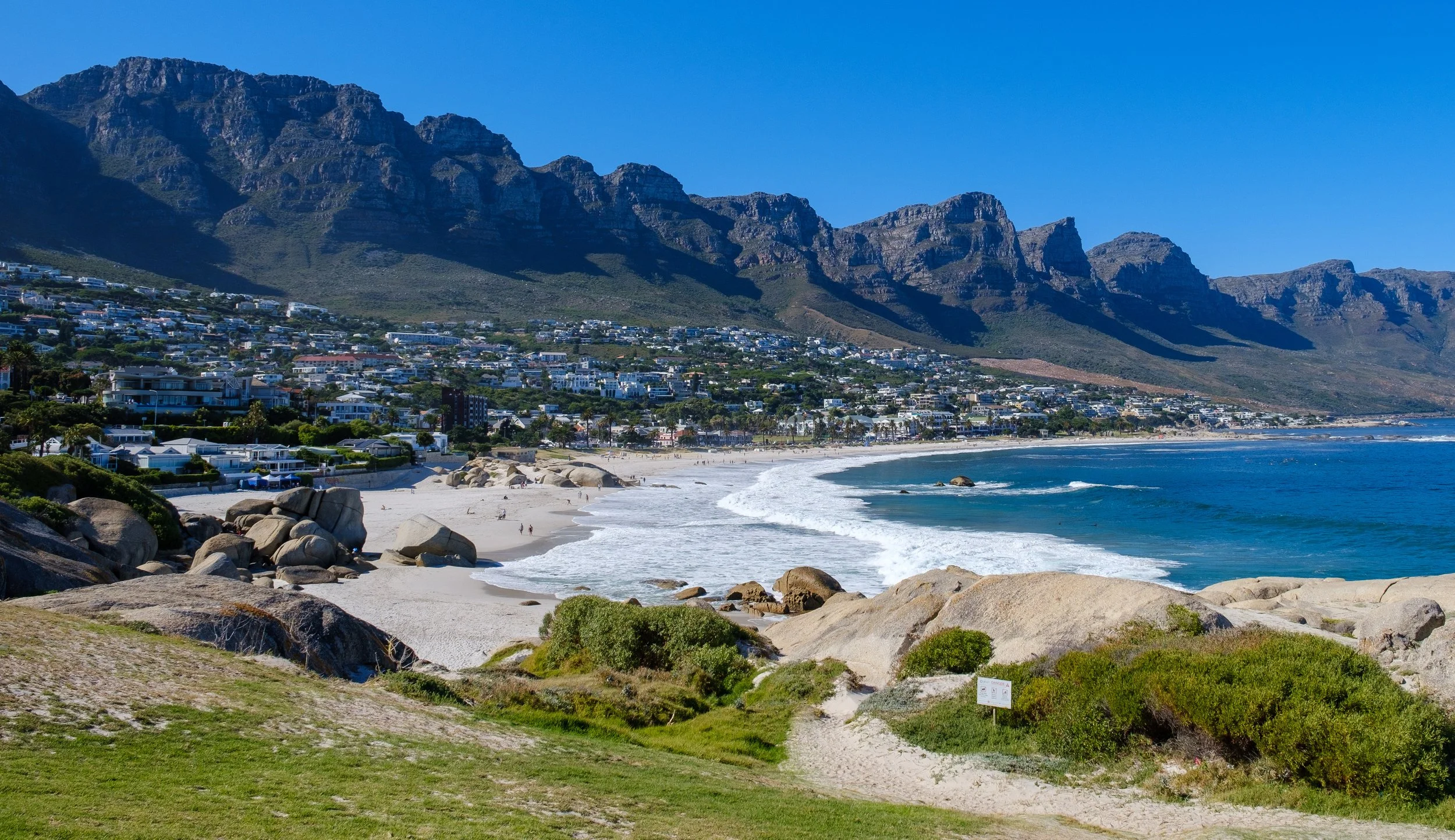
Cape Town. Der Berzerker. CC BY-SA 2.0.
One of the most popular and manageable hikes is Lion’s Head. Stretching about two hours to the summit and back, Lion’s Head showcases fantastic views of Cape Town’s city center and the expansive Atlantic Ocean. The start of the trail is also easily accessible, with many visitors opting to rideshare right up to the path.
The route itself is steep but manageable, reaching a summit about 2,195 feet above sea level. The beginning of the trail is smooth and broad, with a wide enough path for multiple people to walk at once.
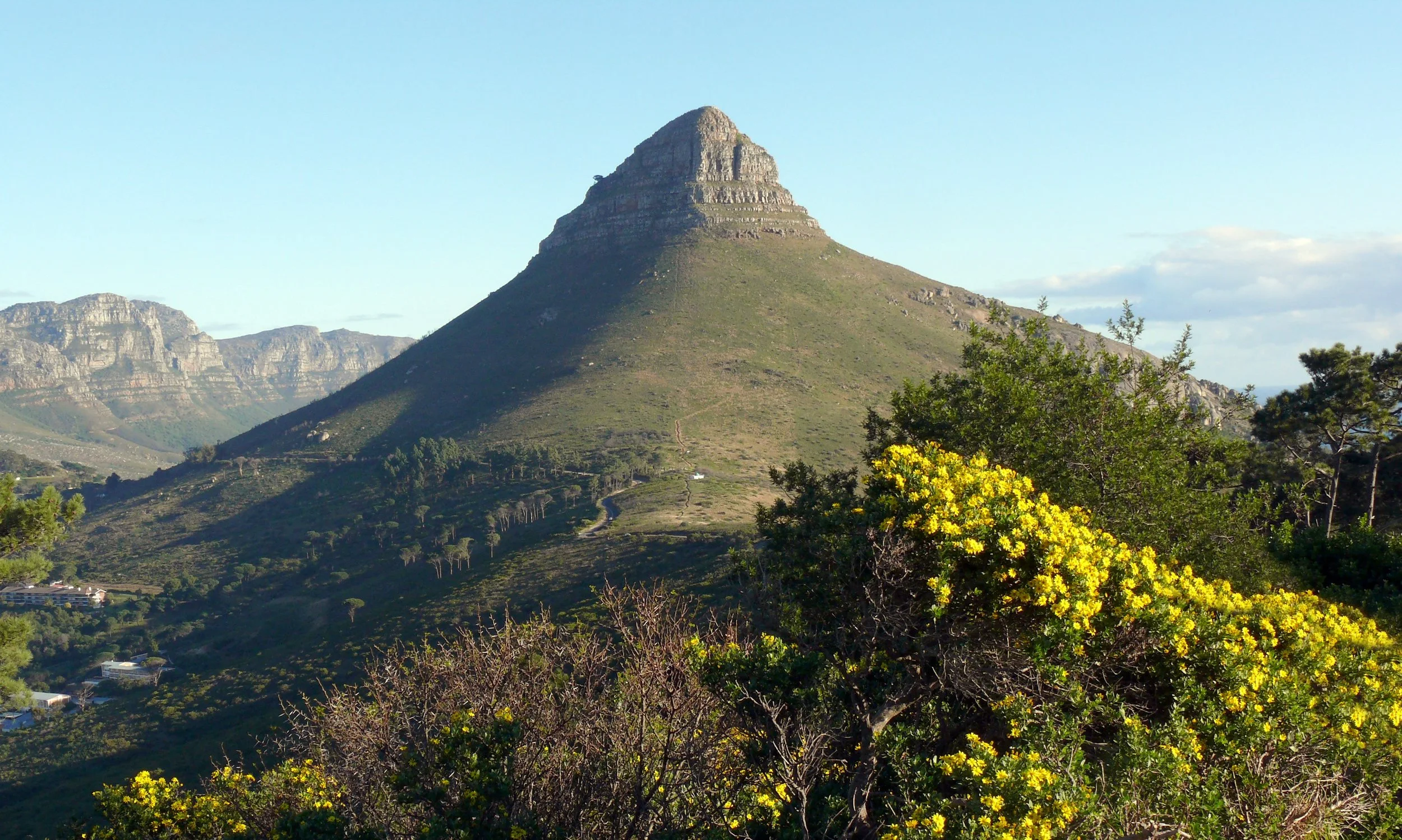
Lion’s Head viewed from Signal Hill. Hilton Teper. CC BY-SA 3.0.
Over 3.4 miles there and back, hikers also have flexibility. The biggest decision lies around the 30-minute mark: a fork in the road.
One direction is for advanced hikers, and the other is for beginners or people with a fear of heights.
On the advanced side, you’ll continue climbing alongside ropes and chains hammered into the cliff’s face, ensuring you stay secure when climbing over the bigger boulders.
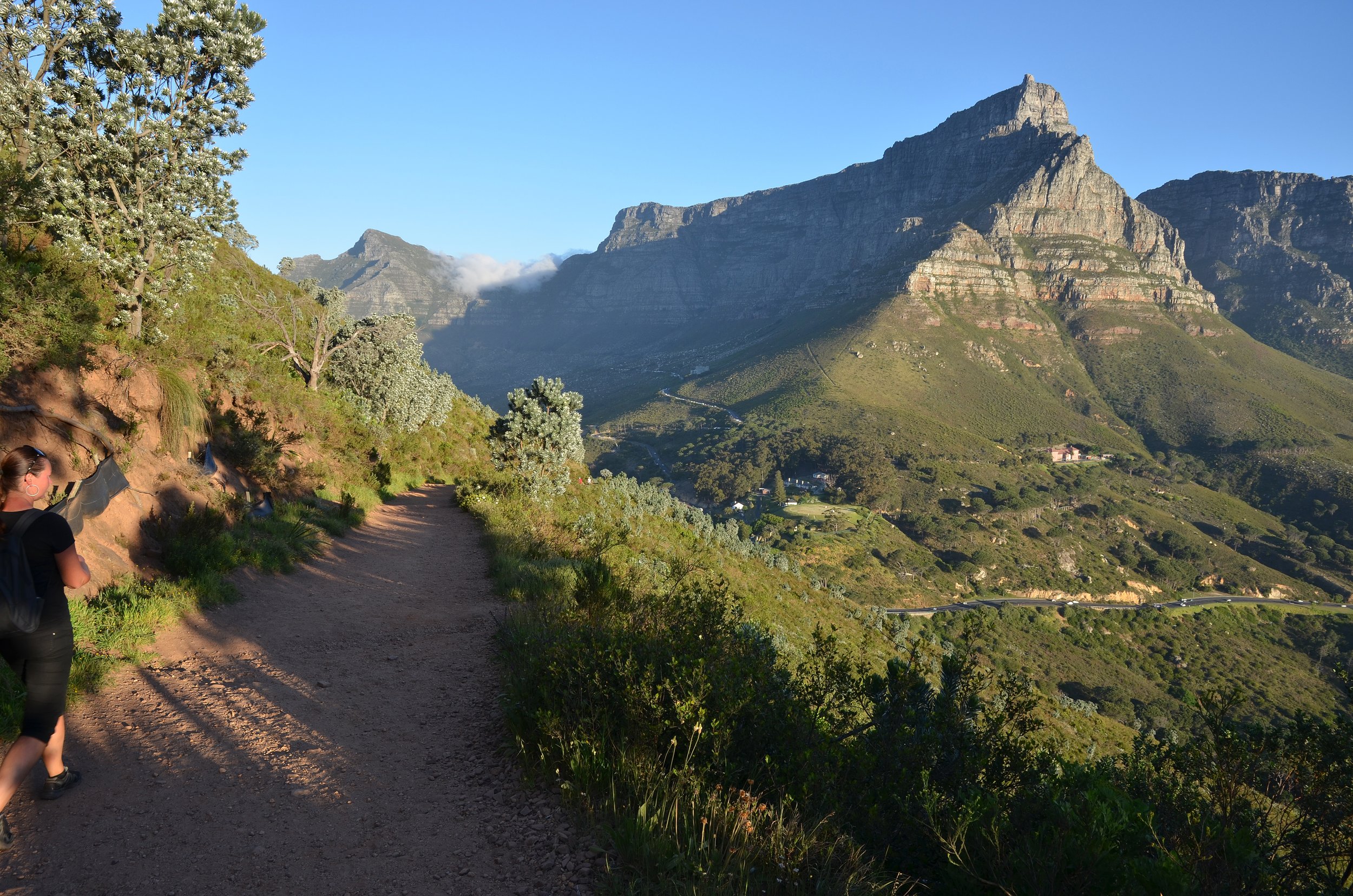
On the way from Lion’s Head. Pavel Spindler. CC BY 3.0.
There is also a six-foot ladder to ascend to the summit. Constructed from steel spikes driven into the side of the cliff-face, hikers cannot continue from that point forward without climbing it. This is why I suggested any height-phobic individuals sit this one out.
This path is always for advanced hikers because it requires caution. A handful of accidents occur on Lion’s Head each year, so it’s best to follow the directions of your guide if you have one, use the chains and only step on the indicated pathways.
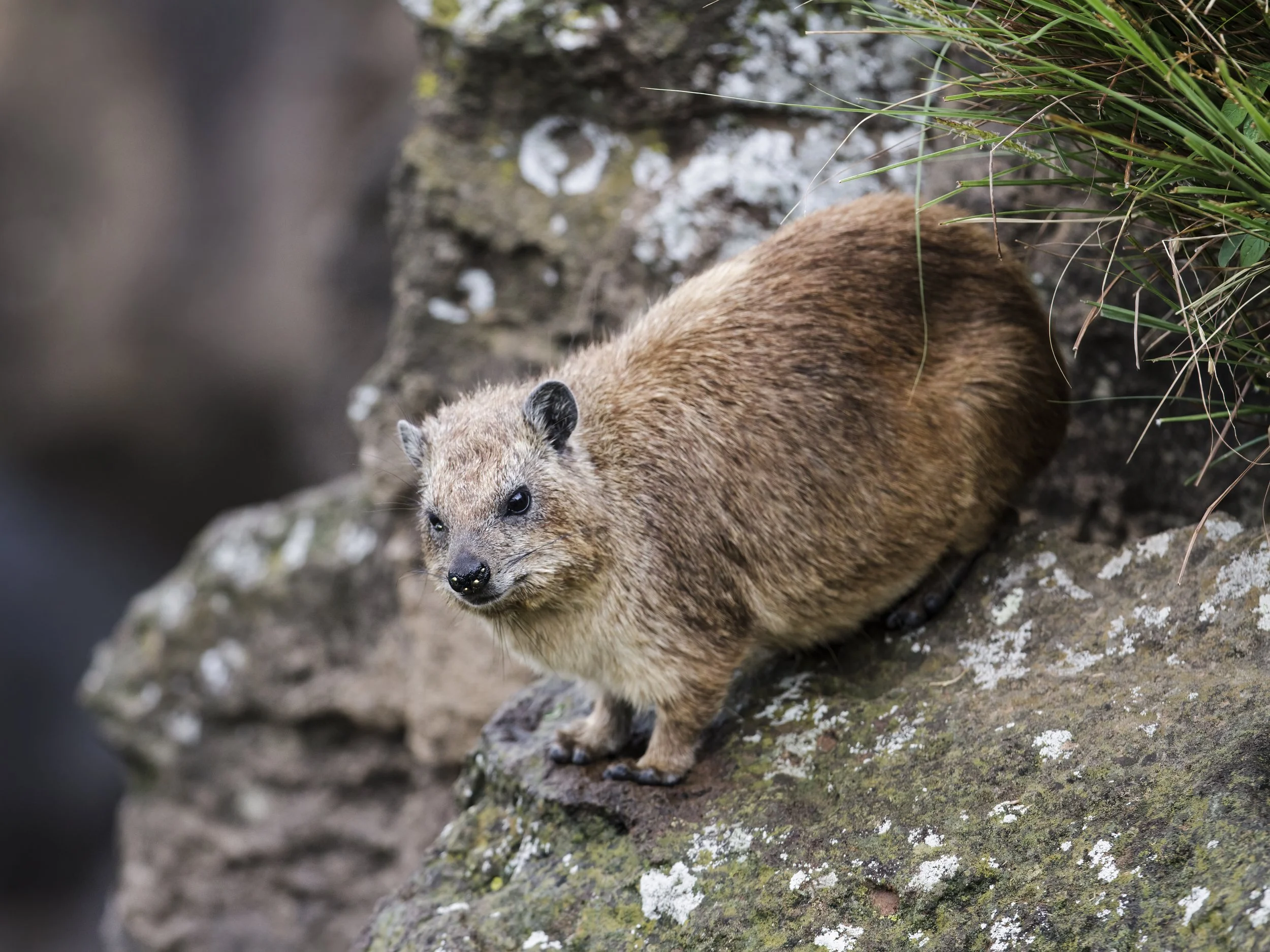
Rock Hyrax. Nick Athanas. CC BY-NC-SA 2.0.
At the higher rocks, you’ll also encounter a small mammal species called the rock hyrax. Scattered throughout the boulders, these little animals are the perfect hiking companions, especially when the going gets tough.
On the other side, the easier “fork” leads to the broader path once more. You won’t summit the peak, but you’ll still be navigating over loose gravel and stones. Either way, the views are excellent.

Cape Town from Lion’s Head in the Winter. Jbdodane. CC BY-NC 2.0.
The last thing to look out for is the sun. There are no trees along the trail, nor shade for hikers to rest. So, individuals must be wary of sunburn and heat exhaustion, especially when Cape Town’s winter months get up to the high 70s and low 80s F in the afternoon. That’s why taking a guided tour around sunset or starting the hike at 8 am is advised.

Morning Hike Up Lion’s Head. Daniel Manners. CC BY-2.0.
Lastly, hikers must watch out for the opposite issue: the dark. Many hikers visit Lion’s Head around sunset. But that means the trek back down the trail will be in almost complete darkness. So preparedness is key. Always pack flashlights. You wouldn’t want to roll an ankle on the loose gravel.

Lion’s Head, Cape Town. Just Booked A Trip. CC BY 2.0.
If you’re looking for a more advanced hike, look no further than Table Mountain. Part of Table Mountain National Park, Table Mountain, alongside the Twelve Apostles Mountain range, towers over Cape Town and Table Bay. Standing just over 3,500 feet high and stretching two miles across, this flat-topped spectacle is one of the premier sightseeing opportunities in South Africa.
One of the most popular ways to sightsee is to hike it all the way to the top.
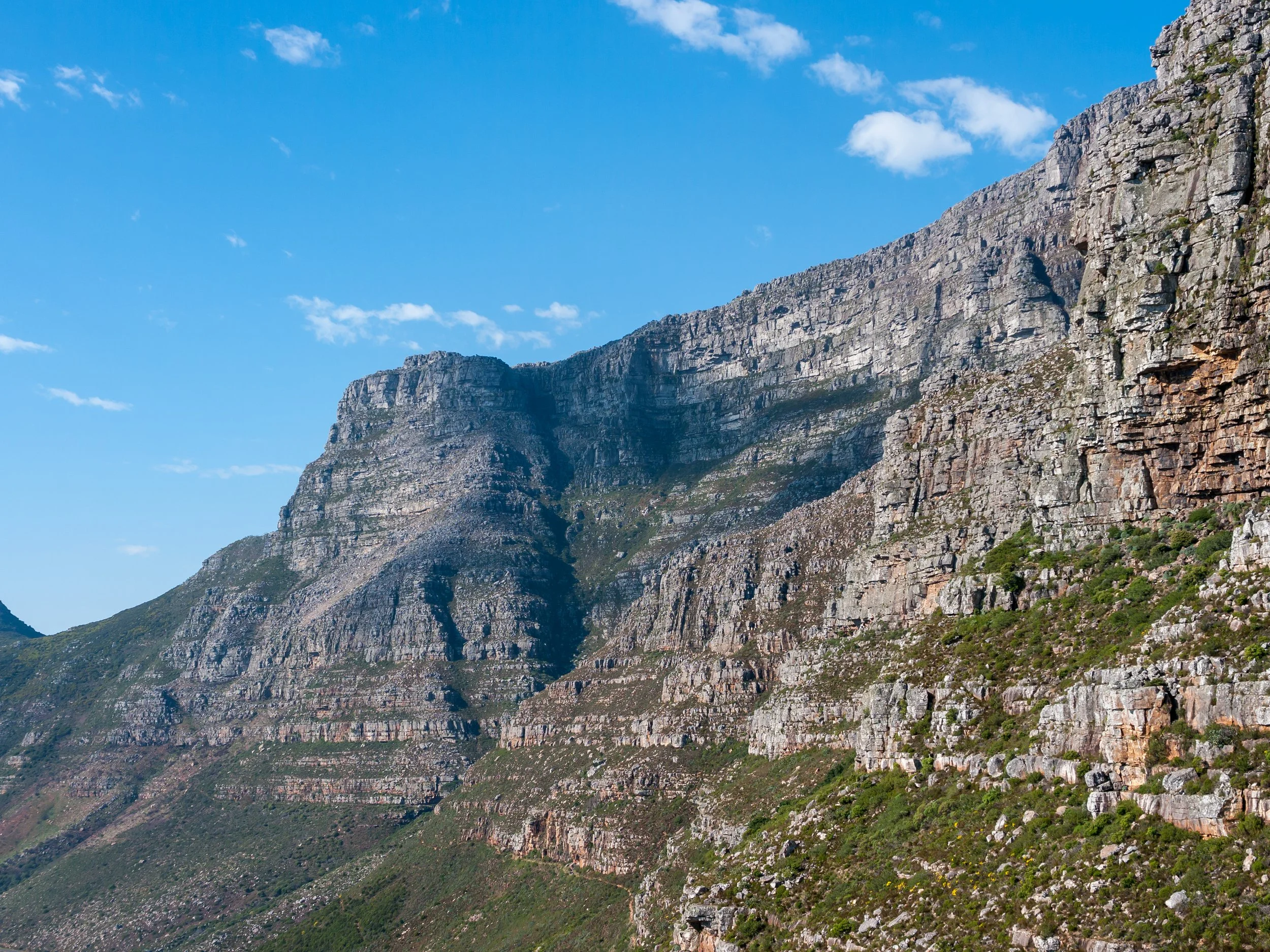
Table Mountain, Cape Town. Matti Blume. CC BY-SA 4.0.
This two- to three-hour hike is an extensive trek, designed for advanced hikers only. If that’s not you, Table Mountain also provides an aerial cableway up.
After taking the MyCiti Bus or some other form of E-hailing transport, hikers will disembark on the Camps Bay side of the mountain. Or, they may enter the trails through the Kirstenbosch National Botanical Garden. There are many starting points, with over 350 trails across the range to choose from.
The main area to ascend, however, is quite structured. The path acts like a staircase of steps, cut and shaped to fit one hiker at a time. To get to the top, you walk in single file all the way up.
Due to the ascent being entirely uphill, it’s recommended to come prepared. Aim to ascend the mountain before the heat of the day, usually beginning around 8 am or after sunset, and wear plenty of sun protection. Like Lion’s Head, there is little to no shade.
Also, it’s recommended to bring two liters of water with you. However, most travelers report one being enough. Once at the top, a restaurant also welcomes visitors to drink and refuel.
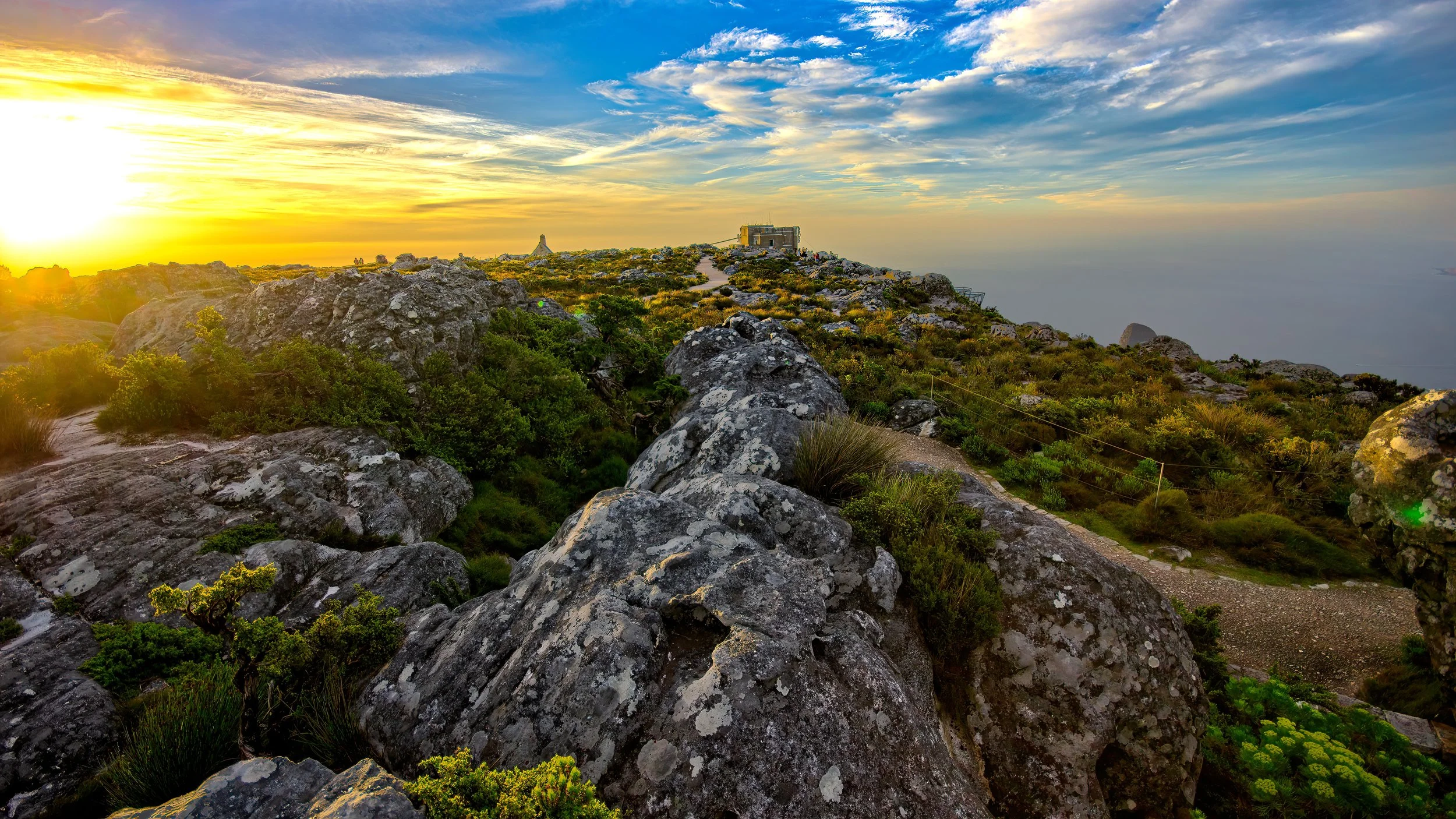
Table Mountain, Cape Town. Gilbert Sopakuwa. CC BY-NC-ND 2.0.
Named one of the “New Seven Wonders of Nature” in 2011, the hike to Table Mountain also provides much to see along the way.
Thousands of wildflowers cover the rock faces, the most famous of which is a red flower called the “red disa” or the “pride of Table Mountain.” These little pops of color illuminate the mountain’s surface, creating exceptional pictures both at sunrise and sunset.

Red Disa. Donald Hobern. CC BY 2.0.
Surprisingly enough, Table Mountain even has more plant species than all of Great Britain.
But the fun is not limited to flowers. While climbing, you might also catch glimpses of baboons, wild goats, hyraxes and mongooses. The important rule is not to touch them.
Finally, once at the top, hikers can take in the panoramic views of Cape Town’s urban center, Camps Bay and even the top of Lion’s Head.
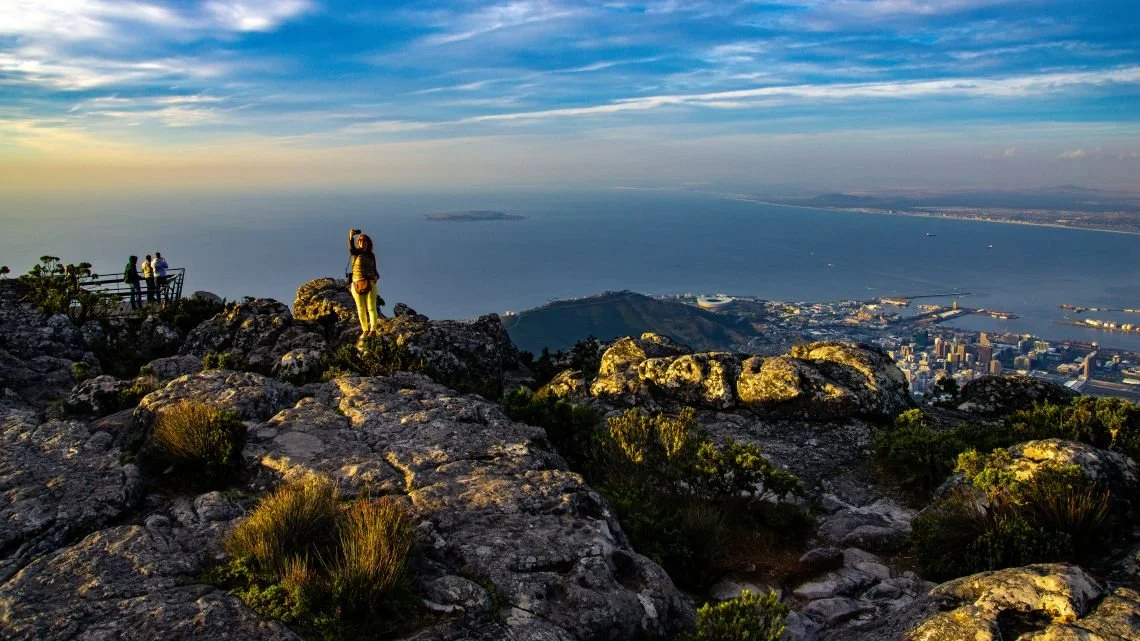
Table Mountain View, Western Cape. Gilbert Sopakuwa. CC BY-NC-ND 2.0.
The pictures speak for themselves. When in Cape Town, take the hike.

Kathleen Shepard
An English and Art History Major at Boston College, Katie loves all things writing, culture, and travel. When not canyoneering across the Swiss Alps, snorkeling in the Galápagos, or photographing wildlife throughout Botswana, you’ll find her documenting about it in her latest story. She believes that every place is uniquely, wonderfully beautiful, and she’s grateful to be a travel and social action writer for CATALYST PLANET. Whether it be promoting a new trail or advocating for what matters, she hopes to continue making her words count!