
Renowned for scenic views, rock hyraxes and wildflowers, Cape Town is a dream hiking spot—here are two trails you need to trek.
Read More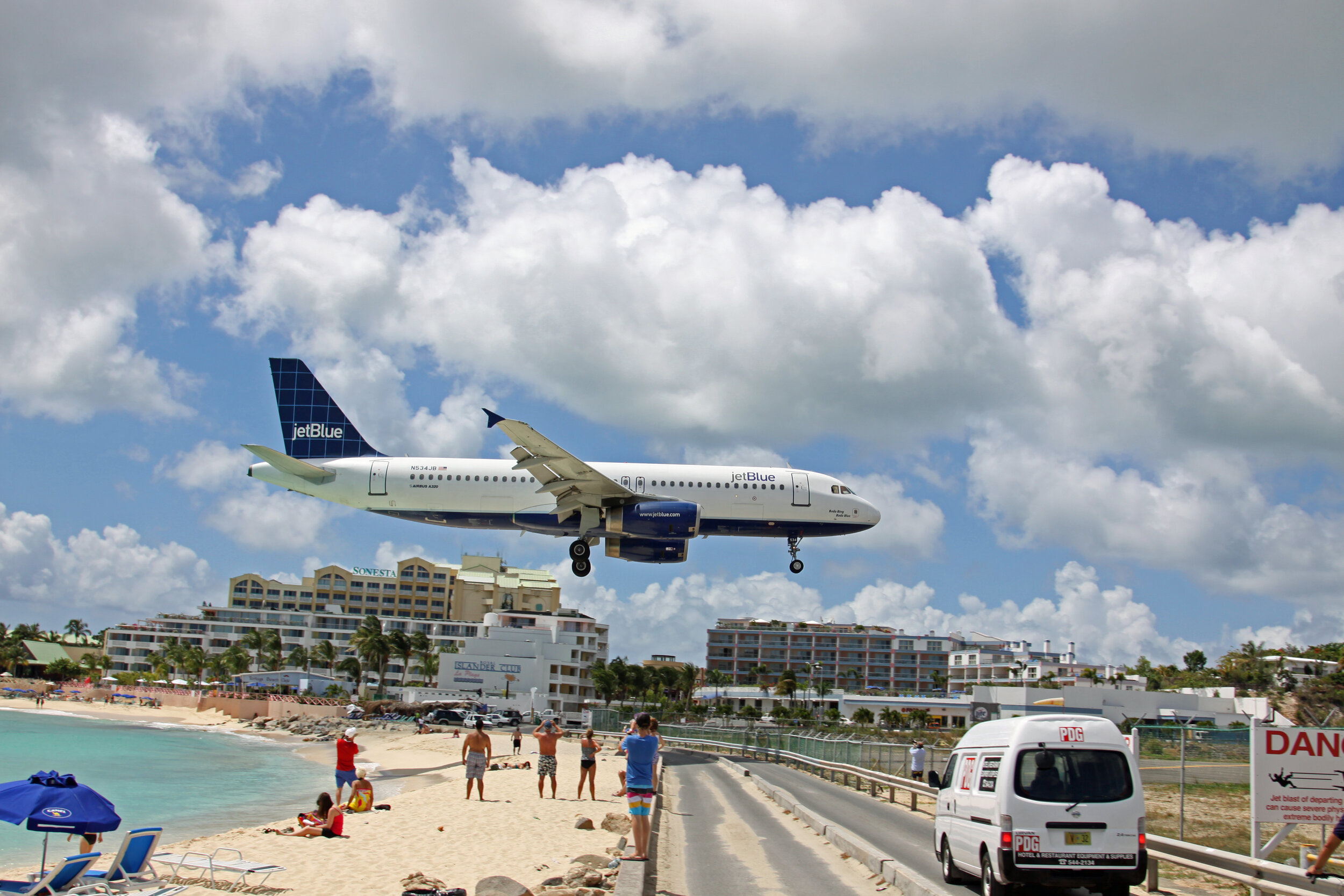
A plane landing in St. Martin. Steven Conroy. CC BY 2.0.
An 8-Day Tour Around the World, Virtually
The ongoing COVID-19 pandemic has caused many to experience FOMO, or the fear of missing out, for travel plans which have otherwise been canceled. That said, with a little creativity and a socially distanced trip to the supermarket, not all travel plans have to be lost.
If you’re interested in taking a more in-depth virtual visit to an international destination, check out our guide on international staycations. However, if you’re looking for a DIY brunch in Milan, a virtual afternoon in Cape Town, or an evening in Singapore, then continue reading on for a list of eight international destinations that you can (briefly) visit from the comfort of your home.
Day 1. Have Brunch in Milan

Homemade panettone, a popular Milanese sweet bread. Nicola. CC BY 2.0.
Milan is truly an international city. The capital of Italy’s Lombardy region boasts an eclectic blend of Milanese cuisine, innovative fashion, and museums which are second to none. In planning a stay-at-home brunch in Milan, one need look no further than the numerous menus of the city’s 8,785 restaurants for inspiration.
Consider making Sarpi oTTo’s famous quadrotti, the Italian equivalent of avocado toast; one just substitutes avocado for any number of toppings from their menu including hummus, chicken pate, or ricotta and asparagus. Or try your hand at making some pastries like vegan almond and carrot cake, chocolate croissants, or a homemade brioche inspired by the California Bakery. Likewise, taste coffees inspired by Biancolatte with recipes including bicerin, an Italian-style mocha espresso, caffe shakerato, or a simple caffe americano.
Day 2. Visit the Museums of Cape Town
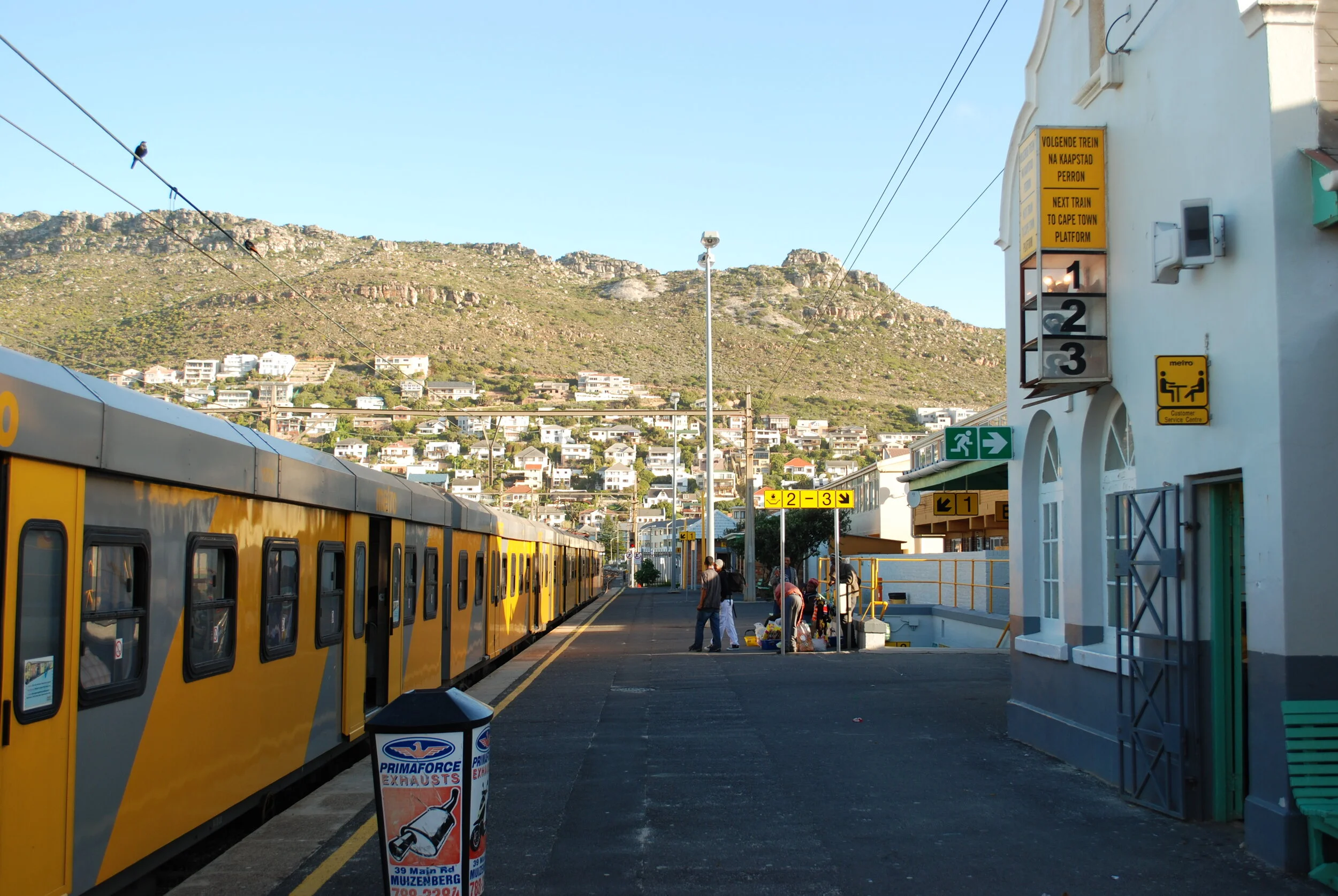
A train pulling into a station in Cape Town. George M. Groutas. CC BY 2.0.
Cape Town, the legislative capital of South Africa, is one of the most historically rich and culturally diverse cities in all of Africa. The second-most populous city in the country, Cape Town is home to a number of popular destinations such as Table Mountain, Cape Point, and world-renowned beaches.
Another popular attraction of the city that can be enjoyed virtually is its excellent museums. The Iziko South African National Gallery is known for its contemporary South African, Dutch, British and French paintings, and offers several virtual tours from exhibits within the Iziko museum system. Likewise, the District Six Museum is home to collections documenting and memorializing the forced removal of 60,000 residents from the District Six region of Cape Town during apartheid in the 1970s. Offering a number of virtual educational resources, one can learn more about the history of apartheid and the movement for restitution.
Day 3. Dine at a Hawker Center in Singapore
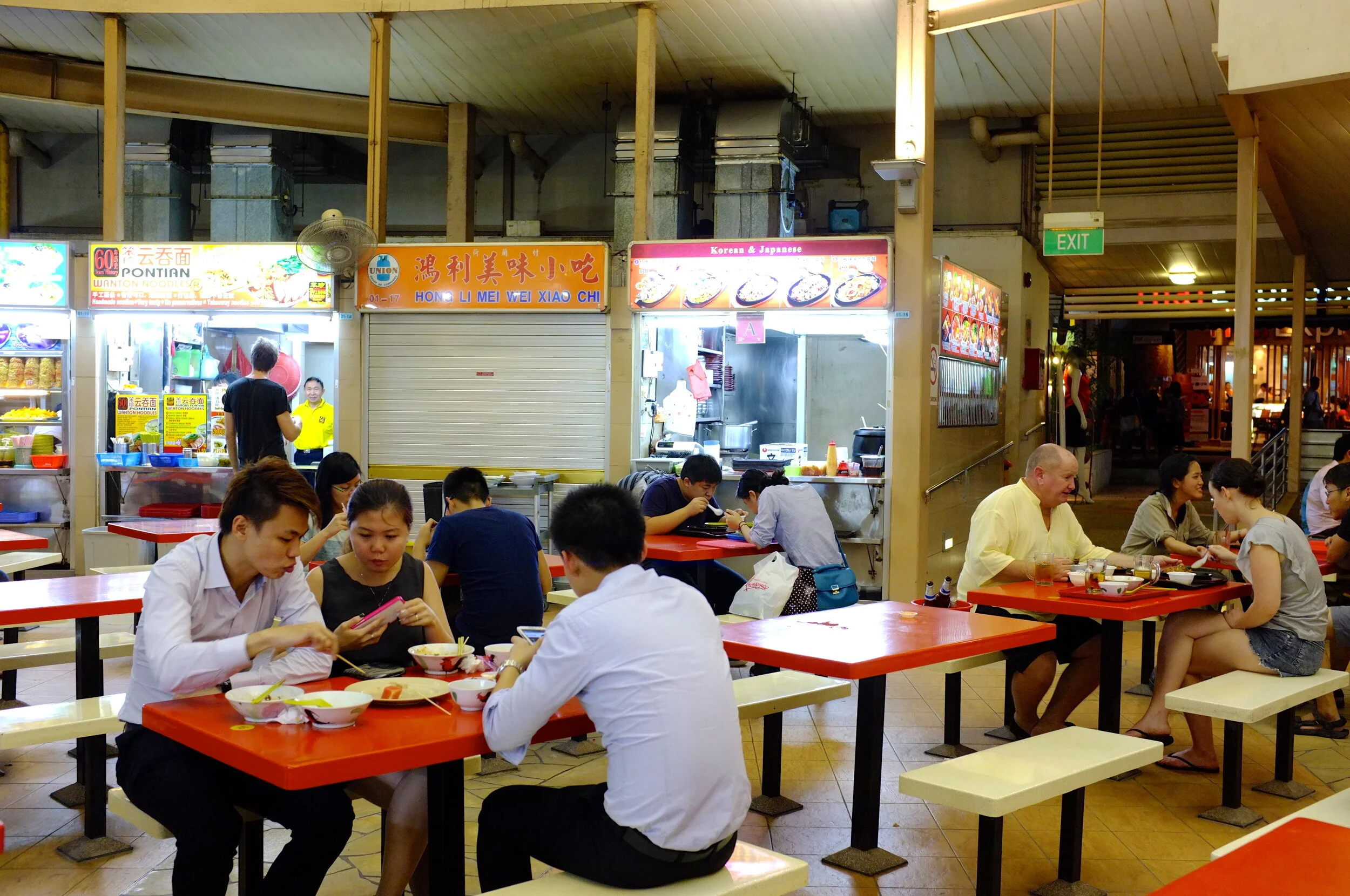
Diners eating at the Holland Village Hawker Centre. Premshree Pillai. CC BY-NC-SA 2.0.
Hawker centers are food markets featuring a blend of cuisines reflective of Singapore's status as a global city. Known for their unique food culture, they draw millions of tourists to the country annually. Famous food halls include the Newton Food Centre, which was featured in “Crazy Rich Asians,” the Chinatown Food Complex and the Tai Hwa Eating House. The latter two are home to the first and second street food locations to ever receive Michelin stars.
For those curious to try out some of the best that Singapore’s hawker centers have to offer, Spice N’ Pans has a list of 20 recipes with how-to videos straight from the city-state’s food stalls. Popular favorites on the list include Hainanese chicken rice, chicken satay, and Teochew fish porridge.
Day 4. Travel Throughout the Middle East
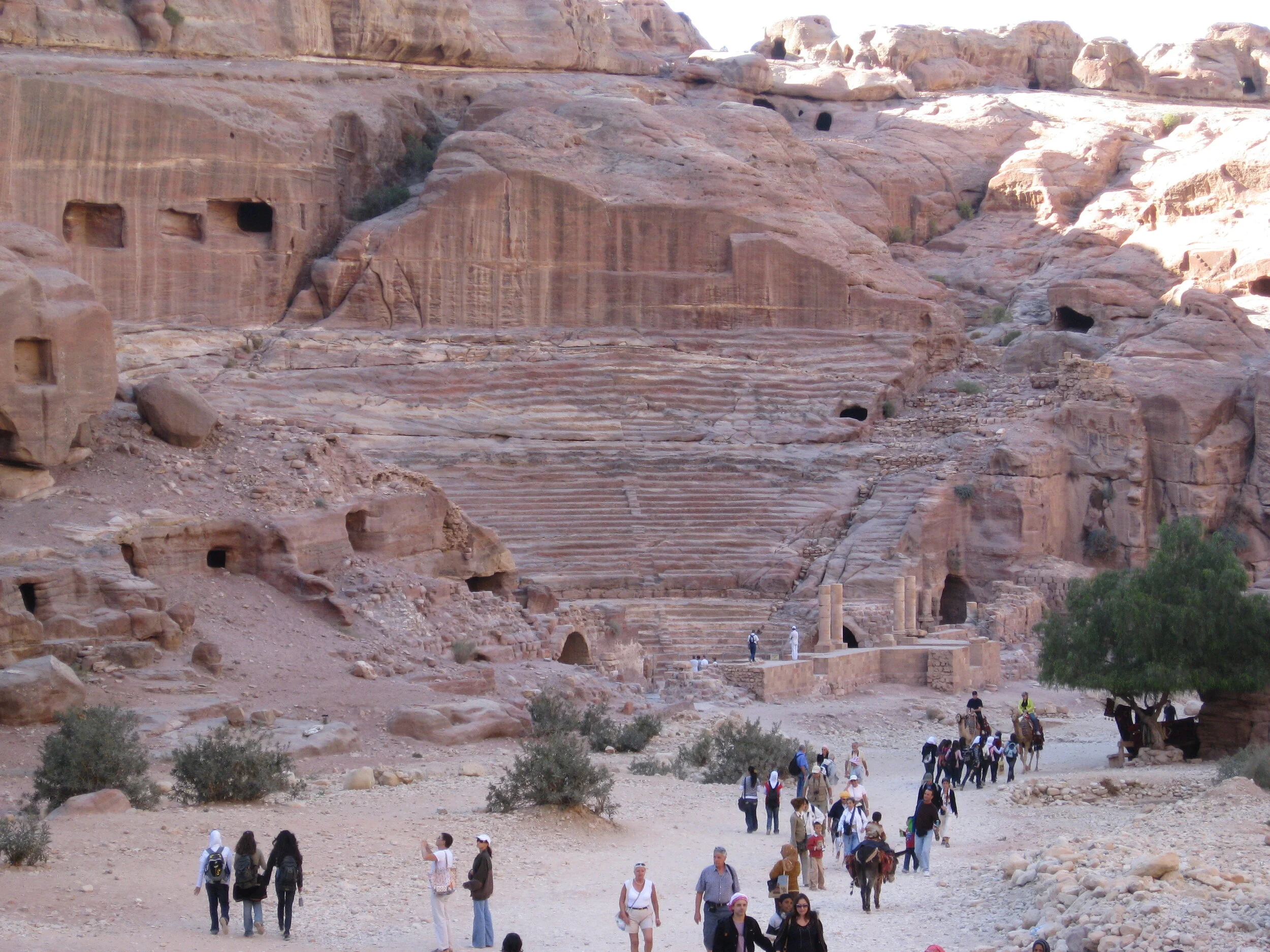
Visitors walking through Petra, Jordan. Chris Yunker. CC BY 2.0.
In the Western world, the Middle East is often overlooked as a travel destination. However, this region is home to a variety of diverse cultures that would be a pity to overlook. Sites such as Petra, Jordan, the Isfahan mosque in Iran, and the Kadisha Valley in Lebanon continue to captivate audiences to this day.
To get a taste of what the Middle East has to offer, consider taking a virtual tour in one of the 16 countries in the region. The travel and culture blog Where Sasha Went offers a great guide to a variety of tours available to anyone. The ancient port city of Jaffa in Israel, flashy Dubai in the United Arab Emirates and the rugged country of Tajikistan are just a handful of locations which can be toured from your computer.
Day 5. Experience Australia’s Natural Diversity

A view of Uluru, also known as Ayers Rock. Angelo Failla. CC BY-NC-SA 2.0.
The land down under is home to some of the most unique and beautiful natural landscapes in the world. Whether it be the Great Barrier Reef off the eastern coast, the vast desert regions of the interior, or the tropical forests in the far north, Australia is truly home to something for every nature lover, regardless of what they may be interested in.
To get a glimpse into the biodiversity of the region, a number of virtual experiences are available for free. The famous Uluru-Kata Tjuta National Park has a number of 360-degree views of the most popular sites in the park. Likewise, one can tour the Great Barrier Reef with David Attenborough, one of the world’s most famous natural historians. Additionally, the Lone Pine Koala Sanctuary offers 18 live webcams so viewers can get up close and personal with the sanctuary’s koalas, dingoes and collection of reptiles.
Day 6. Taste the Tacos of Mexico
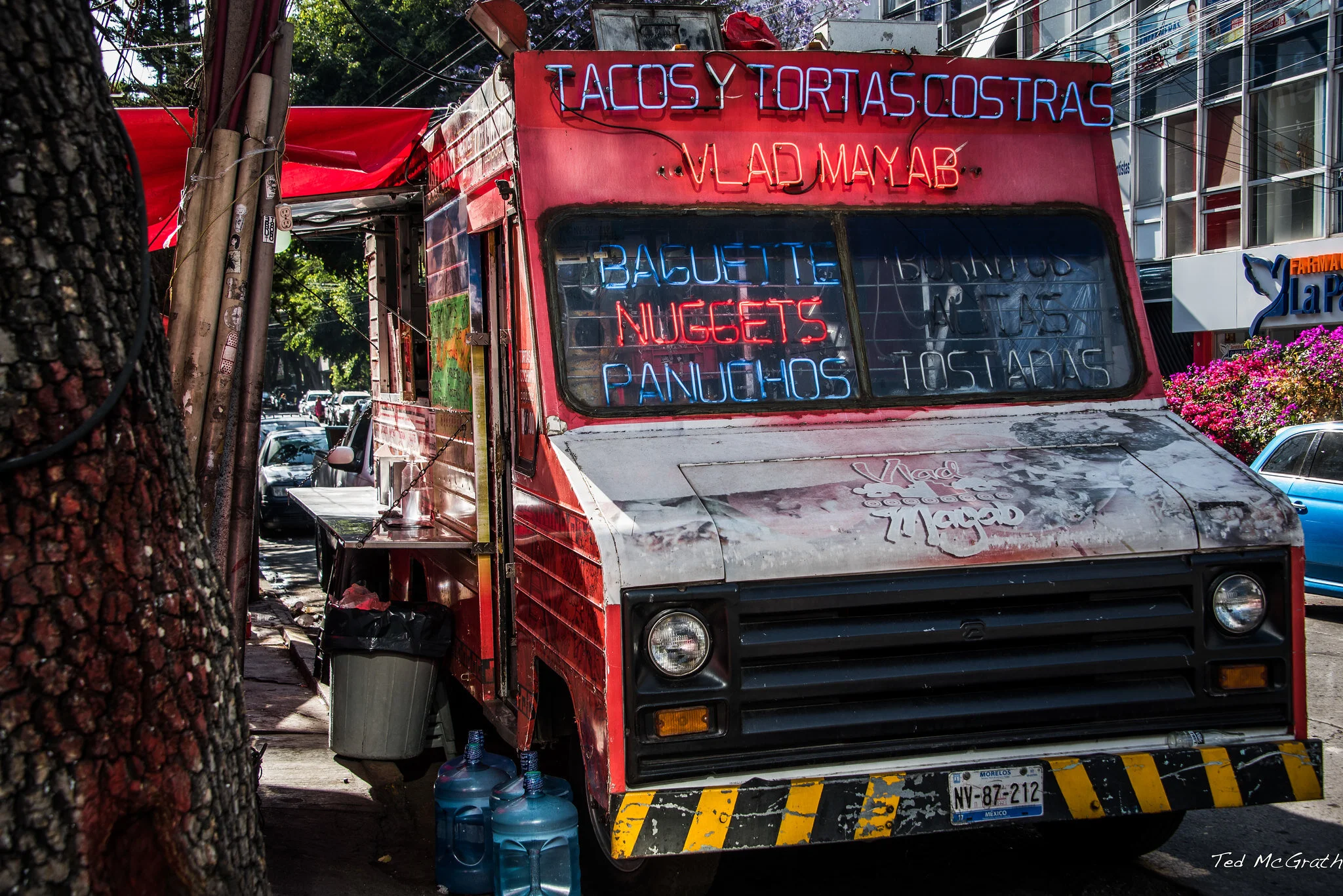
A taco food truck in Mexico City. Ted McGrath. CC BY-NC-SA 2.0.
Mexican food, and more specifically tacos, have been a staple of the American food canon for decades. However, what is often lost when one visits their local taqueria is the history behind the recipes, culture and heritage of favorites such as tacos al pastor and pescado.
Enter “Taco Chronicles,” a visually engaging docuseries on Netflix which centers around the history, traditions and varieties of tacos found throughout Mexico. Each episode highlights a type of taco, then showcases interviews with families, experts, food writers and restaurant owners as they discuss the process and history of their personal recipes. If you are going to sit down for a couple episodes, it is highly recommended that you have a taco in hand; the stunning cinematography and in-depth descriptions make any mouth water for guisado and carnitas.
Day 7. Visit the Best Museums of Europe
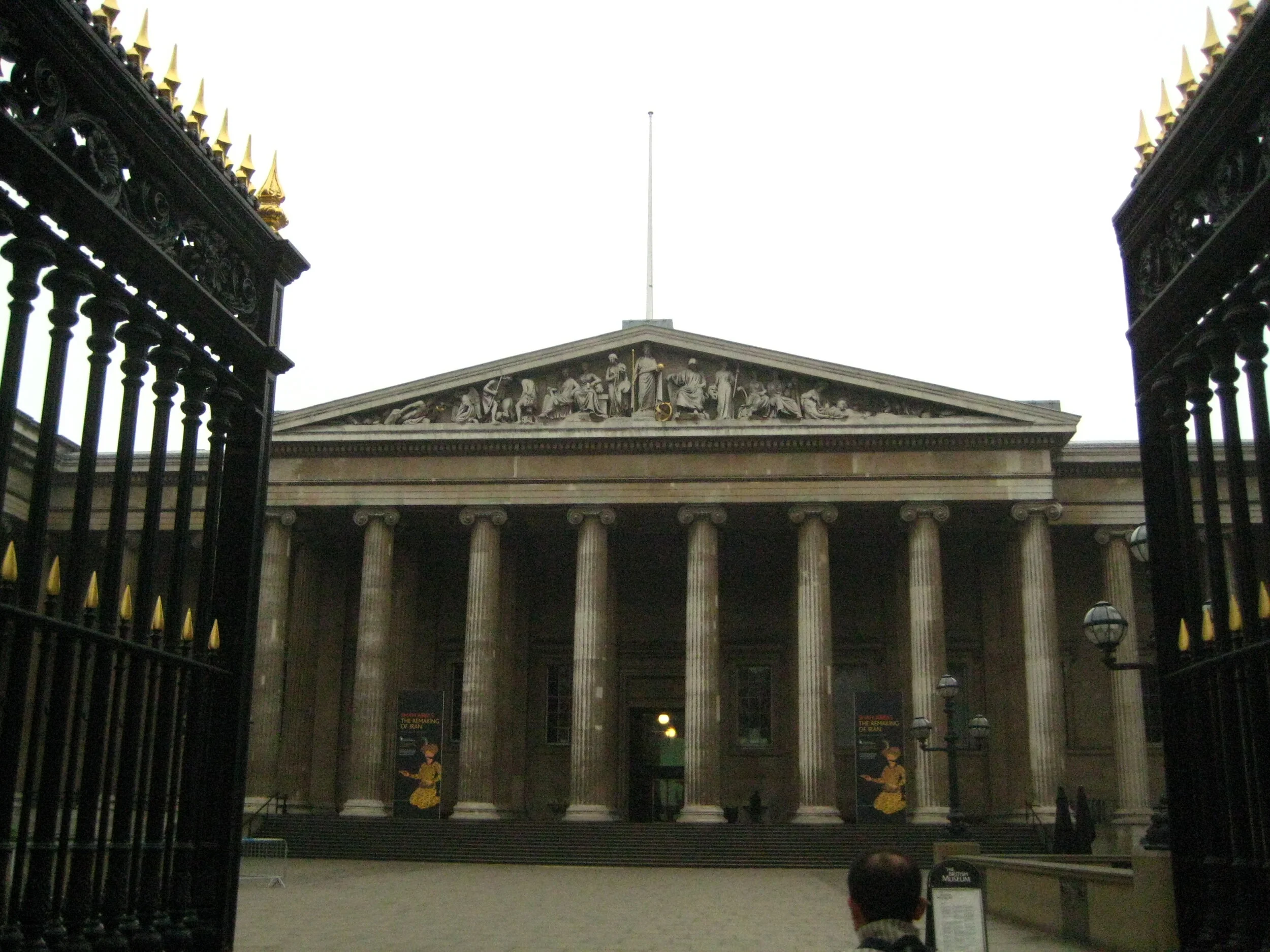
The front entrance of the British Museum. David Woo. CC BY-ND 2.0.
Europe is world renowned for its museums. Each country on the continent can boast its own collections of art, history, science, technology and cultural innovation. Several of these museums, like the Prado Museum in Madrid and the Galileo Museum in Florence, Italy, have been featured in the article, “8 Museums from Around the World to Visit Virtually from Home.”
That said, countless other European museums are deserving of recognition and worth your time if you have a couple of free hours. The British Museum currently offers the Museum of the World digital collection, self-described as an “experience through time, continents and cultures, featuring some of the most fascinating objects in human history.” The Vatican Museums offer virtual tours of a number of rooms from the Holy See, including the iconic Sistine Chapel and the halls of the Chiaramonti Museum. Finally, the State Hermitage Museum in St. Petersburg, Russia, offers an extensive online catalog of art and cultural artifacts from Europe’s largest country.
Day 8. Viva La Habana
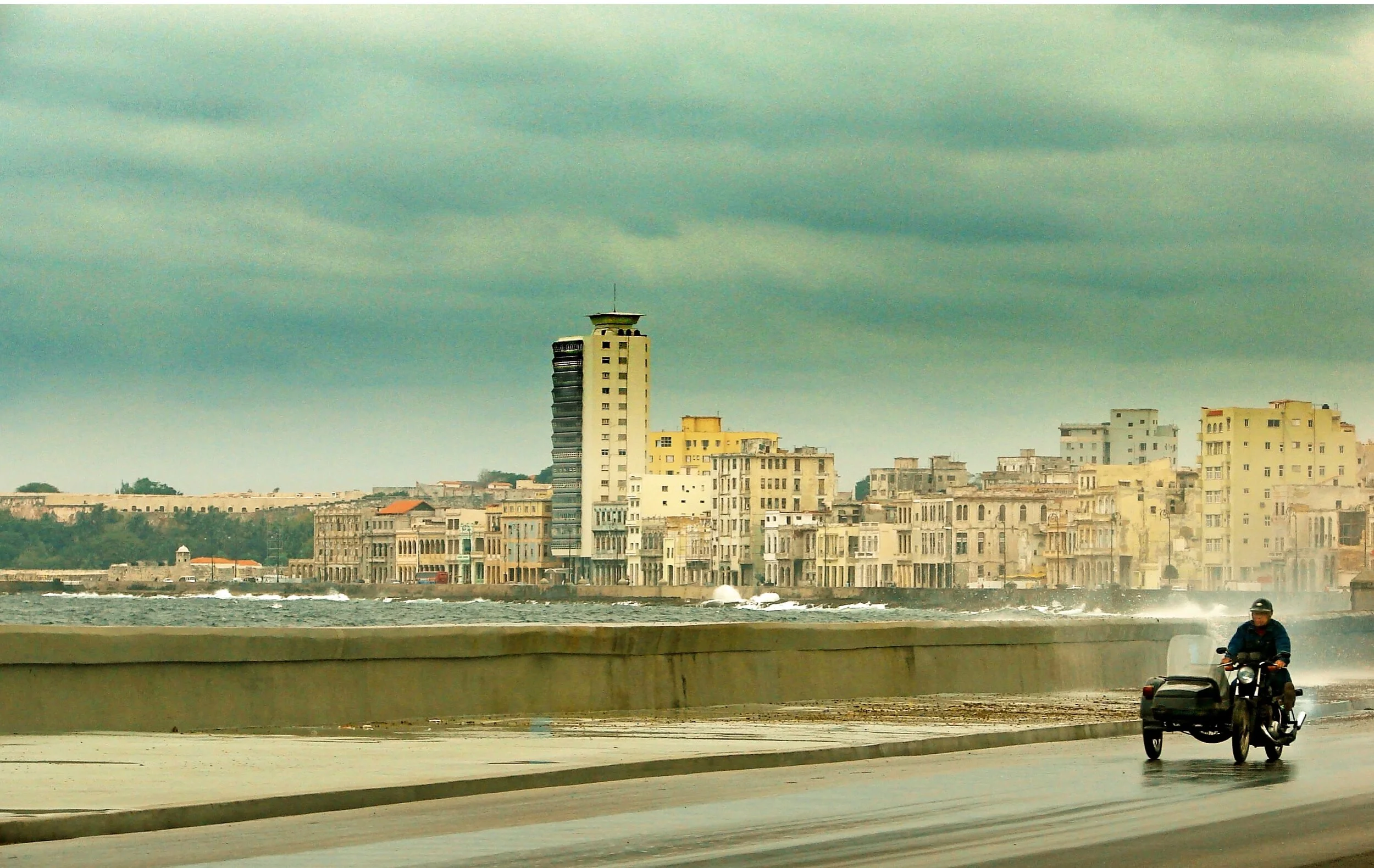
A view of Havana from the Malecon. Nick Kenrick. CC BY-NC-SA 2.0.
For many, the sights and sounds of Cuba’s capital city are lost, largely due to the ongoing tensions between the island nation and the United States. That said, Havana’s unique history has shaped it to be one of the most fascinating and culturally vibrant cities in the world. Featuring sites like the Paseo del Prado, institutions such as the International School of Havana, and foods like fried sweet plantains and cafe cubano, the city holds something for everyone.
To enjoy Havana from the comfort of your home, consider trying your hand at cooking Cuban recipes. Saveur offers a great starting point for recipes, including popular favorites such as ropa vieja, a Cuban-style shredded beef, fricase de pollo, a type of chicken stew, and the ever-famous cubano sandwich. Additionally, a budding film industry has begun to take hold in Havana, offering films that showcase beautiful shots of the cityscape. Movies like “Four Seasons in Havana” and “Wasp Network” are both available on Netflix.
Jacob Sutherland
Jacob is a recent graduate from the University of California San Diego where he majored in Political Science and minored in Spanish Language Studies. He previously served as the News Editor for The UCSD Guardian, and hopes to shed light on social justice issues in his work
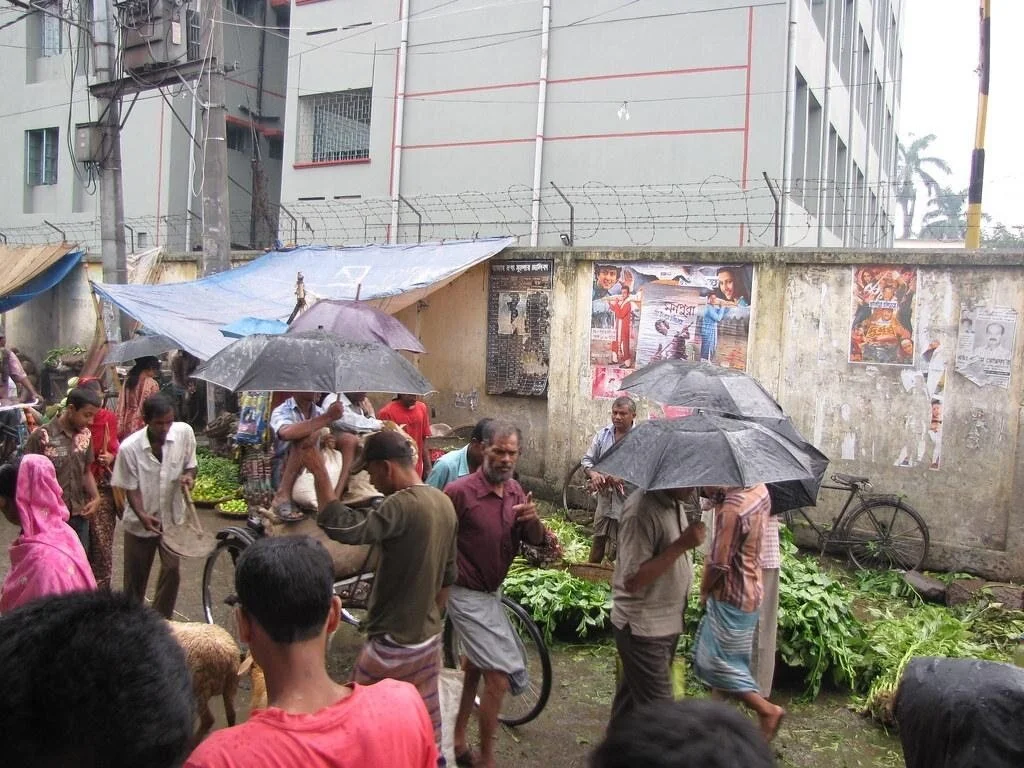
An urban street in Bangladesh. Manbarlett. CC 2.0
The Detrimental Impact of Covid-19 on Developing Nations
The world has dealt with COVID-19 since the beginning of the year with varying countries successfully staving it off. However, the question of how developing countries are doing has crossed the media only a few times. The problem is our inability to know the true extent of their situation since they do not have the same means as more developed countries like ourselves and other impacted countries. Their economic situations are close to being called a crisis while medical care is scarce to come by. In countries like Bangladesh, Nigeria and South Africa, their vulnerability to the virus has increased with the global economic shut-down and sparse supplies.
The Economic Crisis
The biggest issue with developing countries is their reliance on “foreign income and tourism”. This ultimately means that regardless of confirmed COVID-19 cases, they will feel the impact of the virus as the world economy faces major setbacks and in some cases come close to halting as some countries' exports are affected. For example, in Bangladesh “only 15% of Bangladeshi workers make over $6 a day”, meaning very few families are able to support themselves in the event of an economic shut down. The World Bank has sent aid across the globe and plans to send out close to $160 billion dollars of relief money to Africa and countries such as Pakistan, India, Ethiopia and more, hoping to help relieve them of economic stress and strengthen “their national health systems.” An issue that has risen with giving aid to these countries is that their situation is not like the United States of America where we can enforce “social distancing guidelines and then pair them with stimulus packages”. Poorer countries, such as Bangladesh, are more spread out with the majority of their population self-employed or working in informal sectors meaning they are not under the tax and benefits system. They tend to live “hand-to-mouth” instead of pay-check to paycheck. This means they are completely reliant on what they make that day to feed their families and survive. Further complicating the matter, with so few resources spread out across the country, we are unable to find the COVID-19 epicenters of these countries. They lack the proper test kits and quantity, resulting in an inaccurate number of positive COVID-19 cases and too few resources for help and trained professionals.
The Impact on Medical Care
It has been predicted that with the rest of the world’s cases slowly dropping, the new world epicenter for COVID-19 will shift to Africa. Currently, they have “10,000 reported confirmed cases and over 500 fatalities”. While they were not the first to be impacted, their curve of cases has yet to flatten, worrying health officials worldwide. Just this last week, Capetown, South Africa jumped 43% with confirmed cases, alerting the WHO of the rising crisis but no way to determine the true epicenter of the continent. Without proper safety equipment in hospitals, many doctors or nurses try to avoid seeing patients who predict they have the virus, seeing as they won’t be protected themselves. Additionally, there is a severe lack of testing kits available, so they’ve tried to spread them out as much as possible nationwide. A stark example is Nigeria, Africa’s most populous country with over 200 million inhabitants, which has reported almost 900 COVID-19 cases with only 28 confirmed deaths. They have only conducted just over 7,000 tests with only 5,000 of these coming in this past week and being used. This lack of equipment again adds to the ignorance of the true numbers of cases these countries have and how we can help.
Lastly, countries such as South Africa and Bangladesh have an inability to obtain an adequate amount of medical supplies, and the ones they do have are spread so thin that they are hardly useful. Populations are scrambling to seek help, but social-distancing guidelines like we’ve seen in our own country are impossible to implement in countries where most of their population do not live in an urban setting. For example, in Bangladesh, the entire country only has “432 ICU beds with only 110 outside the capital city of Dhaka”. This ultimately means unless the Bangladeshi population lives inside the city, it’s unlikely they will receive the help they need. Already Bangladesh has over 5,000 confirmed cases and over 150 deaths. Their inability to give out adequate healthcare has required donations from all around the world to enable people to get the help they need. Bangladesh, Nigeria and South Africa are only a few examples of the countries who rely on each other to take home food and money to their families, and most do not live in a country that has an organized, official census. This makes it hard for health officials to know how much supplies they need to send to these countries and give them aid.
Implemented Strategies
Initially, their ability to sustain their countries through this pandemic has looked grim, but the world has flooded in to help by donating supplies and tests. For example, in Bangladesh, officials have implemented a survey to try to get a good grasp on the exact number of population while increasing their efforts to educate the general population on what COVID-19 is and how to keep themselves safe. Additionally, they are working on an already established census to call citizens to check in on them, making sure they have the help and resources they need. In other countries like South America and Nigeria, they are currently working on educating their populations and trying to implement as little contact as possible with people not related to each other. At the end of the day, the most that can be done is a step by step process that starts with getting the full scope of what these countries are dealing with. This starts with getting more test kits sent out and more government officials working on getting the exact numbers on a population.
Ultimately, the world has been floored by this pandemic, and each day brings a new challenge. But globally, people are gathering to find ways to help countries who are not as equipped to function as normal, while ensuring the safety of everyone is kept at the forefront of their minds.

Elizabeth Misnick
is a Professional Writing and Rhetoric major at Baylor University. She grew up in a military family and lived in Europe for almost half her life, traveling and living in different countries. She hopes to continue writing professionally throughout her career and publish her writing in the future.

Clifton 4th Beach, in Cape Town. Warren Rohner. CC BY-SA 2.0.
Fresh Wounds: Incident at Beach is Newest Example of Strained Race Relations in South Africa
Recently a group of protesters took to the shores of the Clifton 4th beach, one of the more popular beaches in Cape Town, to complain about what they perceived to be racial profiling at the hands of a local security firm. Professional Protection Alternatives, or PPA, was apparently hired by local residents to clear out all black visitors to the beach shortly before Christmas of last year. The security company responded to these allegations, claiming that they were simply trying to protect nearby residents from crime. The incident has stirred up tensions in Cape Town that still linger from South Africa’s recent history with Apartheid.
Apartheid, which means “separateness” or “apartness” in Afrikaans, was a system of institutionalized racism that pervaded in South Africa from 1948 until the early 1990s. Also known as “White Minority Rule,” it was primarily used to ensure the dominion of white South Africans over their black counterparts. Policies included the segregation of parks, beaches, and other public places. The system was dismantled by activists like former president Nelson Mandela but the visitors who were removed from the beach felt that the actions of PPA were reminiscent of the Cape Town of old. Dan Plato, the current mayor of Cape Town, spoke publicly about the incident, claiming that PPA had no right to remove anyone from the beach, but also defended the security firm, stating that the removals were not racially motivated. Meanwhile, Patricia de Lille, the former mayor of Cape Town, joined in the protests, encouraging all who were removed from the beach to press charges against PPA. De Lille stated that actions of the firm went against “hard-won constitutional rights.” In a country with such a recent history of racial conflict, it doesn't take much to re-open old wounds.
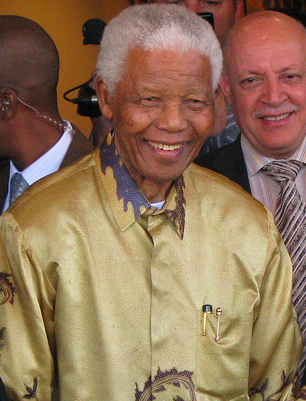
Former president Nelson Mandela was instrumental in the ending of Apartheid. South Africa The Good News / www.sagoodnews.co.za. CC BY 2.0.
The incident at Clifton is the latest in a series of racial altercations that have occurred in South Africa. In 2016, real estate agent Penny Sparrow described black South Africans as “uneducated monkeys” in a Facebook post. Sparrow was charged with Crimen Injuria, the willful impairment of another person’s dignity. At her hearing, Sparrow said that she would “strive to be a better citizen, respecting others and working toward making our country a better place.” In August of 2018, Johannesburg businessman Adam Catzavelos caused an uproar on social media when he posted a video of himself at a beach in Greece and expressed his relief that there were no black people there. Catzavelos’ family promptly fired him from their food manufacturing company and expressed outrage over his comments before going into hiding to avoid potential backlash. Despite South Africa’s recent steps toward tolerance, racism is still an overarching issue that hinders relations between the many ethnicities that make the country their home.
Protesters at the Clifton 4th beach marched, chanted, and even sacrificed a sheep in their demonstrations against racism in Cape Town. They claimed the guards employed by PPA were specifically briefed to keep blacks from other townships from patronizing the beach, claims which have yet to be substantiated. Their protests have drawn the support of the Economic Freedom Fighters, or EFF, an organization devoted to humanitarian issues in South Africa. Other organizations, such as the Black Land First group have also voiced their support for the protesters on Clifton beach, though their views are considered by many to be more radical from those of the EFF. Meanwhile, some citizens of Cape Town plan to press animal cruelty charges against the protesters for slaying the sheep. These events are a prime example of how quickly recently formed ties can unravel.
JONATHAN ROBINSON is an intern at CATALYST. He is a travel enthusiast always adding new people, places, experiences to his story. He hopes to use writing as a means to connect with others like himself.

The Cape Town Water Crisis: Delaying Day Zero
In the Broadway musical Urinetown, people line up to use the toilet because a 20 year old drought has made private toilets a thing of the past. And when the protagonist rises up finally and allows unrestricted toilet use, the water supply completely evaporates. The final scenes ominously hint at more worrisome issues for the citizens, who, once concerned only with toilet use, most grapple with dying of thirst among other problems.
Although Urinetown is a satire, residents of Cape Town might see it as a scary prediction of their future if Day Zero arrives. As apocalyptical as it sounds, it does accurately embody the looming doomsday scenario: Day Zero is when the taps run dry. How? An unexpected three year drought, starting in 2014, drastically depleted the six dams that serve Cape Town. Whereas 20 years ago water management in Cape Town could rely on seasonal rainfall patterns and small conservation measures, it is now relying on unreliable rain and big changes.
Since Day Zero has been first predicted in early 2018, it has been continuously delayed. Projections now suggest Day Zero will occur in 2019. And in recent weeks, many are rejoicing in water returning to the dry dams. In the words of Anton Bedell, minister of Local Government, Environmental Affairs, and Development Planning: “It’s…good to see Clanwilliam dam at 20.4%. A few weeks ago the dam was below 6%.” The other dams have reflected similar increases, but the relief is only temporary as the dams await more rain—if it will come.
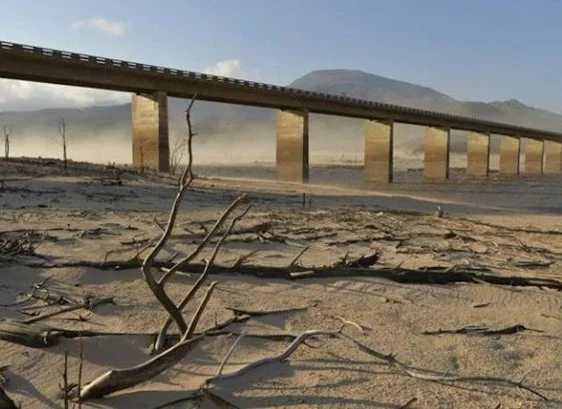
Theewaterskloof dam in February 2018 (source: 2oceanvibes)
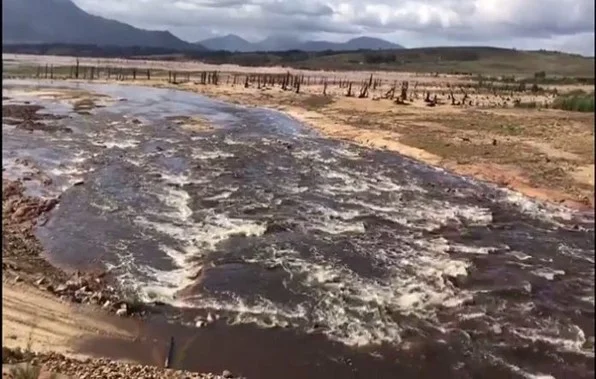
Waters return in early June (source: Storm Report)
The biggest assistance in delaying Day Zero is restrictions implemented on February 1st. The main restriction was the allowance of 50 liters, a little more than 13 gallons, of water per person. Comparatively, the average individual in the United States uses 80-100 gallons of water a day and the average family over 300 gallons a day. The question of how Americans end up using so much illustrates just how little 13 gallons is for a Capetonian. For example, imagine the average bathroom break. A toilet flush requires at least 1.6 gallons with water efficient models, but if it is an older model it will need up to 4 gallons. Then you will wash your hands with about 3 gallons of water. Considering most people take at least four bathrooms breaks a day, that’s already 18.4 gallons used in one day (on a water efficient toilet): more than what one Capetonian is allowed in a single day.
So it is no wonder people are following the “if it’s yellow, let it mellow” rule and putting reminders in bathroom stalls around Cape Town. Even restaurant and bar washroom taps are shut off. But it is not just in the bathroom that changes are being made. Any use of municipal drinking water for irrigation, watering, hosing down paved surfaces, washing vehicles, or filling a private pool is not allowed. Agricultural users have to decrease water usage by 60% and commercial places by 45% compared to their pre-drought usage in 2015. And for residential units that use too much, you’ll face a fine or have to install water management devices.
And globally, Cape Town is a sign of the future. As population increases, especially in urban centers, water resources are straining to accommodate. This is against a backdrop of climate changes that favor extreme weather events like frequent droughts. What might have worked in the past, is not necessarily the solution for the future. California, Beijing, Sao Paulo, Jakarta, Mexico City are just some cities that may be the next unwilling host of Day Zero. And water shortages lead to other problems such as famine and violence. The International Panel on Climate Change predicts the Middle East and North Africa will face the most severe water shortage problems. And already, many Somalis have become climate change refugees—leaving their rural farms for the capital, Mogadishu, in hope of different sources of income with farming no longer possible. Millions more are projected in the years to come as climate change makes itself even more apparent.
It is a bleak picture, but subtle changes are happening as global leaders are becoming more aware of the looming water crisis. But we can also start at home with our own water usage. Maybe you don’t need to take a long bath after a hard day and use 36 gallons of water simply to unwind. Instead, take a quick shower and find something else to help you relax. The small changes might sound silly but it is the little things that matter as Capetonians will tell you.
TERESA NOWALK is a student at the University of Virginia studying anthropology and history. In her free time she loves traveling, volunteering in the Charlottesville community, and listening to other people’s stories. She does not know where her studies will take her, but is certain writing will be a part of whatever the future has in store.
Cape Town Is Running Out Of Water
AJ+'s Dena Takruri shows you how, after three years of drought, population growth and inadequate planning, Cape Town might be the first major city in the world to run out of water.