
This ultra-modern city has become Asia’s most sustainable oasis.
Read More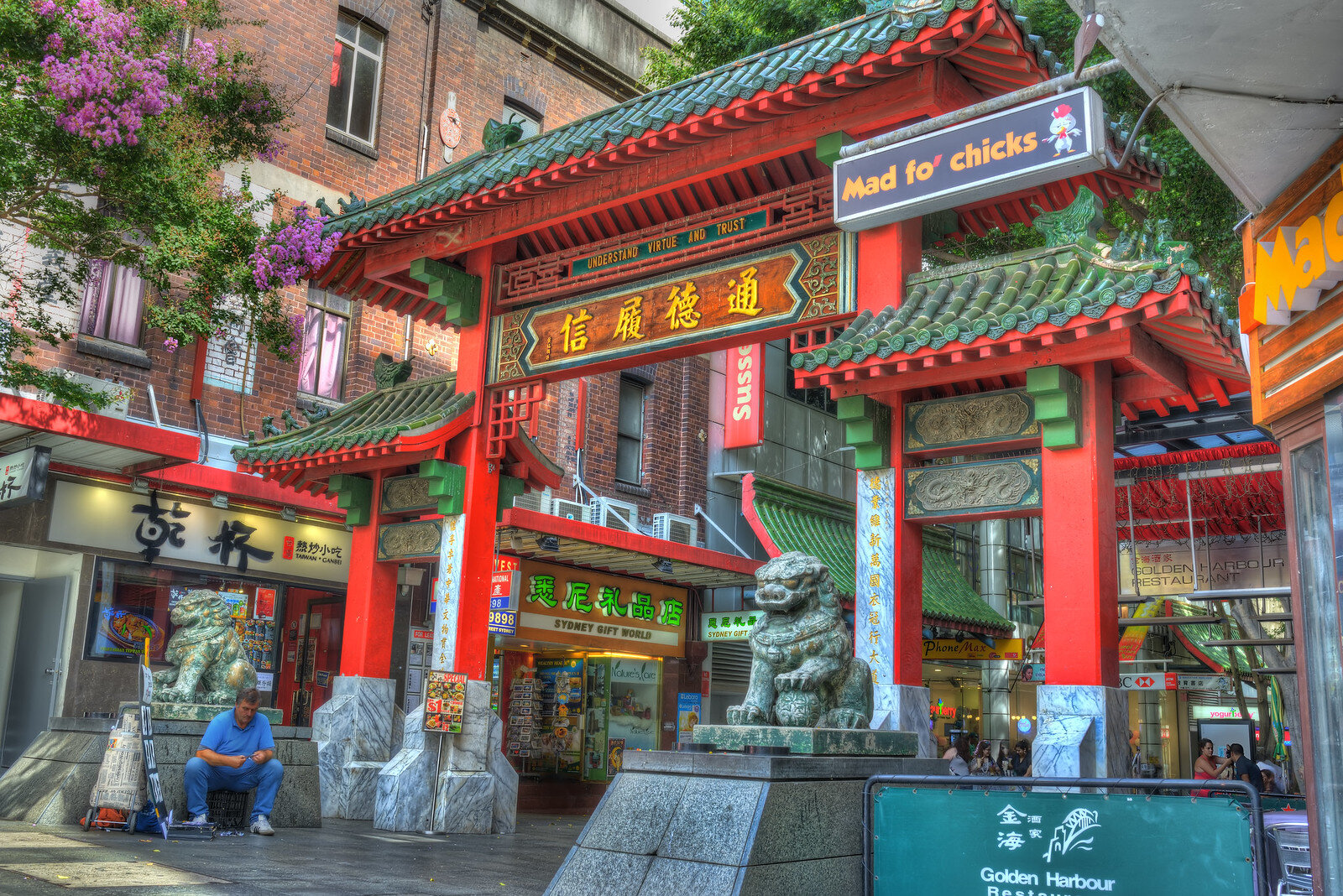
The entrance to a Chinatown in Sydney. Lenny K Photography. CC BY 2.0.
Explore 4 Chinatowns from Around the World
Travel to any of the inhabited continents and you will find Chinatowns, historical and contemporary ethnic enclaves of Chinese people outside of mainland China, Hong Kong, Macao and Taiwan. While there is no conclusive count as to how many Chinatowns exist, they will often be found in any community with a history of Chinese immigration.
The first Chinatown is considered to be Binondo, a neighborhood in the Philippines’ capital of Manila that developed in 1594. Since then, Chinatowns have developed around the world, most recently with Tijuana, Mexico’s La Mesa neighborhood in 2012.
The United States is home to some of the most famous Chinatowns, including those in San Francisco, New York City, Chicago and Los Angeles. That said, for those looking to travel abroad, here is a list of some of the most unique Chinatowns to be found.
1. El Barrio Chino, Havana
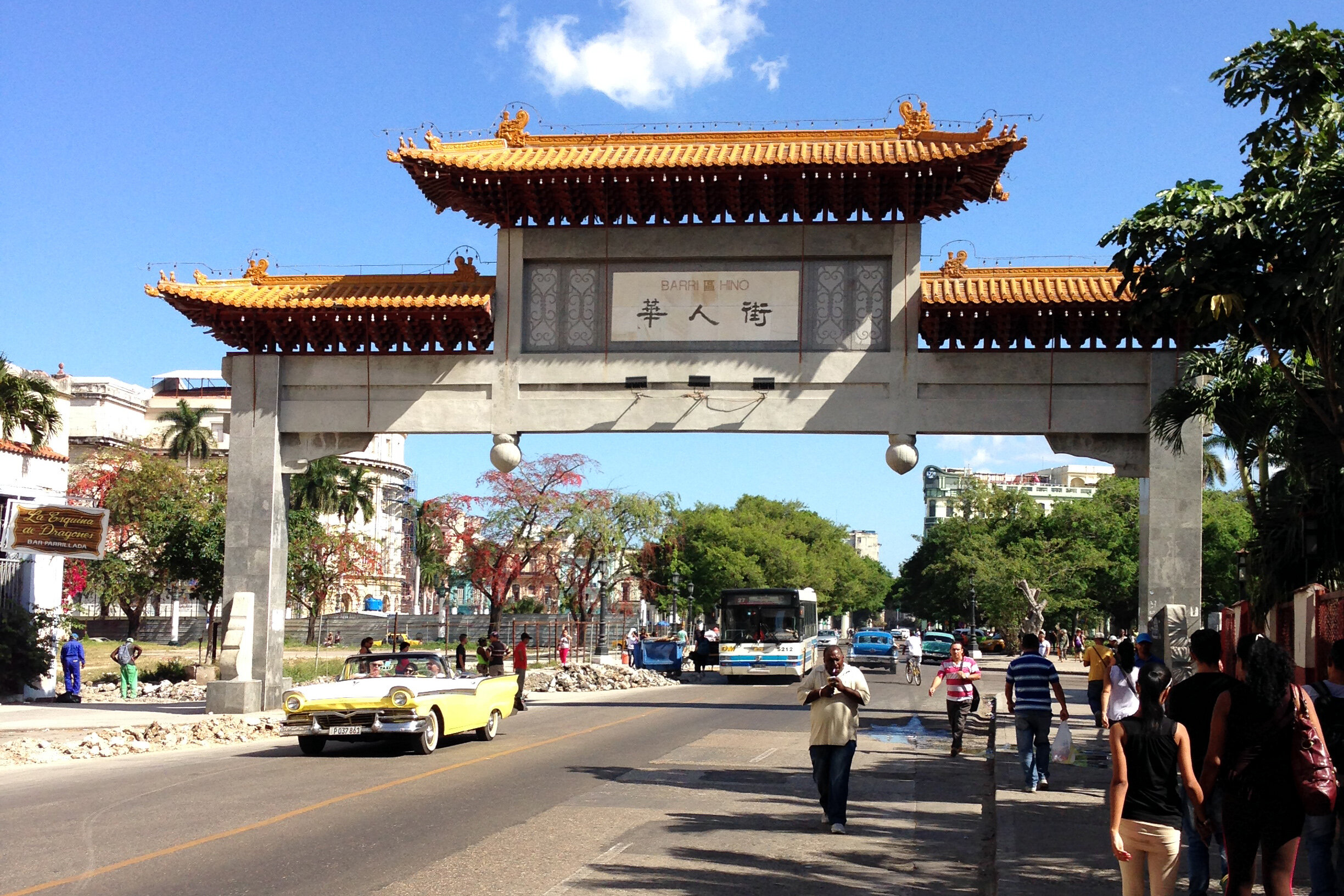
The paifang marking the entrance to Havana’s Chinatown. Kaldari. CC0.
Located just three blocks away from the Cuban capitol building, Havana’s Chinatown is a relic of prerevolutionary times. The neighborhood, which began to develop in the 1840s with the arrival of the first Chinese immigrants to the island, became the largest Asian ethnic enclave in all of Latin America by the 1920s.
Following the 1959 Cuban revolution led by Fidel Castro and the 26th of July Movement, during which the country became communist, the vast majority of Chinese-Cubans fled to neighboring countries like the United States. However, beginning in the 1990s, the Cuban government began the process of revitalizing the neighborhood centered around its historical roots.
Today, the Chinese-Cuban population in Havana is small. However, visitors to El Barrio Chino have a variety of restaurants and shops to visit, most of which are centered around Calle Cuchillo. Popular favorites include Restuarante Guang Zhou, whose menu offers a blend of Cuban and Chinese cuisine, Sociedad China Chang, which centers its food around a buffet, and Restaurante Tien Tan, whose menu includes fish and pork dishes which utilize the best ingredients from the Chinese and Cuban kitchens.
2. Chinatown, Singapore
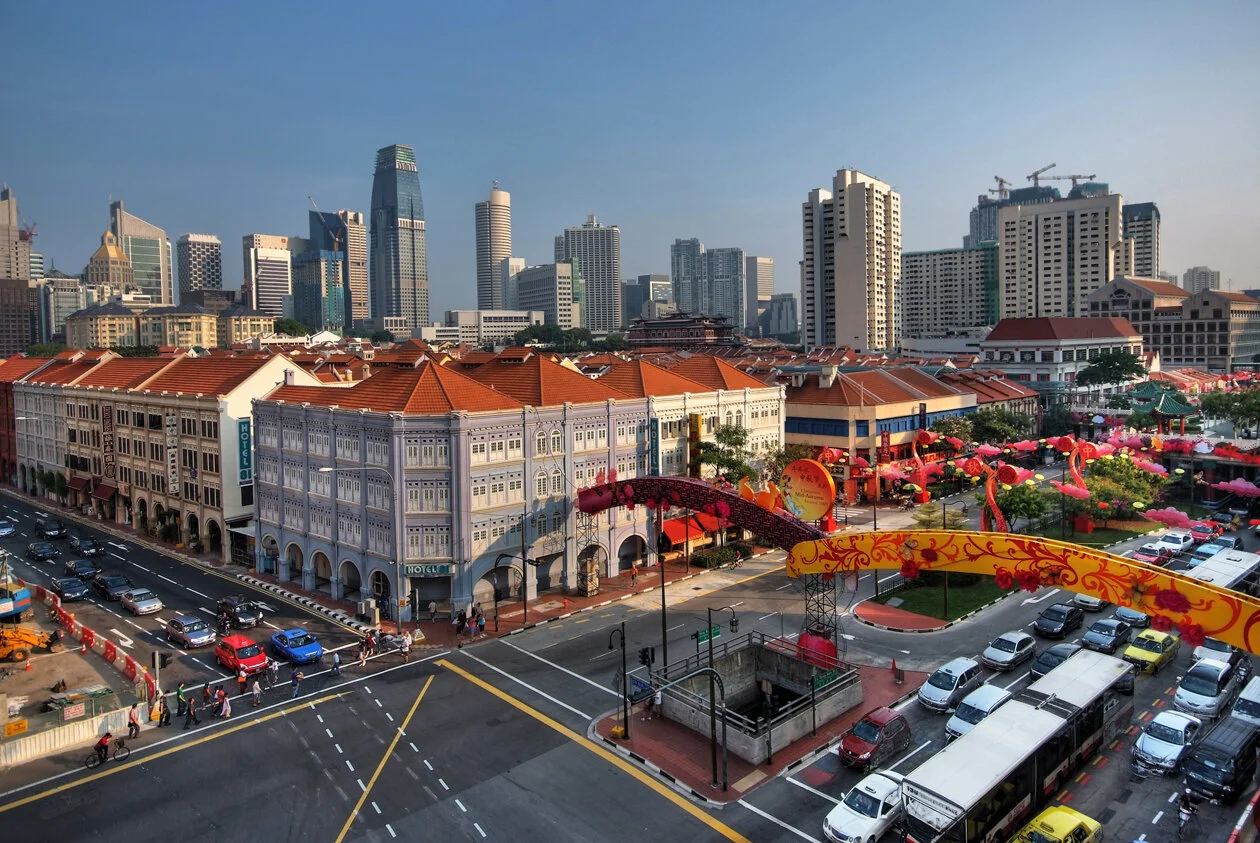
An aerial view of Singapore’s Chinatown with the city skyline in the background. William Cho. CC BY-NC-SA 2.0.
While not necessarily an enclave in the traditional sense given that the majority of Singapore’s population is ethnic Chinese, Singapore’s Chinatown is one of the most historically and culturally significant neighborhoods of the city-state. While the appearance of a Chinese community has been documented in Singapore as early as 1330, the neighborhood was not officially designated as a Chinatown until 1822 when British colonizer Sir Stamford Raffles allocated the area west of the Singapore River as such.
Today, Singapore’s Chinatown is one of the most popular in the world. The neighborhood includes historically preserved sites such as the Sri Mariamman Temple, as well as more recent cultural icons like the Buddha Tooth Relic Temple. Likewise, given that the city-state is world-renowned for its food culture, Chinatown is no exception. Popular spots for street food include the Chinatown Street Market, a pedestrian outdoor mall, and the Maxwell Food Centre, which features some of the best hawker center food including oyster cakes, peanut soup and chicken rice.
3. Quartier Asiatique, Paris
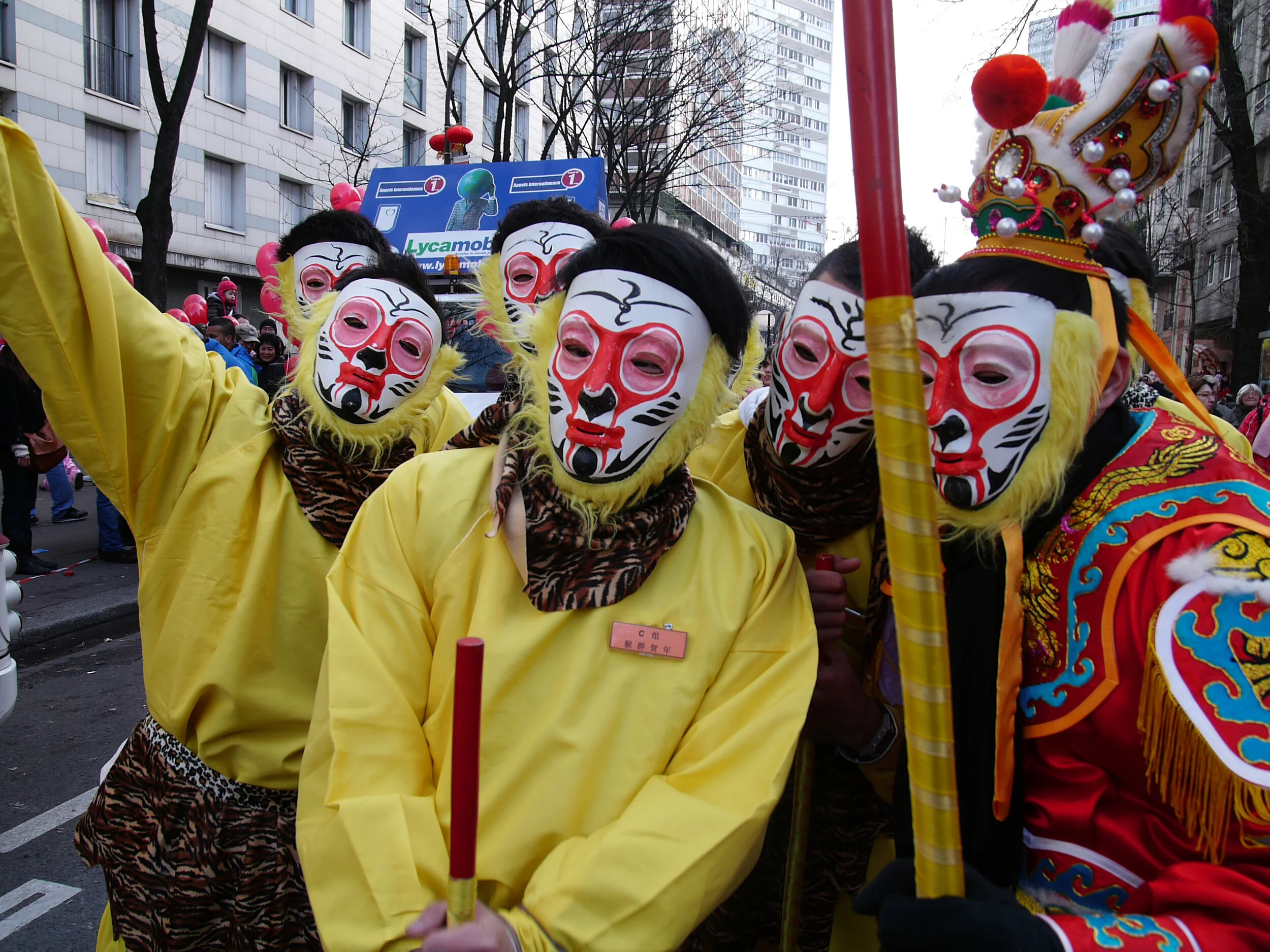
A group of performers at Paris’ Chinese New Year parade. Passion Leica. CC BY-NC-ND 2.0.
While many Chinatowns around the globe have been around for centuries, Paris’ Quartier Asiatique is much more recent. In the late 1970s, many refugees from the Vietnam War settled in the 13th arrondissement. This was followed by later waves of ethnic Chinese immigrants coming from Vietnam, Laos and Cambodia. Many of the ethnic Vietnamese immigrants later moved to other parts of France, leaving the neighborhood with a distinct Chinese presence.
Today, Paris’ Chinatown is considered to be the largest by population in Europe. Visitors to the neighborhood have a number of places to visit. The popular Asian supermarket chain, Tang Freres, is based in the neighborhood and offers a number of foods and goods shipped in directly from China. Restaurants such as Noodle Bar and Les Jardines de Mandchourie have some of the best Chinese food in the whole city. Likewise, the neighborhood has an annual Chinese New Year parade in February which is the largest parade in all of Paris.
4. Chinatown, Sydney
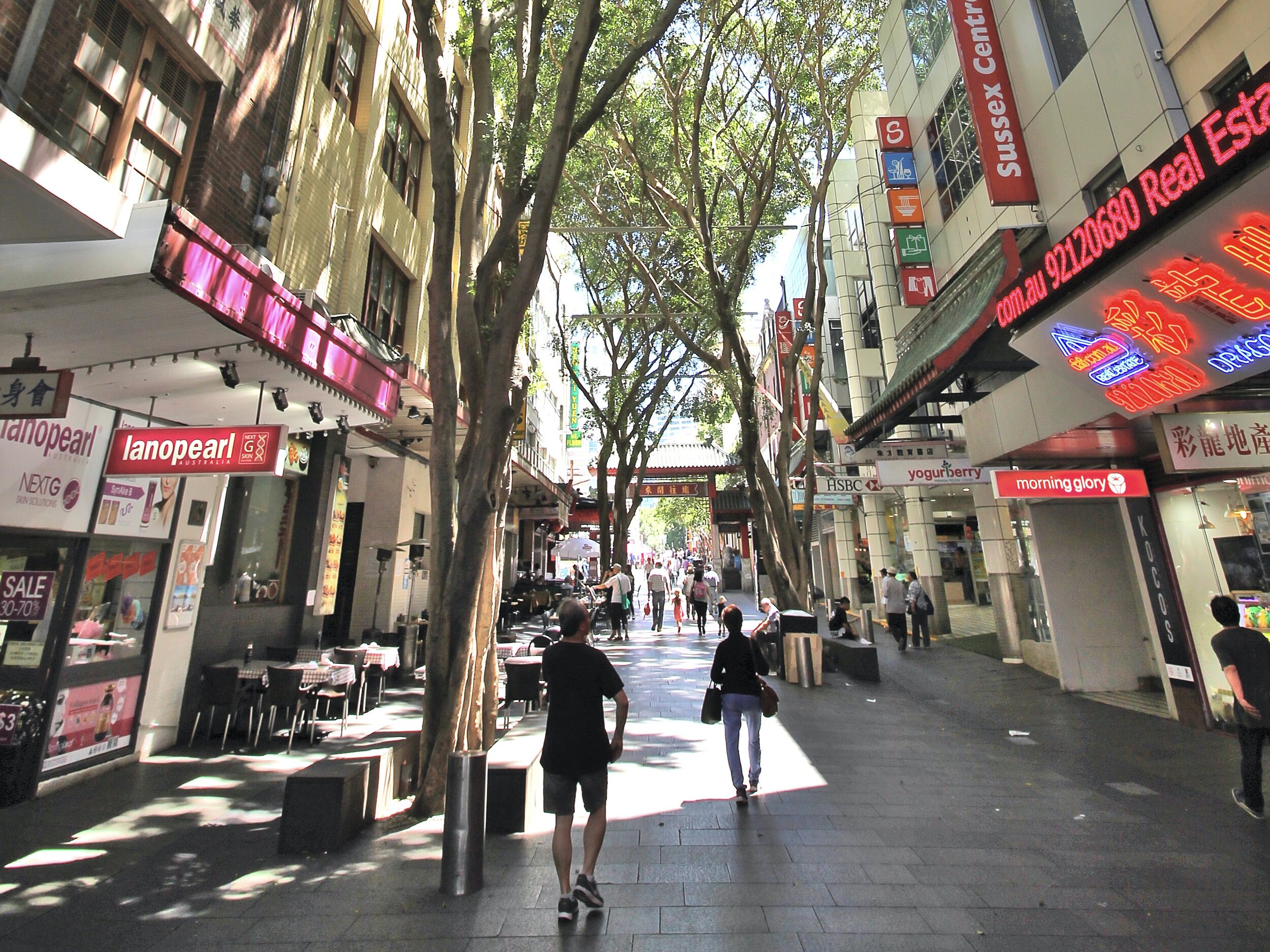
People walking in Sydney’s Chinatown. blairwang. CC BY 2.0.
Sydney’s Chinatown has a history rooted in movement. Many Chinese immigrants in the 1850s were drawn to Australia and settled in The Rocks, a neighborhood that gained the colloquial nickname “Chinese Quarter.” However, due to growing anti-immigrant sentiment and racism beginning in the late 1880s, Sydney’s Chinatown transitioned away from The Rocks to Campbell Street in the 1920s, before relocating again to Dixon and Hay streets, where the current Chinatown lies.
Today, Sydney’s Chinatown is world-renowned for its food and attractions. The Chinese Garden of Friendship, located just a block away from Dixon Street in Darling Harbour, was designed in conjunction with Sydney’s sister city of Guangzhou, China, and features carefully cultivated flora and beautiful architecture. Likewise, every Friday at 4 p.m., Dixon Street is taken over by the Chinatown Night Market. The stalls in the market feature everything from street food staples like dumplings and kebabs, to clothing and jewelry imported directly from China.

Jacob Sutherland
Jacob is a recent graduate from the University of California San Diego where he majored in Political Science and minored in Spanish Language Studies. He previously served as the News Editor for The UCSD Guardian, and hopes to shed light on social justice issues in his work.
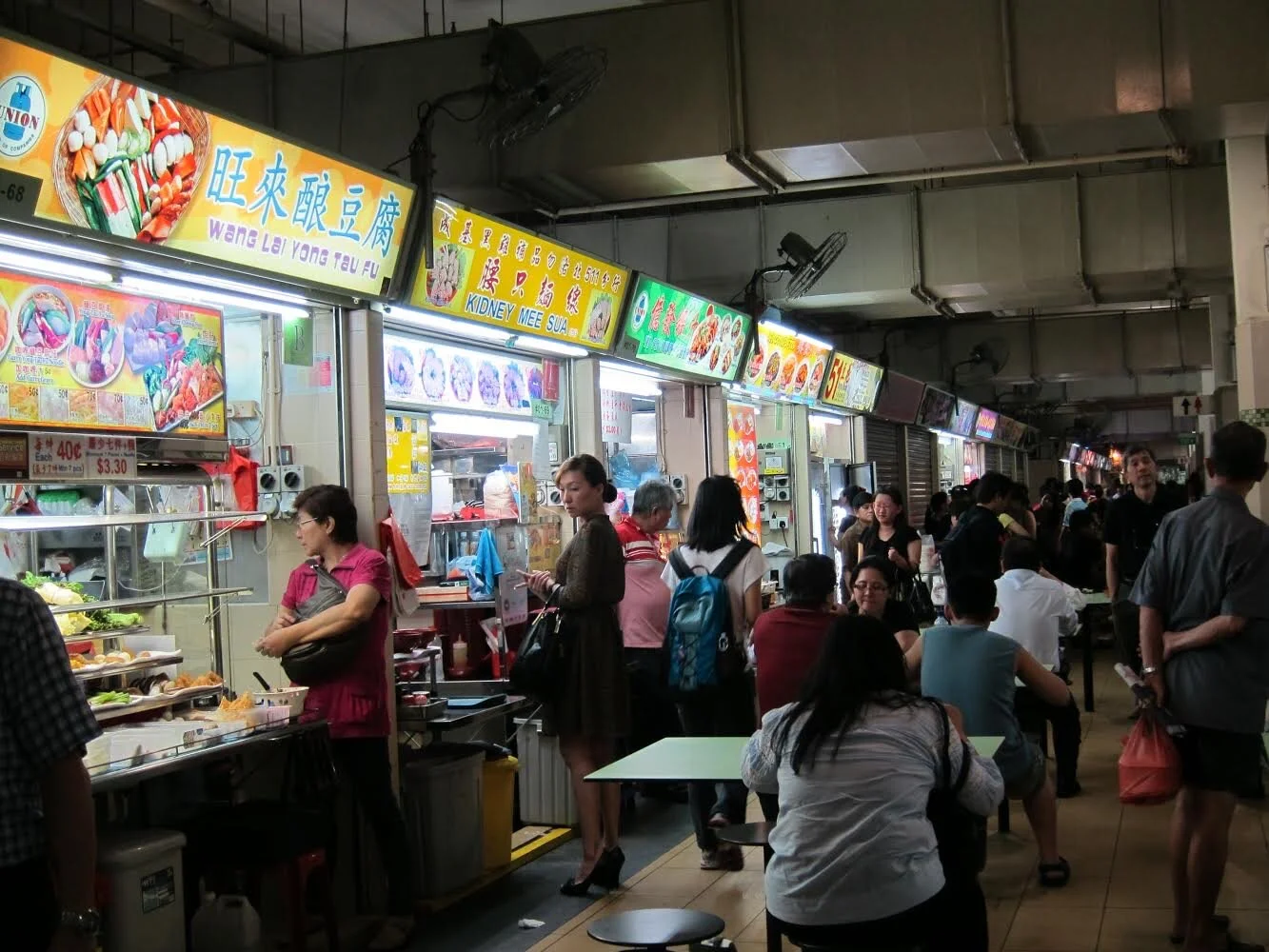
People waiting in line before the pandemic to order food at several stalls in the Old Airport Road Hawker Centre. One More Bite Blog. CC-BY-NC-ND 2.0.
Singapore First Country to Approve Commercial Sale of Lab-Grown Meat
On Dec. 1, the Singapore Food Agency announced that it had approved the sale of cultured meat, the first country in the world to approve such a food product. The meat, which will be produced by the United States startup Eat Just, will be lab-grown chicken sold as nuggets.
In a press release, Eat Just co-founder and CEO Josh Tetrick stated: “I'm sure that our regulatory approval for cultured meat will be the first of many in Singapore and in countries around the globe. Working in partnership with the broader agriculture sector and forward-thinking policymakers, companies like ours can help meet the increased demand for animal protein as our population climbs to 9.7 billion by 2050.”
The lab-grown chicken is grown using cells from a cell bank, which does not require the slaughter of live animals, in a 300-gallon bioreactor, and is later combined with plant-based ingredients to produce a product safe for human consumption.
The cultured nuggets began to be sold to the general public on Dec. 19 at 1880, an upscale restaurant which has a menu centered around experimental cuisine. The inaugural date saw a little over 40 diners try out the cultured meat for the first time.
Eat Just will also begin producing a mung bean-based egg substitute in Singapore, which the company has already been selling commercially in the United States for several years in supermarkets, restaurants, and through partnerships with college campuses.
The approval of cultured meat in any form in Singapore specifically is significant given the nation’s history of being a global food capital. The city-state of 5.7 million is renowned for its hawker centers, food markets home to both traditional and contemporary tastes from around Asia.
Will Other Countries Follow Suit?
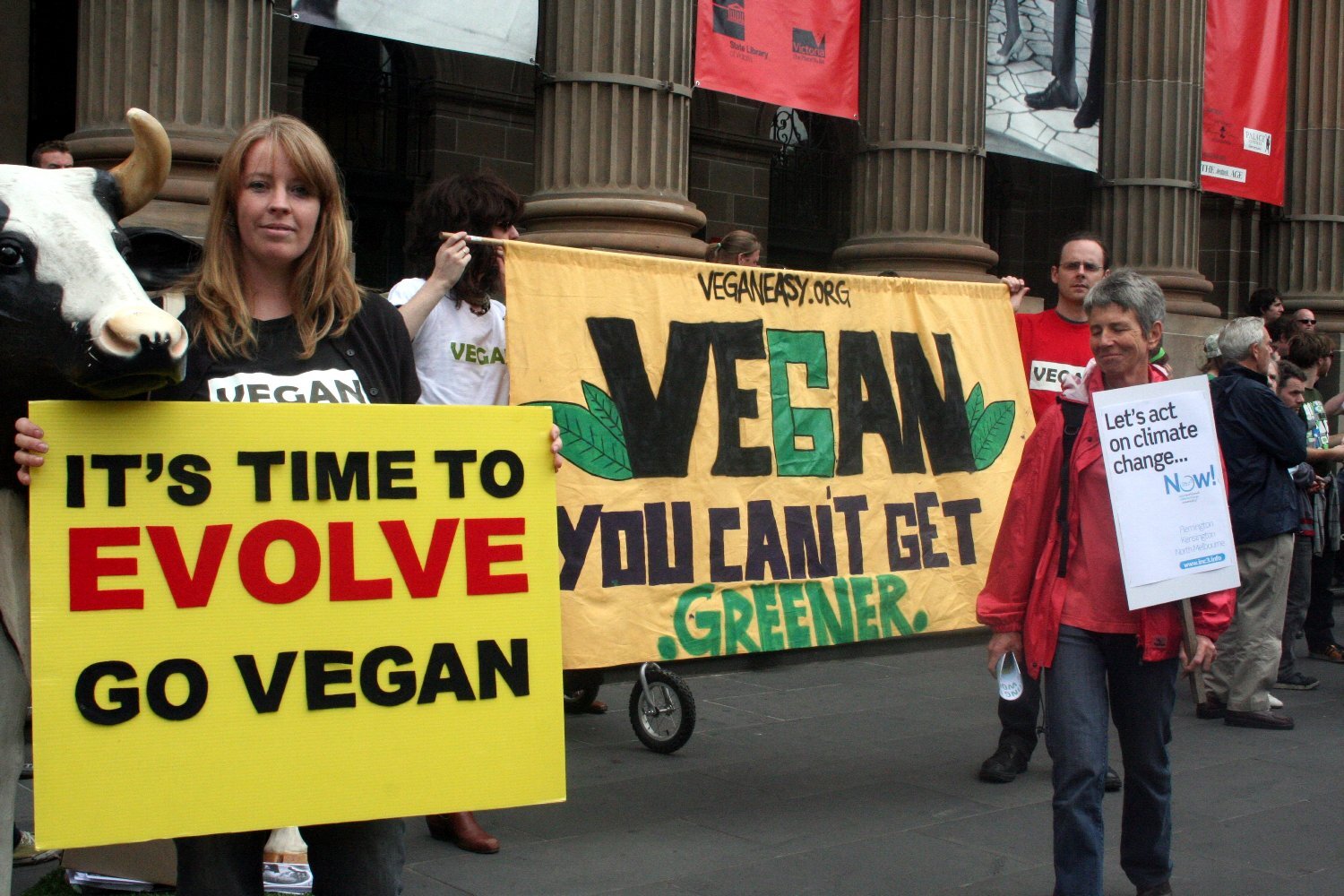
Vegan protesters in Melbourne, Australia. John Englart. CC BY-SA 2.0.
While Singapore’s approval of the production of cultured meat marks a global first, several moral, environmental and social concerns stand which could hinder other countries from following along.
A 2014 study from the Journal of Applied Philosophy discussed the implications for transitioning from farm-bred meat to cultured meat. While one of the most prominent reasons given for transitioning to cultured meat is that it does not require the inhumane practices used to produce traditional farm-bred meat, animal cells still need to be obtained from a source for the production of cultured meat to begin. The researchers conclude that while animals cannot consent to “donating” their cells themselves, “a responsible and respectful caretaker or other representative [to the animals] would need to consent and risks would have to be minimal, minimized and reasonable.”
More prominent, however, are environmental and social concerns. With global temperatures continuing to rise at an alarming rate, researchers generally agree that in order to reduce one’s carbon footprint, the single best way to do this is to avoid meat and dairy products, as livestock accounts for 14% of annual greenhouse gas emissions.
Cultured meat on paper mitigates this issue, as the transition has the potential to significantly reduce the amount of emissions generated by the food industry. However, given that the current small scale of production for cultured meat requires high use of energy and thus generates high levels of carbon emissions, the industry for cultured meat will have to become much more mainstream if it is to achieve the goal of lower carbon emissions.
Finally, one of the most relevant concerns surrounding both the approval and acceptance of cultured meat is whether or not people will actually want to make the transition. A 2018 Michigan State University poll found that while 51% of those aged 18-29 and 60% of those aged 30-39 would be willing to try cultured meat, only 26% of those aged 40-54 and 11% of those aged 55-plus said that they would do the same.
Tetrick himself recognizes this concern. “Is it different? For sure,” Tetrick said in an interview with The Guardian. “Our hope is through transparent communication with consumers, what this is and how it compares to conventional meat, we’re able to win. But it’s not a guarantee.”
Conversely, Andrew Noyes, head of global communications for Eat Just, expressed optimism for future governmental approval in an interview with CATALYST.cm.
“In the U.S., Eat Just is actively engaged with the FDA regarding our process to produce meat,” Noyes said. ”Currently, the FDA and USDA are building a framework and process for regulatory approval of cultured meat. We're hopeful that Singapore's regulatory approval can be a model for other countries formulating a pathway to market for cultured meat products.”
No other countries have so far signaled plans to approve the sale and production of any form of cultured meat. However, given the success of Eat Just in Singapore, as well as the financial backing recently received by competitors like Memphis Meats and Shiok Meats, cultured meat products may very well soon hit the shelves of local supermarkets around the globe.
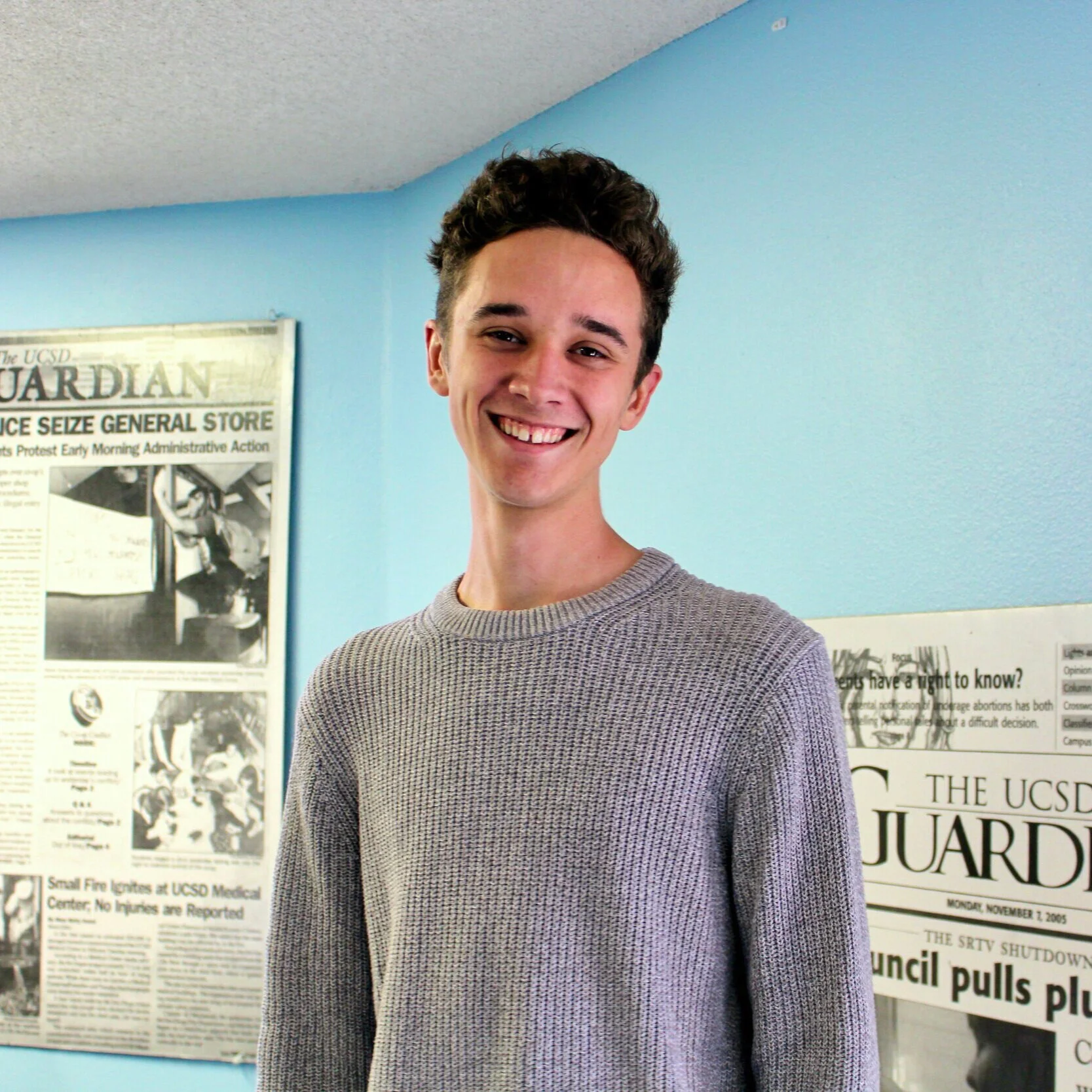
Jacob Sutherland
Jacob is a recent graduate from the University of California San Diego where he majored in Political Science and minored in Spanish Language Studies. He previously served as the News Editor for The UCSD Guardian, and hopes to shed light on social justice issues in his work.

A plane landing in St. Martin. Steven Conroy. CC BY 2.0.
An 8-Day Tour Around the World, Virtually
The ongoing COVID-19 pandemic has caused many to experience FOMO, or the fear of missing out, for travel plans which have otherwise been canceled. That said, with a little creativity and a socially distanced trip to the supermarket, not all travel plans have to be lost.
If you’re interested in taking a more in-depth virtual visit to an international destination, check out our guide on international staycations. However, if you’re looking for a DIY brunch in Milan, a virtual afternoon in Cape Town, or an evening in Singapore, then continue reading on for a list of eight international destinations that you can (briefly) visit from the comfort of your home.
Day 1. Have Brunch in Milan

Homemade panettone, a popular Milanese sweet bread. Nicola. CC BY 2.0.
Milan is truly an international city. The capital of Italy’s Lombardy region boasts an eclectic blend of Milanese cuisine, innovative fashion, and museums which are second to none. In planning a stay-at-home brunch in Milan, one need look no further than the numerous menus of the city’s 8,785 restaurants for inspiration.
Consider making Sarpi oTTo’s famous quadrotti, the Italian equivalent of avocado toast; one just substitutes avocado for any number of toppings from their menu including hummus, chicken pate, or ricotta and asparagus. Or try your hand at making some pastries like vegan almond and carrot cake, chocolate croissants, or a homemade brioche inspired by the California Bakery. Likewise, taste coffees inspired by Biancolatte with recipes including bicerin, an Italian-style mocha espresso, caffe shakerato, or a simple caffe americano.
Day 2. Visit the Museums of Cape Town
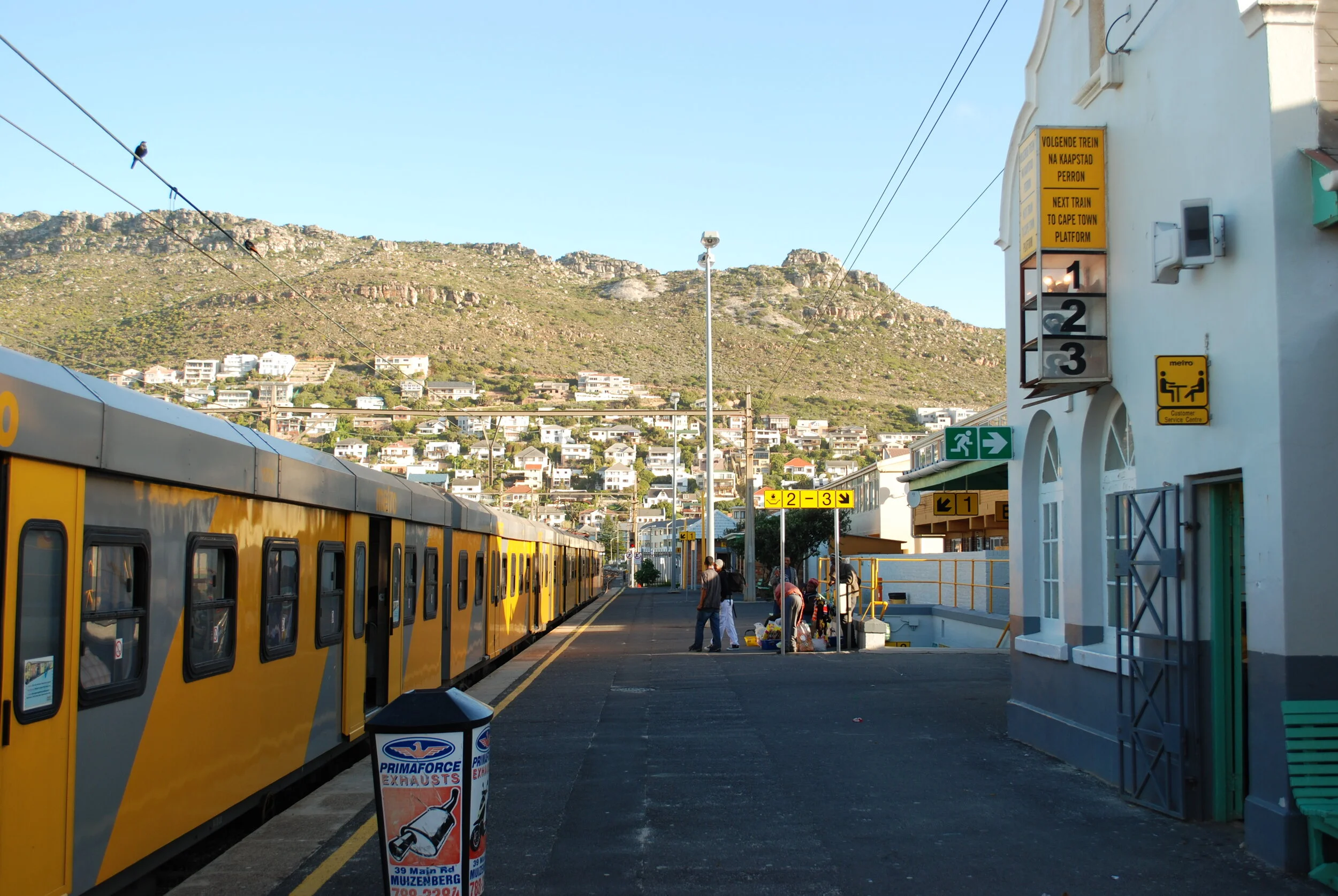
A train pulling into a station in Cape Town. George M. Groutas. CC BY 2.0.
Cape Town, the legislative capital of South Africa, is one of the most historically rich and culturally diverse cities in all of Africa. The second-most populous city in the country, Cape Town is home to a number of popular destinations such as Table Mountain, Cape Point, and world-renowned beaches.
Another popular attraction of the city that can be enjoyed virtually is its excellent museums. The Iziko South African National Gallery is known for its contemporary South African, Dutch, British and French paintings, and offers several virtual tours from exhibits within the Iziko museum system. Likewise, the District Six Museum is home to collections documenting and memorializing the forced removal of 60,000 residents from the District Six region of Cape Town during apartheid in the 1970s. Offering a number of virtual educational resources, one can learn more about the history of apartheid and the movement for restitution.
Day 3. Dine at a Hawker Center in Singapore
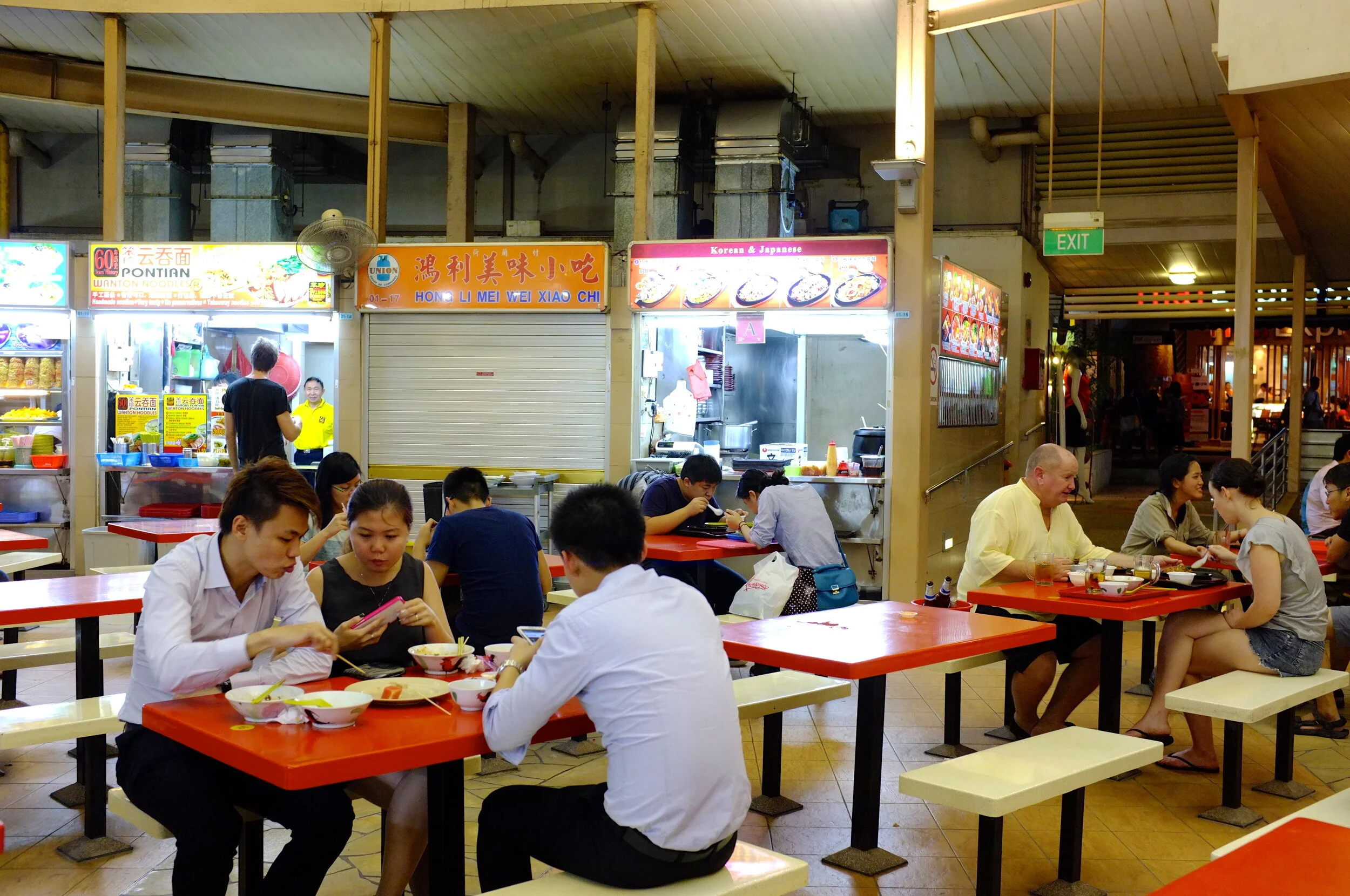
Diners eating at the Holland Village Hawker Centre. Premshree Pillai. CC BY-NC-SA 2.0.
Hawker centers are food markets featuring a blend of cuisines reflective of Singapore's status as a global city. Known for their unique food culture, they draw millions of tourists to the country annually. Famous food halls include the Newton Food Centre, which was featured in “Crazy Rich Asians,” the Chinatown Food Complex and the Tai Hwa Eating House. The latter two are home to the first and second street food locations to ever receive Michelin stars.
For those curious to try out some of the best that Singapore’s hawker centers have to offer, Spice N’ Pans has a list of 20 recipes with how-to videos straight from the city-state’s food stalls. Popular favorites on the list include Hainanese chicken rice, chicken satay, and Teochew fish porridge.
Day 4. Travel Throughout the Middle East

Visitors walking through Petra, Jordan. Chris Yunker. CC BY 2.0.
In the Western world, the Middle East is often overlooked as a travel destination. However, this region is home to a variety of diverse cultures that would be a pity to overlook. Sites such as Petra, Jordan, the Isfahan mosque in Iran, and the Kadisha Valley in Lebanon continue to captivate audiences to this day.
To get a taste of what the Middle East has to offer, consider taking a virtual tour in one of the 16 countries in the region. The travel and culture blog Where Sasha Went offers a great guide to a variety of tours available to anyone. The ancient port city of Jaffa in Israel, flashy Dubai in the United Arab Emirates and the rugged country of Tajikistan are just a handful of locations which can be toured from your computer.
Day 5. Experience Australia’s Natural Diversity

A view of Uluru, also known as Ayers Rock. Angelo Failla. CC BY-NC-SA 2.0.
The land down under is home to some of the most unique and beautiful natural landscapes in the world. Whether it be the Great Barrier Reef off the eastern coast, the vast desert regions of the interior, or the tropical forests in the far north, Australia is truly home to something for every nature lover, regardless of what they may be interested in.
To get a glimpse into the biodiversity of the region, a number of virtual experiences are available for free. The famous Uluru-Kata Tjuta National Park has a number of 360-degree views of the most popular sites in the park. Likewise, one can tour the Great Barrier Reef with David Attenborough, one of the world’s most famous natural historians. Additionally, the Lone Pine Koala Sanctuary offers 18 live webcams so viewers can get up close and personal with the sanctuary’s koalas, dingoes and collection of reptiles.
Day 6. Taste the Tacos of Mexico
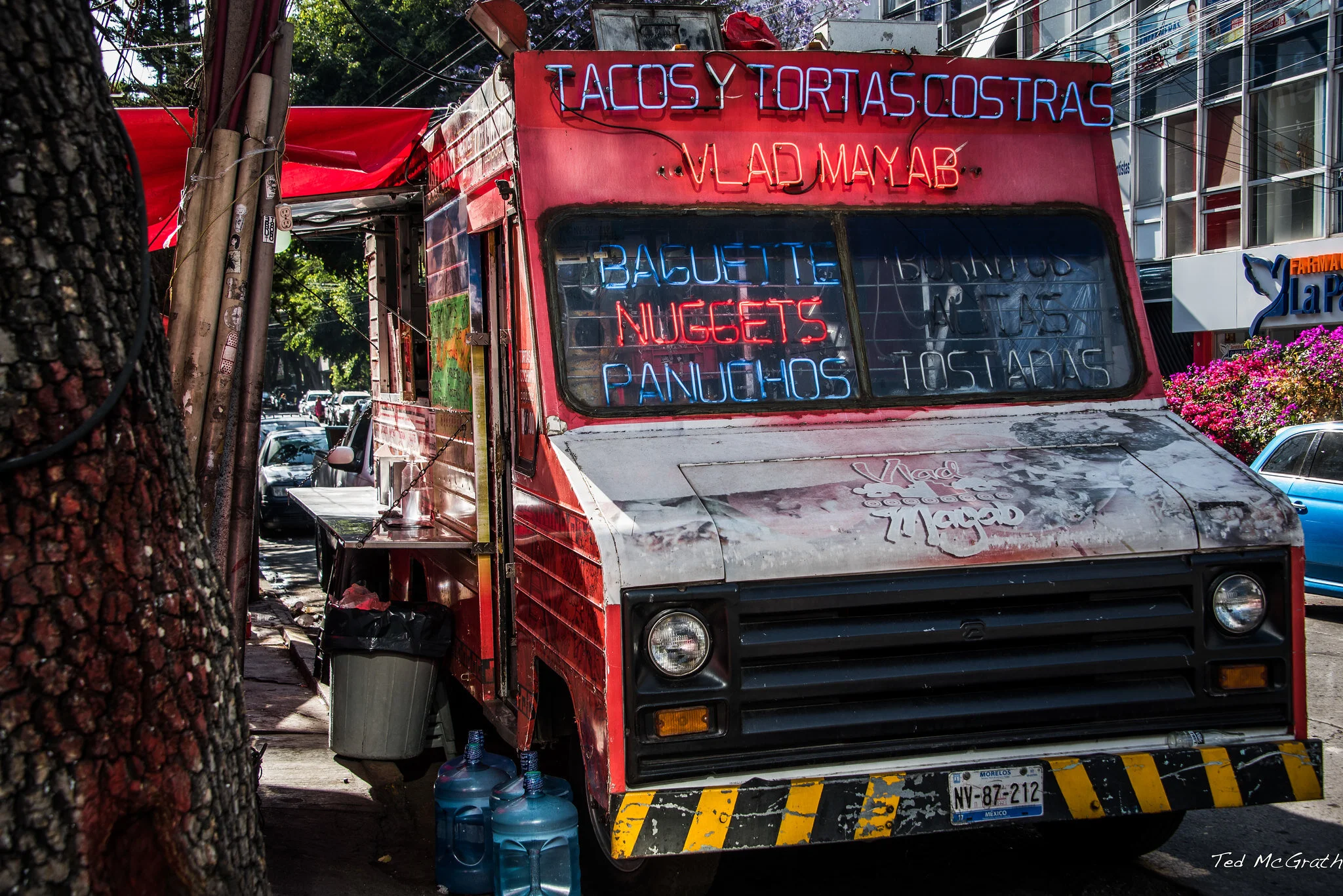
A taco food truck in Mexico City. Ted McGrath. CC BY-NC-SA 2.0.
Mexican food, and more specifically tacos, have been a staple of the American food canon for decades. However, what is often lost when one visits their local taqueria is the history behind the recipes, culture and heritage of favorites such as tacos al pastor and pescado.
Enter “Taco Chronicles,” a visually engaging docuseries on Netflix which centers around the history, traditions and varieties of tacos found throughout Mexico. Each episode highlights a type of taco, then showcases interviews with families, experts, food writers and restaurant owners as they discuss the process and history of their personal recipes. If you are going to sit down for a couple episodes, it is highly recommended that you have a taco in hand; the stunning cinematography and in-depth descriptions make any mouth water for guisado and carnitas.
Day 7. Visit the Best Museums of Europe
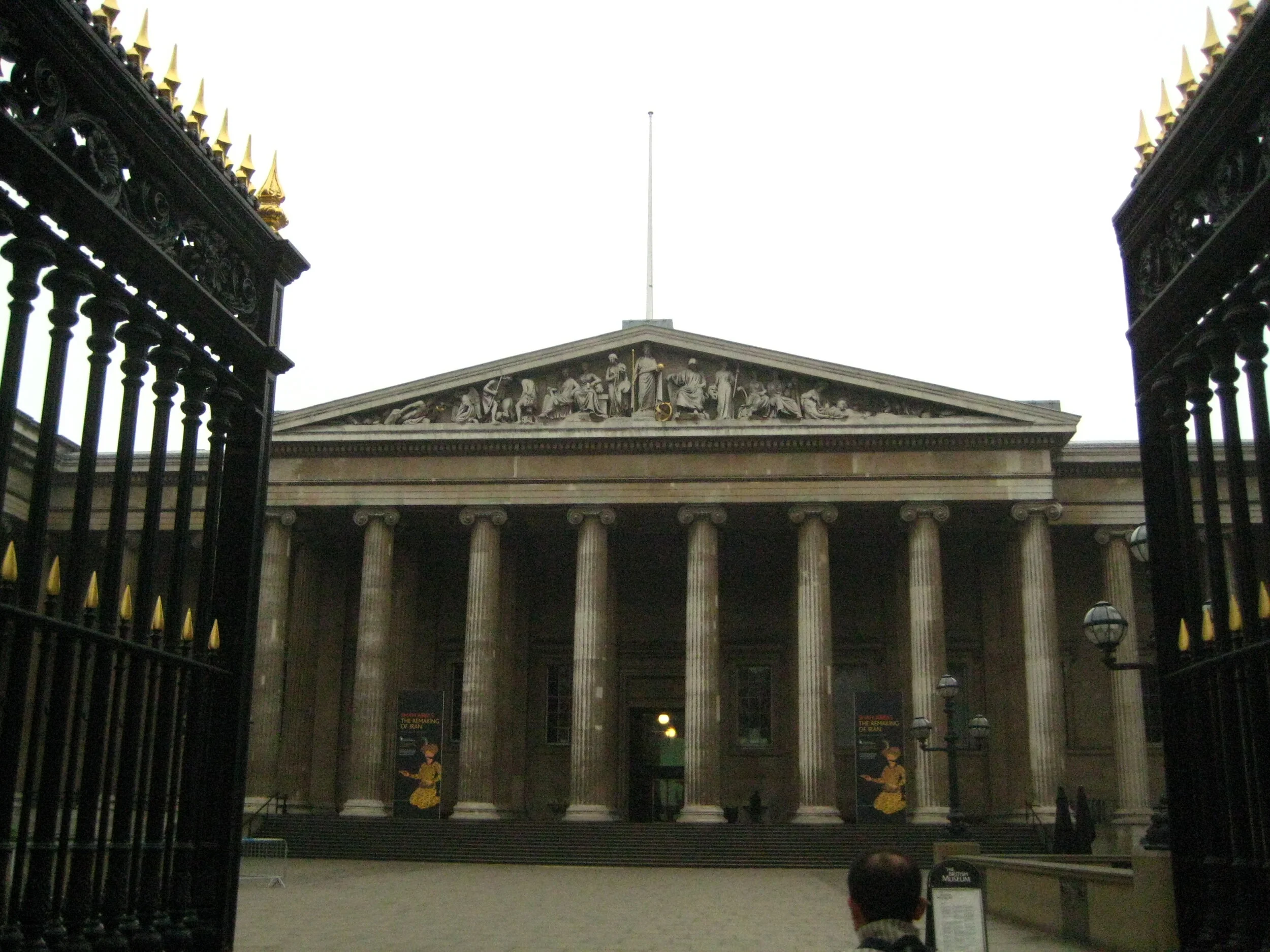
The front entrance of the British Museum. David Woo. CC BY-ND 2.0.
Europe is world renowned for its museums. Each country on the continent can boast its own collections of art, history, science, technology and cultural innovation. Several of these museums, like the Prado Museum in Madrid and the Galileo Museum in Florence, Italy, have been featured in the article, “8 Museums from Around the World to Visit Virtually from Home.”
That said, countless other European museums are deserving of recognition and worth your time if you have a couple of free hours. The British Museum currently offers the Museum of the World digital collection, self-described as an “experience through time, continents and cultures, featuring some of the most fascinating objects in human history.” The Vatican Museums offer virtual tours of a number of rooms from the Holy See, including the iconic Sistine Chapel and the halls of the Chiaramonti Museum. Finally, the State Hermitage Museum in St. Petersburg, Russia, offers an extensive online catalog of art and cultural artifacts from Europe’s largest country.
Day 8. Viva La Habana
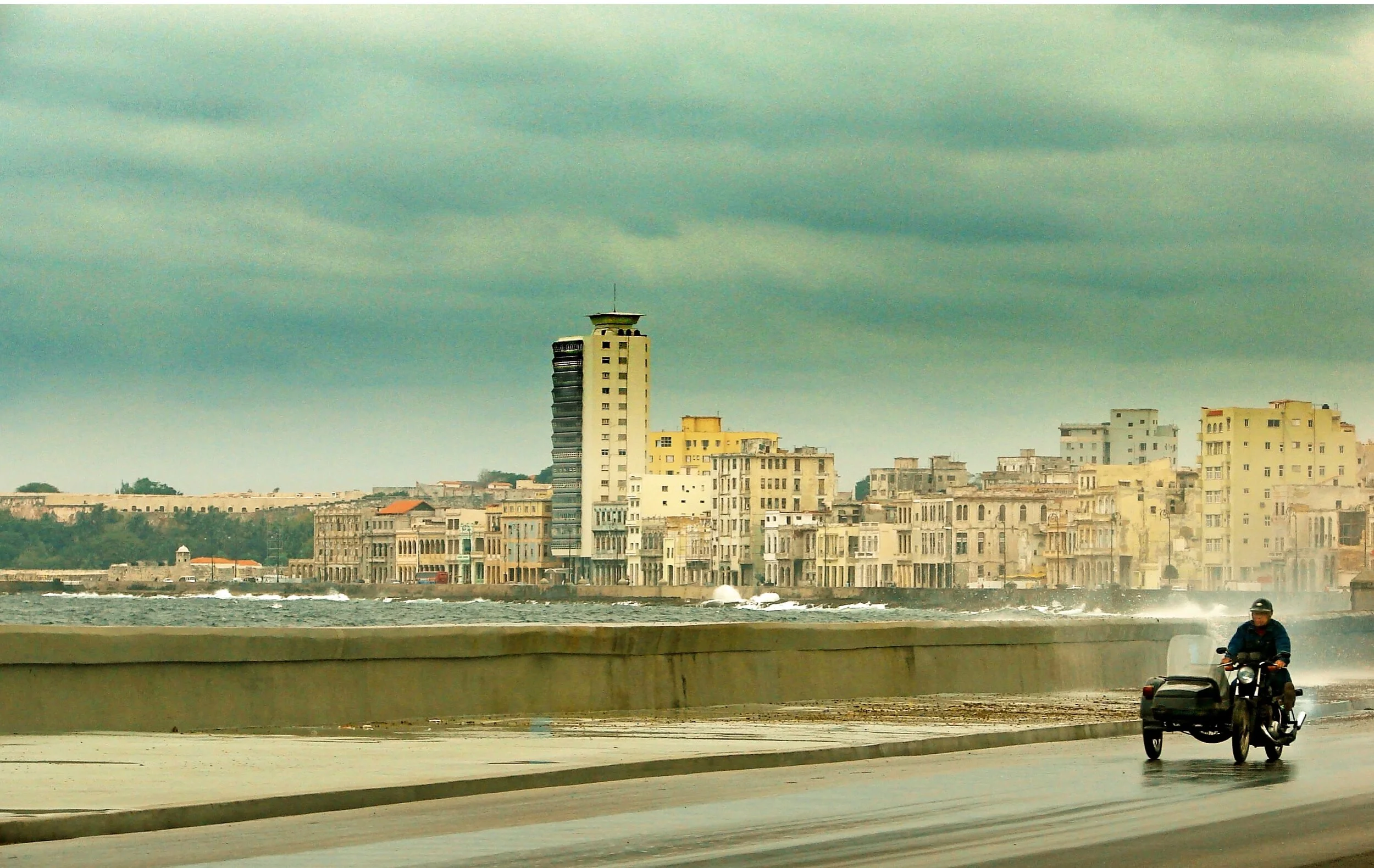
A view of Havana from the Malecon. Nick Kenrick. CC BY-NC-SA 2.0.
For many, the sights and sounds of Cuba’s capital city are lost, largely due to the ongoing tensions between the island nation and the United States. That said, Havana’s unique history has shaped it to be one of the most fascinating and culturally vibrant cities in the world. Featuring sites like the Paseo del Prado, institutions such as the International School of Havana, and foods like fried sweet plantains and cafe cubano, the city holds something for everyone.
To enjoy Havana from the comfort of your home, consider trying your hand at cooking Cuban recipes. Saveur offers a great starting point for recipes, including popular favorites such as ropa vieja, a Cuban-style shredded beef, fricase de pollo, a type of chicken stew, and the ever-famous cubano sandwich. Additionally, a budding film industry has begun to take hold in Havana, offering films that showcase beautiful shots of the cityscape. Movies like “Four Seasons in Havana” and “Wasp Network” are both available on Netflix.
Jacob Sutherland
Jacob is a recent graduate from the University of California San Diego where he majored in Political Science and minored in Spanish Language Studies. He previously served as the News Editor for The UCSD Guardian, and hopes to shed light on social justice issues in his work
Singapore’s Dying Dialects
Singapore is a tiny Southeast Asian country often celebrated for its diverse and multilingual population. Despite efforts to preserve its cultural heritage, the country is at risk of completely losing the speakers and history of its Chinese dialects.
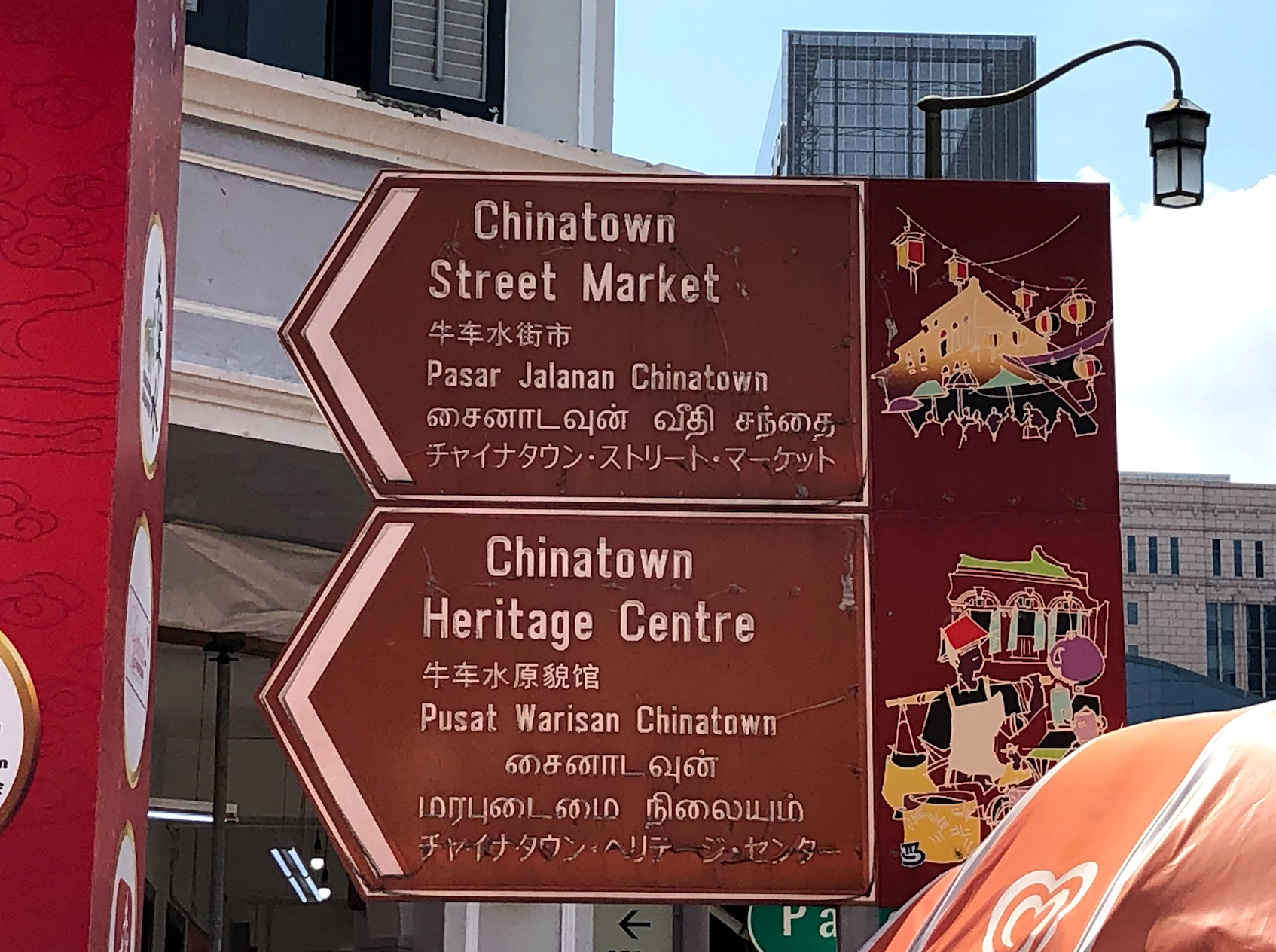
A street in Singapore’s Chinatown showcasing the four official languages of the country. Courtesy of Rhiannon Koh.
Singapore is an island nation located on the tip of the Malay Peninsula. This city-state is an international port known for its cleanliness, law and order, and neo-futuristic cityscapes. Under its sleek veneer of lights, however, Singapore also harbors an impressive heritage thanks to its multicultural populace.
The official story of Singapore begins in the third century. Early Chinese records show that this island was frequented by the Malays, the Javanese, the Indian Cholas and other passing tradesmen. According to legend, the 14th-century Srivijayan prince Sri Tri Buana stumbled upon the island, saw a tiger, and mistook it for a lion. He then named the island “Singapura,” or the “Lion City.” After nearly five centuries of obscurity, the island resurged into the spotlight when the British statesman Stamford Raffles founded what is now considered modern-day Singapore. Even before Raffles’ influence, the island was already home to an ethnically diverse mix of Chinese, Malays and Indians.
Since its independence in 1965, Singapore has encoded multiculturalism and linguistic diversity into its constitution. Statute 153A states that Malay, Mandarin, Tamil and English shall be the four official languages in Singapore; no person shall be discriminated against for whichever they choose. Consequently, multilingual signs are considered the norm and it can cause a public uproar when signs fail to be inclusive. In recent years, however, English has dominated communication in many homes.
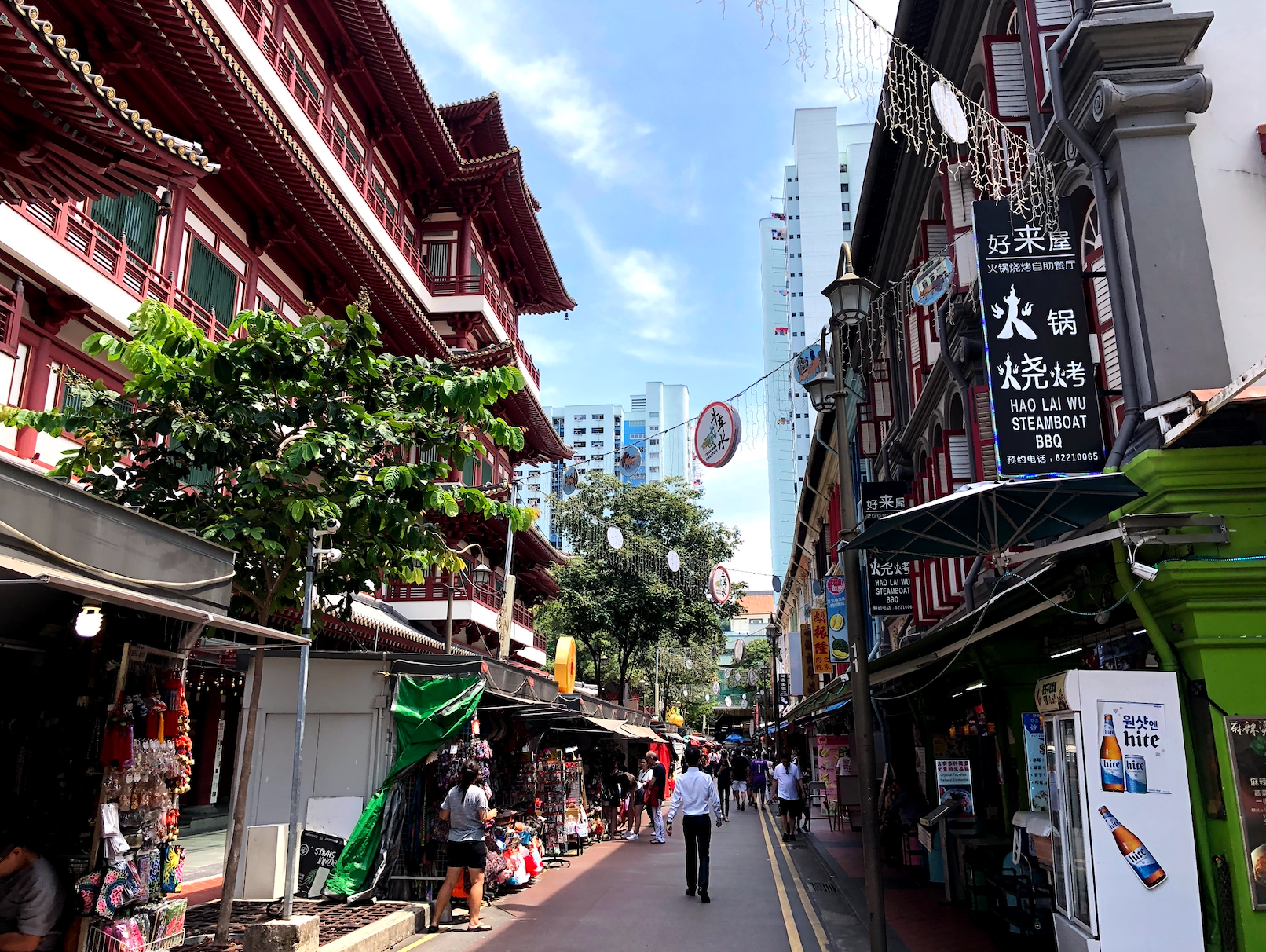
Singapore’s city plan emphasizes historical preservation, fostering an urbanscape of both old and new. Courtesy of Rhiannon Koh.
When Singapore’s first prime minister, Lee Kuan Yew, came to power, he believed that knowledge of dialects undermined the mastery of key languages. Since Singapore was a former British colony and was largely comprised of those of a Chinese background, Yew pushed for English and Mandarin education in schools, essentially cutting down a “thriving linguistic tropical rainforest.” Though these languages gave Singapore a competitive edge in global markets, many Singaporeans lost knowledge of their mother tongues—Hokkien, Teochew, Hakka and others—as well as their connection to grandparents and elders who spoke exclusively in those dialects. A 2015 Department of Statistics study found that in-home dialect use decreased from 18.2% in 2005 to 12.6%. In the wake of this reckoning, many youths are taking steps to reclaim their heritage. Students like Lee Xuan Jin came to understand that Hokkien and Teochew were his “true mother tongues” as opposed to mainland Mandarin. To rekindle the language and improve literacy, Lee launched a Facebook page called Writing in Hokkien.
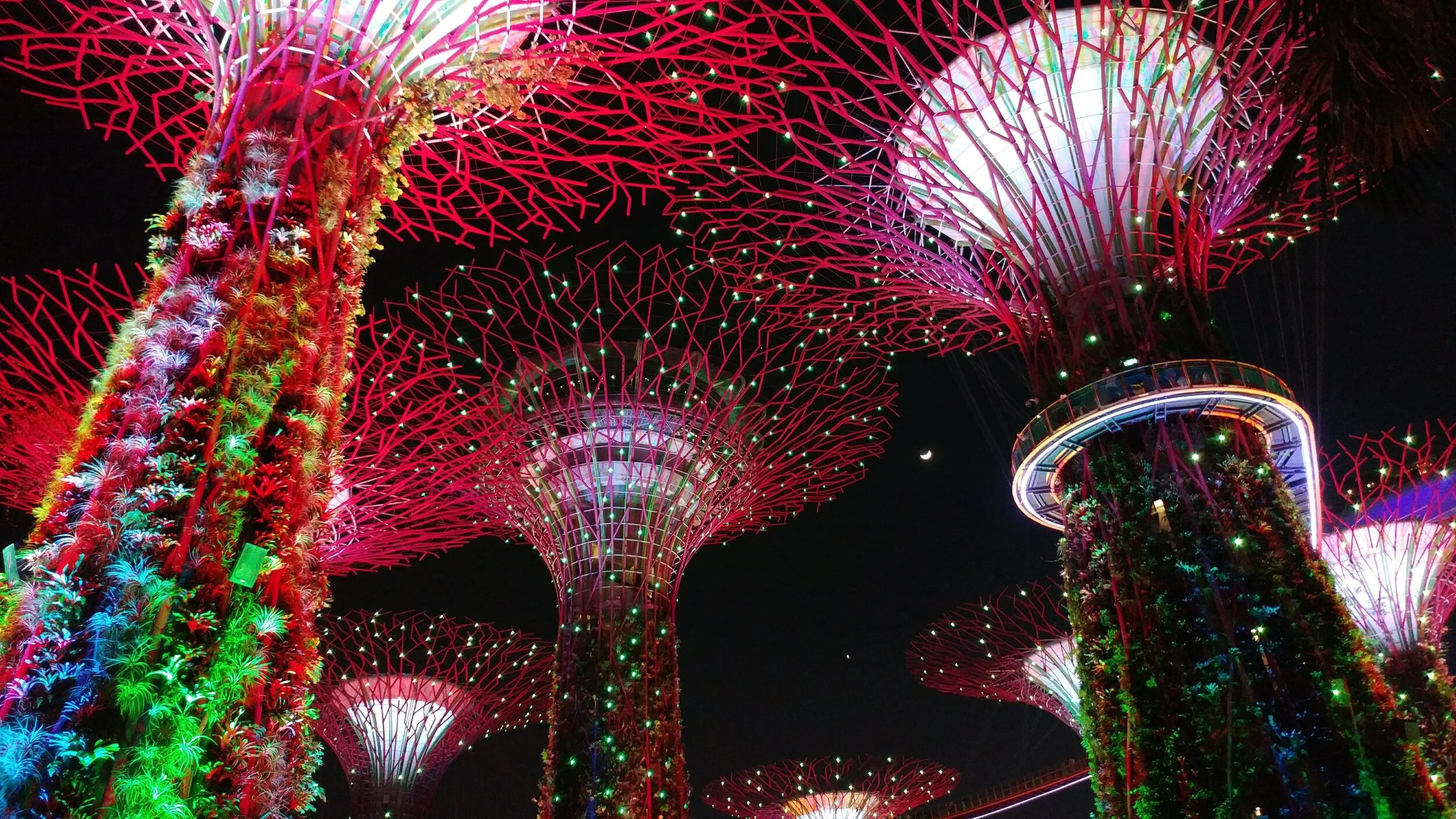
Singapore’s Gardens by the Bay, a testament to the country’s endemic botany and the potential of its future. Courtesy of Rhiannon Koh.
In an op-ed piece for Rice, Natalie Tan questions Singapore’s Speak Mandarin Campaign—a program that effectively rendered dialects obsolete in favor of a unified but vague Chinese culture. Tan argues that Singaporeans lost a bridge to the past. If this trend continues, Singaporeans will lose their ability to translate interviews and other important historical documents. Locals will also lose the stories of their elders as well as the rich histories still bound up in fading languages.
The demise of Chinese dialects taps into the overarching issue of dying languages across the globe. Some feel the dissolution of language is inevitable, citing cultural differences in value and multicultural diversity. Others argue that dying languages should be saved, referencing the invaluable knowledge Indigenous languages harbor. Many languages disappear each year; the difficult question is whether anything should be done to prevent this fate.

Rhiannon Koh
earned her B.A. in Urban Studies & Planning from UC San Diego. Her honors thesis was a speculative fiction piece exploring the aspects of surveillance technology, climate change, and the future of urbanized humanity. She is committed to expanding the stories we tell.
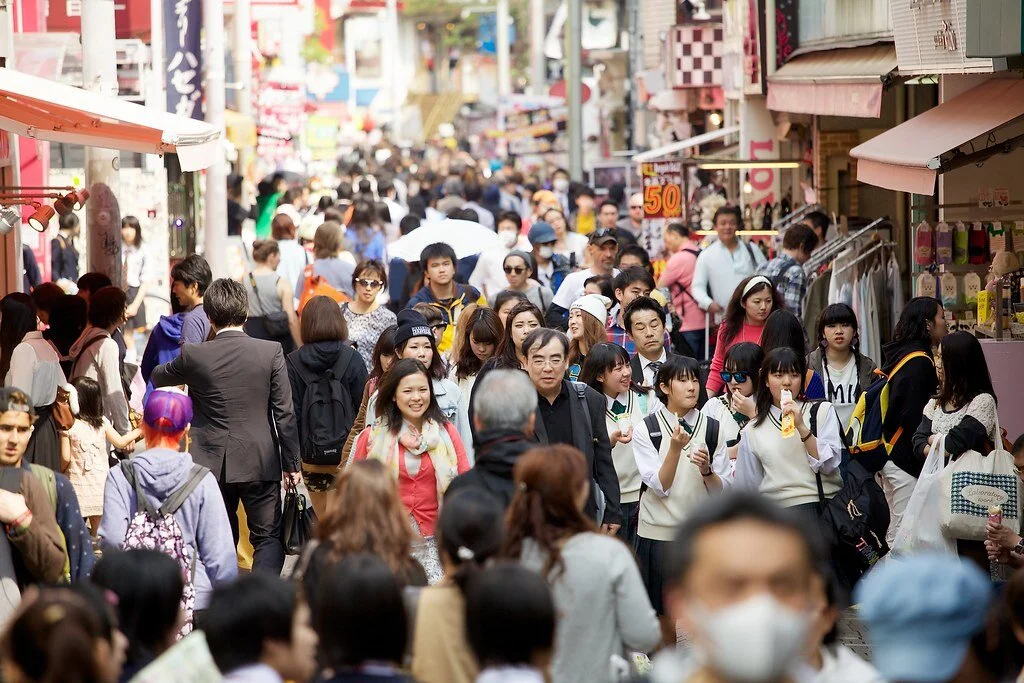
Harajuku, Japan. SkandyQC. CC BY-NC-ND 2.0
Why Fertility Rates Could Halve by 2100
The global population growth rate is predicted to take a drastic downward turn, with experts believing that major countries such as Japan and Italy will see their populations halve by 2100. This is an unprecedented problem that could negatively impact society as a whole if the trend continues. The necessity for the world to plan and prepare for this outcome has become increasingly clear as global trends solidify.
Why the Sudden ‘Baby Bust’?
In the 1950s, women were having an average of about 4.7 children in their life span. In today’s world, women are instead averaging 2.4. The causes for this turnaround include increased educational opportunities, greater numbers of women in the workforce and increased access to contraceptives. There seems to have been an attitude change toward parenthood in recent years. In more developed countries, the roles of women have turned in favor of being outside the home, leaving less time for children. This contrasts starkly with historical norms, where women stayed home to take care of the family and house while men left to go to work.
What Are the Global Consequences?
While an initial evaluation might suggest that a smaller population would be better for the environment, professor Christopher Murray of the University of Washington suggests that this would lead to an “inverted social structure” where there are more older people than young. This raises questions about who will pay taxes and take care of the elderly. These are issues that the younger generations will have to worry about as they reach adulthood. “We’ll have to reorganize societies,” Murray says, in order to make current population trends sustainable.
The world’s changing population numbers could lead to a shift in the world’s dominant powers. For example, India is set to replace China as the world’s most populous country as China faces a population decline as soon as 2024. By 2100, India’s population would be followed by Nigeria’s, China’s and the United States’.
Why Nigeria?
As COVID-19 and other health challenges ravage developing countries, access to contraceptives and other family planning becomes limited. This leads to more pregnancies in places such as sub-Saharan Africa, which is set to “treble in size.” Africa’s forecast for rapid growth calls attention to the current social situation regarding racism, with Murray stating that “global recognition of the challenges around racism are going to be all the more critical if there are large numbers of people of African descent in many countries.”
This shift in global power is expected to create issues surrounding development, social status and racism. Especially in the current social environment, racism could become one of the largest issues if these predictions prove to be true.
What is Being Done to Prevent Population Decline?
Countries such as the United Kingdom have incentivized and increased migration. However, this is only a temporary fix as most countries begin to drop in population. Other countries have increased paid maternity and paternity leave, but have still seen few shifts toward larger families. Sweden has managed to “drag its rate from 1.7 to 1.9” while Singapore still has a rate of 1.3. Women simply cannot be expected to increase the number of children they have due to policy changes, and current trends show that this attempt will not be enough.
If the global reproductive rate drops to the predicted 1.7 by 2100, population extinction could become more of a legitimate concern. The 2.1 threshold, which is necessary to sustain the world’s current population, is instead being used as a target for future growth. Ultimately, though, young adults need to start planning for a future where society’s age makeup is inverted.

Elizabeth Misnick
is a Professional Writing and Rhetoric major at Baylor University. She grew up in a military family and lived in Europe for almost half her life, traveling and living in different countries. She hopes to continue writing professionally throughout her career and publish her writing in the future.