
An activist self-immolates outside the U.N. headquarters to protest Chinese control of Tibet.
Read MoreWho Owns Chinese Celebrity Culture in Taiwan?
Actor Zhang Linghe’s opening speech at the 18th Straits Forum caught widespread attention with his call for improved cross-strait exchanges.
Read MoreFinding Community in China’s Underground Churches
Despite the threat imposed by the Chinese government, underground Chinese Christian communities continue to find hope.
Read MoreThe Fight to Preserve Cantonese Language and Culture
Despite pressure from the Chinese government, the will to preserve the Cantonese language remains strong in China and around the world.
Read MoreChina’s Waste Revolution: Turning Garbage into Energy
With waste-to-energy plants booming, the nation faces an unexpected garbage shortage.
Read MoreVanishing Archives: Hong Kong Artists Resurrect Protest
In the wake of censorship and arrests, Hong Kong’s artists are quietly preserving protest materials through informal and digital means.
Read MoreThe Cage Home Crisis in Hong Kong
Hong Kong's reputation as one of the most expensive housing markets in the world has led to more than 200,000 people living in cage homes, bedspace apartments likened to coffins for the living.
Read MoreForced Uyghur Labor in China’s Seafood Industry
Uyghur people in China are subjected to forced labor in the seafood industry, enduring brutal conditions and human rights abuses on fishing vessels and in processing plants.
Read MoreCelebrating Lunar New Year Across China
Falling on Jan. 29, 2025, the Lunar New Year is a time of celebration across China, commemorated by unique traditions found in each of its culturally diverse regions.
Read MoreNanjie: A Living Memory of Maoist China
In the small Chinese village of Nanjie, residents live in a time capsule of the Cultural Revolution.
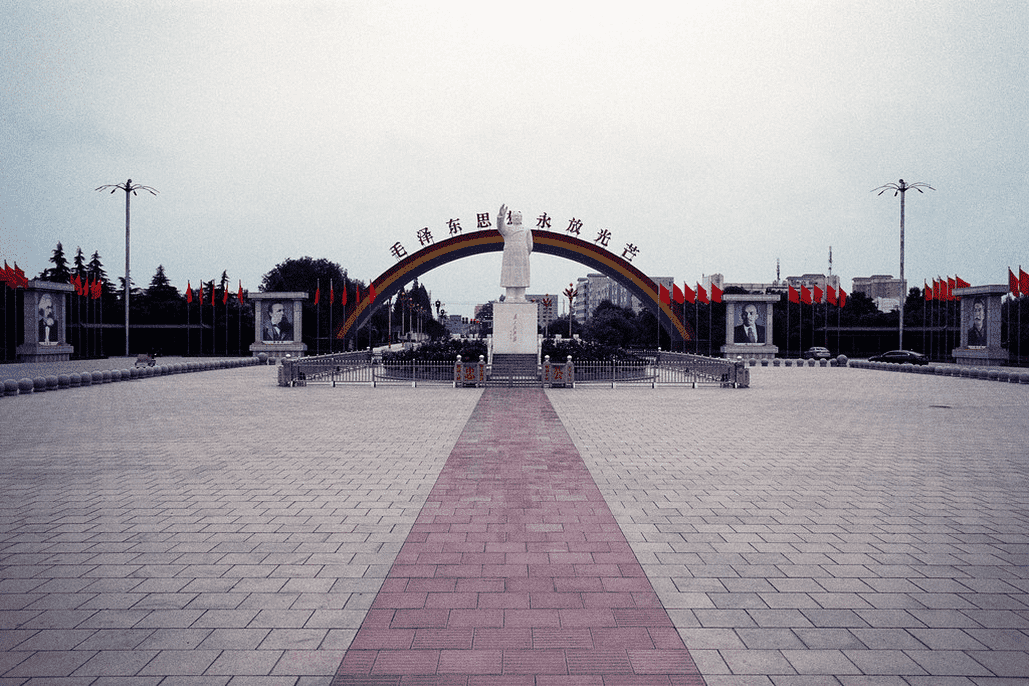
The East is Red Square. Nicolas Oddo. CC BY-ND 2.0
While China’s Cultural Revolution officially ended in 1976 with the death of Chairman Mao Zedong, the more than 3,000 residents of Nanjie, in Central China’s Henan province, continue to live by the principles of Maoism. While the village is reportedly one of China’s wealthiest, having grown its economy by nearly 2,000 fold in just ten years, workers in the village’s factory have agreed to accept a monthly salary of only about $400. In the 1980s, when the rest of China was opening up to the capitalist market, Nanjie chose to revert to the system of collective ownership taught by Mao.
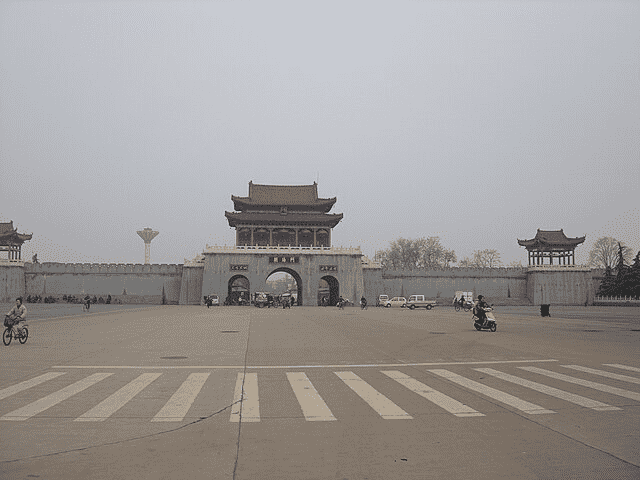
Nanjie Commune Gate. Gary Lee Todd. CC0 1.0
Nanjie is small, comprising about two dozen factories and several main streets. Mao Zedong’s face is displayed all over the village in the form of billboards, posters and framed portraits. A giant statue of the Cultural Revolution’s late leader can be found in the middle of the town’s main square, the “East is Red” Square. On each side of the looming statue are portraits of four other famous communists: Karl Marx, Friedrich Engels, Vladimir Lenin and Joseph Stalin. North of the square stands the traditional-style Chaoyang Gate, decorated with a portrait of Sun Yat-sen.
In the square, a speech from Mao is played on a perpetual loop. New party members take their oaths in the square. On National Day, all couples in the village get married in a single collective ceremony and bow to the statue of Chairman Mao. As a wedding gift, they receive copies of Mao’s “Little Red Book.”
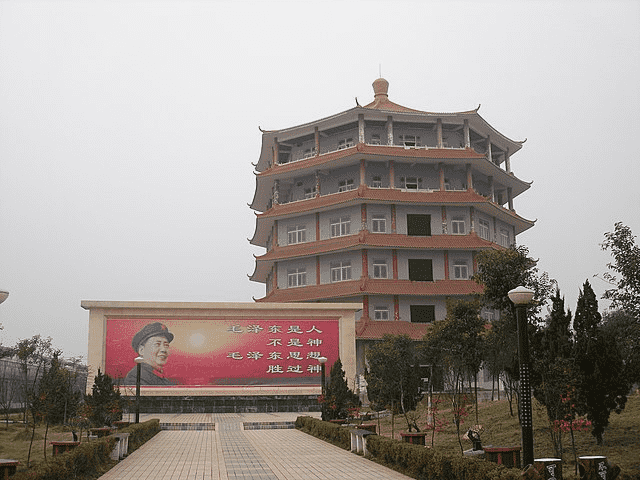
Nanjie Commune. Gary Lee Todd. CC0 1.0
The village's economy is dominated by collective ownership and management of all production and rationing supplies like coal, cooking oil, candy and even cigarettes. Residents are awoken each morning by “Dongfang Hong” (“The East is Red”), the de facto anthem of the Cultural Revolution, playing over loudspeakers. While some residents have chosen to leave the village in pursuit of capitalist success, many prefer the commune lifestyle free from the stress of higher living costs and housing loans.
Exterior of Nanjie Commune Apartments. Gary Lee Todd. CC0
Interior of Nanjie Commune Apartment. Gary Lee Todd. CC0 1.0
Since the 90s, almost all village inhabitants have been living in collectively built apartments, with rent often funded by welfare. Every month, each resident receives vouchers of about $13 to cover the cost of food and groceries at the village’s commune-style supermarket. Locals also receive free healthcare and education.
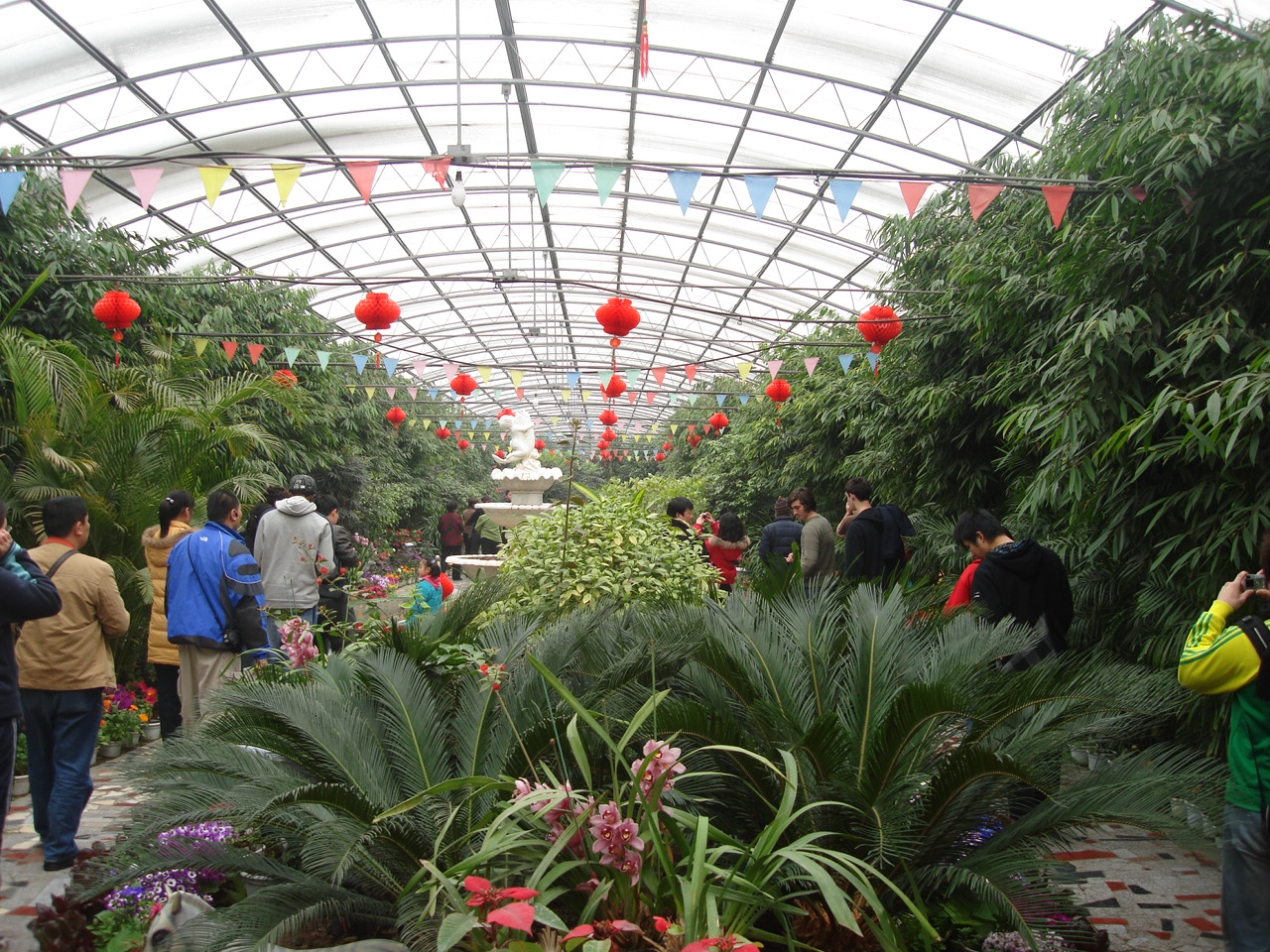
Nanjie Commune Greenhouse. Gary Lee Todd. CC0
Nanjie even has a theme park dedicated to the history of the Chinese Communist Party, featuring re-creations of significant historical events and a $1.2 million greenhouse. The garden houses more than 500 flower species and 10,000 plants, as well as sculptures of animals like kangaroos and dinosaurs. Aside from the theme park and the greenhouse, the village also houses five parks, a zoo, a small artificial mountain set with bridges over a moat, a large swimming center and a grand mosque. While the village itself might be small, its historic, almost museum-like preservation, unique cultural heritage and the pride that locals take in their way of life make for a fascinating window into a bygone era.
GETTING THERE
Traveling to the collective is not difficult. From Zhengzhou, the capital of Henan province, buses (Y31; two hours) run south to Linying every hour between 6:40 am and 6:10 pm local time. From Linying it is a 1.2-mile walk south to Nanjie on the east side of the road. Taxi cabs are also available. Hotels are available in Nanjie and the surrounding areas.

Rebecca Pitcairn
Rebecca studies Italian Language and Literature, Classical Civilizations, and English Writing at the University of Pittsburgh. She hopes to one day attain a PhD in Classical Archeology. She is passionate about feminism and climate justice. She enjoys reading, playing the lyre, and longboarding in her free time.
Big Brother is Watching: China’s Social Credit System
The nuanced nature of China’s social credit system has sparked global debate.
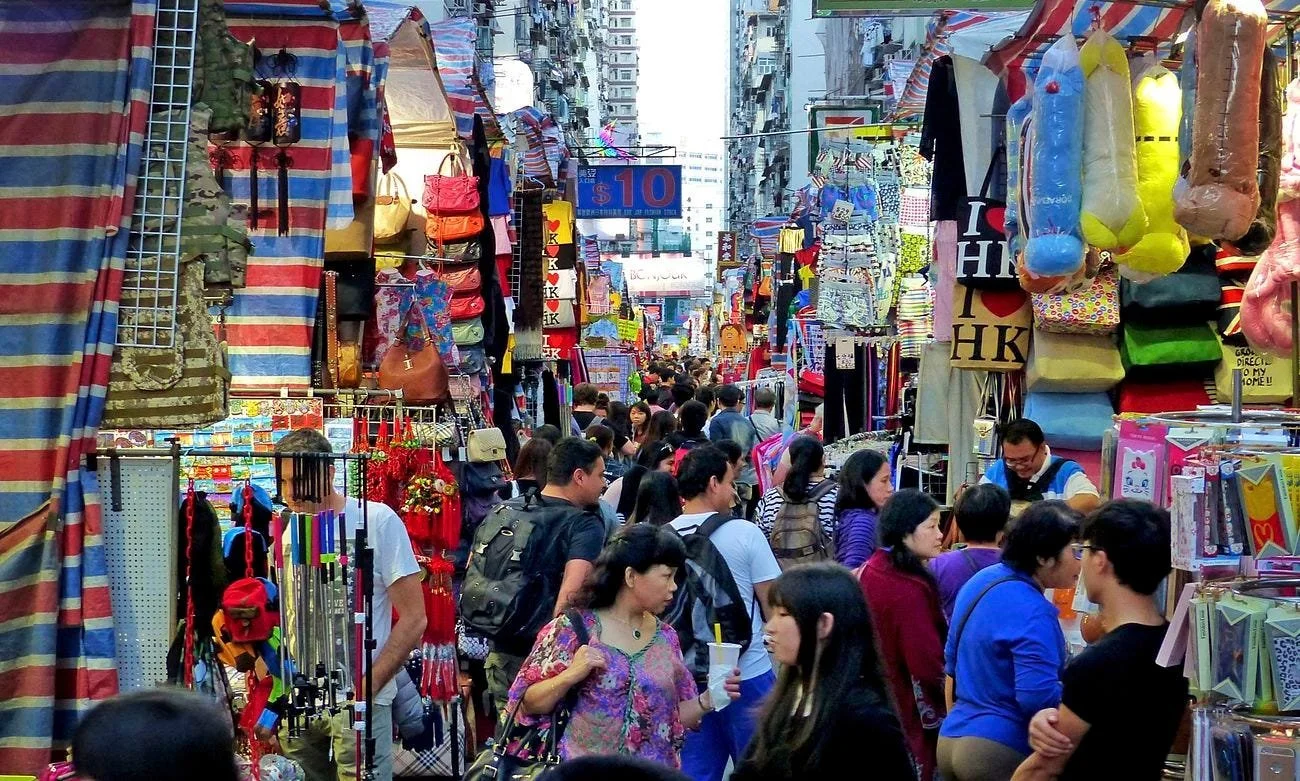
People walking through crowded streets in Shanghai. Rawpixel. CC0 1.0
Amid social and political turmoil, many are fascinated by order, hierarchy and control. One of China’s long-term goals is technological self-reliance, reflected in the country’s controversial social credit system. Millions of citizens are defined by and reduced to a numeric value, which is generated as their daily interactions and purchases are closely monitored. The system was predominantly economic—similar to a FICO score—until 2004, when President Jian Zemin expanded the system by adding a social aspect. The current social credit system was formally introduced in 2014, and by 2022, 80% of China’s cities, counties and regions had instituted some version of it.
The social credit system varies geographically. Some citizens receive a numeric score between zero and 1,000, while others are marked by a letter score from A to Z. The system is divided into four categories: business, social, government, and judicial. It operates punitively, rewarding citizens for good behavior and punishing them for bad behavior. A drop in one's score can come from traffic violations, littering and gossiping, while good deeds like donating to charity and assisting the elderly can increase it. The more points accrued, the more preferential treatment one receives, including discounts and travel perks. However, if a citizen's score is too low, they can be prevented from traveling or landing work. In 2019, millions of Chinese citizens were banned from buying plane tickets due to low social credit scores. China’s social credit system has been compared to the Black Mirror episode "Nosedive," which depicts dystopian society in which one’s worth is defined in relation to their portrayal on social media.

Surveillance equipment. Rawpixel. CC0 1.0
The government claims that the social credit system was instituted to “build trust” amongst citizens. However, the lack of privacy and blacklist perpetuated by the system has sparked global concern. Even by criticizing the government, your social credit score is lowered, and in some cities, the government pays citizens to report good or bad behavior. Recent studies suggest that the portrayal of China’s social credit system in the media is exaggerated. According to the MIT Technology Review, the system primarily functions as a comprehensive record of data, documenting companies’ financial histories. It is therefore less important as a single score than as a record.
The social credit system is only one aspect of government surveillance in China. The country’s firewall limits internet searches, and there are at least 200 million surveillance cameras installed that can use facial recognition software. China’s government operates without rule of law, leading to the abuse of power. Surveillance capitalism ultimately poses a threat to individual autonomy and democratic governance. The question remains as to how far it will spread in the coming years.

Agnes Volland
Agnes is a student at UC Berkeley majoring in Interdisciplinary Studies and minoring in Creative Writing, with a research focus on road trip culture in America. She currently writes for BARE Magazine and Caravan Travel & Style Magazine. She is working on a novel that follows two sisters as they road trip down Highway 40, from California to Oklahoma. In the future, she hopes to pursue a career in journalism, publishing, or research.
China’s Rainbow Mountains
Eons of time and colossal tectonic plates have shaped China's most colorful national treasure.
Read MoreThe Extensive Cuisine of Chinese Muslims
From pita bread to lamb, halal Chinese food’s influences stretch from the Mediterranean to Russia and from China to the Middle East.
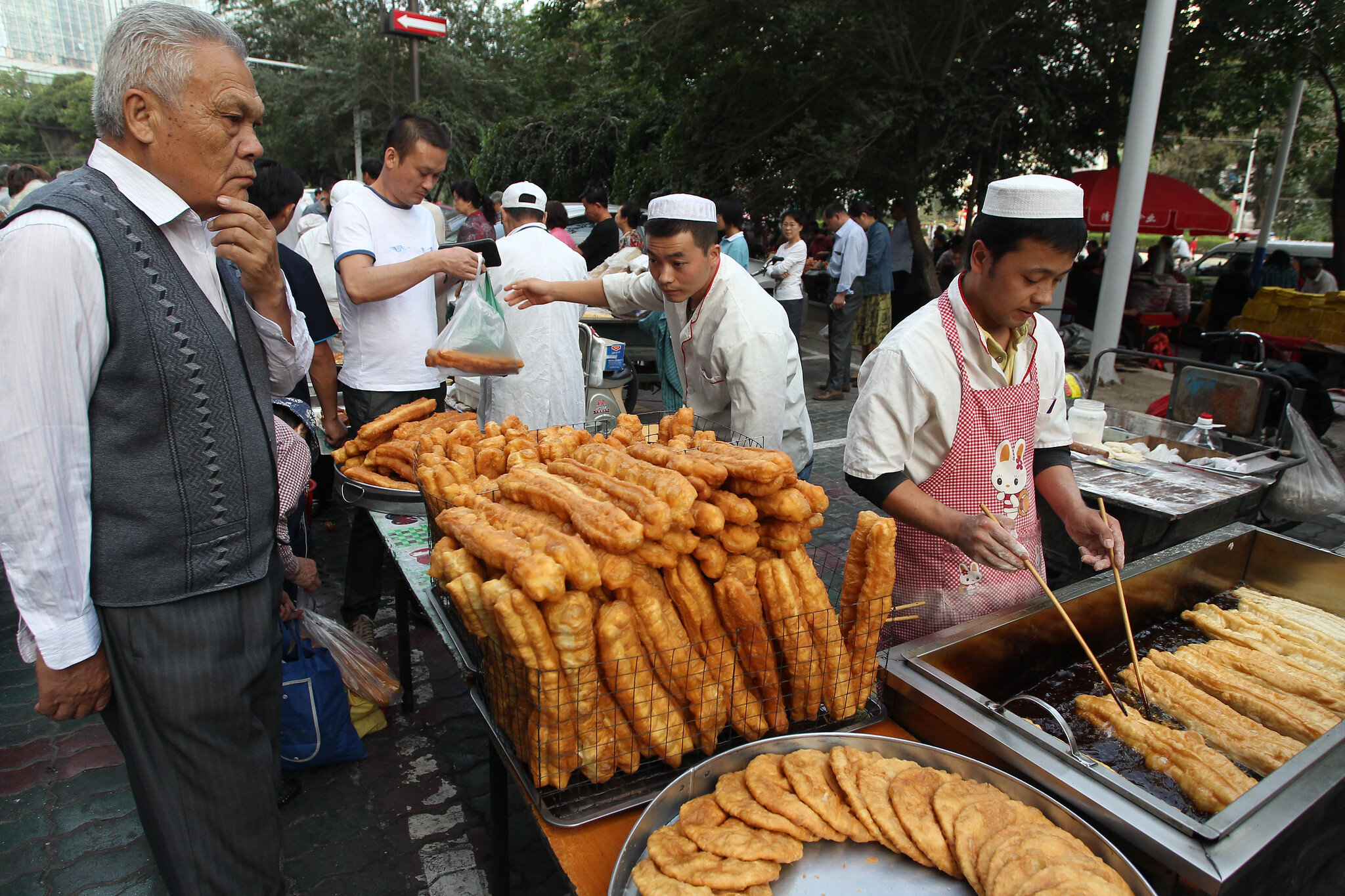
Street vendors feed crowds with a doughy treat in Urumqi, the capital of China’s Xinjiang Uyghur Autonomous Region. People’s Development Bank. CC BY-NC-ND 2.0.
China has around 23 million Muslims, predominantly made up of the Hui and the Uyghur ethnic groups. Chinese Islam began in 651 A.D., when Islam was first introduced to the country by Arab traders under the Tang dynasty. A diverse array of religions and cultures were brought to Tang China, including Islam, Judaism and Zoroastrianism. However, Islam was the only religion of these to make a lasting impression on the Chinese population. Chinese Islam expanded to different regions and soon developed its own local traditions and foods. The culinary wealth that sprang from Chinese Islamic heritage progressed into popular street foods and dishes still consumed by Chinese people today.
Hui Cuisine
Hui Muslims mostly occupy areas in the Ningxia autonomous region in China’s northwest. Their cuisine is called “qingzhen cai,” loosely meaning “pure truth” in Mandarin. This reflects the widely associated cleanliness of qingzhen restaurants due to their prohibition on smoking and drinking alcohol. Hui cuisine quickly spread across China due to its unique and much-loved flavors.
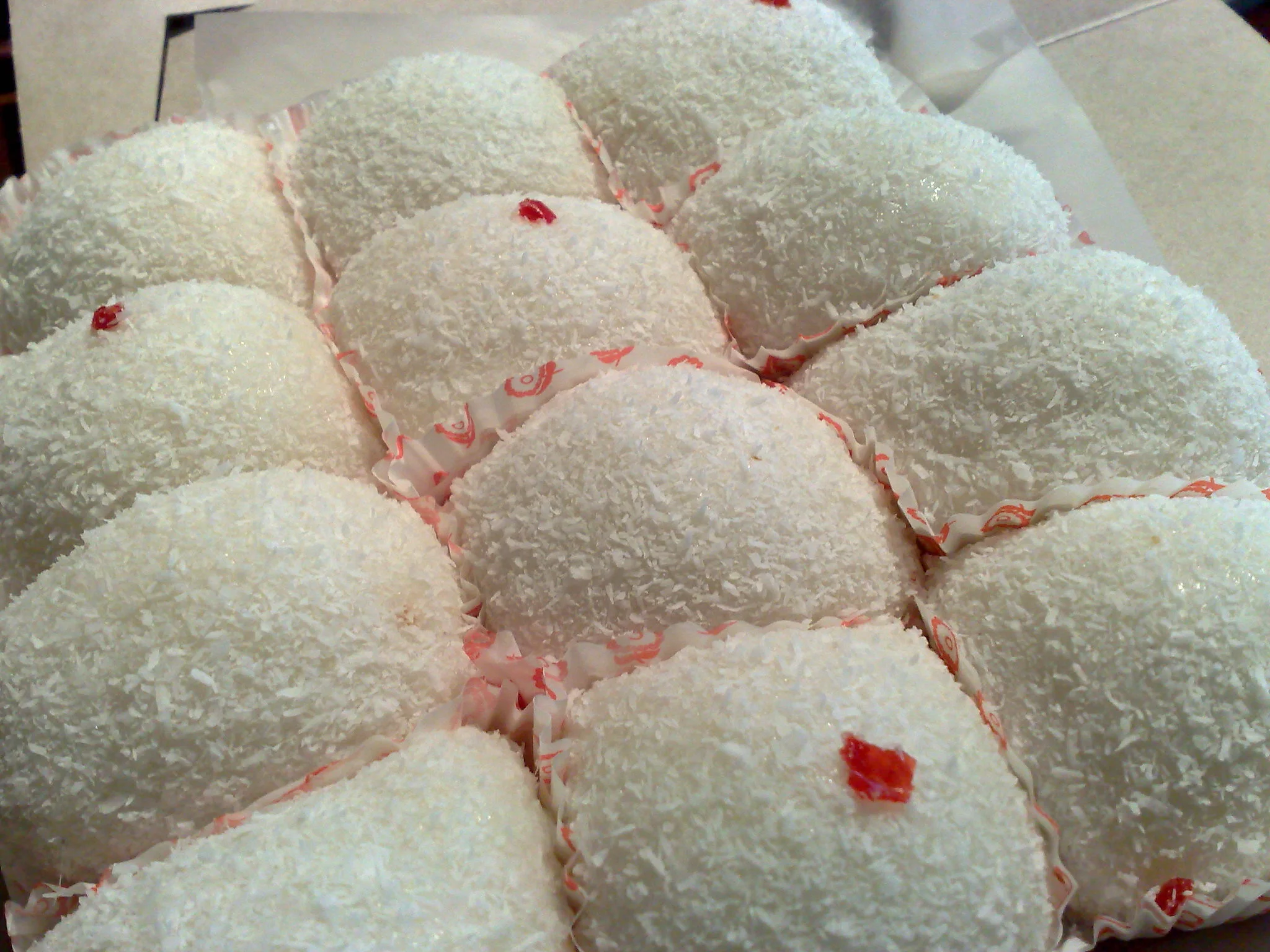
Close-up shot of aiwowo. Dozen Dessert. CC BY 2.0.
A decadent Hui dessert that remains popular among street vendors is aiwowo, or “love drops.” These small round buns are made of sweet glutinous rice flour and are dusted with a blend of sesame seeds, sugar and walnut kernel chips. Though aiwowo’s inspiration is from Hui cuisine, the snack has become a popular roadside treat in Beijing.
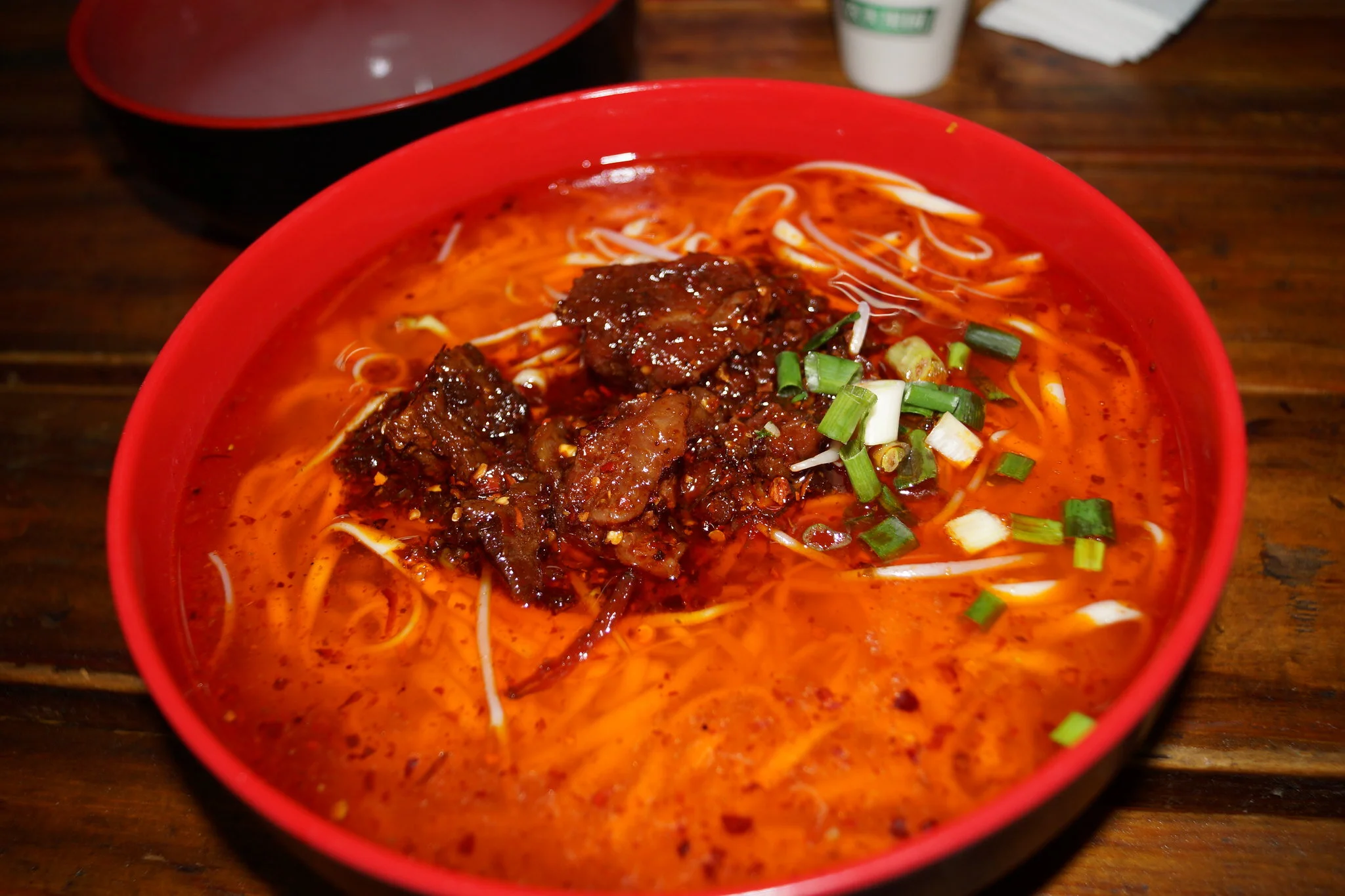
Lanzhou beef noodles in a hot and earthy broth. Language Teaching. CC BY 2.0.
Another seminal dish of the qingzhen cai tradition is Lanzhou beef noodle soup. Many consider this soup to be the most famous noodle dish in all of China. The base of this hearty dish is an aromatic beef broth boiled with cumin seeds, Sichuan peppercorns, onions, ginger, star anise and cinnamon. The fresh, chewy hand-pulled noodles are placed in the broth on a bed of beef slices and chili oil.
Uyghur Food
Uyghurs first came to China around the 3rd century A.D., and ruled over their own kingdom in the 8th century in present-day northern Mongolia. Today, Uyghur populations are concentrated in the Xinjiang Autonomous Region in far northwest China. The Chinese government has recently gained notoriety for setting up large-scale prison camps in Xinjiang, with critics calling it a “genocide” and an attempt to entirely wipe out the Uyghur populace.
Uyghurs tend to draw flavors from Central Asian, Middle Eastern and Chinese cuisines. Both the Hui and the Uyghurs base their dining experience around beef and lamb, avoiding pork due to religious purposes.
However, Uyghur foods draw far more on their Turkish influence: baked goods such as girda naan, similar to bagels, are central to their cuisine.
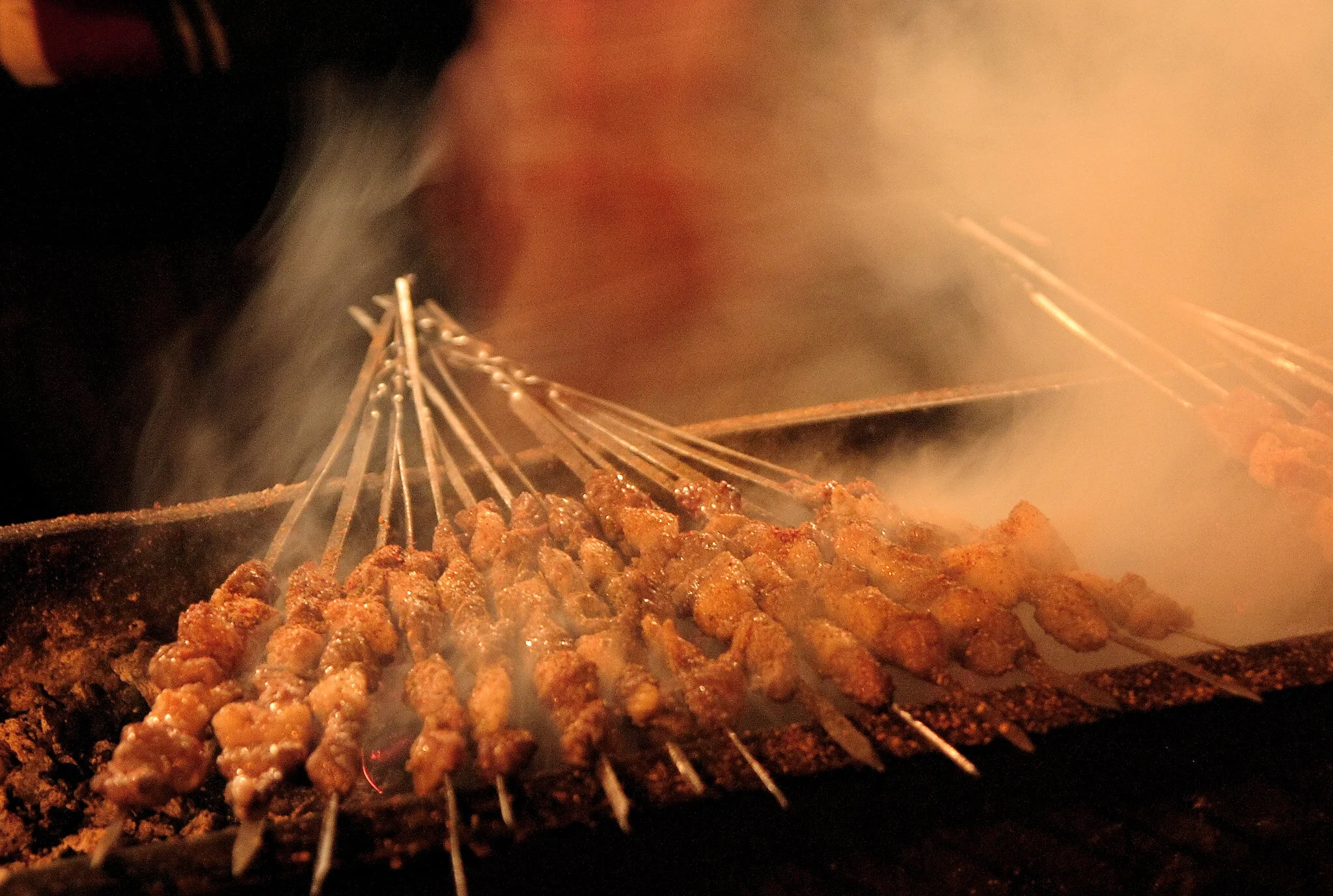
A vendor prepares lamb kebabs on a coal-fired barbecue for a busy night in Xinjiang. S. Tsui. CC BY-NC-ND 2.0.
In Xinjiang’s capital of Urumqi, visitors can find local vendors selling mutton kebabs, which are pieces of sheep flavored with cumin, paprika, salt and pepper, placed on a skewer and seared over smoky charcoal.
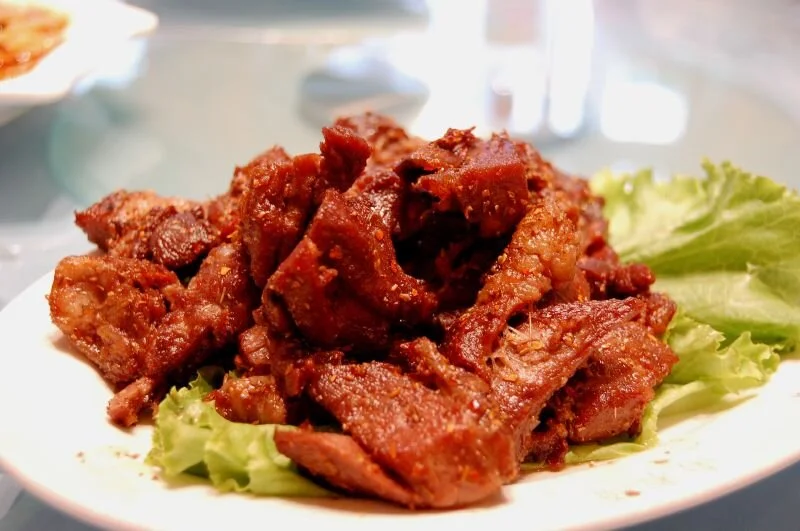
Roasted lamb from a halal restaurant in Beijing. Ulterior Epicure. CC BY-NC-ND 2.0.
Perhaps the most famous Uyghur-inspired dish is roasted whole lamb. Rubbed with a spicy menagerie of cumin, salt, ginger and pepper, the lamb is coated with a flour and yolk batter and baked in a special oven for an hour. This dish is considered a luxury that deserves only the highest-quality meat.
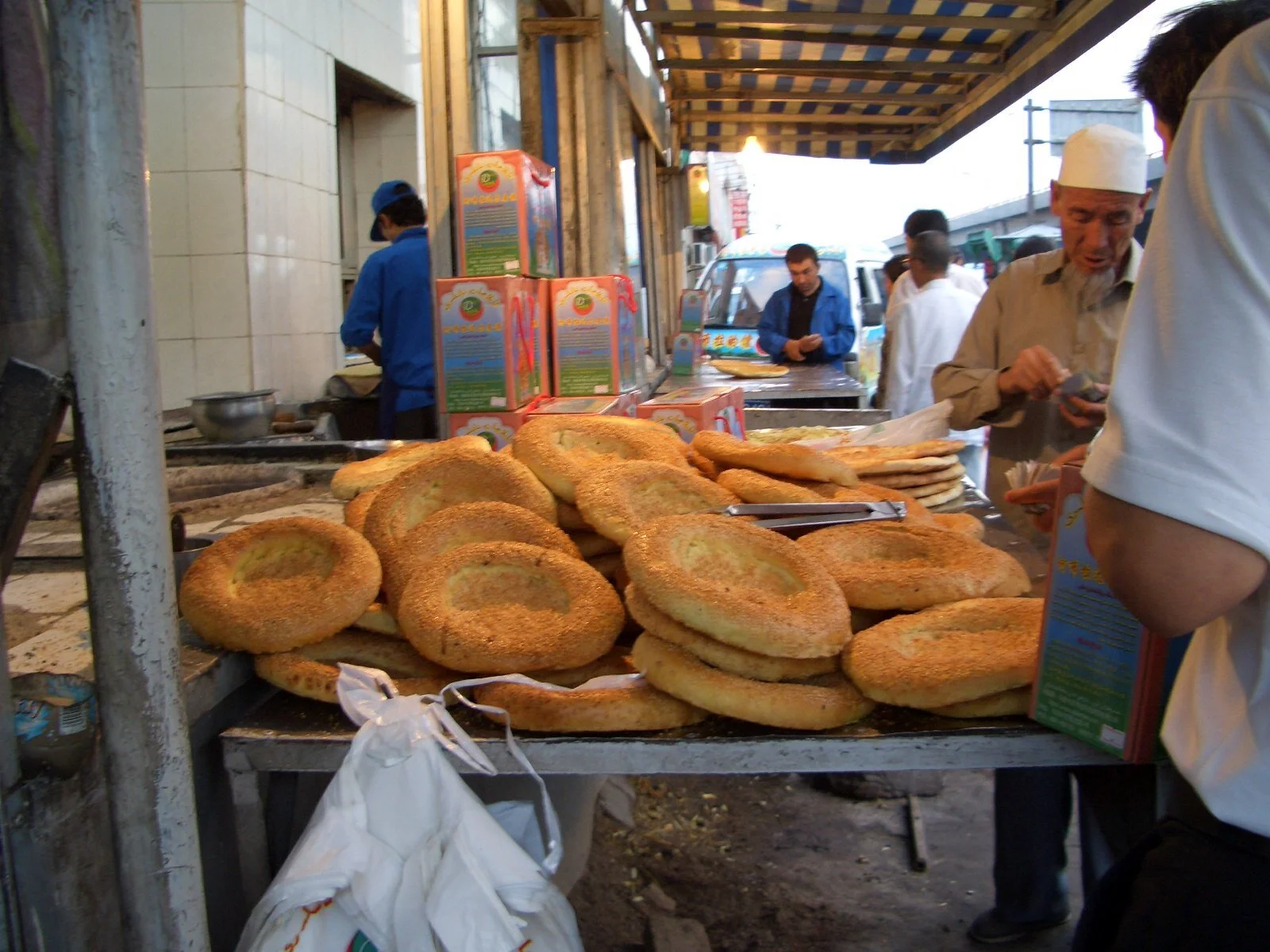
Pile of nang in Xinjiang. Umami. CC BY 2.0.
Another famous Uyghur staple is nang, which is reminiscent of naan bread: a flat pancake-like bread made of corn flour, wheat flour or sorghum flour. This is a building block of Uyghur cuisine, as it comes in a multitude of flavors and seasonings, from a savory sesame coating to a buttery sweet glaze.
Chinese halal food is embraced all over China today, as it continues to combine influences from around the world into culinary treats. With the expansion of Hui and Uyghur influences into Chinese food culture, the intermingling of various flavors will only broaden the appeal of this special cuisine.

Heather Lim
recently earned her B.A. in Literatures in English from University of California, San Diego. She was editor of the Arts and Culture section of The Triton, a student-run newspaper. She plans on working in art criticism, which combines her love of visual art with her passion for journalism.
Off The Beaten Path in Shanghai
From cultural collections to ancient architecture, here are 6 of Shanghai’s esoteric sites.
Read MoreFree Airline Tickets To Hong Kong?
To bring back tourism, 3 airlines are offering 500,000 free air tickets.
Read MoreLife is Getting Harder For LGBTQ+ in China
China has had its reservations about the LGBTQ+ community in its recent history, but under Xi Jinping’s rule only traditional heterosexual values are accepted.
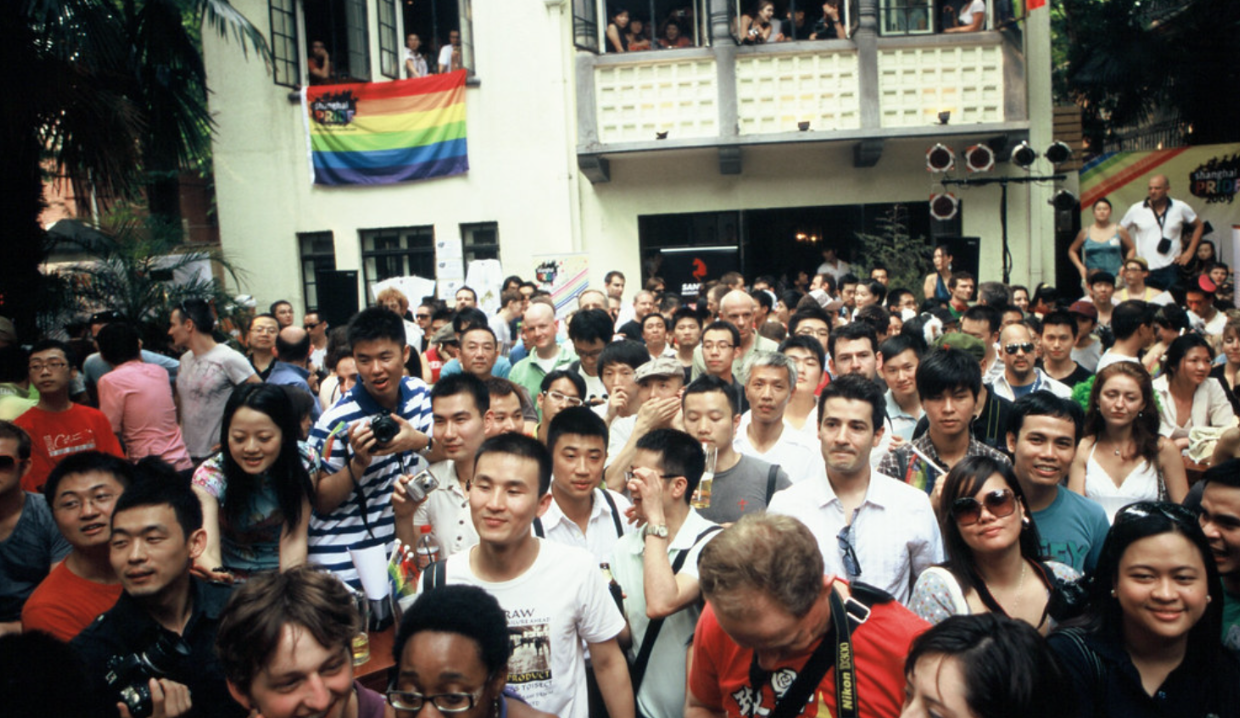
Shanghai Gay Pride 2009. Kris Krug. CC BY-SA 2.0
The LGBTQ+ community has never had it easy in China — from constant surveillance and intimidation to censorship and even police detention, the community has been met with constant repression.
There was a period in the early 2000s, however, when it seemed as if things might have been changing. Gay clubs were flourishing, and there was a feeling of acceptance that came along with increased social services. Those days are gone, and the reality has become quite different under the rule of President Xi Jinping as China slowly becomes a more conservative country.
But it hasn’t always been like this. While many believe heterosexual traditions have been a hallmark of Chinese culture throughout history, this was not the case before the 19th century: centuries ago homosexuality wasn’t just accepted, but celebrated. One text entitled, “Passions of the Cut Sleeve” depicted an emperor and a servant sharing a bed. The emperor wanted to get out of bed, and to avoid disturbing the servant’s sleep, the emperor cut the sleeve the servant was resting on. While this act could be interpreted differently, the standard interpretation is that it was done out of love.
This work was celebrated by scholars and is proof that the intolerance of homosexuality has never been a traditional aspect of Chinese culture. But when Communist Party Chairman Mao Zedong rose to power later on in the 20th century, there was a sudden shift in attitude.
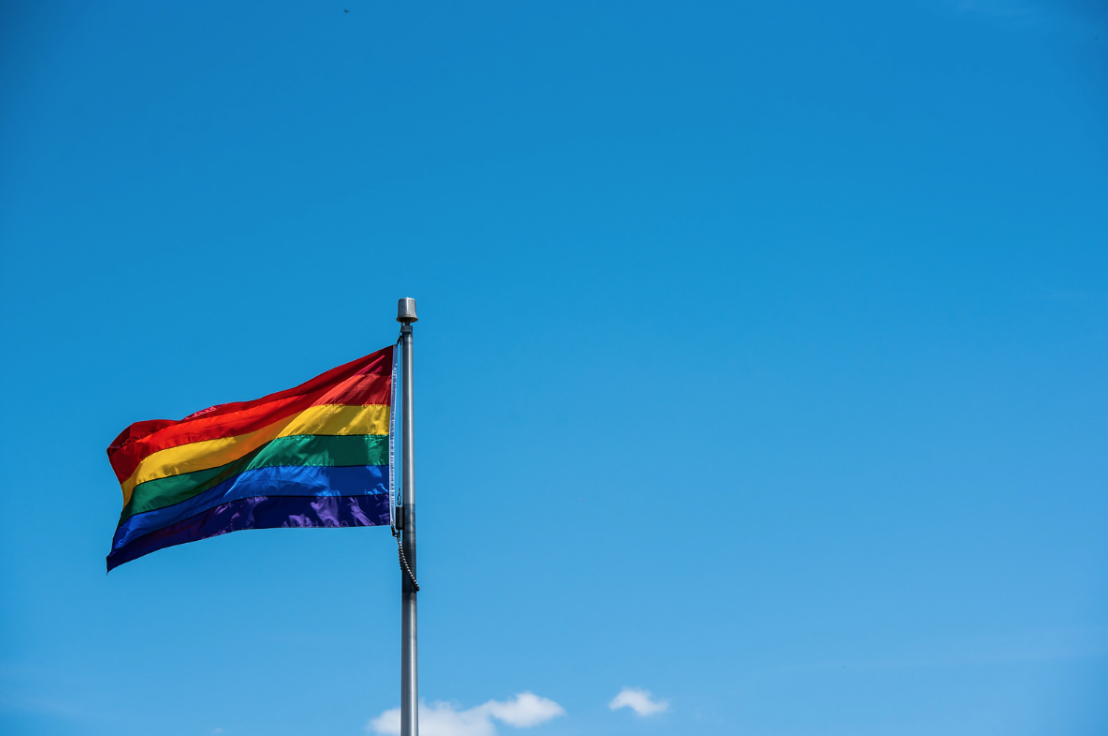
LGBTQ Flag. Pacific Northwest National Laboratory - PNNL. CC BY-NC-SA 2.0
He encouraged China to embrace modernity. That meant exposing the country to Western culture, which also included exposure to Western concepts of sexuality and, therefore, Western homophobia. Mao imported the notion that homosexuality was an illness and that same-sex attraction was a mental disorder that needed to be cured. Up until 1997, men caught engaging in homosexual acts could be persecuted with charges of “hooliganism,” a crime that that offended against public order.
Today being gay is not illegal in China, but that doesn’t mean the negative stigma around homosexuality has changed. When Xi Jinping became president in 2012, the old Western-inspired values on what a family should look like have come to dominate society once again, to the point where the pressure to remain in the closet became almost unbearable.
There are many people in the Chinese LGBTQ+ community who refuse to fake their “straightness” and have therefore left their homeland. This is known as “sexual migration” and mostly occurs due to both external and internal pressures.
Internet platforms have also stepped in to enforce the party line. The popular TV show “Friends” had a plotline involving main character Ross’ lesbian ex-wife which has been censored in China, along with any other mentions of the LGBTQ+ community and sex. The gay-dating service app Grindr has also been removed from China’s Apple app store.
China is growing more suspicious and even hostile to homosexuality, labeling it as a “Western influence.” Being bisexual, gay, or trans is ironically seen as a Western import and is increasingly not accepted. Homosexuality may have been decriminalized in 1997, but is still very much confined to the shadows.
Michelle Tian
Michelle is a senior at Boston University, majoring in journalism and minoring in philosophy. Her parents are first-generation immigrants from China, so her love for different cultures and traveling came naturally at a young age. After graduation, she hopes to continue sharing important messages through her work
The Lunar New Year Migration in China
Everything You Need To Know About China’s Annual Spring Festival Travel Rush
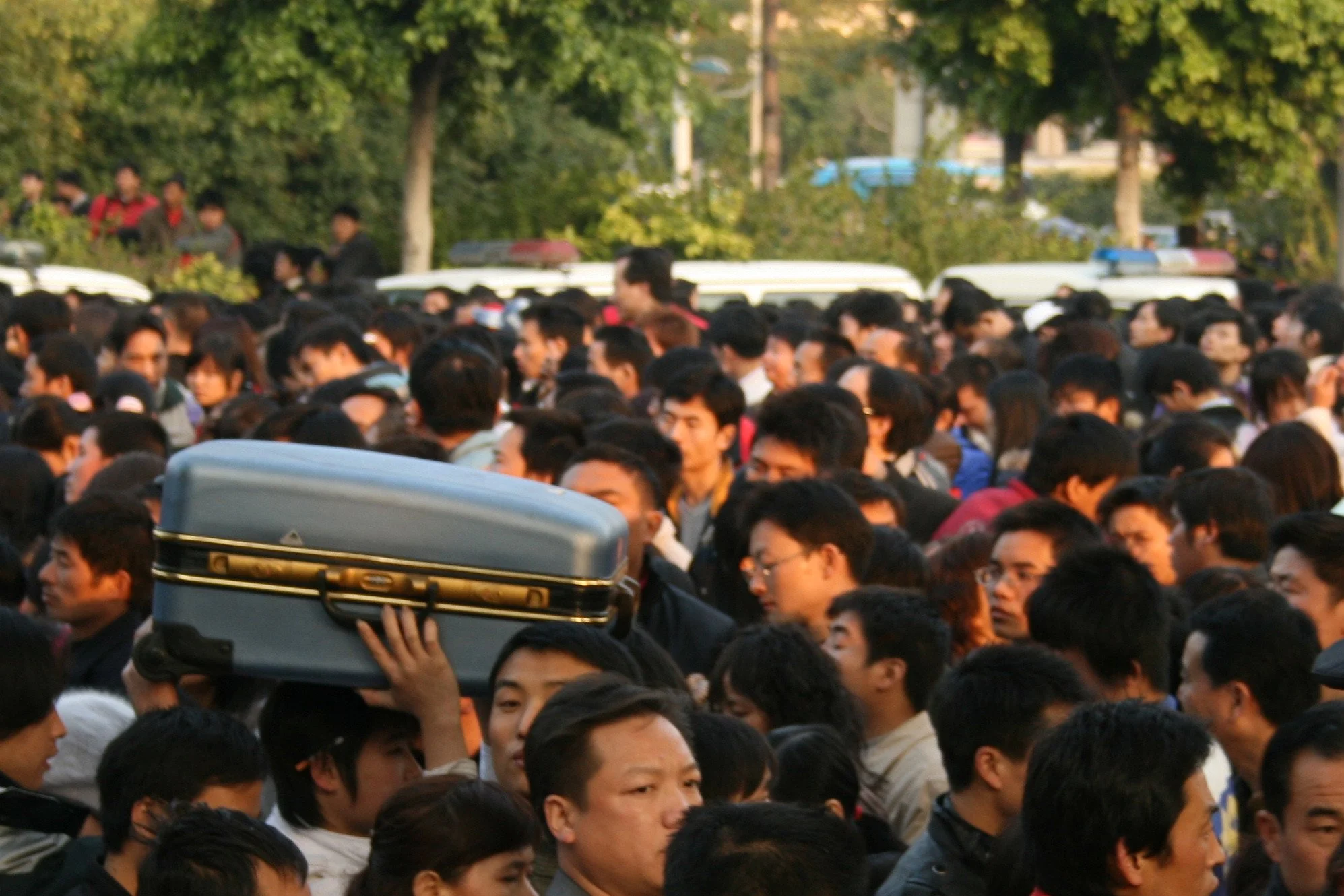
"Guangzhou Railway Station". Junyu Wang.CC BY-NC-SA 2.0.
What is the biggest annual human migration on earth?
Take a guess.
The pious Arbaeen and Hajj? The back-and-forth travel for Thanksgiving and Christmas?
The correct answer is a term you might not be familiar with, “Chunyun.” Taking place in China around the time of the Chinese New Year, its literal meaning is “the transportation during Spring Festival.”
Occupying the same level of importance as Christmas eve in Western culture, the holiday celebration for Chinese New Year usually begins in the middle of January and lasts for about two weeks. The traffic for returning home, however, can continue for as long as 40 days. During this time, most people, especially migrant workers who are away from home, pack up their luggage, dress in red which symbolizes good luck, and hurry to the train station.
A homecoming trip might seem like an individual choice, but considering a country with a population of 1.412 billion, the reunion became the biggest human event on an annual basis. In 2019, for example, the traveling volume reached approximately 415 million during the Spring Festival, which is more than the total number of people in the United States.
However, this only accounts for the tourist population, who went on vacation. The total number of the mass exodus can be close to 3 billion people. For them, the primary means of travel is through rail due to its affordability. In the year 2017, for example, China saw 356 million travel by rail, 58 million by plane, and 43 million by sea during the time of “Chunyun”.
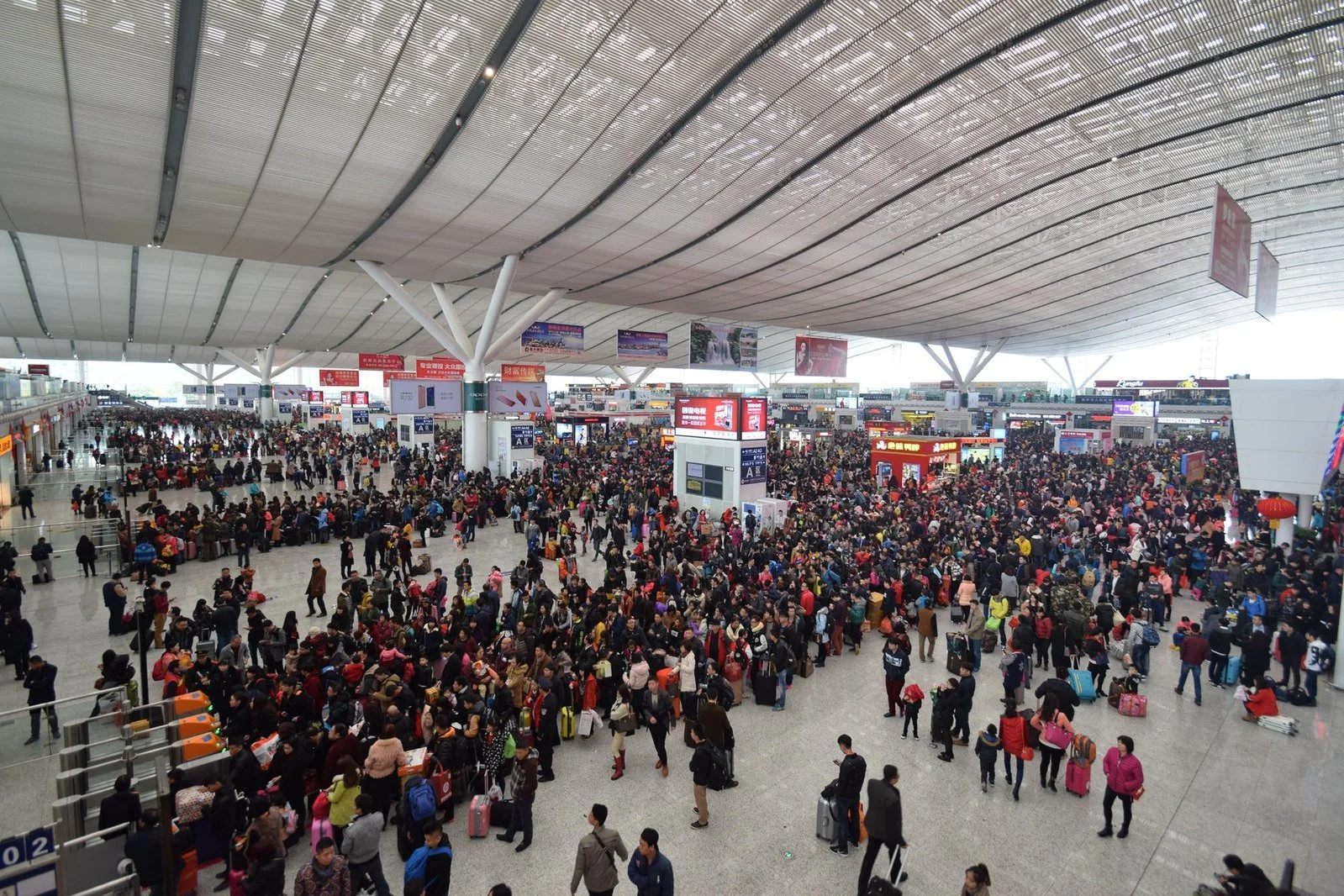
Shenzhen North Railway Station Concourse 2016 Chunyun. Baycrest. CC BY-SA 2.5.
What prompted the migration is simple: New Year is always a time for family gatherings and celebrations, a tradition that is similar across geographical and cultural boundaries. Yet, the scale of its migration greatly surpasses that of Thanksgiving week in the United States, which is about 50 million.
In this sense, Chunyun is a long-standing public ritual that ties every aspect of the country together. The concept of Chunyun first appeared in the year of 1980, a time of massive modernization and cultural revival. Moving out from the shadow of an overplanned economy during the era of the Culture Revolution, people saw booming job opportunities that often concentrated on the coastal region such as Guangzhou and Shenzhen, which have better access to overseas markets. The number of migrants from rural areas increased from roughly 30 million in 1989 to more than 140 million in 2008. Many of them became the key contributors to the moving of millions of migrants during the Spring Holiday season.
The meaning of such a massive exodus is manifold. For many migrant workers, this might be the only chance to see their families in the span of a year, which brings joy, relief, and hope. They squeeze their personal belongings into the striped leather bag, making their way through the often jammed train station while expecting a great feast back home.
For the transportation system, it is time to test the operation of its ticket system and the stability of its intercity network. With millions starting to click on the purchase button at the same time, the demand often exceeds supply, and system crashes are not uncommon. This might leave disappointed passengers standing in the frigid winters, waiting for the next train home to arrive.
For the administrator, it means grappling with thieves and pickpockets in the overcrowded railroad station, as well as the black market of ticket scalpers during the busiest hour. Ticket prices also rise during the end of the year, and so does the crime rate.
For years, the public transportation system and local authorities in China implemented multiple measurement changes to facilitate the mobility of the homecoming population. In 2019, The length of the usable railway in China will reach 139,000 kilometers, and high-speed rail is about 35,000 kilometers. Technology, such as self-service counters, smart navigation systems, and real-time updates of traveling volume notices available on multiple map apps, quickens the process of traveling.
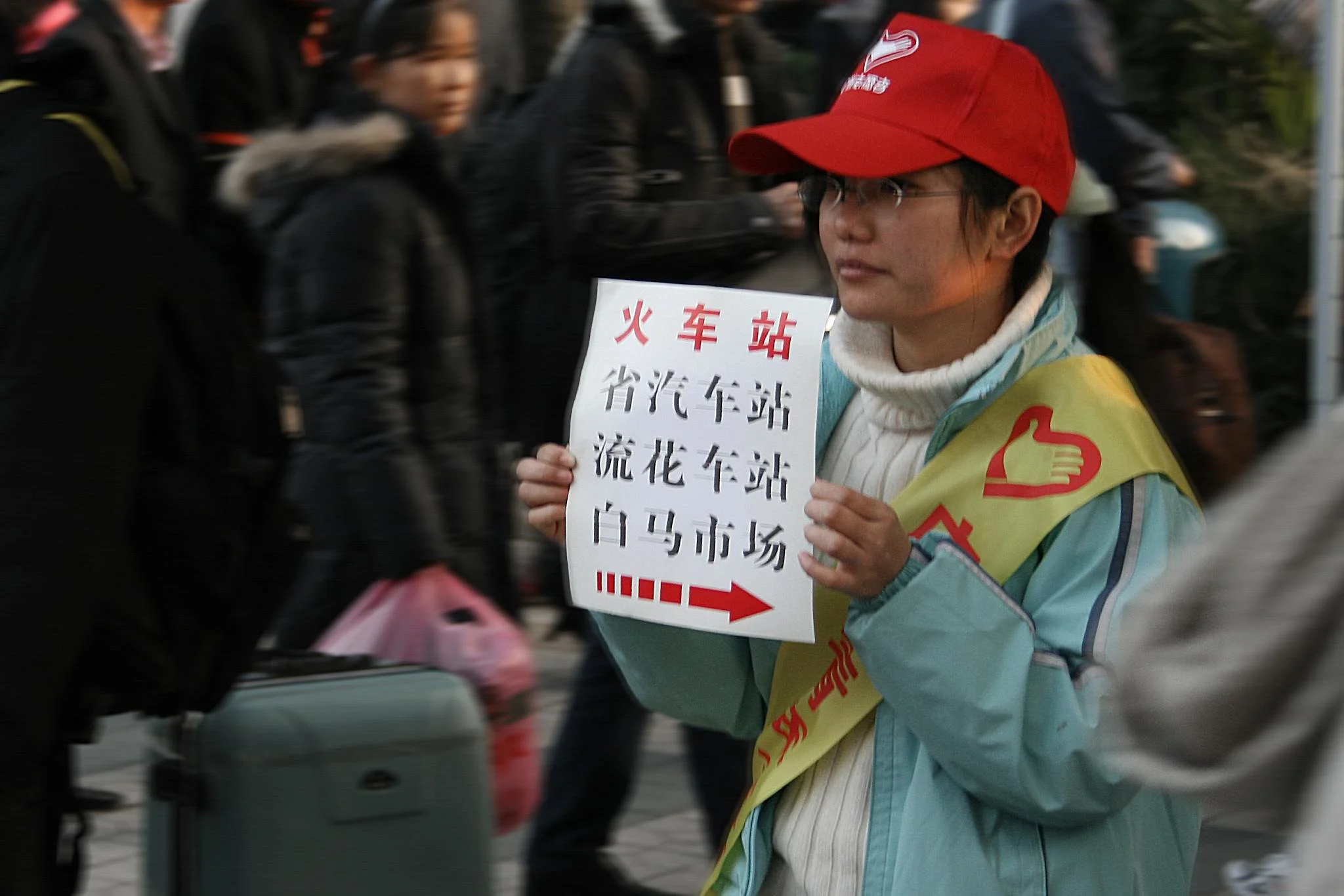
Volunteer helping with navigation in Guangzhou Railway Station. Junyu Wang.CC BY-NC-SA 2.0.
Chunyun had been rather silent for the past two years due to Covid-related restrictions. Authorities discouraged unnecessary travel; requirements including vaccination status, travel history, and contact with confirmed cases have thwarted population mobility; and people, fearful of being infected, were often forced to stay where they were.
However, with the loosening of restrictions in 2022, the world’s largest human migration is, once again, on its way. On January 14, a total of 42.27 million people in China were already traveling by rail, road, sea, and air across the country, which is a 57% increase from last year. More than 450 million people are expected to travel, and take trips in the coming 40 days. Train stations are bustling with migrant workers again.
Though there was worry about surges in Covid cases, most people are optimistic about going back to the normal state of travel. Tommy Xie, head of Greater China research at Oversea-Chinese Banking Corporation, said, “The congestion level in cities such as Beijing and Chengdu, which were first hit by the Covid outbreak, have recovered fully.”
As trains and planes, loaded with tens of thousands of travelers, go full steam around China, they also carry along countless stories to tell throughout the passing year, and hopes for a prosperous year ahead.

Hope Zhu
Hope is a Chinese international student at Wake Forest University in North Carolina studying sociology, statistics, and journalism. She dreams of traveling around the globe as a freelance reporter while touching on a wide range of social issues from education inequality to cultural diversity. Passionate about environmental issues and learning about other cultures, she is eager to explore the globe. In her free time, she enjoys cooking Asian cuisine, reading, and theater.
The Colonial Legacy of the Portuguese in Macau
Though Macau has been an autonomous region of China since 1998, its 400 years of Portuguese rule has given Macau a distinctive flair found nowhere else in Asia.
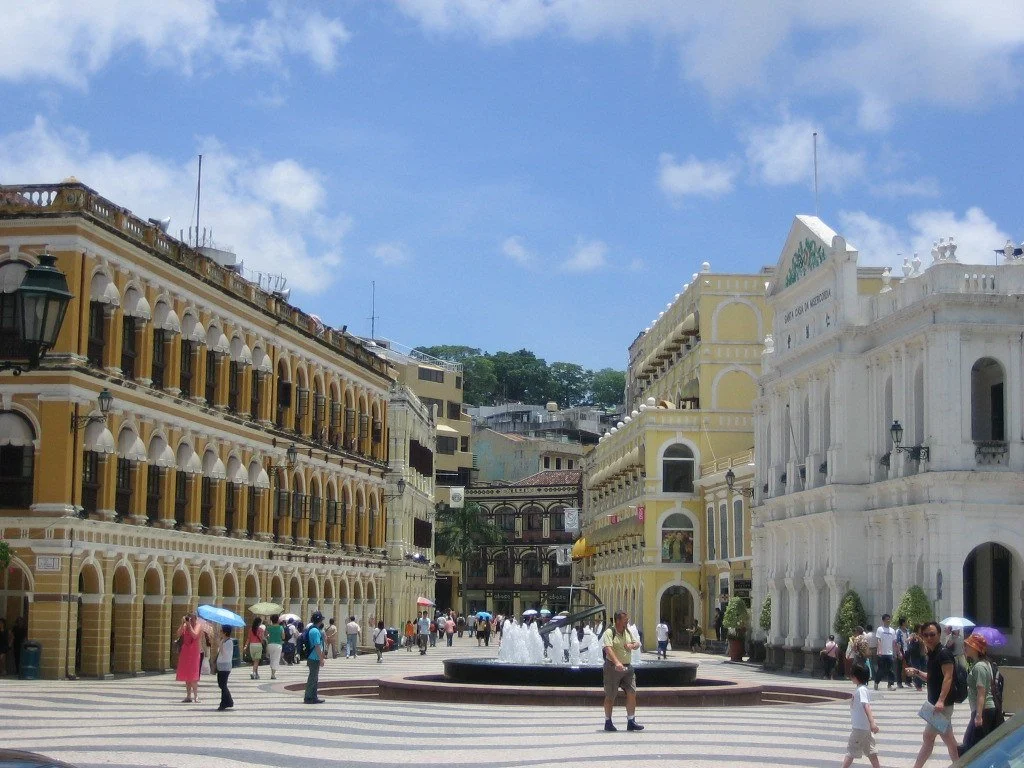
The pastel-colored buildings of Senado Square give off a European flair. Teen Wolf. CC BY-NC 2.0.
Macau, a Special Administrative Region (SAR) of China, located on the Pearl River Delta south of Guangdong province, was a Portuguese colony from 1557 to 1999. In its early years, the city quickly became a bustling commercial center, since it was at the crossroads of several notable trade routes. It was the gateway to China for the Portuguese. By the time Macau became a SAR of China in 1999, ending the period of European colonization of Asia, the Portuguese had left their mark on the city.
When the Portuguese first established Macau as a colony, settlement was limited to a small island that became the Macau Peninsula. As the original colony expanded, it incorporated the islands of Taipa and Coloane. Today, the land between Taipa and Coloane has been reclaimed, and the resulting strip of land, the Cotai Strip, is home to many casinos. Those casinos are one of the major economic drivers of Macau, generating even more revenue than Las Vegas, and they attract many tourists from around Asia. Macau is quickly becoming a cosmopolitan center, but the historic core of the region, on the Macau peninsula, is full of buildings constructed in the Portuguese style. Other influences remain of Portuguese rule, such as its cuisine, languages and legal system.
Architecture
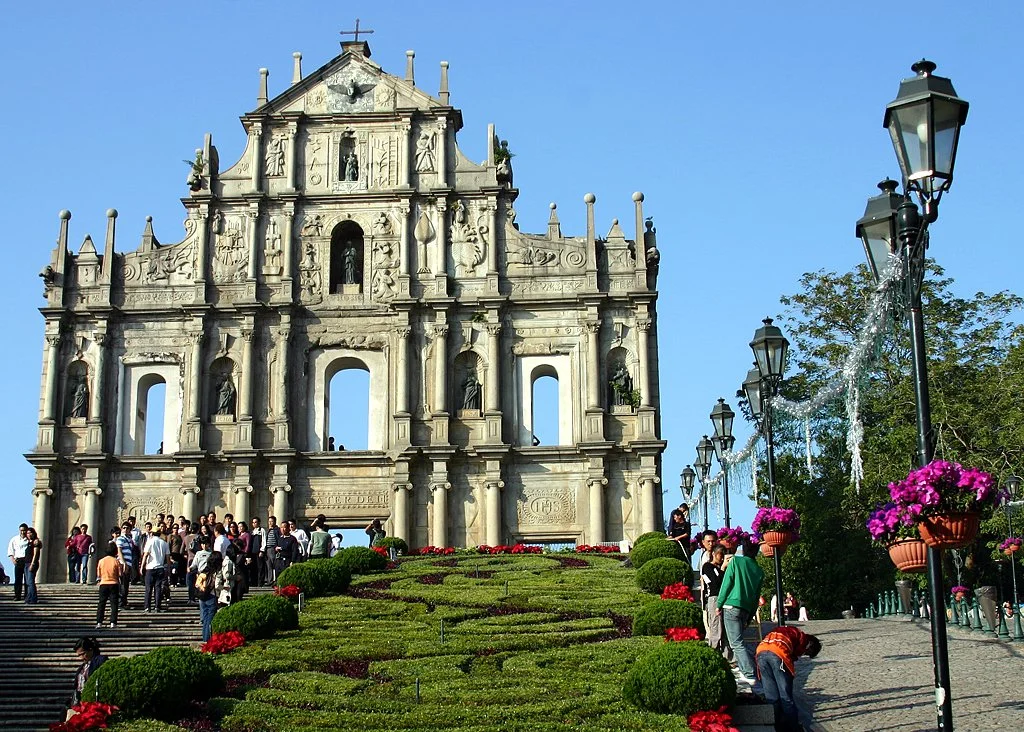
The ruins of St. Paul’s Church. Christian Junker | Photography. CC BY-NC-ND 2.0.
It is easy to spot the Portuguese influence on the buildings in Macau, because many of them have Ionic columns and baroque appearances. The Portuguese mainly left their mark on religious and administrative buildings in the city, such as the Ruins of St. Paul’s Church and the buildings of Senado Square.
St. Paul’s Church was built between 1604 and 1640 by the Jesuits, and the church became their base of operations in Asia. It was the largest church in Asia at the time and was called the “Vatican of the Far East”. The baroque front of the church combines Eastern elements, as Japanese Christians who were fleeing persecution in their home country were involved with its construction. However, most of the church was made of wood, and much of it burned down during a typhoon in 1836. All that remains is its ornate façade, which has become a popular site in Macau.
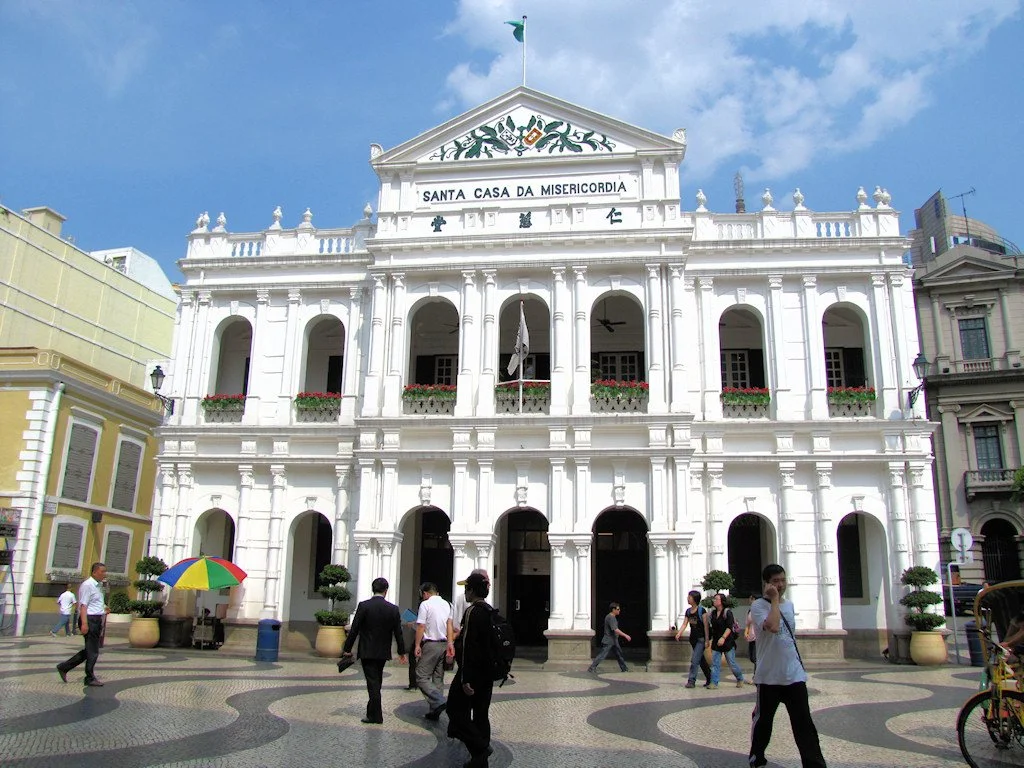
The Holy House of Mercy is intricately linked with the early history of Macau. wiredtourist.com. CC BY 2.0.
The historic colonial administrative buildings are also preserved in Senado Square, which is full of pastel-colored, neo-classical buildings. It served as the main town square in centuries past and it contains a fountain. The square is flanked by the Leal Senado Building and the Holy House of Mercy. The Leal Senado Building, built in 1784 in a neoclassical style, was Macau’s first municipal chamber. Today, the building continues to host the city’s municipal council meets. There is also a Portuguese-styled courtyard behind the building.
Across Senado Square from the Leal Senado Building lies the Macau Holy House of Mercy. Built in 1569 shortly after the establishment of the colony, the Holy House of Mercy served as a medical institution originally and now serves a charitable institution. The Holy House of Mercy is also a present-day museum that holds a collection of Macau’s Catholic relics, telling the story of how Western culture entered Asia through the city.
Cuisine
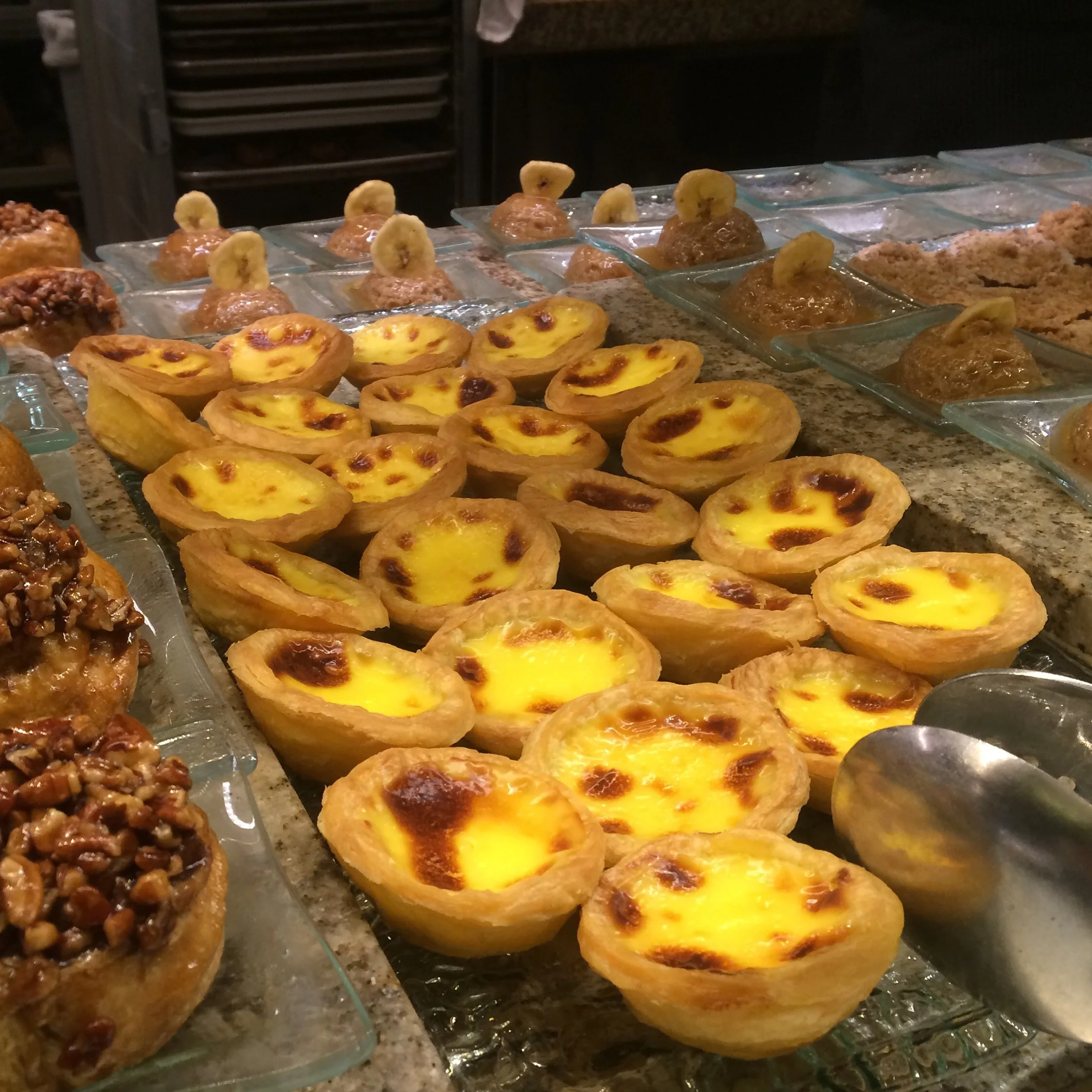
Macau egg tart. foodnut.com. CC BY-NC-ND 2.0.
Portuguese influences also affect the food of Macau, which is “one of the best places in the world to sample Portuguese cuisine.” It is easy to find signature Portuguese dishes such as bacalhau, which is dried and salted cod, in local restaurants.
Macau is also the home of the world’s first fusion cuisine, combining Chinese and Portuguese influences into local staples. Portuguese settlers in Macau added new spices and herbs to traditional Chinese foods and introduced new cooking methods like roasting, grilling and stewing to create a unique Macanese cuisine. Today, well-known Macanese dishes include minchi (considered Macau’s national dish and made from minced beef, soya sauce, onions and fried egg), tacho (a stew containing both Chinese and Western ingredients) and cappela (a meatloaf with cheese, black olives and breadcrumbs). Another popular dish, the Macau egg tart, has its origins in Portuguese pastries, but they are slightly different from similar dishes found in Portugal and neighboring Hong Kong.
Language
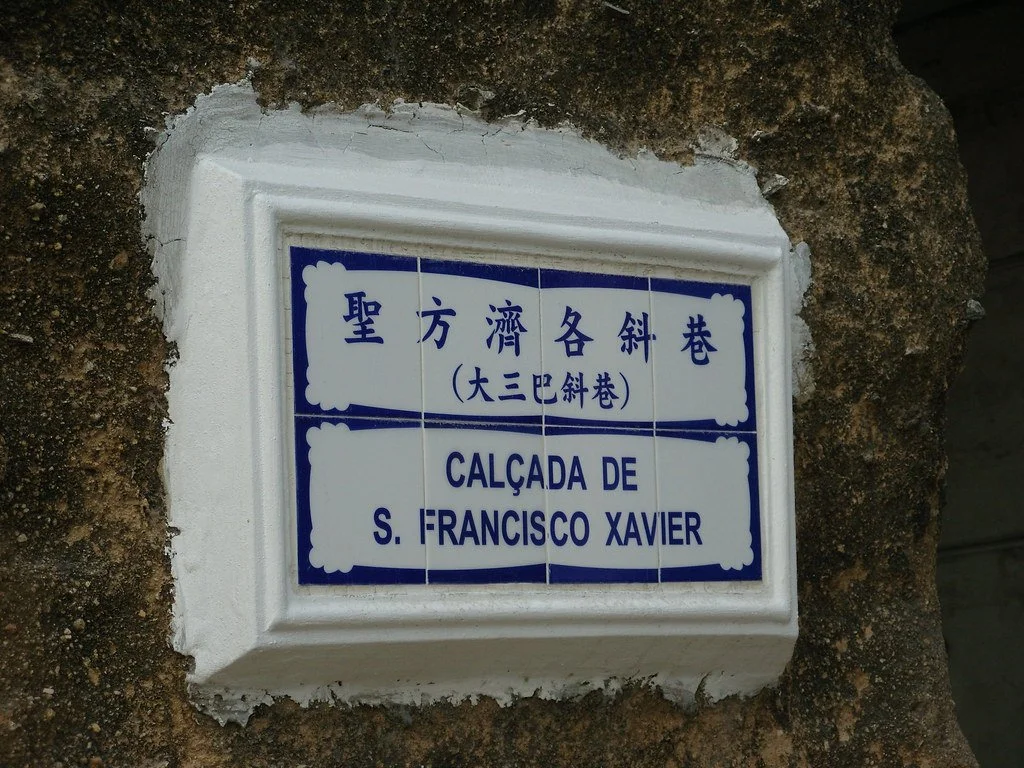
Street signs in Macau are still written in both Chinese and Portuguese. shankar s. CC BY 2.0.
The Portuguese language retained its official status in Macau after the handover, but only around 6,200 people speak it (based on the data from 2014). While its popularity dwindled in the years immediately following the handover, the Portuguese language has seen a resurgence in Macau due to the increase in Lusophone countries doing business with China, which is leading to a growing number of people learning it.
Macau is also the home of the very unique creole language of Macanese Patois, also known as patuá to its native speakers, which is a combination of Cantonese and Portuguese with a few influences from Malay and Indian languages. There is no standard orthography in the language. The number of speakers is decreasing rapidly, and it is only spoken by around 50 people of Macanese ancestry. The Macanese people are a distinct group of people who are of mixed Portuguese and Chinese ancestry. However, there is a growing effort to preserve the language, with a drama group called Doci Papiaçam di Macau leading the revival by performing original plays in patuá.
Legal System

Macau government headquarters, which was also built in a Portuguese architectural style. Friscocali. CC BY-NC 2.0.
When Macau was returned to China in 1999, the Chinese government promised that Macau would be governed under the concept of “one country, two systems”. As part of that arrangement, Macau would be able to keep its existing political and economic systems for at least 50 years after becoming an SAR of China. Because of this, the legal code of Macau, though it is under Chinese sovereignty, is still based on the Portuguese legal code. However, recently, the Chinese government has undermined the agreements to keep the Portuguese legal code in place by removing Portuguese judges from presiding over sensitive cases. As China exerts more influences over Macau, which may have diminished some Portuguese influences, and the city could be in a much different place by 2049, when the agreement made in 1999 ends.

Bryan Fok
Bryan is currently a History and Global Affairs major at the University of Notre Dame. He aims to apply the notion of Integral Human Development as a framework for analyzing global issues. He enjoys hiking and visiting national parks.
VIDEO: Wonders of Yangshuo in China
Van Reijin, a video creator based in the Netherlands, spent a week in Yangshuo, a region located in Southeast China. The closest city being Guilin in Guangxi province, it’s situated between the Li River and karst peaks. This beautiful area is famous throughout China and depicted on the 20 yuan bill. The landscape is surrounded by limestone, dolomite and gypsum mountains. Yangshuo is a popular destination for climbers and became a tourist hub in the 1980s. In the summer, people swim in the Li River and bike alongside it.
The Islands of Hong Kong: Hidden Oases Next to a Bustling City
Hong Kong is known as an urban center, but just a short ferry ride away from downtown are traditional fishing villages and untamed beaches waiting to be explored.
Read More