
Walk among pyramids, tombs, and temples at these unforgettable archaeological destinations.
Read MoreBelize: The World’s “Cradle of Chocolate”
Belize is home to some of the highest quality cacao farms in the world: meet some of the farmers and activists ensuring fair trade practices.
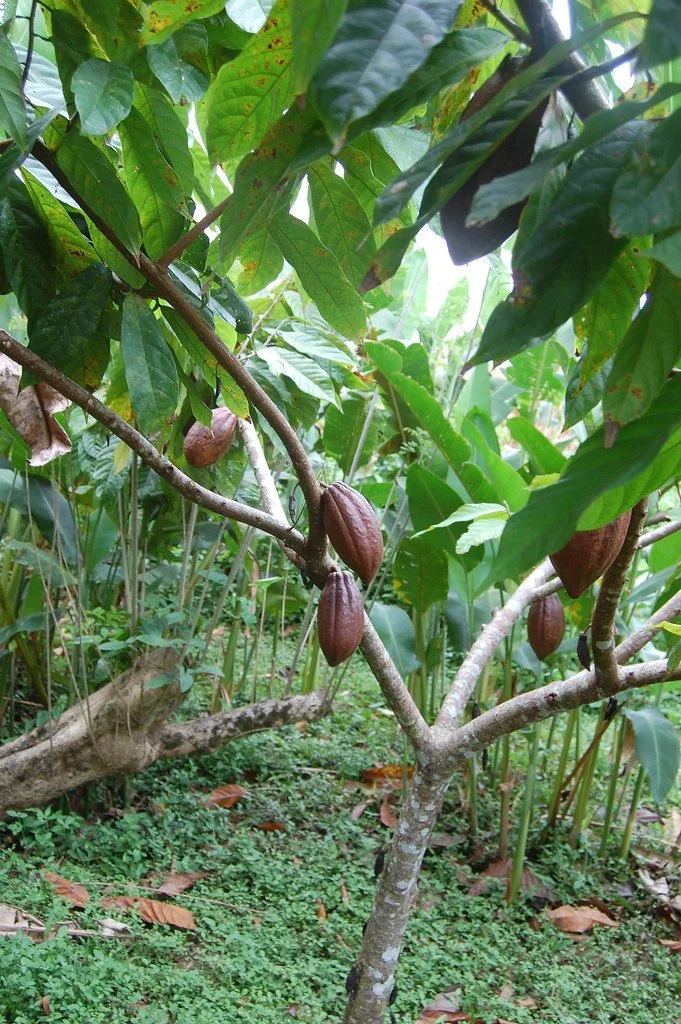
Cacao tree in Belize. Renee Johnson. CC BY-SA 2.0.
Many scholars believe Belize is the first place where cacao was cultivated. Cacao was very important to the Mayans who lived in Belize in ancient times, and artifacts have even been found in modern-day Belize to prove cacao’s historical significance. A “chocolate pot” used by the Mayans believed to be 2600 years old was found in Belize—a chocolate pot being a pot to serve a chocolate drink. Traces of cacao were found on the pot, and this drink is still common among some cacao farmers in Belize today.
In the 1980s, Hershey had a deal with the Belizean government to partner with cacao farmers to produce organic chocolate using the most up to date methods. Unfortunately, when the global price of chocolate dropped, Hershey abandoned the deal, as they were able to produce chocolate at a lower price elsewhere in the world. Belize’s chocolate production and exports essentially stopped for about ten years, leaving many farmers in dire financial situations.
Green & Blacks, an organic chocolate company founded in 1991, eventually partnered with the Toledo Cacao Growers Association to source organic, high quality and most importantly, ethically sourced cacao from the Toledo district in Belize. Since this partnership, the cacao industry in Belize has slowly been strengthened. Below are two examples of family-owned farms in Belize, as well as ways to support Belizean and Mayan chocolate companies.
Justino Peck is a cacao farmer from San Jose, Belize, and a chairman of the Toledo Cacao Growers Association. His farm is in partnership with Green & Blacks, and they produce a chocolate bar called Maya Gold which is marketed in Europe. Maya Gold chocolate was the first chocolate in the UK to be verified as Fair Trade in 1994. After being devastated by the decrease in price of cacao, Peck’s family was able to renovate their home and send one of their children to college after this deal. Peck also became a leader in his community: he lobbied the Belizean government on issues such as land rights and fair pay and working conditions for cacao farmers. Peck’s farm reflects the importance of being a mindful consumer: knowing where your goods come from can have a real, tangible impact on peoples’ lives.
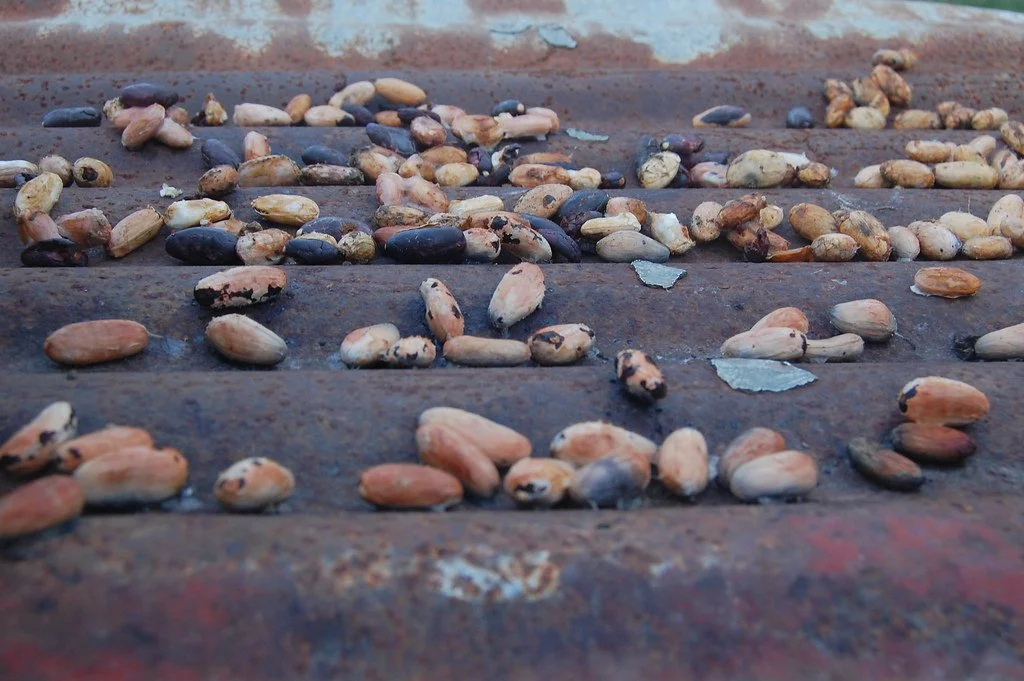
Cacao from Belize during the drying process. Renee Johnson. CC BY-SA 2.0.
Abelina Cho is the owner of a small chocolate company in San Felipe called Ixcacao. Cho is known as “Chocolate Queen”, and her farm is currently the only family-owned, Mayan chocolate producer today in Belize. Abelina Cho and her husband, Juan, are passionate about cacao’s cultural importance to Mayan people, and they produce dark chocolate the traditional Mayan way, without a recipe. Cho is shifting the credit for fine, high-quality chocolate back to the indigenous farmers who created these practices. Post colonization, high-quality chocolate was known as a European export, when really, it is Mayan farmers who created the practices used to cultivate cacao. Crediting the original creators of the chocolate we all enjoy, and paying them for their labor, is of the utmost importance.
TO GET INVOLVED
The best way to support small, Belizean-owned cacao producers is to be mindful of where you buy your chocolate from. Try to steer away from large corporations like Hershey, which are known to abuse and underpay their workers. Maya Gold chocolate—produced by both Justino Peck’s and Abelina Cho’s farms—is available throughout Europe and on many websites that ship to the U.S. and worldwide. Cho’s chocolate and other products are also available directly from the Ixcacao Mayan Belizean Chocolate website. If you ever find yourself traveling to Belize near the San Felipe area, Ixcacao farm also offers tours and chocolate making classes, where not only can you witness firsthand the historically rich and complex method of Mayan cacao production, but Abelina also cooks travelers a home cooked meal. Essentially, being a thoughtful consumer is the best way to get involved on this issue.

Calliana Leff
Calliana is currently an undergraduate student at Boston University majoring in English and minoring in psychology. She is passionate about sustainability and traveling in an ethical and respectful way. She hopes to continue her writing career and see more of the world after she graduates.
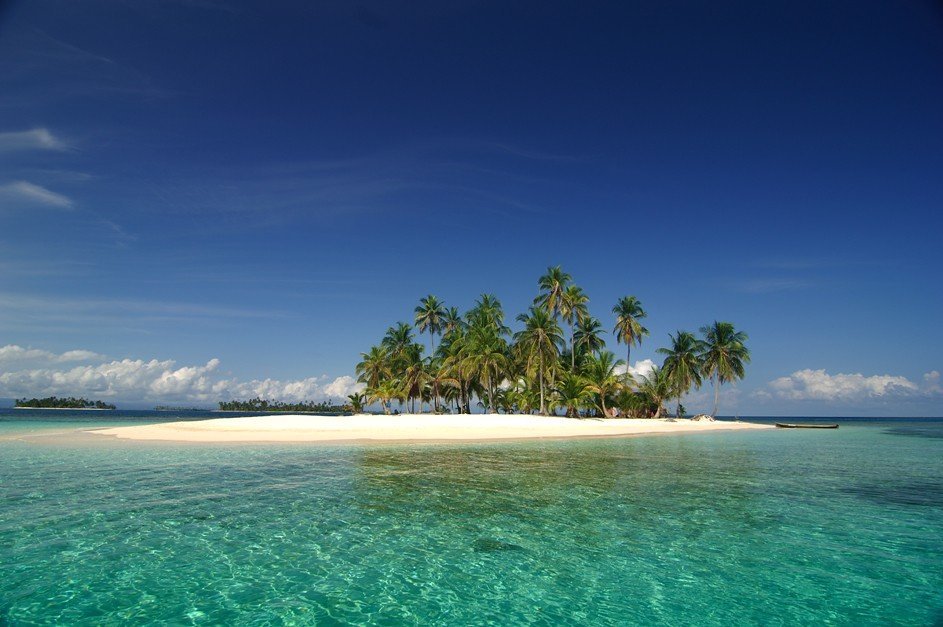
The San Blas Islands, Panama. Whl.travel. BY-NC-SA 2.0
8 Central American Islands You May Have Never Heard Of
Known mostly to locals and frequented by few travelers, these islands have an expansive amount of marine life and culture. This list includes islands in Belize, Honduras, Costa Rica, Nicaragua and Panama.
1. Glover’s Reef Atoll
Belize
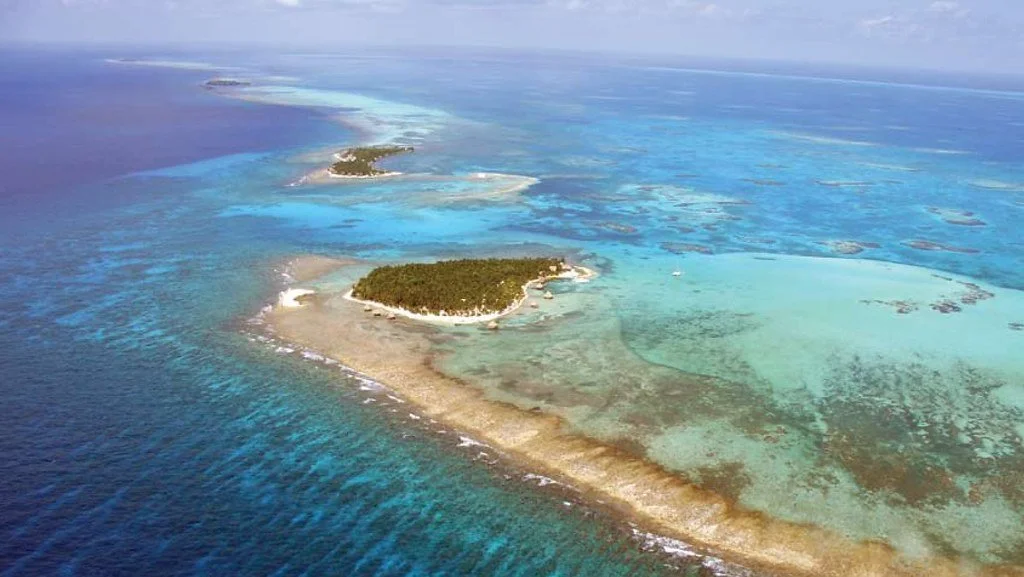
Opened to only a few visitors at a time, this 9-acre island is surrounded by Glover’s Reef—a 90 square mile stretch of reef made up of 700 individual patch reefs in a lagoon. This reef is thought to be the richest marine environment in the Caribbean Sea. There are many things to do on the island, such as kayaking, snorkeling, attending a yoga retreat or just relaxing. Once frequented by pirates, this protected marine reserve has been a designated World Heritage Site since 1996.
2. Isla del Caño
Costa Rica
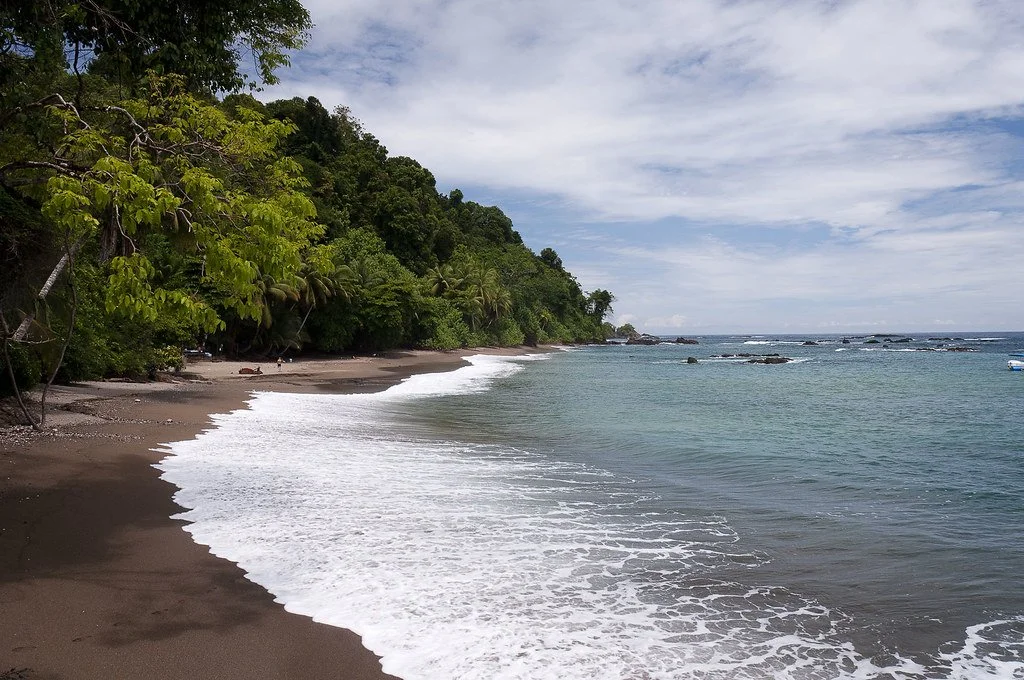
Isla del Caño, Costa Rica. Chris Varley. CC BY-NC 2.0
During pre-Columbian times, this island was a cemetery and home to Indigenous cultures. Located just 10 miles off the Osa Peninsula, it is a protected biological reserve surrounded by five platforms of low coral reefs. It is also home to an abundance of marine life, including sharks, whale sharks, dolphins, moray eels, sting rays and a variety of tropical reef fish. There are no hotels or guesthouses on the island; staying overnight is not allowed.. There are many tours available right outside of the Ballena Marine National Park. Your day trip or overnight stay can begin at the Osa Peninsula, Uvita or Sierpe.
3. Hog Islands
Honduras
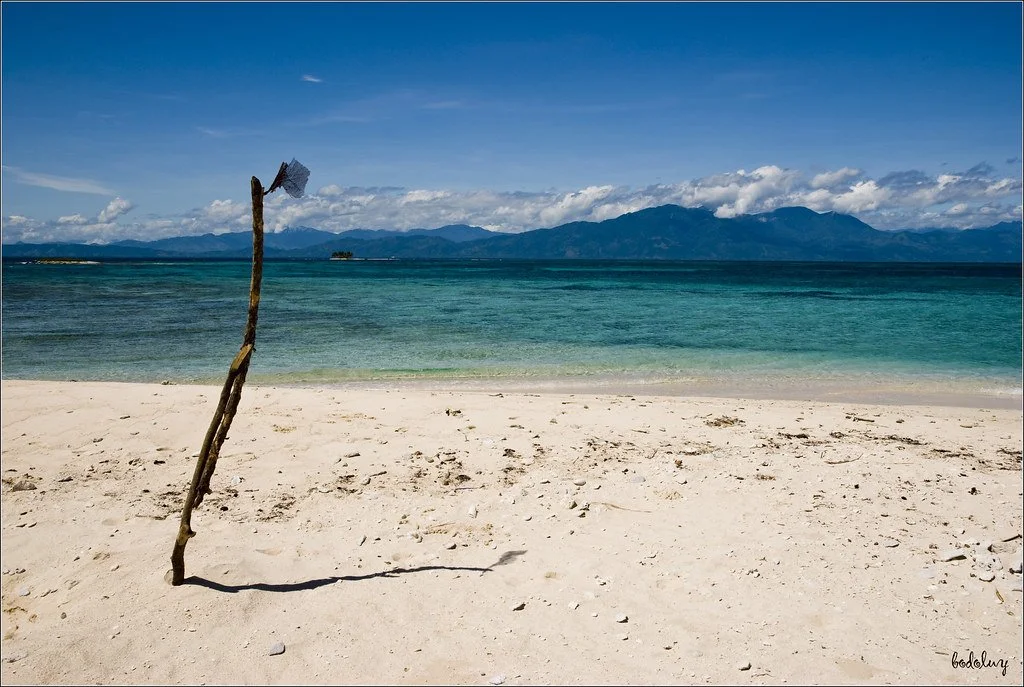
Cayos Cochinos a.k.a Hog Islands, Honduras. Bodoluy. CC BY-NC-SA 2.0
Off of the northern mainland coast of La Ceiba in Honduras lie the Hog Islands, known in Spanish as Cayos Cochinos. They consist of two small islands and 13 tiny sand cays. It’s inhabited by the Garifuna people, and they are the only ones allowed to fish the waters. The islands are managed by the Cayos Cochinos Foundation; they work in unison with the Honduran government and the Garifuna people to preserve the water’s health. The smaller of the two islands is used exclusively as a center for scientific investigation. Cayos Cochinos is a Marine Protected Area (MPA), which includes part of the world's second largest coral reef system known as the Mesoamerican Barrier Reef.
4. Isla Guadalupe
Mexico's Baja Peninsula
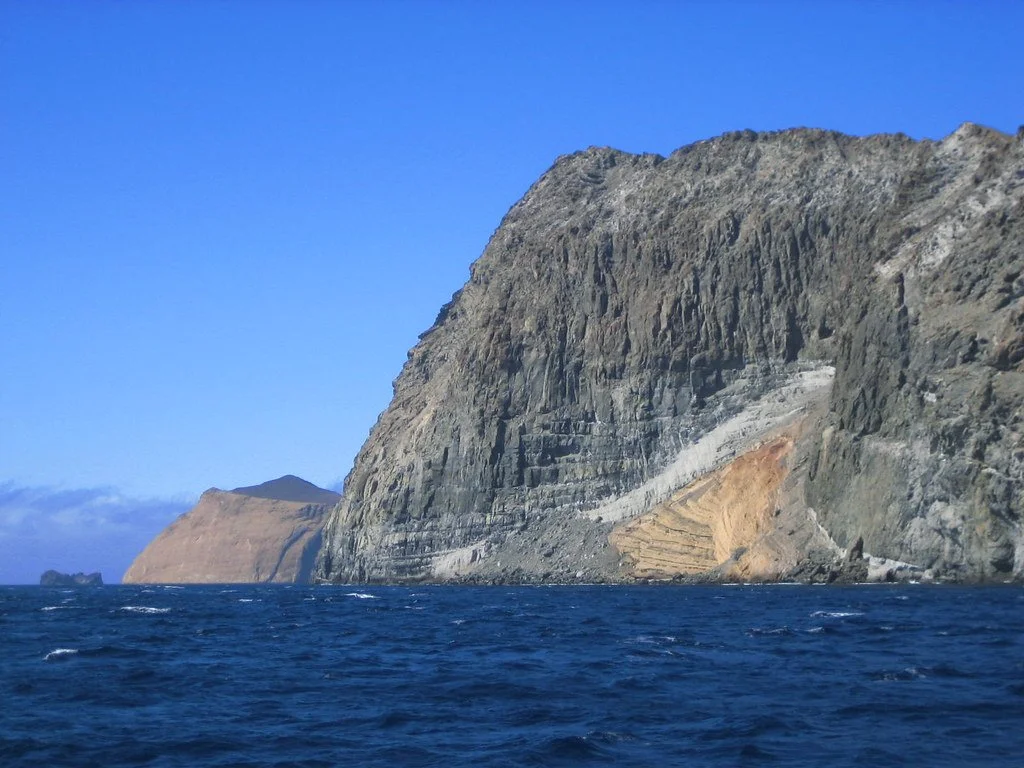
Isla Guadalupe. StJenna. CC BY-NC 2.0
The remote volcanic island of Isla Guadalupe, which is Spanish for Guadalupe Island, is located off the west coast of Mexico’s Baja Peninsula. The island is home to elephant seals and Guadalupe seals and is inhabited by scientists, military personnel operating a weather station and a small group of seasonal fishermen. The waters surrounding Isla Guadalupe drive experienced divers to take in the views of underwater life; it is known to consistently outperform South Africa and Australia with shark-seeing consistency. The diving tours leave the ports of Ensenada and San Diego and last on average five days.
5. Isla Ometepe
Nicaragua
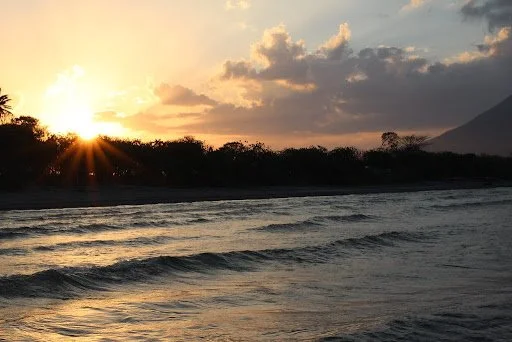
Isla Ometepe Sunset. Katie Laird. CC BY-NC-SA 2.0
Located southwest of Lake Nicaragua, Isla Ometepe is home to twin volcanoes: Concepción and Maderas. The island is inhabited with dense forests, natural springs, lake views and hiking trails. There are also diverse plant and animal species, including white-headed capuchins, yellow-naped Parrots and guayabón fruit trees. The island is visited by backpackers and nature seeking enthusiasts, with locals sharing that more eco-tourists are arriving. The best time to visit is during the dry season, which runs from November to April. In the dry season, the butterfly garden is open in Charco Verde, the ecological reserve.
6. Little Corn Island
Nicaragua
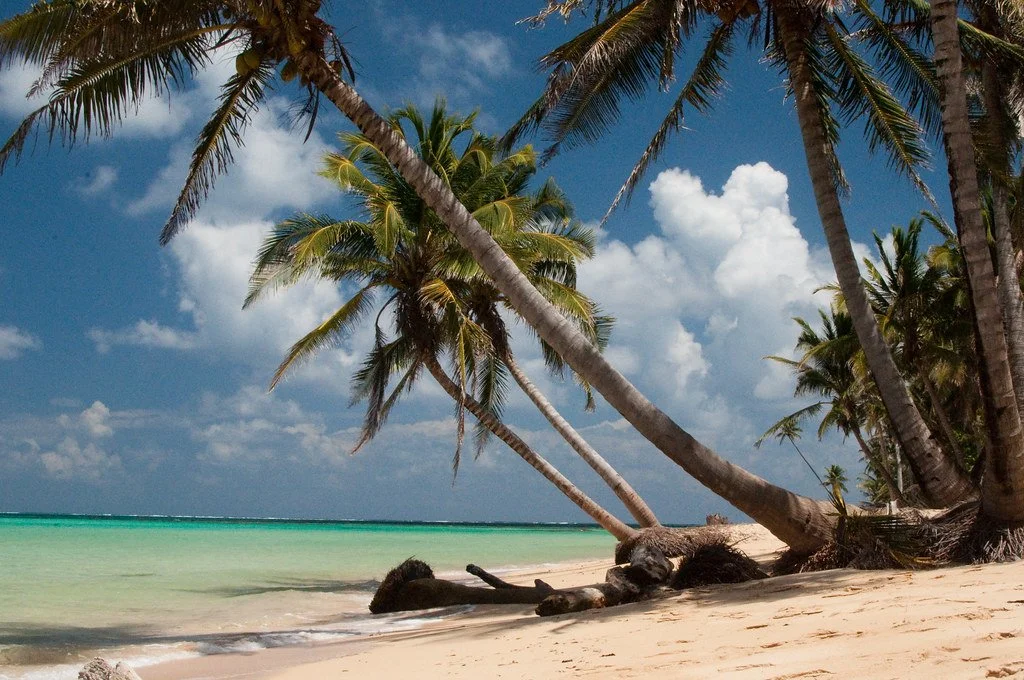
Little Corn is the smallest of the Corn Islands off Nicaragua’s Caribbean coast. Once ruled by the British, this remote island produces coconut oil, lobsters and shrimp and is inhabited by roughly 850 people. There are no cars, golf carts, motorcycles or an airport. Seeing the island is possible, but requires two or more connection flights, as well as a 30-minute boat ride from Bluefields, Nicaragua. It’s visited by many who enjoy diving due to the hundreds of dive spots that surround the island. Featuring cheap dining prices, a beer on the island is less than a dollar, and a fresh caught lobster dinner is on average $12.
7. Islas Zapatillas
Panama
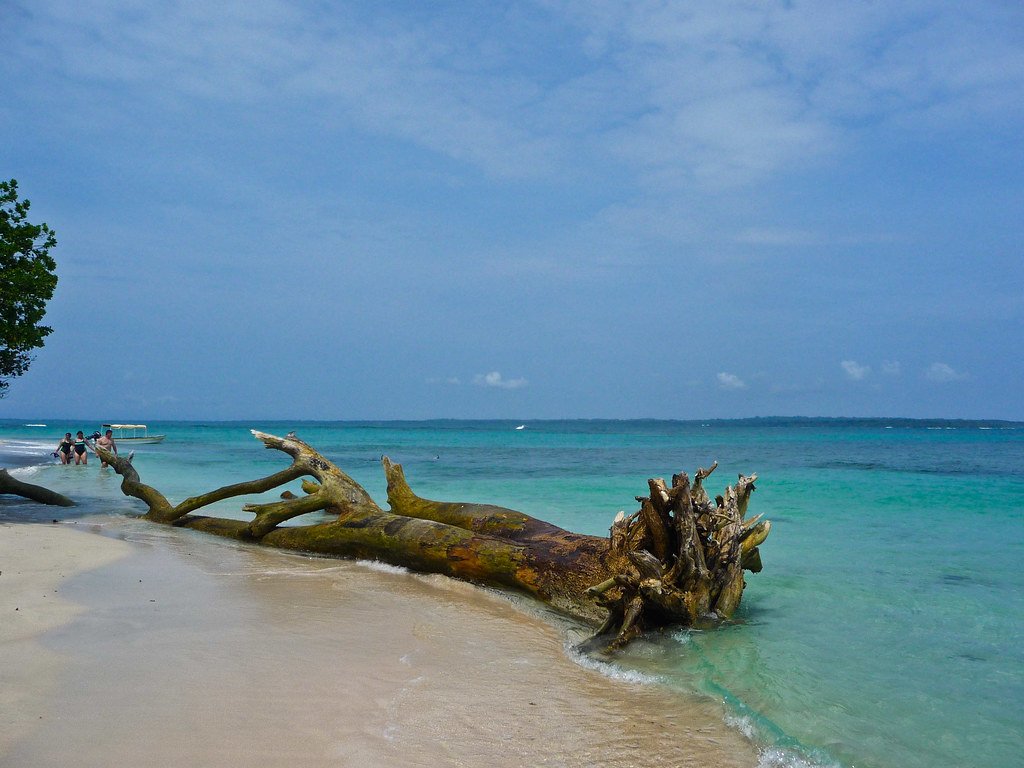
Isla Zapatilla. Michael McCullough. CC BY 2.0
Islas Zapatillas or Little Shoes Cays (named for their resemblance to footprints) are two small islands in Bocas del Toro, Panama. The islands are inhabited by sloths and protected by the Bastimentos National Marine Park. Islas Zapatillas are important ecological sites for the endangered hawksbill sea turtles that nest on their shores. You can explore the island through a tour or by charting a private boat to have a more intimate experience. The island is uninhabited, so making sure you have enough water, food, sunscreen and all other necessities is key to enjoying yourself here.
8. San Blas Islands
Panama
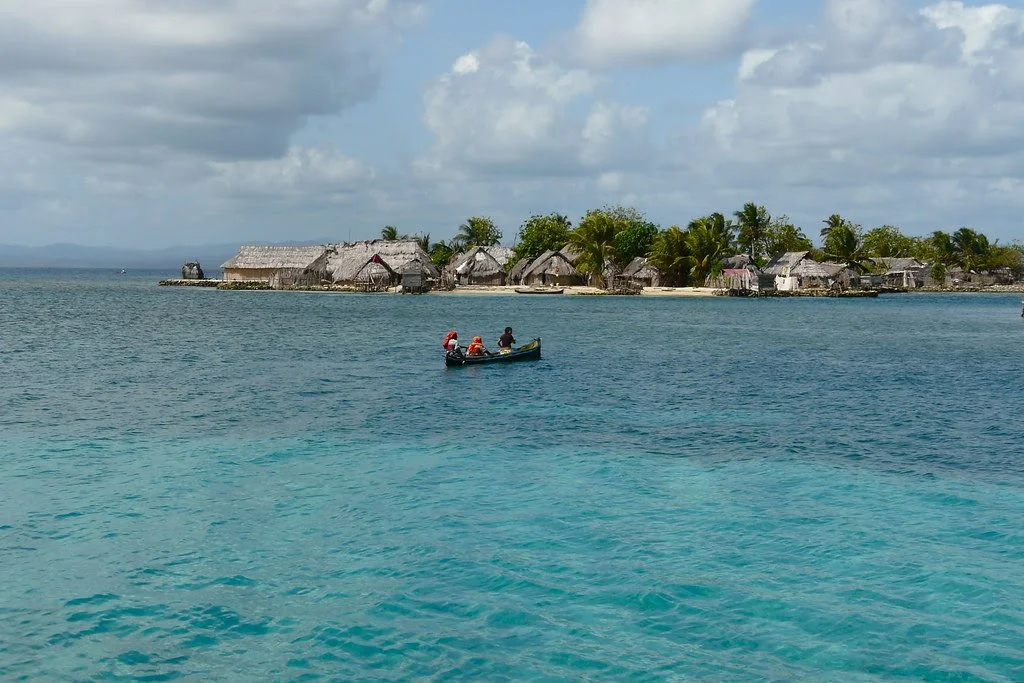
San Blas, Panama. Rita Willaert. CC BY-NC 2.0
The San Blas Islands are located in the Caribbean Sea off the coast of Panama. The Kuna Tribe of Panama inhabit the islands and have strictly controlled development and tourism here. All of the money spent on the islands falls directly into the hands of the Kuna Community. Day trips are available, but if staying overnight is an option you’d like to explore, palm-thatched cabins with a sand floor are available. They also offer overwater bungalows or even options for camping. There are visitors who decide to experience the Kuna lifestyle and culture; in those cases, they organize to stay in a dorm of a Kuna family. The island is filled with water activities and scenic views. However, researchers claim that the islands are at risk of disappearing in a matter of decades due to erosion and poor resource management.

Jennifer is a Communications Studies graduate based in Los Angeles. She grew up traveling with her dad and that is where her love for travel stems from. You can find her serving the community at her church, Fearless LA or planning her next trip overseas. She hopes to be involved in international humanitarian work one day.
7 Stunning Caves Worth Exploring
Though caves often hold a fearsome reputation, they have a myriad of captivating natural features and intriguing histories.
Caves often get a bad reputation: cold, dark, damp and uninteresting, or even frightening. In reality, caves offer snapshots of history, unusual natural structures, and examples of remarkable biodiversity. There are thousands of caves on Earth, and even more that are yet to be discovered. Each cave is unique, with specific natural formations that cannot be found anywhere else. Here are seven incredible caves to add to your list of must-see sights.
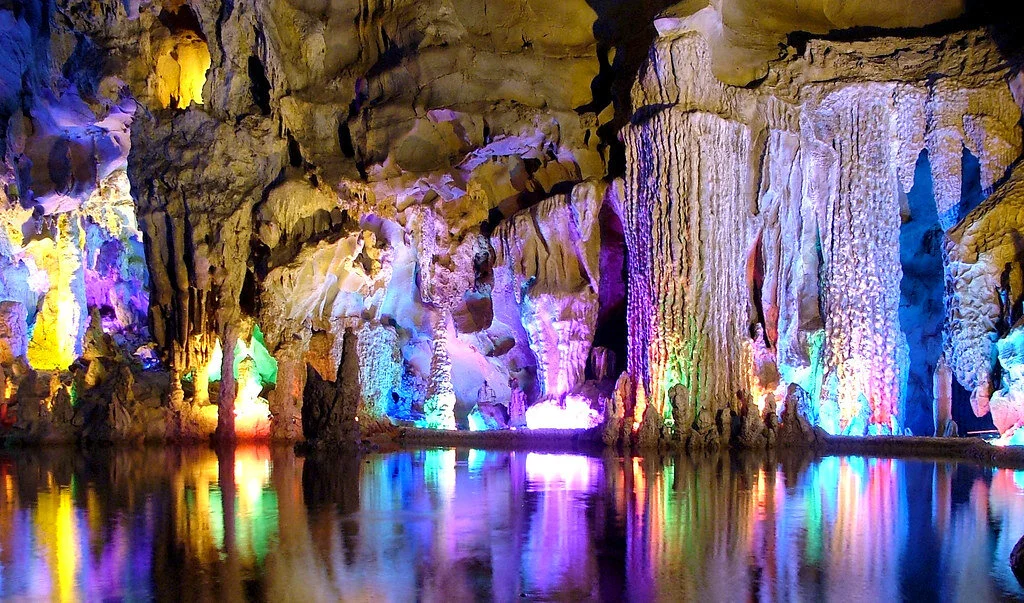
1. Reed Flute Cave, China
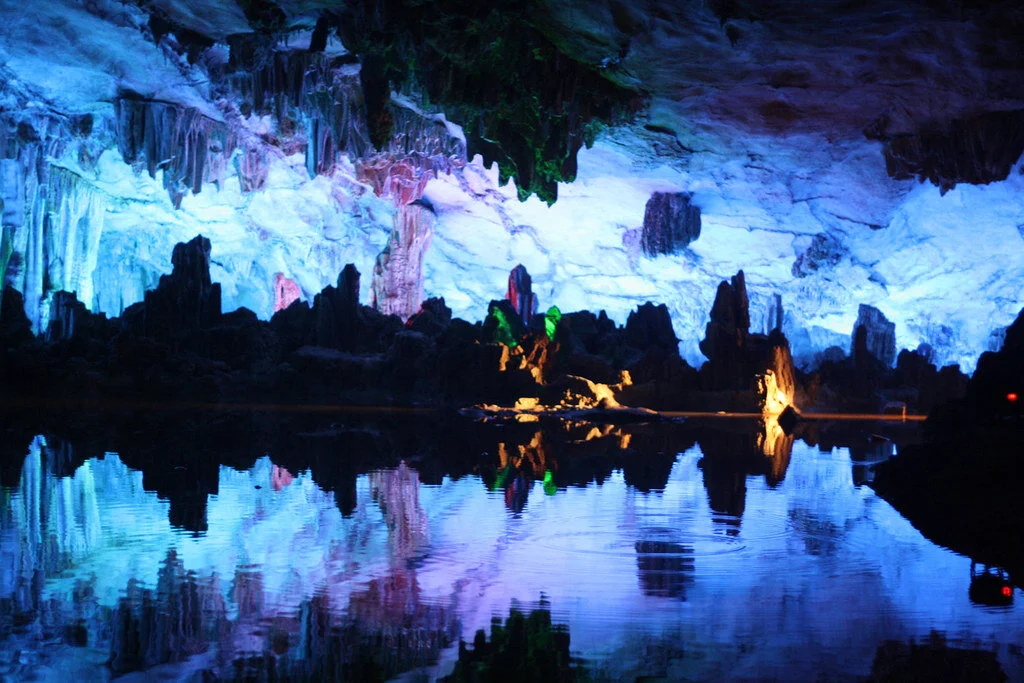
Called “the Palace of Natural Art,” Reed Flute Cave is known for its impressive stone curtains and pillars. Reed Flute Cave is located just 3 miles from downtown Guilin, China, and has been an attraction for centuries. Seventy-seven inscriptions of poems and travel descriptions can be found around the cave, and the oldest dates back to 790 A.D., the era of the Tang dynasty. There are inscriptions from the Tang, Song, Yuan and Ming dynasties, written by monks, poets, scholars and tourists from all over China. Today, the cave is lit by many multicolored lights hidden in its natural cracks and crevices, which cast a bright rainbow glow around the dark space, giving cave visitors a surreal and breathtaking experience. The cave was forgotten for years until its rediscovery in 1940, when a group of Chinese refugees stumbled upon it while fleeing from Japanese forces. During World War II, the cave’s large chamber, called the “Crystal Palace of the Dragon King,” was used as a bomb shelter. The cave regained popularity after its rediscovery at the end of the war, and was officially opened to the public in 1962.
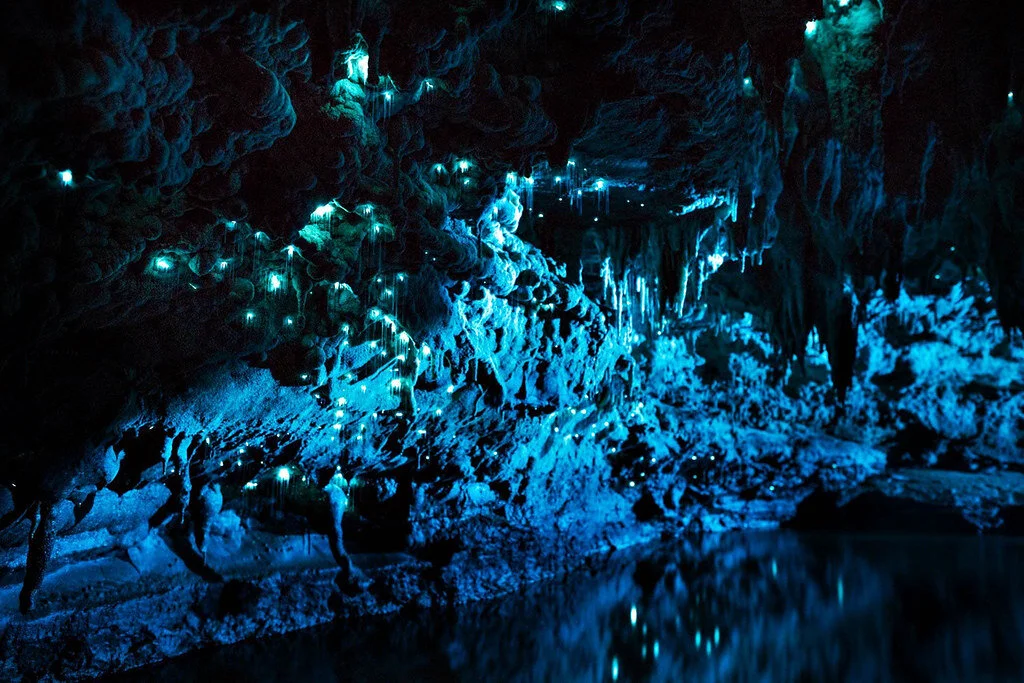
2. Waitomo Glowworm Caves, New Zealand
Visitors to the Waitomo Glowworm Caves will take a trip into the past by exploring a cave over 30 million years old. The cave, located in Waitomo on the North Island of New Zealand, is praised as one of New Zealand’s best natural attractions. It contains an underground river, towering rock formations, and thousands of shimmering glowworms. The Glowworm Caves have been an attraction for over 130 years. These limestone caves formed at the bottom of the ocean millions of years ago. Local Maori communities knew about the caves, but they were first explored in 1887 by Maori Chief Tane Tinorau and English surveyor Fred Mace. After discovering the natural beauty of the caves, Chief Tinorau opened the caves to tourists in 1889. Many of the guides for tours today are descendants of Chief Tinorau. Guides take visitors on walking tours through the caves, as well as boat tours through the glowworm grotto. These boat tours take visitors to the center of the grotto, where they can look up in awe at the luminescent glowworms covering the cave walls and ceiling.
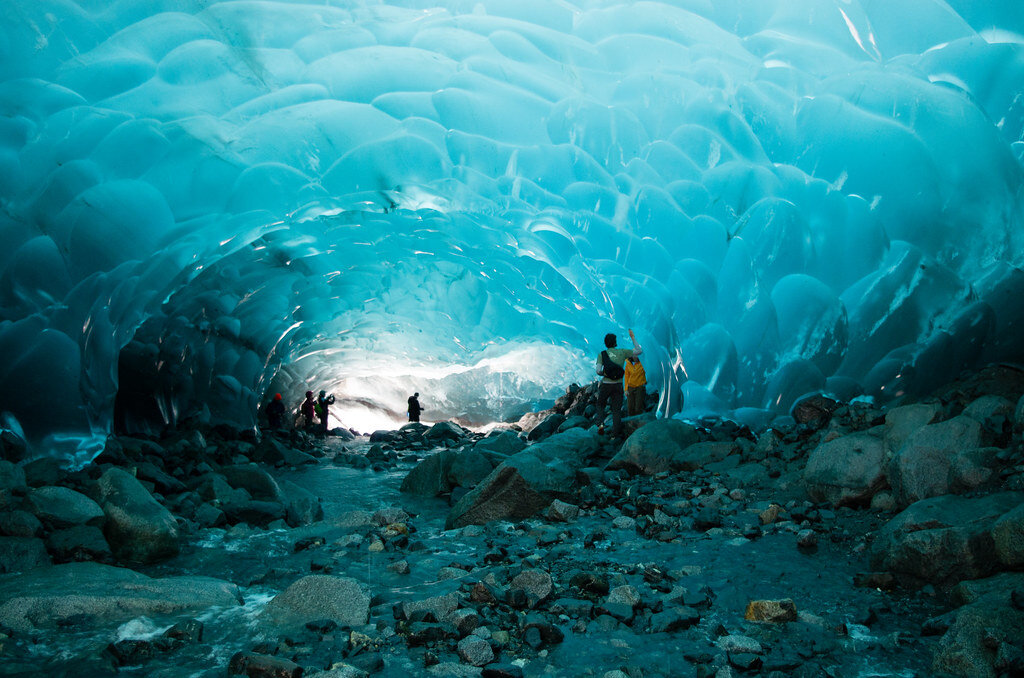
3. Mendenhall Ice Caves, Alaska
Just 12 miles outside downtown Juneau lies Mendenhall Glacier, known as the “Glacier Behind the Town.” Inside the glacier are the Mendenhall ice caves, passageways formed by water flowing through the glacier. These caves vary in size from tiny openings visitors have to squeeze through to giant caverns. Mendenhall Glacier was first explored in 1794 by Joseph Whidbey, a member of the British Royal Navy serving on Capt. George Vancouver’s 1791-95 expedition of the Pacific Northwest coast. To visit the caves, travelers can hike through the Tongass National Forest and then across the glacier, or they can canoe across Mendenhall Lake to the glacier. Both options offer breathtaking views of the glacier and surrounding landscapes, and both are somewhat strenuous but well worth the effort. Inside the caves, visitors are immersed in the cool blue shades of light coming through the glacier and can explore ever-changing ice formations. The caves change as the ice melts, so each visit to the Mendenhall ice caves is unique. The presence of the caves is also inconsistent and typically seasonal, so visitors should be sure to check on the status of the caves before planning a trip.
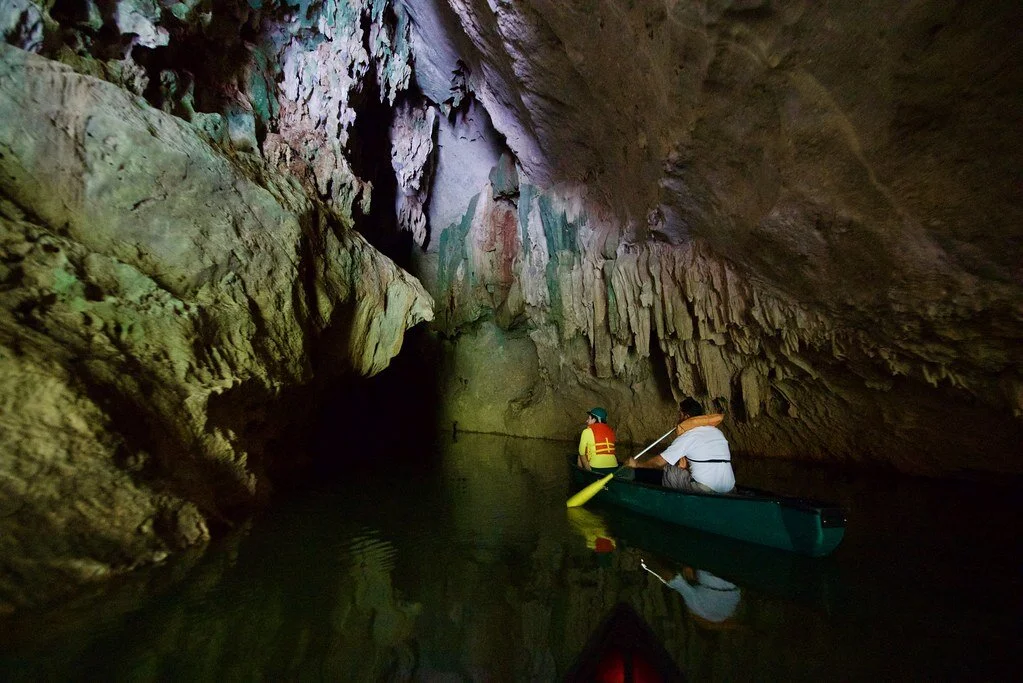
4. Barton Creek Cave, Belize
To discover the wonders of Barton Creek Cave, visitors will have to board a canoe. Barton Creek Cave is located east of San Ignacio along the western edge of Belize. It is a wet cave because it has a cave river running through it, and paddling along this tranquil river is the only way to take in the cave’s majesty and history. It is the largest river cave in Belize and contains evidence of ancient Mayan culture. The cave is natural, but archaeologists have identified a number of areas they believe were purposefully modified by the Mayans to improve access to the cave. These modifications include natural formations of flowstone broken to allow access to a rimstone pool and holes drilled by Mayan tools, likely to serve as handholds or to attach climbing ropes. Ten ledges made by the Maya line the cave walls, where archaeologists have discovered thousands of pottery shards, most of which are from large jars called ollas, and a number of stone tools. These discoveries have helped archaeologists determine the use of the cave during Mayan times; it was likely the site of ritual activity and worship. The Maya regarded caves as sacred sites, and the artifacts found in Barton Creek Cave reflect this view. Tours through the cave offer visitors the opportunity to witness incredible natural formations and to learn how the ancient Mayans interacted with the cave.
5. Hang Son Doong, Vietnam
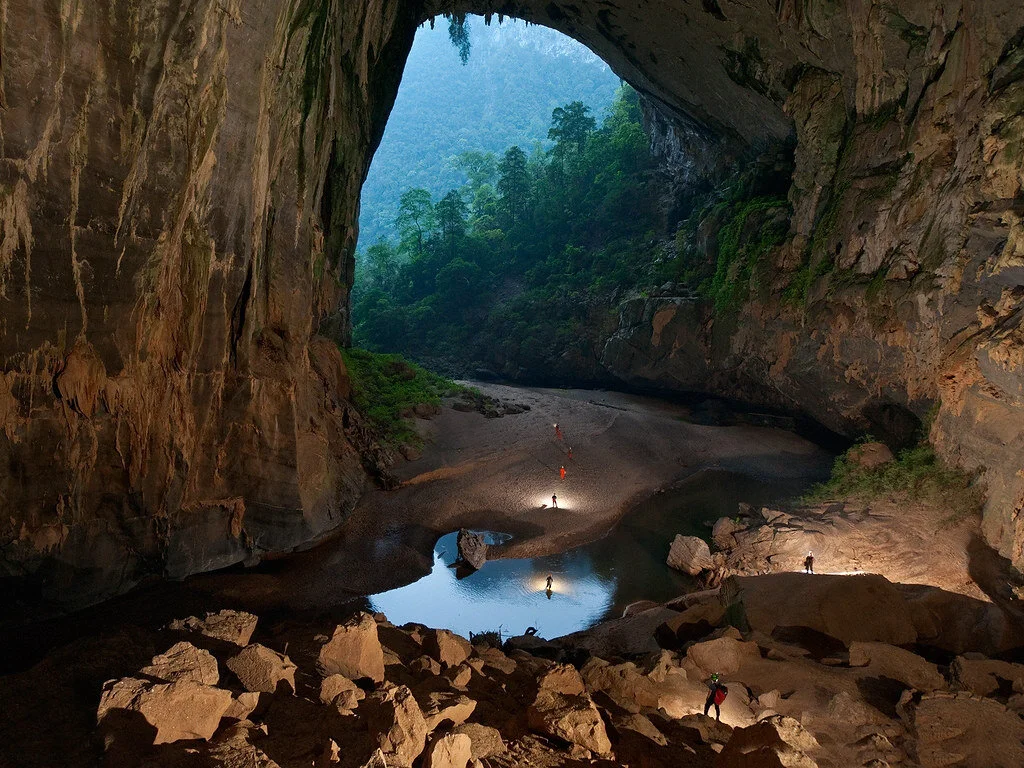
For travelers who want to explore a cave but worry about darkness and small spaces, Son Doong Cave in central Vietnam is the perfect place to visit. Son Doong has the largest cross section of any cave in the world, reaching over 5 miles long, 650 feet wide and 490 feet tall. In some areas, the limestone ceiling of the cave grew weak and collapsed, creating huge skylights and allowing areas of lush vegetation to grow inside the cave. It was formed millions of years ago by the Rao Thuong River eroding limestone. Son Doong Cave was initially discovered in 1990 by a local man named Ho Khanh, who stumbled upon the entrance while searching the area for food and timber. He then returned home and no further exploration of the cave occurred until Howard and Deb Limbert, members of the British Cave Research Association, heard Ho Khanh’s story and urged him to find the cave again. In 2008, he successfully rediscovered the cave, and a survey was conducted by Howard Limbert and a group of British cavers. The cave opened to the public in 2013. Visitors are sure to be impressed by the sheer size of the cave, as well as its natural formations, river and distinctive vegetation growth.
6. Puerto Princesa Underground River, Philippines
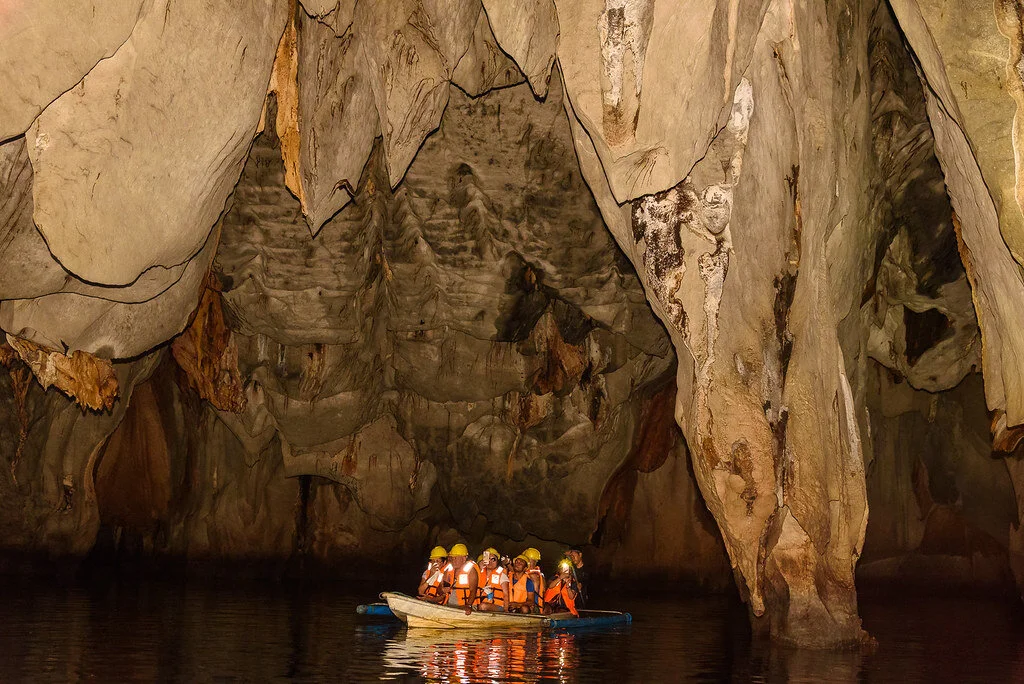
Located on Palawan, the westernmost island in the Philippines, Puerto Princesa Subterranean River National Park is home to old-growth forests, wildlife and an expansive limestone cave system. The Puerto Princesa Underground River, as it is commonly known, flows for over five miles through beautiful caverns and eventually meets the sea. Visitors can take underground river tours on paddleboats to see the stunning cave formations and limestone cliffs, as well as a variety of native animal species. There are records of the Puerto Princesa Underground River dating back to 1898, but it is believed to have been known to early inhabitants of the Philippines and investigated by foreign explorers prior to that time. The area was established as an official attraction in 1971, and the cave system is still being explored. In 2010, researchers discovered a large cave dome above the underground river, with more river channels and access to an even deeper cave. The Puerto Princesa Underground River offers an abundance of fascinating natural formations to explore.
7. Shell Grotto, England
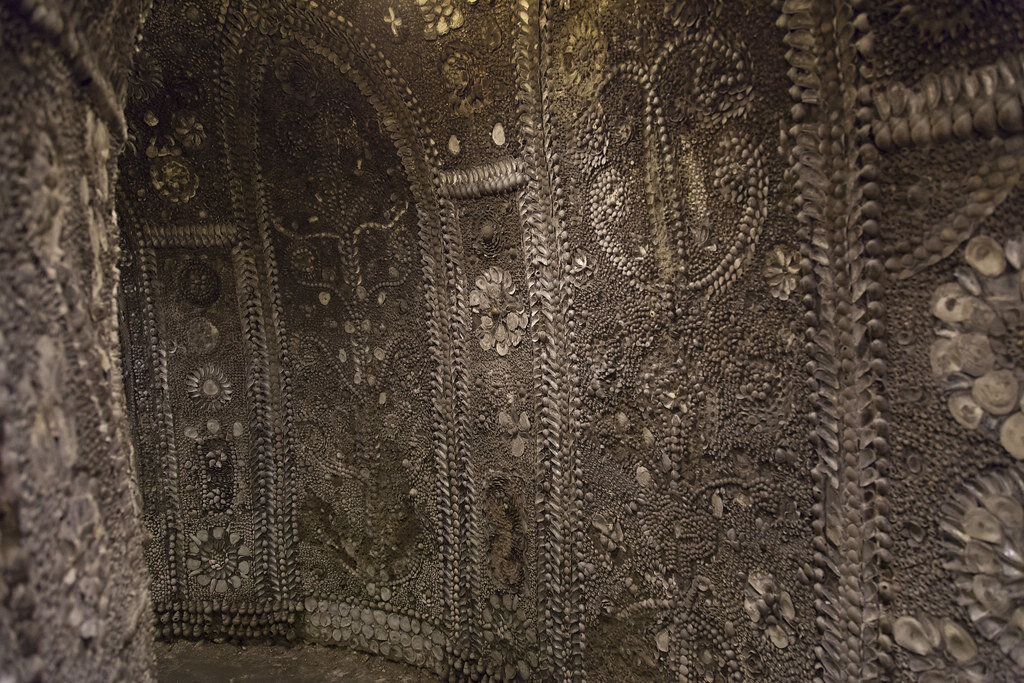
Shell Grotto is one of England’s most mysterious sites, encompassing over 70 feet of tunnels under the seaside town of Margate. These caves were discovered by chance in 1835, when a man excavating his new land stumbled upon them. Sprawling mosaics made of mussel, oyster, whelk and cockle shells cover every wall of the tunnels. Historians are unsure of who built Shell Grotto, or why. Theories range from Shell Grotto being a place of worship to a simple display of extreme wealth to the meeting room of a secret society. The elaborate shell designs offer little explanation, displaying swirling patterns that can be interpreted as a number of different things. Shell Grotto is a tremendous work of art, and the questions surrounding its origin and purpose add a layer of intrigue that draws visitors from around the world.

Rachel Lynch
Rachel is a student at Sarah Lawrence College in Bronxville, NY currently taking a semester off. She plans to study Writing and Child Development. Rachel loves to travel and is inspired by the places she’s been and everywhere she wants to go. She hopes to educate people on social justice issues and the history and culture of travel destinations through her writing.