Along beaches stripped of native vegetation, local volunteers and travelers are bringing back coastal forests one tree at a time.
Read MoreRaised by the Rainforest: The Story of KSTR
Carson Jelinek
Kids Saving the Rainforest is a Costa Rica-based nonprofit founded by two nine-year-old girls who wanted to protect their local rainforest.

Janine Licare and Aislin Livingstone, founders of KSTR, at 9 years old, with their first volunteer. Courtesy of Kids Saving the Rainforest.
Kids Saving the Rainforest (KSTR) was founded in 1999 by two nine-year-old girls, Janine Licare and Aislin Livingstone. Growing up near the jungle of Manuel Antonio, Costa Rica, they saw firsthand the effects of deforestation and wanted to protect the rainforest and its wildlife. Their journey started small, by raising money on the side of the road for saplings to be planted in the nearby forest. Today, their focus is on reforestation and protecting sick, injured and orphaned wild animals, many of which return to the wild through a process of rescue, rehabilitation and release.
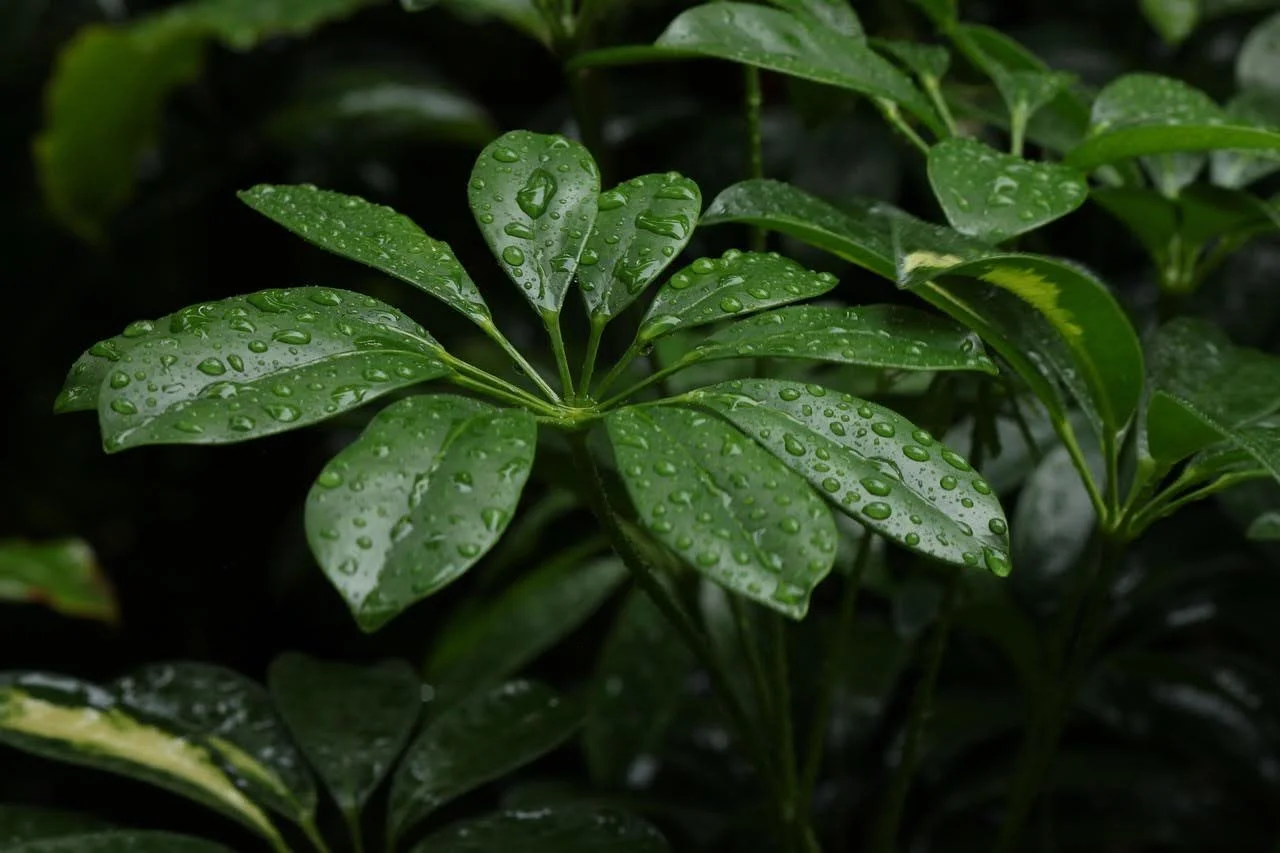
Rainforest foliage in Costa Rica. Chris Clementi. Pixabay.
For Licare and Livingstone, the rainforest surrounding their childhood homes served as a playground, classroom, and backyard. As they grew up among towering trees and diverse wildlife, they observed the increasing impact of development and environmental pressures on the forest. Rather than disregarding these challenges, they chose to take action. Hand-painting rocks to sell at their roadside stand, they initiated fundraising efforts through small but mighty creative means.
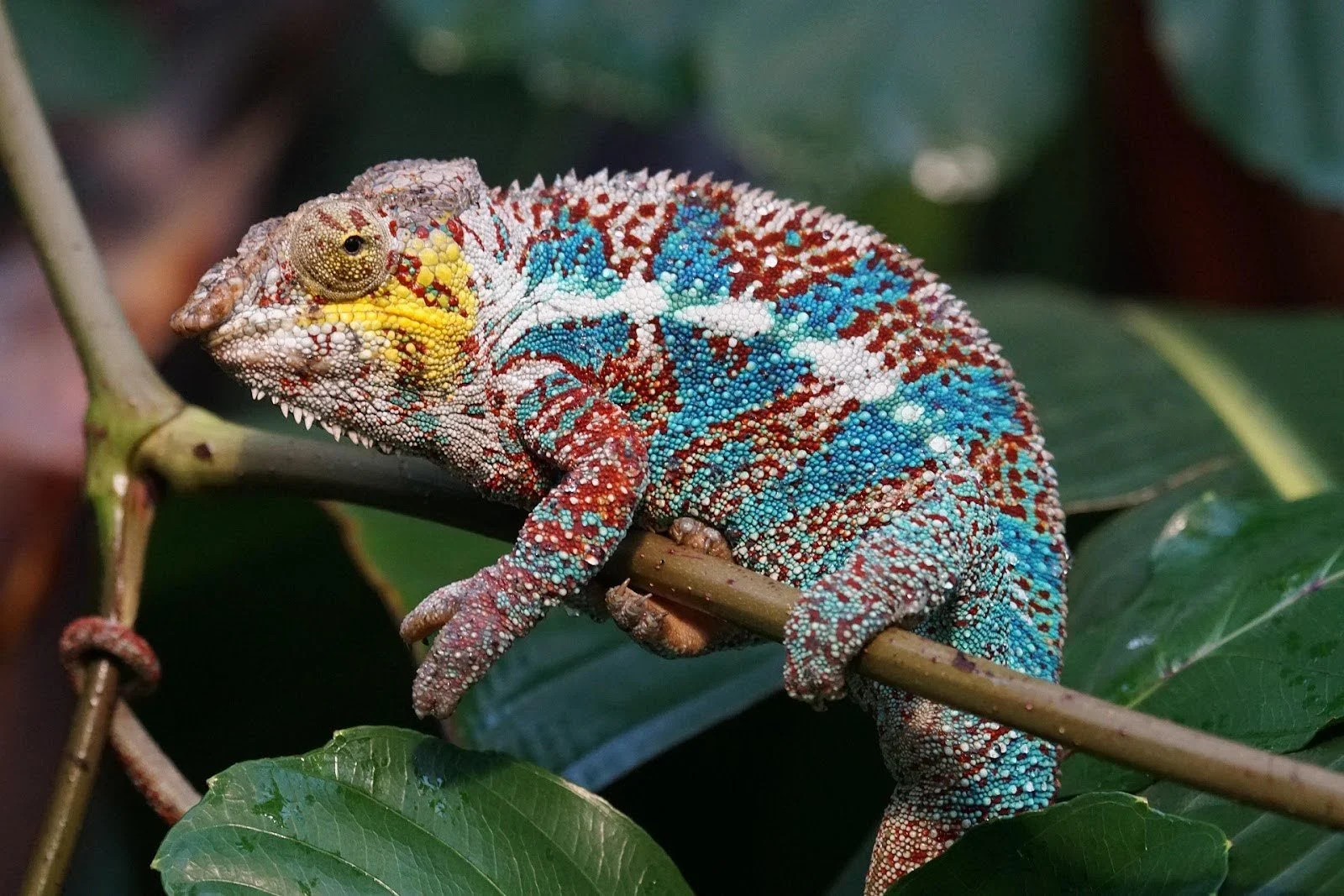
Chameleon on a branch. Marcel Langthim. Pixabay.
Very quickly, the scale of donations grew beyond what a casual family project could manage, and that is when local adults, including the kids' parents and community members, stepped in to help formalize the operation so that the money could be properly tracked and used for conservation. Over the next few years, KSTR transitioned from a hand-painted roadside stand into a formally registered nonprofit with a board of directors, a bank account and permission to work on conservation projects around Manuel Antonio.
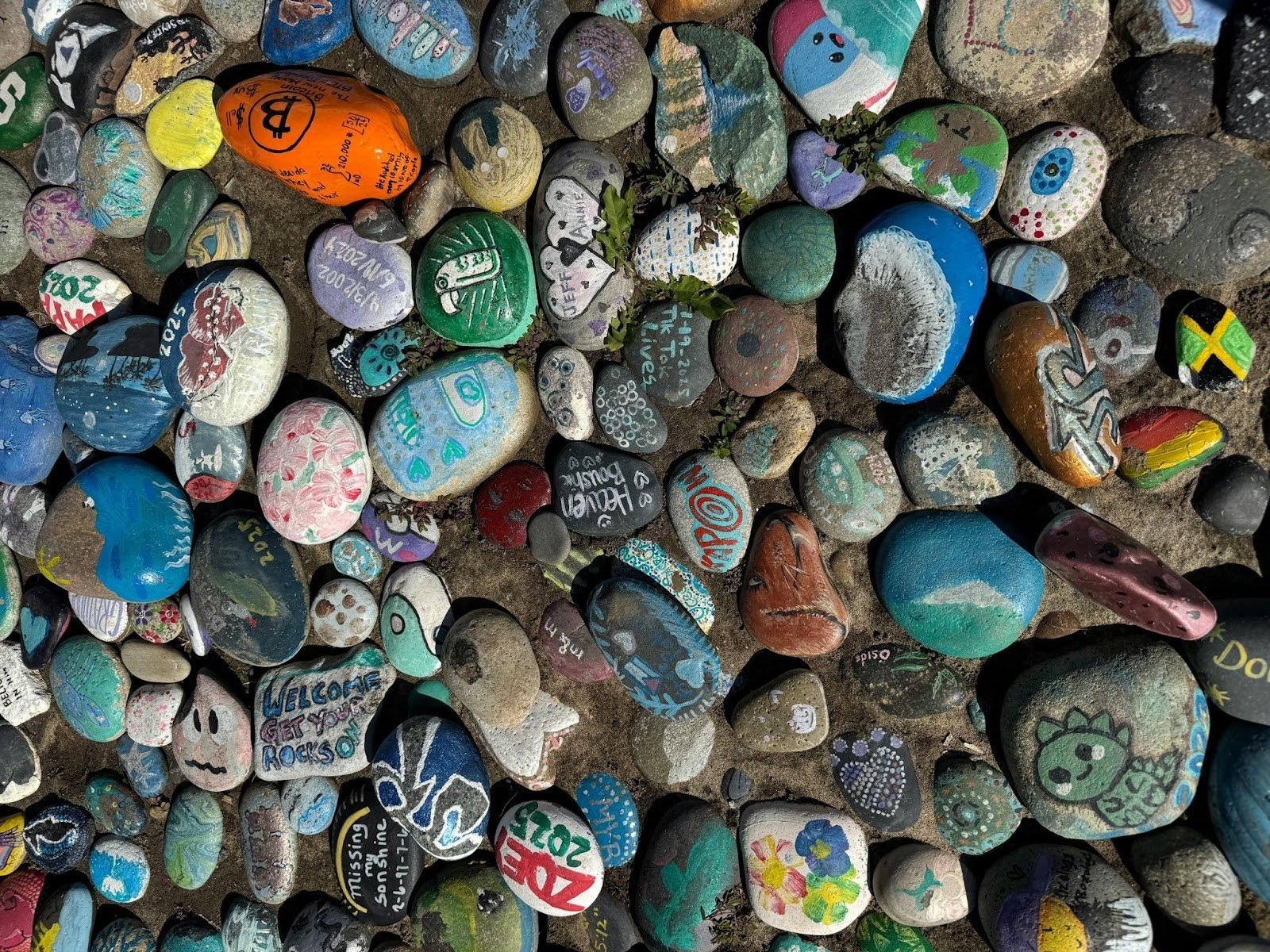
Hand-painted rocks. Petra Nesti. Pexels.
KSTR has since expanded their wildlife initiatives. Though they aim to eventually release rescued animals back into the wild, those that can’t return are given sanctuary for life on the property. Another project KSTR has prioritized is building wildlife bridges, which are designed to protect arboreal animals, such as squirrel monkeys, from environmental dangers, like power lines, car collisions and attacks by other species. Over 130 bridges have been built, and since their efforts began, the squirrel monkey population has more than doubled. This has now become a prime model for similar conservation efforts in other regions.
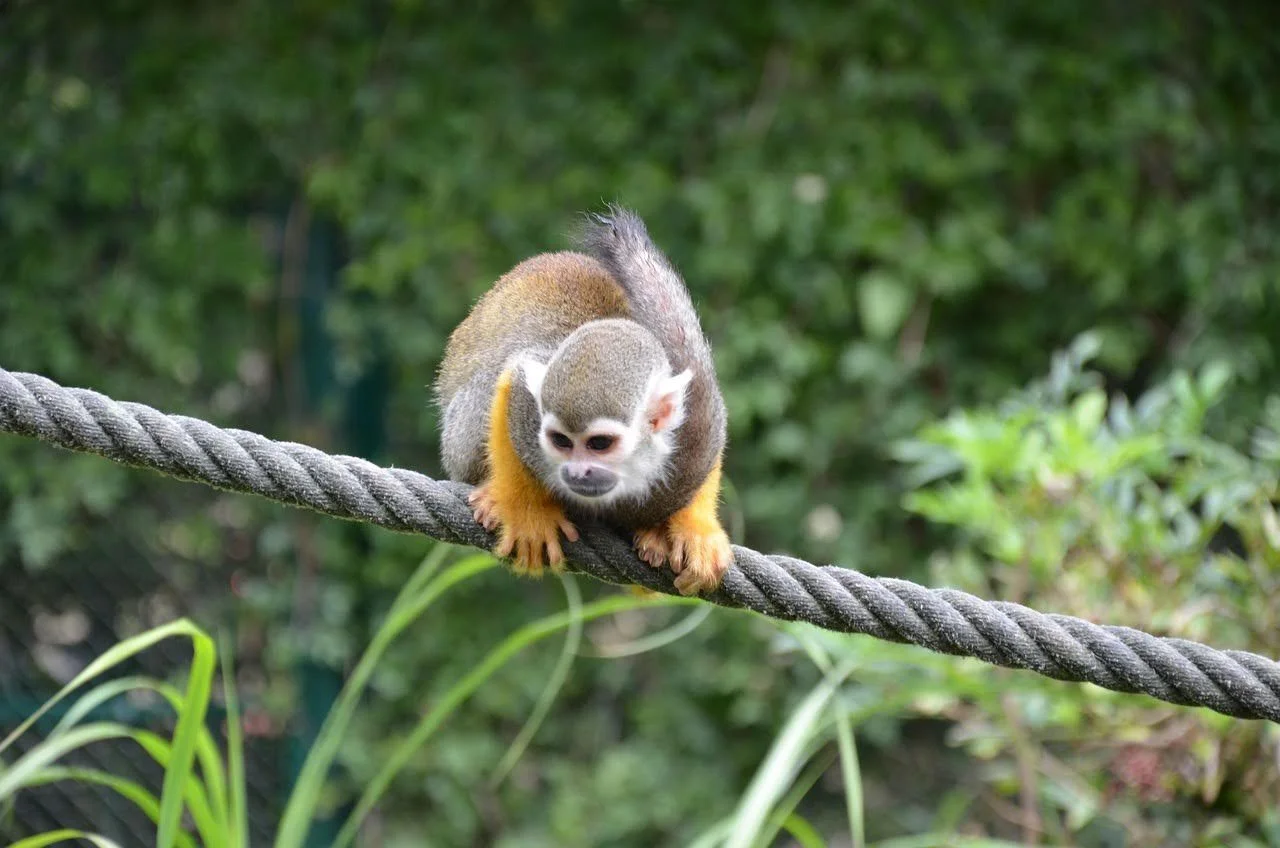
Squirrel monkey on a wildlife bridge. Flobrc. Pixabay.
Volunteers are what KSTR relies on to run its facilities and care for the wildlife in the area; in fact, the organization is completely funded by donations. People from around the world come to volunteer and help with all aspects of their work. A volunteer can expect to help with cleaning, building cages, working on trails, preparing food for the animals and observing behavior. As well, a key element of KSTR is education on biodiversity conservation, so all visitors and volunteers can learn more about the rainforest and how they can help.
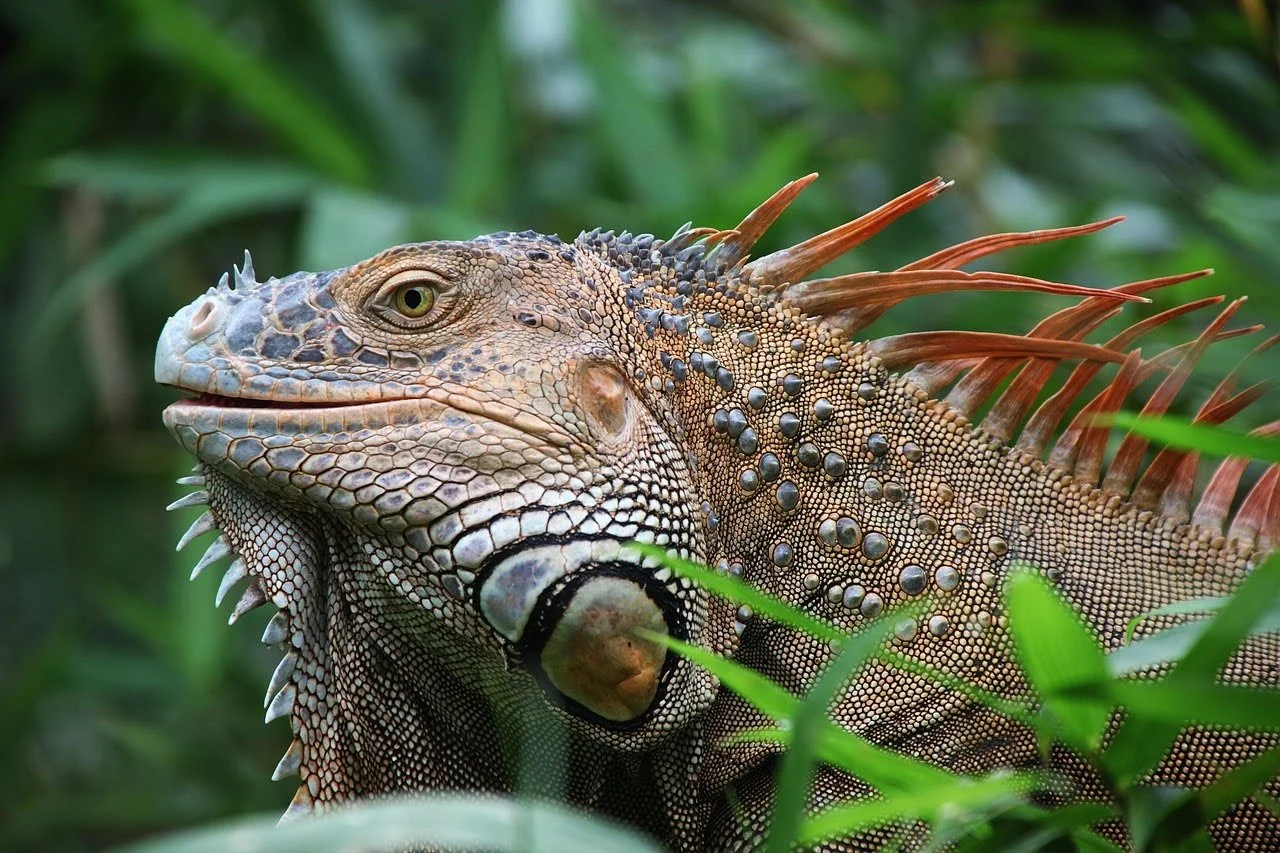
Iguana in Costa Rica. Steve Jurvetson. CC BY 2.0.
For many volunteers, the experience is more than just helping the animals. Time spent in the rainforest helps them see how wildlife, ecosystems and human development are all connected. Many people finish the program with a stronger appreciation for conservation and feel inspired to support environmental protection in their own communities.
GET INVOLVED:
You can get involved with KSTR by looking into their volunteer opportunities. Visitors can sign up to be full-day volunteers, where they will tour the facility and work directly with an animal caretaker. Another way to get involved is by being a long-term volunteer, and that ranges from a few days to a few months, depending on what you want to do. Typical daily duties include preparing food and distributing it to the animals, cleaning enclosures, offering enrichment, foraging for wild food and ultimately improving the animals’ quality of life. Along with this, the nonprofit offers internship positions as a zookeeper, in veterinary clinics and in media and marketing.

Carson Jelinek
Carson is a 22-year-old writer and filmmaker studying film and media productions at Arizona State University. His work explores travel, culture, and the people behind the places, with a focus on stories that encourage curiosity and global understanding.
A Mindful Guide to Costa Rica’s Manuel Antonio
Long before it became one of the a popular ecotourism destination, this park was home to Indigenous communities whose relationship with the land and sea shaped the region for centuries.
Read MoreShark Finning: Costa Rica’s Illegal Trade
As countries ban the practice of shark finning, Costa Rica disregards conservation policies through illegal fishing exports.
Read MoreSmall Towns Redefining Sustainable Tourism
Environmentally conscious values have made their way to the forefront of travel so lesser-known destinations can leap into the ecotourism limelight. Learn how small towns are redefining sustainable tourism.
Read More6 Tropical Countries To Escape the Winter Chill
Avoid the cold temperatures of winter by taking off to these six tropical destinations around the world, each offering a lush climate and magical adventures.
Read More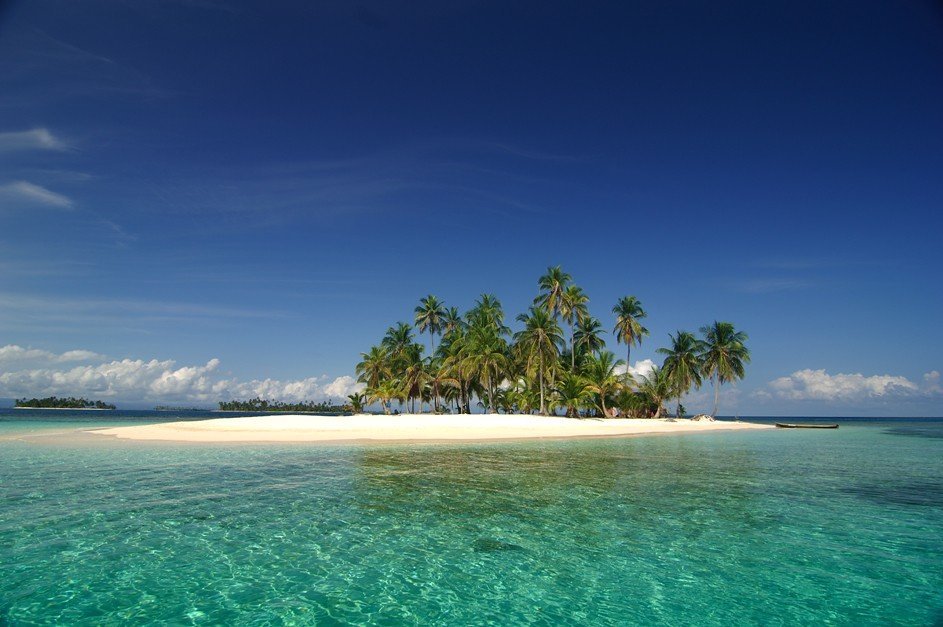
The San Blas Islands, Panama. Whl.travel. BY-NC-SA 2.0
8 Central American Islands You May Have Never Heard Of
Known mostly to locals and frequented by few travelers, these islands have an expansive amount of marine life and culture. This list includes islands in Belize, Honduras, Costa Rica, Nicaragua and Panama.
1. Glover’s Reef Atoll
Belize
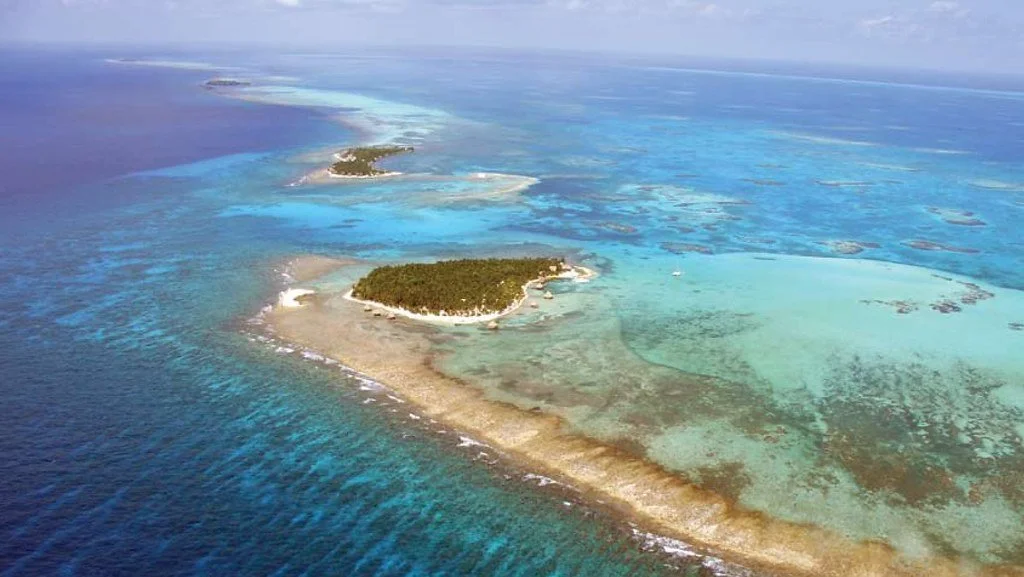
Opened to only a few visitors at a time, this 9-acre island is surrounded by Glover’s Reef—a 90 square mile stretch of reef made up of 700 individual patch reefs in a lagoon. This reef is thought to be the richest marine environment in the Caribbean Sea. There are many things to do on the island, such as kayaking, snorkeling, attending a yoga retreat or just relaxing. Once frequented by pirates, this protected marine reserve has been a designated World Heritage Site since 1996.
2. Isla del Caño
Costa Rica
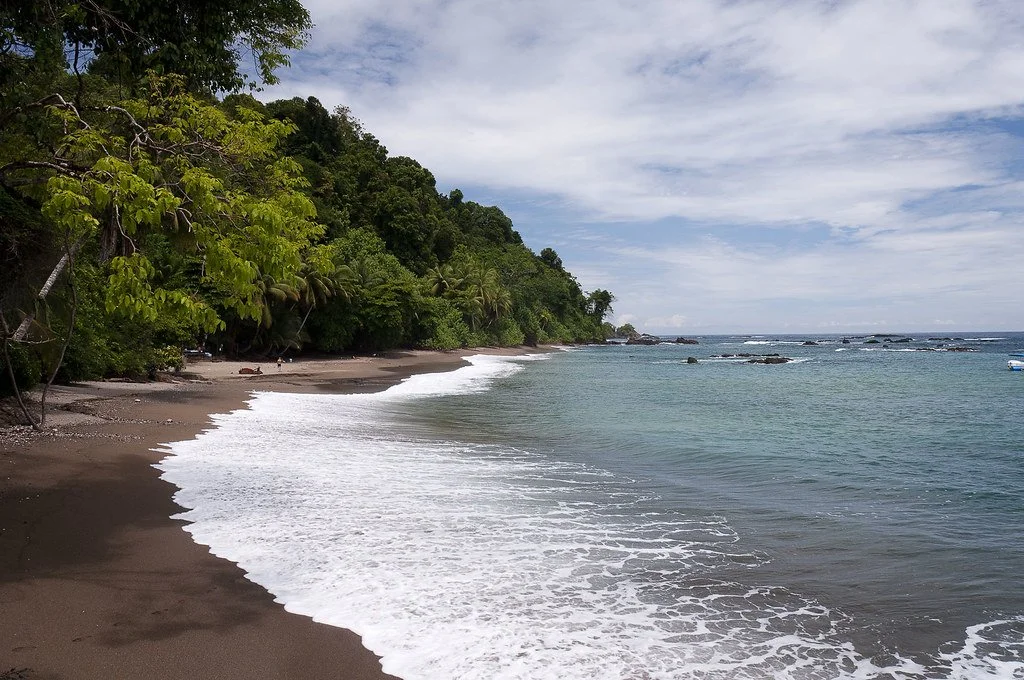
Isla del Caño, Costa Rica. Chris Varley. CC BY-NC 2.0
During pre-Columbian times, this island was a cemetery and home to Indigenous cultures. Located just 10 miles off the Osa Peninsula, it is a protected biological reserve surrounded by five platforms of low coral reefs. It is also home to an abundance of marine life, including sharks, whale sharks, dolphins, moray eels, sting rays and a variety of tropical reef fish. There are no hotels or guesthouses on the island; staying overnight is not allowed.. There are many tours available right outside of the Ballena Marine National Park. Your day trip or overnight stay can begin at the Osa Peninsula, Uvita or Sierpe.
3. Hog Islands
Honduras
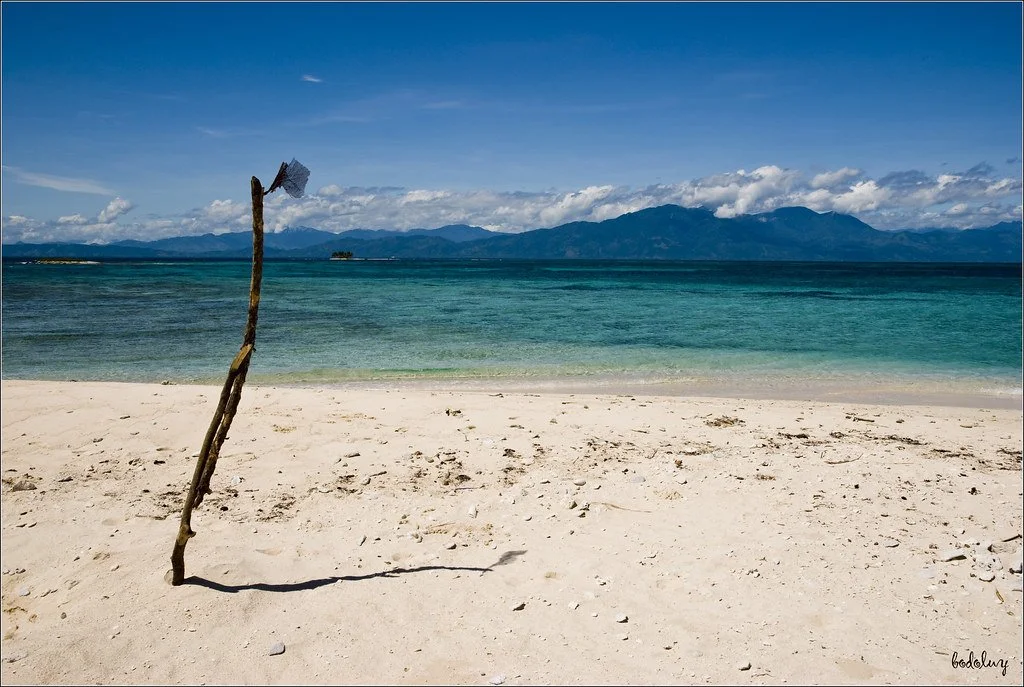
Cayos Cochinos a.k.a Hog Islands, Honduras. Bodoluy. CC BY-NC-SA 2.0
Off of the northern mainland coast of La Ceiba in Honduras lie the Hog Islands, known in Spanish as Cayos Cochinos. They consist of two small islands and 13 tiny sand cays. It’s inhabited by the Garifuna people, and they are the only ones allowed to fish the waters. The islands are managed by the Cayos Cochinos Foundation; they work in unison with the Honduran government and the Garifuna people to preserve the water’s health. The smaller of the two islands is used exclusively as a center for scientific investigation. Cayos Cochinos is a Marine Protected Area (MPA), which includes part of the world's second largest coral reef system known as the Mesoamerican Barrier Reef.
4. Isla Guadalupe
Mexico's Baja Peninsula
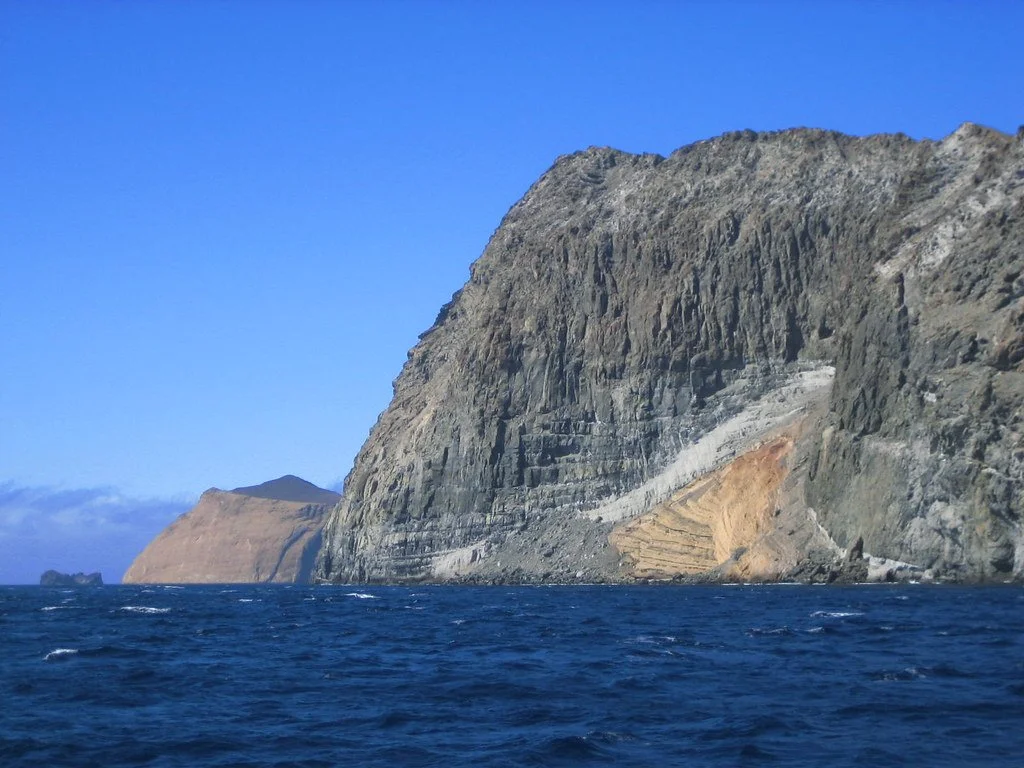
Isla Guadalupe. StJenna. CC BY-NC 2.0
The remote volcanic island of Isla Guadalupe, which is Spanish for Guadalupe Island, is located off the west coast of Mexico’s Baja Peninsula. The island is home to elephant seals and Guadalupe seals and is inhabited by scientists, military personnel operating a weather station and a small group of seasonal fishermen. The waters surrounding Isla Guadalupe drive experienced divers to take in the views of underwater life; it is known to consistently outperform South Africa and Australia with shark-seeing consistency. The diving tours leave the ports of Ensenada and San Diego and last on average five days.
5. Isla Ometepe
Nicaragua
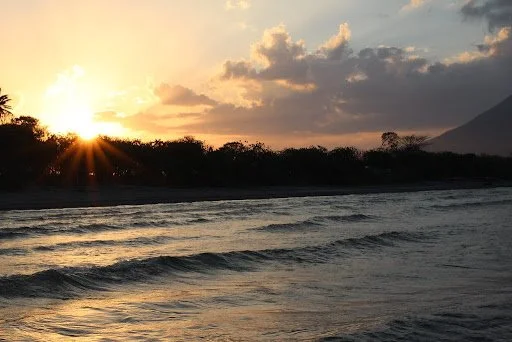
Isla Ometepe Sunset. Katie Laird. CC BY-NC-SA 2.0
Located southwest of Lake Nicaragua, Isla Ometepe is home to twin volcanoes: Concepción and Maderas. The island is inhabited with dense forests, natural springs, lake views and hiking trails. There are also diverse plant and animal species, including white-headed capuchins, yellow-naped Parrots and guayabón fruit trees. The island is visited by backpackers and nature seeking enthusiasts, with locals sharing that more eco-tourists are arriving. The best time to visit is during the dry season, which runs from November to April. In the dry season, the butterfly garden is open in Charco Verde, the ecological reserve.
6. Little Corn Island
Nicaragua
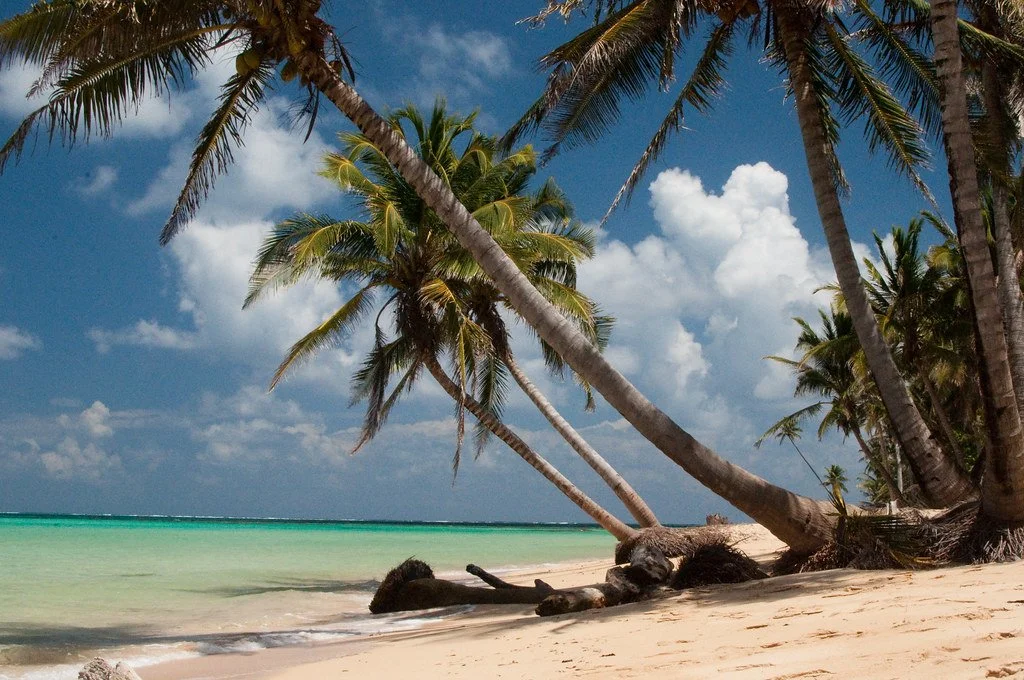
Little Corn is the smallest of the Corn Islands off Nicaragua’s Caribbean coast. Once ruled by the British, this remote island produces coconut oil, lobsters and shrimp and is inhabited by roughly 850 people. There are no cars, golf carts, motorcycles or an airport. Seeing the island is possible, but requires two or more connection flights, as well as a 30-minute boat ride from Bluefields, Nicaragua. It’s visited by many who enjoy diving due to the hundreds of dive spots that surround the island. Featuring cheap dining prices, a beer on the island is less than a dollar, and a fresh caught lobster dinner is on average $12.
7. Islas Zapatillas
Panama
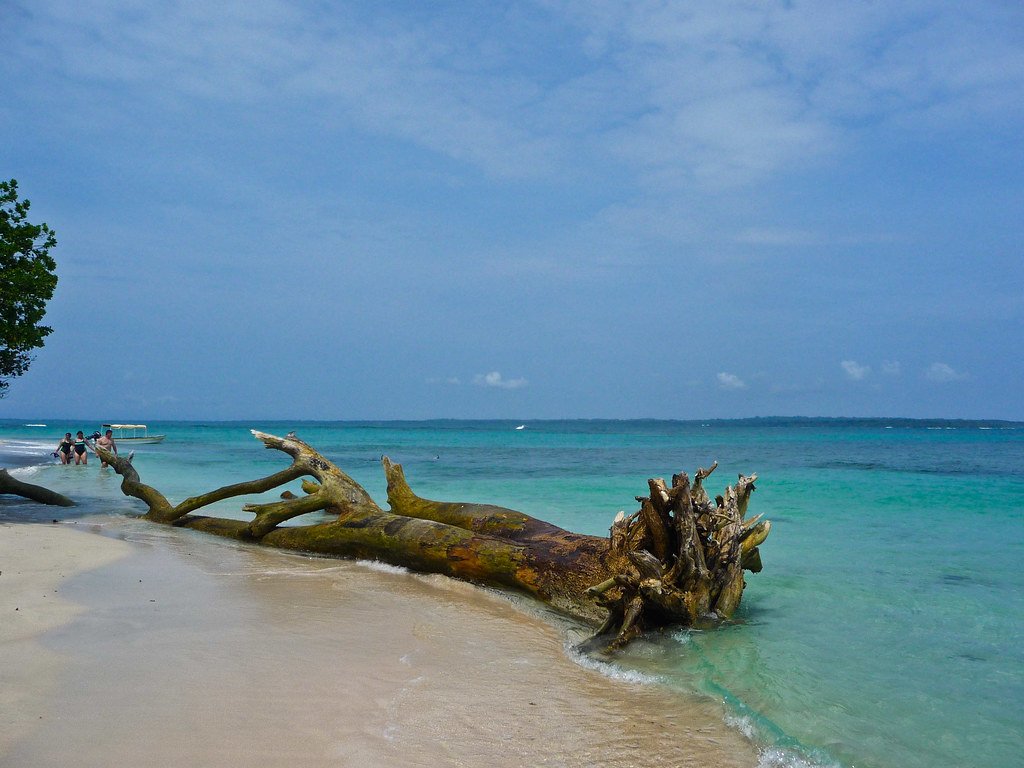
Isla Zapatilla. Michael McCullough. CC BY 2.0
Islas Zapatillas or Little Shoes Cays (named for their resemblance to footprints) are two small islands in Bocas del Toro, Panama. The islands are inhabited by sloths and protected by the Bastimentos National Marine Park. Islas Zapatillas are important ecological sites for the endangered hawksbill sea turtles that nest on their shores. You can explore the island through a tour or by charting a private boat to have a more intimate experience. The island is uninhabited, so making sure you have enough water, food, sunscreen and all other necessities is key to enjoying yourself here.
8. San Blas Islands
Panama
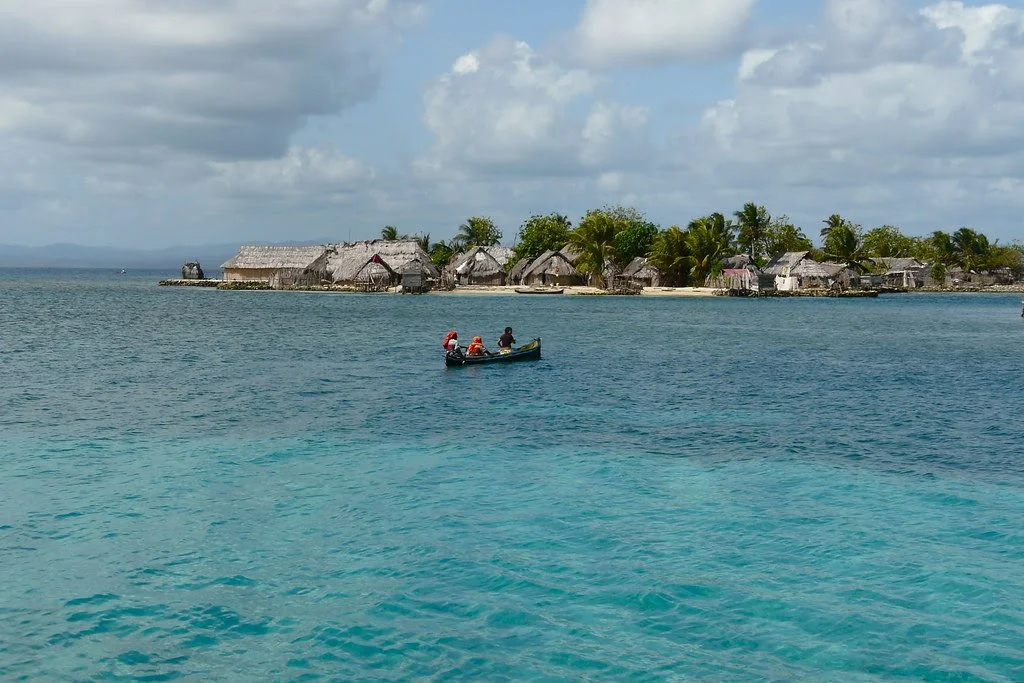
San Blas, Panama. Rita Willaert. CC BY-NC 2.0
The San Blas Islands are located in the Caribbean Sea off the coast of Panama. The Kuna Tribe of Panama inhabit the islands and have strictly controlled development and tourism here. All of the money spent on the islands falls directly into the hands of the Kuna Community. Day trips are available, but if staying overnight is an option you’d like to explore, palm-thatched cabins with a sand floor are available. They also offer overwater bungalows or even options for camping. There are visitors who decide to experience the Kuna lifestyle and culture; in those cases, they organize to stay in a dorm of a Kuna family. The island is filled with water activities and scenic views. However, researchers claim that the islands are at risk of disappearing in a matter of decades due to erosion and poor resource management.

Jennifer is a Communications Studies graduate based in Los Angeles. She grew up traveling with her dad and that is where her love for travel stems from. You can find her serving the community at her church, Fearless LA or planning her next trip overseas. She hopes to be involved in international humanitarian work one day.
Fighting Back with Fakes: Decoy Turtle Eggs Combat Poaching in Costa Rica
Combating turtle poachers has often seemed like a hopeless task where innocent hatchlings always tend to lose. However, scientists in Costa Rica are beating poachers through the implantation of decoy eggs.
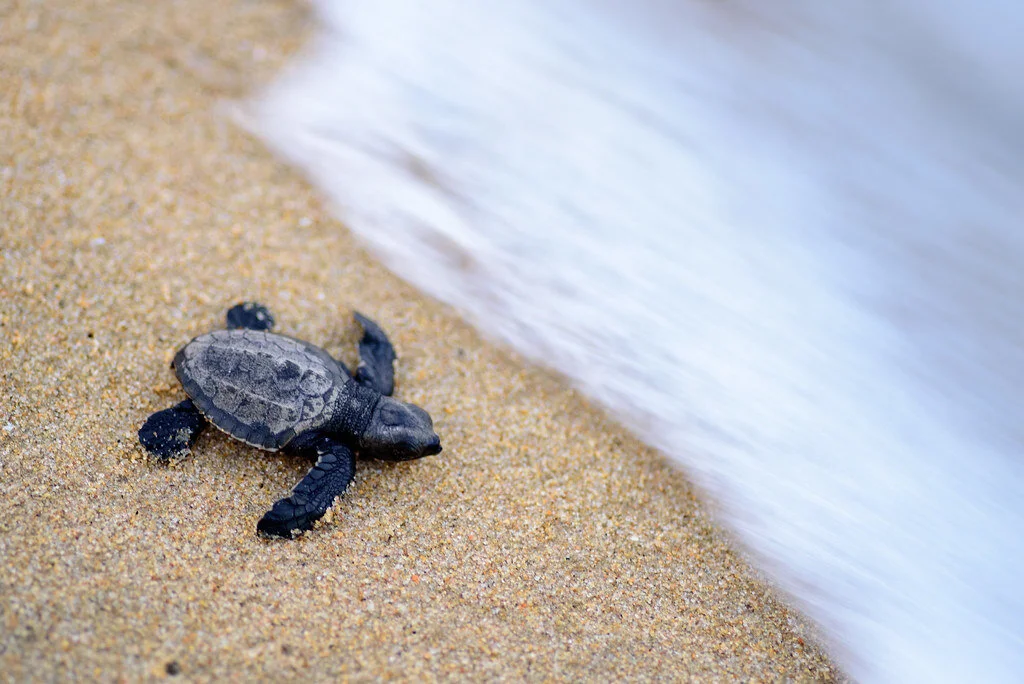
Olive ridley turtle hatchling. Roehan Rengadurai. CC BY-NC-ND 2.0.
When one thinks of a turtle’s life, it is often the image of an aged green sea turtle gliding gracefully over magnificently colorful coral reefs. Conversely, it could also be an injured turtle succumbing to increasing plastic pollution as it struggles to escape the rings of a beer can. What is often overlooked are the turtles that never even break into the daylight; millions of turtle eggs are stolen by malicious poachers who sell them to under-the-table buyers.
Costa Rica stands as a prime example of a place where turtle egg poachers are abundantly transporting stolen eggs to urban areas.
Turtle eggs are somewhat of a delicacy in Costa Rica, where they are served in a variety of ways. For instance, they are mixed with beer, served raw, or hard-boiled. Prices of the eggs vary widely, with some costing $5 apiece while others can set one back around $20.
Poachers stealthily scavenge beaches known to house turtle egg nests, which primarily belong to the threatened olive ridley and endangered green sea turtle species. Scientists now realize that effectively tracking poaching activity may require an innovative but rather odd approach.
The decoy eggs, called InvestEGGators, are formed using a 3D printer and are made out of silicone. They are around the size of a pingpong ball and look nearly identical to real turtle eggs. The white balls are also slightly painted with a textured paint to mimic the varied hues of an egg. Inside, there is a small black block that houses a GPS transmitter. The tracker feeds information about the location of the egg once every hour. The hope is that poachers mistakenly pick up the decoy egg along with real ones, since poachers tend to take whole nests at once.
Scientists have invested in this method because it has more beneficial long-term effects on combating the poaching problem. Instead of catching poachers in the act, researchers say that it is much more effective to track the distance and location that the eggs travel to be sold. From an enforcement point of view, tracking the location of sites where the eggs are sold to buyers allows for more frequent and lasting crackdowns.
In one test, researchers hid 101 decoys in turtle nests, and about 25% of them were transported by poachers. It was discovered that the distance the eggs traveled varied quite a bit; some traveled just over a mile to someone’s home, while others went well over 80 miles to houses in Costa Rica’s Central Valley.
Scientists were previously concerned that planting decoy eggs could possibly harm the other eggs’ ability to hatch, but the other eggs appeared to hatch successfully.
The study has now branched into a larger scope of conservation, with talks that this method can be beneficial in saving other endangered animals.
As stealthy as poachers may get, sometimes one has to beat them at their own game to have a chance at winning. Luckily, a handful of clever scientists have successfully played the poachers.

Ella Nguyen
Ella is an undergraduate student at Vassar College pursuing a degree in Hispanic Studies. She wants to assist in the field of immigration law and hopes to utilize Spanish in her future projects. In her free time she enjoys cooking, writing poetry, and learning about cosmetics.

March for marriage equality in Costa Rica. Courtesy Gay Community News. CC 2.0
Costa Rica Becomes the First Central American Country to Legalize Same-Sex Marriage
On May 26, 2020, same-sex marriage was legalized in Costa Rica, ending years of discrimination and struggle to get the same rights as heterosexuals.
In 2018, Costa Rica’s Supreme Court ruled same-sex marraige to be constitutional. To enforce the ruling, the country’s Legislative Assembly had 18 months to either enact it or have the decision overturned. There was even a failed attempt by 20 politicians to get an 18-month extension to further delay marriage equality. Two years later, though, marriage equality became legalized with the first marriages officiated in May of 2020. At midnight on May 26, same-sex marriage was legalized. To celebrate, marriages were also televised across the country due to the COVID-19 pandemic postponing many in-person events.
Marriage equality was a key campaign promise by President Carlos Alvarado Quesada. According to Quesada, “Together, under the same flag, we will build a better nation.” His 2018 presidential campaign highlighted Costa Rica’s commitment to bettering human rights and social actions. Quesada’s presidency helped the nomination of the first openly-gay congressman, Enrique Sanchez, who emphasized that this has been a long battle for activists across the nation.

Alexandra Quirós and Dunia Araya become first homosexual couple to be married at midnight on May 26. Ezequiel Becerra. CC 2.0
Sanchez was correct in this statement. Costa Rica has pushed for equality for homosexuals since 2016. It first advocated for equal protections and rights to privacy for LGBTQ+ individuals under the American Convention on Human Rights (ACHR) with assistance from the Inter-American Court of Human Rights. Through the convention, all countries within the Americas were pushed to recognize gay marriage. It was then decided in 2017 that all rights of heterosexuals and couples must be applied to every Costa Rican.
This was not an easy feat. Many across the country protested against this decision. For instance, 20 politicians tried to get another 18 months to delay the ruling but ultimately failed. There also has been strong pushback from religious groups that deny that homosexuality has grown considerably in Costa Rica. Catholicism is recognized as the official religion of the state, so lawmakers such as Eduardo Cruickshank felt the need to “defend the family as established and pleasing our Heavenly Father.” Up until now, marriages of same-sex couples were not recognized by the state and would automatically be annulled.
A research study by Sin Violencia LGBTI shows that more than 1,300 members of the LGBTQ+ community have been killed over the past five years across Latin America and the Caribbean. This group has become the leading coalition that pushes for governments to take action to better protect the LGBTQ+ community.
This historical achievement makes Costa Rica the first country in Central America and the 28th U.N. member state to recognize same-sex marriage and to legalize marriage equality. It is the sixth Latin American country to do so, following Argentina, Ecuador, Brazil, Colombia, Uruguay and parts of Mexico. The Costa Rican government hopes this will not only encourage change in Central America but throughout the entire world.

Eva Ashbaugh
is a Political Science and Gender, Sexuality, and Women's Studies double major at the University of Pittsburgh. As a political science major concentrating on International Relations, she is passionate about human rights, foreign policy, and fighting for equality. She hopes to one day travel and help educate people to make the world a better place.
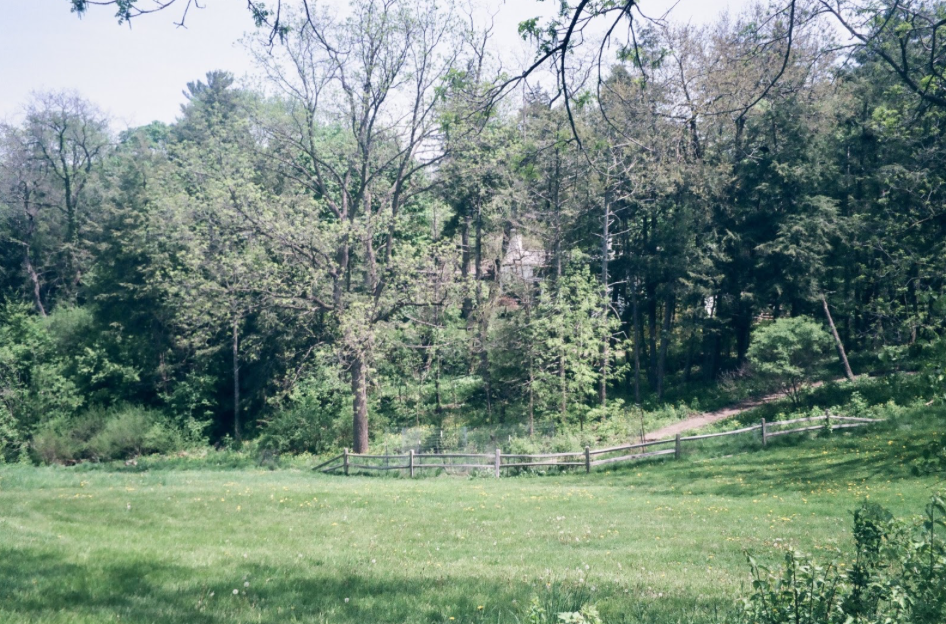
Nichols Arboretum. Ann Arbor, Michigan. Jana Shemano, 2018.
Happiness and the Environment in Costa Rica vs. the United States
The Happy Planet Index, founded in July 2006 by statistician Nic Marks measures the wellbeing of a country’s citizens; it “shows that it is possible to live good lives without costing the Earth.” Marks is set on identifying the positive outcomes that environmental action can have on individuals, the planet, and on society’s well being -- steering away from the negative perspective of the future of the environment -- while showing that economic development is not the key to happiness.
The importance of happiness that Marks utilizes to measure the Happy Planet Index is notably explained in Aristotle's Nicomachean Ethics. Aristotle asserts his belief that happiness is the final destination in life. He writes that when people make decisions “in the sake of honour, pleasure, reason, and every virtue” that “we choose them also for the sake of happiness, judging that by means of them we shall be happy”. Alternatively, when making decisions based on happiness, Aristotle believed that no one chooses happiness for the sake of anything other “than itself”. In summary, Aristotle believed that there is no explanation to the search for happiness, other than happiness is innate to human nature.
In Marks’s TedX talk at Oxford, England, he reinterprets Aristotle’s text stating that “we should be happy and the planet should be happy” and that happiness should be the goal “of every nation on the planet”. Marks then presents a graph of what people believe is most important in life ranking happiness first, health and love in second, and wealth in third. Despite these statistics, however, Marks discusses how western culture currently does not account for happiness when making decisions about the environment as they do with economic and materialistic gains. Most notably Americans continue to attribute happiness to wealth and success, when Costa Rica, the happiest place in the world, has a thriving environment and lack of economic wealth.
Costa Rica’s continuous ranking as the happiest country in the world is caused by an extremely low Ecological Footprint and highly efficient system of “generating long, happy lives in terms of the resources it consumes”, according to the Happy Planet Index. This way of life can be traced back to 1948 when Costa Rica peacefully abolished their army after a 44 day Civil War and dedicated their military funds to social, environmental and educational projects. Since then, the Costa Rican government has committed to becoming “carbon neutral in 2021” and produces 99% of its energy from renewable resources. Unlike western countries who target economic and technological advancements, Costa Rica focuses on accomplishing health and happiness through environmental action. The country is a jovial place brimming with happy, content people, despite their lack of advanced technology and economy.
Comparatively, the United States ranks 108th on the 2016 Happy Planet Index. America’s priorities, according to the Happy Planet Index, are not in order to produce a happy, sustainable society. Lauren Greenfield, creator of the collection of photos “Generation Wealth”, cogently captures America’s distorted desires. In her collection, Greenfield highlights America’s eagerness for opulence, wealth, inflated ego and lack of environmental awareness. Americans’ blatant disregard for anything but economic and technological advancements portrays why the United States ranks extremely low on the Happy Planet Index. They are unable to understand the detrimental effects that over-consumption has on their wellbeing and the environment. Taking care of the environment has a direct impact on an individuals well being. It is crucial that Americans understand and further integrate this correlation between the environment and happiness into daily life in order to create a healthy, happy and sustainable country.
The Happy Planet Index represents the necessity of taking care of the environment. Life and nature are precious, serene and beautiful. As a result, nature should not be sacrificed for the consumption of exorbitant amounts of resources and materials in order to redeem the economy or the ego. The assessment of the level of happiness of each country around the globe further demonstrates how environmental action also takes the format of a moral movement as it strives for happiness and peace with life and nature. Facing the environmental movement head on is essential to saving the planet from severe natural destruction and also achieving human’s one true end goal: happiness.
Jana Shemano is a student at the University of Michigan studying English and Psychology. She loves to learn, meet new people, gain different perspective, and have healthy debates. She also aspires to ski down Mt. Kilimanjaro.