
Carson Jelinek
Kids Saving the Rainforest is a Costa Rica-based nonprofit founded by two nine-year-old girls who wanted to protect their local rainforest.
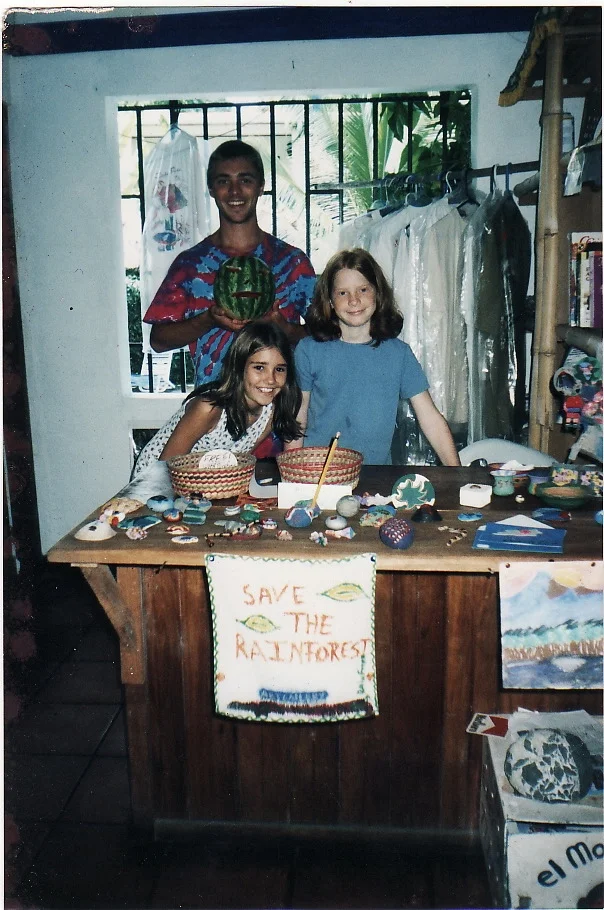
Janine Licare and Aislin Livingstone, founders of KSTR, at 9 years old, with their first volunteer. Courtesy of Kids Saving the Rainforest.
Kids Saving the Rainforest (KSTR) was founded in 1999 by two nine-year-old girls, Janine Licare and Aislin Livingstone. Growing up near the jungle of Manuel Antonio, Costa Rica, they saw firsthand the effects of deforestation and wanted to protect the rainforest and its wildlife. Their journey started small, by raising money on the side of the road for saplings to be planted in the nearby forest. Today, their focus is on reforestation and protecting sick, injured and orphaned wild animals, many of which return to the wild through a process of rescue, rehabilitation and release.
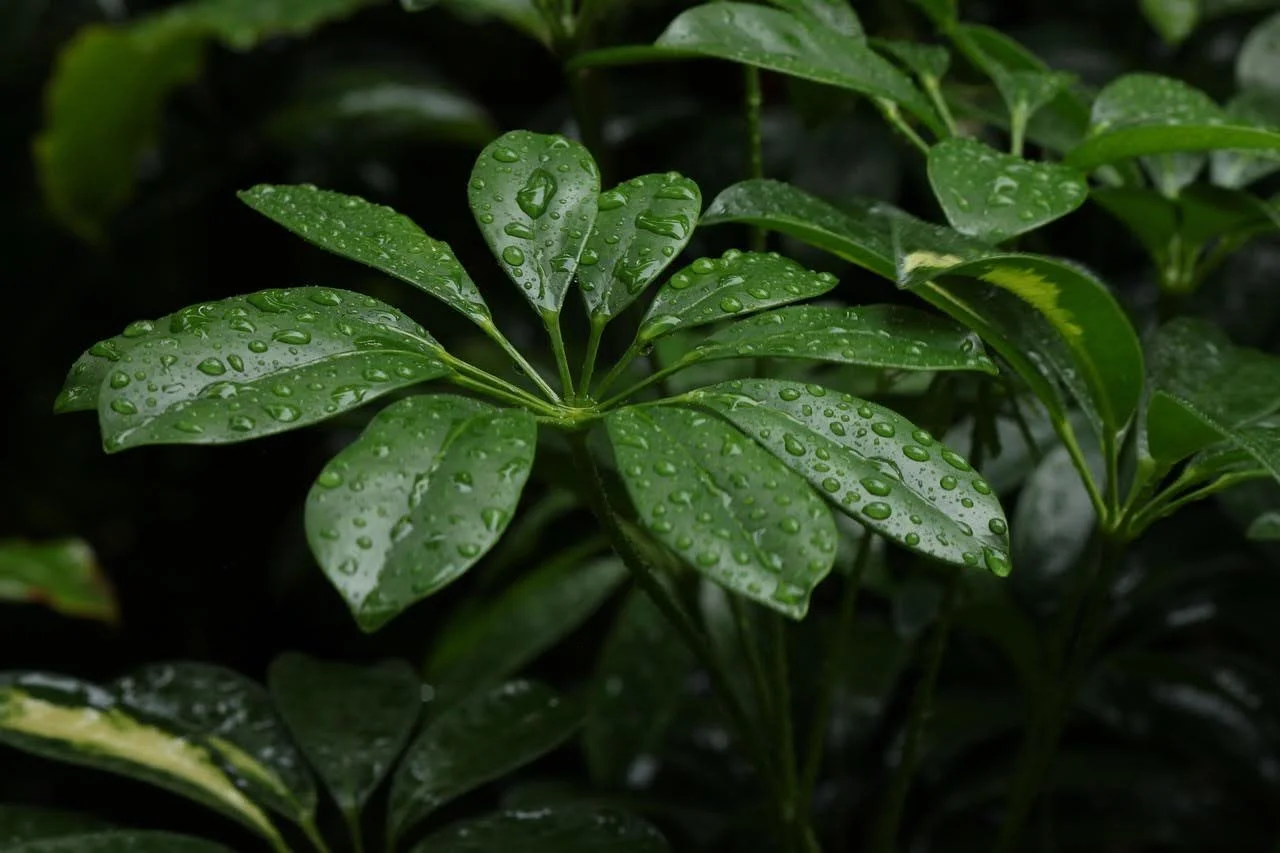
Rainforest foliage in Costa Rica. Chris Clementi. Pixabay.
For Licare and Livingstone, the rainforest surrounding their childhood homes served as a playground, classroom, and backyard. As they grew up among towering trees and diverse wildlife, they observed the increasing impact of development and environmental pressures on the forest. Rather than disregarding these challenges, they chose to take action. Hand-painting rocks to sell at their roadside stand, they initiated fundraising efforts through small but mighty creative means.
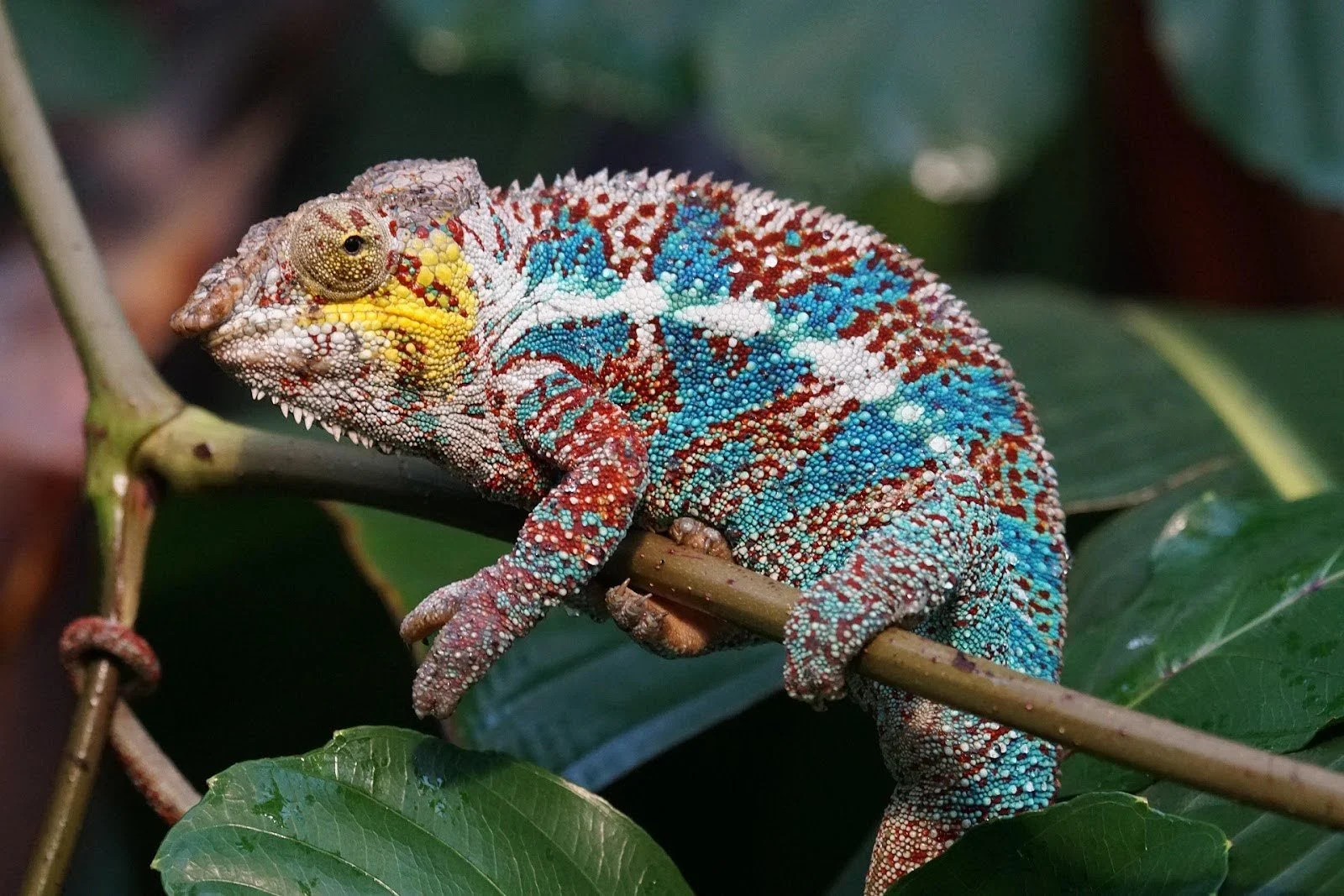
Chameleon on a branch. Marcel Langthim. Pixabay.
Very quickly, the scale of donations grew beyond what a casual family project could manage, and that is when local adults, including the kids' parents and community members, stepped in to help formalize the operation so that the money could be properly tracked and used for conservation. Over the next few years, KSTR transitioned from a hand-painted roadside stand into a formally registered nonprofit with a board of directors, a bank account and permission to work on conservation projects around Manuel Antonio.
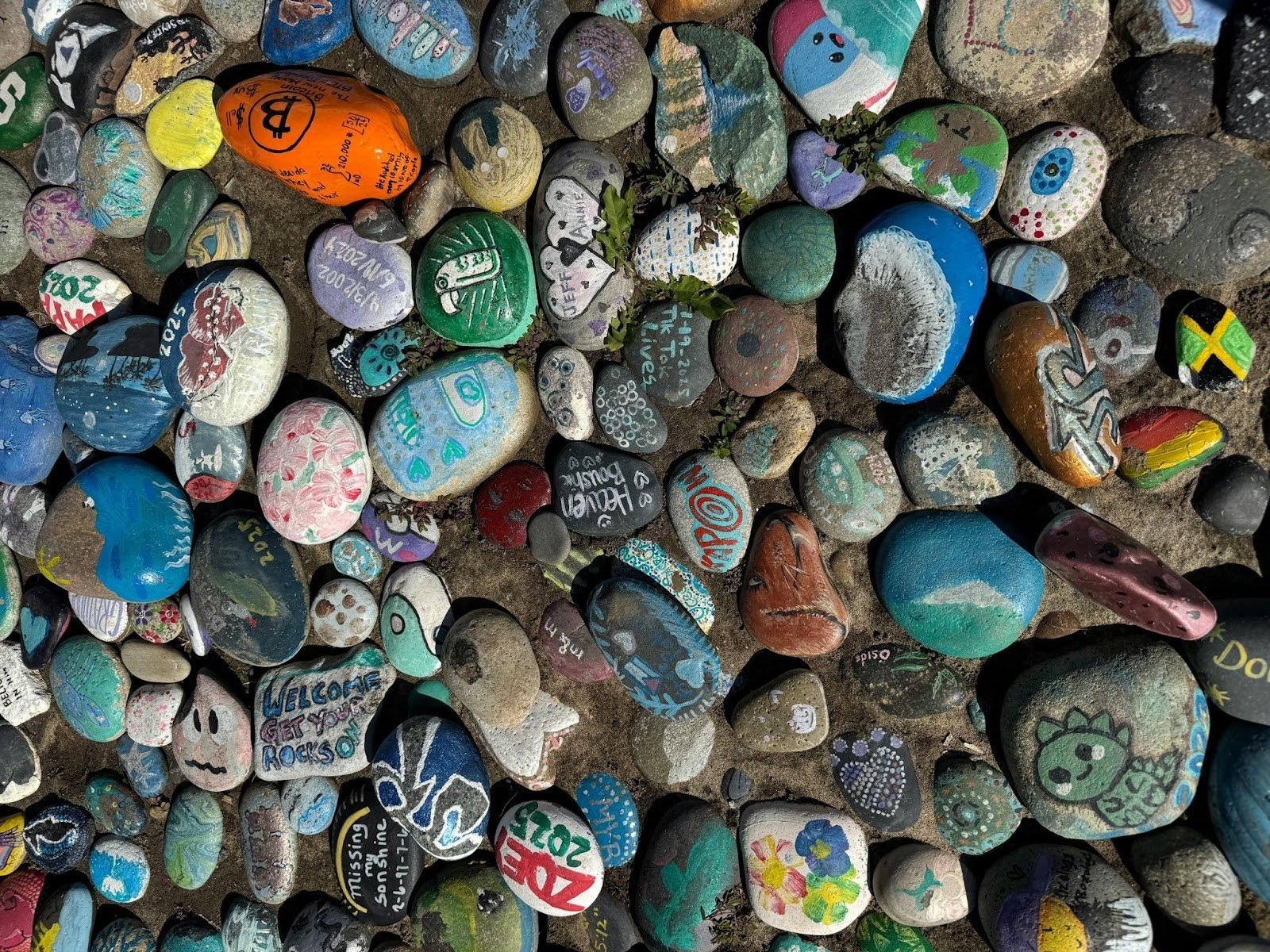
Hand-painted rocks. Petra Nesti. Pexels.
KSTR has since expanded their wildlife initiatives. Though they aim to eventually release rescued animals back into the wild, those that can’t return are given sanctuary for life on the property. Another project KSTR has prioritized is building wildlife bridges, which are designed to protect arboreal animals, such as squirrel monkeys, from environmental dangers, like power lines, car collisions and attacks by other species. Over 130 bridges have been built, and since their efforts began, the squirrel monkey population has more than doubled. This has now become a prime model for similar conservation efforts in other regions.
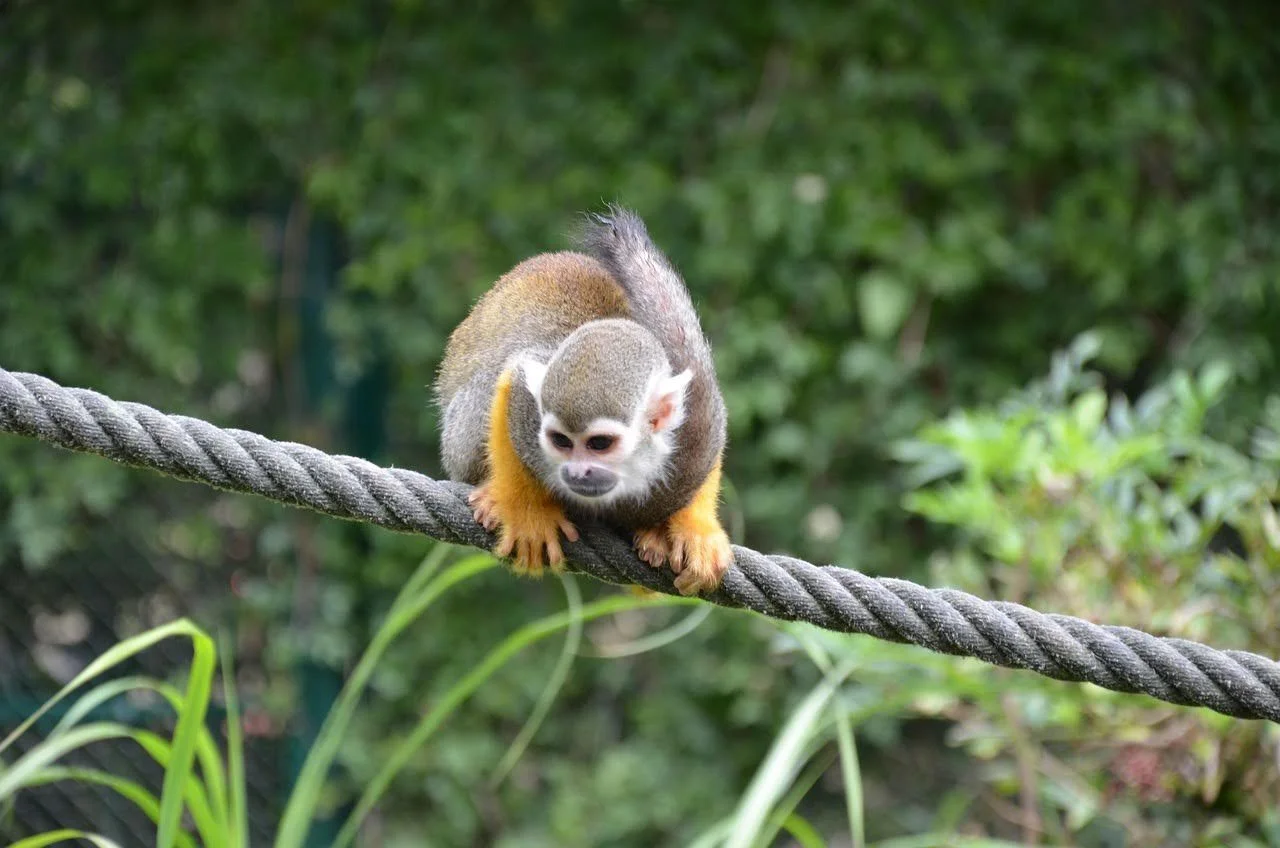
Squirrel monkey on a wildlife bridge. Flobrc. Pixabay.
Volunteers are what KSTR relies on to run its facilities and care for the wildlife in the area; in fact, the organization is completely funded by donations. People from around the world come to volunteer and help with all aspects of their work. A volunteer can expect to help with cleaning, building cages, working on trails, preparing food for the animals and observing behavior. As well, a key element of KSTR is education on biodiversity conservation, so all visitors and volunteers can learn more about the rainforest and how they can help.
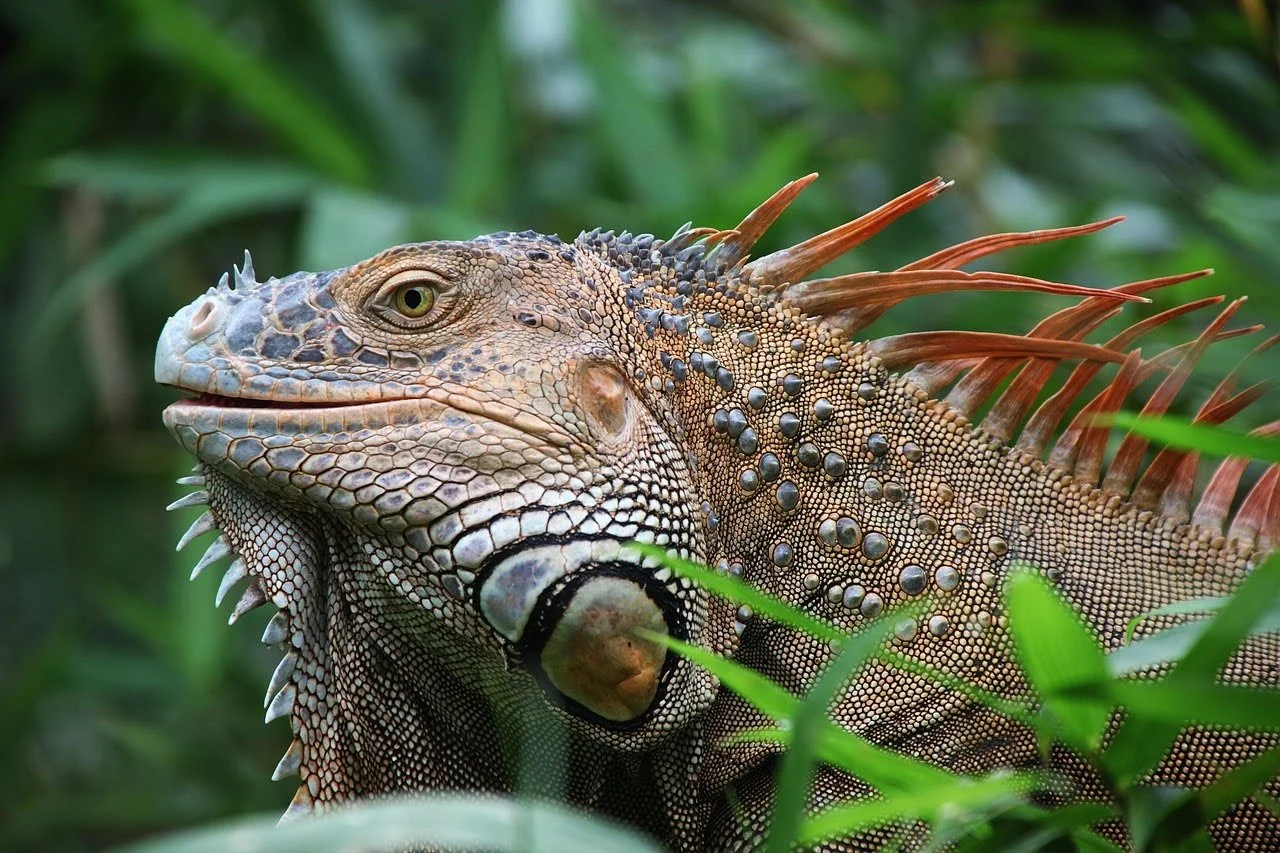
Iguana in Costa Rica. Steve Jurvetson. CC BY 2.0.
For many volunteers, the experience is more than just helping the animals. Time spent in the rainforest helps them see how wildlife, ecosystems and human development are all connected. Many people finish the program with a stronger appreciation for conservation and feel inspired to support environmental protection in their own communities.
GET INVOLVED:
You can get involved with KSTR by looking into their volunteer opportunities. Visitors can sign up to be full-day volunteers, where they will tour the facility and work directly with an animal caretaker. Another way to get involved is by being a long-term volunteer, and that ranges from a few days to a few months, depending on what you want to do. Typical daily duties include preparing food and distributing it to the animals, cleaning enclosures, offering enrichment, foraging for wild food and ultimately improving the animals’ quality of life. Along with this, the nonprofit offers internship positions as a zookeeper, in veterinary clinics and in media and marketing.

Carson Jelinek
Carson is a 22-year-old writer and filmmaker studying film and media productions at Arizona State University. His work explores travel, culture, and the people behind the places, with a focus on stories that encourage curiosity and global understanding.