Extreme Adventure for Everybody: How Moab Is Redefining the Outdoors for Disabled Travelers

Carson Jelinek

By adapting rope swings, rock climbs, 4x4 tours and e-bike trails, Moab demonstrates that extreme adventure can be inclusive of disabled travelers, young children and all visitors.
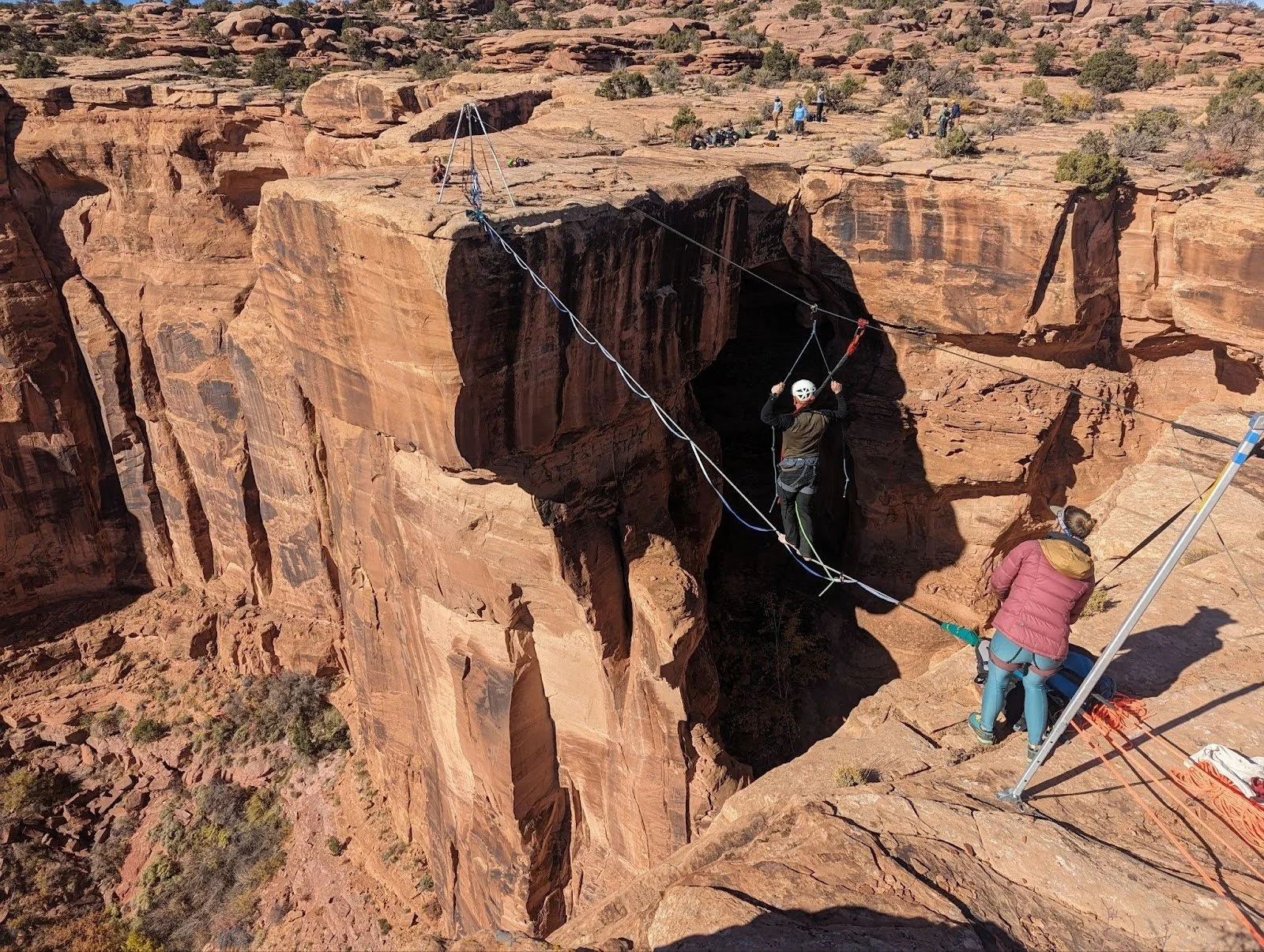
Elevate Outdoors Tour photo. Courtesy of Faith Dickey.

In the United States, millions of individuals with disabilities enjoy traveling, with over 25 million taking trips in recent years and contributing more than $50 billion annually to the travel economy. However, participation across abilities remains uneven. Research indicates that seven out of 10 individuals with disabilities reduce their travel due to accessibility challenges, and millions rarely leave home. Persistent barriers in transportation, lodging and infrastructure result in a majority of families with disabled members avoiding certain trips entirely. These obstacles are further intensified in adventure travel, where rugged landscapes and limited infrastructure frequently exclude those lacking conventional mobility.
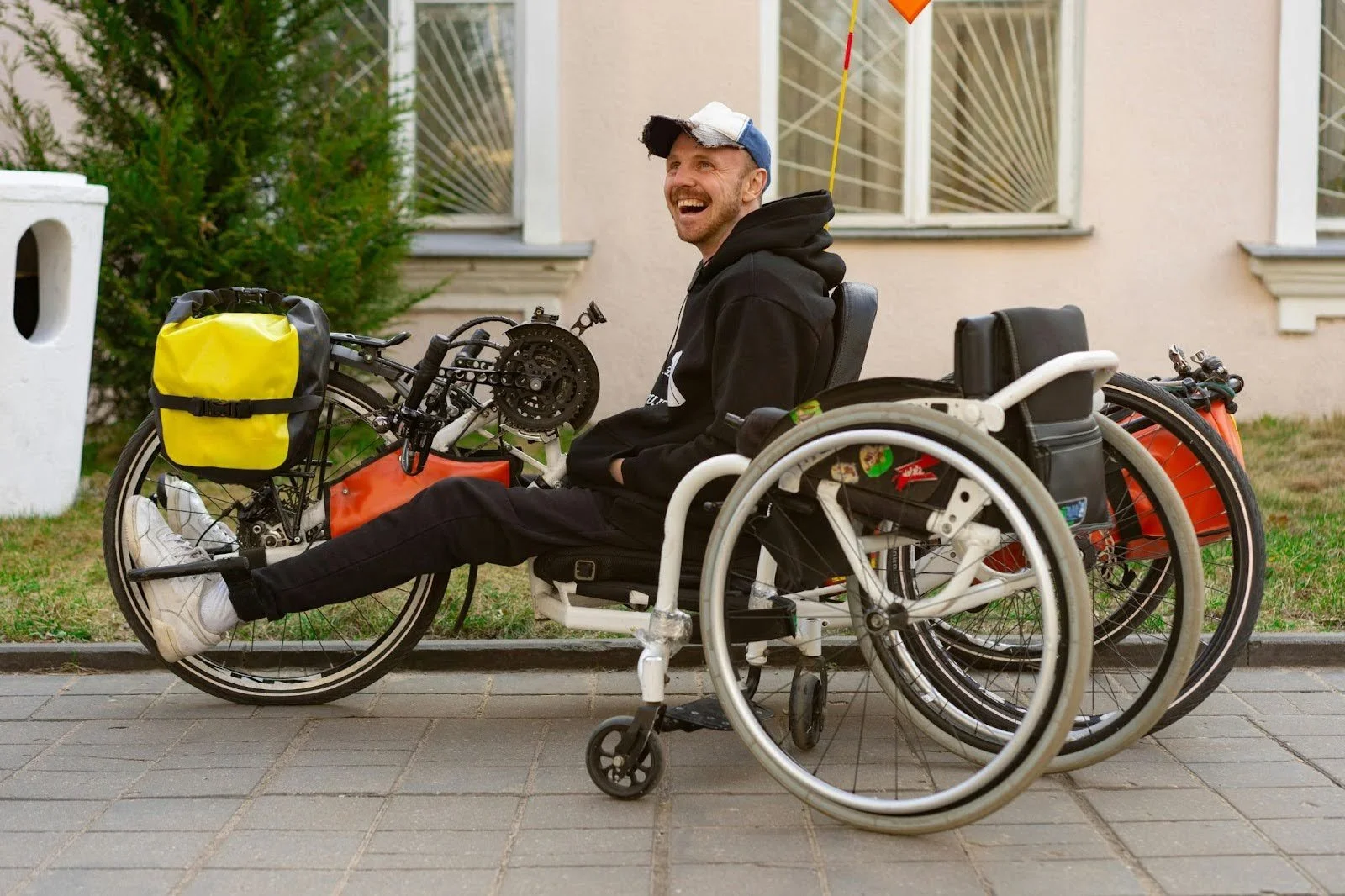
Man riding electric wheelchair. Mikhail Nilov. Pexels.

 Moab, Utah, is one city advancing accessibility through policy initiatives. Starting March 1, the region will officially permit class 1 e-bikes on more than 200 miles of singletrack, including well-known routes such as Amasa Back and Klondike Bluffs. This decision positions Moab among the first major U.S. destinations to allow pedal-assist riders on its trails. Following an environmental assessment by the Bureau of Land Management, this policy represents a significant development in the cycling community. It not only serves experienced riders but also increases access to technical terrain for older visitors, individuals recovering from injuries and some disabled riders who depend on pedal assist to reach trails that would otherwise be inaccessible.
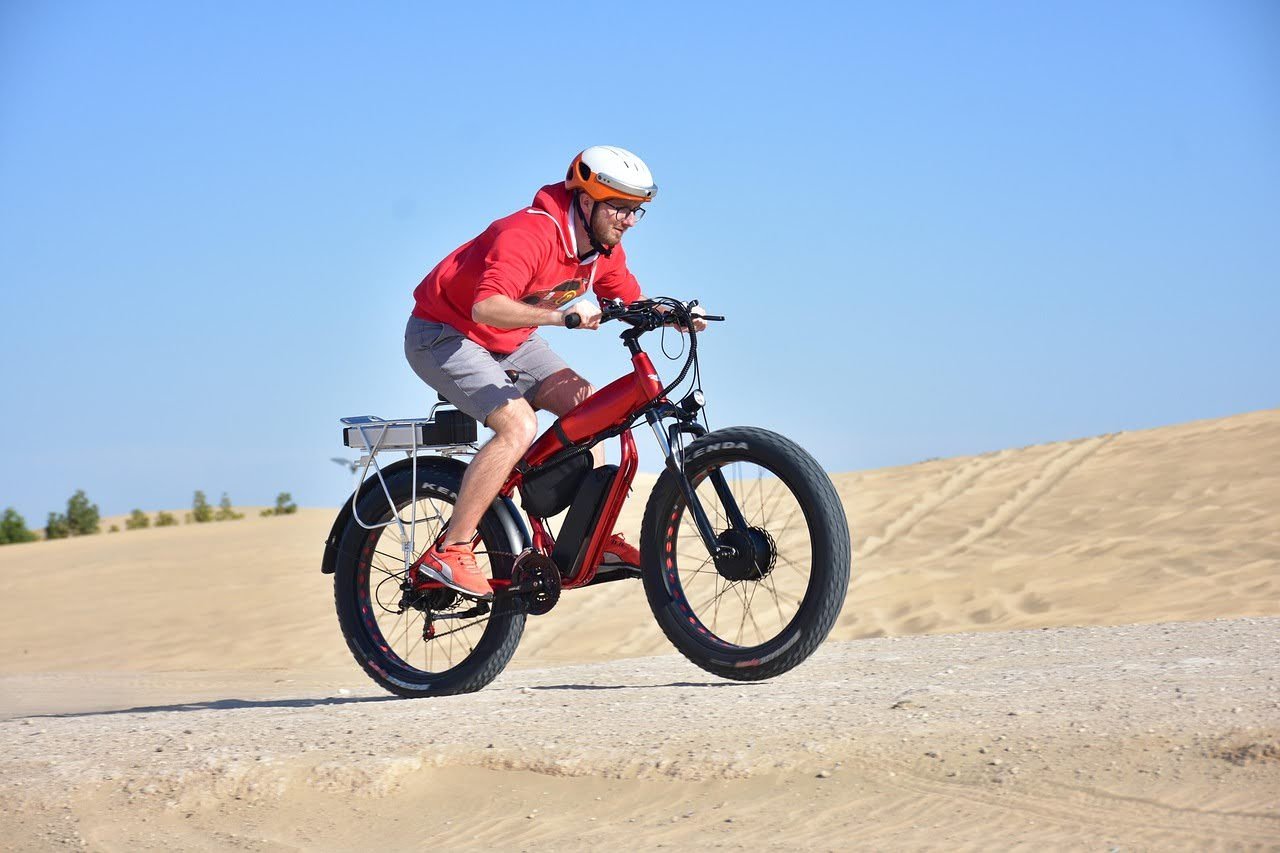
Electric bike in desert. Iztok Franko. Pixabay.

If you're looking for a thrilling off-road adventure that takes you to breathtaking sights across Moab, you can book with Mike Ballard and his company, Big Iron Tour Co. This off-road adventure company is veteran-owned and operated, and they recently installed wheelchair lifts on their 4x4 off-road vehicles so everyone can have fun. The vehicles range from 16-seat off-roaders, called “Man-O-War” and “Dreadnouight” to new-era Jeep Gladiators. Big Iron offers three tour packages: a two-hour tour, a four-hour tour and the most popular, the Sunset Tour. With the Sunset Tour, you scale the red rocks of the Moab and go on trails with several advanced obstacles, ending at a high vantage point to soak in the beautiful sunset. 
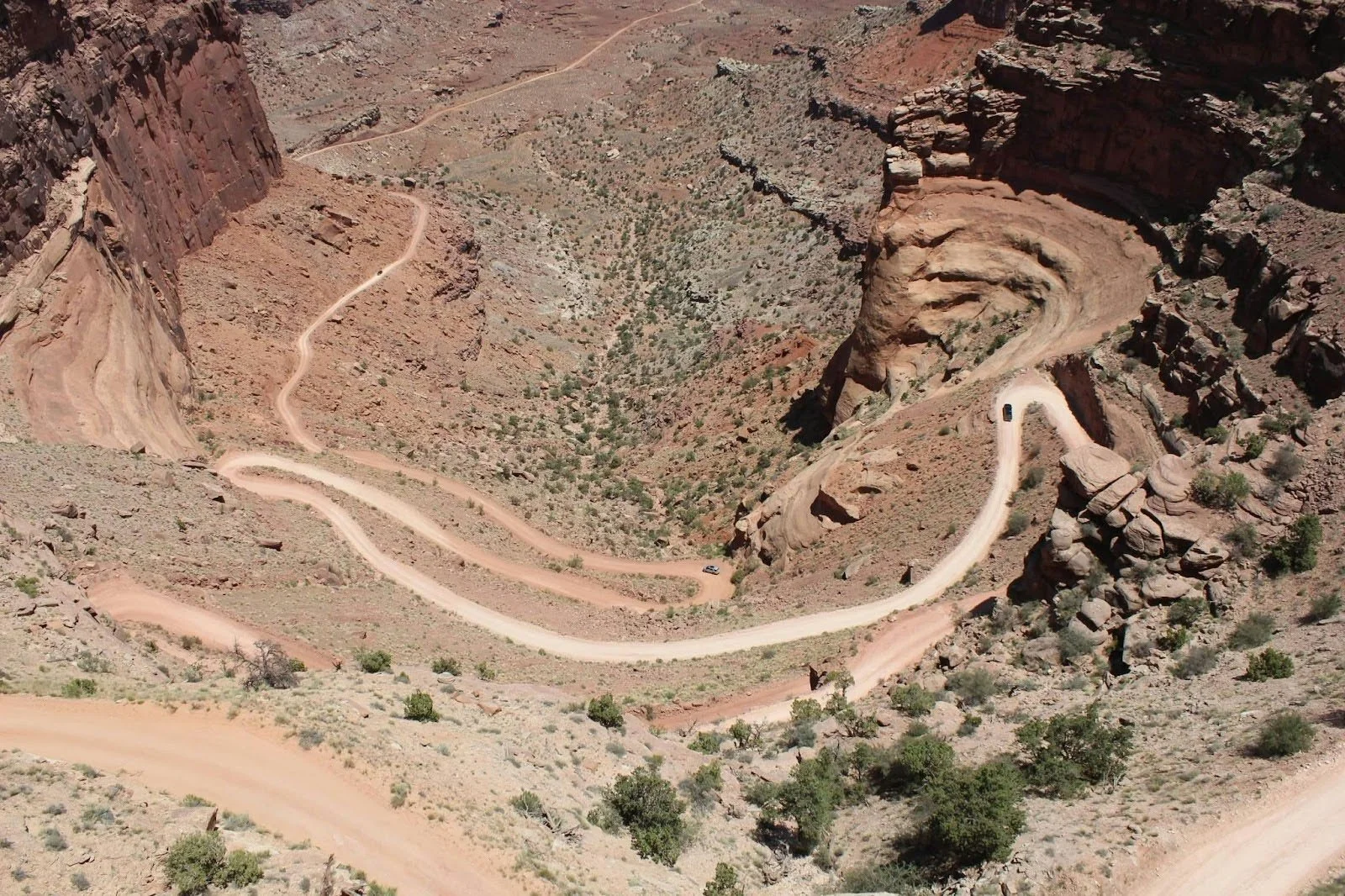
Desert road in Moab. J. Pexels.

The Moab Swingers tour offers the longest rope swing in the United States, spanning 500 feet. The attraction has appealed to families and younger visitors, as it is guided by experts, allowing activities previously limited to extreme athletes to be accessible to a wider demographic. The tour is led by cofounders Andy Lewis and Jimmy Peterson, lifelong friends and seasoned extreme-sports professionals. It includes an off-road excursion behind the prominent Moab rock formations, followed by a brief nature hike to the swing, culminating in an unforgettable experience as participants jump from the summit.
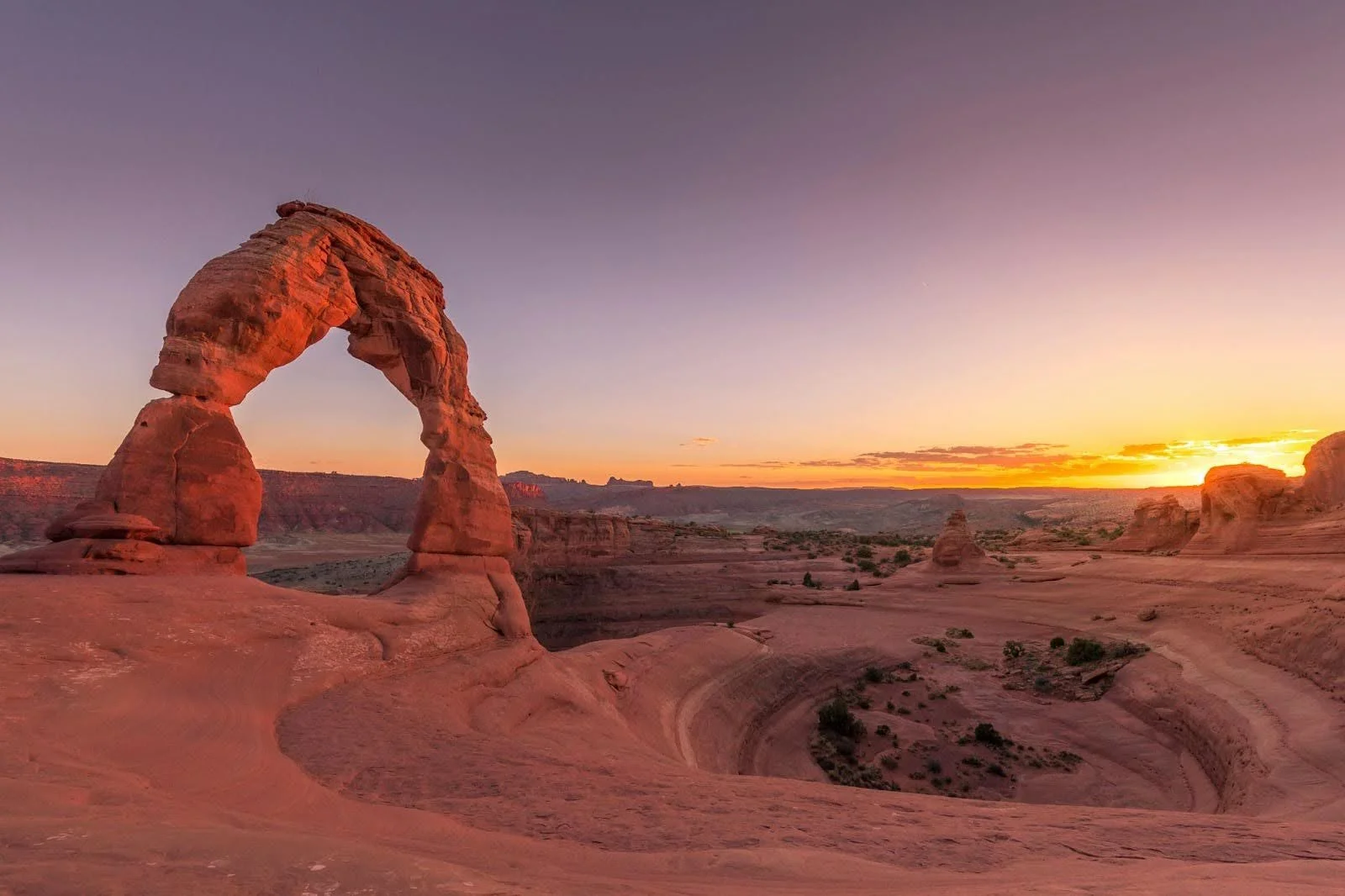
Sunset in Moab. Ken Cheung. Unsplash.

Red River Adventures, another tour company located in Moab, is known for its guided rafting, climbing, canyoneering and backcountry trips throughout Utah. To make experiences more accessible for people with disabilities, its guides have adapted rafting launches for wheelchair users and teamed up with groups that support blind, visually impaired and deaf participants. These adaptations demonstrate the Moab outdoor industry’s commitment to making high-risk recreation more accessible while preserving the core experience. Although not every canyon or climb can be changed, the company’s efforts are part of a larger trend in Moab of extreme adventure becoming more inclusive to a wider range of visitors.
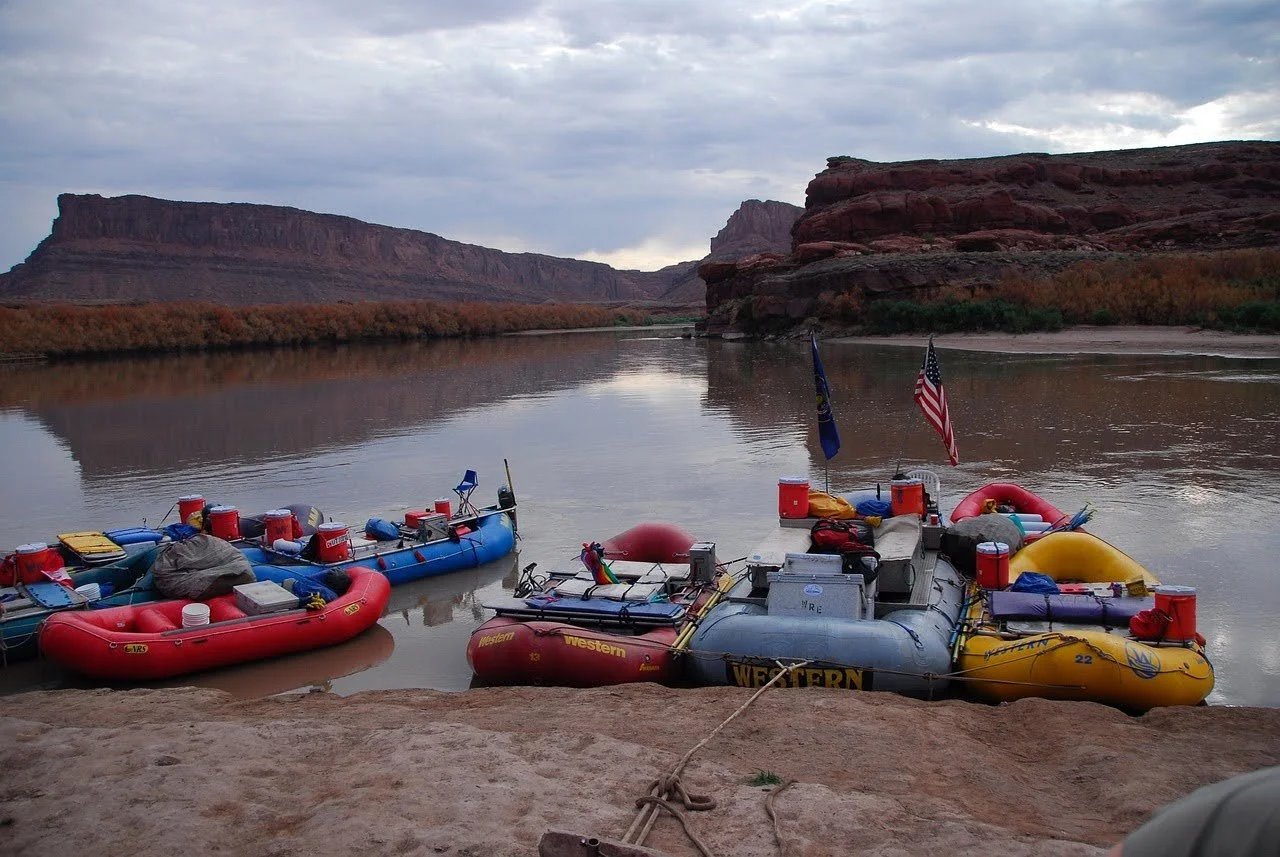
Rafting in Utah. Liz Hoffmaster. Pixabay.

Elevate Outdoors, started by professional highliner and guide Faith Dickey, is another company helping make Moab’s outdoor scene more inclusive. The company is known for advanced instruction in slacklining, climbing and canyoneering. Elevate Outdoors focuses on accessibility by offering personalized guiding and adjusting the pace of activities to each person’s needs. Instead of one-size-fits-all trips, they work closely with participants to customize routes, change technical systems and help people build confidence step by step. For disabled travelers or those recovering from injuries, this kind of attention can make challenging terrain feel possible. By combining strong safety standards with a focus on empowerment and helping people manage fear, Elevate Outdoors proves that even Moab’s toughest adventures can be made accessible with the right approach.

TRAVELING THERE:

  • Elevate Outdoors is a locally owned guiding service specializing in rock climbing, canyoneering and highlining, led by experienced outdoor professionals who focus on skill-building and personalized trips. Their team emphasizes inclusivity and works closely with clients to adapt experiences to different ability levels.

  • Big Iron Tours is a veteran-owned company offering guided off-road tours through Moab’s red rock landscapes. It offers knowledgeable local guides who share both the terrain and history of the area, and tours range from short scenic rides to more immersive backcountry experiences.

  • Red River Adventures is one of Moab’s more established outfitters, offering rafting, rock climbing and canyoneering trips guided by seasoned professionals with deep knowledge of the region. Their guides are a central part of the experience, focusing on safety while creating a more personal, small-group environment.

  • Moab Swingers is a niche adventure outfitter offering guided rope-swinging excursions, typically operated by a small team that facilitates group-friendly experiences in a more unconventional outdoor setting. The experience is less about technical skill and more about shared thrill and group energy.

The Bureau of Land Management Moab Field Office is staffed by land managers and public servants who oversee recreation in the area, providing essential guidance on trail access, e-bike use and responsible travel across Moab’s public lands.


Carson Jelinek

Carson is a 22-year-old writer and filmmaker studying film and media productions at Arizona State University. His work explores travel, culture, and the people behind the places, with a focus on stories that encourage curiosity and global understanding.

Raised by the Rainforest: The Story of KSTR

Carson Jelinek

Kids Saving the Rainforest is a Costa Rica-based nonprofit founded by two nine-year-old girls who wanted to protect their local rainforest.

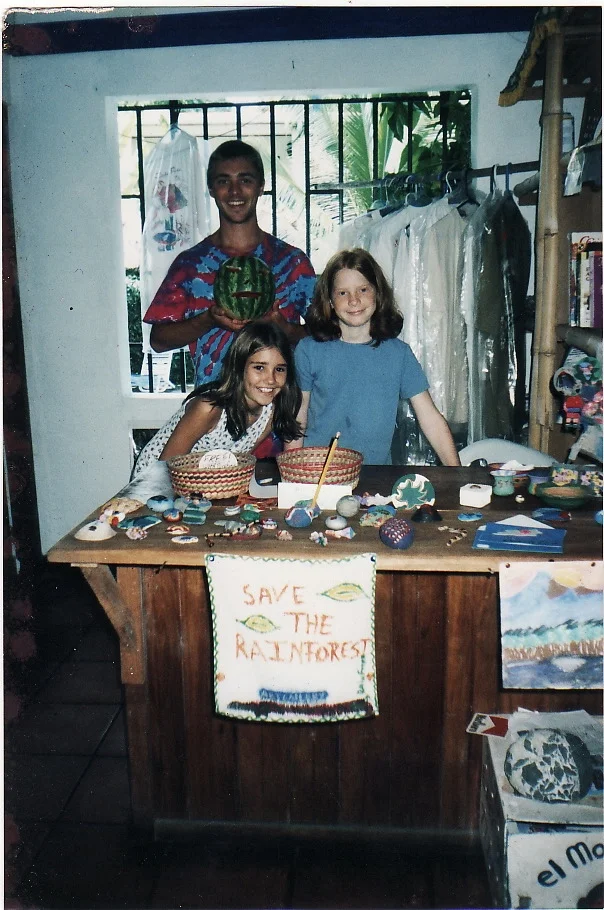
Janine Licare and Aislin Livingstone, founders of KSTR, at 9 years old, with their first volunteer. Courtesy of Kids Saving the Rainforest.

Kids Saving the Rainforest (KSTR) was founded in 1999 by two nine-year-old girls, Janine Licare and Aislin Livingstone. Growing up near the jungle of Manuel Antonio, Costa Rica, they saw firsthand the effects of deforestation and wanted to protect the rainforest and its wildlife. Their journey started small, by raising money on the side of the road for saplings to be planted in the nearby forest. Today, their focus is on reforestation and protecting sick, injured and orphaned wild animals, many of which return to the wild through a process of rescue, rehabilitation and release.

Rainforest foliage in Costa Rica. Chris Clementi. Pixabay.

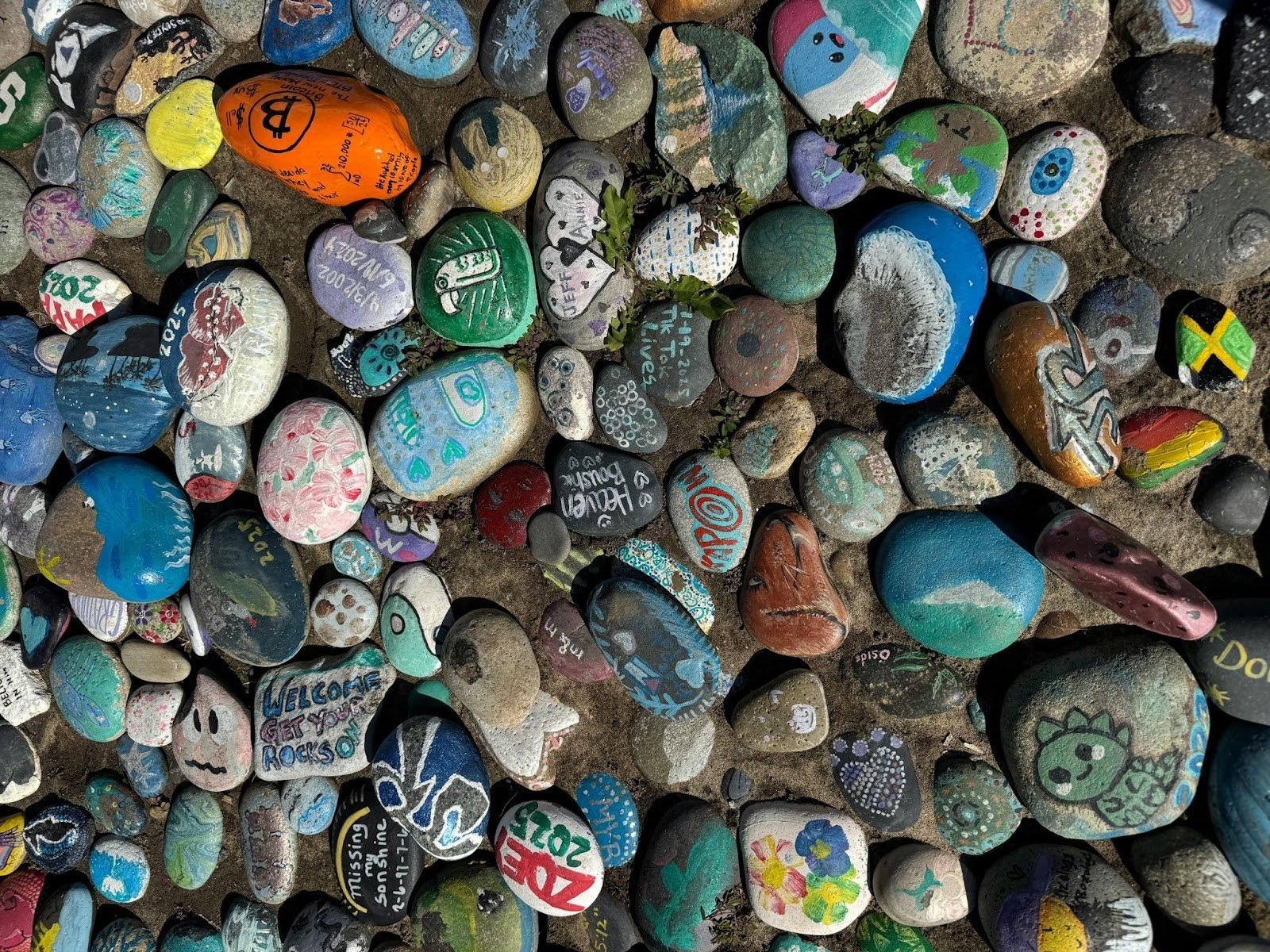
For Licare and Livingstone, the rainforest surrounding their childhood homes served as a playground, classroom, and backyard. As they grew up among towering trees and diverse wildlife, they observed the increasing impact of development and environmental pressures on the forest. Rather than disregarding these challenges, they chose to take action. Hand-painting rocks to sell at their roadside stand, they initiated fundraising efforts through small but mighty creative means.

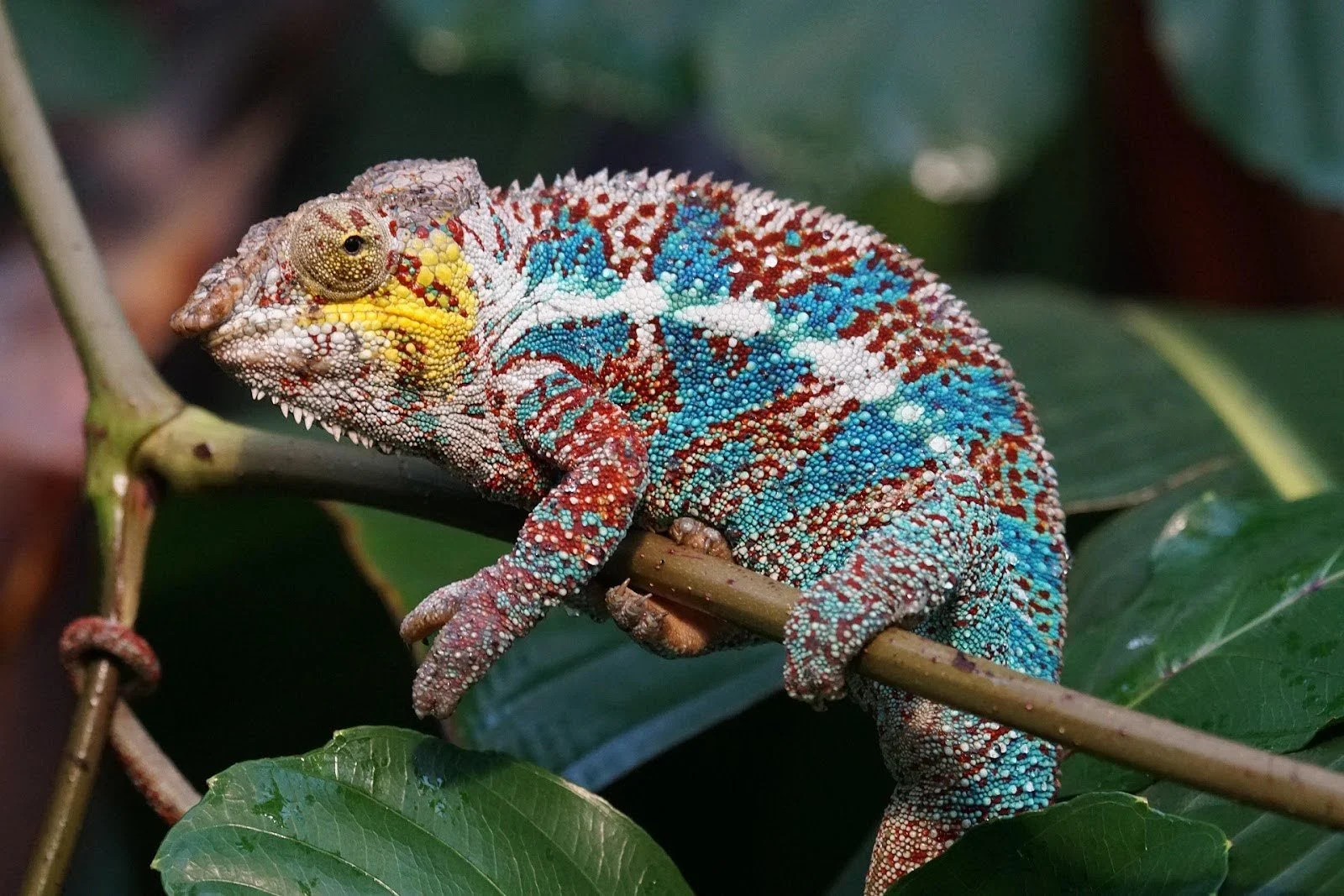
Chameleon on a branch. Marcel Langthim. Pixabay.

Very quickly, the scale of donations grew beyond what a casual family project could manage, and that is when local adults, including the kids' parents and community members, stepped in to help formalize the operation so that the money could be properly tracked and used for conservation. Over the next few years, KSTR transitioned from a hand-painted roadside stand into a formally registered nonprofit with a board of directors, a bank account and permission to work on conservation projects around Manuel Antonio.

Hand-painted rocks. Petra Nesti. Pexels.

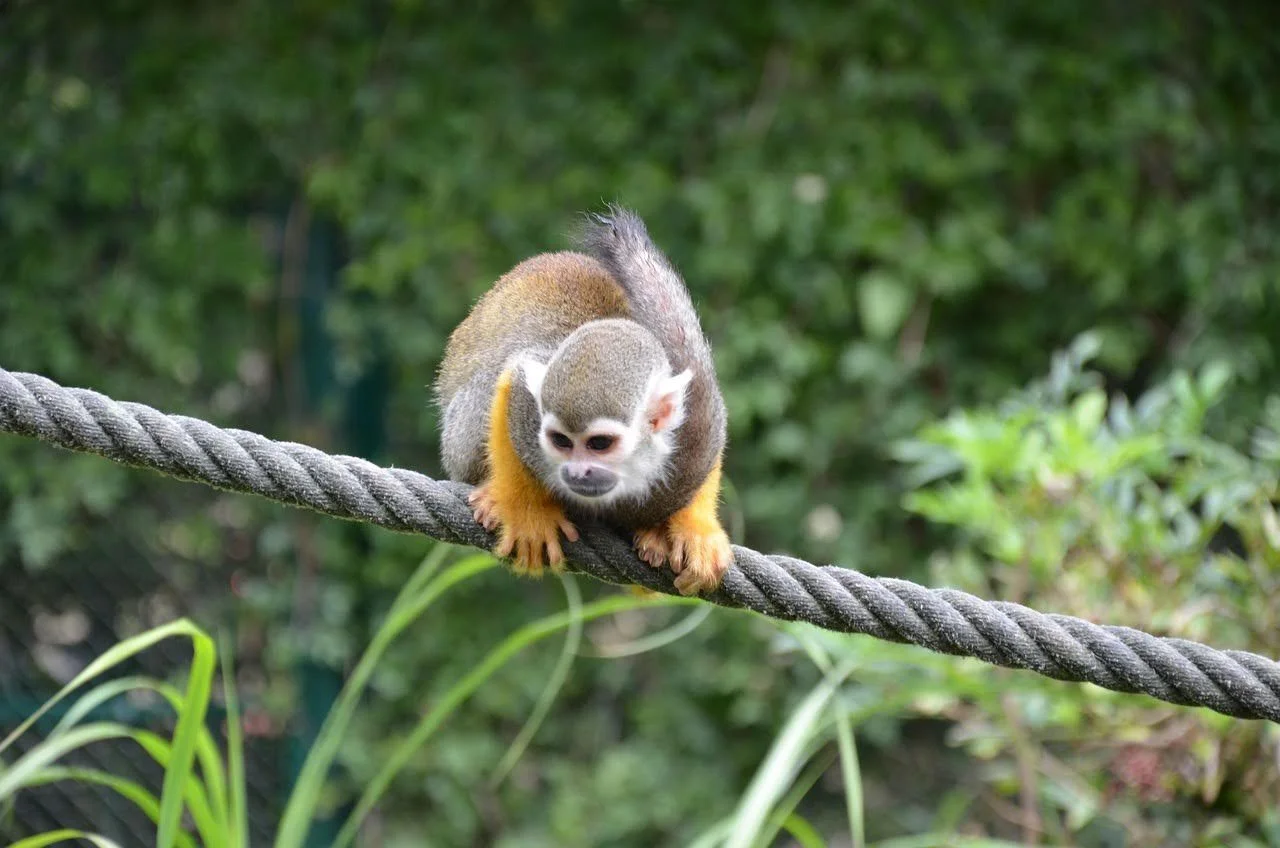
KSTR has since expanded their wildlife initiatives. Though they aim to eventually release rescued animals back into the wild, those that can’t return are given sanctuary for life on the property. Another project KSTR has prioritized is building wildlife bridges, which are designed to protect arboreal animals, such as squirrel monkeys, from environmental dangers, like power lines, car collisions and attacks by other species. Over 130 bridges have been built, and since their efforts began, the squirrel monkey population has more than doubled. This has now become a prime model for similar conservation efforts in other regions.

Squirrel monkey on a wildlife bridge. Flobrc.  Pixabay.

Volunteers are what KSTR relies on to run its facilities and care for the wildlife in the area; in fact, the organization is completely funded by donations. People from around the world come to volunteer and help with all aspects of their work. A volunteer can expect to help with cleaning, building cages, working on trails, preparing food for the animals and observing behavior. As well, a key element of KSTR is education on biodiversity conservation, so all visitors and volunteers can learn more about the rainforest and how they can help.  

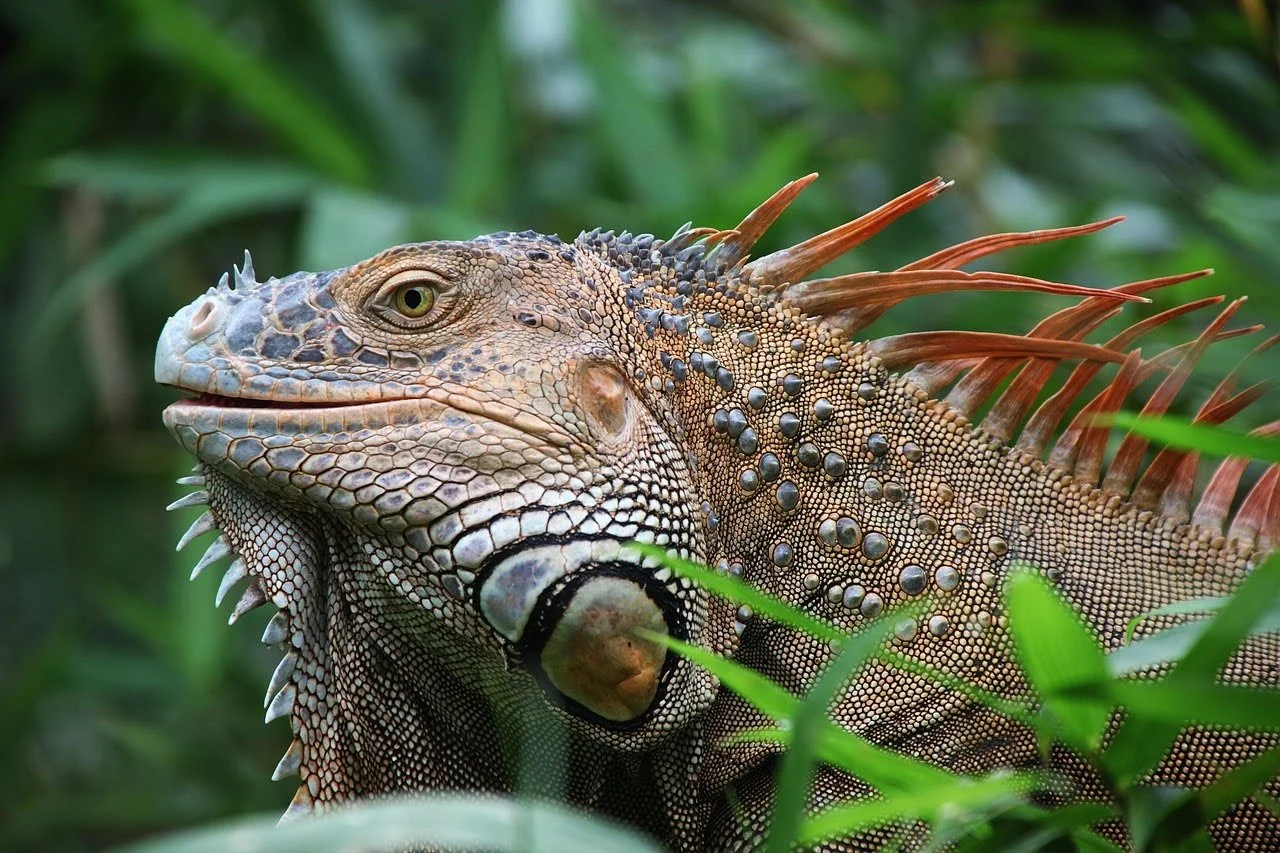
Iguana in Costa Rica. Steve Jurvetson. CC BY 2.0.

For many volunteers, the experience is more than just helping the animals. Time spent in the rainforest helps them see how wildlife, ecosystems and human development are all connected. Many people finish the program with a stronger appreciation for conservation and feel inspired to support environmental protection in their own communities.

GET INVOLVED:

You can get involved with KSTR by looking into their volunteer opportunities. Visitors can sign up to be full-day volunteers, where they will tour the facility and work directly with an animal caretaker. Another way to get involved is by being a long-term volunteer, and that ranges from a few days to a few months, depending on what you want to do. Typical daily duties include preparing food and distributing it to the animals, cleaning enclosures, offering enrichment, foraging for wild food and ultimately improving the animals’ quality of life. Along with this, the nonprofit offers internship positions as a zookeeper, in veterinary clinics and in media and marketing.


Carson Jelinek

Carson is a 22-year-old writer and filmmaker studying film and media productions at Arizona State University. His work explores travel, culture, and the people behind the places, with a focus on stories that encourage curiosity and global understanding.
Haiti’s Gangs and the Disappearing Childhood

Carol Khorramchahi

In Port-au-Prince, childhood is being replaced by survival as gangs shrink the space for school, safety and ordinary life.

Haitian school children in Port-au-Prince. Heather Suggitt. Unsplash.

In Port-au-Prince, childhood does not end in one dramatic moment. Instead, it disappears in small, relentless ways: a school day that never starts because the road is unsafe; a playground that goes quiet as armed men control the neighborhood; a parent who learns to read the city by sound and timing, measuring risk in the distance between a home and a classroom.

Haiti’s gang violence has become a crisis for children, not only because kids are caught in the crossfire but because they are being absorbed into gang control itself. UNICEF says child recruitment in Haiti rose sharply in 2025, warning that armed groups increasingly rely on children to expand their reach. UNICEF Executive Director Catherine Russell described children’s rights as “non-negotiable,” calling for children recruited by gangs to be released and supported so they can return to learning and rebuild their futures.

The word recruitment can sound distant until you understand what it entails: a child is made to deliver messages; a boy is used as a lookout; a teenager is sent to collect extortion payments; a girl is trapped in exploitation because protection is offered as a bargain. A joint report from the U.N. Human Rights Office and the U.N. mission in Haiti describes child trafficking and exploitation as part of how gangs operate, not an exception. The report says most of Haiti’s active gangs are involved in child trafficking and outlines how children are lured with threats, hunger, drugs or the promise of safety.

For girls, the danger often includes sexual violence and coercion, which is widespread in areas under gang control. The U.N. High Commissioner for Human Rights, Volker Turk, warned that children in Haiti are being robbed of their childhoods and futures. He was not speaking only about trauma but also about the slow destruction of a society’s future workforce, caregivers and leaders.

Displacement has become the backdrop to this entire crisis. UNICEF reports the internal displacement of over 1.4 million people, more than half of whom are children. In displacement sites, privacy disappears, supervision becomes stricter and children are easier to target and harder to protect. Even when families escape immediate violence, instability follows them, and childhood narrows again.

School should be the strongest shield a child has, but in Haiti, it has been one of the first things to fall. UNICEF has warned that education is under attack, reporting that hundreds of schools have been destroyed or closed as violence spreads. When schools shut down, children do not simply lose lessons. They lose structure, meals, a safe space and a daily routine that keeps them visible to adults outside their household; gangs often fill the gap that is left behind.

Haiti’s crisis is typically described in the language of security and politics. Those words matter, but they can blur the most urgent reality. The stakes are not only territorial control or government capacity; they are a generation. When childhood becomes survival, the damage does not end when the shooting stops. It lives on in missed years of education, in trauma carried into adulthood and in a society that has been forced to raise its children in fear.

GET INVOLVED:
Support child protection and education work through UNICEF Haiti and Save the Children. For humanitarian updates and verified needs on the ground, follow ReliefWeb Haiti and the International Rescue Committee.


Carol Khorramchahi

Carol Khorramchahi is a student at Boston University, where she studies English and Psychology and minors in Journalism. She enjoys writing and reporting on stories that bring together culture, identity, and community, and has experience in both newsroom reporting and digital media. She is especially interested in thoughtful storytelling with a global lens.

The Unflattering Truth of Asian Women’s Fetishization

Claire Park

The fetishization of Asian women is a reinforcement of the late 19th century’s imperialistic practices and mindsets, stripping them of their individuality and complexity.

Asian woman in traditional Vietnamese dress. Anna Tarazevich. Pexels.

During the early to mid-20th century, in the midst of Western imperialism, the United States’ formal occupations of Asia left many soldiers leveraging their domination of a more specific subject: Asian women. When white soldiers arrived in countries like Japan and Vietnam with Western beliefs of supremacy, they viewed the local women as weak, submissive and demure individuals who could easily be controlled. With the plight, despair and poverty of the wars, namely World War II and the Vietnam War, this representation materialized in the form of sex and prostitution, with Asian women’s “submissiveness” catering to soldiers’ needs for outlets of rest and recreation. The rape and degradation of these women birthed the symbol of Asian women being hypersexual, docile playthings, subservient to white superiority. 

As soldiers made their way back to America, they brought this fantasized Orientalism with them. These characterizations of Asian women as sexually compliant have since been reinforced through contemporary arts, literature and media. Novels like “Madame Chrysantheme” and stage productions such as “M. Butterfly” and “Miss Saigon” have perpetuated the stereotype of Asian women as mere objects dependent on white males for validation and existing only for sex. These “love” stories have romanticized the idea of forced prostitution, the struggle of Asian people during times of war and the white-savior story. Alternatively, other media, such as the film “Kill Bill,” have used Asian women’s alluring foreignness to establish the Dragon Lady stereotype, portraying them as mysterious and dangerous figures who tempt men for their own gain.

The recent popularity of anime in the West often appeals to large male audiences by combining both of these racialized stereotypes of meekness and enticement. While some female anime characters may be powerful heroines, a good portion of them are scantily clad with youthful, childlike features, which undermines those more optimal portrayals and exalts the objectification, hypersexuality and infantilization of Asian women. This depiction is not only harmful to Asian women and their perceptions of self but also completely disrespects Japanese and Asian culture by bastardizing it.

The misrepresentation of Asian women, their racial characteristics and their stories crafted through the Western gaze has conditioned people to view them as a type of fantasy rather than as individuals. While it may initially feel flattering to be desired for certain attributes one possesses, this fetishized attraction is rooted in a longstanding power imbalance, denying Asian women complexity and respect. The development and promotion of the acquiescent yet provocative racial label for Asian women has not only created external harm through harassment but has also fostered an internal pressure to perform a certain kind of sexuality or look a certain way. 

 Many Asian women feel othered with this emphasis on their “exotic” qualities. The constant questioning of how they’re perceived and the historical and media evidence confirming that they’re valued for certain racial traits rather than who they are as a whole person can deeply affect how they understand their self-worth. Moreover, Asian women’s racial and sexual objectification has been linked to health issues related to body image and eating disorders in pursuit of fitting the petite litheness associated with the idealized Asian woman. These uncertainties and pressures are not only harmful to Asian women’s self-esteem but also inhibit the development of their sense of self, at times making them resort to alignment with the fetishization in order to feel safe and accepted. 

While the fetishization of Asian women has persisted and evolved, actively working toward dismantling its enablement starts with education. Rather than accepting racial misrepresentations as something entrenched in society, media portrayals and their origins should be questioned, individuals should examine personal biases and Asian voices should be central in storytelling. In doing so, the authenticity and individuality of Asian women as people can finally be championed.

Claire Park

Claire Park is a sophomore at the University of California, Berkeley, studying English and Media Studies with a minor in Music. Her experience writing lifestyle content for UC Berkeley's The Daily Californian newspaper has inspired her to expand her scope to the realm of travel, pursuing her aspirations of becoming a travel journalist. When not writing, Claire can be found singing, reading romance books, journaling at the beach, or acquiring a sweet, caffeinated beverage.

Europe’s TikTok Crackdown

Carol Khorramchahi

As European leaders push age limits and tougher platform rules, the debate is no longer whether social media affects teens but rather what lawmakers should do about it.

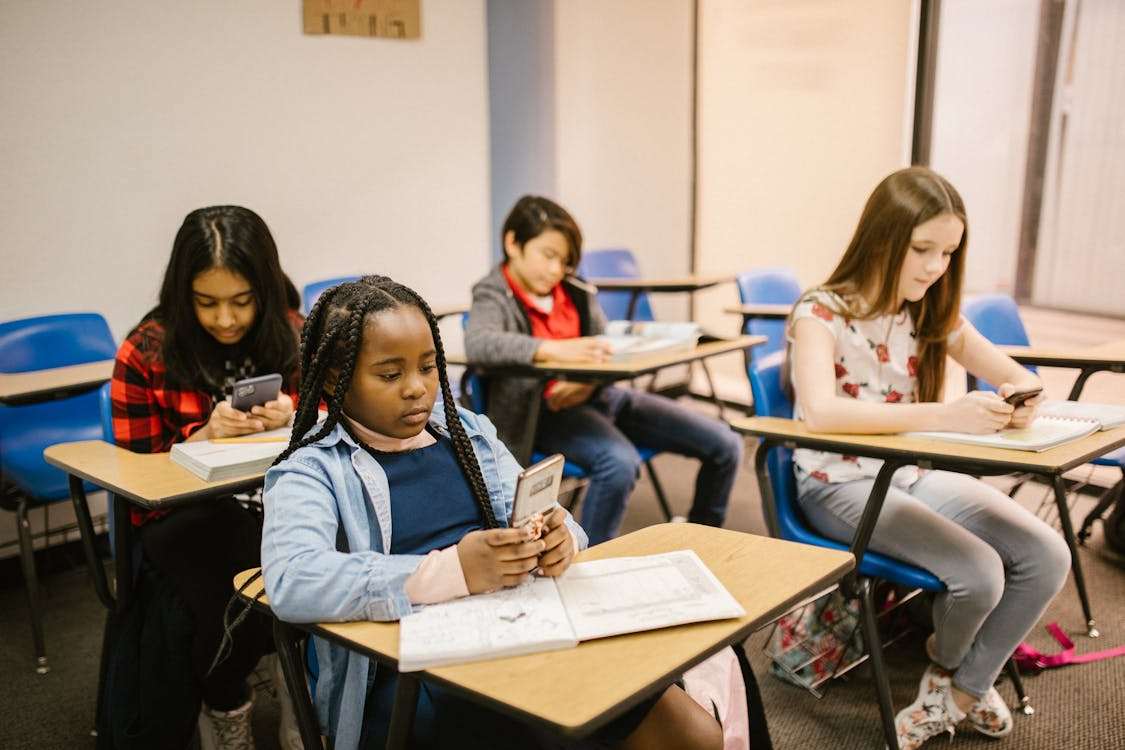
Students using smartphones in classroom. RDNE Stock project. Pexels.

In Europe, the debate over teen social media use is moving fast. What used to sound like a parenting argument about how much screen time is too much is increasingly becoming a policy fight over age limits, platform design and whether companies should be legally forced to protect minors. Recent proposals in countries including Spain, Greece, France, Britain and Germany show how quickly governments are hardening their approaches to apps like TikTok and Instagram.

At the European Union level, lawmakers are pushing for a broader shift. In a November 2025 resolution, the European Parliament called for a harmonized digital minimum age of 16 for using social media, AI companions and video-sharing platforms while still allowing access for ages 13 to 16 with parental consent. The resolution is not legally binding, but it signals where the political momentum is heading: less focus on individual parental controls and more focus on rules that platforms must follow.

Germany is one of the clearest examples of that momentum. Reuters reported on Feb. 21, 2026, that Germany’s ruling conservatives backed a motion to ban social media use for children under 14, push stricter digital age verification for teenagers and support fines for platforms that fail to enforce limits. That does not mean a nationwide ban will happen immediately, as Germany’s federal system makes media regulation more complicated, but it shows how mainstream these proposals have become.

This is also why Australia keeps coming up in the European debate. Julie Inman Grant, Australia’s eSafety Commissioner, says age-restricted platforms must now take “reasonable steps” to prevent under-16s from creating or keeping accounts, and platforms can face major penalties if they fail to comply. The model matters because it shifts the burden from parents and kids to tech companies, which is exactly the direction many European policymakers now favor.

Still, the move is not without criticism. Professor Sonia Livingstone at the London School of Economics and Political Science argues that governments should be cautious and build better evidence before rushing into broad bans. That tension is at the center of the story; many officials believe action is overdue, while researchers and rights advocates warn that blunt bans may create new problems, including privacy concerns around age verification and weaker oversight if teens move to less-regulated spaces.

For parents, the practical takeaway is simple. The conversation is no longer just about family rules at home. Across Europe, governments are now asking whether social media platforms should be treated more like products with age restrictions and if companies, not families, should be held responsible when those safeguards fail.

GET INVOLVED:

Learn more about youth online safety policy through the European Parliament’s digital policy coverage, follow implementation updates through Australia’s eSafety Commissioner social media age restrictions page and read research-based perspectives on children’s digital rights from the London School of Economics’ Media@LSE.

Carol Khorramchahi

Carol Khorramchahi is a student at Boston University, where she studies English and Psychology and minors in Journalism. She enjoys writing and reporting on stories that bring together culture, identity, and community, and has experience in both newsroom reporting and digital media. She is especially interested in thoughtful storytelling with a global lens.