Carson Jelinek
By adapting rope swings, rock climbs, 4x4 tours and e-bike trails, Moab demonstrates that extreme adventure can be inclusive of disabled travelers, young children and all visitors.
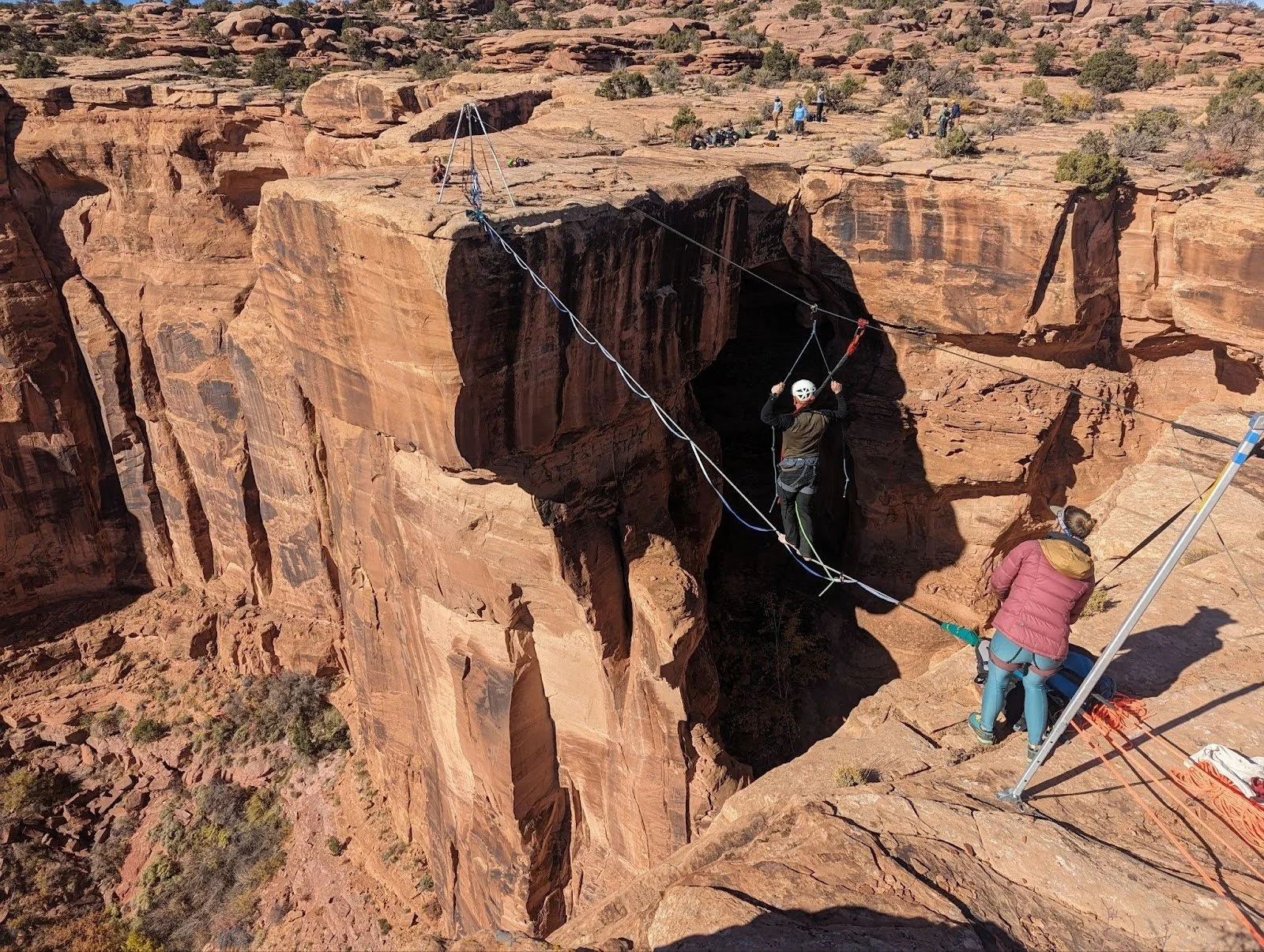
Elevate Outdoors Tour photo. Courtesy of Faith Dickey.
In the United States, millions of individuals with disabilities enjoy traveling, with over 25 million taking trips in recent years and contributing more than $50 billion annually to the travel economy. However, participation across abilities remains uneven. Research indicates that seven out of 10 individuals with disabilities reduce their travel due to accessibility challenges, and millions rarely leave home. Persistent barriers in transportation, lodging and infrastructure result in a majority of families with disabled members avoiding certain trips entirely. These obstacles are further intensified in adventure travel, where rugged landscapes and limited infrastructure frequently exclude those lacking conventional mobility.
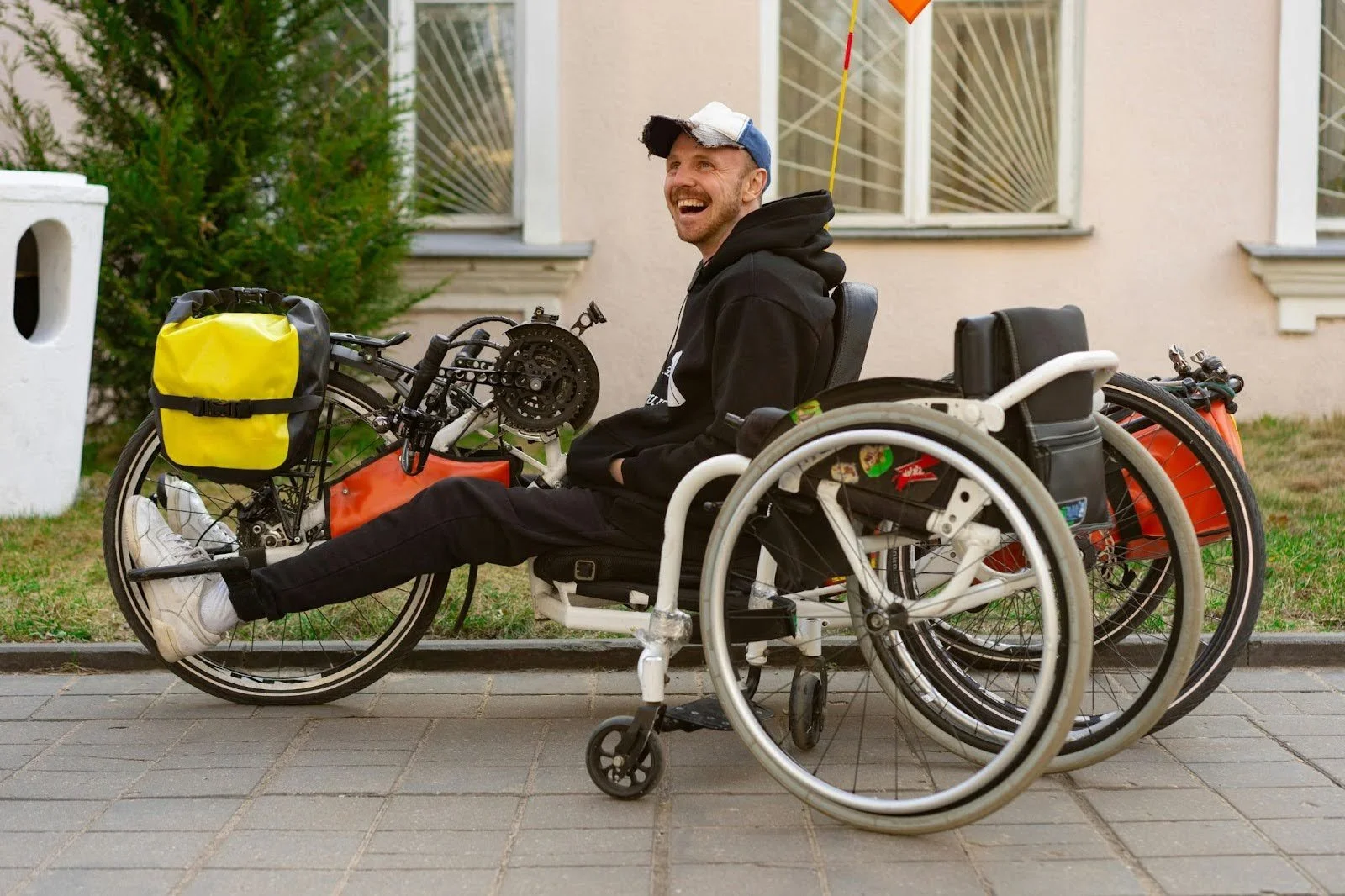
Man riding electric wheelchair. Mikhail Nilov. Pexels.
Moab, Utah, is one city advancing accessibility through policy initiatives. Starting March 1, the region will officially permit class 1 e-bikes on more than 200 miles of singletrack, including well-known routes such as Amasa Back and Klondike Bluffs. This decision positions Moab among the first major U.S. destinations to allow pedal-assist riders on its trails. Following an environmental assessment by the Bureau of Land Management, this policy represents a significant development in the cycling community. It not only serves experienced riders but also increases access to technical terrain for older visitors, individuals recovering from injuries and some disabled riders who depend on pedal assist to reach trails that would otherwise be inaccessible.
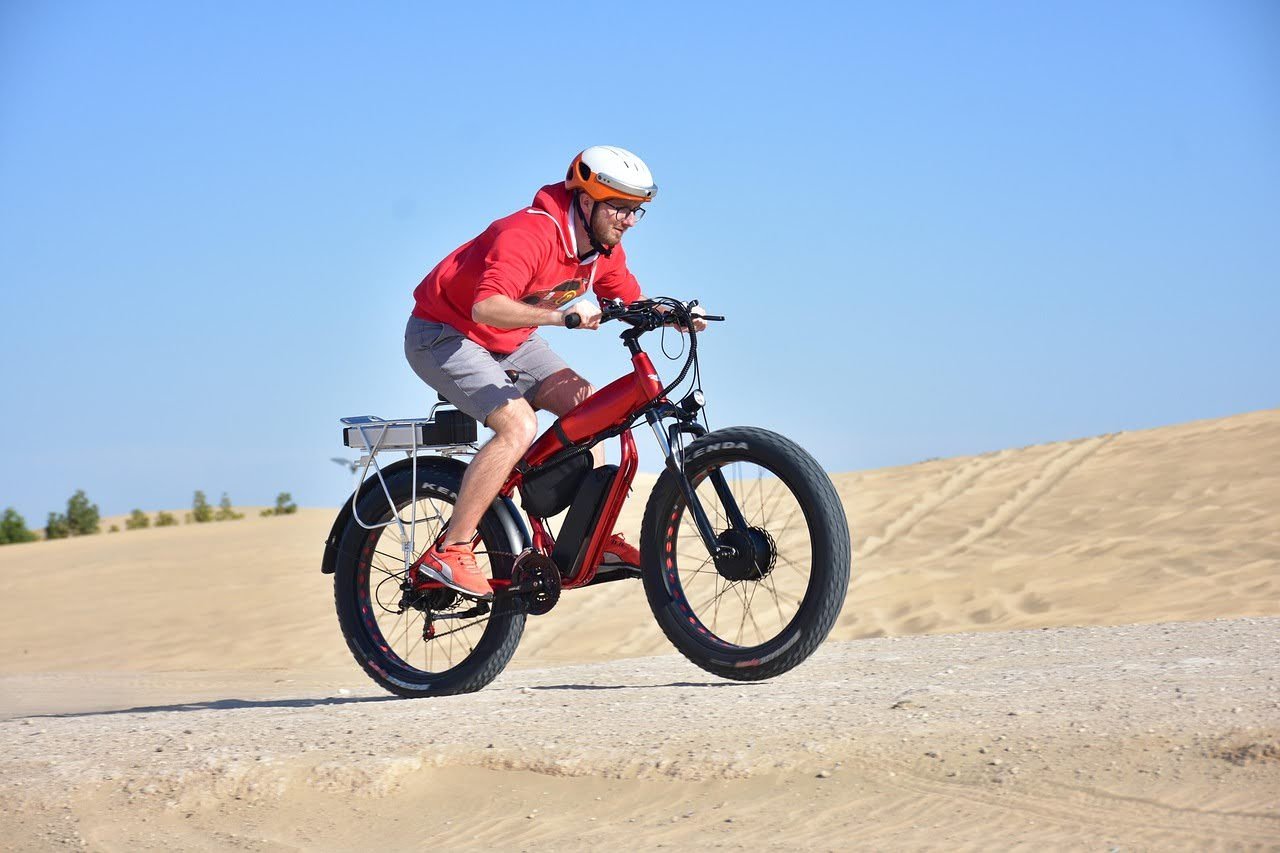
Electric bike in desert. Iztok Franko. Pixabay.
If you're looking for a thrilling off-road adventure that takes you to breathtaking sights across Moab, you can book with Mike Ballard and his company, Big Iron Tour Co. This off-road adventure company is veteran-owned and operated, and they recently installed wheelchair lifts on their 4x4 off-road vehicles so everyone can have fun. The vehicles range from 16-seat off-roaders, called “Man-O-War” and “Dreadnouight” to new-era Jeep Gladiators. Big Iron offers three tour packages: a two-hour tour, a four-hour tour and the most popular, the Sunset Tour. With the Sunset Tour, you scale the red rocks of the Moab and go on trails with several advanced obstacles, ending at a high vantage point to soak in the beautiful sunset.
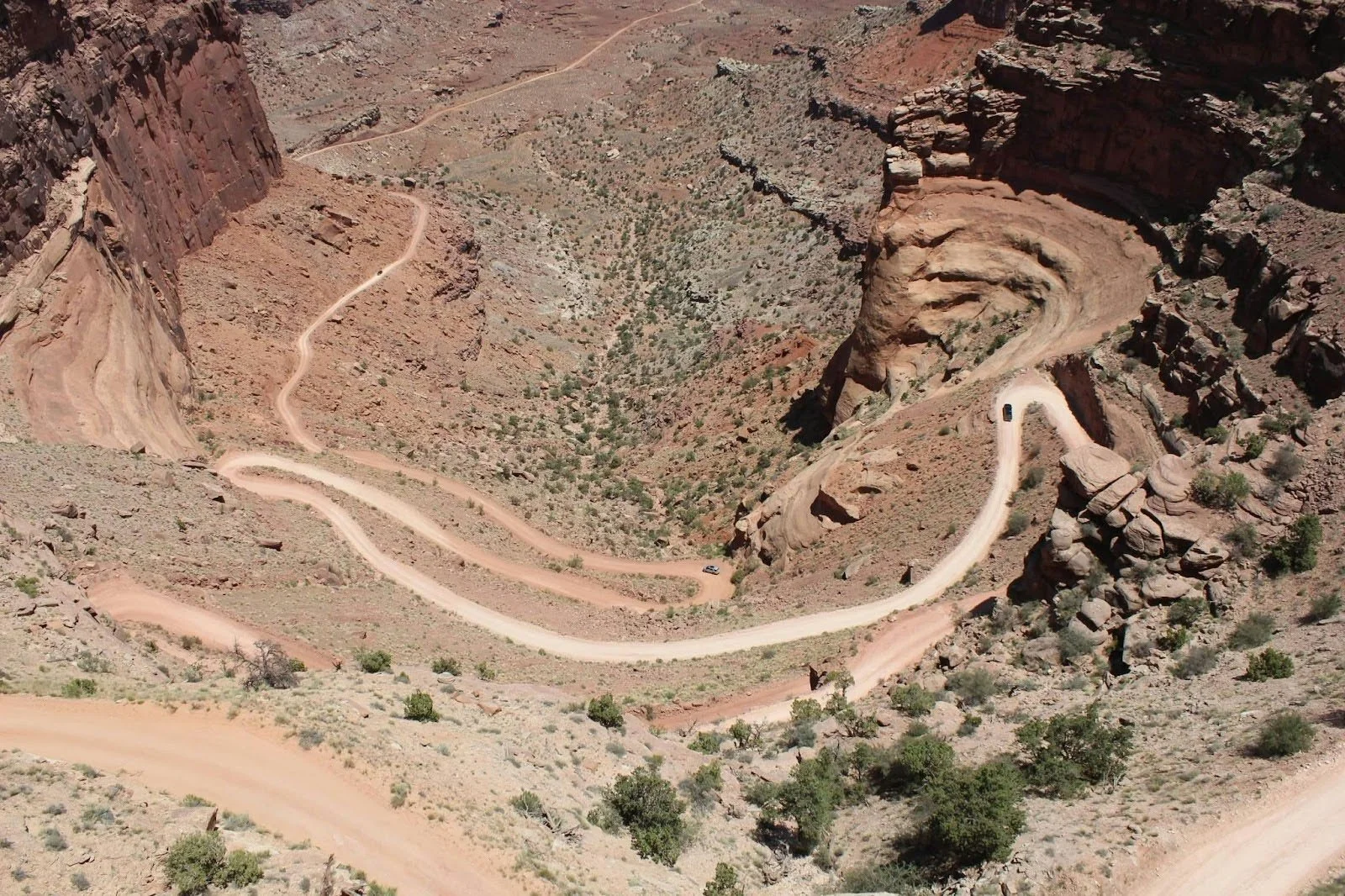
Desert road in Moab. J. Pexels.
The Moab Swingers tour offers the longest rope swing in the United States, spanning 500 feet. The attraction has appealed to families and younger visitors, as it is guided by experts, allowing activities previously limited to extreme athletes to be accessible to a wider demographic. The tour is led by cofounders Andy Lewis and Jimmy Peterson, lifelong friends and seasoned extreme-sports professionals. It includes an off-road excursion behind the prominent Moab rock formations, followed by a brief nature hike to the swing, culminating in an unforgettable experience as participants jump from the summit.
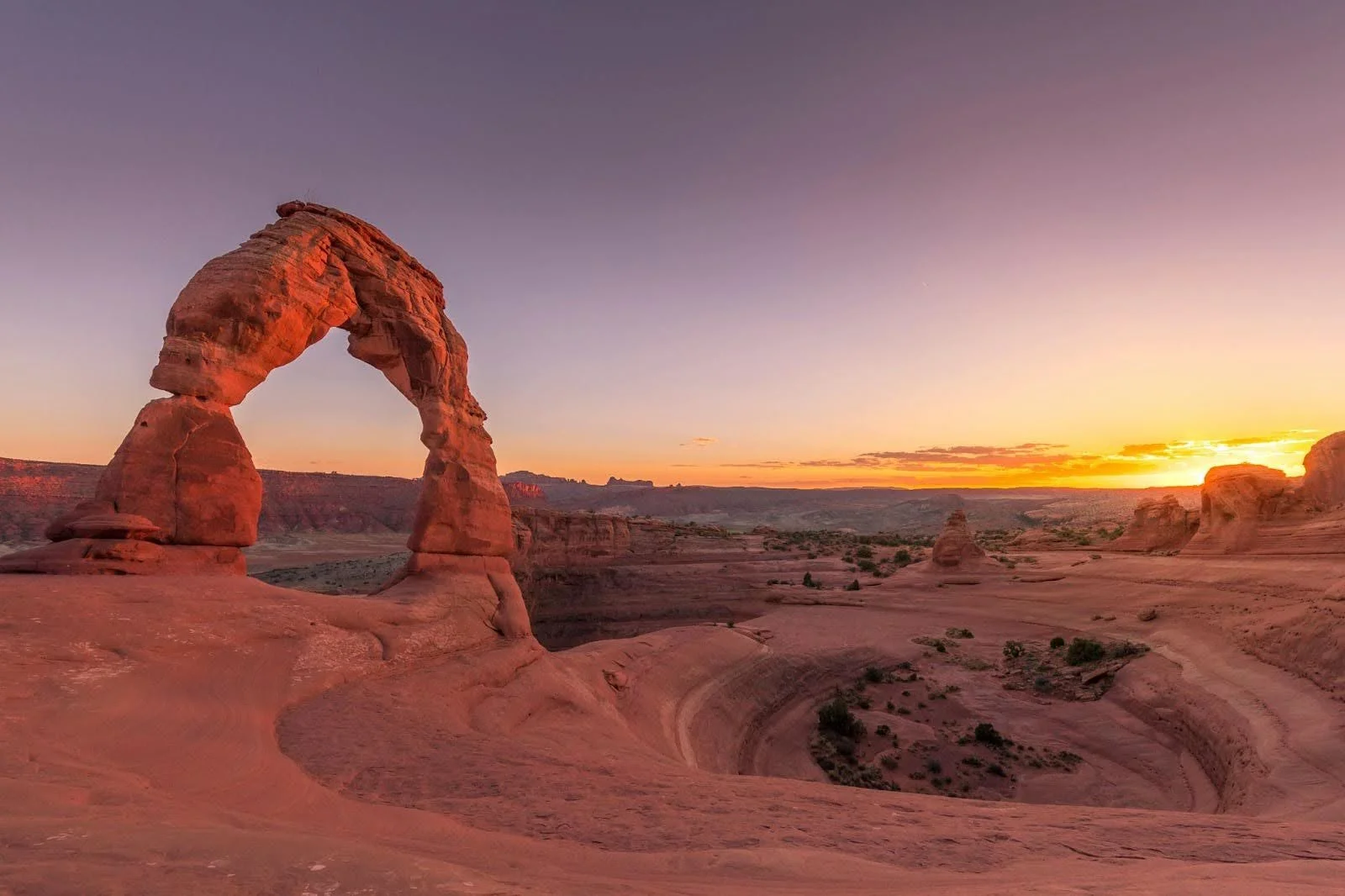
Sunset in Moab. Ken Cheung. Unsplash.
Red River Adventures, another tour company located in Moab, is known for its guided rafting, climbing, canyoneering and backcountry trips throughout Utah. To make experiences more accessible for people with disabilities, its guides have adapted rafting launches for wheelchair users and teamed up with groups that support blind, visually impaired and deaf participants. These adaptations demonstrate the Moab outdoor industry’s commitment to making high-risk recreation more accessible while preserving the core experience. Although not every canyon or climb can be changed, the company’s efforts are part of a larger trend in Moab of extreme adventure becoming more inclusive to a wider range of visitors.
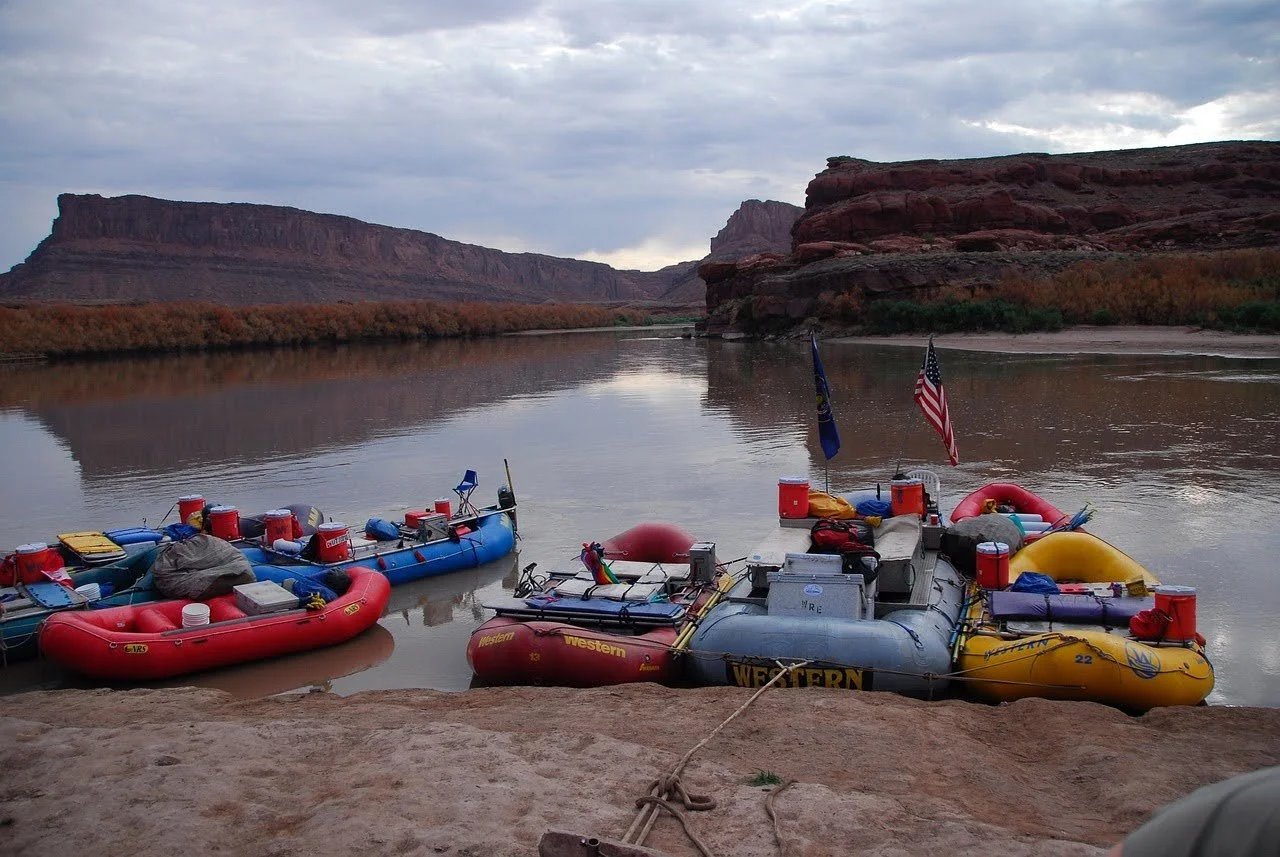
Rafting in Utah. Liz Hoffmaster. Pixabay.
Elevate Outdoors, started by professional highliner and guide Faith Dickey, is another company helping make Moab’s outdoor scene more inclusive. The company is known for advanced instruction in slacklining, climbing and canyoneering. Elevate Outdoors focuses on accessibility by offering personalized guiding and adjusting the pace of activities to each person’s needs. Instead of one-size-fits-all trips, they work closely with participants to customize routes, change technical systems and help people build confidence step by step. For disabled travelers or those recovering from injuries, this kind of attention can make challenging terrain feel possible. By combining strong safety standards with a focus on empowerment and helping people manage fear, Elevate Outdoors proves that even Moab’s toughest adventures can be made accessible with the right approach.
TRAVELING THERE:
Elevate Outdoors is a locally owned guiding service specializing in rock climbing, canyoneering and highlining, led by experienced outdoor professionals who focus on skill-building and personalized trips. Their team emphasizes inclusivity and works closely with clients to adapt experiences to different ability levels.
Big Iron Tours is a veteran-owned company offering guided off-road tours through Moab’s red rock landscapes. It offers knowledgeable local guides who share both the terrain and history of the area, and tours range from short scenic rides to more immersive backcountry experiences.
Red River Adventures is one of Moab’s more established outfitters, offering rafting, rock climbing and canyoneering trips guided by seasoned professionals with deep knowledge of the region. Their guides are a central part of the experience, focusing on safety while creating a more personal, small-group environment.
Moab Swingers is a niche adventure outfitter offering guided rope-swinging excursions, typically operated by a small team that facilitates group-friendly experiences in a more unconventional outdoor setting. The experience is less about technical skill and more about shared thrill and group energy.
The Bureau of Land Management Moab Field Office is staffed by land managers and public servants who oversee recreation in the area, providing essential guidance on trail access, e-bike use and responsible travel across Moab’s public lands.
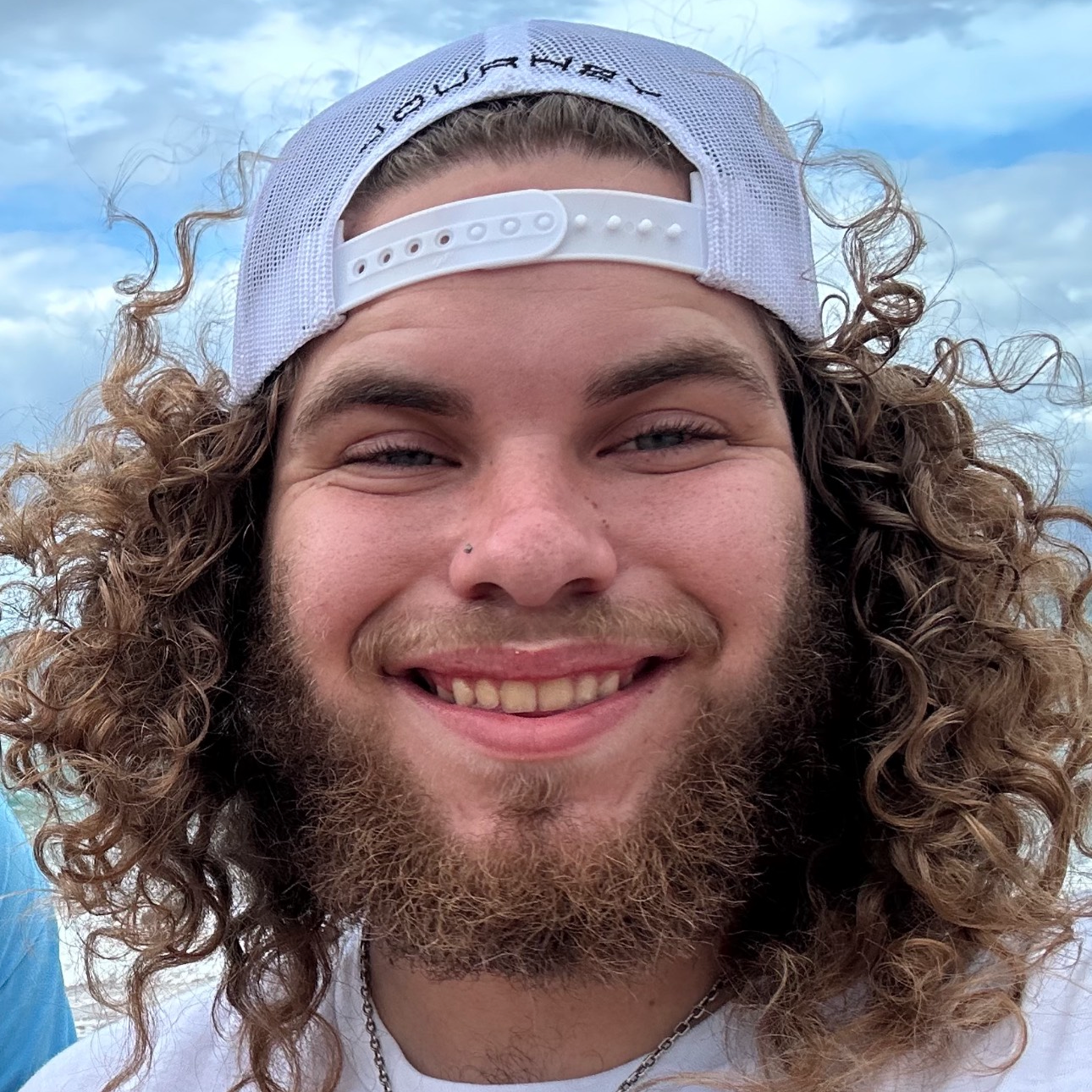
Carson Jelinek
Carson is a 22-year-old writer and filmmaker studying film and media productions at Arizona State University. His work explores travel, culture, and the people behind the places, with a focus on stories that encourage curiosity and global understanding.