
Ethiopia is trying to move beyond refugee camps by letting Sudanese families work, study and rebuild lives interrupted by war.
The Rise of Venezuelan Human Trafficking in Colombia
Colombia, the predominant asylum nation for Venezuelan refugees, continues to display staggering rates of human trafficking of Venezuelans, despite legal and humanitarian efforts.
Read MoreRefugees Wait for Relief in Lesvos
A decade after the start of the migration crisis in Europe, the outlook for refugees in Lesvos is bleak.
Read MoreCameroon: A Neglected Refugee Crisis
As both external and internal conflicts rage across Cameroon, the country’s refugee struggle has been overlooked, worsening without adequate aid or media attention.
Read MoreHow Geoffrey Chaucer Inspired Pro-Migrant Literary Social Action in the U.K.
In the U.K., writers and refugees collaborate to end indefinite detention.
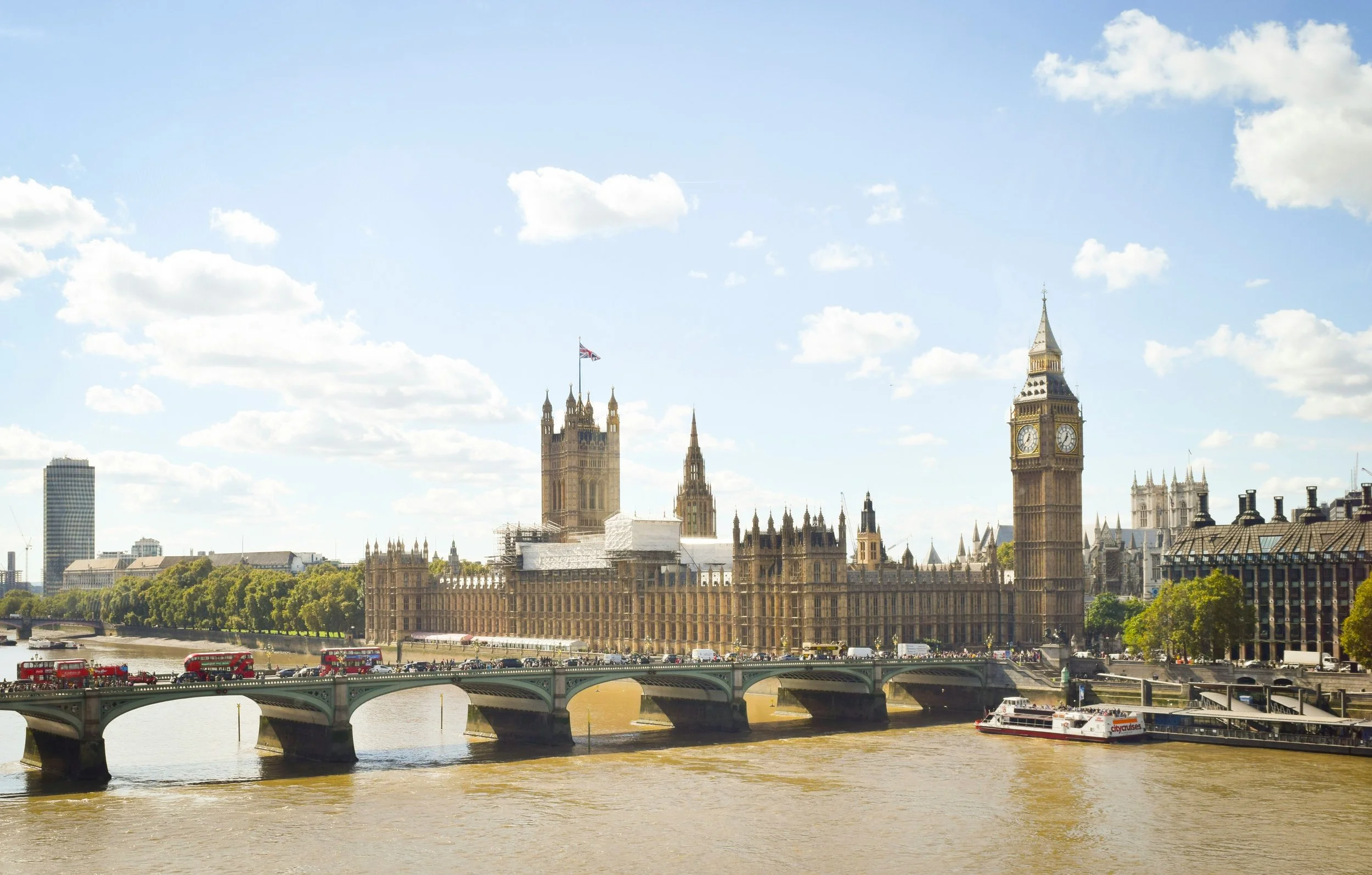
Westminster in the sunlight, the destination of the Refugee Tales walk. Aswin Mahesh. CC0.
The United Kingdom’s immigration policy allows it to detain migrants indefinitely while the government resolves their immigration status. The U.K. is the only country in Western Europe with this law; other European nations have a maximum time limit to detain people, usually ranging from about a month in France to six weeks in Germany. In 2015, a group of writers and activists in the United Kingdom combined forces to create the Refugee Tales—a short story collection and an annual walk to raise awareness about indefinite detention for migrants in the U.K. The Refugee Tales seeks to put a 28-day time limit on immigration detention.
The walk mimics the style of fourteenth-century poet Geoffrey Chaucer’s “The Canterbury Tales.” In his poem, a diverse group travels from London to Canterbury, telling stories throughout the journey to entertain each other. The Refugee Tales takes a broader scope, engaging people worldwide for social change.

The Ellesmere Manuscript of The Canterbury Tales. Rob Corder. CC BY-NC 2.0
As a part of the Refugee Tales, established writers partner with those impacted by the U.K.’s indefinite detention model. The writer transcribes their narratives. Those sharing their stories may work within the immigration system as social workers or interpreters. Oftentimes, they are migrants who have experienced indefinite detention. Writers share these stories with walkers during the evening—as Chaucer’s characters did with their tales—and compile them in short story collections, read them aloud in videos, and share them in news outlets.
The written work created between author and refugee lies at the heart of the movement. Storytelling works to raise awareness about the problems migrants face on their journey to the U.K. and in these detention centers.
Scottish author Ali Smith, who wrote “How to be Both” and won the Baileys Women’s Prize for Fiction, is the patron of The Refugee Tales. She described storytelling as “an act of profound hospitality.” Transcribing the stories refugees tell elicits “sympathy and empathy” from listeners.
Smith wrote “The Detainee’s Tale,” telling of a young man who arrived in the U.K. as a victim of human trafficking. After escaping, he found a community at a church that advised him to reach out to the Home Office—the U.K.’s ministerial department responsible for security and immigration—for help.
“You do it,” Smith writes as the young man says. “You write to the Home Office. They come. They arrest you. They put you in prison for six months because the passport you’ve got is the wrong kind.”
Many British literature scholars view Chaucer as the “Father of English poetry.” “The Canterbury Tales” is a staple in many British literature classes. Telling refugees’ stories in the style of a quintessential British text is a political statement, making these refugees a part of the cultural canon and saying they deserve a place in the United Kingdom.
TO GET INVOLVED:
The Walk: The Refugee Tales will host their annual walk this year from July 6-10 from Edenbridge in Kent to Westminster in London. You can buy tickets to participate in the walk.
The Stories: For easier yet impactful involvement, listen to or purchase the books full of the U.K.’s refugees’ tales.

Annie O’Brien
Annie is a third-year student at George Washington University studying English, Creative Writing, and History. From Philadelphia, she is an avid reader, pop-culture enthusiast, and traveler. She’s always eager to talk about her adventures abroad and domestically, whether it's telling about the time she hitch-hiked in Bavaria or offering recommendations for the best bookstores in Key West. She hopes to become a published author one day. Enjoy more of her writing on her Substack.
Miles4Migrants' Pledge to Reunite 70,000 Families
Through the donation of unused travel rewards, Miles4Migrants has leveraged $17 million worth of donated frequent flier miles to reunite vulnerable individuals affected by war, persecution or climate disaster with their families.
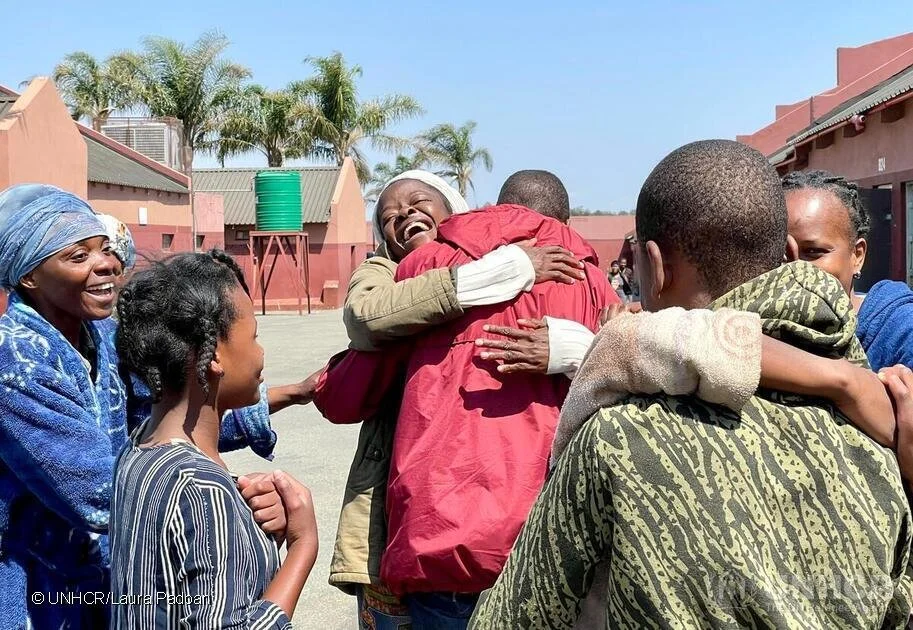
Courtesy of UNHCR.
Founded in 2016 by Seth Stanton, Nick Ruiz and Andy Freedman, Miles4Migrants (M4M) emerged as a philanthropic force dedicated to the cause of preventing families from being torn apart by displacement. With a resolute focus on leveraging donated frequent flyer miles and points, the non-profit organization strategically orchestrates flights, intricately navigating global airline alliances, airline routes and immigration regulations for families who have received legal approval for relocation.
Donors are asked to commit a minimum of 1,000 to 47,500 points or miles, depending on the program. After pledging, the flight booking team at M4M will match the donated miles with an individual or family seeking asylum or with refugee status but who cannot afford airfare to relocate. The matching process looks at which itinerary will get the most out of a donation, which case will keep the most family members together on the same reservation, the fastest flight route, and the least booking friction for the donor. The matching process may take several weeks, and M4M will keep donors informed, providing the recipient's photo(s) and a story detailing how their contribution has made a difference. In addition to frequent flyer miles, donors can contribute travel vouchers and cash. Miles4Migrants presently accepts a wide range of vouchers, including those from Alaska Airlines, American Airlines, United Airlines, Delta Air Lines, Southwest Airlines, JetBlue, Allegiant Air and others.
Miles4Migrants has achieved remarkable feats since its inception, facilitating travel for an impressive 43,187 individuals spanning 98 countries. This commendable endeavor, valued at an astounding $17 million, has been made possible by redeeming an impressive 775 million miles, courtesy of generous donors.
The organization's recent appearance at the UNHCR Global Refugee Forum in Geneva underscored its commitment to an innovative and ambitious strategy. M4M’s Executive Director Glaydon de Freitas revealed a visionary multi-currency system, integrating money, frequent flyer miles, credit card points, and travel vouchers. This multi-faceted approach, coupled with M4M's expertise in flight booking and strategic partnerships with major airlines, ensures a cost-effective and efficient procurement of airline tickets.
During the forum, Miles4Migrants boldly pledged to reunite 70,000 forcibly displaced individuals with their families by 2030, with an initial goal of reuniting 10,000 families in the upcoming year. This resolute commitment aligns seamlessly with Global Compact On Refugee’s Roadmap 2030 on third-country solutions for refugees and the broader multi-stakeholder initiative to reunite at least 1 million refugee families by 2030.
To achieve these tremendous family reunification goals, Miles4Migrants has meticulously outlined specific strategies. These include identifying the most value-efficient flight options across all airlines, proactively mobilizing resources, utilizing a comprehensive database system for efficient tracking, providing post-booking support to NGO partners, and fostering crucial partnerships with airlines and corporations.
In fact, corporate partnerships and long-term sponsorships have emerged as linchpins in Miles4Migrants' operation. The Shapiro Foundation, led by President Ed Shapiro, stands as a keystone partner, generously committing to funding 500 flights in 2024, contributing significantly to the nonprofit's goal of reuniting 70,000 families by 2030. A recent collaboration with The Points Guy (TPG), a prominent name in the travel industry, further exemplifies the importance of corporate support. TPG became an official corporate sponsor and pledged to match cash donations of up to $15,000. At the end of its five-week campaign, TPG raised 5,561,479 miles (worth nearly $120,000), receiving more than $1,487 in flight vouchers, and—thanks to TPG and Lonely Planet matches—raised $30,275 in cash donations. Miles4Migrants said it was the second-highest number of miles contributed from any partner campaign and also one of the highest cash amounts it has been able to raise. The donations were enough to fly around 500 people to safety.
Get Involved
The call to action is clear—dormant travel rewards can catalyze change. Miles4Migrants implores individuals to consider donating unused frequent flyer miles, credit card points or travel vouchers to play a pivotal role in reuniting families and offer fresh starts to those in need. The organization encourages supporters to amplify its cause through social media, whether that be through sharing impactful stories, motivating friends and family to contribute unused rewards, or organizing local events to bolster collective efforts.

Raeann Mason
Raeann is a traveler, digital storyteller, and guide writer with a Mass Communication & Media degree from the Walter Cronkite School of Journalism. She is passionate about a/effective journalism and cultural exchange and advocates for international solidarity and people's liberation. Her work at CATALYST focuses on reshaping the culture of travel and hospitality to be more ethically sound and sustainable.
An Ethiopian’s Path to From Refugee Camp to College Campus
How a refugee survived genocide and rebuilt a life in the United States.
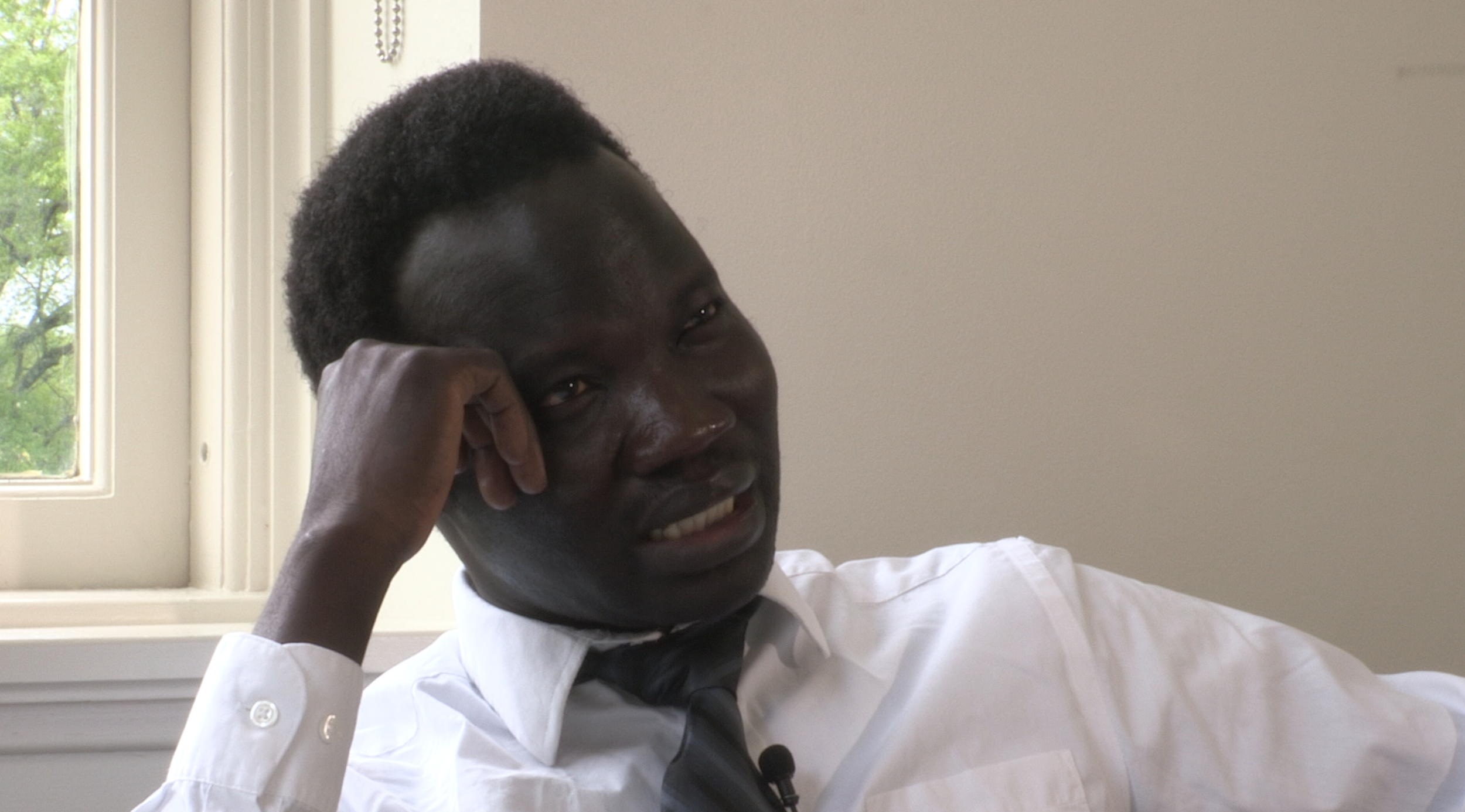
Omot retelling his journey coming to the U.S. during our interview. Image courtesy of Ojullu Omit.
This semester, I had the privilege of connecting with Ojullu Omot, whose life was forever altered by tragedy. On December 13, 2003, when he was just 14 years old, Omot experienced a massacre at his hometown in south-west Ethiopia. As part of a Wake Forest University project to raise awareness about the challenges faced by refugees, a team made up of me and my classmates produced a 10-minute advocacy film that aims to shed light on the often-overlooked struggles refugees encounter while adapting to life in the United States. Omot’s story is a testament to the blend of heartbreak and perseverance that characterizes the ongoing global refugee crisis, capturing the resilience and fortitude of those seeking haven away from home.
Omot’s story began with displacement, as he fled the 2003 massacre in the remote Gambella region of southwestern Ethiopia. From December 13-15, in a reprisal against a small ambush against Ethiopian federal government officials, ethnically Amhara, Oromo, and Tigrayan soldiers and rioters murdered hundreds of minority Anuak civilians. Human Rights Watch’s report suggests that these atrocities should be considered crimes against humanity. . The Ethiopian government claimed that only 57 were killed and that the violence resulted from ethnic tensions between rival Anuak and Nuer groups, in contrast to the claims of international human rights groups and the Anuak themselves. Human rights NGOs have called for a thorough investigation into the incident, with concerns that others like it could occur. Despite facing deadly tragedy along with the immense challenges of settling into a new society as a refugee, Omot has found a new home in the United States, where he serves as a living witness to the egregious human rights abuses of his homeland. He remains committed to starting a new chapter in life.
By now Omot has gotten used to retelling the story of how he left his home in Ethiopia in the midst of genocidal violence, and his journey from there to become an international politics student in the United States. The three-day-long massacre in Gambella town of southwestern Ethiopia was an outburst of ethnic conflict between the indigenous Anuak group and members of the Ethiopian military. As the situation in Ethiopia deteriorated, Omot moved to Sudan when he was a teenager, with the hope that things would get better in a year or two.
But they didn’t. The military confrontation neither started, nor ended with the massacre. More than 10,000 Anuak people were forced to leave Ethiopia in 2004, the year after the massacre took place.
Omot left Sudan for Kenya after two years of waiting. The unrest had separated him from his family, and he lacked many colorful memories about his childhood in Ethiopia, Sudan and Kenya. What he remembered is playing football with his friends in refugee camps everyday; many of those eventually being sent to Canada, Australia and other developed nations. Omot remembers planes from the United Nation hovered above their heads in refugee camps, dropping food and supplies and people hurrying to grab them. “We were dependent on the refugee program,” Omot said, “Resettlement in the United States was not a typical solution for refugees living in the United Nations High Commissioner for Refugees(UNHCR) camp.”
Omot never dreamed about coming to the United States then. He was invested in the idea that everything will go back to normal in Ethiopia, and that he could then return home. Yet Omot’s life took a major turn in the year 2016. He was called for an interview, which he later found out was part of the application process by U.S. Citizenship and Immigration Services employees concerning whether he is eligible for resettlement in the United States as a refugee. The approval rate for a refugee status in the United States is 27%, according to World Data.
Omot waited for roughly six months until he was called for a series of security checks, examinations and orientation. In February 2016, International Organization for Migration contacted Omot, telling him that his case is ready. He then boarded a plane to the United States on April 4th, 2016, his first ever flight. When he landed in Miami, Florida, it was like landing on a new planet- the shock of the novel language and lifestyle almost dazzled the then 28 year old.
“There was something change, [such as] the day became longer, I was not even comfortable, and I cannot see where I come from, ” Omot recalled his initial exposure to the United States, “The first question I asked myself [was], is this the U.S. [as] I expected it?”
And the first few months continued to affirm to him that starting anew wasn’t easy. Omot often found himself alone in his house assigned by the government, since his roommates busied themselves working in the daytime, and went straight to sleep not long after walking in the door at night. Comparing the situation to the community life in Ethiopia, where everyone would sit down and share stories after a day’s work, filled Omot with homesickness at night.
Language is also a major challenge to Omot. Going to a university was at the top of his wish list when he came to the United States, but he couldn’t even understand people’s accents when he asked for directions on his way to school. He had no idea how to open emails during his first semester at a community college. When one of his classmates finally taught him how to view the inbox, he found emails from professors flooded in there. In winter, the temperature dropped so low that Omot, who used to live near the equator, had to drop his English as Second language (ESL) classes to avoid traveling in freezing weather.
But Omot is determined to realize his dream. Instead of “wasting time” in ESL classes, he decided to push himself, taking the General Educational Development (GED) tests directly. He works as a hospital janitor in the daytime for living; in the evening and before dawn, he dives into his study. Whenever he had free time, Omot would peruse his textbooks, went up to the library of the community college he attended everyday, asking every librarian what GED looks like, and tips and tricks to score higher.
The global refugee population has reached crisis proportions, with more than 30 million refugees displaced in 2022, signaling a significant surge from the previous year's level. The United Nations High Commissioner for Refugees (UNHCR) has reported a staggering total of 103 million people forcibly displaced as of mid-2022. In response, President Joe Biden has committed to revamping America’s current “inhumane” immigration policy. However, the administration's effort to admit refugees has fallen significantly short of its goal, with only 25,465 individuals granted admission by the end of the previous fiscal year on September 30, 2022, a mere 20% of the objective. The number of refugees received by the United States still remains one of the lowest among all nations, and the number continues to decrease.
Refugees face a plethora of challenges when they resettle in a foreign country, with attaining secure housing among the most pressing. Asylum seekers in particular struggle to obtain temporary housing due to a lack of government support and unfamiliarity with the US housing system. Non-profit organizations and shelters provide vital assistance to these individuals. Despite this aid, refugee and asylum seekers are disproportionately at risk for health problems, both physical and mental. They are more susceptible to severe mental health conditions like PTSD and depression, while chronic illnesses like diabetes, hypertension, and cardiovascular disease exacerbate their already challenging circumstances.
In 2017, Omot took the GED for the first time. And hard work pays off — he passed the test.
“It [passing the test] gives me hope that I could continue to do all of them,” said Omot, breaking into a smile. And he did. After he finished with GED, Omot is currently pursuing a bachelor degree in international politics at University of North Carolina Greensboro. When asked why he could recall his story in astonishingly clear detail, Omot answered, “I think my story is important because if other people, other refugees heard about it, they would think, oh, this guy did that and starting his new life. Maybe I could do the same.”
To Get Involved:
While Omot is navigating through his new life in the United States, it is not without support from various refugee organizations, such as Every Campus a Refugee (ECAR), an organization aiming to mobilize colleges and universities to host refugees on campus grounds and support them in their resettlement. ECAR provided nearly 4 years free housing and accessories to Omot, and provides several other services to refugees in the North Carolina region. Learn more about ECAR here.

Hope Zhu
Hope is a Chinese international student at Wake Forest University in North Carolina studying sociology, statistics, and journalism. She dreams of traveling around the globe as a freelance reporter while touching on a wide range of social issues from education inequality to cultural diversity. Passionate about environmental issues and learning about other cultures, she is eager to explore the globe. In her free time, she enjoys cooking Asian cuisine, reading, and theater.
A Country Divided: Marking the 75th Anniversary of the Indian Partition
Decades after India and Pakistan gained their independence in 1947, the cultural and political ramifications of partition continue to shape the lives of the new generation.

India celebrated their 75th Independence Day on August 15, 2022. Sanstuthi Nath. CC BY-NC 2.0.
2022 marks 75 years since British colonizers divided up the Indian subcontinent, officially declaring India and the Islamic Republic of Pakistan as sovereign states and leaving a trail of violence in their wake. Unlike the 50th anniversary of the event celebrated back in 1997, many, if not most, of the generation who lived through the horrors of partition have aged or gone, leaving fewer and fewer with first-hand memories of the difficult time. Despite this, discussions of South Asian affairs continue to be inextricably linked to the birth of Pakistan, the idea of an unified Indian nation, and the difficulties of birthing a new democracy in the wake of such upheaval.

Refugees desperate to escape massacre cram themselves onto trains during partition. Derek Barry. CC BY-NC-ND 2.0.
The pro-independence movement in India had long preceded partition, gaining most of its following in the years just after World War II. By this time, the country had been under British colonial rule for just under a century, and the country, while still heavily divided by caste, religion and ethnicity, largely agreed upon their desire to be self-governed. The newly elected British government at the time also appeared to be on the same page, but their exercises in subjugating the Indian population, in order to maintain control over them, had the unexpected consequence of inter-group violence, specifically when it came to deciding who would inherit the British Raj’s political power. This was especially true among religious groups: influential Hindu, Sikh and Muslim groups in politics were unable to agree on their vision for the new India with one such failed conference in 1946, resulting in Muhammed Ali Jinnah, head of the Muslim League, demanding the creation of a Muslim state. This call to action incited violence all over the country which the British decided would only end by partitioning the country into a Hindu-majority India and a Muslim-majority Pakistan. Their minimal logistical support, however, resulted in even more violence and ethnic cleansing, causing millions of people to flee their homes after discovering they were on the wrong side of the border. A million people perished in the refugee crisis and fifteen million were forced from their homes.

The Beating the Retreat ceremony is performed by Indian Border Security Forces and Pakistani Rangers at a border post. AFP Photo. CC BY-NC 2.0.
The ramifications of partition, 75 years after its occurrence, are still prevalent in many aspects of life for the younger Indian and Pakistani generations that may not even realize it. Their experiences of partition, unlike those of their grandparents, are largely based on knowledge learned in school and second-hand accounts from elder relatives. To those interested in the rapidly diminishing value of independence in an increasingly globalized society, the younger generation’s lack of connection to the event, which single-handedly birthed the modern nation of India as we know it, is placing a much larger burden on other institutions -- the media in particular -- to ensure an accurate historical memory of partition. In light of the waves of recent cultural, political, religious, gender and border conflict that have reignited across the subcontinent, remembering the sacrifices and hardships endured by those who fought for a unified India could provide a useful point of mediation.

Millions of displaced peoples set up refugee camps after being forced to flee their homes due to religious violence. The Guardian. CC-BY-SA 2.0.
If nothing else, celebrating 75 years of Indian independence has caused a lot of stories to resurface. Younger generations are making more of an effort to retrace their family histories across time and borders, digging into family archives and questioning their relatives before they are lost to time. The decades have done nothing to erase the history and emotions of what happened, and it is becoming increasingly common among those who have inherited the burden from their parents and grandparents to rediscover these narratives, both sweeping and personal, in the name of developing a personal identity. By posting these stories and sharing them online, young Indians and Pakistanis are building a community of their own and collectively defining what partition means to them. Hopefully, it will also be these communities that can overcome the legacy of pain and trauma that has followed the event through the years, and turn it into a new foundation of strength of unity for future generations of Indian and Pakistanis to come.

Tanaya Vohra
Tanaya is an undergraduate student pursuing a major in Public Health at the University of Chicago. She's lived in Asia, Europe and North America and wants to share her love of travel and exploring new cultures through her writing.
The Swimming Savior: Journey From Refugee to Olympian
Syrian Yusra Mardini escaped civil war and became the face of Olympic refugees.

Yusra Mardini. l3o_. CC BY-NC-SA 2.0
Yusra Mardini began swimming at the budding age of 3 in her birth country, Syria. As she grew older, she continued to pursue her swimming career with the Syrian Olympic Committee, hoping to one day fulfill her dream of competing for her country in the Olympics. Outside of the pool, however, a pressing issue loomed over Mardini’s promising athletic career: a civil war in Syria jeopardizing everything she had worked for.
A peaceful Syrian protest in 2011 initiated an intense civil war. As it progressed, Mardini lost focus during swim practices due to the bomb threats and active bombings during her training. The danger eventually led the Mardini family to leave Syria in August of 2015, shortly after their family home was destroyed. The Mardinis embarked on a 25-day journey to Germany, crossing the Aegean Sea and seven countries along the way.
During that time, Mardini’s swimming career and life as a refugee merged in one defining moment. While crossing the Aegean Sea on the way to Greece, the boat the Mardinis were on stopped working. In the midst of the chaos, Yusra and her sister, Sara, boldly jumped out of the boat and began to push the vessel to shore. The Mardinis successfully delivered the boat to shore, saving the 18 other passengers on board. Yusra was just 17 years old.
Mardini began training again in Germany, the country her family settled in. This time, she swam with a greater purpose: making a name for herself at the Olympics and bringing awareness to refugees at the same time. Her hard work paid off, as Mardini was selected to compete with the 2016 Refugee Olympic Team. This team was the first of its kind, allowing refugee athletes to compete together rather than for a specific country. Representing a cause she was passionate about, Mardini traveled to Brazil to swim in the 2016 Rio Olympics and share her story with the world. She competed in the 100-meter butterfly event, as well as the 100-meter freestyle.
After her story received positive press at the Olympics, Mardini began using her voice to represent refugees both in and out of the pool. In April of 2017, the UN Refugee Agency dubbed Mardini a Goodwill Ambassador, making her the youngest UNHCR ambassador at the age of 19. Since then, she has used her life story to represent refugees on a global scale. Mardini shares her triumphant tale at conferences, schools and through her social media, allowing people to understand the trials that come with civil war, displacement and personal growth. Mardini also attended the 2020 Tokyo Olympics, where she was given the honor of being the flag bearer for the Refugee Olympic Team. She continues to train in Berlin, Germany, where she is making a name for not only herself, but refugees everywhere who are looking for a new beginning, just as Mardini once was.

Ellie Sabby
Ellie is a senior at the University of Minnesota Twin Cities, studying English literature. She is the Chief Online Editor and Chief Art Editor for undergraduate literary and art magazine, The Tower. In her free time, she enjoys writing poetry, reading anything by Shakespeare, and fulfilling her passion for traveling through a variety of spontaneous trips.
10 Miles From Their Past: Za’atari Syrian Refugee Camp in Jordan
Jordan opened the Za'atari refugee camp in 2012, which has now gradually turned into a permanent settlement. Za’atari is home to an estimated 80,000 refugees, more than half of which are children.
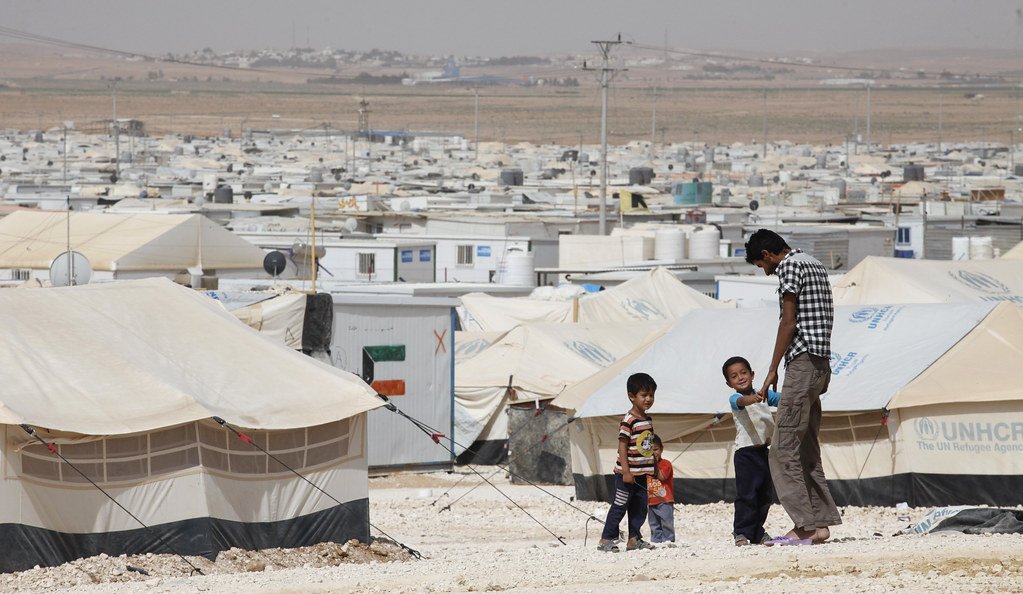
Less than 10 miles from the Syrian border sits the Za’atari refugee camp in Jordan’s desert. A camp that began as a collection of tents has now become an urban settlement with thousands of portacabins. At its peak, Za’atari hosted 150,000 refugees, today the camp hosts 80,000. For many it’s the closest thing to home, however many still struggle to find work to make a steady income.
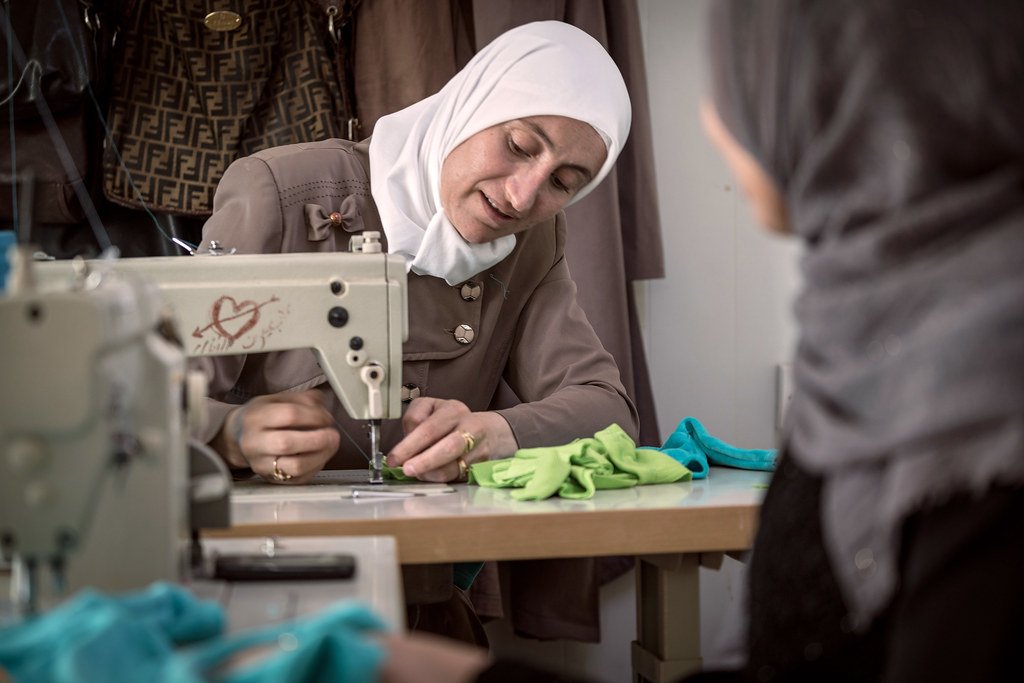
Syrian Refugee Learning To Sew. UN Women Gallery. CC BY-NC-ND 2.0
The Za’atari refugee camp has all of the components that make up a city, including 32 schools, 58 community centers and eight medical clinics. Despite all of this aid, there are still insufficient resources for the influx of refugees housed there. Less than a fifth of the population has current work permits. Many men work illegally to support their families. Many women are excluded from employment and have to fight against social norms that call for them to stay home. However, the camp has provided classes geared towards women to teach them basic skills to help them earn an income. The benefits of these classes is to restore routine in their lives, fight off cultural norms and aid in their mental healing. It also helps them regain purpose and become self-sufficient.
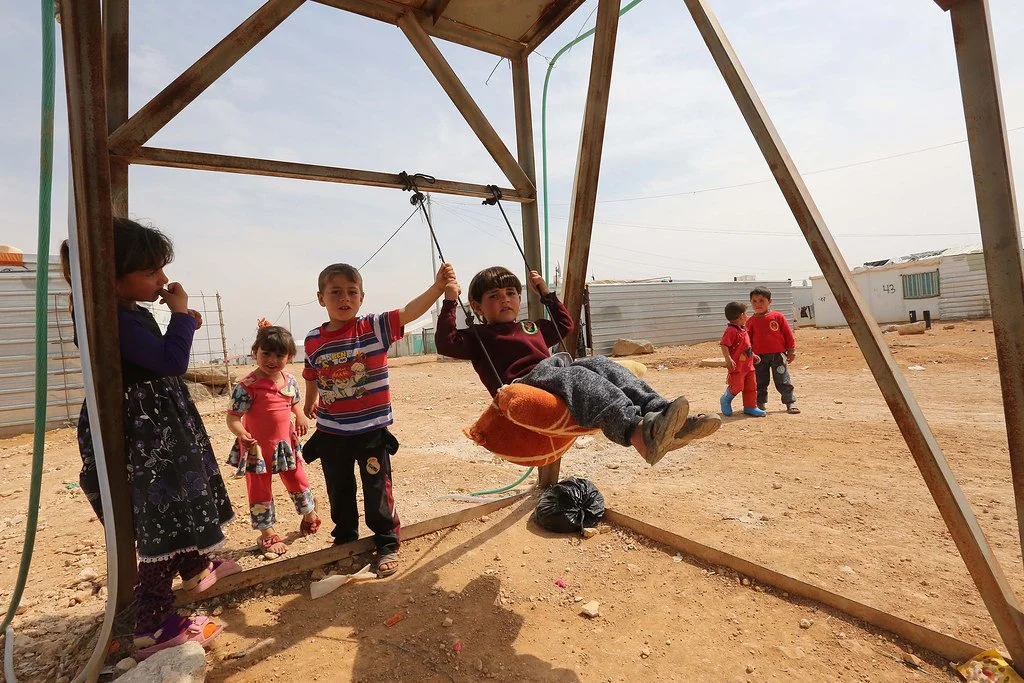
Children make up 58% of the population in Za’atari and an estimated 22,000 children are enrolled in school. They attend makeshift classes, but organizations are calling for an increase in financial aid. There is a need for more trained teachers and improved safety measures to facilitate the children’s access to class. Many girls face harassment and abuse as they walk to classes or as they walk back home. In addition, there’s a lack of resources for the children that need extra support in learning the material. The civil war has impacted where the children stand against their global peers in regards to education. Half of Syrian middle school-aged children are unable to read at a second-grade level and an average of 59% of middle school students could not do a second-grade math problem. In addition, only 1% of youth pursue higher education due to difficulty in obtaining transcripts, unfamiliar entrance exams, a language barrier and lack of funds.
The trauma experienced by both adults and children from the war and subsequently the resettlement process into another country, has led to a serious impact on the mental health of refugees. More than three-quarters of Syrian refugees have mental health symptoms. The violence, killings of loved ones and peers, destruction and frequent fear for their lives has caused PTSD, depression and anxiety, as well as intellectual and cognitive difficulties. To escalate the situation, there’s a stigma towards individuals with mental illness in Middle Eastern countries. Therefore, not many express the difficulties they face and the trauma they have experienced. The Za’atari camp offers mental health aid to the individuals and guides them towards healing so they are able to lead productive and mentally stable lives in the future.
The cost of keeping the 530-hectare camp operating every single day costs $500,000. Each person in the family (regardless of age) receives JOD 23 ($32) a month to cover food expenses. The money can be used in the two contracted supermarkets (Safeway and Tazweed) located in the camp or the four bread selling points. This allows the camp refugees to choose from a variety of produce to feed their families, bringing a sense of normalcy. Moreover, each family also receives 35 liters of water a day used for cleaning, drinking, eating and flushing the toilet. The water is filtered and chlorinated to meet the standards of tap water across Jordan. Water is brought in by dozens of tanker trucks or pumped from desert boreholes that directly feed water to the porta cabins. Electricity is provided through the solar power plant in Za’atari and has eased families' living conditions in the camp. It has improved their safety and security while facilitating food storage and allowing children longer hours to do their homework. The plant has helped save $5 million per year in electricity bills.
The Za’atari camp is a safe place where many aid workers and volunteers live. However, many forms of crime still exist: theft, violence, smuggling. Crime erupts as people are frustrated with their living situation and the limited resources available to them. There is little formal employment available within the camp. This results in refugees selling personal items, supplies received from organizations and, at times, prostitution. A young refugee girl said that she sells her body to support her family back home during the war. She makes, on average, $70 a day and although she fears persecution by Jordanian authorities, she explains that it’s her only way to help her family. Prostitution in Jordan is illegal and punishable. If foreign women and men are found guilty, they can be deported. Desperate families will at times sell their young daughters and forcefully marry them to men in the refugee camp.
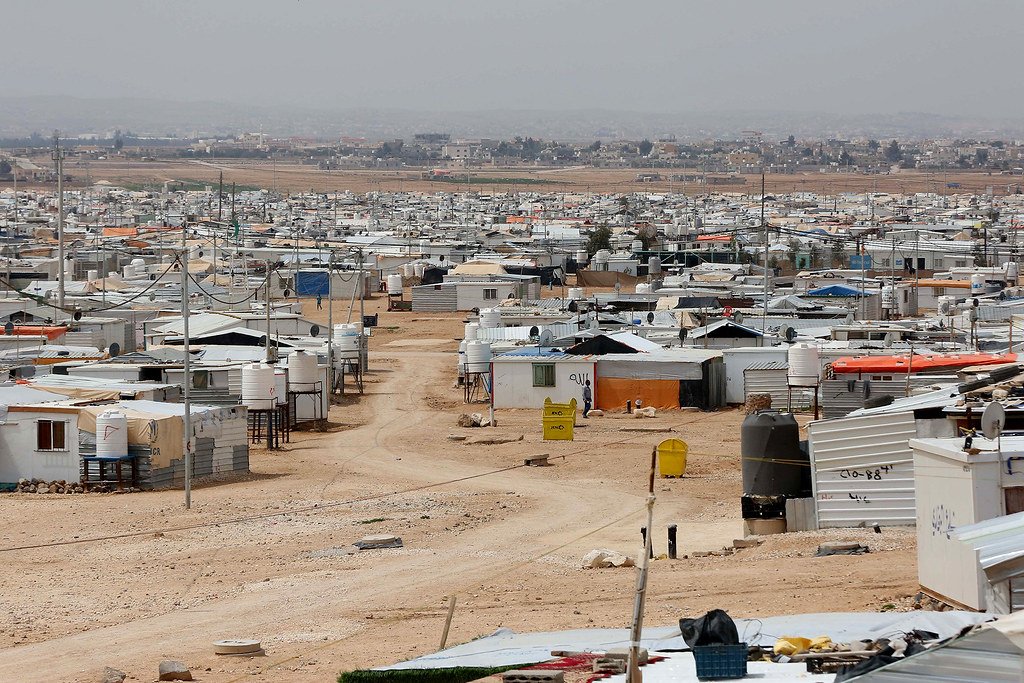
The camp will continue to host and support refugees through education, livelihood opportunities and work permits. This will alleviate the trauma and circumstances lived by many Syrians. The Za’atari leaders hope to return a sense of dignity to the refugees and bring opportunity to the camp inhabitants with the resources provided.
To Get Involved
UNHCR helps provide aid to Syrian refugees who have fled. They provide shelter kits and non-food items as well as protection services and psychosocial support to those who remain in Syria.
To learn more about UNHCR click here.
To support the Syrian refugees through UNHCR click here.
RELATED CONTENT:
PODCAST: Exploring Jordan with Yulia Denisyuk

Jennifer Sung
Jennifer is a Communications Studies graduate based in Los Angeles. She grew up traveling with her dad and that is where her love for travel stems from. You can find her serving the community at her church, Fearless LA or planning her next trip overseas. She hopes to be involved in international humanitarian work one day.
What Happens to Afghan Refugees Once They Flee?
People have been leaving Afghanistan for 40 years, hoping to escape conflict, violence, and poverty. The Taliban’s recent takeover has exacerbated the displacement and flight of Afghan people, but where do they go once they’ve left?
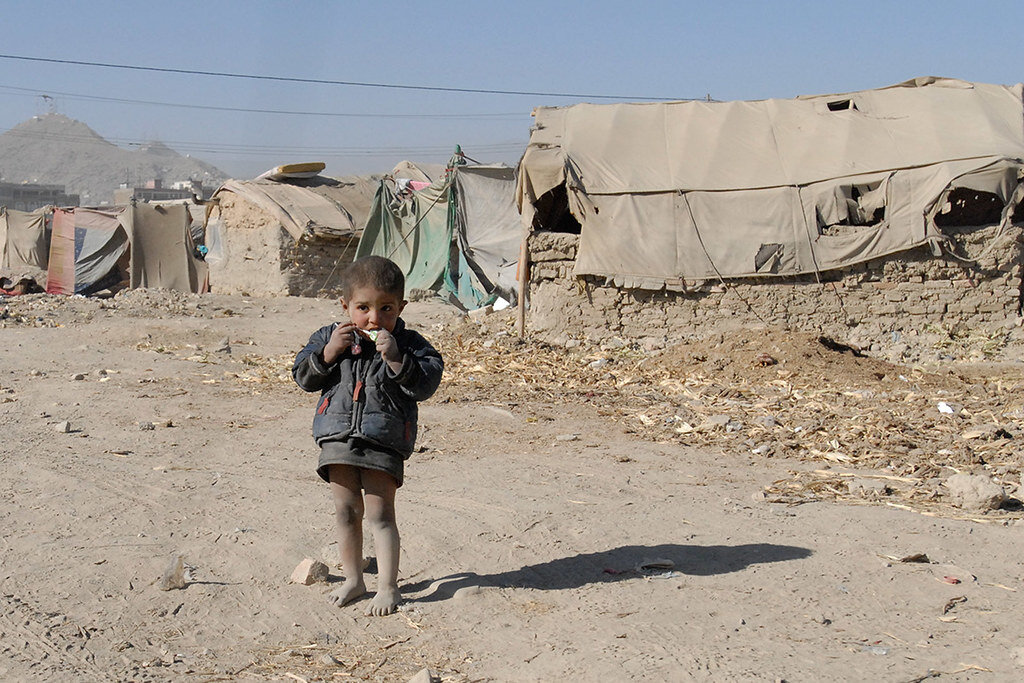
Why are people fleeing Afghanistan?
This year, 20 years after The Taliban was ousted from power in Afghanistan, the insurgent group regained control of the country. On August 15, Taliban forces took Kabul, the nation’s capital, with little resistance. Afghan President Ashraf Ghani fled the country, and the government collapsed, securing The Taliban’s position of power.
Following The Taliban’s seizure of Kabul and effective takeover of the country, tens of thousands of people fled Afghanistan, fearing their safety under Taliban rule.
Amnesty International reports that at present, there are over 2.6 million registered refugees from Afghanistan worldwide and more who haven’t been registered or who are asylum seekers (meaning they haven’t yet been legally recognized as refugees). People began leaving Afghanistan forty years ago, seeking refuge from conflict, violence and poverty. However, the recent Taliban takeover has escalated the amount of violence faced by people in Afghanistan and raised human rights concerns, especially over the treatment of women and girls.
The United Nations Refugee Agency predicts that up to half a million people could flee Afghanistan by the end of the year. As many as 125,000 people fled between August 16 and 26 during a multinational evacuation effort led by the U.S. military. However, more Afghans are still displaced and trying to escape Taliban rule.
What happens to Afghan refugees once they leave the country?
If Afghans can make it out of the country, what happens next varies. Those leaving via land borders often live in temporary refugee camps, like the ones set up by Iran and Tajikistan.
Pakistan and Iran have been the countries to take in the largest numbers of Afghan refugees in the past. However, this time, officials from both countries have said that they cannot take another large influx of refugees. Instead, they will be expected to stay in camps on the borders until they return to Afghanistan.
On August 16, the UNHRC issued a non-return advisory, meaning that no country can deport people to Afghanistan right now.
Some governments, such as Austria, Poland, Turkey and Switzerland, have made clear that they will not welcome any Afghan refugees and are upping border security to guard against anyone entering their countries illegally. However, other governments, such as France, Germany, Canada, Australia, the U.K. and the U.S., have pledged to host Afghan refugees and asylum-seekers.
United States
Axios reports that an expected 37,000 Afghan refugees will soon be entering the U.S., likely the first group of several. They will be sent to 46 states, excluding Hawaii, South Dakota, West Virginia and Wyoming, with California and Texas receiving the most people.
More than half of the Afghan refugees who have already arrived in the U.S. helped the U.S. officals and their families, some of whom hold Special Immigrant Visas. This next wave of 37,000 also includes many people regarded as U.S. allies, who either have an SIV or have applied for one.
Those refugees who are not eligible for an SIV can apply for other types of relief, such as asylum or a temporary visa. In additoin, they can still enter the U.S., even without a valid visa, if they have applied for humanitarian parole, which allows those facing an emergency or urgent humanitarian crisis to enter the country for a temporary period.
All Afghan refugees are eligible to apply for humanitarian parole and asylum, and they can also apply for a U.S. visa. However, those who have applied for either but have not yet completed the lengthy screening and interview process to receive clearance are being sent to third-party countries before they can enter the United States. Kosovo, Albania, North Macedonia and Uganda have agreed to temporarily host smaller numbers of refugees ultimately destined for the U.S.
When Afghan refugees arrive in the U.S., legal residents or U.S. citizens are tested for COVID-19 and then released to go to their destinations. Those who are not will be sent to military bases for processing, which includes a health screening and services such as help to apply for work authorization. After processing, these refugees are connected with a refugee resettlement agency.
Resettlement agencies, like RAICES in Texas, are funded by the U.S. Committee for Refugees and Immigrants. Resettlement agencies, using a $1200-per-person stiped, set up housing, including utilities and furniture, for the refugees, and enroll children in school and sign families up for social services programs such as Medicaid. The agencies also provide job skills training and help refugees with their job searches; they also help refugees adjust to their new homes through cultural orientation programs. In addition, some refugees qualify for monthly cash assistance, which the resettlement agencies also provide.
United Kingdom
The Home Office, the U.K.’s lead immigration department, has announced that any Afghans that worked for the U.K. government or British military can stay in the U.K. permanently. There are currently over 8000 Afghan refugees in the U.K., and many of those who were initially only granted temporary residency can now upgrade their immigration status and find permanent housing and jobs.
Right now, manyf Afghan refugees in the U.K. are living in hotels, but the government hopes to have them resettled more permanently soon. The government has developed two resettlement plans for Afghan refugees—the one currently in progress is known as Operation Warm Welcome, which provides support similar to that of U.S. resettlement agencies such as enrolling kids in school, registering refugees for healthcare and helping them to find housing. The second plan, the Afghan Citizens Resettlement Scheme, is a longer-term plan, aiming to take in an additional 20,000 refugees over the next few years.
The refugees who are not currently eligible for permanent residency can apply for a five-year visa; after the visa is up they can apply for permanent residence.
France
Between August 16 and 27, France evacuated over 2500 Afghans from Kabul, mainly activists. Many of these refugees left families behind in Afghanistan and now worry that they will be unable to reunite. France is notoriously slow at approving family reunification applications, with Afghans having to wait an average of three years before bringing their relatives. France’s president, Emmanuel Macron, has expressed concerns about a large influx of immigrants, saying that though France will continue to protect those who are most threatened under Taliban rule, “irregular migratory flows” need to be stemmed.
According to the European Resettlement Network, refugees who can enter France are granted a temporary, six-month leave to work and receive certain social services benefits. After that, all refugees are required to lodge an asylum claim, which, when approved, grants them official refugee status. After gaining refugee status, refugees may apply for French citizenship.
Challenges
Whether refugees are in camps or have found refuge in other countries, they often face challenges like unsanitary conditions, a lack of food and housing, and harassment from people around them. Though people leaving Afghanistan are safe from the more immediate dangers of conflict and violence, just leaving the country does not ensure their long-term well being.
Organizations like Refugees International and Amnesty International have put forth recommendations on how countries can best respond to the Afghan refugee crisis and better help refugees.
To Get Involved:
To learn how to support Women for Women International’s emergency relief fund, click here.
To get involved with the International Rescue Organization, click here.
To learn more about Afghan Aid, an organization that has been working in Afghanistan for nearly 40 years, click here.
Ways to help Afghan refugees are different depending on where you live, so consider looking into local and national organizations as well.

Rachel Lynch
Rachel is a student at Sarah Lawrence College in Bronxville, NY currently taking a semester off. She plans to study Writing and Child Development. Rachel loves to travel and is inspired by the places she’s been and everywhere she wants to go. She hopes to educate people on social justice issues and the history and culture of travel destinations through her writing.
The Immense Impact of COVID-19 on Global Poverty
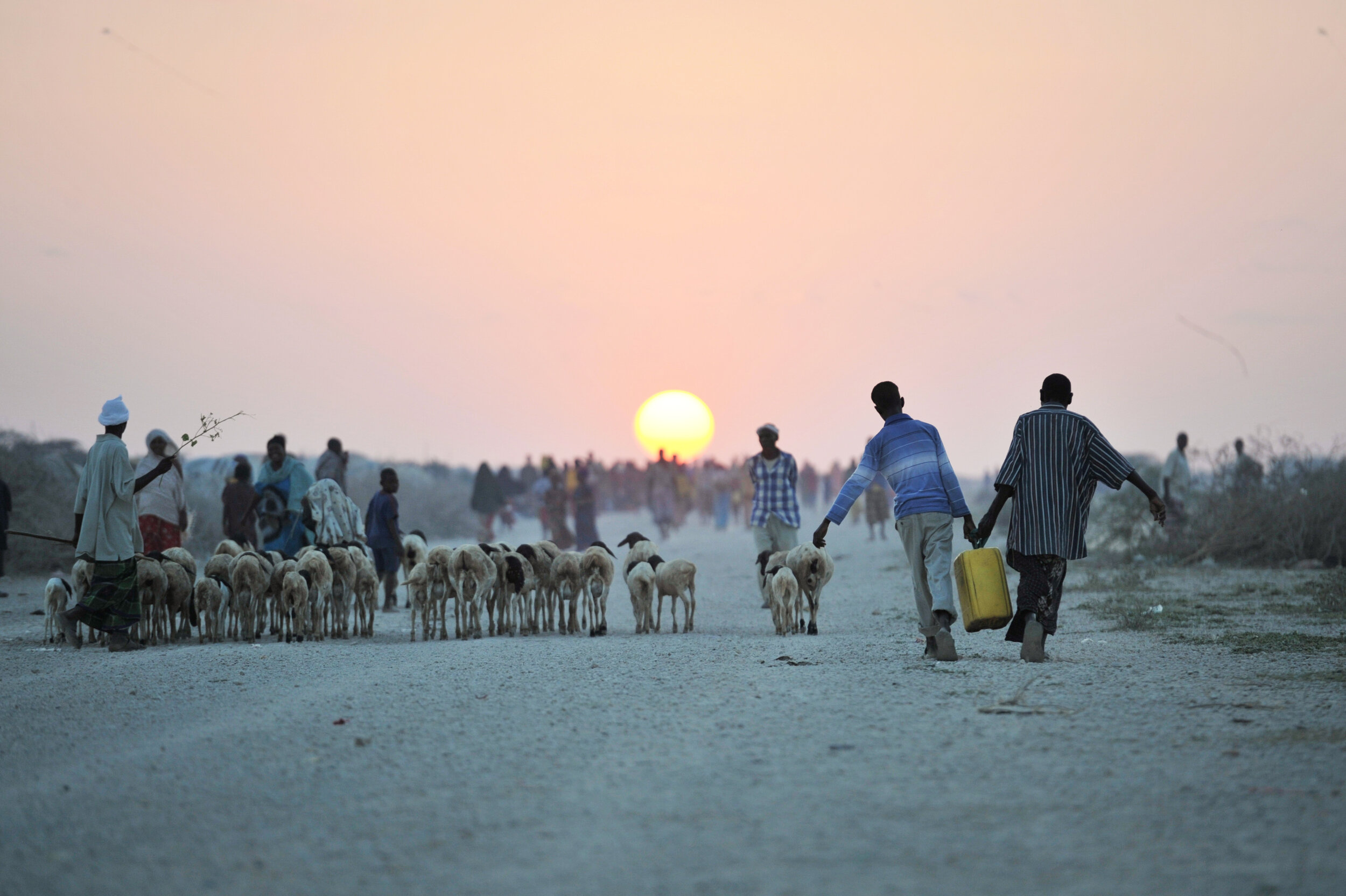
A pair of boys carry water near a refugee camp in Jowhar, Somalia. The COVID-19 pandemic has made conditions for marginalized groups such as refugees more dire. World Humanitarian Summit. CC BY-NC-ND 2.0
For the past 30 years, the world has been able to make immense progress in international development, with the amount of people living in extreme poverty (making below $1.90 a day) declining from 36% in 1990 to just 10% in 2015. The COVID-19 pandemic is reversing that. For the first time in three decades global poverty is on the rise, and up to half a billion people are now at risk of falling into poverty due to the coronavirus. Even more concerning is the matter of where the economic impacts of the virus are being felt the hardest, with the “global south” countries facing the highest risk of increased poverty for what could be years to come.
In 2015, the U.N. adopted the 2030 Agenda for Sustainable Development, which included 17 goals acting as guidelines for the sustainable and equitable development of all member states. Known as the “sustainable development goals” (SDGs), the international community hoped that they would act as a framework for reducing inequality and promoting economic development. Poverty reduction is at the forefront of this initiative, with SDG 1 calling for the end of global poverty. That goal will most likely not be achieved by 2030.
Even before the spread of the coronavirus, countries were not on track to completely eliminate poverty, with the U.N. estimating that 6% of the world population will still live in extreme poverty in 2030. Furthermore, the effects of the COVID-19 pandemic have made that goal even more difficult. In 2020 alone, more than 71 million people have fallen into extreme poverty, and millions more worldwide will likely fall into the same trap as the economic disruptions of the pandemic linger for years to come.
(T)he number of school-age children facing food insecurity has increased by more than 320 million
The aggregate numbers do not portray the full extent of the impacts of COVID-19 on international development. Regions already susceptible to extreme poverty are being hit hardest by the economic impacts of the pandemic. According to the United Nations University, a 10% contraction in global per capita income would cause between 180 and 280 million people to fall into extreme poverty. However, the situation becomes more dire when one considers where people are expected to face increased rates of extreme poverty. Again assuming a 10% contraction, it is estimated that up to 85% of those newly living in poverty would be located in sub-Saharan Africa or South Asia alone. These regions already face disproportionate levels of poverty relative to their populations. For example, the African continent accounts for only 13% of the world population yet makes up over half of those living in extreme poverty.
Those who were already at an increased risk for poverty, such as refugees, informal workers and those living in underdeveloped rural communities, are especially vulnerable to economic disruptions caused by the virus. The International Labor Organization estimates that between 5 and 25 million people could lose their jobs, which would create severe impacts for marginalized workers such as women and migrants. Additionally, the number of school-age children facing food insecurity has increased by more than 320 million according to the World Food Program.
The data shows a worrying trend that the international community must contend with to eliminate global poverty. Since the 1990s, the world has worked together to lift billions of people out of poverty and increase the global standard of living. Now, the COVID-19 pandemic has once again created a barrier to making a poverty-free future possible. The full extent of the virus’s impact has yet to be seen. However, what is already known is its effect on human livelihood, especially for those who are most at risk. The pandemic has created a new challenge for the international community if it wants to make extreme poverty a thing of the past. Yet, what can be achieved with global cooperation is immense, and the world’s vision for a sustainable future is still possible; it just might take a little bit longer than hoped for.

Aerex Narvasa
Aerex is a current student at Occidental College majoring in Diplomacy and World Affairs with a minor in East Asian Studies. He is passionate about sharing people’s stories through writing, and always strives to learn about new places and cultures. Aerex loves finding new music and exploring his hometown of Los Angeles in his free time.
Nonprofits Reach Syrian Refugee Children Through Education
As the Syrian refugee crisis enters its 10th year, children continue to suffer from mass displacement and a lack of educational opportunities.

Syrian primary schoolchildren. DFID. CC2.0
The Syrian refugee crisis is considered by many to be the most urgent humanitarian crisis of the decade. Since 2011, the conflict has displaced 11 million people through the destruction of countless homes, hospitals, schools and public buildings. An equally large number of Syrians require humanitarian assistance, over half of them being children. Many of these young children lack safe spaces to play, face childhood neglect and have witnessed horrific violence in their lives. Numerous children are at risk of developing toxic stress, which is a biological response that impedes growth and development when humans have experienced too much hardship.
However, with hardship also comes hope. Reaching children early and providing educational opportunities have been shown to alleviate toxic stress, allowing children to live productive and happy lives. However, educational resources for Syrian refugee children remain in short supply. Despite its importance in providing children a brighter and more stable future, education efforts only receive 3% of humanitarian aid annually. Additionally, many humanitarian organizations do not provide adequate educational resources for children to increase school enrollment.
Students in Syria start to drop out at the age of 12, when they are in secondary school. A study conducted on Syrian refugee children in Jordan showed that only 25% of students are enrolled in secondary school, citing a lack of safe transportation, limited educational resources available, poverty and limited professional opportunities as contributing factors. Children who drop out of school are at increased risk of experiencing hardship in their lives, including living in poverty, being subjected to child marriage and facing sexual violence. Adequate educational resources and child support are essential to help provide resilience and much-needed support for Syrian refugee children. Some nonprofit organizations are aiming to do just that.
Making a Difference in Syrian Refugee Children’s Lives
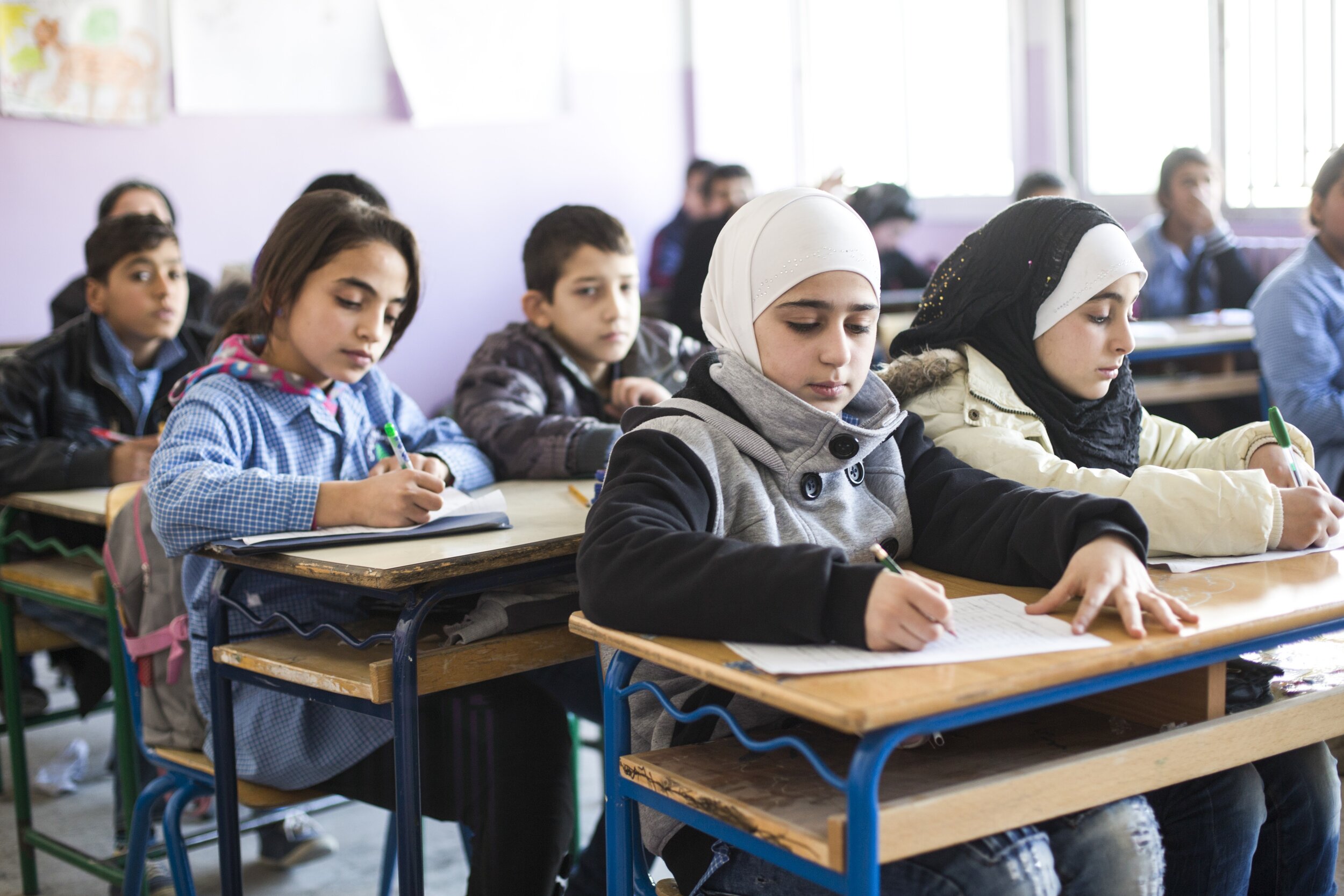
Syrian refugee children at a school in Lebanon. DFID. CC2.0
A new educational program developed by the International Rescue Committee (IRC) and Sesame Workshop aims to provide adequate educational resources for Syrian refugee children. Called Ahlan Simsim, which translates to “Welcome Sesame” in Arabic, the program aims to combine the IRC’s experience working in conflict zones with the TV show “Sesame Street,” which is known for its educational and nurturing effects on children. Program resources include safe spaces for young children to play, an Arabic-language version of ”Sesame Street,” parenting resources for caregivers, and partnerships with nonprofits and local governments to ensure child access to education. In light of COVID-19, educational programming takes place through WhatsApp and online video.
Ahlan Simsim provides children with skills in literacy and numeracy while helping them develop emotional resilience. For example, the program will teach students how to deal with difficult situations, understand their feelings and empathize with others. The program is a winner of the MacArthur Foundation’s 100&Change grant competition and is among the most ambitious early childhood development programs ever attempted by the humanitarian system. According to Sherrie Westin, executive vice president for global impact and philanthropy at Sesame Workshop, “The issue we are addressing is the greatest humanitarian crisis of our time. We know we can make a difference in the long term if we reach children early. Without that, there’s an entire generation at risk, and that has repercussions not just for their future, but for a more peaceful, stable world for all children.”
To Get Involved:
Check out this link to the International Rescue Committee’s webpage to learn more about the Ahlan Simsim initiative.
Megan Gürer
is a Turkish-American student at Wellesley College in Massachusetts studying Biological Sciences. Passionate about environmental issues and learning about other cultures, she dreams of exploring the globe. In her free time, she enjoys cooking, singing, and composing music.
Rising Tensions in Ethiopia’s Tigray Region Pose Dangers for Millions
The East African country has recently been overrun by natural disasters, COVID-19 and internal violence.
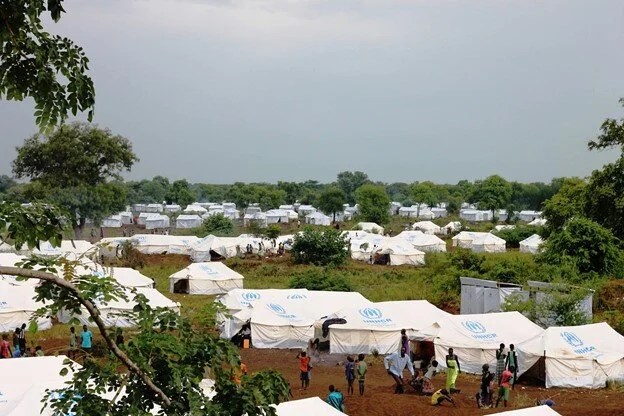
A refugee camp in Ethiopia. Oberhaus. CC2.0
Rising tensions in northern Ethiopia’s Tigray region pose a severe threat for the East African country and for stability across the Horn of Africa. Most urgently, the fighting places millions of people in danger and in dire need of humanitarian assistance.
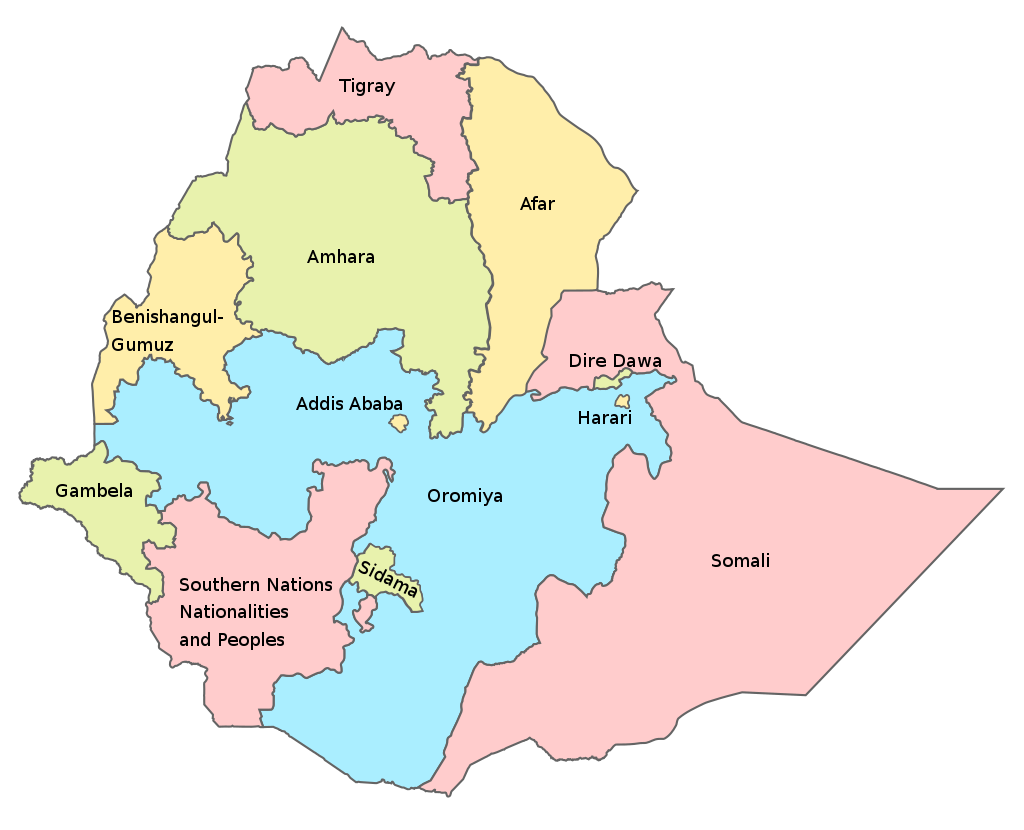
Map of Ethiopia’s regions, with Tigray in the far north. Jfblanc. CC4.0
An Overview of the Conflict in Tigray
Ethiopia, the largest and most populous country in the Horn of Africa region, is home to many different religions, languages and ethnic groups. The recent fighting is taking place in Tigray, Ethiopia’s northernmost region along the border with Eritrea. The conflict is between Ethiopia’s central government led by Prime Minister Abiy Ahmed and the Tigray People’s Liberation Front (TPLF). The TPLF came to power in 1991 and established a coalition where Ethiopia was divided into 10 distinct regions that each had political autonomy, allowing the TPLF to become a key player in Ethiopian politics. The TPLF remained in power for 27 years until rising concerns of political corruption and human rights abuses resulted in nationwide protests. As a result, Abiy Ahmed was elected the prime minister of Ethiopia in 2018 and began to reduce the TPLF’s power. While Ahmed advocates for a strong federal government that unites all Ethiopians regardless of ethnicity, the TPLF wants more political autonomy and sees Ahmed’s central government as a hindrance to the TPLF’s political agenda.
The current dispute began when the TPLF wanted to hold a regional election in September. Prime Minister Ahmed denied the request, since all national elections in Ethiopia were canceled due to COVID-19. Fighting began on Nov. 4 when Tigrayan forces were accused of attacking a military base belonging to Ahmed’s government. The violence in the region continues to escalate.
Abiy Ahmed is widely recognized for brokering peace and ending a military conflict with neighboring Eritrea, an effort that resulted in Ahmed receiving the Nobel Peace Prize in 2019. However the current escalating violence is causing the international community to raise its eyebrows. According to Kjetil Tronvoll, a scholar of Ethiopian politics at Bjorknes University College in Norway, “The Nobel Peace Prize has until recently shielded Prime Minister Abiy Ahmed from international scrutiny and criticism. However, the warfare on Tigray has opened the eyes of many diplomats to the way political power is wielded in Ethiopia.”
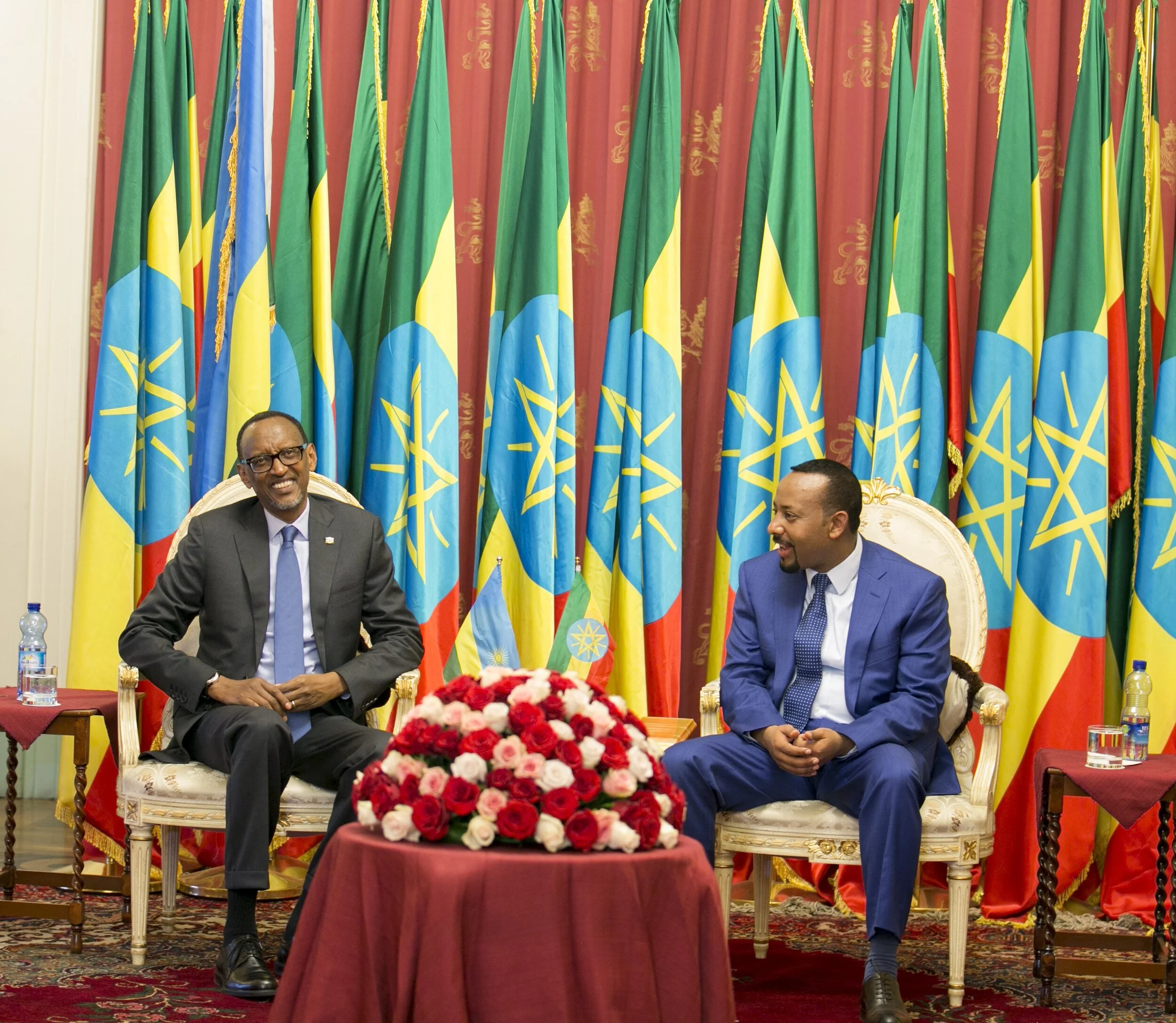
Rwandan President Paul Kagame (left) and Prime Minister Abiy Ahmed (right). Kagame. CC2.0
What is Happening Now?
On Nov. 28, the Ethiopian army gained control of the Tigrayan regional capital of Mekelle, with Prime Minister Ahmed declaring victory shortly thereafter. However, Tigrayan forces have yet to surrender. Since the conflict began, telephone, internet and road access to the Tigray region has been suspended, making it difficult to know what is happening on the ground. Shortly after Ahmed declared victory, rockets were fired at the Eritrean capital of Asmara, where according to the U.S. embassy, “Six explosions occurred in the city at about 10:13 p.m.” The Ethiopian government has declared a six-month-long state of emergency in the Tigray region. There is concern that the conflict could exacerbate ethnic division in other parts of Ethiopia, or even spread to neighboring countries such as Eritrea, Sudan and Somalia. With the conflict having no end in sight, it is unclear to predict whether current military efforts are enough to end the fighting.
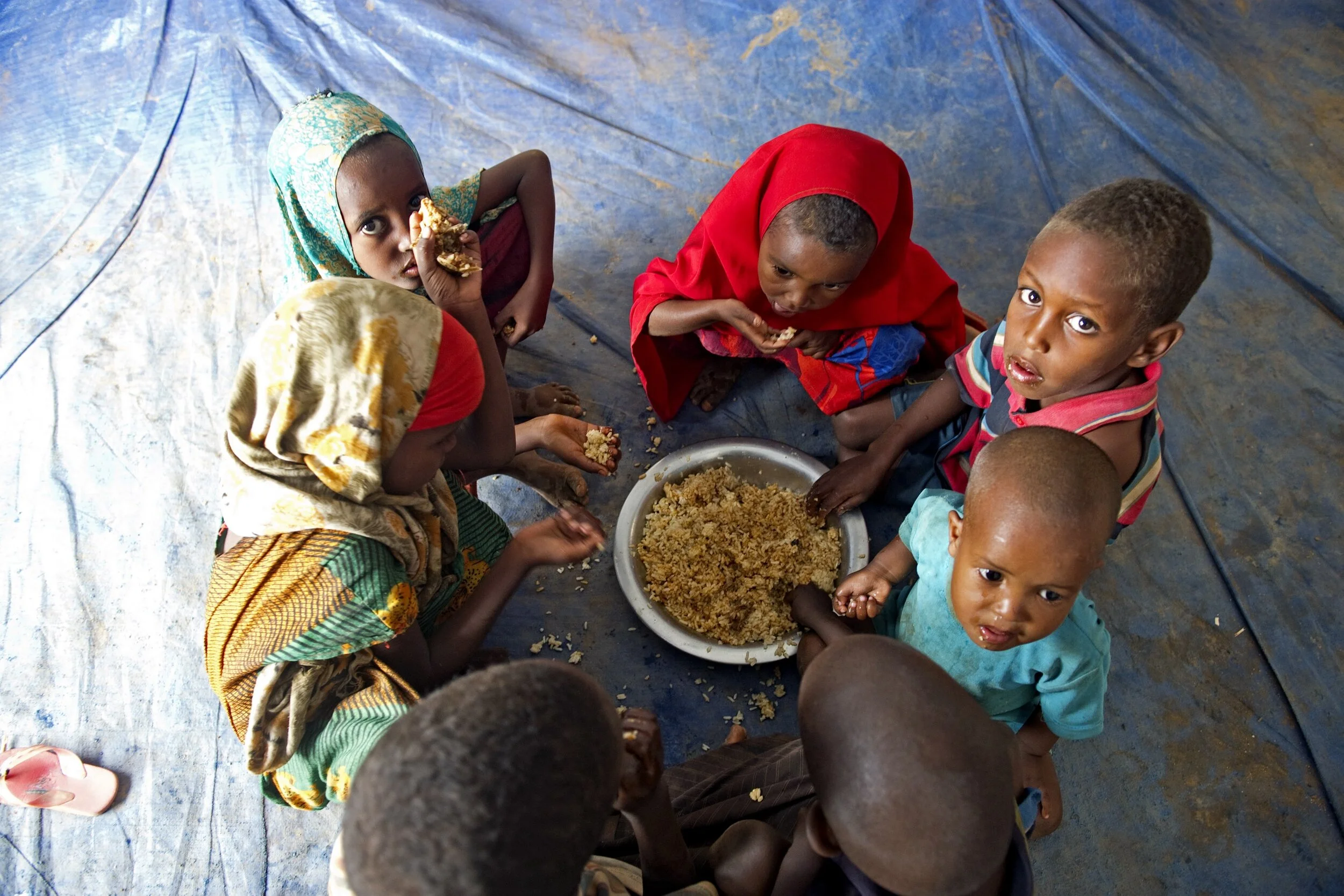
Refugee children in Ethiopia. United Nations Photo. CC2.0
Impact on Internally Displaced People and Refugees
Before the recent fighting broke out in Tigray, the region was already home to over 200,000 refugees, the majority coming from Eritrea. The current fighting is estimated to affect over 2 million people, with larger estimates of up to 9 million. As many as 43,000 have already fled to neighboring countries, with Sudan preparing to accept as many as 200,000 refugees. Thousands of people are internally displaced in Shire, near the border with Eritrea. Aid groups are urging the Ethiopian government to allow access to roads crucial to the Tigray region. This year has been especially difficult in Ethiopia, as a devastating locust outbreak, floods and the ongoing COVID-19 pandemic have ravaged the country. According to the International Rescue Committee, the most important thing that can be done by forces is to adhere to international law, ensure that schools, hospitals and homes are not targets, and allow humanitarian aid to get to where it is needed.
To Get Involved:
Check out the International Rescue Committee, a global aid and development organization providing crucial humanitarian assistance to communities in Tigray, here.
Click here to access the website of the United Nations High Commissioner for Refugees (UNHCR), which is working to establish a new shelter site for Tigrayan refugees in Sudan.
Megan Gürer
Megan is a Turkish-American student at Wellesley College in Massachusetts studying Biological Sciences. Passionate about environmental issues and learning about other cultures, she dreams of exploring the globe. In her free time, she enjoys cooking, singing, and composing music.
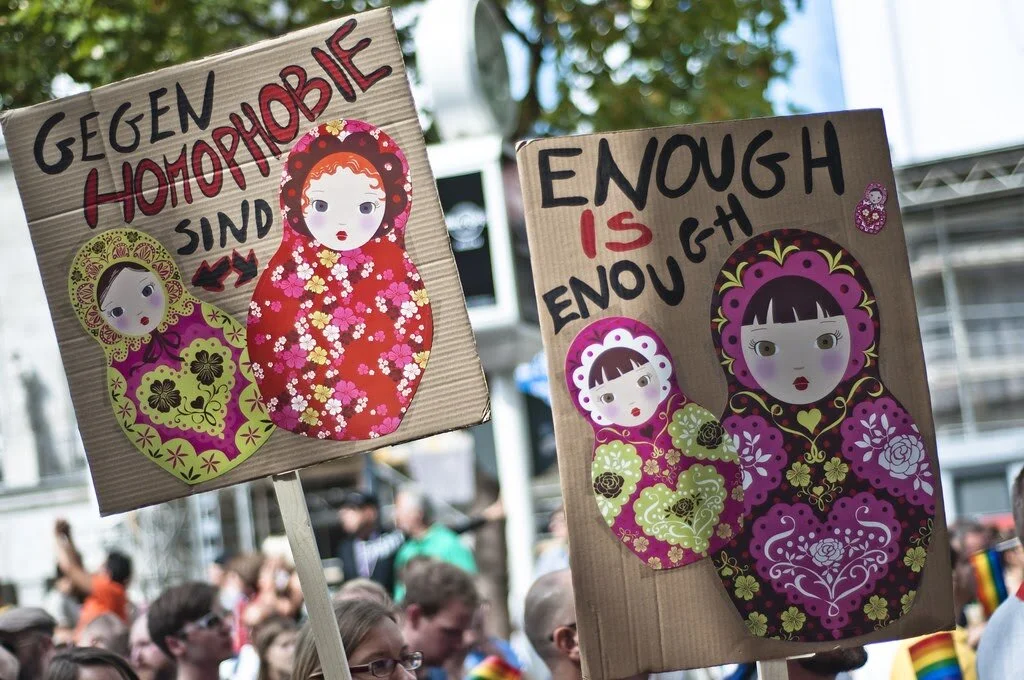
An anti-homophobia protest in Russia. Marco Fieber. CC BY-NC-ND 2.0.
Rainbow Railroad Gives Queer Refugees Hope
For over a year, Ray Reynolds slept in a hearse. Working at a funeral home in Montego Bay, Jamaica, he spent his life hiding from homophobic mobs threatening to torture and kill him. “Even though I worked at the funeral home, people still called that place and threatened me. ‘Oh, batty bwoy (a derogatory slur) I know where you is. When I’m coming for you, I’m coming with a tanka (tanker truck with bombs) to burn you out.’” The best hiding place he could find was a hearse; they would never expect to find him there. But Ray knew that if he stayed in Jamaica much longer, he would soon find himself in a coffin six feet underground.
He contacted Rainbow Railroad, and soon, they provided him transport to Spain, where he currently lives. Spain offered a starkly different environment for a gay man like Ray. “I’m free to walk. I’m free to be who I am. I’m free to be what I am.” Along with this newfound freedom, Ray can now experience aspects of queer life strictly forbidden in Jamaica. “I see drag queens, gay people, trans people—everyone together—just having a drink at the bar. Nobody cares!”
Ray is one of more than 800 individuals from 38 different countries to receive assistance from Rainbow Railroad. Founded in 2006, the Toronto-based charity helps LGBTQ+ people escape violence and persecution in their home countries. After reviewing thousands of applications for assistance, Rainbow Railroad has built a worldwide network to lend aid to queer people in need and contribute to LGBTQ+ activist organizations abroad.
Much of its work has focused on Jamaica. In 2006, Time magazine named the Caribbean country “the most homophobic place on earth.” Buggery and anti-sodomy laws that criminalize homosexual intimacy are still on the books. Though they are rarely enforced, these laws buttress Jamaican society’s systematic marginalization of queer individuals. LGBTQ+ individuals face mob violence and constant death threats, many coming from the police force. To escape persecution, they travel from town to town, rarely able to settle in one place and hold a steady job. This, coupled with the expulsion from families that many queer Jamaicans face, has driven many to homelessness. Forced to live away from virulent homophobia, many live in sewers.
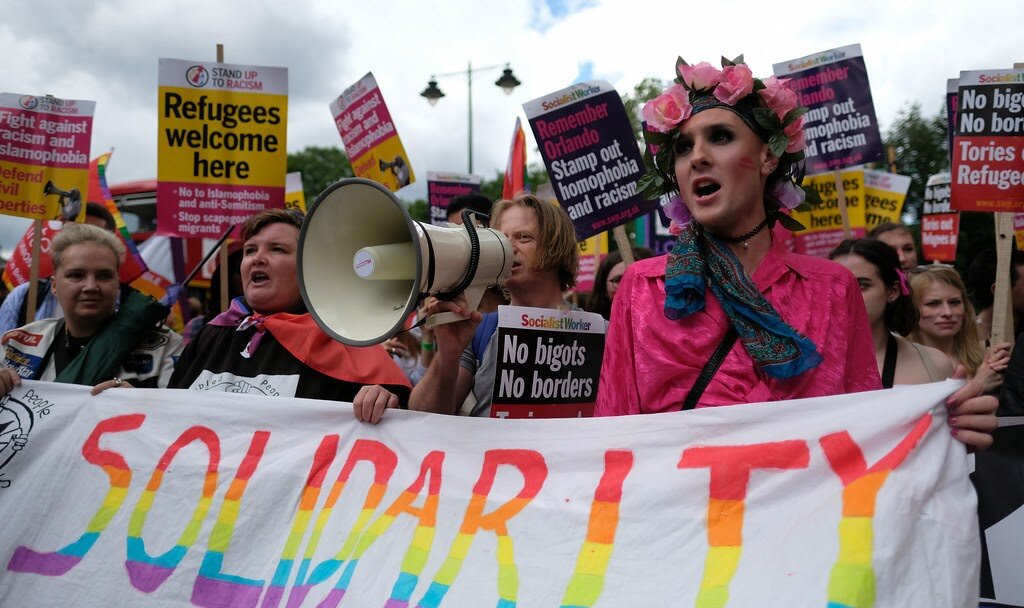
40% of the requests Rainbow Railroad receives originate in Jamaica; 300 individuals have been relocated in the past two years. Activist groups on the ground have proven invaluable for the mission of Rainbow Railroad. Upon receiving a request for aid, the person’s identity must be verified and aid given in the requisite areas, including everything from plane tickets and hotel stays to housing assistance and legal representation in the refugee application process.
This process can take up to a year, and the average cost per person is $7,500. Surprisingly, Rainbow Railroad receives no money from the Canadian government, relying instead on private donors. Some donors make contributions in the thousands, but others make small donations through the website or become monthly donors.
The charity first received widespread attention in 2017 when it was one of the first international organizations to take action against the anti-LGBTQ+ purge in Chechnya. Led by Ramzan Kadyrov, the police, military and other state actors began capturing gay men at random and transporting them to detention facilities where they were tortured, raped and sometimes killed. Working with the Russian LGBT Network, Rainbow Railroad helped locate individuals in need and co-funded safe houses where queer individuals could live safely while the logistics of escape were handled. To date, 70 individuals from Chechnya, the Caucasus and Russia have been relocated thanks to Rainbow Railroad.
The charity’s work will become all the more necessary in the coming years. Communications director Andrea Houston notes that the amount of requests has been steadily increasing year after year as populism and authoritarianism flourish worldwide. “Unfortunately,” Houston said, “populism seems to be a winning political strategy right now, and the ones who receive the short end of the stick are marginalized people.”
Simultaneously, the COVID-19 pandemic has upended the lives of countless queer individuals. Bans on travel stranded queer refugees in their home countries. Lockdown measures gave police the license to target queer people and punish them unequally and disproportionately for lockdown violations. The growth of the state in many nations has allowed homophobia to become more embedded and systemic. For the time being, Rainbow Railroad will have to run nonstop in the fight against discrimination.
Michael McCarthy
is an undergraduate student at Haverford College, dodging the pandemic by taking a gap year. He writes in a variety of genres, and his time in high school debate renders political writing an inevitable fascination. Writing at Catalyst and the Bi-Co News, a student-run newspaper, provides an outlet for this passion. In the future, he intends to keep writing in mediums both informative and creative.
A Taste of Home: Holding on to Food Culture as a Syrian Refugee
What does it feel like to lose your home and start your life again in a foreign land with a foreign culture? How would you anchor yourself to feel safe? How would you find the familiar in so much unfamiliar?
A Taste Of Home is a recipe book created by refugee families across Lancashire who have had to live through the unimaginable venture of fleeing home. The book shows just a small glimpse of how they have begun to rebuild and recenter their life while honoring the homes they’ve lost.
Food, family and friends are at the core of Syrian culture; and what better way to honor the land they've let than by sharing good food with others.
This one of a kind cookbook is now available to for order at mezepublishing.co.uk/product/a-taste-of-home-available-to-pre-order/
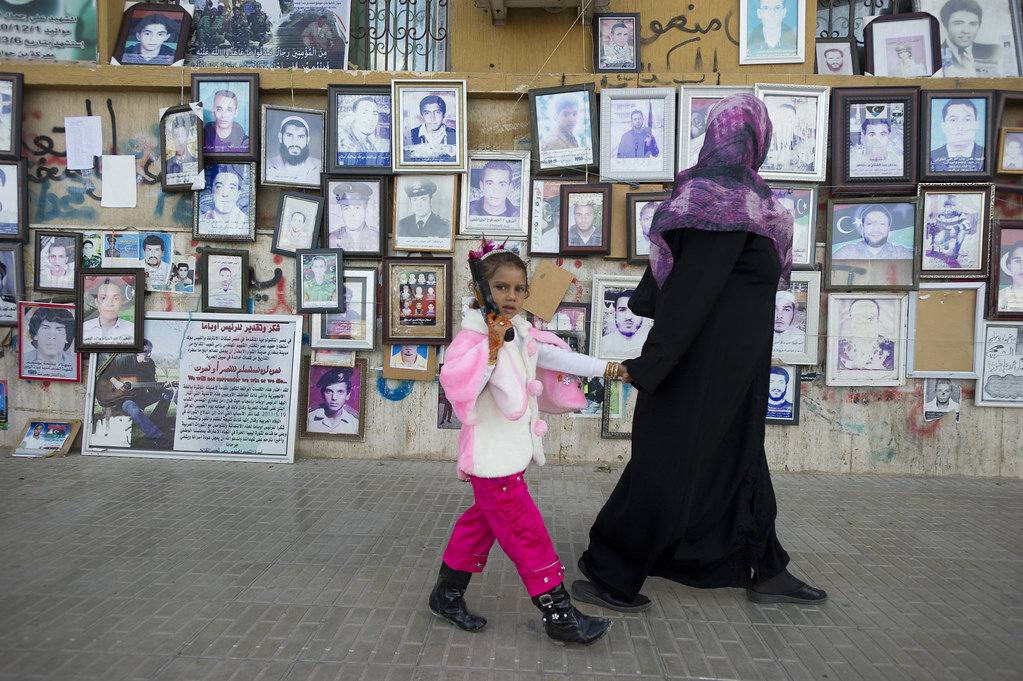
While playing with a toy gun, a child passes a memorial for civilians killed in the Libyan civil war. Teutloff Museum. CC BY-ND 2.0
Nearly a Decade of Strife in Libya
After the overthrow of then-leader Moammar Gadhafi in 2011, Libya has been in a constant state of political unrest. Since 2014, the Government of National Accord (GNA) and the Libyan National Army (LNA) have sought control over the country, sparking a destructive civil war. Based in the Libyan capital, Tripoli, the GNA is recognized by the United Nations. Allied with General Khalifa Hifter, the Benghazi-based LNA receives aid from Russia, France and the United Arab Emirates.
Libyan civilians have endured chaos, including shelling near the front lines, injuries from explosive devices and abductions for ransom. The United Nations High Commissioner for Refugees estimates that 1.3 million Libyans require urgent humanitarian assistance.
Armed Conflict and War Crimes
Weapons proliferation has been a major security concern in Libya, as allied countries provide the GNA and LNA with advanced military equipment. State-provided arms transfers make Libya a volatile battleground. Currently, the country has the world's largest uncontrolled ammunition supply, with an estimated 150,000 to 200,000 metric tons of uncontrolled munitions. Yacoub El Hillo, the U.N.’s resident and humanitarian coordinator in Libya, announced, “The increasing use of explosive weapons has resulted in unnecessary loss of life, displacement, destruction and damage to vital civilian infrastructure.” The Islamic State group has also used the country as a hub to coordinate broader regional violence, further complicating efforts to create a united government.
In April 2019, Khalifa Hifter’s forces attacked Tripoli, resulting in over 1,000 fatalities. As General Hifter continues his campaigns, the International Criminal Court (ICC) warns of potential war crimes, including mass murder, desecration of corpses and kidnappings. In a statement to the U.N. Security Council, chief prosecutor Fatou Bensouda accused the LNA of targeting innocent civilians: "Of particular concern to my Office are the high numbers of civilian casualties, largely reported to be resulting from airstrikes and shelling operations. Intentionally directing attacks against the civilian population or against individual civilians not taking direct part in hostilities is a war crime under the Rome Statute. Likewise, the Rome Statute prohibits the intentional directing of attacks against hospitals and other buildings protected under international law, such as those dedicated to religion or education, when they are not military objectives."
Civilian Victims and Internal Displacement
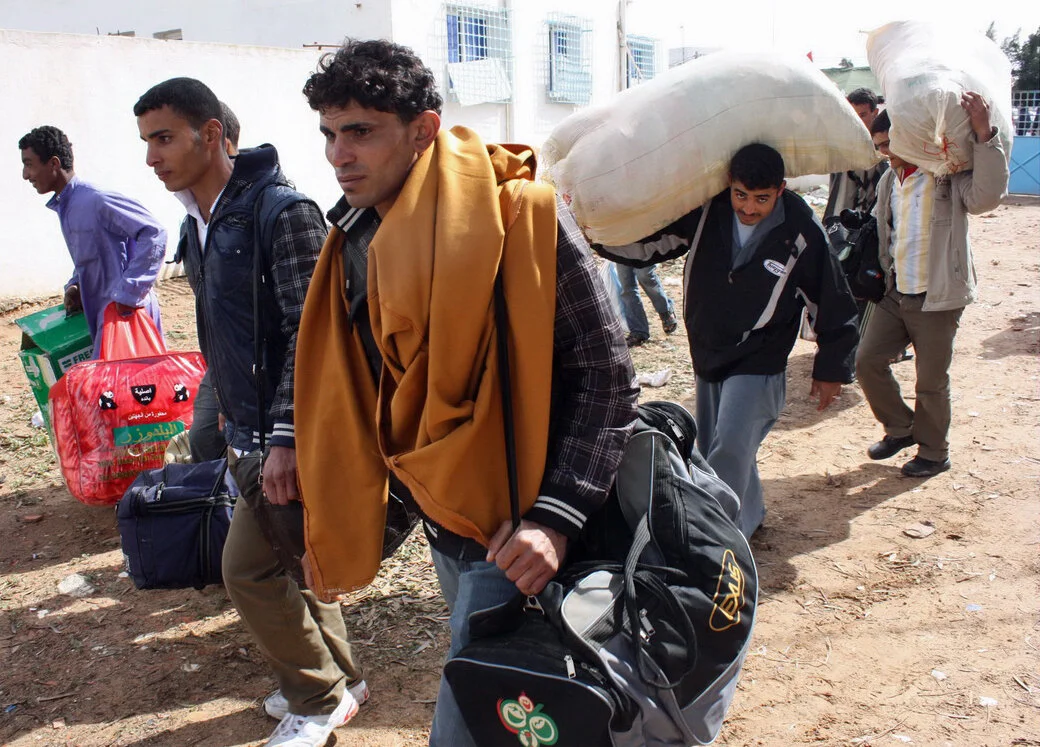
Displaced civilians flee their homes in Libya. Magharebia. CC BY 2.0
Due to ongoing conflict, nearly 400,000 Libyans have been forced to flee their homes and are now internally displaced. According to UNICEF, Libyan hospitals and schools serve as shelters for thousands of displaced civilians around Tripoli. Yet, with military forces continually targeting these makeshift shelters, Libyans face inadequate access to health care, essential medicines, food, safe drinking water and education. School has been suspended indefinitely for nearly 200,000 children, leaving them susceptible to abuse, human trafficking and violence.
Given the lack of eyewitnesses and credible reports, experts can only estimate the total number of fatalities since 2011. Small Arms Survey, a research-based organization, suspects that approximately 27,000 people have perished in the nine-year-long dispute.
Migrants, Refugees and Asylum-Seekers
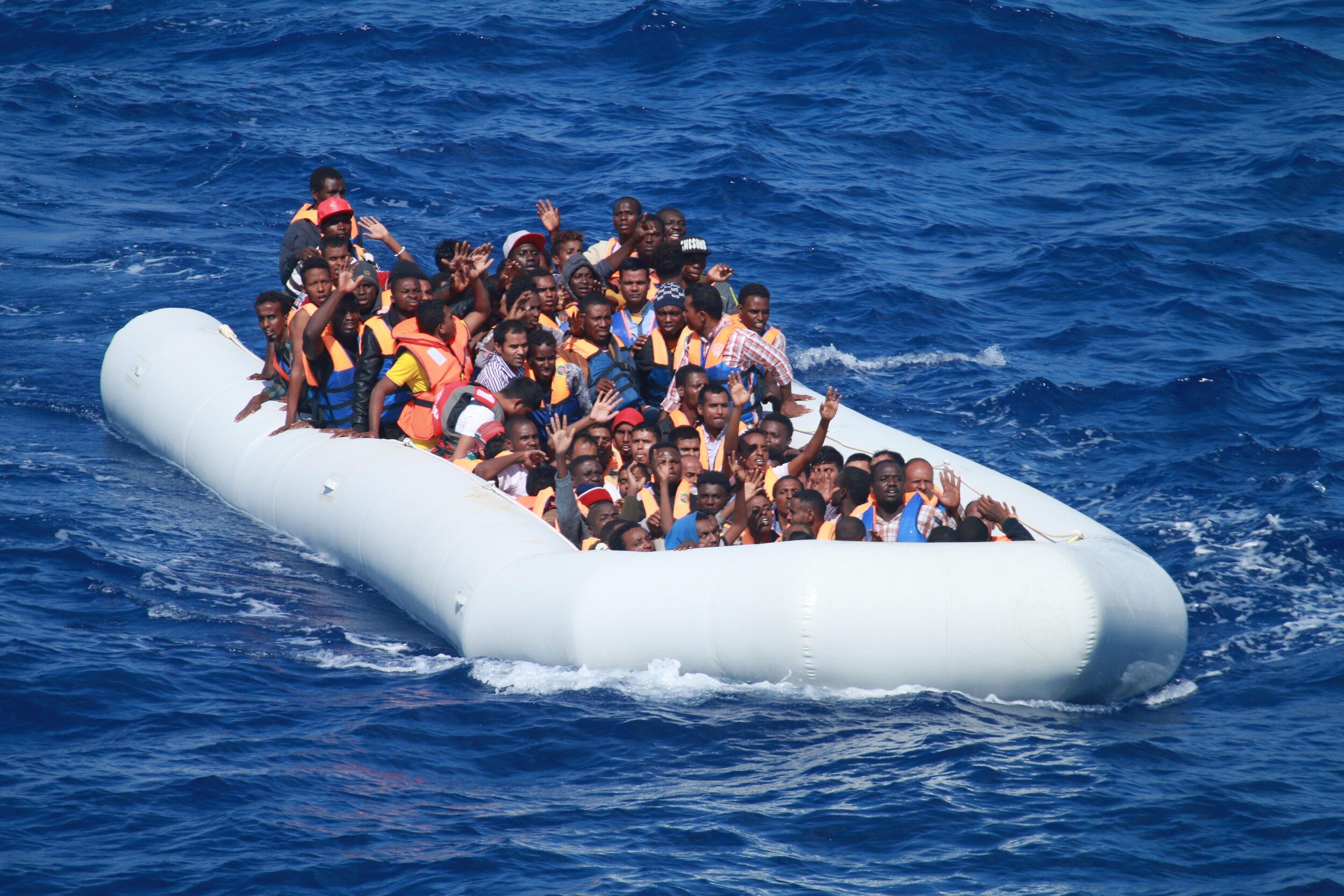
Migrants aboard an inflatable vessel in the Mediterranean Sea. Commander, U.S. Naval Forces Europe-Africa/U.S. 6th Fleet. Public Domain.
Within this war-torn nation, there are currently 654,000 migrants, refugees and asylum-seekers, mainly from sub-Saharan Africa. Approximately 90% of people crossing the Mediterranean Sea to Europe depart from Libya. Migrants and asylum-seekers who are captured at sea and returned to Libyan territory are detained in centers run by the GNA’s Interior Ministry, where many suffer inhumane conditions including sexual violence, extortion and forced labor. While the GNA manages formal migrant detention centers, smugglers and traffickers run numerous informal facilities. “Those interned there, mainly refugees, keep dying of diseases and hunger. They are victims of violence, rape and arbitrary treatment at the hands of militias,” said Julien Raickmann, Doctors Without Borders (MSF) chief in Libya. Since January, more than 4,000 migrants have been intercepted at sea and returned to Libya, while hundreds have disappeared altogether. Despite threats of detention, migrants and asylum-seekers still venture to Libya, hoping to reach Europe.
Humanitarian Relief
After nine years of instability, thousands of Libyan civilians and migrants face displacement, malnutrition and violence. The U.N. Office for the Coordination of Humanitarian Affairs (OCHA) launched the 2020 Humanitarian Response Plan, which pledges $115 million in relief efforts. Protection is at the core of this plan, as well as the provision of food, shelter, health care, water and sanitation. The U.N.’s refugee agency, UNHCR, will also work at 12 disembarkation points in Libya to aid and protect migrants, refugees and asylum-seekers. At detention centers, they will provide humanitarian assistance and mitigate maltreatment. These organizations seek durable solutions to prevent another decade of turmoil.

Shannon Moran
Shannon is a Journalism major at the University of Georgia, minoring in English and Spanish. As a fluent Spanish speaker, she is passionate about languages, cultural immersion, and human rights activism. She has visited seven countries and thirty states and hopes to continue traveling the world in pursuit of compelling stories.
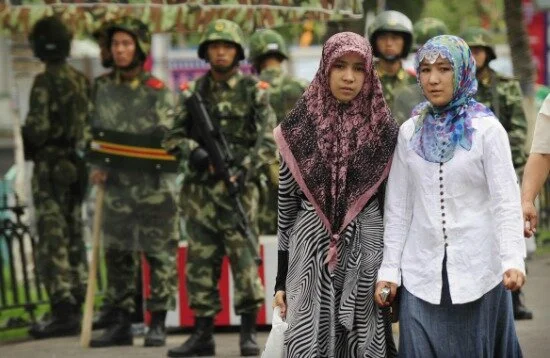
Chinese soldiers entering a Uyghur community. Peter Parks. CC 2.0.
US Calls for Action Against Chinese for Treatment of Uyghur Muslims
Last week, the U.S. Senate passed the Uyghur Human Rights Policy Act of 2020 to seek justice for Uyghur Muslims forced into labor camps in China.
It is believed that the Chinese government’s placement of Uyghur Muslims in labor camps in Xinjiang province represents the largest mass detention of people since World War II. However, since 2017, there has been an international investigation into the matter. It is estimated by the United Nations that approximately 2 million Uyghurs have been placed into at least 28 camps.
Yet, when questioned about this activity, the government denies wrongdoing and explains that the purpose of the camps is vocational training for the minority group to increase its participation in the economy. The government staged a press conference of alleged former “civilians” who were at the camps to show that the camps helped transform their lives and ideologies. By transformation, it is implied that they were taught to give up Muslim practices and take on more “modern” Chinese ways. Family members who are living outside of China have spoken out against Chinese statements and helped expose the torture that may actually be taking place in these modern-day concentration camps.
The Uyghur people make up 60% of Xinjiang’s population, but are a minority in the rest of China. Specifically, they are of Turkish descent, and are often labeled as terrorists and religious extremists by the Chinese government. The name “Uyghur” is actually an umbrella term for multiple Muslim minorities that have been singled out. Many of those who have been targeted have been forcibly detained for reasons such as facial hair or even clothing.
In November 2019, United States senators called for sanctions against Chinese leaders for the detention of Uyghurs. However, due to the impeachment hearings of President Trump, the bill failed to get past the Senate floor. The U.S. is not the first country to bring attention to this human rights crisis. Xinjiang province sits along the path of China’s Belt and Road Initiative, a plan to expand trade throughout Asia and Europe by essentially revamping the Silk Road. The human rights violations against the Uyghurs have given pause to some countries about joining the project.
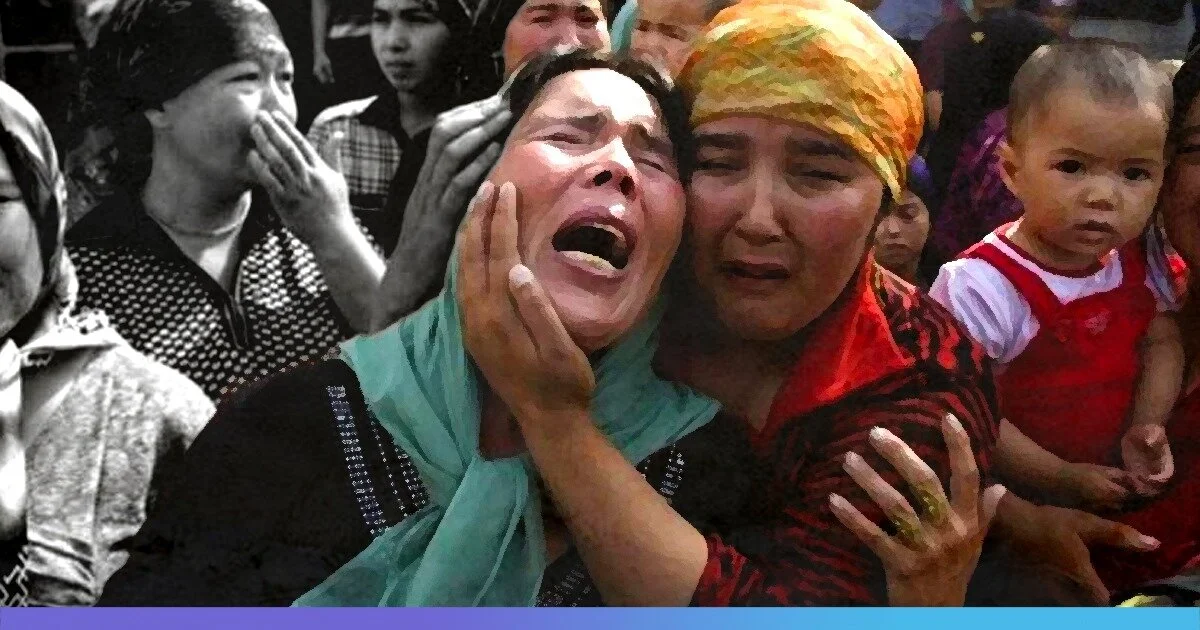
Uyghur women grieving over those who have been forcibly taken by Chinese government. Han Guan. CC 2.0
On May 14, the U.S. Senate passed the Uyghur Human Rights Policy Act of 2020. If enacted by President Trump, it would establish sanctions against China and its officials who are held responsible for inhumane acts ranging from the kidnapping of Muslims to the high rates of abuse and death taking place in the camps.The sanctions include placing restrictions on imports of goods made at these camps as well. The State Department would also be tasked with compiling a report detailing the conditions of these camps, which would be separate from the annual Human Rights and International Religious Freedom documents.
In light of the COVID-19 pandemic, Senate Republicans have taken up an agenda that questions many of the Chinese government’s practices. The Uyghur Human Rights Policy Act of 2020 is only one of many issues the U.S. is bringing up.
This is not the first case of Muslims being targeted in Asia. Back in August 2017, Rohingya Muslims faced persecution in Myanmar by the country’s Buddhist majority government on claims of terrorism, just like the Uyghur people. Similar to China, Myanmar’s government also refused to take responsibility for its actions.
Eva Ashbaugh
is a Political Science and Gender, Sexuality, and Women's Studies double major at the University of Pittsburgh. As a political science major concentrating on International Relations, she is passionate about human rights, foreign policy, and fighting for equality. She hopes to one day travel and help educate people to make the world a better place.

“Uighur Women” by Sean Chiu is licensed under CC BY-SA 4.0
The Coronavirus Brings Added Concern For Uighur Muslims
More than 200,000 Uigher Muslims from northwest China have been forced into re-education camps (akin to concentration camps), where they experience forced labor, political indoctrination and even torture. These groups are now at high risk for Covid-19 due to overcrowding and poor ventilation in the camps.
Read More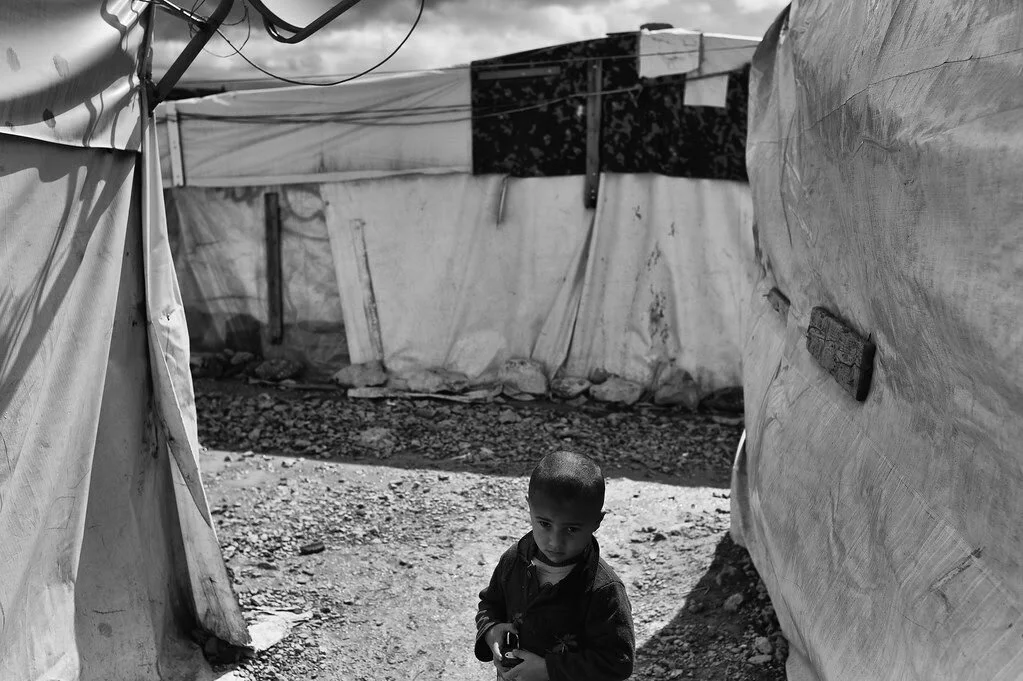
“A displaced child in a Syrian refugee camp.” Plus8gmt. CC BY-ND-NC 2.0
Covid-19 Crisis Management in the Face of Syria’s Ongoing Refugee Crisis
Refugee populations and internally-displaced persons are increasingly at risk of infection during the growing Covid-19 crisis. Focusing on Syria’s refugee and informal settlement populations, organizations such as the International Rescue Committee have begun to outline and employ a strategy for crisis management among these incredibly at-risk populations.
Escalating concerns about rapidly-rising case counts, economic shock, and ill-equipped hospital facilities have dominated the majority of front-page coverage of the novel Coronavirus, or Covid-19. Noticeably absent from much of the discussion is a critical locus in dire need of crisis response efforts: refugee camps and settlement populations, especially those that have developed in and around Syria in the nine years of violence, beginning in 2011.
Even among the ruling classes, the Middle East has been hit incredibly hard by the virus; as many as 150 members of the Saudi royal family are known to have contracted the virus.
So far, Syria has reported 29 cases of the novel coronavirus, resulting in two fatalities. However, a critical dimension of the rapidly-evolving Covid-19 crisis is the lack of adequate testing resources, even in countries typically looked to as leaders in crisis-management and resilience, such as the United States. Consequently, with so many internally displaced persons and a crippled healthcare system, it is difficult to say exactly how many cases of Coronavirus are actually present in Syria. Given the crowding and scarcity of resources in refugee camps and informal settlements, the ever-growing risk of Covid-19 infection among these communities has been labeled a “death sentence” for refugees.
Moreover, as of Tuesday, April 14th, President Trump announced a freeze in the $400 million provided yearly to the World Health Organization by Washington. Global health officials are urging the President to reconsider, given the state of the global emergency. The WHO has partnered with the Syrian Ministry of Health in order to provide protective equipment, testing resources, as well as services such as isolation and contact tracing. The majority of recent WHO efforts have been concentrated in Northwest Syria, home to the last opposition stronghold, and as a result, the most violence and internal displacement.
In a recent interview with Isaac Chotiner of The New Yorker, David Miliband, former Foreign Secretary for the U.K and current President and C.E.O. of the International Rescue Committee, outlined the critical dimensions of crisis response in refugee camps along Syria’s borders and informal settlements concentrated in urban areas. In his interview, Miliband emphasizes the importance of information campaigns designed to reach all corners of at-risk populations, which fight disinformation and spread facts regarding best health practices in the face of the virus.
Taking notes from failures and successes of the ongoing Ebola crisis, Miliband also extols the importance of trust in crisis response. In order to foster this sense of trust inside camps and settlements, the IRC employs local staffers, and opens its health facilities to members of the population surrounding the refugee camps and informal settlements. By opening the facilities to all members of the local population, the IRC is able to foster cooperation and reduce social strain. Moreover, because the virus cannot be contained, in providing services to all in need to the best of its ability, public health responders such as the IRC are able to ultimately reduce the number infected inside the at-risk refugee camps.
It is this sense of cooperation which Miliband outlines as another pillar of effective crisis response: both in a cross-organizational sense when considering local hotspots of crisis relief, as well as in a global sense. As Miliband acknowledges, it is not necessarily unreasonable for a nation to prioritize its own citizens, but, put simply, viruses know no borders. As Miliband goes on to say, “To my mind, Covid-19 is a disease of the connected world, where all of us are only as strong as the weakest link in the chain, where the only solution has got to be a universal solution.” It is then only through collaboration, not protectionism, that the risk of widespread infection can be mitigated among refugee communities in and around Syria.

Hallie Griffiths
is an undergraduate at the University of Virginia studying Foreign Affairs and Spanish. After graduation, she hopes to apply her passion for travel and social action toward a career in intelligence and policy analysis. Outside of the classroom, she can be found, quite literally, outside: backpacking, rock climbing, or skiing with her friends.