
Jamaicans have no legal right to access most of their own seashore, but a movement is brewing to assert a claim to their natural resources.
Read More5 Water Adventures Worth Experiencing in Jamaica
Beyond its famous beaches and reggae heritage, Jamaica boasts a diverse mix of natural aquatic attractions.
Read MoreFrom Mento to Reggae: Jamaica's Vibrant Music Scene
Captivating melodies, profound stories, and deep cultural ties have woven a musical tapestry unique to the Caribbean nation.
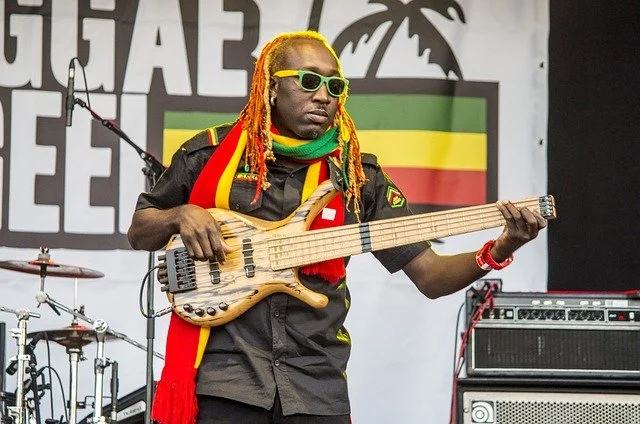
Reggae concert. Image by Yardie.
In the early 1900s, Jamaican music underwent a transformative journey influenced by myriad cultural expressions. Rooted in the rich traditions of African folklore, Anansi stories of the eponymous trickster/spider god Anansi took center stage, captivating listeners with hypnotic chants to enchanting stories. Over time, these stories evolved into the rhythmic beats of digging signs sung by field workers, resonating with the experiences and unity of working-class Jamaicans. During the same period, ring tunes’ for kids and dancing tunes’ joyous melodies and communal spirit became an integral part of the music scene, encouraging lively community dances and bringing people together. Jamaica’s rhythmic interplay and narrative-driven art, the cultural influences of Anansi stories, digging sings and ring tunes played a pivotal role in shaping the evolving sounds of Jamaican music, laying the foundation for the genres that would continue to capture the people’s triumphs, struggles, and celebrations. The echoes of these musical styles reverberate from the early 1900s Jamaican music landscape, paving the way for the rhythmic revolutions of mento and ska and the profound social commentary of rocksteady and reggae from the 1940s-1960s.
Mento: A Time Capsule of Jamaican Life and Resilience
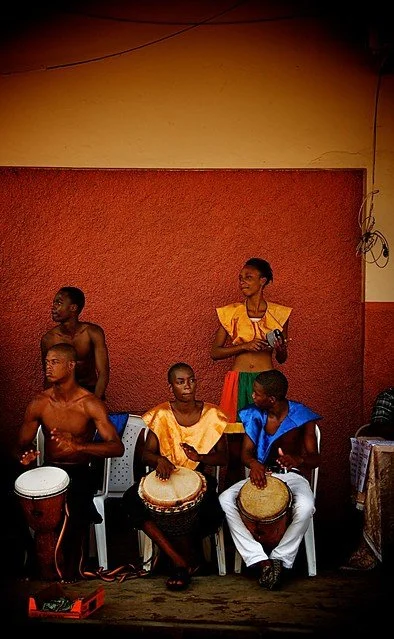
A painting of mento drummers. Mento2011 Fallmouth Jamaica
Born from a fusion of rhythms brought to the West Indies by enslaved West Africans, European musical traditions, and the Indigenous sounds of Jamaica's Taino people, the late 1940s birthed a vibrant expression of everyday life: mento. Mento vividly captured the spirit of Jamaican communities, offering a window into their triumphs and challenges through lively melodies and infectious rhythms, played on instruments like the banjo, guitar, and maracas. It became a testament to the indomitable spirit of the Jamaican people, celebrating their traditions and cultural identity.
Mento’s most outstanding achievement was laying the foundation for future genres. Specifically, its rhythms and energy paved the way for the revolutionary beats of ska in the 1950s, while its resilience and vibrancy found their way into the iconic reggae anthems, symbolizing Jamaican identity worldwide. Through mento, the rich roots of Jamaican folk music intertwined with the heritage of diverse influences, deciding with finality that music is for the people. Today, mento continues to captivate audiences connecting them to the vibrant past of the island.
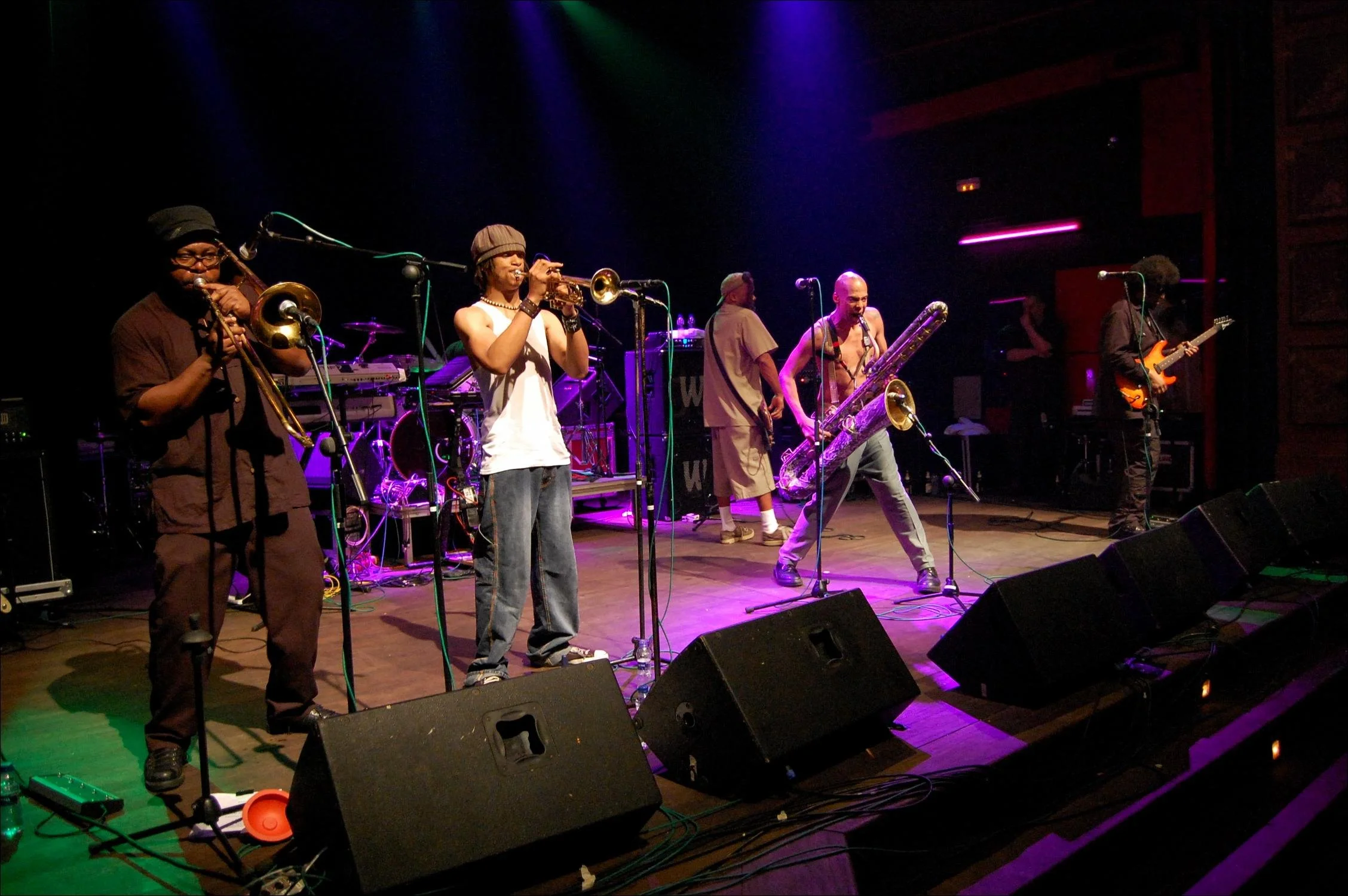
Fishbone playing in Los Angeles.
Ska: A Joyful Revolution with a Powerful Beat
In the transformative 1950s, ska emerged as a genre that reflected the social and political upheaval of the time and became a catalyst for change. With its energetic tempo, infectious rhythms, and the unmistakable resonance of brass instruments, ska created a pulsating sound that swept a generation. Inspired by Jamaican mento and Trinidad and Tobago’s calypso, ska was a jubilant call to unity, a musical expression of the collective yearning for a better world.
As the vibrant ska beats enveloped the airwaves and dancehalls, it carried a profound message. Through its lyrics, ska shed light on the harsh realities of poverty, inequality, and discrimination that plagued Jamaican society. It served as a powerful voice, amplifying the concerns and struggles of the marginalized and disenfranchised. Yet, amidst the social challenges, ska embodied a spirit of resilience, hope, and determination. It became a unifying force, inspiring people to unite, rise above adversity, and strive for a more inclusive and equitable future.
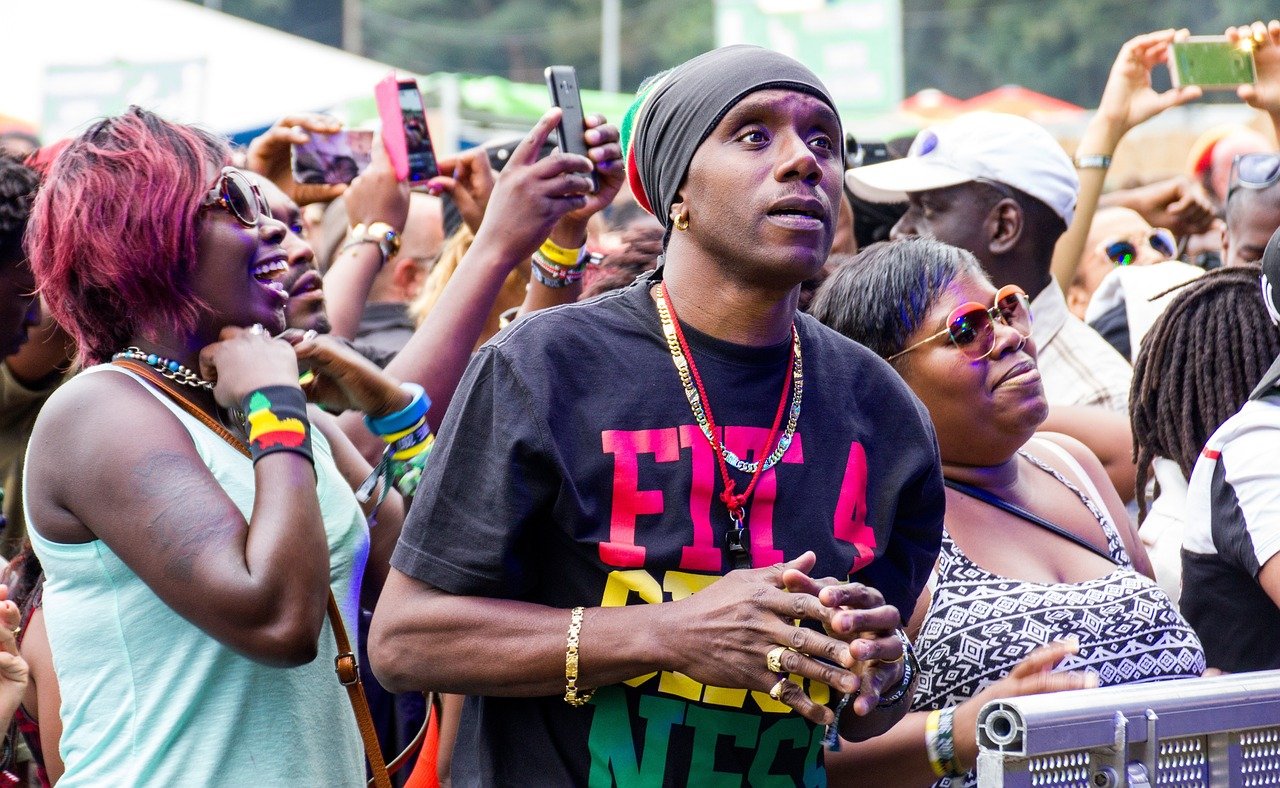
Crowd at a live music event. Image by Yardie.
Rocksteady: The Soulful Bridge to Reggae
Between the exciting ska era and the rise of reggae lies the soulful interlude of rocksteady, a genre that left an indelible mark on Jamaica's musical landscape. In the mid-1960s, as the country underwent significant social and political shifts, among the most significant being political independence from the British Empire, rocksteady emerged as a musical bridge, connecting ska’s exuberance with reggae’s even more profound social commentary.
Rocksteady's distinct sound captivated listeners with smooth, melodic rhythms. Influenced by American soul and rhythm and blues, the genre introduced a slower tempo and more introspective grooves, reflecting the changing landscape of Jamaican society. Historically, rocksteady emerged when Jamaica was transitioning from its colonial past to a newfound sense of cultural identity and political consciousness. The smooth and soulful melodies of rocksteady expressed the Jamaican people’s evolving aspirations and struggles. It provided a platform for introspection, offering a sanctuary of musical solace amidst social and political transformations. Some rocksteady songs went on to become hits outside of Jamaica, as with ska, helping to secure the international base reggae music has today.
Reggae: A Cultural Anthem of Love, Unity, and Social Justice
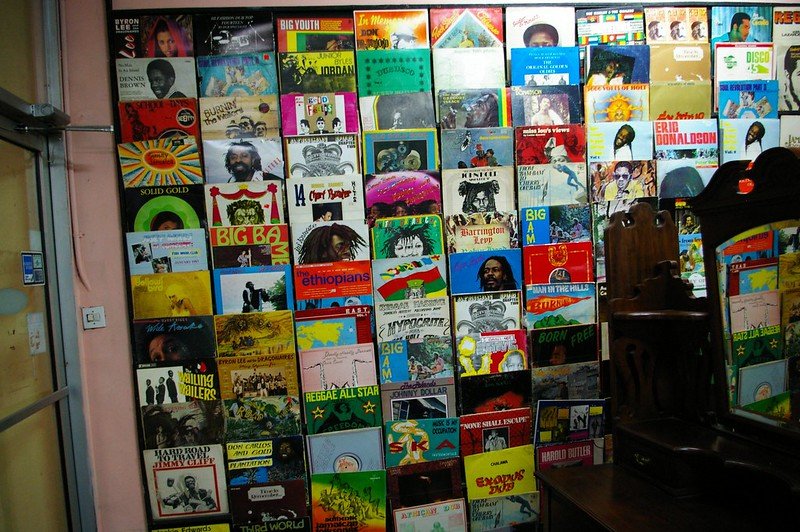
The wall of records. Christina Xu
Undoubtedly, the most renowned and internationally celebrated genre of Jamaican music is reggae. Born in the late 1960s against the backdrop of a dynamic Jamaican society, reggae emerged as a powerful and transformative force, both musically and culturally. It was a fusion of various influences, including mento, ska, rocksteady, R&B, and the religio-liberationary message of Rastafari, which came together to form a genre with a distinct sound and a profound global impact.
Reggae became the quintessential voice of Jamaica's cultural identity and pride. Its roots ran deep in the history and struggles of the Jamaican people, serving as a vessel for their collective experiences and aspirations. The soul-stirring messages of reggae spoke directly to the hearts and minds of listeners. Its lyrics, laden with social and political commentary, addressed love, unity, and social justice issues, offering a compelling call to action.
Reggae's global impact cannot be overstated. It has become synonymous with Jamaica, attracting audiences from around the world who resonate with its powerful messages and irresistible grooves. Reggae's cultural significance extends beyond music, influencing fashion, art, and of course social movements. Its legacy as a music of liberation and empowerment continues to inspire generations, reminding us of the power of music to transcend borders and ignite positive change.
Explore the world of Jamaican folk music, and immerse yourself in the pulsating energy of live performances at local clubs and music festivals, where the air is thick with the collective joy of dancing to the irresistible beats. More immediately, check out this playlist we created with some of our favorite Jamaican music.

Raeann Mason
Raeann is a traveler, digital storyteller, and guide writer, with a degree in Mass Communication & Media from the Walter Cronkite School of Journalism. She is passionate about a/effective journalism and cultural exchange, and is an advocate of international solidarity and people's liberation. Her work at CATALYST focuses on reshaping the culture of travel and hospitality to be more ethically sound and sustainable.
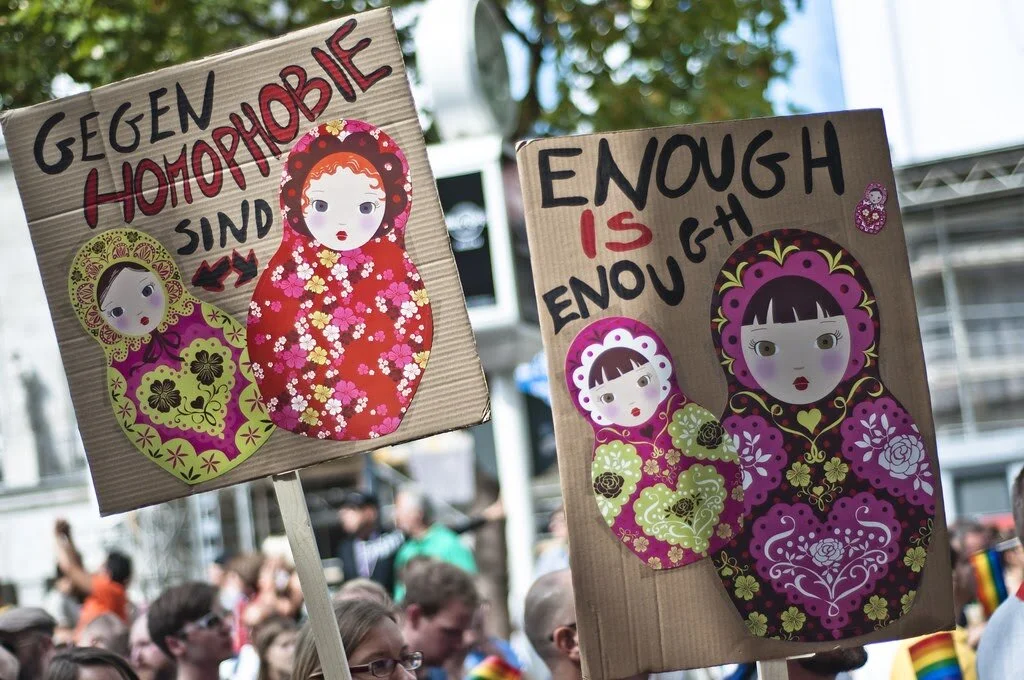
An anti-homophobia protest in Russia. Marco Fieber. CC BY-NC-ND 2.0.
Rainbow Railroad Gives Queer Refugees Hope
For over a year, Ray Reynolds slept in a hearse. Working at a funeral home in Montego Bay, Jamaica, he spent his life hiding from homophobic mobs threatening to torture and kill him. “Even though I worked at the funeral home, people still called that place and threatened me. ‘Oh, batty bwoy (a derogatory slur) I know where you is. When I’m coming for you, I’m coming with a tanka (tanker truck with bombs) to burn you out.’” The best hiding place he could find was a hearse; they would never expect to find him there. But Ray knew that if he stayed in Jamaica much longer, he would soon find himself in a coffin six feet underground.
He contacted Rainbow Railroad, and soon, they provided him transport to Spain, where he currently lives. Spain offered a starkly different environment for a gay man like Ray. “I’m free to walk. I’m free to be who I am. I’m free to be what I am.” Along with this newfound freedom, Ray can now experience aspects of queer life strictly forbidden in Jamaica. “I see drag queens, gay people, trans people—everyone together—just having a drink at the bar. Nobody cares!”
Ray is one of more than 800 individuals from 38 different countries to receive assistance from Rainbow Railroad. Founded in 2006, the Toronto-based charity helps LGBTQ+ people escape violence and persecution in their home countries. After reviewing thousands of applications for assistance, Rainbow Railroad has built a worldwide network to lend aid to queer people in need and contribute to LGBTQ+ activist organizations abroad.
Much of its work has focused on Jamaica. In 2006, Time magazine named the Caribbean country “the most homophobic place on earth.” Buggery and anti-sodomy laws that criminalize homosexual intimacy are still on the books. Though they are rarely enforced, these laws buttress Jamaican society’s systematic marginalization of queer individuals. LGBTQ+ individuals face mob violence and constant death threats, many coming from the police force. To escape persecution, they travel from town to town, rarely able to settle in one place and hold a steady job. This, coupled with the expulsion from families that many queer Jamaicans face, has driven many to homelessness. Forced to live away from virulent homophobia, many live in sewers.
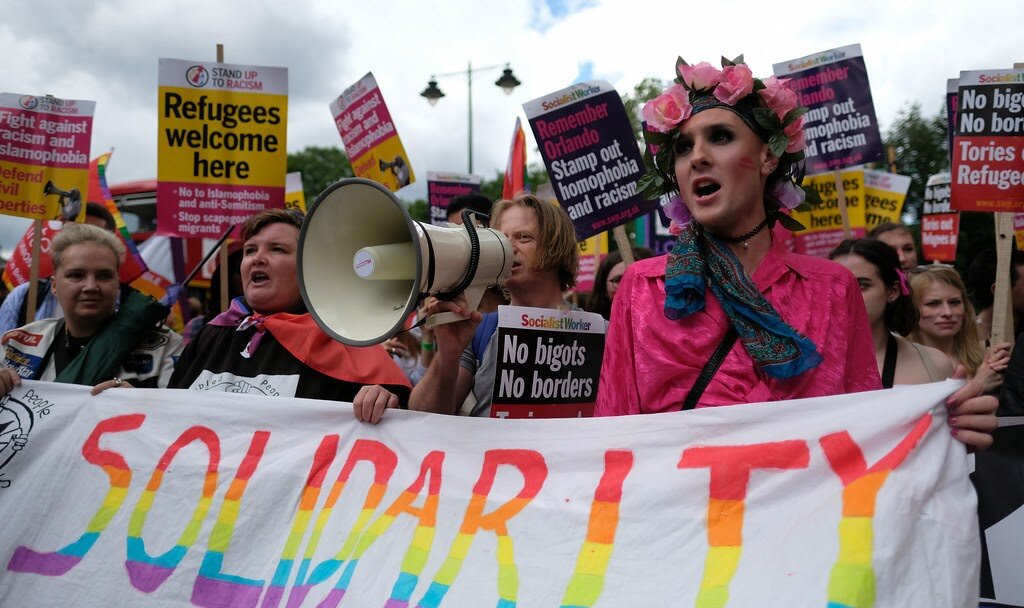
40% of the requests Rainbow Railroad receives originate in Jamaica; 300 individuals have been relocated in the past two years. Activist groups on the ground have proven invaluable for the mission of Rainbow Railroad. Upon receiving a request for aid, the person’s identity must be verified and aid given in the requisite areas, including everything from plane tickets and hotel stays to housing assistance and legal representation in the refugee application process.
This process can take up to a year, and the average cost per person is $7,500. Surprisingly, Rainbow Railroad receives no money from the Canadian government, relying instead on private donors. Some donors make contributions in the thousands, but others make small donations through the website or become monthly donors.
The charity first received widespread attention in 2017 when it was one of the first international organizations to take action against the anti-LGBTQ+ purge in Chechnya. Led by Ramzan Kadyrov, the police, military and other state actors began capturing gay men at random and transporting them to detention facilities where they were tortured, raped and sometimes killed. Working with the Russian LGBT Network, Rainbow Railroad helped locate individuals in need and co-funded safe houses where queer individuals could live safely while the logistics of escape were handled. To date, 70 individuals from Chechnya, the Caucasus and Russia have been relocated thanks to Rainbow Railroad.
The charity’s work will become all the more necessary in the coming years. Communications director Andrea Houston notes that the amount of requests has been steadily increasing year after year as populism and authoritarianism flourish worldwide. “Unfortunately,” Houston said, “populism seems to be a winning political strategy right now, and the ones who receive the short end of the stick are marginalized people.”
Simultaneously, the COVID-19 pandemic has upended the lives of countless queer individuals. Bans on travel stranded queer refugees in their home countries. Lockdown measures gave police the license to target queer people and punish them unequally and disproportionately for lockdown violations. The growth of the state in many nations has allowed homophobia to become more embedded and systemic. For the time being, Rainbow Railroad will have to run nonstop in the fight against discrimination.
Michael McCarthy
is an undergraduate student at Haverford College, dodging the pandemic by taking a gap year. He writes in a variety of genres, and his time in high school debate renders political writing an inevitable fascination. Writing at Catalyst and the Bi-Co News, a student-run newspaper, provides an outlet for this passion. In the future, he intends to keep writing in mediums both informative and creative.