
By Barrington Jayden Henry
Jamaicans have no legal right to access most of their own seashore, but a movement is brewing to assert a claim to their natural resources.
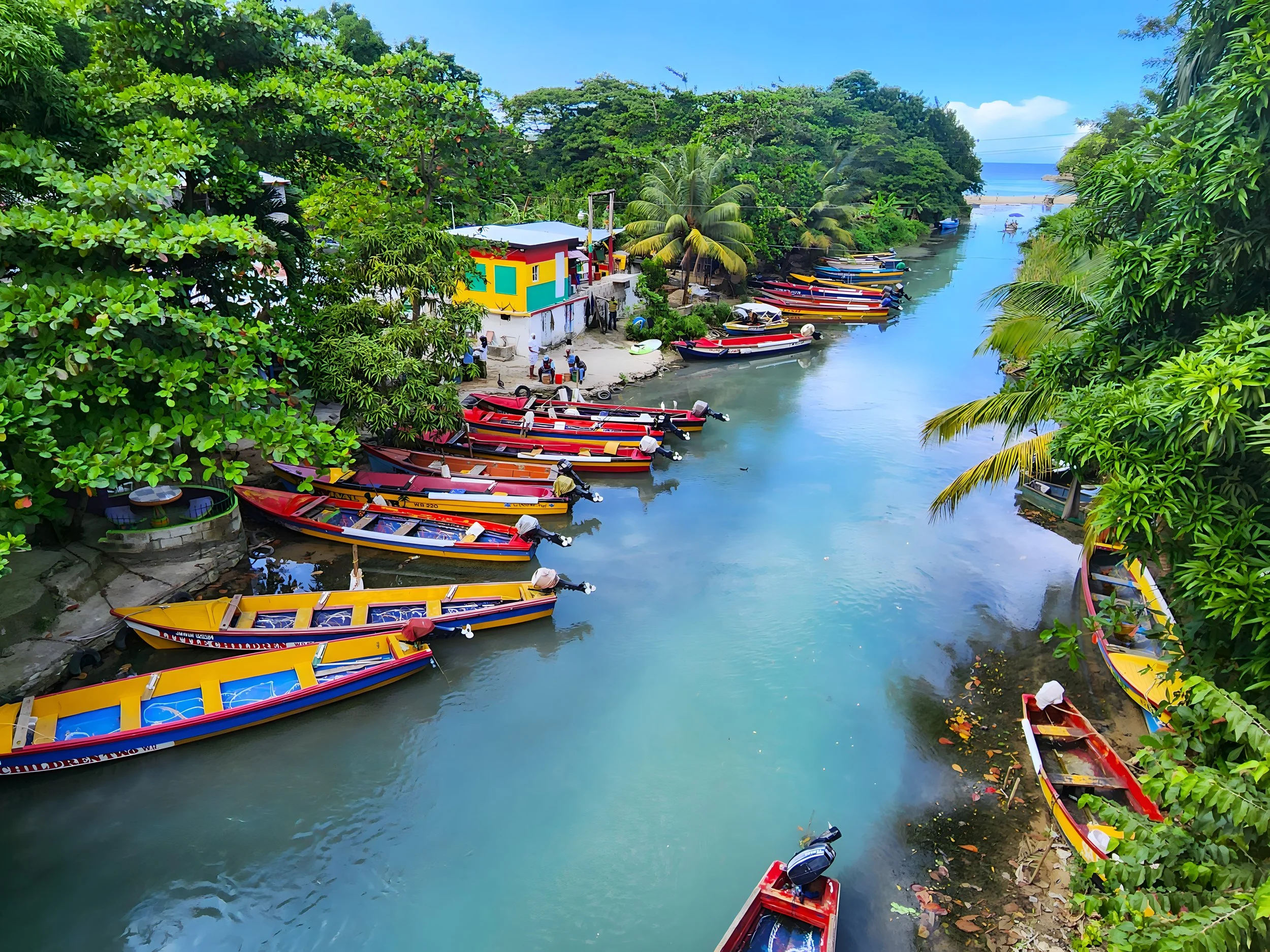
White River in Ocho Rios, Jamaica. CaptJayRuffins. CC BY-SA 4.0.
The island country of Jamaica has long been a center of tourism and cultural output, far outstripping its size and population. It has, in many ways, been the jewel of the Caribbean and has embraced the tourism industry as the linchpin of the country’s economy. But this has brought drawbacks for average Jamaicans and their access to the natural beauty of their own country. Jamaica’s tourism industry boasts its white-sand beaches, clear waters and the many lavish resorts that surround them, but the ubiquity of the industry leaves few patches of natural beachfront for Jamaicans to enjoy. This has, in effect, divorced the common people of Jamaica from their most cherished natural beauty.
Independent for more than 60 years from the United Kingdom, Jamaica has created a lucrative and successful tourism industry that has made the island an idyllic location for millions of vacationers every year, but this has its drawbacks for the island’s citizens. Jamaica has more than 600 miles of coastline, yet thanks to the never-ending development of resorts, less than 1% of those beaches are accessible to the public. This aggressive privatization has had a draining effect, as only about 40% of revenue from the tourism industry remains in Jamaica, while the majority is collected by foreign companies. The state, via a 1956 statute, controls the entirety of Jamaica’s coastline and is free to sell the vast majority of it to private entities, while citizens have no legal claim to their country’s shore. On the rare occasion that a resort does not entirely seal off its newly purchased beach, Jamaicans may be required to pay a fee to access what used to be their common land.
This is not merely an issue of the theoretical right that a person has to their country’s natural resources; the privatization of Jamaica’s shores directly affects fishermen and farmers, as the rapid purchase of beachfront property severely limits where they can fish. In June, Jamaicans filed a suit, arguing that the 1956 law permitting the government to sell the shoreline to private entities deprives them of their livelihood. As Devon Taylor, the head of the Jamaica Beach Birthright Environmental Movement, known as JABBEM, has said “The sea is the only source of wild food in Jamaica. And when you cut us off from the sea by denying us access, you are actually setting us up to starve.” He argues that the root of the issue is the exploitative nature of the tourism industry that the state has encouraged. He and other activists “call it plantation tourism because it has all the characteristics of a plantation – exploitation of a poorly treated labour force, and wealth that either does not stay in our country or is only in the hands of the elite.”
Whether or not JABBEM succeeds in its goal to force the government to acknowledge a right to the shore remains to be seen. JABBEM is advocating for a new understanding of what the state owes to its people, even while pursuing economic benefits. If they succeed in their efforts, the government will understand that no amount of money from tourists and resort companies can be allowed to override the connection between people and their natural resources, and that Jamaicans will no longer sit quietly and allow the government to sell its prized shoreline to the highest bidder.
GET INVOLVED:
The Jamaica Beach Birthright Environmental Movement works to bring awareness to how the private purchase of Jamaica’s shoreline negatively impacts communities and advocates for changes to current policy. For more information, you can go to their website.

Barrington Jayden Henry
BARRINGTON JAYDEN HENRY is from the Atlanta area and is a senior at Vanderbilt University, studying political science and history. Jayden is also the host of the weekly radio program I Want to Tell You Something on WRVU Nashville. In his free time, he enjoys playing tennis, reading, and going to museums.