
Carson Jelinek
Long before it became a popular ecotourism destination, this park was home to Indigenous communities whose relationship with the land and sea shaped the region for centuries.
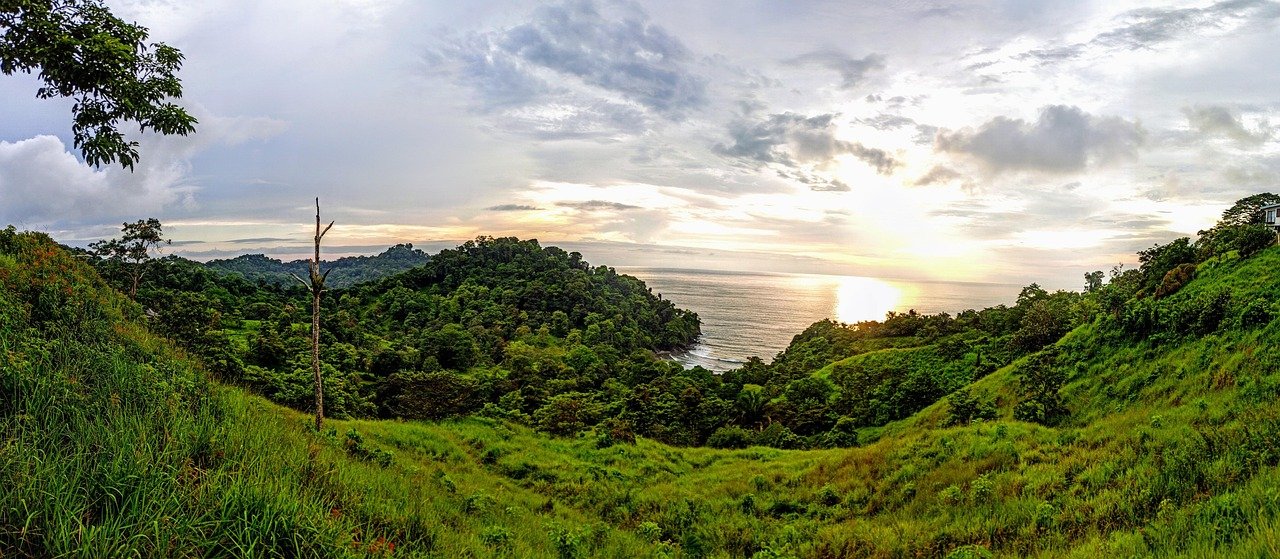
Manuel Antonio National Park. Tiffany Masterson. Pixabay.
Located on the Central Pacific coast of Costa Rica, just 98 miles from the capital, San Jose, is Manuel Antonio National Park. Manuel Antonio covers around 1,700 acres and is home to an array of life: it has more than 350 bird species, 100 mammal species, dozens of reptile and amphibian species, rich marine life and hundreds of plants and insects.
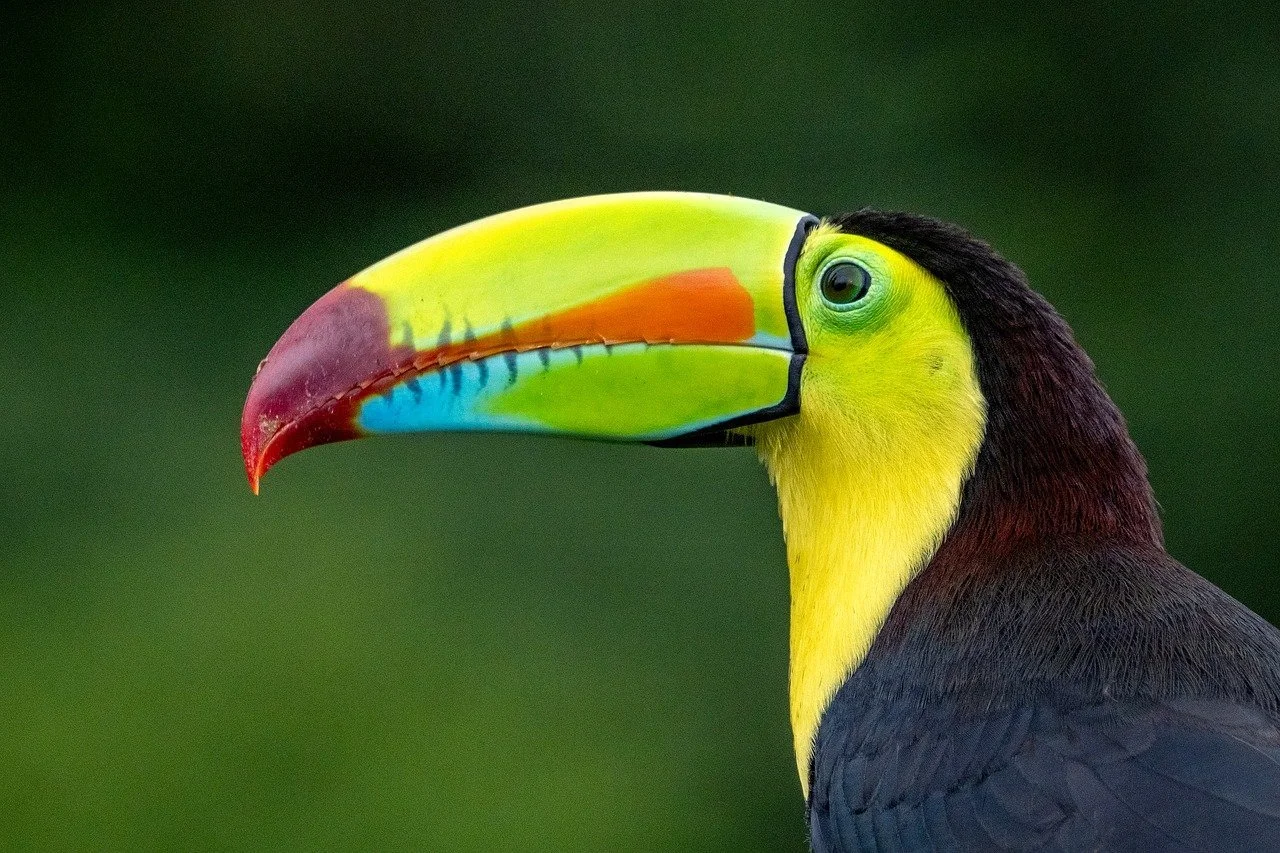
Toucan in Costa Rica. Herbert Bieser. Pixabay.
Throughout the park are well-maintained hiking trails that take you through the rainforest and, of course, the four main beaches: Playa Manuel Antonio, Playa Espadilla Sur, Playa Tesoro, which is sometimes called Playa Gemelas or Puerto Escondido, and Playita, which translates to “the little beach.”
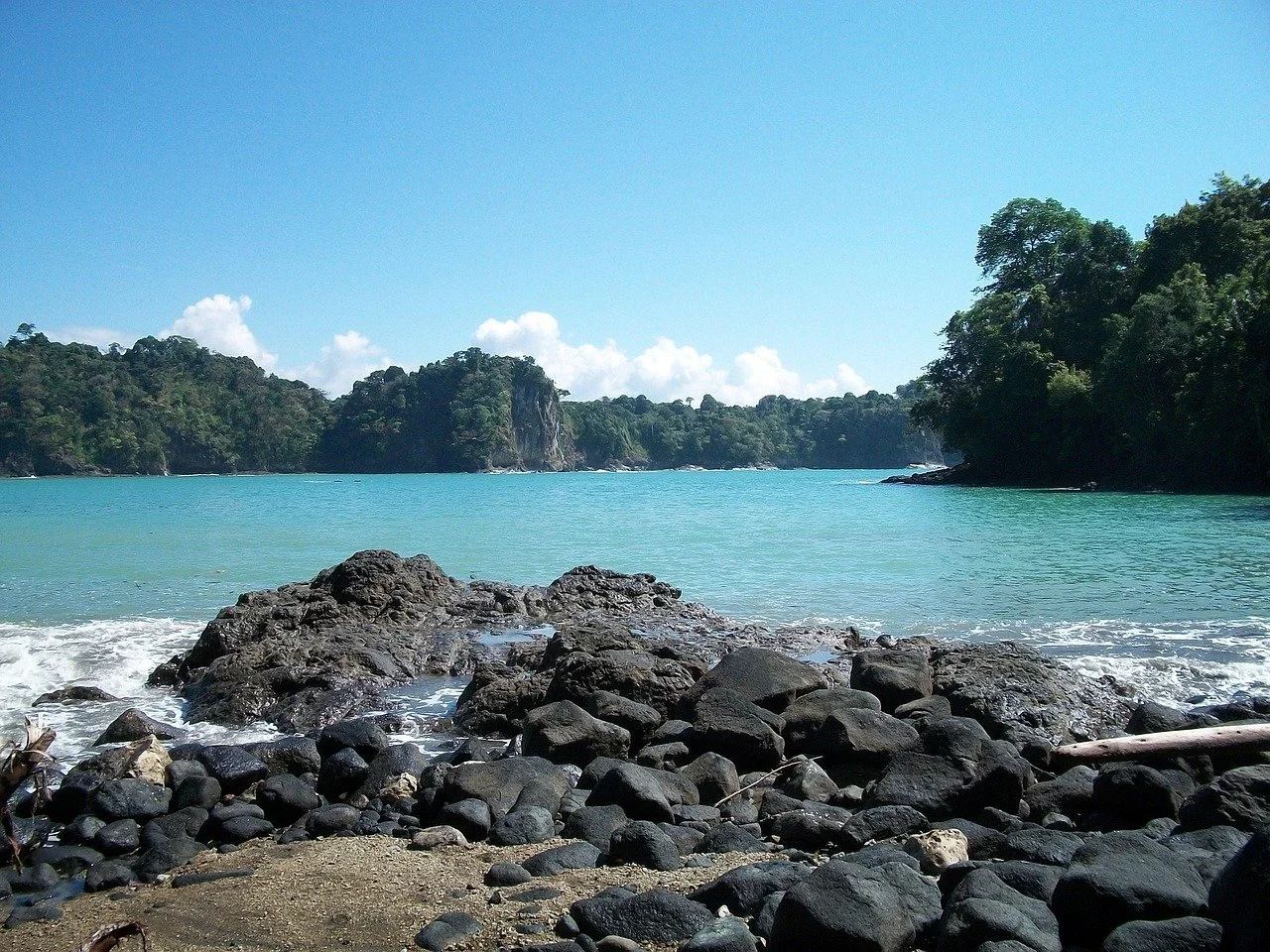
Ocean view in Manuel Antonio. rickyoumans. Pixabay.
Manuel Antonio has rich Indigenous roots dating back to 950 B.C. The natives had established a complex, organized society on the land, with chiefs, shamans and a territorial structure. The region of Manuel Antonio and Quepos, which is the town known as the gateway to the national park, was originally home to the Quepoa, an Indigenous group that lived on the land before the Europeans arrived. During colonialism, the culture of the Quepoa was almost completely erased, but its traces remain, such as in the name of the city, landscapes and the region's ecological knowledge.
The Quepoa were fishers, hunters, farmers and artisans in crafting goods, like gold and pottery. In areas like Playa Biesanz, you can still see evidence of how the Quepoa would harvest sea life with rock sea traps they built to catch fish and turtles during low tide. These structures demonstrated a long-standing, sustainable relationship with the marine ecosystem, as well as the Quepoa people's craftsmanship and intelligence.
Many of the conservation principles that define Manuel Antonio today echo Indigenous approaches to living in balance with the environment, even if visitors rarely acknowledge those origins. A core value of Manuel Antonio is ecotourism, which protects biodiversity while also supporting sustainability. Manuel Antonio is often seen as a prime example of how conservation and tourism can coexist. The park has strict visitor limits in place each day to help prevent overtourism and protect its fragile ecosystems. Walking trails are clearly marked and regulated to reduce habitat disruption and human-wildlife conflicts. It is also prohibited to feed wildlife so that the animals can maintain their natural behaviors.
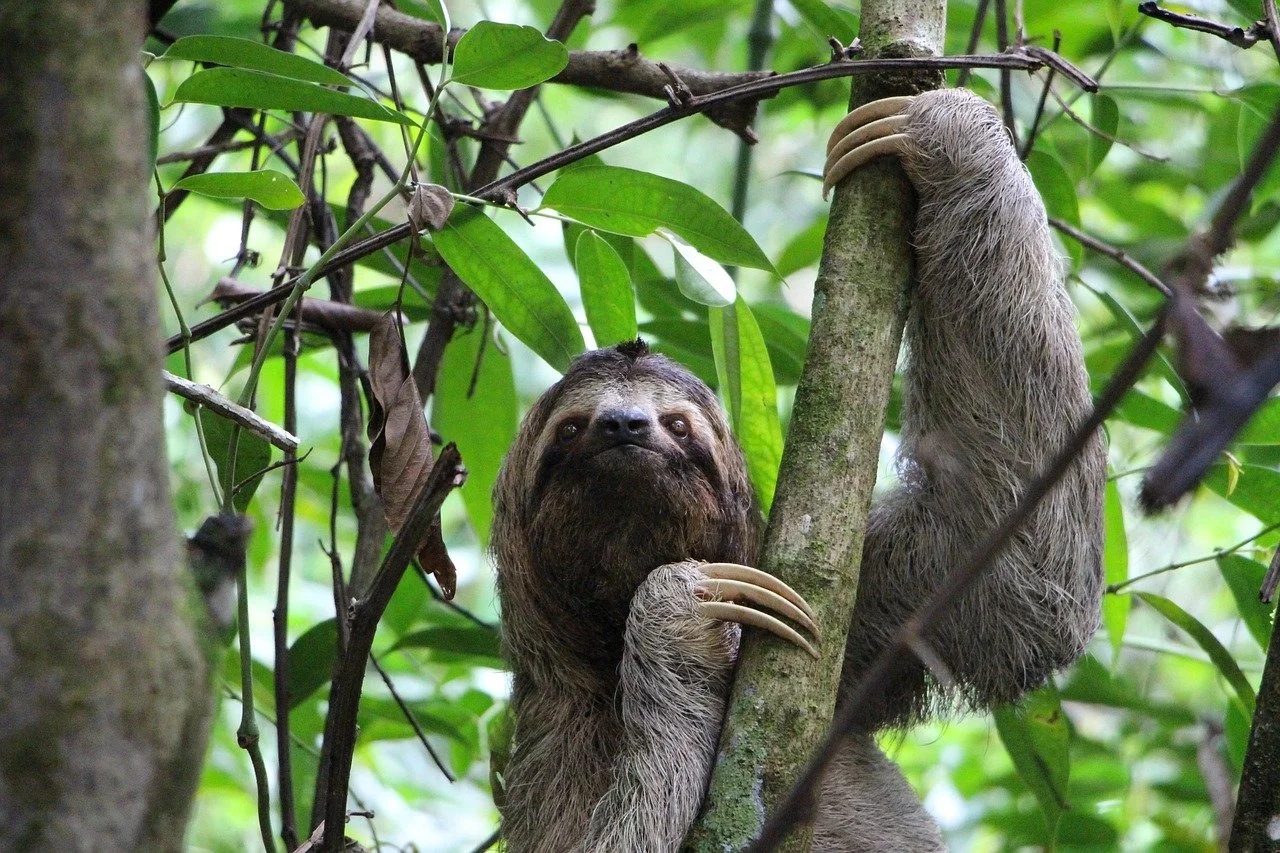
Three-fingered sloth. Myagi. Pixabay
The story of Manuel Antonio’s founding remains rooted in community activism. As the environmental education coordinator, Javier Herrera, noted on the park’s anniversary, the establishment in 1972 “ was an achievement of the people, brave people, not the government.” To experience Manuel Antonio entirely is not just to observe its wildlife but also to recognize the human history embedded in the land it protects.
Carson Jelinek
Carson is a 22 year old writer and filmmaker studying film and media productions at Arizona State University. His work explores travel, culture, and the people behind the places, with a focus on stories that encourage curiosity and global understanding.