
Carson Jelinek
Women in Zanzibar are redefining the country’s narrative surrounding fishing and sustainability.
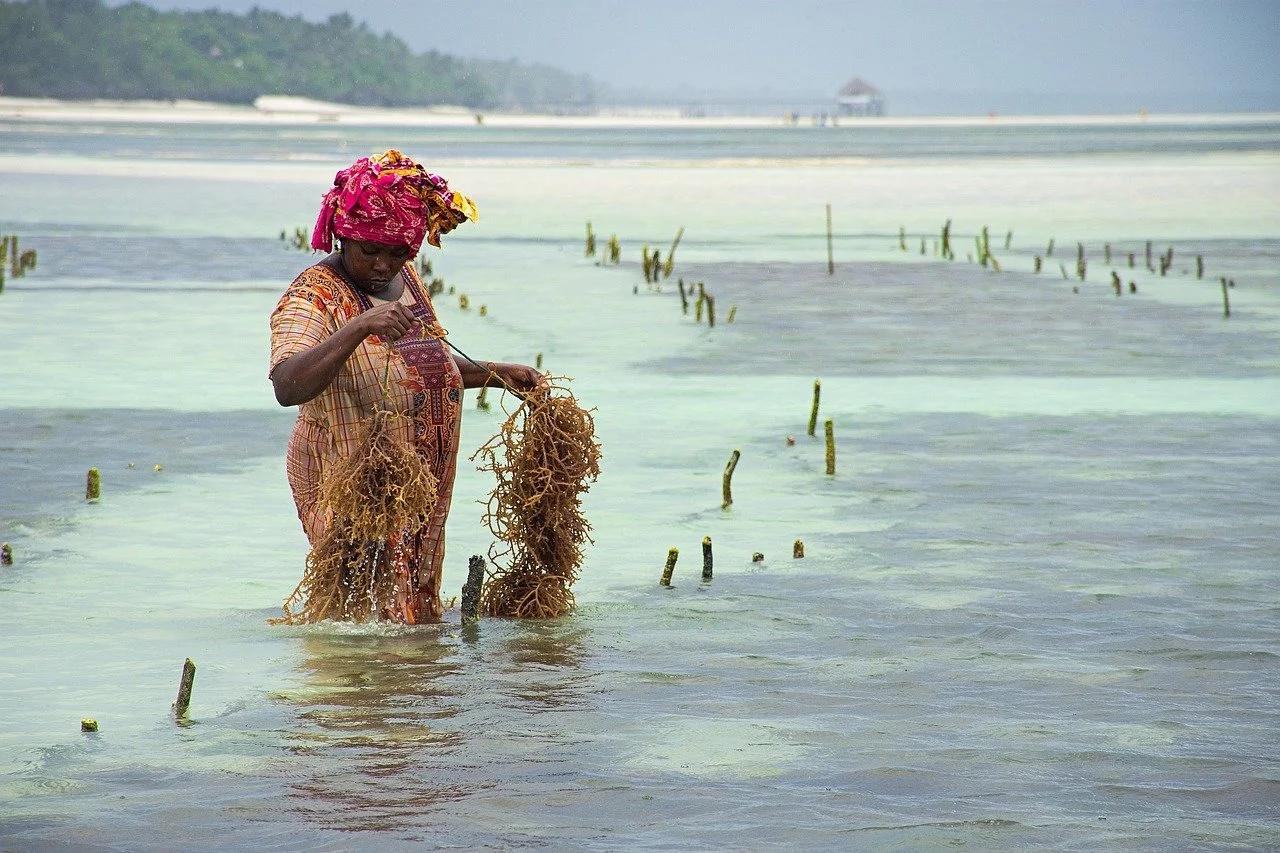
Woman harvesting seaweed. Agnieszka. Pixabay.
About 22 miles off Tanzania’s coast, Zanzibar is known for its year-round deep-sea fishing. While fishing has historically been a man’s job in the country, women are starting to change that. When the tide goes out on the eastern coast, the shallow water reveals seagrass and coral, marking the start of the workday. Women, barefoot and carrying plastic basins, spread out across the shore to check octopus traps, untangle nets and look for signs that too much has been taken from the sea.
For many years, the work women did in Zanzibar was rarely counted in official records, especially in the fishing industry. Only men with boats and large catches were seen as real fishers. Women who gathered shellfish in shallow waters and sold small amounts at local markets were often listed only as helpers or dependents, if they were mentioned at all. Now, these women are leading a quiet change in how Zanzibar values the sea.
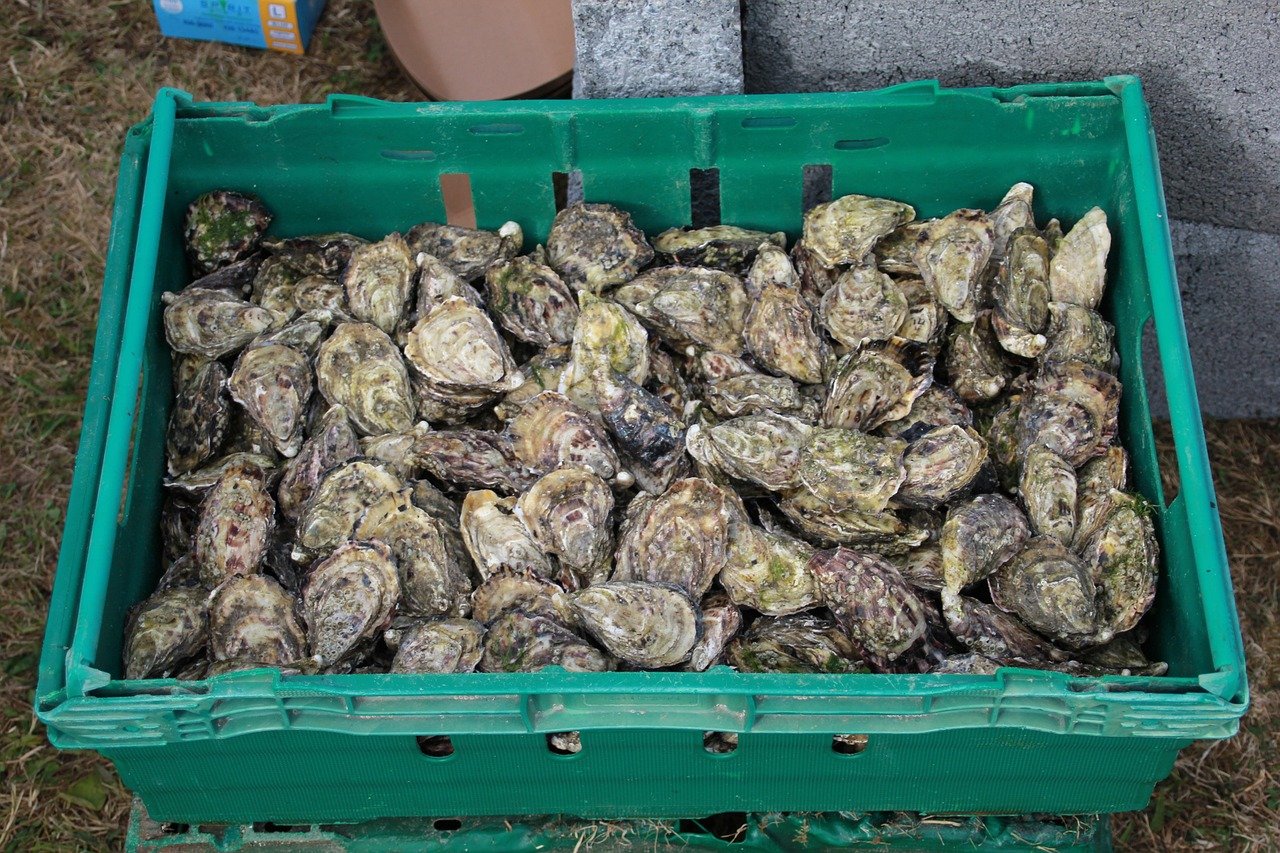
Container of oysters. Susan McAleer. Pixabay.
Across several different coastal villages, fisherwomen’s collectives are rewriting the old rules of the local ocean economy. For one, they are forming gear-sharing cooperatives, so no one has to turn to destructive fishing methods just to make ends meet. Along with that, they’re launching small-scale aquaculture projects that grow seaweed, shellfish and other high-value species without ripping up coral or seagrass. What’s cool about these projects is that they enforce their own reef-safe harvesting practices, closing certain areas to allow fish stocks and corals to recover.

Zoanthus coral. Marcelo Kato. Pixabay.
Policymakers call this approach the “blue economy,” which entails using the ocean for economic growth in a sustainable way. For the women in these communities, it is more personal than just a policy. Every tide, reef and season is part of a savings system they depend on. In the last ten years, Zanzibar has seen growing interest in the blue economy, with government and donor projects supporting marine protected areas, tourism and offshore investments. But unfortunately, gender inclusion often remains just a word in these plans.
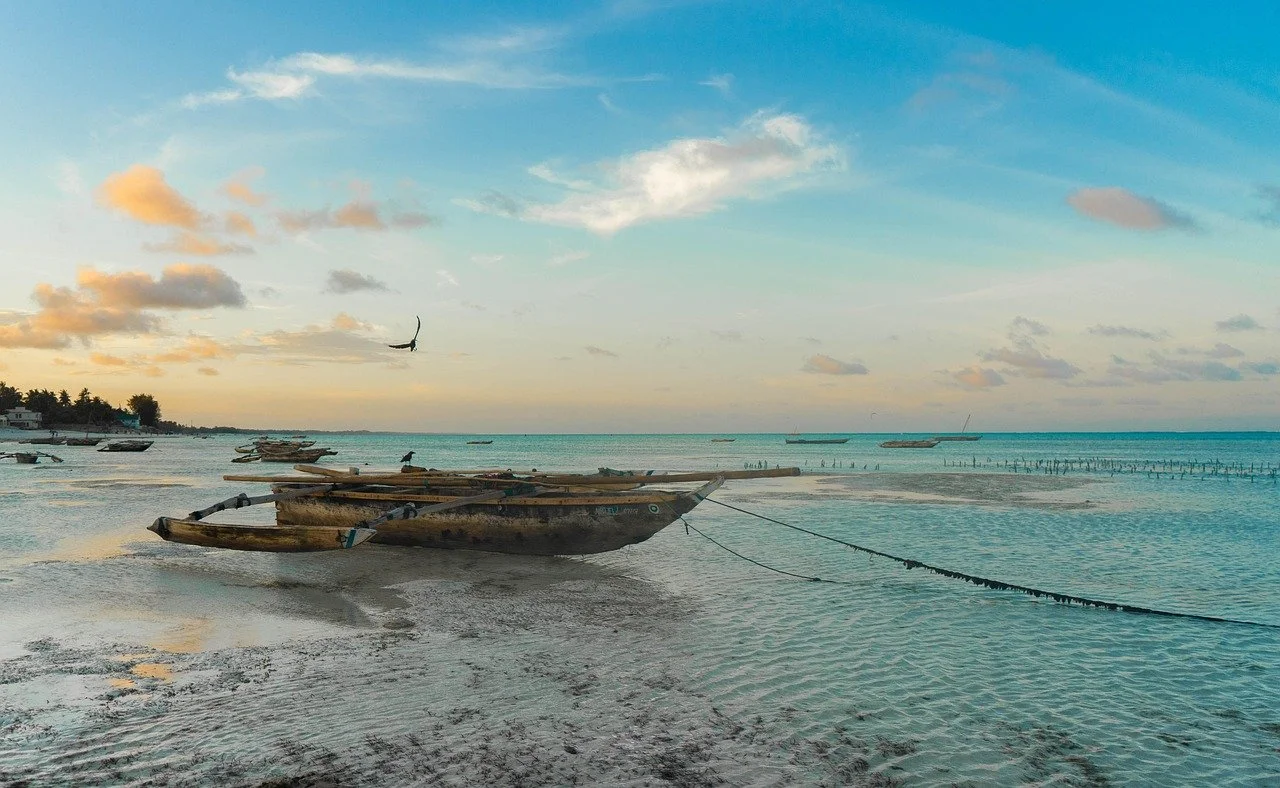
Beach in Zanzibar. klimentgrozdanoski. Pixabay
A significant shift occurred in several communities when women who had been informally cooperating began to formalize their collective activities. In one village, an informal group that initially shared information about productive gleaning locations developed into a registered cooperative. Supported by local non-governmental organizations and marine scientists, these women acquired the skills needed to establish basic aquaculture systems compatible with local tidal cycles. These systems included seaweed lines suspended between stakes, small enclosures for sea cucumbers or shellfish and designated octopus gardens that are periodically closed to promote the growth of larger animals before harvest.
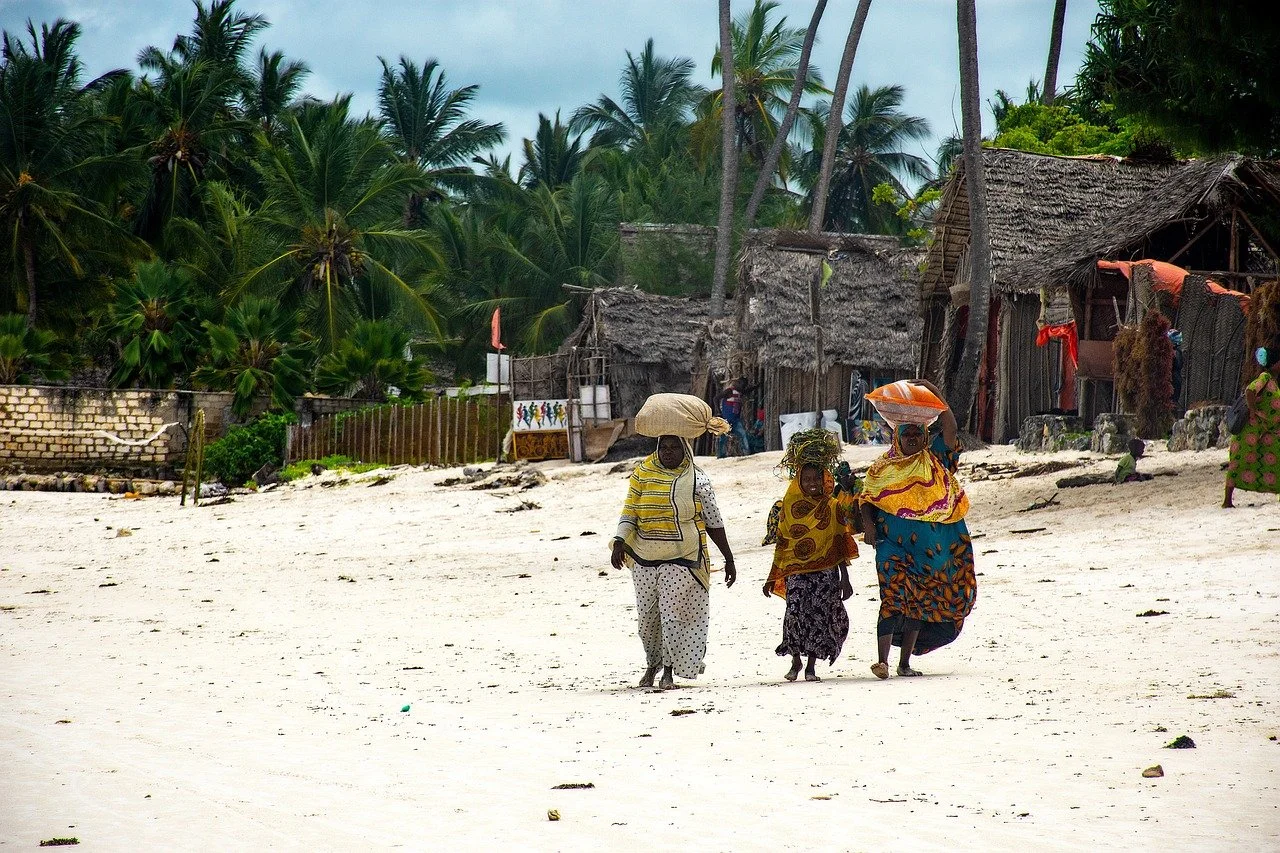
Women walking on beach. Agnieszka. Pixabay.
Within several years, positive changes became evident, including increased fish populations in shallow waters, healthier coral and more stable income from diversified activities. Several cooperatives reported using collective earnings for school fees and medical expenses. Grassroots conservation efforts have succeeded where top-down approaches have not. The success of these women-led initiatives is due to several key factors often overlooked by larger blue economy programs.
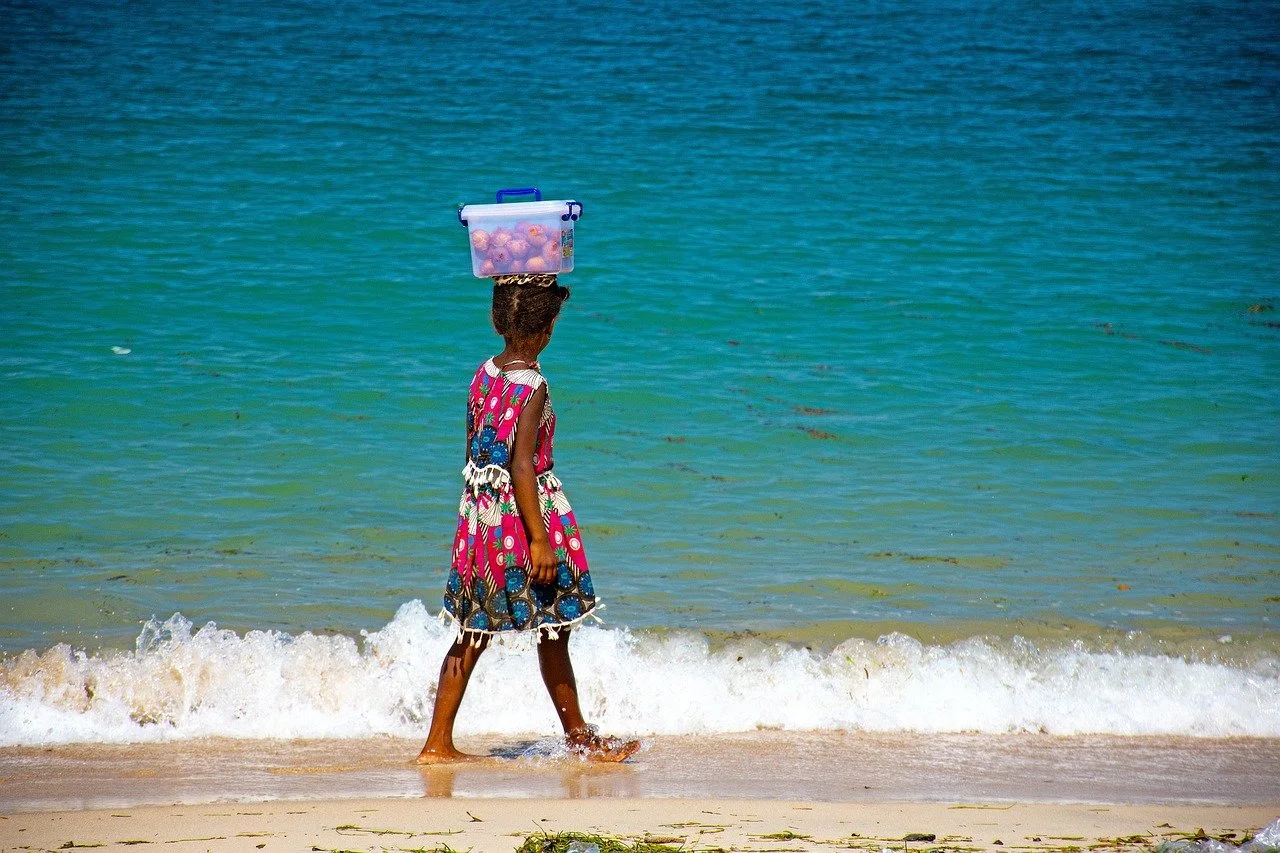
Child walking on beach. Agnieszka. Pixabay.
First, local ecological knowledge is essential. Women who harvest and fish in the intertidal zone interact with the reef daily, allowing them to notice subtle changes in species, spawning periods and the impacts of storms or tourism. When this expertise guides management, rules better reflect local conditions.
Second, accountability is built into community-managed systems. Enforcement is not left to distant authorities or under-resourced rangers but is maintained through social networks, where violations are visible and social consequences are significant.
Third, sharing benefits creates a direct link between stewardship and livelihood. When a previously closed reef is reopened and yields more abundant catches, the benefits go to those who enforced the closure. In summary, Zanzibar’s fisherwomen show that gender equity is not peripheral to conservation but is central to its effectiveness.
GET INVOLVED:
Mwambao Coastal Community Network: This Tanzanian NGO operating in Zanzibar works directly with coastal communities, including fisherwomen, on sustainable fisheries, marine resource management, policy and community empowerment. They offer “Get involved” opportunities, such as partnerships, careers and donations.
Blue Alliance PECCA: A non-profit working in Tanzania, Blue Alliance accepts donations and support from partners, which help fund marine protection and community development in Zanzibar. This includes efforts to empower women in fisheries and coastal roles.
VISIT COASTAL ZANZIBAR:
If you’d like to experience this community first hand, check out this trip from CATALYST TRIP FINDER VolunteerHQ – Coastal & Marine Conservation in Zanzibar

Carson Jelinek
Carson is a 22 year old writer and filmmaker studying film and media productions at Arizona State University. His work explores travel, culture, and the people behind the places, with a focus on stories that encourage curiosity and global understanding.