
Aidan Nisbett
Nearly 90% of Madagascar’s forests have been lost but restoration efforts using foxholes are paving the way for a healthier island.
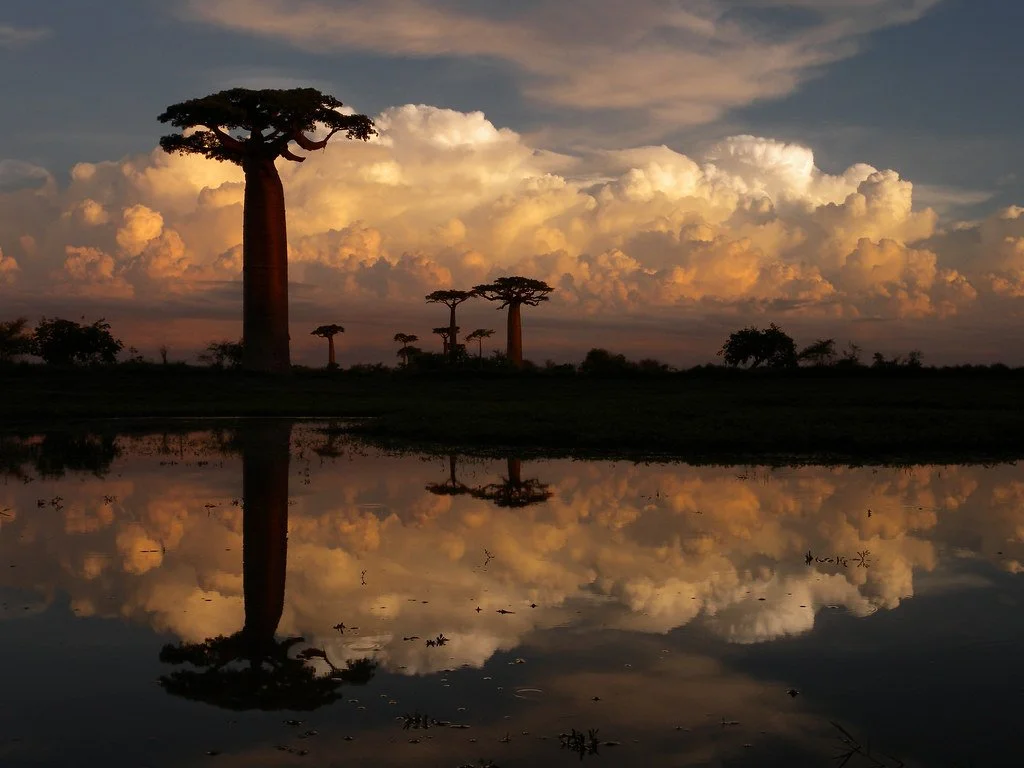
Baobab trees in Madagascar. Frank Vassen. CC BY 2.0.
From dry-grass savannas dotted with thick baobab trees to foggy canopies filled with striped lemurs, Madagascar is a melting pot of biodiversity that has spawned species of plants and animals found nowhere else. Yet logging, wildfires and climate change have severely endangered these special environments, many of which provide vital water sources for citizens. Simply put, without these forests, the island could turn inhospitable. In response to the looming threat of an abandoned island, conservation and restoration efforts are underway. Led by organizations such as Ecosia and the Phoenix Conservancy, as well as local experts, efforts have been focused on one place: Ivohiboro.
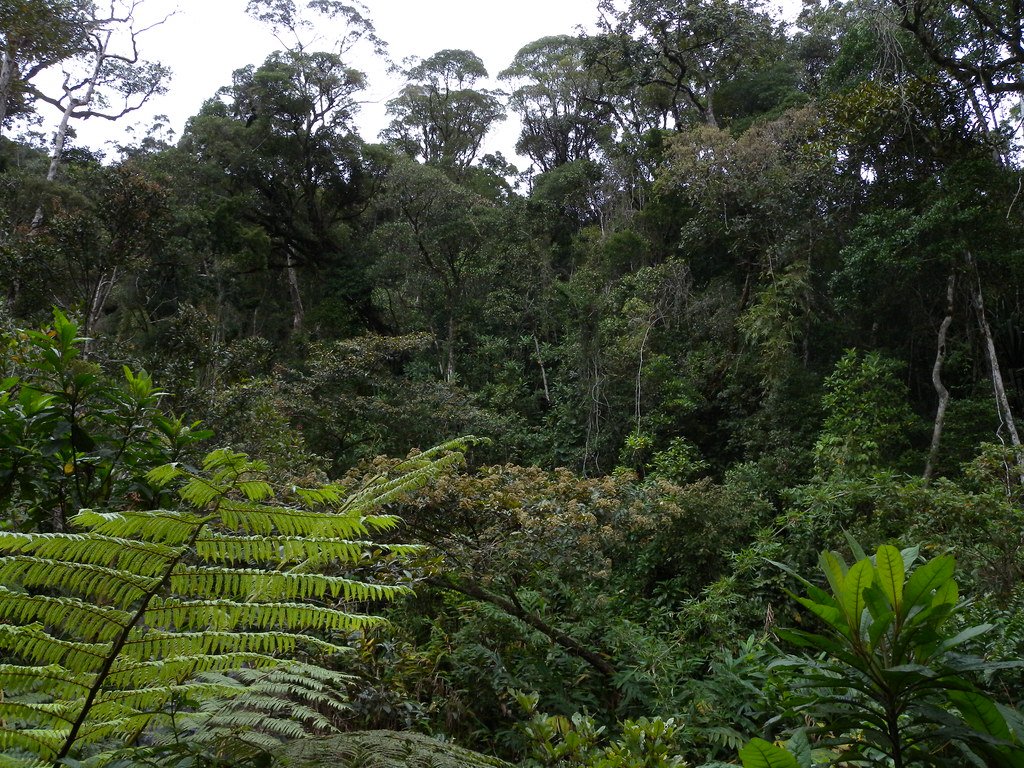
Mountain rainforest in Madagascar. Frank Vassen. CC BY 2.0.
Ivohiboro, also referred to as the “Lost Forest,” was discovered by an expedition led by Patricia Wright in 2019. What they found was a rainforest teeming with undocumented species of insects, birds, lemurs and all manner of life hiding under the canopies. And while these discoveries were exciting, it quickly became evident that Ivohiboro was in severe danger of destruction. Over time, much of Madagascar’s forest cover has disappeared, with estimates of the loss reaching up to 90%, so the concern for the newly discovered land was already high to begin with. Surrounding Ivohiboro are miles of dry grassland, which don’t typically border wet rainforests, making the area even more delicate. Furthermore, wildfires are common throughout the drylands, and they often spread to Ivohiboro. So when restoration efforts began in 2021, it was clear that typical methods of restoration could not be implemented.
Most restoration projects either use plantation style methods, in which tree saplings are grown in nurseries and then inserted into the environment, or rely on natural regeneration, where local governments simply protect the land and hope for regrowth. However, these methods have numerous disadvantages. Plantations often result in fragile trees that are unable to sustain themselves in the long term, and natural regeneration is simply impossible in some areas without human intervention due to the delicacy of the environment.
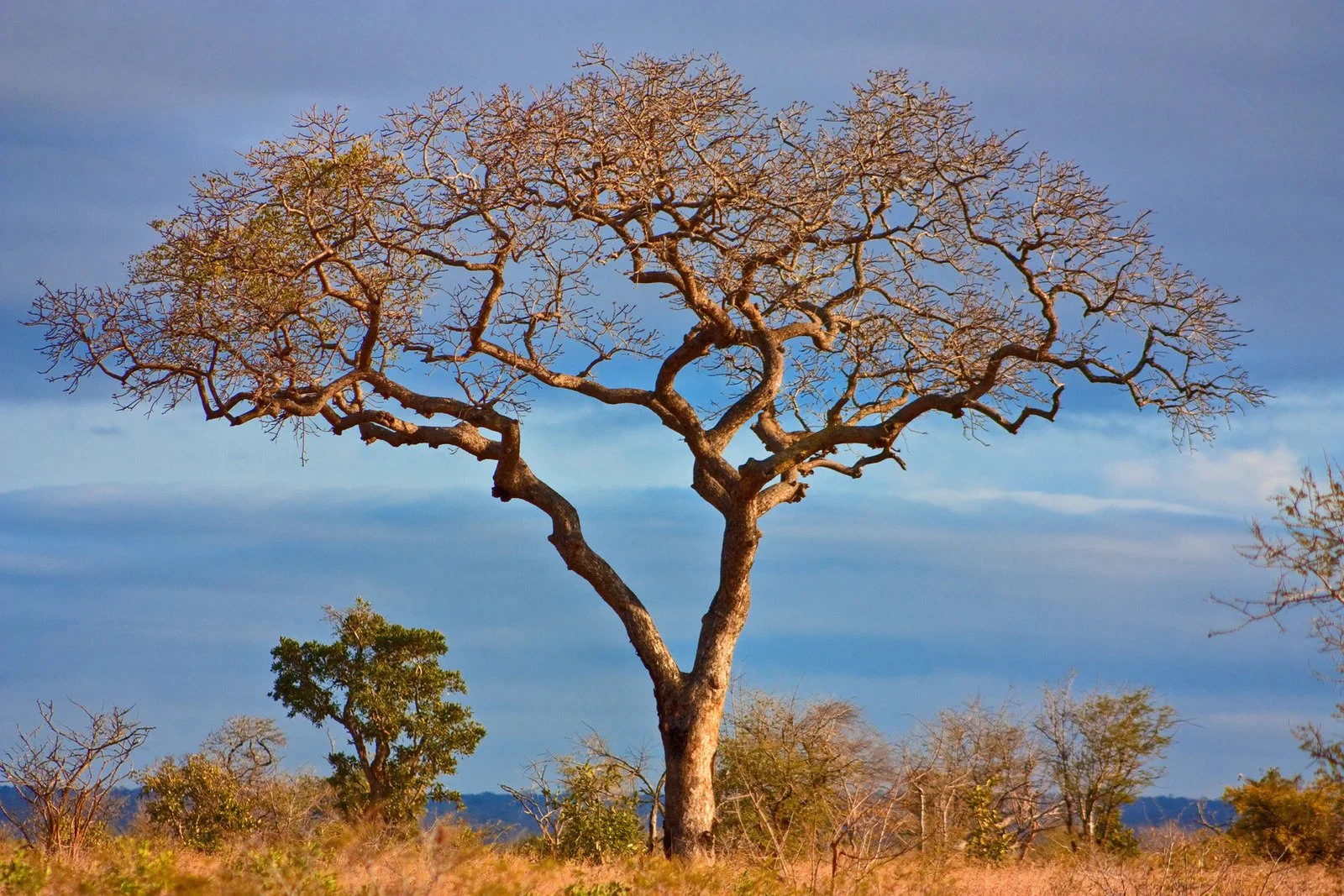
Marula tree. Nicolas Raymond. CC BY 2.0.
That’s why foxholes are being used for the Ivohiboro project. Foxholes, unlike the other methods, attempt to mimic the requirements naturally occurring for growth in these areas, essentially priming the land for regeneration. This is accomplished through a set of phases, starting with the actual foxhole itself. A foxhole is a large, shallow circle dug into the ground, where a variety of pigeon pea plants are seeded. These plants can grow easily in drier conditions, and they are meant to enrich the land for the next phase of plants, known as pioneers. When fully grown pioneers provide shade and loosen the soil, they allow easier access for water and nutrient collection. Finally, there are the enriching plants, which provide the final piece for these foxholes to become what are essentially micro-forests. With these elements combined, the foxholes have all the tools needed to expand and regenerate naturally.
Another notable advantage of foxholes in the case of Madagascar is that they are more resistant to wildfires. The edge of a foxhole is raised slightly like an overhang, making it difficult for wildfires to ignite. However, once these foxholes mature into taller and denser foliage, wildfires again become a threat.
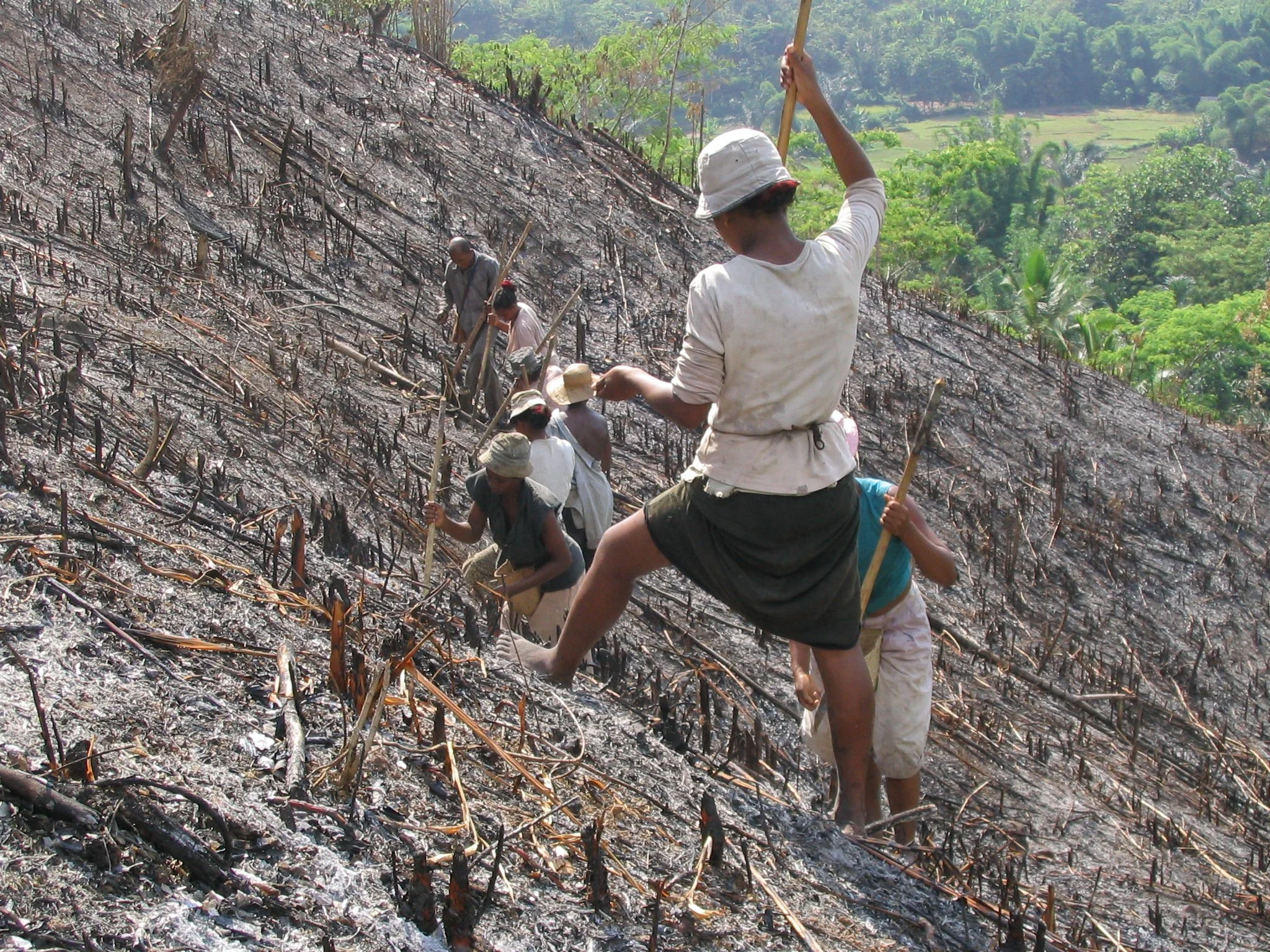
Slash and burn rice cultivation. Paul Atkinson. CC BY-SA 3.0.
Most wildfires in Madagascar are started by humans. Many of the local Malagasy people rely on the sustenance and produce markets for income, making cattle and crops a priority. Oftentimes, drylands are burned to stimulate the growth of new, more nutritious grass for cattle grazing or to clear out areas for rice cultivation. This practice is known as “slash and burn” and has been used by the Malagasy people for hundreds of years. While this practice is effective in the drylands, these fires often spread into forested areas, like Ivohiboro, highlighting a fundamental clash between Madagascar’s environment and economy. In order to truly protect forests like Ivohiboro in the long term, this clash must be reconciled.
“You need to observe the context you’re in and understand how to change the local economy from an extractive one from nature to one that protects it and secures people’s livelihoods,” says Fatima Gonzalez-Torres, seasoned field producer for Ecosia, in a video on the Ivohiboro project.
In other words, successful conservation efforts protect both nature and the local people. Incentives have been added to garner local support for the regeneration of Ivohiboro. Thousands of workers from local communities are hired during the dry season to dig and plant foxholes, offering income through labor, although it is seasonal. To fill the income gap between seasons, Cullen Anderson, Madagascar Project Manager at the Phoenix Conservancy, helped to develop a marula seed press. The machine allows locals to sell the oil they produce to organizations like the Phoenix Conservancy, whose revenue is reinvested and split between funding the project and the community, such as for fixing roads, building schools and hiring doctors.
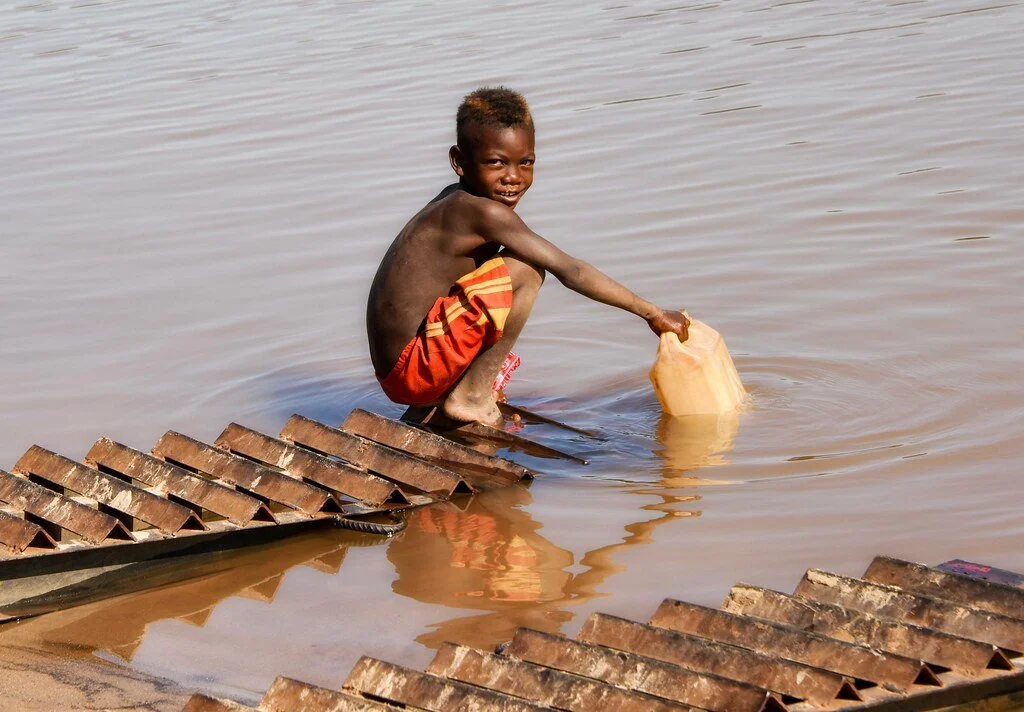
Child collecting river water. Rod Waddington. CC BY-SA 2.0.
A fully restored Madagascar may not be for decades to come, assuming everything goes according to plan. Foxholes are a long-term process that offer long-term results, meaning hard but patient work is necessary for the greatest success. With support from Ecosia, the Phoenix Conservancy and, most importantly, the local Malagasy people, the future of a flourishing, healthy island will only continue to transform into a reality.
As Fatima puts it simply, “If we all come together, share our ideas and lessons, we can restore the planet.”
GET INVOLVED:
Visit the Ecosia page to learn more about the project. Visit the Phoenix Conservancy website to donate toward restoration efforts and local Malagasy communities.

Aidan Nisbett
Aidan is a student at UMass Amherst majoring in English with a minor in IT. He is dedicated to using storytelling as a way to share histories of the world, and lives for learning and travel. When he isn't reading or writing, you can find him hiking a mountain or running at a track race.