Honduras has one of the highest rates of femicides in the world, with more than 4,000 women killed between 2013 and 2025.
Read More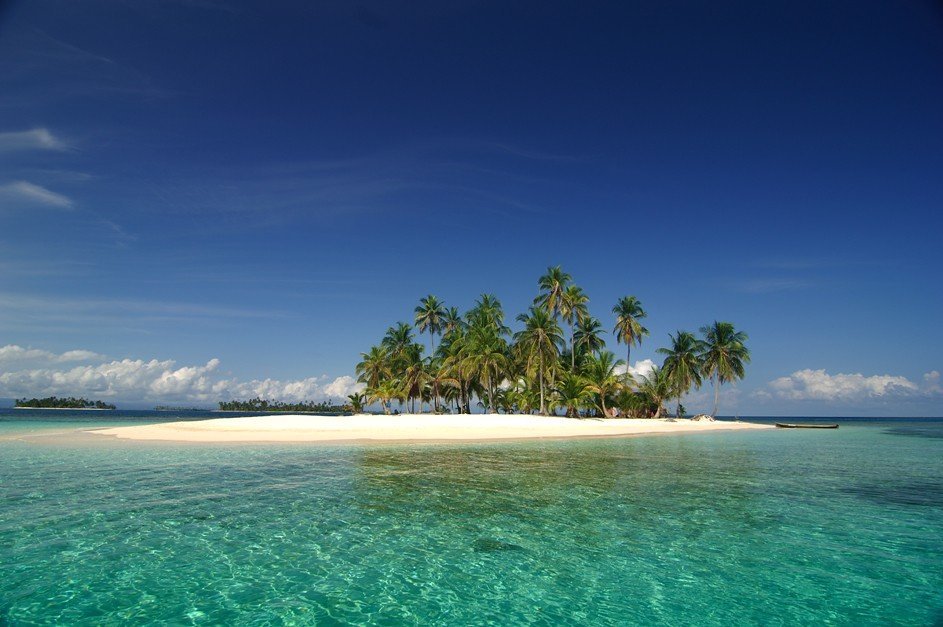
The San Blas Islands, Panama. Whl.travel. BY-NC-SA 2.0
8 Central American Islands You May Have Never Heard Of
Known mostly to locals and frequented by few travelers, these islands have an expansive amount of marine life and culture. This list includes islands in Belize, Honduras, Costa Rica, Nicaragua and Panama.
1. Glover’s Reef Atoll
Belize
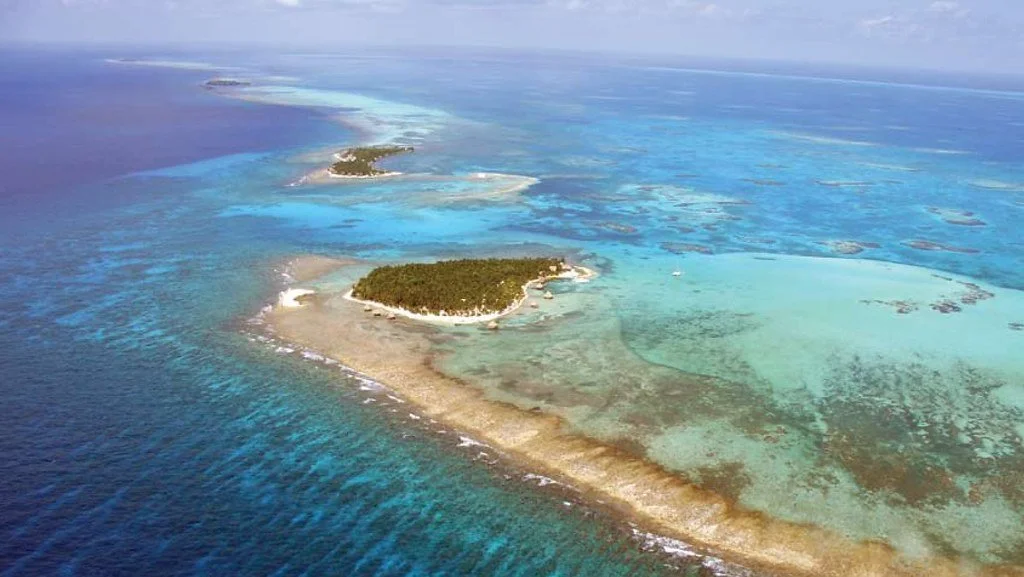
Opened to only a few visitors at a time, this 9-acre island is surrounded by Glover’s Reef—a 90 square mile stretch of reef made up of 700 individual patch reefs in a lagoon. This reef is thought to be the richest marine environment in the Caribbean Sea. There are many things to do on the island, such as kayaking, snorkeling, attending a yoga retreat or just relaxing. Once frequented by pirates, this protected marine reserve has been a designated World Heritage Site since 1996.
2. Isla del Caño
Costa Rica
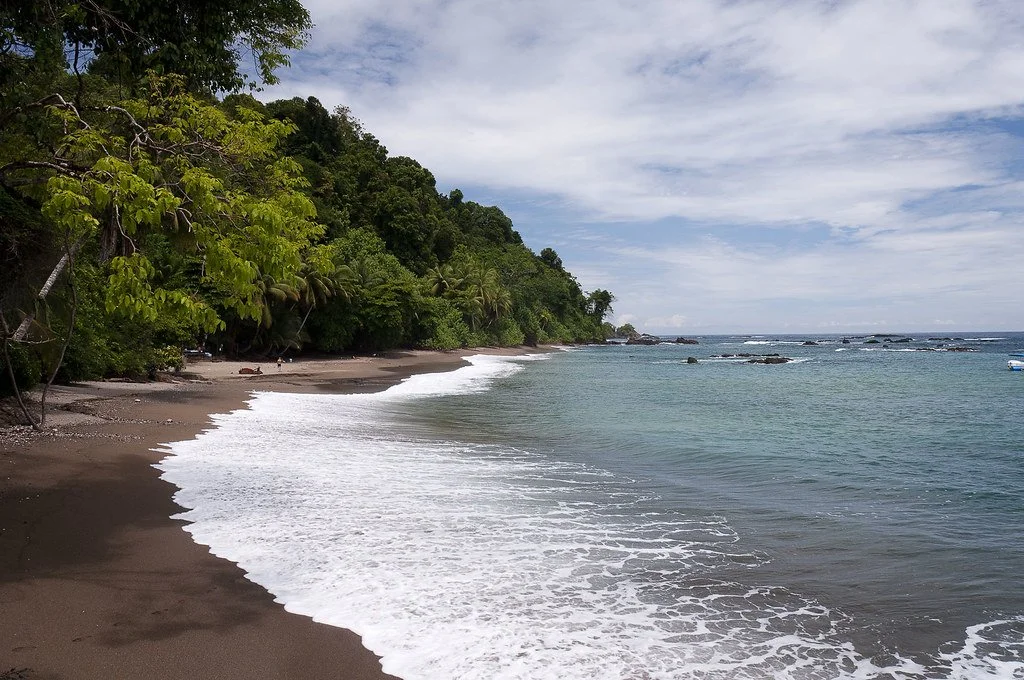
Isla del Caño, Costa Rica. Chris Varley. CC BY-NC 2.0
During pre-Columbian times, this island was a cemetery and home to Indigenous cultures. Located just 10 miles off the Osa Peninsula, it is a protected biological reserve surrounded by five platforms of low coral reefs. It is also home to an abundance of marine life, including sharks, whale sharks, dolphins, moray eels, sting rays and a variety of tropical reef fish. There are no hotels or guesthouses on the island; staying overnight is not allowed.. There are many tours available right outside of the Ballena Marine National Park. Your day trip or overnight stay can begin at the Osa Peninsula, Uvita or Sierpe.
3. Hog Islands
Honduras
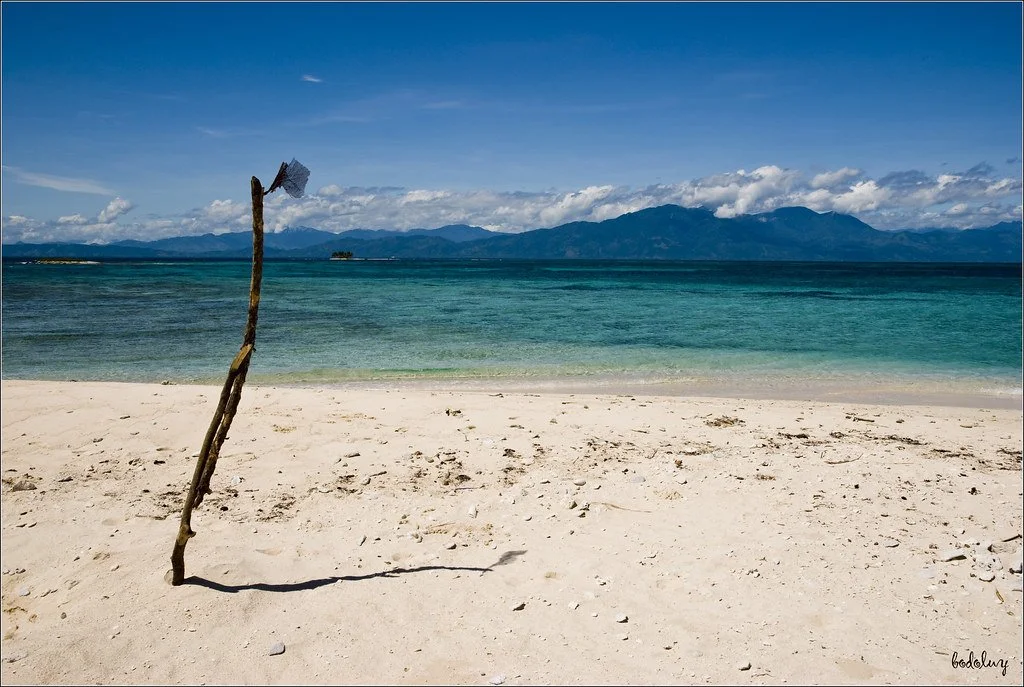
Cayos Cochinos a.k.a Hog Islands, Honduras. Bodoluy. CC BY-NC-SA 2.0
Off of the northern mainland coast of La Ceiba in Honduras lie the Hog Islands, known in Spanish as Cayos Cochinos. They consist of two small islands and 13 tiny sand cays. It’s inhabited by the Garifuna people, and they are the only ones allowed to fish the waters. The islands are managed by the Cayos Cochinos Foundation; they work in unison with the Honduran government and the Garifuna people to preserve the water’s health. The smaller of the two islands is used exclusively as a center for scientific investigation. Cayos Cochinos is a Marine Protected Area (MPA), which includes part of the world's second largest coral reef system known as the Mesoamerican Barrier Reef.
4. Isla Guadalupe
Mexico's Baja Peninsula
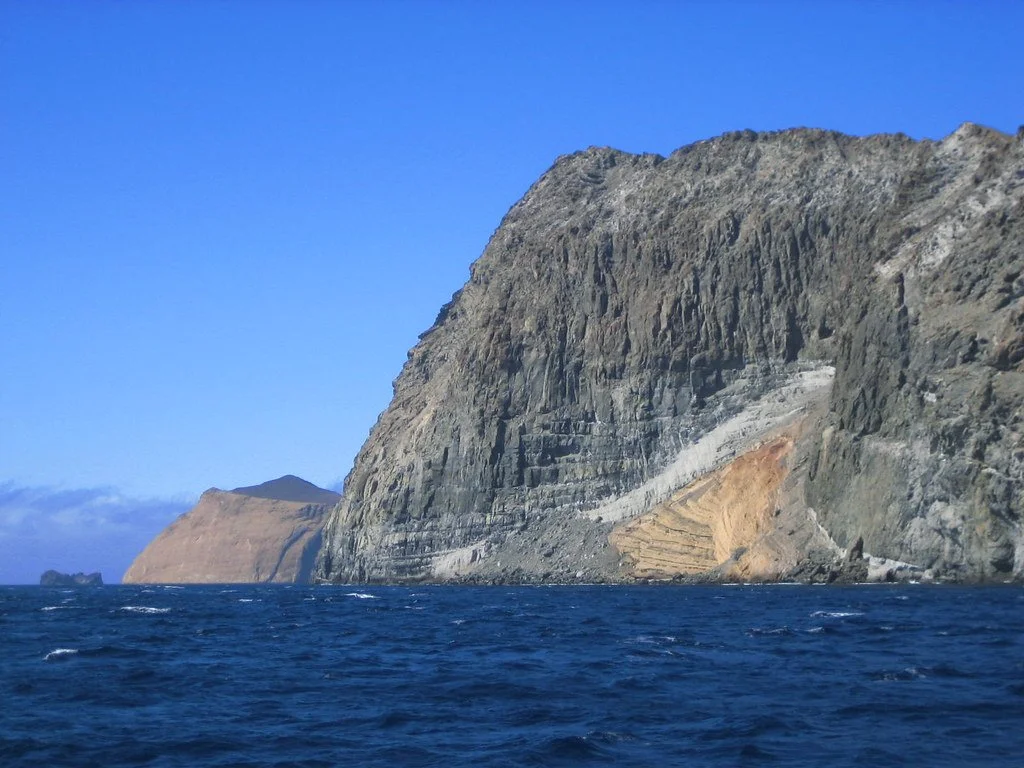
Isla Guadalupe. StJenna. CC BY-NC 2.0
The remote volcanic island of Isla Guadalupe, which is Spanish for Guadalupe Island, is located off the west coast of Mexico’s Baja Peninsula. The island is home to elephant seals and Guadalupe seals and is inhabited by scientists, military personnel operating a weather station and a small group of seasonal fishermen. The waters surrounding Isla Guadalupe drive experienced divers to take in the views of underwater life; it is known to consistently outperform South Africa and Australia with shark-seeing consistency. The diving tours leave the ports of Ensenada and San Diego and last on average five days.
5. Isla Ometepe
Nicaragua
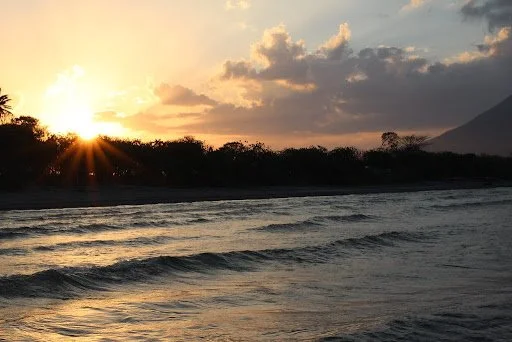
Isla Ometepe Sunset. Katie Laird. CC BY-NC-SA 2.0
Located southwest of Lake Nicaragua, Isla Ometepe is home to twin volcanoes: Concepción and Maderas. The island is inhabited with dense forests, natural springs, lake views and hiking trails. There are also diverse plant and animal species, including white-headed capuchins, yellow-naped Parrots and guayabón fruit trees. The island is visited by backpackers and nature seeking enthusiasts, with locals sharing that more eco-tourists are arriving. The best time to visit is during the dry season, which runs from November to April. In the dry season, the butterfly garden is open in Charco Verde, the ecological reserve.
6. Little Corn Island
Nicaragua
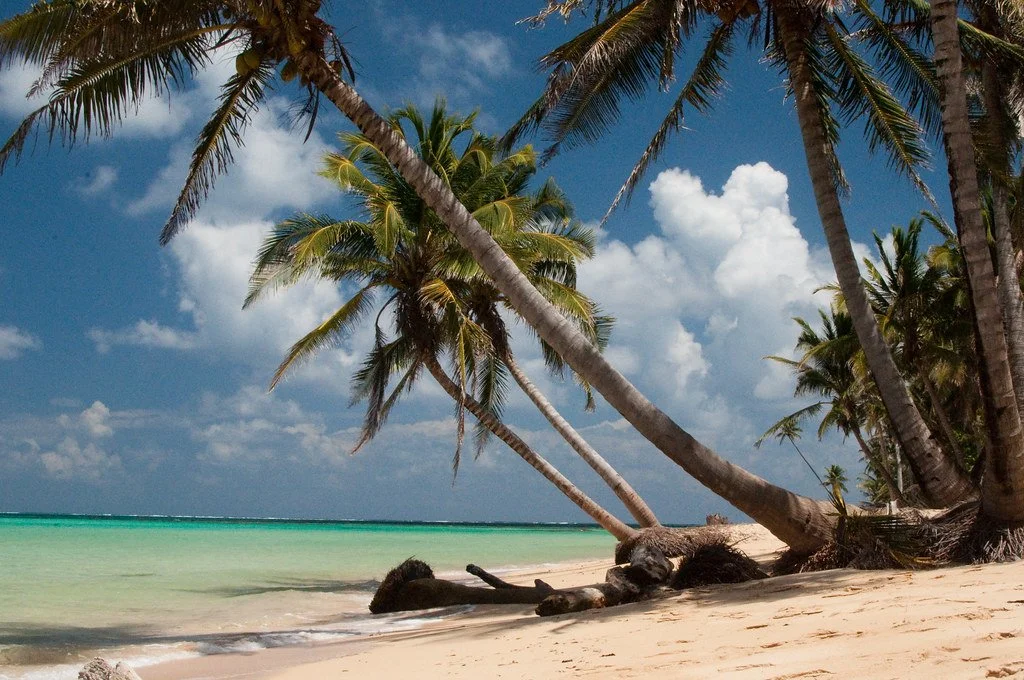
Little Corn is the smallest of the Corn Islands off Nicaragua’s Caribbean coast. Once ruled by the British, this remote island produces coconut oil, lobsters and shrimp and is inhabited by roughly 850 people. There are no cars, golf carts, motorcycles or an airport. Seeing the island is possible, but requires two or more connection flights, as well as a 30-minute boat ride from Bluefields, Nicaragua. It’s visited by many who enjoy diving due to the hundreds of dive spots that surround the island. Featuring cheap dining prices, a beer on the island is less than a dollar, and a fresh caught lobster dinner is on average $12.
7. Islas Zapatillas
Panama
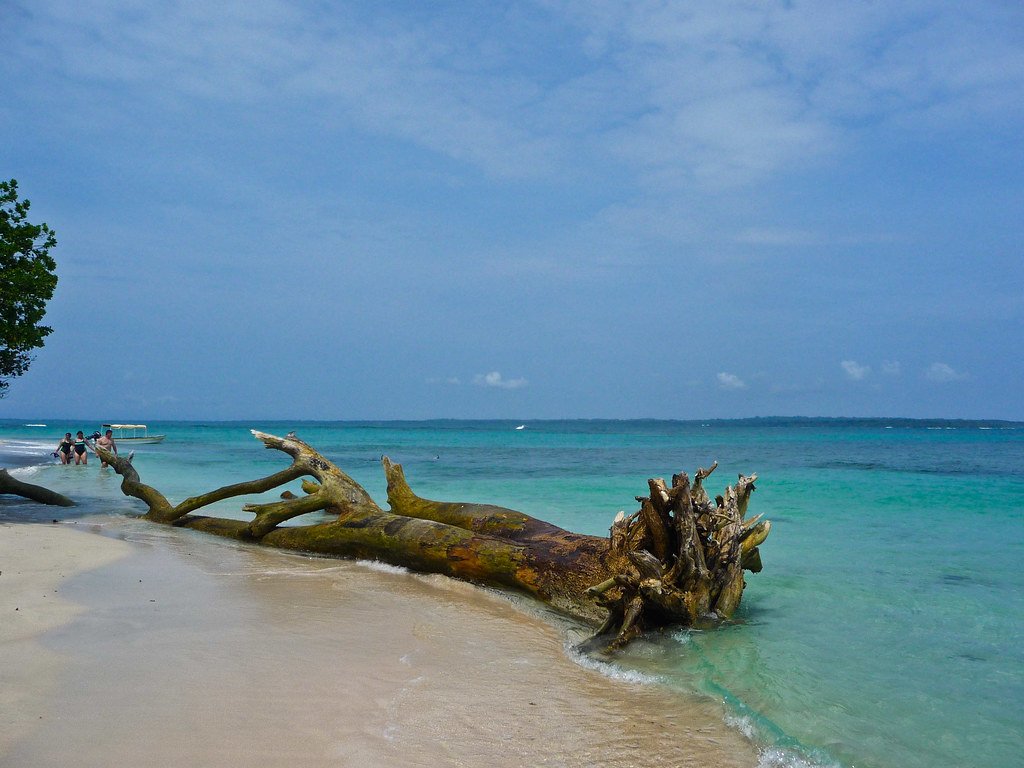
Isla Zapatilla. Michael McCullough. CC BY 2.0
Islas Zapatillas or Little Shoes Cays (named for their resemblance to footprints) are two small islands in Bocas del Toro, Panama. The islands are inhabited by sloths and protected by the Bastimentos National Marine Park. Islas Zapatillas are important ecological sites for the endangered hawksbill sea turtles that nest on their shores. You can explore the island through a tour or by charting a private boat to have a more intimate experience. The island is uninhabited, so making sure you have enough water, food, sunscreen and all other necessities is key to enjoying yourself here.
8. San Blas Islands
Panama
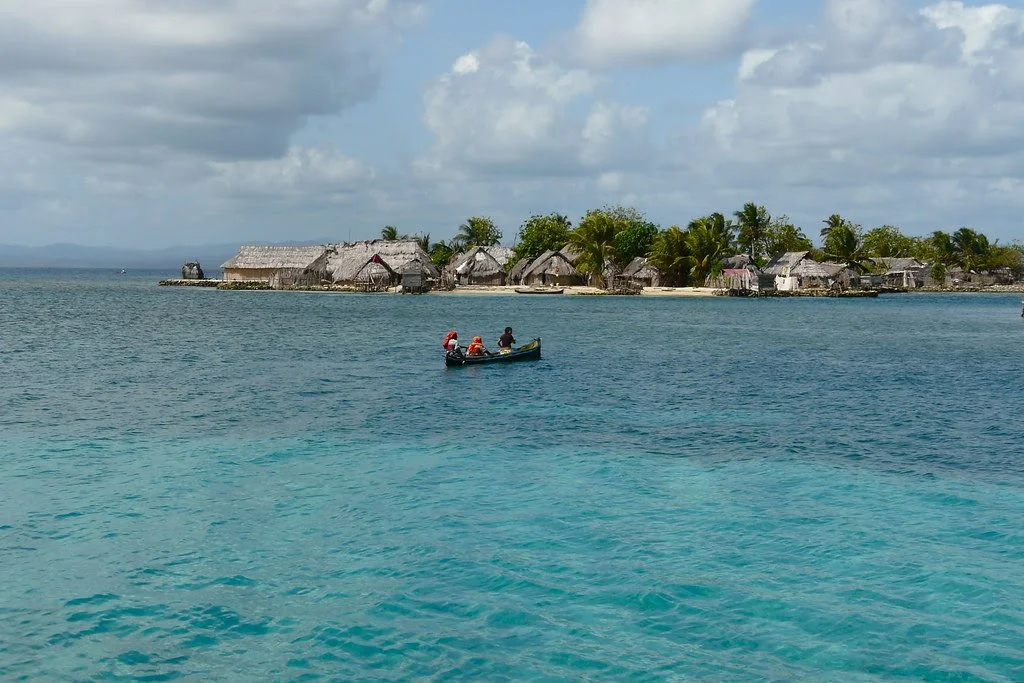
San Blas, Panama. Rita Willaert. CC BY-NC 2.0
The San Blas Islands are located in the Caribbean Sea off the coast of Panama. The Kuna Tribe of Panama inhabit the islands and have strictly controlled development and tourism here. All of the money spent on the islands falls directly into the hands of the Kuna Community. Day trips are available, but if staying overnight is an option you’d like to explore, palm-thatched cabins with a sand floor are available. They also offer overwater bungalows or even options for camping. There are visitors who decide to experience the Kuna lifestyle and culture; in those cases, they organize to stay in a dorm of a Kuna family. The island is filled with water activities and scenic views. However, researchers claim that the islands are at risk of disappearing in a matter of decades due to erosion and poor resource management.

Jennifer is a Communications Studies graduate based in Los Angeles. She grew up traveling with her dad and that is where her love for travel stems from. You can find her serving the community at her church, Fearless LA or planning her next trip overseas. She hopes to be involved in international humanitarian work one day.
International Human Rights Court Rules in Favor of Trans Rights
The Inter-American Court of Human Rights ruled that the government of Honduras was responsible for the 2009 murder of a transgender woman. Today, Honduras is one of the largest contributors to anti-trans violence in Latin America.
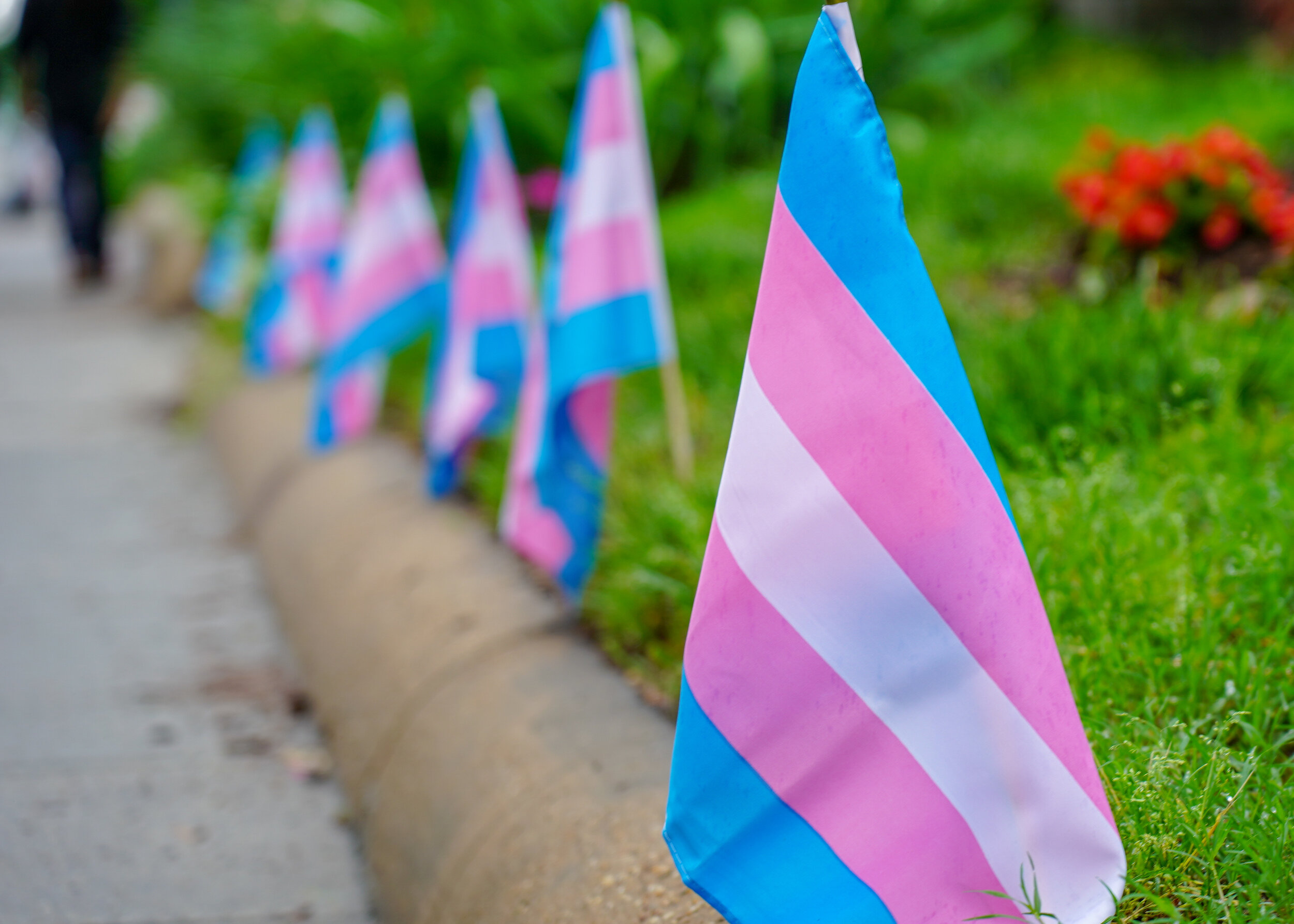
Transgender pride flags. Ted Eytan. CC BY-SA 2.0
On June 26, the Costa Rica-based Inter-American Court of Human Rights delivered a landmark ruling in a transgender rights case. The court held that the government of Honduras was responsible for the 2009 murder of trans woman and trans rights activist Vicky Hernández, stating that the government had violated Hernández’s rights to life and fair trial.
Hernández was 26 years old when she was killed by a single gunshot to the head. No one was ever charged for the crime.
The Court’s ruling stated that Honduran authorities did not sufficiently investigate Hernández’s death. Her murder was dismissed quickly as a “crime of passion,” and police failed to interview anyone from the scene or examine the bullet casing. It is unclear whether a postmortem examination was performed.
Lawyers acting on behalf of Cattrachas, the LGBTQ+ rights organization that brought forward the case, argued that this incomplete investigation was a result of Hernández’s gender identity. Robert F. Kennedy Human Rights reports that during the investigation, authorities continuously identified Hernández as male and referred to her on documents and records by her birth name, which she did not use. In 2009, shortly before Hernández’s killing, Human Rights Watch published a report which found that police in Honduras routinely failed to investigate reports filed by trans people. The report also detailed the harassment and beatings that trans people had endured at the hands of the police.
Hernández’s murder occurred on June 28, 2009, the first night of a military coup against then-President Manuel Zelaya. Zelaya was taken into custody, and the military imposed a 48-hour curfew, leaving the streets closed to everyone but military and police forces. Hernández was a sex worker, and was still on the street after curfew arrived, along with two other trans women. The three women saw a police car approaching and scattered, fearing violence. The next morning, Hernández’s body was found in the street.
Due to the circumstances surrounding her death, lawyers for Hernández’s case posited that she was the victim of an extrajudicial killing, meaning that state agents were responsible for her death. Robert F. Kennedy Human Rights points to the execution-style way in which Hernández was shot and the fact that the streets were closed to everyone but police and military forces, as well as the lack of effort put into the criminal investigation.
In its ruling, the Court found evidence that state agents had participated in Hernández’s death.
Hernández’s murder was the first in a wave of anti-trans violence that followed the 2009 coup. Cattrachas documented 20 deaths of LGBTQ+ people in the 15 years before the coup, and 31 deaths in the eight months directly afterward. 15 of these 31 people were trans women, like Hernández.
Today, Latin America is still a deadly area for LGBTQ+ people. Research released in 2019 showed that four LGBTQ+ people are murdered every day in Latin America and the Caribbean, with Honduras, Columbia and Mexico accounting for nearly 90 percent of these deaths. In 2020, Human Rights Watch published a follow-up to their 2009 report, which found that LGBTQ+ Hondurans still face rampant discrimination and violence from police and other authorities, as well as from non-state actors.
Twelve years after Hernández’s murder, Honduras is finally being held accountable for its anti-LGBTQ+ violence and being made to implement reforms. Activists hope that the ruling will encourage other Latin American countries to address their own issues with violence against the LGBTQ+ community.
The Court’s ruling included orders for the Honduran government to pay reparations to Hernández’s family, restart its investigation into her murder and publicly acknowledge its own role in the event, train security forces on cases involving LGBTQ+ violence, and keep a better record of cases motivated by anti-LGBTQ+ sentiment. The Court also ordered the Honduran government to allow people to change their gender identity in documents and public records, which is a major step forward. The next step is ensuring that Honduras’ new LGBTQ+ legislation is actually enforced.
Rachel Lynch
Rachel is a student at Sarah Lawrence College in Bronxville, NY currently taking a semester off. She plans to study Writing and Child Development. Rachel loves to travel and is inspired by the places she’s been and everywhere she wants to go. She hopes to educate people on social justice issues and the history and culture of travel destinations through her writing.
A Crisis of Violence Pushes Honduran Women to the U.S. Border
For women facing rampant femicide and rape in Honduras, the risks of a treacherous trip across the border are minor compared to the dangers of remaining at home.
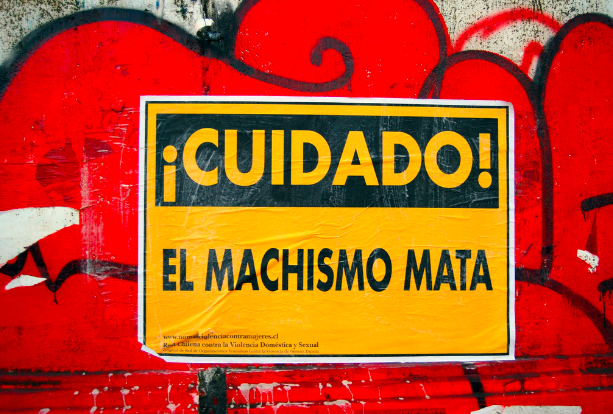
High rates of violence against women in Honduras has been attributed to a culture of machismo. Paul Lowry via Wikimedia Commons. CC BY-SA 2.0
Yo no quiero ser violada.
I do not want to be raped.
So read the signs plastered across walls and doors in the cities of Honduras. Simple black lettering is inscribed beneath a pair of thickly lashed eyes, with the eyebrows above turned downwards in an expression of anger—or, more accurately, indignation—at the dangerous injustices Honduran women face every day.
Honduras has been called the most dangerous place on Earth to be a woman, and with good reason: As of 2015, the Central American nation ranked alongside war-torn countries like Syria and Afghanistan for the highest rates of violent deaths among women. Although the overall murder rate of Honduras, which has long been wracked by drug- and gang-related violence, has declined in recent years, murder remains the second-leading cause of death for women of childbearing age.
In 2014, a high-profile “femicide”—the murder of a woman because she is a woman—rocked the nation and brought its murder rates into the international spotlight. Nineteen-year-old Miss Honduras winner Maria Jose Alvarado, just days from departing for London to compete for the title of Miss World, was brutally murdered and buried in a shallow grave in a riverbank. Authorities surmised that her sister’s boyfriend, 32-year-old Plutarco Ruiz, shot his girlfriend, Sofia Trinidad, before opening fire on Maria Jose as she attempted to flee. The ensuing investigation yielded the sisters’ bodies within a week, but their mother, Teresa Muñoz, believed it would not have happened at all if Maria Jose had not been famous: “Here in Honduras, women aren’t worth anything,” she told ABC News.
In 2013, the year before Maria Jose’s violent death, statistics showed that 636 women were murdered during the year, one every 13.8 hours. Most victims lived in urban areas, particularly San Pedro Sula and the Central District—in fact, 40 percent of all murders of women could be traced to those two areas. Nearly half of all women targeted annually were young, with the 20–24 age range being the most at risk. And murder is far from the only danger facing Honduran women. Rape, assault, and domestic violence are also rampant, and perpetrators enjoy near-total impunity: In 2014, the UN found that 95 percent of sexual violence and femicide cases were never investigated.
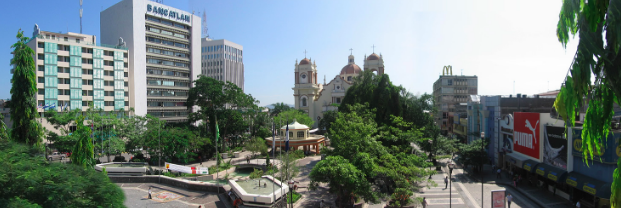
San Pedro Sula, a city with high rates of femicide. Gervaldez. CC BY-SA 4.0, CC BY-SA 3.0, CC BY-SA 2.5, CC BY-SA 2.0, CC BY-SA 1.0
Honduras’ shocking levels of violence against women can be traced in part to harmful attitudes bubbling below the surface. Suyapa Martínez, a local feminist and co-director of the Center for Women’s Studies—Honduras, points to “machismo,” a Spanish term describing a society built by men “who consider themselves to be the owners of women’s bodies.” In such a society, women have historically lacked political power: Only about half of Honduran women work outside the home, and when they do, they earn just half of what their male colleagues bring in.
Meanwhile, those ostensibly tasked with protecting all Honduran citizens—women included—have done little to mitigate the crisis. A 2015 report from the UN special rapporteur on violence against women concluded that the administration has paid “minimal attention” to gender empowerment and implemented only “ineffective measures” to address social reform. And in many cases, the government inflames the problem by limiting women’s options after sexual violence: Emergency contraception is completely banned, as is abortion, even in the case of rape, incest, or threat to the mother’s life. Women who seek abortion can receive a prison sentence of up to six years. These strict rules stem from the stranglehold of the Catholic and Evangelical churches, who have resisted even minor liberalizations to legislation—even after the UN joined with other human rights groups in 2017 to call for the allowance of abortion in cases of rape, incest, or possibility fatality. To make matters worse, the government is expected to decrease the penalty for violence against women later this year to between one and four years in prison.
Trapped in a repressive society and seeing little hope for a safer future, huge influxes of women and children have embarked on the treacherous journey to America’s southern border. In what the UN has called an “invisible refugee crisis,” women from the Northern Triangle—which includes Honduras, El Salvador, and Guatemala—have been fleeing in droves, with more than half listing violence as their reason for requesting entry to the United States. Lori Adams, director of the U.S.-based Immigration Intervention Project at Sanctuary for Families, told Politico, “Women are leaving with no other option but to flee north, even knowing that the journey itself might be life-threatening, but knowing it’s a near certainty that they will be killed if they remain.”
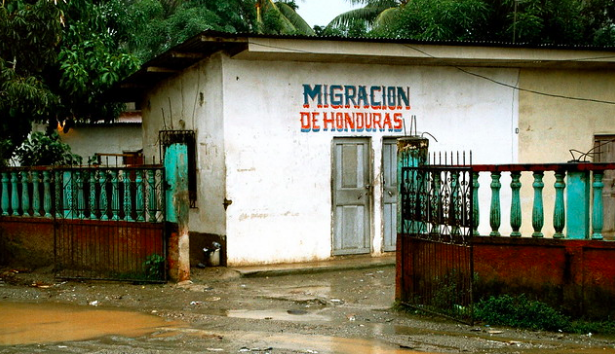
Migration office in Honduras. KriKri01. CC BY-NC-ND 2.0
Yet even if women survive the trek north, their hopes are often dashed when they reach the border. According to researchers at Syracuse University, the percentage of asylum applicants denied by U.S. immigration courts has been increasing since 2012, reaching 65 percent in 2018. That year, prospects for Hondurans were particularly grim, with judges granting just 21 percent of asylum cases. And as of mid-August, new policies from the Trump administration will privilege green-card applicants—immigrants aiming to become naturalized citizens—who are educated and monied while denying those who are considered likely to rely on government welfare programs. Given the financial dynamics of Latin America, the new rule will almost certainly affect Honduran women seeking safety in the United States. Dario Aguirre, a Denver-based immigration lawyer, told the New York Times that Trump’s policy gives officers carte blanche to deny green cards to many working-class immigrants from less developed countries, such as El Salvador, Guatemala and Honduras. Thus, another option is ripped from the hands of already desperate Honduran women—and until the U.S. government or Honduran officials enact substantive change, their eyes will stay wide open like the posters on the walls, watching keenly for danger.
TALYA PHELPS hails from the wilds of upstate New York, but dreams of exploring the globe. As former editor-in-chief at the student newspaper of her alma mater, Vassar College, and the daughter of a journalist, she hopes to follow her passion for writing and editing for many years to come. Contact her if you're looking for a spirited debate on the merits of the em dash vs. the hyphen.