
Paige Geiser
Walk among pyramids, tombs, and temples at these unforgettable archaeological destinations.
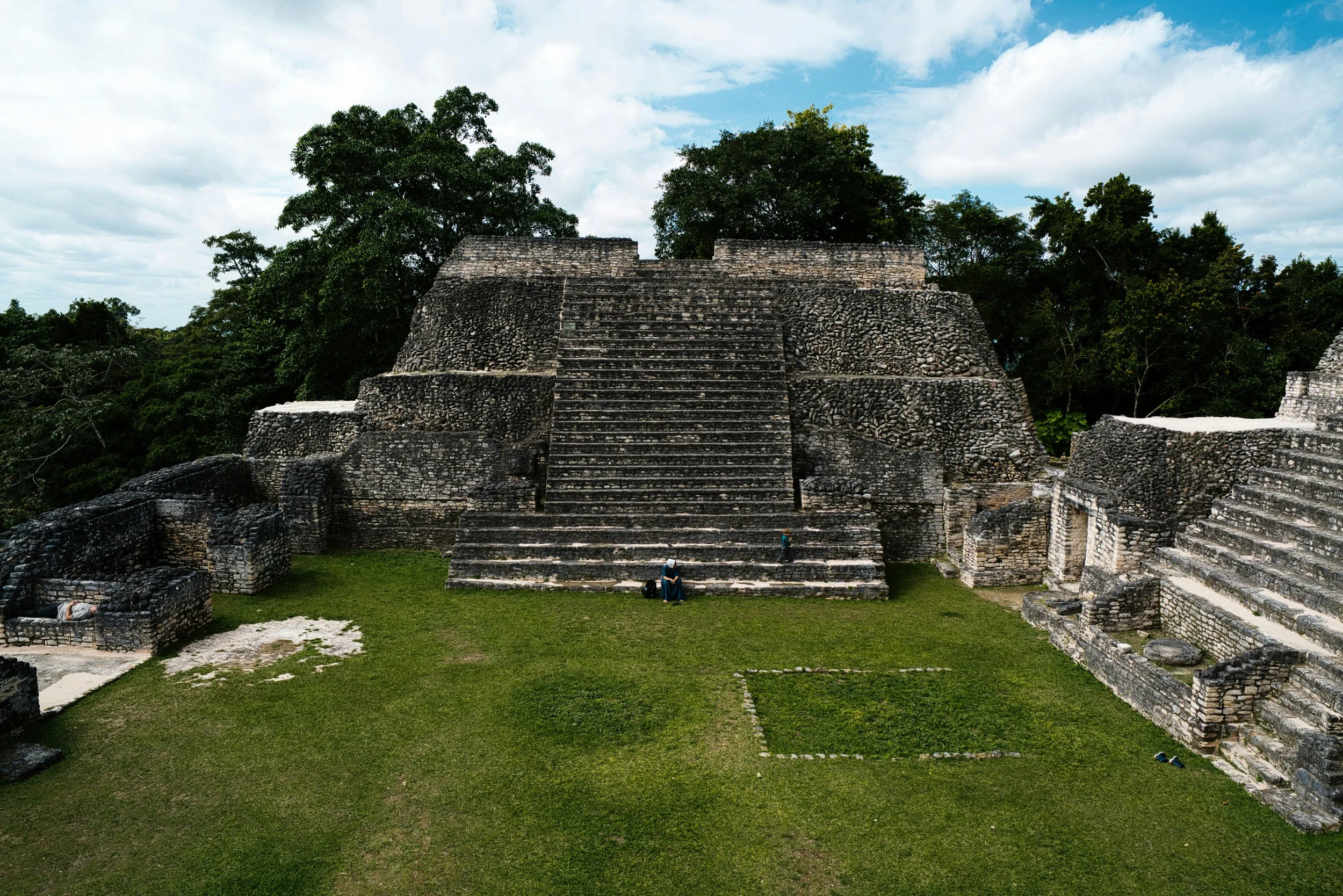
Ancient buildings in Caracol. Ronald Plett. Pexels.
Belize is a small country in Central America that is home to the ancient Maya civilization. They dominated Central America for more than 2,000 years, all the way up to the 16th century. The majority of this civilization resided in current day Belize, Guatemala and southeastern Mexico, showing the sheer size of this empire. Throughout their rule, the Maya developed an advanced society known for its innovations in writing, astronomy, mathematics and the arts. Their cities were filled with great architectural and engineering feats, many of which still stand today. Today, in the country’s northern and western jungles, visitors can explore some of the most well-preserved Maya ruins in the world.
1. Caracol
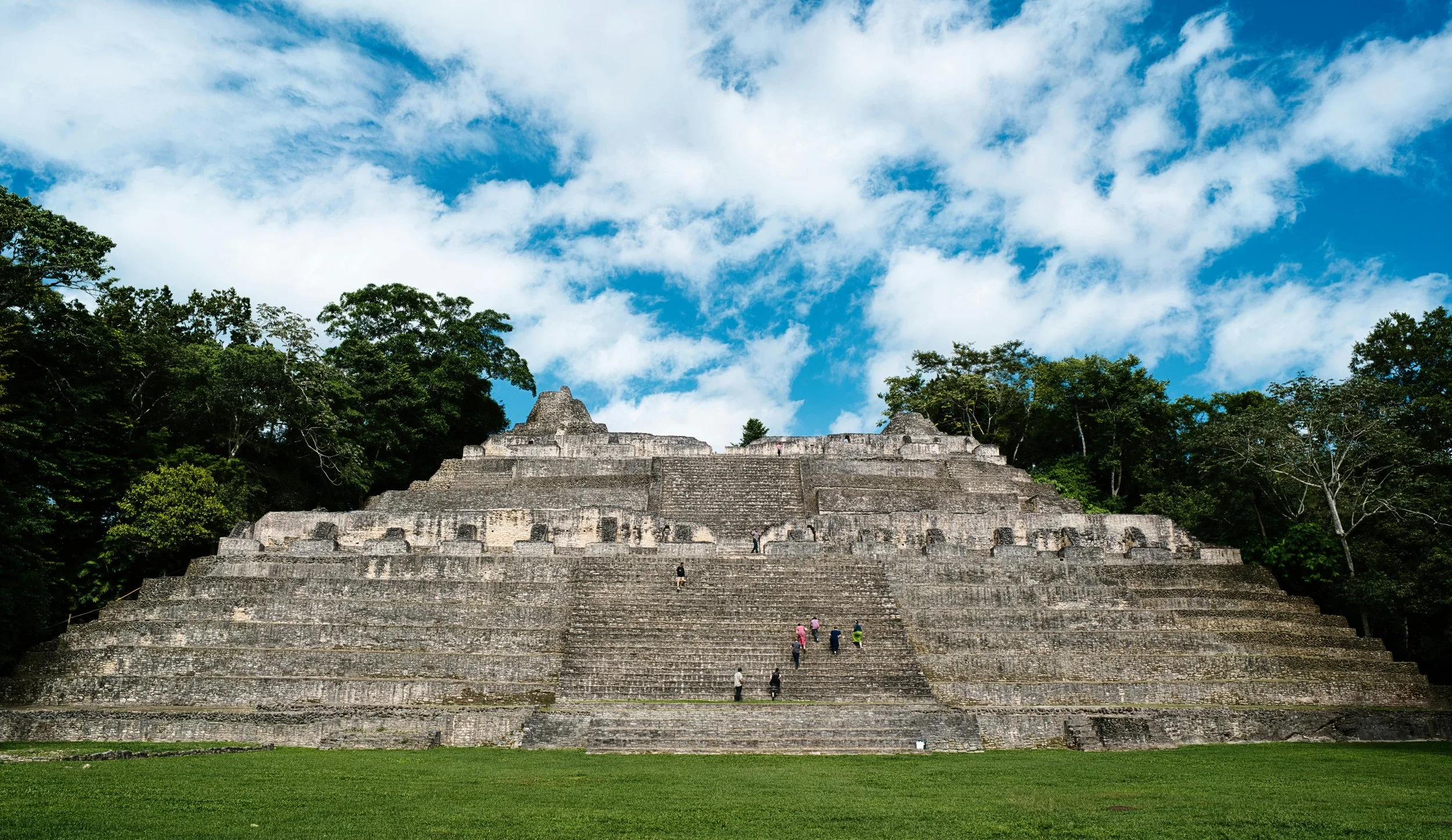
Tourists at Caracol Ruins. Ronald Plett. Pexels.
Caracol, the largest Maya site in Belize, dates back as far as 1200 B.C. and is said to rival modern cities in scale. At its peak, it is thought to have supported a population of around 15,000 in the main city area, with estimates of 115,000 people living in surrounding settlements. Tucked deep within the Chiquibul Forest Reserve, the site can only be reached by a lengthy, rugged journey through remote terrain. One of Caracol’s most striking features is Caana, or “Sky Palace,” which remains the tallest man-made structure in Belize at 141 feet. This towering complex includes three temples and four palaces. Outside of Caana, Caracol also contains a range of other important structures, such as reservoirs, ball courts and an ancient observatory used for tracking celestial events. While much has been uncovered, a significant portion of the site is still under excavation and restoration, continuing to reveal the history of this once powerful Maya city.
In fact, in July of 2025, the 1,700-year-old tomb of a Maya ruler was discovered. Through hieroglyphics, researchers were able to find that the tomb belonged to Te K’ab Chaak, who became king in A.D. 331. Within the tomb, artifacts such as jadeite ear flares and a variety of ceramic vessels were found, which helped establish connections between the Mayan culture and other surrounding settlers. “Without this tomb, we wouldn’t have any idea as to how everything tied together,” Arlen Chase, one of the archaeologists excavating Caracol, said.
2. Lamanai
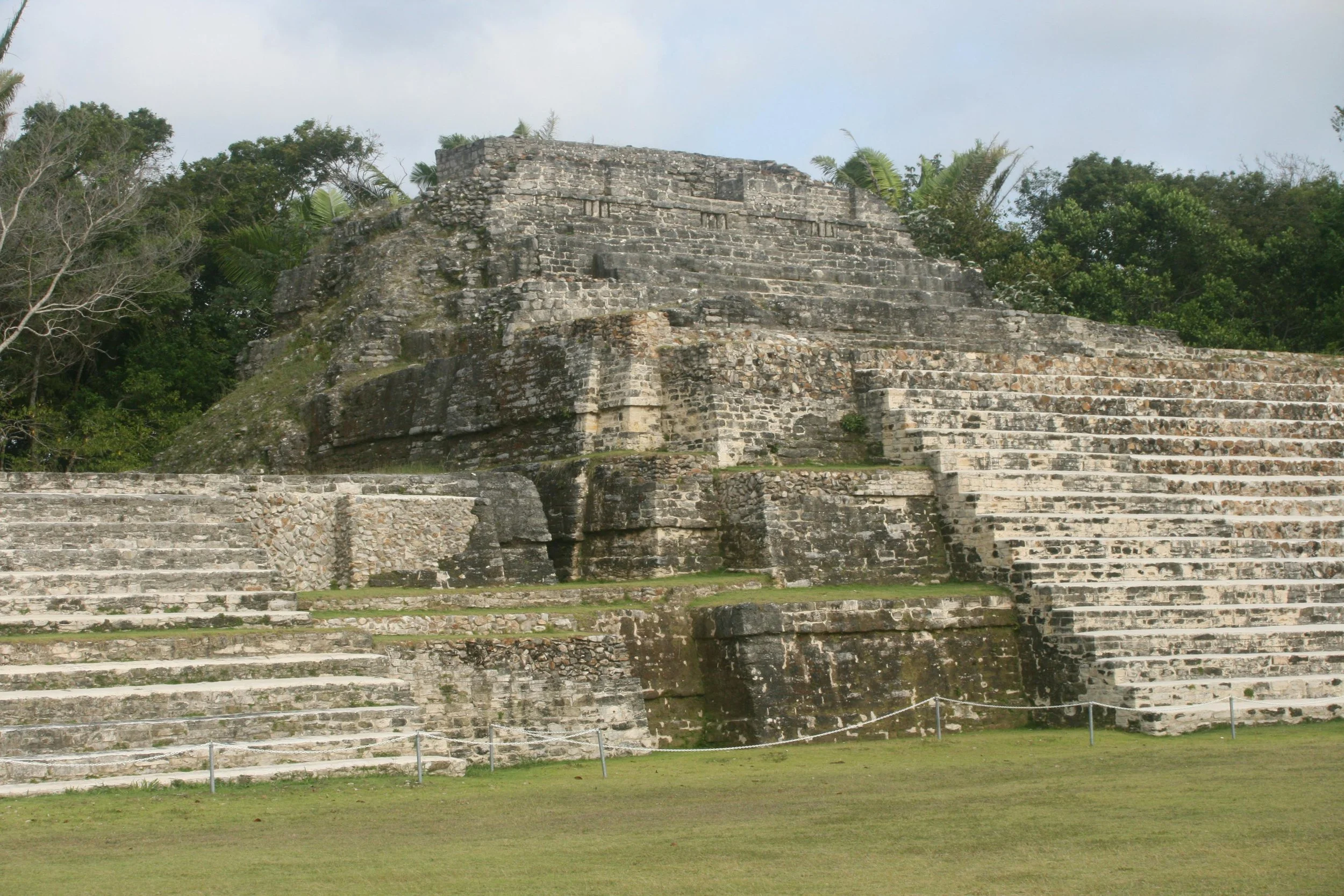
Temple of the Jaguar at Lamanai. Bill Bettilyon. Pexels.
Situated along the banks of the New River Lagoon, Lamanai is more of a challenge to get to. Many visitors travel by boat through lush rainforest waterways, which is a journey that often includes sightings of local wildlife, such as howler monkeys, crocodiles and iguanas. Once at the site, travelers are met with a beautifully preserved ancient city. On top of being a significant Maya center, Lamanai was also one of the longest continuously inhabited cities in the region. Its most notable structures include three impressive pyramids: the Jaguar Temple, the High Temple and the Mask Temple. The Jaguar Temple features stonework resembling the face of a jaguar, while the Mask Temple is adorned with large, carved human-like faces. The High Temple rewards visitors willing to make the climb with a stunning view of the surrounding jungle canopy, offering both a physical challenge and a new perspective on the ancient site.
3. Xunantunich
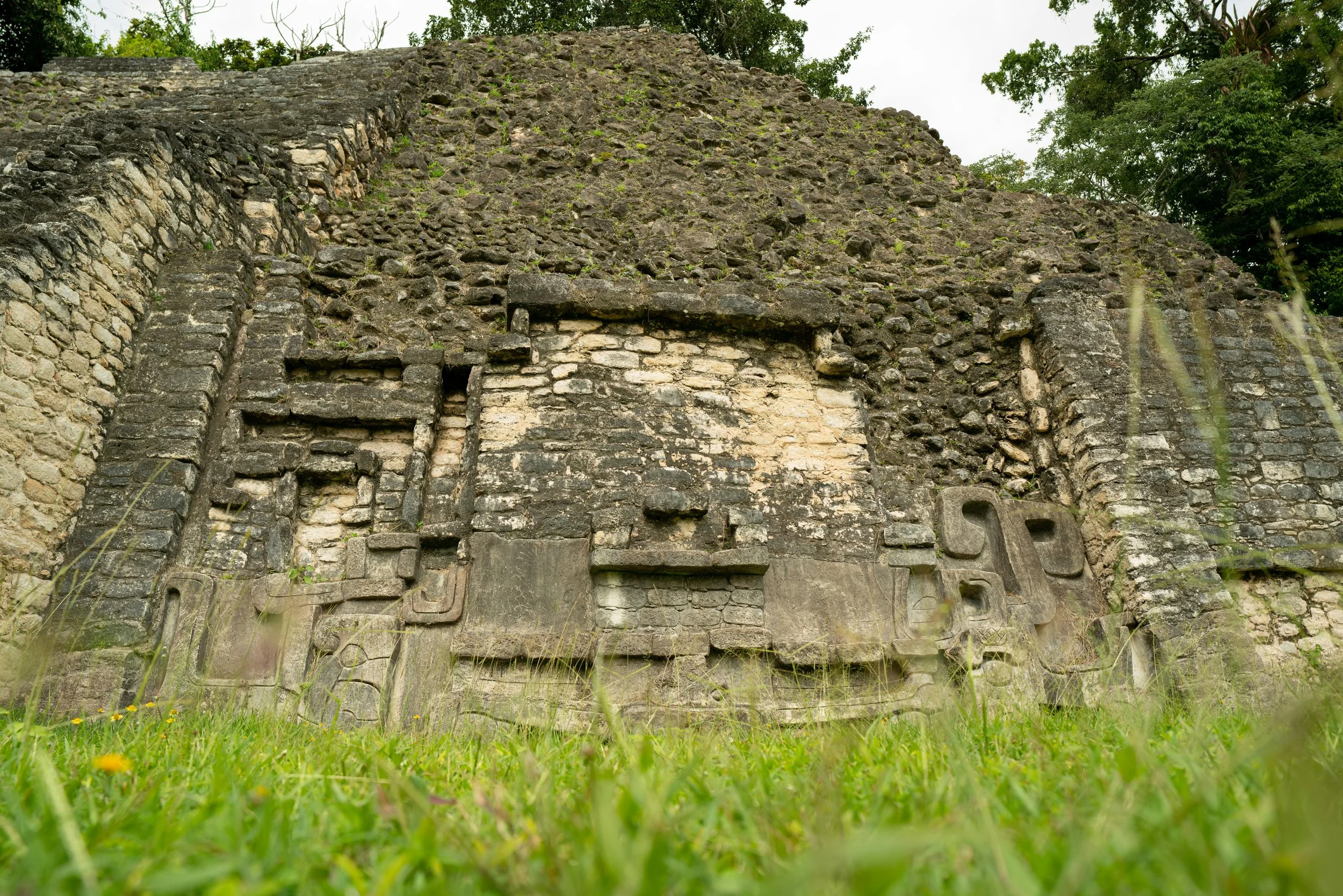
Maya ruins in Xunantunich. Ronald Plett. Pexels.
Xunantunich is a Maya archaeological site near the Mopan River in southern Belize, just short of the Guatemalan border. Although smaller in scale compared to other ancient cities, it features several fascinating structures, the most famous being El Castillo. Rising to a height of 130 feet, the pyramid is the second-tallest man-made structure in Belize. Xunantunich primarily served as a ceremonial center during its peak from A.D. 600 to 890. Archaeological efforts at the site date back to the 19th century, yet excavation workers continue to make discoveries. In 2016, researchers uncovered what is believed to be one of the largest royal tombs ever found in Belize. Inside, they found the remains of an adult male, accompanied by a collection of artifacts, offering deeper insights into the region’s ancient elite.
4. Altun Ha
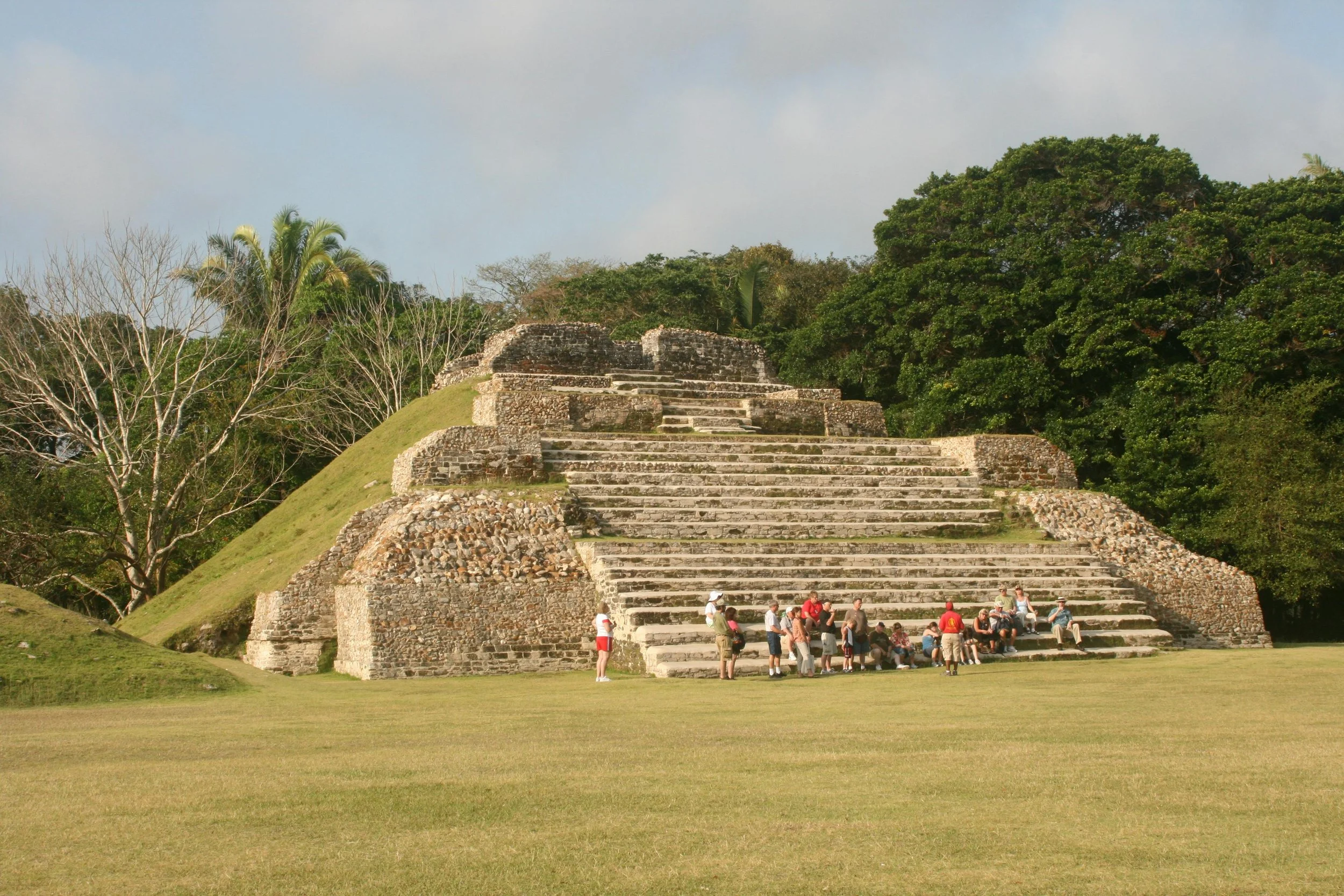
Tourists at Altun Ha ruins. Bill Bettilyon. Pexels.
Though not as expansive as other Maya sites, Altun Ha is home to some of the most well-preserved and carefully restored ruins in Belize. The site remained largely unknown to archaeologists until 1963, with major excavations taking place between 1965 and 1970. During their initial dig, researchers uncovered what would become one of Belize’s most iconic artifacts: the Jade Head. This intricately carved piece, a rendition of the Maya sun god Kinich Ahau, is the largest known jade sculpture from the entire Maya world.
In addition to its temples and ceremonial structures, Altun Ha is one of the older Maya ruins, with its first monumental construction dating back to around 100 B.C. This site is only an hour's drive from Belize City, making it one of the more accessible ruins. With abundant wildlife in the area, visitors should keep an eye out for encounters with animals such as tapirs, armadillos, foxes and a variety of bird species while exploring the site.
5. Cahal Pech
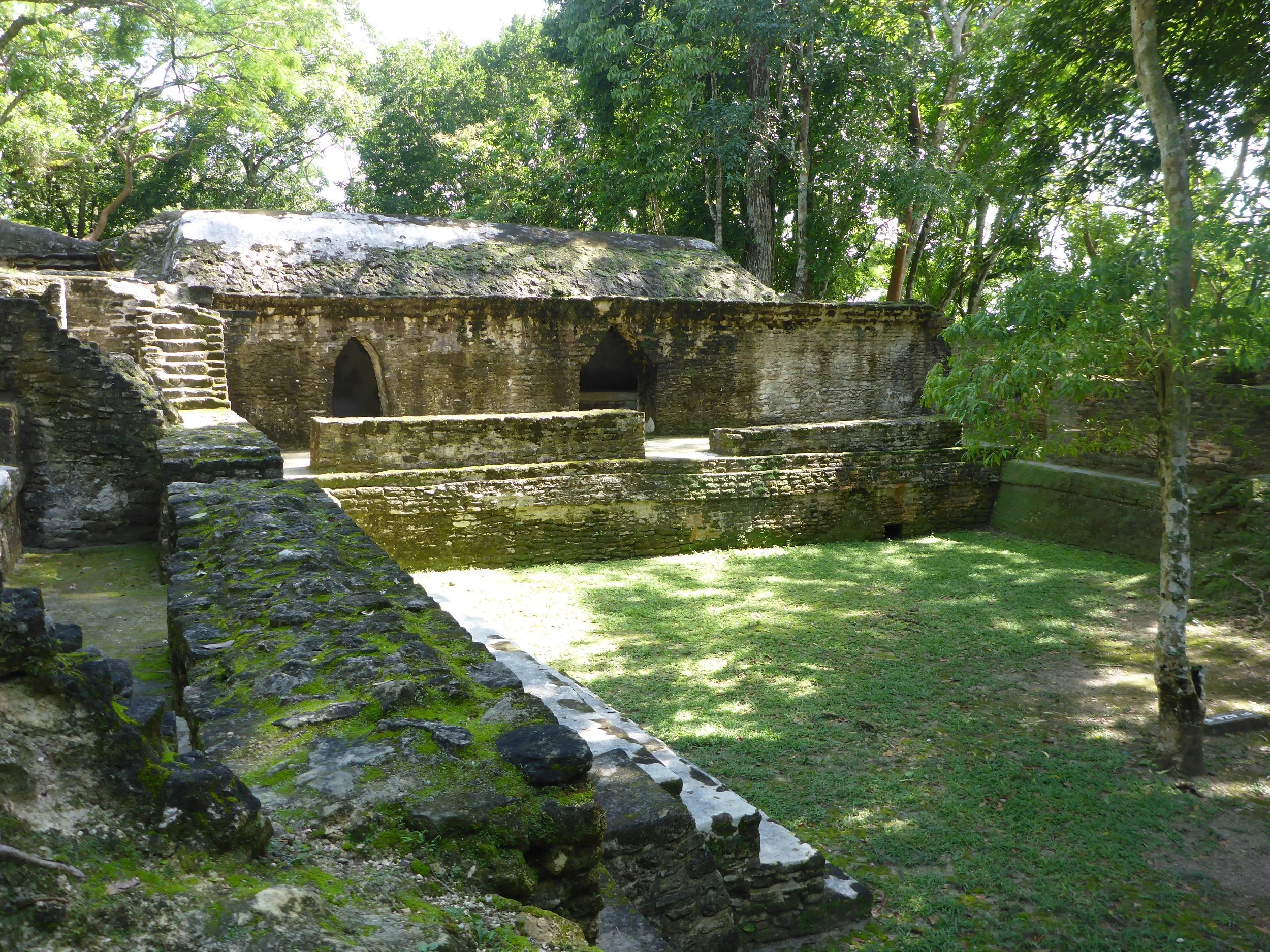
Cahal Pech ruins. Arthur Chapman. CC BY-NC-SA 2.0.
Perched on a hilltop overlooking the Macal River, Cahal Pech is located just minutes from the town of San Ignacio, making it one of the easiest Maya sites to reach in western Belize. The Maya people are thought to have first settled in Cahal Pech around 1200 B.C. and abandoned the city between A.D 800 and 900. While smaller than many of Belize’s more famous ruins, the site is still well worth a visit, as it has provided archaeologists with valuable insights into some of the region’s earliest Maya inhabitants. Travelers can explore several ancient structures, many of which are open for climbing or walking through, amplifying the strength of these architectural feats. In addition, a small but informative on-site museum offers a deeper context into Maya history and the significance of the discoveries made there.
6. Barton Creek Cave
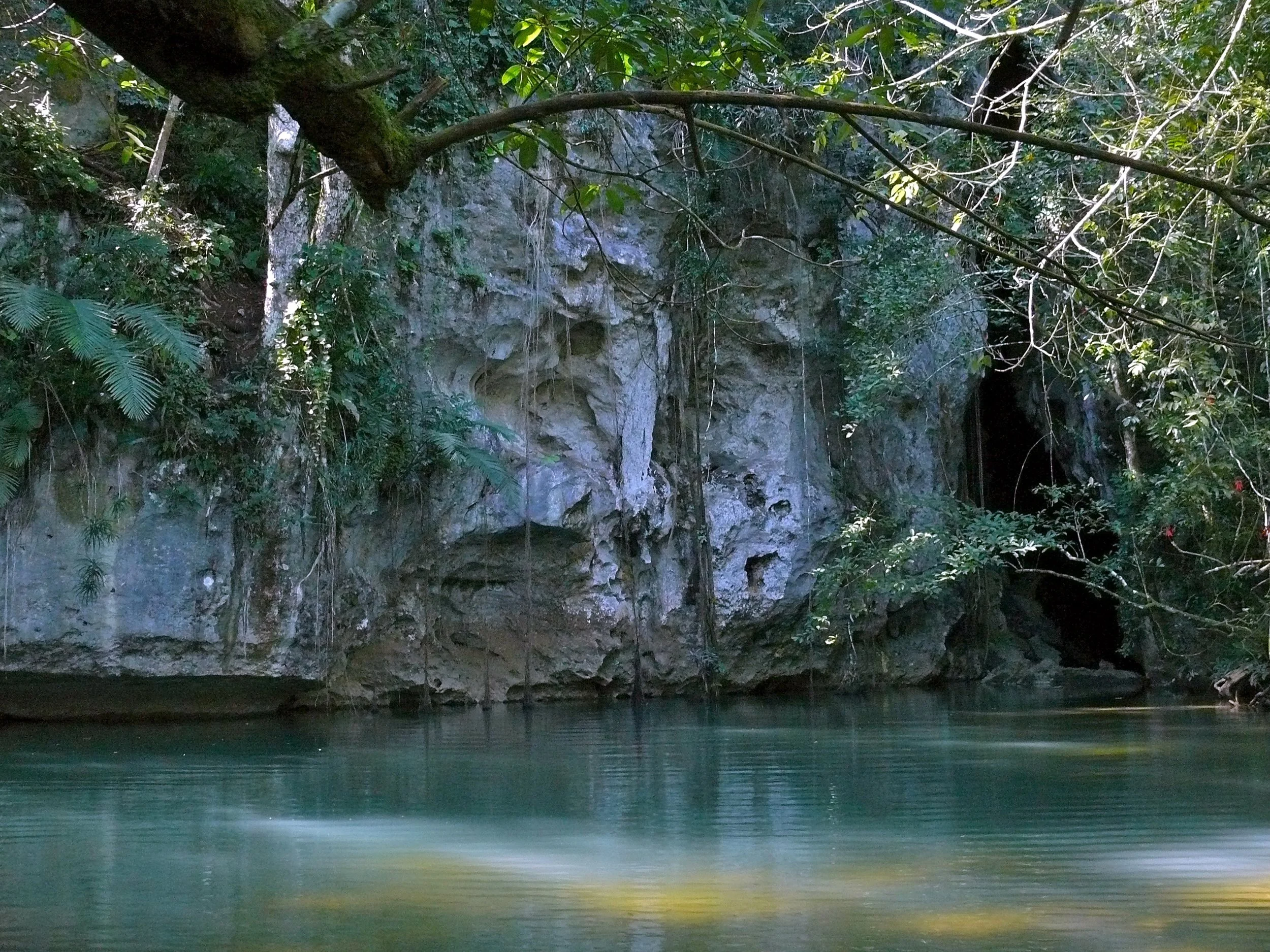
Entrance to Barton Creek Cave. Bernard Dupont. CC BY-SA 2.0.
Barton Creek Cave stands out as one of the more unique Maya sites in Belize. Unlike most archaeological locations, this one lies within a wet cave system that was used by the ancient Maya for ceremonial rituals between A.D. 200 and 600.. Archaeologists have uncovered thousands of artifacts inside the cave, including numerous ceramic fragments placed on narrow ledges, along with the remains of at least 28 individuals. While the exact purpose of these human remains is still debated, some researchers believe they may have been sacrifices made to the rain god Chac. In addition to its archaeological significance, the cave is visually stunning, filled with dramatic stalactites, stalagmites and colonies of bats. Visitors can only access the site by canoe, making the journey through the cave a unique experience.
Getting There:
For those looking to travel to these ancient sites, the small country of Belize makes visiting them all surprisingly doable. The country is about 180 miles long and 68 miles wide, with the largest cluster of ruins near the city of San Ignacio, making it a perfectly positioned stay for travelers. Cahal Pech is practically next door, and just 30 minutes away is Xunantunich. Barton Creek Cave is only a 45-minute drive, and a two-hour commute south takes travelers to Caracol. Altun Ha is about two hours northeast of San Ignacio, while traveling to Lamanai takes around three and a half hours. Although Altun Ha and Lamanai appear close on a map, dense forest terrain stretches the drive between them to about two hours, making Lamanai the most difficult ruin to get to. Hotels in San Ignacio range from $45 to $100 per night, depending on the level of comfort desired. Those looking for a more luxurious stay can look into the local resorts, which range from $115 to $200 per night. Using San Ignacio as a home base will give travelers the best chance at seeing all of these incredible sites.

Paige Geiser
Paige is currently pursuing a bachelor’s degree in English with a minor in Criminal Justice at the University of Wisconsin-La Crosse. She grew up in West Bloomfield, MI, and has been fortunate enough to travel all throughout the country. She is an active member of the university’s volleyball team and works as the sports reporter for The Racquet Press, UWL’s campus newspaper. Paige is dedicated to using her writing skills to amplify the voices of underrepresented individuals and aspires to foster connections with people globally.