
Alex Jung
Education and health support are increasingly important in Syria's present and future for the over two million children without education.
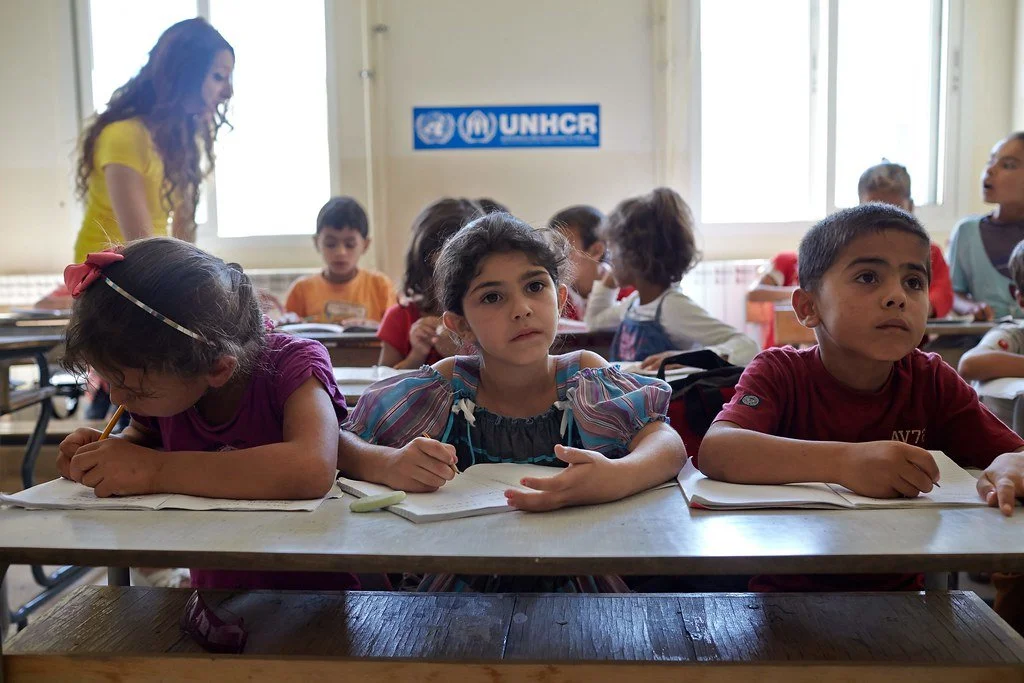
Syrian refugee students. Shawn Baldwin. CC BY-NC 2.0.
Access to education and healthcare are fundamental human rights protected under the Universal Declaration of Human Rights. As of 2025, 16.7 million people in Syria require humanitarian aid, including shelter, food, healthcare and education. This is a result of the country’s ongoing civil war, which began in 2011, making it a 14-year conflict as of 2025. Syria ranks among the lowest in terms of political rights and civil liberties, according to Freedom House’s 2025 Freedom in the World report, with a score of five out of 100, compared to 84 out of 100 for the United States. The lack of Syrian liberties has subsequently led to the lack of development and advancement in healthcare and education within the nation.
The lack of education in Syria affects 2.4 million of the country’s children, a number projected to increase. Oftentimes, children do not have access to education due to forced displacement, leaving them and their families in vulnerable positions. By 2025, 7,000 schools had been damaged or destroyed throughout the civil war. A serious consequence of this is that a new generation of young children will be unable to access any form of education in their early years; this, in the long term, affects the quality of life and potential for economic and human development within the nation. The shortage of schools has also led to overcrowded classrooms and a lack of essential learning materials. Many students often experience post-traumatic stress disorder, resulting in poor mental well-being support within schools. Due to these factors, as many as one-third of students do not make it to the end of primary school.
Access to healthcare services in Syria has also been extremely limited. Half of the country’s healthcare facilities are partially or fully non-functional and require a large amount of financial investment and time to redevelop. Many hospitals do not have the capacity to cater to the 15 million people in urgent need of healthcare. This has led to numerous health-related deaths, the leading cause of which is Ischemic heart disease, occurring when the heart does not receive enough blood. The poor quality of water sources has also led to the spread of cholera. Significantly, though cholera is treatable and preventable, the low capacity of hospitals has prevented many Syrians from accessing treatment. 416,000 children are at a significant risk of malnutrition, with many living in refugee camps without adequate access to food.
Clar Ni Chonghaile of The Guardian claims, "the scale and duration of the crisis mean that needs consistently outpace funding." Although NGOs often face tight budgets in order to help a significant number of people, they have been vital in supporting education and healthcare in Syria. One of their main initiatives is rebuilding schools, as well as providing learning materials and furniture. The Syrian Forum USA, alongside many other NGOs, has been actively launching campaigns for donations to build schools, especially in the northwest region, which has been greatly affected by the lack of education. Remedial classes and accelerated learning programs have also been put into place. As well, Syria has 20 mobile clinics, which are positioned in underserved areas to ensure that displaced individuals receive access to primary healthcare. The World Health Organisation, too, has been delivering supplies and strengthening surveillance systems for outbreak risks, including cholera.
With the overthrow of the longstanding Syrian leader, Bashar al-Assad, in December 2024, Syria has been governed by President Ahmed al-Sharaa. While al-Sharaa's government has faced political instability and several challenges to its legitimacy, it has introduced new plans to address the issues of healthcare and education. For example, Syria's Ministry of Education declared a large-scale reform of school curricula. This included removing the subject of “national education,” which was widely criticised for its role in promoting the Assad regime. Changes to the curriculum additionally include the introduction of religious education, where students can take either Islamic or Christian courses, and the removal of historical and scientific content that was either not grounded in facts or used as a form of glorification of the old regime. The Minister of Health, Maher al-Sharaa, has been meeting with several Syrian NGOs regarding the priorities for aid campaigns. The Ministry of Health, since the regime change, has also been closely working with the World Health Organisation to promote mental health and psychological services for families and young children.
GET INVOLVED
Anyone interested in addressing and supporting education and healthcare in Syria can do so by engaging with various national and international NGOs, including the World Health Organisation, Doctors Without Borders, Global Partnership for Education, and the Syrian NGO Alliance.
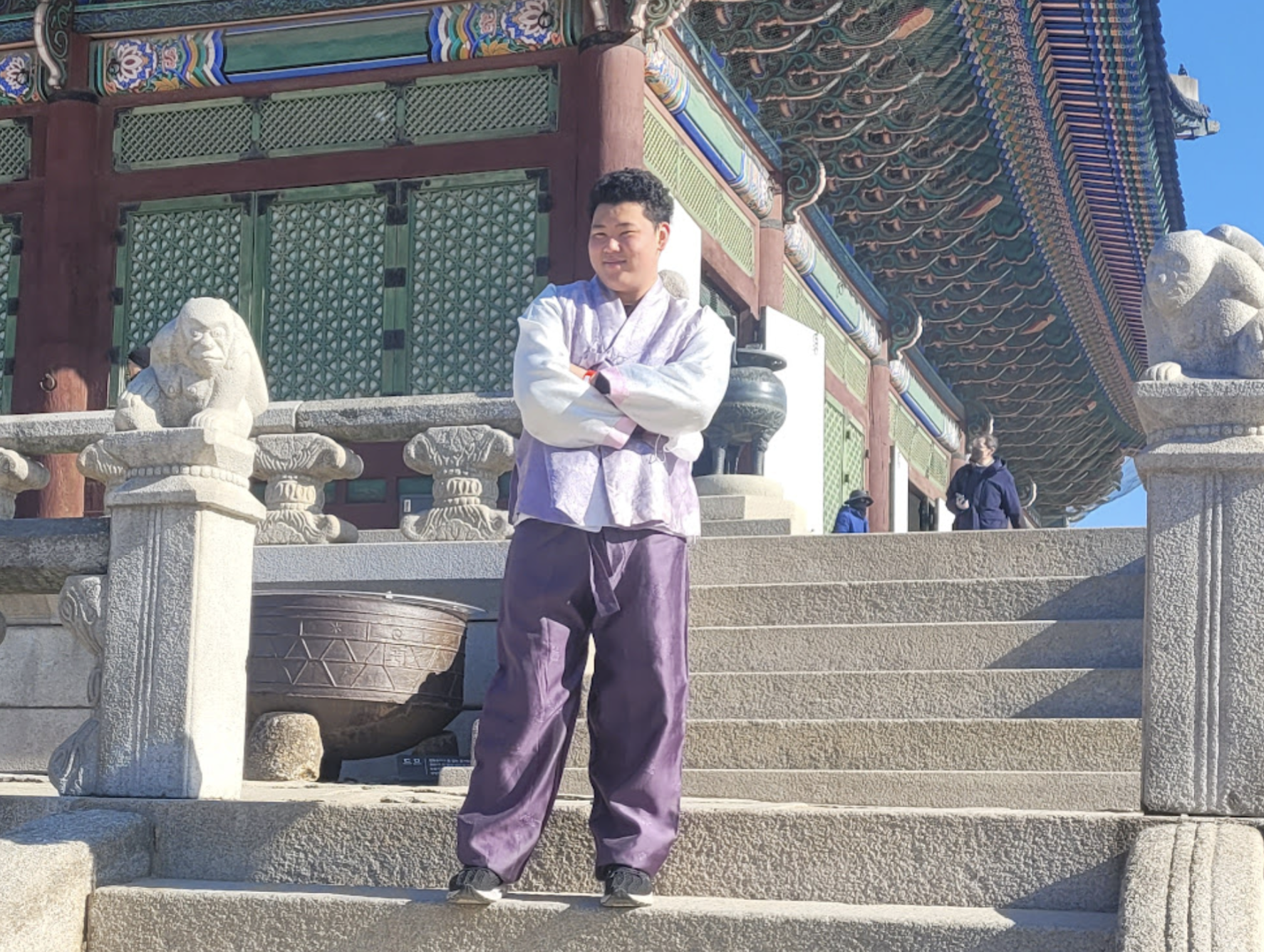
Alex Jung
Alex is from New Zealand and South Korea, and is currently a student at the University of Chicago. He is majoring in Political Science and International Relations, and minoring in Middle Eastern Studies. He is passionate about social justice for minorities and indigenous communities. In his free time, he enjoys learning languages (Korean, English, Mandarin, and Persian) and writing novels and short stories.