
As humanity loses its view of the cosmos, a small island northeast of New Zealand stands as a rare refuge where community, culture and ecology keep the Milky Way alive.
Read MoreThe Green Promise of New Zealand Tourism
Guided by the Tiaki Promise, visitors discover New Zealand, a land where tourism protects what it celebrates.
Read MoreIndigenous Language Vitality in Aotearoa New Zealand Schools
The implementation of Te Reo Maori, a national language of Aotearoa New Zealand, into the country’s education system is a significant step forward for post-colonial Indigenous revitalization, though its inclusion is met with debate.
Read MoreThe Sacred Sites of Maori Mythology
For hundreds of years, the Maori people of New Zealand have shared a powerful and intimate relationship with the land, designating several sites throughout the country as important parts in their history.
Read MoreChasing Aurora: Where To See The Northern Lights
From Norway to New Zealand, these five spots are perfect for experiencing the elusive beauty of the Aurora Borealis.

The Northern Lights as seen from the southern coast of Iceland. Cameron Pickett. CC BY 2.0.
The Aurora Borealis, better known as the Northern Lights, is one of the most magical natural phenomena to witness in person. It is caused by electrical interactions in the upper atmosphere that release waves of normally green and yellow light depending on which elements have reacted. Environmental conditions need to be perfect in order to properly experience the true beauty of the elusive lights, but there are a few locations near the Arctic Circle from which they are easier to spot. Here are five locations with an exceptionally good view for those who are trying to catch a glimpse of the lights, adjusted for the current astronomical layout of the planets and stars.
1. Rovaniemi, Finland

The Northern Lights shining down on the Santa Claus Village in Rovaniemi, Finland. Santa Claus Village. CC BY-NC-ND 2.0.
The city of Rovaniemi is the capital of Lapland, and is also well publicized as being the hometown of Santa Claus. Situated right on the Arctic Circle, it is most easily reachable by plane from Helsinki, though it is also accessible by local trains and buses. Rovaniemi is famous for its natural beauty -- its northern latitude makes it perfect for those wanting to experience the ‘midnight sun’ phenomenon, where our star is visible for a whole 24 hours. The city is the perfect destination for travelers looking to enjoy the Northern Lights, with the optimum viewing times occurring between August and April.
2. Yukon, Canada

The Northern Lights over Kluane Lake, Yukon. Keith Williams. CC BY-NC 2.0.
Located in the north east corner of Canada, the Yukon territory is home to almost 22,000 square kilometers (around 8,500 square miles) of protected land as part of the Kluane National Park and Reserve. Visitors can reach the park by plane, boat or car to visit the country’s largest ice field, an incredible grizzly bear population, and even Mount Logan, Canada’s highest peak, which stands just under 6,000 meters (around 19,685 feet) tall. While the Northern Lights can be seen from most of Canada’s provinces, the display is visible to those in the Yukon from August to April, making it one of the longest viewing seasons in the country.
3. Reykjavík, Iceland
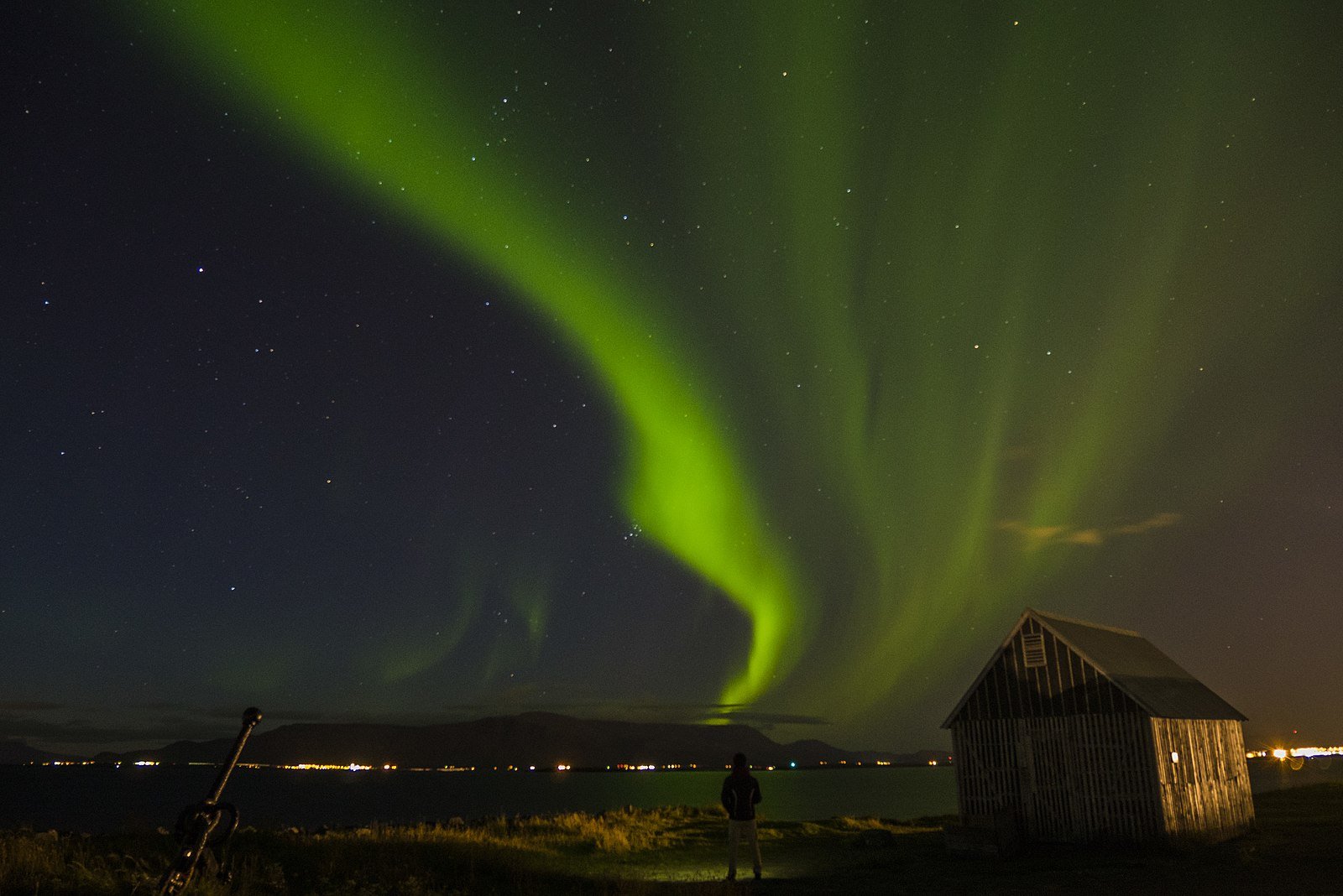
The Northern Lights seen from a small cabin just outside of Reykjavík, Iceland. Davide Cantelli. CC0.
The Icelandic capital of Reykjavík is by far the largest city in the country and is also one of the best places to watch the Northern Lights. Just a few degrees south of the Arctic Circle, many residents of the city claim to see the display from their windows on especially bright nights. Visitors can fly directly into the city’s airport and enjoy various other outdoor activities including icy glacier hikes, swimming in natural hot springs during the day and venturing to Thingvellir National Park, which is just a short drive from the city to see the aurora. Though brighter auroras can be seen from the city, avoiding light pollution makes it much easier to experience the full display between September and April.
4. Tromsø, Norway

The Northern Lights shining over the mountains in Tromsø, Norway. Maria Wulff Hauglann. CC BY-NC 2.0.
Located in the heart of the northern aurora zone, the Norwegian city of Tromsø is most well-known for its view of the Northern Lights. Visitors can book one of the many available aurora tours hosted by guides who have expert knowledge of the best local sites from which to watch the display. Many of these base camps offer excellent viewing of the lights from September all the way till April. Tromsø is just a quick 3.5 hour flight from London for those wanting to experience the local Sami culture, or for those simply looking to indulge themselves in the city with the most bars per capita than any other in Norway.
5. Kiruna, Sweden

The Northern Lights as seen from the town of Kiruna in Swedish Lapland. Martin Eklund. CC0.
The wilderness of Swedish Lapland is perfect for those looking to enjoy the Northern Lights away from other tourists. Additionally, the complete lack of light pollution allows for a particularly vibrant viewing. As the northernmost city in Sweden, Kiruna is located well within the Arctic Circle and is home to the largest underground iron ore mine in the world. The town also neighbors Jukkasjärvi, a town made recently famous for its hotel made entirely of ice. Visitors who stay here can typically enjoy the lights between September and March, though the season can often begin slightly earlier and end slightly later.
Bonus: Queenstown, New Zealand
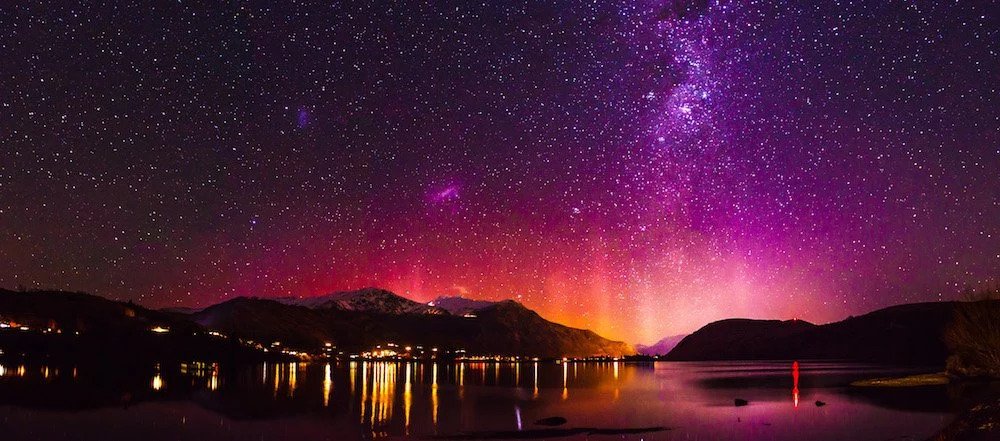
The Southern Lights captured near Queenstown, New Zealand. Bec Potter. CC BY-NC-ND 2.0.
This final destination highlights the resort town of Queenstown on New Zealand’s South Island. Unlike the other places on this list, it is a perfect place to experience the natural phenomena known as the Aurora Australis or the Southern Lights. This aurora is similarly caused by interactions between molecules in the upper atmosphere, which release waves of light across the night sky, though the Southern Lights tend to appear red and pink. This is due to the types of gas that are interacting and the atmospheric height at which the interactions take place. Visitors can fly straight into Queenstown’s international airport and enjoy the natural beauty of the nearby Lake Wakatipu during the day, before settling in to watch the display at night.

Tanaya Vohra
Tanaya is an undergraduate student pursuing a major in Public Health at the University of Chicago. She's lived in Asia, Europe and North America and wants to share her love of travel and exploring new cultures through her writing.
The Most Endangered Species of Penguin
The yellow-eyed penguins of New Zealand are the rarest species of penguins in the world.
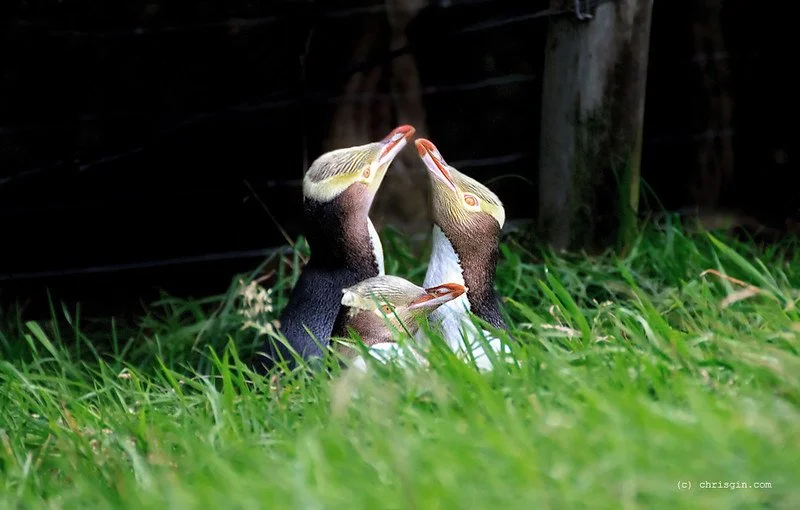
Group of Yellow-Eyed Penguins. Chris Gin. CC BY-NC-ND 2.0
Known as hoiho penguins in the Māori language of New Zealand, yellow-eyed penguins are the most endangered penguin species. There are estimates of fewer than 3000 of them left in the wild. In the past 30 years alone, the population has decreased by 50-75%.
Yellow-eyed penguins are easily identifiable, as they have yellow feathers around their eyes. It is a unique trait they have, along with the band of yellow that extends around their heads. Like other penguins, yellow-eyed penguins are predators, eating mostly fish and crustaceans. Adult birds generally have no land predators, but the chicks and eggs are in danger from animals like cats, dogs, ferrets and stoats. This is also common in Antarctica, where penguin chicks and eggs are vulnerable to other Antarctic birds, but the adults have almost nothing to fear from the other animals. In the water, however, yellow-eyed penguins are in danger from large marine predators, such as sharks and seals. Penguins have no defense mechanisms, so they mostly rely on their speed and maneuverability in the water to survive. Yellow-eyed penguins can swim up to 12.4 miles per hour. In comparison, the average human can swim around 2 miles per hour. If necessary, penguins also avoid ocean predators by jumping up on land. Like every other species, yellow-eyed penguins have a black back and white stomach to camouflage underwater. Their backs blend in with the dark depths for creatures above looking down on them, and their stomachs blend in with the surface for creatures looking up at them.
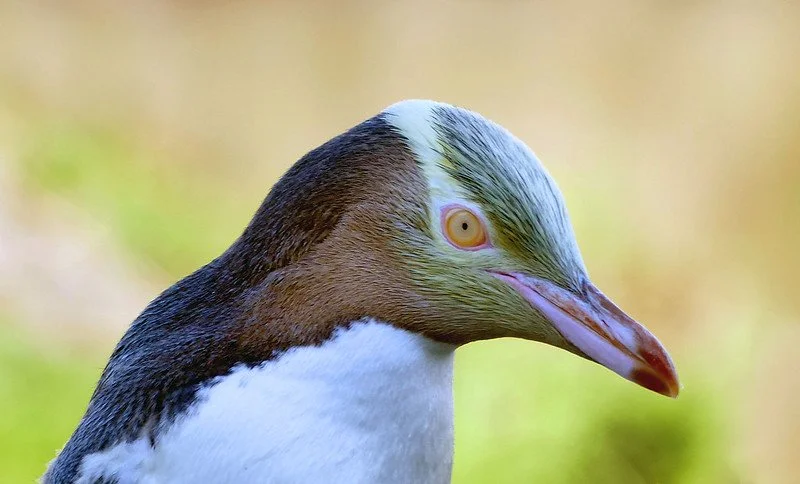
Yellow-Eyed Penguin. Bernard Spragg. CC0 1.0.
Yellow-eyed penguins mate for life and breed two eggs a year. Their average lifespan is 23 years, and these penguins start breeding at different times. They reach sexual maturity around two years of age, and most females begin breeding then. With males, however, it is more common to start breeding at three. The parents will incubate the eggs until they hatch, and then raise the chicks for around twelve months. Their nesting sites are in the bushes and shrubs along New Zealand’s coast, though deforestation has become a major threat to them. Humans have been clearing out land to make room for new houses or grazing fields for their animals, so the penguins have been forced to find new homes. The loss of their natural nesting habitat and the introduction of predators such as dogs and cats have contributed a lot towards why yellow-eyed penguins are endangered. There is also a high chick mortality rate, and some penguins get caught in gillnets, which lead to their deaths. The other major contribution to their decline is the food shortage due to global warming.
There are two main yellow-eyed penguin populations: the northern and southern ones. The size of each population is determined by how many breeding pairs there are, and in 1991, the northern population had 741 pairs. By 2020, it has decreased into a population of 233 breeding pairs. This decline has been mostly due to lack of food, diseases and predators. The northern population is spread out over South Island, Stewart Island and various other ones near to them.
The southern population, on the other hand, has been doing much better. In 1992, the estimated number of breeding pairs was 400, and in 2017, the number increased to 570. The southern population is divided into two colonies, one on Auckland Island and the other on Campbell Island. Though the penguins on these islands are doing much better than their northern counterparts, the overall population of yellow-eyed penguins is still decreasing.
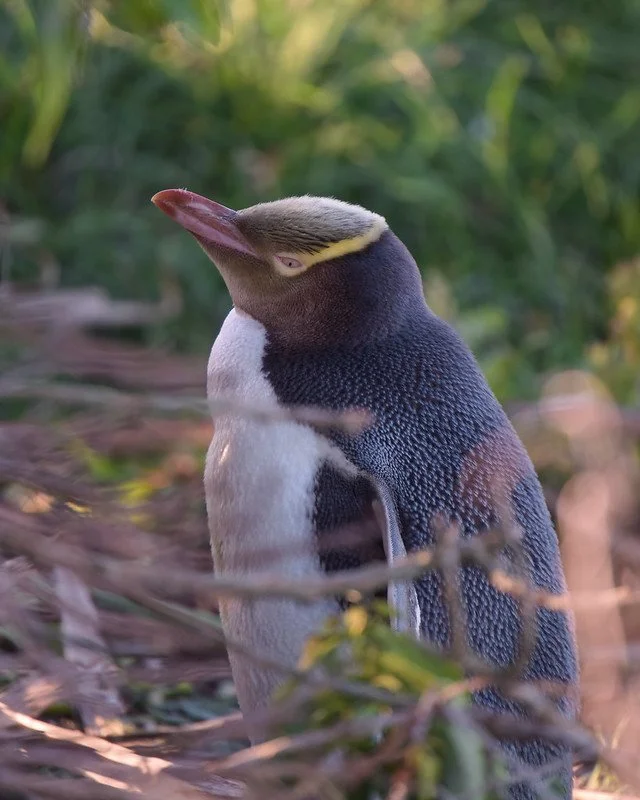
Solitary Yellow-Eyed Penguin. Ben. CC BY-ND 2.0
To Get Involved:
There are multiple conservation organizations that exist in order to protect these penguins. One such organization is The Yellow-Eyed Penguin Trust, specifically focused on protecting the habitats and livelihoods of these birds. The easiest way to help them is by donating to them through their website, but it is possible to volunteer for them, if you live in New Zealand. Their office is based in Dunedin, but there are penguin preserves in other parts of the country. To learn more about the Yellow-Eyed Penguin Trust, click here.
Penguin Place is another organization dedicated to helping yellow-eyed penguins. They are the first conservation program funded entirely by tourism. They do take donations on their website, but most of their funds come from tours. Their funding comes from guided tours on penguin reserves and the money goes to preserving their habitats, helping sick or wounded penguins and controlling predators. To learn more about Penguin Place, click here.

Katherine Lim
Katherine Lim is an undergraduate student at Vassar College studying English literature and Italian. She loves both reading and writing, and she hopes to pursue both in the future. With a passion for travel and nature, she wants to experience more of the world and everything it has to offer.
7 Stunning Caves Worth Exploring
Though caves often hold a fearsome reputation, they have a myriad of captivating natural features and intriguing histories.
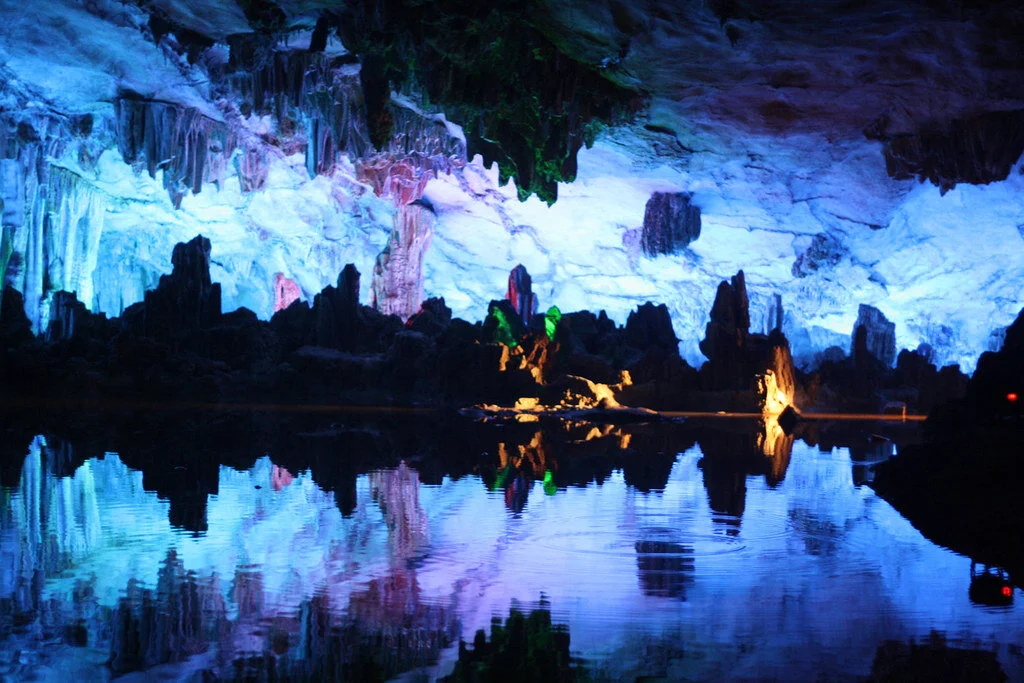
Caves often get a bad reputation: cold, dark, damp and uninteresting, or even frightening. In reality, caves offer snapshots of history, unusual natural structures, and examples of remarkable biodiversity. There are thousands of caves on Earth, and even more that are yet to be discovered. Each cave is unique, with specific natural formations that cannot be found anywhere else. Here are seven incredible caves to add to your list of must-see sights.
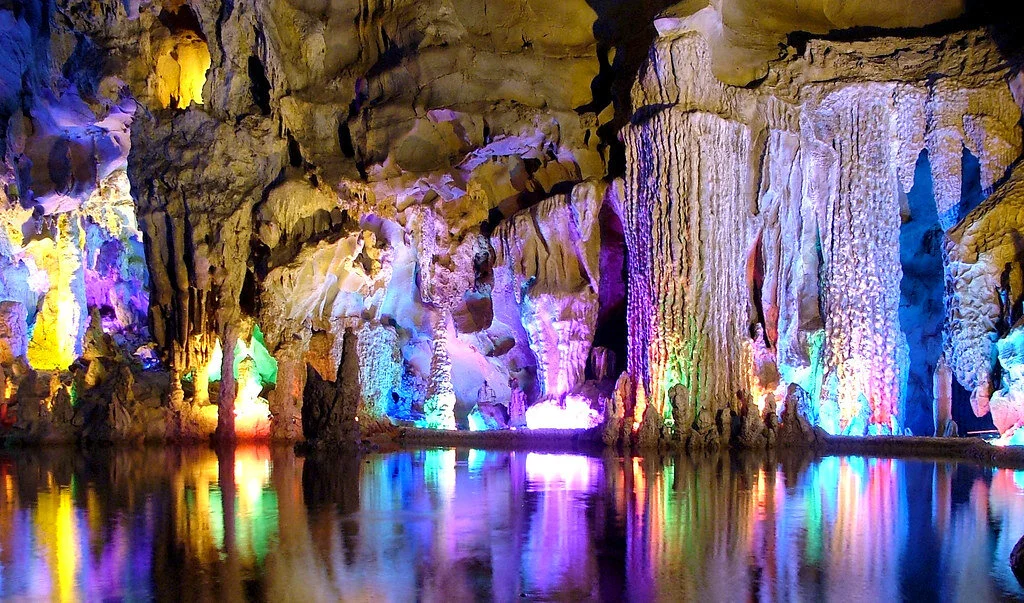
1. Reed Flute Cave, China
Called “the Palace of Natural Art,” Reed Flute Cave is known for its impressive stone curtains and pillars. Reed Flute Cave is located just 3 miles from downtown Guilin, China, and has been an attraction for centuries. Seventy-seven inscriptions of poems and travel descriptions can be found around the cave, and the oldest dates back to 790 A.D., the era of the Tang dynasty. There are inscriptions from the Tang, Song, Yuan and Ming dynasties, written by monks, poets, scholars and tourists from all over China. Today, the cave is lit by many multicolored lights hidden in its natural cracks and crevices, which cast a bright rainbow glow around the dark space, giving cave visitors a surreal and breathtaking experience. The cave was forgotten for years until its rediscovery in 1940, when a group of Chinese refugees stumbled upon it while fleeing from Japanese forces. During World War II, the cave’s large chamber, called the “Crystal Palace of the Dragon King,” was used as a bomb shelter. The cave regained popularity after its rediscovery at the end of the war, and was officially opened to the public in 1962.
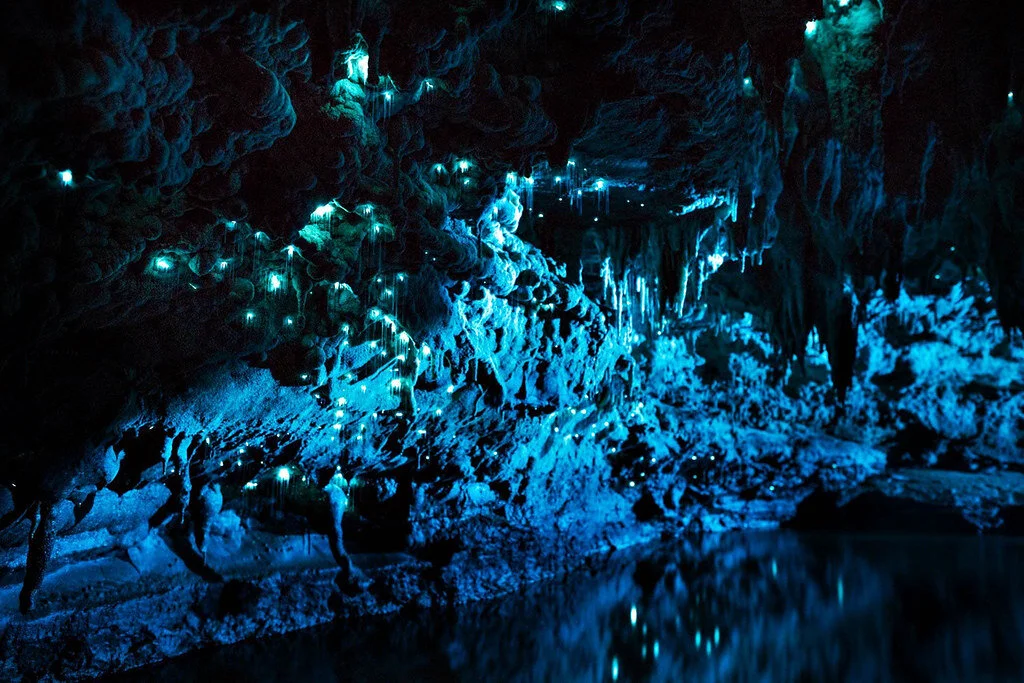
2. Waitomo Glowworm Caves, New Zealand
Visitors to the Waitomo Glowworm Caves will take a trip into the past by exploring a cave over 30 million years old. The cave, located in Waitomo on the North Island of New Zealand, is praised as one of New Zealand’s best natural attractions. It contains an underground river, towering rock formations, and thousands of shimmering glowworms. The Glowworm Caves have been an attraction for over 130 years. These limestone caves formed at the bottom of the ocean millions of years ago. Local Maori communities knew about the caves, but they were first explored in 1887 by Maori Chief Tane Tinorau and English surveyor Fred Mace. After discovering the natural beauty of the caves, Chief Tinorau opened the caves to tourists in 1889. Many of the guides for tours today are descendants of Chief Tinorau. Guides take visitors on walking tours through the caves, as well as boat tours through the glowworm grotto. These boat tours take visitors to the center of the grotto, where they can look up in awe at the luminescent glowworms covering the cave walls and ceiling.
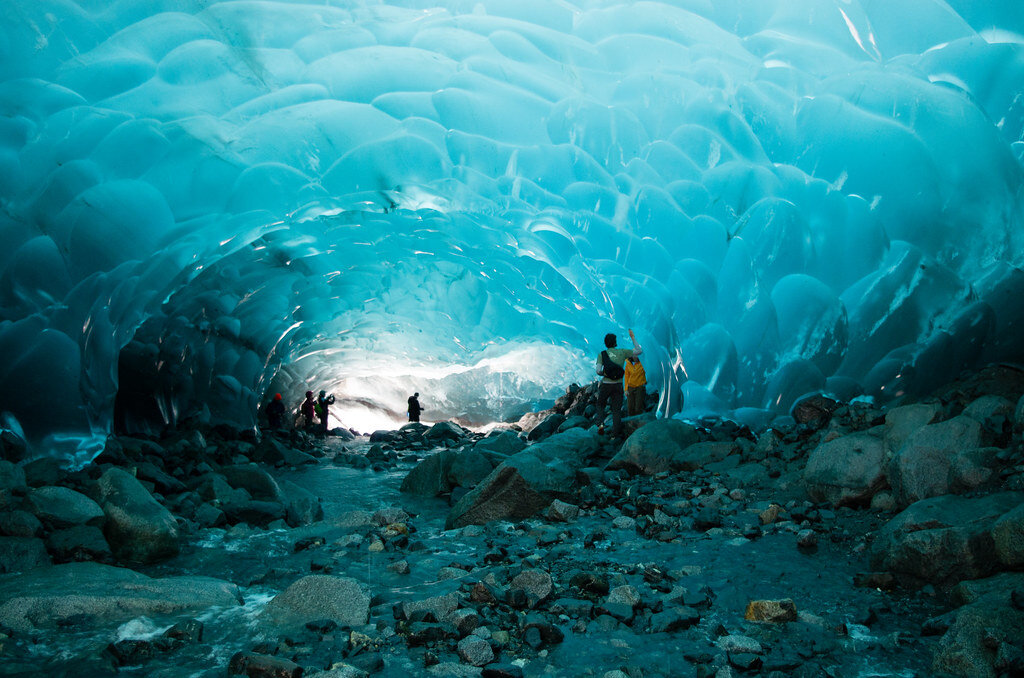
3. Mendenhall Ice Caves, Alaska
Just 12 miles outside downtown Juneau lies Mendenhall Glacier, known as the “Glacier Behind the Town.” Inside the glacier are the Mendenhall ice caves, passageways formed by water flowing through the glacier. These caves vary in size from tiny openings visitors have to squeeze through to giant caverns. Mendenhall Glacier was first explored in 1794 by Joseph Whidbey, a member of the British Royal Navy serving on Capt. George Vancouver’s 1791-95 expedition of the Pacific Northwest coast. To visit the caves, travelers can hike through the Tongass National Forest and then across the glacier, or they can canoe across Mendenhall Lake to the glacier. Both options offer breathtaking views of the glacier and surrounding landscapes, and both are somewhat strenuous but well worth the effort. Inside the caves, visitors are immersed in the cool blue shades of light coming through the glacier and can explore ever-changing ice formations. The caves change as the ice melts, so each visit to the Mendenhall ice caves is unique. The presence of the caves is also inconsistent and typically seasonal, so visitors should be sure to check on the status of the caves before planning a trip.
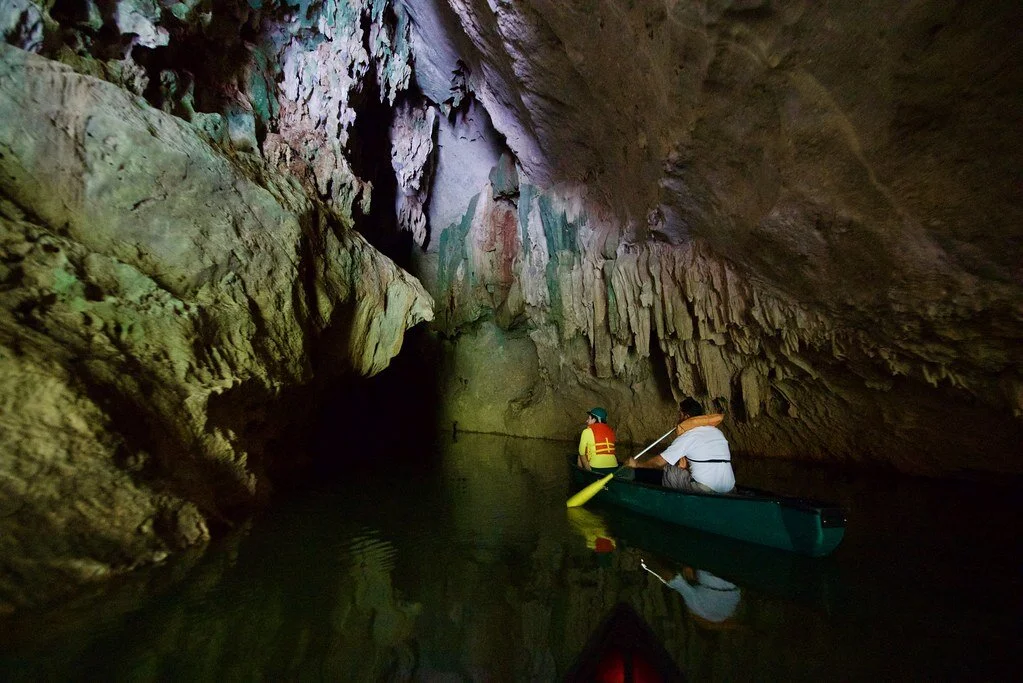
4. Barton Creek Cave, Belize
To discover the wonders of Barton Creek Cave, visitors will have to board a canoe. Barton Creek Cave is located east of San Ignacio along the western edge of Belize. It is a wet cave because it has a cave river running through it, and paddling along this tranquil river is the only way to take in the cave’s majesty and history. It is the largest river cave in Belize and contains evidence of ancient Mayan culture. The cave is natural, but archaeologists have identified a number of areas they believe were purposefully modified by the Mayans to improve access to the cave. These modifications include natural formations of flowstone broken to allow access to a rimstone pool and holes drilled by Mayan tools, likely to serve as handholds or to attach climbing ropes. Ten ledges made by the Maya line the cave walls, where archaeologists have discovered thousands of pottery shards, most of which are from large jars called ollas, and a number of stone tools. These discoveries have helped archaeologists determine the use of the cave during Mayan times; it was likely the site of ritual activity and worship. The Maya regarded caves as sacred sites, and the artifacts found in Barton Creek Cave reflect this view. Tours through the cave offer visitors the opportunity to witness incredible natural formations and to learn how the ancient Mayans interacted with the cave.
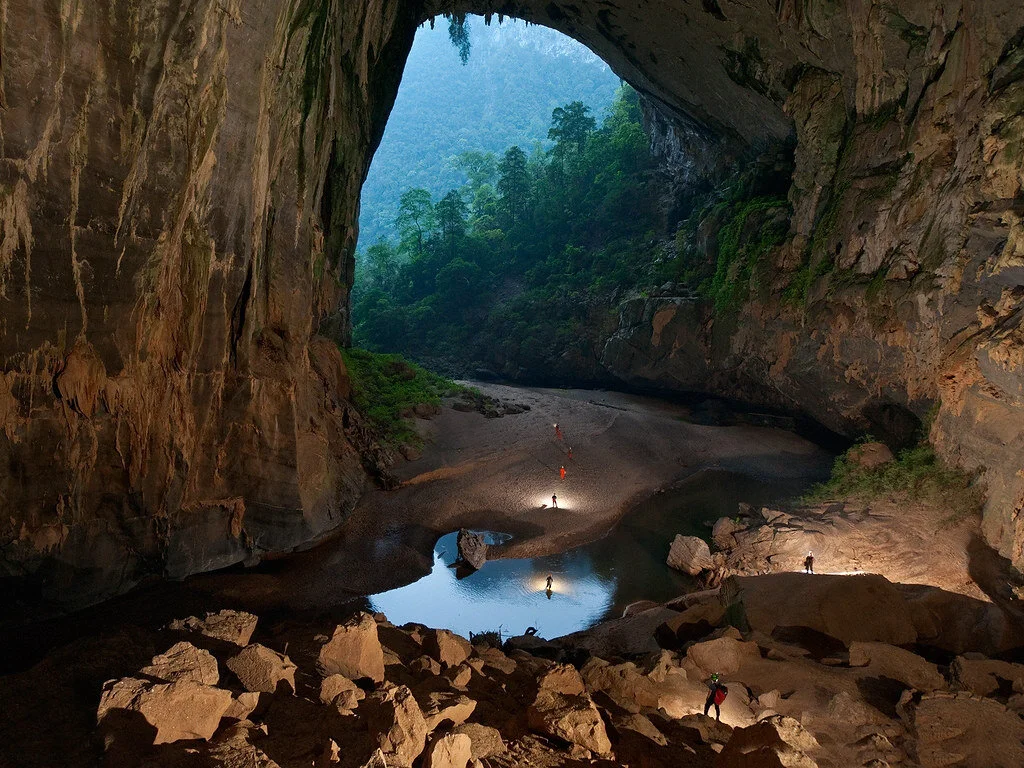
5. Hang Son Doong, Vietnam
For travelers who want to explore a cave but worry about darkness and small spaces, Son Doong Cave in central Vietnam is the perfect place to visit. Son Doong has the largest cross section of any cave in the world, reaching over 5 miles long, 650 feet wide and 490 feet tall. In some areas, the limestone ceiling of the cave grew weak and collapsed, creating huge skylights and allowing areas of lush vegetation to grow inside the cave. It was formed millions of years ago by the Rao Thuong River eroding limestone. Son Doong Cave was initially discovered in 1990 by a local man named Ho Khanh, who stumbled upon the entrance while searching the area for food and timber. He then returned home and no further exploration of the cave occurred until Howard and Deb Limbert, members of the British Cave Research Association, heard Ho Khanh’s story and urged him to find the cave again. In 2008, he successfully rediscovered the cave, and a survey was conducted by Howard Limbert and a group of British cavers. The cave opened to the public in 2013. Visitors are sure to be impressed by the sheer size of the cave, as well as its natural formations, river and distinctive vegetation growth.
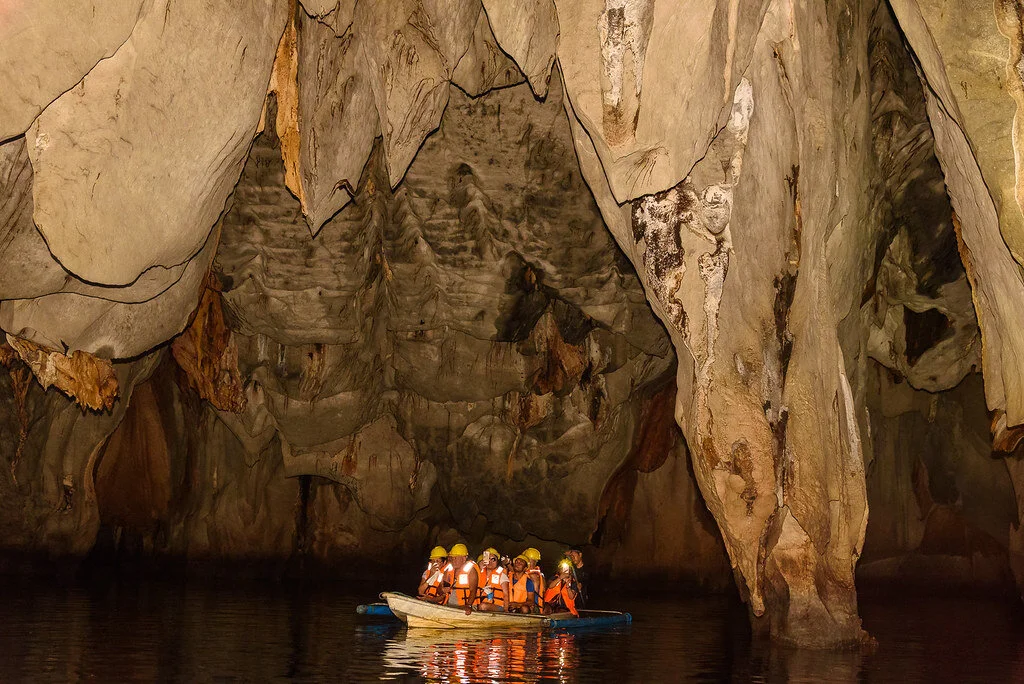
6. Puerto Princesa Underground River, Philippines
Located on Palawan, the westernmost island in the Philippines, Puerto Princesa Subterranean River National Park is home to old-growth forests, wildlife and an expansive limestone cave system. The Puerto Princesa Underground River, as it is commonly known, flows for over five miles through beautiful caverns and eventually meets the sea. Visitors can take underground river tours on paddleboats to see the stunning cave formations and limestone cliffs, as well as a variety of native animal species. There are records of the Puerto Princesa Underground River dating back to 1898, but it is believed to have been known to early inhabitants of the Philippines and investigated by foreign explorers prior to that time. The area was established as an official attraction in 1971, and the cave system is still being explored. In 2010, researchers discovered a large cave dome above the underground river, with more river channels and access to an even deeper cave. The Puerto Princesa Underground River offers an abundance of fascinating natural formations to explore.
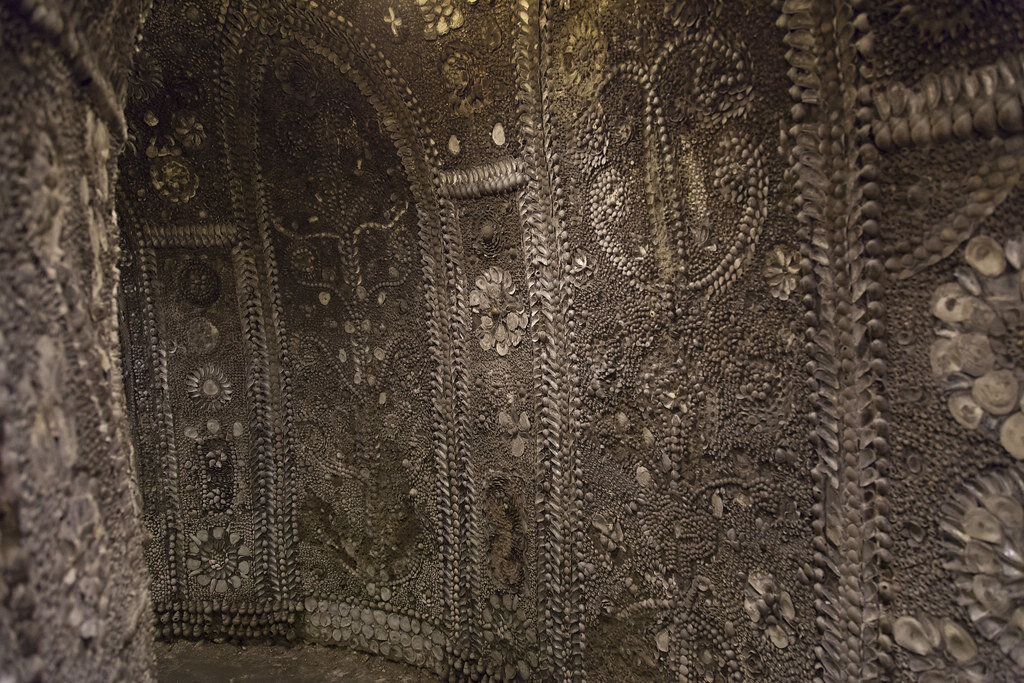
7. Shell Grotto, England
Shell Grotto is one of England’s most mysterious sites, encompassing over 70 feet of tunnels under the seaside town of Margate. These caves were discovered by chance in 1835, when a man excavating his new land stumbled upon them. Sprawling mosaics made of mussel, oyster, whelk and cockle shells cover every wall of the tunnels. Historians are unsure of who built Shell Grotto, or why. Theories range from Shell Grotto being a place of worship to a simple display of extreme wealth to the meeting room of a secret society. The elaborate shell designs offer little explanation, displaying swirling patterns that can be interpreted as a number of different things. Shell Grotto is a tremendous work of art, and the questions surrounding its origin and purpose add a layer of intrigue that draws visitors from around the world.

Rachel Lynch
Rachel is a student at Sarah Lawrence College in Bronxville, NY currently taking a semester off. She plans to study Writing and Child Development. Rachel loves to travel and is inspired by the places she’s been and everywhere she wants to go. She hopes to educate people on social justice issues and the history and culture of travel destinations through her writing.
The Unique Landscapes of New Zealand's Milford Sounds
Milford Sound located in Fiordland National Park’s diverse landscape has been preserved for years, drawing travelers from around the world.
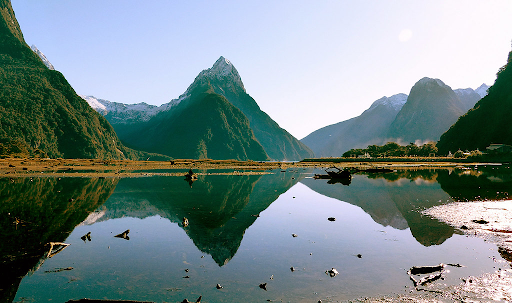
Milford Sound is often considered a destination for immersing oneself in nature. Located on the west coast of the southern island, the sound is situated in New Zealand’s Fiordland National Park. A sound, by definition, is a valley filled with seawater. Milfrorf Sound, however, is formed from glacial water, which technically makes it a fiord. Milford Sound has attracted visitors for centuries, but the history of the sound dates back more than 1,000 years.
The Māori first discovered the fiord, using the land for fishing, hunting and mining pounamu (green jade). According to Māori legend, the sound was carved by Atua, a godly figure who split the cliffs surrounding the sound. The Māori named Milfrod Sound Piopiotahi in refrence to a native bird. A Māori tells the story of a piopio bird flying over the sound after the legendary figure Maui died while pursuing immortality.
In 1877, a man from Scotland settled in Milford Sound, opening the first hotel with his wife. Visitors in the late 19th century and early 20th century were only able to reach the sound through a walking path, Milford Track. In 1954, a tunnel was drilled through the rock surrounding the sound, bringing new road access. With the building of the road, Milford Sound became much more accessible to travelers and has drawn large numbers of visitors from around the world.
Milford Track is still available to explore today within the boundaries of the national park. The path is over 30 miles long and typically takes four to five days to complete. Each night, hikers can stay at a hut along the route before continuing the next day. The trail starts at the head of Lake Te Anau and ends a short boat ride away from Milford Sound. There are also many different day-hikes that visitors can complete to see the park as well as a variety of boat tours. The area experiences heavy rainfall year round, which provides the lush environment and abundance of waterfalls. Kayaking is also popular among visitors, as it allows people to explore the water in an eco-friendly way.
One of the iconic sites of Milford Sound is the Mitre Peak. The mountain sharply rises up from the water, reaching a height of more than 5,000 feet. Additionally, the area is well known for its waterfalls. Lady Bowen Falls, the tallest permanent waterfall in the park, feeds directly into the fiord. Accessible by boat and a short hike, the falls are another important landmark in Milford Sound.

Milford Sound is not just known for its beautiful scenery and nature, but is an important aspect of New Zealand's heritage. The national park is a UNESCO World Heritage Site recognized for its unique landscapes and wildlife. The area is protected by several laws, including the Conservation Act of 1987, to ensure that the area will continue to prosper.

Dana Flynn
Dana is a recent graduate from Tufts University with a degree in English. While at Tufts she enjoyed working on a campus literary magazine and reading as much as possible. Originally from the Pacific Northwest, she loves to explore and learn new things.
Slope Point and Champagne Pool: Exploring New Zealand’s Wild Wonders
Sometimes nature is simple: vibrant sunsets, rays of warming moonlight or bouncing ocean waves. Other times, however, nature shocks and stuns. New Zealand houses two such examples: the odd site of Slope Point and the equally eerie Champagne Pool.
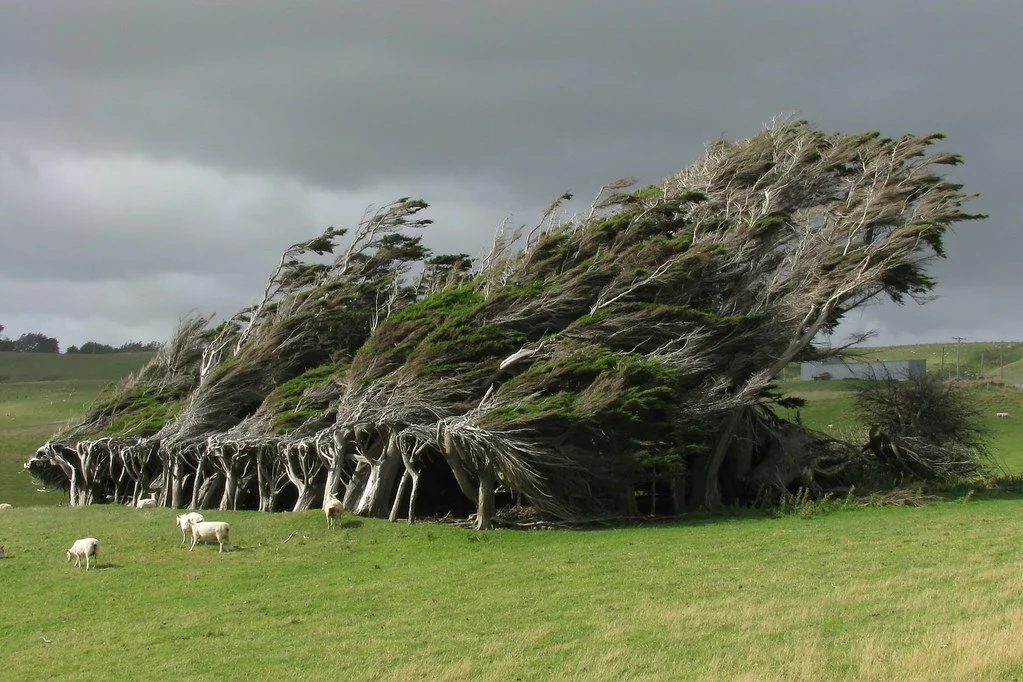
Slope Point with sheep. Seabird NZ. CC BY-ND 2.0.
Slope Point
Perhaps most descriptions of the wonders of wind speak of a gentle breeze or freshly blowing air. On the southernmost tip of New Zealand’s South Island, the winds are instead far from calm; the violently whipping winds gave one area the name “Slope Point.” Situated along a steep cliff at the island’s southern edge, Slope Point is an ideal spot for those mystified by science. The ocean winds are violent and unrelenting to the area’s trees. The wind provides a scary picture of nature’s true power, blowing away anything that may come in its path. The location of Slope Point forces the trees to become the first victims of the winds. As a result, the tall trees are bent at an odd angle, making them seem as if they were purposely posed. Although few people live in the area, local farmers planted the trees to provide shelter from the wind for their herds of sheep.
Photographs of the area offer profound inspiration for artists: the odd trees bend against a gray background striped with warm rays of sun. Although the area hosts an eerie feel, it is surely one underlined with the beauty of Mother Nature’s masterful hand.
Champagne Pool
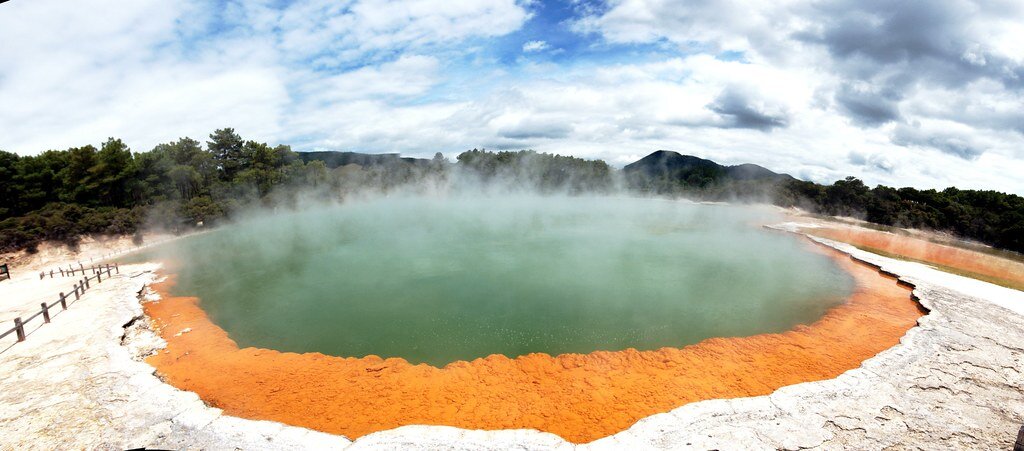
Boiling Champagne Pool. t3rmin4t0r. CC BY 2.0.
Far north of Slope Point lies the mystical Champagne Pool on New Zealand’s North Island. Although an uncanny site, Champagne Pool is only one of many geothermal spots peppering the area around the city of Rotorua. The surrounding area, called Wai-O-Tapu, is known for its geothermal sites carved throughout the landscape. The strips of active volcanic sites and geothermal pools have created an admittedly scary yet magnificent look into what lies just beneath our feet.
Champagne Pool is a captivating hot spring that stretches over 200 feet and is about equally as deep. A hydrothermal eruption caused this crater, which boils at over 160 degrees Fahrenheit, to form about 900 years ago. The hot spring earned its name from the presence of carbon dioxide that causes it to bubble like Champagne. Although seemingly uninhabitable, the hot spring teems with a rich microbial ecosystem. Additionally, striking photos of the site capture the vibrancy of the pool’s outer rim. Its neon orange strip is caused by antimony deposits that harden on the cooled rim of the pool. The surrounding grounds are equally rich in minerals; gold, mercury and silver are found in nearby rock beds.
Whether one is an artist, a scientist or an adventurous visitor, both Slope Point and Champagne Pool stand as equally inspiring trips.

Ella Nguyen
Ella is an undergraduate student at Vassar College pursuing a degree in Hispanic Studies. She wants to assist in the field of immigration law and hopes to utilize Spanish in her future projects. In her free time she enjoys cooking, writing poetry, and learning about cosmetics.
New Zealand: Innovation Meets Nature
Despite its small size and remote location in the southwest Pacific Ocean, New Zealand boasts diversity of all kinds and is exploding with culture, innovation, and beauty. Although today most of its inhabitants are of European descent, its Maori culture shines through, as well as the influences of recent immigrant groups. Additionally, while New Zealand is incredibly developed, with populous cities, it still has incredible geographic diversity. A traveler can find mountains, marshes, valleys, and coastal cliffs all without leaving a single island. The preservation of New Zealand’s nature is a testament to its people’s dedication to maintaining a balance between technological innovation and preserving the climate. Any traveler there will enjoy the best of both worlds and get a taste of a life unlike any other.
Scotland Becomes First Country to Provide Free Period Products
The Period Products (Free Provision) (Scotland) Bill requires local authorities and schools to make sanitary materials free and available to all.
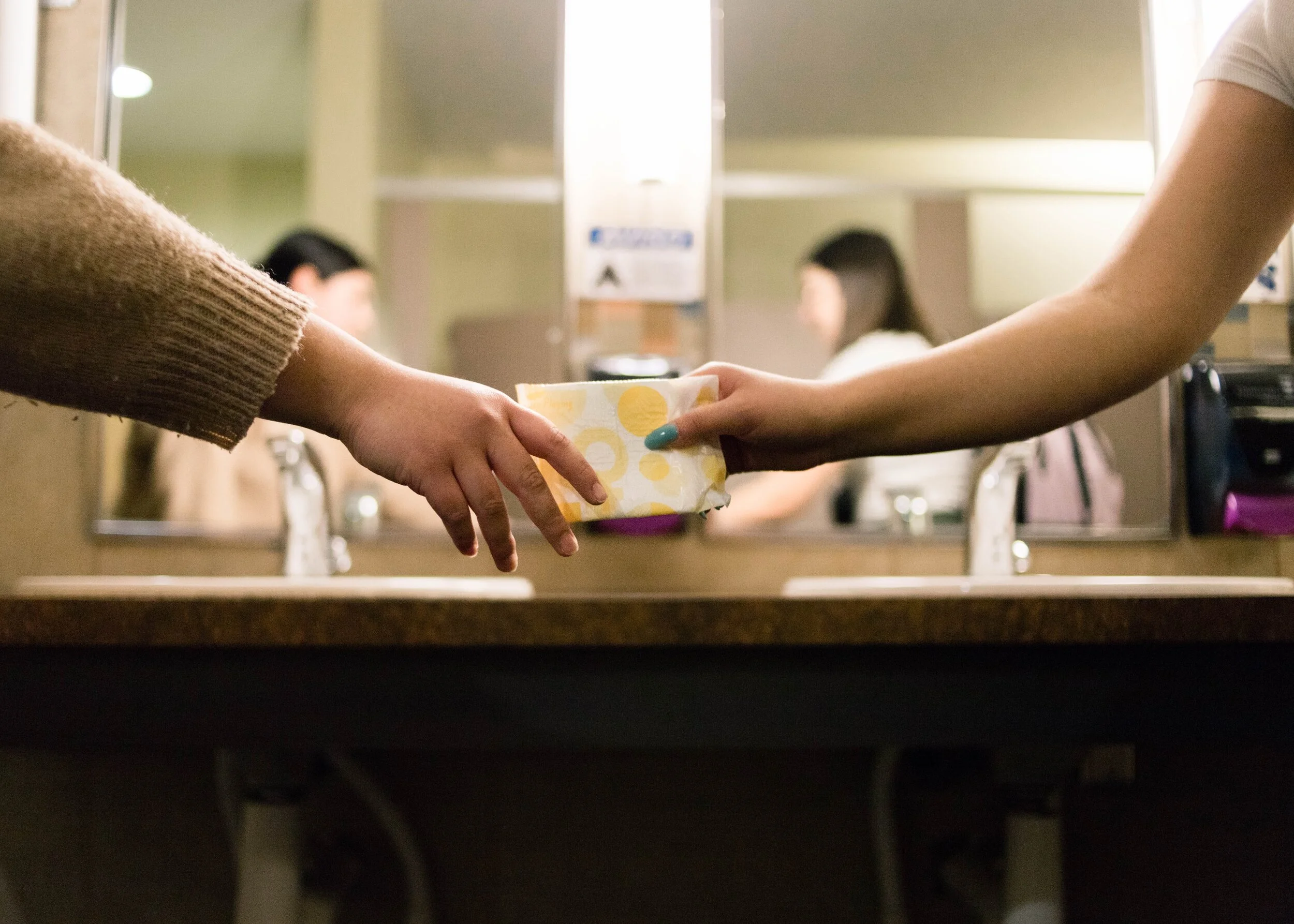
A woman passes a menstrual product to another. Annika Gordon. Unsplash.
On Nov. 24, Scotland became the first country to provide free and universal access to period products. In a tweet, the Scottish Labour Party confirmed that the bill had passed unanimously. This historic legislation was approved after a four-year grassroots campaign spearheaded by Scottish Labour’s health spokesperson, Monica Lennon.
The Period Products (Free Provision) (Scotland) Bill is groundbreaking for several reasons. Not only does it aim to dispel period misconceptions, but it also functions to support individuals who struggle to care for themselves. A 2018 Scottish government study found that roughly 220,000 girls and women between the ages of 12 and 54 lived in relative poverty. Period products can cost about $10.75 per month. Although that might not seem like much, Lennon wrote in the 2017 proposal, “when you have no or very little income, it can be insurmountable.”
According to the United Nations Population Fund, menstruation is also an issue of human rights. Despite its natural occurrence, periods are often stigmatized. Consequently, limited conversations on menstrual health might make it difficult for those in need to seek adequate help. For instance, a December 2017 study condemned the menstrual hygiene plight of homeless women as a “public health disgrace.” Researchers reported that homeless women tend to reuse products despite cleanliness concerns such as toxic shock syndrome. An interviewee shared that her shelter provided only two pads, while the average woman uses approximately 20 pads per cycle.
Consequently, the passage of the Period Products Bill is a stepping-stone toward recognizing the worth of women as well as the unique challenges they face.
What about other countries?
Like Scotland, China’s women are taking a stand. Jiang Jinjing, a women’s rights advocate, gained prominence after the COVID-19 outbreak hindered the distribution of supplies. She started the campaign Stand by Her in an effort to alleviate period poverty while also destigmatizing menstruation. Her work has inspired both men and women to set up centers that provide free period products. In at least 338 schools and colleges across the country, boxes and bags of individually wrapped period products have already sprung up in bathrooms. While their network is still growing, Jiang believes that they have planted seeds of change. She also noted that their efforts have helped to normalize words like “pads” and “periods,” which, she notes, is a “huge milestone.”
New Zealand is another country that provides free sanitary products—but only to students enrolled in schools. Miranda Hitchings, a co-founder of Dignity, a nongovernmental organization that gives period products to those in need, lauded the move but emphasized that period poverty encompasses a wider population. While the situation has yet to evolve, New Zealand’s Minister for Women, Julie Anne Genter, recognized that menstruation is a fact of life and that “access to these products is a necessity, not a luxury.”
Moving forward
Ultimately, Scotland’s historic move could prove a necessary spark for many budding efforts around the world. By Jan. 1, 2021, the United Kingdom will no longer tax period products. Countries like Spain and Switzerland are also planning to reduce tampon taxes by about 5%. Until other countries follow suit, making period products free for all remains a key component toward attaining true gender equality.

Rhiannon Koh
Rhiannon earned her B.A. in Urban Studies & Planning from UC San Diego. Her honors thesis was a speculative fiction piece exploring the aspects of surveillance technology, climate change, and the future of urbanized humanity. She is committed to expanding the stories we tell.
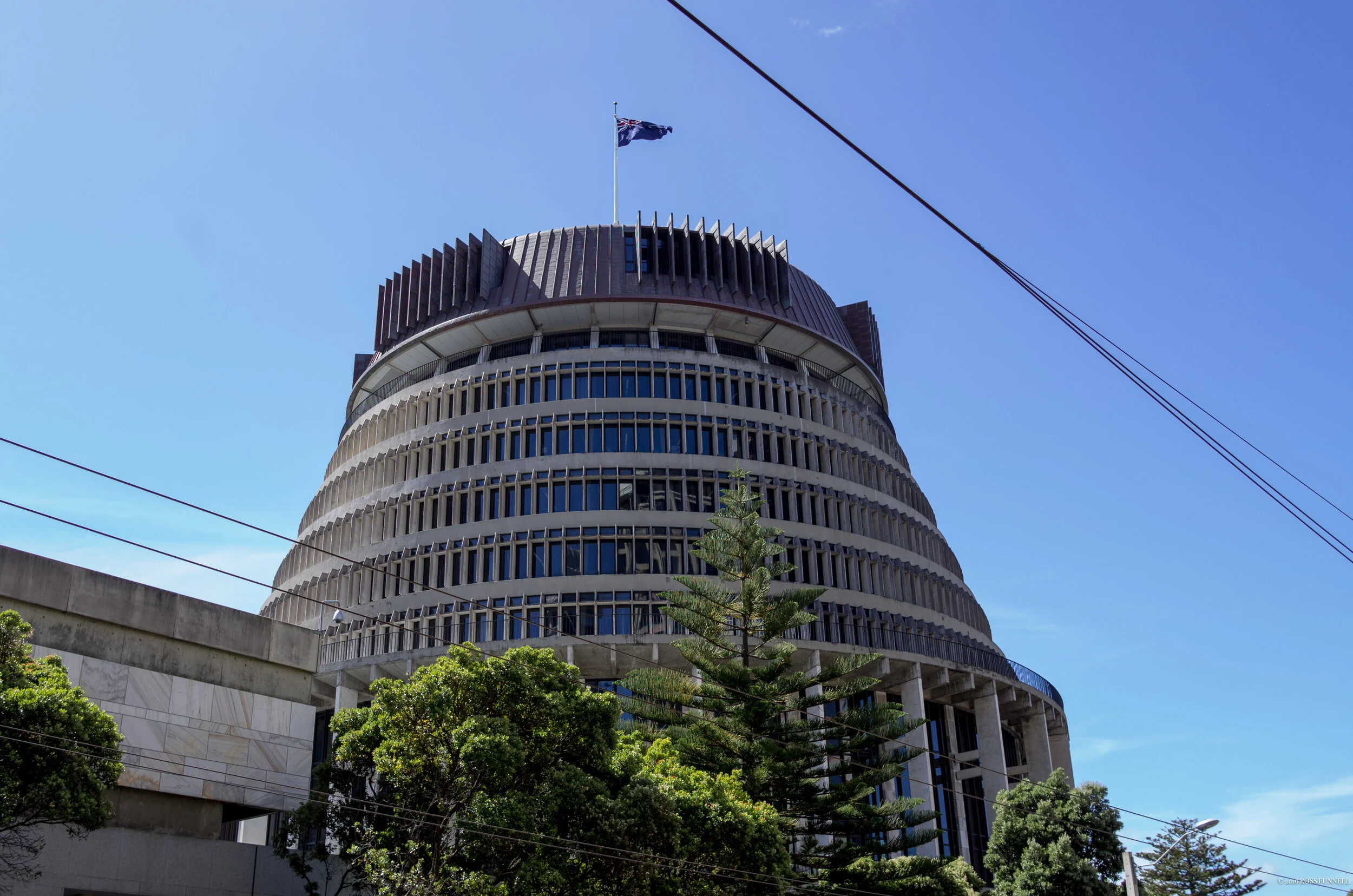
The New Zealand Parliament building. Ref54. CC BY-NC-ND 2.0.
New Zealand Legalizes Euthanasia as World Begins to Accept the Practice
In a late October referendum, New Zealanders voted in favor of legalizing euthanasia, the practice of allowing patients with an incurable and painful illness to terminate their life early. This binding act, which will go into effect on Nov. 6, 2021, will make New Zealand one of seven countries to permit the controversial practice. Assisted suicide, a similar practice which involves a physician aiding in ending a terminal patient’s life, is legal in a handful of jurisdictions, including Switzerland, Germany and several U.S. states.
The practice of euthanasia, while gaining support around the globe, is still considered controversial, especially among religious communities. The Roman Catholic Church, for instance, has condemned the practice, stating in the Catechism of the Catholic Church that: “Whatever its motives and means, direct euthanasia consists in putting an end to the lives of handicapped, sick or dying persons. It is morally unacceptable.” This opposition has resulted in a patchwork system of legal euthansia, assisted suicide or other means of voluntarily terminating one’s life.
New Zealand’s “End of Life Choice Act”
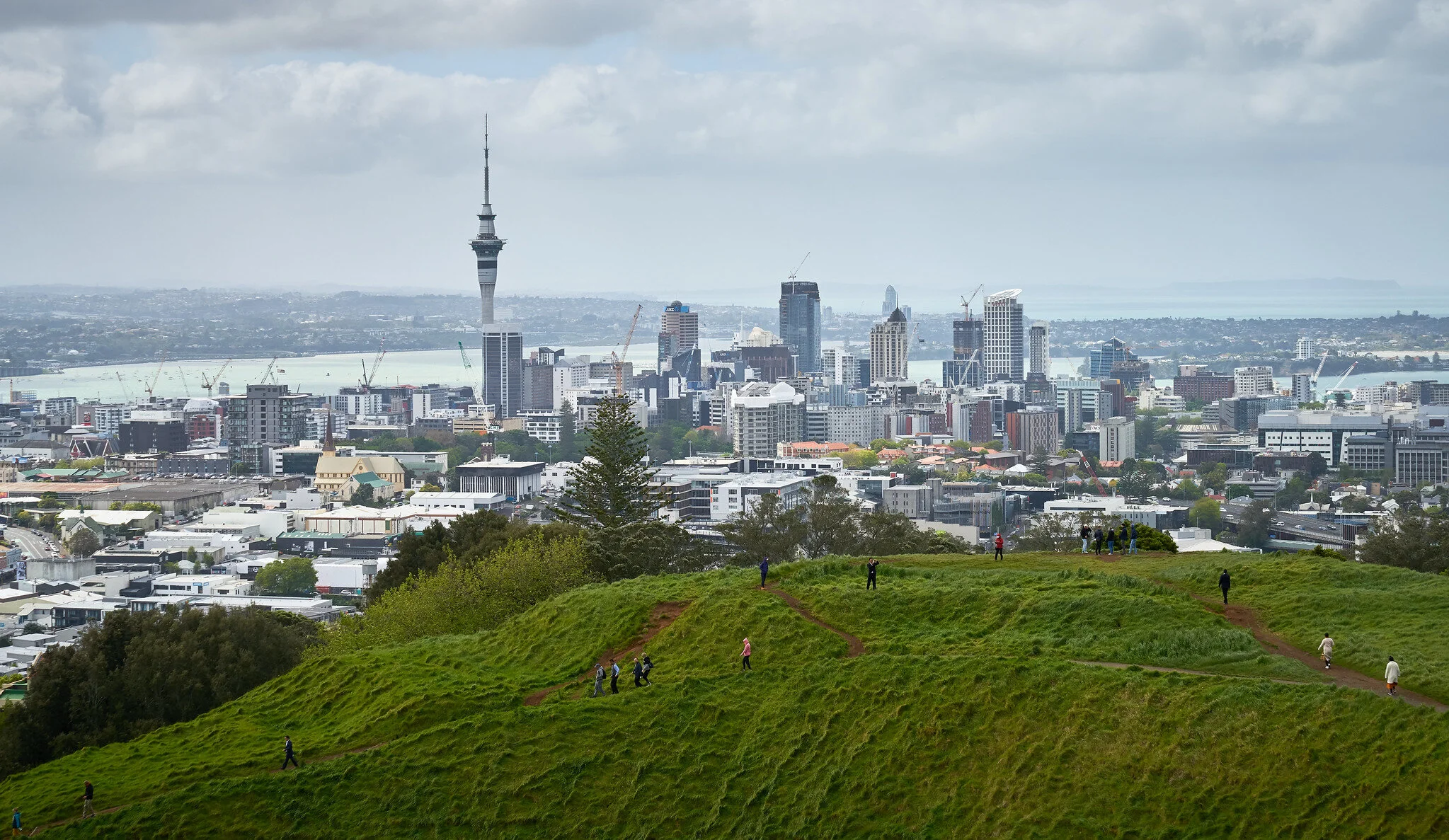
A view of Auckland, New Zealand’s most populous city. Pedro Szekely. CC BY-SA 2.0.
New Zealand’s referendum centered around whether or not the country should adopt the 2019 End of Life Choice Act. The law, which was originally introduced in October 2015 by member of Parliament David Seymour, permits voluntary euthanasia for patients confirmed by two doctors to have a terminal illness and be in the final six months of their lives.
“The motivation for this bill is compassion,” Seymour said in a press release from political party ACT New Zealand. “It allows people who so choose and are eligible under this bill to end their life in peace and dignity, surrounded by loved ones.”
While public opinion in New Zealand over the last two decades has averaged around 68% annually in support of legalized euthanasia, opponents to the practice have succeeded in shooting down similar legislation. Two iterations of the Death with Dignity Bill and a previous iteration of the End of Life Choice Bill, which outlined similar euthansia legalization statuses to the one voted on last month, failed to make it through Parliament in 1995, 2003 and 2012, respectively.
The main opposition force to euthanasia in New Zealand has been The Care Alliance, an organization which was created shortly after the introduction of the 2012 End of Life Choice Bill. It advocates for “better end-of-life care and assisted living services for people at the end of life or who require assistance to live” with the belief that “a compassionate and ethical response to suffering does not include euthanasia or assisted suicide.”
The current End of Life Choice Act is set to go into effect on Nov. 6, 2021, which allows for a one-year implementation period to take place immediately after the results of the referendum were finalized on Nov. 6, 2020.
Bans on Euthanasia Around the Globe
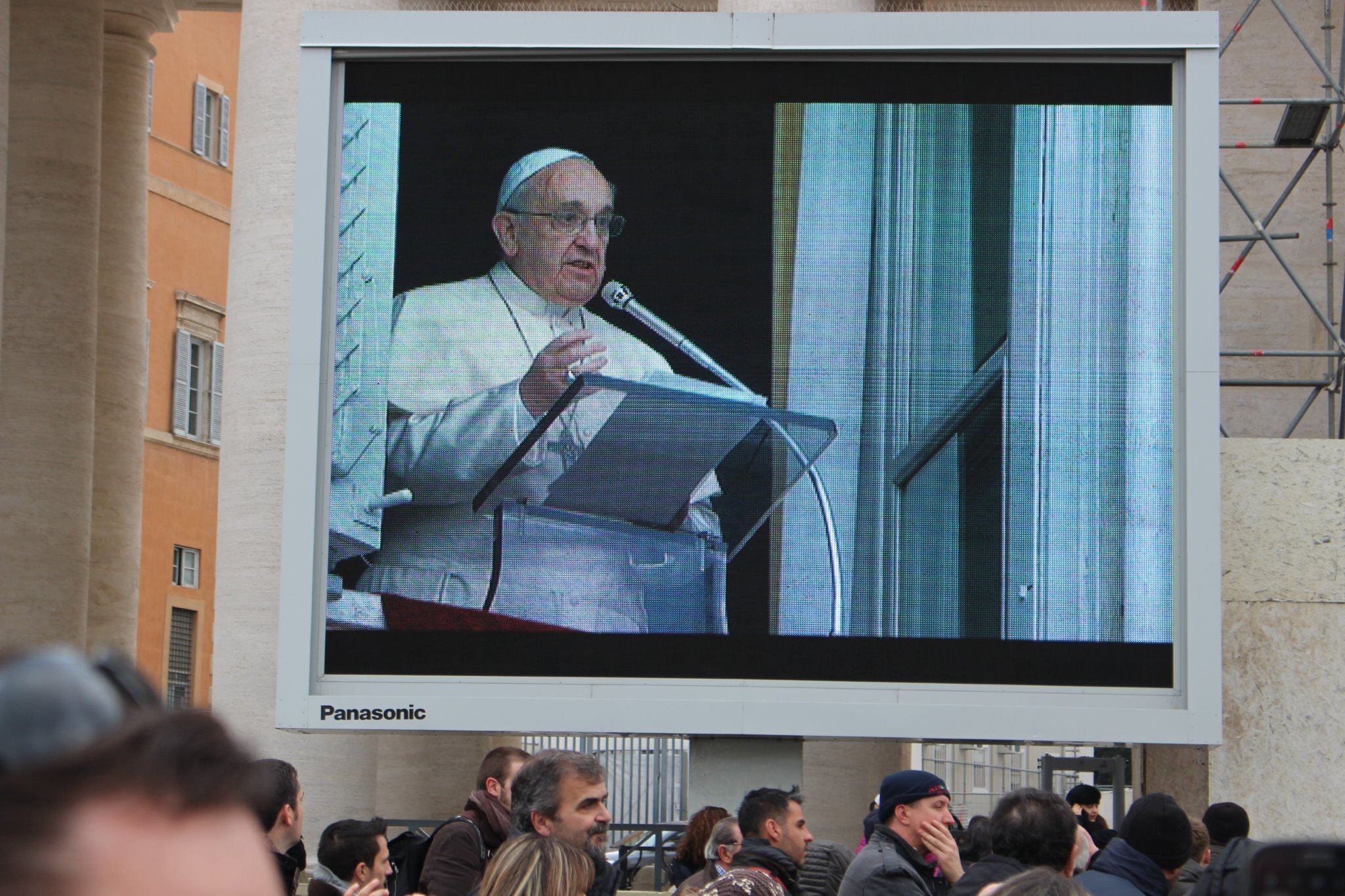
A crowd listens as Pope Francis delivers Sunday Angelus. Greg Sass. CC BY-NC-SA 2.0.
As of November 2020, euthanasia in any form is explicitly banned in countries on every continent. While each country has its own reasons for banning the practice, one standard which has inhibited further global legalization has been the United Nations’ International Covenant on Civil and Political Rights, which states that “Every human being has the inherent right to life. This right shall be protected by law. No one shall be arbitrarily deprived of his life." This has been interpreted by many in opposition to euthanasia as a standard to abide by.
Many within the religious community have opposed euthanasia for years. Many denominations of Christianity, including Episcopalianism, Lutheranism, the Eastern Orthodox Church and the aforementioned Catholicism, have all condemned the practice as a form of murder.
While Islam does not explicitly prohibit euthanasia, the practice is considered to be in direct opposition to Islamic law. Several passages from the Quran have been interpreted in such a manner, including “And do not take any human being’s life—which Allah has made sacred save with right” and “Do not kill yourselves: for verily Allah is to you most merciful.” This has resulted in euthanasia being a crime in nearly all majority-Muslim countries.
Other world religions, such as Judaism, Buddhism and Hinduism, are still debating the ethics of euthanasia. Generally, these debates center around a conflict between a divine right to life and the increasing trend toward global secularism.
Euthanasia’s Patchwork Legality
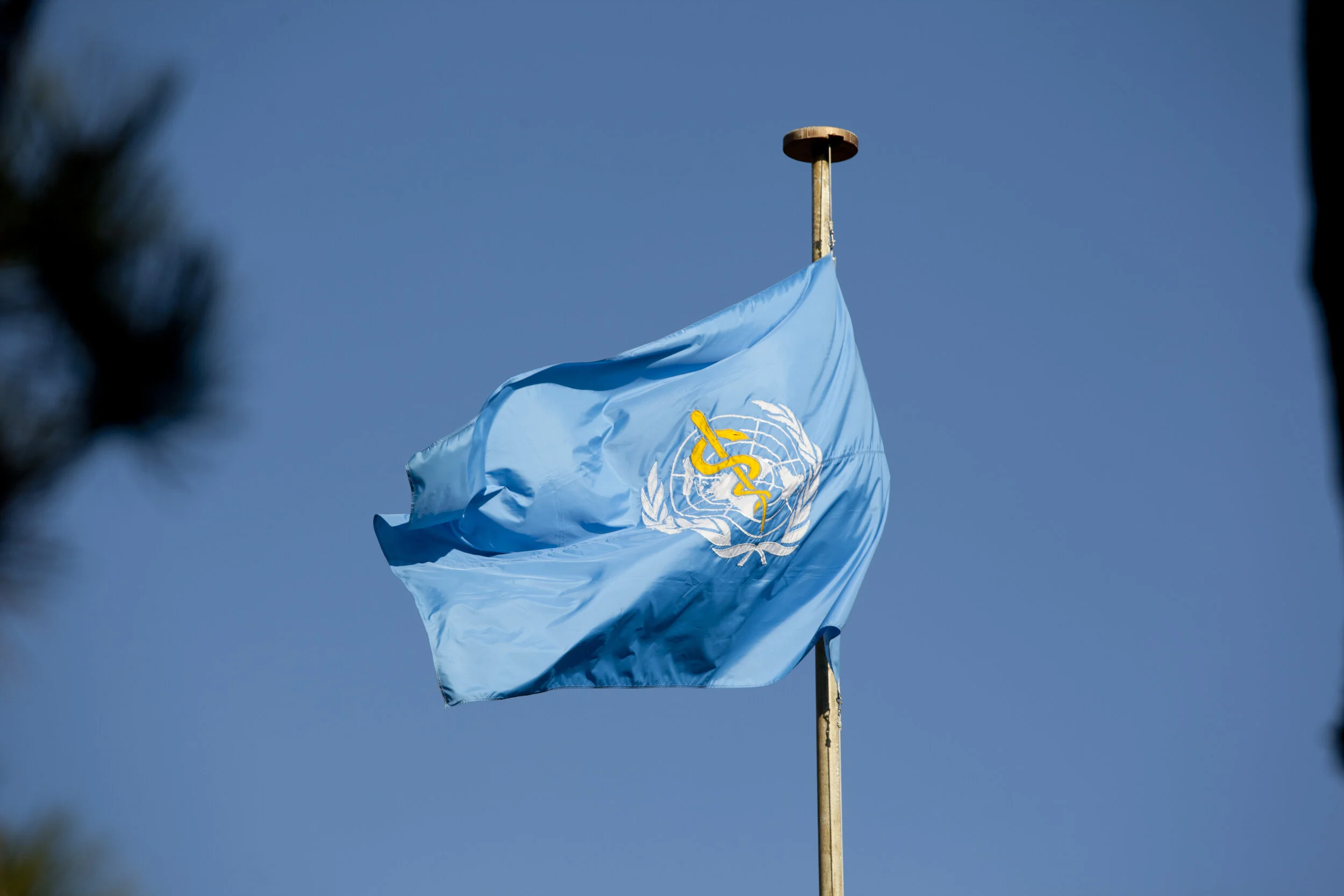
The flag of the World Health Organization. United States Mission Geneva. CC BY-ND 2.0.
Euthanasia in any form and assisted suicide are legal in at least one country on every continent except Africa. Belgium, Canada, Colombia, Luxembourg, the Netherlands, and the Australian state of Western Australia are the most permissive places for euthanasia, allowing for the active form of the practice, which involves an incurably ill patient receiving terminal care.
Passive euthanasia, the practice of refusing medical treatment and receiving appropriate pain management, is more broadly legal, primarily in the Western world but also in India, South Korea, Argentina and Chile.
The Australian state of Victoria and the countries of Germany and Switzerland permit assisted suicide. This practice differs from both active and passive euthanasia in that a physician is not the one terminating a patient’s life, but rather aids a patient as they terminate their own life. In the United States, assisted suicide is legal in the District of Columbia, California, Colorado, Hawaii, Maine, New Jersey, Oregon, Vermont and Washington state. Additionally, the legal status of assisted suicide in Montana is disputed due to an unclear court ruling in 2009.
With the ongoing pandemic and renewed discussions on the ethics of ending one’s life, euthanasia remains a hotly debated issue which likely will not go away any time soon.

Jacob Sutherland
is a recent graduate from the University of California San Diego where he majored in Political Science and minored in Spanish Language Studies. He previously served as the News Editor for The UCSD Guardian, and hopes to shed light on social justice issues in his work.
Aotearoa: Reclaiming Maori Language and Identity in New Zealand
Compared to Indigenous groups around the world, the Maori in New Zealand enjoy more agency because of the Treaty of Waitangi, a founding document that recognizes Maori ownership of land and their subsequent autonomy in the country’s government. However, some feel that more can be done to create a bicultural and celebratory society—one that puts the Maori language at the forefront.
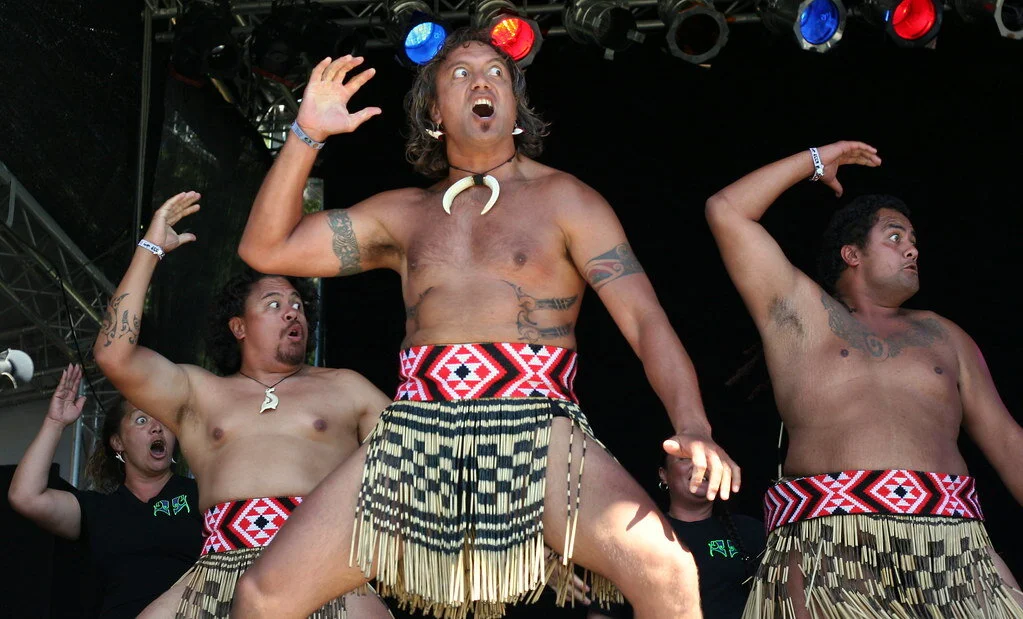
A performance of the haka, a traditional Maori dance. Matthieu Aubry. CC BY-NC-SA 2.0.
New Zealand is an island country known for its scenic views, its native kiwi bird and its iconic role as the fictional Middle Earth. The country, named Aotearoa (meaning “long white cloud”) in the Maori language, is also steeped in rich history and culture.
Before European settlement, New Zealand was home to the Maori, one of the region’s many Polynesian ethnic groups. According to their oral histories, the Maori first voyaged from present-day Tahiti. They arrived and began inhabiting Aotearoa as early as 1300 A.D. Once settled, the Maori formed tribal societies. Their culture revolves around respect for the natural environment. The Maori also possess elements of a warrior culture—they craft unique performative arts such as the haka, a war dance turned into a ceremonial celebration.
Although the first Europeans—Dutch navigators—made contact with the Maori in 1642, the Maori way of life was not significantly impacted until the late 1700s. With the arrival of British Capt. James Cook, the scramble for New Zealand ensued. As nearby French voyagers and ungoverned sealers and whalers reaped profits from the islands’ natural resources, the British moved to make New Zealand a colony in 1840.
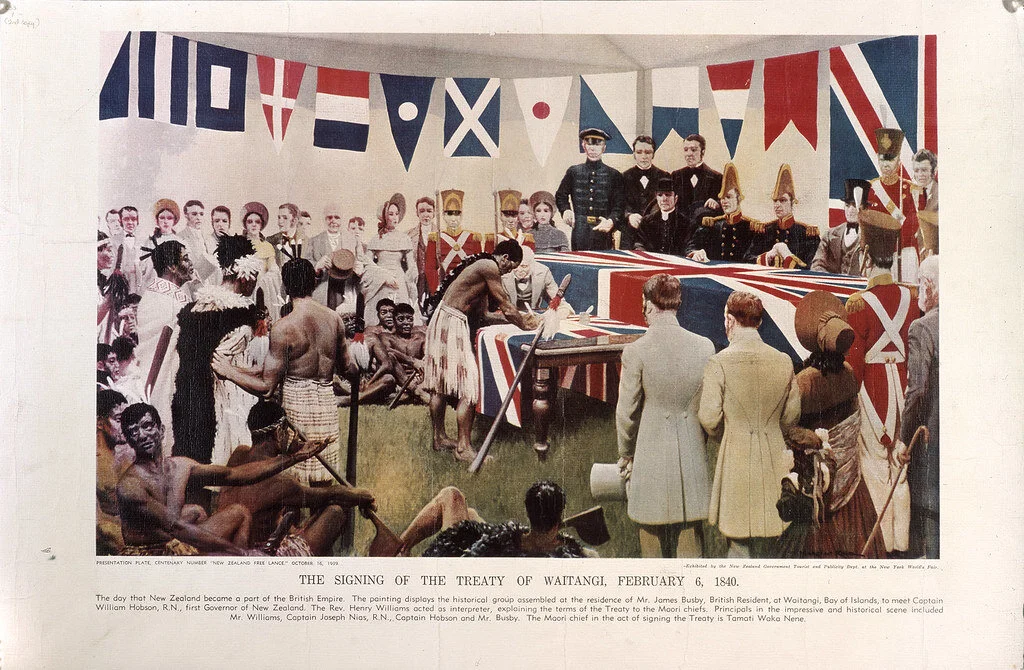
Reconstruction of the signing of the Treaty of Waitangi. Archives New Zealand. CC BY 2.0
In that same year, the Treaty of Waitangi was created. This artifact is not only recognized as a founding document but also as one that acknowledges Maori rights to the land. Despite its contentious nature, the Treaty of Waitangi is still considered a key success for the treatment of Indigenous people in New Zealand. In countries like Canada and Australia, Indigenous groups suffer a lower quality of life and enjoy less autonomy than their counterparts in New Zealand. These disparities can be traced back to the absence of a document acknowledging Indigenous people’s land rights.
Although the status of the Maori in New Zealand may be considered a model for Indigenous treatment across the globe, there are still discrepancies that prevent them from fully embracing their dual identities. Though Maori is considered one of the national languages and has been celebrated every September since 1975, a national study found that only 148,000 people in New Zealand can hold a conversation in it.
In a piece for The Guardian, Leigh-Marama McLachlan explains her rejection of Maori culture to sustain success in New Zealand. She writes, “Back then, almost no one in my family spoke [Maori]. My grandmother was like so many Maori of that generation who were led to believe that our language would be of no use to their children.” Although McLachlan possesses some rudimentary Maori, she laments the overwhelmingly monolingual sentiment of the country.
The personal rejection of Maori culture can be traced back to the early stages of New Zealand’s modernization. In a 2015 study, Maori education professors Lesley Rameka and Kura Paul-Burke found that education for children dismissed the value of Maori. Textbooks failed to frame Maori history in a positive light, rendering the culture and language as “unintellectual, trivial and strange.”
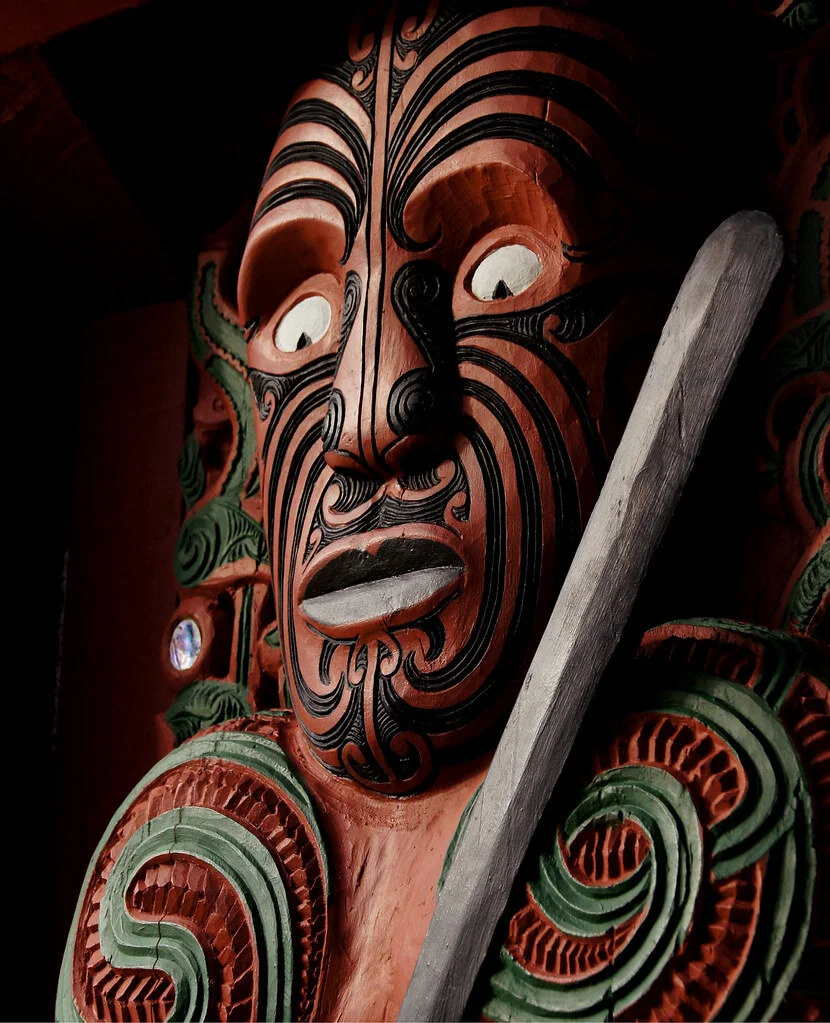
A Maori carving. Bernard Spragg.
Since the last Maori Language Week in September, some feel that it is time to restore places to their rightful Maori names. Since the protests against racial injustice in the United States, policymakers and stakeholders were forced to reexamine New Zealand’s racist past of colonialism and disenfranchisement. With an overall renewed interest in Maori rights and treatment, several telecommunications firms in the country have already changed their names to include “Aotearoa.”

Rhiannon Koh
Rhiannon earned her B.A. in Urban Studies & Planning from UC San Diego. Her honors thesis was a speculative fiction piece exploring the aspects of surveillance technology, climate change, and the future of urbanized humanity. She is committed to expanding the stories we tell.
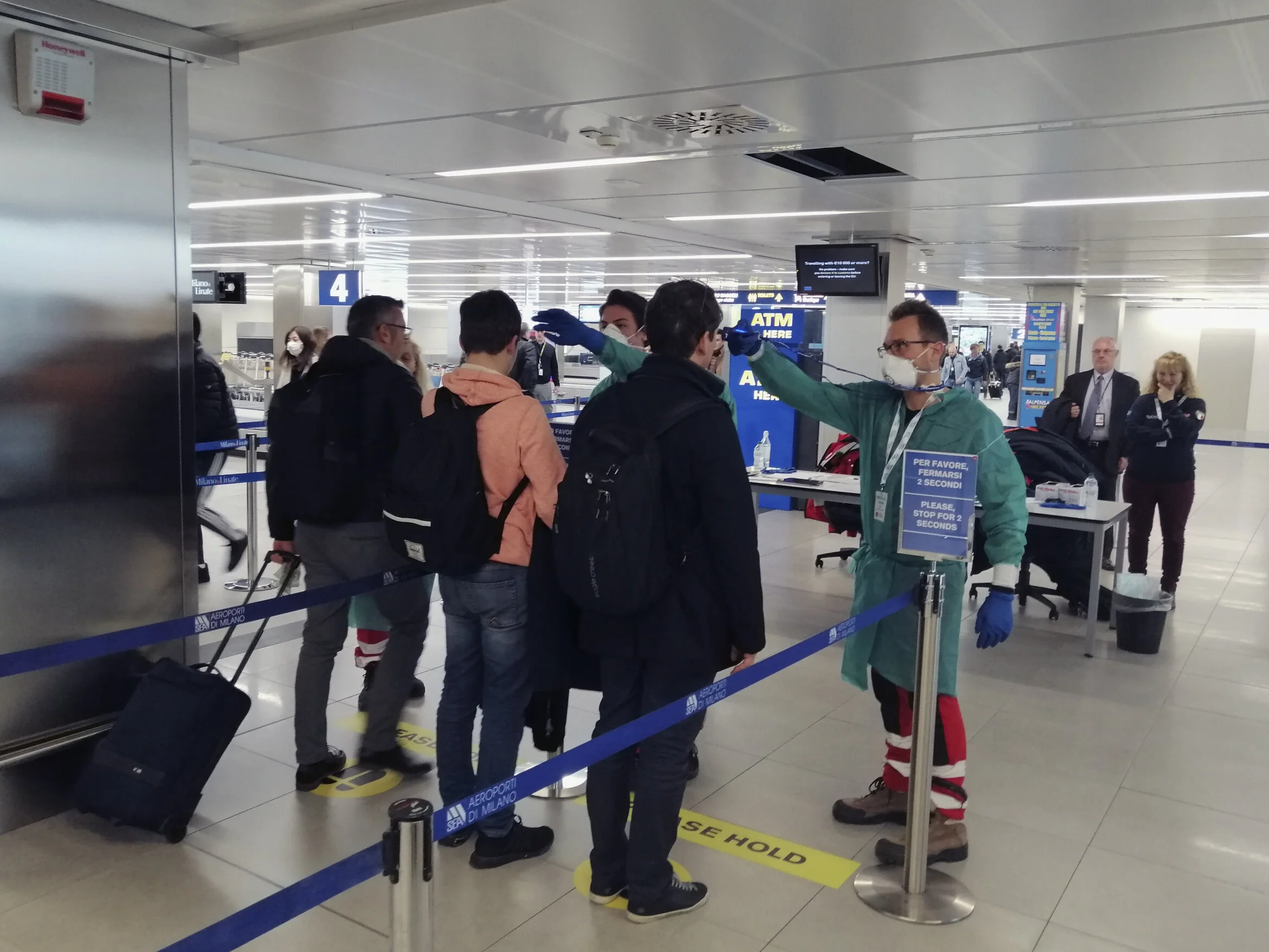
Travelers being screened for COVID-19 at an Italian airport. Dipartimento Protezione Civile from Italia. CC BY.
The World Shuts Its Doors to US Travelers
As countries around the world continue to maintain flattened curves of COVID-19 cases and begin the process of reopening their borders to visitors, many have enacted restrictions and bans on entry for all United States citizens. The U.S., a country which has not flattened the curve, has seen its number of COVID-19 cases increase to over 3 million as of July 8, the highest in the world for any country.
The European Union and the non-EU nations of Iceland, Norway, Switzerland and Liechtenstein began the process of allowing foreign visitors into their respective borders on July 1. This initial list of 15 countries highlights the cautious standards set by the EU to limit the spread of the virus by foreign travelers arriving from countries experiencing surges of COVID-19 cases.
According to the Council of the EU, a country that is to be considered for the travel restrictions to be lifted must include: “[the] number of new COVID-19 cases over the last 14 days and per 100,000 inhabitants [be] close to or below the [June 15] EU average, stable or decreasing trend of new cases over this period in comparison to the previous 14 days, [and the country’s] overall response to COVID-19 taking into account available information.”
These travel restrictions do not apply to travelers with “an essential function or need” in Europe. Likewise, the EU will review the situation every two weeks and may add or remove countries from the list of those whose travelers are permitted to enter the aforementioned European countries.
While the EU is the latest governing body to bar U.S. citizens from travel to the region, others have had similar restrictions in place for a much longer duration of the ongoing pandemic. Cuba, a country which notably shut its borders to all non-Cuban citizens on March 20 and flattened its curve early on, extended its suspension of all international flights to August 1.
New Zealand, a country which has virtually eradicated COVID-19 within its borders, imposed similar travel restrictions to those of Cuba. The nation essentially barred all foreign travelers from entering the country at the beginning of the pandemic, and will continue to uphold these restrictions for the foreseeable future.
China, where the COVID-19 outbreak began, has not imposed an official ban on U.S. travelers entering the country. However, all international travelers entering China are subject to COVID-19 screening upon entry and a mandatory 14-day quarantine at either a government-selected facility or hotel at the traveler’s expense.
The U.S. Department of State’s Bureau of Consular Affairs continues to update its travel database daily with any new information in regard to travel restrictions and COVID-19 cases around the globe. While the Trump administration has not officially restricted U.S. citizens from traveling abroad, the Centers for Disease Control and Prevention discourages any form of nonessential travel.

Jacob Sutherland
is a recent graduate from the University of California San Diego where he majored in Political Science and minored in Spanish Language Studies. He previously served as the News Editor for The UCSD Guardian, and hopes to shed light on social justice issues in his work.
7 Whimsical Outdoor Adventures Sure to Pique Your Interest in New Zealand
From natural wonders such as glowworm caves and geothermal pools (considered Maori sacred waters) to whimsical spots such as Teapotland, home to a garden of 1,200 quirky teapots—New Zealand will not disappoint.
Read MoreNew Zealand: Aotearoa
“Rich greenery, rough landscapes and unreal scenery. Footage shot over a time period of eight months features New Zealand in a way never seen before. German electronic music artist “The Road up North” exclusively created surreal soundscapes to accentuate the unique mood of this journey through territory and changing seasons.” -Birk Poßecker
Birth Fate: Institutionalized Racism in New Zealand Prisons
New Zealand has the second highest incarceration rate in the Western World, beat only by the United States. Yet, there is an unequal distribution throughout prisons, with Maori making up majority of those incarcerated. The explanation lies in history.
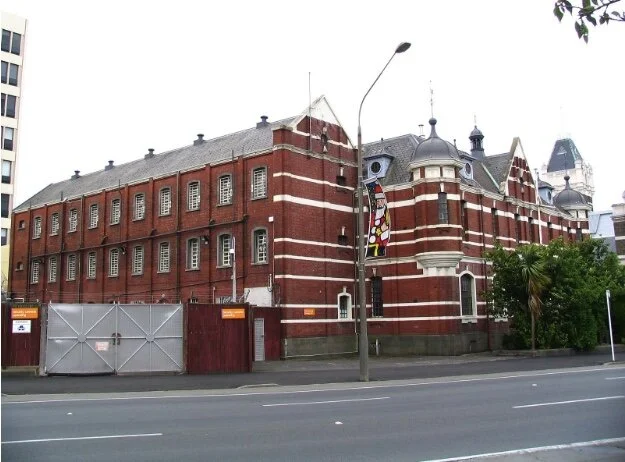
Historic prison in Dunedin, New Zealand. Benchill. BY-SA 3.0.
New Zealand has been praised for its efforts in incorporating aspects of indigenous culture into everyday life. Road signs are posted in both English and Maori. Students in school learn Maori history and culture. The All Blacks do the haka. But looking beneath the surface it is apparent that racism against the Maori culture still very much exists. This is no more evident as in the incarceration rates. Maori make up about 15 percent of New Zealand’s population but over 50 percent of the prison population. This difference has to be examined not just on a criminal justice level but also from a historical perspective.
A study from the University of Otago, found that there three main reasons behind the high incarceration rates for Maori people. They are structural racism, intergenerational trauma, and colonization. Of course these three are all intertwined with colonization being the cause for intergenerational trauma and structural racism. The biggest effects of colonization come from subordination and institutionalized change. Having a change in the value of wealth – to one of monetary and property value – and being on the losing end of that spectrum creates a never ending struggle. Maori justice system before colonization revolved around group accountability and following tikanga, the Maori just way of being. Prisons involve punishment and individual causation. Adapting to a system whose values are drastically different than your own and having to fight for your land and culture, has left the Maori at a disadvantage.
On an individual level, majority of inmates had been a victim to violence, had a mental health diagnosis or brain injury, did not have proper schooling, and/or had a parent who also had been in correctional facilities. Poverty on its own is a huge factor in crime statistics with first acts being committed out of necessity. Add on top of that, generational histories of crime, violence, and mental health, it is hard to break the cycle.
If you look both at the history of New Zealand and the history of the person, it is no surprise that institutionalized racism exists. The current government is working on reducing the number of people incarcerated but it is hard to tackle the problem when Maori representation at the government level is lacking. They are looking towards examples from Norway, with community correction facilities, and there are programs working to bring Maori values to prisons. But until more effort is done to correct inequalities in wealth, education, and healthcare it may be hard to have lasting change.
DEVIN O’DONNELL’s interest in travel was cemented by a multi-month trip to East Africa when she was 19. Since then, she has continued to have immersive experiences on multiple continents. Devin has written for a start-up news site and graduated from the University of Michigan with a degree in Neuroscience.

New Zealand’s “Headscarf for Harmony” Effort
Women wear headscarves to stand in solidarity with New Zealand Muslim community.
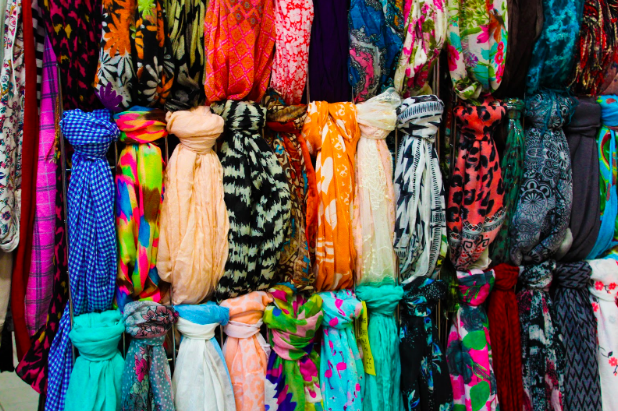
Photo of headscarves by 𝚂𝚒𝚘𝚛𝚊 𝙿𝚑𝚘𝚝𝚘𝚐𝚛𝚊𝚙𝚑𝚢 on Unsplash
This week, women in New Zealand are wearing hijabs to stand in solidarity with the Muslim community following the shooting of 50 people at two mosques in Christchurch.
The effort, called “Headscarf for Harmony”, was created by Auckland doctor Thaya Ashman. After hearing a Muslim woman say that she was afraid to leave her house wearing a hijab, Ashman wanted a way to show her support and solidarity. “I wanted to say: We are with you, we want you to feel at home on your own streets, we love, support and respect you,” she told Reuters.
Ashman spoke with the Islamic Women’s Council of New Zealand and the Muslim Association of New Zealand before putting the effort into action. She told the New Zealand Herald that she used the word headscarf instead of hijab to recognize the cultural difference present for non-Muslims.
The Headscarf for Harmony hashtag continues to spread across social media. where New Zealanders are posting pictures of themselves in headscarves accompanied by captions offering their support for the Muslim community.
"These people are New Zealanders, just like I am,” twenty four-year-old Cherie Hailwood told CNN. “I understand that one day is very different to wearing it all the time, but I am honored to be given the permission of the Muslim community to walk in their shoes. Even just for a day.”
Prime Minister Jacinda Ardern wore a black headscarf when meeting with members of the Muslim community. Even news anchors and reporters joined the effort, wearing headscarves on live television. At an open prayer at the Al Noor mosque where the attack had taken place, New Zealand women wore head scarves as a gesture of respect and solidarity.
“Being a Muslim, I’m overwhelmed,” one man tweeted, “I have never seen this kind of solidarity in my entire life—the vigils, the Haka performances, the scarves. It’s just amazing and heartwarming.”
Not all supported the effort. On Stuff.co.nz a Muslim woman published an unsigned article saying that while the movement may mean well, it is no more than “cheap tokenism”.
She wrote that the effort, “stinks of white savior mentality, where Muslim women need to be rescued by (largely) white folk. This type of ideology plays a part in the pyramid of white supremacy and must be acknowledged so people can stop virtue signaling and understand the impact of their actions.”
She went on to say that the attack, “was not just about Muslims, it was against any person of colour in a 'white' country so this focus on hijabs is derailing the examination of white supremacy, systematic racism, orientalism and bigotry. We don't want to be turned into a caricature.”
EMMA BRUCE is an undergraduate student studying English and marketing at Emerson College in Boston. While not writing she explores the nearest museums, reads poetry, and takes classes at her local dance studio. She is passionate about sustainable travel and can't wait to see where life will take her.

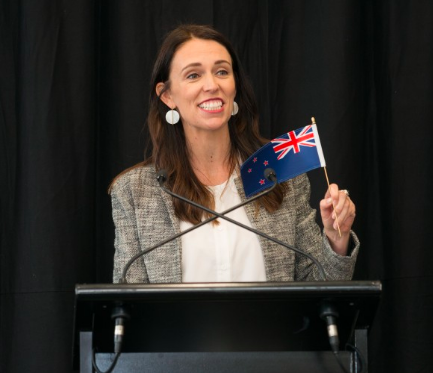
By Ministry of Justice of New Zealand (justice.govt.nz) [CC BY-SA 4.0 (https://creativecommons.org/licenses/by-sa/4.0)], via Wikimedia Common)
New Zealand's Female Prime Minister Takes Maternity Leave
Women in positions of power, especially those of political nature, have historically been insufficiently represented within society. According to an article by TIME Magazine, just 11 countries of nearly 200 globally are lead by women today. However, gender norms are changing as feminist movements throughout the past century have pushed the limits of traditional female roles. New Zealand is one of the most progressive and equal countries around the world when it comes to issues of race and gender. As of October 26, 2017, Jacinda Ardern became the country’s third female prime minister—a feat on its own. She then went on to represent a greater controversy regarding the lack of women in positions of political power and the expectations placed on them once there. Ardern countered these expectations as a young female leader, unmarried and pregnant while still in office.
The prime minister used this opportunity to make a statement about gender equality, proving that traditional roles and rules regarding men, women, marriage, and children are outdated and wrongfully stigmatized. Ardern went on to suggest she would take a maternity leave, a first for any leader around the world. She announced that following her maternity leave, her husband and fishing documentarian will become a stay at home dad. She pridefully acknowledged on Instagram that her and her partner would become two of the many parents who “wear two hats.” New Zealand Labour prime minister Helen Clarke stated, “These are the kinds of practical arrangements working women make all over the world—the novelty here is that it is a prime minister who is making them. The signal this sends, however, is that this is life in the 21st century.” Clearly, Ardern has defied what has been typically represented in political positions by living and acting as many families do in today’s age. All at once, she disputes the expectations placed on politicians, traditional relationships and the role of women by decisively representing the new reality.
Upon the announcement of her pregnancy to the country, she remarked, “I don’t want to ever give the impression that I’m some kind of wonder woman or that women should be expected to do everything because I am. I’m not doing everything.” On June 21, 2018, her young daughter was born and it appeared that the whole of New Zealand was watching, waiting, and supporting the 37-year old leader. She shared the news of her child’s birth over a Facebook Live video. This openness implies a level of commitment to relatability to which her country has connected. She has achieved a 76% personal approval rate among NZ citizens.
Among her many achievements, from becoming the youngest prime minister to take office in NZ to being the first woman to take a maternity leave as the leader of a country, she was also named as part of TIME Magazine’s most influential people of 2018. Jacinda Ardern challenges the notion that women can’t have it all, she confidently meshes motherhood with career while leading a country into the new epoch. For women and politics around the world, she is paving the way for more female empowerment and acting—not simply remarking—on behalf of her values about equality.
ELEANOR DAINKO is an undergraduate student at the University of Virginia studying Spanish and Latin American Interdisciplinary Studies. She recently finished a semester in Spain, expanding her knowledge of opportunity and culture as it exists around the world. With her passion to change the world and be a more socially conscious person, she is an aspiring entrepreneur with the hopes of attending business school over seas after college.

Explore Aotearoa with Ludovic Gilbert
Aotearoa is the Maori name for New Zealand. Ludovic Gilbert and his wife spent 3 weeks there for their honeymoon, and traveled more than 4,000 miles through Christchurch, Akaroa, Lake Tekapo, Te Anau, Wanaka, Fox Glacier, Punakaiki, Kaiteriteri, Wellington, Tongariro, Taupo, Whengamata and Auckland. Here are the fantastic landscapes, beautiful people and lakes with amazing colors they found.