
Despite its reputation for environmental stewardship, Sweden is at risk of losing its beloved reindeer and an important part of its cultural heritage.
Read More7 Climate Activists Under Age 35
While Greta Thunberg may be the most well-known young climate activist, here are 6 more from around the world.
Read MoreSweden’s Unique Icehotels
From ice rooms to outdoor experiences, Sweden’s Icehotels provide a unique stay for travelers interested in the outdoors.
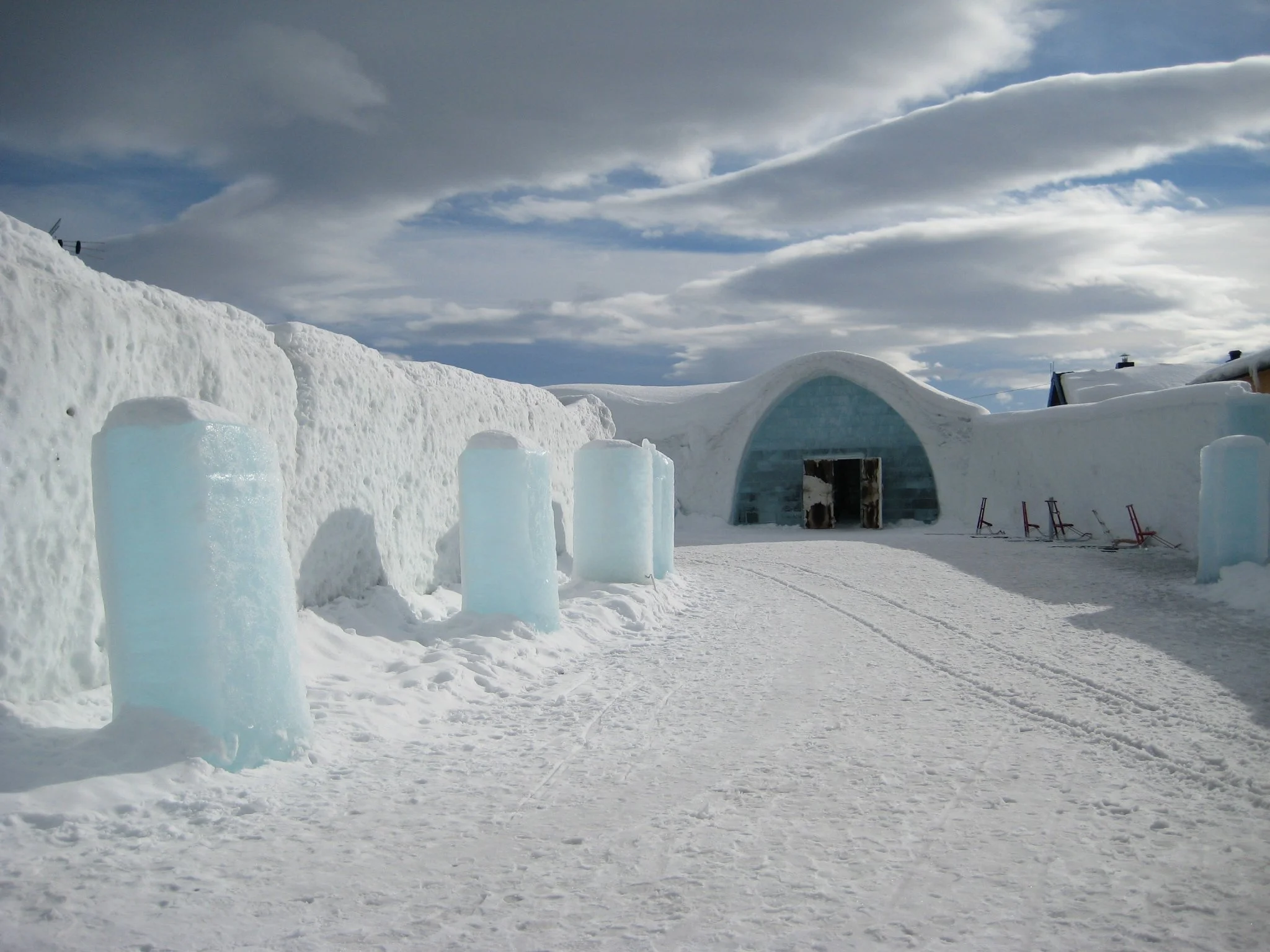
Entrance to Icehotel. Markus Bernet. CC BY-SA 2.5
A trip to Sweden may entail many unique experiences, but very little can parallel a stay at Icehotel in Jukkasjarvi. Located in the land region and 200km north of the Arctic Circle, the hotel was established in 1989 as the world’s first ice hotel, with the goal to, “Create life enriching experiences." A unique venue for hospitality, the ice hotel is structurally similar to an igloo. Ice and stagnant air both have very low thermal conductivity, limiting the heat transferred from the outdoors and keeping the structures from melting. The travel group Transun explains that, “The ice structure stops heat being transferred to the surroundings, because the ice and the windless air are both excellent insulators. The buildings depend on sub-freezing temperatures and usually melt in summer, rebuilt again from fresh ice every year.”
On its site, the Icehotel group writes about the central theme of storytelling it hopes to achieve with its establishments: “Our inspiration is the Arctic and the delicate beauty of crafting something that is ephemeral yet engaging all your senses," creating its edifices with ice taken from the Torne River. With each winter, new artists are given the opportunity to showcase their talents through the Icehotel. The same river is also the source of the crystal-clear ice furniture that adorns both the original Icehotel and the new Icehotel 365, a newer project from the same brand to offer more to travelers all year.
Travel Agency "Discover the World" recommends that, although elements of Icehotel are now open year-round, the best time to visit is, “During the winter months when it is blanketed in snow, the air outside is crisp and cold and the Northern Lights might make an appearance.” For Sweden, this is from December to early April, the months when the original Icehotel is constructed and open. During this time, the Icehotel has between fifteen and twenty standard ice rooms and twelve art suites for guests to stay in. Johan Larsson, the standard ice rooms’ artist, explains that he chose to incorporate an ice bed and decor because, “I wanted to create a feeling of being embraced and protected by the ice—a good night’s sleep for all guests.” The art suites are a step up from the standard rooms. Each suite is designed by an artist who has creative freedom to choose their own themes and styles. Icehotel says that, “The artist, perhaps from Kiruna, Germany, UK, or the US has been picked from over two hundred applicants and invited to make the suite you’ll be sleeping in.” Art suites are kept between 18 and 23 degrees fahrenheit. Because of their icy cold atmosphere, all rooms have special accommodations like thermal sleeping bags, reindeer hides and curtains in place of doors. Guests are given access to Riverside, a heated lobby, for changing rooms, toilets and saunas.
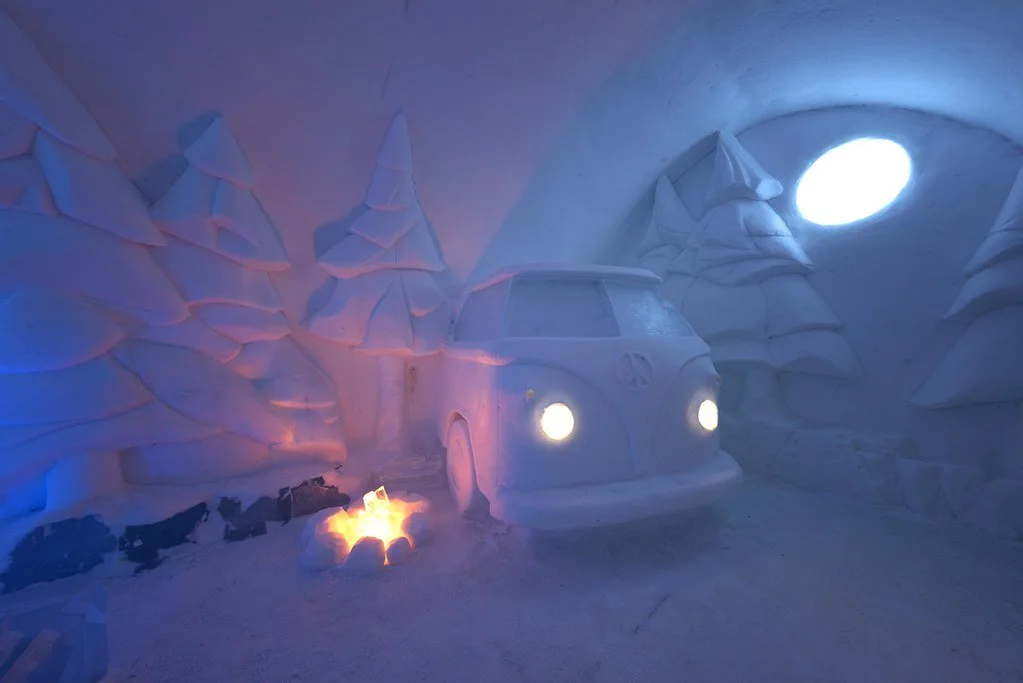
Art Suite in Icehotel. Rob Alter. CC BY 2.0
When planning a stay, guests are offered a choice of warm or cold accommodations. Warm rooms are like a standard hotel room and are located in a separate building. Icehotel recommends that guests spend just one night in the cold while booking a warm room for the rest of their trip, and provides special, insulated sleeping bags for guests to keep warm. The company also encourages appropriate sleepwear—thermal underwear, hats, warm jumpers, etc. Transun notes that, , although sleeping in a room made of ice might sound unpleasant, the right clothing and sleeping bags can keep guests warm as long as the outdoor temperature stays above -13 degrees Fahrenheit. Visitors can still arrange tours if they choose not to spend the night. Icehotel can accommodate up to five people in its largest warm rooms and two people in each of its cold rooms.
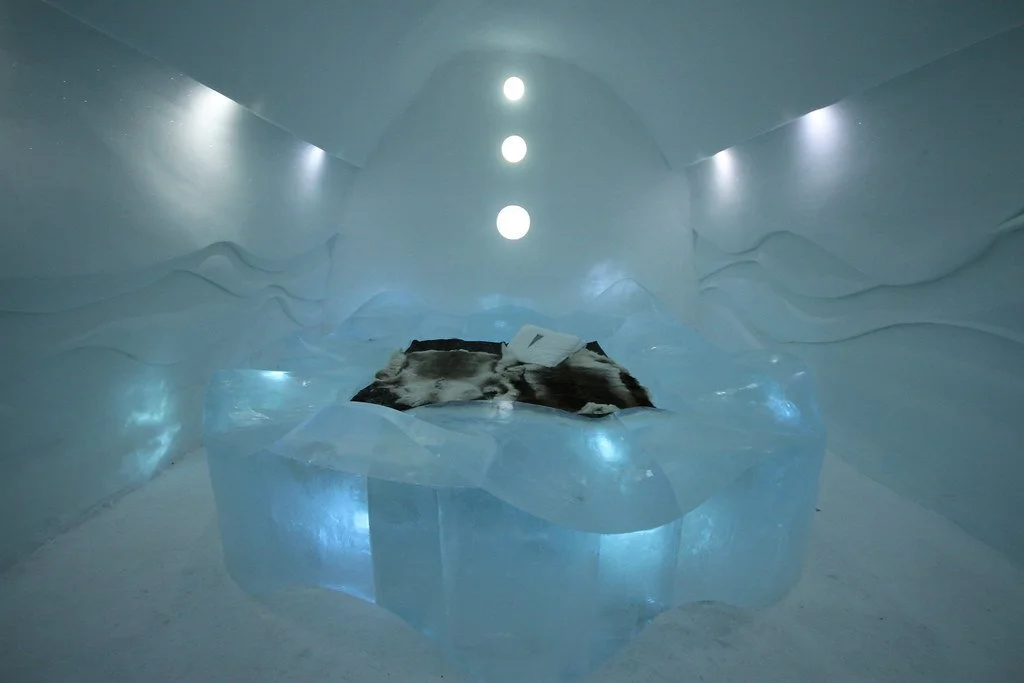
Standard Ice Room. Xraijs. CC BY-NC 2.0
Even during the summer months, the Icehotel brand still has much to offer interested travelers. Icehotel 365 was first opened in December 2016 as a year long ice experience. The building is a permanent, 2100 square meter art hall, maintaining interior sub-zero temperatures by relying on cool solar power throughout the year. Its art hall contains a collection of traditional art while the building is also home to deluxe suites, an ice bar and experience rooms that depict Icehotel’s history. Additionally, guests can enjoy Torne River rafting, private fishing tours, a ropes course, mountain hikes, and, of course, the Northern Lights.
Despite being a large tourist attraction, sustainability is central to Icehotel’s methods. The organization writes that, “We borrow the ice from the Torne River to build a new, seasonal Icehotel, which eventually melts and returns back to its origin in the spring. The basic idea of Icehotel is built on the premise of the environmental cycle, and our relation to the water and the ice is central.” The company also works with River Rescuers, an activist group protecting “The untouched waters of Sweden,” and regularly makes donations to WaterAid to assist water health throughout Sweden.

Aanya Panyadahundi
Aanya is a student at the University of Michigan studying sociology and journalism on a pre-law path. She loves to travel the world whenever she can, always eager to learn more about the different cultures and societies around her. In her free time, she likes to play the violin, ski, and listen to podcasts.
Chasing Aurora: Where To See The Northern Lights
From Norway to New Zealand, these five spots are perfect for experiencing the elusive beauty of the Aurora Borealis.

The Northern Lights as seen from the southern coast of Iceland. Cameron Pickett. CC BY 2.0.
The Aurora Borealis, better known as the Northern Lights, is one of the most magical natural phenomena to witness in person. It is caused by electrical interactions in the upper atmosphere that release waves of normally green and yellow light depending on which elements have reacted. Environmental conditions need to be perfect in order to properly experience the true beauty of the elusive lights, but there are a few locations near the Arctic Circle from which they are easier to spot. Here are five locations with an exceptionally good view for those who are trying to catch a glimpse of the lights, adjusted for the current astronomical layout of the planets and stars.
1. Rovaniemi, Finland

The Northern Lights shining down on the Santa Claus Village in Rovaniemi, Finland. Santa Claus Village. CC BY-NC-ND 2.0.
The city of Rovaniemi is the capital of Lapland, and is also well publicized as being the hometown of Santa Claus. Situated right on the Arctic Circle, it is most easily reachable by plane from Helsinki, though it is also accessible by local trains and buses. Rovaniemi is famous for its natural beauty -- its northern latitude makes it perfect for those wanting to experience the ‘midnight sun’ phenomenon, where our star is visible for a whole 24 hours. The city is the perfect destination for travelers looking to enjoy the Northern Lights, with the optimum viewing times occurring between August and April.
2. Yukon, Canada

The Northern Lights over Kluane Lake, Yukon. Keith Williams. CC BY-NC 2.0.
Located in the north east corner of Canada, the Yukon territory is home to almost 22,000 square kilometers (around 8,500 square miles) of protected land as part of the Kluane National Park and Reserve. Visitors can reach the park by plane, boat or car to visit the country’s largest ice field, an incredible grizzly bear population, and even Mount Logan, Canada’s highest peak, which stands just under 6,000 meters (around 19,685 feet) tall. While the Northern Lights can be seen from most of Canada’s provinces, the display is visible to those in the Yukon from August to April, making it one of the longest viewing seasons in the country.
3. Reykjavík, Iceland
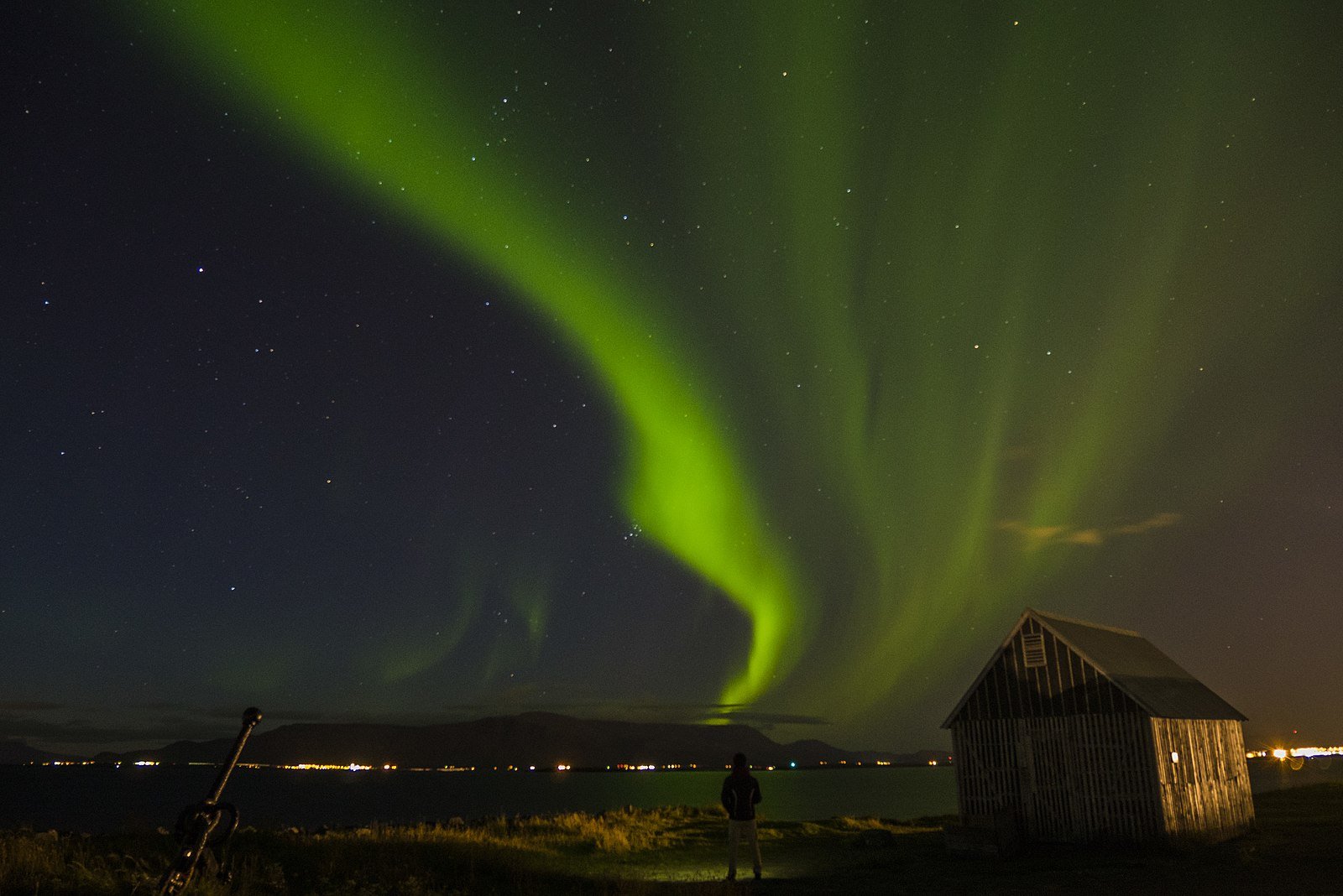
The Northern Lights seen from a small cabin just outside of Reykjavík, Iceland. Davide Cantelli. CC0.
The Icelandic capital of Reykjavík is by far the largest city in the country and is also one of the best places to watch the Northern Lights. Just a few degrees south of the Arctic Circle, many residents of the city claim to see the display from their windows on especially bright nights. Visitors can fly directly into the city’s airport and enjoy various other outdoor activities including icy glacier hikes, swimming in natural hot springs during the day and venturing to Thingvellir National Park, which is just a short drive from the city to see the aurora. Though brighter auroras can be seen from the city, avoiding light pollution makes it much easier to experience the full display between September and April.
4. Tromsø, Norway

The Northern Lights shining over the mountains in Tromsø, Norway. Maria Wulff Hauglann. CC BY-NC 2.0.
Located in the heart of the northern aurora zone, the Norwegian city of Tromsø is most well-known for its view of the Northern Lights. Visitors can book one of the many available aurora tours hosted by guides who have expert knowledge of the best local sites from which to watch the display. Many of these base camps offer excellent viewing of the lights from September all the way till April. Tromsø is just a quick 3.5 hour flight from London for those wanting to experience the local Sami culture, or for those simply looking to indulge themselves in the city with the most bars per capita than any other in Norway.
5. Kiruna, Sweden

The Northern Lights as seen from the town of Kiruna in Swedish Lapland. Martin Eklund. CC0.
The wilderness of Swedish Lapland is perfect for those looking to enjoy the Northern Lights away from other tourists. Additionally, the complete lack of light pollution allows for a particularly vibrant viewing. As the northernmost city in Sweden, Kiruna is located well within the Arctic Circle and is home to the largest underground iron ore mine in the world. The town also neighbors Jukkasjärvi, a town made recently famous for its hotel made entirely of ice. Visitors who stay here can typically enjoy the lights between September and March, though the season can often begin slightly earlier and end slightly later.
Bonus: Queenstown, New Zealand
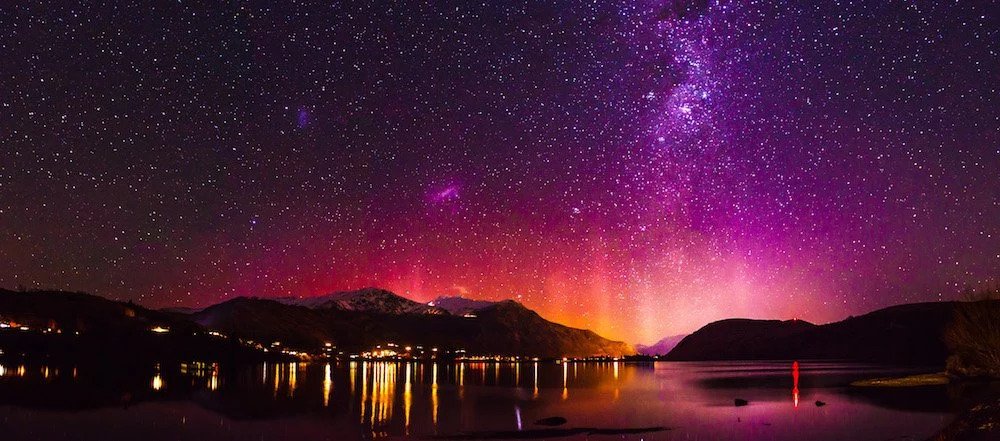
The Southern Lights captured near Queenstown, New Zealand. Bec Potter. CC BY-NC-ND 2.0.
This final destination highlights the resort town of Queenstown on New Zealand’s South Island. Unlike the other places on this list, it is a perfect place to experience the natural phenomena known as the Aurora Australis or the Southern Lights. This aurora is similarly caused by interactions between molecules in the upper atmosphere, which release waves of light across the night sky, though the Southern Lights tend to appear red and pink. This is due to the types of gas that are interacting and the atmospheric height at which the interactions take place. Visitors can fly straight into Queenstown’s international airport and enjoy the natural beauty of the nearby Lake Wakatipu during the day, before settling in to watch the display at night.

Tanaya Vohra
Tanaya is an undergraduate student pursuing a major in Public Health at the University of Chicago. She's lived in Asia, Europe and North America and wants to share her love of travel and exploring new cultures through her writing.
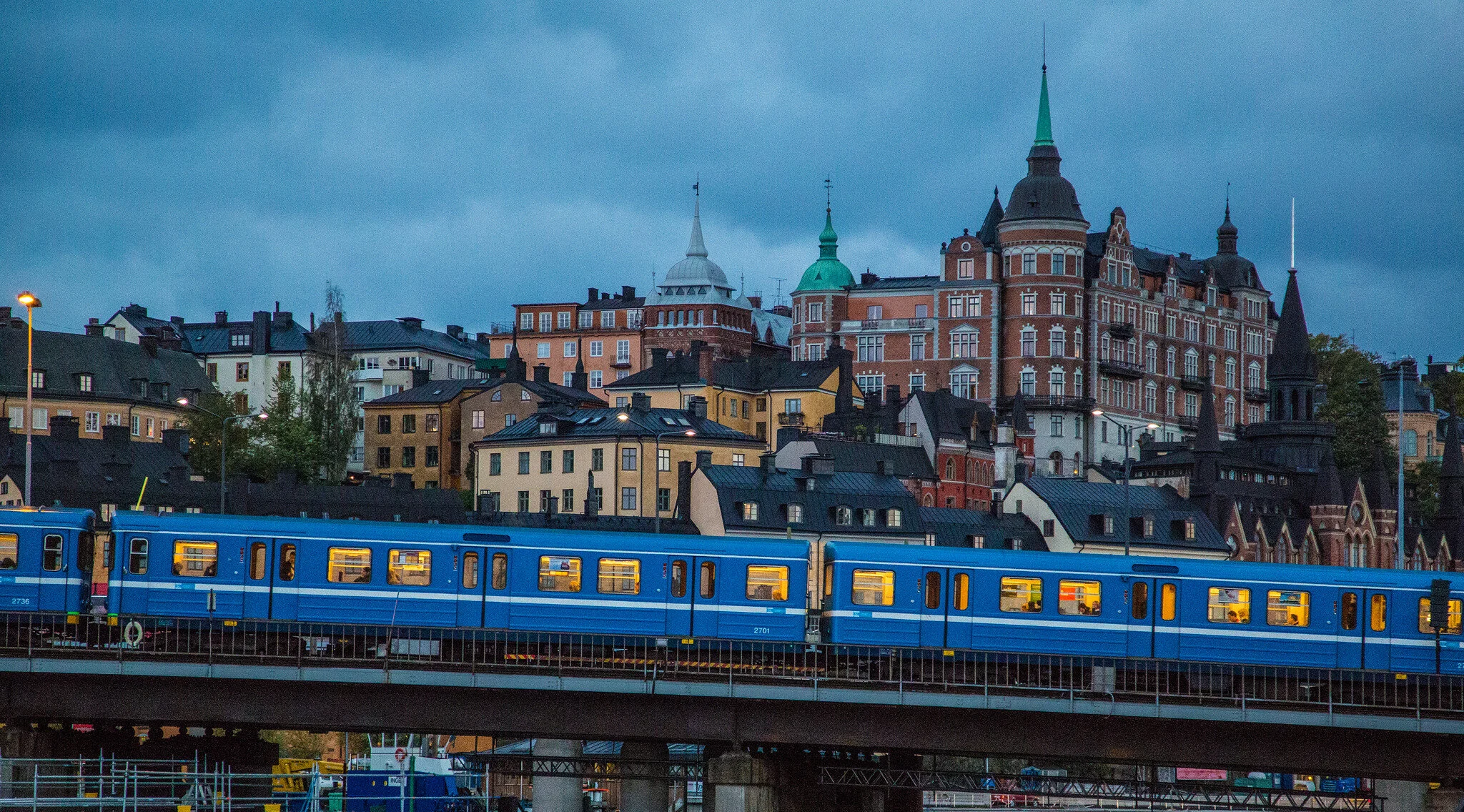
A tunnelbana train in Stockholm. Tony Webster. CC BY 2.0.
10 Metro Systems Around the World to Ride in Your Lifetime
Metro systems exist on every inhabited continent on the planet, being as unique in comparison to one another as are the diverse cultures and communities they serve. Some are highly efficient at moving people from point A to point B, others are rooted in the history of the local community and a few even serve as living art galleries that are ever-expanding. Here is our guide to the 10 must-visit metro systems to ride on in your lifetime.
1. Tunnelbana, Stockholm, Sweden
Serving 100 stations throughout the region, Stockholm’s Tunnelbana, which translates to “tunnel railroad,” is one of the newer metro systems in Europe, opening its first line in 1950. What makes the Tunnelbana unique is that it is considered to be the world’s longest art gallery, featuring an extensive collection of art made by over 150 artists.
2. Buenos Aires Underground, Argentina
The Buenos Aires Underground, known locally as Subte, is the oldest underground railway system in the Southern Hemisphere, dating back to 1913. The system hones in on its historic origins by providing both historic and modern train cars and stations which are spread out across its seven lines.
3. Seoul Metropolitan Subway, South Korea
Featuring 22 lines spread across 728 stations that serve both the heart of the city and rural communities, the Seoul Metropolitan Subway is one of the longest systems in the world. Opening its doors in 1974, Seoul's subway continues to grow, with several line extensions slated to open throughout the decade.
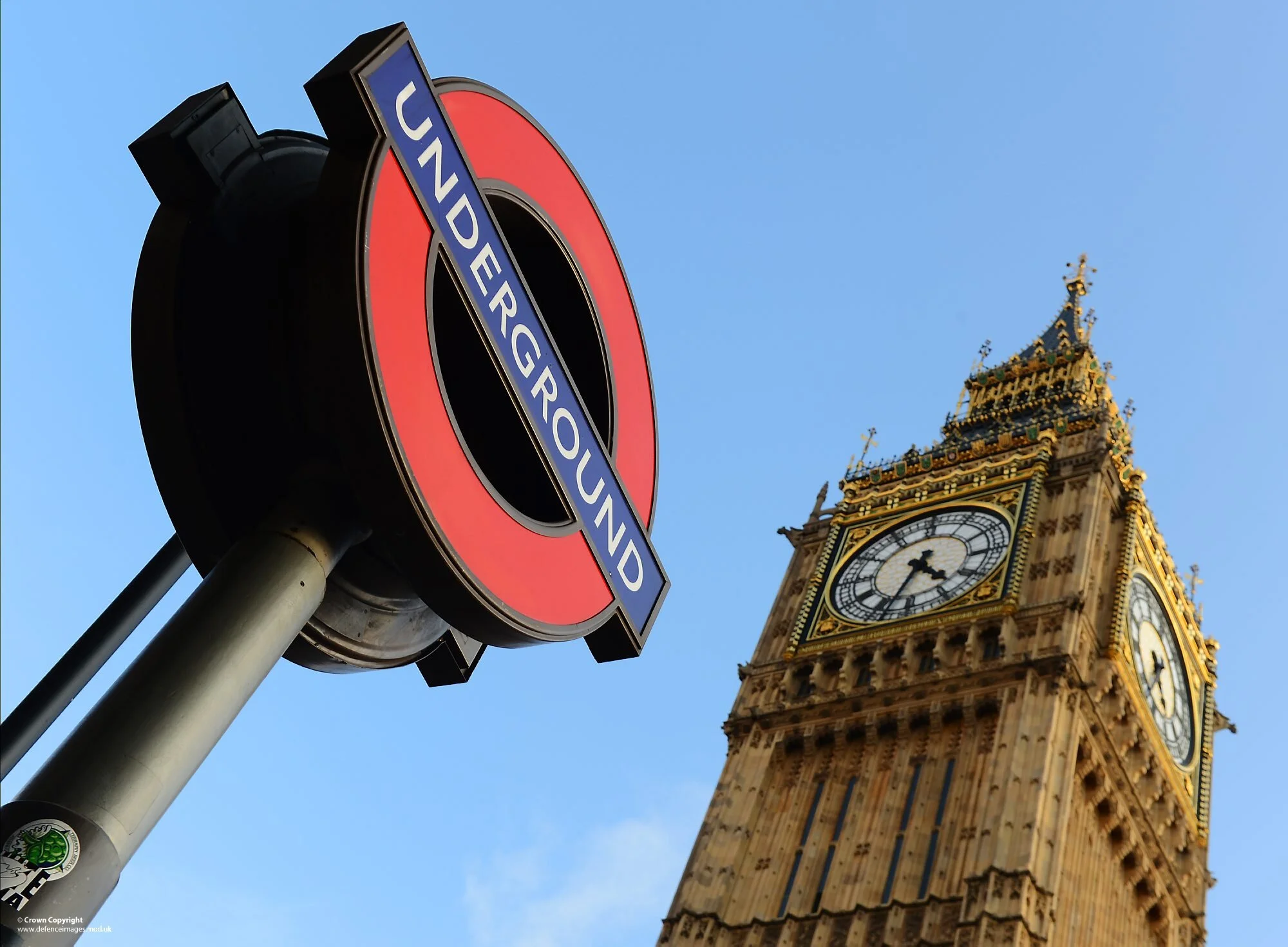
The iconic London Underground sign in front of Big Ben. Defence Images. CC BY-NC 2.0.
4. London Underground, UK
The oldest underground railway in the world, the London Underground began operation in 1863 and has since grown to serve 270 stations. Known in London as “the Tube,” the metro system provides easy access to neighborhoods throughout Central and Greater London, as well as connections to a slew of airports and other transit systems.
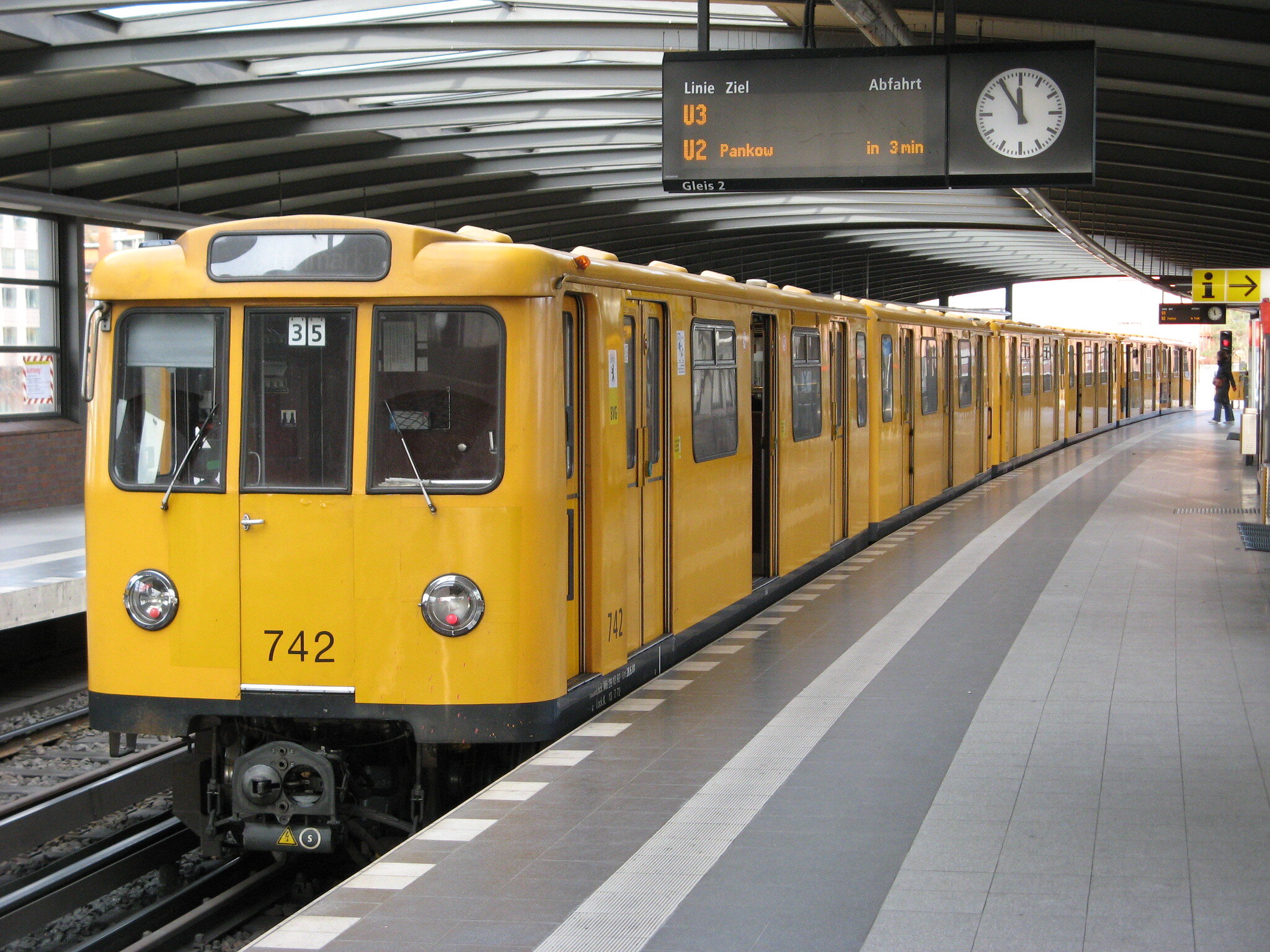
A Berlin U-Bahn train in a station. Michael Day. CC BY 2.0.
5. Berlin U-Bahn, Germany
Famous for its eye-catching yellow trains, the Berlin U-Bahn is one of the oldest and largest metro systems in Europe. The system had been partly severed in two parts during the Cold War due to the divide between East and West Berlin. Today it boasts 10 lines serving 173 stations, with an annual ridership of around 553.1 million.
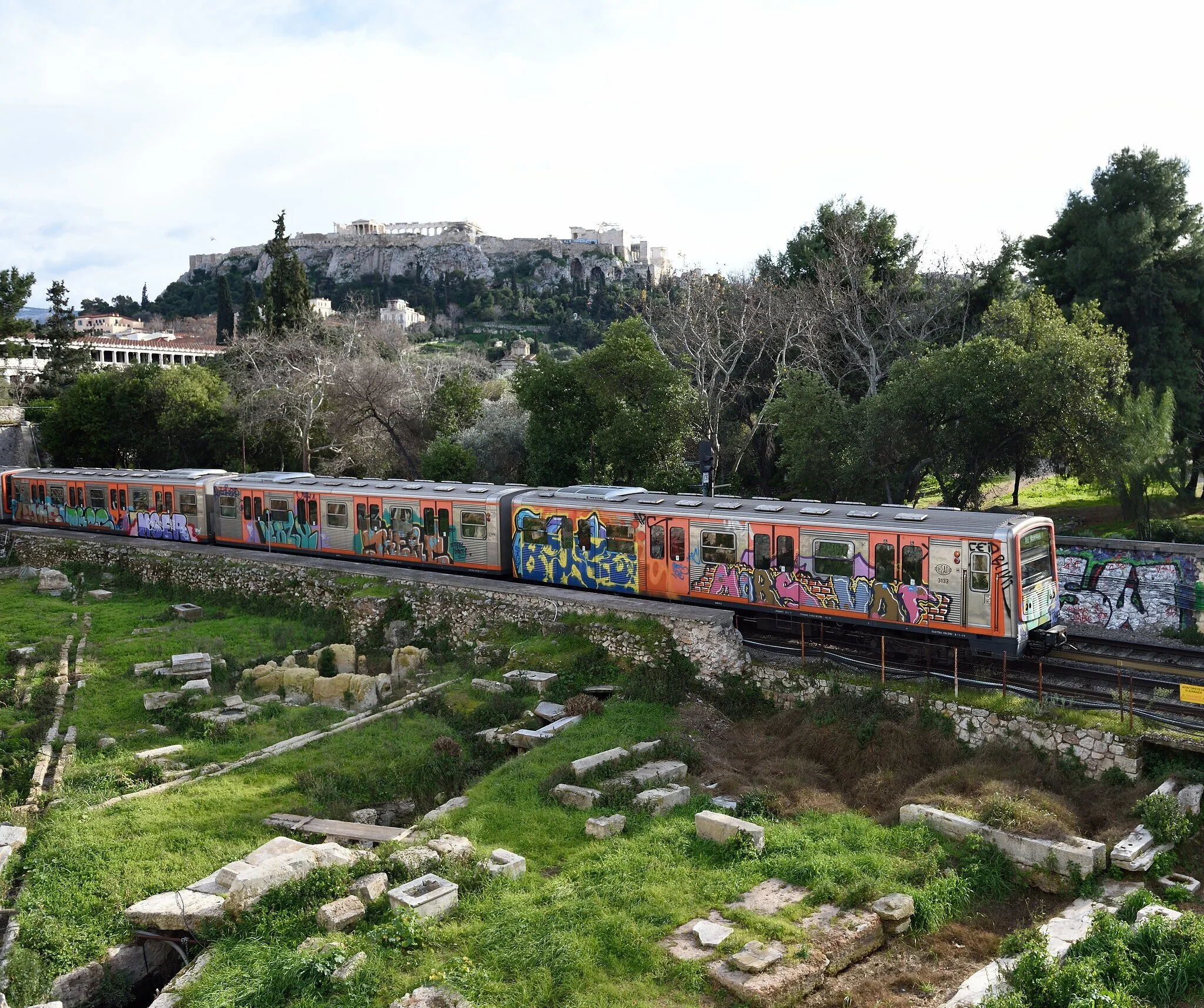
A graffitied metro car in Athens passes in front of the Acropolis. Tim Adams. CC BY 2.0.
6. Athens Metro, Greece
Like Stockholm’s Tunnelbana, the Athens Metro serves as both a rapid transportation system and an extensive museum. In the system’s Syntagma Metro Station is a handful of the nearly 30,000 artifacts from the classical Greek, Byzantine and Roman periods which were excavated during the construction of new system lines in the 1990s.
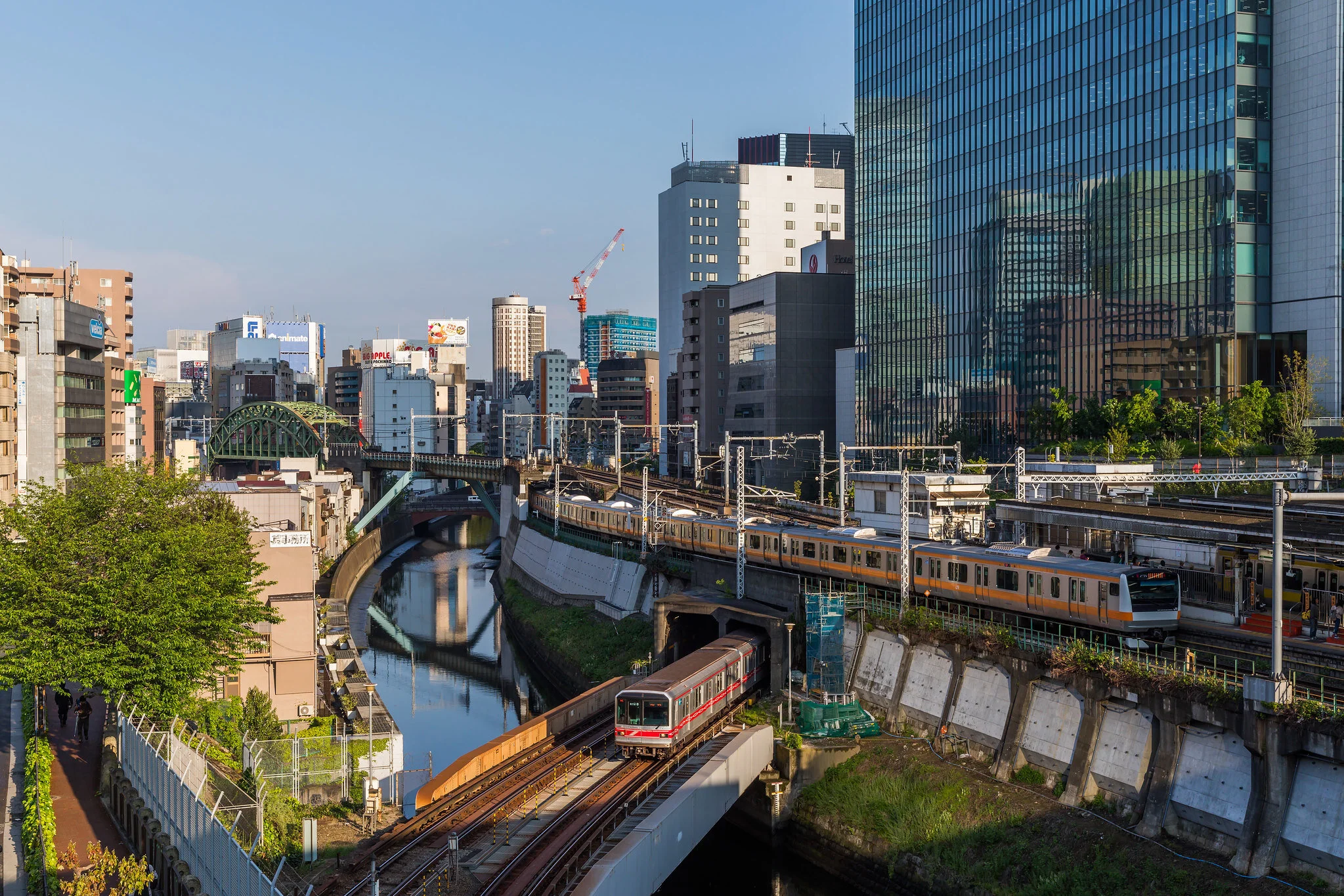
Two trains in Tokyo pass over one another. David Gubler. CC BY-NC-SA 2.0.
7. Tokyo Metro, Japan
Offering seamless transitions between its stations and those of its counterpart, the Toei Subway, the Tokyo Metro is considered by many to be one of the best metro systems in the world for both convenience and cleanliness. Serving 180 stations across 9 lines, the Tokyo Metro has continued to expand as the city has grown to be the largest by population in the world.
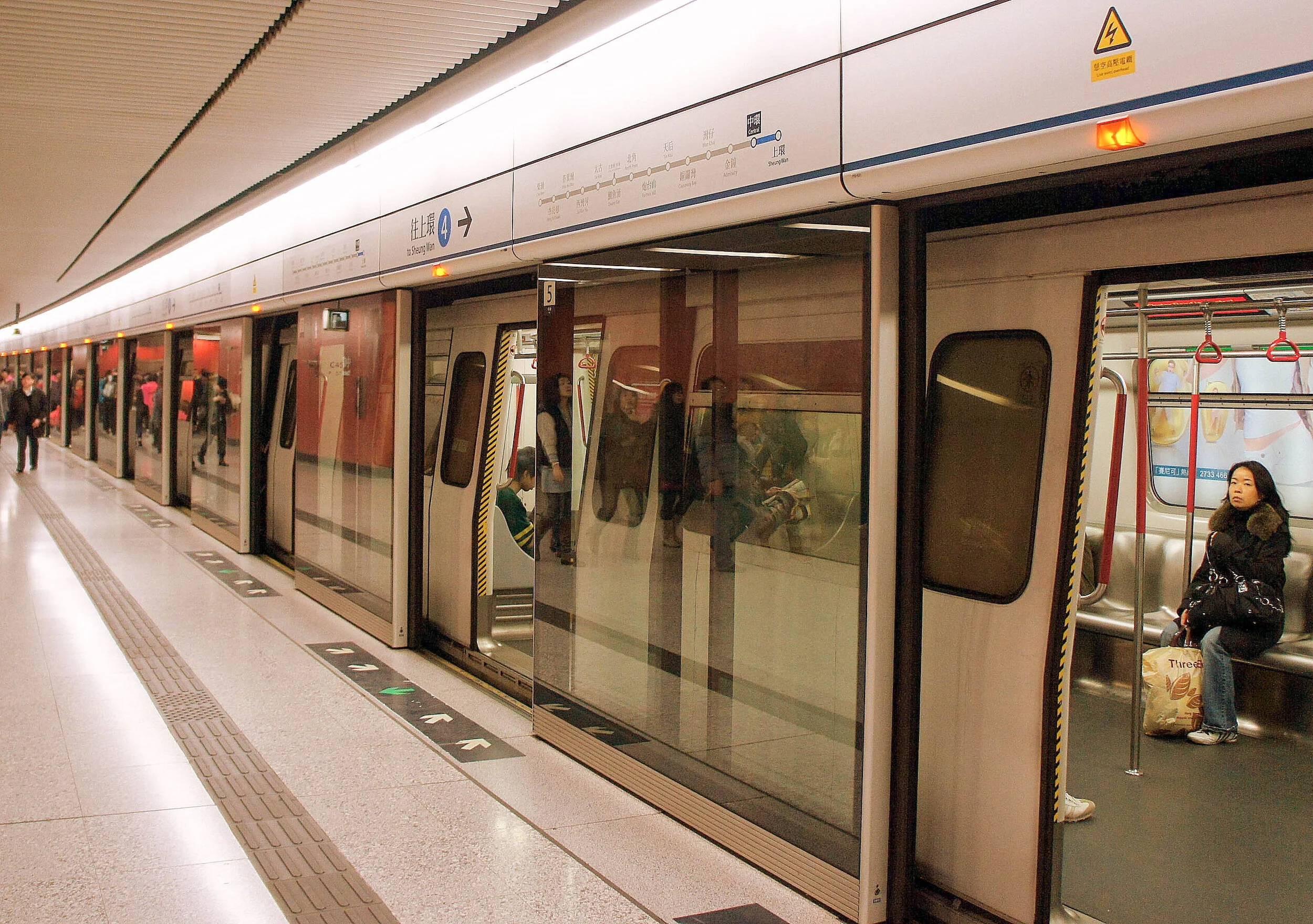
An MTR train in Hong Kong. David Leo Veksler. CC BY 2.0.
8. Mass Transit Railway, Hong Kong
The Mass Transit Railway is a heavily-riden transit system serving Hong Kong Island, Kowloon and the New Territories, with a daily ridership of over 4.9 million. The transit system has a world-renowned reputation for being clean, affordable and reliable, as well as for offering free WiFi at all of the system’s stations.
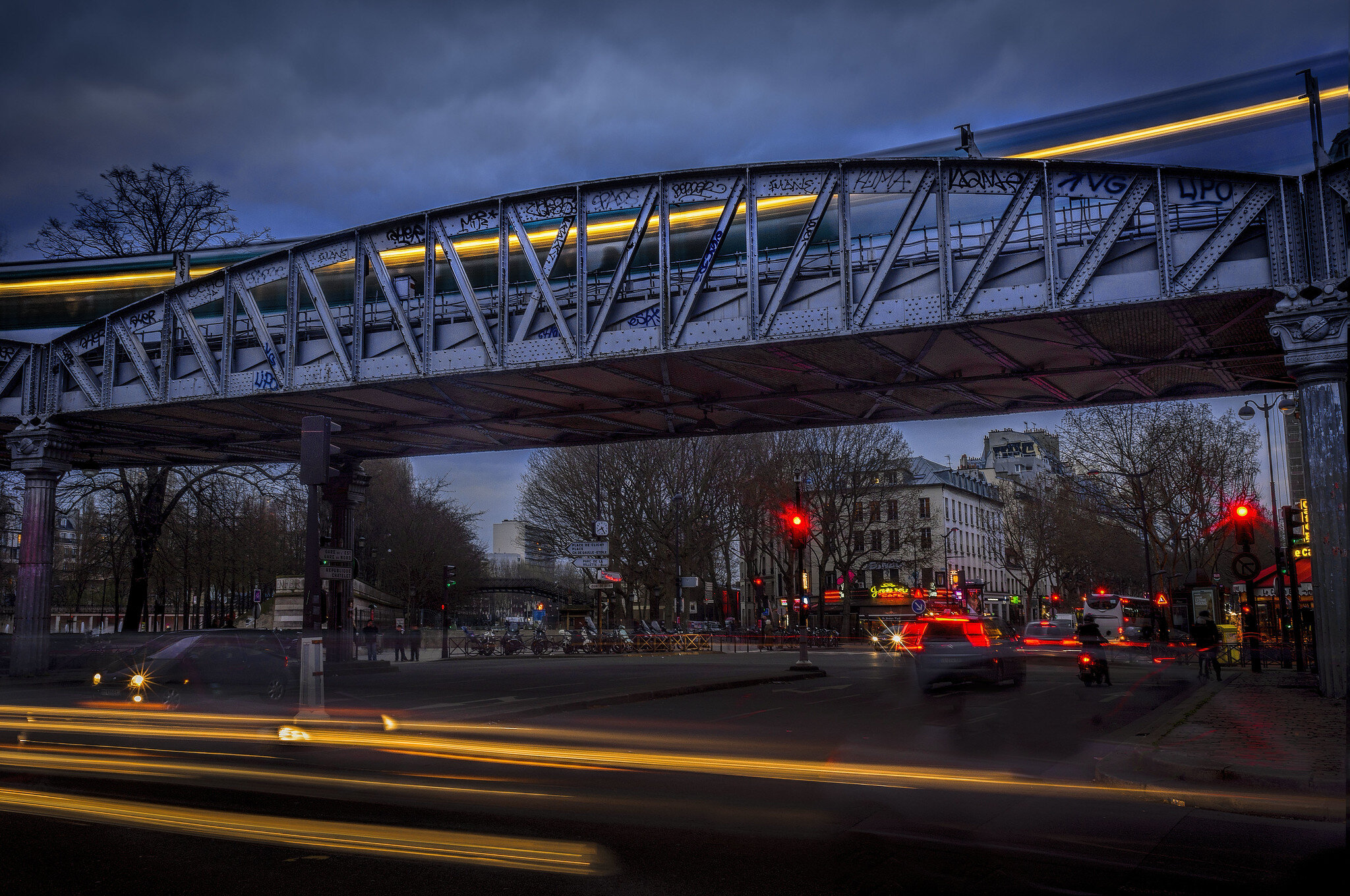
The lights of a Paris Metro train passing over a bridge. Luc Mercelis. CC BY-NC-ND 2.0.
9. Paris Metro, France
The Paris Metro is a cultural landmark of the city, with stations highlighting the unique Art Nouveau architecture style. It is one of the densest metro systems in the world, consisting of 136 miles of track connecting 304 stations . The Paris Metro is also one of the busiest, being the second most traveled in Europe and tenth in the world.
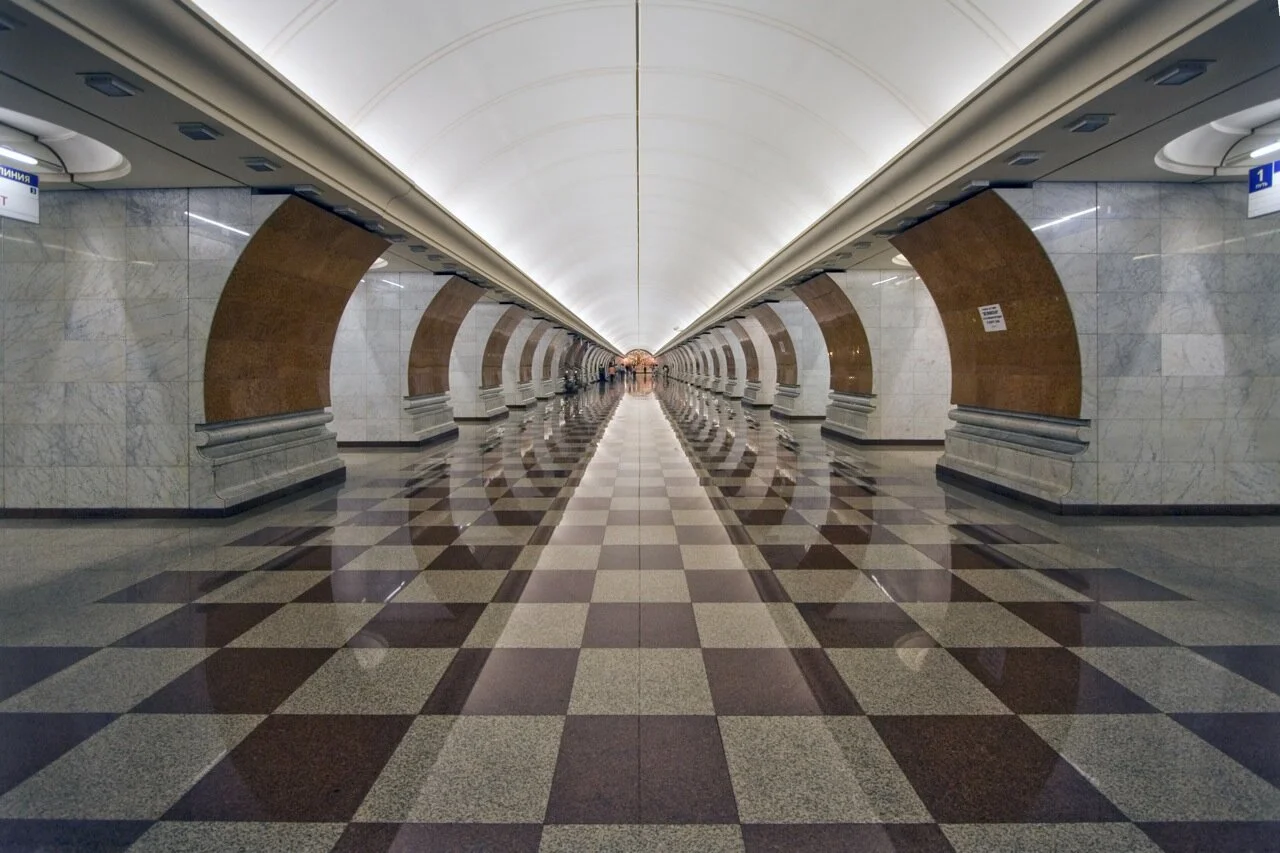
A Soviet-era metro station in Moscow. Tarnya Hall. CC BY-NC-ND 2.0.
10. Moscow Metro, Russia
An extensive metro system with stations highlighting Cold War-era architecture, the Moscow Metro is the busiest system in Europe, serving 2.5 billion riders annually. The system has 241 stations and has connections to other transit systems like the Moscow Central Circle, Moscow Central Diameters and Moscow Monorail.

Jacob Sutherland
Jacob is a recent graduate from the University of California San Diego where he majored in Political Science and minored in Spanish Language Studies. He previously served as the News Editor for The UCSD Guardian, and hopes to shed light on social justice issues in his work.
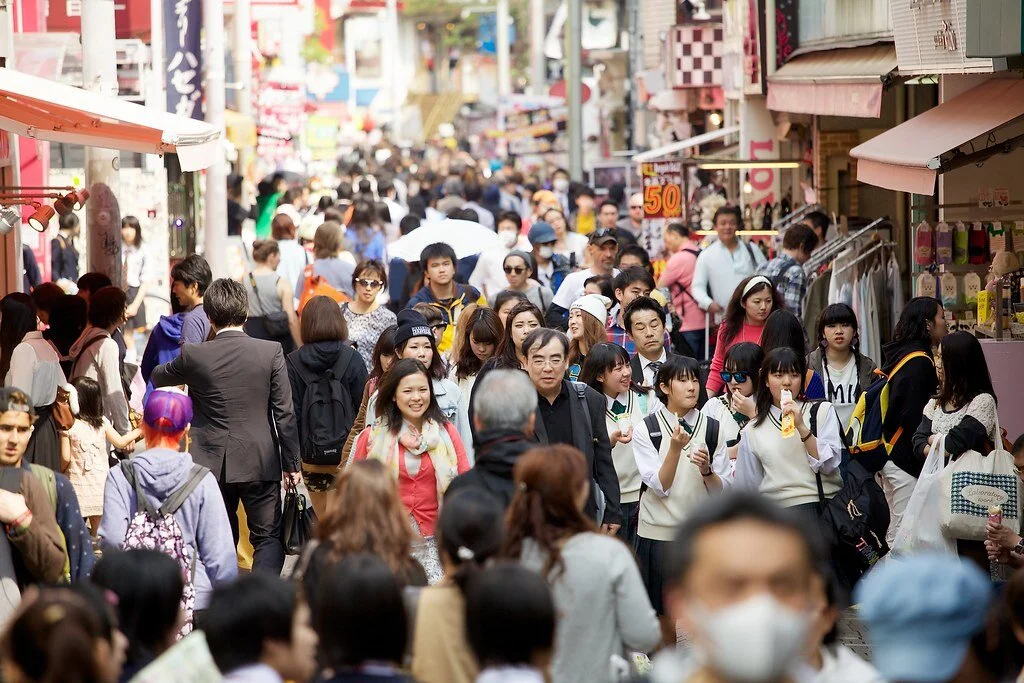
Harajuku, Japan. SkandyQC. CC BY-NC-ND 2.0
Why Fertility Rates Could Halve by 2100
The global population growth rate is predicted to take a drastic downward turn, with experts believing that major countries such as Japan and Italy will see their populations halve by 2100. This is an unprecedented problem that could negatively impact society as a whole if the trend continues. The necessity for the world to plan and prepare for this outcome has become increasingly clear as global trends solidify.
Why the Sudden ‘Baby Bust’?
In the 1950s, women were having an average of about 4.7 children in their life span. In today’s world, women are instead averaging 2.4. The causes for this turnaround include increased educational opportunities, greater numbers of women in the workforce and increased access to contraceptives. There seems to have been an attitude change toward parenthood in recent years. In more developed countries, the roles of women have turned in favor of being outside the home, leaving less time for children. This contrasts starkly with historical norms, where women stayed home to take care of the family and house while men left to go to work.
What Are the Global Consequences?
While an initial evaluation might suggest that a smaller population would be better for the environment, professor Christopher Murray of the University of Washington suggests that this would lead to an “inverted social structure” where there are more older people than young. This raises questions about who will pay taxes and take care of the elderly. These are issues that the younger generations will have to worry about as they reach adulthood. “We’ll have to reorganize societies,” Murray says, in order to make current population trends sustainable.
The world’s changing population numbers could lead to a shift in the world’s dominant powers. For example, India is set to replace China as the world’s most populous country as China faces a population decline as soon as 2024. By 2100, India’s population would be followed by Nigeria’s, China’s and the United States’.
Why Nigeria?
As COVID-19 and other health challenges ravage developing countries, access to contraceptives and other family planning becomes limited. This leads to more pregnancies in places such as sub-Saharan Africa, which is set to “treble in size.” Africa’s forecast for rapid growth calls attention to the current social situation regarding racism, with Murray stating that “global recognition of the challenges around racism are going to be all the more critical if there are large numbers of people of African descent in many countries.”
This shift in global power is expected to create issues surrounding development, social status and racism. Especially in the current social environment, racism could become one of the largest issues if these predictions prove to be true.
What is Being Done to Prevent Population Decline?
Countries such as the United Kingdom have incentivized and increased migration. However, this is only a temporary fix as most countries begin to drop in population. Other countries have increased paid maternity and paternity leave, but have still seen few shifts toward larger families. Sweden has managed to “drag its rate from 1.7 to 1.9” while Singapore still has a rate of 1.3. Women simply cannot be expected to increase the number of children they have due to policy changes, and current trends show that this attempt will not be enough.
If the global reproductive rate drops to the predicted 1.7 by 2100, population extinction could become more of a legitimate concern. The 2.1 threshold, which is necessary to sustain the world’s current population, is instead being used as a target for future growth. Ultimately, though, young adults need to start planning for a future where society’s age makeup is inverted.

Elizabeth Misnick
is a Professional Writing and Rhetoric major at Baylor University. She grew up in a military family and lived in Europe for almost half her life, traveling and living in different countries. She hopes to continue writing professionally throughout her career and publish her writing in the future.