
A film about a migrant-murdering vigilante has garnered support from the world’s richest man.
Read MoreDresden, a City Resurrected
Explore Dresden, the Jewel Box of Europe, a city almost lost to war and time.
Queer Celebration in Cologne
Cologne, Germany, is the unexpected epicenter of European queer celebration, with its gay districts, carnivals and multiple pride parades.
Read MoreBerlin’s Punk Spirit: Interview With SO36
Take a look inside Berlin’s historic punk club and see what it takes to survive.
Read MoreFood Fight: European Farmers Battle Food Outsourcing
As climate concerns grow, many feel that the EU’s new agricultural policies are uprooting farmers’ way of life.

Farmers blocking a Berlin road in protest. Leonhard Lenz. CC0
Global warming, climate change, and greenhouse gasses have been hot-button topics for decades, but recent events have painted them in a much more alarming light. Many countries around the world have begun instating policies and procedures to combat this crisis, from carbon taxes to efforts at land preservation and conservation.
But just like every major change, it comes at a cost. Farmers, the backbone of the food market and a group with interests very much built around the environmental status quo, have been upended by recent policy changes. The EU has turned its attention to agriculture in recent months, proposing a variety of policies that will decrease the amount of land being used for farms, dubbed the Green Deal. In addition to stricter regulations, rising operating costs and taxes have also been cited as causes for discontent among the farming population of Europe.
This series of events reached a head in December of 2023, when farmers first began protesting across the continent. At first, it was simple picketing and protests, but in the months since, every possible display of discontent—from holding up traffic to spraying manure and throwing produce—has plagued much of the EU. Farmers in Berlin blocked the road around the Brandenburg Gate with tractors, and others in Brussels lit bales of hay on fire to deter police.
Over the last few weeks, the EU has made several concessions for the aggravated farmers. In addition to relaxing many of the regulations and reducing taxes on the diesel fuel used for tractors and farm equipment, the EU has apparently canceled its plan to import grain and other crops that could be grown in Europe from Ukraine. This in particular drove an especially angry contingent of protests, as the lower price and food standards of imported grain make domestic crops less profitable.
In the months since March, many of the more aggressive demonstrations mentioned above have begun to taper off in response to the EU’s capitulations. This demonstrates a problem that many governments are struggling to face in regards to climate change. The situation gets worse and its effects more severe, but swift action often ends up displacing people who rely on how the system has always been.
Hundreds of millions of people around the world have built their whole lives on the current status quo. Many of the changes that the EU suggested threatened their livelihoods by increasing the competition and undermining their typical methods. Unfortunately, there are not yet systems in place to account for the losses these individuals suffer, meaning future attempts to reduce the impact of climate change will risk the same backlash.
The EU may have been trying to minimize habitat destruction and land overuse, but in the process it risked harming the backbone of its economy and even its food supply. Climate change is an undeniable issue, but one that affects every person in the world differently. Any attempt to fix it will inevitably create some losers, whether the people in charge have accounted for them or not.
Ryan Livingston
Ryan is a senior at The College of New Jersey, majoring in English and minoring in marketing. Since a young age, Ryan has been passionate about human rights and environmental action and uses his writing to educate wherever he can. He hopes to pursue a career in professional writing and spread his message even further.
24 Hours in Berlin
Getting to know the Grey City in a jiffy.
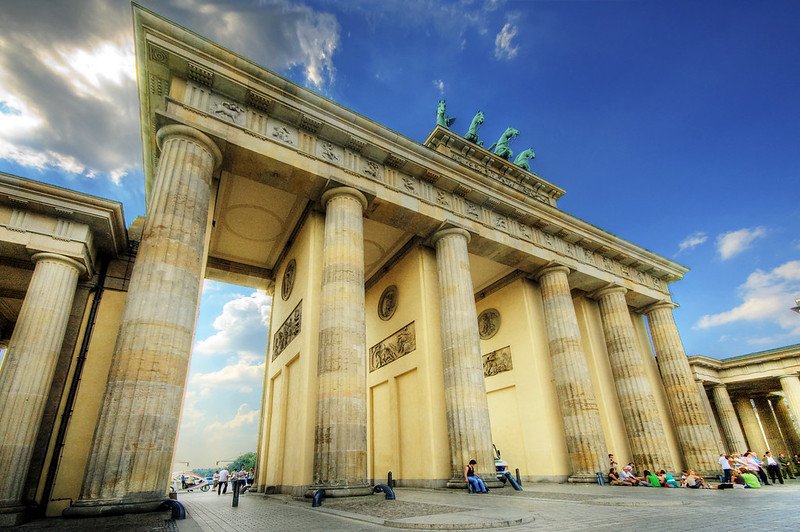
Brandenburg Gate. Wolfgang Staudt. CC BY-NC-ND 2.0
Berlin is a gritty city, and one whose food, architecture, monuments and culture can only be explained through its grave past. The German capital is a historic center of Europe as the nerve center of Nazi Germany in World War II, the greatest symbol of the Cold War’s infamous Iron Curtain and the prime city to see grand Prussian architecture. While many German institutions like monuments, transportation and active government buildings paint a picture of this historical influence, the picture of Berlin would be left incomplete without mentioning its spirited present.
In between landmarks like the Reichstag, Germany’s Parliament building, the famous Brandenburg Gate, the remains of the Berlin wall and Prussian palaces lies an amalgamation of diverse restaurants with owners from every corner of the world, a bustling nightlife of clubs and bars, a thriving local music scene and a fashion-forward community.
Berlin is an urban city through and through; its streets and unassuming apartment buildings (sprinkled between colorful modern architecture) comparable to those of Istanbul with an artistic, stylish flair reminiscent of New York. Live through a bit of history and a bit of present with me as I spend a day in Berlin:
We’re out and about today, but refuse to approach our day on an empty stomach, so we head to a local breakfast place, Erchy’s. Other days we have feasted on the cinnamony pastries of a staple German breakfast cafe, Zeit fur Brot, and even some German-made cheeses bought from German grocery store REWE when we really wanted to masquerade as Berliners. But today is Erchy’s. Their food will fuel the traveling to be done.
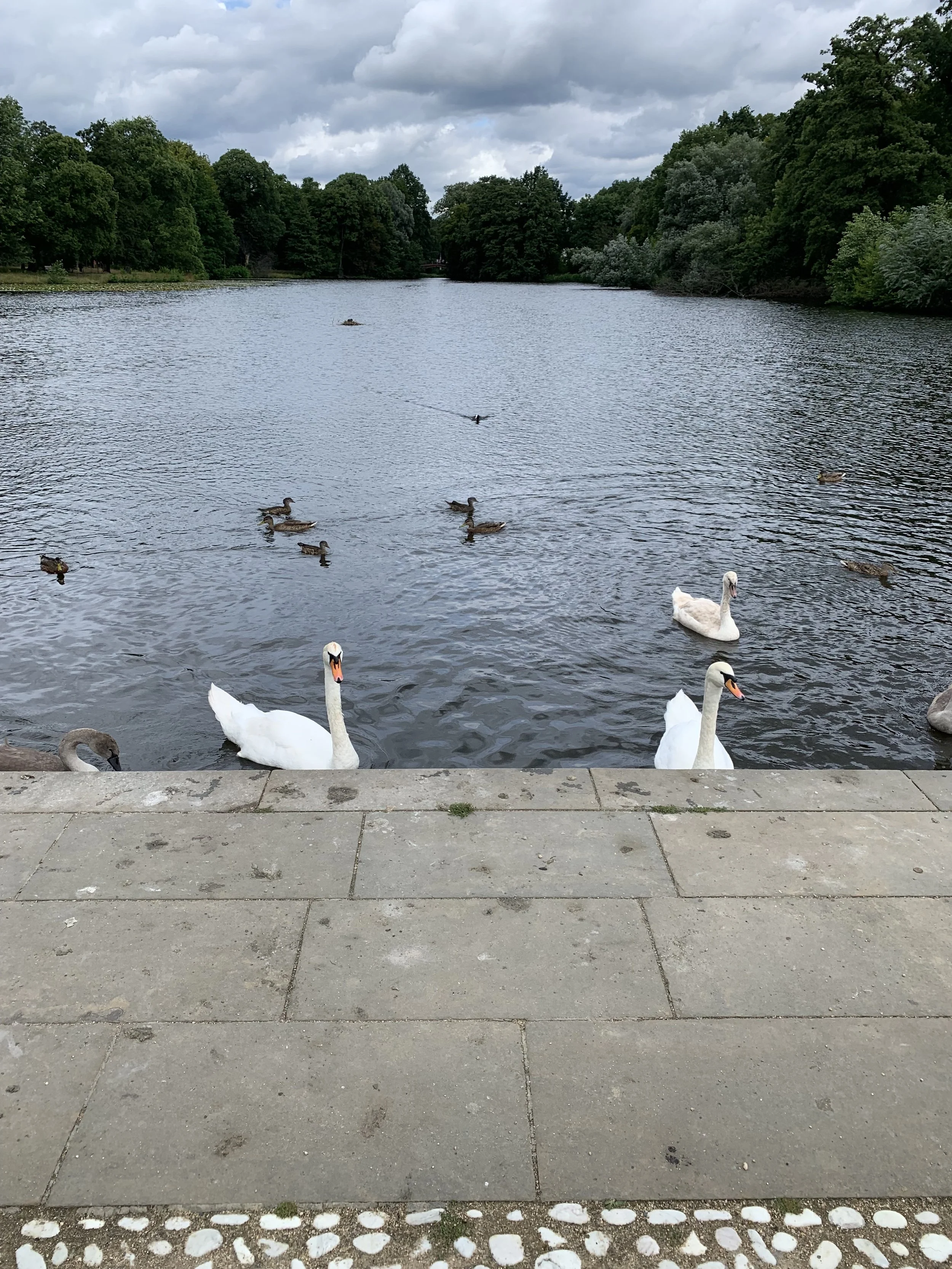
Swans in the palace gardens of Charlottenburg. Su Ertekin-Taner.
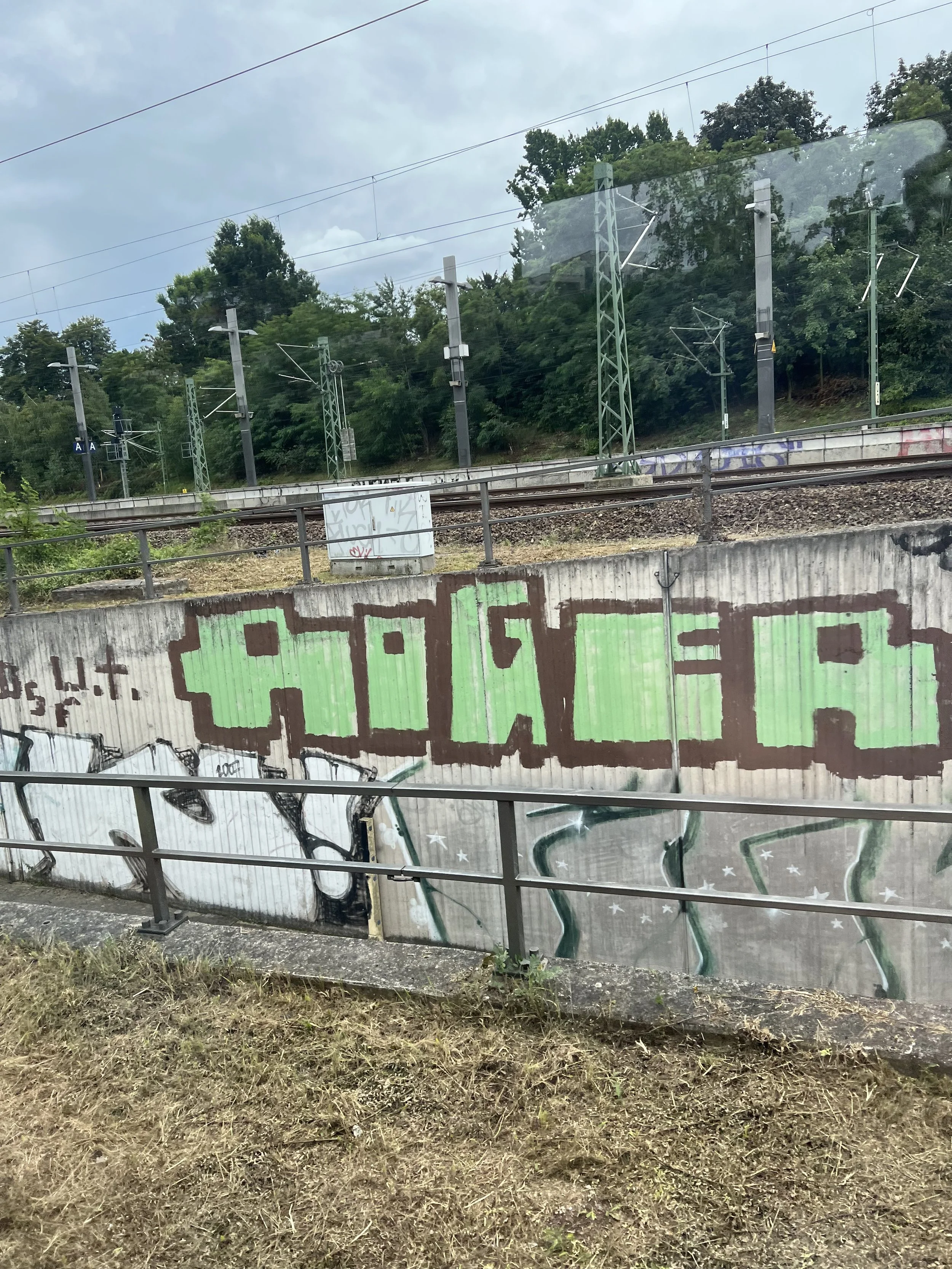
Graffiti near the S-bahn. Su Ertekin-Taner.
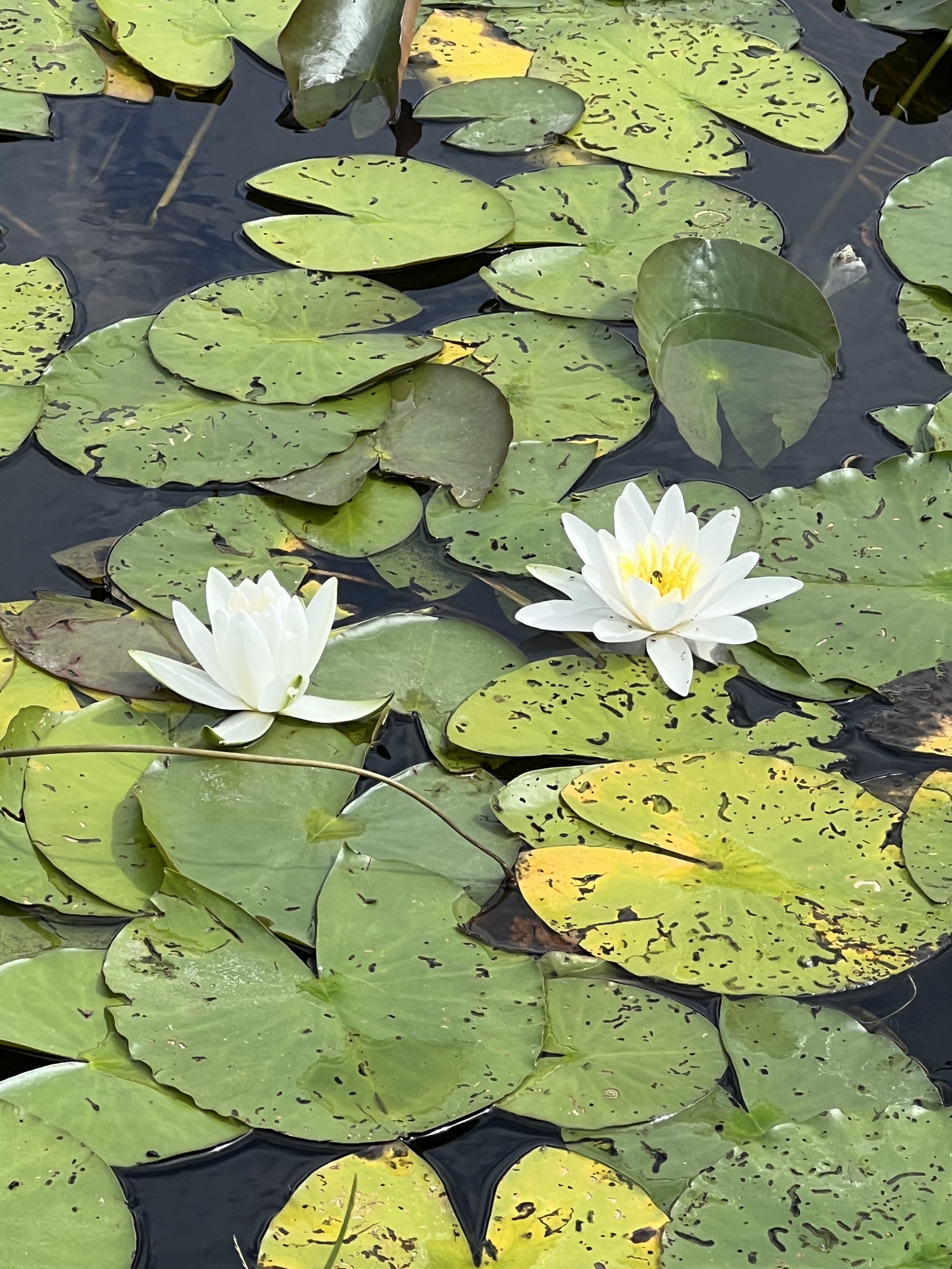
Lily pads in the palace gardens of Charlottenburg. Su Ertekin-Taner.
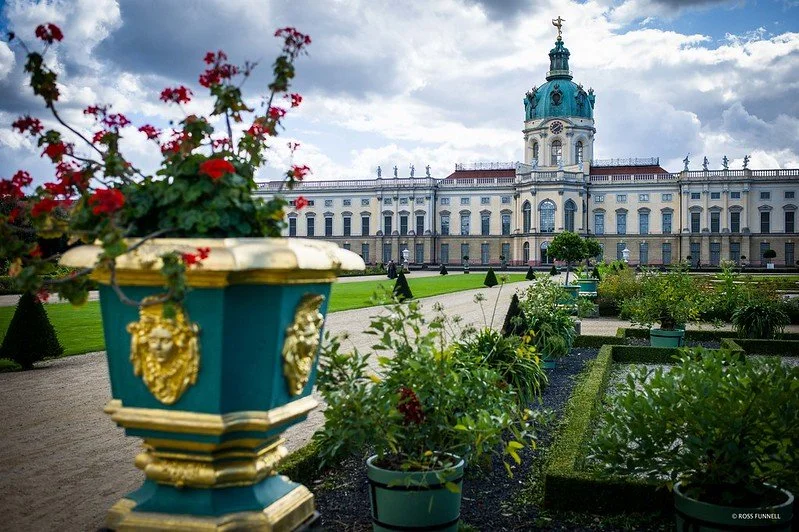
Charlottenberg. Rfunnell. CC BY-NC-ND 2.0
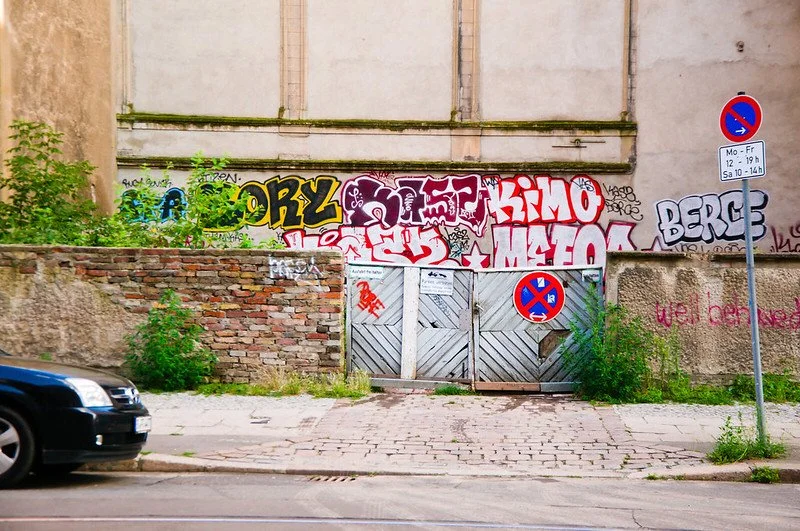
Graffiti in Berlin. Mitch Altman. CC BY-SA 2.0
We immerse ourselves in Berlin’s public transportation system after food. We use the U-bahn, the German metro, and then the S-bahn, Berlin’s fastest form of transportation to get to today’s location. At times using Berlin’s transportation reveals more about the divide of Berlin via the Berlin wall than any museum could, I think.
Altogether, the journey takes about 45 minutes from the center of East Germany. As we travel, the underground tunnels melt into cloudy skies that overlook old beige buildings decorated completely with graffiti. Berlin’s graffiti scene is one of the most vibrant in the world due to the rise of a countercultural voice during the Cold War and the Berlin Wall days. Graffiti galleries, exhibits, and alleys like the East Side Gallery, Cafe Cinema and Raw Gelande are staples of the Berlin community. As I wander through my thoughts, I sense the train stop. The trek has been made and so, we expect to be met with a reward.
The Charlottenburg Palace more than qualifies as a reward. This Baroque palace was originally constructed on behalf of Friedrich III’s (later King Friedrich I) wife Sophie Charlotte, hence the name. The interior of the palace is richly decorated, representing the height of Prussian high culture: porcelain from the royal porcelain providers KPM lines the walls, mantels are decorated with an East Asian-inspired blue and a ballroom fit with large windows divides the palace in two and overlooks the gate. The signs that guide us through the palace also note, however, the racist portrayal of Middle Eastern and East Asian figures throughout the palace’s art; the Prussian monarchy hoped to assert its dominance in every corner.
Behind the palace, we escape into nature, or a manufactured sort of nature: the Charlottenburg Palace Gardens, inspired by those of Versailles. We walk near rivers of lily pads, greet some sheep tended by palace attendants, swans and even some bike riders; the access to this park is free.
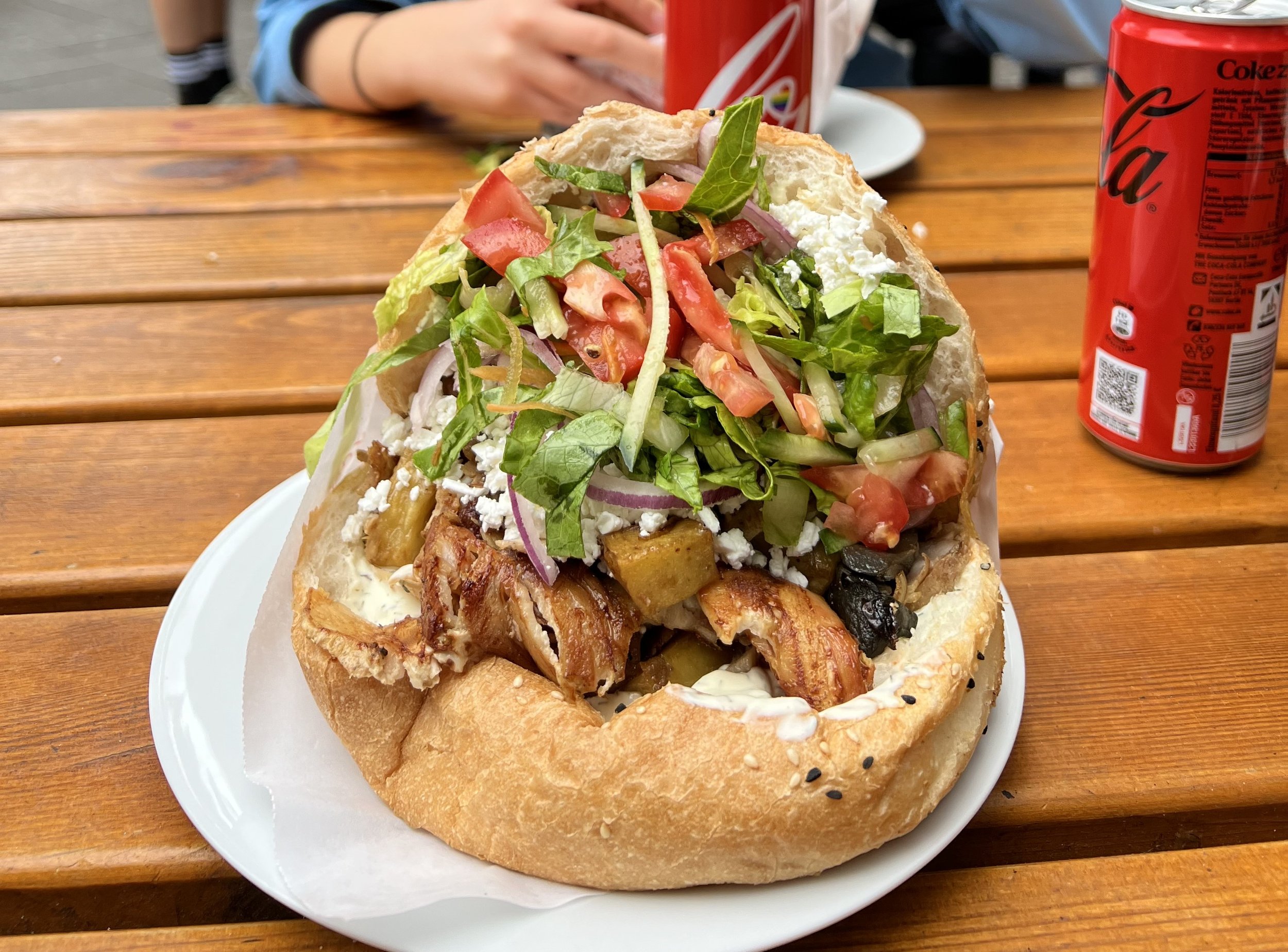
Chicken gemuse kebab at Ruyam. Su Ertekin-Taner.
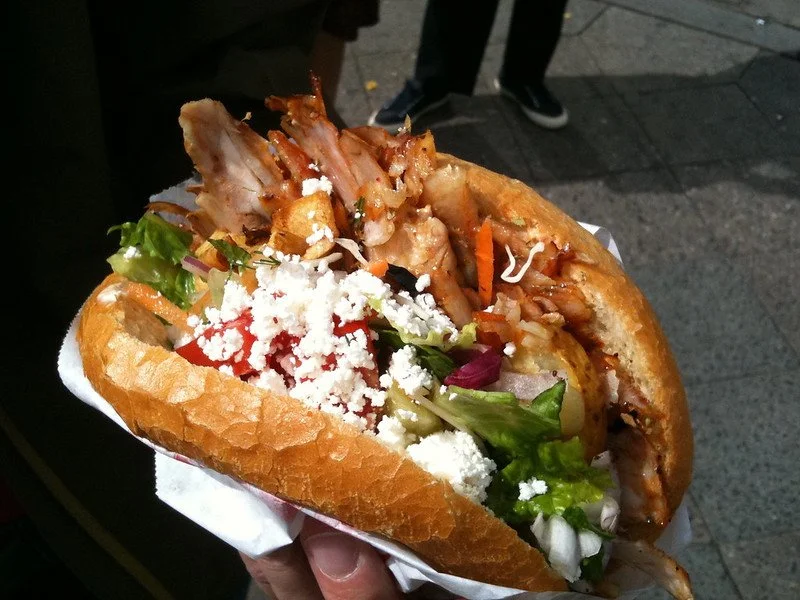
Doner kebab. Addison Berry. CC BY-NC-SA 2.0
By the late afternoon, we have ambled back near the center of East Berlin. We decided on chicken gemuse doner at Ruyam Doner, which offers the best doner kebab in Berlin, though we did consider a meal at one of the many Vietnamese restaurants — established by the large Vietnamese community —in the area. The line spills out of the restaurant and into the street; everyone is craving some of this chicken gemuse. But the line quickly shortens until we are ordering our kebab of moist chicken, a spicy blend of sauces, and slightly heated bread.
Turks are the largest ethnic minority group in Germany and often occupy entire neighborhoods like Keuzberg. Many Turks immigrate to Germany for work and stay, or accompany family members who have already migrated. As a Turk, I feel lucky to taste a part of my culture on the streets of Berlin.
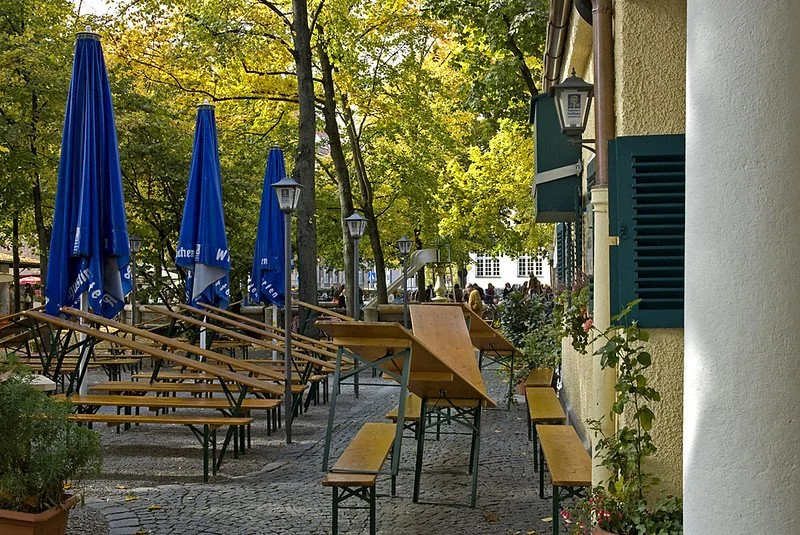
A biergarten in Elisabethmarkt. digital cat. CC BY 2.0
We end our day with a biergarten, or beer garden experience. A biergarten usually consists of an open air bar filled with long tables of merry drinkers and well, their drinks; the biergarten is integral to the German citizen and open-air lover.
We encounter fewer merry drinkers than we plan to, but still sit alongside friends talking and a couple laughing. I have a feeling we’ve arrived in the belly of Berlin, especially as more Berliners gather round, huddle up, and grab some warming alcohol during this chilly summer.
For travelers hoping to find a warm community with a common motivation–tasting the richness of German beer–a biergarten might fulfill your needs.
While my day quickly ended after my biergarten experience, no two 24 hours in Berlin can be alike, so here are some more options for day adventures to quench your traveling thirst.
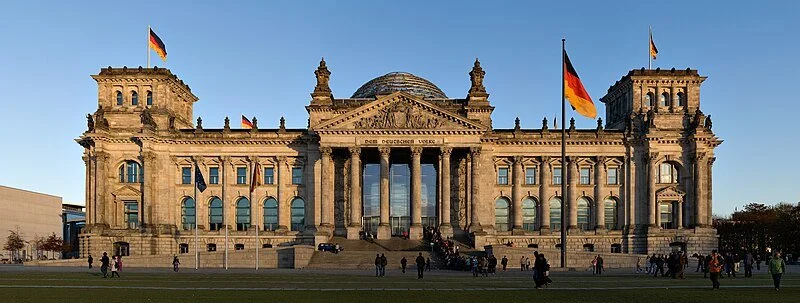
Reichstag building. Jurgen Matern. CC BY-SA 3.0
Monuments
Reichstag: The Reichstag, the Parliament building of Germany, actively houses Parliament meetings throughout the year, and somewhat unusually, also allows visitors year round. Attending a tour of the Reichstag means sitting in the German Parliament’s main chamber, observing interior corridors with Russian graffiti completed after the Russian capture of the building in the Battle of Berlin and receiving an oral history from World War II on.
Memorial to the Murdered Jews of Europe: This Holocaust Memorial, designed by New York architect Peter Eisenman, consists of 2711 concrete blocks of varying heights laid out in a rectangular city block. Visitors might note that the blocks increase in height as they approach the middle of the monument; many speculate that this effect reflects the rising fear and agony of the Jewish community throughout World War II.
Brandenburg Gate: While this neoclassical gate was originally constructed in the 18th century, much of its history lies in the coming centuries. The Quadriga statue of horses perched on the top of the gate, for example, tells a history of Napoleon’s acquisition of Berlin. Napoleon transported the statue out of Berlin to reflect his victory over the Germans. The Brandenburg Gate also symbolizes the division between East and West Berlin during the Cold War, as the Wall was constructed within a couple meters of the gate.
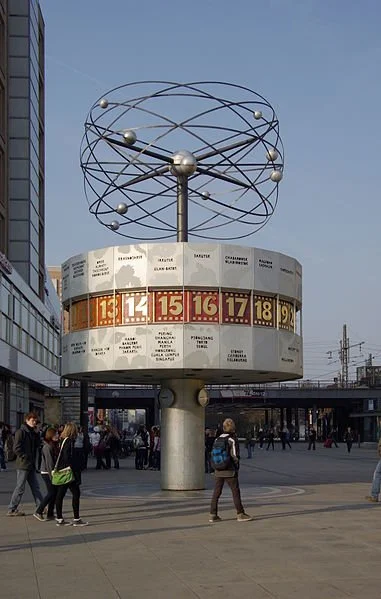
World Clock at Alexanderplatz. Berthold Werner. CC BY-SA 3.0
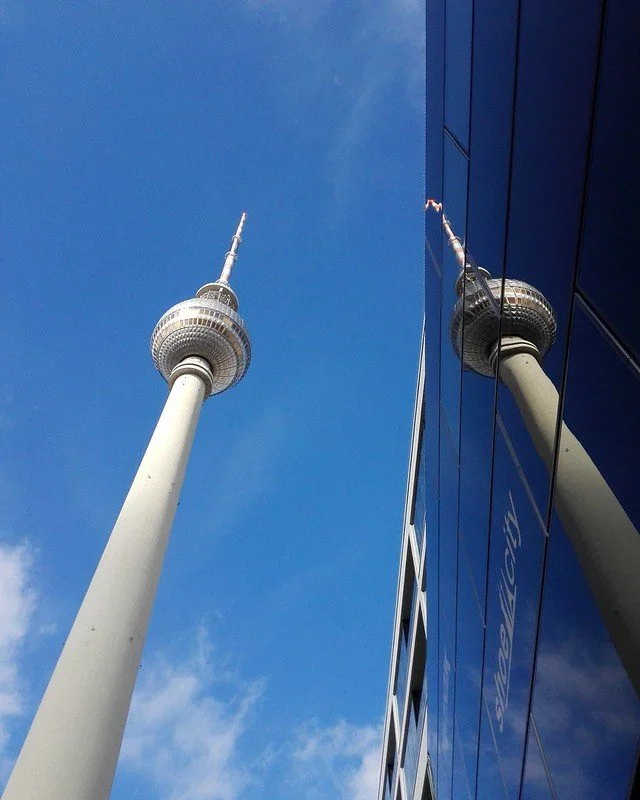
Berlin TV Tower. A_Peach. CC BY 2.0
Public Squares
Alexanderplatz: This public square named after Russia’s Tsar Alexander I is a commercial and transportation center that houses malls, public art and even live events like concerts. Visit the world-famous World Clock that tells the time of countries around the world, watch a stark yellow tram pass by through crowded streets, or even spot the Berlin TV Tower from afar.
Potsdamer Platz: Potsdamer Platz, located about a mile from the Brandenburg Gate, contains much of the city’s culture. Find the Sony Center dome housing an international cinema, restaurants, offices, museums and the center of underground transportation here —all constructed after the destruction of the public square during World War II.
Museums
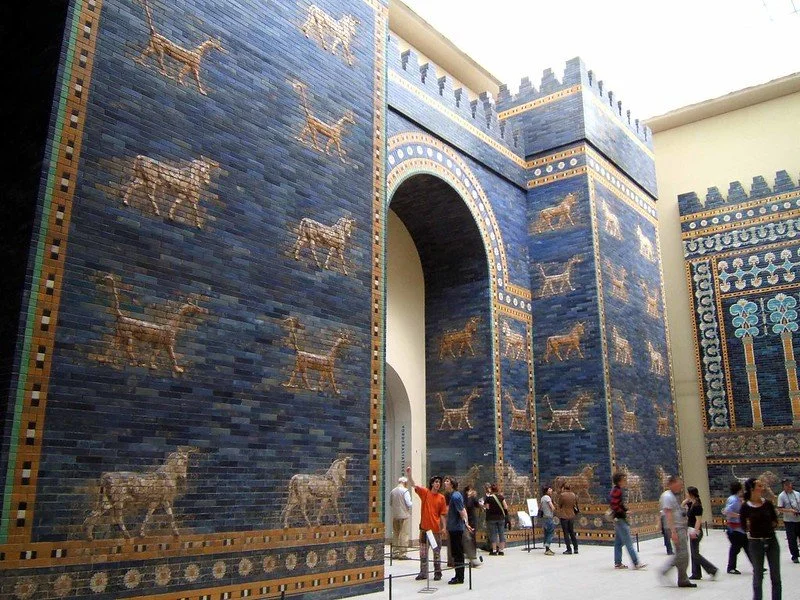
Ishtar Gate in the Pergamon Museum. Rictor Norton and David Allen. CC BY 2.0
Pergamon Museum: The Pergamon is one of the museums located on Berlin’s “Museum Island.” The building boasts its collection of classical antiquities from Middle Eastern civilizations and Islamic cultures. The most famous exhibits include the Market Gate of Miletus, the Ishtar Gate that opened up to the processional way to the eponymous capital of the Babylonian Empire and the Aleppo room featuring paneling with images of both the Islamic and Christian faith.
Topography of Terror: Such a historical city requires a history-based museum. The museum itself is located on a plot that once housed administrative buildings of the Nazi Party, like the headquarters of the SS and the Gestapo. The one-floor museum uses exhibition panels (supported by historical documents and quotes) to guide visitors through the rise and eventual fall of the Nazi Party.
Other
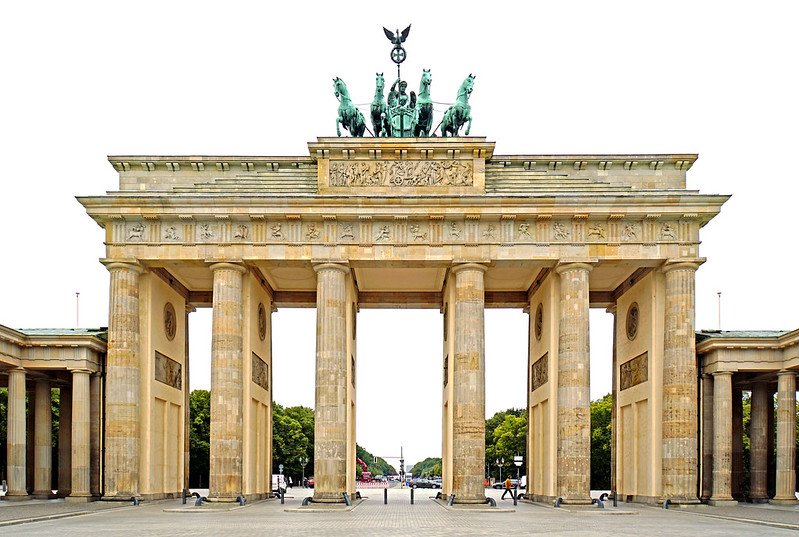
Brandenburg Gate. Dennis Jarvis. CC BY-SA 2.0
Historical Walking Tour: A city with such plentiful history necessitates a historical walking tour. Sightseeing walking tours take visitors through World War II and Cold War monuments like the Memorial to the Murdered Jews of Europe and the demarcation of the Berlin Wall, respectively, as well as some of Berlin’s must-see sights like the Brandenburg Gate and even the Reichstag.
Cuisine
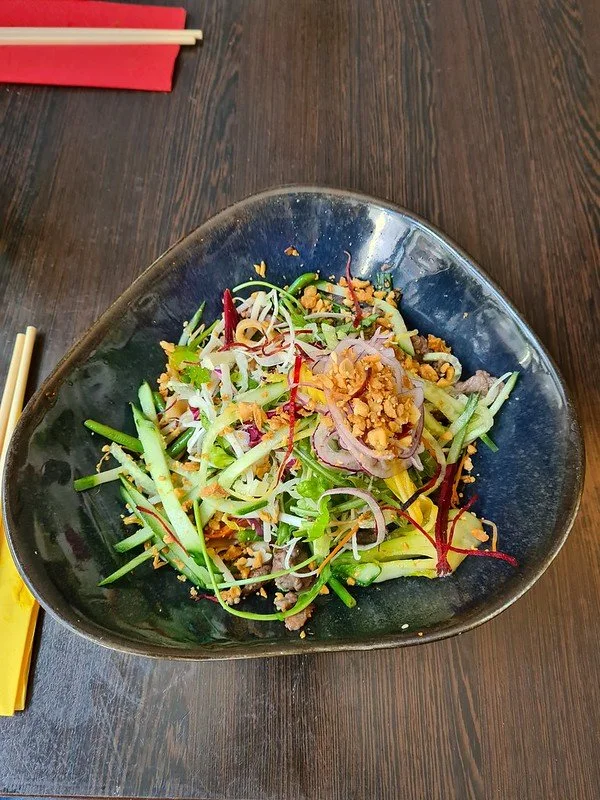
A dish from Madami. George M. Groutas. CC BY 2.0
German cuisine: While much of German food pays its cultural respect to other international cuisines, some German dishes are uniquely synonymous with German culture. Sausages accompanied by sauerkraut or potato salad, rouladen, beef-wrapped bacon, onions, mustard, and pickles and sauerbraten — a German pot roast — all grace the menus of German restaurants. Try restaurants Schwarzwaldstuben in Mitte, Max and Moritz in Kreuzberg, and Clarchens Ballhaus also in Mitte for a taste of Germany.
Vietnamese cuisine: Due to the influx of Vietnamese immigrants —many of whom were temporary contract workers — into East Berlin during the Cold War, the city offers much authentic Vietnamese food. Some high-rated restaurants include Madami located on Rosa Luxemburg Street, Monsieur Vuong on Alte Schonhauser Street, and Maison Umami on Schlesische Street.
Turkish cuisine: Much like the Vietnamese, a Turkish community slowly immigrated to Germany for work and stayed to build institutions that reflect their culture, like the Turkish restaurant. Doner, lahmacun (the Turkish Pizza) and borek (a salty Turkish pastry) proliferate in Berlin. Some high-rated restaurants include Hasir in Kreuzberg, Adana Grillhaus on Manteuffel Street, and Osmans Tochter near Helmholtz Platz.
Nightlife
Clubs: The Berlin party scene is second-to-none. Berlin’s clubs are perfect for those craving a new eccentric song to add to their playlist or a place to wow their friends for a night. Room 4 Resistance’s playlists of tunes with genres ranging from contemporary pop to industrial techno attract a diverse group of music lovers. For those music lovers who prefer to stick to a genre or two, Weeeirdos’ techno sets and Hoe_Mies’s R&B and trap music might be a perfect fit.
Biergarten: Outdoor lovers might prefer the biergarten, or beer garden, night experience. Under a dusk sky, between clumsily strung up lights, lies a comforting community of German beer lovers gathering around wooden benches and tables and self-serving the ale. Try the Prater Beer Garden, Schleusenkrug, and Golgatha Beer Garden for some biergarten action.
Bars: Whether you desire a cocktail or a dance floor for the night, a Berlin bar or two will satisfy your appetite. When in the party capital of Europe, you must do as partiers do, and partiers love to gather on these alcohol-washed oases. Gay bar Model Olfe, aesthetic Victorian-inspired bar Geist im Glas and the traditional Bar 3 are all excellent alternatives for a night of drinking and dancing.

Su Ertekin-Taner
Su Ertekin-Taner is a first year student at Columbia University majoring in creative writing. Her love for the power of words and her connection to her Turkish roots spills into her satire, flash fiction, and journalistic pieces among other genres. Su hopes to continue writing fearless journalism, untold stories, and prose inspired by her surroundings.
Visual Protest: The History and Legacy of the Berlin Wall Art
The Berlin Wall spent decades as a symbol for ideological division, but has become an outlet for personal expression.
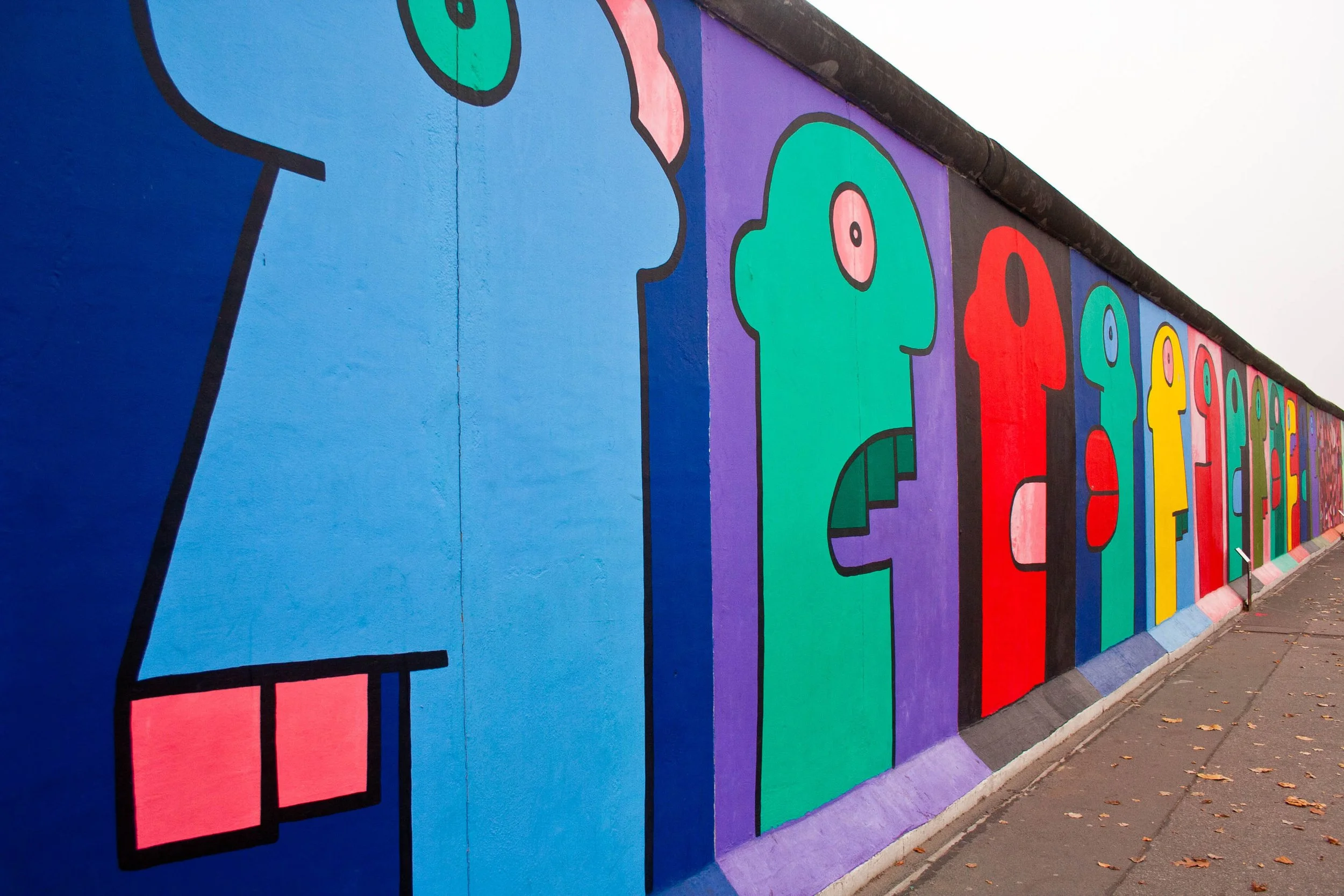
Thierry Noir’s heads at the East Side Gallery. Paul VanDerWerf. CC by 2.0.
Visually, the East Side Gallery in Berlin, Germany is a vast edifice of technicolor concrete. Although only fragments of the original 96 mile (155 kilometer) wall remain, the sections that still stand are striking. From the flashes of aquamarine and mustard yellow featured in Thierry Noir’s iconic cartoon heads to the dark spray paint outlining miscellaneous graffiti, the murals are simultaneously imposing and welcoming. But the gallery's importance runs deeper than its appearance; decades of history and political turbulence echo through its fallen walls.
When fully intact from 1961 until 1989, the Berlin Wall separated East Berlin from West Berlin; both halves were located well within East German territory, making West Berlin a NATO exclave in the Eastern Bloc. Prior to the wall's construction, emigration to West Germany by skilled workers, professionals, and intellectuals threatened East Germany’s economy. A few years after World War II, East Germany was constituted as a communist state controlled by the Soviet Union, while West Germany was formed out of the French, British and American occupation zones. The wall became a physical symbol of the Cold War: a division not only of Europe geographically, but also the global ideological divide between communism and democracy.
In the midst of longstanding Soviet de facto control of East Berlin, in 1985 then-Soviet leader Mikhail Gorbachev introduced the reform policies of glasnost (“openness”) and perestroika (“restructuring”), referring primarily to freedom of expression and economic reform, respectively. This decision, coupled with the growing number of protests sweeping across multiple Soviet republics, created a breaking point that eventually erupted into mass action. On November 9th, 1989, East German spokesman Günter Schabowski announced that East Germans would be free to travel into West Germany, starting immediately. In reality, travel was supposed to commence the following day, with regulations to prevent complete freedom of movement. But it was too late for regulations, and the crowds of people from East Germany immediately began to climb and even physically break down the wall.
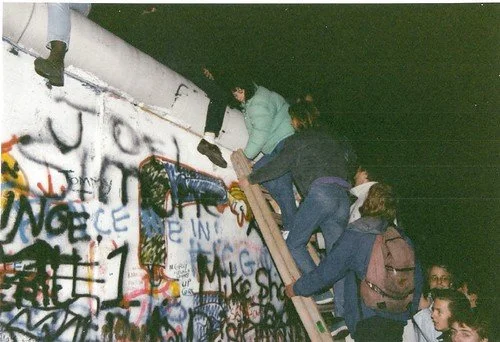
The fall of the Berlin Wall, 1989. Gavin Stewart. CC by 2.0.
Because of the long period of repression associated with the barrier, one might assume that civilians who had lived on either side would want nothing to do with it ever again. But in 1990, just months after the Wall fell, some of the most famous murals of the Berlin Wall were painted (some of the preserved graffiti, including Thierry Noir’s brightly-colored heads, was created even before the Wall fell). With a newfound sense of freedom, people found their voice through art and created pointed political, social and cultural commentary.
Arguably the most famous of these works is Dmitri Vrubel’s “My God, Help Me to Survive this Deadly Love.” Commonly referred to as “Fraternal Kiss,” Vrubel’s piece depicts East German leader Erich Honecker and Soviet leader Leonid Brezhnev kissing. The kiss between the two socialist leaders was a rare, but not unknown greeting — often socialist leaders would kiss each other thrice on each cheek after embracing and, at special events, would kiss on the mouth to demonstrate solidarity and brotherhood.
The Brezhnev-Honecker mural was based on a real photograph of the event taken by Regis Bossu eleven years earlier, in 1979. The kiss took place after an economic agreement between the USSR and German Democratic Republic (the formal name of communist East Germany). The image was famous when it was originally taken, but Vrubel’s artistic rendering took its notoriety to new, unforeseen heights.
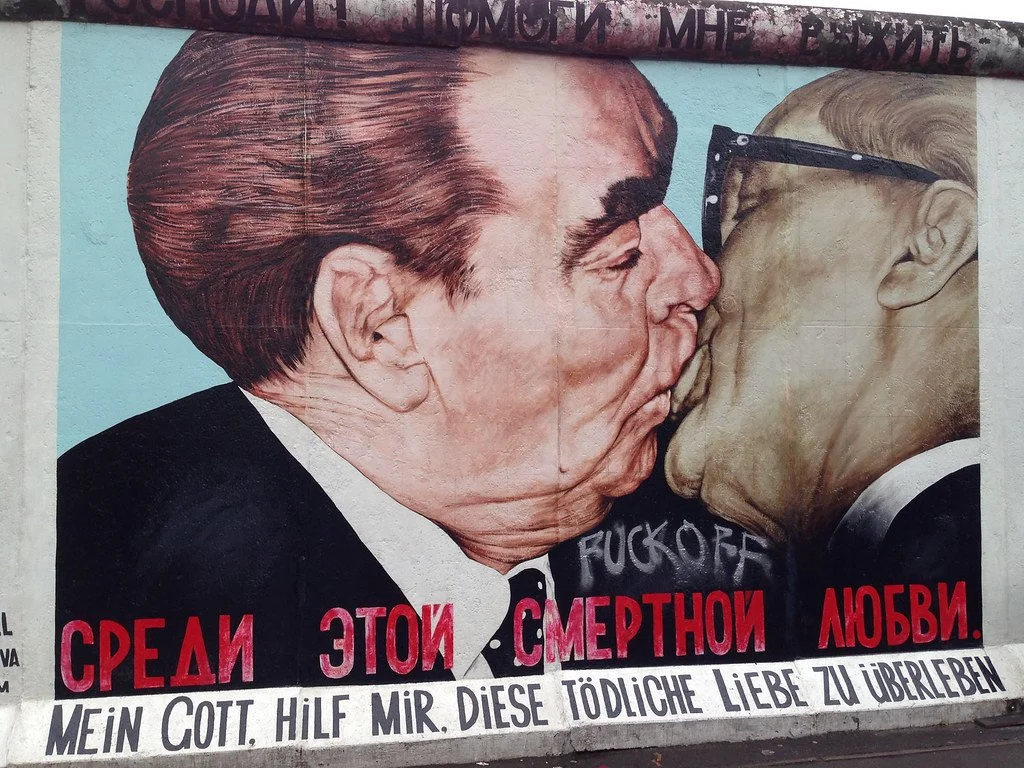
“My God, Please Help Me Survive this Deadly Love.” Andy Hay. CC by 2.0.
Although Vrubel’s iconic piece is perhaps the most recognizable mural, much of Berlin’s wall art would not have been painted without the help of Kani Alavi. Alavi was an organizer of the East Side Gallery, which invited artists from around the world to paint and express their reflections on the Cold War ideological divide and personal experiences. Alavi’s own visual contribution, “It Happened in November,” is a synthesis of personal experience and political commentary. The Berlin Wall consisted of two distinct walls separated by a gap for maximum security, and Alavi’s mural depicts thousands of faces walking between them on the day it came down. Alavi had viewed this scene personally from his apartment overlooking Checkpoint Charlie, which was the best-known border crossing between East and West Berlin.
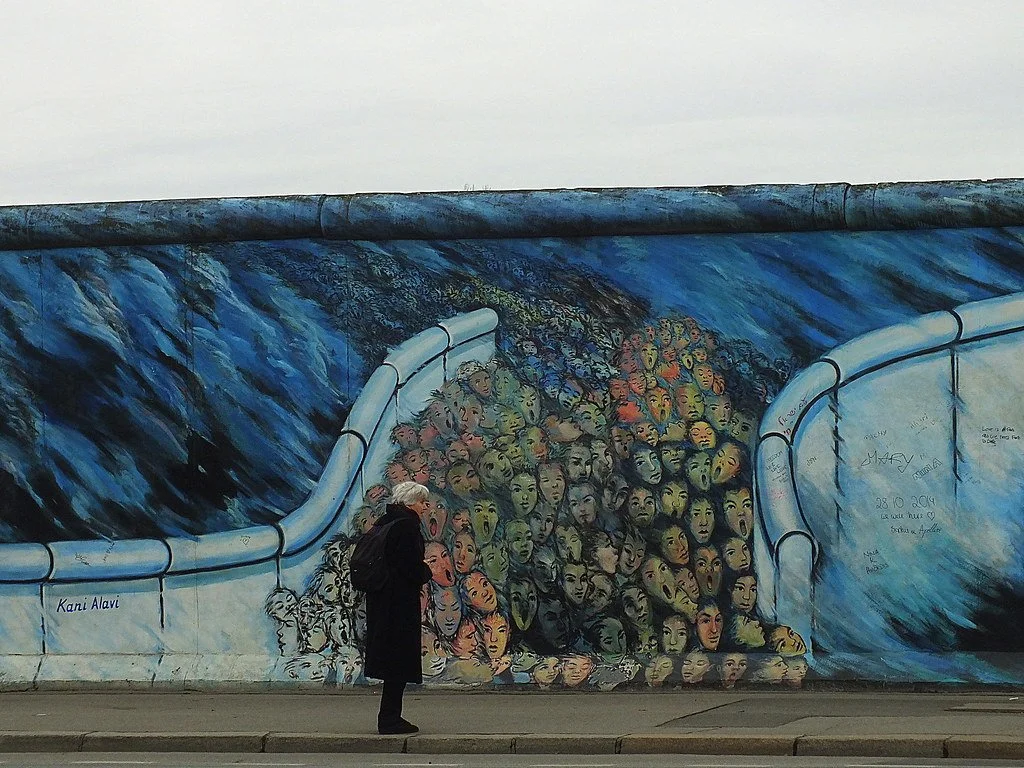
“It Happened in November.” Fraser Mummery. CC by 2.0.
Alavi also directly helped inspire another of the most notable murals, the “Berlin Wall Trabant” by artist Birgit Kinder. Supposedly, Alavi told Kinder to paint anything she wanted on the wall, but she hesitated for a moment. It was only when she looked at her East-German manufactured Trabant car that she felt inspired. She began painting her car forcefully bursting through the wall, symbolizing the city’s escape from Soviet rule. Close observers will note that the license plate reads “Nov 9-89,” which is the day the Berlin Wall fell.
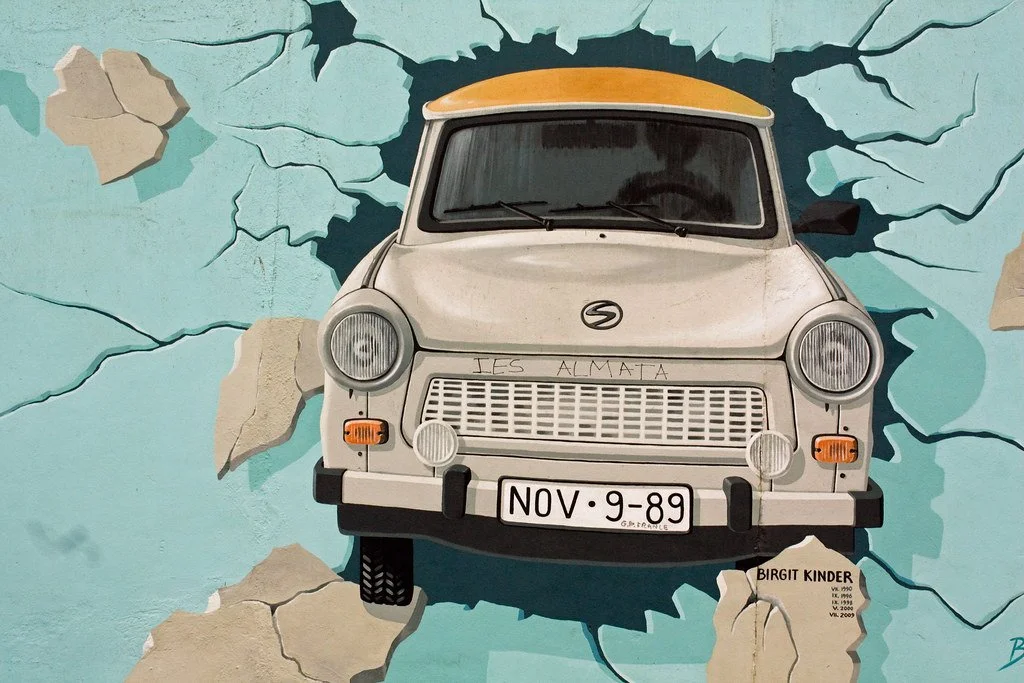
“Berlin Wall Trabant.” Judith. CC BY-NC 2.0.
When the wall fell, and the Soviet grip on East Germany loosened, creativity flowed. Artists visually translated their newfound freedom onto a canvas that had once held them captive. Their murals symbolized the reclamation of power by East Berlin’s formerly oppressed inhabitants. And with this somewhat-unlikely canvas they were able to recount their lived experience and depict the conflict and compromise of the world around them, concretely living in vivid color, forever.
Carina Cole
Carina Cole is a Media Studies student with a Correlate in Creative Writing at Vassar College. She is an avid journalist and occasional flash fiction writer. Her passion for writing overlaps with environmentalism, feminism, social justice, and a desire to travel beyond the United States. When she’s not writing, you can find her meticulously curating playlists or picking up a paintbrush.
3 Famous, Unconventional Nightclubs in Berlin
Berlin’s creative and liberal culture contributes to its famous nightlife; from art to sex clubs, there is something in the city for anyone searching for a unique clubbing experience.
Read MoreBeyond Ice Cream, 7 Frozen Treats From Around the Globe
Ice cream is an ancient dessert, dating back to the second century B.C.. Since that time, countries around the world have developed their own versions of ice cream, from Indian kulfi to Ecuadorian Helado de paila.

Turkish dondurma is often served on a plate. tuhfe. CC BY 2.0
Ice cream is one of the most popular desserts in the United States. 6.4 billion pounds of ice cream were produced in the US in 2019 alone., The International Dairy Foods Association reports that, on average, each American consumes over 22 pounds of ice cream and other frozen desserts annually. But ice cream is not an American invention. The frozen dessert dates back to the second century B.C., when records show that leaders like Alexander the Great enjoyed ice and snow flavored with honey or nectar as a delicacy. Ice cream as we know it today likely derives from a recipe collected from the Far East by Italian explorer Marco Polo in the 16th century.
The ancient confection made from snow or ice flavored with honey, nectar, or fruit is present in historical records from around the world. While in England and America this treat evolved into the milk and cream based ice cream which we know today, other countries developed different versions of frozen desserts. Here are 7 frozen treats from around the globe, all impacted by the cultures that created them.
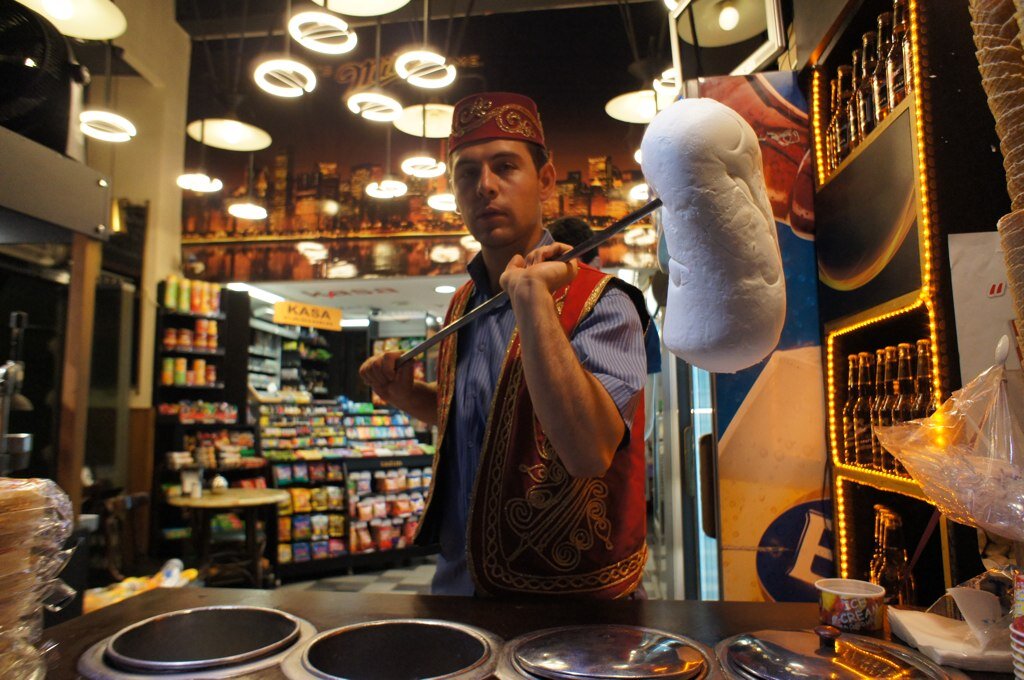
1. Dondurma, Turkey
Dondurma—the Turkish word for “freezing,” and sometimes referred to as Turkish ice cream—is often eaten with a knife and fork. Dondurma differs from American ice cream in several ways, the most obvious being the texture. While American ice cream is soft and creamy, dondurma is stretchy, chewy and does not melt easily, hence why it is most often served on a plate with a knife and fork. Dondurma is made from a milk and sugar base and added Arab gum, or mastic, a resin that gives the ice cream its chewiness. In addition to mastic, dondurma is thickened with salep, a flour made from the root of a purple orchid which grows in the mountains. The creation of dondurma is credited to the town of Kahramanmaraş, located at the foot of the Ahir Mountain in southern Turkey. The town has been producing dondurma for over 150 years, but the origins of the treat date back even further. Over 300 years ago, the people of the area mixed clean snow from the mountain with molasses and fruit extracts, creating an early form of ice cream. Today, dondurma is frequently served sprinkled with pistachios and can be found at restaurants as well as street vendors, where it is served in cones.

Colorful mochi ice cream. jpellgen (@1179_jp). CC BY-NC-ND 2.0
2. Mochi Ice Cream, Japan
Traditionally a dessert sold and eaten during the Japanese New Year, mochi has recently soared in popularity, especially in the United States. The term mochi refers to a unique Japanese delicacy dating back to 794 A.D., which is made from sticky rice dough. In Japan, mochi is most often enjoyed in small, round balls filled with red bean paste—a treat known as daifuku. In ancient times, mochi was made to be presented as an offering to the gods at temples and was also served to the Emperor and other nobility. Although mochi itself has been around for centuries, mochi ice cream was not developed until the 1980s. And, despite its Japanese roots, mochi ice cream is actually an American invention. It was created by Frances Hashimoto and her husband, Joel Friedman, who ran a Japanese-American bakery in Los Angeles during the 1980s. During a trip to Japan, the couple was inspired by the traditional daifuku to create their own mochi treat using ice cream. Today, mochi ice cream is sold at almost all major grocery stores and is available in a wide variety of flavors, like green tea, chocolate, mango and red bean.
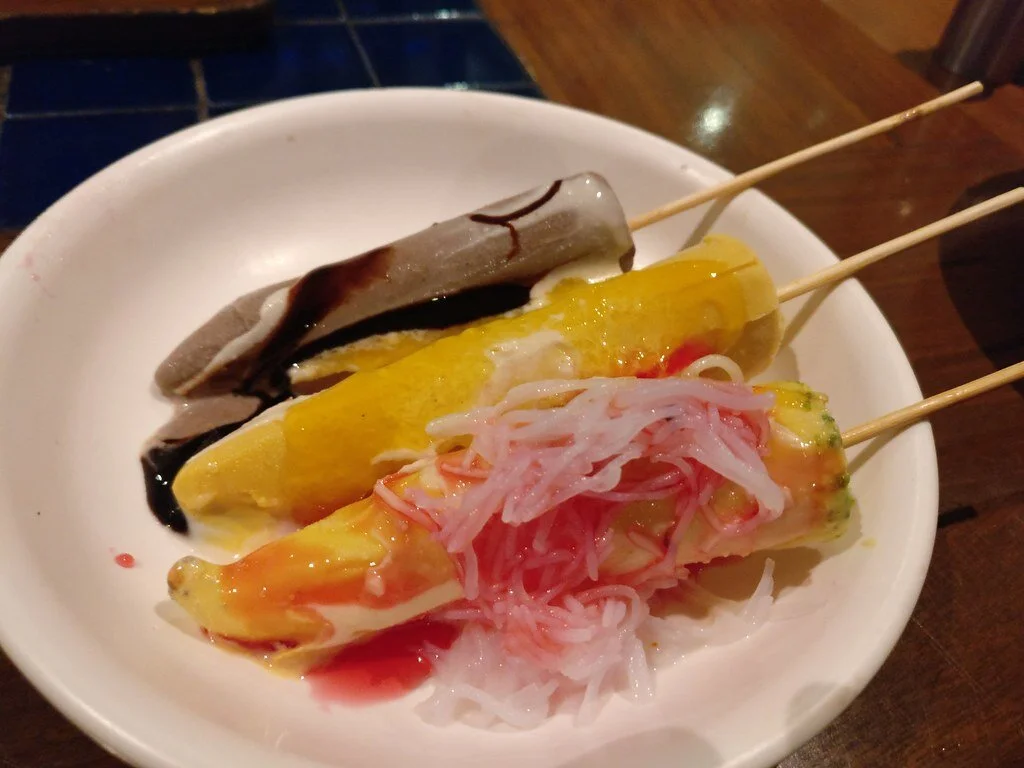
Chocolate, Kesar, and Mango flavored kulfi. richardclyborne. CC BY 2.0
3. Kulfi, India
While often categorized as an Indian ice cream dish, kulfi is denser and creamier than ice cream, more closely resembling frozen custard. Kulfi is made from boiling milk until it solidifies, which is called khoa. Sugar is then added to the milk and the mixture is flavored as desired, typically using natural flavoring ingredients. Popular kulfi flavors include saffron, pistachio, mango, avocado and cardamom. After the kulfi mixture is flavored, it is poured into molds and frozen until the treat has set. Kulfi is thought to have originated in northern India during the 16th century Mughal Empire. Traditional desserts in that area already included condensed milk, and the Mughals added pistachios and saffron for flavoring and then froze the mixture in metal cones using a combination of ice and salt, giving rise to the kulfi dessert served today. Kulfi is popular not only in India but in Bangladesh, Myanmar, Pakistan and the Middle East as well. The dish can also be found in many Indian restaurants around the world.
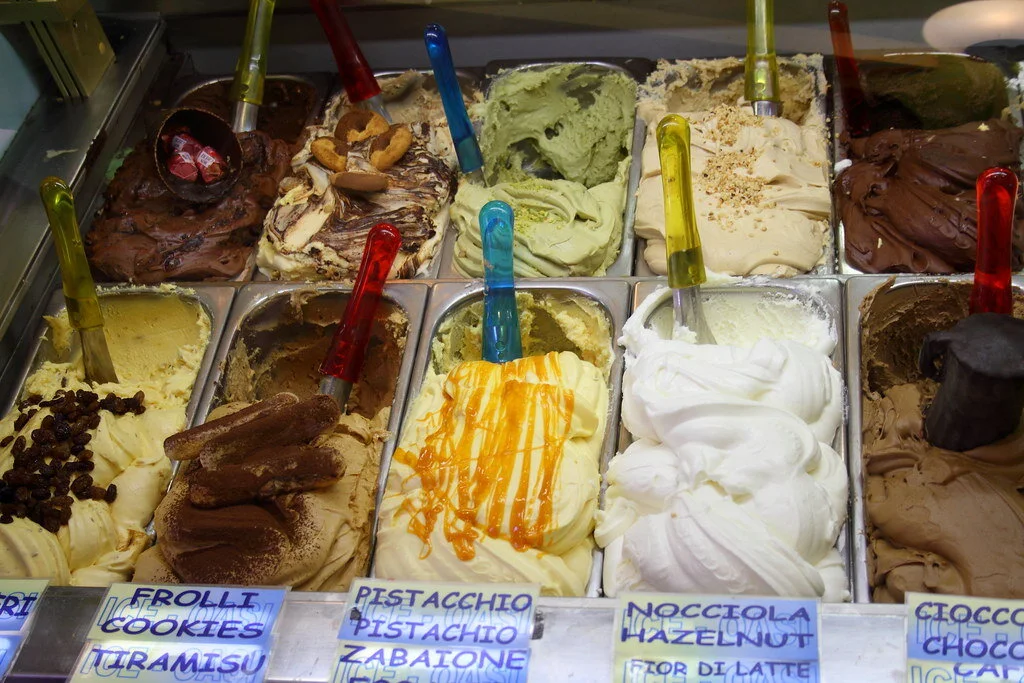
Different flavors of Italian gelato. arsheffield. CC BY-NC 2.0
4. Gelato, Italy
Gelato is an Italian delicacy which differs from traditional American ice cream in its silky, creamy texture, as well as being denser. Gelato and American ice cream both contain milk and cream, but authentic gelato uses more milk than cream and does not usually contain egg yolks, which are a common ingredient in many ice creams. Gelato typically contains less butterfat as well, which makes the flavors more intense. It is also served at a temperature 10-15 degrees warmer than ice cream, so it melts more easily in one’s mouth. Modern gelato dates back to the Renaissance when Cosimo Rugierri, an alchemist, created a dessert from fruit, sugar and ice that delighted the powerful Medici family in Florence. Other accounts of modern gelato credit architect Bernardo Buontalenti, who is said to have prepared an ice cream dish from milk, egg yolks, wine, fruit and honey and served it to King Charles V of Spain. Whatever its origins, gelato quickly spread out of Italy, becoming a delicacy in other countries as well. Until 1686, however, gelato was mainly served in private residences of the wealthy, as ice and salt were expensive. Then, Italian Francesco Procopio Cutò opened a cafe in Paris where he sold gelato to the public. Since then, gelato has become a wildly popular treat that can be found on nearly every street in Italy and in restaurants and shops around the world.
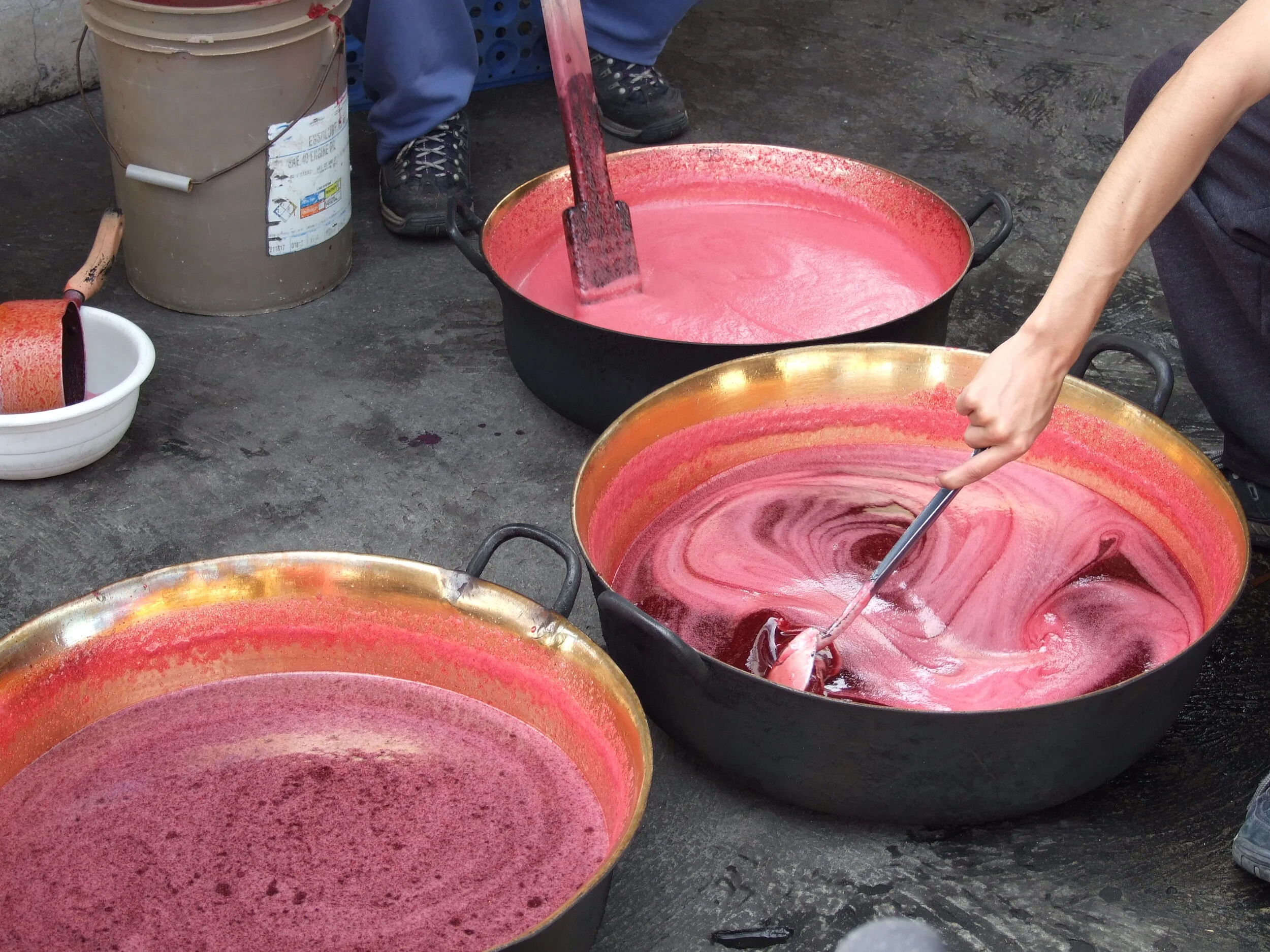
5. Helado de paila, Ecuador
Helado de paila, literally “ice cream from a pot,” is a sorbet-like treat from Ibarra, Ecuador. The story goes that, 122 years ago in Ibarra, a teenage girl named Rosalía Suárez had nothing to give her friend as a 15th birthday gift. So, she decided to make her a dessert. Rosalía and a friend put natural fruit juice in a container and placed it on a wooden tray, where the container was surrounded by ice and straw to preserve it. They began to spin the container and beat the fruit juice, which turned into a form of ice cream. Rosalía perfected her recipe by adding sugar to the fruit juice and salt to the ice and began to sell her ice creams. Today, helados de paila are prepared in a way very similar to the technique that Rosalía Suárez first used. A blend of fruit and sugar is poured into a wooden bowl sitting in a larger bowl, or paila, which is already prepared with a layer of straw and a layer of ice and salt. The fruit mixture is stirred and eventually cools into the creamy helado de paila. Popular flavors include strawberry, blackberry, coconut, tree tomato and passionfruit.
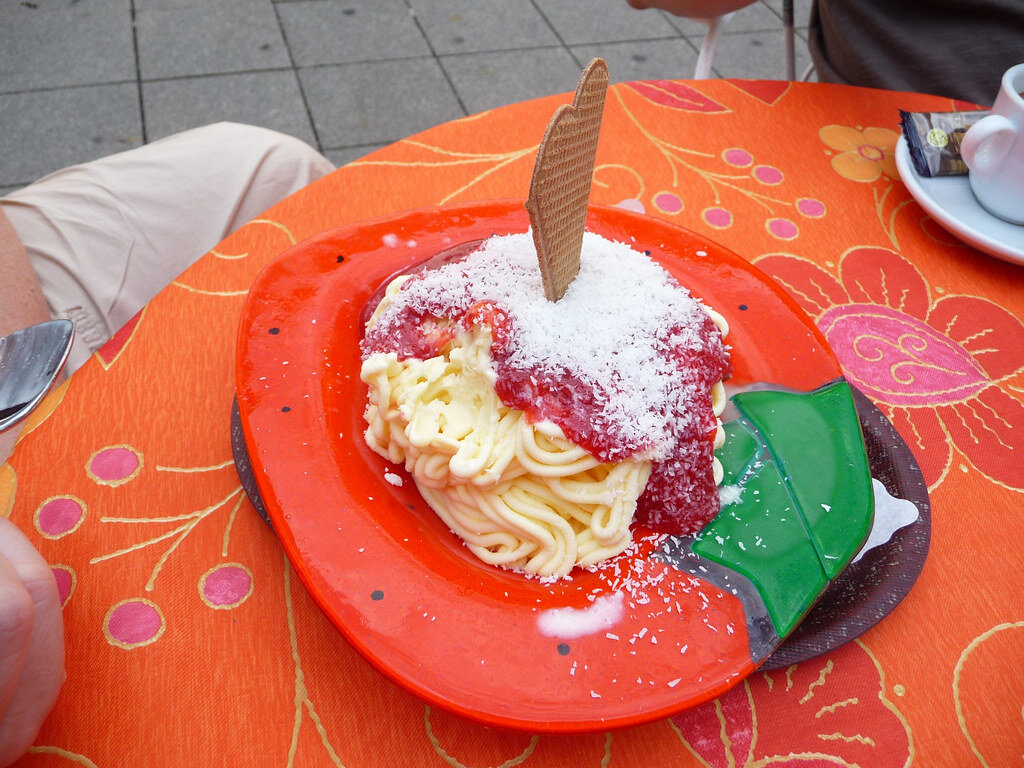
Spaghettieis is made to look like a bowl of spaghetti. Joshua Shapiro. CC BY-NC-SA 2.0
6. Spaghettieis, Germany
This popular German sundae is made from vanilla gelato, strawberry sauce and white chocolate shavings. The dish sounds innocuous enough, but what makes this treat unique is its presentation: the sundae is made to look just like a bowl of spaghetti. Spaghettieis was invented in 1969 by Dario Fontanella, whose father had moved from Northern Italy to Mannheim, Germany, in the 1930s. In an attempt to honor his Italian roots at the German ice cream parlor his family owned, Fontanella decided to create a bowl of spaghetti entirely from ice cream. Spaghettieis is made by putting vanilla gelato through a chilled spaetzle press (a machine to make German egg noodles) to achieve the spaghetti-noodle shape. The gelato is then topped with strawberry sauce to mimic tomato sauce, and shaved white chocolate curls to mimic parmesan. Apparently, when spaghettieis first began being served at ice cream parlors, it made children cry in disappointment that they were being served pasta rather than a dessert. Despite its tearful start, the dessert is widely popular today. Fontanella never patented his creation, so a variation of spaghettieis is served at nearly every ice cream parlor in Germany.
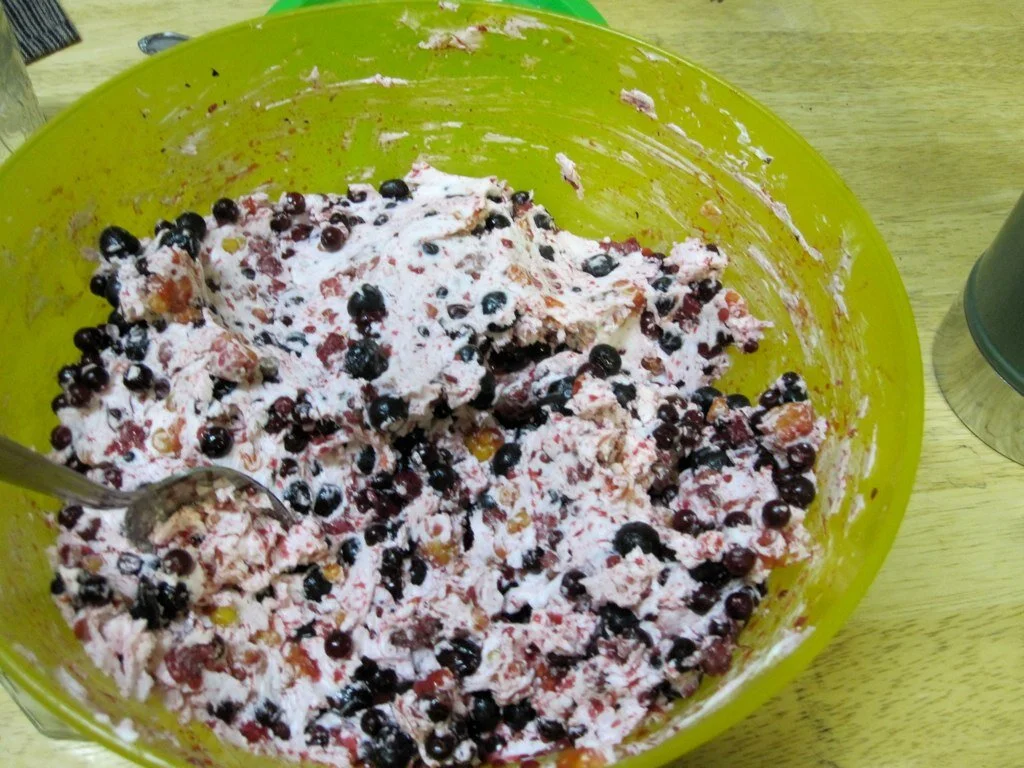
7. Akutaq, Alaska
Named after the Inupiaq word for “to stir,” Akutaq is an Indigenous Alaskan treat made by mixing fat, oil, berries and sometimes water or fresh snow together into a sweet dessert with a whipped texture. While berry-based akutaq is more similar to an American sorbet, there are also meat-based akutaqs in which the fat and oil are mixed with ground caribou or dried fish to create a more salty, gamey and savory dish. Traditionally in indigenous communities, the dish was made by women after the first catch of a polar bear or seal, and shared with members of the community. Akutaq varies by region depending on what types of flora and fauna are available to add. Indigenous people near the Alaskan coast used saltwater fish, while those inland used freshwater fish, and those in the north used bigger game like caribou, bear and musk-ox. Indigenous Alaskans have been making akutaq for thousands of years. Up until the 20th century, indigenous Alaskans held akutaq cooking contests during annual trade fairs, where members of various communities would compete to create new flavors. While akutaq can still be found today, in modern recipes the traditional caribou fat and seal oil are often replaced with Crisco and olive oil.

Rachel Lynch
Rachel is a student at Sarah Lawrence College in Bronxville, NY currently taking a semester off. She plans to study Writing and Child Development. Rachel loves to travel and is inspired by the places she’s been and everywhere she wants to go. She hopes to educate people on social justice issues and the history and culture of travel destinations through her writing.
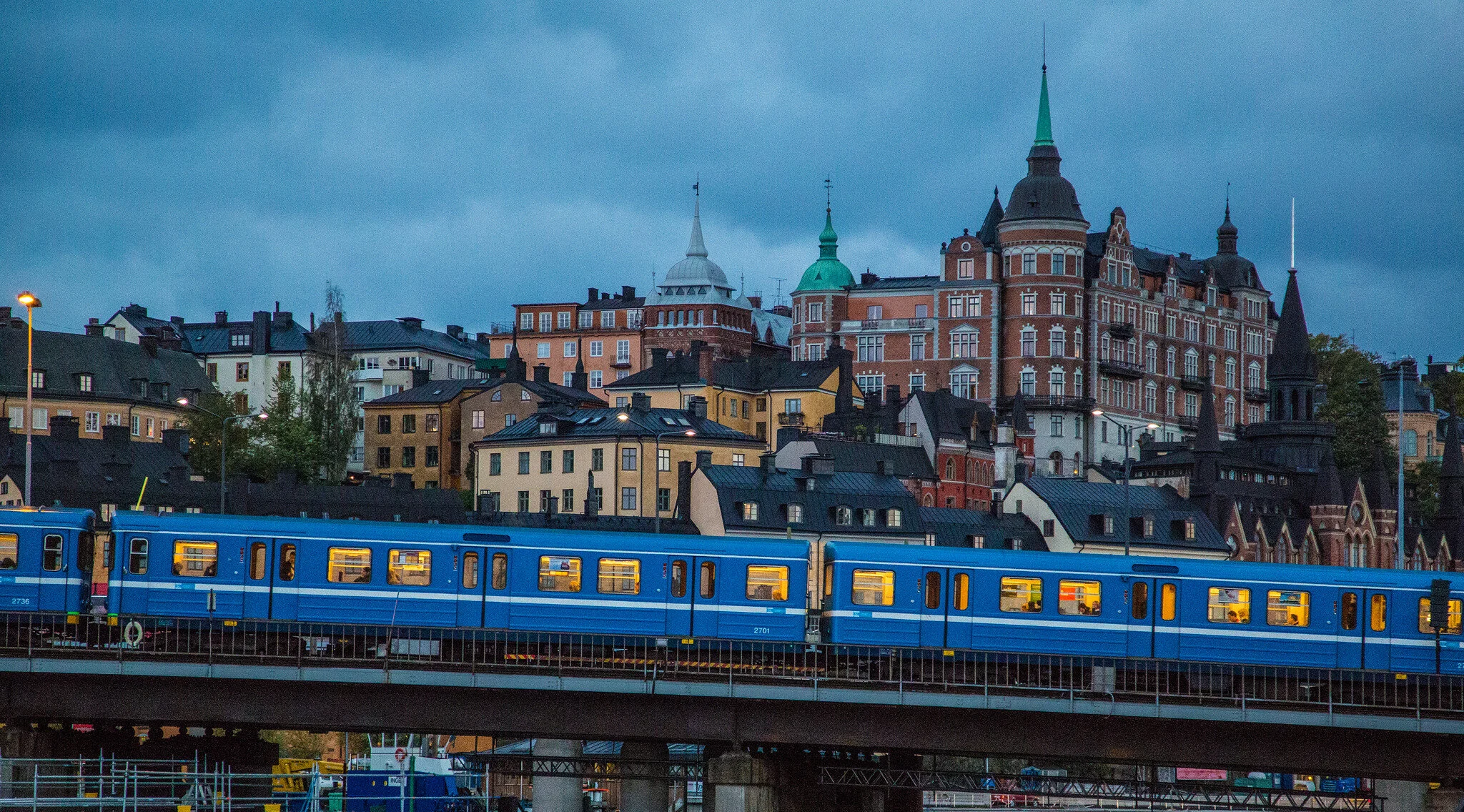
A tunnelbana train in Stockholm. Tony Webster. CC BY 2.0.
10 Metro Systems Around the World to Ride in Your Lifetime
Metro systems exist on every inhabited continent on the planet, being as unique in comparison to one another as are the diverse cultures and communities they serve. Some are highly efficient at moving people from point A to point B, others are rooted in the history of the local community and a few even serve as living art galleries that are ever-expanding. Here is our guide to the 10 must-visit metro systems to ride on in your lifetime.
1. Tunnelbana, Stockholm, Sweden
Serving 100 stations throughout the region, Stockholm’s Tunnelbana, which translates to “tunnel railroad,” is one of the newer metro systems in Europe, opening its first line in 1950. What makes the Tunnelbana unique is that it is considered to be the world’s longest art gallery, featuring an extensive collection of art made by over 150 artists.
2. Buenos Aires Underground, Argentina
The Buenos Aires Underground, known locally as Subte, is the oldest underground railway system in the Southern Hemisphere, dating back to 1913. The system hones in on its historic origins by providing both historic and modern train cars and stations which are spread out across its seven lines.
3. Seoul Metropolitan Subway, South Korea
Featuring 22 lines spread across 728 stations that serve both the heart of the city and rural communities, the Seoul Metropolitan Subway is one of the longest systems in the world. Opening its doors in 1974, Seoul's subway continues to grow, with several line extensions slated to open throughout the decade.
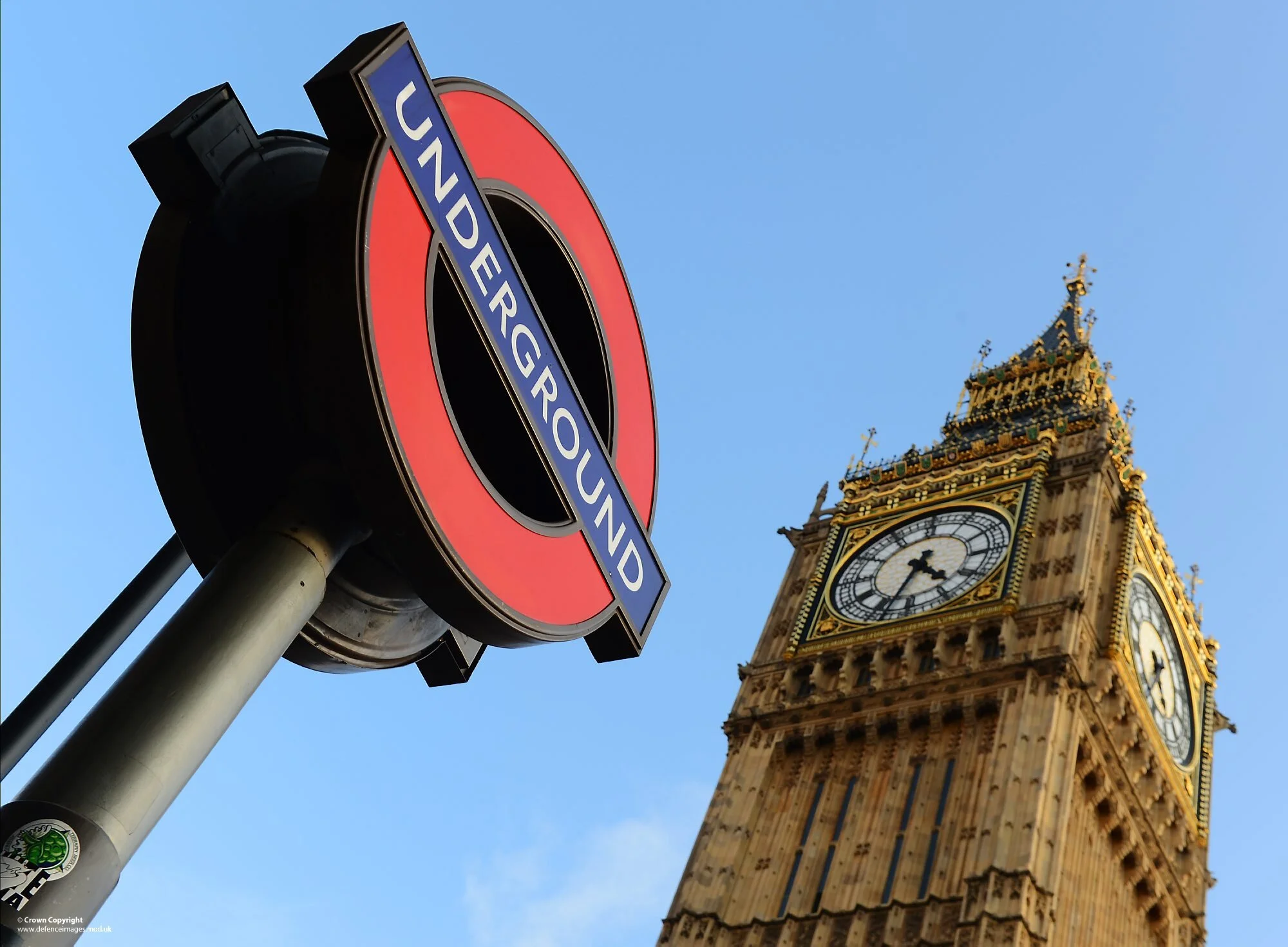
The iconic London Underground sign in front of Big Ben. Defence Images. CC BY-NC 2.0.
4. London Underground, UK
The oldest underground railway in the world, the London Underground began operation in 1863 and has since grown to serve 270 stations. Known in London as “the Tube,” the metro system provides easy access to neighborhoods throughout Central and Greater London, as well as connections to a slew of airports and other transit systems.
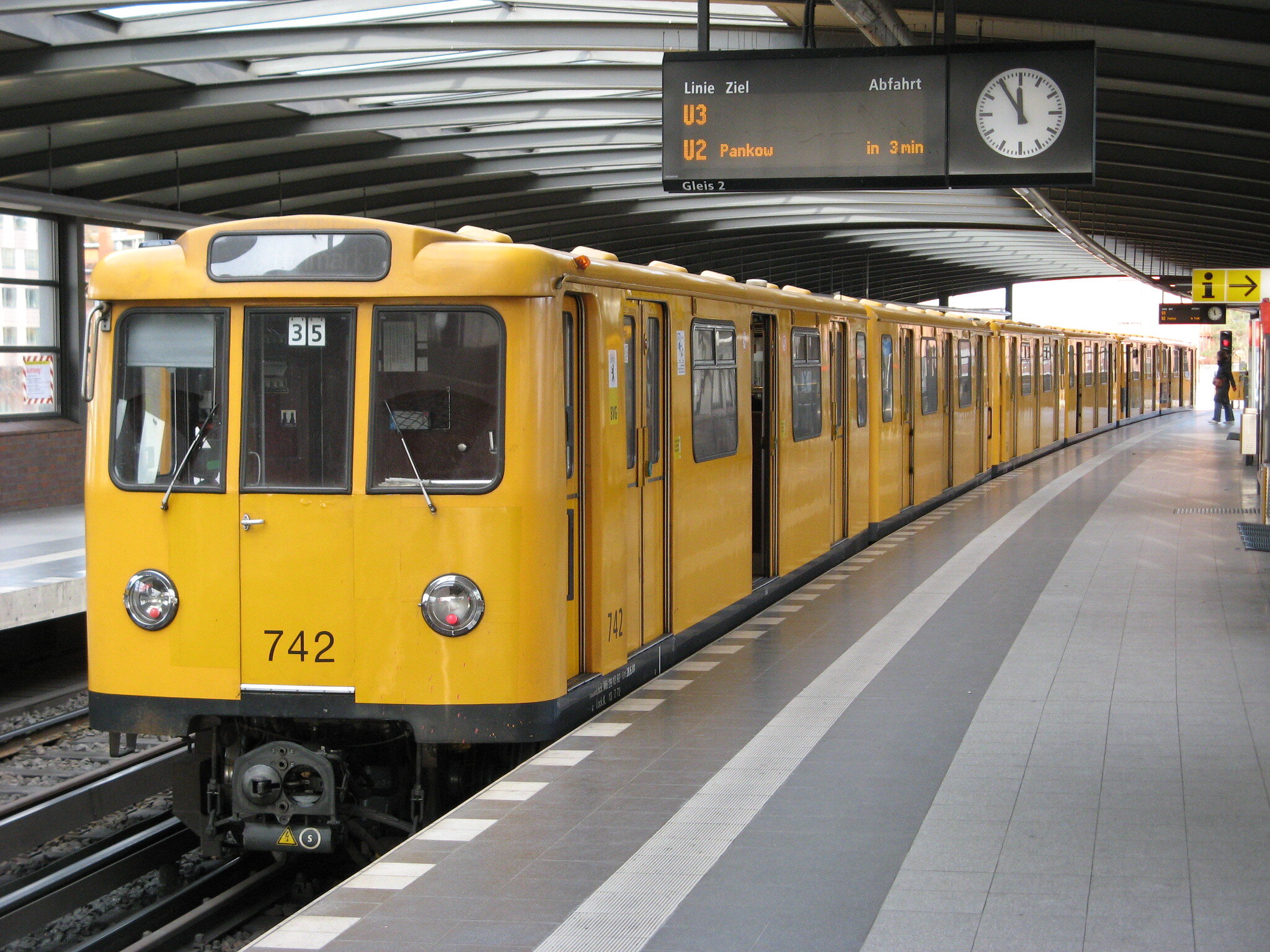
A Berlin U-Bahn train in a station. Michael Day. CC BY 2.0.
5. Berlin U-Bahn, Germany
Famous for its eye-catching yellow trains, the Berlin U-Bahn is one of the oldest and largest metro systems in Europe. The system had been partly severed in two parts during the Cold War due to the divide between East and West Berlin. Today it boasts 10 lines serving 173 stations, with an annual ridership of around 553.1 million.
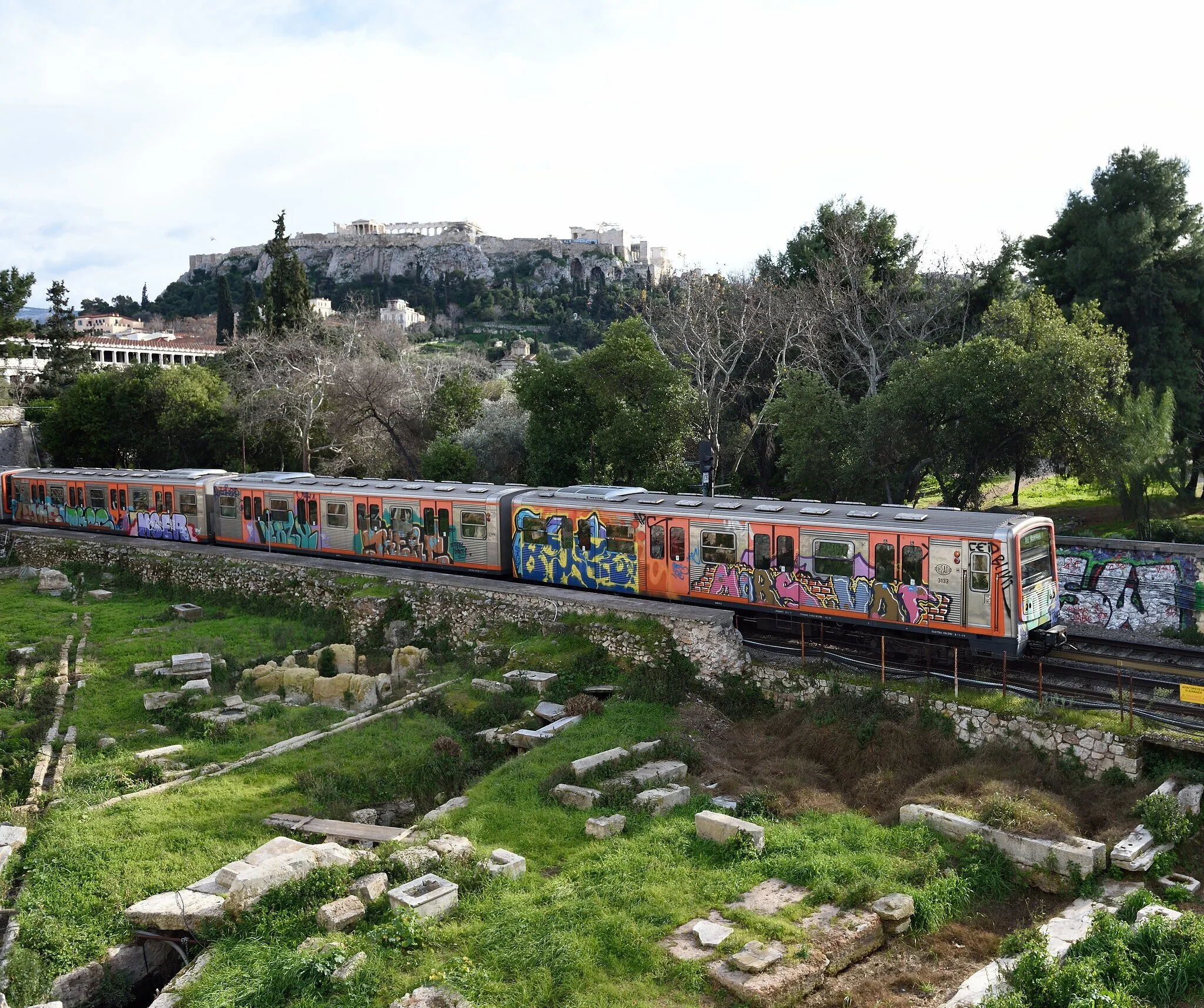
A graffitied metro car in Athens passes in front of the Acropolis. Tim Adams. CC BY 2.0.
6. Athens Metro, Greece
Like Stockholm’s Tunnelbana, the Athens Metro serves as both a rapid transportation system and an extensive museum. In the system’s Syntagma Metro Station is a handful of the nearly 30,000 artifacts from the classical Greek, Byzantine and Roman periods which were excavated during the construction of new system lines in the 1990s.
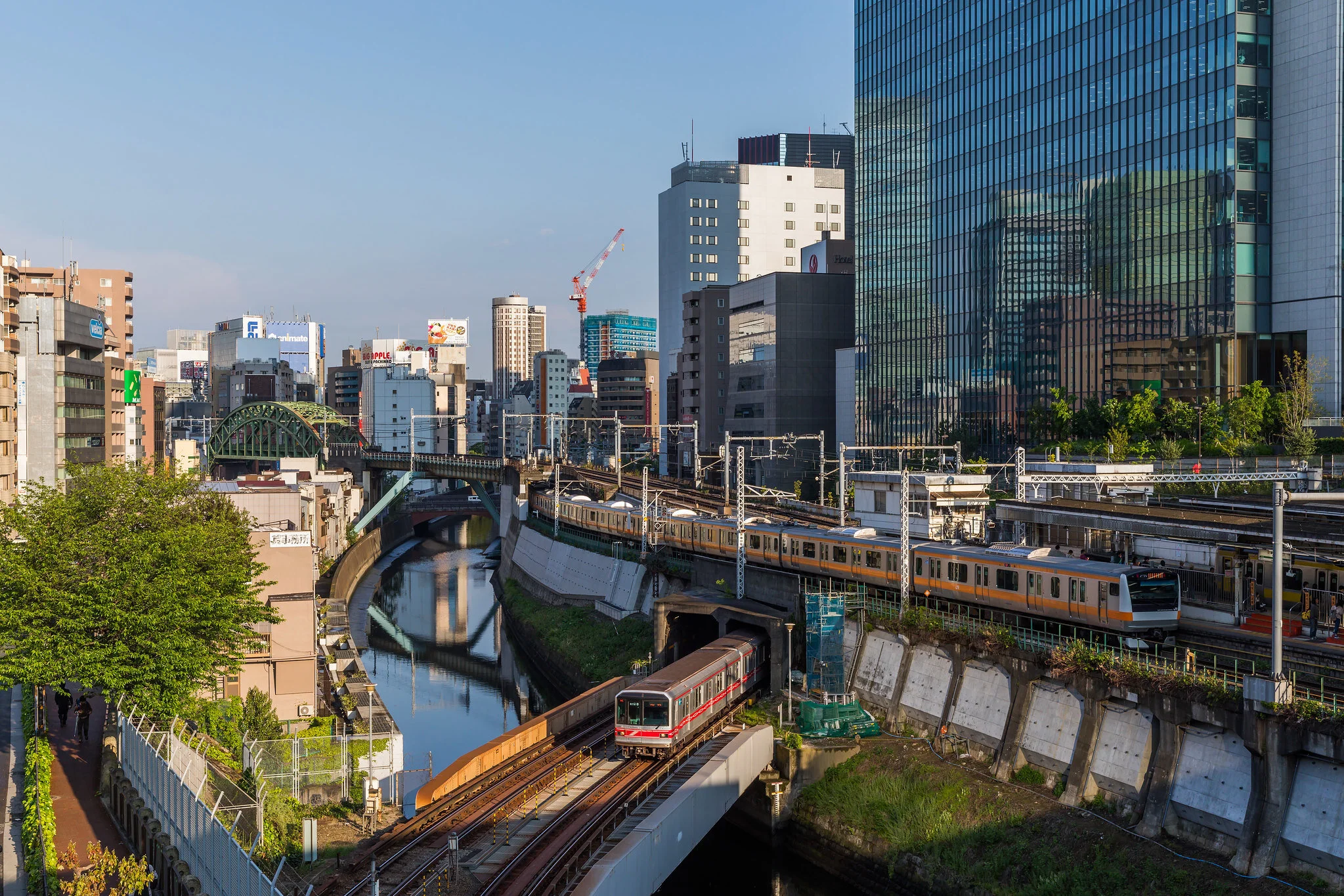
Two trains in Tokyo pass over one another. David Gubler. CC BY-NC-SA 2.0.
7. Tokyo Metro, Japan
Offering seamless transitions between its stations and those of its counterpart, the Toei Subway, the Tokyo Metro is considered by many to be one of the best metro systems in the world for both convenience and cleanliness. Serving 180 stations across 9 lines, the Tokyo Metro has continued to expand as the city has grown to be the largest by population in the world.
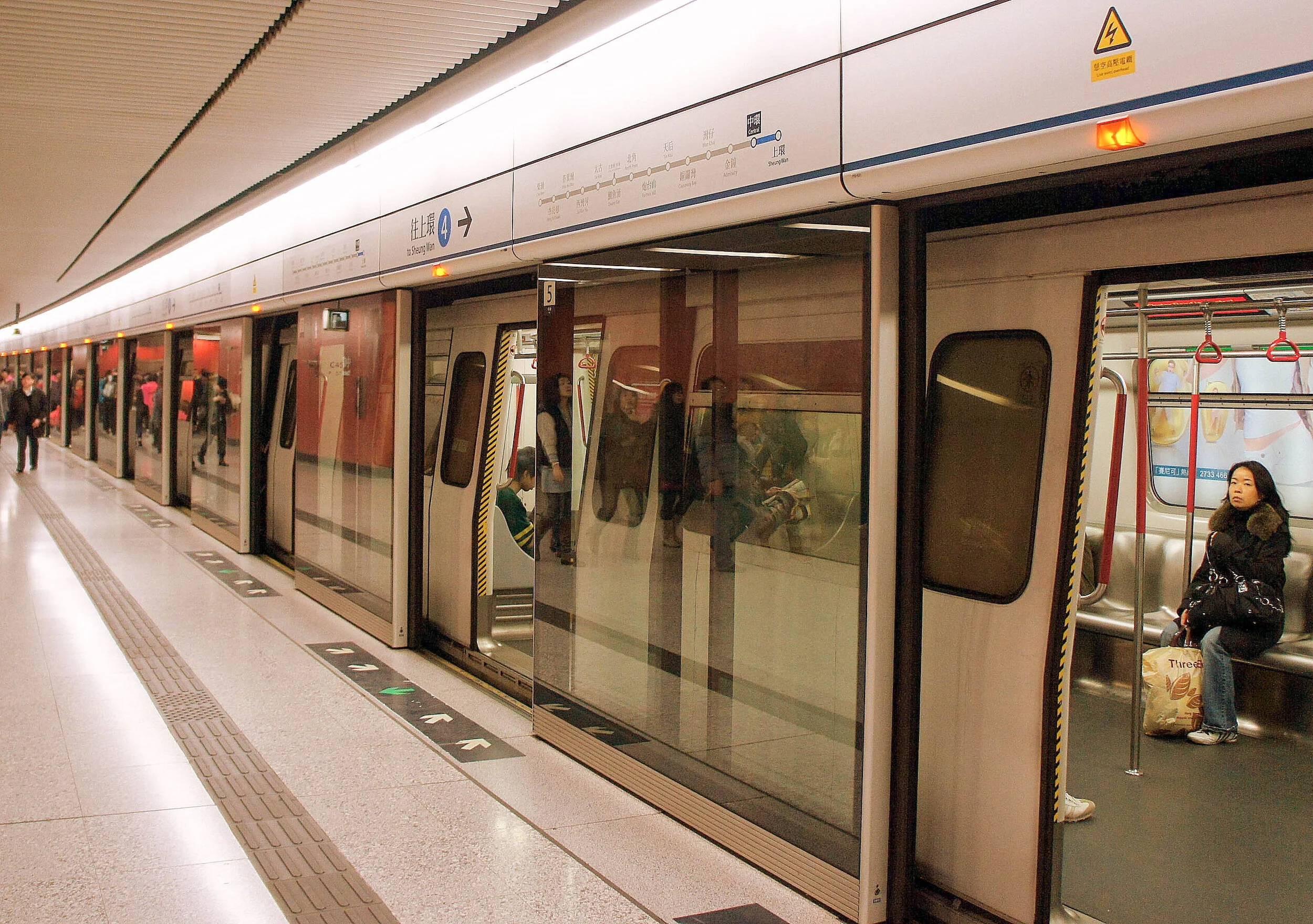
An MTR train in Hong Kong. David Leo Veksler. CC BY 2.0.
8. Mass Transit Railway, Hong Kong
The Mass Transit Railway is a heavily-riden transit system serving Hong Kong Island, Kowloon and the New Territories, with a daily ridership of over 4.9 million. The transit system has a world-renowned reputation for being clean, affordable and reliable, as well as for offering free WiFi at all of the system’s stations.
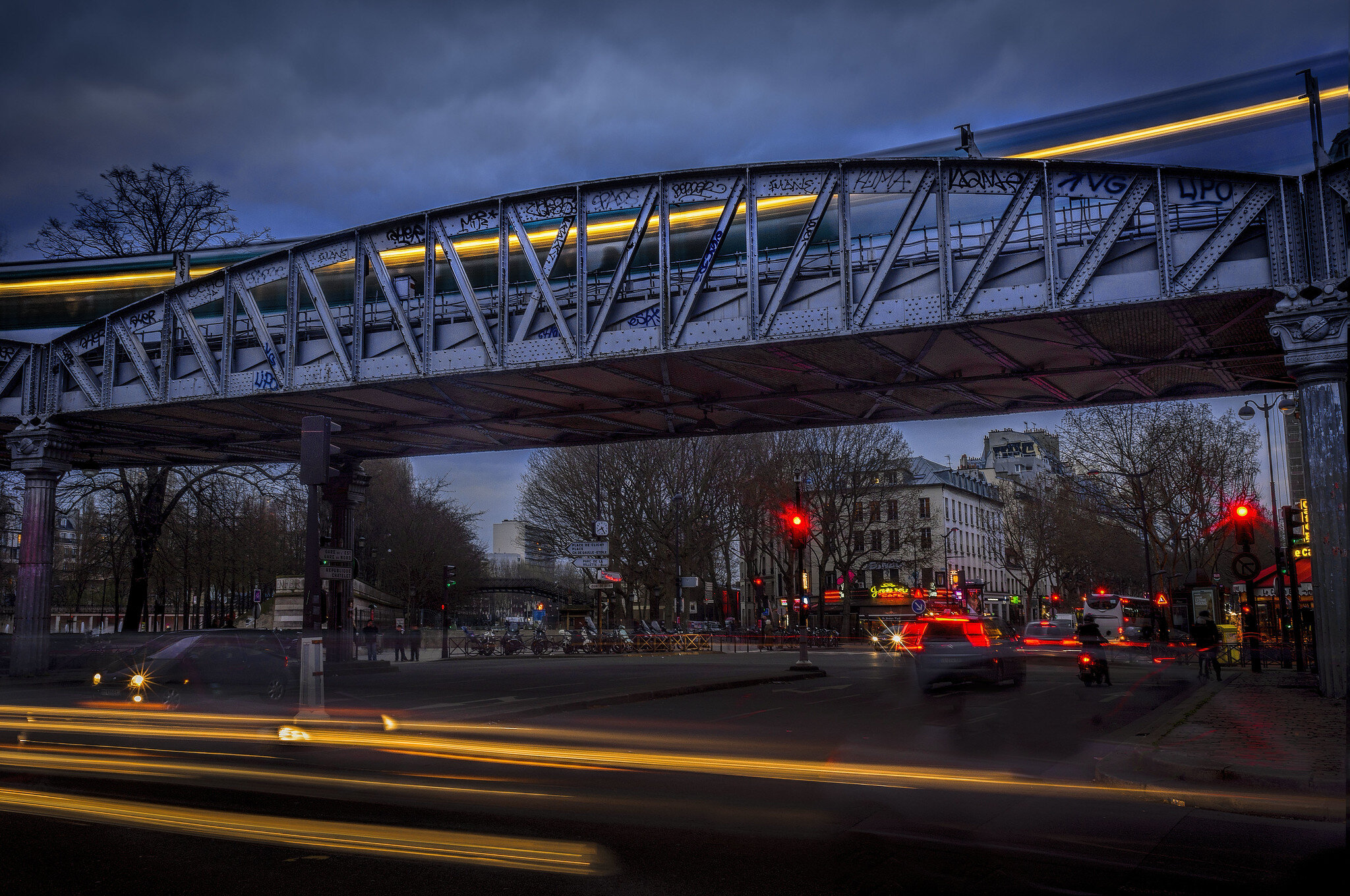
The lights of a Paris Metro train passing over a bridge. Luc Mercelis. CC BY-NC-ND 2.0.
9. Paris Metro, France
The Paris Metro is a cultural landmark of the city, with stations highlighting the unique Art Nouveau architecture style. It is one of the densest metro systems in the world, consisting of 136 miles of track connecting 304 stations . The Paris Metro is also one of the busiest, being the second most traveled in Europe and tenth in the world.
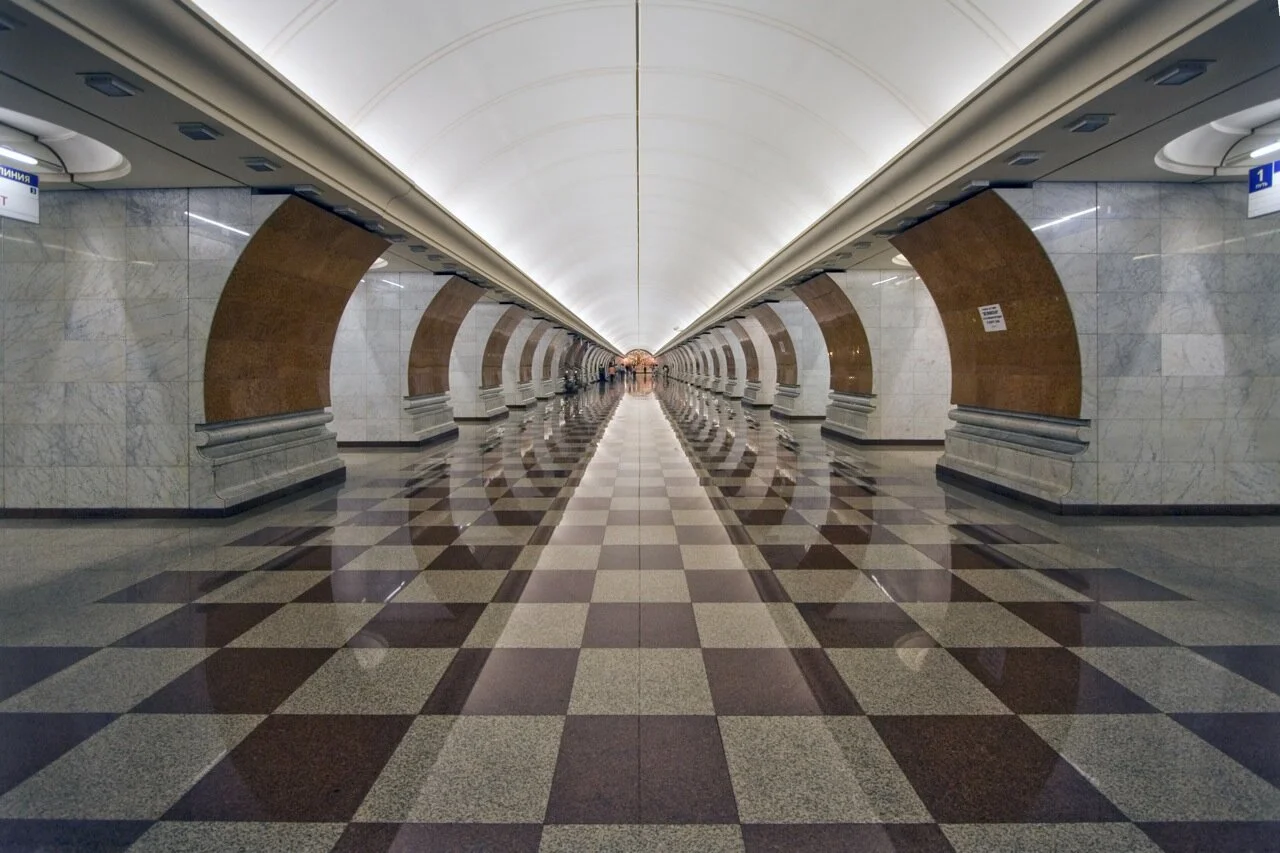
A Soviet-era metro station in Moscow. Tarnya Hall. CC BY-NC-ND 2.0.
10. Moscow Metro, Russia
An extensive metro system with stations highlighting Cold War-era architecture, the Moscow Metro is the busiest system in Europe, serving 2.5 billion riders annually. The system has 241 stations and has connections to other transit systems like the Moscow Central Circle, Moscow Central Diameters and Moscow Monorail.

Jacob Sutherland
Jacob is a recent graduate from the University of California San Diego where he majored in Political Science and minored in Spanish Language Studies. He previously served as the News Editor for The UCSD Guardian, and hopes to shed light on social justice issues in his work.
A Look at Germany’s Quirky but Quaint Ore Mountains
Germany’s Ore Mountains offer bucolic scenery and countless Christmas traditions, all wrapped up into one charming package.
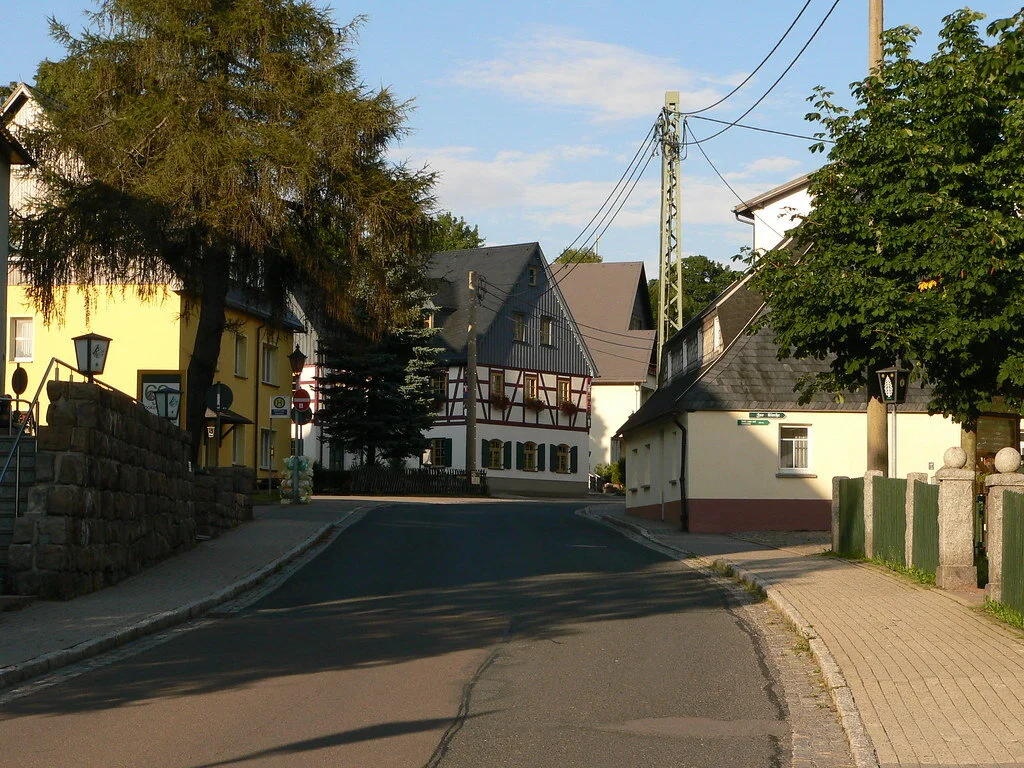
Seiffen, Germany. abejorro34. CC BY-NC 2.0.
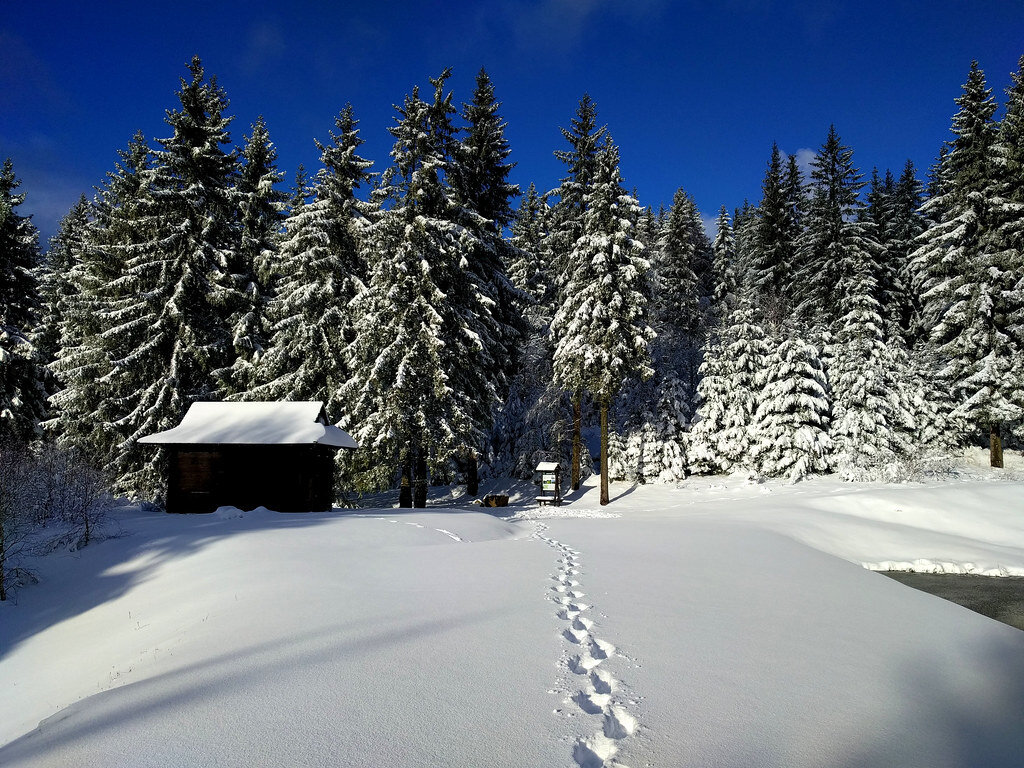
Along the German-Czech border lie the Ore Mountains, one of nature’s grand masterpieces. Stretching over 100 miles, the Ore Mountains appear like a scene out of Narnia: long strips of deep woods sit sprinkled among patches of bright wildflowers, often blanketed in thick snow. The area’s splendid scenery presents itself as the ideal inspiration for painters in search of inspiration.
The history of the region is just as fascinating. Up until their expulsion after World War II, German miners worked the mountain range for its many minerals such as copper, silver and lead. Thus, the range gained its name: the Ore Mountains. After World War II, the small towns that peppered the range lost most of their German populations. These towns were later filled by Czech residents who developed uranium and coal mining. Now, the range’s travel industry has brought much attention to the quaint lifestyle found today in these small towns.
For guests eager for a gorgeous view or photographers looking for the perfect shot, Fichtelberg Mountain stands as one of the Ore Mountains’ top stops. Fichtelberg Mountain is the second-tallest peak of the Ore Mountains; it sits in the middle of the range and stands nearly 4,000 feet tall. The icy conditions found in the winter attract throngs of alpine skiers, bobsledders and other snow sporters. When the weather warms toward summer, the crowds of snow sporters are replaced by hikers and photographers; trails through patches of woods make for calm hiking opportunities, while the peak itself provides a 360-degree view of the surrounding mountain range.
Snow in the Ore Mountains. VicunaR. CC BY-SA 2.0.
Another destination sure to pique anyone’s interest is the small town of Seiffen, Germany. Seiffen holds only around 3,000 people, but its influence as a stronghold of local culture makes up for it. The town is famous for its role in the toymaking industry, with over 100 craftsmen living in it alone. Seiffen often appears like something out of Christmastime folklore, as it is known for its top-notch toymaking and stellar artisan Christmas decorations. For the woodmakers of this town, their craft is far more than just a profession. It is common that the artisans of Seiffen pass their craft down from generation to generation, making their work not just a form of income, but a lifestyle.
Although at first glance the Ore Mountains may appear to be just another mountain range, the wide variety of activities and rich history make it a fascinating spot to explore.

Ella Nguyen
Ella is an undergraduate student at Vassar College pursuing a degree in Hispanic Studies. She wants to assist in the field of immigration law and hopes to utilize Spanish in her future projects. In her free time she enjoys cooking, writing poetry, and learning about cosmetics.
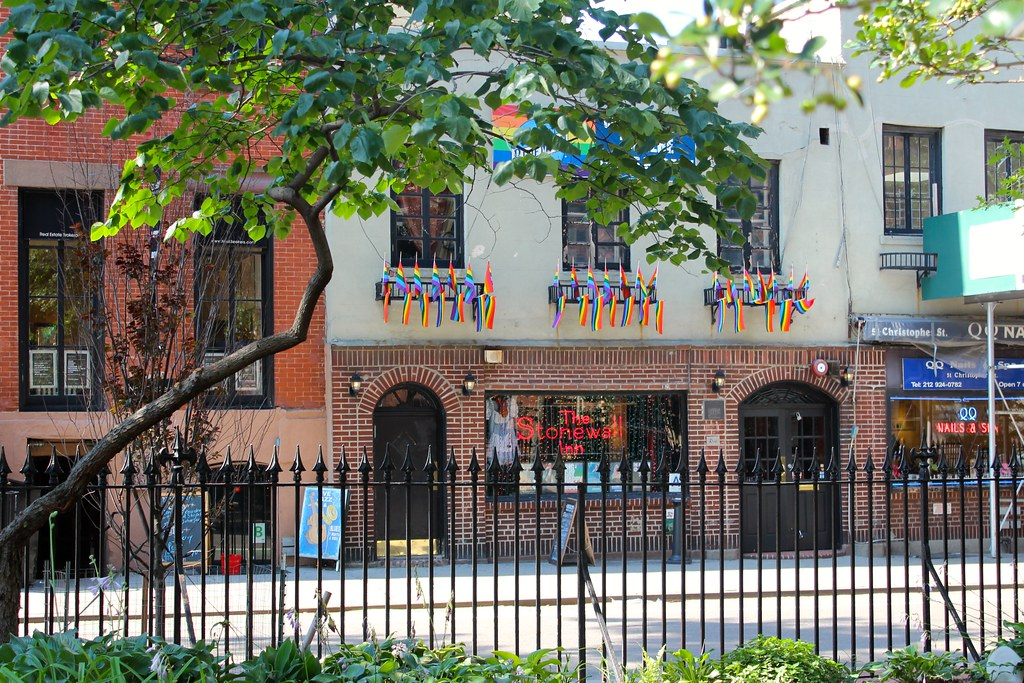
The Stonewall Inn in New York City’s Greenwich Village. The 1969 Stonewall riots are credited with starting the modern gay liberation movement. NPCA Photos. CC BY-ND 2.0
Discover These 8 Gay Villages from Around the World
Gay villages, or “gayborhoods,” are neigbhorhoods within cities that provide safe spaces for LGBTQ+ people to express themselves openly and form communities. Many gay villages feature bars and restaurants, vibrant nightlife and boundless queer history. Wherever one may find themselves, there is likely a gay village just around the corner waiting to be discovered. Here are eight gay villages from across the world.
1. Shinjuku Ni-chome, Tokyo
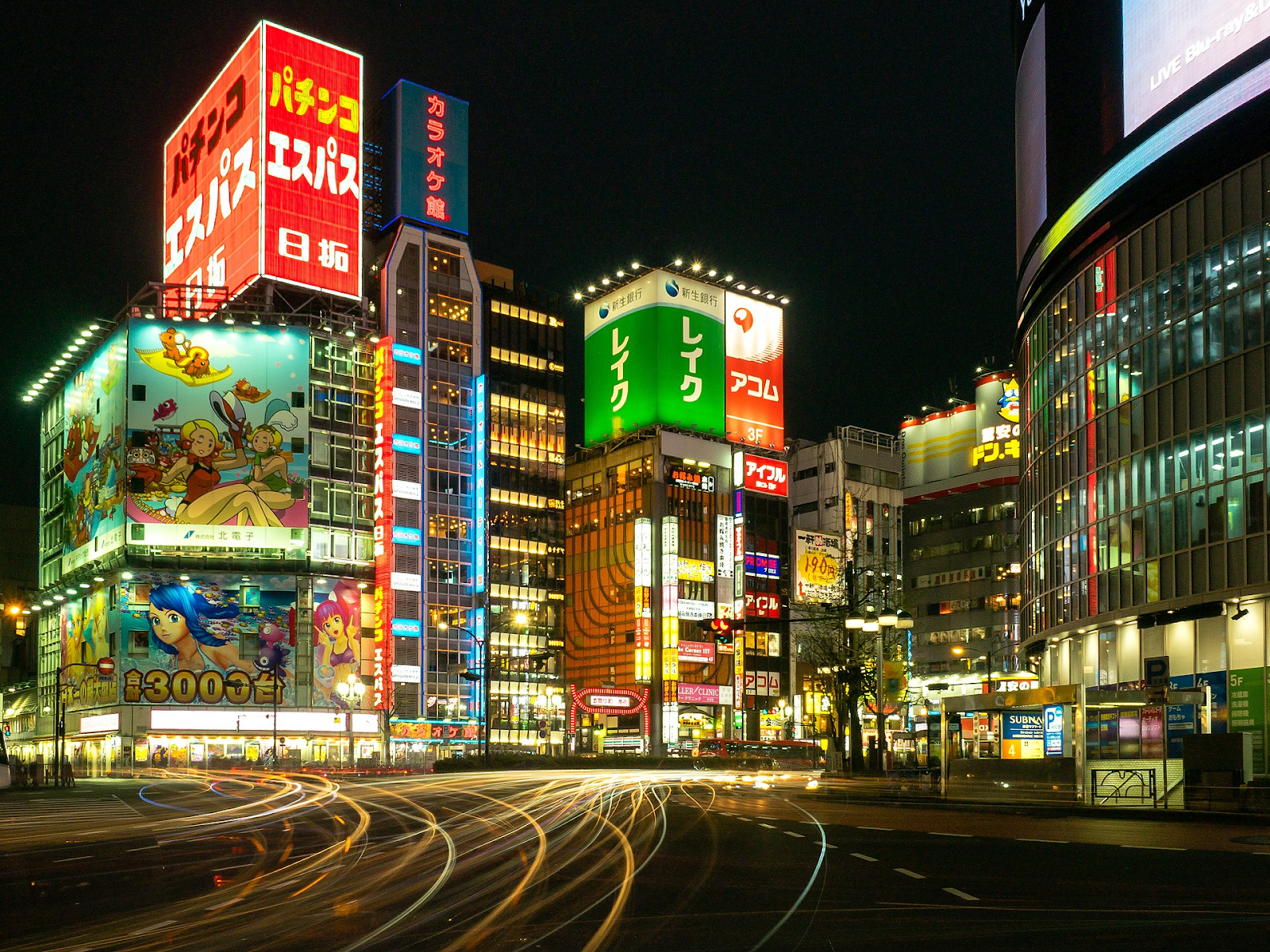
Buildings and neon lights in Tokyo’s Shinjuku ward. Andy Miller. Unsplash
In the heart of Shinjuku ward in Tokyo, between modern skyscrapers and dazzling neon-lit billboards, hides one of Asia’s most vibrant gay villages. Shinjuku Ni-chome, shortened to just Ni-chome, has the highest concentration of gay bars in the world. Ni-chome was once Tokyo’s red-light district, but when prostitution became illegal in Japan in 1956 it became Tokyo’s gay village. In a city known for its nightlife, Ni-chome is home to fusion restaurants and nightclubs open late into the night. Many of Ni-chome’s gay bars are small and personal, fostering their own tight-knit community within the city. Ni-chome was the location of Japan’s first gay pride parade in 1994, and is where the country’s first permanent LGBTQ+ center opened in 2020.
2. Oxford Street, Sydney

A brightly colored building near Taylor Square, Sydney. Ted McGrath. CC BY-NC-SA 2.0
Located in the Darlinghurst neighborhood of Sydney, Oxford Street is known for its nightlife, shopping and dining venues. It is also the heart of Sydney’s LGBTQ+ community, playing host to the annual Syndey Gay and Lesbian Mardi Gras. Unlike other Pride events, which usually occur around June, Mardi Gras is held in March, drawing over half a million attendees. The first Gay and Lesbian Mardi Gras was held in 1978. The organizers of the event were arrested and outed by the police, which garnered national attention. The next year in 1979, another event was held to commemorate the 10th anniversary of the Stonewall riots in New York City, as well as to bring attention to the events of the previous year. Every year since then, queer Australians have gathered along the western end of Oxford Street to socialize, party and remind Australia and the world that they will not be silenced.
3. Chueca, Madrid
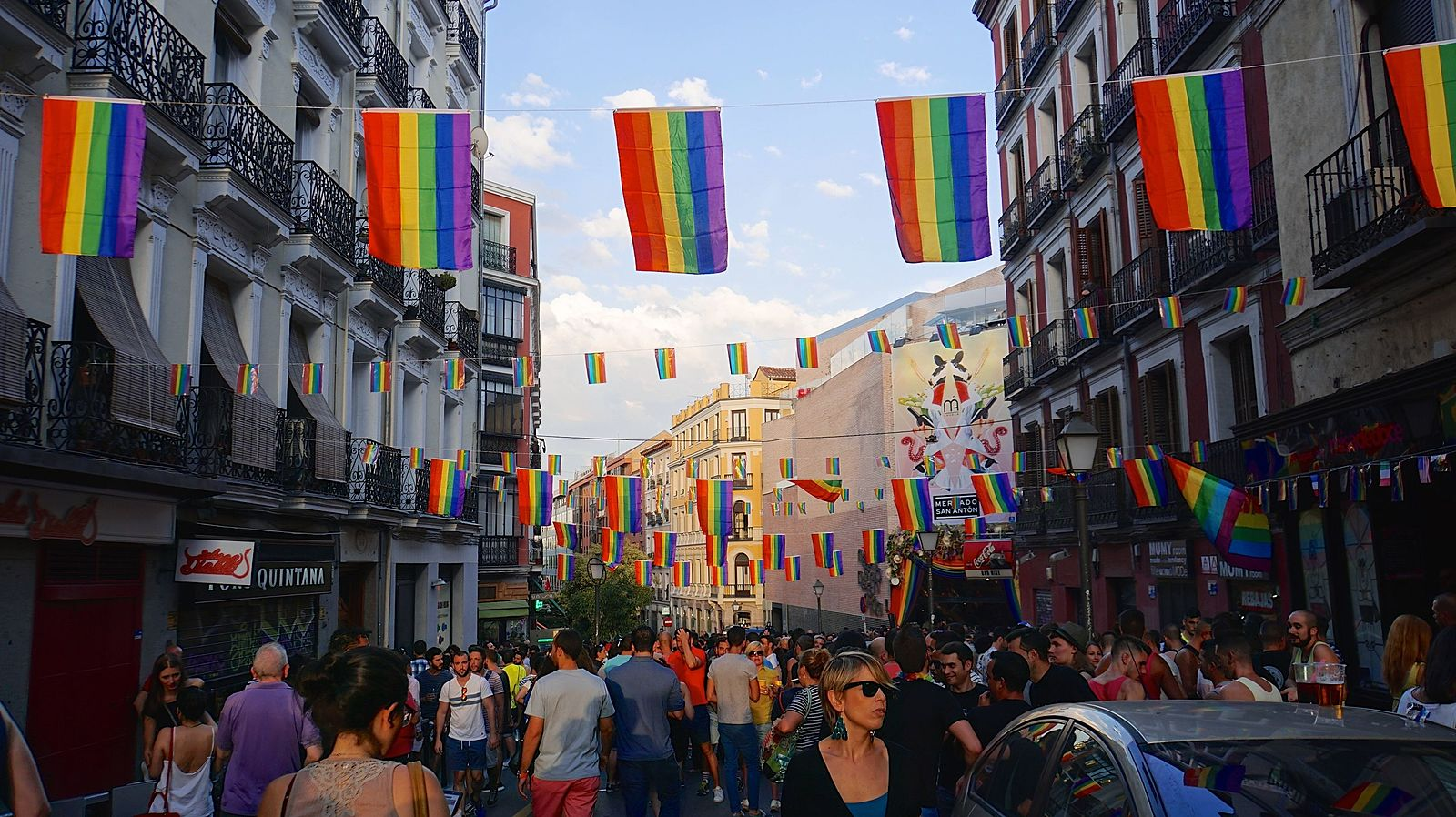
Pride flags hang over a crowded street in Chueca, Madrid. Ted Eytan. CC BY-SA 2.0
Chueca is a timeless neighborhood in an already historic city. Located in the heart of Madrid, this gay village is defined by its lively crowds as much as by its many cafes and boutiques. Chueca’s annual gay pride event, known as Madrid Pride, is the largest in Europe with an average crowd of over 2 million people each year. The neighborhood also hosted WorldPride Madrid 2017, an international Pride event that promotes LGBTQ+ issues globally. WorldPride 2017 was one of the largest Pride events in history, attracting an estimated 3.5 million attendees. Chueca has more to offer than just shops and festivals. For those with a love for romance and history, one can visit the Church of San Anton, where visitors will find the bones of St. Valentine himself.
4. Buenos Aires, Argentina
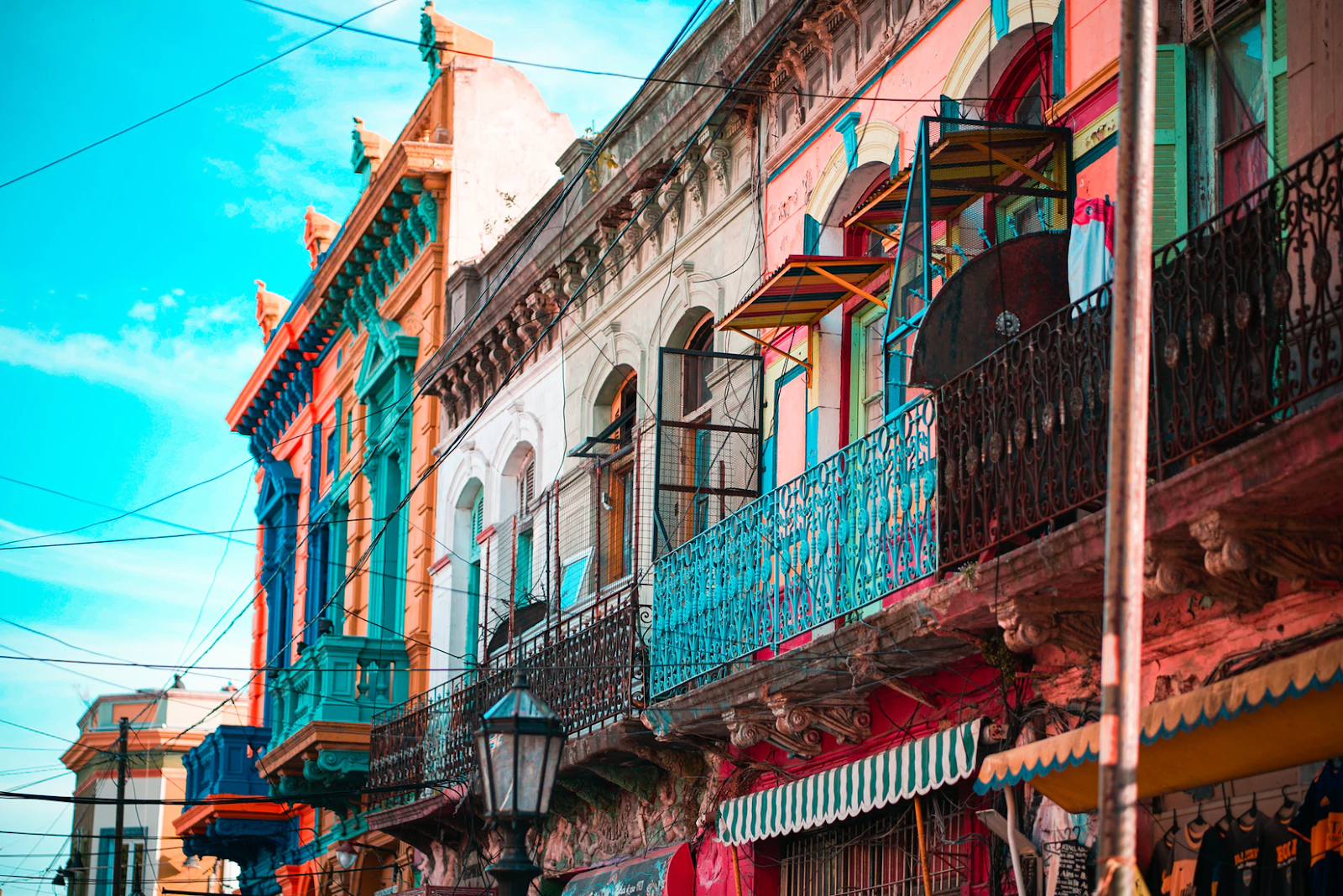
Colorful buildings in Caminito, Buenos Aires. Barbara Zandoval. Unsplash
Unlike other major cities, Buenos Aires lacks a specific gay village. However, this doesn’t mean that Buenos Aires isn’t a gay-friendly city, or that there isn’t a queer community in the Argentine capital. Rather, LGBTQ+ travelers will find pockets across the city’s many barrios that cater to gay and straight patrons alike. San Telmo, Bueno Aires’ oldest barrio, is known for its historic streets and contemporary art installations. In the city’s largest barrio, Palermo, one can find both stunning botanical gardens and the city’s largest collection of gay bars and clubs. The belle epoque buildings of Barrio Norte can instantly transport travelers to the streets of Paris. None of these neighborhoods are explicitly Buenos Aires’ gay village. Rather, visitors and locals alike will find a queer-friendly environment all across the city. Argentina is a leader of LGBTQ+ rights in the region, becoming the first country in Latin America to legalize same-sex marriage in 2010. Regardless of where travelers find themselves in Buenos Aires, they will find a progressive city paving the way for gay rights and liberation.
5. Gay Village, Montreal
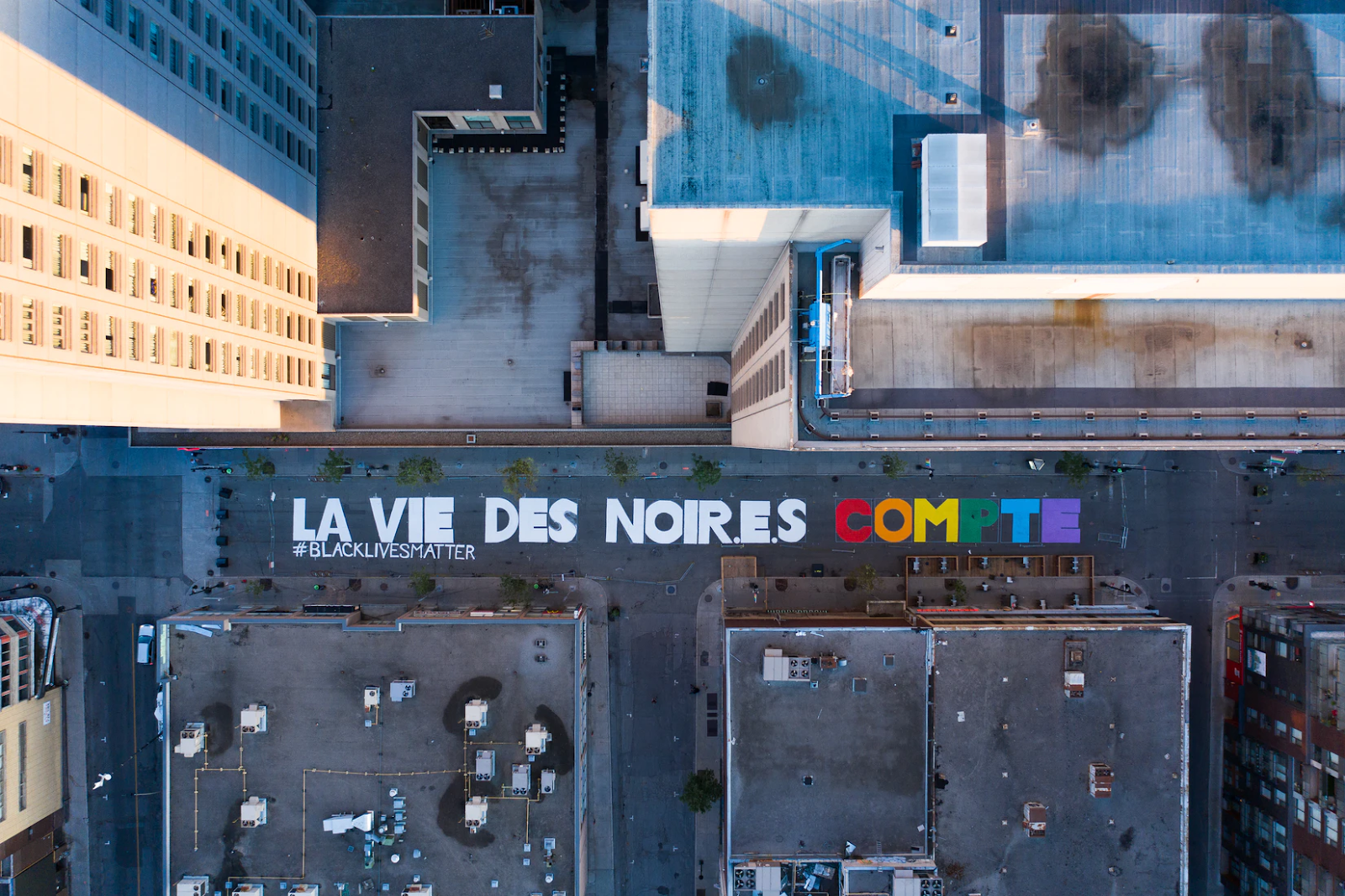
A Black Lives Matter street mural in Montreal’s Gay Village. Martin Reisch. Unsplash
Montreal’s Gay Village is one of the most prominent of its type in the French-speaking world. Known as “Le Village Gai” in French, the community had to overcome decades of oppression before becoming one of the most well-known gayborhoods in the world. During the 1970s, gay businesses in the city were regular targets of the police, who often raided bars and other establishments. Police violence didn’t deter Montreal’s LGBTQ+ population. Rather, Montreal’s gay residents formed a series of demonstrations to fight injustice against their community. Now the area is one of Montreal’s most popular neighborhoods. It draws visitors from all over the world, and hosts the largest Pride in Canada. Fierte Montreal, literally “Montreal Pride,” drew more than 3 million attendees in 2019, which also makes it the largest Pride in a French-speaking city (sorry Paris!). In classic Montreal fashion, two gay villages technically exist in Montreal: an English one located near downtown, and a French one on Saint Laurent Boulevard.
6. Canal Street, Manchester, England
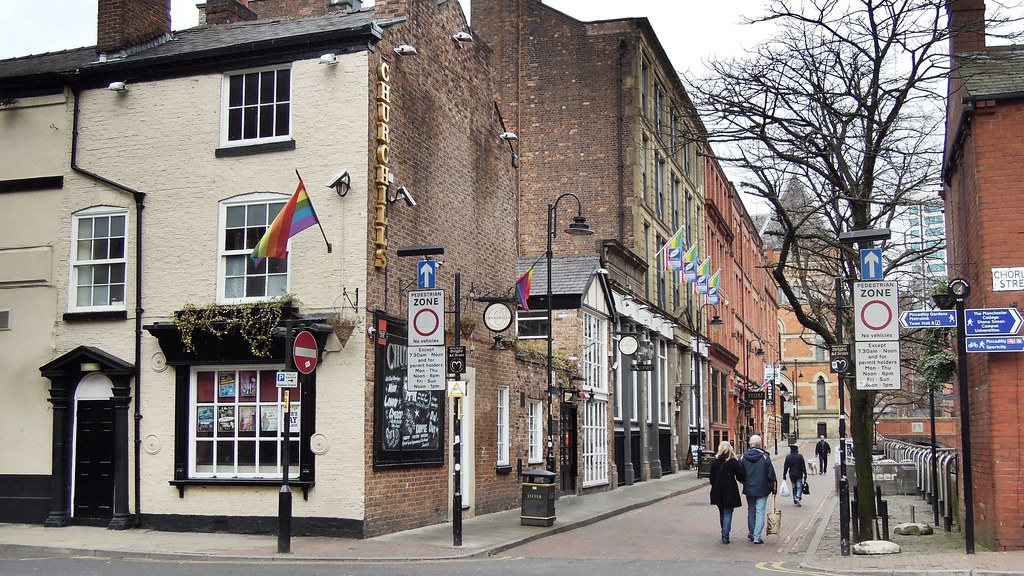
Canal Street in Manchester, England. David McKelvey. CC BY-NC-ND 2.0
When one thinks of cosmopolitanism in the U.K., most think of London. However, travelers shouldn’t count out the city of Manchester. Canal Street easily competes with London’s Soho for the center of Britain’s queer scene. The street dates back to the early 1800s as a transportation hub, when Manchester was rapidly growing as a major industrial center. Canal Street derives its name from the Rochdale Canal which runs alongside it. By the 1950s, the neighborhood was facing urban decline. This was around the same time that Canal Street became Manchester’s main gayborhood. Like many gay villages around the world, the community faced hostility from police during the 1980s. It wasn’t until the 1990s that Canal Street was able to thrive openly as a gay village. Now the street is a proud and open community, drawing locals and travelers from both the U.K. and across the world. It is home to the annual Manchester Pride, the second-largest Pride event in Britain after London’s.
7. Ximending, Taipei, Taiwan
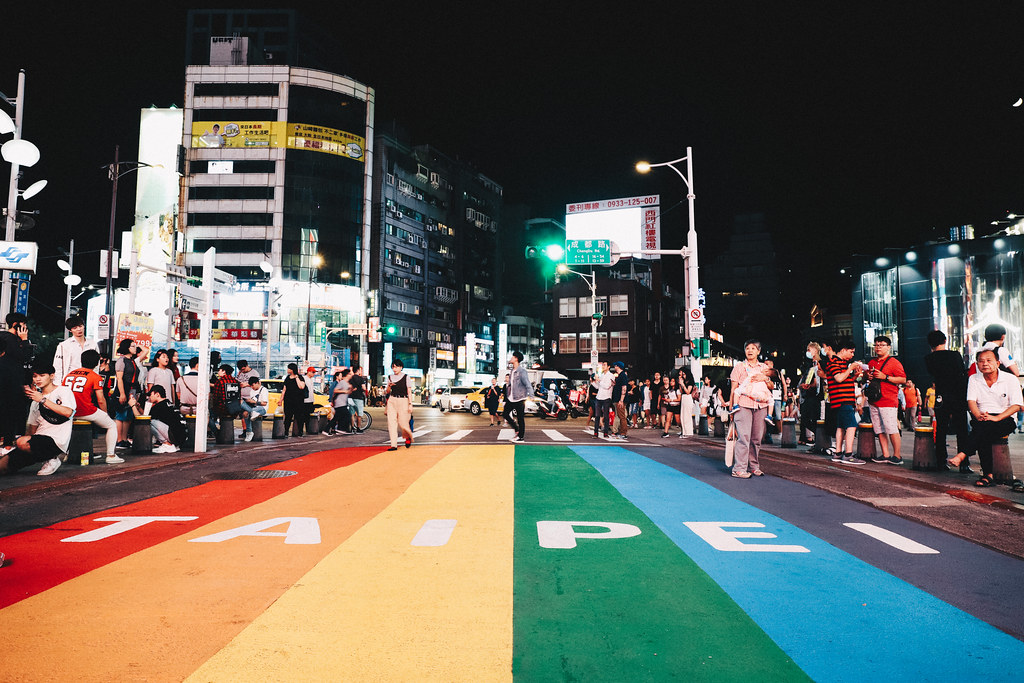
A rainbow-colored street in Taipei’s Ximending district. waychen_c. CC BY-NC-ND 2.0
Known for night markets and traditional temples, Taipei should be near the top of anyone’s list when traveling in Asia. It is also one of the most gay-friendly cities in the world, and a leading example of equal rights in the region. In 2019, Taiwan became the first and only country so far in Asia to legalize same-sex marrriage. This makes Taipei not only the center of gay culture in Taiwan, but a perfect example of what LGBTQ+ equality could look like in Asia. The city’s gay village is located in Ximending, a shopping area of the historic Wanhua district. Situated near the famous Red House Theater, Ximending offers a plethora of gay bars and nightclubs open late into the night. In a city like Taipei, you don’t need to be a local to enjoy what this friendly city has to offer travelers of all kinds. However, you might need to be a night owl to fully experience this gayborhood.
8. Schoneberg, Berlin
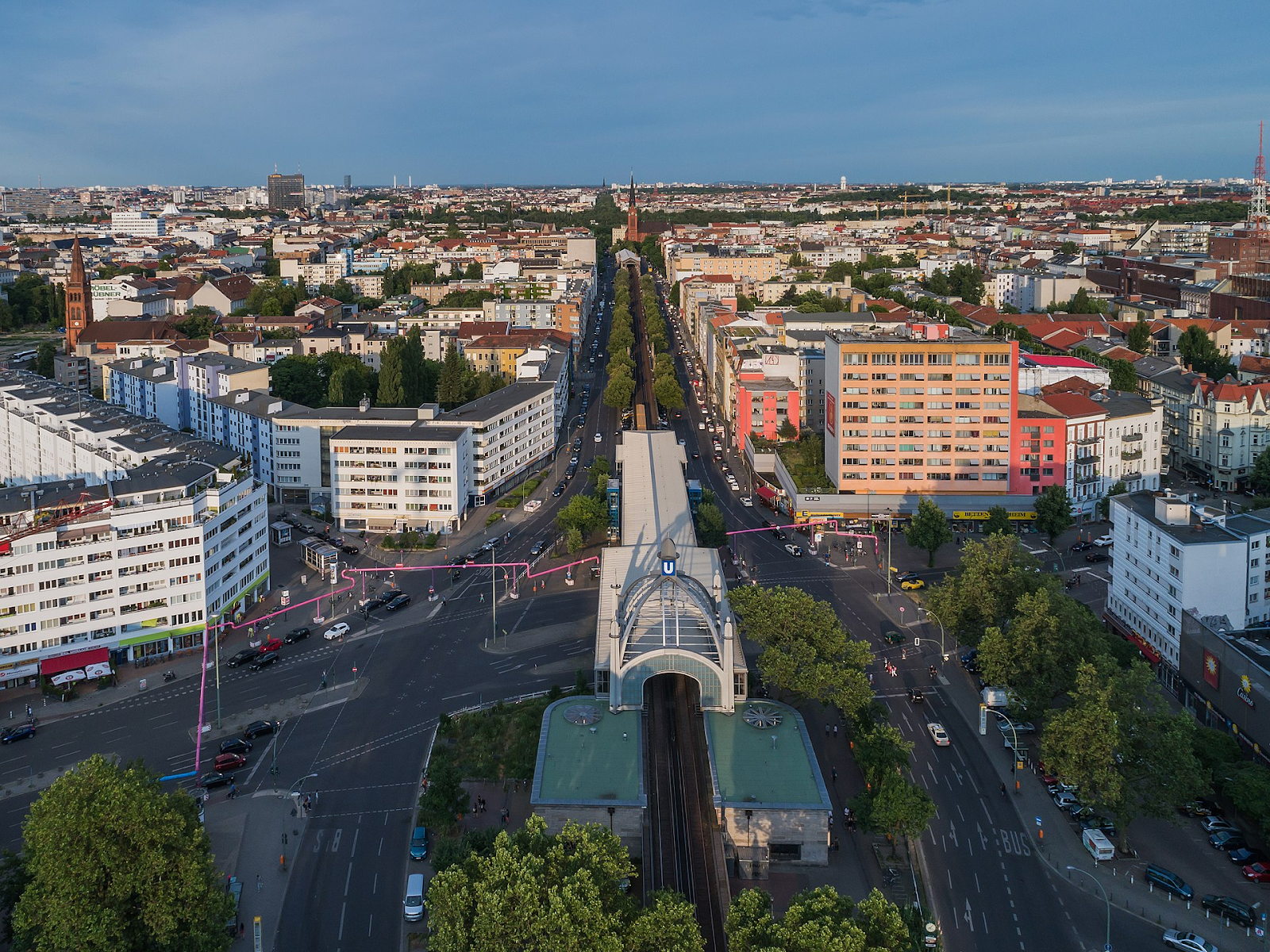
Nollendorfplatz in Berlin’s Schoneberg neighborhood. Schoneberg is the oldest gay village in the world. Oh-Berlin.com. CC BY 2.0
Located in the western part of Berlin, Schoneberg’s history as a gay village spans nearly a century. The neighborhood’s roots lie as a village in the Middle Ages, all the way back in the 13th century. In the 1920s, as Berlin grew in size, Schoneberg became a part of the German capital. That is around the same time the area became the center of the city’s emerging queer scene. Gay nightclubs and other venues flourished during the Weimar Republic, before almost all of them were shut down when the Nazis seized power in 1933. Now, Schoneberg is once again a proud gay village. Much of the gay life in the neighborhood is centered around Motzstrasse, a street that goes right through the center of Schoneberg. The street is where Berlin’s Lesbian and Gay City Festival is held each year, one of the largest of its kind in Europe. Whether one comes for its history or its nightlife, Schoneberg is a constant reminder that queer people have always been a part of Berlin life, just as they have been a part of communities around the world.

Aerex Narvasa
Aerex is a current student at Occidental College majoring in Diplomacy and World Affairs with a minor in East Asian Studies. He is passionate about sharing people’s stories through writing, and always strives to learn about new places and cultures. Aerex loves finding new music and exploring his hometown of Los Angeles in his free time.
Visit Mexico and Germany on a Virtual Visit Staycation
With the ongoing COVID-19 pandemic and winter fast approaching, many who traditionally would take a holiday vacation are stuck at home in an effort to curb the spread of the virus. That said, one can still enjoy a nontraditional vacation while following proper safety precautions. Here is our guide to taking an international “staycation” featuring two different destinations, as well as tips on how to design your own trip abroad from the comfort of your couch.
Read More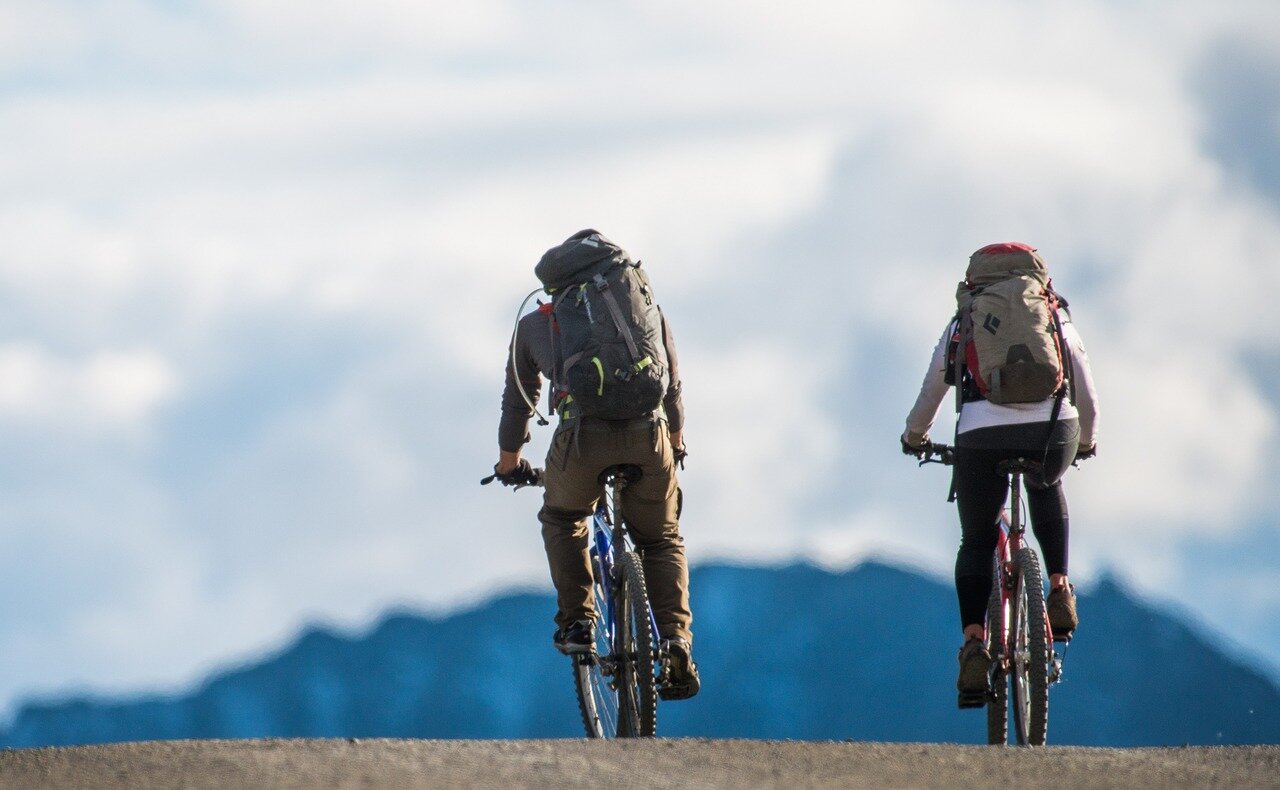
Cyclists biking toward a mountain. Skeeze. CC BY 2.0.
7 of the World’s Absolute Best Bike Trips
While cycling may not be a traveler’s first instinct for exploring a new country, bike tours combine adventure with immersion to offer an eco-friendly approach to travel. Cycling through a country can be a great option for people of varying fitness and ability levels who want to discover regions that may be inaccessible by car. Most commonly, such trips are led by tour companies, but some, like the Carretera Austral in Chilean Patagonia, are meant for independent travel. These seven routes offer the very best of bicycle-based travel.
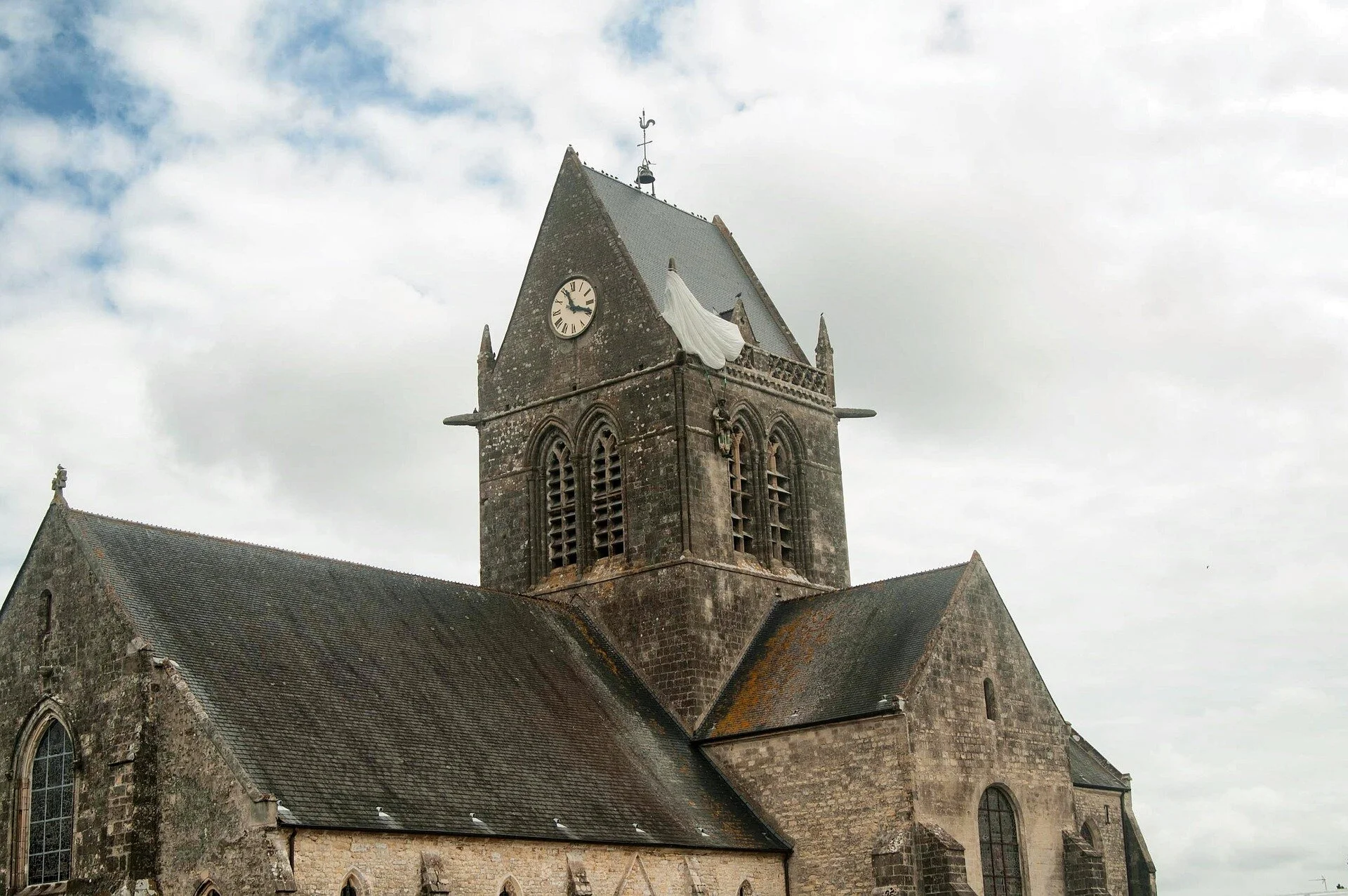
1. Normandy: Caen to Sainte-Mère-Église
On this route, bike through the history of World War II in Normandy, France. Begin in Caen, home to the WWII Peace Memorial, before visiting the monuments and landing beaches of D-Day. Ride through Bayeux, home to the Museum of the Battle of Normandy, the Bayeux War Cemetery and the Bayeux Tapestry. This itinerary, perfect for history buffs, offers pastoral plateaus, a deep dive into history and stunning shoreline.
This tour is for all travelers regardless of cycling experience and can be organized independently, as accommodations and directions are easily available. For a more structured experience, Discover France offers this six-day trip that includes a bike, meals and accommodations for $1,500.
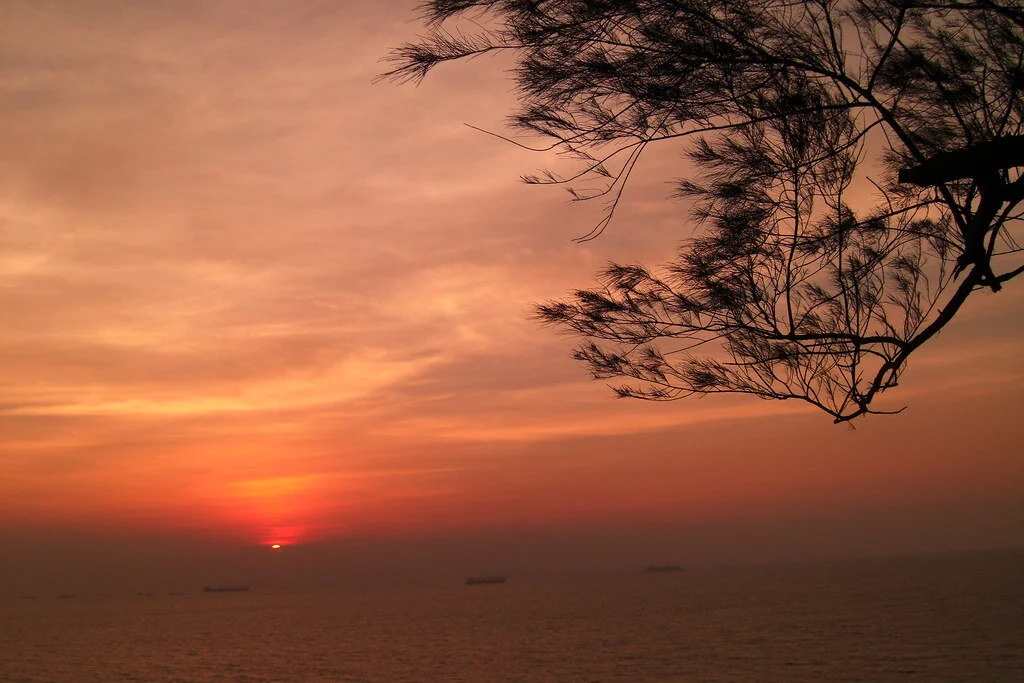
A sunset in Goa, India. Swami Stream. CC BY 2.0.
2. India: Mangalore to Goa
On this coastal journey, bike along the Arabian Sea in western India. This 200-mile trip includes at least two days of biking and promises spectacular views the entire way along the NH66 highway. Goa is known for its seafood, and the coastal towns of Udupi and Gokarna offer some of the best dining that this part of India has to offer.
This route is best taken between October and March, when the weather will be cooler. While there are not guided tours, the single-road nature of this itinerary makes it easy for travelers to guide themselves, choosing to spend a night in any of the countless coastal towns. While bike rental is an option, purchasing a bike is comparable in price and will cost around $100.
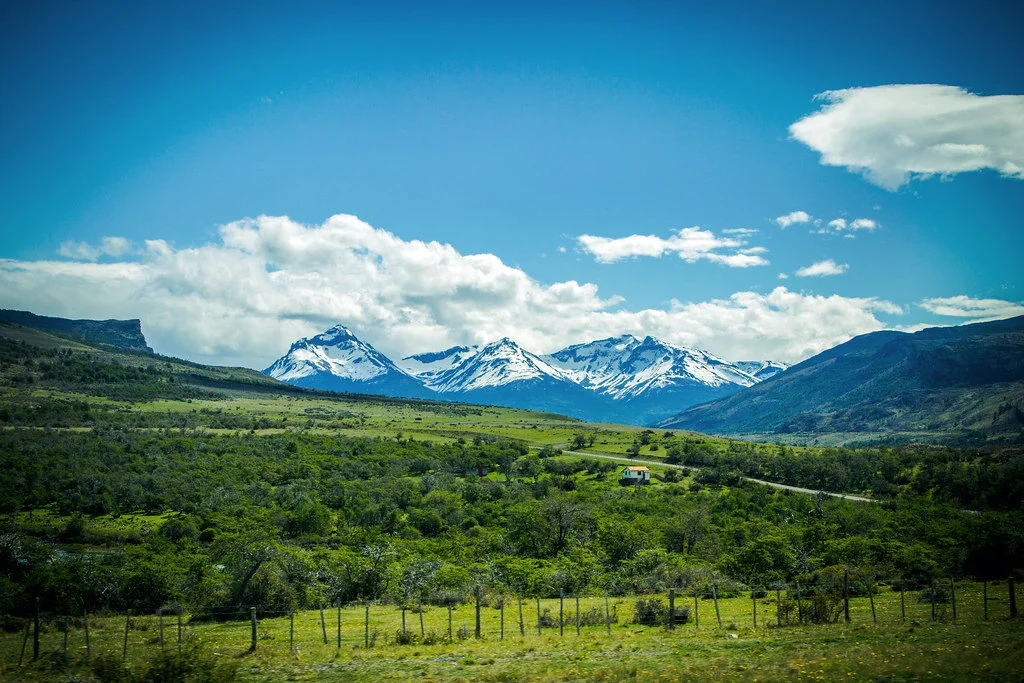
Valle de Cerro Castillo along the Carretera Austral. Claudio. CC BY NC ND 2.0.
3. Chile: Carretera Austral
This stunning “Southern Highway” runs through the northern stretch of Chilean Patagonia. Bike past the famed Cerro Castillo mountain while heading south toward the Patagonian glacial fields and fjords. This route runs just over 700 miles and has challenging sections and easier stretches, but travelers can choose to bike any length of the road. This route offers the best of Patagonia’s natural landscape and an off-the-grid travel experience.
While Carretera Austral is perfect for experienced independent travelers, there are also guided tours such as this 10-day trip from Keteka Travel that includes accommodation, meals and a bike. Independent travelers will want to map out their route beforehand and have experience in camping and bike-packing. Travelers should arrange to visit between September and February during Chile’s spring and summer.
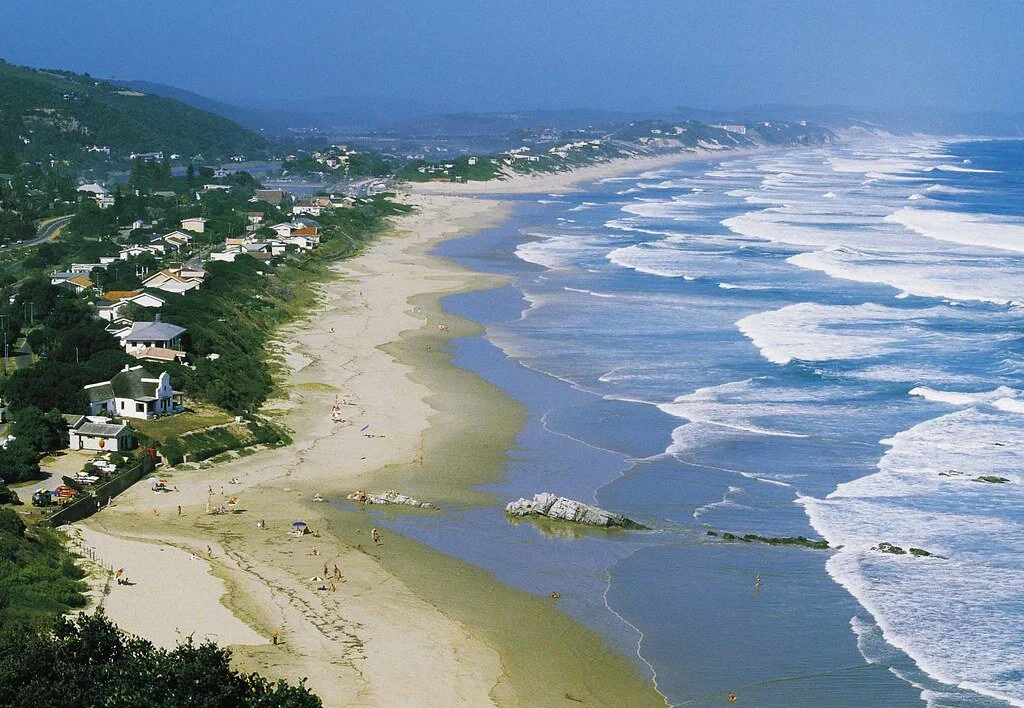
Beaches along the coast of South Africa. South African Tourism. CC BY 2.0.
4. South Africa: Western Cape Pass
This route, perfect for the experienced rider, is a nine-day journey out of Cape Town and into the mountains surrounding the cape. Swartberg Pass, considered one of the most beautiful mountain passes in the world, is a highlight of this journey. Visit off-the-map regions like Klein Karoo while passing by epic mountains and farms.
While there are not guided tours of this itinerary, Bikepacking.com has created a detailed guide for bike lovers. The remote nature of this trip requires camping and backpacking experience and careful planning, but Bikepacking.com has all the information needed to ensure safety and a successful trip.
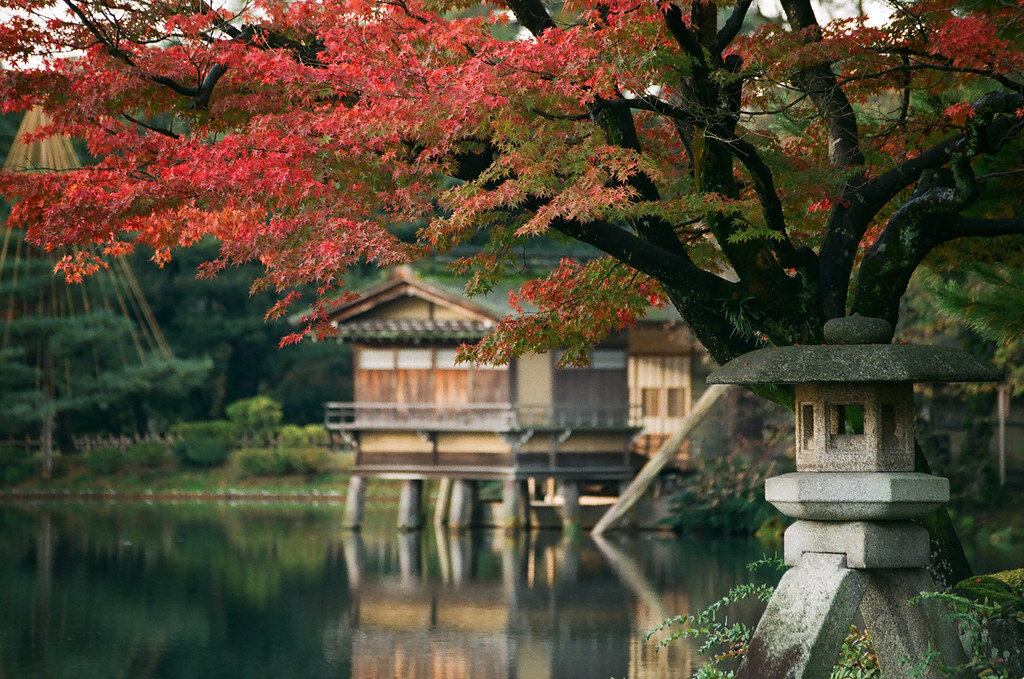
The Six Attributes Garden in Kanazawa, Japan. Bryan. CC BY-SA 2.0.
5. Japan: Kanazawa to Toyama
Explore Japan’s Noto Peninsula on one of the country’s most famous bike routes. Begin in Kanazawa, renowned for its historic preservation and beautiful gardens, before biking around the peninsula to Toyama, a city at the base of the Japanese Alps.
For experienced riders, this route will take around three days. For less experienced riders, expect the journey to take about a week.
Check out KANcycling’s guide on the “Noto Tour” for more information on this trip. The route allows riders easy access to amenities like hotels and restaurants for stops along the way.
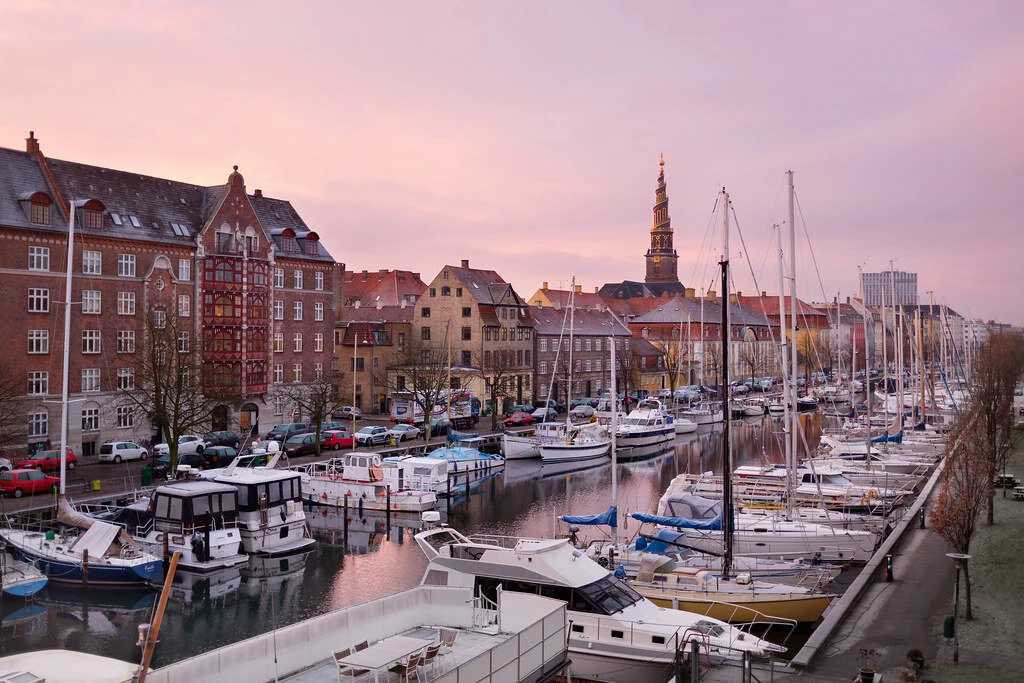
Copenhagen’s Christianshavn neighborhood in winter. Kristoffer Trolle. CC By 2.0.
6. Denmark: Copenhagen and Zealand
This route begins in Copenhagen, Denmark’s capital and a city known for its bike friendliness. From Copenhagen, bike up the coast of Zealand, Denmark’s largest island, and visit medieval towns and white sand beaches. In Helsingor, stop by Kronborg Castle, the setting of Shakespeare’s “Hamlet,” and spot Sweden across the Oresund Strait.
This trip from World Cycle Tours is for bikers of all abilities and begins at $850 for a self-guided weeklong tour. Denmark’s terrain is mostly flat and all of the bike paths are paved. Denmark is truly more than bike-friendly, and travelers can elect to easily plan their own itinerary through affordable bike rental.
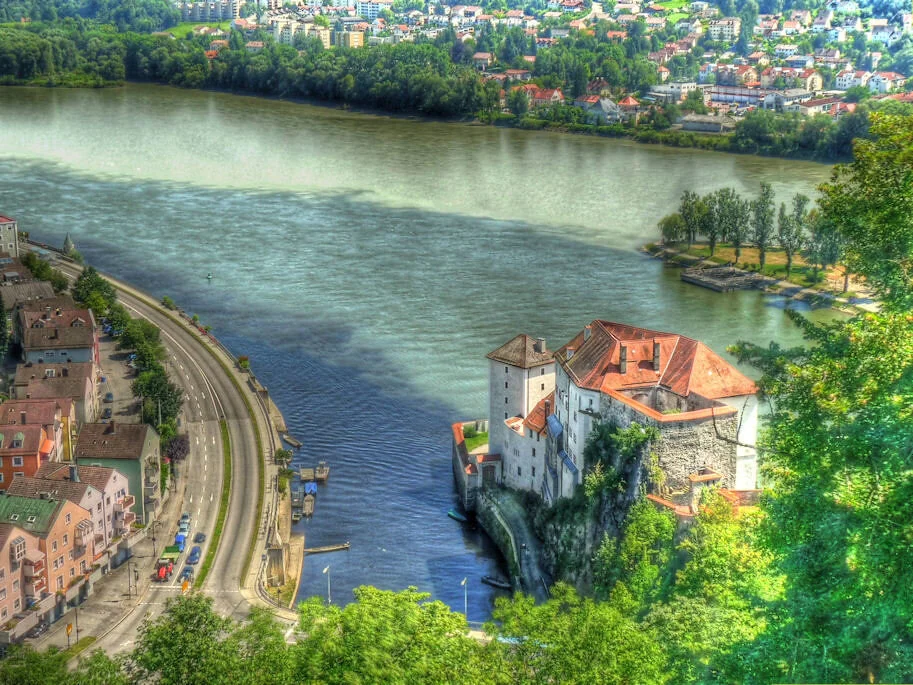
The Danube River in Passau, Germany. Joisey Showaa. CC BY-SA 2.0.
7. The Danube: Germany to Hungary
Bike through Germany, Austria, Slovakia and Hungary on one of the most popular biking routes in Europe. Follow the Danube River southeast from Passau, Germany, and pass through Vienna before exploring the underrated Slovakian capital of Bratislava. From Bratislava, continue down the Danube to Budapest, Hungary, a city famous for its 19th-century architecture.
This 14-day trip from Experience Plus is for bikers of all levels and ages, and provides bikes, accommodation and meals. The trip costs $5,500 for two weeks of travel, but travelers can easily arrange their own itineraries and pick up a bike from Vienna Explorers, who will allow rental from Passau to Budapest for $400 for 14 days.

Sarah Leidich
is currently an English and Film major at Barnard College of Columbia University. Sarah is inspired by global art in every form, and hopes to explore the intersection of activism, art, and storytelling through her writing.
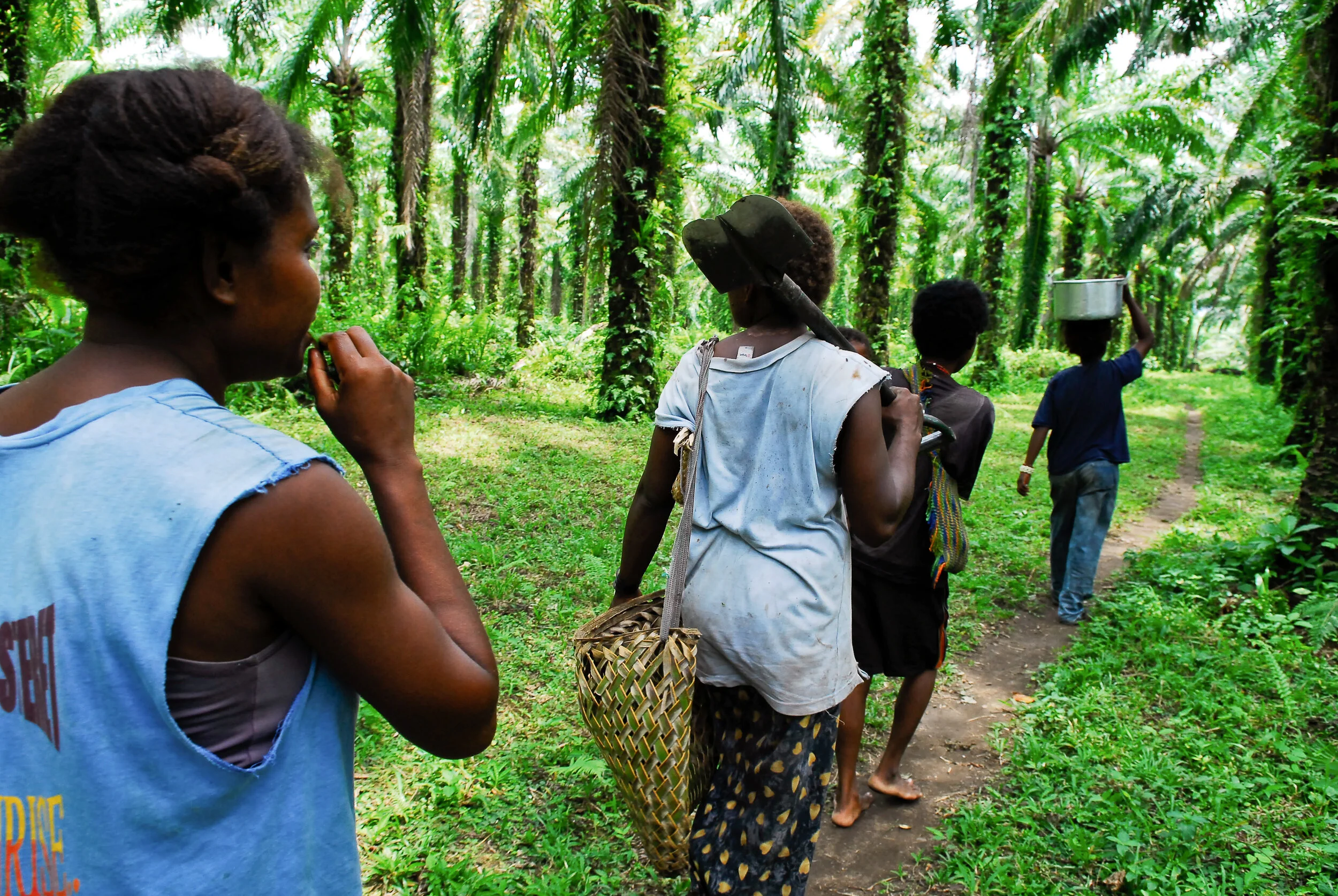
Papuan women walking to get water. Asian Development Bank. CC BY-NC-ND 2.0.
A Cultural Divide in Papua New Guinea May Lead to a New Country’s Formation
Papua New Guinea, an island nation in the southwest Pacific comprising the eastern half of New Guinea and its surrounding islands, is a culturally and historically rich country which is often overlooked by travelers in favor of neighboring Indonesia and Australia.
One key component to the country’s diversity is the numerous ethnic groups which call the island nation home. While many of these groups have historically coexisted for generations in peace, the island of Bougainville, which is located at the far eastern edge of the country, has remained distinct from the rest of the nation, so much so that it is its own autonomous region rather than a province.
While a push for Bougainville’s independence has been ongoing since the 1980s , a recent referendum and presidential election may lead to negotiations between the autonomous region and the national government.
One Country, Many Cultures
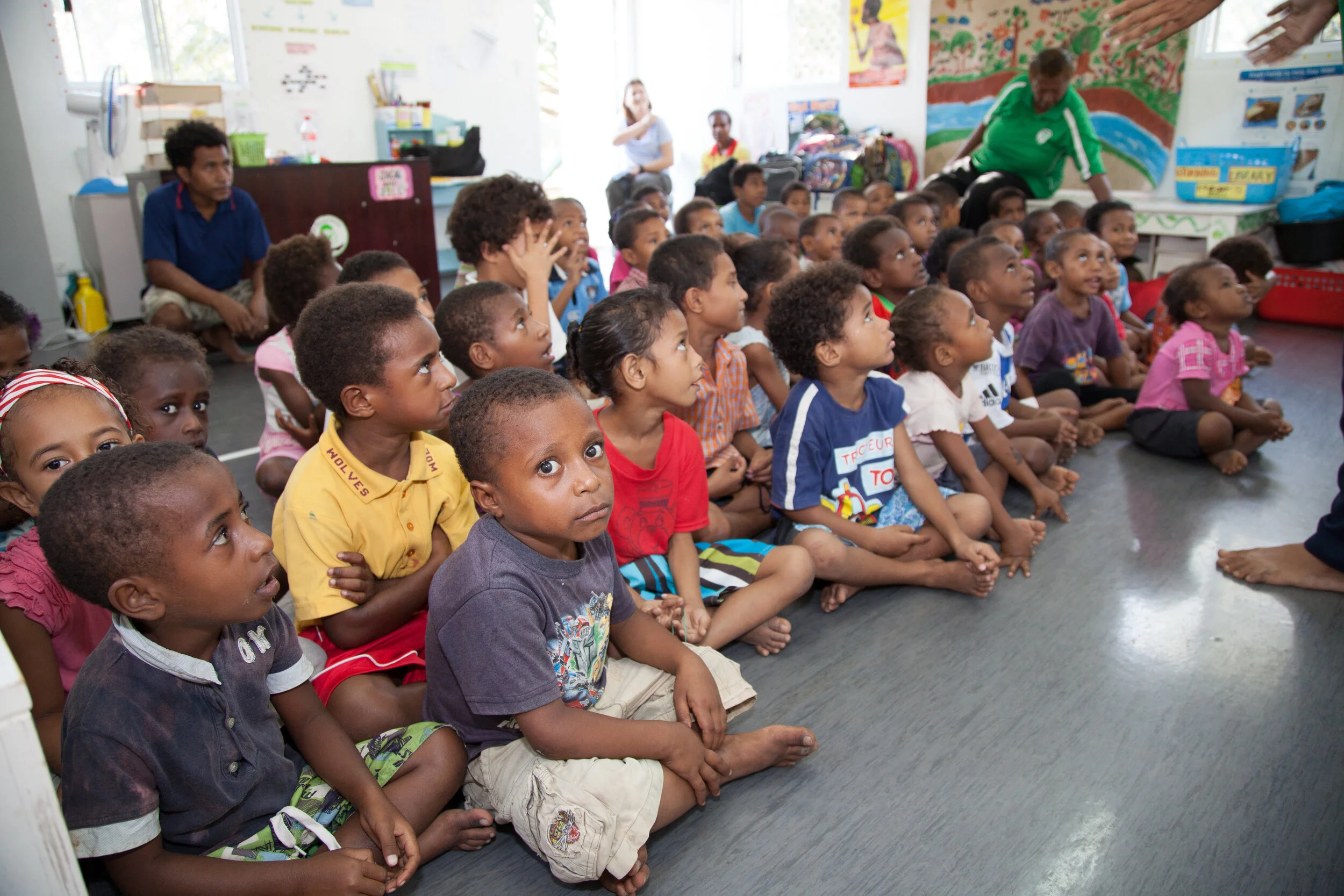
Children attending class in Port Moresby, Papua New Guinea. Department of Foreign Affairs and Trade. CC BY 2.0.
Bougainville and Papua New Guinea are culturally and historically distinct. While both regions were at one point in time under German colonial rule, Papua New Guinea was later held by the United Kingdom, while Bougainvile was administered by Australia before being invaded by Japan in World War II.
While both Papua New Guinea and Bougainville hold Tok Pisin as the lingua franca and maintain English as a standard for government proceedings, the North and South Bougainville language families are commonly spoken within the autonomous region while the Trans-New Guinea language families are much more common throughout the rest of the country.
The differences between Papua New Guinea and Bougainville are also reflected in the composition of both regions’ governing bodies. Papua New Guinea is infamously one of three countries in the world without any female representatives in the national parliament. In trying to distance itself from this, Bougainville has reserved three seats within its regional legislature to be dedicated for women representatives. Two of these seats have been filled as of this article’s publication.
A Growing Push Toward Independence
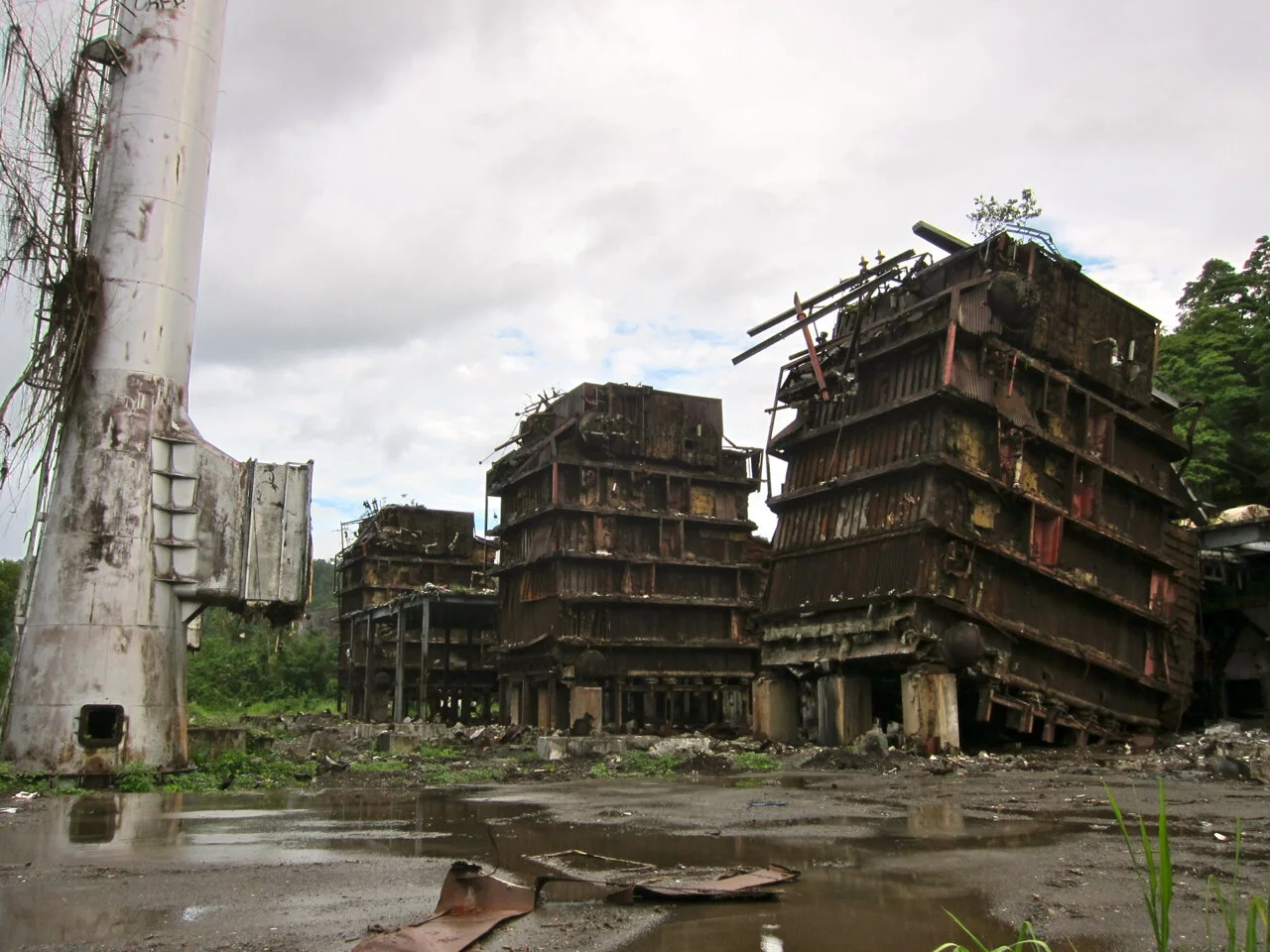
A power plant in Arawa on the island of Bougainville, which was destroyed during the Bougainville civil war. madlemurs. CC BY-NC-ND 2.0.
The Bougainville independence movement dates back to the late 1980s following a series of conflicts between the region and the central government after immigration increased to the region in response to the discovery of vast copper reserves. This led to racial tensions between the native Bougainvilleans and the newly arrived Papuans and Australian nationals, coming to a boiling point in 1988 with the decadelong Bougainville civil war.
The Dec. 7, 2019, independence referendum was a result of the 2001 peace agreement which formally ended the civil war, the results of which were overwhelming in favor of the region’s independence. While the referendum was nonbinding, it did open the door for renewed negotiations between the autonomous region and Port Moresby.
“The essence of what our people want is still empowerment of a Bougainville government that can truly manage its own affairs,” then Bougainville President John Momis said in an August 2019 speech. “Just as we did when negotiating the peace agreement, the national government and Bougainville will have the rare privilege of developing something new.”
Should Bougainville gain independence, it likely will galvanize more support for other independence movements throughout Melanesia, the surrounding region of islands north of Australia. Protests and referendums for independence in New Caledonia and West Papua occurred throughout the late 2010s and are expected to continue in the coming years.
Recent Electoral Victory
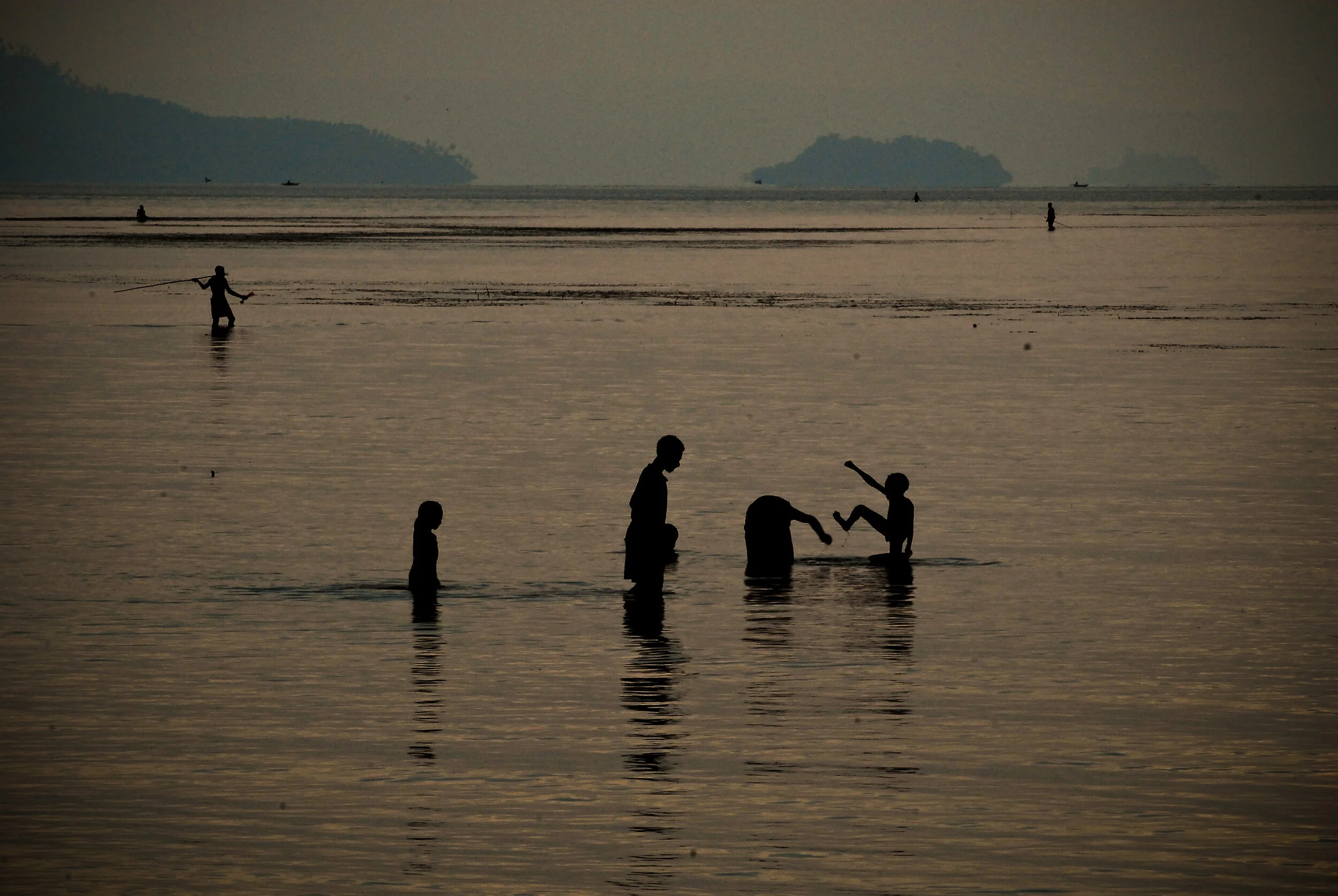
People fishing off the coast of New Britain, Papua New Guinea. Asian Development Bank. CC BY-NC-ND 2.0.
Citizens of Bougainville elected former rebel military commander and Bougainville independence activist Ishmael Toroama as president of the region during the Sept. 23 election. While campaigning, Toroama proposed a two- to three-year timeframe for achieving the region’s independence, something which experts consider to be at best ambitious given that the referendum was nonbinding.
“We conducted a clean campaign, we did not give money to the voters and we did not intimidate any voters: people have used their God-given wisdom to vote for the right candidate,” Toroama said shortly after he was declared winner of the election. “I will stand up for independence in Bougainville … it is now time to work together.”
While it is unclear yet as to whether or not Toroama will be able to fully transition Bougainville from an autonomous region to a full-fledged country, he at the very least will be able to begin negotiations with the central government given the support he gained while campaigning as well as the results of the Dec. 7 referendum.

Jacob Sutherland
is a recent graduate from the University of California San Diego where he majored in Political Science and minored in Spanish Language Studies. He previously served as the News Editor for The UCSD Guardian, and hopes to shed light on social justice issues in his work.
Beyond the Wall, Berlin’s Multicultural Roots Shine Through
When Germany’s capital is mentioned, people often think of Berlin’s turbulent history, thriving arts scene and hipster culture. However, multiculturalism ought to also come to mind. With 21% of its population hailing from non-German backgrounds representing 190 countries, Berlin is becoming a true melting pot. Often nicknamed “Multikulti,” Berlin portrays itself as a tolerant city aiming to attract talent from abroad while celebrating its diversity within.
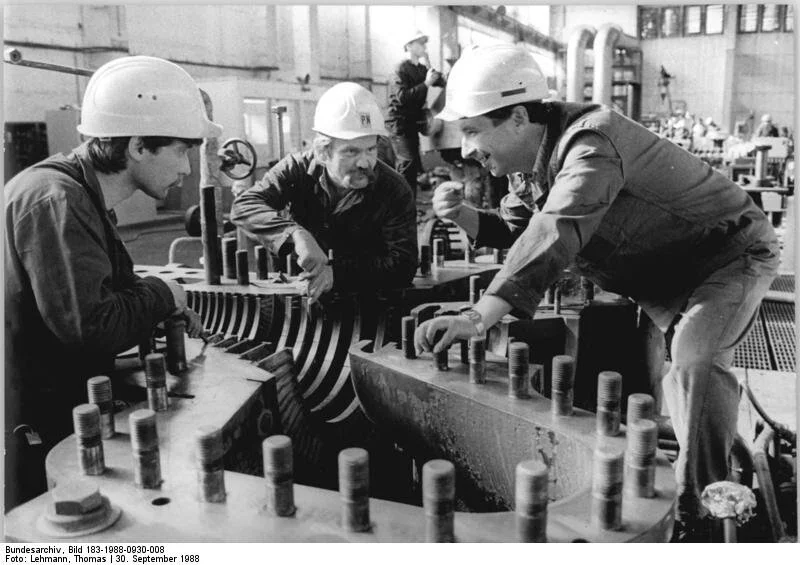
Guest-workers from Hungary in East Germany. Lehmann. 30 Sept. 1988. CC3.0
A History of Migration
After World War II, the Allied Powers divided Berlin into four regions. The American, British and French regions made up West Berlin and the region occupied by the Soviet Union made up East Berlin. Immigration to Berlin was largely influenced by the dynamics of the divided city’s various zones. After the war, there was a strong need for labor to help rebuild Germany. West Germany recruited “guest-workers” to fill this need from nearby areas such as Turkey and southeastern Europe. The East German government recruited guest-workers from other socialist countries, such as North Vietnam and North Korea. More recently, many immigrants escaping conflicts in the Middle East and North Africa have sought refuge in Berlin.
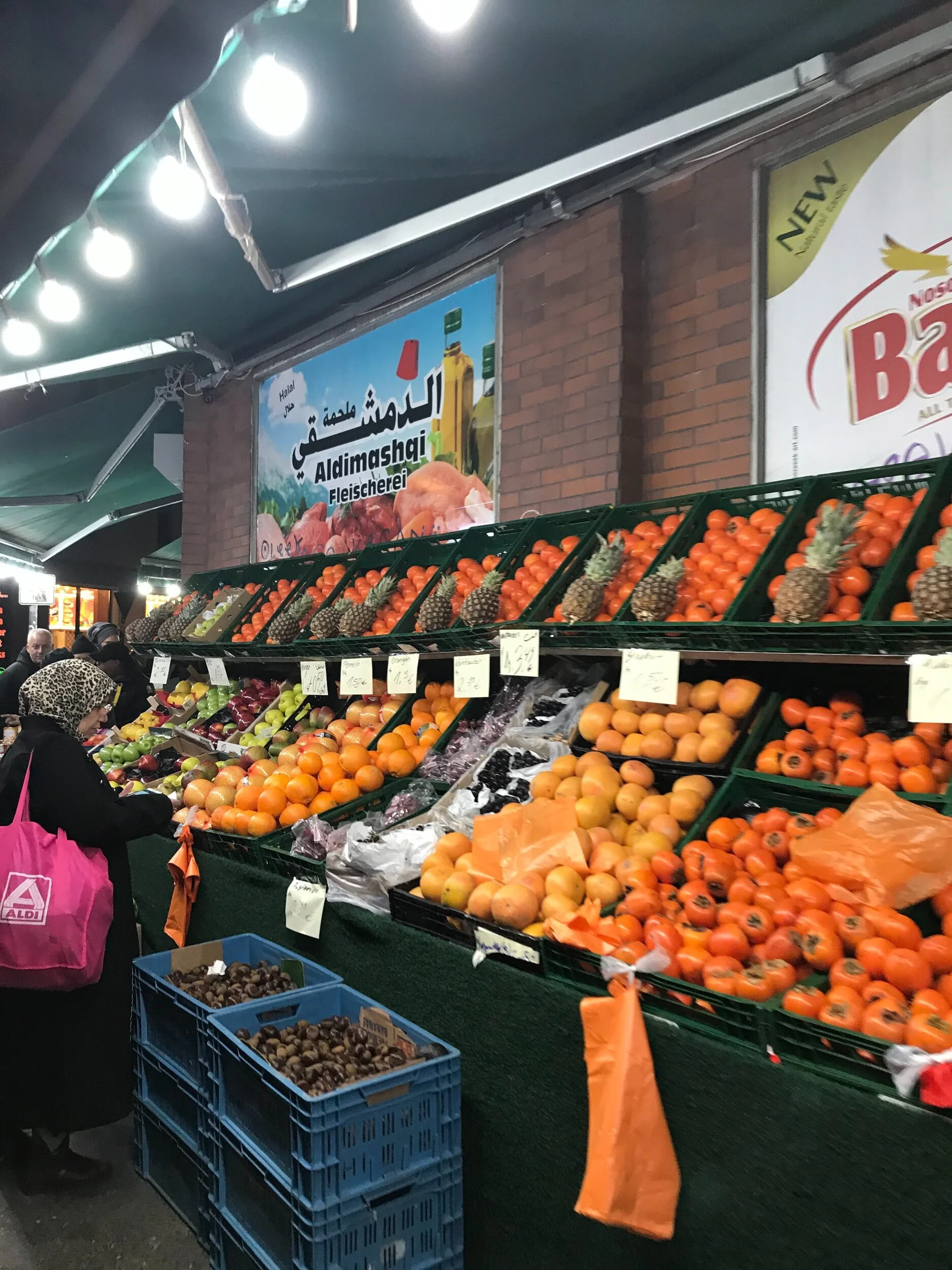
An Arabic market in Neukolln Gürer CC2.0
Multicultural Districts in Berlin
Although Berlin has a sizable international population, being an immigrant in the city is not without its problems. Areas of Berlin with high immigrant populations tend to be weaker economically and are known for social problems including high unemployment, increased crime rates, drug trafficking and gentrification. Ethnic minorities are usually present only in certain neighborhoods and are underrepresented in German popular culture and politics. Immigrants are also subjected to acts of hatred and violence due to strongholds of White nationalism in areas of East Berlin. Additionally, previous immigration policies in Berlin have focused on tolerating, rather than accepting, immigrants in the city. The term “Auslander” or foreigner negatively refers to immigrants in Germany, speaking to the difficulties they face with integrating into German society.
However, things are slowly changing. Immigrant communities in Berlin are proudly showcasing their cultures for others to see. Travelers who visit Berlin’s multicultural hubs can help change the narrative of immigration in Germany.
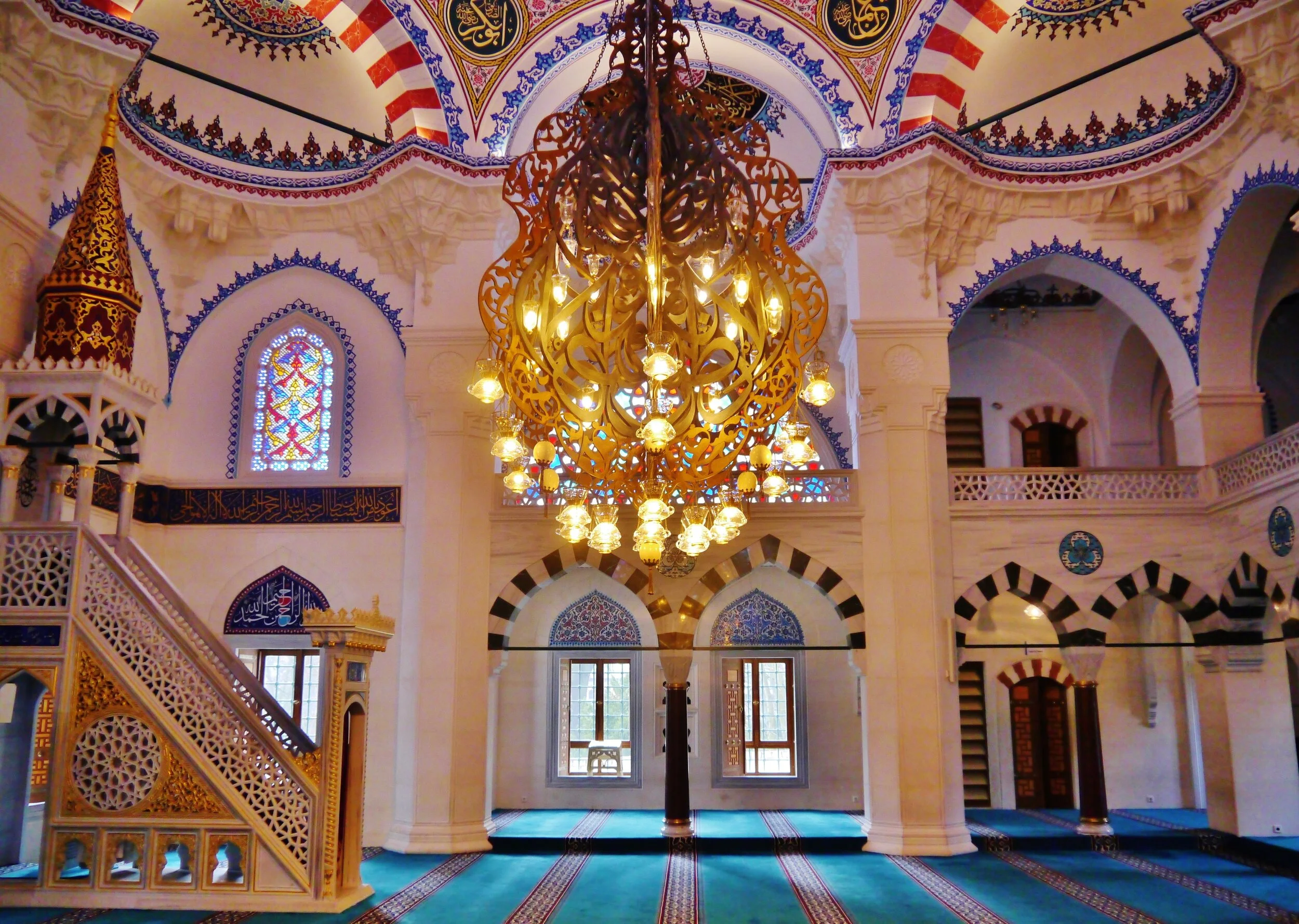
Sehitlik Mosque in Berlin’s Neukolln district. Zairon CC International 4.0
Neukolln
Today, the majority of Berlin’s immigrant population resides in the center of the city in the districts of Neukolln and Kreuzberg. Although previously known for its unemployment and drug problems, Neukolln is reinventing itself as a hip and multicultural center. One of Neukolln’s iconic areas is Sonnenallee, often nicknamed “Arab Street,” which is home to many Middle Eastern restaurants, grocery stores and baklava shops. Walking through Sonnenallee, one is nearly as likely to hear various Arabic dialects and Turkish as German. Neukolln is also home to the Sehitlik Mosque, which is the most visited mosque in Berlin. The mosque participates in the Long Night of Religions, an annual event where houses of worship all over the city open their doors to the public to promote tolerance and interreligious dialogue.
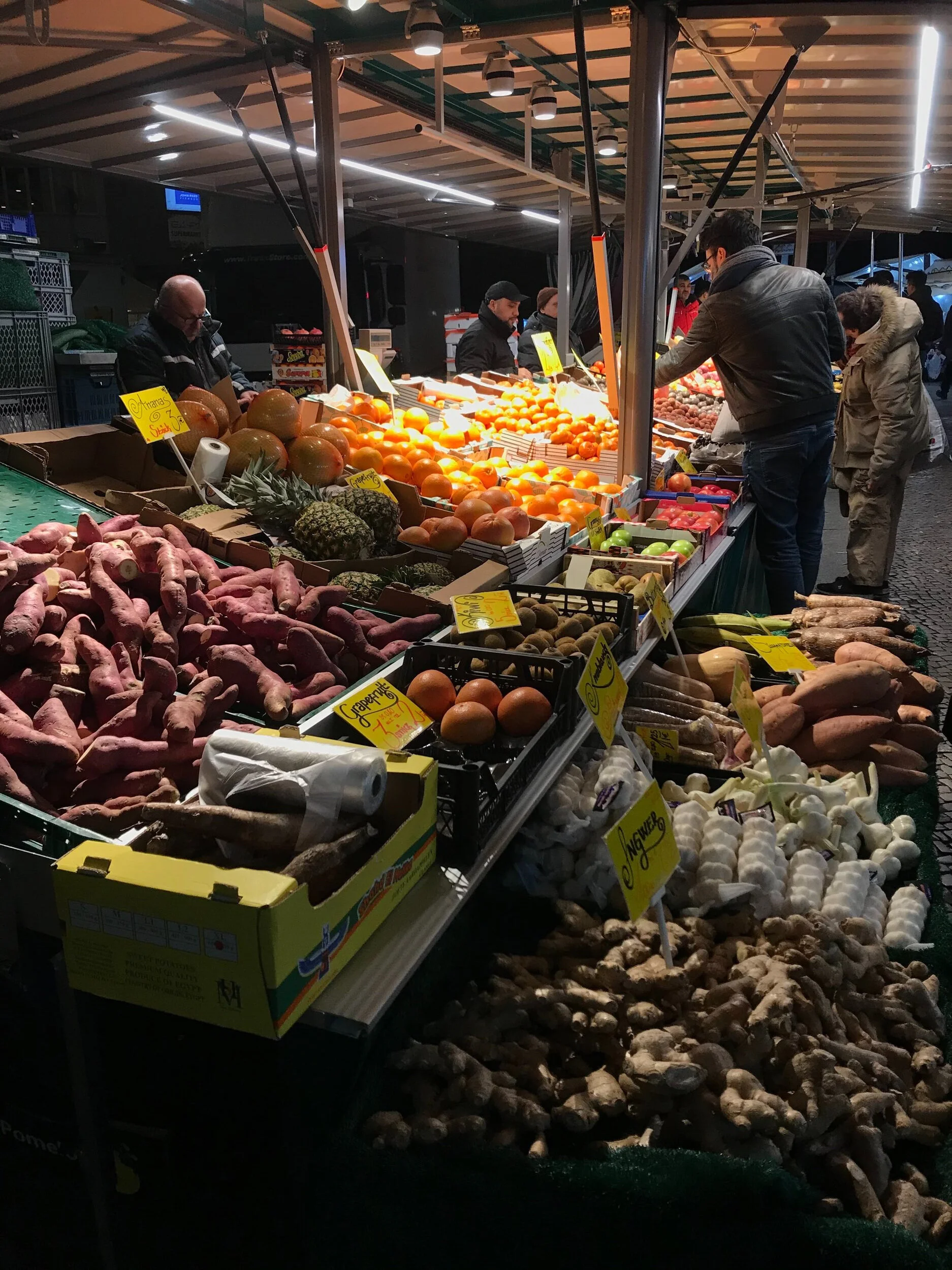
Turkish market in Kreuzberg. Gürer. CC2.0
Kreuzberg
Berlin’s Kreuzberg district is often nicknamed “Little Istanbul” for good reason; the neighborhood is home to the largest Turkish population outside of Turkey. On Tuesdays and Fridays, Kreuzberg hosts an expansive Turkish Market, selling everything from fresh produce and spices to fabrics and street food. Kreuzberg is an excellent place to try Turkish staples such as doner kebab and gozleme. Markthalle Neun is another acclaimed international market in Berlin. On Thursday evenings, it hosts “Street Food Thursday” with seemingly endless vendors serving diverse culinary options. Berlin’s Jewish Museum, also located in Kreuzberg, is the largest museum in Europe focusing on Jewish history and culture. Known for its nightlife and hip culture, Kreuzburg is rising in popularity. At the same time, this has given rise to gentrification which makes it difficult for migrant families to afford life there.
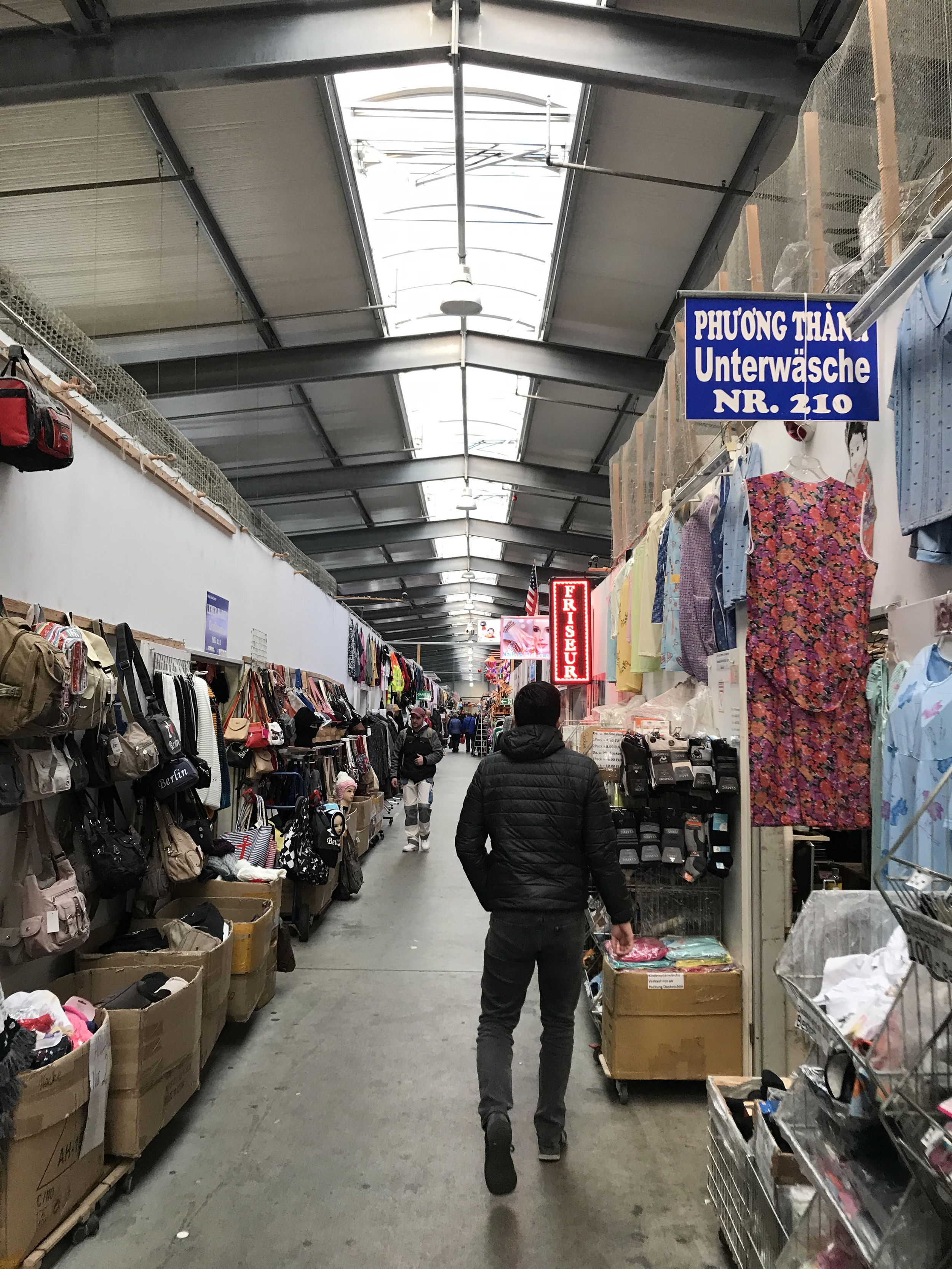
One of the many warehouses in the Dong Xuan Center in East Berlin. Gürer. CC2.0
East Berlin’s Vietnamese Population
Vietnamese make up the largest Southeast Asian population in Berlin, most of whom reside in the eastern part of the city. The Dong Xuan Center in Lichtenberg is home to Berlin’s hub of Vietnamese culture: a warehouse-like market that contains vegetable shops, clothing stores, beauty salons and authentic restaurants.
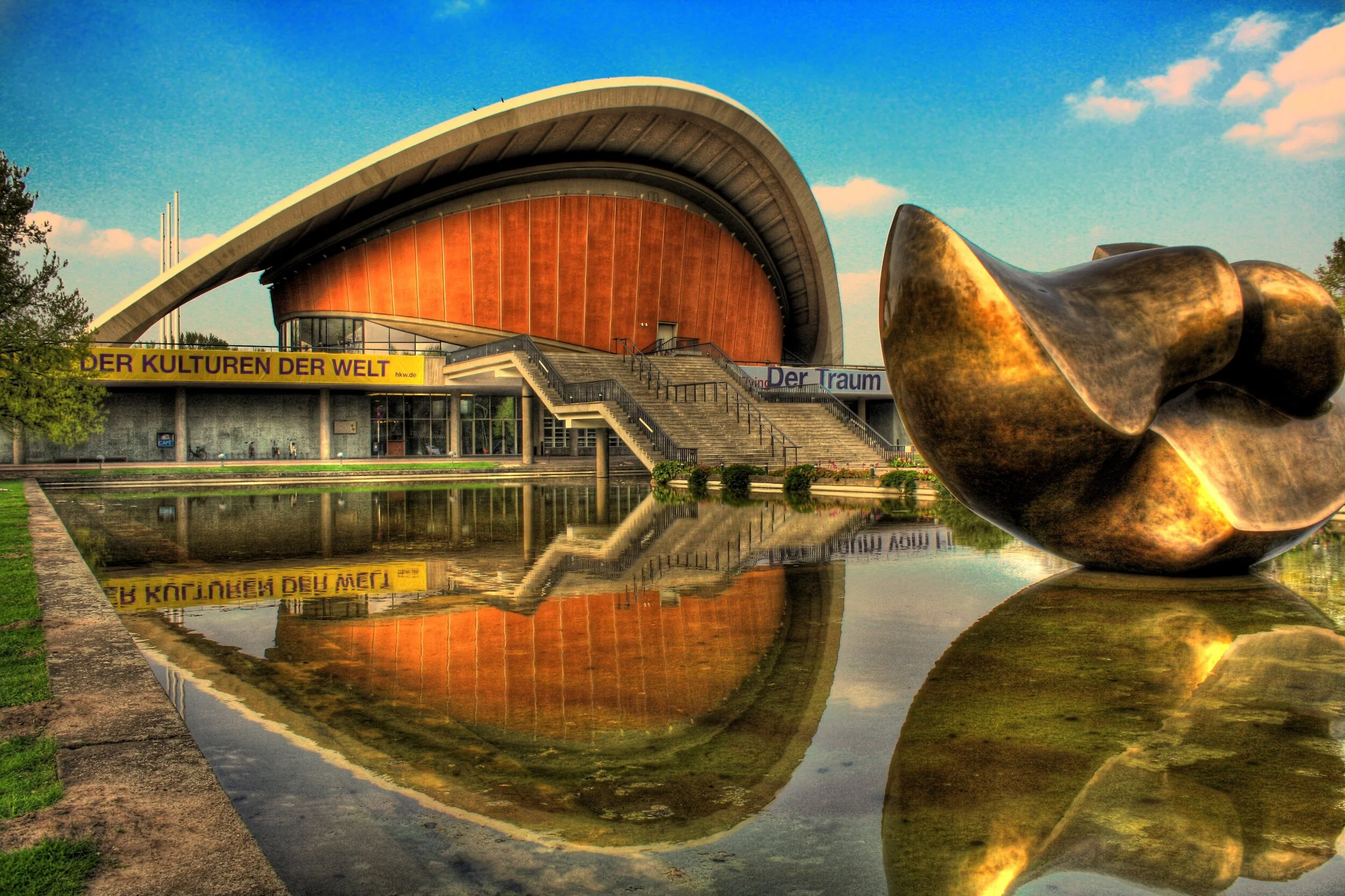
The House of World Cultures in Berlin. Mennerich. CC 2.0
House of World Cultures
Founded in 1989, the House of World Cultures is an arts and cultural center that hosts exhibitions, conferences and themes focused predominantly on non-Western cultures and societies. Located in the Tiergarten area near the Spree River, the center’s primary focus is to provide Berliners with an authentic view of contemporary art and culture from around the world. Past events include a Korean film festival and various world music events.
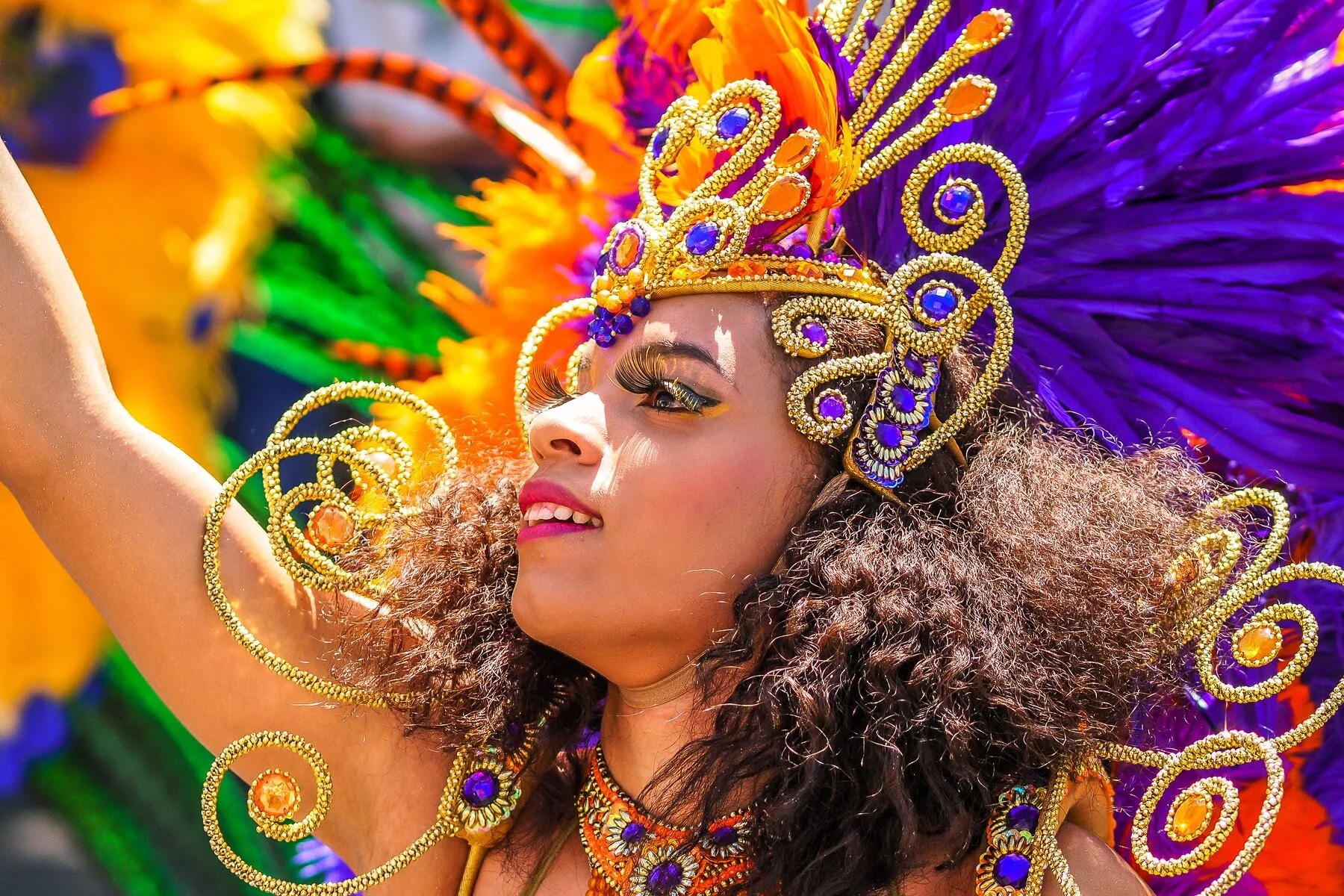
Performer at the annual Carnival of Cultures. Reichert. CC 2.0
Carnival of Cultures
The Carnival of Cultures is a four-day celebration of Berlin’s cultural diversity that occurs every spring. Festivities include music, dance, street performances, street food and crafts. On Pentecost Sunday, the last day of the celebration, a procession of floats travels through Kreuzberg.
Immigration has shaped Berlin’s culture and history for decades, providing a fascinating framework for travelers to explore. Despite the contested status of refugees in Germany today, migration into Berlin is nothing new. Visiting these multicultural spaces is a step toward tolerance and appreciation of the beauty and diversity so often brought about by means of immigration.

Megan Gürer
is a Turkish-American student at Wellesley College in Massachusetts studying Biological Sciences. Passionate about environmental issues and learning about other cultures, she dreams of exploring the globe. In her free time, she enjoys cooking, singing, and composing music.
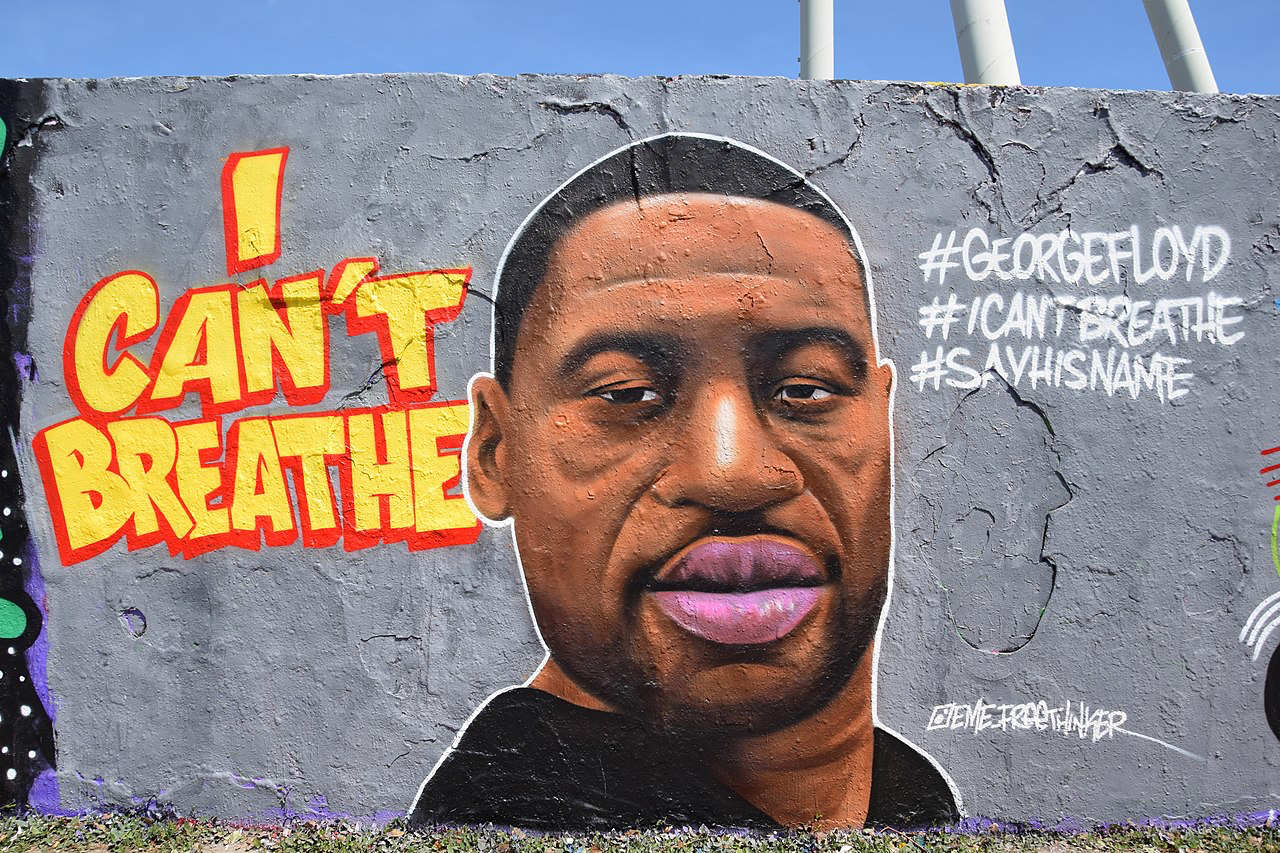
Mural of George Floyd in Berlin, Germany. Singlespeed Fahrer. CC0
George Floyd Inspires Global Response to Police Brutality
The world has united against the murder of George Floyd, as parallel protests and shared outcry about the universal inequalities in the U.K., Germany, Japan, Canada, South Africa, Zimbabwe, Turkey and Chile take place.
Read MoreHow Curious George Escaped Nazi Germany
Curious George is the mischievous child that still lives inside us all, a swinging catastrophe with an envious joie de vivre. But everyone’s favorite chimp almost didn’t make it to the page. The story goes way back to 1940 as Nazi forces prepared to invade France. German-Jewish artists H.A. and Margret Rey fled Paris by bicycle, carrying the original manuscript that would later become “Curious George.” From there George traveled the globe, trekking down to Lisbon, sailing across the pond to Rio de Janeiro, finally making his home in New York. The rest, of course, is history, as our primate protagonist climbed his way into our hearts and onto the world’s stage.
VIDEO: Germany's Oasis for Humanity
In the heart of Magdeburg, Germany is a mosaic superstructure known as the Green Citadel. Equipped with residential apartments, shops, cafes, hotels and a preschool, the complex was built to be an oasis for all mankind. Taking only two years to complete construction, the Citadel is considered one of the first pre-fabricated buildings in Germany. With its incredible pink exterior and bright green gardens, the building stands as the last work of architect Friedensreich Hundertwasser, built to be "an oasis for humanity and nature in a sea of rational houses."
Tagging Germany with Love
For the past three decades, Irmela Mensah-Schramm has made it her mission to eradicate hate in the world. Armed with a spray can, a scraper and a bottle of nail polish remover, the 71-year-old activist takes to the streets of Berlin to remove and cover up Nazi imagery and racist graffiti. After visiting a concentration camp for the first time, Schramm was moved to do her part to build a better future. Today, she’s removed over 77,500 neo-Nazi stickers all over Germany, and she has no intentions of stopping. Wherever there is hate in the world, Schramm will be there, can in hand.