
A new documentary about alleged abuses in Papua is being shut down in public screenings, raising urgent questions about dissent, censorship and who gets to write history.
Read MoreWest Papua’s Struggle for Independence
Learn about the little-known conflict in the Indonesian-controlled territory of Western New Guinea.
Read MoreGender-Based Violence in Papua New Guinea
With exacerbated poverty rates post-COVID, Papua New Guinea continues to experience heightened gender-based violence and domestic abuse.
Read MoreWill Bougainville Become the World’s Newest Country?
98% of the Bougainville population voted for independence from Papua New Guinea in 2019, but the quest for nationhood remains uncertain.

A view of Bougainville. Jeremy Weate. CC BY 2.0.
In 2019, Bougainville, an island that is politically part of Papua New Guinea (PNG) but culturally and linguistically separate, voted overwhelmingly for independence. Around 98% of the population voted to leave PNG to form their own country. With such a large majority supporting independence, the government of PNG cannot ignore the demands of Bougainville, and negotiations are currently underway to devise a peaceful path to independence that satisfies both parties involved.
Located around 160 kilometers from the island of New Ireland and 1,000 kilometers from Port Moresby, the capital of PNG on the island of New Guinea, Bougainville is geographically part of the Solomon island chain. Due to its remote location from the rest of PNG, it has a unique history. A part of the German Empire until 1946, PNG was then transferred to Australian administration. When Australia granted independence to PNG in 1975, Bougainville was to be included in the new country, against the protests of the people there.
The people of Bougainville made several attempts at independence over the years, including in 1975. In the late 1980s, the region got plunged into a civil war due to the disagreements over the operation of the Panguna mine, one of the largest and most profitable mines in the world. To the residents of Bougainville, the mine, which was supported by the PNG government, represented another imperial imposition to their land. As part of the peace settlement that established Bougainville as an autonomous region in 2001, the residents of Bougainville were to be entitled to an independence referendum every 10 to 15 years. That first referendum happened in 2019, which resulted in overwhelming support for independence.
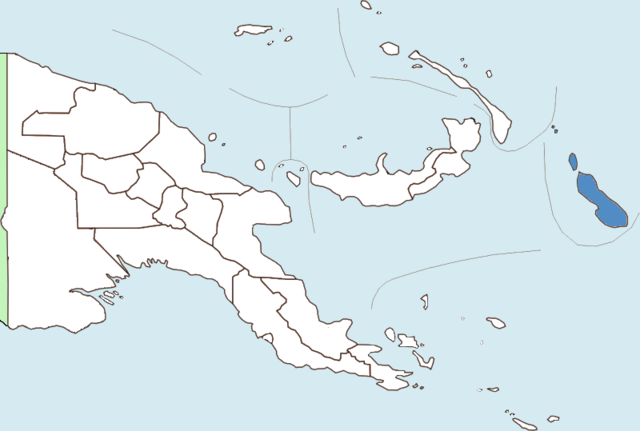
The location of Bougainville relative to the rest of PNG. Mr Accountable. CC BY-SA 3.0.
The next steps are uncertain. It is not feasible for any entity to gain complete independence overnight so there will be a transition period before Bougainville becomes a fully sovereign country. The agreement between Bougainville and the rest of PNG stipulates that independence shall be attained no later than 2027. Both parties are now trying to figure out the best way forward.
PNG is generally reluctant to grant independence to Bougainville, as their prime minister James Marape is worried that giving independence to Bougainville will set a precedent for other secessionist parts of the country. He insists that the parliament of PNG must approve independence. The government of PNG also points out that the referendum is non-binding.
The Bougainville side, however, says that the role of the parliament is only to ratify the actual results of the referendum or the outcome of the post-ratification consultations. After over a year of negotiations, both parties, in 2021, agreed to have a political settlement “no earlier than 2025 and no later than 2027.” Most governmental powers will also be transferred to Bougainville by 2023, with the rest to follow by 2027.
However, challenges remain. Today, Bougainville has a GDP per capita of $1,100, which is around the same level as the Democratic Republic of the Congo, Niger and Somalia, all of whom face notable challenges in poverty, health and political stability. It remains to be seen whether Bougainville will be able to secure recognition by other nations, as well as become a member of the United Nations, usually considered one of the benchmarks of independence. Ensuring a peaceful transition that results in a stable government that does not depend on foreign aid will be essential in the future success of Bougainville. While not there yet, the world could welcome a new country by 2027.

Bryan Fok
Bryan is currently a History and Global Affairs major at the University of Notre Dame. He aims to apply the notion of Integral Human Development as a framework for analyzing global issues. He enjoys hiking and visiting national parks.
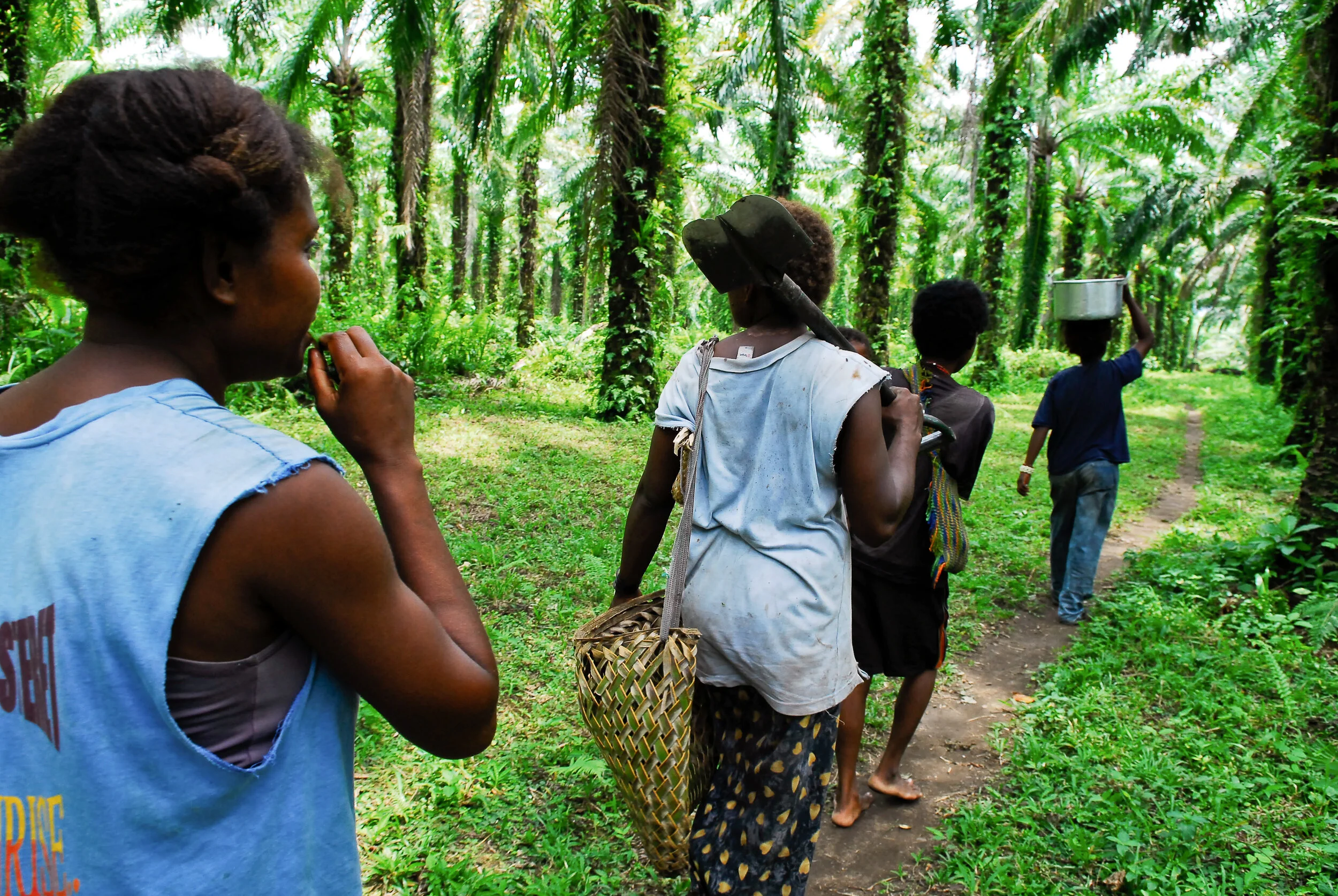
Papuan women walking to get water. Asian Development Bank. CC BY-NC-ND 2.0.
A Cultural Divide in Papua New Guinea May Lead to a New Country’s Formation
Papua New Guinea, an island nation in the southwest Pacific comprising the eastern half of New Guinea and its surrounding islands, is a culturally and historically rich country which is often overlooked by travelers in favor of neighboring Indonesia and Australia.
One key component to the country’s diversity is the numerous ethnic groups which call the island nation home. While many of these groups have historically coexisted for generations in peace, the island of Bougainville, which is located at the far eastern edge of the country, has remained distinct from the rest of the nation, so much so that it is its own autonomous region rather than a province.
While a push for Bougainville’s independence has been ongoing since the 1980s , a recent referendum and presidential election may lead to negotiations between the autonomous region and the national government.
One Country, Many Cultures
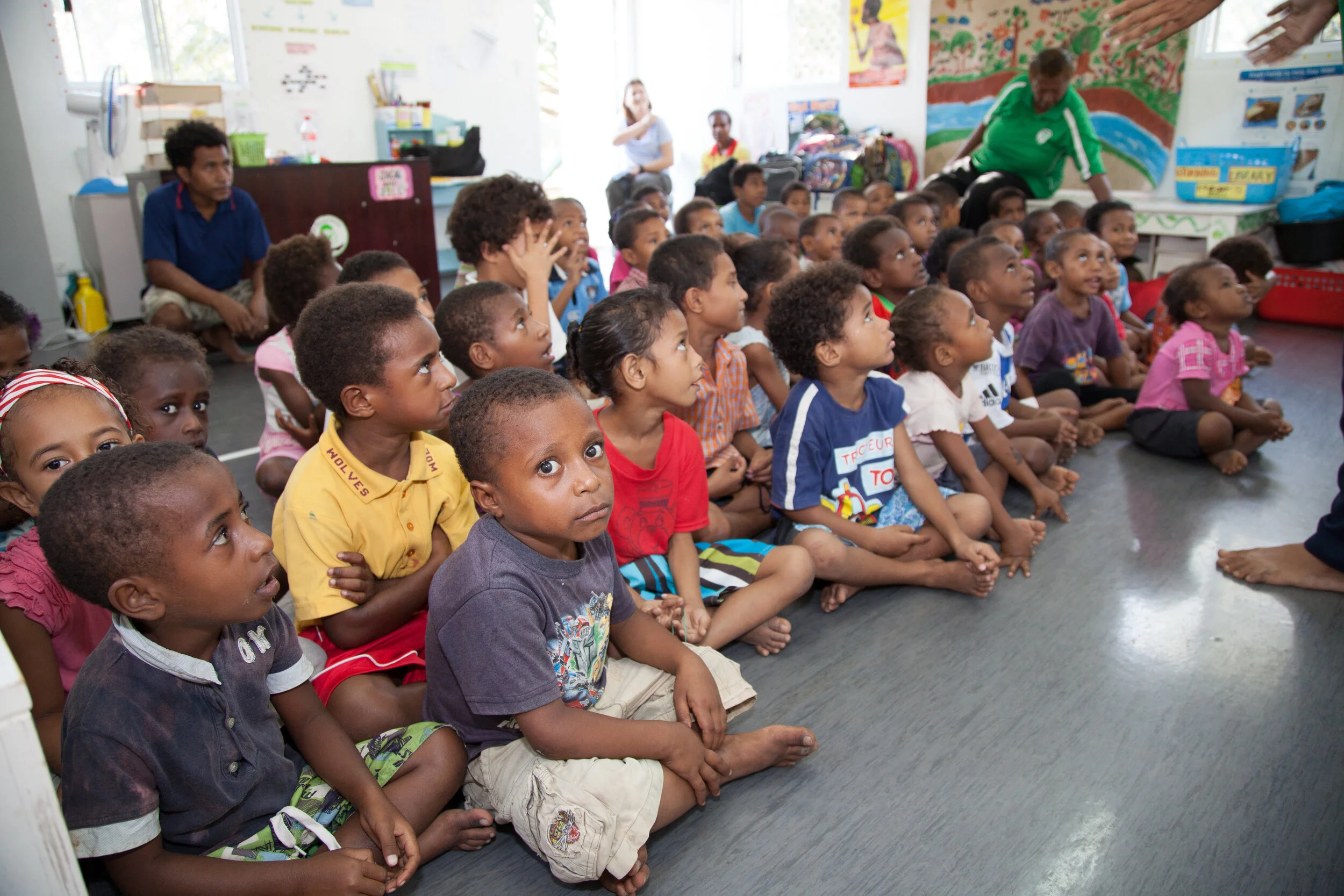
Children attending class in Port Moresby, Papua New Guinea. Department of Foreign Affairs and Trade. CC BY 2.0.
Bougainville and Papua New Guinea are culturally and historically distinct. While both regions were at one point in time under German colonial rule, Papua New Guinea was later held by the United Kingdom, while Bougainvile was administered by Australia before being invaded by Japan in World War II.
While both Papua New Guinea and Bougainville hold Tok Pisin as the lingua franca and maintain English as a standard for government proceedings, the North and South Bougainville language families are commonly spoken within the autonomous region while the Trans-New Guinea language families are much more common throughout the rest of the country.
The differences between Papua New Guinea and Bougainville are also reflected in the composition of both regions’ governing bodies. Papua New Guinea is infamously one of three countries in the world without any female representatives in the national parliament. In trying to distance itself from this, Bougainville has reserved three seats within its regional legislature to be dedicated for women representatives. Two of these seats have been filled as of this article’s publication.
A Growing Push Toward Independence
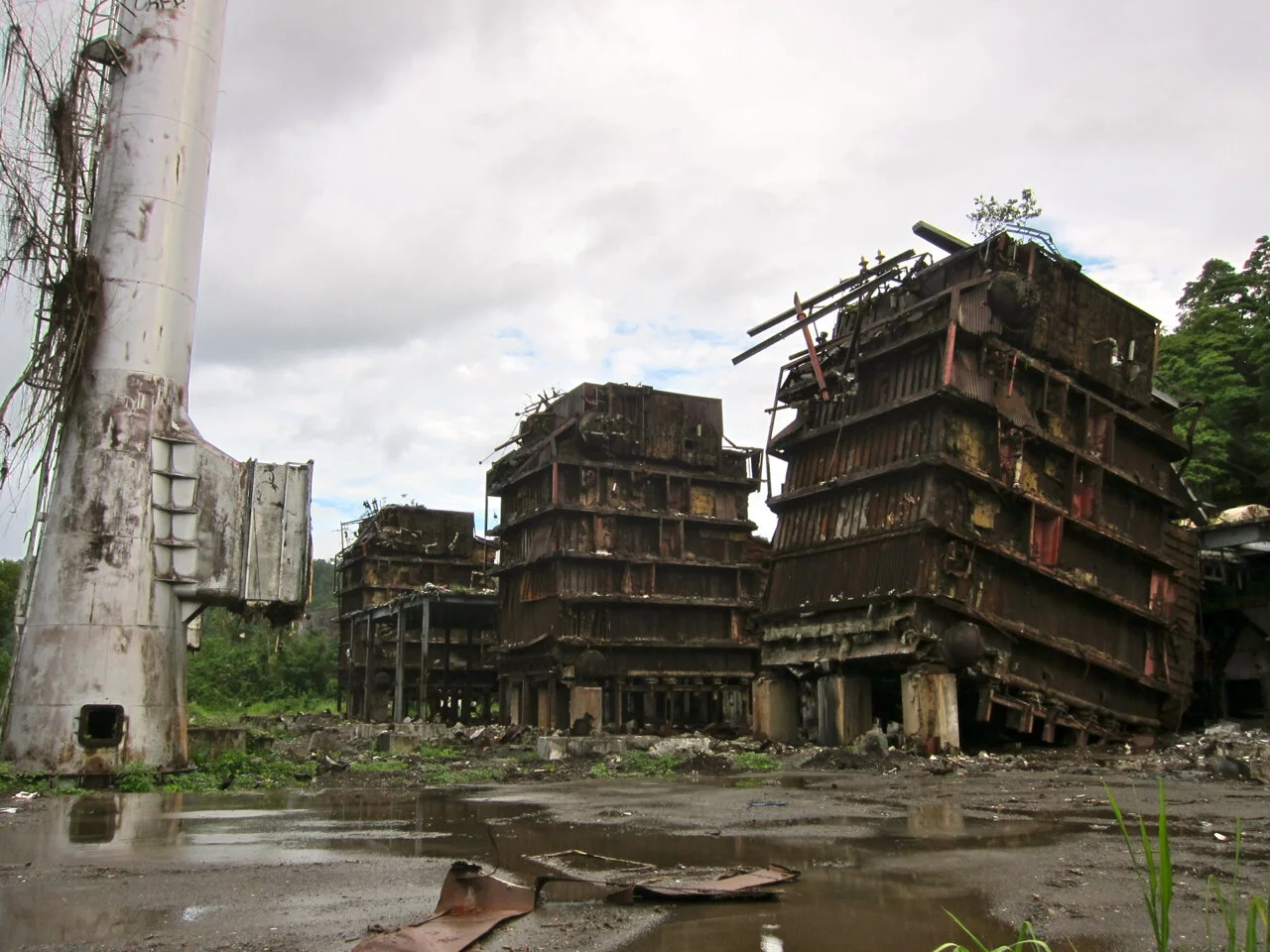
A power plant in Arawa on the island of Bougainville, which was destroyed during the Bougainville civil war. madlemurs. CC BY-NC-ND 2.0.
The Bougainville independence movement dates back to the late 1980s following a series of conflicts between the region and the central government after immigration increased to the region in response to the discovery of vast copper reserves. This led to racial tensions between the native Bougainvilleans and the newly arrived Papuans and Australian nationals, coming to a boiling point in 1988 with the decadelong Bougainville civil war.
The Dec. 7, 2019, independence referendum was a result of the 2001 peace agreement which formally ended the civil war, the results of which were overwhelming in favor of the region’s independence. While the referendum was nonbinding, it did open the door for renewed negotiations between the autonomous region and Port Moresby.
“The essence of what our people want is still empowerment of a Bougainville government that can truly manage its own affairs,” then Bougainville President John Momis said in an August 2019 speech. “Just as we did when negotiating the peace agreement, the national government and Bougainville will have the rare privilege of developing something new.”
Should Bougainville gain independence, it likely will galvanize more support for other independence movements throughout Melanesia, the surrounding region of islands north of Australia. Protests and referendums for independence in New Caledonia and West Papua occurred throughout the late 2010s and are expected to continue in the coming years.
Recent Electoral Victory
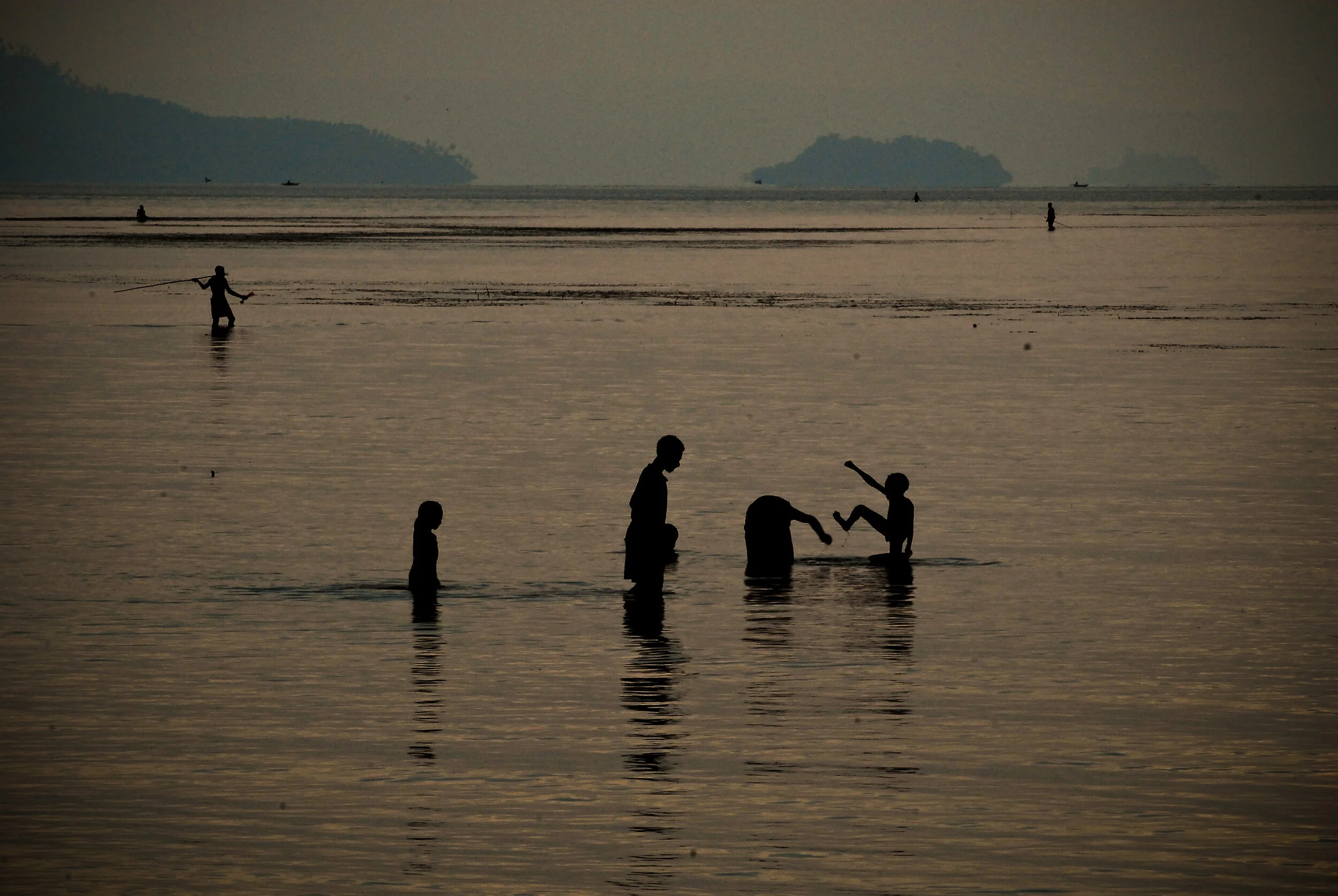
People fishing off the coast of New Britain, Papua New Guinea. Asian Development Bank. CC BY-NC-ND 2.0.
Citizens of Bougainville elected former rebel military commander and Bougainville independence activist Ishmael Toroama as president of the region during the Sept. 23 election. While campaigning, Toroama proposed a two- to three-year timeframe for achieving the region’s independence, something which experts consider to be at best ambitious given that the referendum was nonbinding.
“We conducted a clean campaign, we did not give money to the voters and we did not intimidate any voters: people have used their God-given wisdom to vote for the right candidate,” Toroama said shortly after he was declared winner of the election. “I will stand up for independence in Bougainville … it is now time to work together.”
While it is unclear yet as to whether or not Toroama will be able to fully transition Bougainville from an autonomous region to a full-fledged country, he at the very least will be able to begin negotiations with the central government given the support he gained while campaigning as well as the results of the Dec. 7 referendum.

Jacob Sutherland
is a recent graduate from the University of California San Diego where he majored in Political Science and minored in Spanish Language Studies. He previously served as the News Editor for The UCSD Guardian, and hopes to shed light on social justice issues in his work.