
• Travel Features
  • Global Action
  • Take A Trip
  • Travel Guides
    • Podcast
    • Courses
    • Bookshop
  • About
  • Sign Up
Menu

CATALYST PLANET

  • Travel Features
  • Global Action
  • Take A Trip
  • Travel Guides
  • Discover
    • Podcast
    • Courses
    • Bookshop
  • About
  • Sign Up

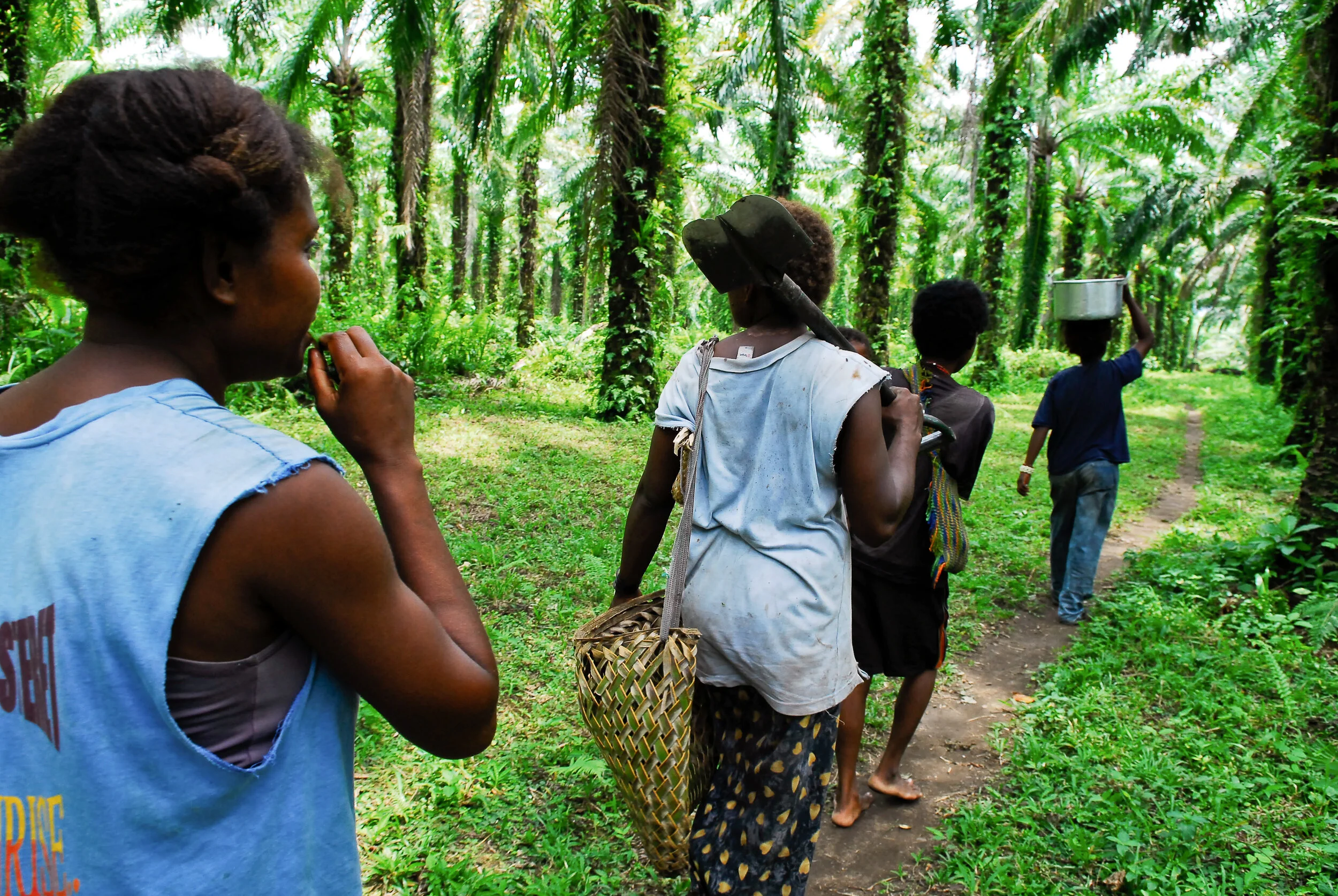
Papuan women walking to get water. Asian Development Bank. CC BY-NC-ND 2.0.

A Cultural Divide in Papua New Guinea May Lead to a New Country’s Formation

October 15, 2020

Papua New Guinea, an island nation in the southwest Pacific comprising the eastern half of New Guinea and its surrounding islands, is a culturally and historically rich country which is often overlooked by travelers in favor of neighboring Indonesia and Australia.

One key component to the country’s diversity is the numerous ethnic groups which call the island nation home. While many of these groups have historically coexisted for generations in peace, the island of Bougainville, which is located at the far eastern edge of the country, has remained distinct from the rest of the nation, so much so that it is its own autonomous region rather than a province.

While a push for Bougainville’s independence has been ongoing since the 1980s , a recent referendum and presidential election may lead to negotiations between the autonomous region and the national government.

One Country, Many Cultures
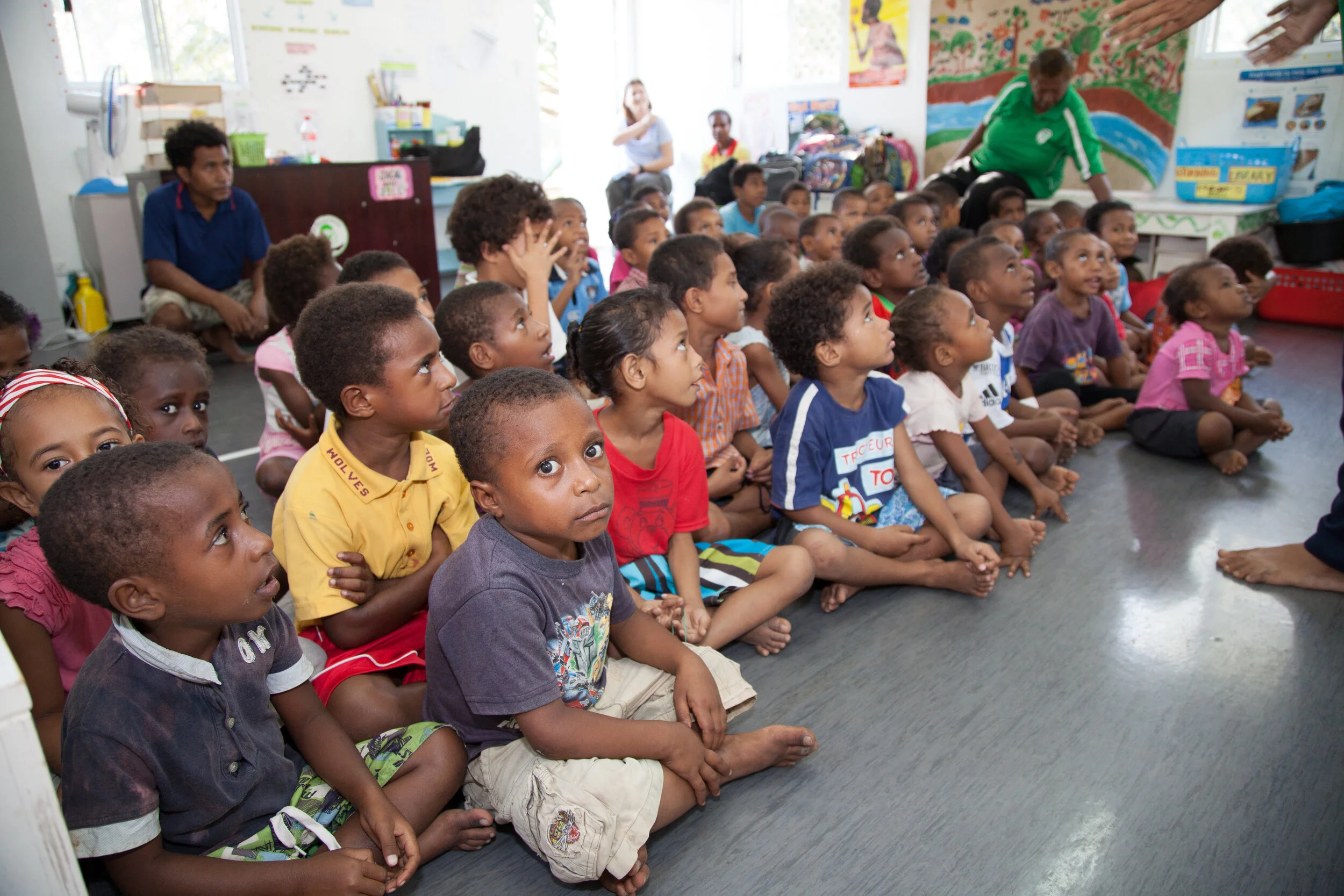
Children attending class in Port Moresby, Papua New Guinea. Department of Foreign Affairs and Trade. CC BY 2.0.

Bougainville and Papua New Guinea are culturally and historically distinct. While both regions were at one point in time under German colonial rule, Papua New Guinea was later held by the United Kingdom, while Bougainvile was administered by Australia before being invaded by Japan in World War II.

While both Papua New Guinea and Bougainville hold Tok Pisin as the lingua franca and maintain English as a standard for government proceedings, the North and South Bougainville language families are commonly spoken within the autonomous region while the Trans-New Guinea language families are much more common throughout the rest of the country.

The differences between Papua New Guinea and Bougainville are also reflected in the composition of both regions’ governing bodies. Papua New Guinea is infamously one of three countries in the world without any female representatives in the national parliament. In trying to distance itself from this, Bougainville has reserved three seats within its regional legislature to be dedicated for women representatives. Two of these seats have been filled as of this article’s publication.

A Growing Push Toward Independence
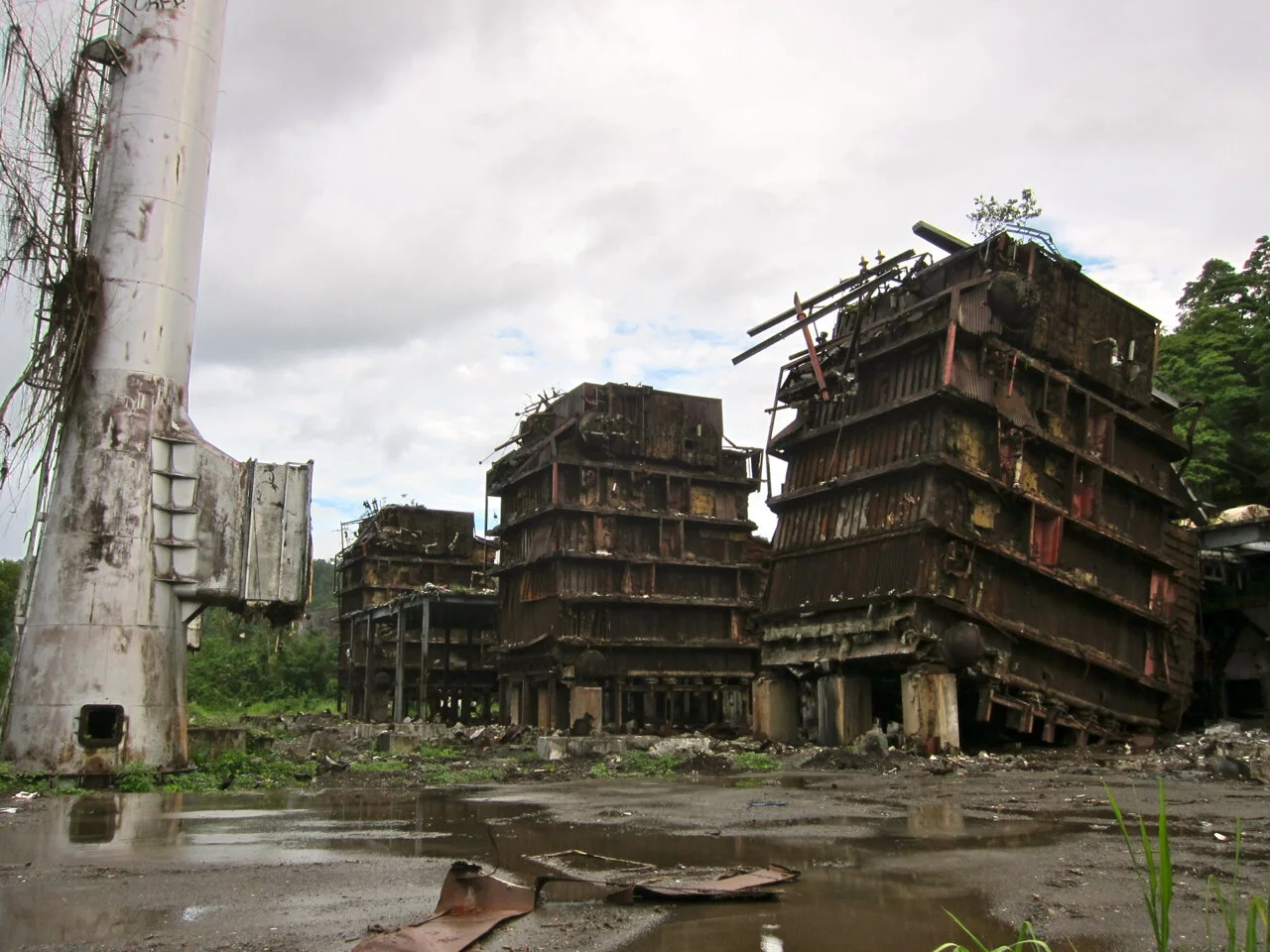
A power plant in Arawa on the island of Bougainville, which was destroyed during the Bougainville civil war. madlemurs. CC BY-NC-ND 2.0.

The Bougainville independence movement dates back to the late 1980s following a series of conflicts between the region and the central government after immigration increased to the region in response to the discovery of vast copper reserves. This led to racial tensions between the native Bougainvilleans and the newly arrived Papuans and Australian nationals, coming to a boiling point in 1988 with the decadelong Bougainville civil war.

The Dec. 7, 2019, independence referendum was a result of the 2001 peace agreement which formally ended the civil war, the results of which were overwhelming in favor of the region’s independence. While the referendum was nonbinding, it did open the door for renewed negotiations between the autonomous region and Port Moresby.

“The essence of what our people want is still empowerment of a Bougainville government that can truly manage its own affairs,” then Bougainville President John Momis said in an August 2019 speech. “Just as we did when negotiating the peace agreement, the national government and Bougainville will have the rare privilege of developing something new.”

Should Bougainville gain independence, it likely will galvanize more support for other independence movements throughout Melanesia, the surrounding region of islands north of Australia. Protests and referendums for independence in New Caledonia and West Papua occurred throughout the late 2010s and are expected to continue in the coming years.

Recent Electoral Victory
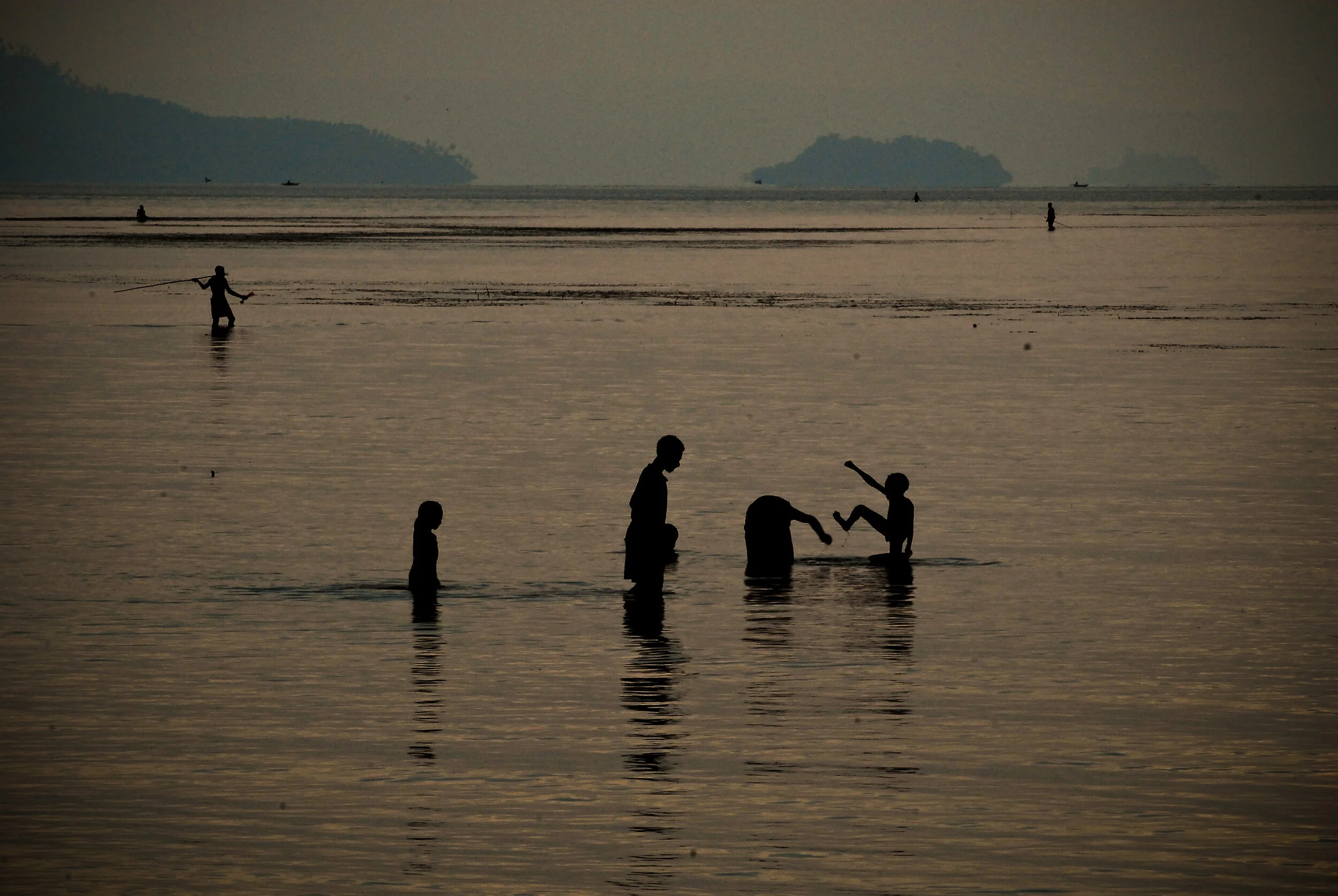
People fishing off the coast of New Britain, Papua New Guinea. Asian Development Bank. CC BY-NC-ND 2.0.

Citizens of Bougainville elected former rebel military commander and Bougainville independence activist Ishmael Toroama as president of the region during the Sept. 23 election. While campaigning, Toroama proposed a two- to three-year timeframe for achieving the region’s independence, something which experts consider to be at best ambitious given that the referendum was nonbinding.

“We conducted a clean campaign, we did not give money to the voters and we did not intimidate any voters: people have used their God-given wisdom to vote for the right candidate,” Toroama said shortly after he was declared winner of the election. “I will stand up for independence in Bougainville … it is now time to work together.”

While it is unclear yet as to whether or not Toroama will be able to fully transition Bougainville from an autonomous region to a full-fledged country, he at the very least will be able to begin negotiations with the central government given the support he gained while campaigning as well as the results of the Dec. 7 referendum.

Jacob Sutherland

is a recent graduate from the University of California San Diego where he majored in Political Science and minored in Spanish Language Studies. He previously served as the News Editor for The UCSD Guardian, and hopes to shed light on social justice issues in his work.
Tags Papua New Guinea, island, ethnicity, autonomous zone, autonomy, Germany, United Kingdom, independence, election
Comment

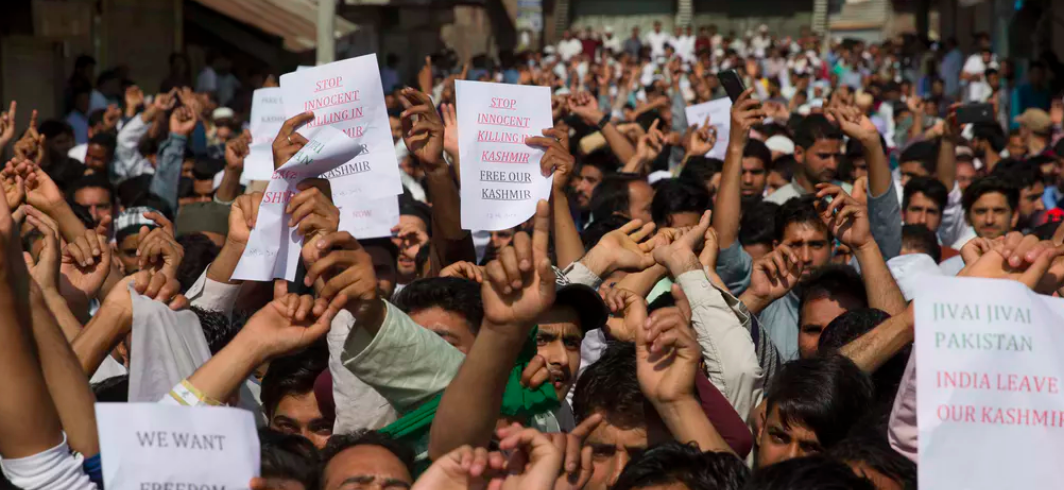
Kashmiri Muslims shout slogans during a protest after Eid prayers in Srinagar. AP Photo/ Dar Yasin

What’s Behind the Protests in Kashmir?

August 22, 2019

India recently enacted a law which will end a special autonomous status given to the state of Jammu and Kashmir, known in the West as simply “Kashmir.”

Amit Shah, India’s minister for home affairs, announced in Parliamentthat the Bharatiya Janata Party government was revoking Article 370 of the Indian Constitution in the name of bringing prosperity to the region.

Since 1954, this article has governed federal relations between India and Kashmir, India’s only Muslim majority state.

I’m a scholar of South Asian politics and have written extensively on the evolution of the India-Pakistan conflict in Kashmir.

Article 370 is woven into that history.

History of Kashmir’s autonomy

Article 370 originated in the particular circumstances under which the former prince and last ruler of Kashmir acceded to India shortly after the partition of the British Indian Empire into the independent states of India and Pakistan in 1947.

The prince, or maharaja, agreed to have Kashmir become part of India under duress. His rule was threatened by an insurrection supported by Pakistan.

Article 370 was designed to guarantee the autonomy of the Muslim majority state, the only one in predominantly Hindu India. The clause effectively limited the powers of the Indian government to the realms of defense, foreign affairs and communications. It also permitted the Kashmiri state to have its own flag and constitution.

More controversially, Article 370 prohibited non-Kashmiris from purchasing property in the state and stated that women who married non-Kashmiris would lose their inheritance rights.

Changes over time

But the independence of the Kashmiri state has been declining for decades. Beginning in the early 1950s, a series of presidential ordinances, which had swift effect much like American executive orders, diluted the terms of the article.

For example, in 1954, a presidential order extended Indian citizenship to the “permanent residents” of the state. Prior to this decision the native inhabitants of the state had been considered to be “state subjects.”

Other constitutional changes followed. The jurisdiction of the Indian Supreme Court was expanded to the state in 1954. In addition, the Indian government was granted the authority to declare a national emergency if Kashmir were attacked.

Many other administrative actions reduced the state’s autonomy over time. These have ranged from enabling Kashmiris to participate in national administrative positions to expanding the jurisdiction of anti-corruption bodies, such as the Central Vigilance Commission and the Central Goods and Services Act of 2017, into the state.

What it means for India and the world

What has happened as a result of the move to revoke Article 370?

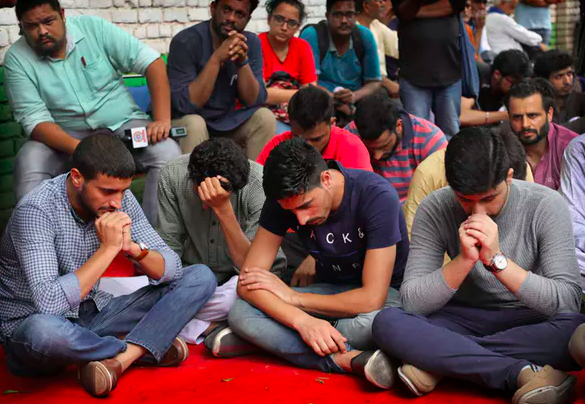
Kashmiris living in New Delhi gather for a function to observe Eid al-Adha away from their homes in New Delhi. AP Photo/Manish Swarup

Kashmiris living in New Delhi gather for a function to observe Eid al-Adha away from their homes in New Delhi. AP Photo/Manish Swarup

The decision has been met with considerable unhappiness and resentment in the Kashmir Valley, which has a Muslim population close to 97% – versus 68% of the population of the state as a whole. The government of Jammu and Kashmir, meanwhile, does not have the legal power to challenge the move.

China and Pakistan have expressed displeasure.

Pakistan has long maintained that it should have inherited the state based upon its geographic contiguity and its demography.

India and Pakistan have fought three wars over Kashmir. While I don’t believe Pakistan will initiate another war with India over this issue at this time, I doubt it will quietly resign itself to the changed circumstances. At the very least, it will seek to draw in members of the international community to oppose India’s action, as it has sought to do in the past.

China, which considers Pakistan to be its “all-weather ally,” has stated that the decision was “not acceptable and won’t be binding.”

SUMIT GANGULY is a Distinguished Professor of Political and the Tagore Chair in Indian Cultures and Civilizations at Indiana University.

THIS ARTICLE WAS ORIGINALLY PUBLISHED ON THE CONVERSATION.

In India Tags Kashmir, India, border, protests, freedom, autonomy, Pakistan, conflict, territory, International Affairs
Comment

Also check out...

Featured
Vietnam’s Floating Markets Are Disappearing
The Supernatural Role of Masks in Nigeria’s Yoruba Tribal Culture
Opening the World to Deaf Travelers with Lily Yu

Featured trips

Featured
Offer NGO Support While Visiting Quito
Experience Life as a Mongolian Nomad
Help Grow Organic Costa Rican Coffee

Sign up for the CATALYST newsletter

Sign up for our newsletter to get the scoop on international travel, global social impact insights, our latest podcast releases, and more from around the world, all delivered right to your inbox!

We respect your privacy.

Thank you!
Newsletter Sign Up | Advertise | Careers + Internships | Privacy Policy | Submissions | Contact Us

Copyright © 2025, MISSION MEDIA LLC. All rights reserved.