
Actor Zhang Linghe’s opening speech at the 18th Straits Forum caught widespread attention with his call for improved cross-strait exchanges.
Read MoreTaiwan’s Old Bomb Shelters Then and Now
Taiwan’s old bunkers were built out of fear of invasion, but today they carry different meanings for Taiwanese people.
Read MoreThis Taiwan Town Brings “Spirited Away” to Life
Beyond the visual similarities to the iconic Studio Ghibli film, Jiufen also boasts stunning architecture, nature and history.
Read MoreBeyond the Quakes: Taiwan’s Earthquake Preparedness
Despite being hit with a 7.4 magnitude earthquake during rush hour on April 3rd, 2024, Taiwan has emerged largely unscathed. Why is that?

A seismogram of the April 3rd, 2024 earthquake in Taiwan. James St. John. CC BY 2.0
On April 3rd, 2024, the strongest earthquake in about 25 years rocked the streets in and around Hualien on the east coast of Taiwan, followed by hundreds of aftershocks. While the search for survivors remains underway, so far 13 people have been found dead, and nearly 1,000 people have reported injuries. While any number of deaths and injuries is tragic, these figures are minuscule compared to the near 2,500 dead and 100,000 injured during the 7.7 magnitude earthquake that struck in 1999 and left approximately 50,000 homes destroyed.
Considering its location along the Ring of Fire and the presence of three seismic belts in the country, Taiwan has a long history of earth-shaking events. The Ring of Fire refers to a fault line around the Pacific Ocean that is home to a majority of the world’s earthquakes. Because of this, Taiwan records an average of about 2,200 earthquakes every year, with a record of nearly 50,000 during 1999. Taiwan’s mountains then amplify the impact of earthquakes, which resulted in the landslides that accounted for most of the deaths on April 3rd.
Because of this susceptibility and catastrophic earthquakes in the past, Taiwan has developed some of the best earthquake preparedness techniques in the world. Following the devastating Chi-Chi earthquake in 1999, the Taiwanese government began reforming construction regulations. This included seismic retrofitting in buildings and infrastructure across the country and the prosecution of inadequate construction practices. Years of experience have also resulted in efficient emergency response, aided by surveillance cameras and social media used to identify locations requiring aid.
Educating the public has been another initiative to prevent deaths during earthquakes and aftershocks. In addition to public awareness campaigns, the Central Weather Administration frequently publishes resources including information and tips surrounding earthquake preparedness. The Central Weather Administration has also run a real-time seismic network since 1994, which tracks data and notifies the public of seismic activity through an early warning system. The data collected by the seismic network is also used to update building codes.
GET INVOLVED
Ways for people to support Taiwan’s emergency response and earthquake preparedness include donating to and supporting organizations such as the Red Cross, Taiwan Root Medical Peace Corps and Peace Winds America.

Madison Paulus
Madison is a student at George Washington University studying international affairs, journalism, mass communication, and Arabic. Born and raised in Seattle, Washington, Madison grew up in a creative, open-minded environment. With passions for human rights and social justice, Madison uses her writing skills to educate and advocate. In the future, Madison hopes to pursue a career in science communication or travel journalism.
The Night Markets of Taiwan
One of the most well-known attractions in Taiwan are the night markets where people flock for delicious food, shopping and games.
Read More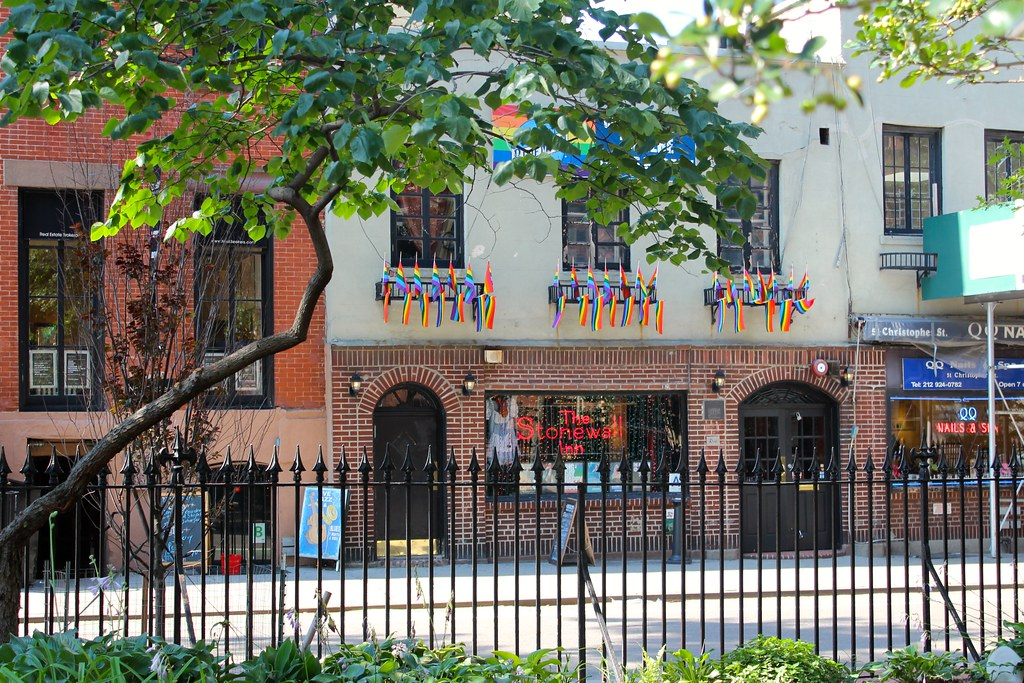
The Stonewall Inn in New York City’s Greenwich Village. The 1969 Stonewall riots are credited with starting the modern gay liberation movement. NPCA Photos. CC BY-ND 2.0
Discover These 8 Gay Villages from Around the World
Gay villages, or “gayborhoods,” are neigbhorhoods within cities that provide safe spaces for LGBTQ+ people to express themselves openly and form communities. Many gay villages feature bars and restaurants, vibrant nightlife and boundless queer history. Wherever one may find themselves, there is likely a gay village just around the corner waiting to be discovered. Here are eight gay villages from across the world.
1. Shinjuku Ni-chome, Tokyo
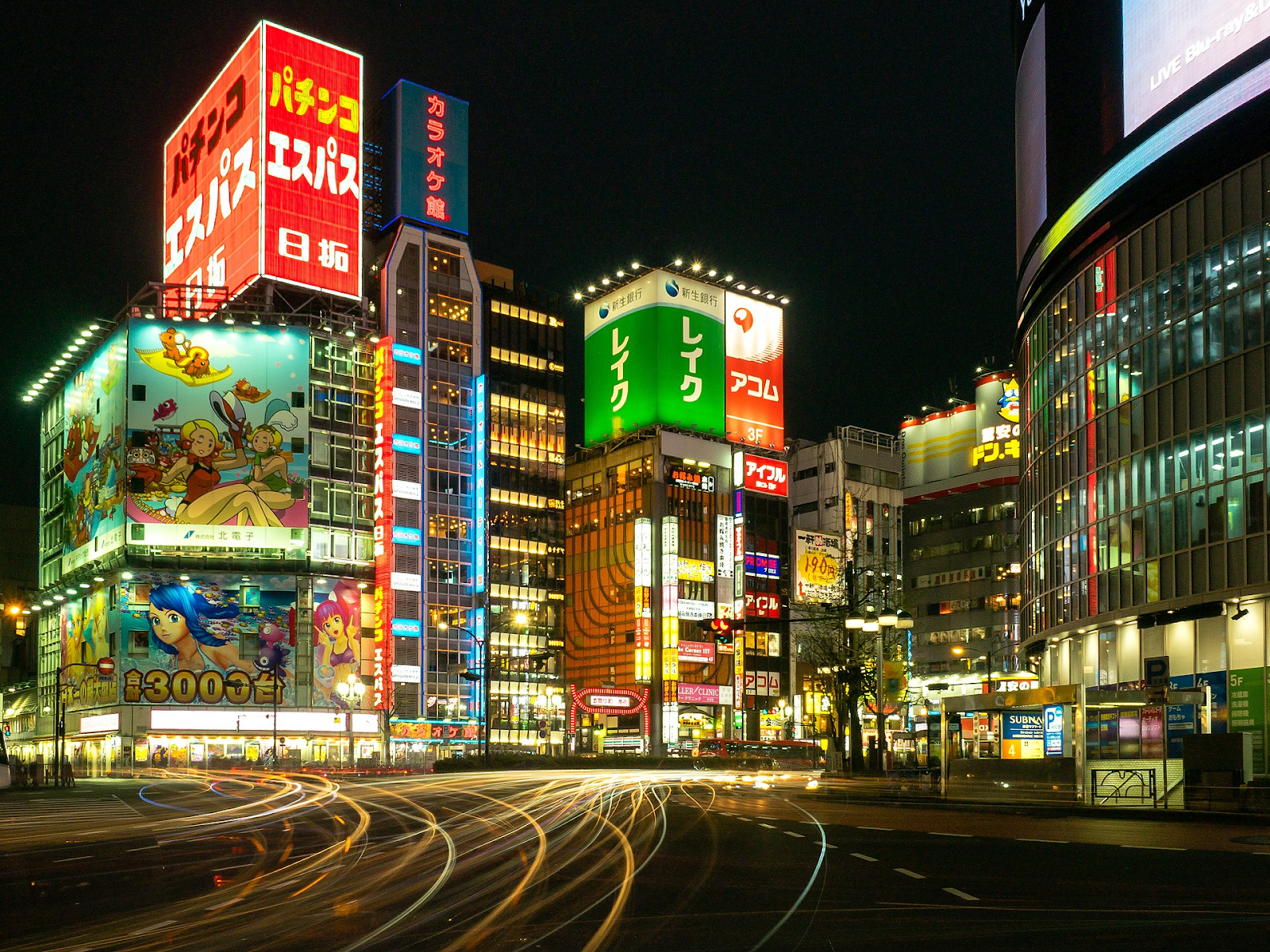
Buildings and neon lights in Tokyo’s Shinjuku ward. Andy Miller. Unsplash
In the heart of Shinjuku ward in Tokyo, between modern skyscrapers and dazzling neon-lit billboards, hides one of Asia’s most vibrant gay villages. Shinjuku Ni-chome, shortened to just Ni-chome, has the highest concentration of gay bars in the world. Ni-chome was once Tokyo’s red-light district, but when prostitution became illegal in Japan in 1956 it became Tokyo’s gay village. In a city known for its nightlife, Ni-chome is home to fusion restaurants and nightclubs open late into the night. Many of Ni-chome’s gay bars are small and personal, fostering their own tight-knit community within the city. Ni-chome was the location of Japan’s first gay pride parade in 1994, and is where the country’s first permanent LGBTQ+ center opened in 2020.
2. Oxford Street, Sydney

A brightly colored building near Taylor Square, Sydney. Ted McGrath. CC BY-NC-SA 2.0
Located in the Darlinghurst neighborhood of Sydney, Oxford Street is known for its nightlife, shopping and dining venues. It is also the heart of Sydney’s LGBTQ+ community, playing host to the annual Syndey Gay and Lesbian Mardi Gras. Unlike other Pride events, which usually occur around June, Mardi Gras is held in March, drawing over half a million attendees. The first Gay and Lesbian Mardi Gras was held in 1978. The organizers of the event were arrested and outed by the police, which garnered national attention. The next year in 1979, another event was held to commemorate the 10th anniversary of the Stonewall riots in New York City, as well as to bring attention to the events of the previous year. Every year since then, queer Australians have gathered along the western end of Oxford Street to socialize, party and remind Australia and the world that they will not be silenced.
3. Chueca, Madrid
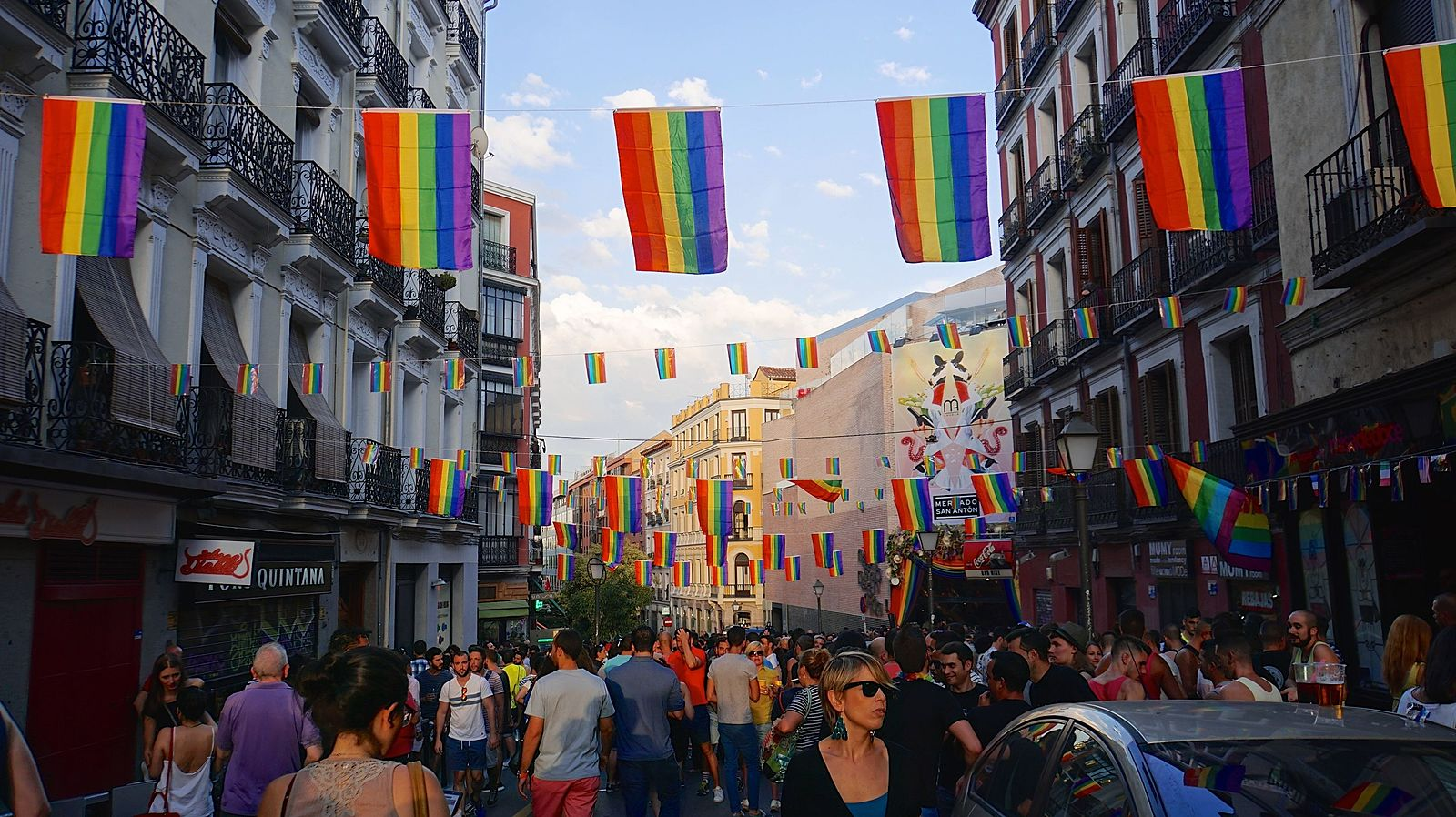
Pride flags hang over a crowded street in Chueca, Madrid. Ted Eytan. CC BY-SA 2.0
Chueca is a timeless neighborhood in an already historic city. Located in the heart of Madrid, this gay village is defined by its lively crowds as much as by its many cafes and boutiques. Chueca’s annual gay pride event, known as Madrid Pride, is the largest in Europe with an average crowd of over 2 million people each year. The neighborhood also hosted WorldPride Madrid 2017, an international Pride event that promotes LGBTQ+ issues globally. WorldPride 2017 was one of the largest Pride events in history, attracting an estimated 3.5 million attendees. Chueca has more to offer than just shops and festivals. For those with a love for romance and history, one can visit the Church of San Anton, where visitors will find the bones of St. Valentine himself.
4. Buenos Aires, Argentina
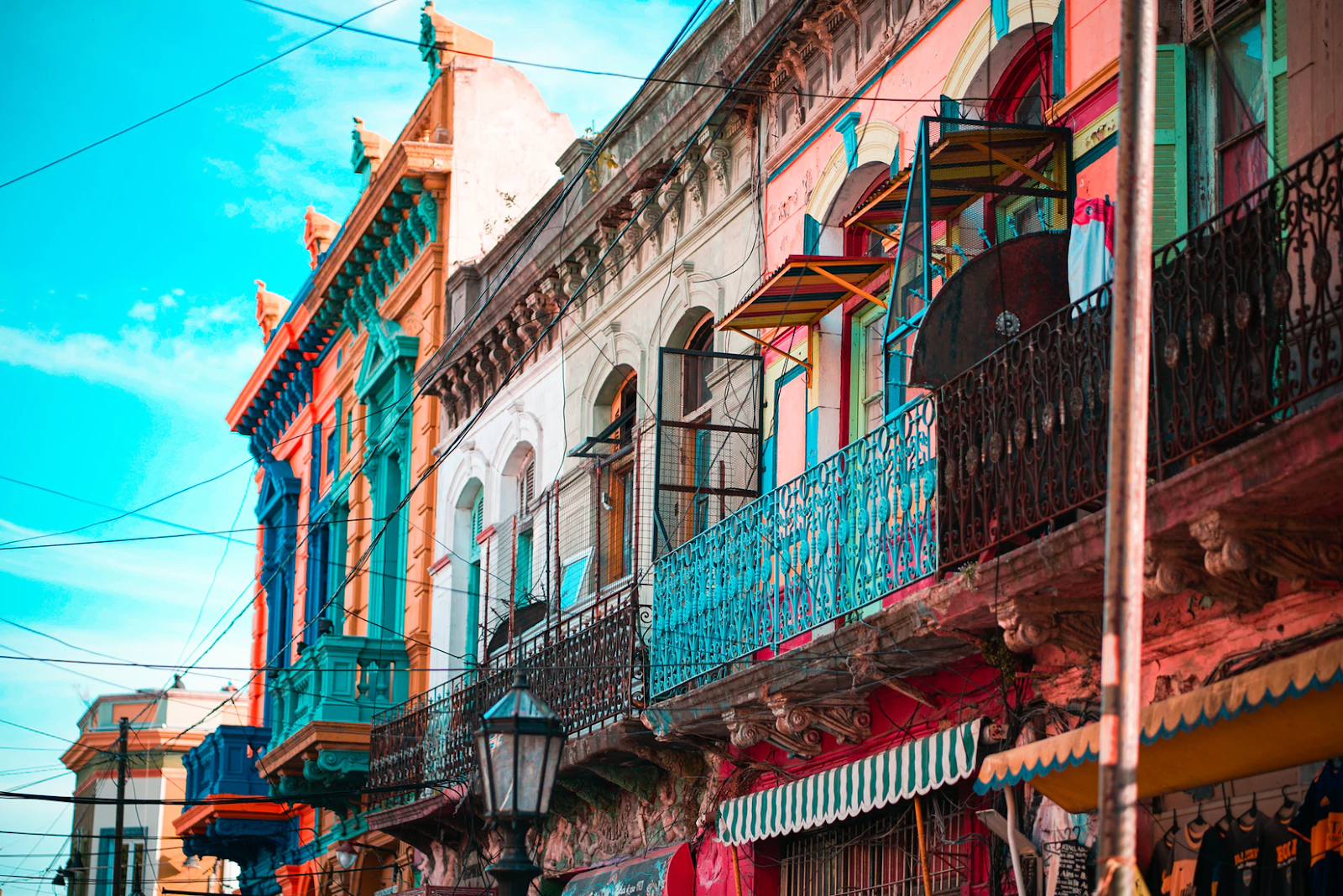
Colorful buildings in Caminito, Buenos Aires. Barbara Zandoval. Unsplash
Unlike other major cities, Buenos Aires lacks a specific gay village. However, this doesn’t mean that Buenos Aires isn’t a gay-friendly city, or that there isn’t a queer community in the Argentine capital. Rather, LGBTQ+ travelers will find pockets across the city’s many barrios that cater to gay and straight patrons alike. San Telmo, Bueno Aires’ oldest barrio, is known for its historic streets and contemporary art installations. In the city’s largest barrio, Palermo, one can find both stunning botanical gardens and the city’s largest collection of gay bars and clubs. The belle epoque buildings of Barrio Norte can instantly transport travelers to the streets of Paris. None of these neighborhoods are explicitly Buenos Aires’ gay village. Rather, visitors and locals alike will find a queer-friendly environment all across the city. Argentina is a leader of LGBTQ+ rights in the region, becoming the first country in Latin America to legalize same-sex marriage in 2010. Regardless of where travelers find themselves in Buenos Aires, they will find a progressive city paving the way for gay rights and liberation.
5. Gay Village, Montreal
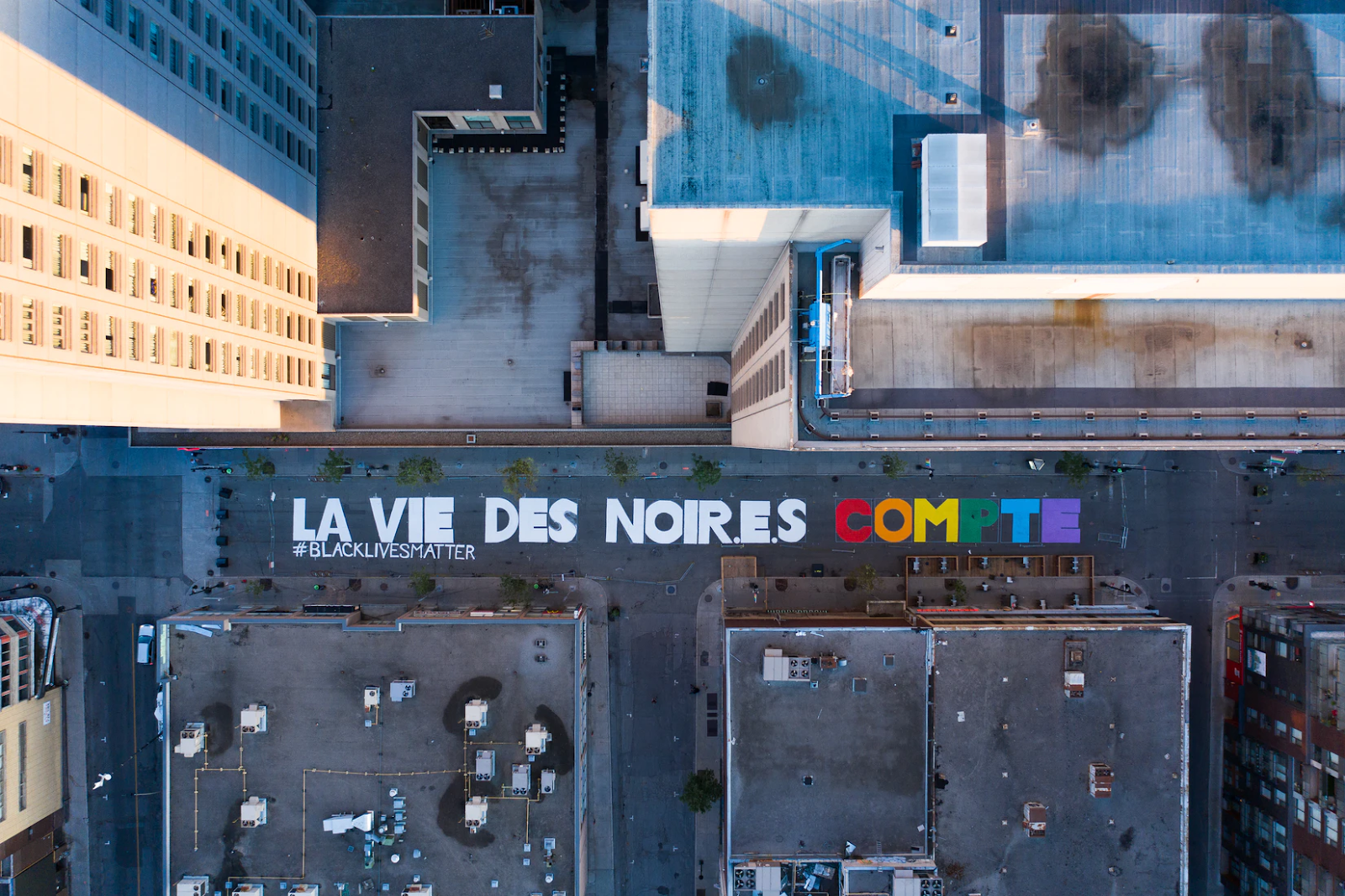
A Black Lives Matter street mural in Montreal’s Gay Village. Martin Reisch. Unsplash
Montreal’s Gay Village is one of the most prominent of its type in the French-speaking world. Known as “Le Village Gai” in French, the community had to overcome decades of oppression before becoming one of the most well-known gayborhoods in the world. During the 1970s, gay businesses in the city were regular targets of the police, who often raided bars and other establishments. Police violence didn’t deter Montreal’s LGBTQ+ population. Rather, Montreal’s gay residents formed a series of demonstrations to fight injustice against their community. Now the area is one of Montreal’s most popular neighborhoods. It draws visitors from all over the world, and hosts the largest Pride in Canada. Fierte Montreal, literally “Montreal Pride,” drew more than 3 million attendees in 2019, which also makes it the largest Pride in a French-speaking city (sorry Paris!). In classic Montreal fashion, two gay villages technically exist in Montreal: an English one located near downtown, and a French one on Saint Laurent Boulevard.
6. Canal Street, Manchester, England
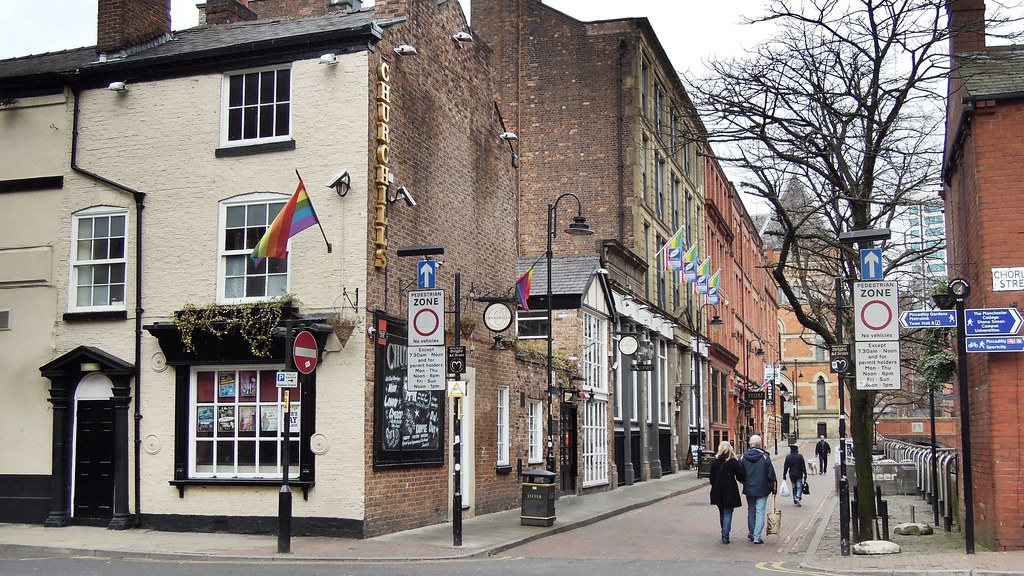
Canal Street in Manchester, England. David McKelvey. CC BY-NC-ND 2.0
When one thinks of cosmopolitanism in the U.K., most think of London. However, travelers shouldn’t count out the city of Manchester. Canal Street easily competes with London’s Soho for the center of Britain’s queer scene. The street dates back to the early 1800s as a transportation hub, when Manchester was rapidly growing as a major industrial center. Canal Street derives its name from the Rochdale Canal which runs alongside it. By the 1950s, the neighborhood was facing urban decline. This was around the same time that Canal Street became Manchester’s main gayborhood. Like many gay villages around the world, the community faced hostility from police during the 1980s. It wasn’t until the 1990s that Canal Street was able to thrive openly as a gay village. Now the street is a proud and open community, drawing locals and travelers from both the U.K. and across the world. It is home to the annual Manchester Pride, the second-largest Pride event in Britain after London’s.
7. Ximending, Taipei, Taiwan
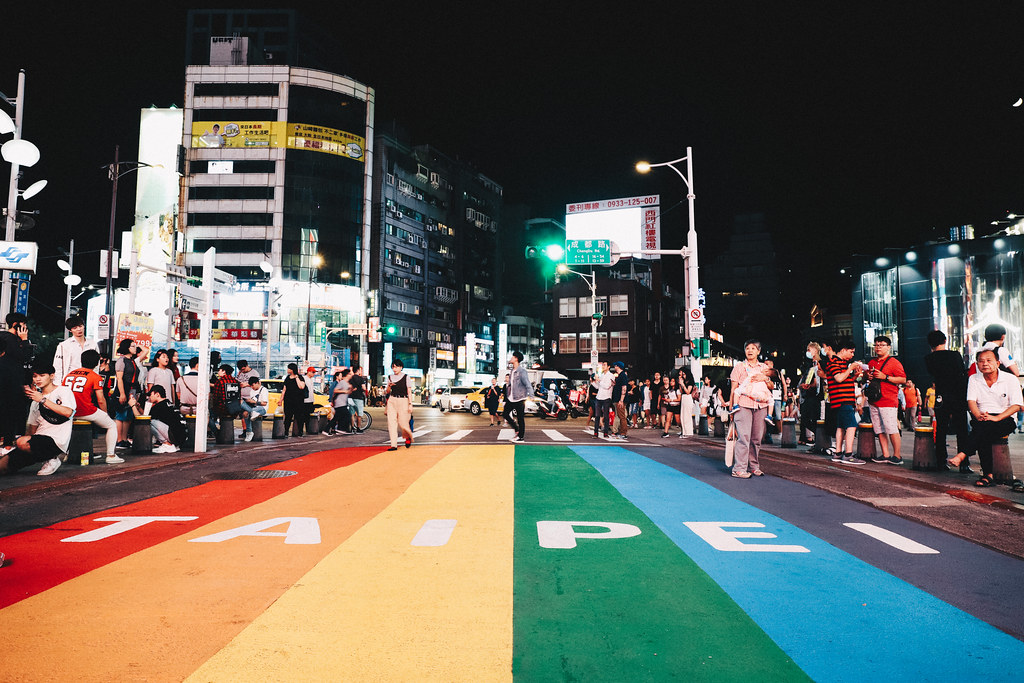
A rainbow-colored street in Taipei’s Ximending district. waychen_c. CC BY-NC-ND 2.0
Known for night markets and traditional temples, Taipei should be near the top of anyone’s list when traveling in Asia. It is also one of the most gay-friendly cities in the world, and a leading example of equal rights in the region. In 2019, Taiwan became the first and only country so far in Asia to legalize same-sex marrriage. This makes Taipei not only the center of gay culture in Taiwan, but a perfect example of what LGBTQ+ equality could look like in Asia. The city’s gay village is located in Ximending, a shopping area of the historic Wanhua district. Situated near the famous Red House Theater, Ximending offers a plethora of gay bars and nightclubs open late into the night. In a city like Taipei, you don’t need to be a local to enjoy what this friendly city has to offer travelers of all kinds. However, you might need to be a night owl to fully experience this gayborhood.
8. Schoneberg, Berlin
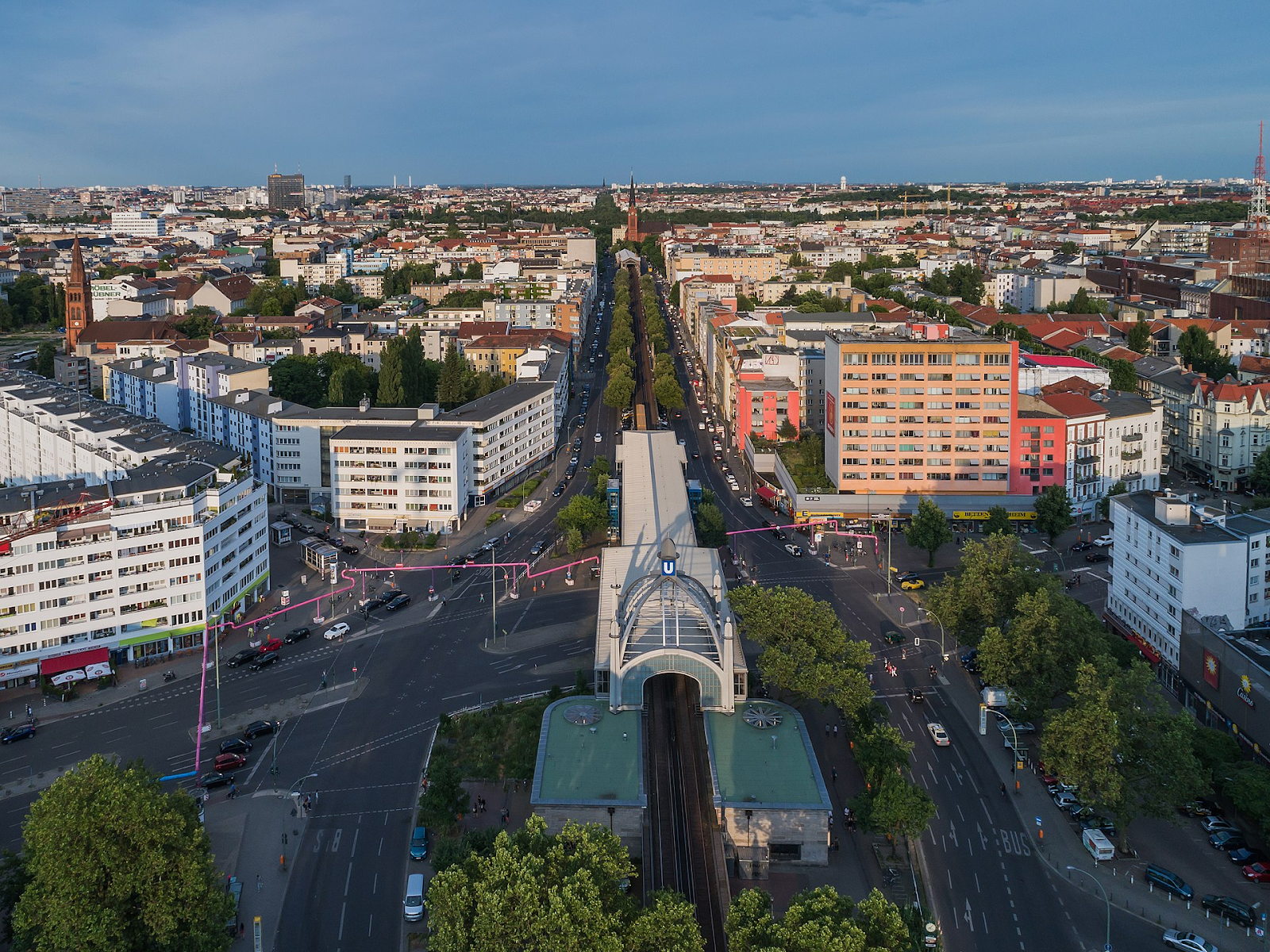
Nollendorfplatz in Berlin’s Schoneberg neighborhood. Schoneberg is the oldest gay village in the world. Oh-Berlin.com. CC BY 2.0
Located in the western part of Berlin, Schoneberg’s history as a gay village spans nearly a century. The neighborhood’s roots lie as a village in the Middle Ages, all the way back in the 13th century. In the 1920s, as Berlin grew in size, Schoneberg became a part of the German capital. That is around the same time the area became the center of the city’s emerging queer scene. Gay nightclubs and other venues flourished during the Weimar Republic, before almost all of them were shut down when the Nazis seized power in 1933. Now, Schoneberg is once again a proud gay village. Much of the gay life in the neighborhood is centered around Motzstrasse, a street that goes right through the center of Schoneberg. The street is where Berlin’s Lesbian and Gay City Festival is held each year, one of the largest of its kind in Europe. Whether one comes for its history or its nightlife, Schoneberg is a constant reminder that queer people have always been a part of Berlin life, just as they have been a part of communities around the world.

Aerex Narvasa
Aerex is a current student at Occidental College majoring in Diplomacy and World Affairs with a minor in East Asian Studies. He is passionate about sharing people’s stories through writing, and always strives to learn about new places and cultures. Aerex loves finding new music and exploring his hometown of Los Angeles in his free time.
Consider the Tofu: A (Tasty) History
This seemingly tasteless ingredient packs a punch in iconic dishes across Asia.
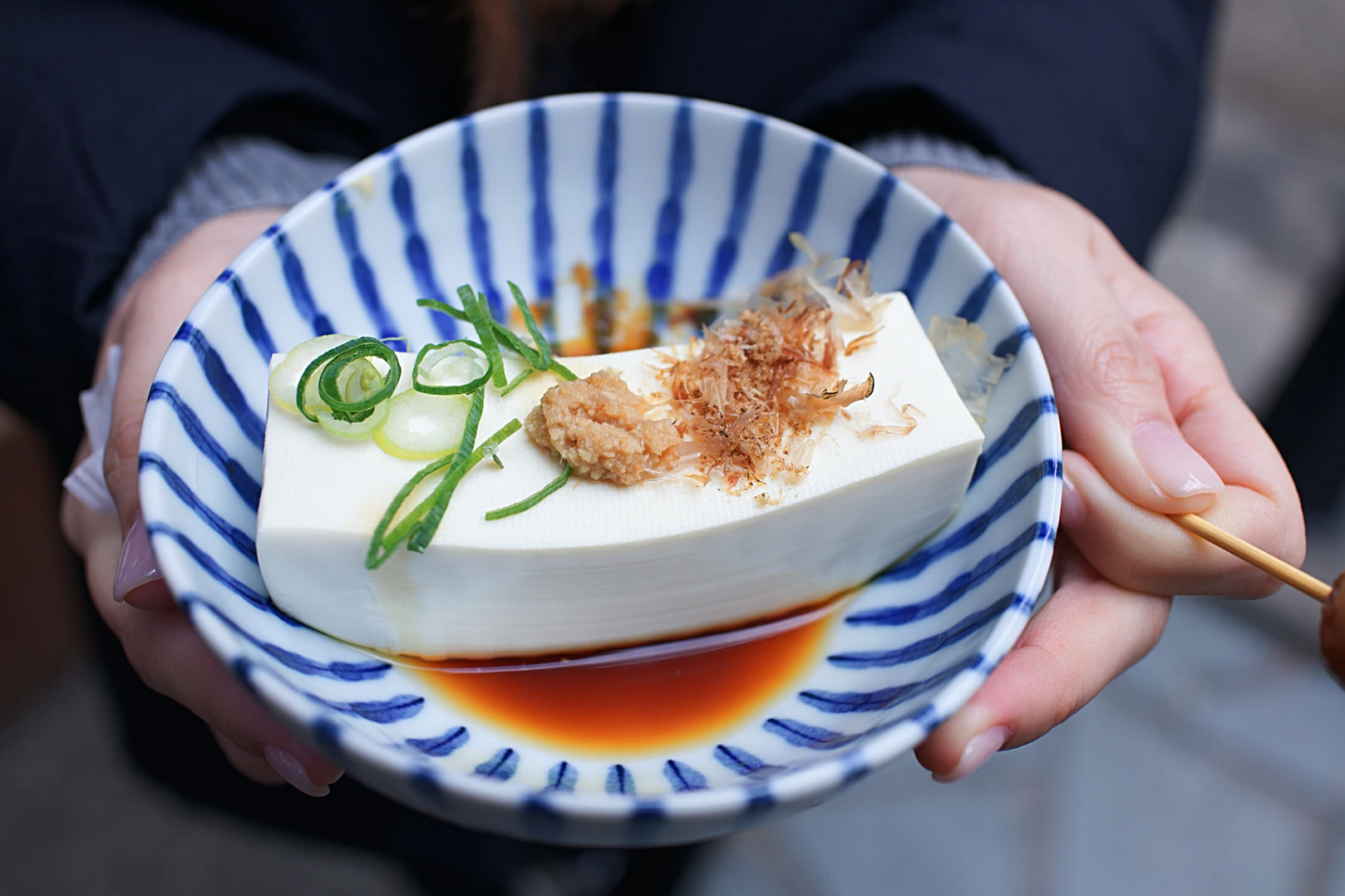
Fry it, flip it, steam it, dessert-ify it—tofu’s your jack of all trades. Sherman Kwan. Unsplash.
As a relatively tasteless food, tofu is a versatile ingredient that is present in many dishes across Asia. Tofu is centuries old. While the exact date is not known, historians believe that tofu was first used over 2,000 years ago in China. This humble dish made its debut in Japan, Korea, parts of Southeast Asia and eventually in Europe after 19th-century colonialism. In Buddhist societies, the production of tofu increased as it served as a convenient meat alternative. Molded from crushed soybeans, tofu is a flexible food that goes with nearly anything. Given its absorbent nature, tofu often tastes like the spices and flavors it has marinated in. Here are a few popular tofu dishes from across Asia:
Mapo Tofu
This classic dish has roots in China’s Sichuan region. Mapo tofu is made with soft tofu and stir-fried with various chile peppers, black bean paste and ginger. If cooked properly, the sauce itself is a bright-red color laced with thin bubbles of oil. The dish can be topped off with scallions or minced meat if so desired.
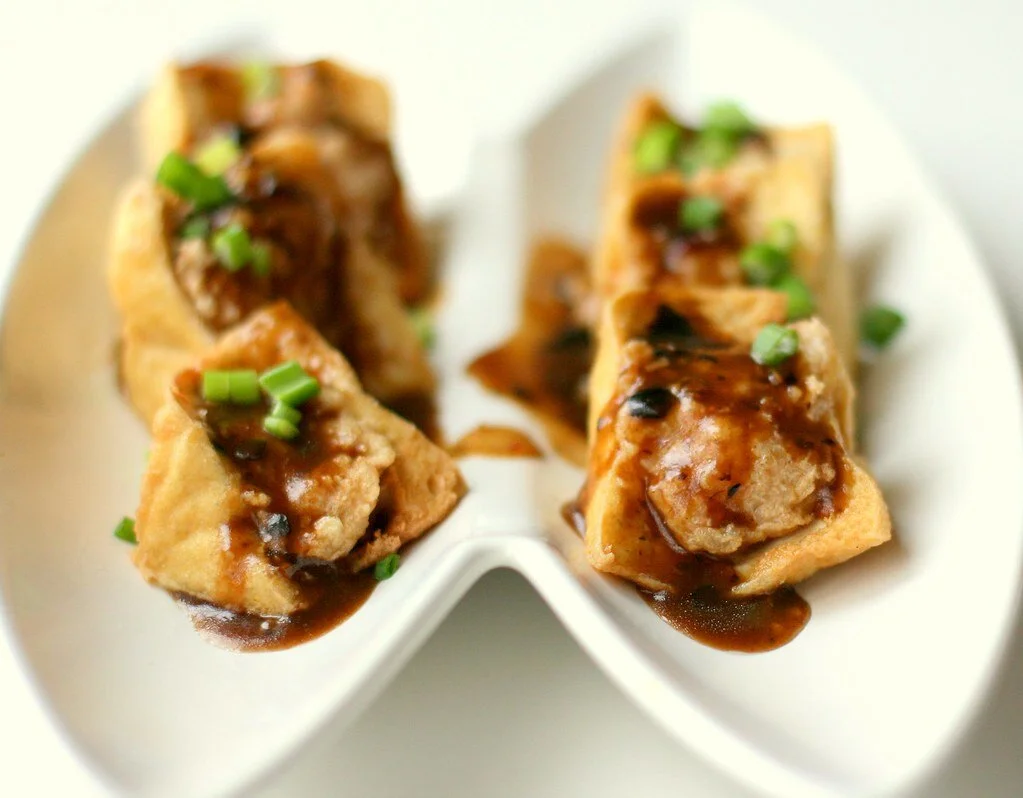
Stuff your tofu too; it’s gratifying. Qlinart. CC BY-NC-ND 2.0.
Crispy Shrimp Stuffed Tofu
In this Cantonese dish, tofu is stuffed with minced shrimp and deep-fried to crispiness. The tofu is first sliced and coated in cornstarch, then hollowed out to hold the filling. The dish is often paired with classic ingredients like Shaoxing wine, white pepper and sesame oil. These golden, bite-sized bricks can be garnished with scallions and can be dipped in a slightly sweet soy sauce.
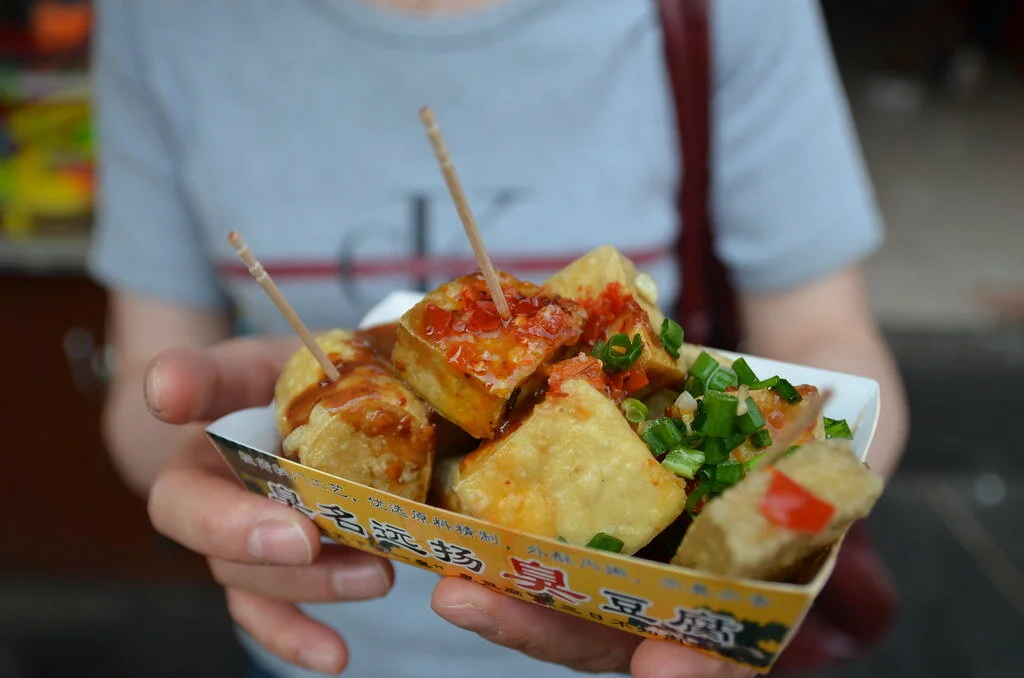
Stinky tofu is usually sold from open-air hawker stalls. Josephine Lim. CC BY-ND 2.0.
Stinky Tofu
Tofu, when stinky, can also be a delectable treat. This smelly favorite can be found along the streets of China, Hong Kong and Taiwan. Stinky tofu is made from the fermented brine in which it has soaked for a few months. The mixture is usually made from fermented milk, vegetables or meat, but can also include other ingredients like dried shrimp and mustard greens. When ready, stinky tofu is commonly served deep-fried. Its bitter and salty flavor is best paired with garlic, soy sauce or chile sauce.
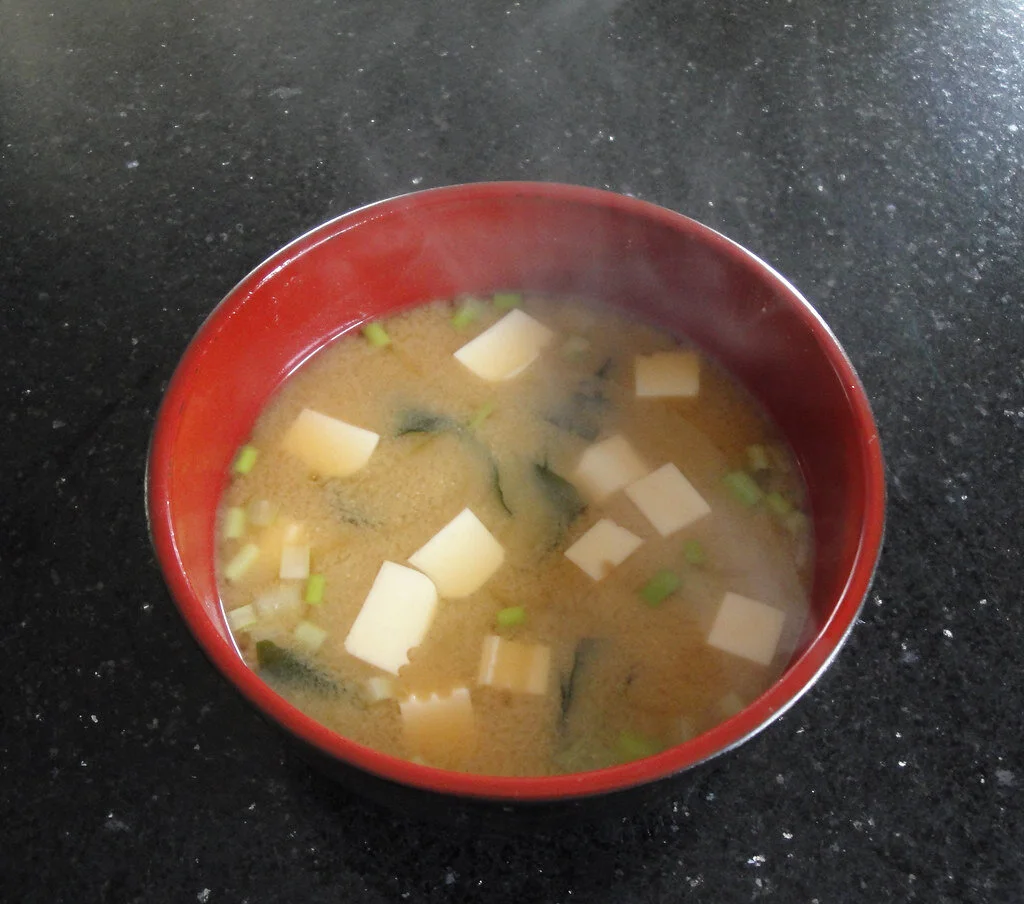
Steaming, savory miso soup for any occasion. Jude Masti. CC BY 2.0.
Miso Soup
Miso is a fermented paste with origins in Japanese cuisine. This concoction is produced by pickling soybeans with salt and other ingredients such as barley or seaweed. Miso is usually consumed as soup, and one of the main condiments is tofu. The tofu’s porous texture absorbs the umami saltiness of the miso and makes for a hearty, satisfying meal. It can be paired with clean white rice, mushrooms and even eggplants.
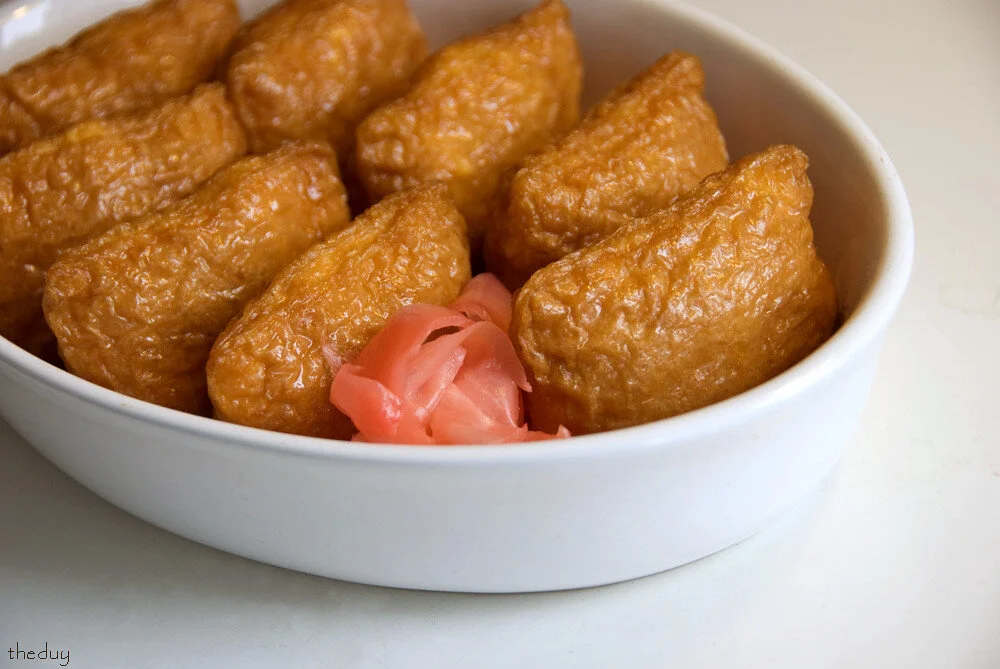
An edible lunch packed in a pouch. David Theduy Nguyen. CC BY-NC 2.0.
Inari Sushi
Tofu can even be incorporated into sushi. Inari sushi was first introduced to Japan during the 18th century. It first started off as offering food for fox-god temples scattered about the islands. Over time, Inari sushi became a staple option on kitchen tables. Inari sushi is a simpler style of sushi made with sweetened rice packed in tofu pouches. The tofu skin itself is pre-seasoned and deep-fried. The side can be topped off with sesame seeds and paired with vinegar and soy sauce for a uniquely sweet finish.
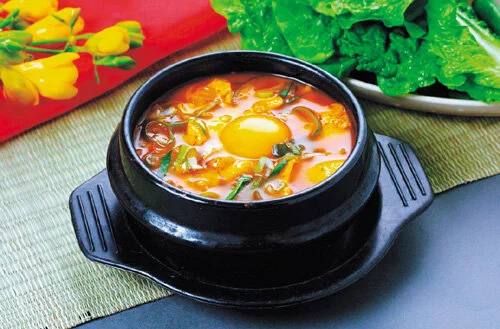
Best served piping hot. Republic of Korea. CC BY-SA 2.0.
Sundubu-jjigae
Also written as “soondubu,” this Korean dish is a soft tofu stew made with silken, curdled tofu served in a piping hot pot. Sundubu-jjigae is usually prepared spicy and can be cooked in seafood or meat broth. As the dish is bubbling, a whole egg is cracked into the mix and served almost immediately. Sundubu-jjigae is a popular Korean staple and is usually complemented with a bowl of rice and various “banchan” like kimchi, gamja jorim (sweetened braised potatoes) and salted cucumbers.
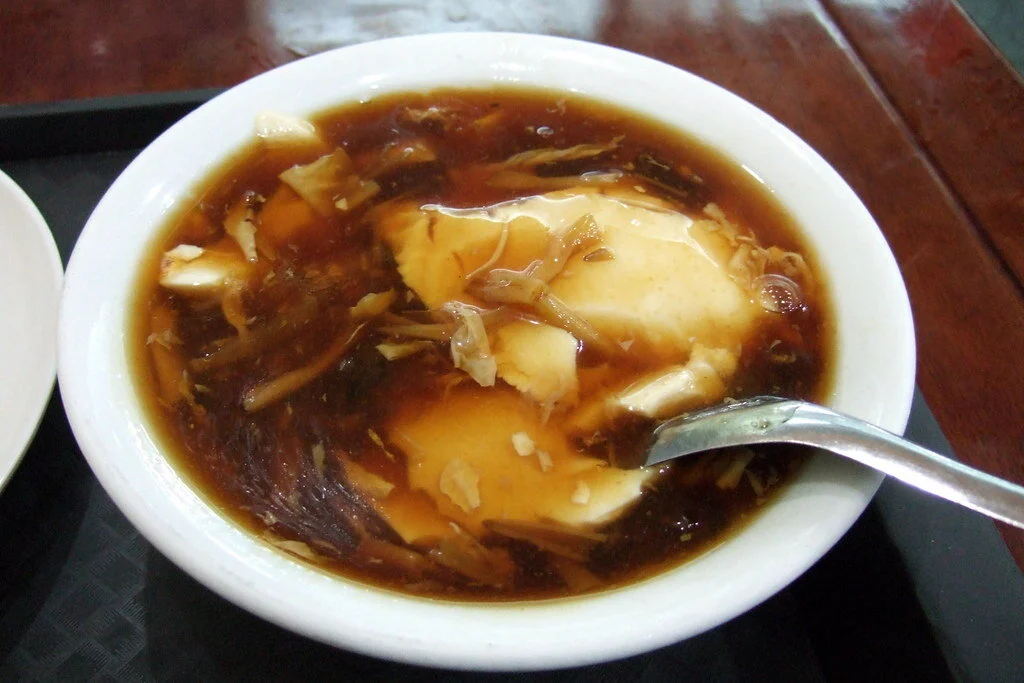
Cleanse your palate with a sweet tofu finish. Boyu Wang. CC BY-NC-ND 2.0.
Tofu Pudding
Dau hu nuoc duong. Taho. Douhua. However it’s called, tofu can also be consumed as a dessert. Tofu pudding can be found in countries like Vietnam, the Philippines, and China and takes on regional preferences. It is often paired with sweeteners like ginger syrup and brown sugar. Depending on the location, tofu pudding can also be served with peanut and strawberry.
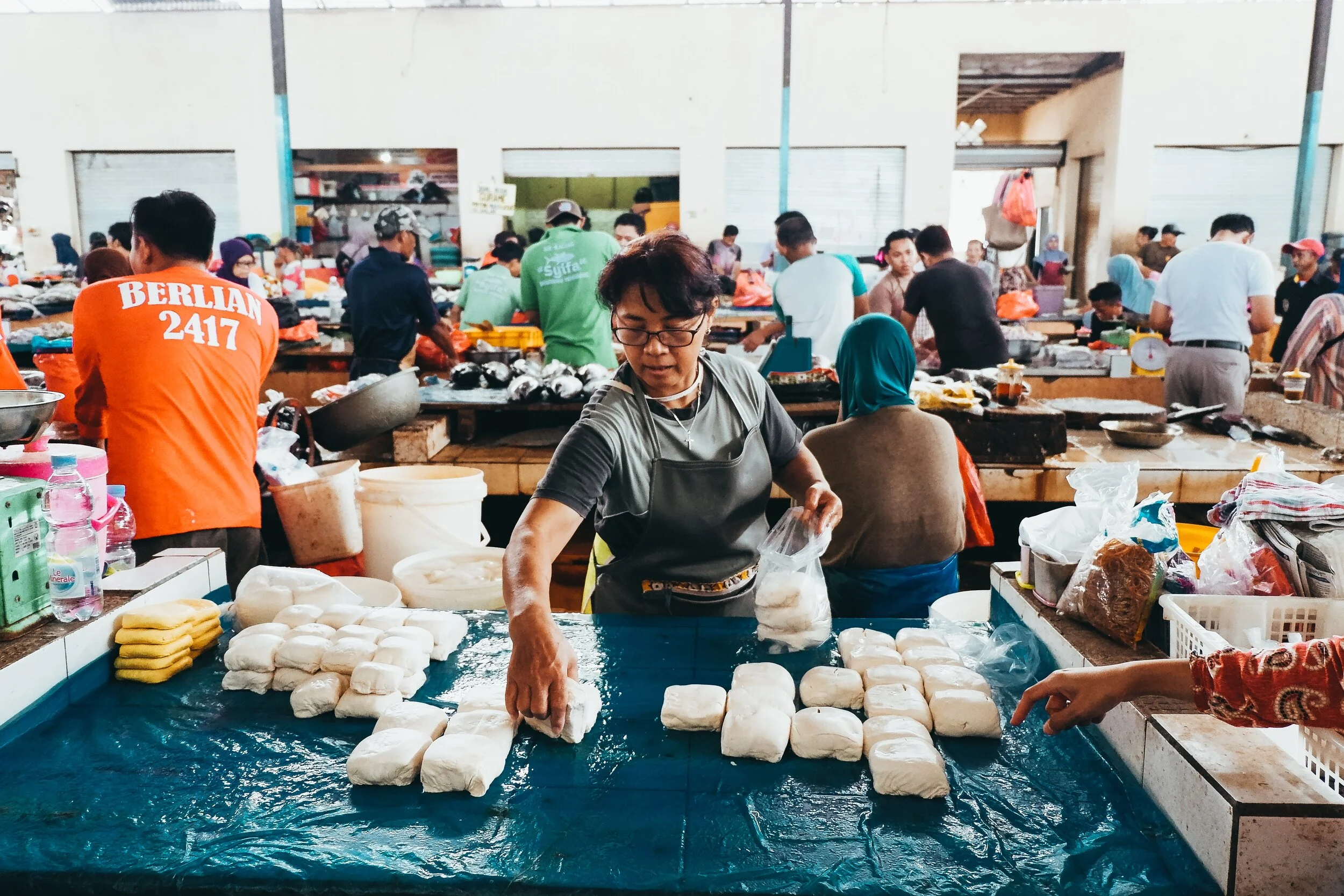
Tofu is timeless. Devi Puspita Amartha Yahya. Unsplash.
The Future of Tofu
While tofu has a stronghold in Asian cuisines, this humble ingredient continues to change and evolve across the world. As consumers look for more sustainable alternatives, tofu stands as a ready-made, centuries-old option. Not only is it healthier, but tofu is also a flexible and equally tasty substitute for meats and other high-cholesterol foods. Despite its unassuming nature, tofu has proven its timelessness.

Rhiannon Koh
Rhiannon earned her B.A. in Urban Studies & Planning from UC San Diego. Her honors thesis was a speculative fiction piece exploring the aspects of surveillance technology, climate change, and the future of urbanized humanity. She is committed to expanding the stories we tell.
Taiwan Face-To-Face
Taiwan, a state in East Asia, neighbors the People’s Republic of China, Japan, and the Philippines. The videographer, Tiemo Weidemann, comments on his filming saying “I travelled through Taiwan for 4 months, and with this video I'd like to show this beautiful country through my eyes. I experienced the busy lives in the big cities, got overwhelmed by the other-worldly peace of the nature, lost myself feeling at home in the countryside and found value in the numerous traditions the Taiwanese people hold in such high regard.”