Mass Killings of the Gray Wolf near Yellowstone

With the 150th anniversary of Yellowstone, attention is drawn to the mass killings of the gray wolf. The park’s bordering states have no laws to protect this species, as the wolves reach a record low number. 
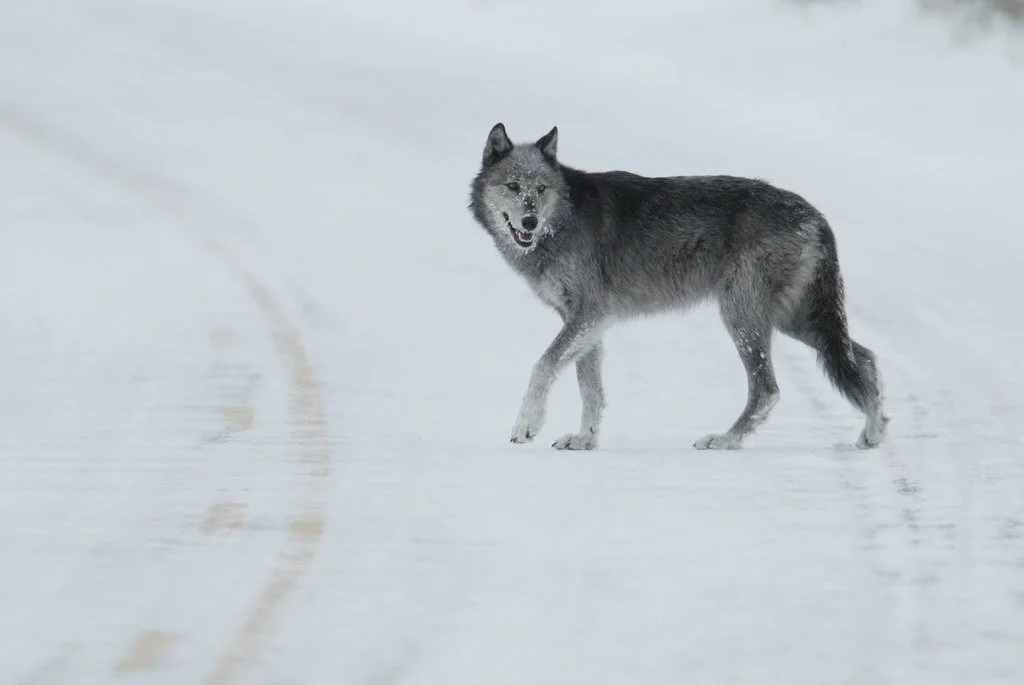
Gray wolf traveling. Yellowstone National Park. CC BY-SA 2.0.

March 1 marked the 150 years of Yellowstone National Park’s existence. However, a sad reality emerges regarding the hunting and killing of wolves. Although this event should be a time of commemoration for the park, an impending issue may finally be getting the necessary public attention. 

While hunting is illegal within Yellowstone, the boundaries of the park line states like Montana, Idaho and Wyoming, which offer no protection to what crosses into their private territory. As a result, the highest number of gray wolf killings has occurred within a century this season alone, which is less than halfway over. 

There are several reasons why this attack on the gray wolf has been escalating. In 2020, the Trump Administration abolished protection of the gray wolf species, meaning that they no longer receive protection as an endangered species. Two years later, though, the federal court worked to reinstate protection for the wolves. Although this preservation was successful in some states, those bordering Yellowstone were excused from this active protection. As a result, hunters in Montana, Idaho and Wyoming have brought the total population down to just 90 wolves

Although there are strict hunting rules within Yellowstone, they now hold little value due to the ways in which these bordering states support the war on wolves. These mass killings are not only exponentially growing for the first time in a century, but pose extreme risks for the balance of the ecosystem. The gray wolf plays a key role in the ecosystem, which further affects the physical environment the park is surrounded with, as well as the stability of other organisms. 

For example, the diminishing number of wolves negatively impacts the ecosystem as the species feeds on deer and elk populations, keeping them at a healthy population. When wolves eat deer or elk, they also leave their carcasses scattered which provides nutrients for other members of the system. Aside from the gray wolf affecting other species, they have large impacts on trees, plants and the physical environment at large. With the absence of the gray wolf working as predators, an abundance of elk would feed on different types of trees, which further translates into the stagnation of the species. 

The issue is growing rapidly, as the entire Phantom Lake Pack has been slaughtered due to the lack of protection. New laws in Idaho encourage these killings; the governor of Montana is an active hunter himself who recently trapped and killed a wolf without following protocol. As these states fail to protect the important wildlife that walks into their territory, it is increasingly concerning why there is little to no federal concern on this issue. 

Those who demand change are former members of the Fish and Wildlife Commission, who have seemingly followed the journey of the gray wolf, watching them go from full protection to total vulnerability. Although gray wolf deaths reach dangerous numbers, the problem is seemingly insular to the park itself, only being made known to the outside when action is demanded. When there is no personal connection between the park and the outside influences that have ability to make a change, protection is only considered when irreversible ecological damage to the park is noticed. Whether the federal government and commission chooses to protect the gray wolves or not is ultimately determined by their care for the environment, economics and the ecological community.  

GET INVOLVED

Citizens can put active pressure on the federal government and commission to keep the Endangered Species Act protections for gray wolves in 48 states throughout the Biden Administration. This pressure would also help the wolves have protection under federal law, rather than leaving responsibility to the surrounding states. 

Here, you can sign a petition to Secretary Haaland to promote this protection of wolves.



Talia Rueda

Talia is an English major and Marketing minor at Providence College. She works as a Staff Writer and Social Media Coordinator for their student-led newspaper, The Cowl. She is a lover of all things entertainment media and is happy to now grow her experience in writing about social action and travel. In the future, she hopes to work for a major entertainment magazine to continue the conversation about growing trends and popular culture.
Zimbabwe’s Mining Ban: A Potential Empty Promise?

The government of Zimbabwe now bans mining in its national parks, but environmentalists argue that the prohibition is hardly adequate. 

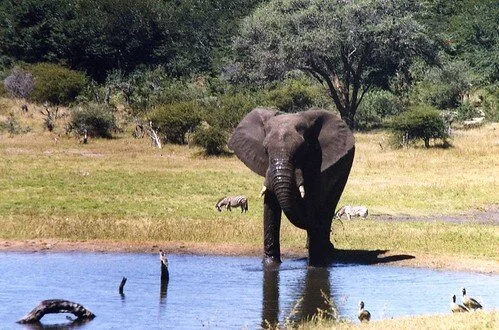
An elephant at a watering hole in Zimbabwe’s Hwange National Park. BARMCD. CC BY-NC 2.0.

After mounting pressure from conservationists, Zimbabwe’s government has declared a mining ban in the country’s national parks. Reports have circulated that Chinese companies are scouting out coal mining sites in Hwange National Park, Zimbabwe’s largest national reserve. The park stretches over nearly 6,000 square miles and is home to about 50,000 of Zimbabwe’s estimated 86,000 elephants. Extensive conservation projects are conducted in the region to preserve its plethora of wildlife species, but the call to protect the elephant population has drawn the most intense focus.

The government’s new ban is the result of a case brought to the country’s High Court by the Zimbabwe Environmental Lawyers Association. The group argues that mining would destabilize the park’s biodiversity while injuring the fragile ecotourism sector. This case was first brought to the High Court after officials of Afrochine Energy and Zimbabwe Zhongxin Coal Mining Group were arrested for conducting illegal mining projects only to be released with special permission by Zimbabwe’s President. Outrage immediately ensued, and conservationists rode the wave of anger to action. 

The immense pressure on the government to implement change follows months of anger by environmentalists claiming that Chinese mining companies have already caused catastrophic damage in other regions of Zimbabwe. Environmentalists explain that the companies dump toxic waste, clogging precious dams and resulting in substantial drops in local wildlife populations. Locals also resent the presence of Chinese mining companies due to diminishing livestock populations and disrupted irrigation routes. 

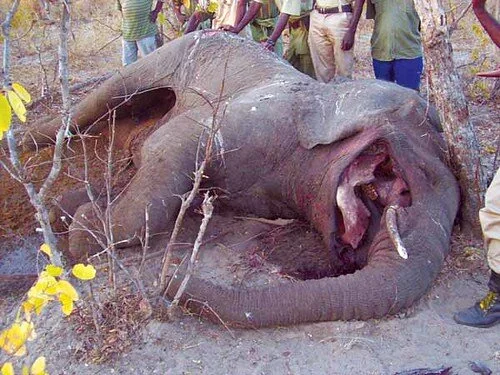
Environmental groups also argue that mining will perpetuate the drought and overcrowding problems that have already killed hundreds of elephants. Local residents deal with regular poaching disputes and rely heavily on income from ecotourism; so, many fear that failure to hold off Chinese mining companies could cause  economic damage and increased levels of conflict. Furthermore, many Zimbabweans believe that mining in Hwange is only one piece of the bigger picture. Gold and diamond mining sites pepper other parts of the nation, causing equal degrees of environmental destruction to the over 1,000 species of animals that roam the country.

Tusks removed from a poached elephant. Sokwanele. CC BY-NC-SA 2.0.

For now, it seems that the government of Zimbabwe has yielded to the demands of conservation groups, but environmentalists appear far from satisfied. The government says that it is canceling current mining titles, but conservationists are doubtful that this is enough. Shamiso Mtisi, deputy director of the Zimbabwe Environmental Lawyers Association, states that the group is demanding an interdict, which is a legally binding prohibition. Pressure on the government to act quickly increased significantly in the past week as 11 young elephants died due to an unknown bacterial infection. Investigations are now proceeding to determine the cause of the elephants’ deaths, and whether poisoning may be linked to nearby mining activity. 

Although the High Court’s verdict is already known, but whether or not Zimbabwe’s government will take the necessary steps to save the country’s natural and economic resources remains a mystery.

Ella Nguyen

is an undergraduate student at Vassar College pursuing a degree in Hispanic Studies. She wants to assist in the field of immigration law and hopes to utilize Spanish in her future projects. In her free time she enjoys cooking, writing poetry, and learning about cosmetics.

National Parks Begin to Reopen, With Limits

National parks are popular travel destinations, and with COVID-19 still present, the distancing quality of being in a park holds appeal for many wishing to escape the confines of the quarantine. According to one survey, 24% of Americans planning on road-tripping this summer have national parks on their mind. The 52 million acres of national park space have not opened up to their full capacity, however, and lots of programming across the nation has been cut in order to discourage large gatherings. Some of the more dangerous trails are closed as well due to fear of contamination from visitors who might hold onto safety chains or railings. Many transportation options have been cut, a choice that makes the inner, unpaved portions of the parks less accessible. Each park is undergoing reopening phases at their own pace, the speed mostly a reflection of what the local government is permitting and the status of COVID-19 in the area. The National Park Service has publicly urged visitors to abide by social distancing guidelines to help prevent the spread of the virus and protect park employees. Many of these parks are located in rural areas that lack extensive hospital care, so an uptick in COVID-19 cases could have devastating effects. 

Yellowstone National Park - Wyoming

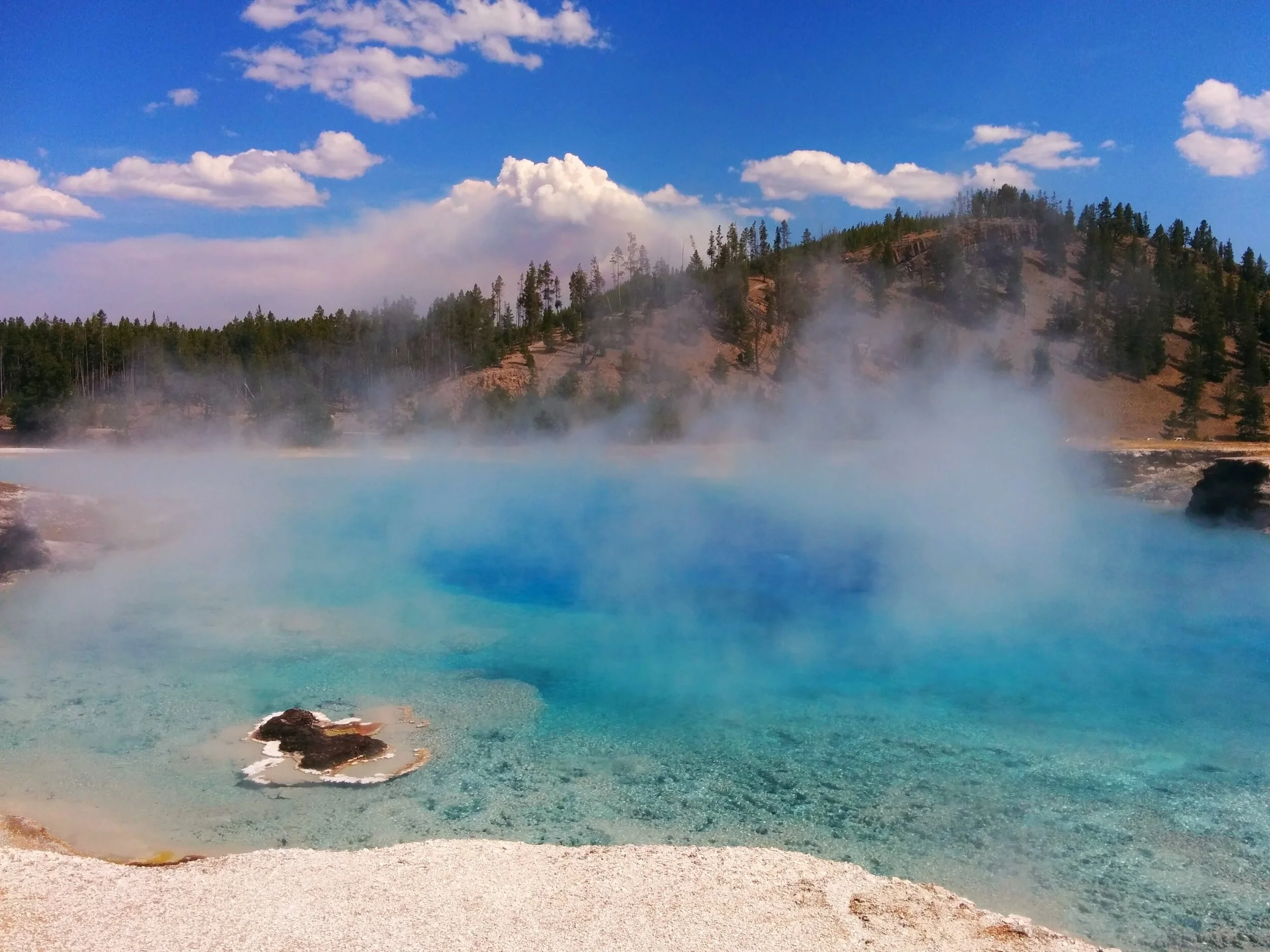
A hot spring in Yellowstone National Park. Aidan B. Unsplash.

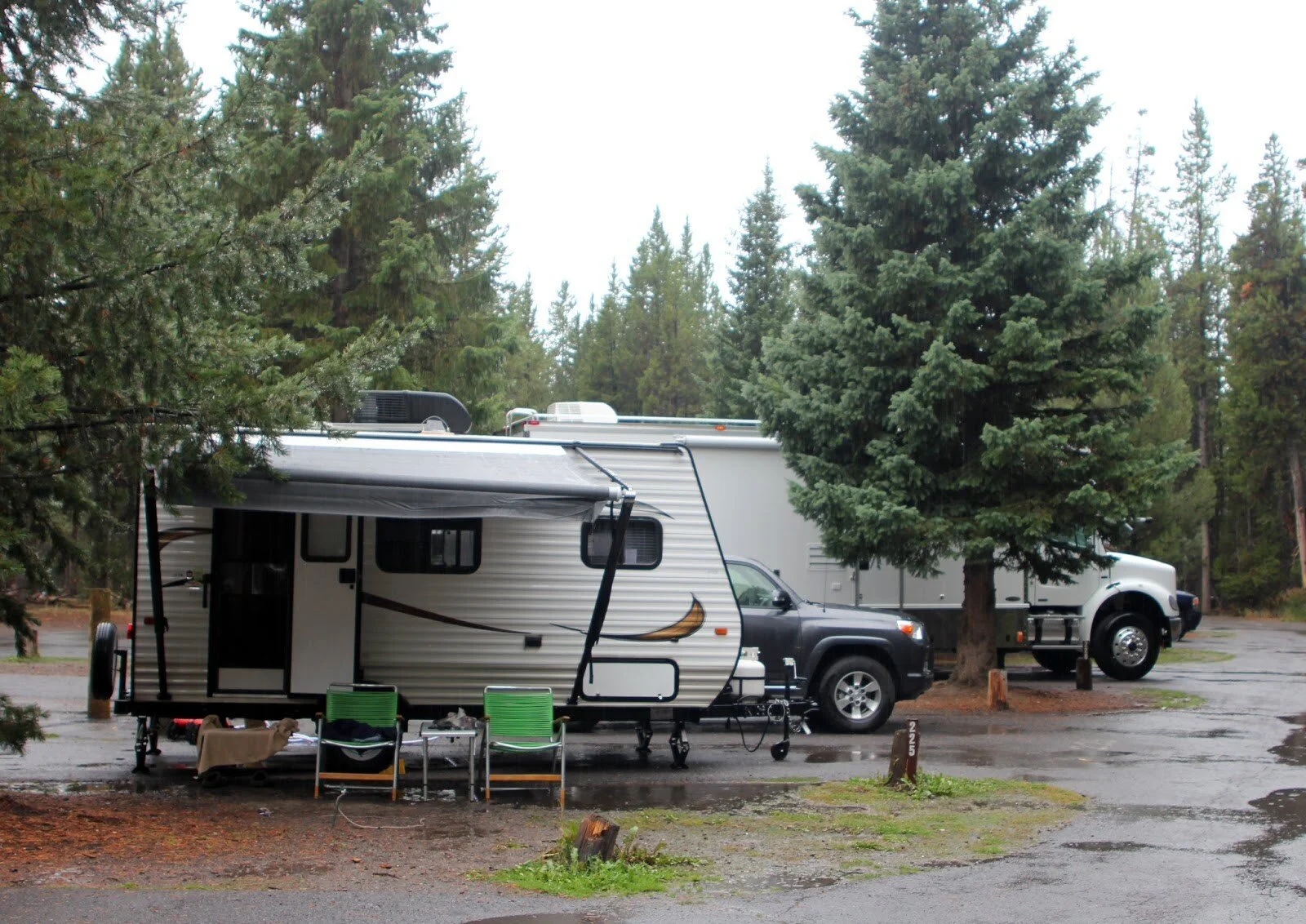
Yellowstone National Park is the world’s first national park and a destination for millions of tourists each year. Accordingly, the park typically offers a wide assortment of attractions including an abundance of flora and fauna, 12 campgrounds, and nine visitor centers. Perhaps its most well-known assets are the Old Faithful geyser and the park’s numerous hot springs. Yellowstone reevaluated its spring opening dates after the initial COVID-19 outbreak, pushing its first major phase of reopening from a typical mid-April date to May 18. The park had been closed since March 24 and is now directing visitors toward a few specific entrances as well as limiting them to certain areas (the lower loop) of the park. Additional constraints include the unavailability of overnight accommodations including hotels and campgrounds, the banning of commercial tour buses, and closed ranger programs and visitor centers. As the park progresses into reopening phases 2 and 3, some of these restrictions are expected to loosen, such as the opening of some overnight rooms, takeaway at some on-site restaurants, and select campgrounds. While some of the regulations are done as a response to multiple state guidelines (Yellowstone spills into Montana and Idaho), a Yellowstone website states that “The park’s reopening priorities center on protecting employees and the public from transmission risks through a variety of mitigation actions.” 

Arches National Park - Utah

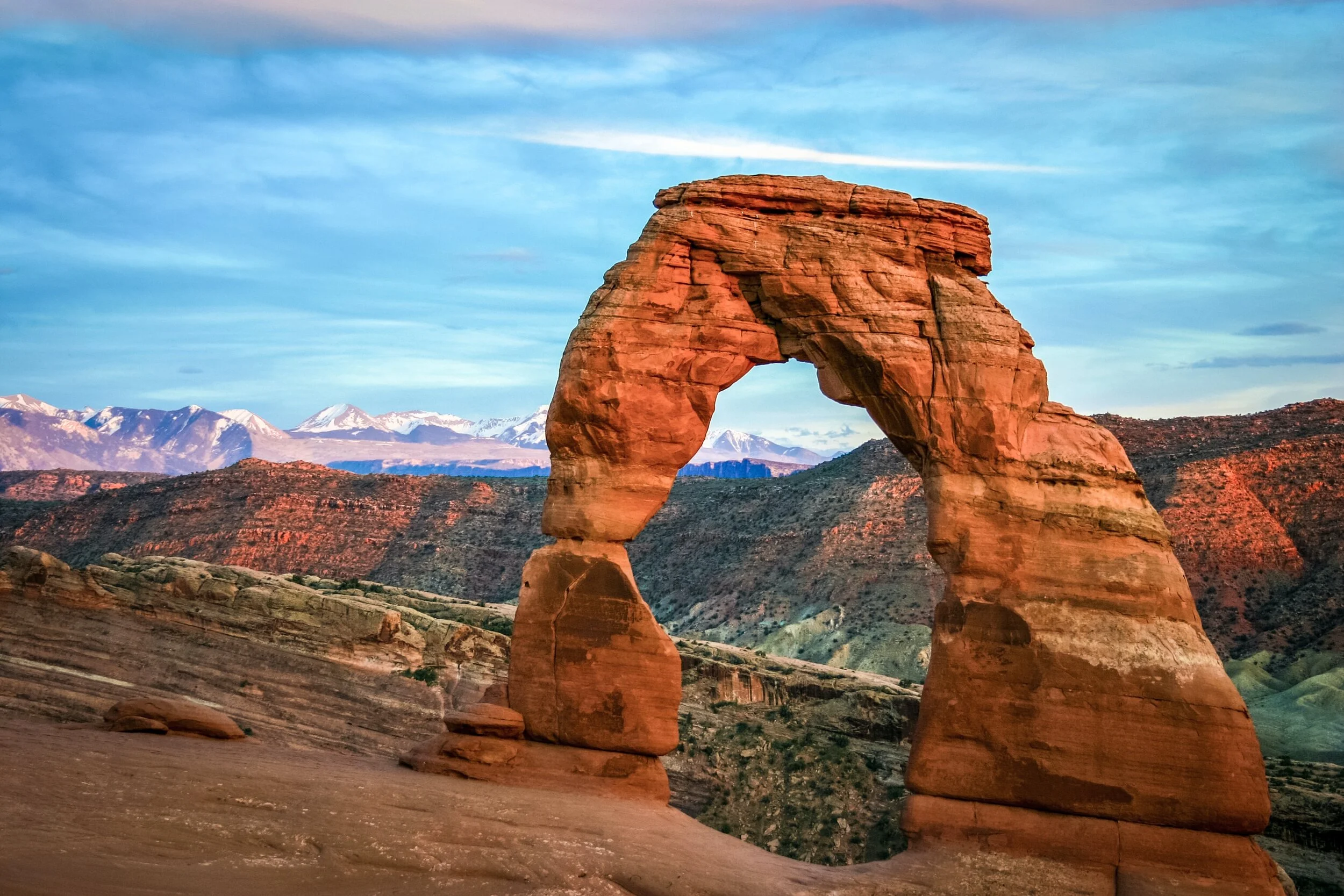
Delicate Arch, one of the top sites at Arches National Park. Holger Link. Unsplash.

Arches National Park, located on the eastern side of Utah near the city of Moab, is home to the famous stone marvel known as the Delicate Arch. The park also has numerous hiking opportunities, additional stone icons, and scenic drives. Although the park was closed for many weeks after the virus broke out, Arches resumed entrance fee collection (seven-day passes ranging from $15 to $30) on June 15 as part of a multiphased reopening process. While the Arches Visitor Center, Devils Garden Campground and Fiery Furnace remain closed, the roads, trails and park store are now permitting visitors. One major concern for those running the park is the congregation of visitors around popular landmarks like the Delicate Arch. Although the park has not issued any explicit policies banning congregations of visitors around hot spots like the arch, the National Park Service is following guidelines from the Centers for Disease Control and Prevention. The park has stated that it is actively monitoring visitors and encouraging them to wear masks and social distance in addition to following the park’s standard Leave No Trace principles.

Joshua Tree National Park - Southern California

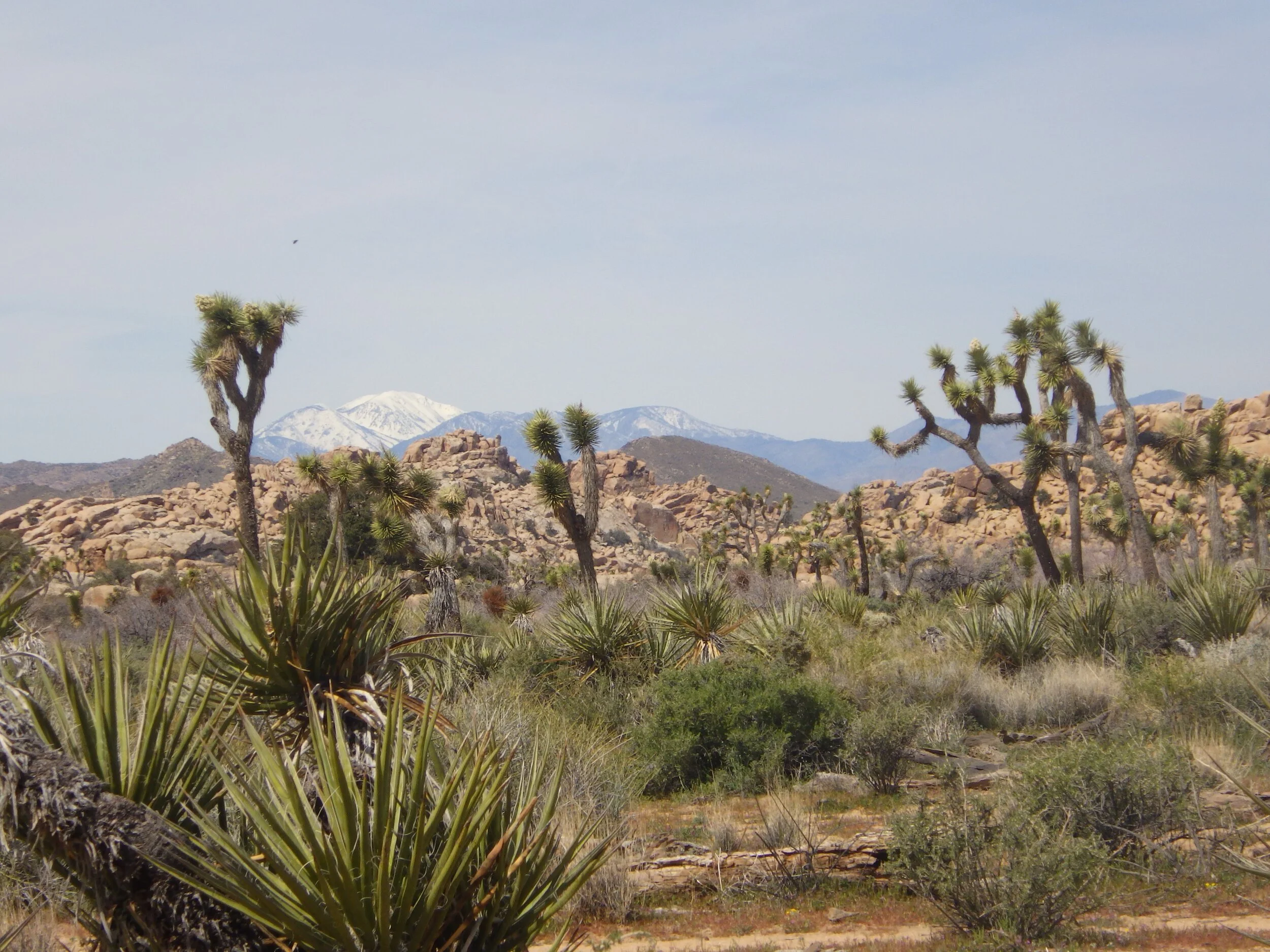
A snapshot of some yucca trees in Joshua Tree National Park. Fum Bally. Unsplash.

Joshua Tree has two distinct deserts (the Mojave and Sonoran) and is known for its iconic giant yucca trees. This rocky 794,000-acre park, located in Southern California, receives 2.8 million visitors during a typical year. Like many other national parks, Joshua Tree is undergoing a multiphased reopening plan that began in late May. Despite some modifications, Joshua Tree has listed many open amenities on their website, including entrance booths, trails, family campsites, visitor centers and group campsites (25 person limit). The park is not running any programs this year. 

Redwood National Park - Northern California 

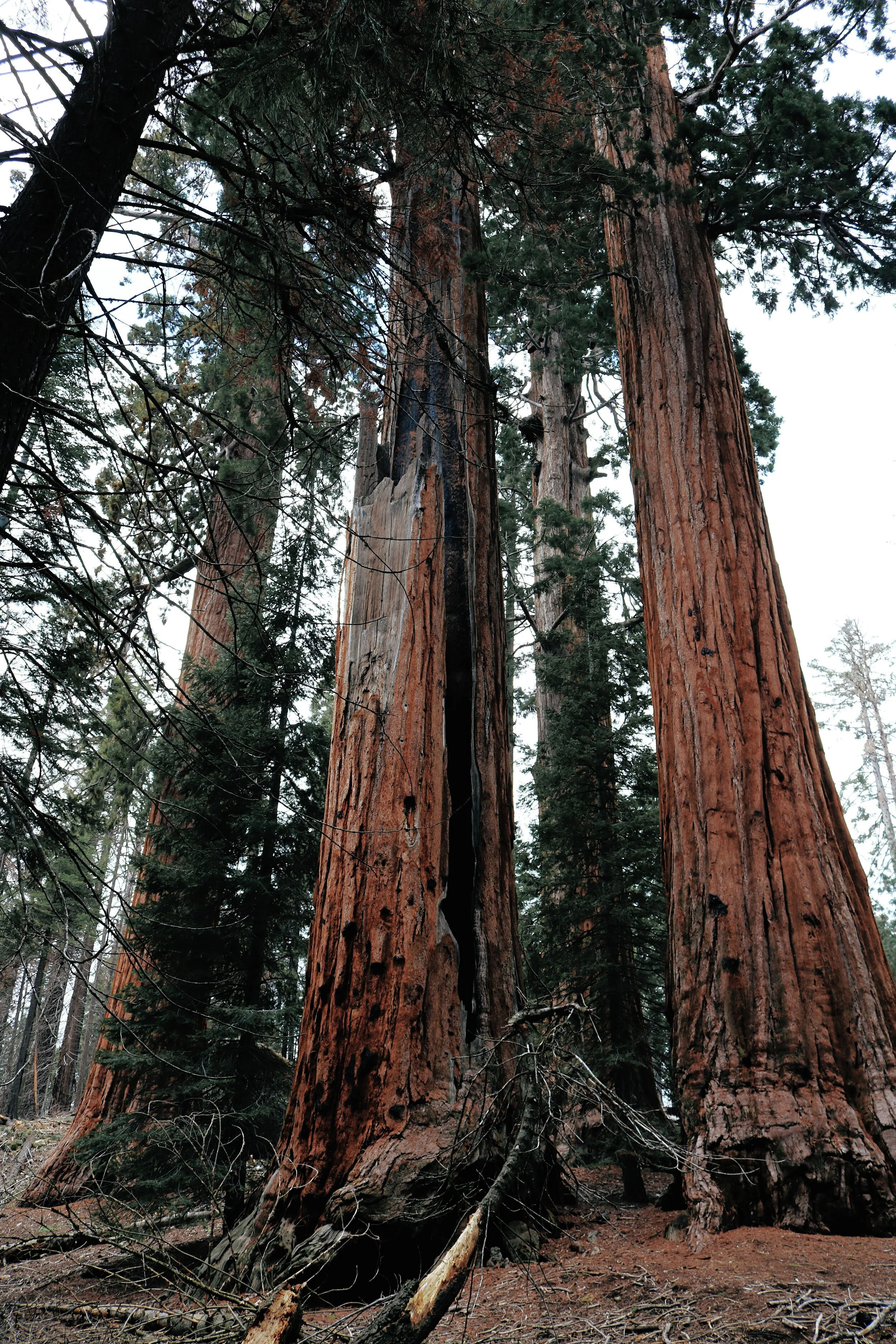
Some impressive redwood trees in Redwood National Park. James Lee. Unsplash.

Redwood National Park is named for the giant redwood trees throughout the area, the tallest of which is recorded to be over 379 feet tall. Most of the park is free and almost half a million visitors come to enjoy its beauty each year. In a state with nine  national parks, this one is a standout. All five visitor centers are currently closed at Redwood National Park, as are some roads and parking lots. The park is not holding any on-site events or outdoor school programs, instead requesting that everyone spread out while visiting. The park asks that everyone be prepared to take home their trash as well. Nevertheless, visitors can still enjoy most of the campgrounds, trails and a number of scenic drives. 

Acadia National Park - Maine

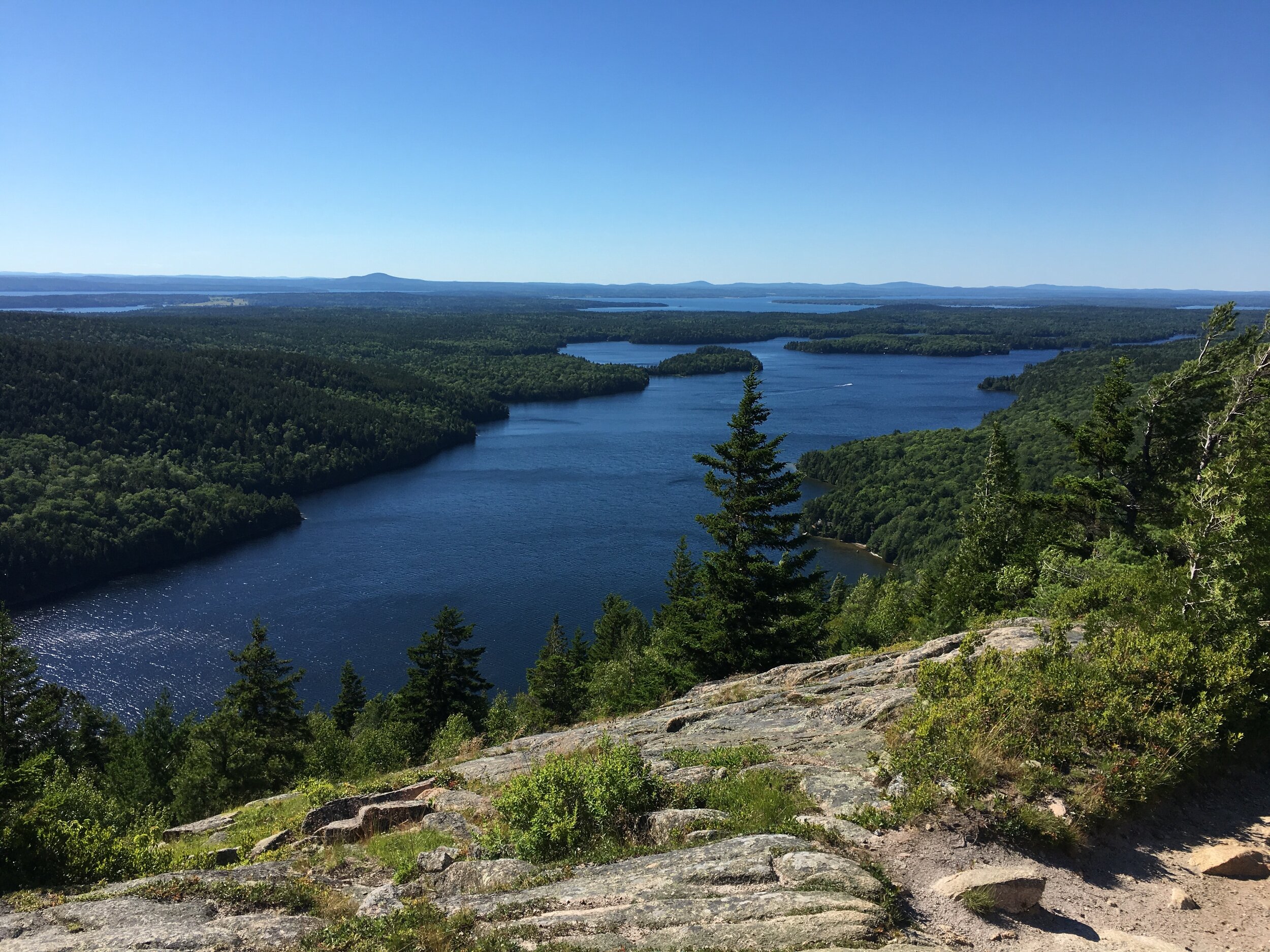
A lake view at Acadia National Park. Michael Loftus. Unsplash.

Acadia is located along coastal Maine and is in close proximity to a number of quaint restaurants, museums and hotels. Visitors can take scenic drives, investigate numerous lakes and wooded areas, and take boats out on the water. There is even a portion of the park that is accessible mainly by ferry. Acadia, like many other parks, is currently undergoing a multiphased reopening plan. While most hiking trails and retail services are open, campgrounds are not. If visitors are feeling down about being unable to camp overnight, they can still have a memorable experience and go for a horse-drawn carriage ride instead. 

Valley Forge National Historical Park - Pennsylvania

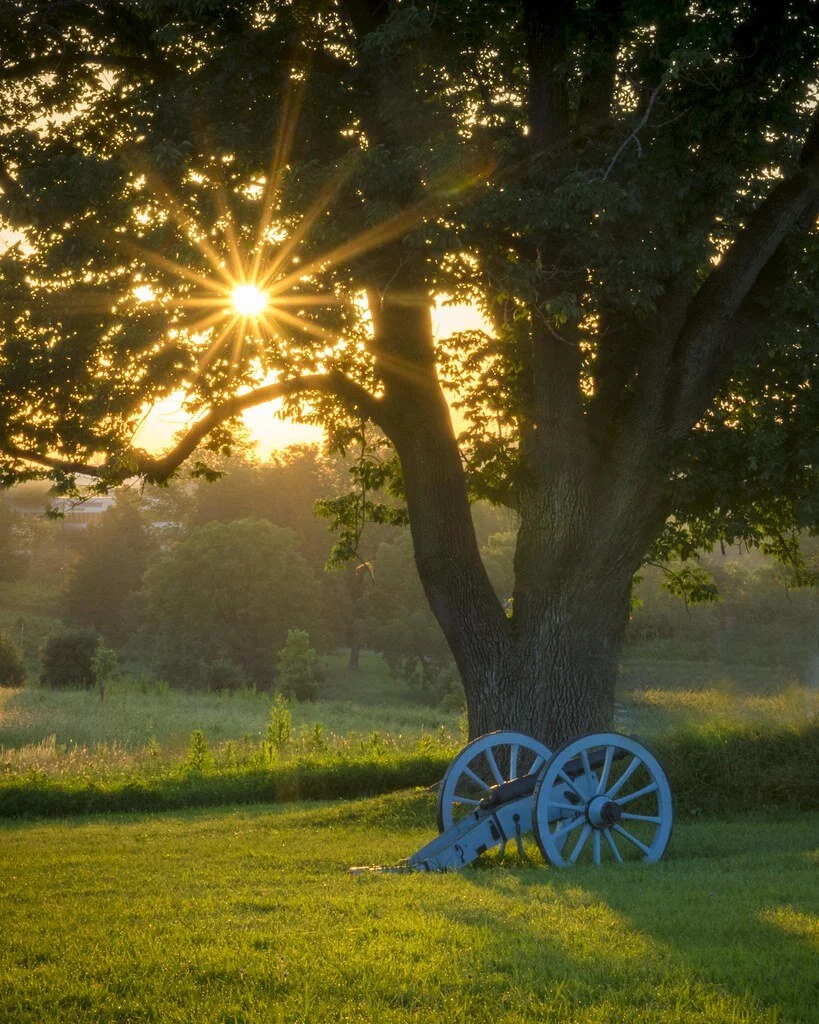
The sun rises over Valley Forge National Historical Park. Thomas James Caldwell. CC BY-SA 2.0

Valley Forge is rich with history and greenery as it is the location where Gen. George Washington kept the Continental Army for six months in 1777 and 1778. During a typical year, visitors participate in a number of recreational activities such as trolley tours, visiting Washington’s headquarters, and investigating the Muhlenberg Brigade Huts. As the park undergoes a slow reopening process, these buildings and facilities, including visitor centers, have remained closed. Some parking lots, roads and trails are open, however, and visitors are encouraged to take their trash with them in addition to practicing social distancing. Programs and events have not been officially canceled and are just postponed. 

Big Bend National Park - Texas

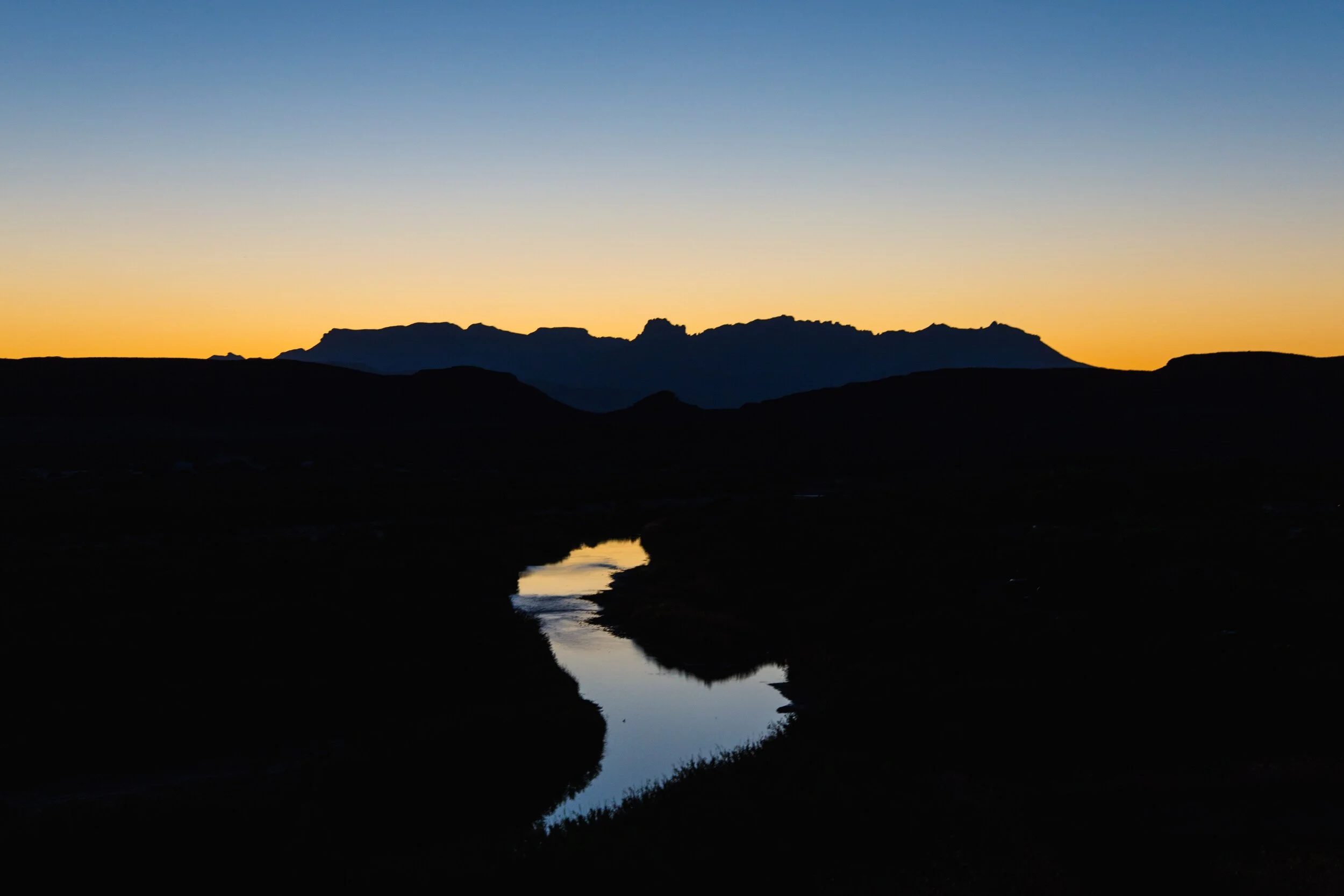
A view of the Rio Grande in Big Bend National Park. Kyle Glenn. Unsplash.

Big Bend National Park is situated in West Texas and covers over 800,000 acres of land. Named after the U-turn in the Rio Grande, this national park has a range of terrain including desert, mountains and rivers. The park does not receive many visitors - only about 350,000 per year - but it does have an excess of heat, with temperatures passing 100 degrees Fahrenheit before noon in the summertime. The park is fairly open, including day hike trails and rafting on the Rio Grande. The visitor centers and some stores are closed, as are the more “primitive roadside” campsites for backpackers. Camping and lodging are at limited capacity but expect a greater degree of reopening in the near future.

Phoebe Jacoby

is a Media Studies major and Studio Art minor at Vassar College who believes in the importance of sharing stories with others. Phoebe likes to spend her free time reading, drawing, and writing letters. She hopes to continue developing her skills as a writer and create work that will have a positive outward effect.