
To skip the crowds, tourists should opt for lesser-known parks that offer skyline views and peaceful walking trails.
Read MoreRoute 66 Centennial in California
Cruise through some of California’s most iconic stops along Route 66.
Read More8 Surprisingly Vibrant Desert Destinations
Deserts are much more than the beating sun and rolling sand dunes we often picture. These eight destinations showcase the incredible natural beauty of the desert, from salt flats and chalk formations to mountains and glaciers.
Though deserts are often thought of as just hot, dry expanses of sand, they come in a variety of climates and landscapes and hold some of the world’s most fascinating natural formations. Deserts “are areas that receive very little precipitation,” making them arid but not necessarily hot and sandy. Many deserts are mountainous, and others are large expanses of rock or salt flats. Though their arid environment makes water in deserts scarce, they are far from lifeless. Plants and animals, including humans, have adapted to desert life. One-sixth of the Earth’s population lives in deserts, which are found on every continent.
These eight desert destinations range from freezing to boiling in temperature and are all unique, with their own attractions and plant and animal life. Each of these stunning deserts is worth a visit, and they may change your opinion of the desert as a stark, lonely place to one of beautiful landscapes blooming with culture, history and life.
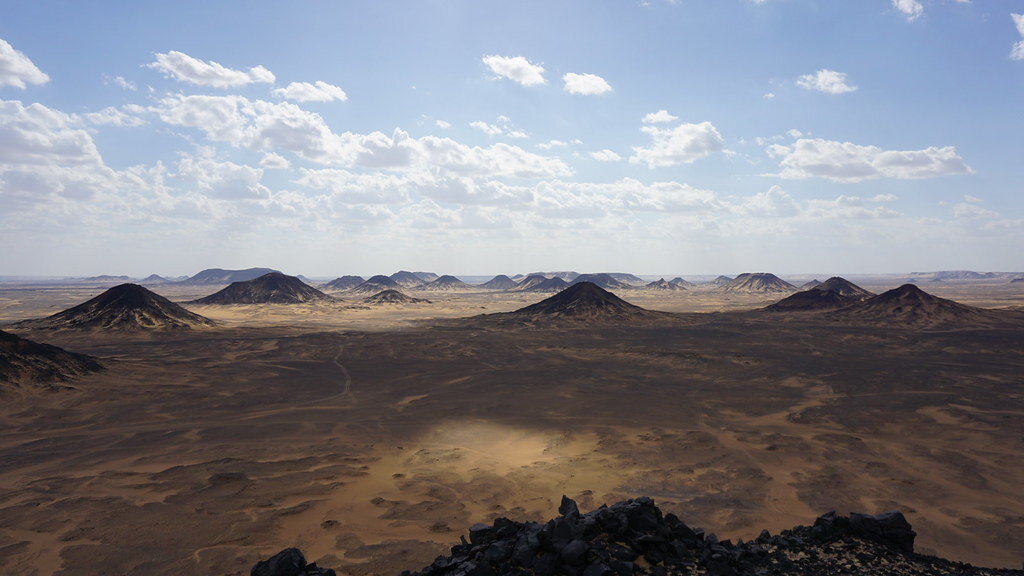
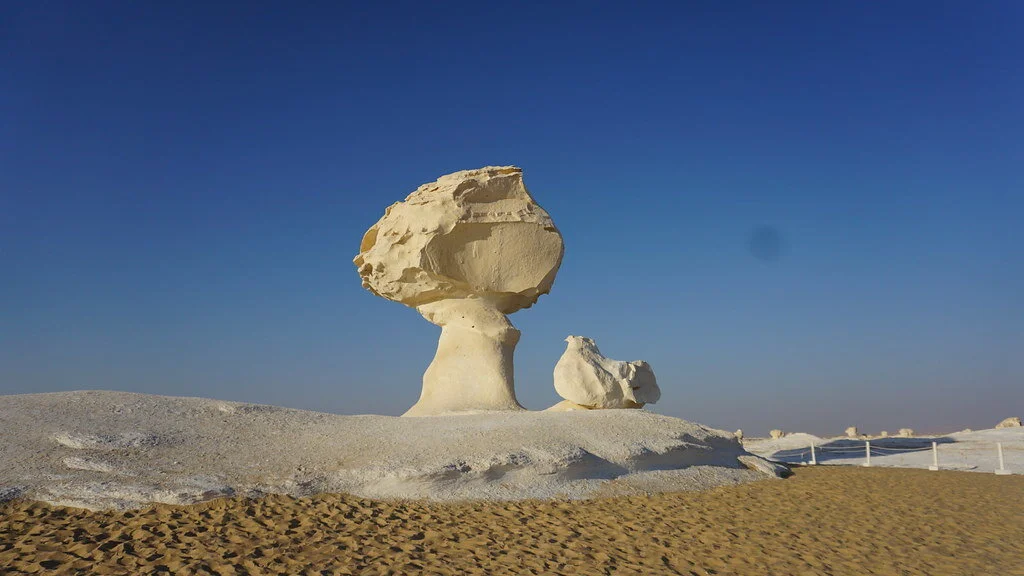
White and Black Deserts, Egypt
Located just a few hours from Cairo, Egypt’s White and Black deserts are two stunning and underappreciated visitor attractions. The White Desert is located in the Farafra Depression, a section of Egypt’s Western Desert, and boasts some of the most unique geological landscapes in the country. Incredible wind-carved white chalk formations rise from the sand in the shapes of towering mushrooms and pebbles, giving the White Desert its name. The White Desert stretches over 30 miles, and the most visited area is the southern portion closest to Farafra. To the north of the White Desert is the Black Desert, where volcanic mountains have eroded to coat the sand dunes with a layer of black powder and rocks. In the Black Desert, visitors can climb up English Mountain and look out over the landscape. The Egyptian Tourism Authority recommends booking a tour to explore the deserts in depth, and travelers can even stay in the White Desert overnight.
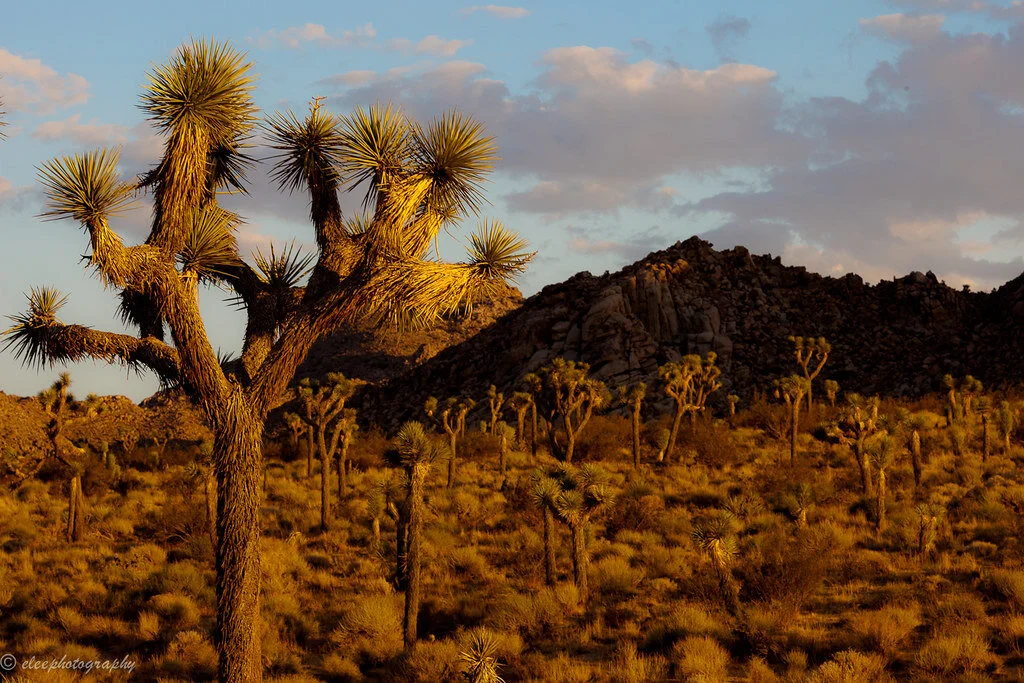
Joshua Tree National Park, California
Joshua Tree National Park in Southern California is where two different desert ecosystems meet. Parts of the Mojave and the Colorado deserts are both found in Joshua Tree, along with a distinctive variety of plant and animal life. The Joshua tree, the park’s namesake, is the most identifiable of the plants, with its twisted, spindly branches and spiky clusters of greenery. Some of the park’s most popular attractions are Skull Rock; Keys View, a lookout with views of the Coachella Valley and the San Andreas Fault; and Cottonwood Spring Oasis, which was a water stop for prospectors and miners in the late 1800s. Joshua Tree National Park has roughly 300 miles of hiking trails for visitors to explore. The park is open 24 hours and can be visited at any time of the year, but visitation rises during the fall due to the cool weather and is at its height during the wildflower bloom in the spring.
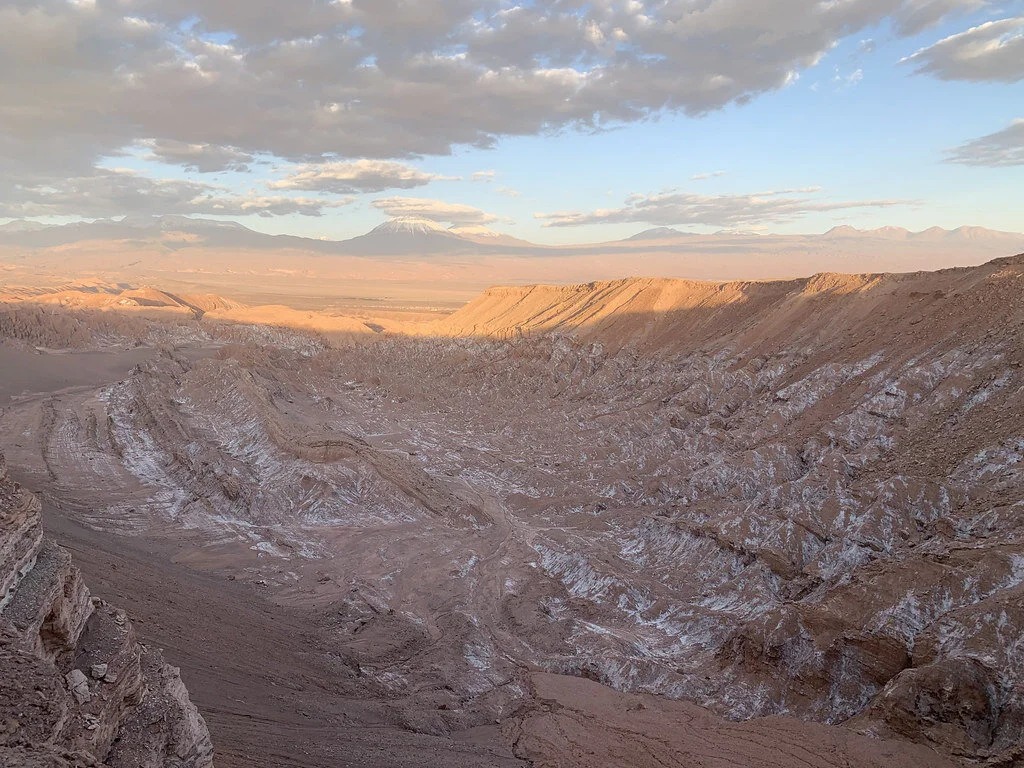
Atacama Desert, Chile
Trips to the Atacama Desert in northern Chile are likened to visiting Mars on Earth. The dry, rocky terrain is so similar to that of Mars that NASA tests its Mars-bound rovers here. The Atacama Desert, the driest desert on Earth, spans over 600 miles between the Andes and the Chilean Coastal Range. Some weather stations set up in the Atacama have never seen rain. Despite its dryness, the desert is home to thousands of people, as well as plants and animals. People have been living in the Atacama Desert for centuries; mummies were discovered in the Atacama dating back to 7020 B.C., even before the oldest known Egyptian mummies. Attractions in the Atacama Desert include El Tatio geyser field, the Chaxa Lagoon, the Atacama salt flats, and sand dunes over 300 feet tall. The Atacama Desert is also said to have some of the clearest night skies in the world, making it perfect for stargazing. It is best to avoid a trip to the Atacama during the summer months, as the high temperatures make for a sweltering visit.
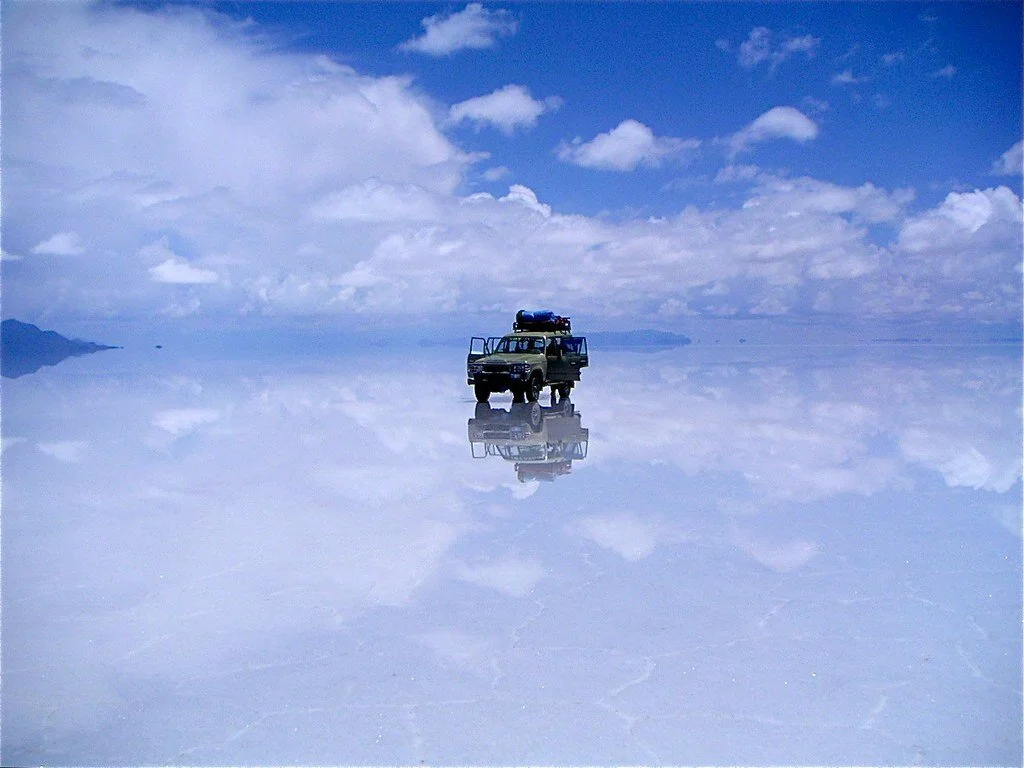
Salar de Uyuni, Bolivia
The world’s largest salt flat, Salar de Uyuni, covers 3,900 square miles in the southwestern corner of Bolivia. Salar de Uyuni is so large it can be seen from space and holds an estimated 10 billion tons of salt. Beneath the salt flat is approximately 70% of the world’s lithium reserves. This lithium is carefully extracted and used for powering laptops, electric cars and smartphones. Salar de Uyuni is surrounded by scenic lakes, geysers and rock formations, and is one of the world’s most beautiful and untouched natural landscapes. Tours of Salar de Uyuni take visitors to the Valley of Rocks; Morning Sun, which is home to geysers and mud pots; Colchani, a salt-processing village; and the Polques Hot Springs, where travelers can soak in warm thermal water. The landscape of Salar de Uyuni changes based on the seasons, so travelers should plan their visits around what they want to see. From July to October, access to all sites of Salar de Uyuni is unrestricted, but during the rainy season from December to April, visitors may be able to witness the salt flat’s famous mirror effect, where a thin layer of water over the salt transforms the land into the world’s largest mirror.
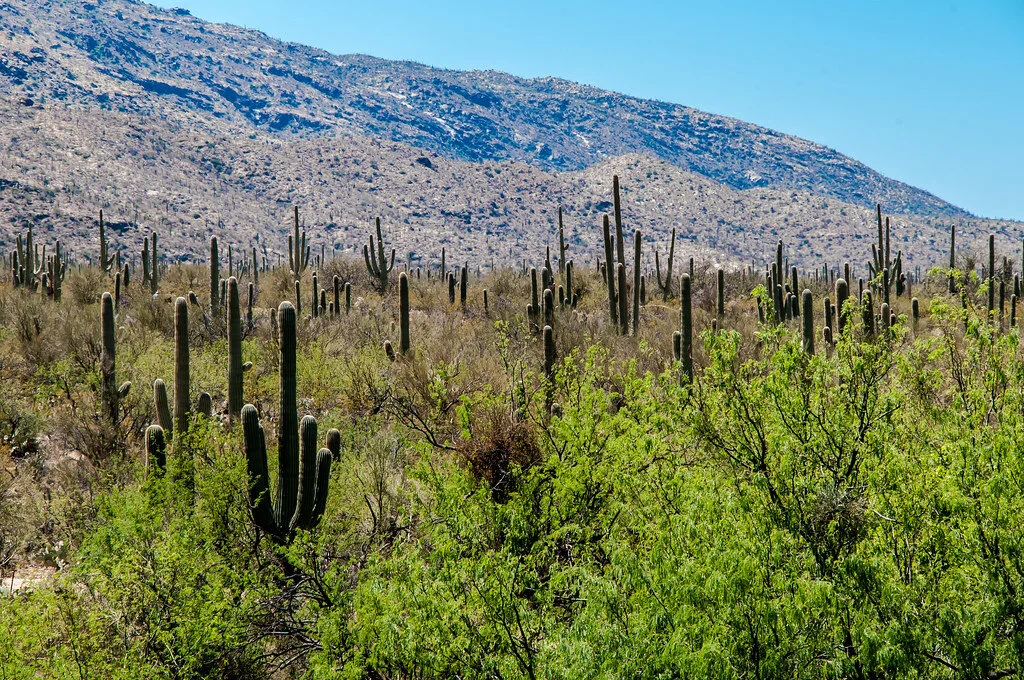
Tanque Verde Ranch, Arizona
Located just outside of Tucson, Arizona, near Saguaro National Park and the Rincon Mountains, Tanque Verde Ranch gives visitors “the ultimate dude ranch experience.” The ranch sprawls over 640 acres and stocks over 150 horses. Visitors to the ranch can get a real-life cowboy experience, including horseback riding and team penning. Riders of all experience levels will find something to do at Tanque Verde, where visitors can take beginning, intermediate and advanced lessons and then go on a sunrise or sunset trail ride through the Arizona desert. Tanque Verde Ranch offers kids’ riding activities too, as well as activities for non-riders such as yoga, mountain biking, fishing, swimming and pickleball. Visitors should pack long pants and closed-toe shoes if they plan to ride, and casual wear is appropriate for all non-riding times. Trips to the ranch usually last around four days, and visitors stay on the property. Tanque Verde Ranch is open to visitors year-round.
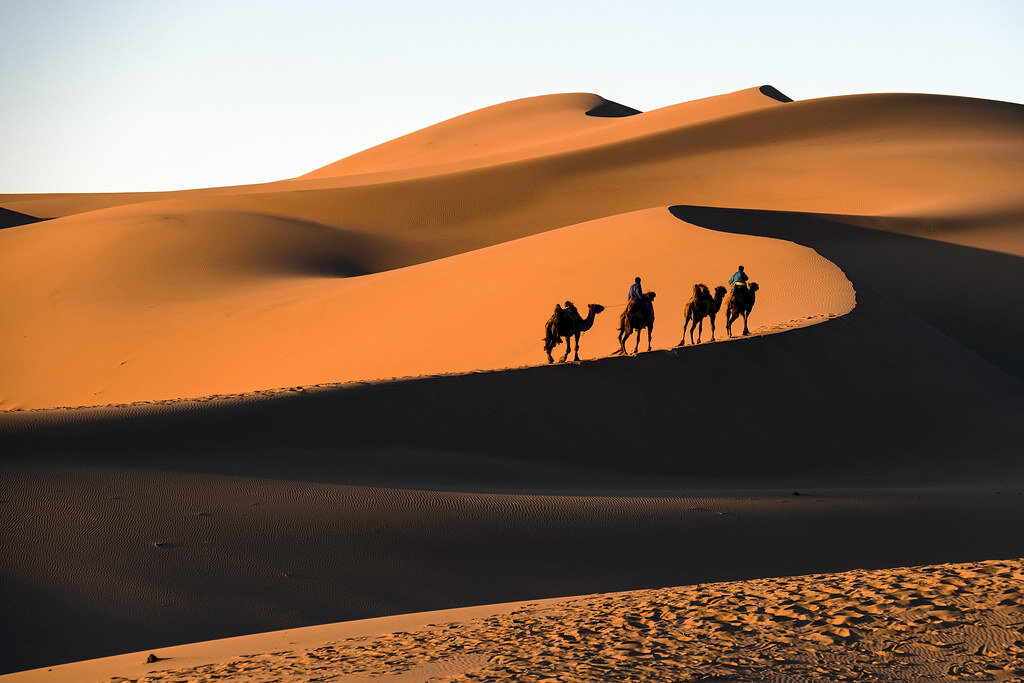
Gobi Desert, Mongolia
Spanning most of southern Mongolia and its border with China, the Gobi Desert contains stunning views and years of history. The region was once populated by dinosaurs, and some of the best-preserved fossils in the world were found near the Flaming Cliffs of Bayanzag. The Gobi Desert showcases a variety of natural beauty, from towering sand dunes to incredible white granite formations. Dry desert plants that come to life after rain make the Gobi unique, as well as ”saxaul forests” made up of sand-colored shrubbery. Visitors to the Gobi Desert should explore the Khongor Sand Dunes, an area that offers rocky and mountainous terrain in the south, dry and barren terrain in the center, and several oases in the north. Other major attractions are the Flaming Cliffs of Bayanzag, where red clay seems to glow in the sun, and the Gobi Waterfall, which looks like a city in ruins but is a completely natural formation. The best time to visit the Gobi Desert is either in late spring or in autumn, when the weather is neither too hot nor too cold.
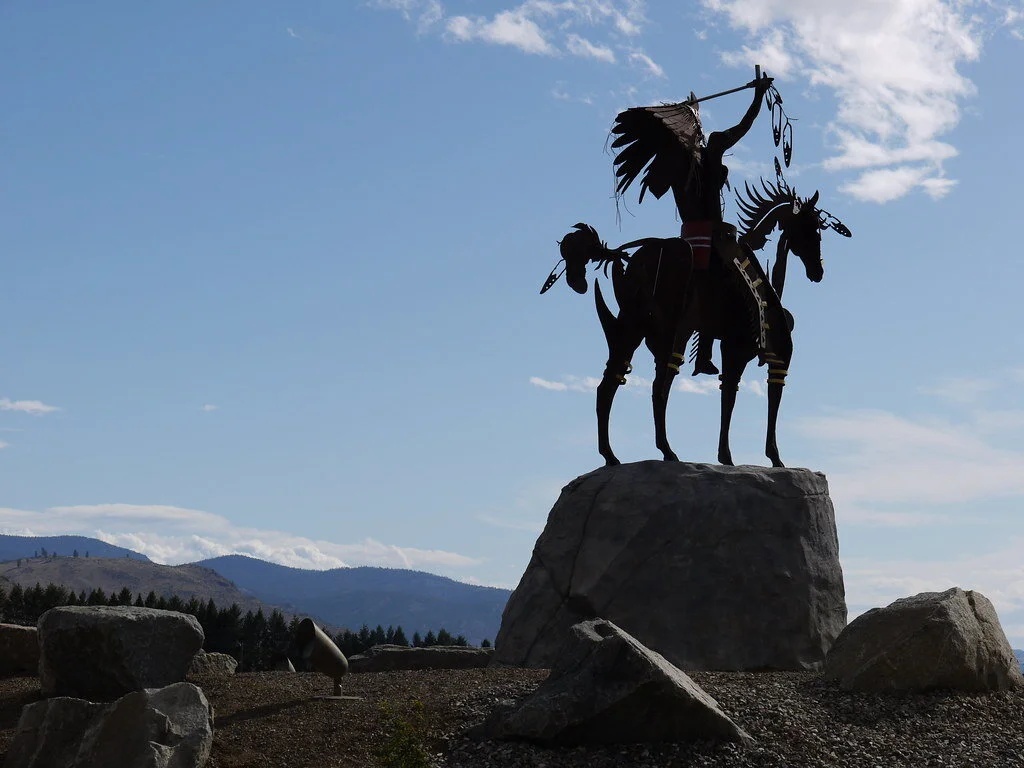
Nk’Mip Desert, Canada
Also called the Okanagan Desert, Canada’s Nk’Mip Desert contains the most endangered landscape in Canada. Located in Osoyoos in British Columbia, the Nk’Mip Desert Cultural Center is a 1,600-acre area of the Okanagan Desert managed by the Osoyoos Indian Band, and is the only fully intact area of desert in Canada. The desert is situated in a semiarid microclimate. The cultural center was designed to be eco-friendly and resembles the traditional winter homes of the Osoyoos Indian Band. Visitors can explore the desert on walking trails, which are surrounded by sage, prickly pear cactuses and antelope brush, as well as sculptures of desert creatures and native peoples by Smoker Marchand. The trails take visitors through a traditional Osoyoos village, where they will find a traditional sweat lodge and pit house. Many visitors prefer to explore Nk’Mip Desert in the summer due to the region’s relatively cold winters.
Patagonian Desert, Argentina and Chile
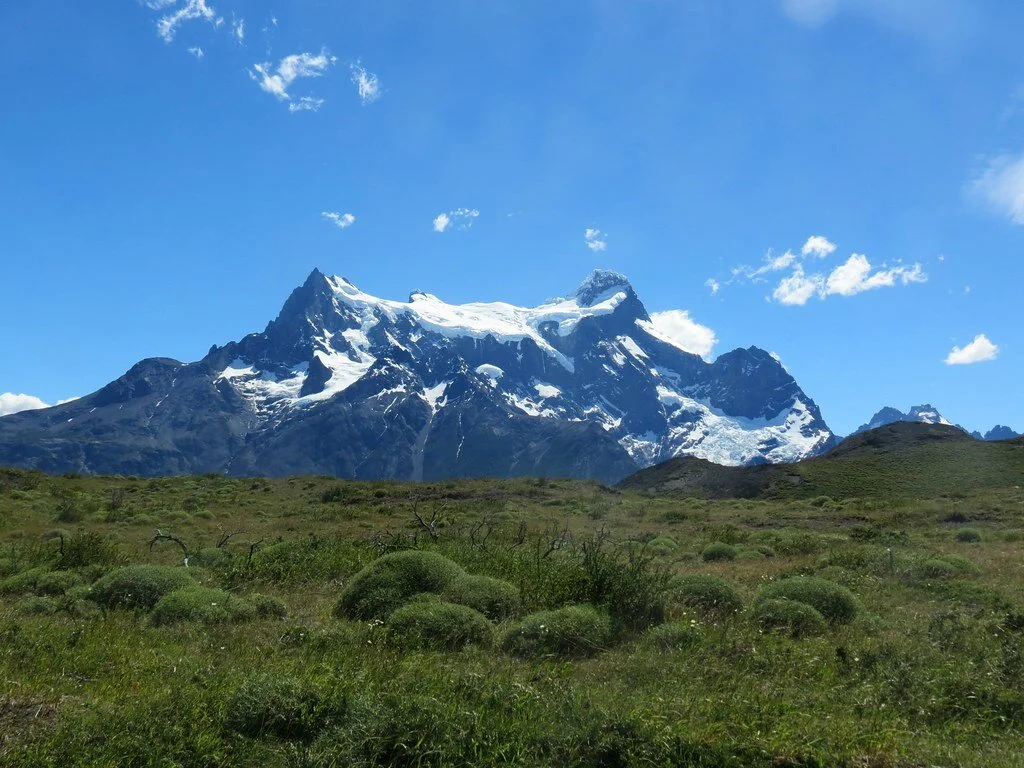
The Patagonian Desert is South America’s largest desert and the seventh-largest in the world. It covers parts of southern Argentina and Chile, and is a cold desert, sometimes reaching a high temperature of 68 degrees Fahrenheit. The Patagonian Desert is home to two national parks: Torres del Paine National Park in Chile and Los Glaciares National Park in Argentina. Torres del Paine and Los Glaciares aren’t typical desert environments, but since the Patagonian is a cold desert, its landscape is different from that of most deserts. Before the Andes were formed, the Patagonian Desert was likely covered by temperate forests, so the region containing the desert, Patagonia, is extremely ecologically and geographically diverse. Torres del Paine National Park is known for its towering granite structures, which were shaped by glaciers. Los Glaciares is home to large glaciers, as well as scenic mountains, lakes and woods. The Cueva de las Manos, or “Cave of Hands,” is a series of caves in Argentinian Patagonia which are filled with paintings of hands dating back to 700 A.D., likely made by ancestors of the Tehuelche people. Tehuelche people live in Patagonia today, some still following a nomadic lifestyle. The best time to visit Patagonia is generally said to be in the summer (December to February), when the days are warm and the fauna is in full bloom, but there are merits to exploring the area at all times of year.

Rachel Lynch
Rachel is a student at Sarah Lawrence College in Bronxville, NY currently taking a semester off. She plans to study Writing and Child Development. Rachel loves to travel and is inspired by the places she’s been and everywhere she wants to go. She hopes to educate people on social justice issues and the history and culture of travel destinations through her writing.
National Parks Begin to Reopen, With Limits
National parks are popular travel destinations, and with COVID-19 still present, the distancing quality of being in a park holds appeal for many wishing to escape the confines of the quarantine. According to one survey, 24% of Americans planning on road-tripping this summer have national parks on their mind. The 52 million acres of national park space have not opened up to their full capacity, however, and lots of programming across the nation has been cut in order to discourage large gatherings. Some of the more dangerous trails are closed as well due to fear of contamination from visitors who might hold onto safety chains or railings. Many transportation options have been cut, a choice that makes the inner, unpaved portions of the parks less accessible. Each park is undergoing reopening phases at their own pace, the speed mostly a reflection of what the local government is permitting and the status of COVID-19 in the area. The National Park Service has publicly urged visitors to abide by social distancing guidelines to help prevent the spread of the virus and protect park employees. Many of these parks are located in rural areas that lack extensive hospital care, so an uptick in COVID-19 cases could have devastating effects.
Yellowstone National Park - Wyoming
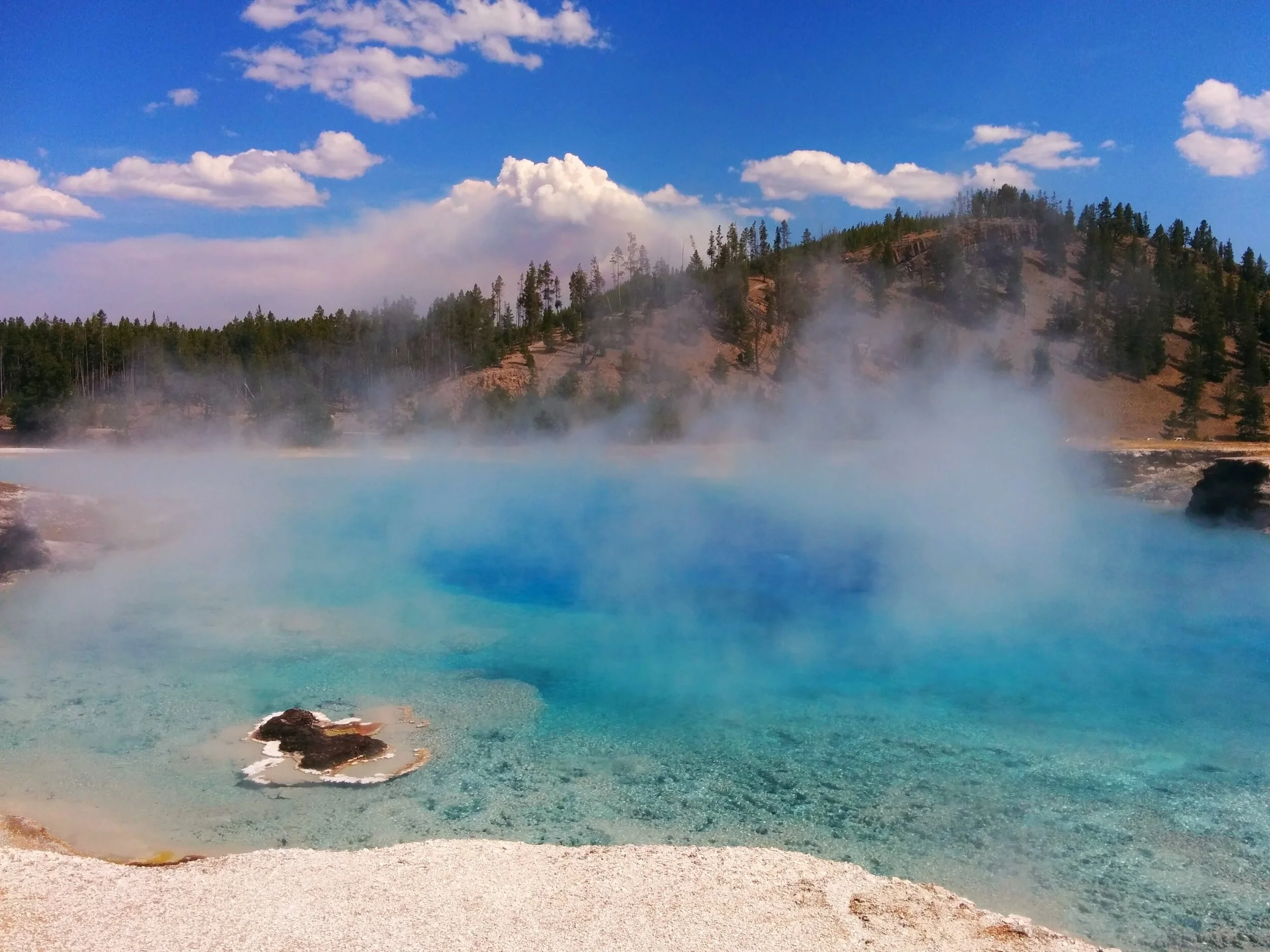
A hot spring in Yellowstone National Park. Aidan B. Unsplash.
Yellowstone National Park is the world’s first national park and a destination for millions of tourists each year. Accordingly, the park typically offers a wide assortment of attractions including an abundance of flora and fauna, 12 campgrounds, and nine visitor centers. Perhaps its most well-known assets are the Old Faithful geyser and the park’s numerous hot springs. Yellowstone reevaluated its spring opening dates after the initial COVID-19 outbreak, pushing its first major phase of reopening from a typical mid-April date to May 18. The park had been closed since March 24 and is now directing visitors toward a few specific entrances as well as limiting them to certain areas (the lower loop) of the park. Additional constraints include the unavailability of overnight accommodations including hotels and campgrounds, the banning of commercial tour buses, and closed ranger programs and visitor centers. As the park progresses into reopening phases 2 and 3, some of these restrictions are expected to loosen, such as the opening of some overnight rooms, takeaway at some on-site restaurants, and select campgrounds. While some of the regulations are done as a response to multiple state guidelines (Yellowstone spills into Montana and Idaho), a Yellowstone website states that “The park’s reopening priorities center on protecting employees and the public from transmission risks through a variety of mitigation actions.”
Arches National Park - Utah
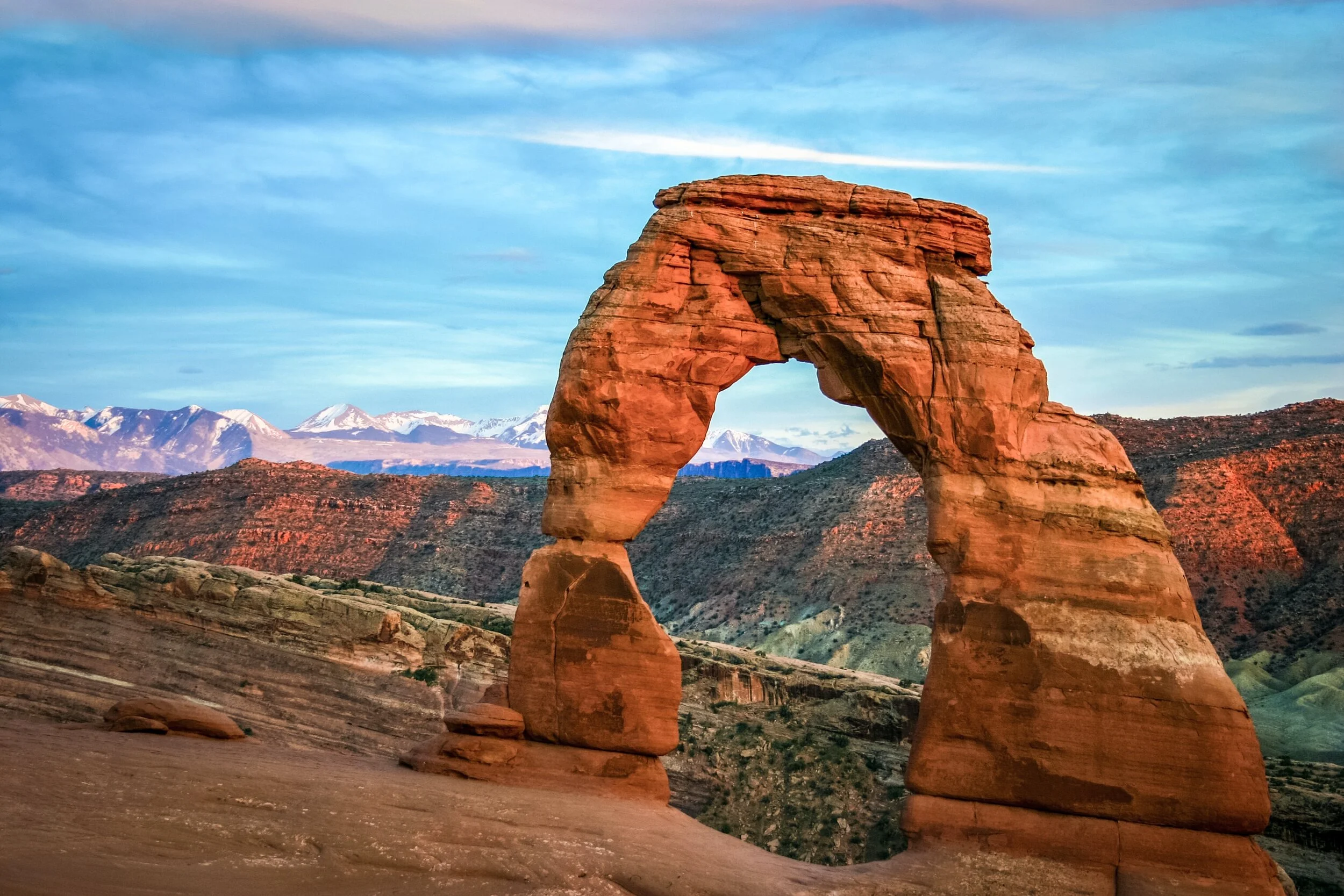
Delicate Arch, one of the top sites at Arches National Park. Holger Link. Unsplash.
Arches National Park, located on the eastern side of Utah near the city of Moab, is home to the famous stone marvel known as the Delicate Arch. The park also has numerous hiking opportunities, additional stone icons, and scenic drives. Although the park was closed for many weeks after the virus broke out, Arches resumed entrance fee collection (seven-day passes ranging from $15 to $30) on June 15 as part of a multiphased reopening process. While the Arches Visitor Center, Devils Garden Campground and Fiery Furnace remain closed, the roads, trails and park store are now permitting visitors. One major concern for those running the park is the congregation of visitors around popular landmarks like the Delicate Arch. Although the park has not issued any explicit policies banning congregations of visitors around hot spots like the arch, the National Park Service is following guidelines from the Centers for Disease Control and Prevention. The park has stated that it is actively monitoring visitors and encouraging them to wear masks and social distance in addition to following the park’s standard Leave No Trace principles.
Joshua Tree National Park - Southern California
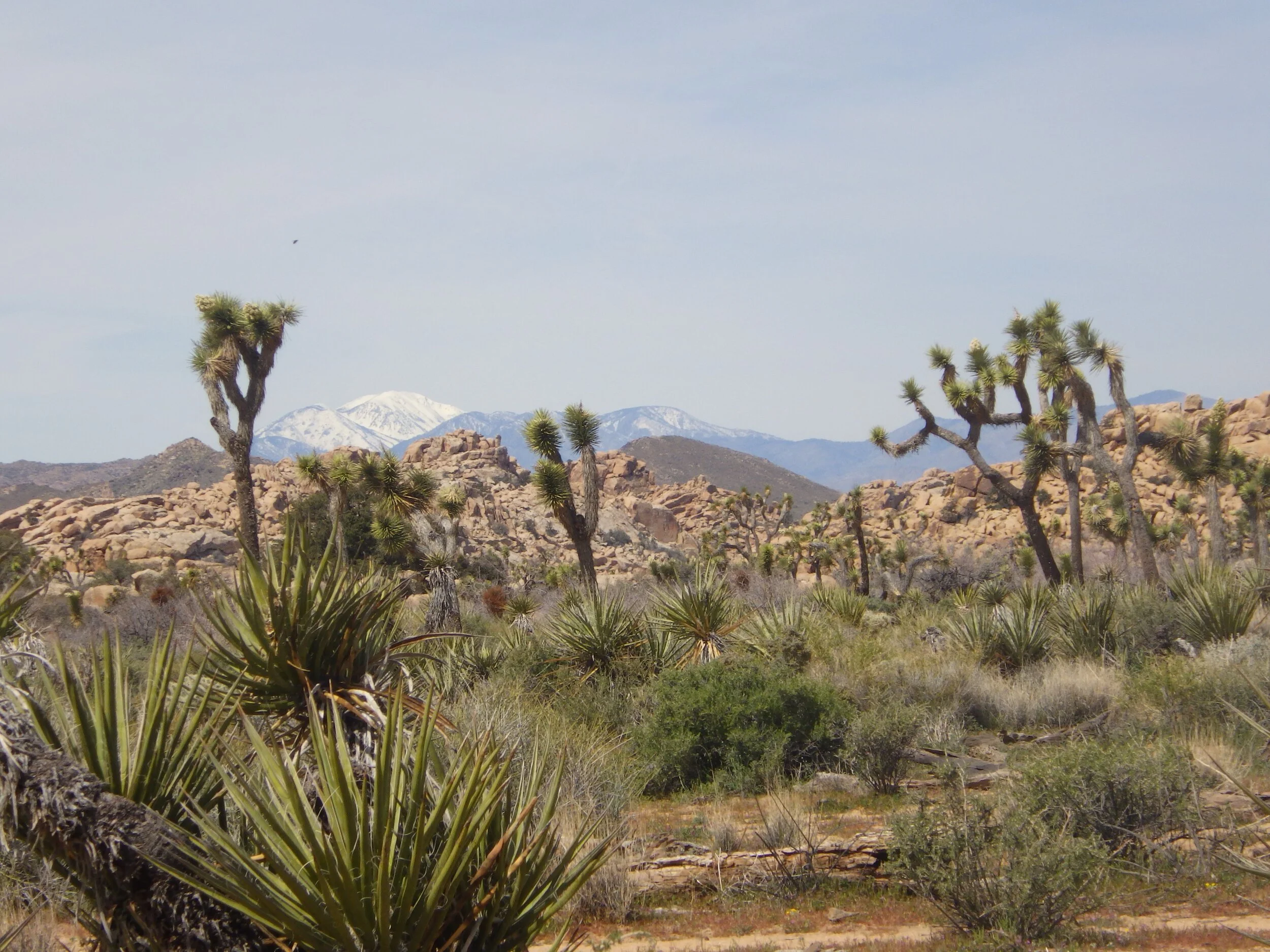
A snapshot of some yucca trees in Joshua Tree National Park. Fum Bally. Unsplash.
Joshua Tree has two distinct deserts (the Mojave and Sonoran) and is known for its iconic giant yucca trees. This rocky 794,000-acre park, located in Southern California, receives 2.8 million visitors during a typical year. Like many other national parks, Joshua Tree is undergoing a multiphased reopening plan that began in late May. Despite some modifications, Joshua Tree has listed many open amenities on their website, including entrance booths, trails, family campsites, visitor centers and group campsites (25 person limit). The park is not running any programs this year.
Redwood National Park - Northern California
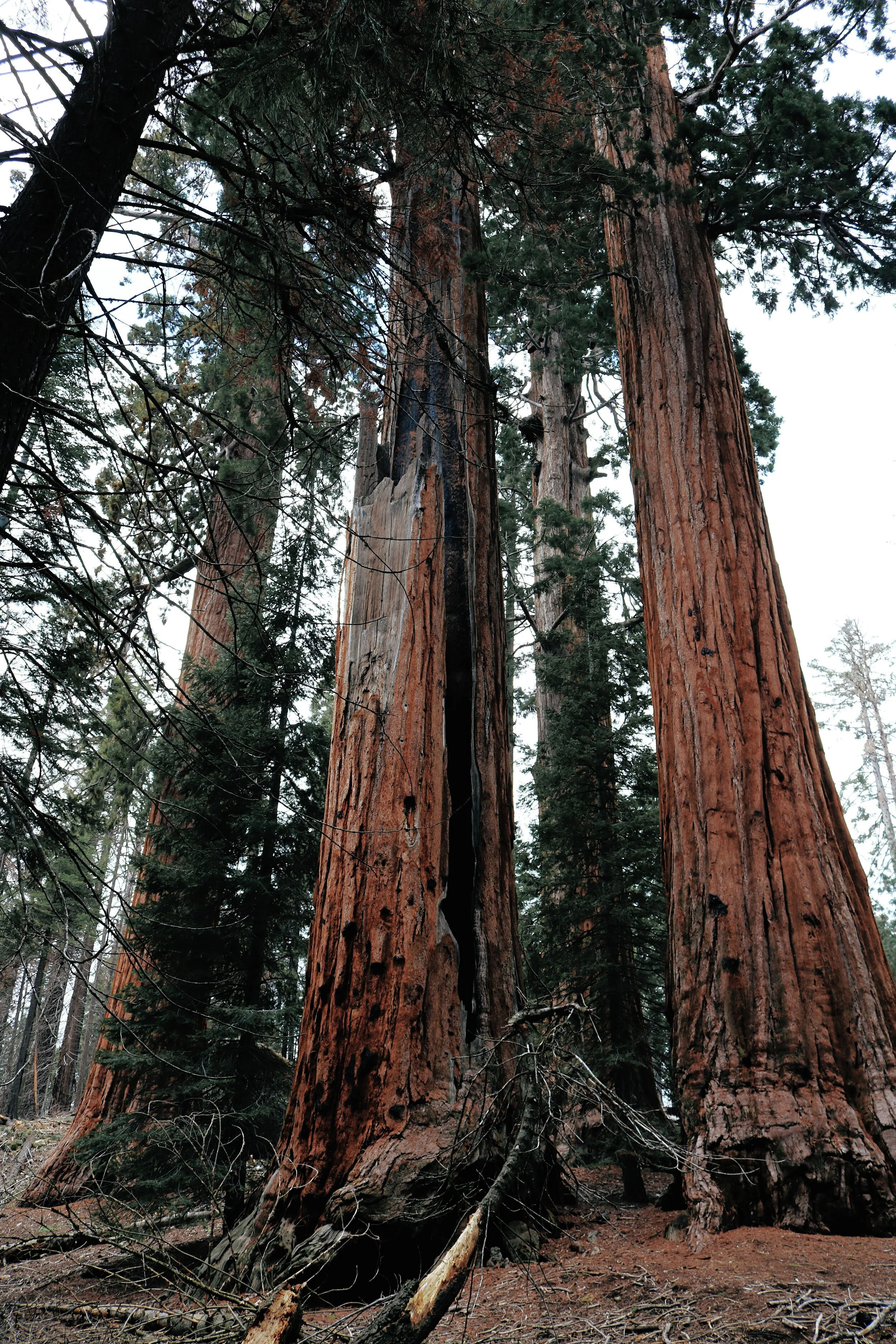
Some impressive redwood trees in Redwood National Park. James Lee. Unsplash.
Redwood National Park is named for the giant redwood trees throughout the area, the tallest of which is recorded to be over 379 feet tall. Most of the park is free and almost half a million visitors come to enjoy its beauty each year. In a state with nine national parks, this one is a standout. All five visitor centers are currently closed at Redwood National Park, as are some roads and parking lots. The park is not holding any on-site events or outdoor school programs, instead requesting that everyone spread out while visiting. The park asks that everyone be prepared to take home their trash as well. Nevertheless, visitors can still enjoy most of the campgrounds, trails and a number of scenic drives.
Acadia National Park - Maine
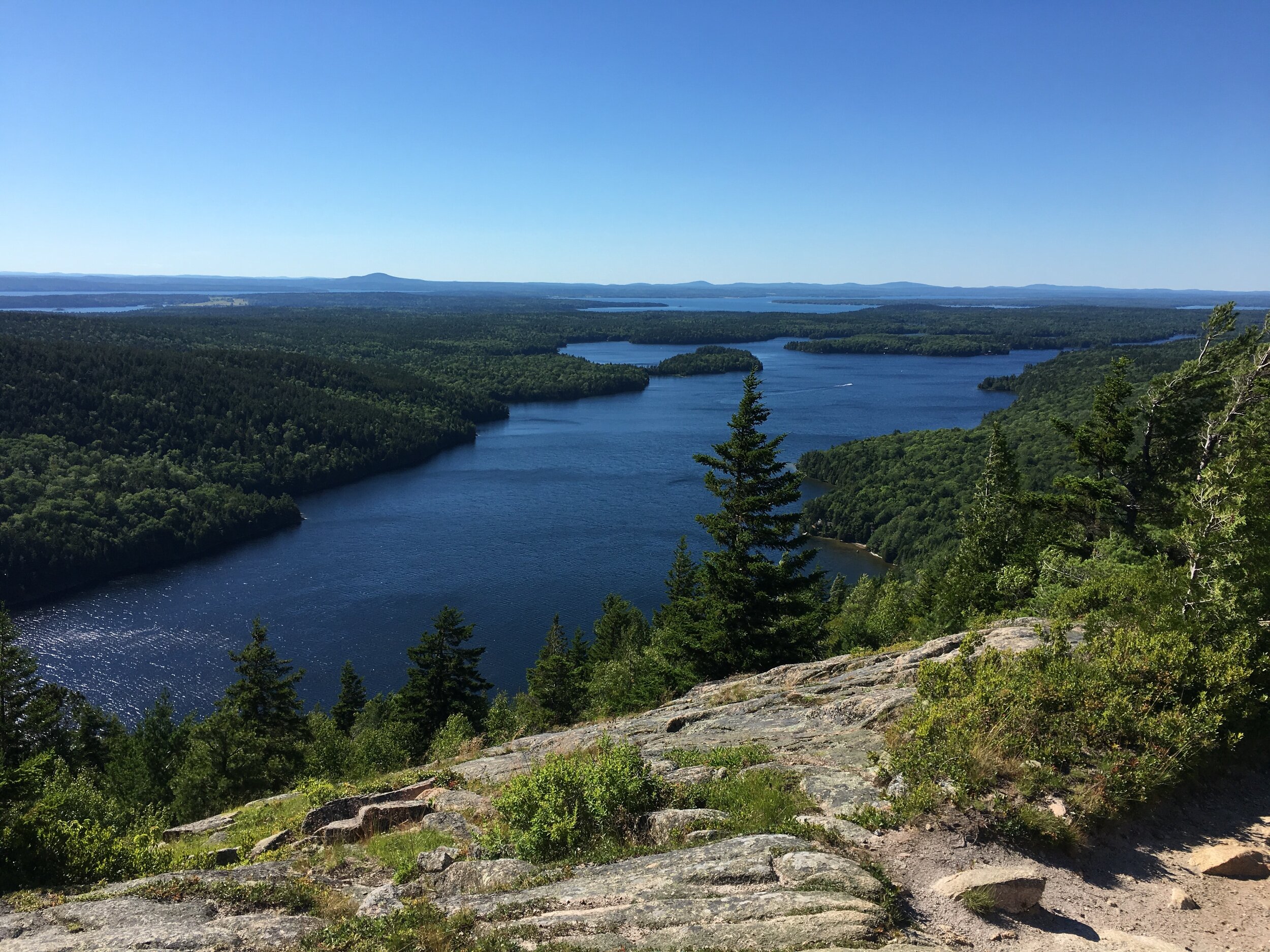
A lake view at Acadia National Park. Michael Loftus. Unsplash.
Acadia is located along coastal Maine and is in close proximity to a number of quaint restaurants, museums and hotels. Visitors can take scenic drives, investigate numerous lakes and wooded areas, and take boats out on the water. There is even a portion of the park that is accessible mainly by ferry. Acadia, like many other parks, is currently undergoing a multiphased reopening plan. While most hiking trails and retail services are open, campgrounds are not. If visitors are feeling down about being unable to camp overnight, they can still have a memorable experience and go for a horse-drawn carriage ride instead.
Valley Forge National Historical Park - Pennsylvania
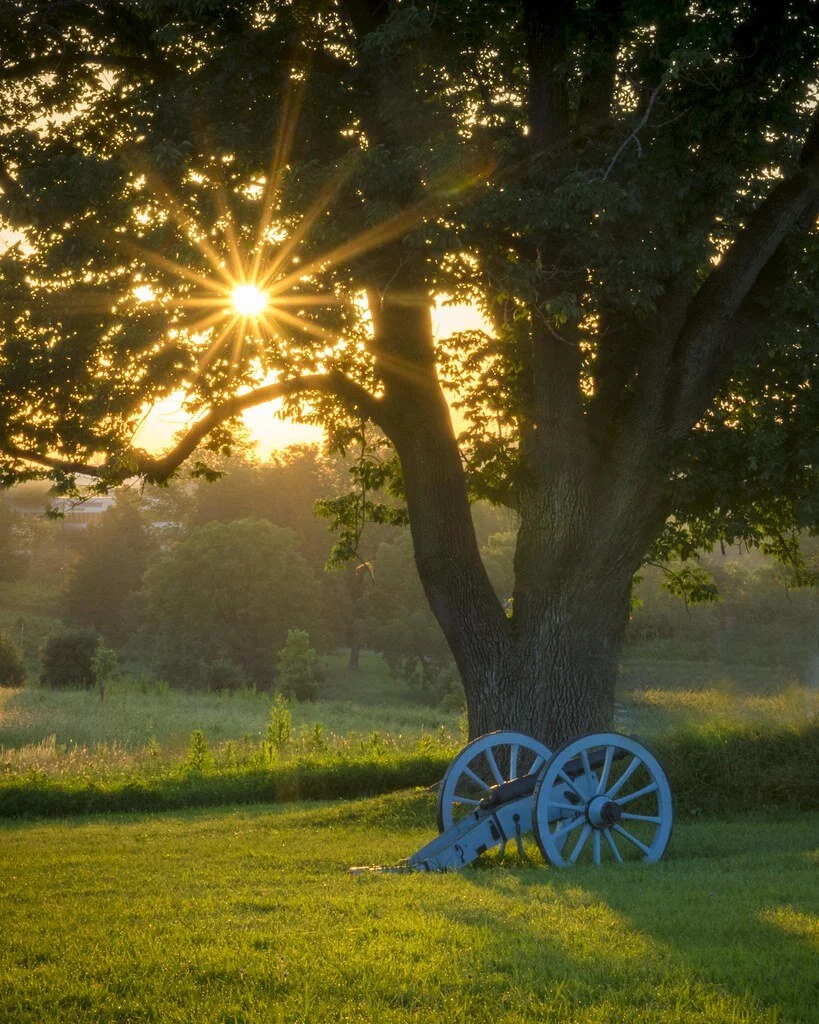
The sun rises over Valley Forge National Historical Park. Thomas James Caldwell. CC BY-SA 2.0
Valley Forge is rich with history and greenery as it is the location where Gen. George Washington kept the Continental Army for six months in 1777 and 1778. During a typical year, visitors participate in a number of recreational activities such as trolley tours, visiting Washington’s headquarters, and investigating the Muhlenberg Brigade Huts. As the park undergoes a slow reopening process, these buildings and facilities, including visitor centers, have remained closed. Some parking lots, roads and trails are open, however, and visitors are encouraged to take their trash with them in addition to practicing social distancing. Programs and events have not been officially canceled and are just postponed.
Big Bend National Park - Texas
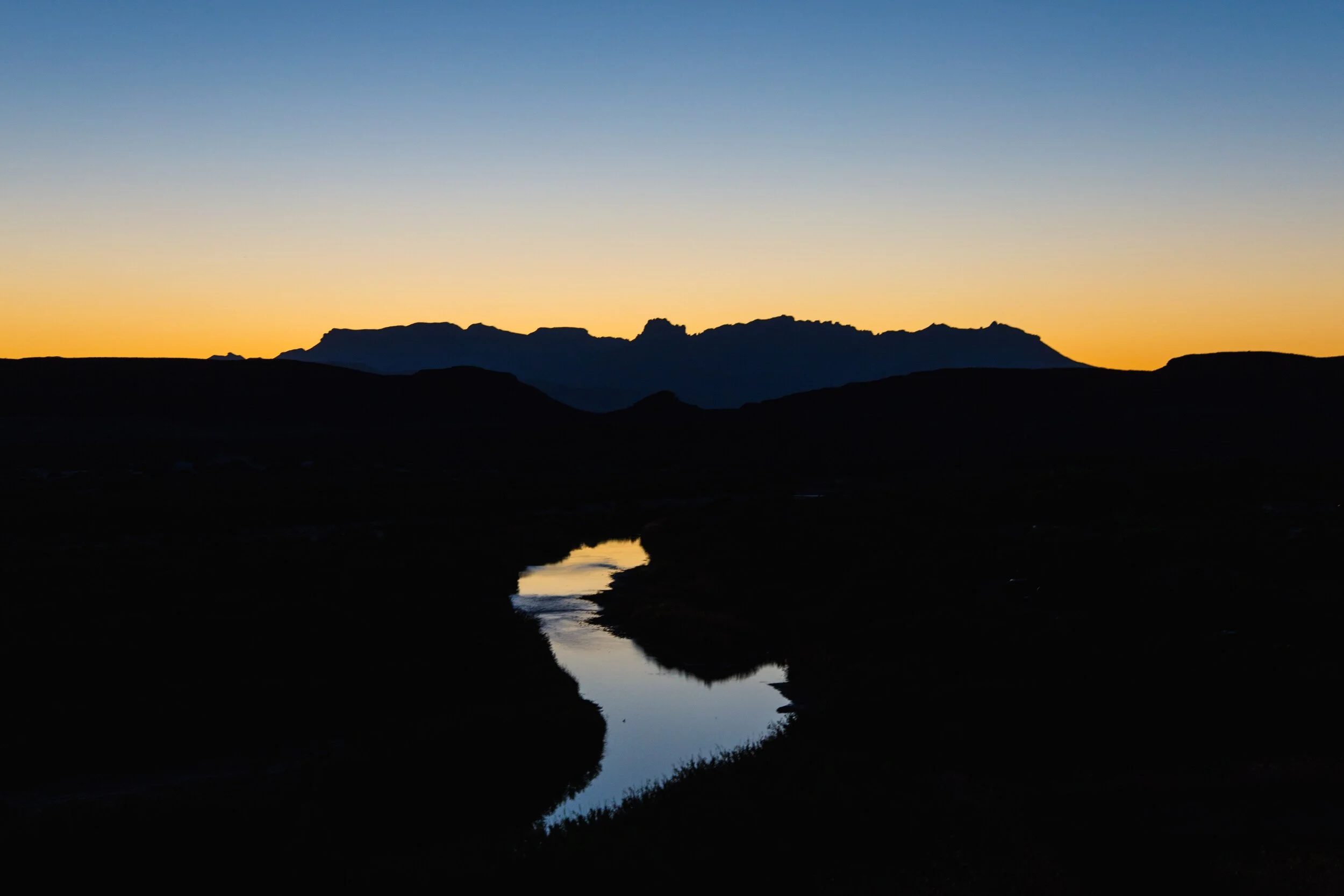
A view of the Rio Grande in Big Bend National Park. Kyle Glenn. Unsplash.
Big Bend National Park is situated in West Texas and covers over 800,000 acres of land. Named after the U-turn in the Rio Grande, this national park has a range of terrain including desert, mountains and rivers. The park does not receive many visitors - only about 350,000 per year - but it does have an excess of heat, with temperatures passing 100 degrees Fahrenheit before noon in the summertime. The park is fairly open, including day hike trails and rafting on the Rio Grande. The visitor centers and some stores are closed, as are the more “primitive roadside” campsites for backpackers. Camping and lodging are at limited capacity but expect a greater degree of reopening in the near future.

Phoebe Jacoby
is a Media Studies major and Studio Art minor at Vassar College who believes in the importance of sharing stories with others. Phoebe likes to spend her free time reading, drawing, and writing letters. She hopes to continue developing her skills as a writer and create work that will have a positive outward effect.
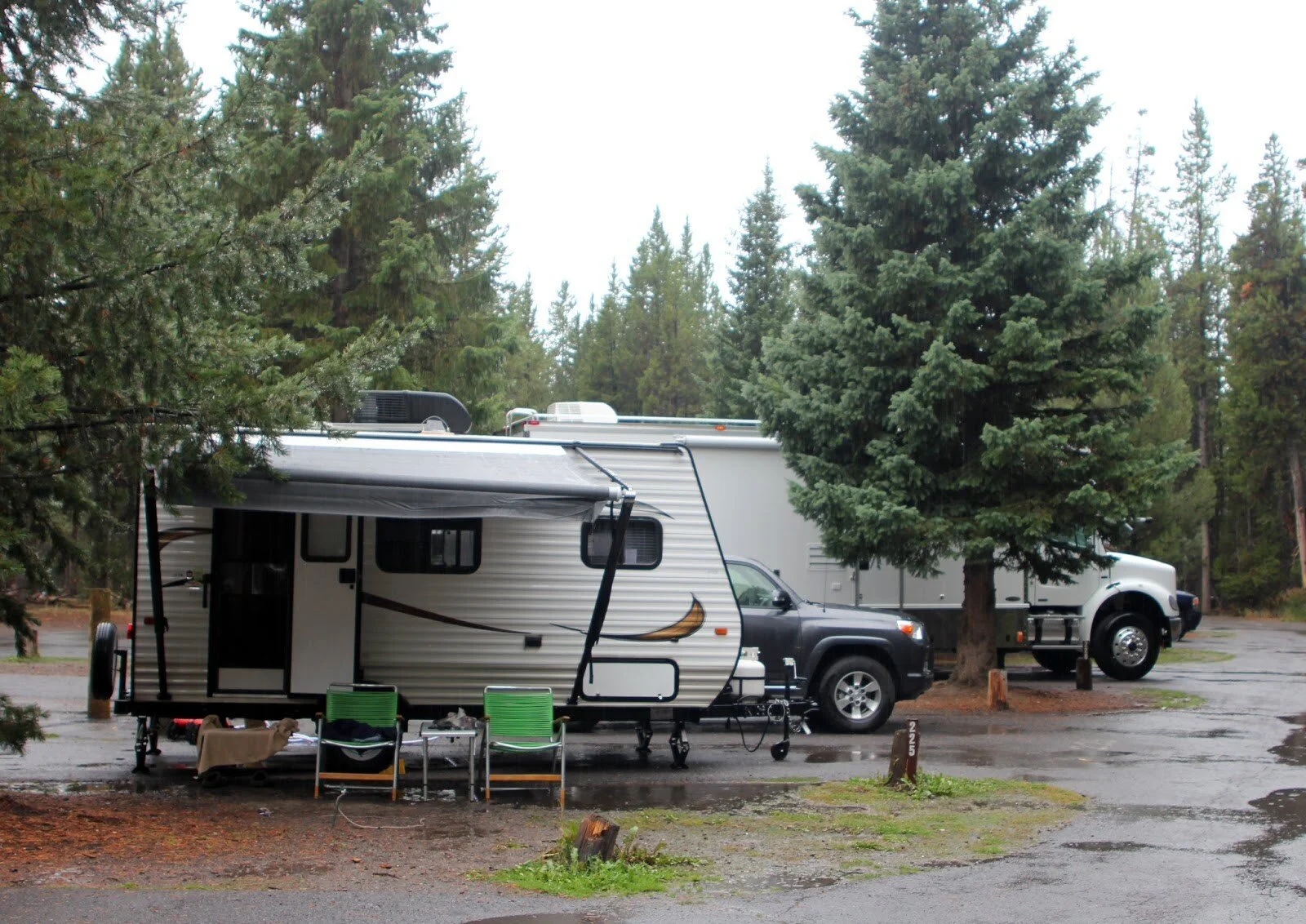
RVs at Fishing Bridge RV Park in Yellowstone. Yellowstone National Park. CC0.
RV There Yet? 8 Great RV Adventures for a Socially Distanced Summer
As COVID-19 changes the way we can travel or feel comfortable traveling, people are considering renting RVs to take on road trips as an alternative summer adventure. State parks and campgrounds are beginning to reopen across the U.S., but have restrictions in place in order to balance public safety with the enjoyment of being outdoors. Some major national parks like Death Valley do not yet have plans to reopen for the summer. For the parks that do open, it is inevitable that the limited spaces will fill up quickly, so you might want to plan to visit less popular scenic destinations. And with many visitor centers and hotels remaining closed, renting an RV might be the best way to have a safe, fun summer. Be sure to check local regulations often as closures and travel restrictions change quickly.
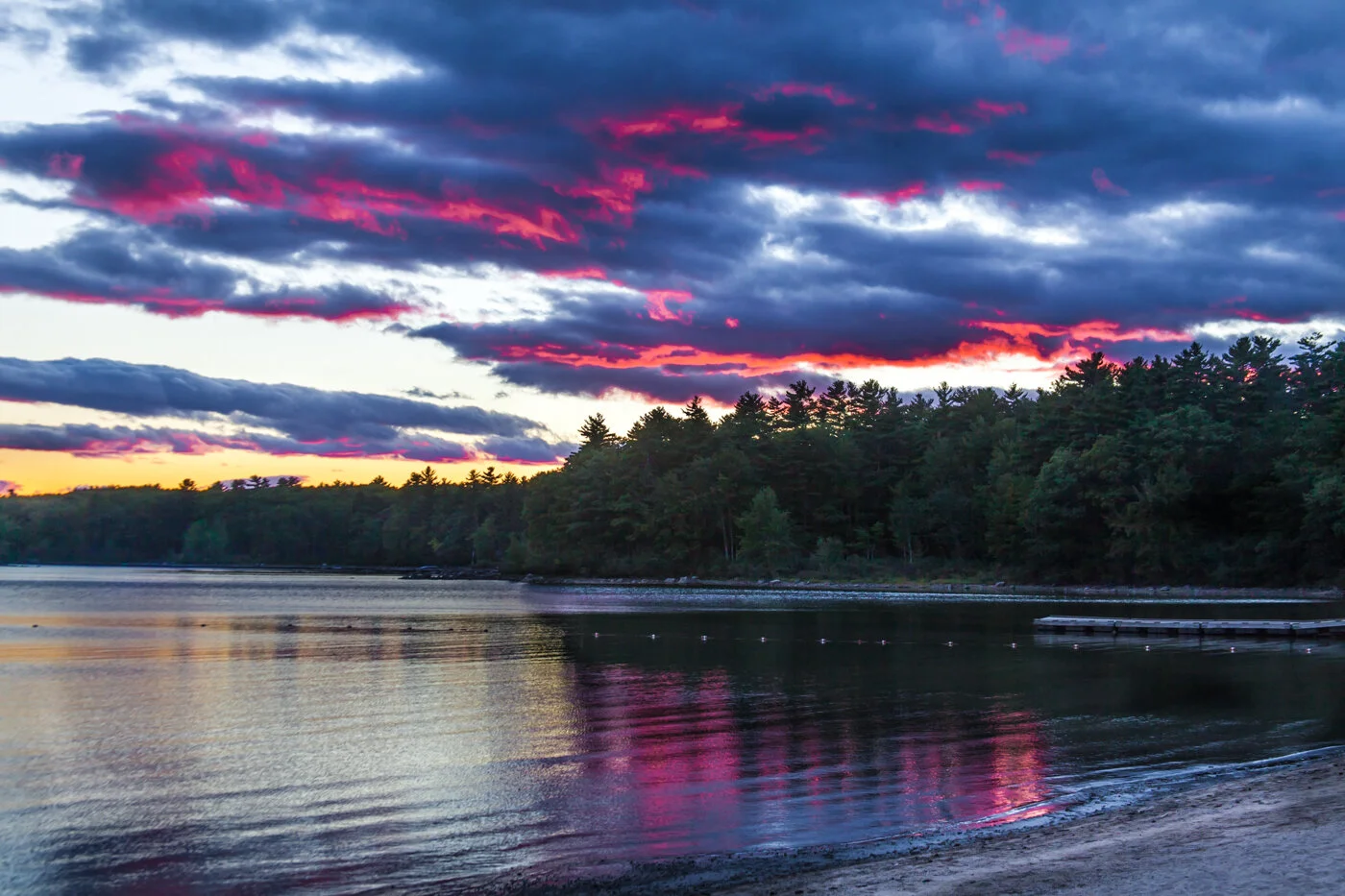
A beautiful sunset over Sebago Lake in Maine. Paul VanDerWerf. CC BY 2.0.
New England – Sebago Lake, Maine
Nestled in southern Maine is the deepest and second largest lake in the state—Sebago Lake. Visitors can fish for Atlantic salmon, lake trout and large and smallmouth bass, among others. Locals advise anglers to use live or realistic bait when fishing because of Sebago Lake’s crystal-clear water. Visitors interested in swimming can head to any of the many sandy beaches on the shores of the lake, but should keep in mind that some of the beaches do not have lifeguard supervision. If you are more interested in hiking and biking, the nearby White Mountains provide the perfect opportunity to explore marked trails. While Sebago Lake also offers activities such as an amusement park and golf courses, they may likely be closed for summer 2020. RVs can be parked at any campground on the lake’s shores.
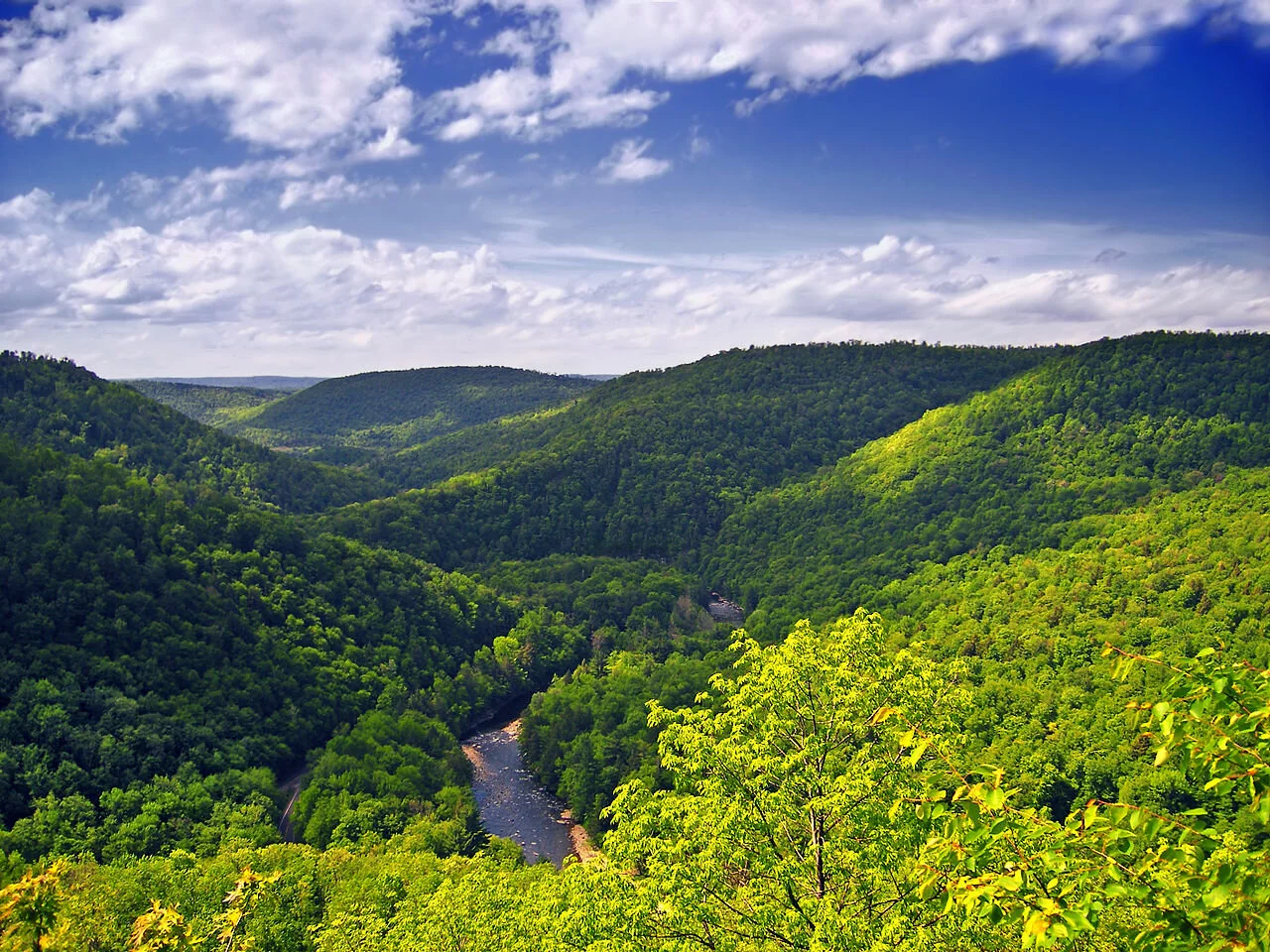
A beautiful view of the Loyalsock Valley in Worlds End State Park. Nicholas Tonelli. CC BY 2.0.
Mid-Atlantic – Worlds End State Park, Pennsylvania
One of the best places for a socially distanced outdoor adventure is Worlds End State Park in Sullivan County, Pennsylvania. The popular 59.2-mile backpacking trail—the Loyalsock Trail—plays host to a multitude of waterfalls and impressive views. For those who are not interested in hiking but still want to see what the region has to offer, Dry Run Falls is easily accessible in the neighboring Loyalsock State Forest and is located close to a parking area. Splashing in Loyalsock Creek’s ice-cold water is sure to be refreshing as the summer sun turns up the heat. Keep in mind that swimming is prohibited in any other water source at the park, and lifeguards are not on duty. Worlds End offers 70 camping sites, half with electric hookups.
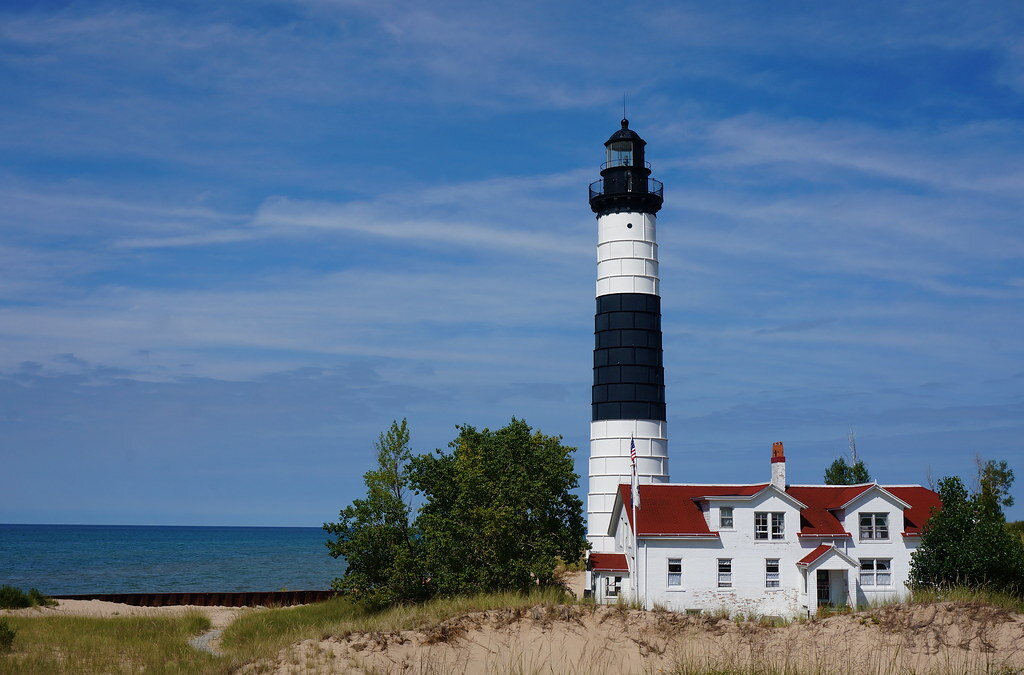
Big Sable Point Lighthouse in Ludington State Park. Rachel Kramer. CC BY 2.0.
Midwest – Ludington State Park, Michigan
If you are most interested in fishing, Ludington State Park offers an abundance of bass, northern pike, bluegill, perch and walleye. A favorite hiking destination is the 112-foot Big Sable Point Lighthouse on the shores of Lake Michigan. Visitors can choose from any of the eight marked hiking trails or can head to the picturesque canoe pathway that is sure to attract avid canoers and kayakers, along with novices. The park offers plenty of RV parks and campgrounds, some with free Wi-Fi, showers and restrooms. Visitors should keep in mind that the Michigan State Park Recreation Passport, which costs Michigan residents $12 and nonresidents $34 per vehicle, is required to enter Ludington State Park.
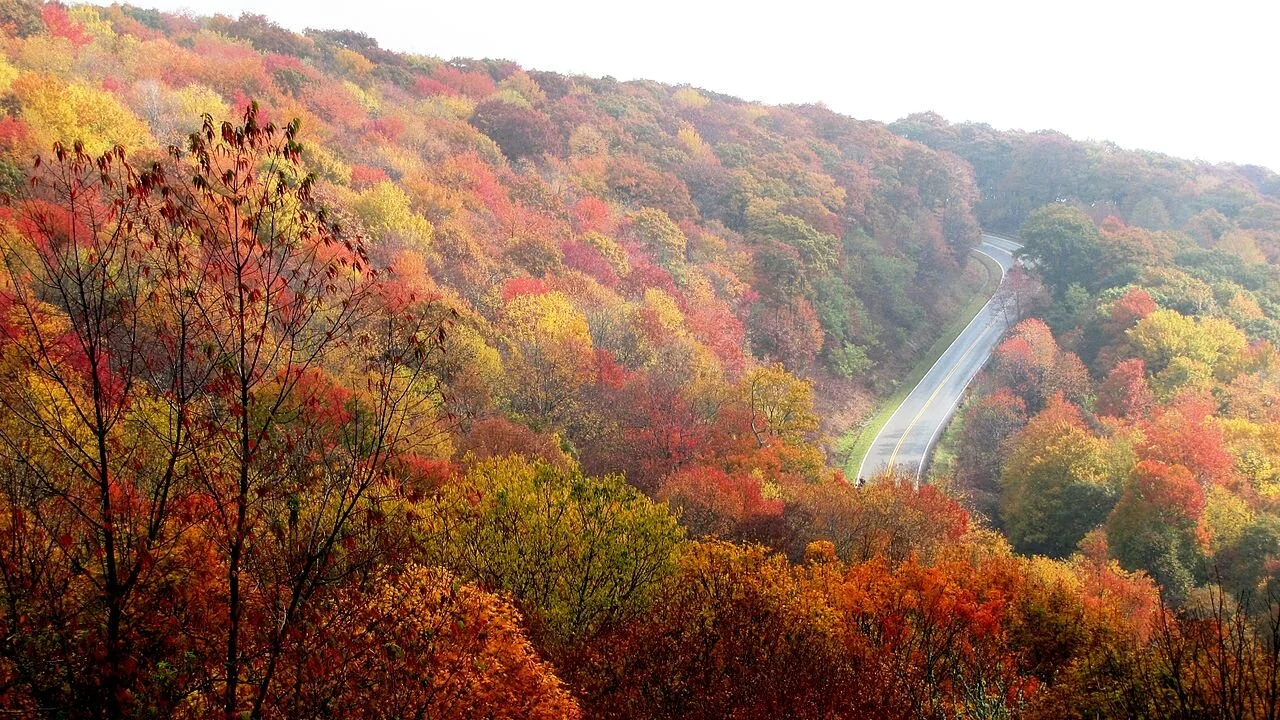
View of the Cherohala Skyway with the fall canopy of the adjacent northern hardwood stands, in Graham County, North Carolina. Brian Stansberry. CC BY 3.0.
South Atlantic – Cherohala Skyway, North Carolina to Tennessee
The 43-mile Cherohala Skyway is the perfect ride for those looking for vistas of forested mountainside, hiking trails, waterfalls and unobstructed scenic overlooks. The National Scenic Byway climbs up mountains for 18 miles in North Carolina and winds down the Appalachian mountainsides for another 23 miles into the deep forests of Tennessee. The Cherohala Skyway, named after the Cherokee and Nantahala National Forests that it crosses through, is free from crowds—making it a perfect destination for this summer. Along the scenic highway is Indian Boundary Lake, the Tellico River and Bald River Falls, and of course, many beautiful spots for long or short hikes. There are plenty of campgrounds along the scenic route, some more popular than others, so choose according to your comfort levels and COVID-19 regulations.
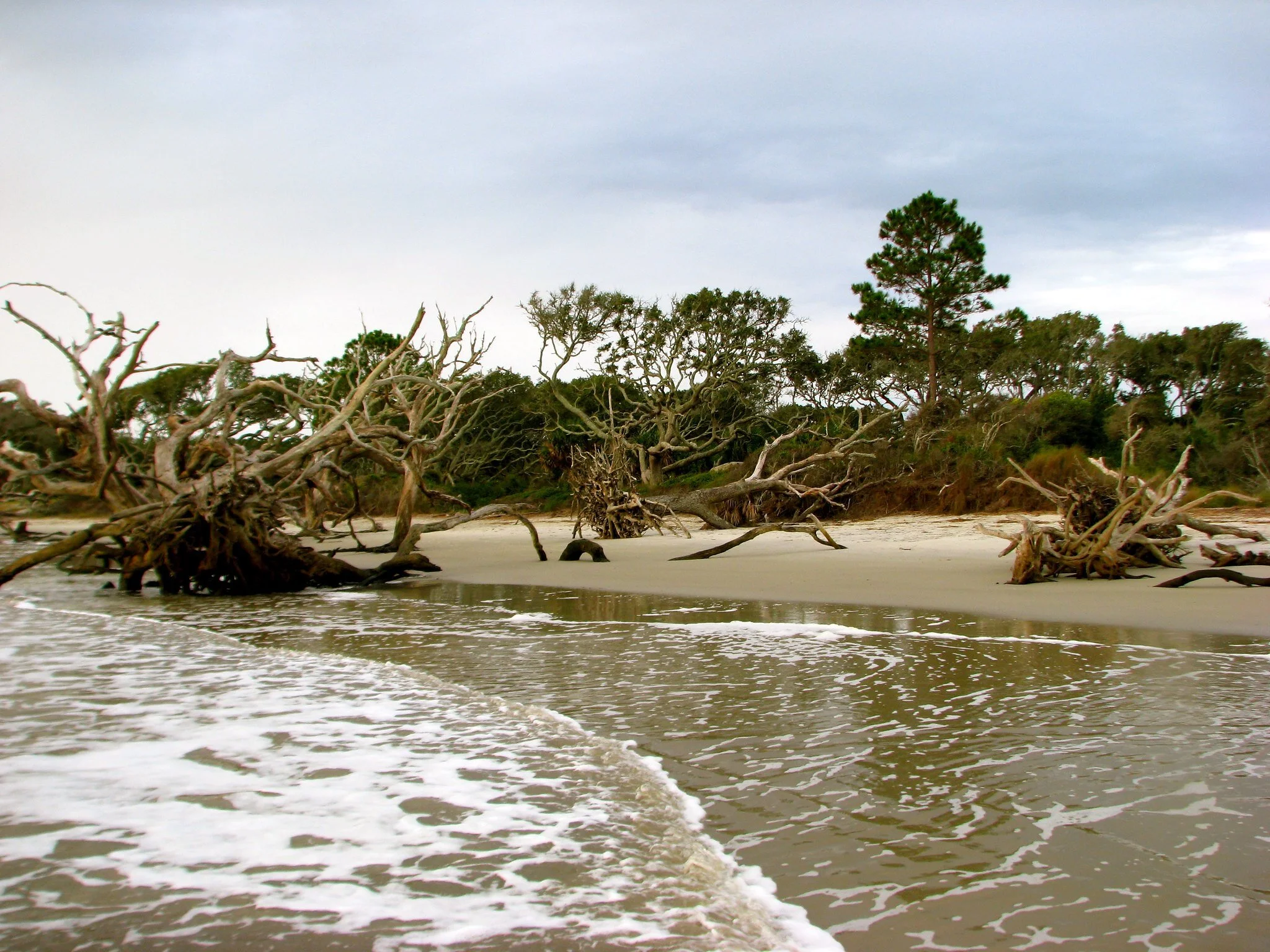
Southeast – Jekyll Island, Georgia
For a truly unique RV destination, Jekyll Island is a great choice. Bird-watching, biking, swimming and kayaking are only some of the activities you can choose from. One of the most interesting sites to see on Jekyll Island is Driftwood Beach, which transports visitors to a surreal world. The bleached and preserved oak trees appear as though they are growing out of the sand, like a spooky, living boneyard. The Georgia Sea Turtle Center is beginning to reopen and is currently limiting admissions to 50 people at a time. Some activities at the rehabilitation center have been canceled for the time being, but keep it in mind for any future trips to Jekyll Island. The Jekyll Island Campground is available for parking an RV this summer, but reservations should be made to ensure your spot is secured.
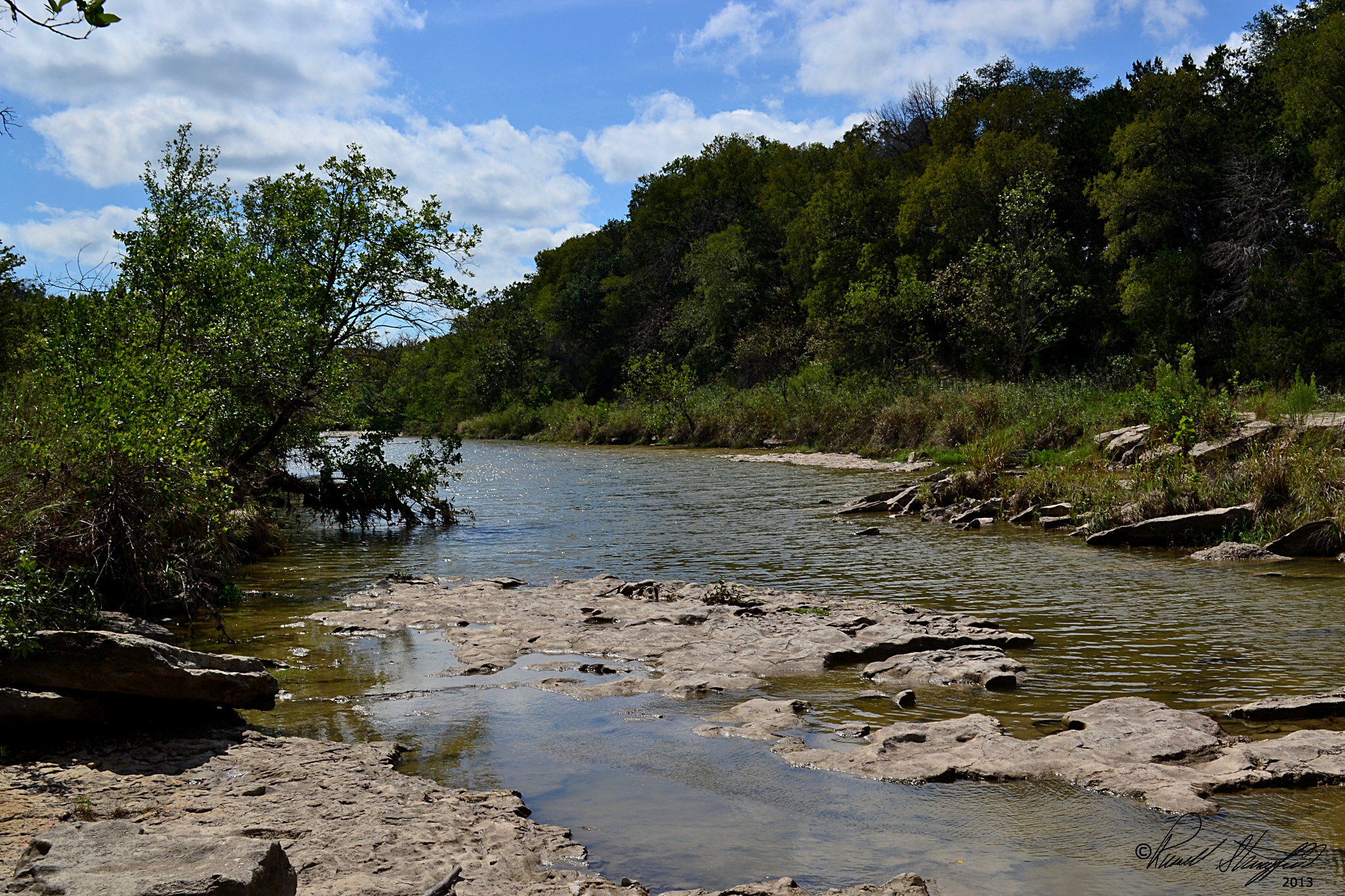
Paluxy River in Dinosaur Valley State Park. Russ. CC BY-SA 2.0.
Southwest – Dinosaur Valley State Park, Texas
Dinosaur Valley State Park earned its name from the fossilized dinosaur tracks left in the mud along the edges of the Paluxy River in Glen Rose, Texas. The park has over 20 miles of trails to explore and hike. Visitors can book a horseback riding lesson from the Eagle Eye Ranch Carriage Company or go geocaching if they are not interested in visiting the Paluxy River to swim, kayak or fish. Park your RV in any of the 41 fully-electric campsites. Advance reservations are required.
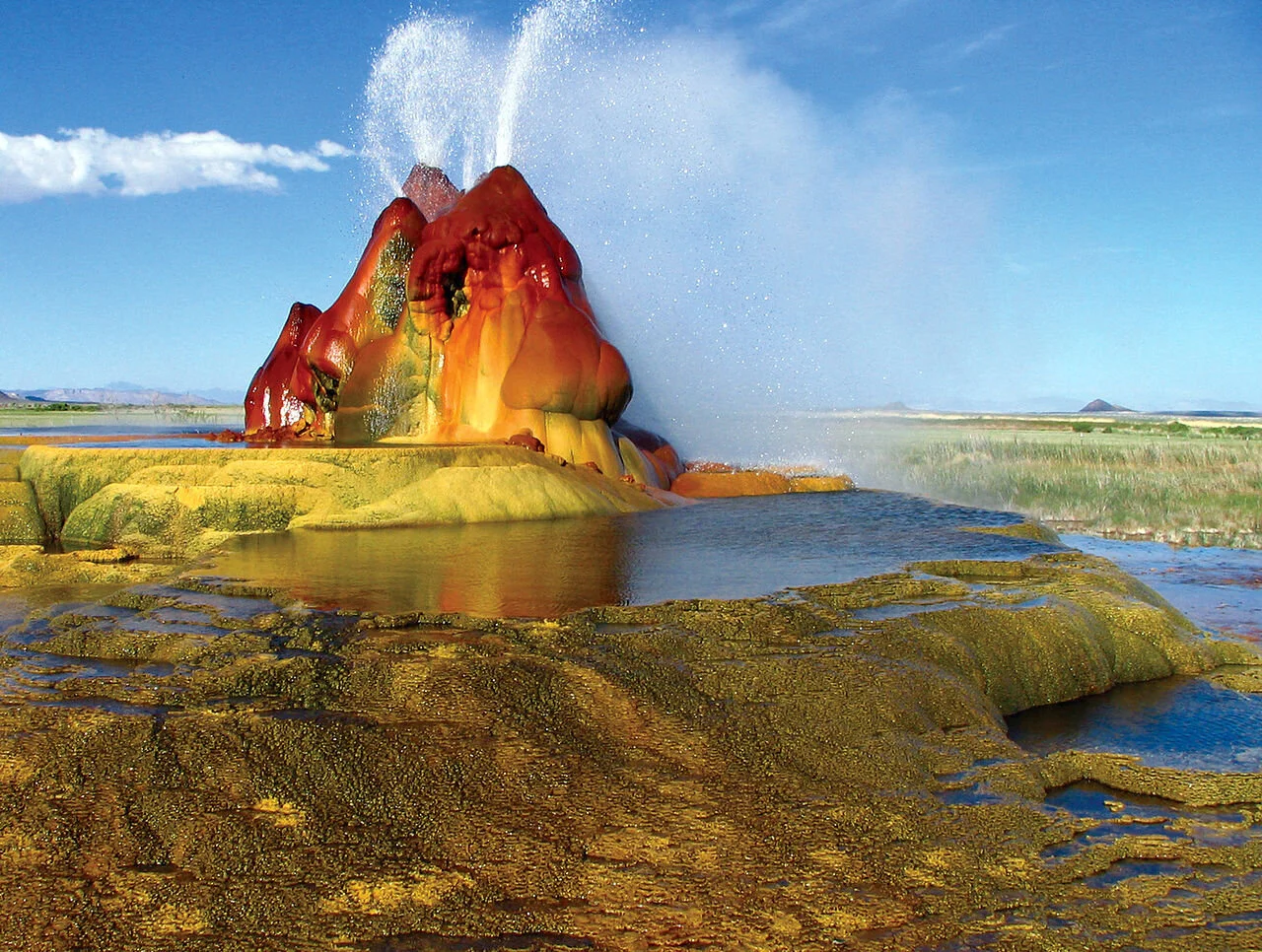
The Fly Geyser in the Black Rock Desert Wilderness. Jeremy C. Munns. CC0.
Mountain West – Black Rock Desert Wilderness, Nevada
The enchanting Black Rock Desert Wilderness is made up of lava beds and various playas, including the dry lakebed of the prehistoric Lake Lahontan. It is home to the annual Burning Man festival, which will take place virtually this year. Visitors can hike any of the 180 miles of nearly-unexplored trails that wind through the area. One of the most exciting sites is the rainbow-colored Fly Geyser. The geyser is the man-made result of a 1964 drilling accident by a geothermal power company that was drilling a test well. Over the years, calcium carbonate deposits have formed over three large mounds that have grown to almost 6 feet tall. Artificial or not, the Fly Geyser is truly a captivating, colorful sight. RV campgrounds do not have any amenities, so keep that in mind when deciding whether to stay at the Black Rock Desert or a private campground in bordering towns.
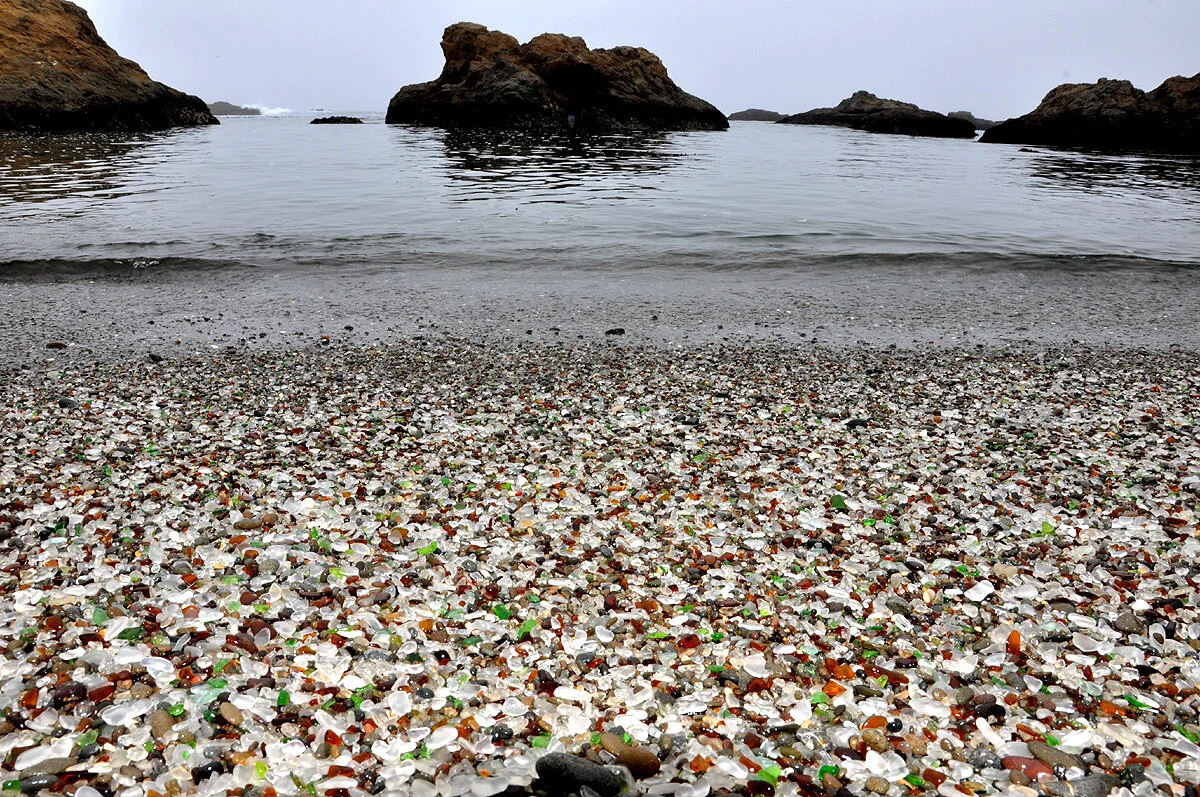
Colorful beach glass on Glass Beach in Fort Bragg. Gustavo Gerdel. CC BY-SA 4.0.
Pacific West – Fort Bragg, California
For a beachier RV destination, the coastal city of Fort Bragg in Northern California is a great choice for its charming views. Glass Beach at the southern end of MacKerricher State Park offers an interesting alternative to plain sand beaches with its countless beads of naturally polished sea glass. Don’t miss out on Van Damme State Park’s miniature Mendocino cypress forest and be sure to visit the Mendocino Coast Botanical Gardens, most known for their rhododendrons that thrive in the humid, coastal climate. The Mendocino Coast Botanical Gardens are not yet open to the general public, but are gradually lifting COVID-19 restrictions so it’s worth it to keep checking when they’ll be open to all visitors. Some RV parks and campgrounds in and around Fort Bragg (in particular the campgrounds in the California State Park System) are temporarily closed, while others are slowly reopening for business. Be sure to call and reserve a spot before you go.

Asiya Haouchine
is an Algerian-American writer who graduated from the University of Connecticut in May 2016, earning a BA in journalism and English. She was an editorial intern and contributing writer for Warscapes magazine and the online/blog editor for Long River Review. She is currently studying for her Master’s in Library and Information Science. @AsiyaHaou
Exploring California's Montana de Oro State Park
With its rugged cliffs, secluded sandy beaches, coastal plains, streams, canyons, and hills (including 1,347-foot Valencia Peak!), naturalists and backpackers can experience the solitude and freedom found along Montana de Oro’s trails in California.

Hip-hop officially became the most popular music genre in 2018 and continued its reign in 2019, according to Nielsen Music. Lev Radin/Shutterstock.com
Why Hip-Hop Belongs in Today’s Classrooms
When Cassie Crim, a high school math teacher in Joliet, Illinois, introduced herself to her advanced algebra students in 2017, she did it through a rap video.
Using a rendition of Cardi B’s “Bodack Yellow,” renamed “Codack Yellow,” Crim referenced math terms and laid down classroom expecations:
“These exponents, these is ratios, these is power rules Algebra and a lil’ trig, I don’t wanna choose And I’m quick to take a couple (points) off so don’t get comfortable”
With rap music continuing to rule as America’s most popular music genre for a second straight year in 2019, according to Nielsen Music’s annual report, it makes sense for educators to use rap music to reach students who might otherwise not find a subject relevant. And Crim is by no means the only teacher who is doing just that.
In Pasadena, California, Manuel Rustin, a social studies teacher at John Muir High School, uses rap songs to get students to make meaning of current events and history through a course entitled “Urban Culture and Society.”
At Detroit’s Frederick Douglass Academy, Quan Neloms has students search the lyrics of their favorite rap songs for “college-level vocabulary and references to key events and concepts from American history.”
Collectively, the three teachers represent part of a new generation of educators who embrace a form of teaching known as Hip Hop Pedagogy. It’s a form of teaching that takes the most popular genre of music in the U.S. and uses it to foster success in the classroom.
But is it paying off?
As one who has taught Hip Hop Pedagogy courses to K-12 teachers and instructors in higher ed for the last 10 years, I believe hip-hop has the potential to connect students to important subjects they might otherwise dismiss. But it all depends how it is done.
In my Hip Hop Pedagogy courses, K-12 teachers and college instructors learn how to tap into the richness of hip-hop culture to engage students in topics that range from Shakespeare to neuroscience. But I also stress the need to be authentic – in other words, don’t lie about where you are from – and steer clear of gimmicky hip-hop instructional strategies, such as parroting hip-hop lingo out of context, or showing a random rap video that has nothing to do with the course subject.
Hip-hop through the years

Hip-hop scholar Marc Lamont Hill. Wikimedia Commons
Hip-hop in America’s classrooms is not new. For the past decade or two, scholars such as Marc Lamont Hill, Chris Emdin and Jeff Duncan-Andrade have explored the impact and effectiveness of hip-hop in educational settings.
Collectively, their research has found that hip-hop can be used to teach critical thinking skills, critical literacy, media literacy skills, STEM skills, critical consciousness and more.
Hip-hop has made significant inroads into higher education as well.
Hip-hop in higher ed
Hip-hop academic scholarship goes back at least as far as Tricia Rose’s groundbreaking 1994 book, “Black Noise: Rap Music and Black Culture in Contemporary America.” Since then, numerous hip-hop education books have been written. More than 300 colleges and universities have offered courses on hip-hop. The University of Arizona offers a minor in Hip Hop Studies, and McNally Smith College in Saint Paul, Minnesota, offers a hip-hop diploma, which includes 45 credits and three semesters of hip-hop music production, language and history courses.
These developments are no light feat. In order for hip-hop to reach the level of prevalence that it enjoys on today’s educational landscape – at least 150 educators at the K-12 level were using hip-hop in their class in 2011, the last time a hip-hop education “census” took place – it had to overcome the skepticism of critics who questioned its validity in educational spaces. How would hip-hop explain its controversial history of glorifying violence, consumption and misogyny? Is hip-hop music appropriate for classrooms?
But hip-hop, despite what some may view as its flaws, is a mirror of the complexity of society. Hip-hop did not invent violence, excessive consumerism and mistreatment of women. What it does is provide a platform to talk about these issues.
Breaking it down
That’s what Rustin, the social studies teacher in Pasadena, did when he used rapper Childish Gambino’s provocative video “This is America” to get students to critically analyze the state of affairs in American society. As one student stated in an article about watching the video in class, “It relies on the shock value of violence and capitalizes on our society’s growing numbness to seeing black bodies being brutalized – it’s exploitative.”
Drawing conclusions from hip-hop lyrics requires a certain level of critical analysis, one of the course expectations. Thus, in line with state education standards, Rustin’s course requires college-level writing, reading and critical thinking. Alums of Rustin’s class have indicated that discussions in the class not only increased their critical thinking skills but prepared them for college courses.
Other teachers who use hip-hop in the classroom have achieved similar results. For instance, Crim, the Joliet math teacher, said she noticed improved student engagement after her video, as well as “an increase in performance from one unit test to the next.”
Neloms, the Detroit educator who had his student search rap songs for college level vocabulary, did so after only 33 percent of his students passed a vocabulary exam. After he introduced his class to Rhymes with Reason, an “interactive online series that teaches college-level vocabulary and U.S. history concepts using hip-hop lyrics” rooted in African American speech, Neloms documented a “dramatic increase” in his students’ test scores.
I think similar results could be achieved by more teachers if they tap into the richness of hip-hop culture to reach today’s students. Many students are already forming their views of society and the world based on the lyrics of their favorite rap artists. It only makes sense to infuse what they’re already listening to into the class so that – at the very least – there’s a common point of reference.
Nolan Jones is a associate Adjunct Professor, Mills College.
THIS ARTICLE WAS ORIGINALLY PUBLISHED ON THE CONVERSATION
The Secret to Sriracha Hot Sauce’s Success
David Tran is the man to thank for the Sriracha Hot Chili Sauce you douse your scrambled eggs with every morning. You know the stuff. Red bottle with a green cap and a rooster on the front—plus five languages on the bottle—this simple sauce connects people from different cultures and backgrounds. “It never occurred to me that our hot sauce could get so much attention and acceptance from different people,” said Tran. Today, Tran oversees a hot sauce empire, but he comes from humble beginnings. He arrived in the United States from Vietnam 40 years ago as a refugee. So how did the founder of Huy Fong Foods turn his fresh, homemade hot sauce into an internationally-recognized brand and household staple? We visited his factory in Irwindale, California, to learn the secret to his sauce.