
Explore this beautiful testament to the endurance of ancient cultures in a rapidly changing world.
Read MoreThe Largest Salt Flat in the World in Bolivia
Bolivia’s Salar de Uyuni is one of the country’s wonders. Despite the amount of tourists it still preserves its beauty.
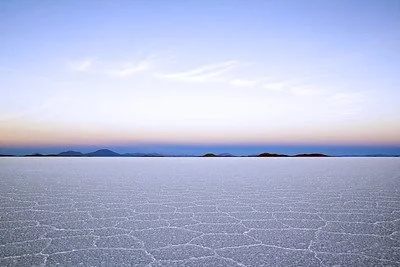
Salar de Uyuni, Bolivia. Giacomo Buzzao. CC BY 2.0.
Located in the Andean Plateau in South America, the Salar de Uyuni is the largest salt flat in the world. It is in southwestern Bolivia, close to the border between Bolivia, Chile and north of the Argentinian border. It is over 4,050 square miles and the salt crust stretches to the horizon. It is also 10,000 feet above sea level, as it is located in the Andes. Since the salt is white, the Salar de Uyuni appears to be a large white desert, but during the rainy season, nearby lakes overflow, rivers empty into the salt flat and it becomes filled with water.
Though the seeing the dry, white salt stretch for miles is beautiful, when the salt flat is filled with water, it creates a clear mirror-like lake. Generally, there are only a few centimeters of water so it is still possible to walk on it, but as the weather is unpredictable, some areas become restricted for safety. The salt flat is mostly waterproof, but too much rain will melt some of the salt and make it dangerous to walk on. However, during this time, Salar de Uyuni turns into the world’s largest natural mirror, reflecting the light from the sky. The winter months also have clear skies that offer beautiful stargazing opportunities, the reflected stars only adding to the salt flat’s wonder.
The Salar de Uyuni is large enough to be seen from space, and it contains 10 billion tonnes of salt. 70% of the lithium in the world is also mined from this salt flat. The Salar de Uyuni was created 40,000 years ago, after Lake Michin evaporated. Over the course of its slow evaporation, the salt hardened and created a crust that formed the area into what it is today. In addition, there is still water underneath the salt that continues to evaporate as temperatures rise, which adds more salt to the surface.
Beyond the scientific explanation for the Salar de Uyuni’s creation, the locals have passed on their own legends. In one of them, one of the nearby mountain goddesses, Yana Pollera, gave birth to a baby that two other mountain gods fought over. They both believed themselves to be the father, and Yana Pollera sent her child away to where the salt flat is located today and flooded the area with her milk that eventually evaporated into salt so it would survive. Another legend claims the flat was formed because after two mountain gods were married, the husband left and the wife cried until her tears created the Salar de Uyuni.
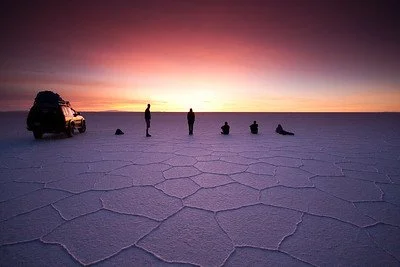
Dawn at Salar de Uyuni. Trevor McKinnon CC BY-NC-SA 2.0.
Because of its location, there are many tours leaving from Bolivia and Chile, and many of them stretch over the course of multiple days in order to get the most out of the natural beauty. Planes, buses and trains are all able to get to Uyuni, the town closest to the salt flat, but there are also tours from Tupiza, a town south of Uyuni, and San Pedro de Atacama, a town in Chile.
RELATEAD CONTENT

Katherine Lim
Katherine Lim is an undergraduate student at Vassar College studying English literature and Italian. She loves both reading and writing, and she hopes to pursue both in the future. With a passion for travel and nature, she wants to experience more of the world and everything it has to offer.
The Top 3 Countries For Women in Government
For most of history, men have made up all global governments. However, today, a select few lead the world with more than half of their parliamentary seats being occupied by women.

UN Women’s Event. UN Women Gallery. CC BY-NC-ND 2.0.
While governments around the world are still generally male-dominated, and men continue to hold most positions of high power, women have made significant strides. Rwanda and Cuba are the only countries in the world with more than 50% of their government being occupied by women today, while Bolivia maintained a female majority from 2014-2019.There are other countries whose highest roles are filled by women. For example, Jacinda Ardern is the prime minister of New Zealand, Sanna Marin is the youngest prime minister ever elected in Finland, Mia Mottley is the first woman elected as prime minister in Barbados, and Katrín Jakobsdóttir is the prime minister of Iceland. However, Rwanda, Cuba and Bolivia are the only three countries led by women in terms of legislative percentages. .
Rwanda
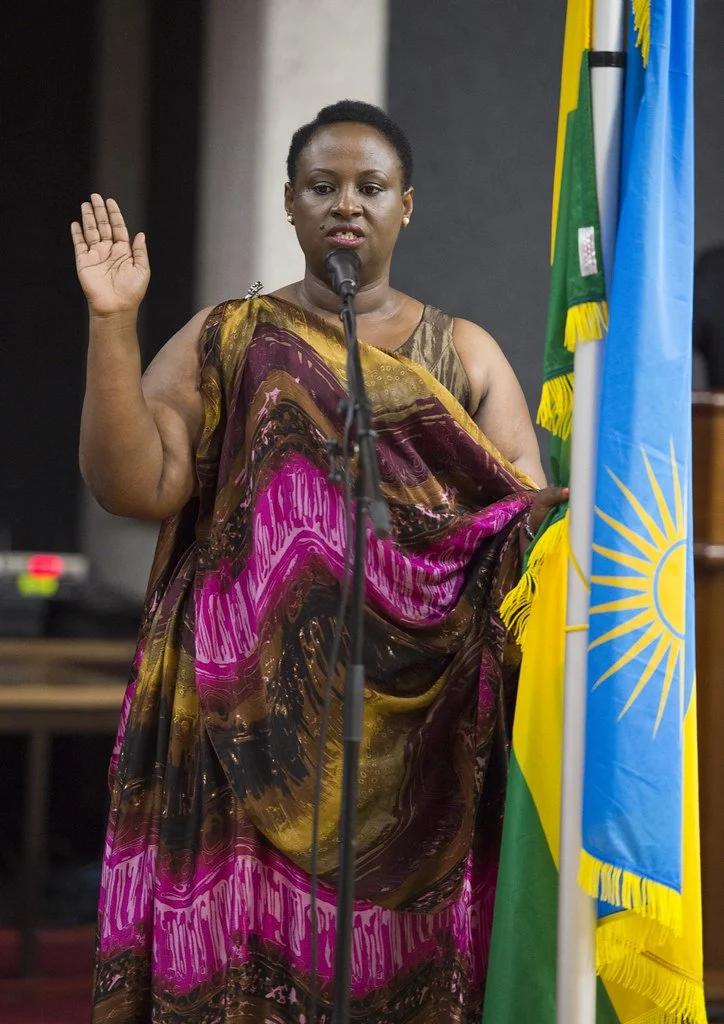
Dr. Usta Kayitesi, Former Deputy CEO of Rwandan Governance Board. Paul Kagame. CC BY-NC-ND 2.0.
In 2003, Rwanda set a rule that at least 30% of government seats had to be filled by women. That very year, the elections resulted in nearly a 50/50 gender split in Rwanda’s parliament. Ten years later, the Rwandan parliament became 64% female. In 2022, Rwandan parliament is still 61% women.With that being said, women in the Rwandan government say that they still face sexism, despite holding the majority. District Vice Mayor Claudette Mukamana says women’s abilities are still questioned; Executive Secretary for the Rubavu District Berthilde Muruta says their motives for being in government are questioned.
Cuba
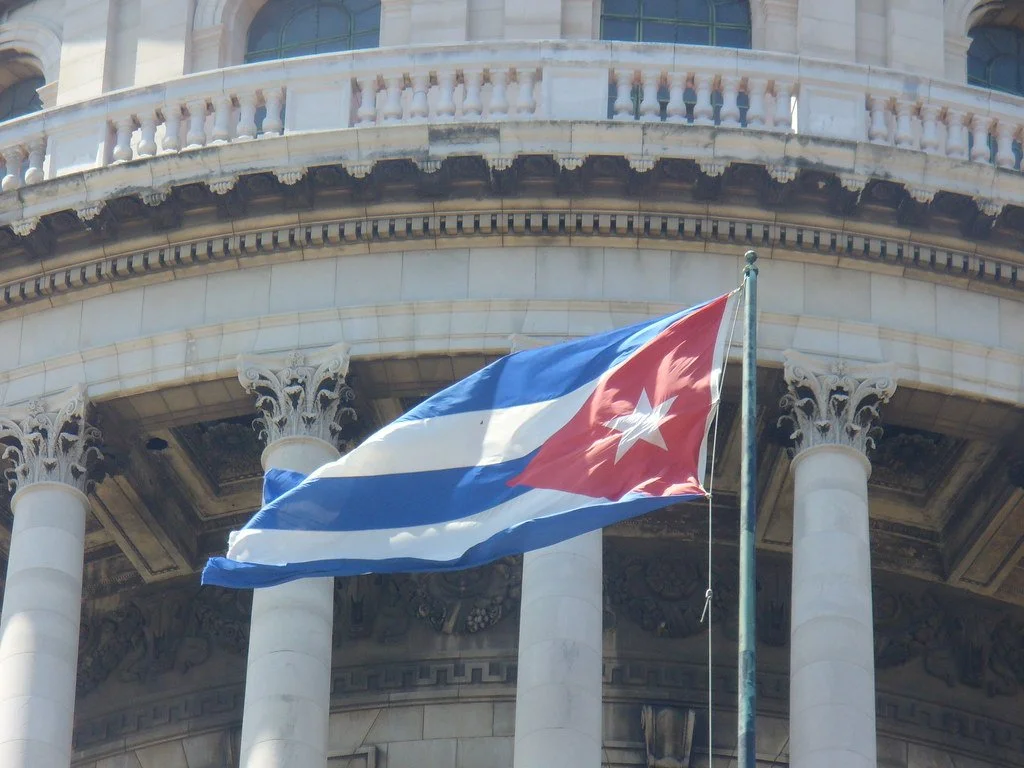
Cuban flag in Havana. Samuel Negredo. CC BY 2.0.
In 2018, Cuba followed Rwanda as the second country to elect a female majority parliament. Since 2018, 53% of Cuba’s parliament has been made up of women. Unlike Rwanda, Cuba does not have a quota in place for women in government. Despite the majority-woman parliament, there have been criticisms of Cuba’s treatment of elected women, just like Rwanda, including that the higher up one goes in the government, the less women there are. Essentially, while in terms of pure statistics women dominate Cuba’s government, men continue to occupy the roles with the most political power.
Bolivia

Former Bolivian President of Senate Adriana Salvatierra, third from the left, (insert which one she is in parentheses) at UN Women’s Event. UN Women Gallery. CC BY-NC-ND 2.0.
In 2020, Bolivia’s proportion of women in parliament equaled 46% and has stayed at that figure since. But from 2014 to 2019, Bolivia was one of the only countries with a majority woman government, at 53%. Like Rwanda, Bolivia has gender quotas, but these quotas are enacted a bit differently in Bolivia versus Rwanda. Bolivia has a quota for the number of female candidates put forward in any given election cycle, as opposed to the number actually elected. For the Lower House, Bolivia requires at least half of the candidates to be women.

Calliana Leff
Calliana is currently an undergraduate student at Boston University majoring in English and minoring in psychology. She is passionate about sustainability and traveling in an ethical and respectful way. She hopes to continue her writing career and see more of the world after she graduates.
Peru and Bolivia: A Short Film Capturing the Beauty of the Mountains
High in the Andes mountains, the people of Peru and Bolivia inhabit one of the most unique landscapes in the world. From rainforests to rocky slopes, towns and cities coexist with the wildlife and the natural topography in a way that seems as though they were created by nature as well as human innovation.
The people living in these cities blend historical traditions with the technological advancements of the modern age— retaining the beauty of their culture, dress, and craftsmanship and passing it down to the next generation. This video, directed and edited by Baptiste Lanne, highlights the beauty of both Peru and Bolivia’s varied climate, geography, and people, illustrating the complex balance of humanity and nature. The breathtaking scenes are interspersed with shots of people’s daily lives; both are equally beautiful.
8 Surprisingly Vibrant Desert Destinations
Deserts are much more than the beating sun and rolling sand dunes we often picture. These eight destinations showcase the incredible natural beauty of the desert, from salt flats and chalk formations to mountains and glaciers.
Though deserts are often thought of as just hot, dry expanses of sand, they come in a variety of climates and landscapes and hold some of the world’s most fascinating natural formations. Deserts “are areas that receive very little precipitation,” making them arid but not necessarily hot and sandy. Many deserts are mountainous, and others are large expanses of rock or salt flats. Though their arid environment makes water in deserts scarce, they are far from lifeless. Plants and animals, including humans, have adapted to desert life. One-sixth of the Earth’s population lives in deserts, which are found on every continent.
These eight desert destinations range from freezing to boiling in temperature and are all unique, with their own attractions and plant and animal life. Each of these stunning deserts is worth a visit, and they may change your opinion of the desert as a stark, lonely place to one of beautiful landscapes blooming with culture, history and life.
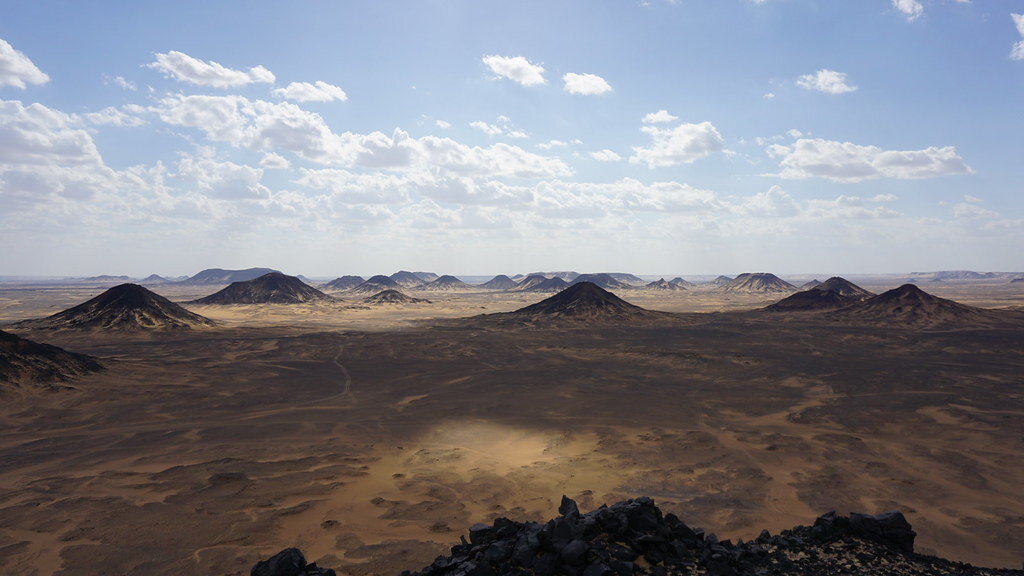
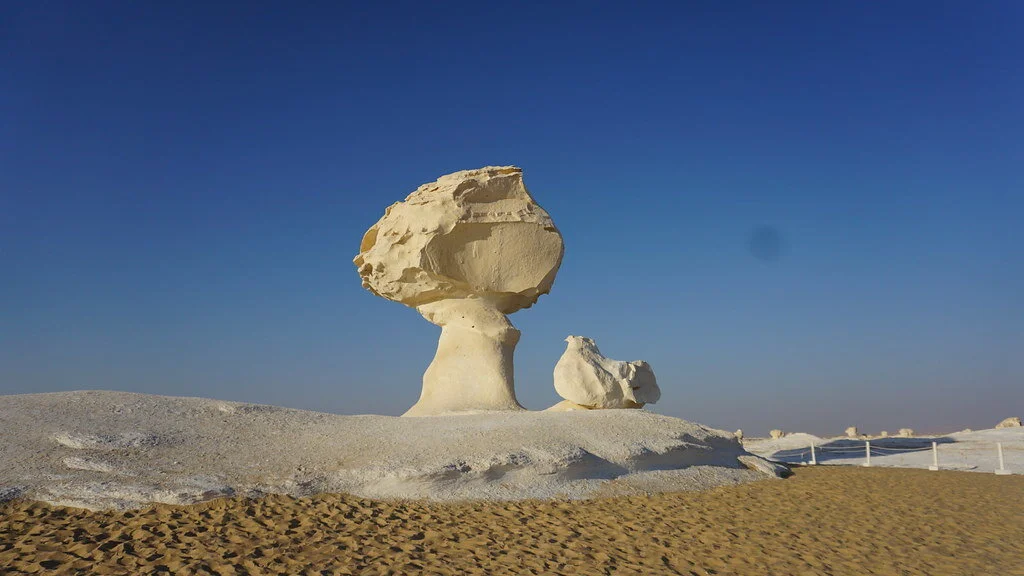
White and Black Deserts, Egypt
Located just a few hours from Cairo, Egypt’s White and Black deserts are two stunning and underappreciated visitor attractions. The White Desert is located in the Farafra Depression, a section of Egypt’s Western Desert, and boasts some of the most unique geological landscapes in the country. Incredible wind-carved white chalk formations rise from the sand in the shapes of towering mushrooms and pebbles, giving the White Desert its name. The White Desert stretches over 30 miles, and the most visited area is the southern portion closest to Farafra. To the north of the White Desert is the Black Desert, where volcanic mountains have eroded to coat the sand dunes with a layer of black powder and rocks. In the Black Desert, visitors can climb up English Mountain and look out over the landscape. The Egyptian Tourism Authority recommends booking a tour to explore the deserts in depth, and travelers can even stay in the White Desert overnight.
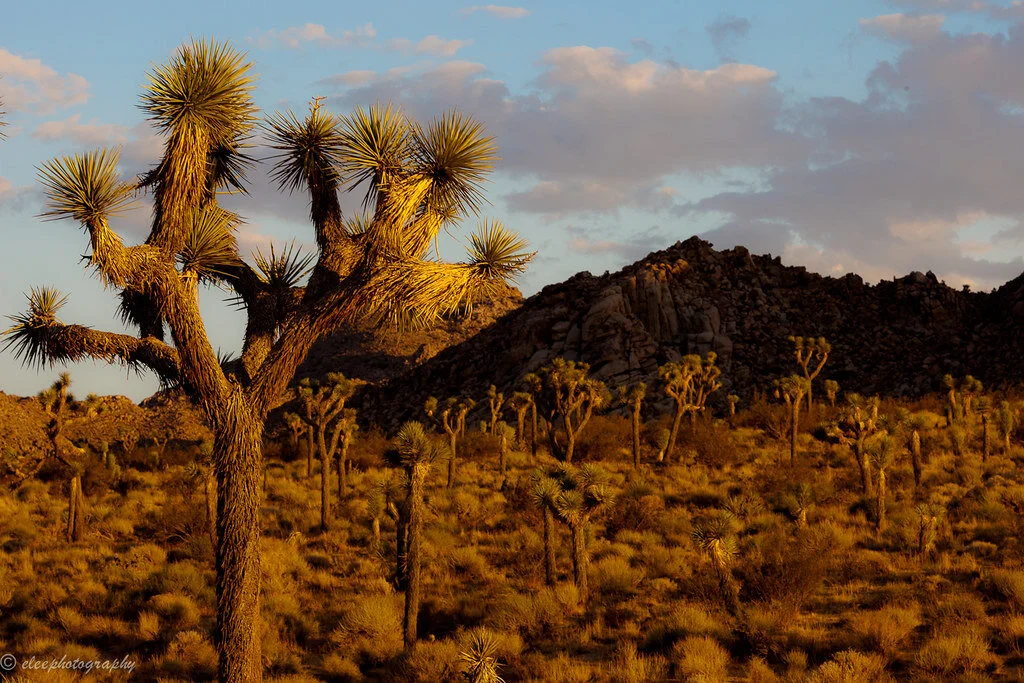
Joshua Tree National Park, California
Joshua Tree National Park in Southern California is where two different desert ecosystems meet. Parts of the Mojave and the Colorado deserts are both found in Joshua Tree, along with a distinctive variety of plant and animal life. The Joshua tree, the park’s namesake, is the most identifiable of the plants, with its twisted, spindly branches and spiky clusters of greenery. Some of the park’s most popular attractions are Skull Rock; Keys View, a lookout with views of the Coachella Valley and the San Andreas Fault; and Cottonwood Spring Oasis, which was a water stop for prospectors and miners in the late 1800s. Joshua Tree National Park has roughly 300 miles of hiking trails for visitors to explore. The park is open 24 hours and can be visited at any time of the year, but visitation rises during the fall due to the cool weather and is at its height during the wildflower bloom in the spring.
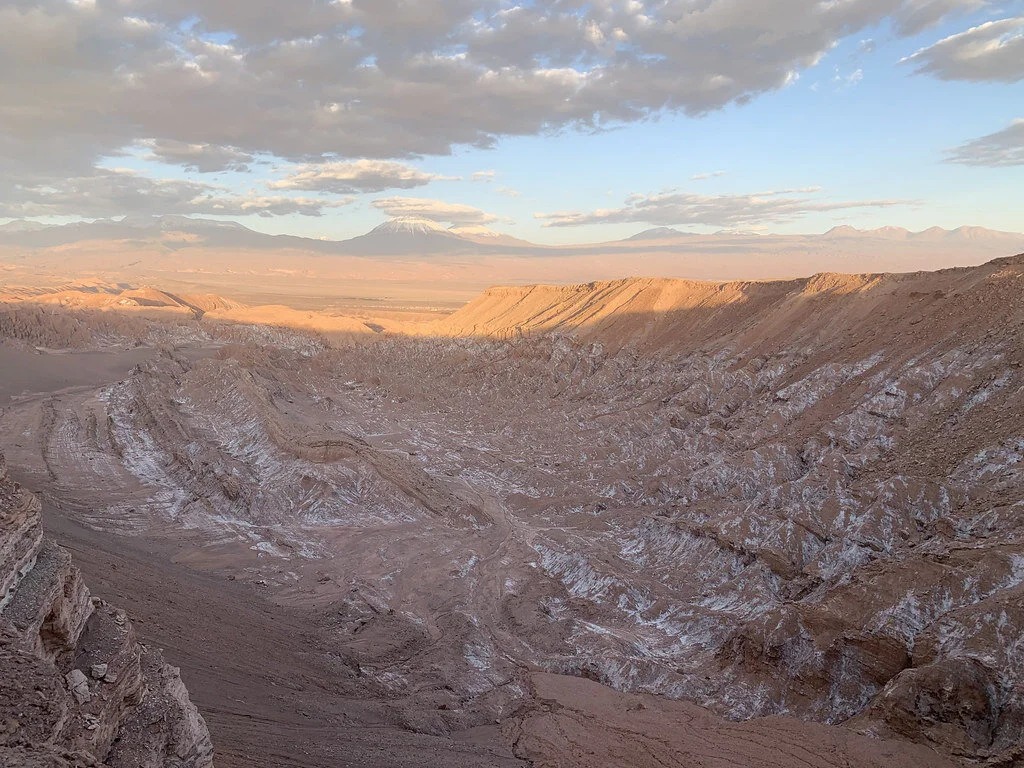
Atacama Desert, Chile
Trips to the Atacama Desert in northern Chile are likened to visiting Mars on Earth. The dry, rocky terrain is so similar to that of Mars that NASA tests its Mars-bound rovers here. The Atacama Desert, the driest desert on Earth, spans over 600 miles between the Andes and the Chilean Coastal Range. Some weather stations set up in the Atacama have never seen rain. Despite its dryness, the desert is home to thousands of people, as well as plants and animals. People have been living in the Atacama Desert for centuries; mummies were discovered in the Atacama dating back to 7020 B.C., even before the oldest known Egyptian mummies. Attractions in the Atacama Desert include El Tatio geyser field, the Chaxa Lagoon, the Atacama salt flats, and sand dunes over 300 feet tall. The Atacama Desert is also said to have some of the clearest night skies in the world, making it perfect for stargazing. It is best to avoid a trip to the Atacama during the summer months, as the high temperatures make for a sweltering visit.
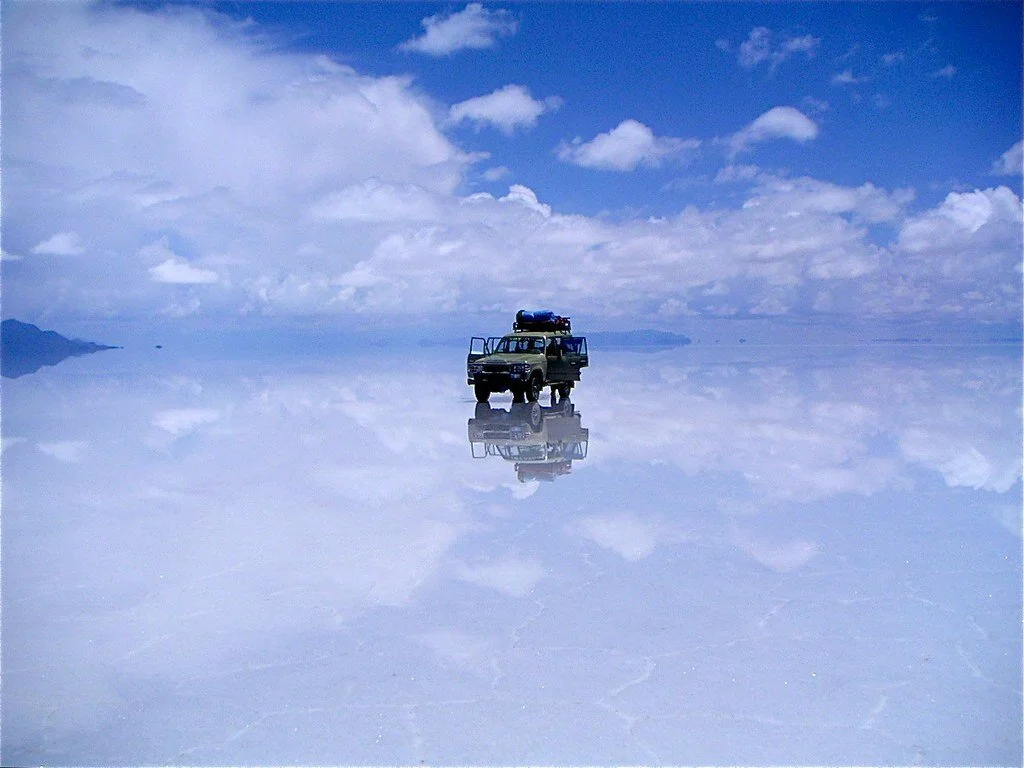
Salar de Uyuni, Bolivia
The world’s largest salt flat, Salar de Uyuni, covers 3,900 square miles in the southwestern corner of Bolivia. Salar de Uyuni is so large it can be seen from space and holds an estimated 10 billion tons of salt. Beneath the salt flat is approximately 70% of the world’s lithium reserves. This lithium is carefully extracted and used for powering laptops, electric cars and smartphones. Salar de Uyuni is surrounded by scenic lakes, geysers and rock formations, and is one of the world’s most beautiful and untouched natural landscapes. Tours of Salar de Uyuni take visitors to the Valley of Rocks; Morning Sun, which is home to geysers and mud pots; Colchani, a salt-processing village; and the Polques Hot Springs, where travelers can soak in warm thermal water. The landscape of Salar de Uyuni changes based on the seasons, so travelers should plan their visits around what they want to see. From July to October, access to all sites of Salar de Uyuni is unrestricted, but during the rainy season from December to April, visitors may be able to witness the salt flat’s famous mirror effect, where a thin layer of water over the salt transforms the land into the world’s largest mirror.
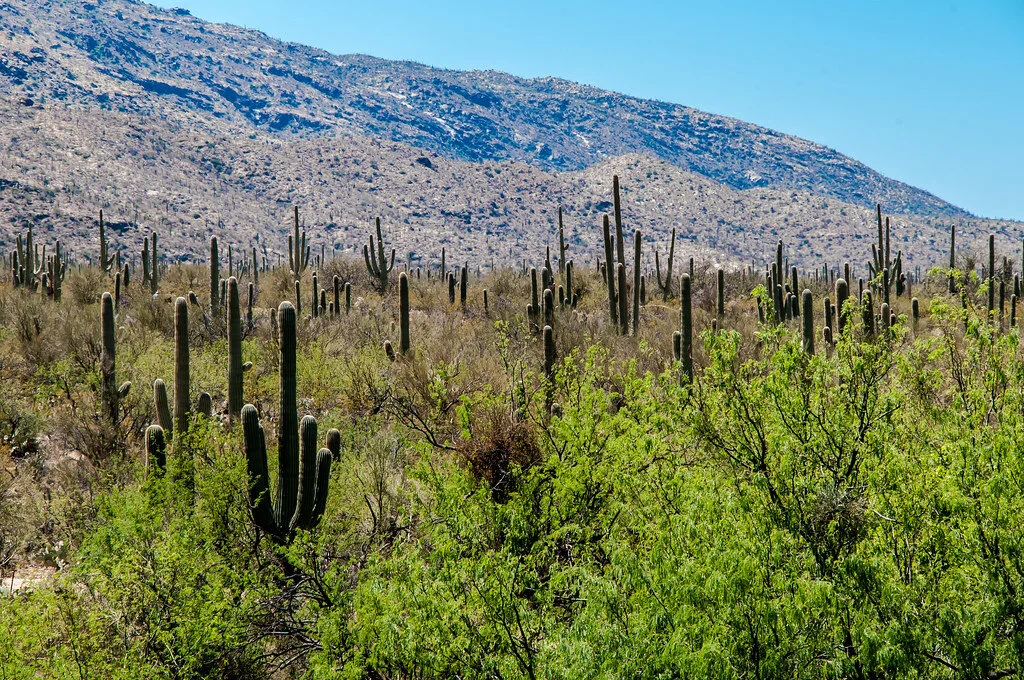
Tanque Verde Ranch, Arizona
Located just outside of Tucson, Arizona, near Saguaro National Park and the Rincon Mountains, Tanque Verde Ranch gives visitors “the ultimate dude ranch experience.” The ranch sprawls over 640 acres and stocks over 150 horses. Visitors to the ranch can get a real-life cowboy experience, including horseback riding and team penning. Riders of all experience levels will find something to do at Tanque Verde, where visitors can take beginning, intermediate and advanced lessons and then go on a sunrise or sunset trail ride through the Arizona desert. Tanque Verde Ranch offers kids’ riding activities too, as well as activities for non-riders such as yoga, mountain biking, fishing, swimming and pickleball. Visitors should pack long pants and closed-toe shoes if they plan to ride, and casual wear is appropriate for all non-riding times. Trips to the ranch usually last around four days, and visitors stay on the property. Tanque Verde Ranch is open to visitors year-round.
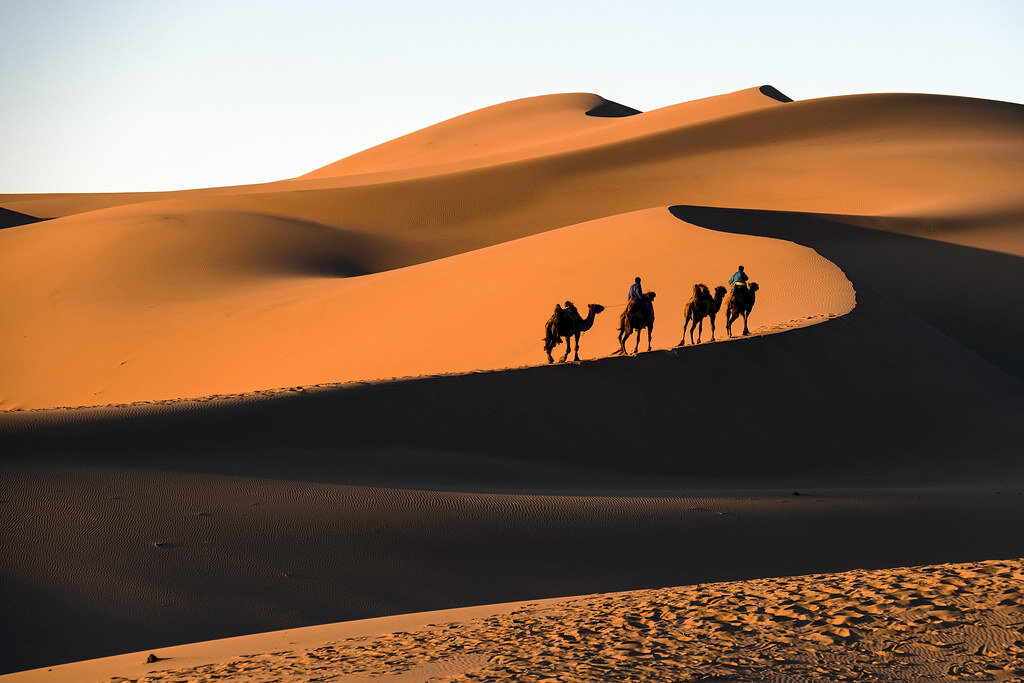
Gobi Desert, Mongolia
Spanning most of southern Mongolia and its border with China, the Gobi Desert contains stunning views and years of history. The region was once populated by dinosaurs, and some of the best-preserved fossils in the world were found near the Flaming Cliffs of Bayanzag. The Gobi Desert showcases a variety of natural beauty, from towering sand dunes to incredible white granite formations. Dry desert plants that come to life after rain make the Gobi unique, as well as ”saxaul forests” made up of sand-colored shrubbery. Visitors to the Gobi Desert should explore the Khongor Sand Dunes, an area that offers rocky and mountainous terrain in the south, dry and barren terrain in the center, and several oases in the north. Other major attractions are the Flaming Cliffs of Bayanzag, where red clay seems to glow in the sun, and the Gobi Waterfall, which looks like a city in ruins but is a completely natural formation. The best time to visit the Gobi Desert is either in late spring or in autumn, when the weather is neither too hot nor too cold.
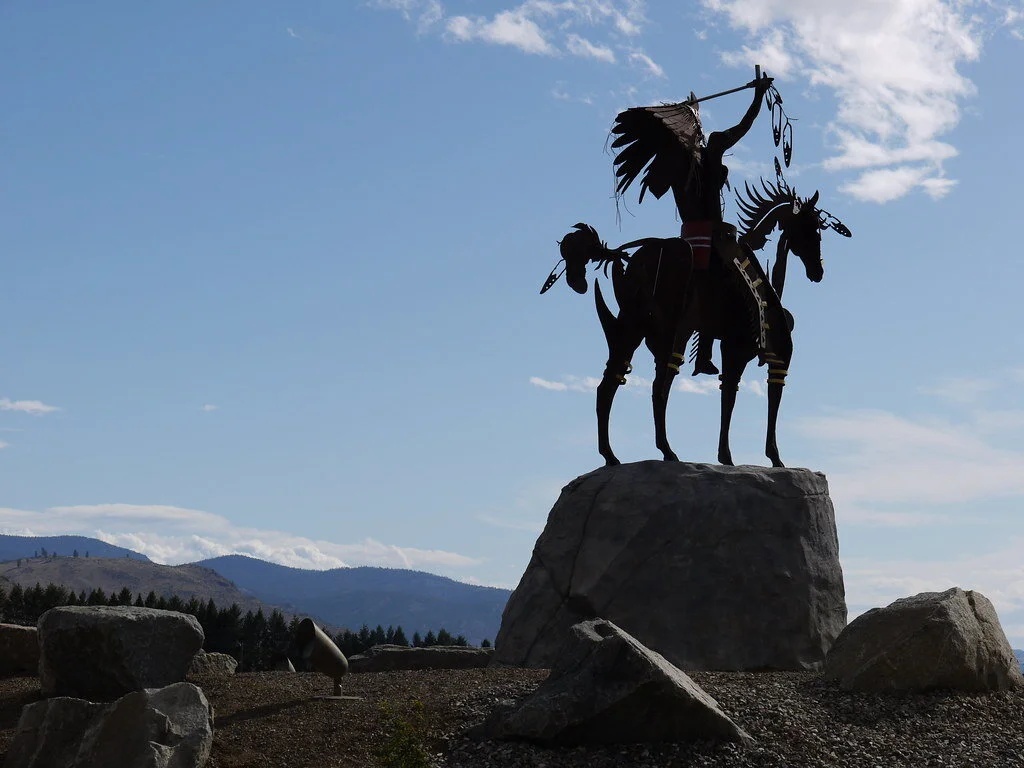
Nk’Mip Desert, Canada
Also called the Okanagan Desert, Canada’s Nk’Mip Desert contains the most endangered landscape in Canada. Located in Osoyoos in British Columbia, the Nk’Mip Desert Cultural Center is a 1,600-acre area of the Okanagan Desert managed by the Osoyoos Indian Band, and is the only fully intact area of desert in Canada. The desert is situated in a semiarid microclimate. The cultural center was designed to be eco-friendly and resembles the traditional winter homes of the Osoyoos Indian Band. Visitors can explore the desert on walking trails, which are surrounded by sage, prickly pear cactuses and antelope brush, as well as sculptures of desert creatures and native peoples by Smoker Marchand. The trails take visitors through a traditional Osoyoos village, where they will find a traditional sweat lodge and pit house. Many visitors prefer to explore Nk’Mip Desert in the summer due to the region’s relatively cold winters.
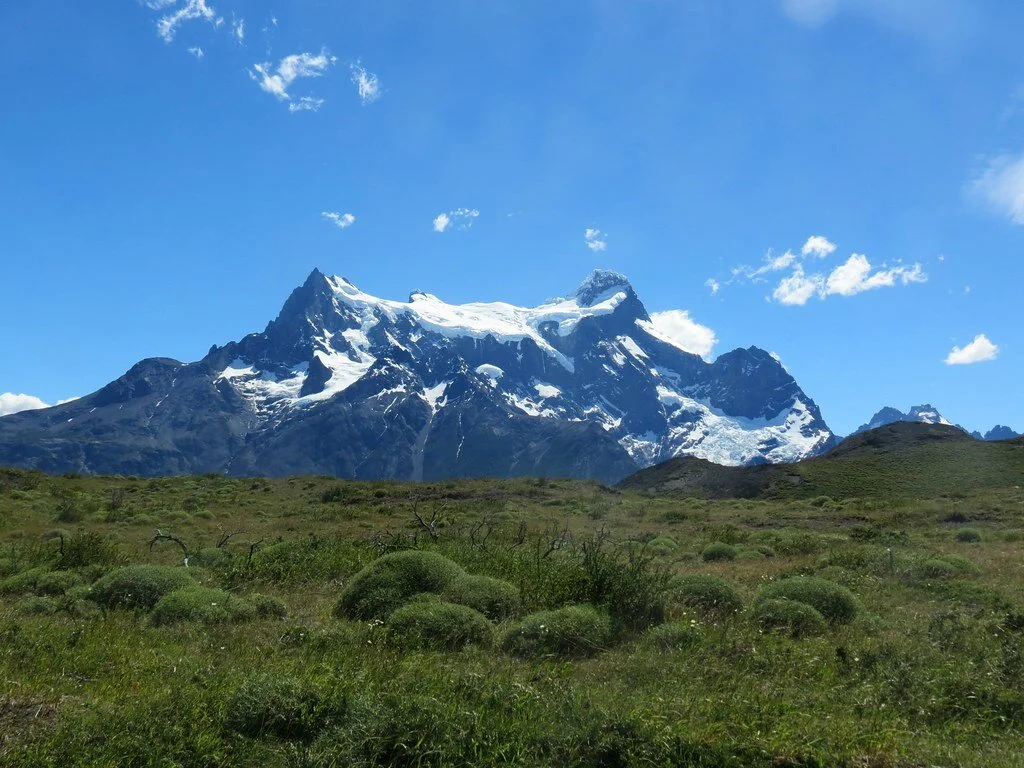
Patagonian Desert, Argentina and Chile
The Patagonian Desert is South America’s largest desert and the seventh-largest in the world. It covers parts of southern Argentina and Chile, and is a cold desert, sometimes reaching a high temperature of 68 degrees Fahrenheit. The Patagonian Desert is home to two national parks: Torres del Paine National Park in Chile and Los Glaciares National Park in Argentina. Torres del Paine and Los Glaciares aren’t typical desert environments, but since the Patagonian is a cold desert, its landscape is different from that of most deserts. Before the Andes were formed, the Patagonian Desert was likely covered by temperate forests, so the region containing the desert, Patagonia, is extremely ecologically and geographically diverse. Torres del Paine National Park is known for its towering granite structures, which were shaped by glaciers. Los Glaciares is home to large glaciers, as well as scenic mountains, lakes and woods. The Cueva de las Manos, or “Cave of Hands,” is a series of caves in Argentinian Patagonia which are filled with paintings of hands dating back to 700 A.D., likely made by ancestors of the Tehuelche people. Tehuelche people live in Patagonia today, some still following a nomadic lifestyle. The best time to visit Patagonia is generally said to be in the summer (December to February), when the days are warm and the fauna is in full bloom, but there are merits to exploring the area at all times of year.

Rachel Lynch
Rachel is a student at Sarah Lawrence College in Bronxville, NY currently taking a semester off. She plans to study Writing and Child Development. Rachel loves to travel and is inspired by the places she’s been and everywhere she wants to go. She hopes to educate people on social justice issues and the history and culture of travel destinations through her writing.
Evo Morales Returns in Triumph to Bolivia, Ending a Year in Exile
One year after he stepped down amid a contested election, the popular left-wing leader is back. Will he be content with his supporters’ love, or will he seek power as well?

Evo Morales waving the Wiphala, a symbol for South America’s Indigenous people. Brasil de Fato. CC BY-NC-SA 2.0.
Exiled leaders rarely return so triumphantly. Evo Morales, president of Bolivia for 14 years before fleeing the country in November 2019, greeted a jubilant crowd when he crossed the border from Argentina and trekked to his home province of Chapare. Many expected a more forceful return, perhaps a march to the seat of government in La Paz. Rather, Morales traveled to where he started his political career at the precise moment when that career seems set to either end or begin again.
If Morales plans to kick-start a new phase in his political career, he reenters in a much better position than when he started. Born to a poor family in the Orinoca region in 1959, his family moved with countless other families from the highland altiplanos to work on lowland coca farms, which provided poor Bolivians the best shot at a livable wage. The young Evo became a union leader, fiercely advocating for the rights of farmers when the United States’ war on drugs demanded the Bolivian government slash its supply of coca, its most profitable crop. In Bolivia, people chew on it or brew tea, but one ton of leaves can be refined into two pounds of cocaine base paste.
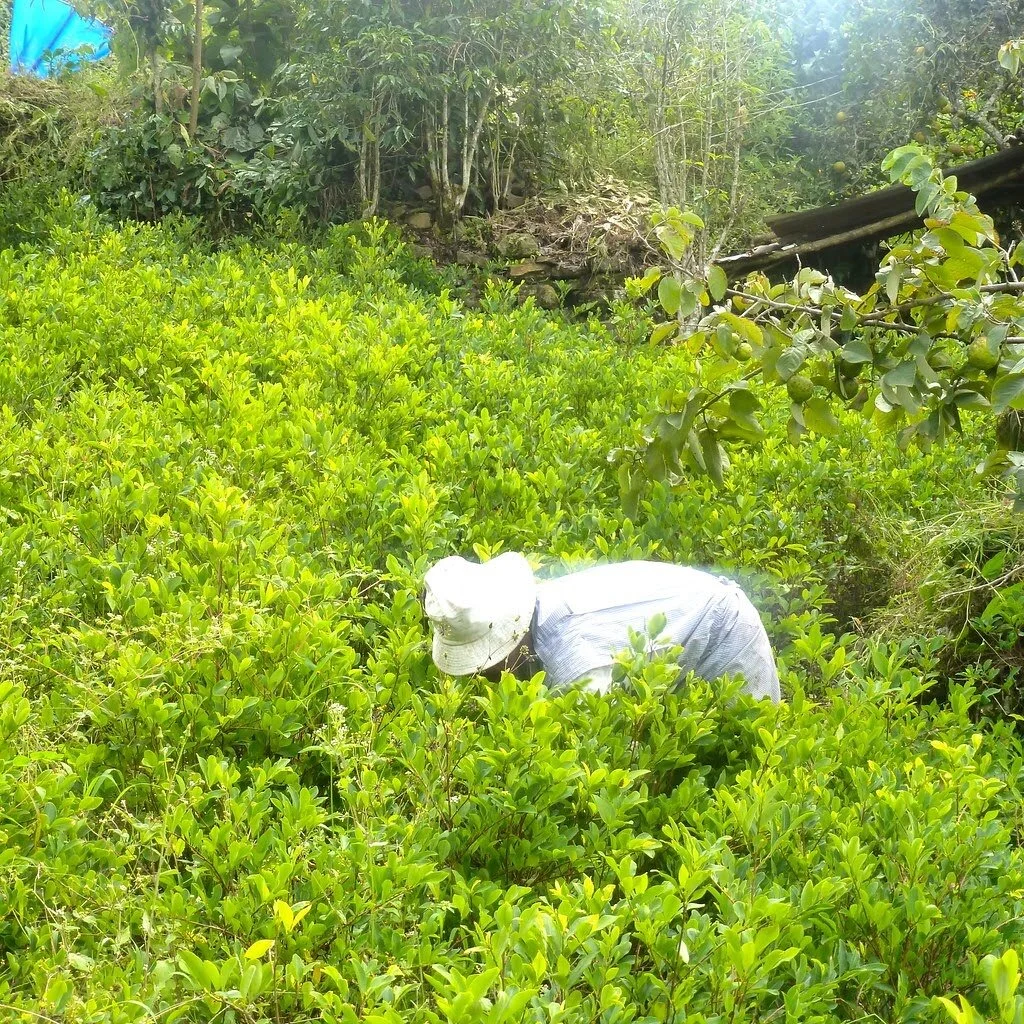
A farmer pruning coca. Erik Cleves Kristensen. CC BY 2.0.
Morales’ experiences there fostered a brand of politics staunchly devoted to the poor and Indigenous communities through the institution of socialism. He joined and soon transformed the Movement for Socialism party (MAS) and became a one-term congressman. After leading violent street altercations that forced two presidents to resign, his ambitions expanded to the national realm. In 2006, the Bolivian people voted him in as president, beginning a 14-year-long tenure which would prove revolutionary.
For one, he was the first Indigenous president since the country’s independence in 1825. In a nation that is 42% Indigenous, this seems strange, but centuries of colonization and racism led to a society of haves and have-nots. An ethnic Aymara, Morales expanded MAS’s appeal to all Indigenous people, chafing many Whites and Mestizos who supported MAS in far fewer numbers. Some Indigenous communities found Morales’ embrace of Indigenous peoples hollow; he allowed drilling in forest reserves and expanded the amount of land settlers could clear.
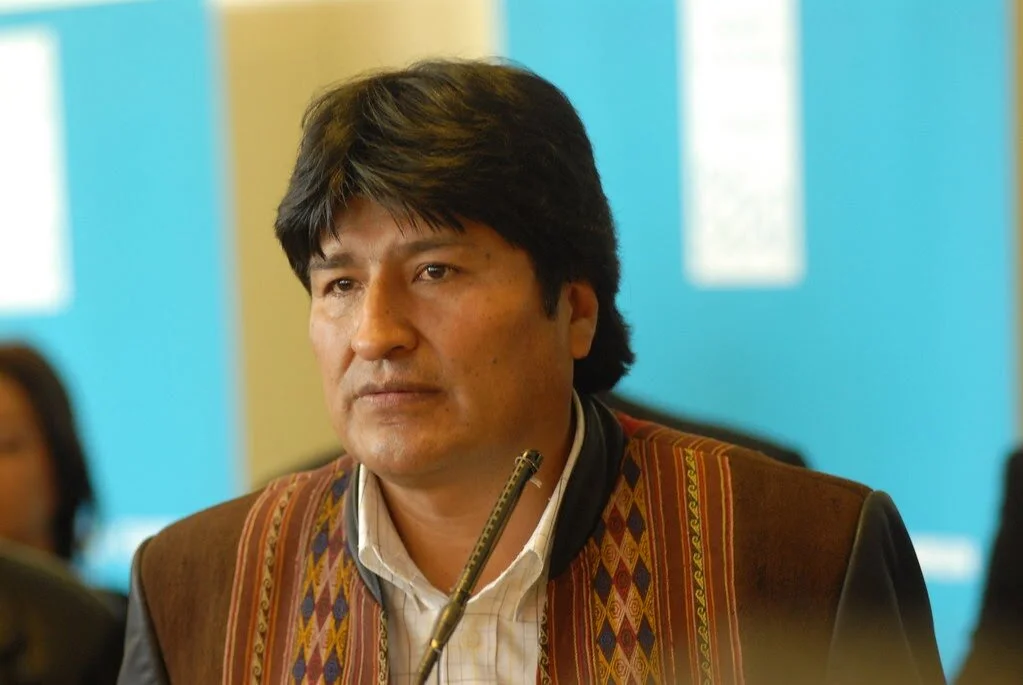
Man without a plan. Alain Bachellier. CC BY-NC-ND 2.0.
Most of all, however, he presided over what many view as an economic miracle. Morales’ government reduced by two-thirds the amount of people living on less than $1.90 a day, the World Bank’s definition of extreme poverty. The high price of petroleum, another of Bolivia’s largest exports, allowed his administration to invest heavily in innovation and modernization. The widespread prosperity led many to ignore Morales’ authoritarian streak. He would often jail critics and journalists while piling lawsuits on his political rivals.
But when Morales ran for a fourth term against constitutional term limits, opponents found it unforgivable. A pause in vote-counting led many to believe he planned to rig the election, so thousands stormed the streets to protest the election results. Clashes broke out between pro- and anti-Morales protesters; 36 people died amid the violence. Once the military “recommended” Morales step down, he boarded a plane to Mexico and left Bolivia in the hands of little-known senator Jeanine Anez.
She was a right-wing politician with exactly the opposite views of Morales. Where he proudly represented Indigenous peoples, Anez called them “savages.” (In his triumphant return, Morales sarcastically quipped, “The Bolivian right and the global right should know: the savages are back in government.”) Anez presided over an economic slump due to political unrest and COVID-19. She governed for 11 months before the electorate put in office Morales’ own protege Luis Arce.

Morales’ protege Luis Arce. Casa de América. CC By-NC-ND 2.0.
A bland, uncharismatic technocrat, Arce won broad appeal precisely because he was Morales’ choice. He engineered the economy during Morales’ presidency, so he can take credit for much of Bolivia’s prosperity. His support from the former president may prove both a blessing and a curse, however. He will struggle to distance himself from a controversial figure who still holds strong sway over MAS. His primary responsibility will be to maintain distance from Morales to the greatest extent possible.
For the time being, however, Morales will enjoy his warm welcome home. Crowds gleefully waved the Wiphala, a colorful checkered flag representing Indigenous peoples. Supporters dressed in their finest, most colorful Indigenous attire to celebrate his homecoming. Luis Arce neither met him in Chapare nor sent him a word of greeting. So far they hold no communication. For the sake of Bolivia’s democracy, many hope it will stay that way.

Michael McCarthy
Michael is an undergraduate student at Haverford College, dodging the pandemic by taking a gap year. He writes in a variety of genres, and his time in high school debate renders political writing an inevitable fascination. Writing at Catalyst and the Bi-Co News, a student-run newspaper, provides an outlet for this passion. In the future, he intends to keep writing in mediums both informative and creative.
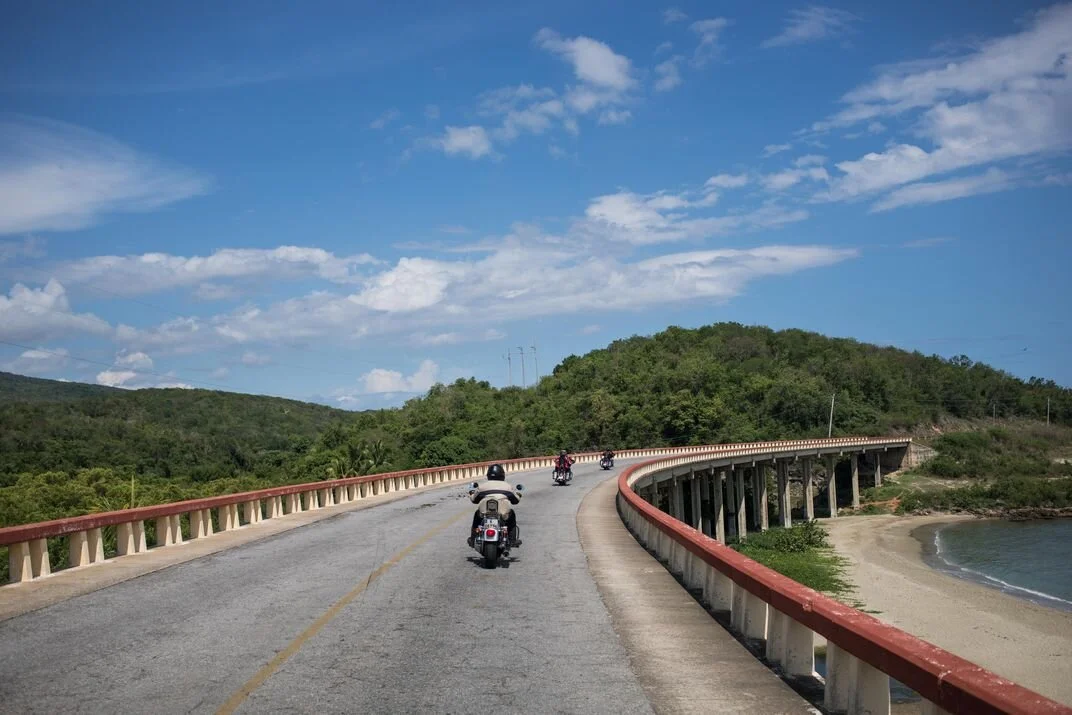
The bikers roll out of Cienfuegos, site of a 1957 rebellion by navy officers against the Batista dictatorship. (Lisette Poole)
Roaring Through Cuba With Che Guevara’s Son
Travel across Cuba by motorcycle with the son of the Cuban revolutionary Che Guevara. Learn about the history of the Cuban revolution and the family life of Cuba’s lead guerrilla and hero.
Read MoreFollowing the Removal of Evo Morales, Anti-Indigenous Sentiment Explicit in Bolivia
In the aftermath of the ouster of former President of Bolivia, Evo Morales, many suspected a right-wing coup had taken place. Now, a month later, the status of Indigenous peoples in Bolivia hangs in the balance.
Read MoreThe Lungs of the Earth are Burning
The Amazon Rainforest is currently burning and has been for weeks, while little to no coverage has been given to the immediate and dire situation.
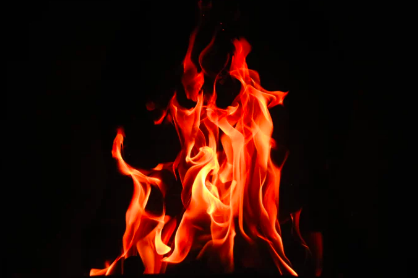
Fire. Cullan Smith. Unsplash.
The Amazon is on fire and has been for a little over a month. According to the World Wildlife Fund, “40,000 different types of plants” are estimated to have been affected by the fires raging in the Amazon. The Amazon fires have been burning for a while now, but coverage on the fires has been little to none. Now, though, through the outcry on social media, attention has been brought and countries across the globe are pitching in, trying to do their part in reversing and stopping the fires.
According to a NY Times article, “Hours after leaders of some of the world’s wealthiest countries pledged more than $22 million to help combat fires in the Amazon rainforest, Brazil’s government angrily rejected the offer, in effect telling the other nations to mind their own business — only to later lay out potential terms for the aid’s acceptance and then, on Tuesday evening, accepting some aid from Britain.”
Denying the aid could prove detrimental to the people and animals living in the Amazon forest. According to a CNN video, Daniel Aristizabel, a member of the Amazon Conservation team, states that the fires are affecting tons of the wildlife in the Amazon, stating “if you lose one species, you cause a chain reaction”. This “chain reaction” can cause a major shift in our ecosystem and possibly put many animals on the endangered species list.
Being far-removed from the fires makes it difficult to understand the scope and how big of areas the fires are covering. In an ABC video, Andres Ruzo from National Geographic Explorer and Conservationist and also the Director of the Boiling River Project states that “we could be losing, in certain areas, as much as 3 soccer fields of jungle every single minute”. The rate at which the Amazon is burning is huge and will have an impact on ourselves. To put the size in perspective, CNN reporter also adds that the amount of land burning is equivalent to “two thirds the size of the contenential United States”. The Amazon Rainforest has often been called the lungs of the Earth but now they are clogged with smoke.
Senior VP of Forests, WWF, Kerry Cesareo, states “we have seen a dramatic increase in deforestation in the Amazon, recently, and it is driven by humans and this is happening in part due to demand for food and other resources from the forests and exacerbated by the decline and enforcement of laws”. The apparent need for land for farming is the reason behind the fires. A great need for profit and resources are killing the Earth’s lungs.
If you would like to contribute to the efforts of saving the Amazon rainforest, you can donate to Protect and Acre Fund at https://act.ran.org/page/11127/donate/1 which “has distributed more than one million dollars in grants to more than 150 frontline communities, indigenous-led organizations, and allies, helping their efforts to secure protection for millions of acres of traditional territory in forests around the world.” You can also reduce your wood, paper, and beef consumption as those are the top reasons deforestation is currently happening to the Amazon.
OLIVIA HAMMOND is an undergraduate at Emerson College in Boston, Massachusetts. She studies Creative Writing, with minors in Sociology/Anthropology and Marketing. She has travelled to seven different countries, most recently studying abroad this past summer in the Netherlands. She has a passion for words, traveling, and learning in any form.

SOUTH AMERICA - A Time-Lapse Adventure
In this short film, you will be taken on a journey through the incredibly varied landscapes of this imposing continent, South America.
One year of travel, nine countries, countless hours on busses, motorbikes, and cars. Hundreds of thousands of images taken. 30TB of data used, 5 months of editing. The time-lapse film features South America like it has never been before with images from Brazil, Venezuela, Guyana, Colombia, Argentina, Chile, Peru, Bolivia and Ecuador.