• Travel Features
  • Global Action
  • Take A Trip
  • Travel Guides
    • Podcast
    • Courses
    • Bookshop
  • About
  • Sign Up
Menu

CATALYST PLANET

  • Travel Features
  • Global Action
  • Take A Trip
  • Travel Guides
  • Discover
    • Podcast
    • Courses
    • Bookshop
  • About
  • Sign Up

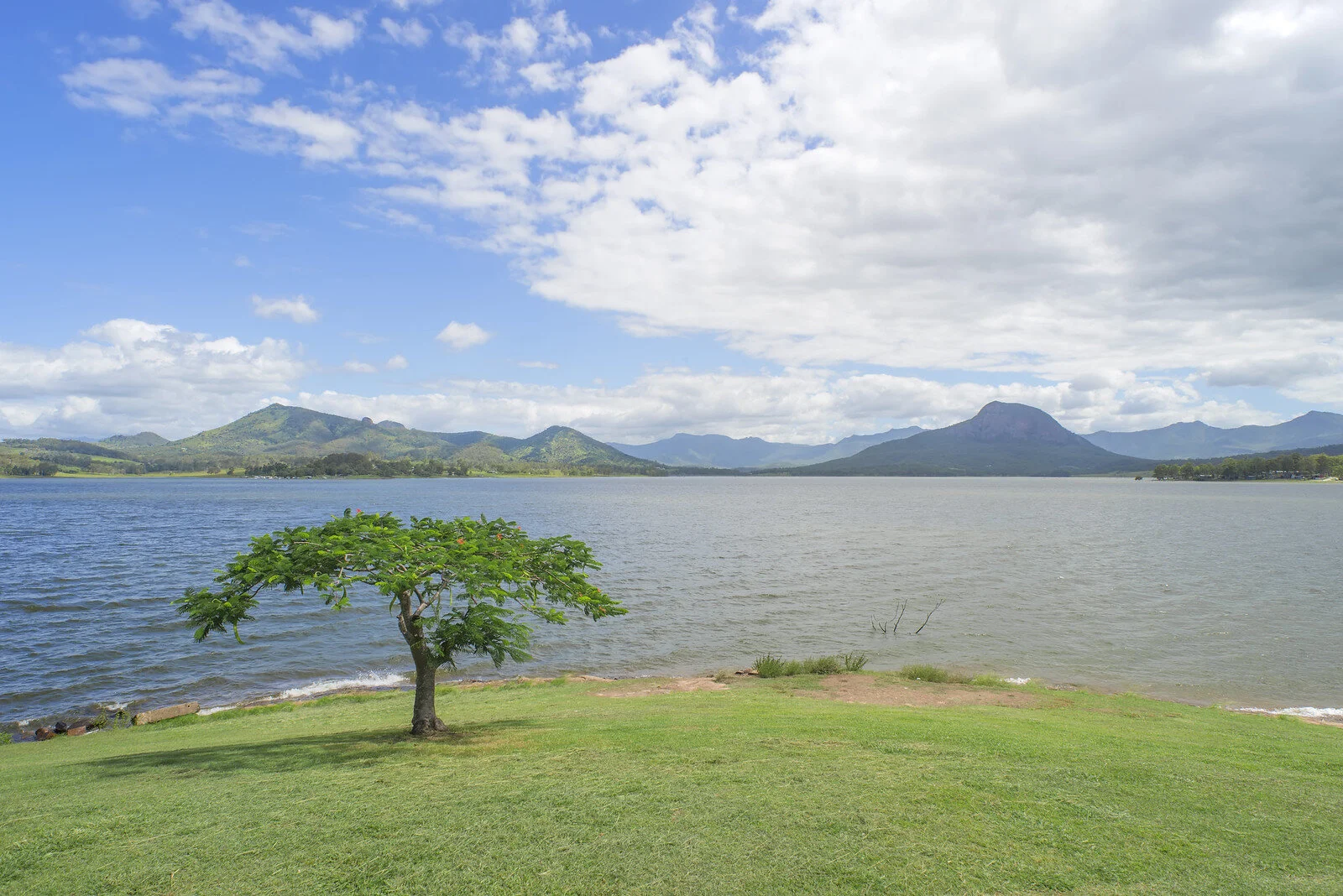
Lake Moogerah in Queensland, Australia. Lenny K Photography. CC BY 2.0.

Australia’s National Parks are Natural Wonders of the World

May 28, 2021

Australia has long been an escape for those who are seeking to get in touch with nature. While the country is most famous for its semiarid and desert regions, Australia is one of the few countries in the world which can boast a majority of the Earth’s 14 ecoregions—the continent is home to eight.

While Australia is the sixth-largest country in the world, it is one of the most sparsely populated. According to the 2016 census, 23.4 million people call Australia home, with 80% living less than 60 miles from the coast, yielding a population density of 9 people per square mile. This has left the vast majority of Australia’s ecoregions untouched by human development.

Australia’s eight ecoregions range from the very wet tropical and subtropical moist broadleaf forests—found exclusively on the northeast coast of Queensland—to the deserts and xeric shrublands which comprise a majority of the country’s landmass.

This vast diversity in natural habitats makes Australia one of the most biodiverse places in the world. According to the 2009 Numbers of Living Species in Australia and the World report, 147,579 described species had been confirmed, with the estimate for the total number of species which call the continent home at 566,398. A majority of these species are endemic to Australia, ranging from platypi to emus to kangaroos to koalas.

The National Reserve System, Australia’s counterpart to the United States’ National Park Service, is a largely new system of protected areas with the goal of preserving Australia’s vast biodiversity and ecoregions. While the first national park in the country, the Royal National Park in New South Wales, was established in 1879, the National Reserve System did not come into existence until 1992 with the ratification of the Convention on Biological Diversity. 

Since then, the National Reserve System has gone on to become a vast network of over 13,000 commonwealth, state and territory protected areas, with a combined landmass of 370 million acres—about 19.75% of the country’s total landmass. Ranging from the expansive Kosciuszko National Park in New South Wales, which includes high summits which regularly see snowfall, to the famous Uluru-Kata Tjuta National Park in the Simpson Desert, Australia’s National Reserve System truly offers something for everyone.
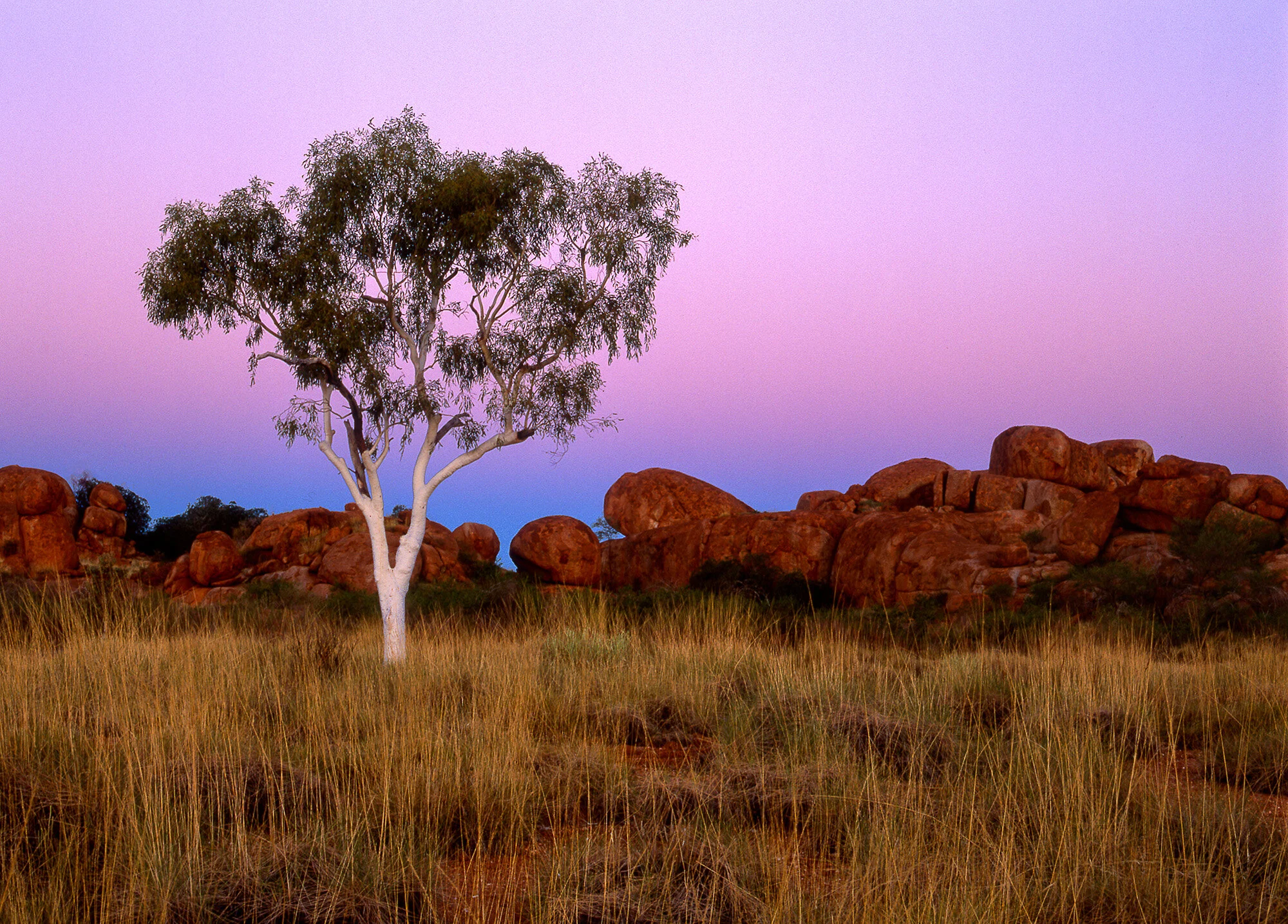
The Devil’s Marbles, a natural rock formation in the Northern Territory. Mark Wassell. CC BY-NC-ND 2.0.

For travelers who are looking to explore the desert and see some unique rock formations, Western Australia’s Nambung National Park cannot be beaten. Located in the Pinnacles Desert, Nambung offers picturesque desert views, beautiful beaches at Kangaroo Point and Hangover Bay, and the aforementioned rock formations called stromatolites. The park can be enjoyed year-round, but the most popular time to visit is in September and October, when its wildflowers are in full bloom.

Located on the southwestern coast of Victoria, Port Campbell National Park is home to breathtaking cliffs which overlook the Southern Ocean and a variety of natural islets, gorges and arches. One of the most famous, the London Bridge, provides the perfect spot to view a population of little penguins come ashore, as well as whale watching in the winter months. Port Campbell can be enjoyed year-round, with different flora and fauna prevalent throughout the various seasons of the year.

For those who can’t get enough of the rainforest, Daintree National Park in Queensland is a popular park for camping and hiking. A part of the Wet Tropics of Queensland, which were designated as a UNESCO World Heritage Site in 1988, the park is home to a variety of unique species, including 430 birds, 23 reptiles and 13 amphibians. While the park is open year-round, the best time to visit is during the drier, cooler months from May to September.


RELATED CONTENT:

Exploring the Wonders of Australia’s Wild and Remote Kimberley

Pretty in Pink: Australia’s Mysterious and Vibrant Lake Hillier

Get Lost in the Dazzling Southern Lights of the Aurora Australis


Jacob Sutherland

Jacob is a recent graduate from the University of California San Diego where he majored in Political Science and minored in Spanish Language Studies. He previously served as the News Editor for The UCSD Guardian, and hopes to shed light on social justice issues in his work.
In Australia, World and Travel, Oceania Tags Australia, National Park, natural wonders, biodiversity, beautiful places, cliffs, hiking, trails, islets, gorges, arches, rainforest, UNESCO, Environment
Comment

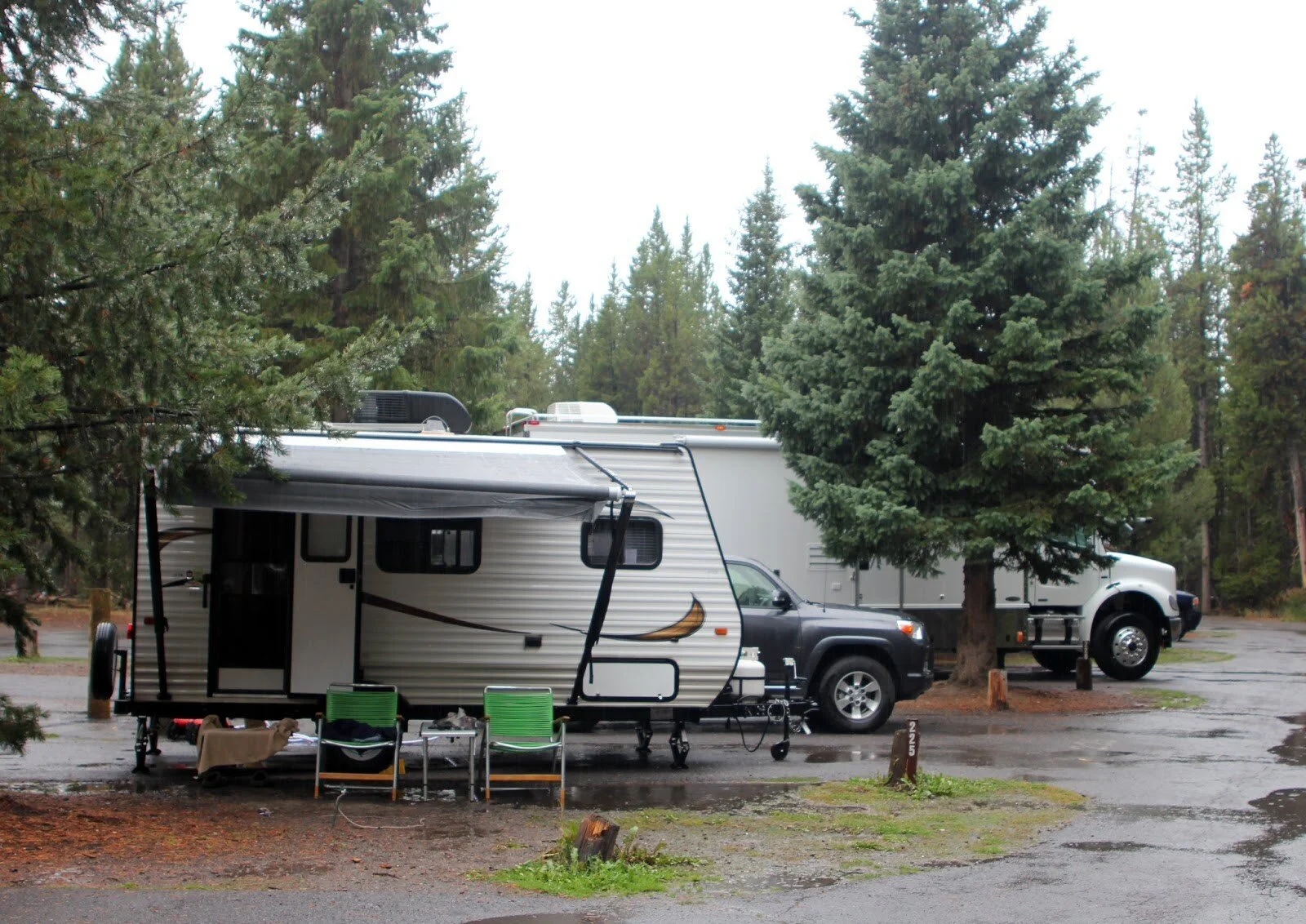
RVs at Fishing Bridge RV Park in Yellowstone. Yellowstone National Park. CC0.

RV There Yet? 8 Great RV Adventures for a Socially Distanced Summer

June 17, 2020

As COVID-19 changes the way we can travel or feel comfortable traveling, people are considering renting RVs to take on road trips as an alternative summer adventure. State parks and campgrounds are beginning to reopen across the U.S., but have restrictions in place in order to balance public safety with the enjoyment of being outdoors. Some major national parks like Death Valley do not yet have plans to reopen for the summer. For the parks that do open, it is inevitable that the limited spaces will fill up quickly, so you might want to plan to visit less popular scenic destinations. And with many visitor centers and hotels remaining closed, renting an RV might be the best way to have a safe, fun summer. Be sure to check local regulations often as closures and travel restrictions change quickly.

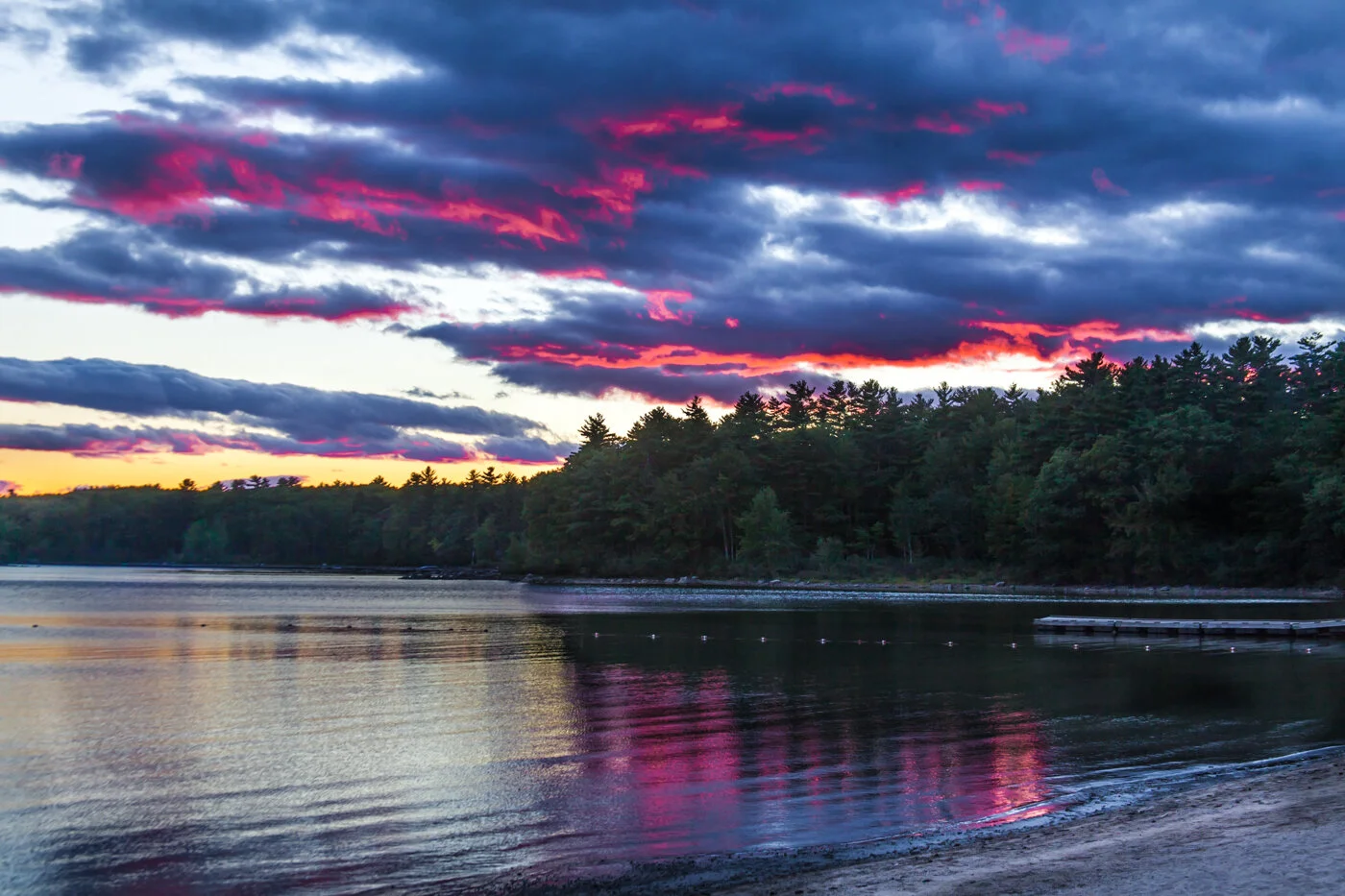
A beautiful sunset over Sebago Lake in Maine. Paul VanDerWerf. CC BY 2.0.

New England – Sebago Lake, Maine

Nestled in southern Maine is the deepest and second largest lake in the state—Sebago Lake. Visitors can fish for Atlantic salmon, lake trout and large and smallmouth bass, among others. Locals advise anglers to use live or realistic bait when fishing because of Sebago Lake’s crystal-clear water. Visitors interested in swimming can head to any of the many sandy beaches on the shores of the lake, but should keep in mind that some of the beaches do not have lifeguard supervision. If you are more interested in hiking and biking, the nearby White Mountains provide the perfect opportunity to explore marked trails. While Sebago Lake also offers activities such as an amusement park and golf courses, they may likely be closed for summer 2020. RVs can be parked at any campground on the lake’s shores.

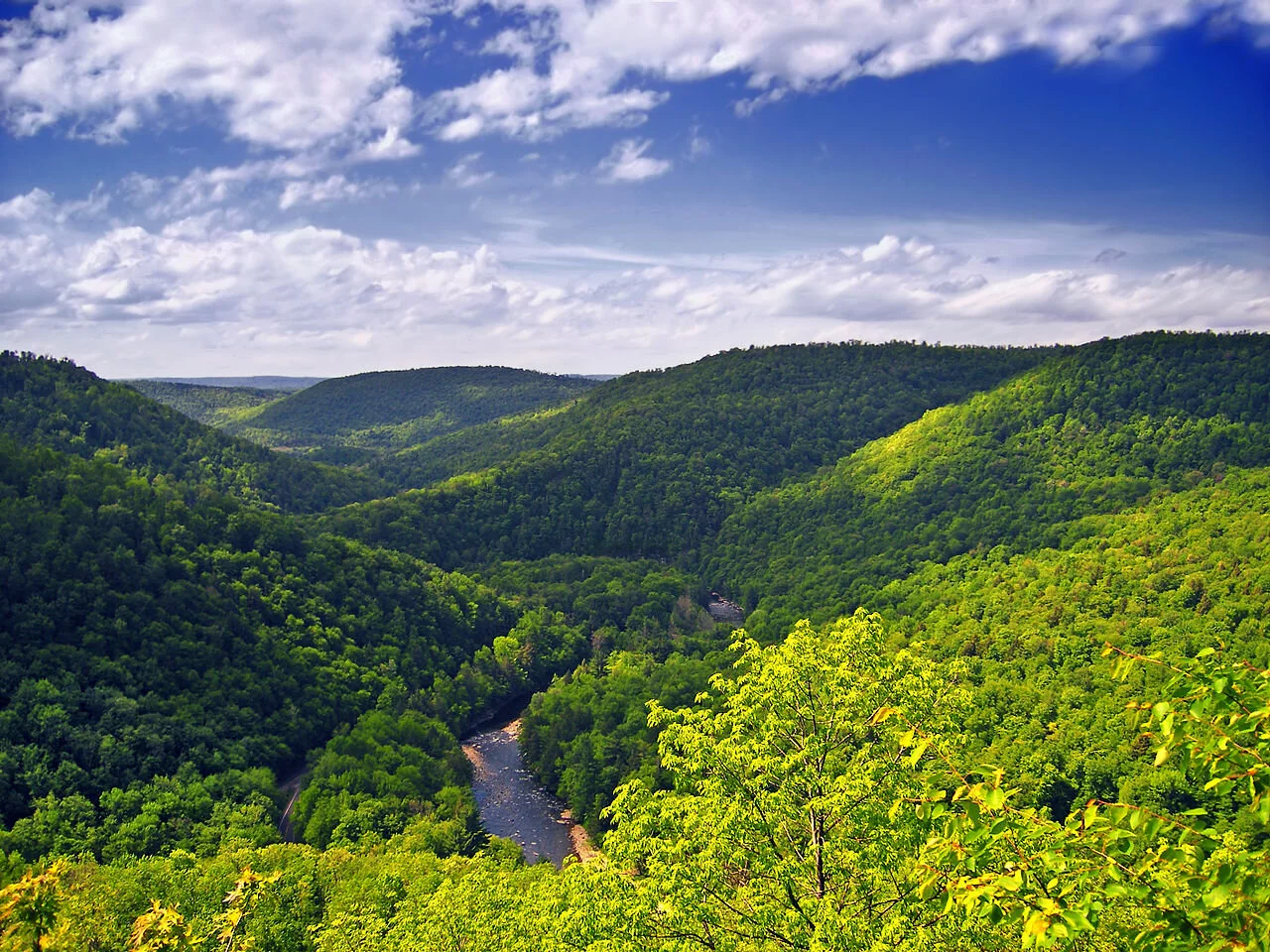
A beautiful view of the Loyalsock Valley in Worlds End State Park. Nicholas Tonelli. CC BY 2.0.

Mid-Atlantic – Worlds End State Park, Pennsylvania

One of the best places for a socially distanced outdoor adventure is Worlds End State Park in Sullivan County, Pennsylvania. The popular 59.2-mile backpacking trail⁠—the Loyalsock Trail⁠—plays host to a multitude of waterfalls and impressive views. For those who are not interested in hiking but still want to see what the region has to offer, Dry Run Falls is easily accessible in the neighboring Loyalsock State Forest and is located close to a parking area. Splashing in Loyalsock Creek’s ice-cold water is sure to be refreshing as the summer sun turns up the heat. Keep in mind that swimming is prohibited in any other water source at the park, and lifeguards are not on duty. Worlds End offers 70 camping sites, half with electric hookups.

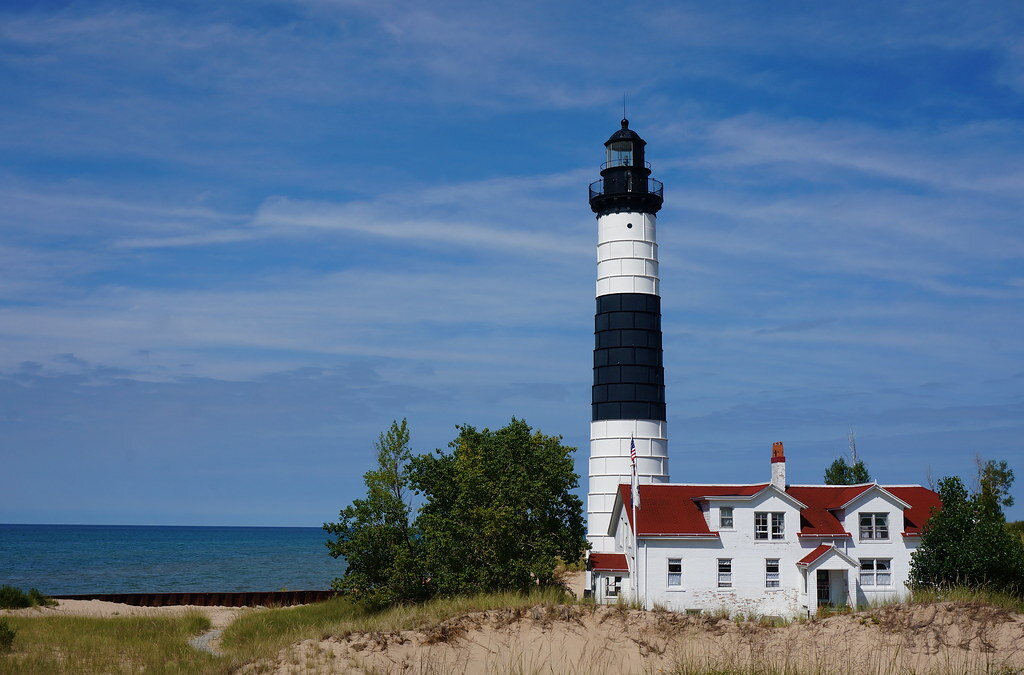
Big Sable Point Lighthouse in Ludington State Park. Rachel Kramer. CC BY 2.0.

Midwest – Ludington State Park, Michigan

If you are most interested in fishing, Ludington State Park offers an abundance of bass, northern pike, bluegill, perch and walleye. A favorite hiking destination is the 112-foot Big Sable Point Lighthouse on the shores of Lake Michigan. Visitors can choose from any of the eight marked hiking trails or can head to the picturesque canoe pathway that is sure to attract avid canoers and kayakers, along with novices.  The park offers plenty of RV parks and campgrounds, some with free Wi-Fi, showers and restrooms. Visitors should keep in mind that the Michigan State Park Recreation Passport, which costs Michigan residents $12 and nonresidents $34 per vehicle, is required to enter Ludington State Park.

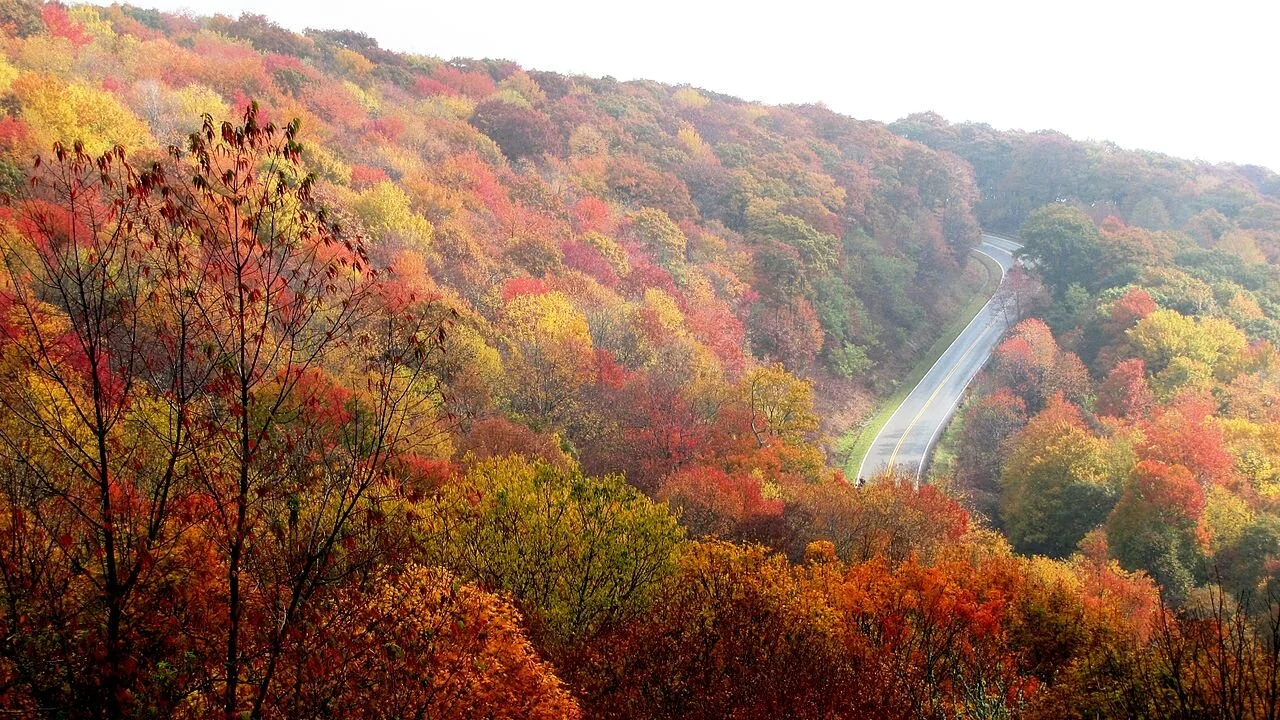
View of the Cherohala Skyway with the fall canopy of the adjacent northern hardwood stands, in Graham County, North Carolina. Brian Stansberry. CC BY 3.0.

South Atlantic – Cherohala Skyway, North Carolina to Tennessee

The 43-mile Cherohala Skyway is the perfect ride for those looking for vistas of forested mountainside, hiking trails, waterfalls and unobstructed scenic overlooks. The National Scenic Byway climbs up mountains for 18 miles in North Carolina and winds down the Appalachian mountainsides for another 23 miles into the deep forests of Tennessee. The Cherohala Skyway, named after the Cherokee and Nantahala National Forests that it crosses through, is free from crowds—making it a perfect destination for this summer. Along the scenic highway is Indian Boundary Lake, the Tellico River and Bald River Falls, and of course, many beautiful spots for long or short hikes. There are plenty of campgrounds along the scenic route, some more popular than others, so choose according to your comfort levels and COVID-19 regulations.

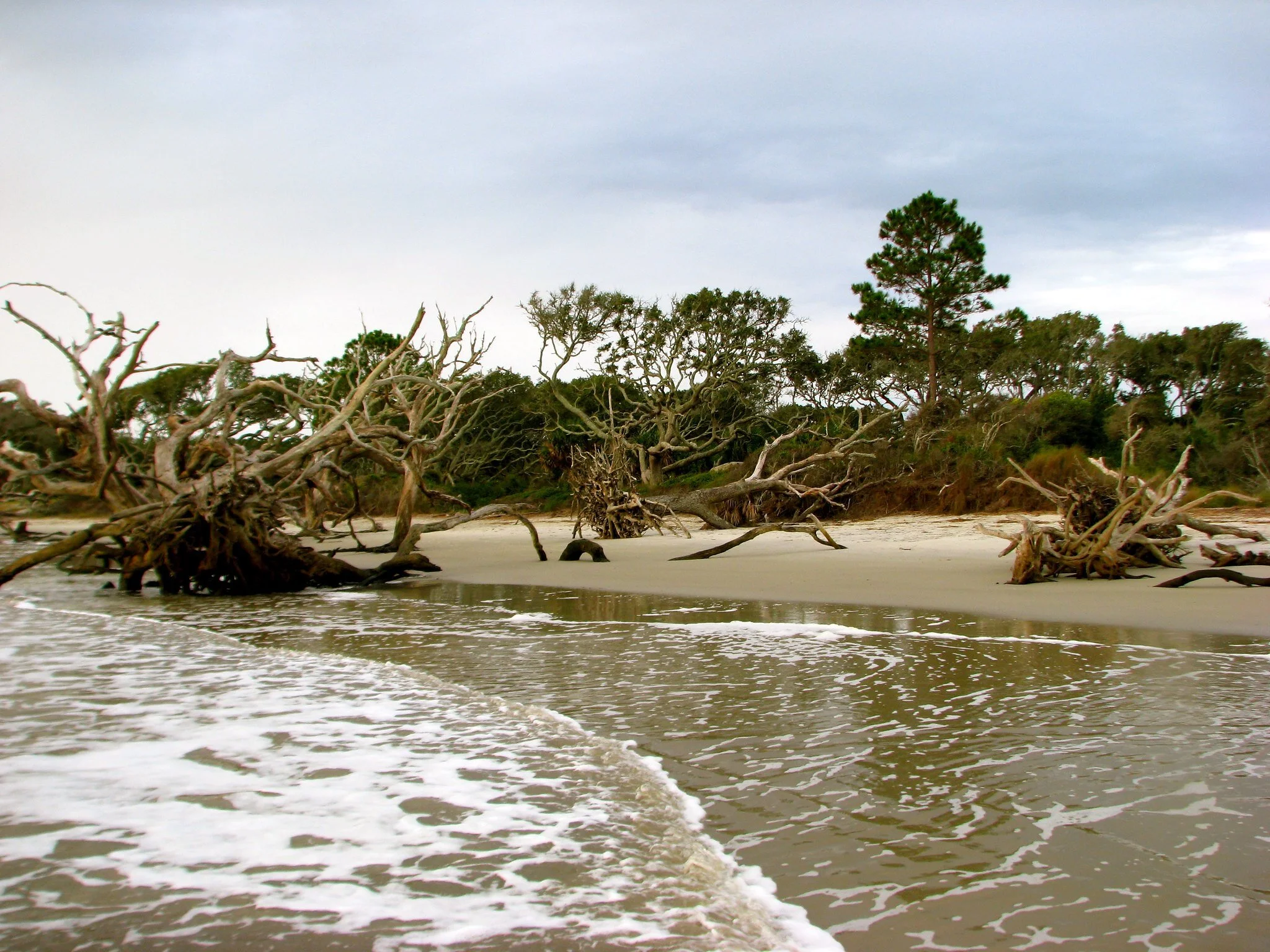
Gnarled trees dot the shores of Driftwood Beach on Jekyll Island. Jeff Gunn. CC BY 2.0.

Southeast – Jekyll Island, Georgia

For a truly unique RV destination, Jekyll Island is a great choice. Bird-watching, biking, swimming and kayaking are only some of the activities you can choose from. One of the most interesting sites to see on Jekyll Island is Driftwood Beach, which transports visitors to a surreal world. The bleached and preserved oak trees appear as though they are growing out of the sand, like a spooky, living boneyard. The Georgia Sea Turtle Center is beginning to reopen and is currently limiting admissions to 50 people at a time. Some activities at the rehabilitation center have been canceled for the time being, but keep it in mind for any future trips to Jekyll Island. The Jekyll Island Campground is available for parking an RV this summer, but reservations should be made to ensure your spot is secured.

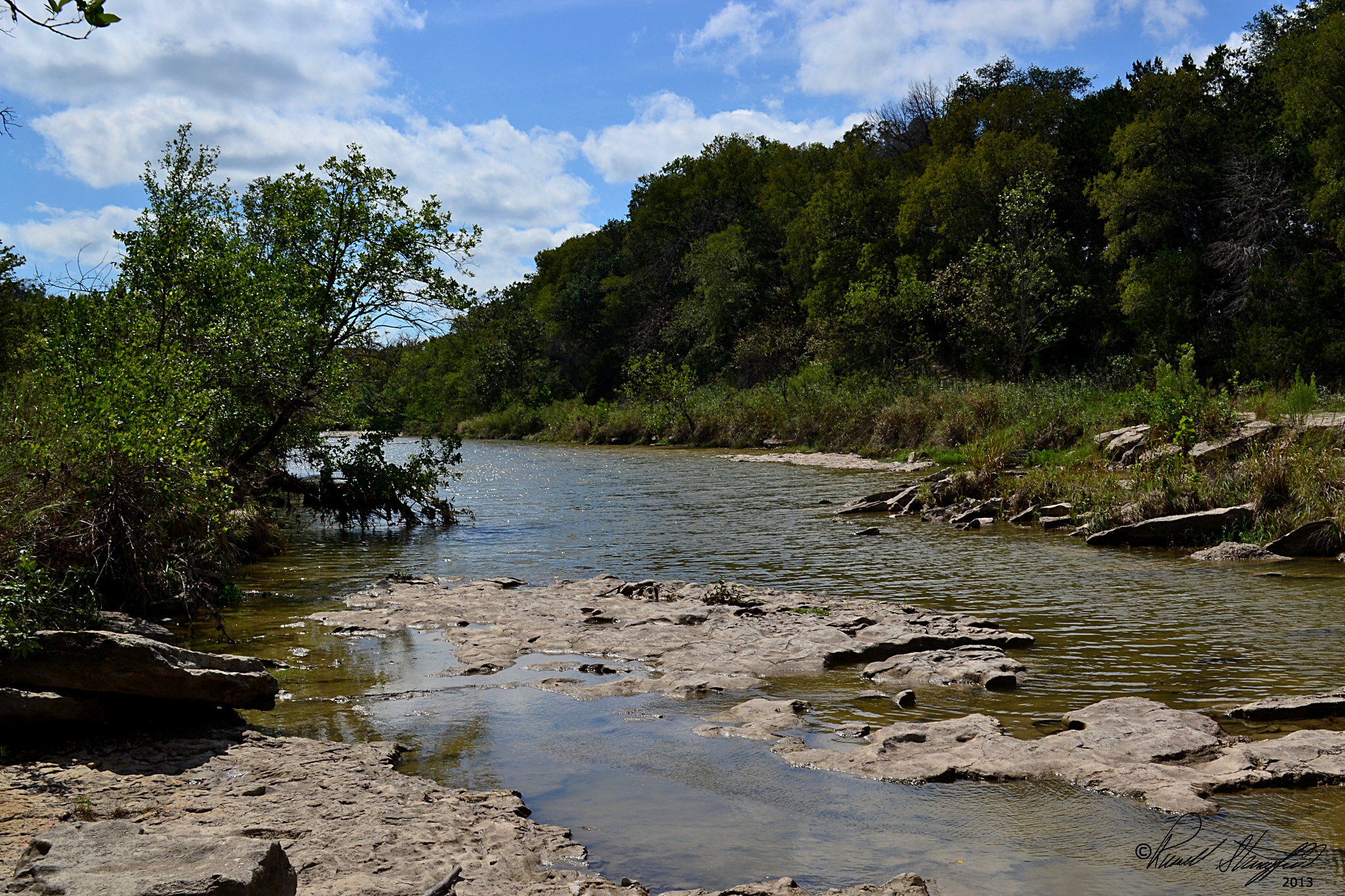
Paluxy River in Dinosaur Valley State Park. Russ. CC BY-SA 2.0.

Southwest – Dinosaur Valley State Park, Texas

Dinosaur Valley State Park earned its name from the fossilized dinosaur tracks left in the mud along the edges of the Paluxy River in Glen Rose, Texas. The park has over 20 miles of trails to explore and hike. Visitors can book a horseback riding lesson from the Eagle Eye Ranch Carriage Company or go geocaching if they are not interested in visiting the Paluxy River to swim, kayak or fish. Park your RV in any of the 41 fully-electric campsites. Advance reservations are required.

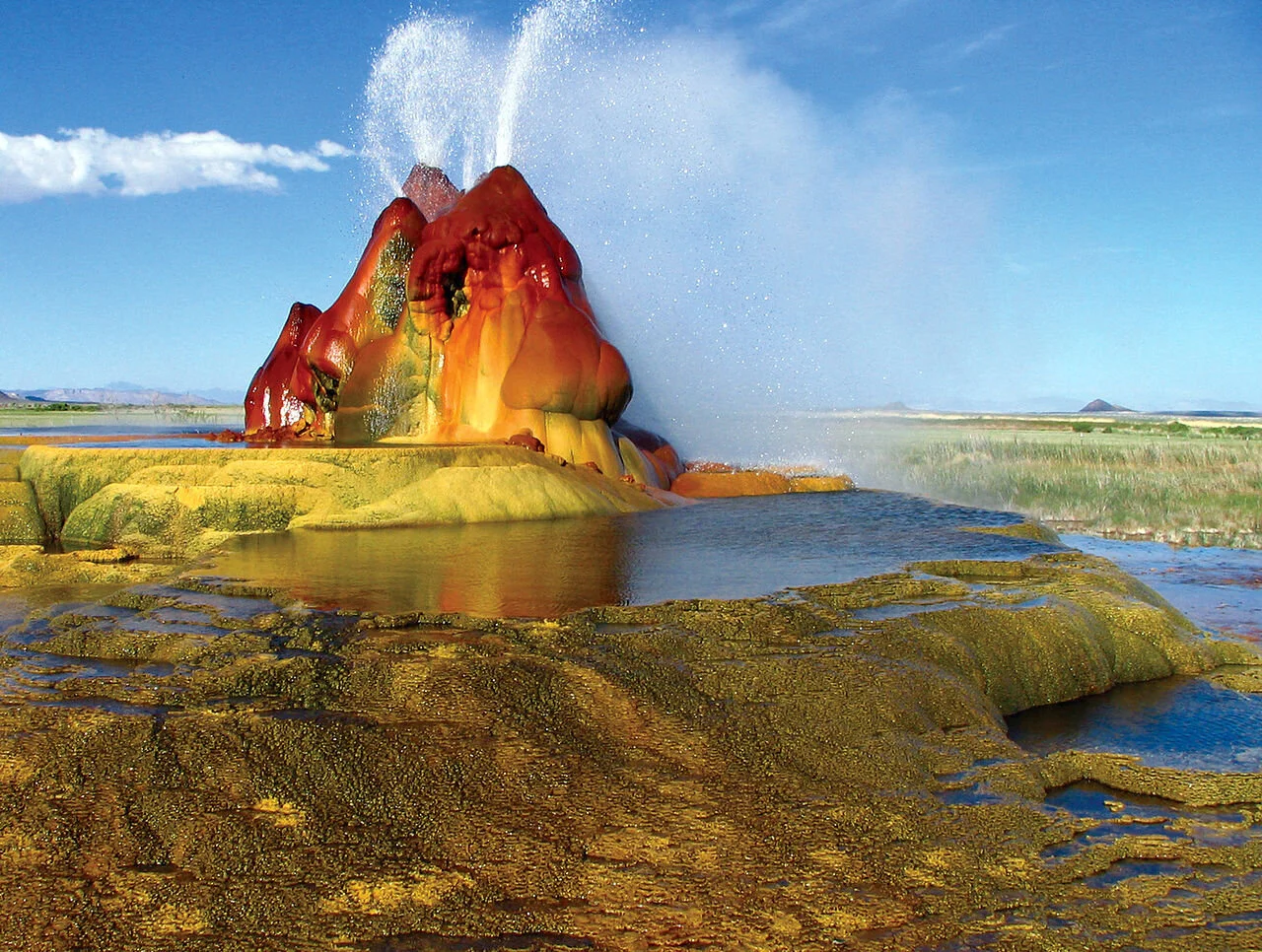
The Fly Geyser in the Black Rock Desert Wilderness. Jeremy C. Munns. CC0.

Mountain West – Black Rock Desert Wilderness, Nevada

The enchanting Black Rock Desert Wilderness is made up of lava beds and various playas, including the dry lakebed of the prehistoric Lake Lahontan. It is home to the annual Burning Man festival, which will take place virtually this year. Visitors can hike any of the 180 miles of nearly-unexplored trails that wind through the area. One of the most exciting sites is the rainbow-colored Fly Geyser. The geyser is the man-made result of a 1964 drilling accident by a geothermal power company that was drilling a test well. Over the years, calcium carbonate deposits have formed over three large mounds that have grown to almost 6 feet tall. Artificial or not, the Fly Geyser is truly a captivating, colorful sight. RV campgrounds do not have any amenities, so keep that in mind when deciding whether to stay at the Black Rock Desert or a private campground in bordering towns.

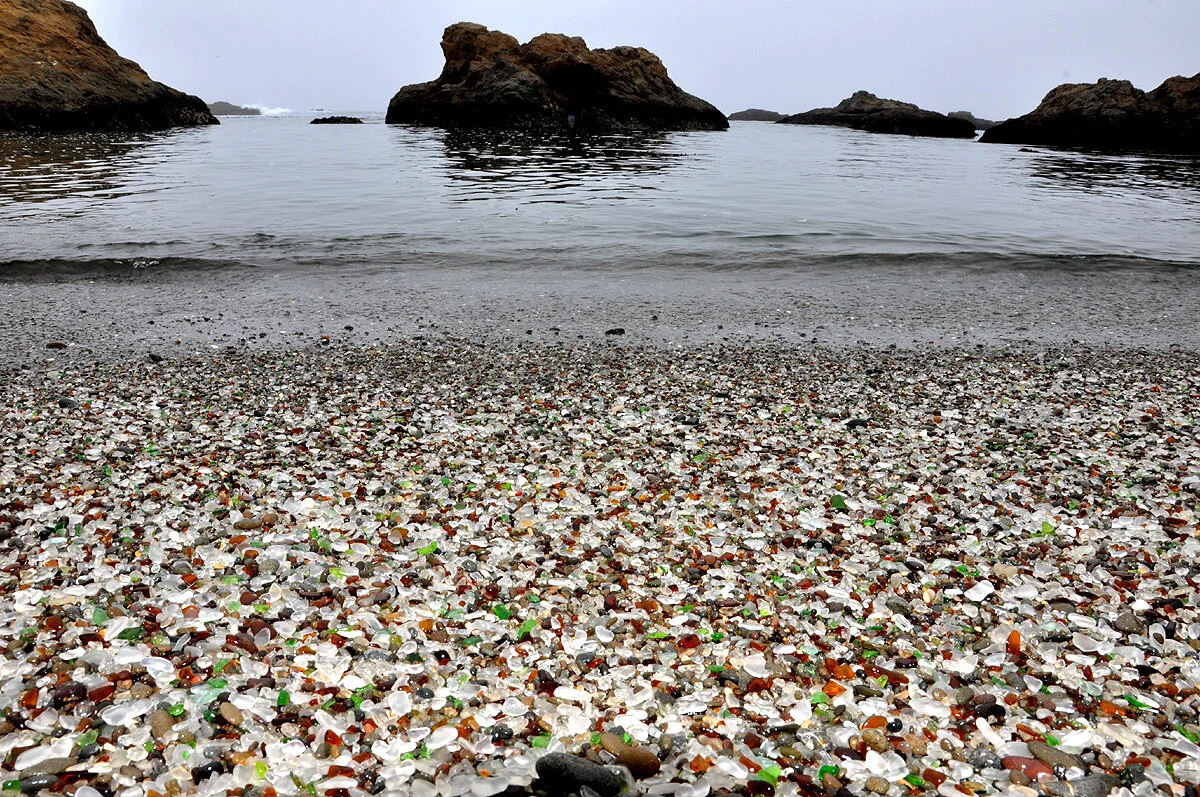
Colorful beach glass on Glass Beach in Fort Bragg. Gustavo Gerdel. CC BY-SA 4.0.

Pacific West – Fort Bragg, California

For a beachier RV destination, the coastal city of Fort Bragg in Northern California is a great choice for its charming views. Glass Beach at the southern end of MacKerricher State Park offers an interesting alternative to plain sand beaches with its countless beads of naturally polished sea glass. Don’t miss out on Van Damme State Park’s miniature Mendocino cypress forest and be sure to visit the Mendocino Coast Botanical Gardens, most known for their rhododendrons that thrive in the humid, coastal climate. The Mendocino Coast Botanical Gardens are not yet open to the general public, but are gradually lifting COVID-19 restrictions so it’s worth it to keep checking when they’ll be open to all visitors. Some RV parks and campgrounds in and around Fort Bragg (in particular the campgrounds in the California State Park System) are temporarily closed, while others are slowly reopening for business. Be sure to call and reserve a spot before you go.

Asiya Haouchine

is an Algerian-American writer who graduated from the University of Connecticut in May 2016, earning a BA in journalism and English. She was an editorial intern and contributing writer for Warscapes magazine and the online/blog editor for Long River Review. She is currently studying for her Master’s in Library and Information Science. @AsiyaHaou


Tags COVID-19, Coronavirus, RV, recreational vehicle, social distancing, isloation, national parks, Sebago Lake, Maine, New England, campgrounds, Pennsylvania, trails, Ludington State Park, Michigan, hiking, Cherohala Skyway, Tennessee, Appalachia, Jekyll Island, Georgia, birding, kayaking, Dinosaur Valley State Park, Texas, horeseback ride, Black Rock Desert Wilderness, Nevada, Fort Bragg, California, glass beach, botanical gardens, RV parks, COVID, Travel
Comment

GRINGO TRAILS

July 21, 2015

How do travelers change the remote places they visit, and how are they changed? GRINGO TRAILS, a new documentary film, offers answers—some heartbreaking, some hopeful. From the Bolivian jungle to the party beaches of Thailand, and from the deserts of Timbuktu, Mali to the breathtaking beauty of Bhutan, GRINGO TRAILS shows the dramatic long-term impact of tourism on cultures, economies, and the environment, tracing some stories over 30 years. Backpackers and local inhabitants tell startling stories of transformation, for good and ill.

This film will premiere at the Margaret Mead Film Festival at the American Museum of Natural History on October 19th.

CONNECT WITH GRINGO TRAILS

In World and Travel, Thailand, Bolivia, Bhutan, Mali Tags gringo, trails, documentary, global, Arts and Culture
Comment

Also check out...

Featured
Vietnam’s Floating Markets Are Disappearing
The Supernatural Role of Masks in Nigeria’s Yoruba Tribal Culture
Opening the World to Deaf Travelers with Lily Yu

Featured trips

Featured
Offer NGO Support While Visiting Quito
Experience Life as a Mongolian Nomad
Help Grow Organic Costa Rican Coffee

Sign up for the CATALYST newsletter

Sign up for our newsletter to get the scoop on international travel, global social impact insights, our latest podcast releases, and more from around the world, all delivered right to your inbox!

We respect your privacy.

Thank you!
Newsletter Sign Up | Advertise | Careers + Internships | Privacy Policy | Submissions | Contact Us

Copyright © 2025, MISSION MEDIA LLC. All rights reserved.