
Visit these incredible places to see diverse wildlife, including tigers, lions, rhinos, birds and turtles.
Read MoreHow India’s Cockroach Movement is Capturing a Generation of Frustration
A word intended to dismiss India’s frustrated youth has instead become the name of a growing political movement.
Read MoreEat Like a Local in Jaipur, India
From freshly fried kachoris to lassi served in earthen cups as it has been for 80 years, the city's food traditions run deep in these 7 eating establishments.
Read More7 Forts in Rajasthan That Will Take Your Breath Away
From one inside a tiger sanctuary to another where 4,000 people still live, these are the most memorable forts in Rajasthan, India.
Read MoreThe Indian Dowry Death: A Commodified Marriage and Clandestine Death
Despite continued legal action barring the practice, thousands of Indian women die each year as dowry-giving practices evolve.
Read More7 Climate Activists Under Age 35
While Greta Thunberg may be the most well-known young climate activist, here are 6 more from around the world.
Read MoreTruth in Fiction: Understanding India’s Class Struggle Through “The White Tiger”
The 2008 Booker Prize recipient, Aravind Adiga, and his book “The White Tiger” highlight and critique the reality of social disparity in India.
Read MoreKashmir’s Climate Crisis: Where Environmental Stress Meets Political Tension
As glaciers melt and weather patterns shift, Kashmir and surrounding regions face increasing risks to water, agriculture and peace.
Read MoreDhobi Ghat: The World’s Largest Open-Air Laundry
This massive outdoor wash yard continues to serve Mumbai’s hotels, hospitals and homes after more than a century of operation.
Read MoreCartoonists Under Fire: The Fight for Free Expression in India
Political cartoonists in India are facing legal threats and online abuse for criticizing the government, revealing how satire itself is now under siege.
Read MoreWhat India’s Successful Moon Landing Means for Space Exploration
India is now the fourth country to land on the moon, and its lunar rover is making some big waves in space exploration.

The Chandrayaan-3 lunar exploration craft was launched from the south of India on July 14. Sky News. CC BY-SA-NC 2.0
On August 23, the Indian Space Research Organization (ISRO) landed its Chandrayaan-3 craft near the moon’s south pole, marking both the country’s first ever moon landing and the world’s first on that specific lunar region. Not only has this achievement finally placed India among the ranks of other space exploring nations, but has also made it one of only four countries to land a craft on the moon. The location of the craft’s landing near the unexplored south pole is significant given the multiple failed attempts by other nations to do just that in the past and stake a claim to lead future research in the area. Chandrayaan-3’s successful landing will hopefully cement the credibility of the ISRO on the international playing field and allow for continued collaboration with other foreign space agencies. During its two-week lifespan, the rover investigated the existence of frozen water deposits beneath the surface of the moon, and has made a number of surprising discoveries that orbiting crafts were unable to.

A digital rendering of the Chandrayaan-3 craft and its lunar rover. NDTV. CC BY-NC 2.0
While India’s space program was first established in 1962, it took another decade or two for the ISRO to really pick up steam. Many of the first projects involved sending satellites up into Earth’s orbit in order to map and survey the country from above, bringing telemedical and communication services to communities in remote regions. Chandrayaan, a Sanskrit term meaning “mooncraft,” is the name of India’s lunar exploration program, which made its debut between 2008 and 2009 with the Chandrayaan-1 lunar space probe, which found water deposits on the moon using various mapping techniques and reflection radiation. The next craft, launched in 2019, was comprised of an orbiter, moon lander and rover, and was actually intended to be the first to land on the south pole of the moon, but after successfully entering lunar orbit, the ISRO lost communication with the landing craft and rover before touchdown.
Chandrayaan-3 is therefore the culmination of more than a decade of scientific research and technological development and is undoubtedly the crown jewel in India’s space program. The probe was launched on July 14 from Sriharikota Range, the country’s largest launch site located in the southern state of Andhra Pradesh, and successfully touched down on the moon on August 23. Unlike its recent predecessor, the Chandrayaan-3 traveled without an orbiter module, further cementing its intention to land on the moon and conduct experiments in situ. Additionally, while this craft was unambiguously an Indian project and creation, some of the technology on board resulted from various collaborations between the ISRO, NASA and the European Space Agency (ESA), proving once again the importance and benefits of scientific collaboration.
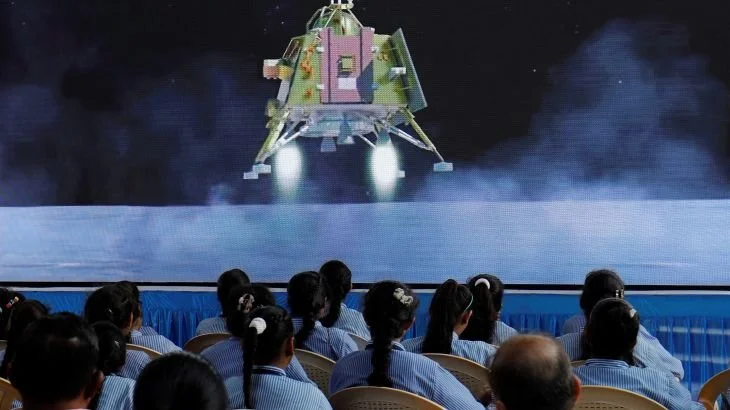
Students in India watch a video explaining the lunar mission. Al Jazeera. CC BY-NC-ND 2.0
Aside from proving that landing on the south pole of the moon is indeed possible, the information sent back by the Chandrayaan-3 rover has already resulted in some groundbreaking discoveries about the moon. One such finding has to do with understanding the temperature of lunar soil, an important factor when considering building long-lasting structures or even settlements on the moon. The Indian rover is equipped with a temperature probe that can reach nearly four inches (10 cm) beneath the surface, and found that the temperature drops 140ºF (60ºC) at a depth of just roughly 3.14 inches (8 cm). This has provided an updated and more accurate reading as compared to the data currently in use from NASA’s 2009 Lunar Reconnaissance mission, which lacked precision because it was an orbiter and therefore not actually on the lunar surface. Another interesting discovery took place in the form of a series of strange vibrations detected by the rover’s seismograph: scientists have suspected it as being a minor moonquake, although further exploration and longer-term observations would need to confirm this.
While these scientific discoveries are of course extremely significant and promising for the future of lunar exploration and research, the Chandrayaan-3 project also set a historic precedent in terms of the budget they used to complete this mission. The ISRO has a long held reputation amongst international space research circles for their ability to work on limited funds, at least compared to other major space exploration agencies. NASA, for example, has a $25.4 billion budget for the current fiscal year, while the ISRO received a measly $1.5 billion from the Indian government for the fiscal year ending this March by comparison. If that wasn’t enough, the ISRO actually spent 25% less than what it had been allocated. The Chandrayaan-3 mission cost a total of $74.3 million USD, ironically less than half of the budget that director Christopher Nolan had to make Interstellar, his award winning film about space travel.

The actual Chandrayaan-3 craft before it was launched into space. The Week. CC BY-SA 2.0
In addition to finally taking its place amongst the other lunar landing nations, Chandrayaan-3 has opened countless doors for both the ISRO and the space exploration community as a whole. Going forward, the example that this mission has set with regards to the resources it used as well as through the international collaboration it benefitted from. The moon’s south pole has now been unequivocally proven accessible and investigable, new information about lunar composition has been brought to light, and like all other missions into space, has helped to deepen our understanding of both the universe and ourselves.

Tanaya Vohra
Tanaya is an undergraduate student pursuing a major in Public Health at the University of Chicago. She's lived in Asia, Europe and North America and wants to share her love of travel and exploring new cultures through her writing.
An LGBTQ+ Wedding in India Challenges Sikh Tradition
Criticism of a same-sex Indian wedding in Punjab inspires advocacy for LGBTQ+ rights.
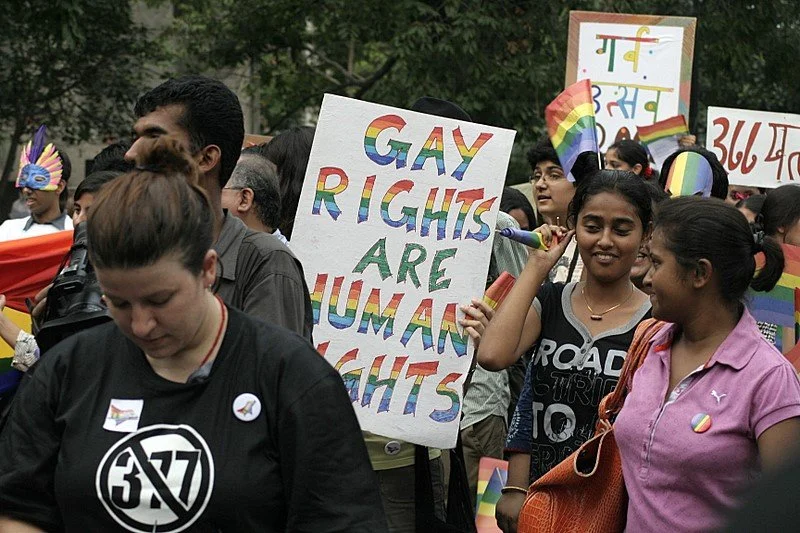
LGBTQ+ Protest in India. Ramesh Lalwani. CC BY 2.0
On 18 September, Dimple and Manisha — a same-sex couple — were married in a Sikh temple in the northern state of Punjab, India. Currently, same-sex marriages are not recognized by the Indian legal system because of the country’s laws that define marriage as the union between a man and woman. Because of this, the wedding has been declared, “unnatural and contrary to Sikh ethics,” by priest Giani Raghbir Singh, despite adherence to all the traditional Sikh rituals between a bride and groom. The event has made headlines in the northern state of Punjab, where it has resonated with those advocating for LGBTQ+ rights.
The wedding has been criticized by some religious leaders who believe that despite a commitment to Sikh traditions, the union is ultimately a “severe moral and religious violation.” This has sparked controversy with LGBTQ+ activists who, in the last decade, have made significant advances in extending LGBTQ+ rights. In 2018, India’s highest court overturned the criminalization of same-sex relations, a major milestone for the LGBTQ+ community that helped to reduce both legal and social discrimination. However, the central government still remains opposed to same-sex marriage, and is supported in this by many of the country’s major religious lobby groups — Hindu, Muslim, Christian and Sikh. Important Sikh religious leaders in the past have described homosexuality as, “against the Sikh religion,” and “totally against the laws of nature.”
Echoing these beliefs, Sikhism’s highest priest, Giani Raghbir Singh, found that the union between the two women was in violation of the religious code of conduct. Priest Hardev Singh, who conducted the marriage, has been removed from his position and may face more punitive measures for his involvement. However, Dimple, as a practicing Sikh, insisted he marry following Sikh rituals. The couple had a traditional wedding; Dimple dressed in traditional Sikh garb with customary flowers on his turban while Manisha wore a tunic, salwar bottoms, a silk scarf and red bangles. Because of the dedication of the couple to being married in a traditional Sikh ceremony, the reaction that they’ve received has left a bit of a blurred line between whether there is opposition to the LGBTQ+ community or traditions that it deviates from.
The overturning of section 377, a colonial-era law that categorized gay sex as an “unnatural offense,” was been most contested by religious groups. The judges involved in overturning this judgment have made statements reading that, “Criminalizing carnal intercourse is irrational, arbitrary, and manifestly unconstitutional,” while religious organizations have found the ruling to be shameful. Similar to India, Uganda has similar laws that date back to the colonial period. More recently, Ugandan president Yoweri Museveni signed the Anti-homosexuality act criminalizing same-sex conduct, which punishes offenders with life imprisonment or the death penalty for “aggravated homosexuality.” At All Saints’ Cathedral in Kampala, homosexuality is viewed as a sin that is against the “order of God.” Museveni, rooted in his Anglican faith, says the law prescribes rehabilitation for homosexuals to change their sexual orientation. Unlike Uganda, India appears to be more progressive in its approach to LGBTQ+ rights, especially in the marriage of Dimple and Manisha. Their wedding has not been deemed a felony, and although it is being investigated on the basis of religious violations that may invalidate the legitimacy of the marriage, the couple will not be condemned to prison or death.
Currently in the process of hearing arguments in favor of same-sex marriage, India has seen petitions regarding the Special Marriage Act of 1954. This act was amended to allow for marriage between couples from different castes or religions and petitioners have argued that it can be extended to LGBTQ+ citizens. However, the Modi government still argues that same-sex marriage represents an “urban elitist view” and has to keep in mind the views of religious denominations before making a decisive decision. The influence of religious traditions in India has been a significant factor contributing to the issues faced in the process of legalizing some LGBTQ+ rights, highlighting the indistinct line drawn between beliefs and social progress.

Mira White
Mira is a student at Brown University studying international and public affairs. Passionate about travel and language learning, she is eager to visit each continent to better understand the world and the people across it. In her free time she perfects her French, hoping to someday live in France working as a freelance journalist or in international affairs.
India’s Third Gender — Hijra
Despite being protected within the Indian constitution, hijra communities experience persecution. Their colonies are often sites of abuse and poverty, yet serve as the only space in Indian society for their identity.

Image by Carol Foote
India’s third gender includes a few different groups, but the most common are the hijras. The hijra identity is complex; some are born male but dress in traditionally feminine ways, some are born intersex, some seek gender reassignment procedures, and some choose to be castrated as an offering to the Hindu goddess of chastity and fertility, Bahuchara Mata, granting them their religious powers. Outsiders tend to associate them as transgender, but Indian society considers them to be the third gender — not male, not female, not transitioning. The one defining characteristic of hijras is that they leave their homes from a young age to become a part of the hijra community, where they teach their lessons in secret. These communities exist on the outskirts of society, where they are often shunned by their families and at the mercy of police authorities.

Image by Carole Foote
For centuries, trans, intersex and genderqueer individuals abandoned by their families have been initiated into the hijra community by gurus within the system. From the age of 12 or 13, hijras trade their relationships with their families for a relationship with a guru who takes on the role of of parent, teacher and boss. The gurus are expected to teach each hijra the chela, or the disciple, in the hijra way of life. This includes learning their rituals, how to manage a household and how to make a living. Gurus are expected to treat the hijras like their children, but their ability to dictate how a hijra works, what they earn and even who they see maintains a hold over their lives that many activists consider a systemic form of bonded labor.
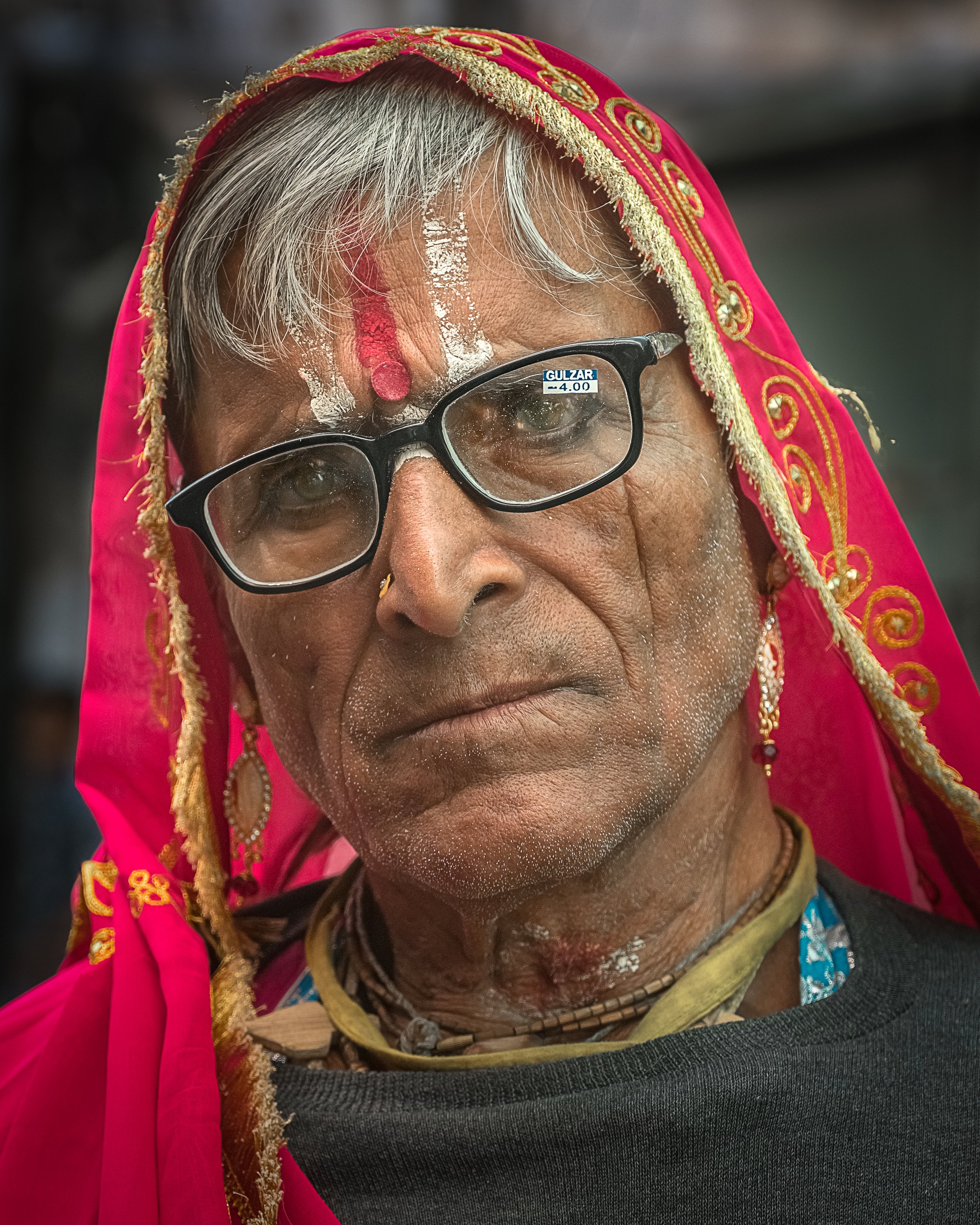
Image by Carol Foote
These communities operate within a pyramid system where the “chelas,” or the hijra students, are divided into hierarchies by their work. At the top of the pyramid are the senior-most chelas, who sing and dance. Below them are the chelas who beg and collect alms in exchange for blessings at events. And lastly, at the bottom of the chela pyramid are the sex workers. In addition to their work, chelas are expected to take on chores that serve their guru. Regardless of how a hijra earns their money, a portion of it will go to their gurus.

Image by Carol Foote
The founder of online transgender community Transgender India, Neysara, told NewsNewslaundry,aundry, an independent news media company in India, that the hijra community is “not a child-friendly place equipped to handle trauma.” She went on to say that, “What is vulnerable is trafficable and most that join are disenfranchised.” Neysara recalled turning to the hijra community at a time when she was young and scared. “When my family was trying to honor-kill me, I sought the hijra jamaat for help. They outright told me that I [...] could only stay with them if I do sex work and earn for them.” Honor killings are committed by a male family member seeking to protect the dignity of their family against someone they believe has brought them shame. It was sex work or death.
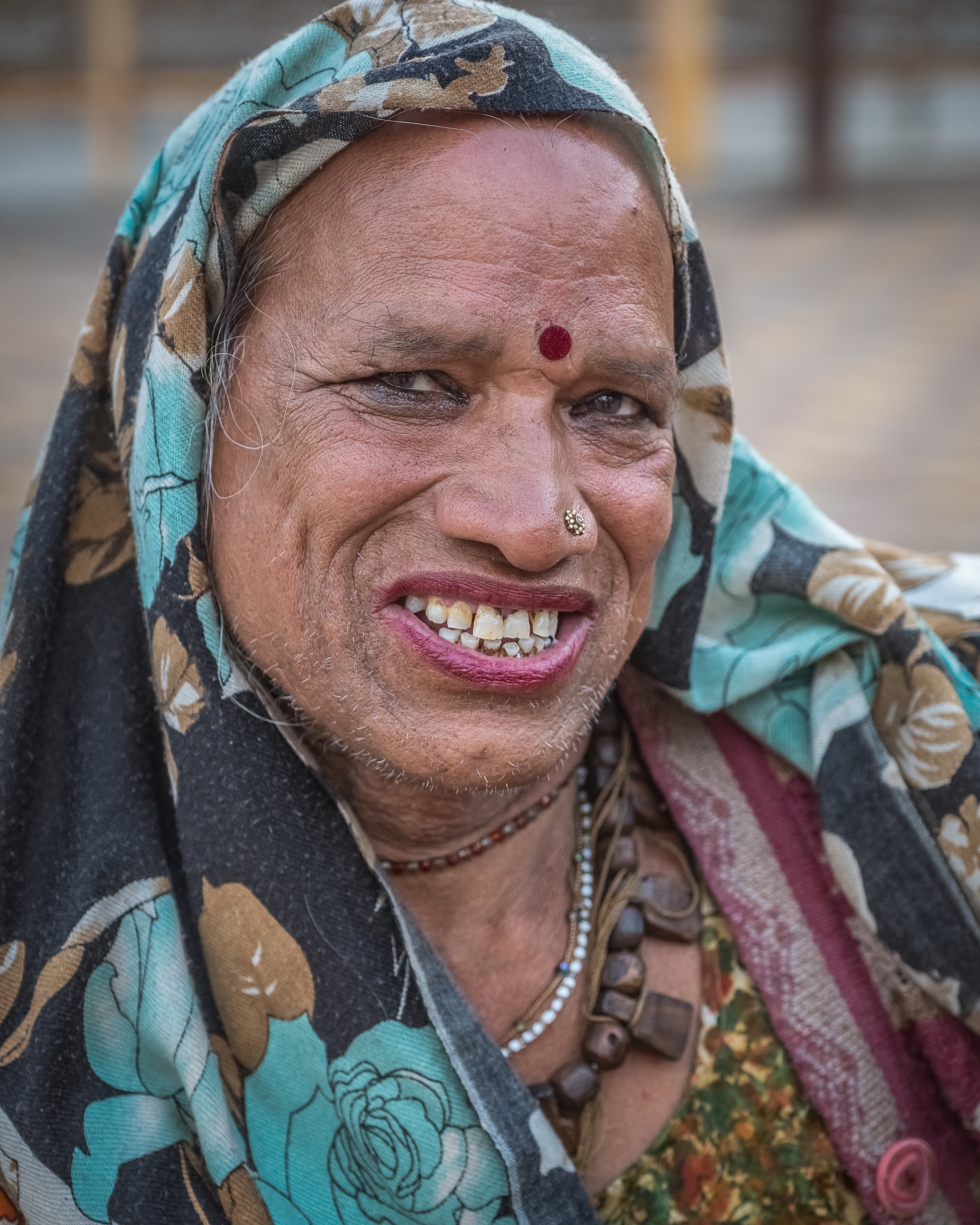
Image by Carol Foote
Hijras have been a part of Indian life for more than a thousand years. Evidence of their existence within Hindu society can be found inside holy texts like the Ramayana and the Mahabharata, where Arjuna became the third gender. Throughout South Asian history, third-gender people have often held positions of high power. For example, during the Mughal Empire in the 15th to 19th centuries, Hindu and Muslim rulers were considerate advocates of the third gender, and many rose to significant positions, even serving as the sexless watchdogs of Mughal harems. In Hinduism, their high regard is marked by their loyalty to Lord Rama, when hijras waited at the edge of the forest for 14 years until he returned to Ayodhya after being exiled.

Image by Carol Foote
The hijras’ religious backgrounds tend to center around traditions that blend Hinduism and Islam. The practice of removing genitalia is something stigmatized in a normal Indian community, however, it’s this act that is the source of their sacred power and legitimizes their role in society. According to tradition, when a hijra is castrated their genitalia is offered to the Hindu Mother Goddess, Bahuchara Mata. The Mother Goddessworks alongside Muslim saints to transform the sacrifice of their ability to procreate into the power to bestow fertility and good luck onto others. The hijras give blessings at births and weddings to grant new couples and their newborn children fertility and prosperity. Intersex people, transgender women and infertile men are considered to be called upon by the goddess to become a hijra. Should they ignore the call, it is believed that they will pay the price of being impotent for the next seven lives they have on Earth.

Image by Carol Foote
The castration surgery is performed by a guru and takes place without an anesthetic. The operation is illegal and life-threatening and has led some Indian regions to consider offering a medical alternative free of charge. However, because of tradition, the sacred sacrifice is performed in absolute secrecy and never spoken of. Following the surgery, new hijras recover in semi-seclusion and eat a special diet for 40 days. Afterward, they conduct a special ceremony where they're dressed as brides and blessed with the power of Bahuchara Mata. From this moment on, they are given new names and new identities. Articles in the India Times and India Today have reported how this system has been forced upon young and at-risk men, who are then pressured into prostituion and homosexuality.
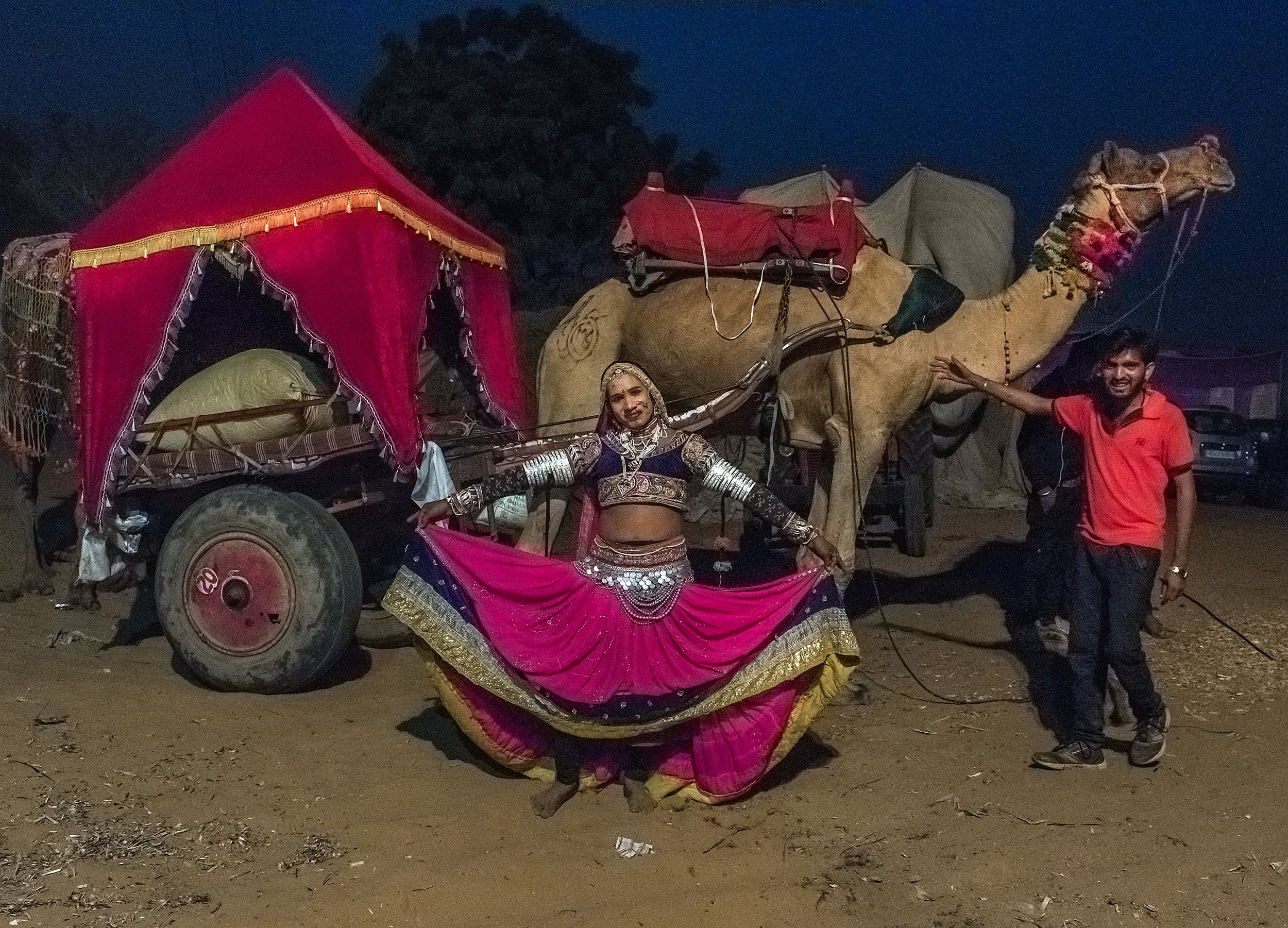
Image by Carol Foote
Even though hijras were treated with respect for thousands of years, much of their societal downfall can be attributed to Hinduism’s encounter with colonialism. The British colonized most of South Asia in the 19th and 20th centuries, and their Christian beliefs did not prepare them for their confrontation with the third gender. In 1871, the British named all hijras hereditary criminals and ordered authorities to arrest them. The law gave police the power of increased surveillance over the community, who went as far as to compile registers of hijras. A historian named Dr. Jessica Hinchy told BCC that, "Registration was a means of surveillance and also a way to ensure that castration was stamped out and the hijra population was not reproduced."

Image by Carol Foote
Even though the law was repealed once India regained its independence, 200 years of stigmatization took a toll. Today, hijras are almost always excluded from employment and education outside of their religious roles. They are often stricken by poverty and forced to resort to begging and prostitution. Most are victims of violence and abuse, harassed by police and refused treatment in hospitals.
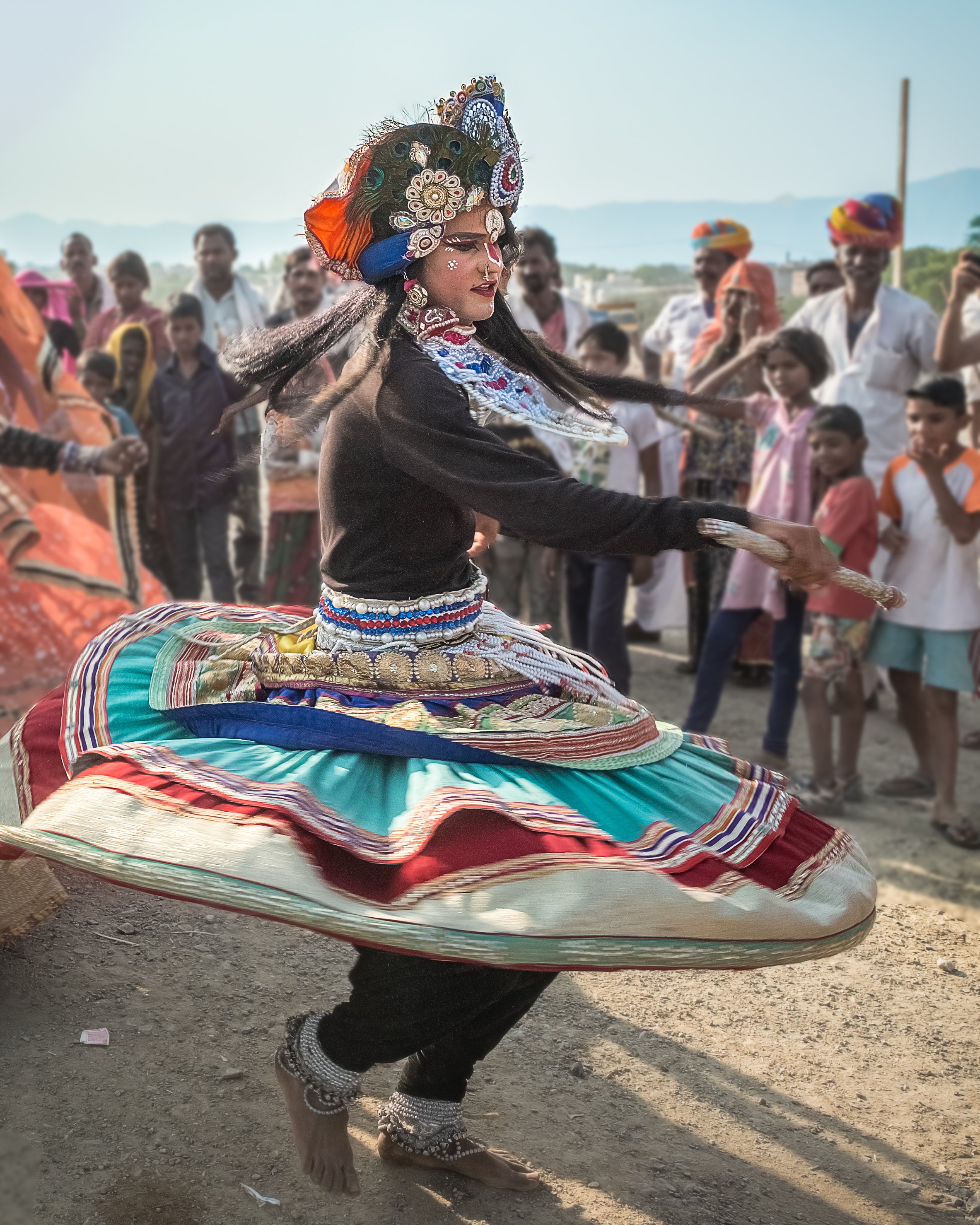
Image by Carol Foote
In a step forward, India’s Supreme Court officially recognized hijras as a third gender in August of 2014, in a law that ordered the government to provide third gender people with quotas in jobs and education. The ruling came just six months after the Supreme Court’s decision to re-criminalize homosexual acts through the reversal of a 2009 Delhi High Court order.Despite being legally recognized and protected under the Indian Constitution, the court’s choice meant that hijras would be breaking the law if they participated in consensual homosexual relations.

Image by Carol Foote
As Neysara told NewsLaundry, “without trans representation, laws made by cis people for the ‘other’ can be damaging.” Prior progress gained seemed to be lost in 2019 when activists protested the Transgender Persons Act. According to Ajita Banerjie, a Delhi-based gender and sexuality rights researcher, this “set the whole movement back by a decade.”
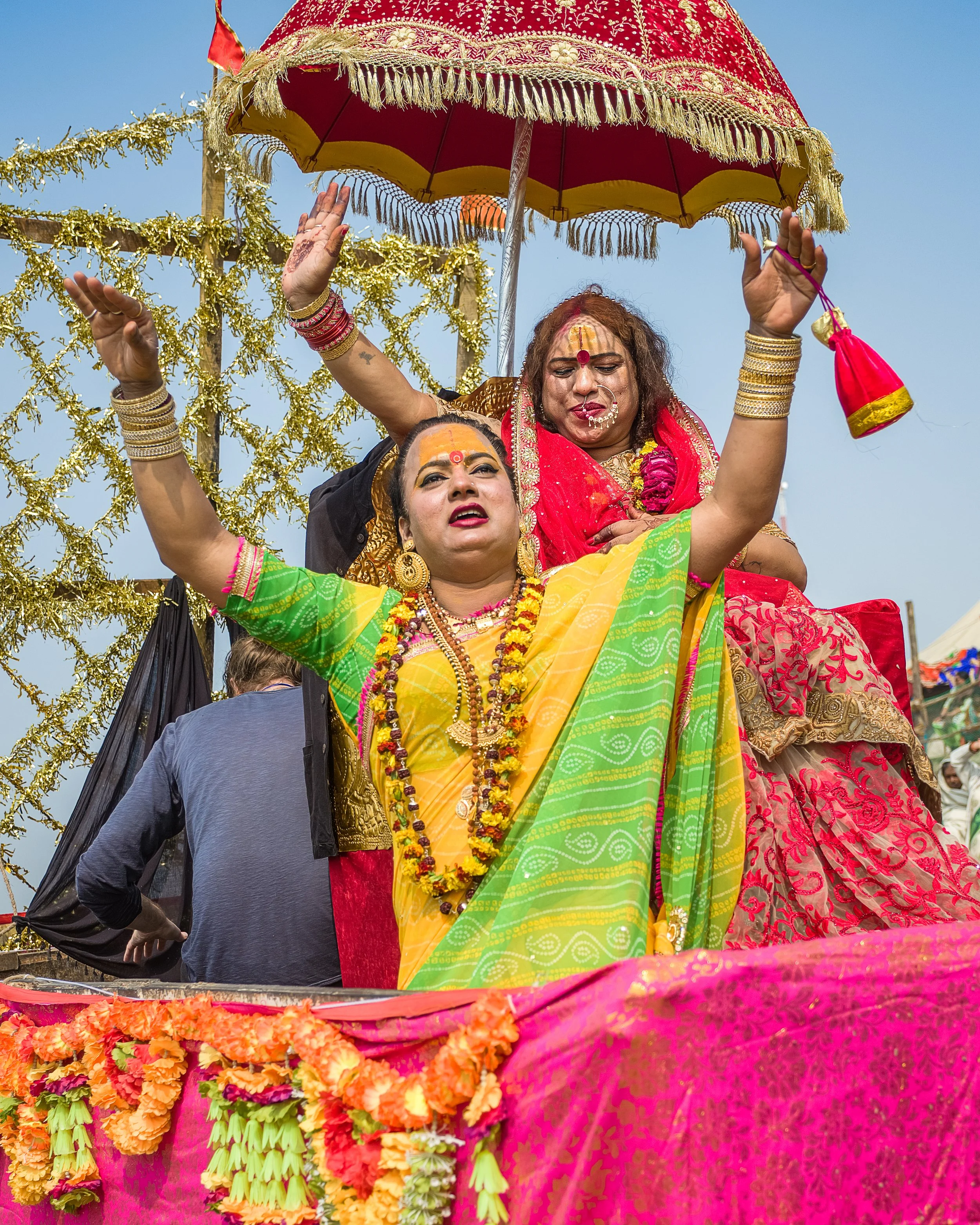
Image by Carol Foote
Today, as many as half a million members of the Indian hijra community live within the guru-chela system. Despite facing discrimination, abuse and living on the margins of society, the community continues to “remain a visible presence in public space, public culture, activism and politics in South Asia," Dr. Jessica Hinchy told BBC. On a high note, NewsLaundry says that policy-led interventions have been advocated by stakeholders in the system, with the mission to integrate “trans folks into mainstream society to reduce and ultimately end their dependency on this system, if not the system itself.”
ABOUT THE PHOTOGRAPHER:
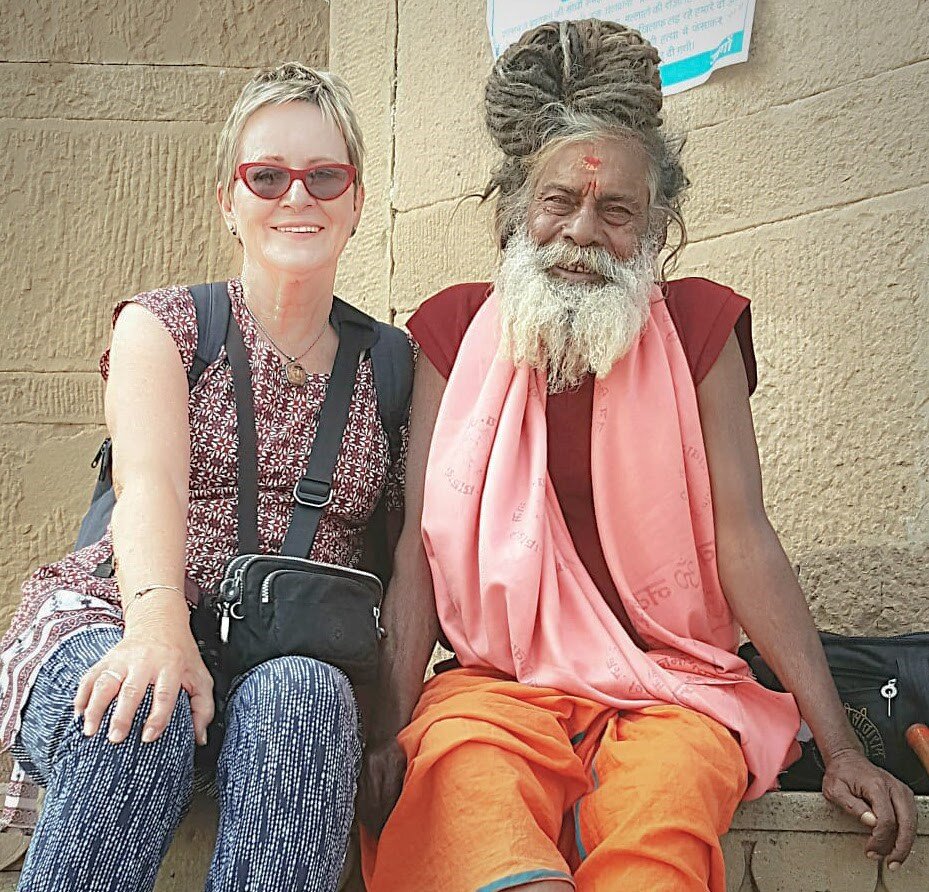
Carol is based in Queensland Australia and has always been drawn to street photography, searching out the most colourful and quirky characters in her own environment. After studying documentary photography at college, she travelled to Yunnan, China to photograph the wide diversity of ethnic minorities in the region. However, over the past five years, her focus has shifted to Tibet, Nepal and India. As someone who has always been drawn to unique and different cultures, the regions rich heritage and local traditions make it a haven for her style of photography.

Claire Redden
Claire Redden is a freelance journalist from Chicago, where she received her Bachelor’s of Communications from the University of Illinois. While living and studying in Paris, Claire wrote for the magazine, Toute La Culture. As a freelancer she contributes to travel guides for the up and coming brand, Thalby. She plans to take her skills to London, where she’ll pursue her Master’s of Arts and Lifestyle Journalism at the University of Arts, London College of Communication.
Glacial Avalanche in Himalayas Draws Attention to Climate Change
The topic of climate change is widely discussed in political and scientific circles; while many wholly deny the concept, others experience its consequences firsthand. In the most recent example of climate change’s widespread impacts, natives of the Himalayas have taken a firm stand in protecting their homes.
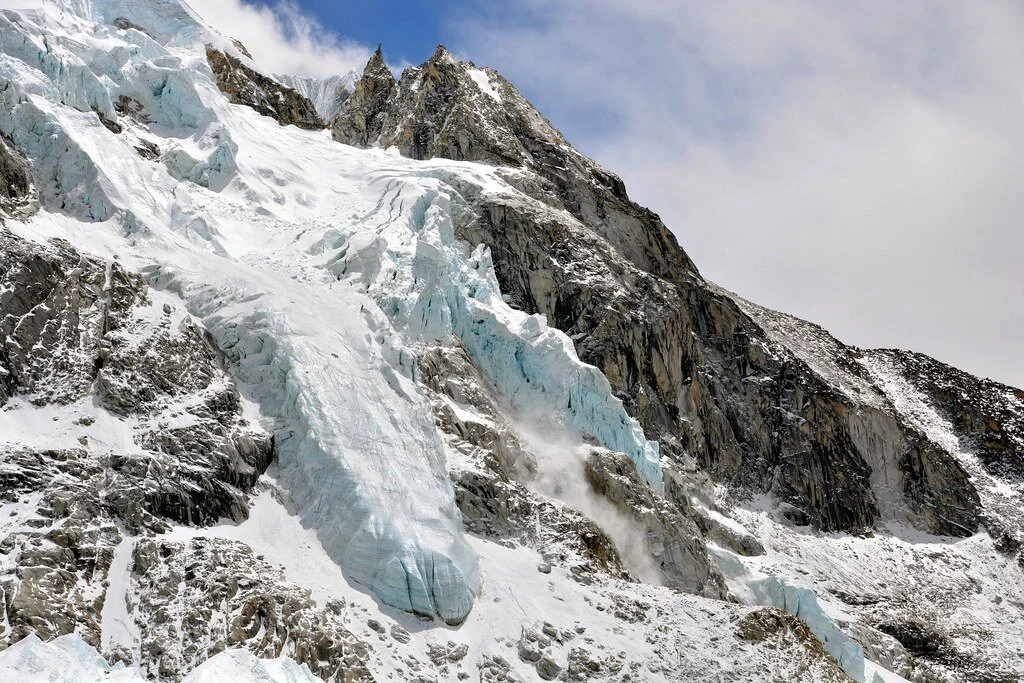
Pristine Himalayas—for now. David Zanchettine. CC BY-NC 2.0.
Just over a month into 2021, the climate crisis struck the Indian Himalayas when a portion of a massive glacier in Uttarakhand state broke off. The incident occurred at the base of Nanda Devi, India’s second-tallest mountain; the gargantuan mountain’s lower slopes are peppered with villages where locals raise cattle. The incident was exacerbated by a snowball event: the avalanche struck construction sites, pushing more deadly debris toward locals. Villages were obliterated by the falling debris, while a raging river of melted ice shot down rocky hillsides. Officials claim that over 200 are missing, many of whom were workers on construction sites; 30 people have been declared dead. The cause of the slide has not been fully determined, but officials suspect that warming of the ice due to climate change caused the rocks to slide off with greater ease.
As tragic as this recent incident was, it was not the first episode of the Himalayan climate crisis and certainly will not be the last. The Himalayas are already vulnerable to catastrophic weather changes, especially during the monsoon season. However, it is the human-caused damage that locals are imploring the government to prevent.
India faces a daunting dilemma with the Himalayan climate crisis. Many residents of the hilly landscape live in poverty, so the government has jump-started many development projects to help the local population. However, as well-intentioned as this work may have been, it has proven deadly to the area’s residents. Many argue that the ecosystem of the Himalayas is simply too fragile to sustain such heavy construction. Locals explain that the rocky area is prone to landslides, and the ever-rising temperatures leave glaciers closer to their melting point. In addition, climate change has contributed to unpredictable weather patterns in the area, which further adds to the locals’ anxiety of potential catastrophes. Yet, the government has chosen to continue the projects anyway. As a result, human interference with the landscape compounded with rising temperatures due to climate change leave residents constantly teetering on the edge of disaster.
Little can be said at the moment of what kind of change lies ahead for India’s Himalayan population. However, what can be said is that failure to act swiftly will guarantee a deadly future for the area’s residents.
To Get Involved:
To learn more about how the India Development and Relief Fund approaches disaster relief in the region, click here.
To look into ways to help with disaster relief through volunteering for the India Development and Relief Fund, click here. Telecommuting is available for most positions.

Ella Nguyen
Ella is an undergraduate student at Vassar College pursuing a degree in Hispanic Studies. She wants to assist in the field of immigration law and hopes to utilize Spanish in her future projects. In her free time she enjoys cooking, writing poetry, and learning about cosmetics.
Gateway to the Ganges
Daily life in the Indian holy cities of Rishikesh, Haridwar, and Devprayag. This region lies in the foothills of the Himalayas where the Ganges River descends from the mountains. The beauty of nature and the Hindu ceremonies contrasted with the poverty and suffering on the streets. Filmmaker Brandon Li says the people he met had a high-spirited resilience that seemed to stem from surviving and maintaining their devotion through a challenging life.
INDIA: In Her Shoes
Rani is a 17-year-old in Mumbai. Like most girls her age, she likes Instagram, boys and good food. But Rani is also the daughter of a sex worker, and she grew up hearing, “a whore’s daughter can only be a whore.” Follow filmmakers Doree Simon and Caz Tanner Film as they explore women’s empowerment efforts around the world in a new original series, In Her Shoes. Episode one features a-day-in-the-life of Rani — who is transcending her circumstances and helping her community along the way.
INDIA: The Rickshaw Adventure
A group of Americans meet up in Trivandrum, India to embark on an adventure across the country by rickshaw. After a quick night of rest they check out their Tuk Tuk (rickshaw) for the first time. These manual two-stroke engines take them a little while to figure out, but by the end of the day, they were confident... or so they thought.
Untouchable Beauty | The Gypsies of Tamil Nadu
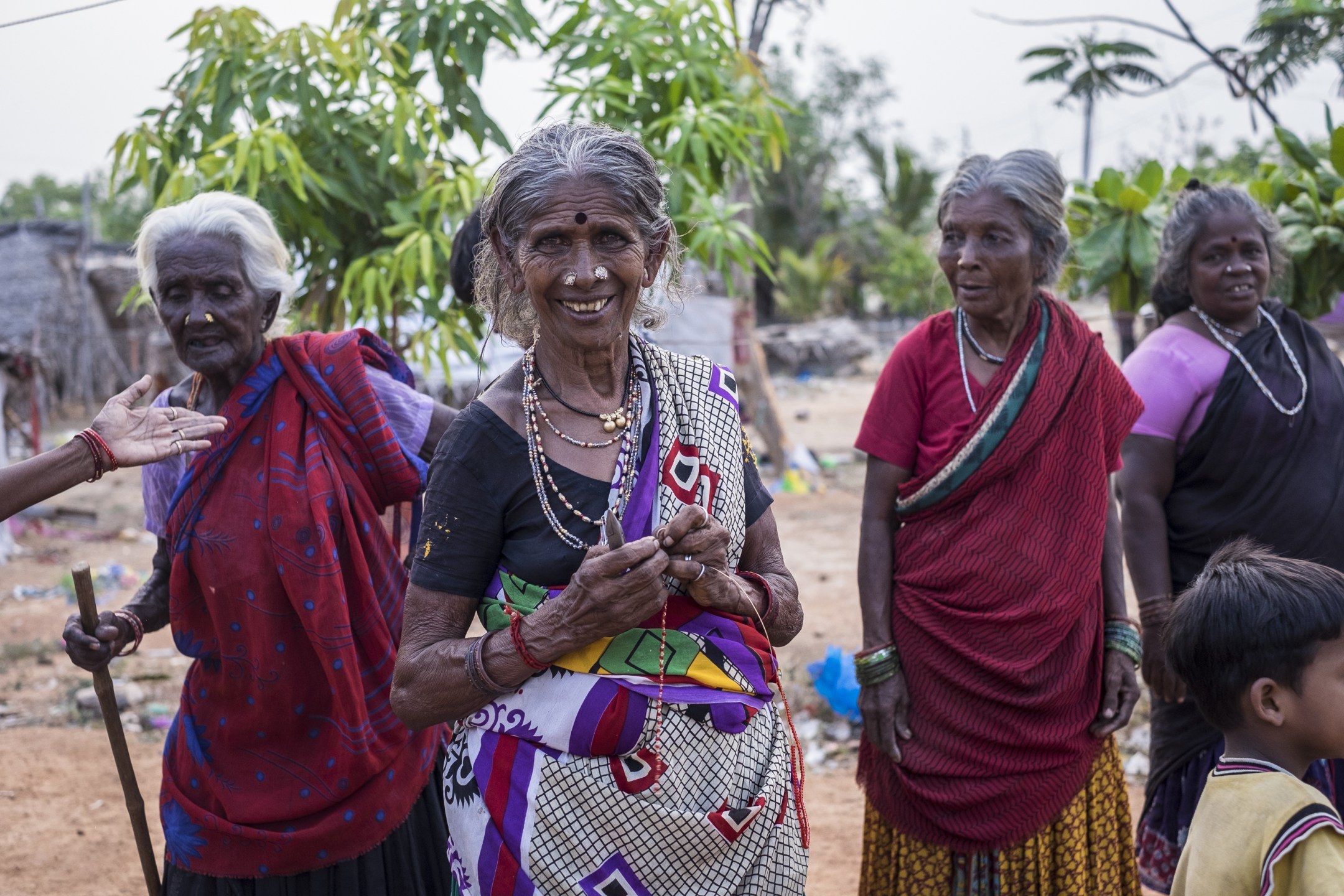
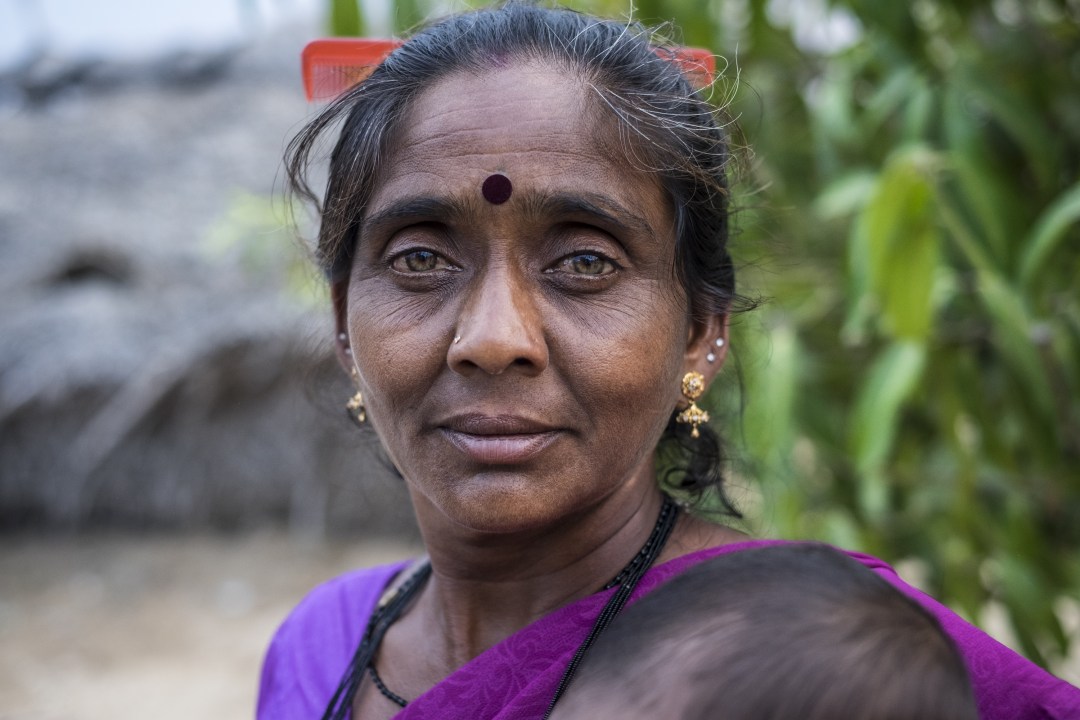
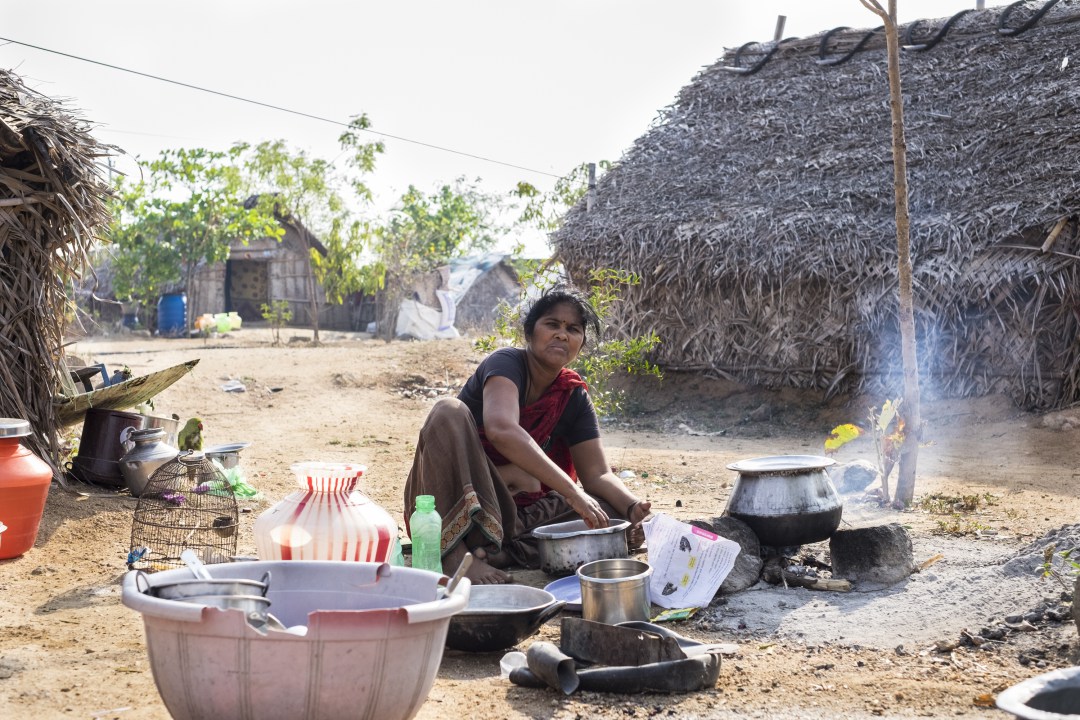
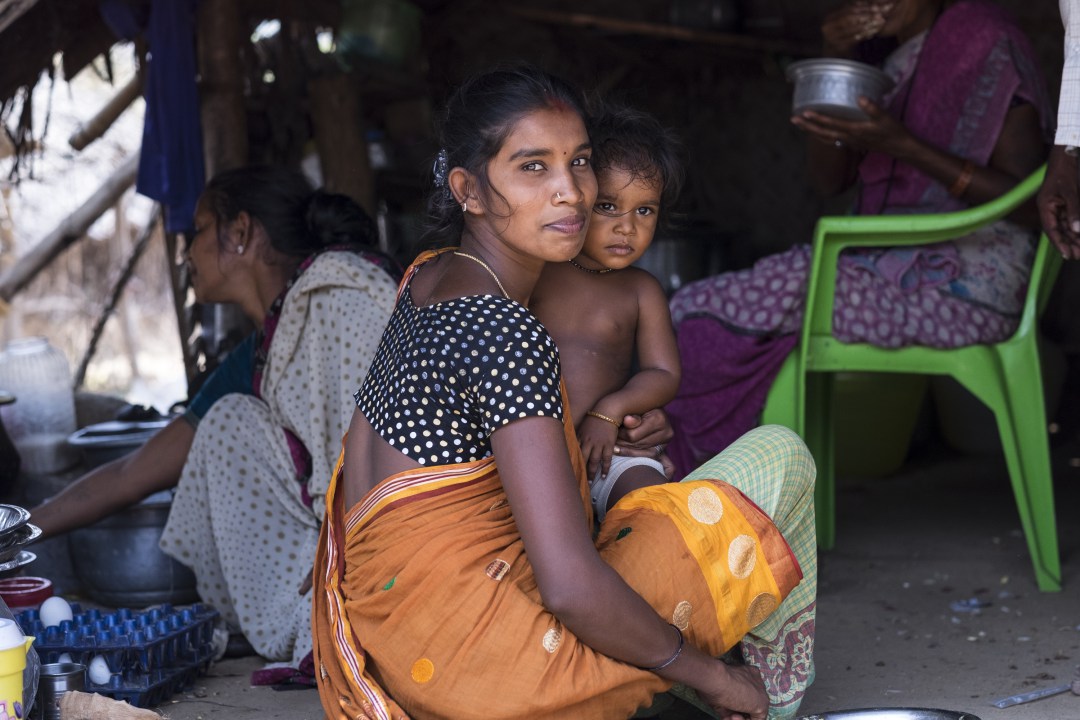
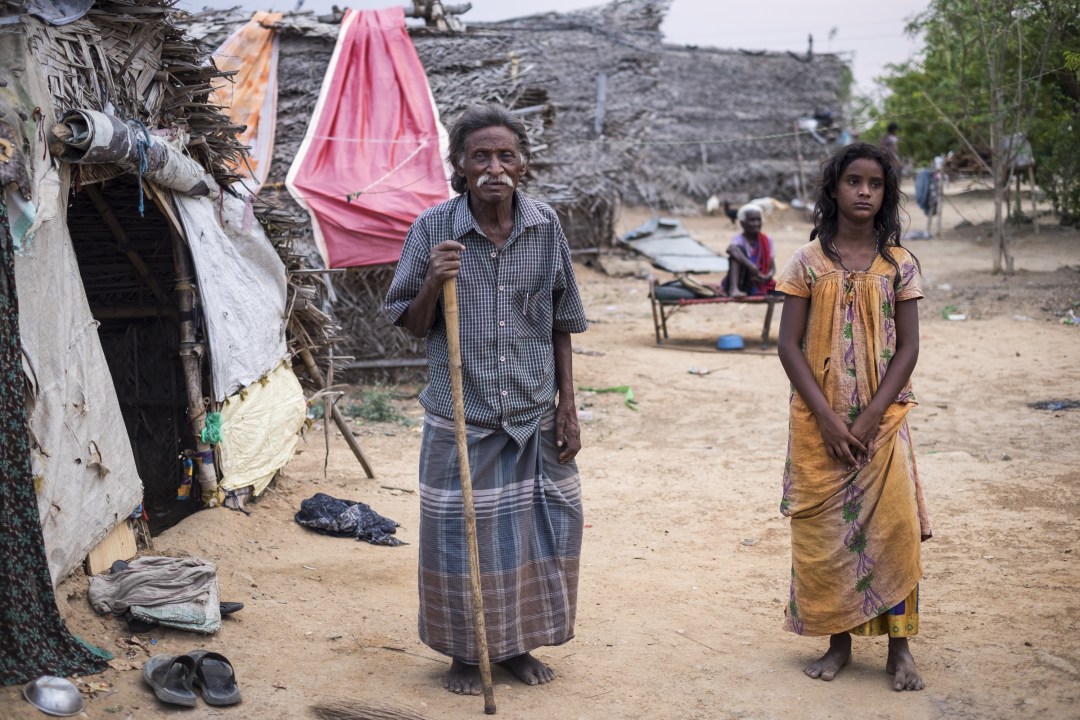
I had heard of the Narikuravar, and even seen their camps sprawled out across pavements in the city, lending significance to their reputation as Gypsies. I was told their living conditions were appalling and to be aware of begging. As my local friend and I pulled up to one such settlement on the outskirts of Tiruvanamalai at 7am, plumes of smoke were already rising from earthen hearths and curious children began to appear from all directions. Soon, tiny hands were holding mine and dragging me down the sweltering lanes from one thatched hut to another.
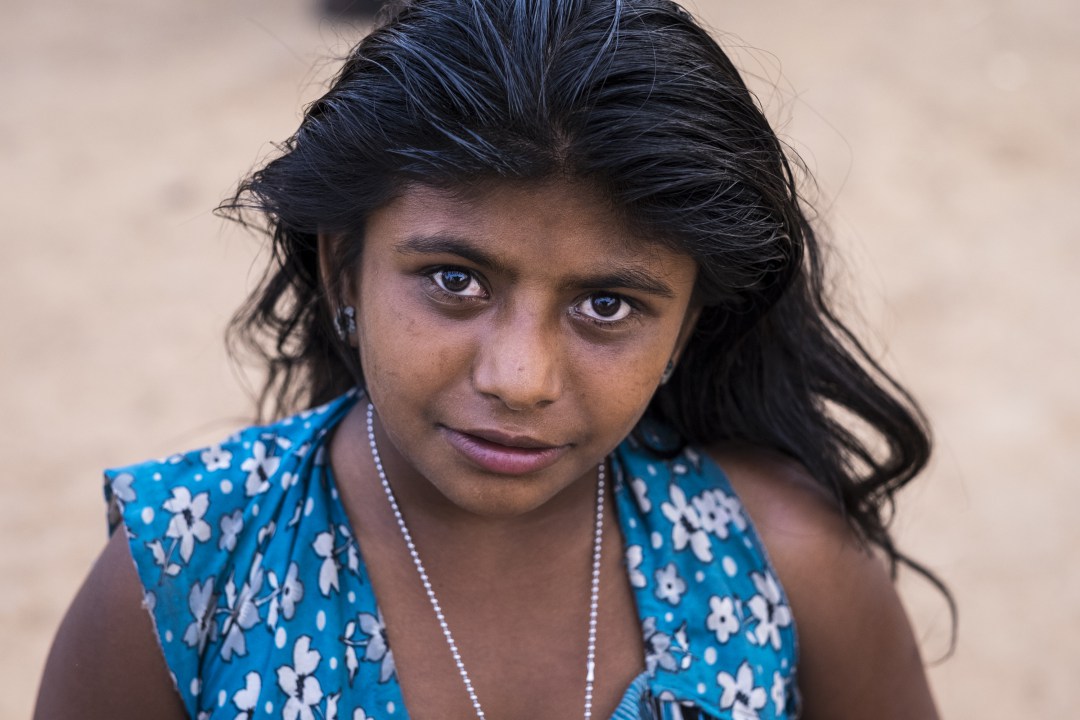
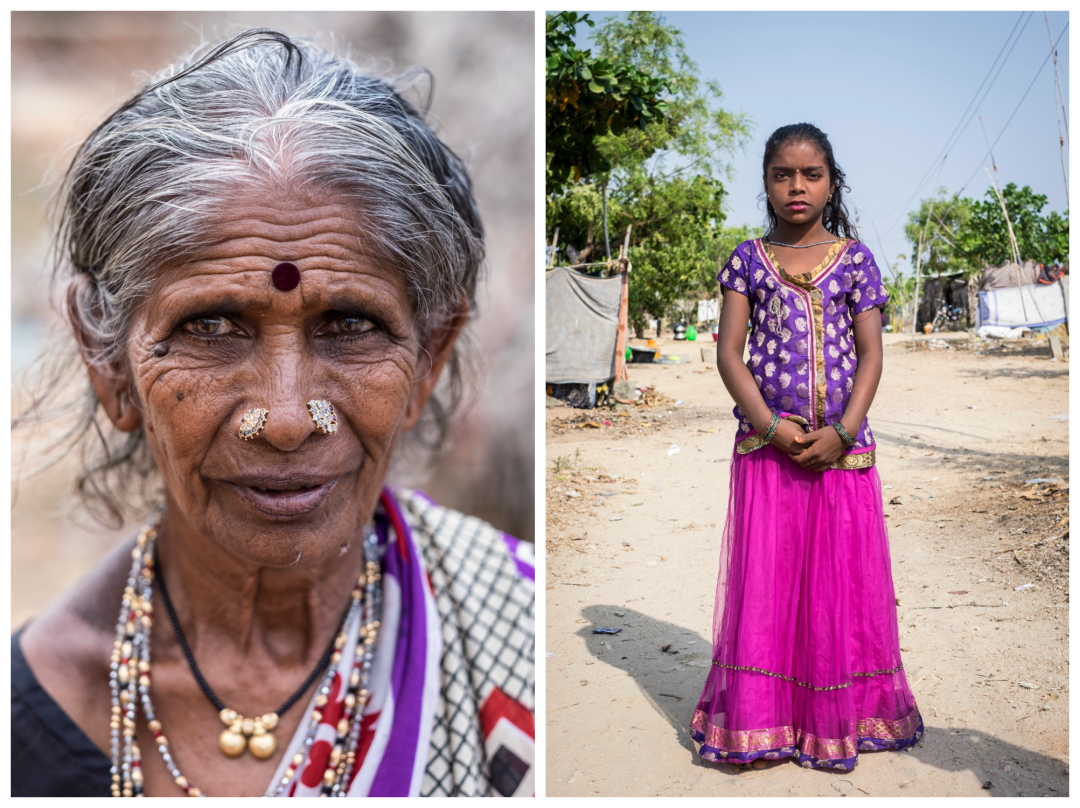
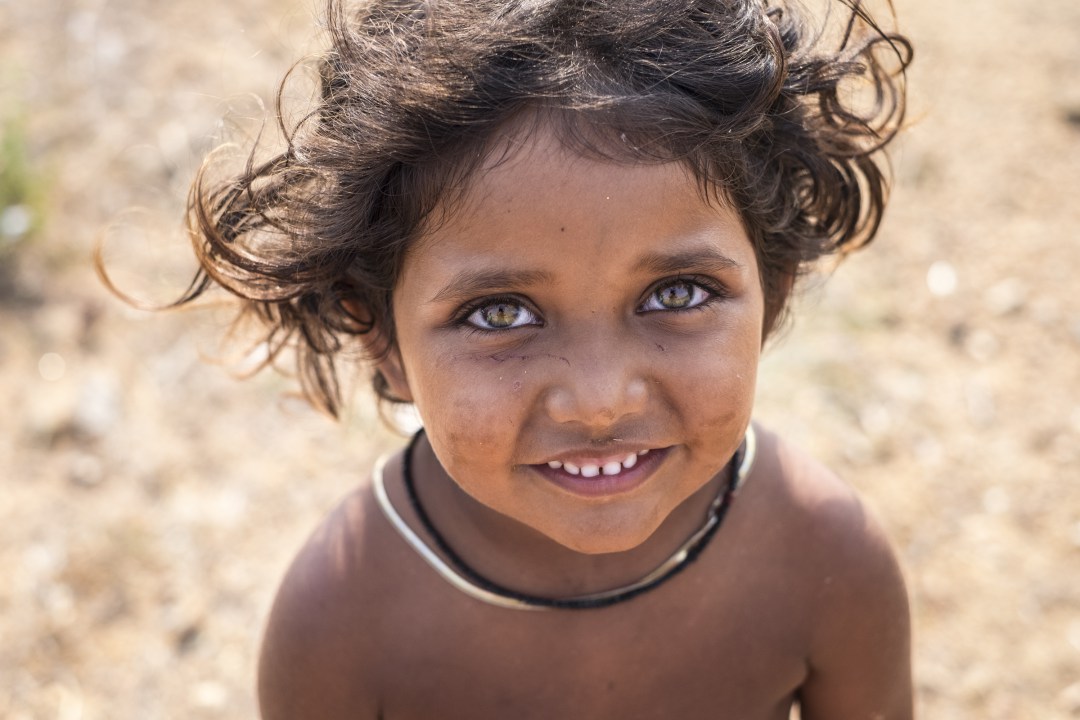
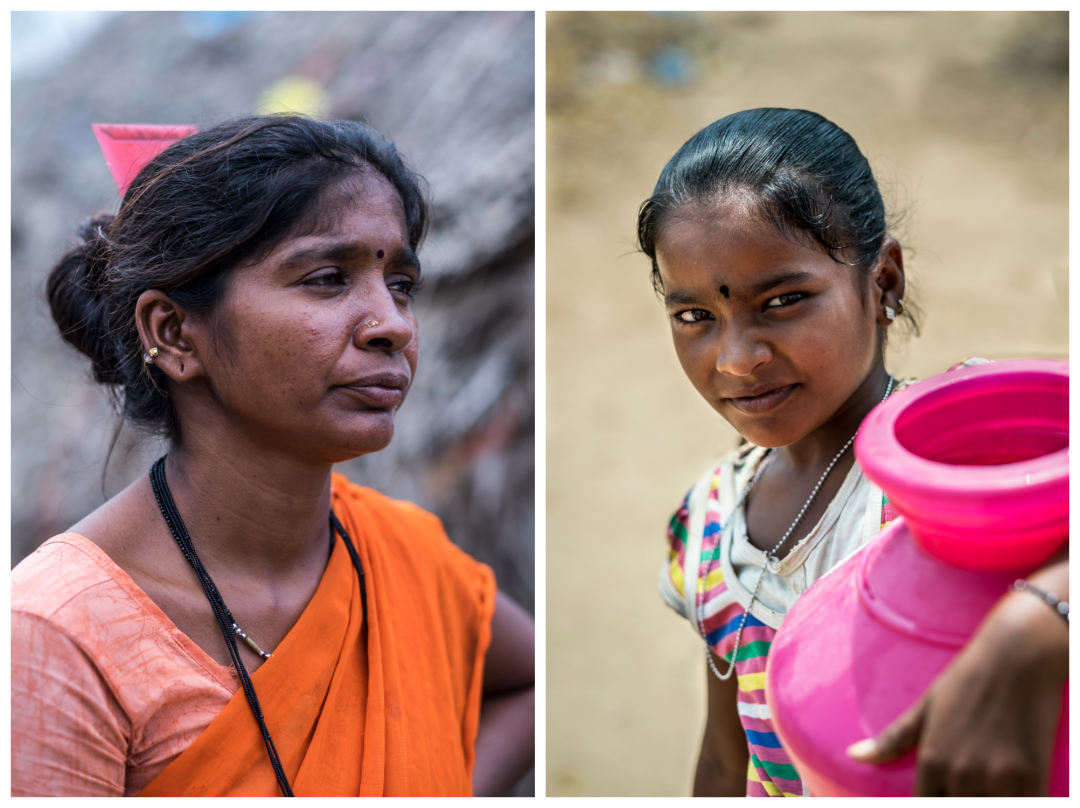
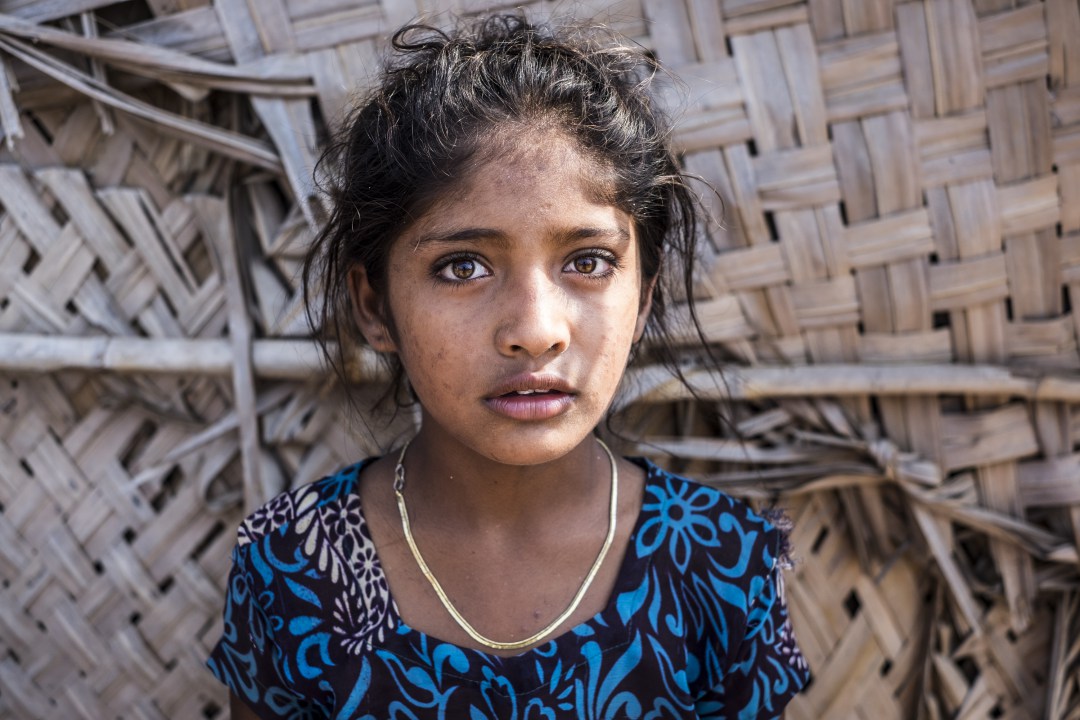
Though I was in the heartland of conservative Tamil Nadu, these pre-pubescent daughters often wore lipstick, eye-shadow, and fake diamonds. The famed beauty of Gypsies is indeed jaw-dropping, and a touch out of place for the conditions in which they subsist. Girls seem to understand their charm and perhaps for a community whose females barely ever make it to middle school, it is not surprising that they flaunt the features which will attract a male suitor.
Although it is officially illegal in India, the Narikuravar still practice child marriage. Half of the female population are illiterate and spend their days making beaded ornaments or plastic flowers to be sold in markets by their husbands. They are incredible dancers. Their gaze can pierce your soul. And by the time a young woman is in her twenties, she has an abundance of little ones to look after.
Sadly, this is the same old story for so many marginalized and stigmatized communities.
The Narikuravar are considered ‘Untouchables’, India’s lowest caste, and this label has pitted them against a modernizing world in which they can stake no claim.
Education is undoubtedly the means to break the insidious stranglehold of superstition and backward thinking that too soon turns starry-eyed girls into weathered mothers. However, young women of the Narikuravar are equally oppressed by the archaic beliefs of elders, who think that education will corrupt a girl by empowering her to question her circumstances. After all, who will stand in the hot sun each day to fill jugs with water?
Written on the faces of these young ladies is a sort of ‘who cares’ expression, but when pressed about going to school, their rebellious attitudes prove to be as flimsy as the thatched huts they live in. It seems that their resistance to development is actually resignation to an unavoidable fate. For an Untouchable girl the future is a predictable one. By mid-life, the lines etched across a woman’s face tells the story that lips do not have to.
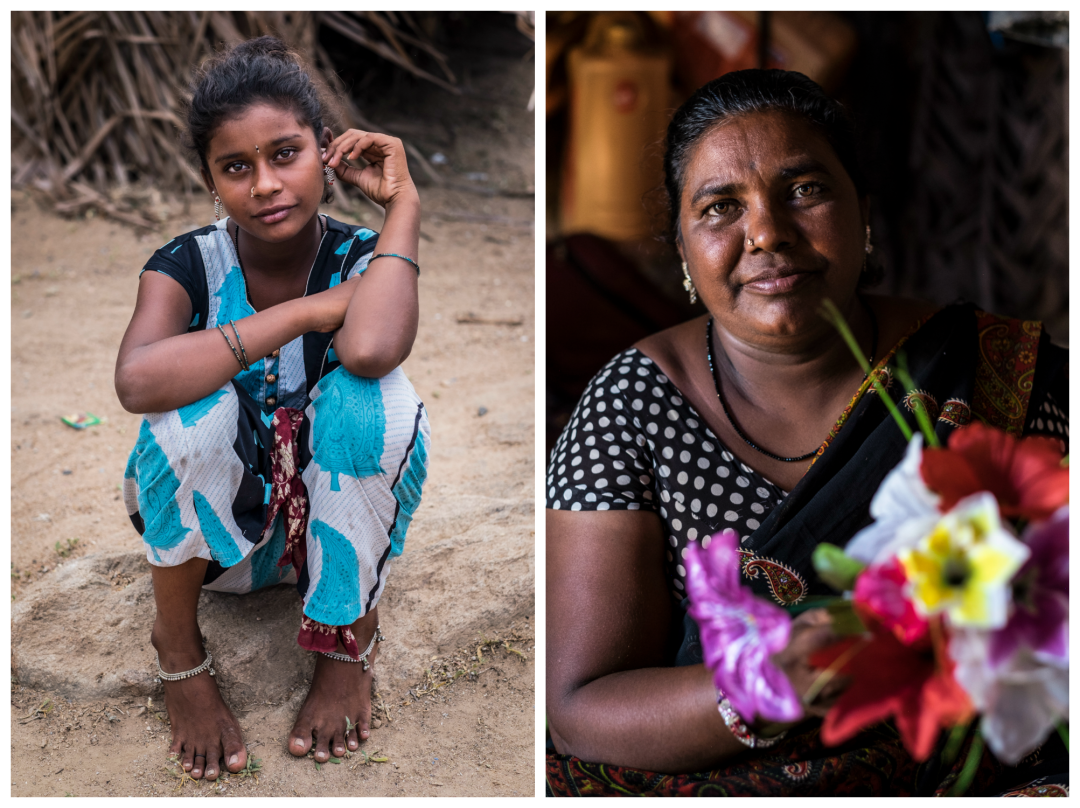
Yamuna Flaherty is a photographer and writer interested in tribal communities and is currently working on a project to dig a well for this Narikuravar village. www.youcaring.com/letsbuildawell
Check out Yamuna’s website or follow her on Instagram for more stunning photography and stories.
THIS ARTICLE WAS ORIGINALLY PUBLISHED ON ROAM MAGAZINE.
YAMINA FLAHERTY
Yamuna Flaherty is a multi-disciplinary storyteller, published author, and explorer who has spent the last 17 years on a global pilgrimage. Her photographic and literary work often explores the intersection between consciousness, culture, and identity. She is a regular traveler to India and has matrilineal roots in Tamil Nadu.
ALBAN ENDLOS – UMDA
To measure up to the electro-acoustic sound and the diversity of Alban Endlos' first album "Goldene Welt / Golden World," filmmaker David Aufdembrinke and his team let their camera travel into another world. During a six week journey from the highest north into the deepest south of India over ten hours of video-footage were generated and combined through an ambitious editing-concept allowing only to use match-cuts. To adapt the analogue nature of the music and the images, the final effects and colortunings were done with a magnet on an old VHS Tape and were composited in an extensive post-production to achieve the effect of a VHS Image in Full-HD Resolution.
Kashmir - A Lost Paradise
In the XIII century, Kashmir was described by Persians poets as Heaven on Earth.
Since the Independence in 1947, Kashmir initially decided to remain independent, choosing not to become a part of either Pakistan or India. Since then, this Heaven slowly faded to a place where blood spilling is part of daily life. But the Kashmiri people is the most welcoming and hospitable on earth, taking life in such an easy way, that is sometimes hard to believe that it's sadly a war zone.