
Kennedy Kiser
This massive outdoor wash yard continues to serve Mumbai’s hotels, hospitals and homes after more than a century of operation.
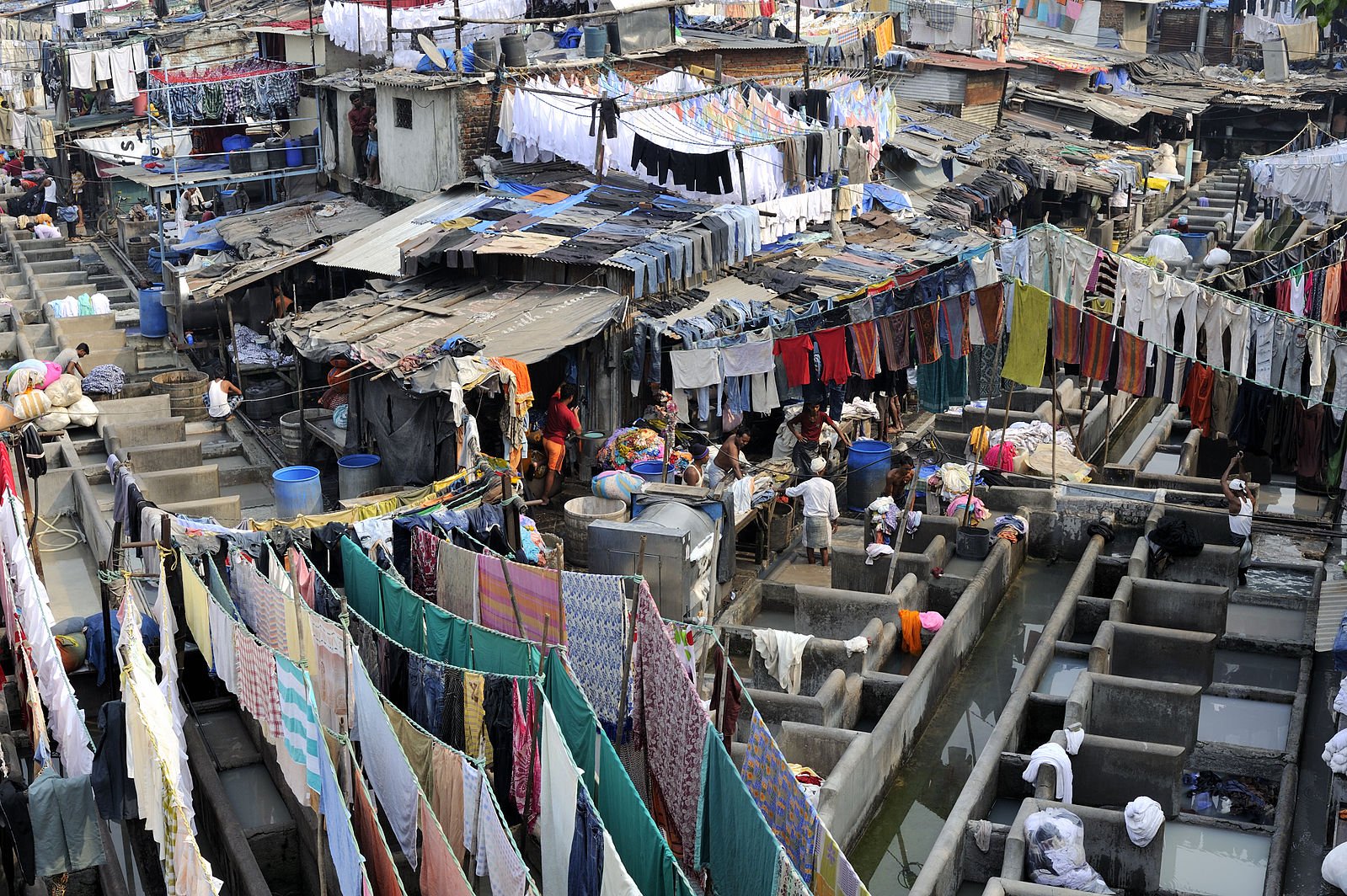
Dhobi Ghat. M M. CC BY 2.0.
Dhobi Ghat is a large open-air laundry in Mumbai, India, where hundreds of people still clean clothes by hand every day. Located next to the Mahalaxmi train station, it’s often called the world’s largest outdoor laundry. But more than just a laundry site, it’s a community, a workplace and a system that has been running for over 140 years.
Dhobi Ghat was built in 1890 during British colonial rule. At the time, there was growing demand for professional laundry services from British officers, military hospitals and upper-class Indian families. Dhobi Ghat was the first of its kind, but there were many other dhobi ghats established across India. The city created the space for dhobis, or washermen and women, to wash clothes in one central area. The layout hasn’t changed much since then: rows of concrete wash pens with flogging stones, outdoor drying lines and nearby housing for workers and their families.
Today, the work continues much the same way. Around 700 families are employed as part of the operation. Most are from traditional dhobi castes, which are groups historically assigned to washing work in India’s social system. While caste discrimination is illegal in modern India, the job remains linked to caste identity for many people. Most dhobis inherit their work from their parents or grandparents and live in small homes near the ghat.
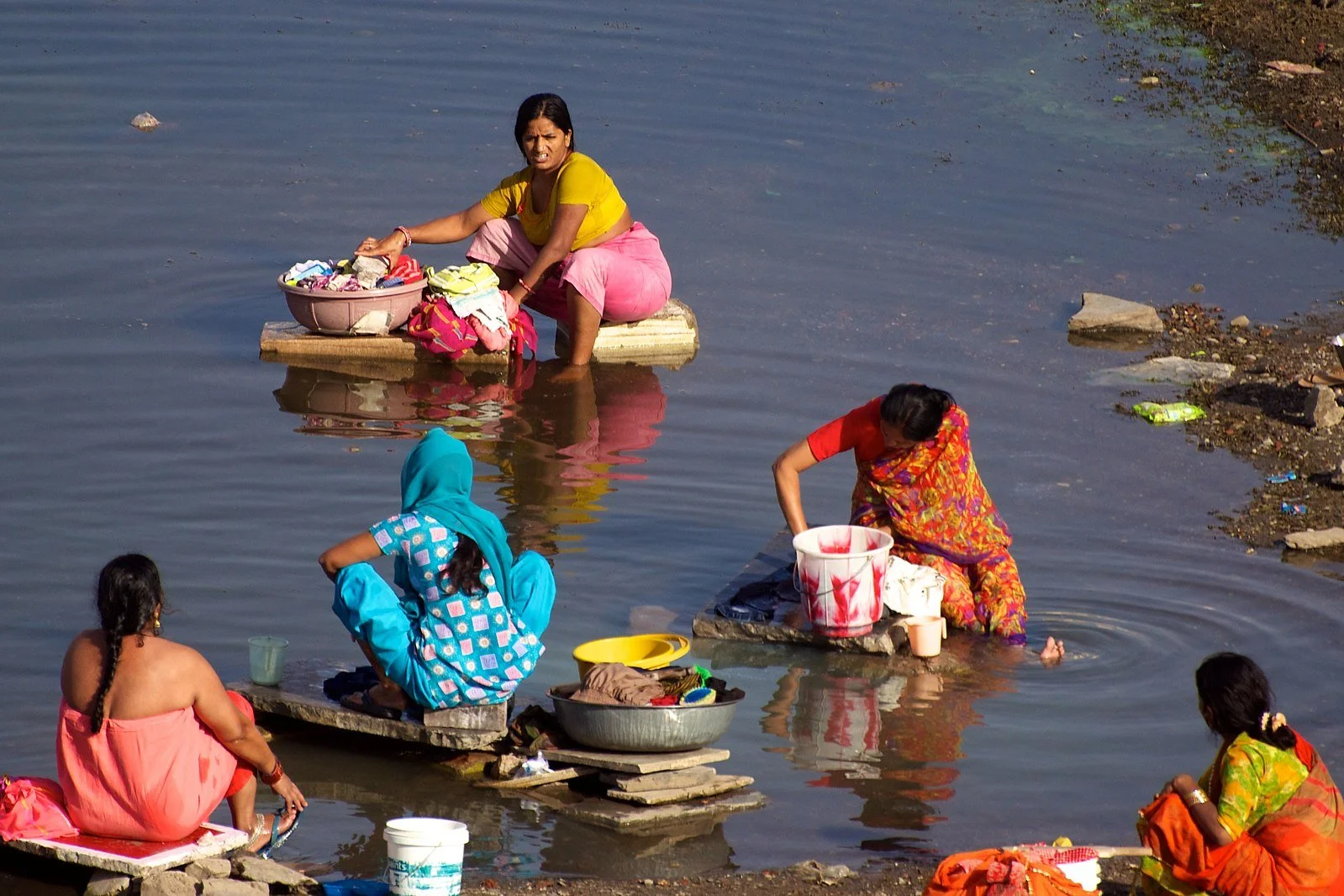
Dhobi Ghat. Linda De Volder. CC BY-NC-ND 2.0.
Each day, workers handle laundry for major hotels, hospitals, restaurants and private homes across Mumbai. Clothes are collected, sorted, soaked, scrubbed, rinsed, dried, ironed and folded mostly by hand. Each family manages their own section of the ghat, with different members responsible for different steps in the process. It’s extremely laborious work, often done in hot or rainy weather. Still, many families say they value the stability and community the work provides.
Despite the rise of automatic washing machines and laundry apps, Dhobi Ghat continues to thrive. For many local businesses, outsourcing laundry here is still cheaper and faster. Some dhobis have adopted small updates like electric irons or mobile payments, but most of the process is still done manually. The workers say machines can't always catch stains, but human eyes can.
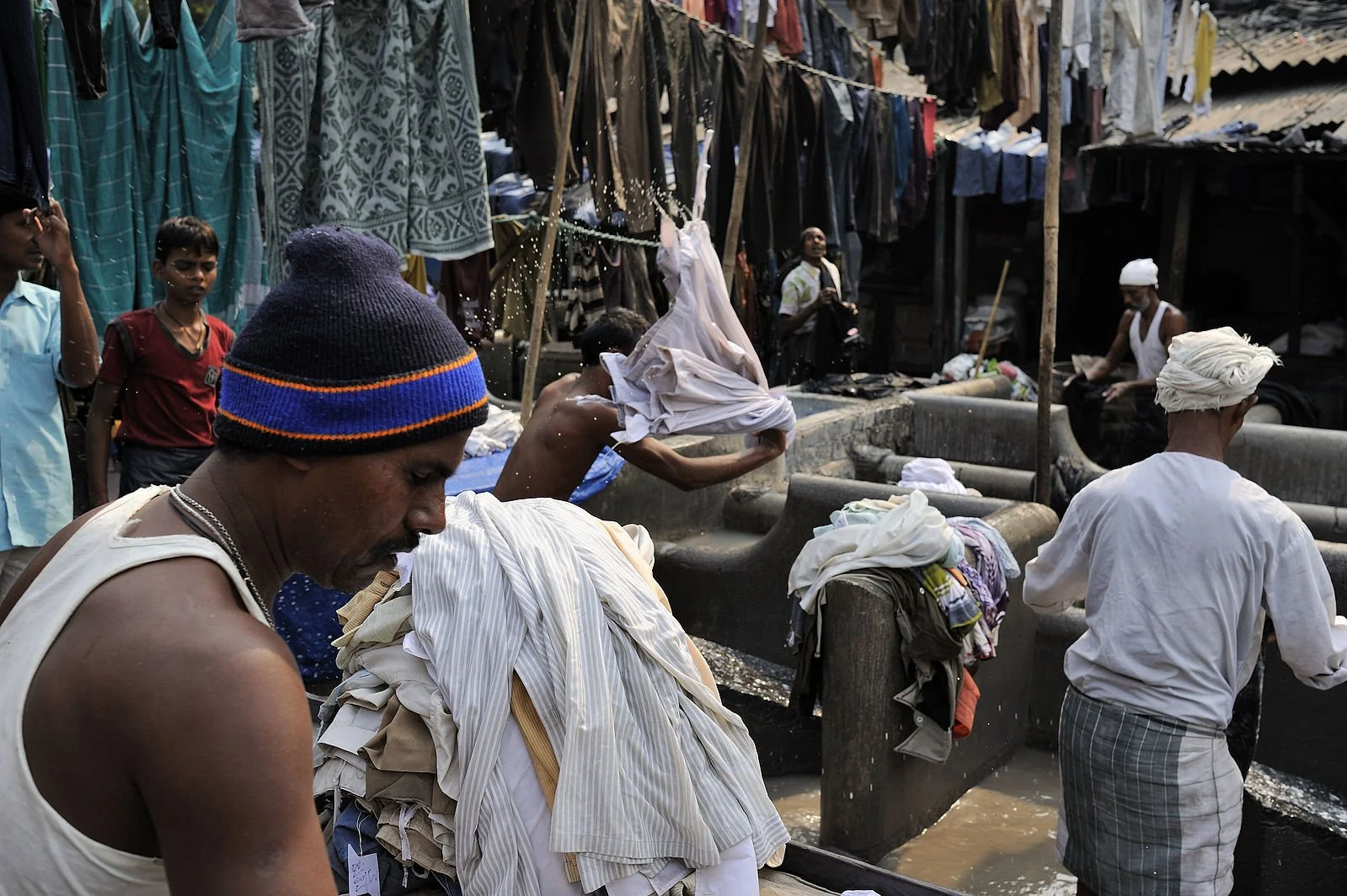
Dhobis at Dhobi Ghat. M M. CC BY 2.0.
Culturally, Dhobi Ghat represents a part of Mumbai that is often overlooked: working-class neighborhoods that keep the city running behind the scenes. It’s also a symbol of the informal economy. These are jobs that don’t always come with contracts, benefits or recognition, but they still support thousands of people. Tour guides from the area often explain that the dhobis are proud of their work, even if it’s not always respected by outsiders.
Tourists can visit the ghat, but many only stop on the bridge above it to take photos. If you want to really understand what goes on, a guided walking tour is the best option. These tours are sometimes led by people who grew up in the ghat, and they explain how orders are tracked without paperwork, how clothes from five-star hotels are processed next to local school uniforms and how families have kept the operation running for generations.
TO VISIT:
Dhobi Ghat is located beside Mahalaxmi Station in South Mumbai, easily reachable by local train, taxi or rideshare. Most people view it from the bridge over the railway tracks, but guided walking tours offer a better look at daily operations and family-run workspaces. These tours typically cost around $4 to $10 and can be booked online or through local hotels. The best time to visit is in the early morning, when the washing process is at its busiest. Avoid visiting during India’s rainy season (June to September), as flooding can affect access. There are no restrooms or shops inside the ghat, so bring water, wear closed shoes and be respectful when taking photos.

Kennedy Kiser
Kennedy is an English and Comparative Literature major at UNC Chapel Hill. She’s interested in storytelling, digital media, and narrative design. Outside of class, she writes fiction and explores visual culture through film and games. She hopes to pursue a PhD and eventually teach literature! @kennedy_kiser