
Kennedy Kiser
Around the world, workers and activists are challenging the systems that equate exhaustion with success, fighting to make rest a protected right, not a privilege.
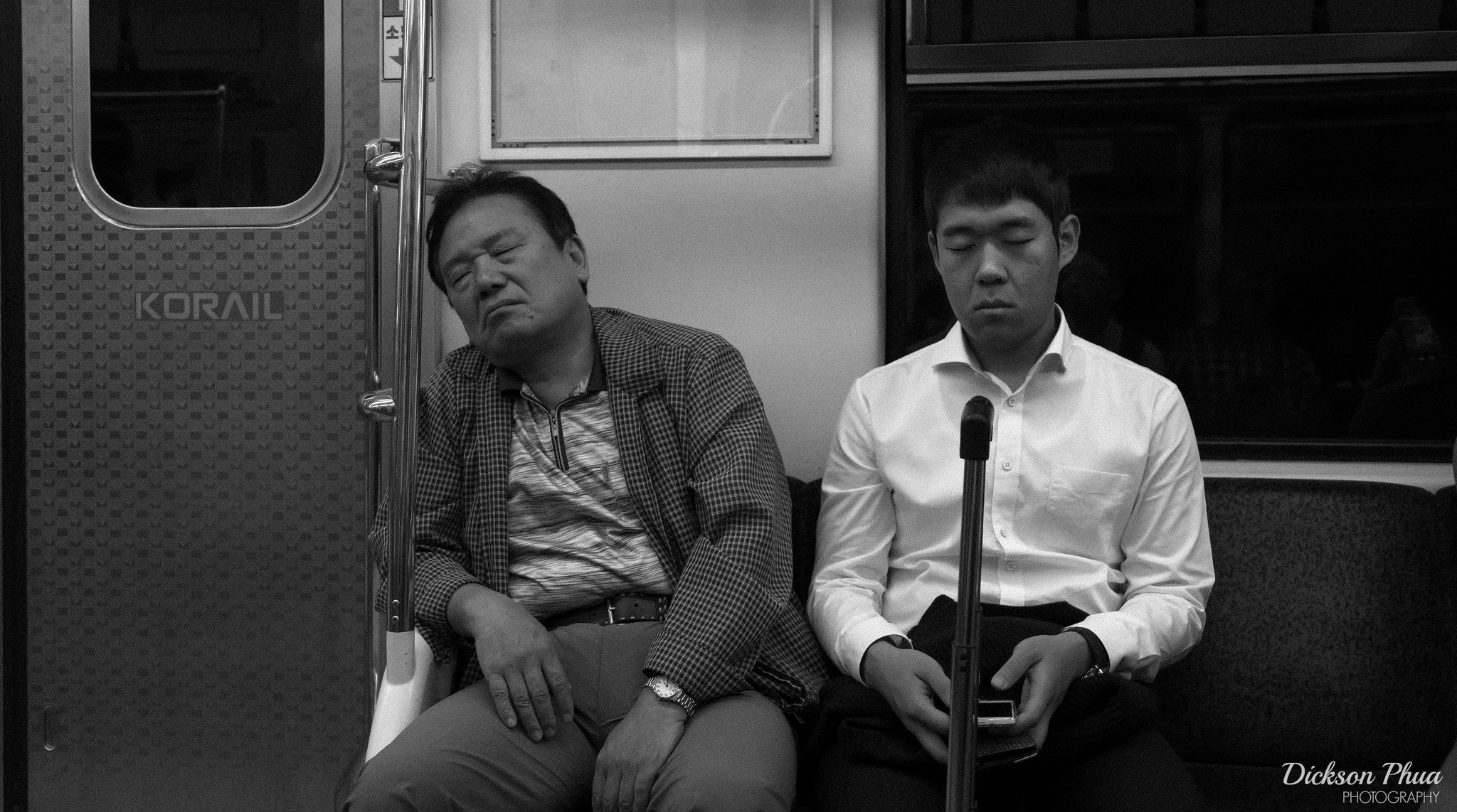
South Korean workers sleeping on the subway. Dickson Phua. CC BY-NC-ND 2.0.
Across the world, workers are exhausted. Not just physically, but spiritually, many are drained by the relentless demands of systems that equate productivity with moral worth. In response, a quiet but growing global movement is reframing rest as a radical form of resistance, moving it away from connotations of laziness and weakness.
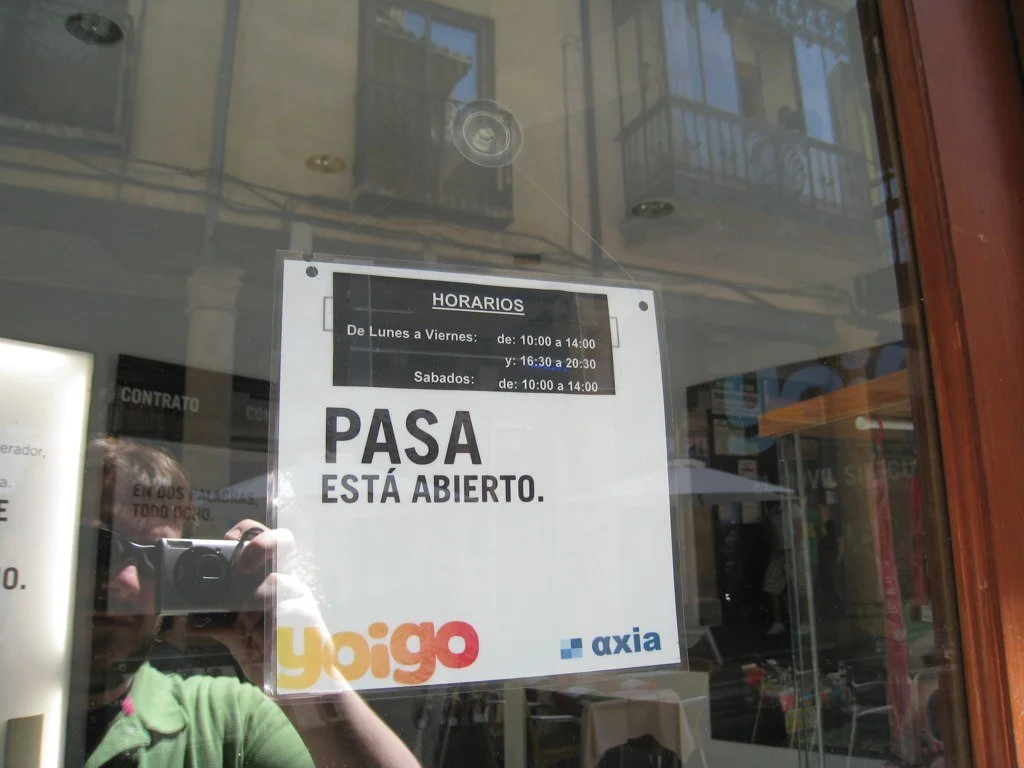
Store closed for siesta in Salamanca, Spain. Mroach. CC BY-SA 2.0.
Spain practices the siesta tradition, which is an extended midday break typically used for eating, resting and avoiding the hottest hours of the day. It has long been romanticized but is becoming increasingly abandoned in urban centers. In response, grassroots advocates are campaigning to bring it back as a workers’ right. Local groups in Andalusia have argued for more flexible midday hours to align with both health science and human dignity. In some towns, shops proudly hang signs reading “Closed for Siesta,” an act of defiance against corporate expectations of nonstop availability.
Meanwhile, in South Korea, where the average worker clocks some of the longest hours in the developed world, activists are defining the fight for rest as a battle for survival. South Korea’s work culture has long been dominated by rigid hierarchies, long unpaid overtime hours and the expectation of absolute loyalty to one’s company. The country’s notorious phenomenon of gwarosa, or “death from overwork,” is not just a metaphor; it refers to real cases of heart attacks, strokes and suicides linked directly to chronic overwork and sleep deprivation. These deaths sparked public outrage and led to legal reforms in 2018, including a reduction of the maximum legal workweek from 68 to 40 hours. Yet in practice, these reforms are often skirted through loopholes or informal expectations. Many workers still feel pressure to stay late, not because their contracts require it, but because leaving on time is seen as disrespectful or disloyal.
Grassroots nap movements have emerged, directly challenging these toxic norms. They advocate not just for shorter hours but for institutionalized breaks, protected nap times and workplace environments that prioritize mental health. These campaigns aim to dismantle the cultural myth that a “good” employee is one who sacrifices their health and personal life for the company. Instead, they push for a redefinition of productivity, one that values sustainable work practices and acknowledges that rest is a necessary condition for both individual well-being and long-term economic health.
These examples are not isolated. From the Netherlands’ four-day workweek pilots to Argentina’s legislation for protected mental health days, labor activists and social justice organizations are building a global case, one that sees rest not as indulgence but a necessity. Under late capitalism, where burnout has become both a badge of honor and a symptom of systemic exploitation, reclaiming rest becomes a way to assert one’s humanity against structures that reduce people to profit margins.
The push for rest also intersects with broader social inequalities. Studies show that marginalized communities, like women, people of color and low-wage workers, are disproportionately denied the right to rest. In the United States, The Nap Ministry, founded by Tricia Hersey, calls this out explicitly. Hersey’s work connects rest to Black liberation, arguing that centuries of exploitation cannot be healed without space to recover, dream and simply exist outside of labor.
Globally, these movements share a common thread: a refusal to accept burnout as inevitable. They challenge governments and corporations to rethink labor policies, while also urging individuals to unlearn internalized shame around “doing nothing.” Whether through unionized contracts demanding paid rest periods or art collectives hosting public nap-ins, these efforts suggest that slowing down is not a failure of ambition; it’s a reclaiming of life itself.
As burnout culture faces mounting criticism, the right to rest is increasingly recognized not just as a personal need but as a political demand. Rest is being reframed as a tool for collective survival and a strategy for imagining more humane futures beyond hustle and grind.
GET INVOLVED
Want to learn more about the global fight for rest and labor rights? Here are a few ways to stay informed and engaged:
Follow and Share: Keep up with movements like The Nap Ministry (@thenapministry) for updates on rest activism, Black liberation and anti-capitalist resistance.
Support Rest Advocacy: Donate to organizations focused on labor rights and mental health, such as the International Labour Organization’s campaigns on decent work or Mind in the UK, which advocates for rest as part of mental well-being.
Stay Informed: Explore reporting on labor rights and burnout culture through outlets like Rest of World, The Guardian’s “Work & careers” category or Al Jazeera’s coverage of labor movements. For deeper context, read Rest is Resistance by Tricia Hersey.

Kennedy Kiser
Kennedy is an English and Comparative Literature major at UNC Chapel Hill. She’s interested in storytelling, digital media, and narrative design. Outside of class, she writes fiction and explores visual culture through film and games. She hopes to pursue a PhD and eventually teach literature! @kennedy_kiser